
Business News
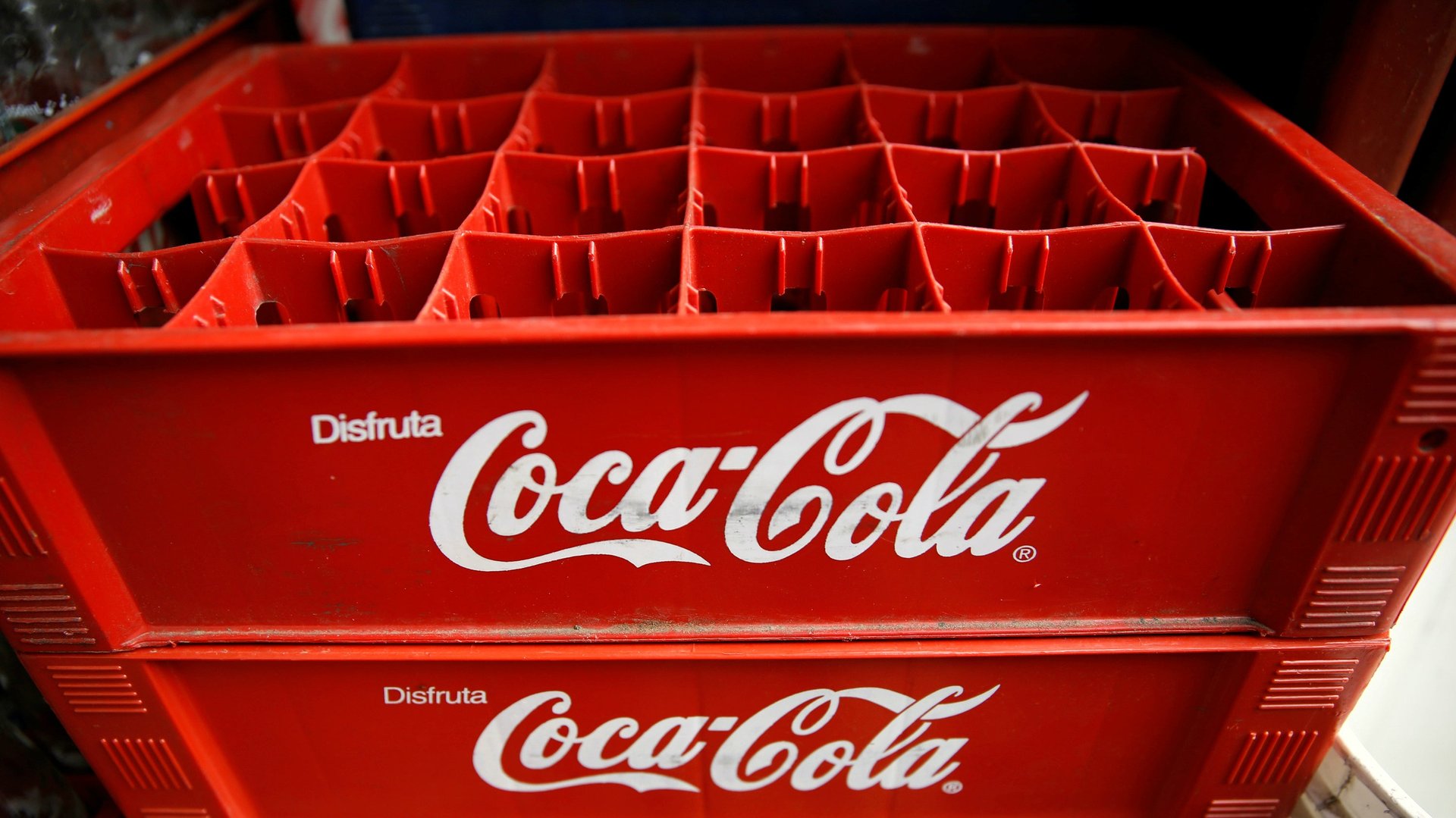
As voters back sugary drink taxes, Big Soda is desperate to avoid becoming the new tobaccoHealth advocates have a message for US soda companies: Buckle up, you’re in for a bumpy ride.
Updated July 21, 20222 min read
Health advocates have a message for US soda companies: Buckle up, you’re in for a bumpy ride.
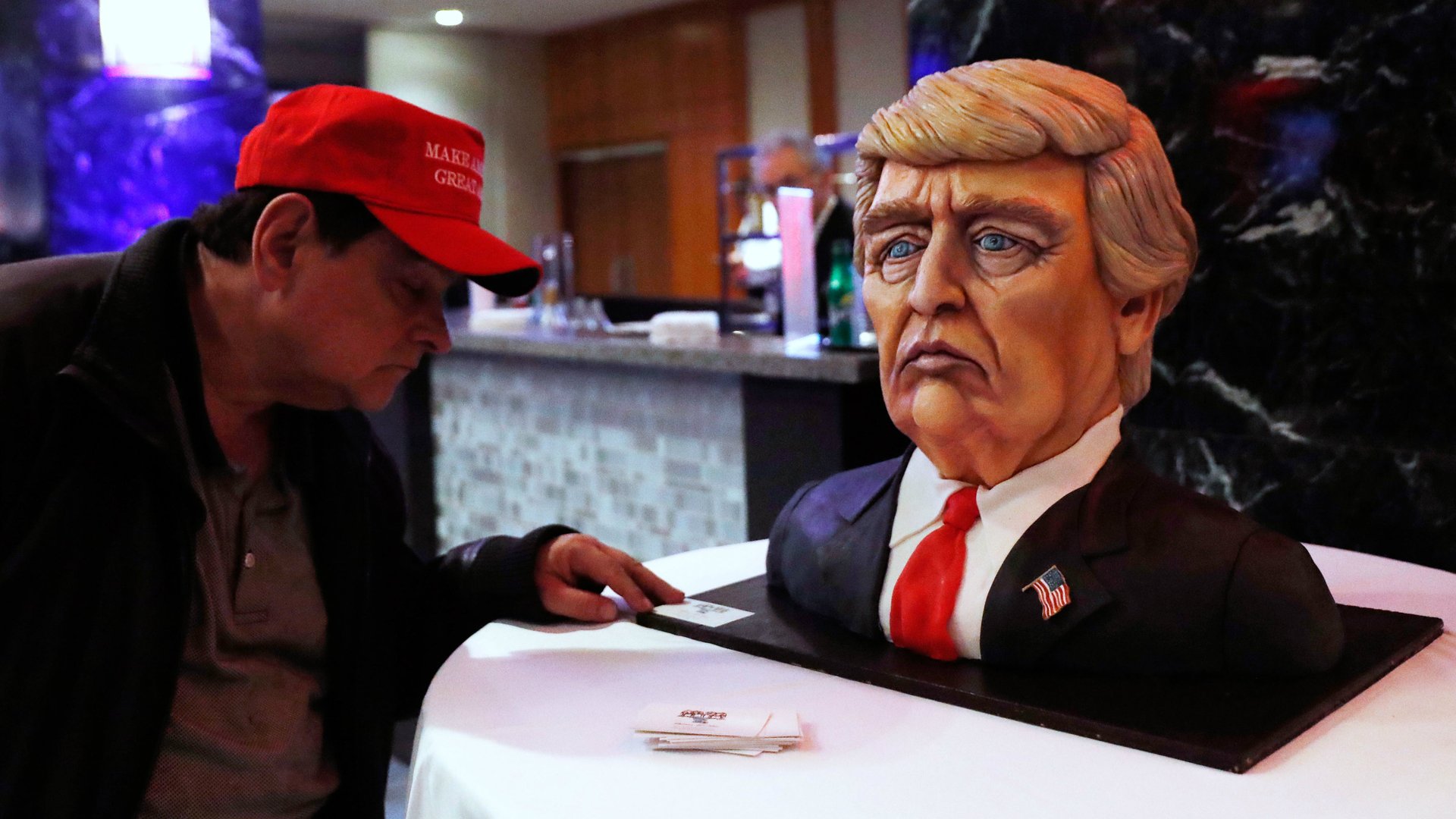
So much for “draining the swamp.” The man that US president-elect Donald Trump has picked for his transition team to manage food issues, including his take on the Department of Agriculture, is an entrenched Capitol Hill veteran with ties to the soda lobby.
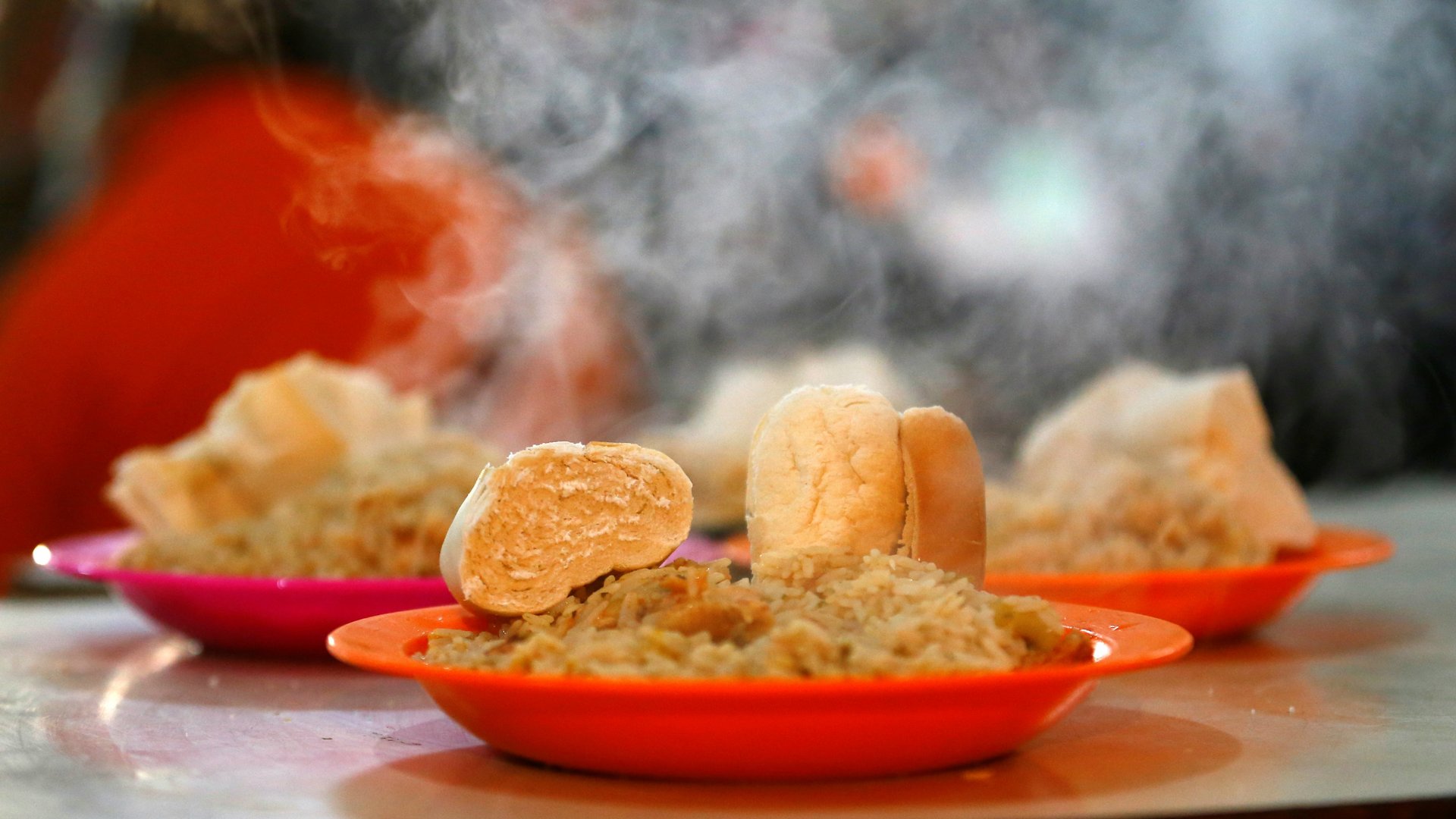
The inventors working on the next big breakfast cereal would be wise to consider choosing flakes rather than puffs—because science shows flakes are more prone to excite and delight.
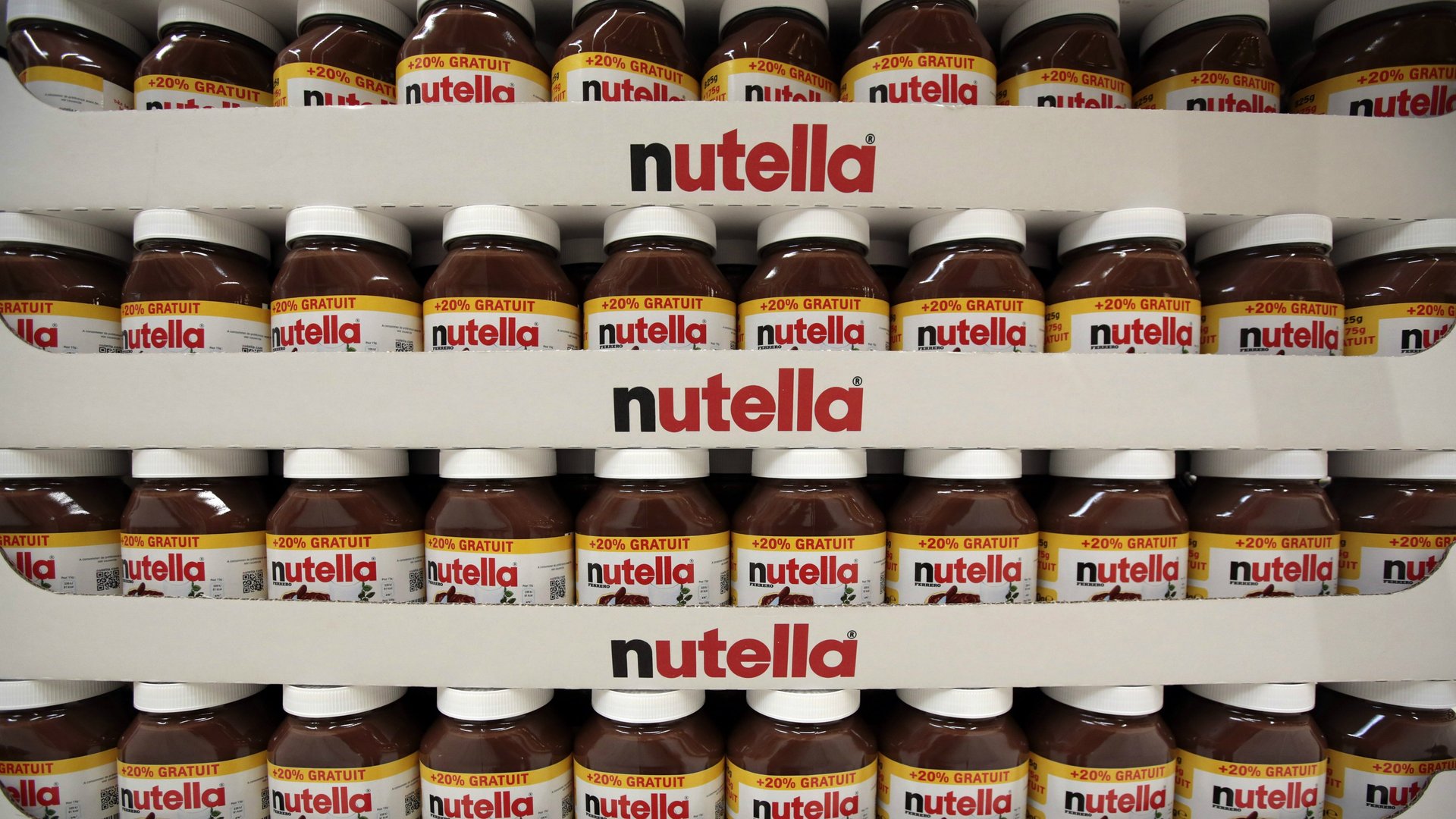
It’s been a joyful practice for decades, blithely administering generous glops of Nutella onto foods for snacking. But now the US government wants to get involved.
You know it’s a contentious presidential race when yogurt becomes political.
Maybe, in the near future, calling something a “dumpster fire” won’t carry the flavor of a pejorative that it does now.
With less than two weeks until election day in the US, the money being used to support or destroy four soda-tax measures is really piling up.
The cows are being put to pasture—forever.
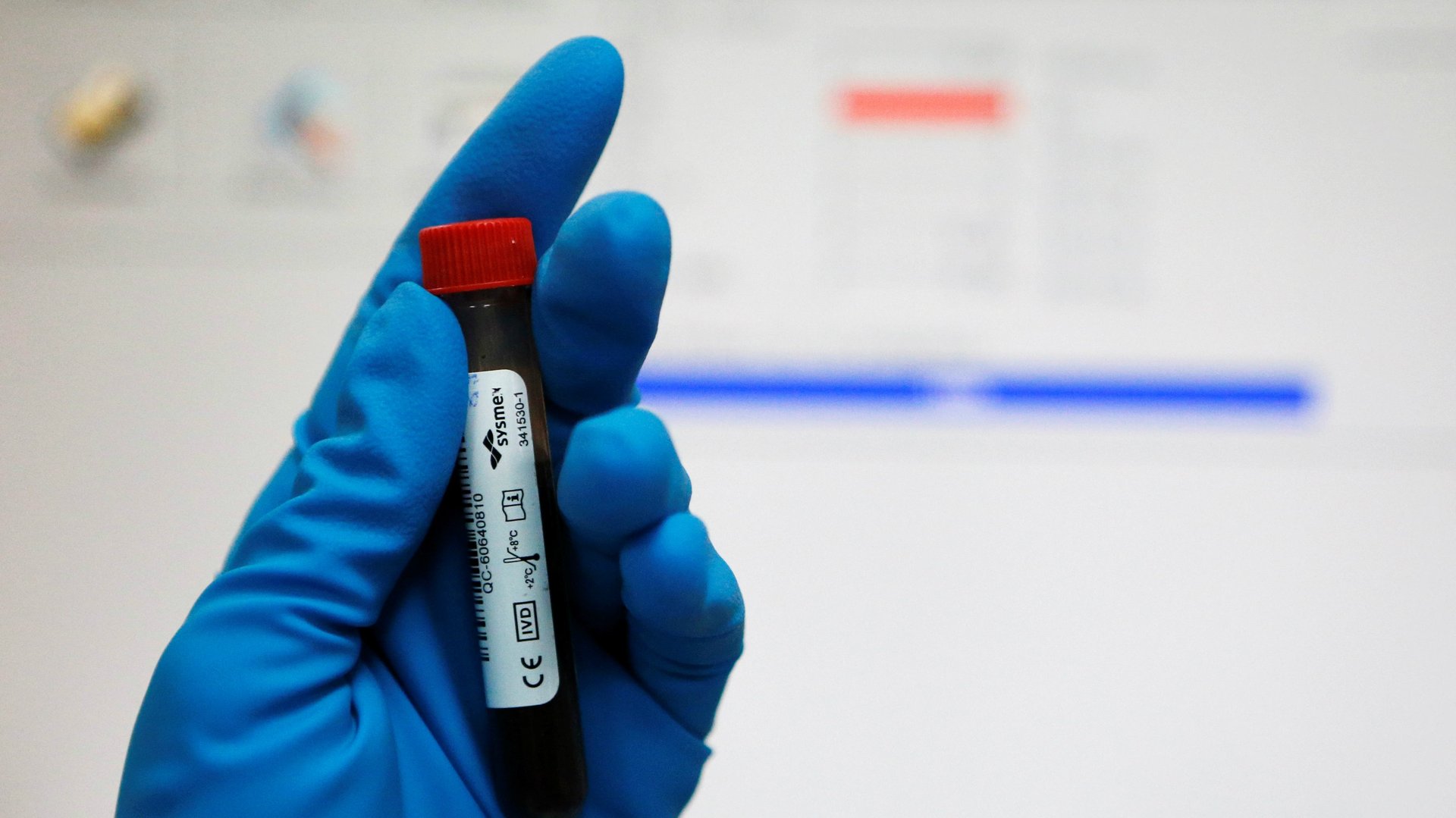
It’s touting itself as a revolutionary new meal delivery kit, one that can accommodate a person’s specific dietary needs on an individual level. The only catch? You have to prick yourself for blood.
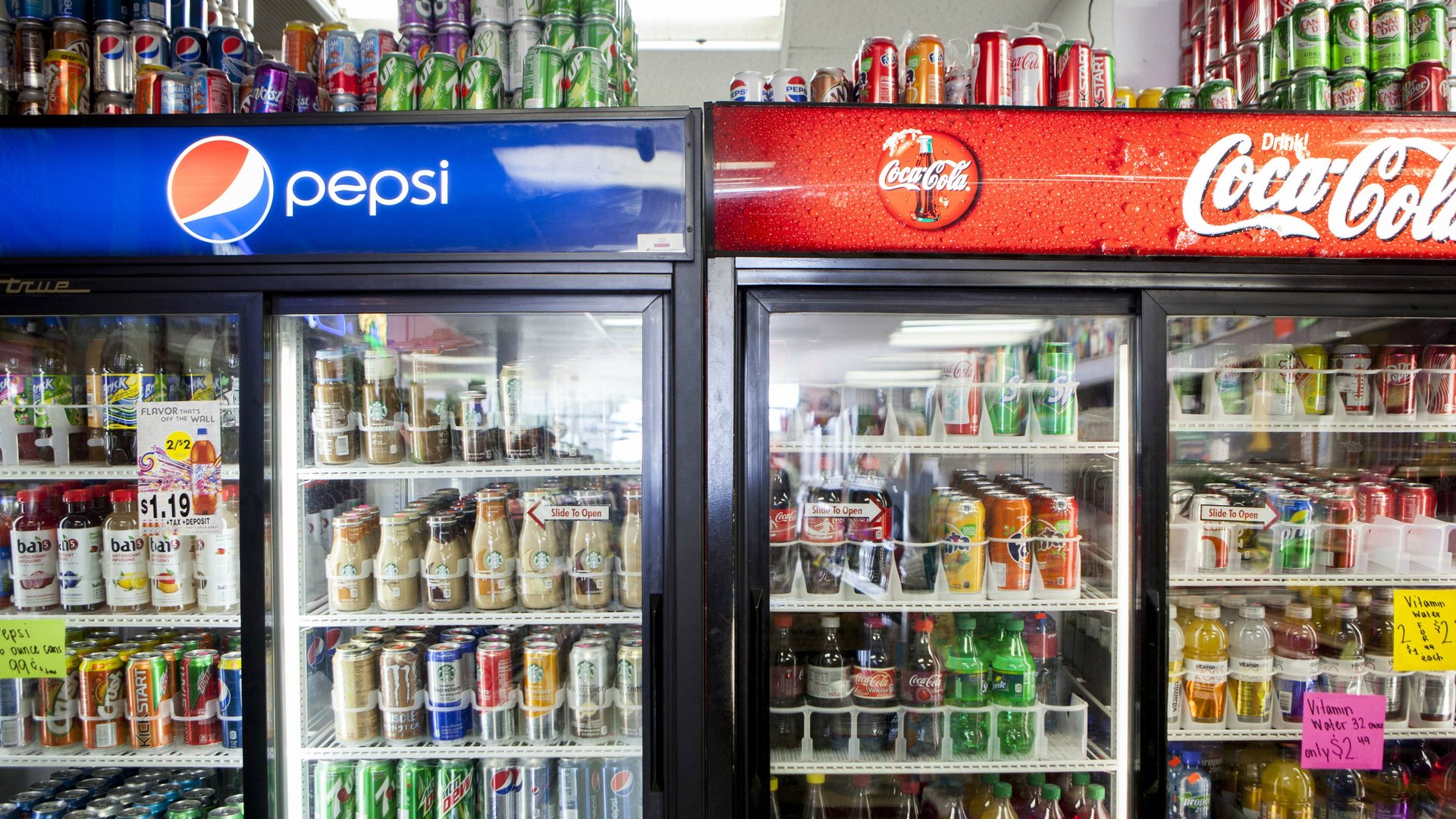
Don’t Coke and Pepsi have enough on their hands fighting soda taxes? Apparently not. The beverage industry has now taken on Bernie Sanders.
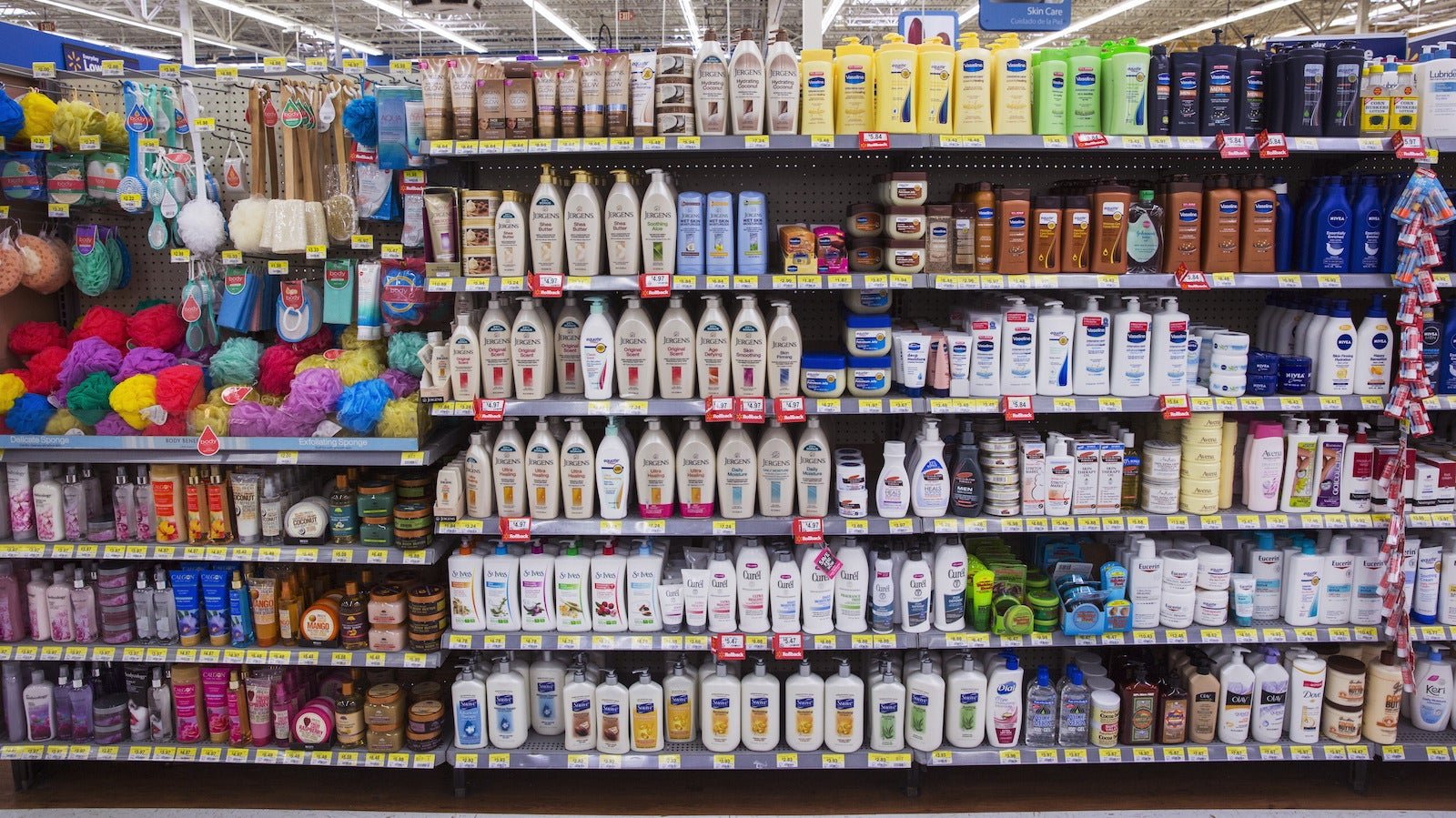
The term “organic” is used broadly on shampoo, makeup, mattresses, even dry cleaning. But is your mattress as organic as your apples?

Police in central North Carolina are investigating the reported vandalism of local Republican Party headquarters.
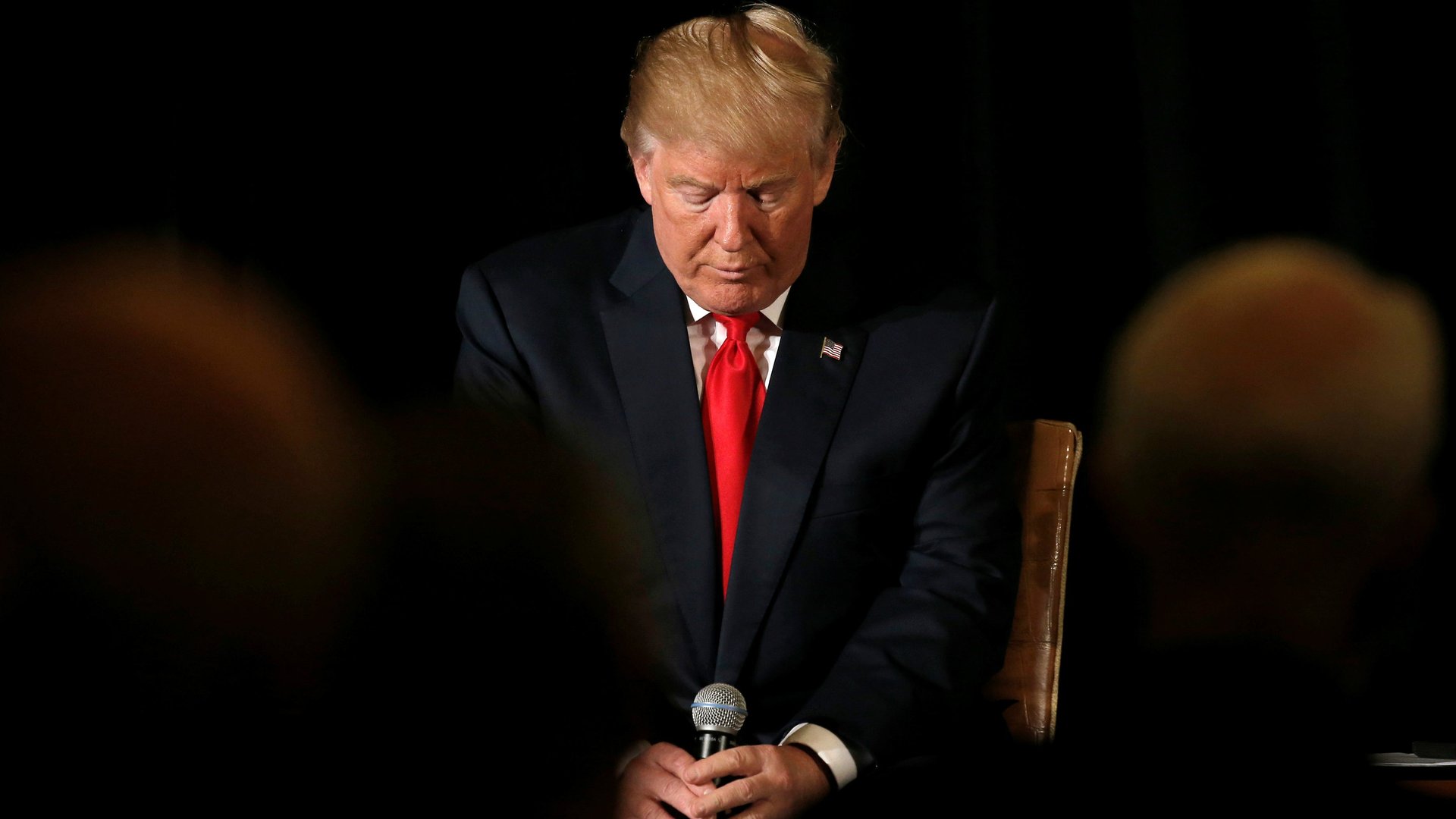
It’s the repetition that gave CNN anchor Jake Tapper’s remark so much oomph.
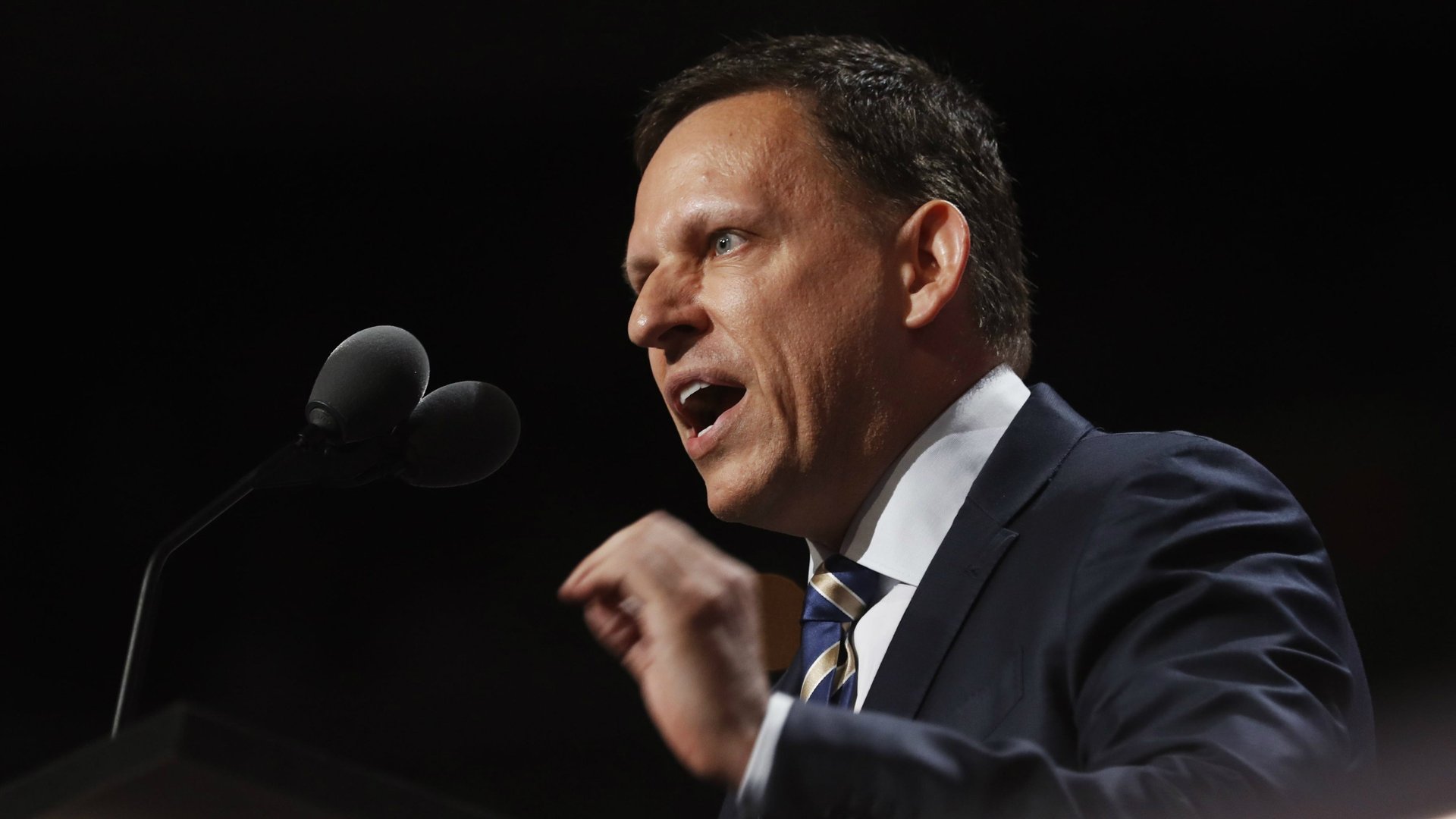
With only 22 days left until Americans cast their votes for president, a solitary leader in the tech industry has reportedly decided to drop more than $1 million into the Trump campaign piggy bank.
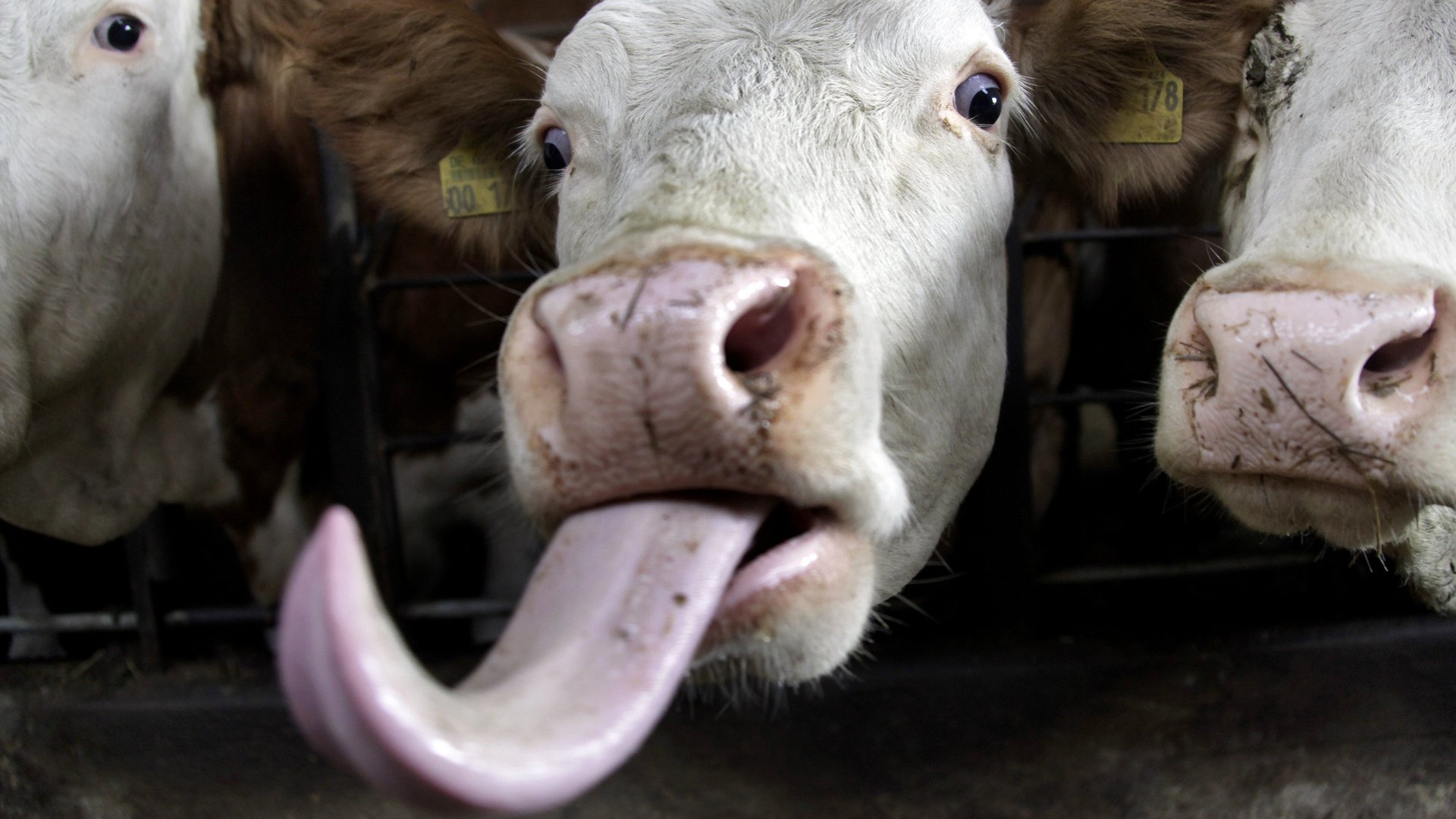
Yeah, we’ve “got milk.” Way too much.
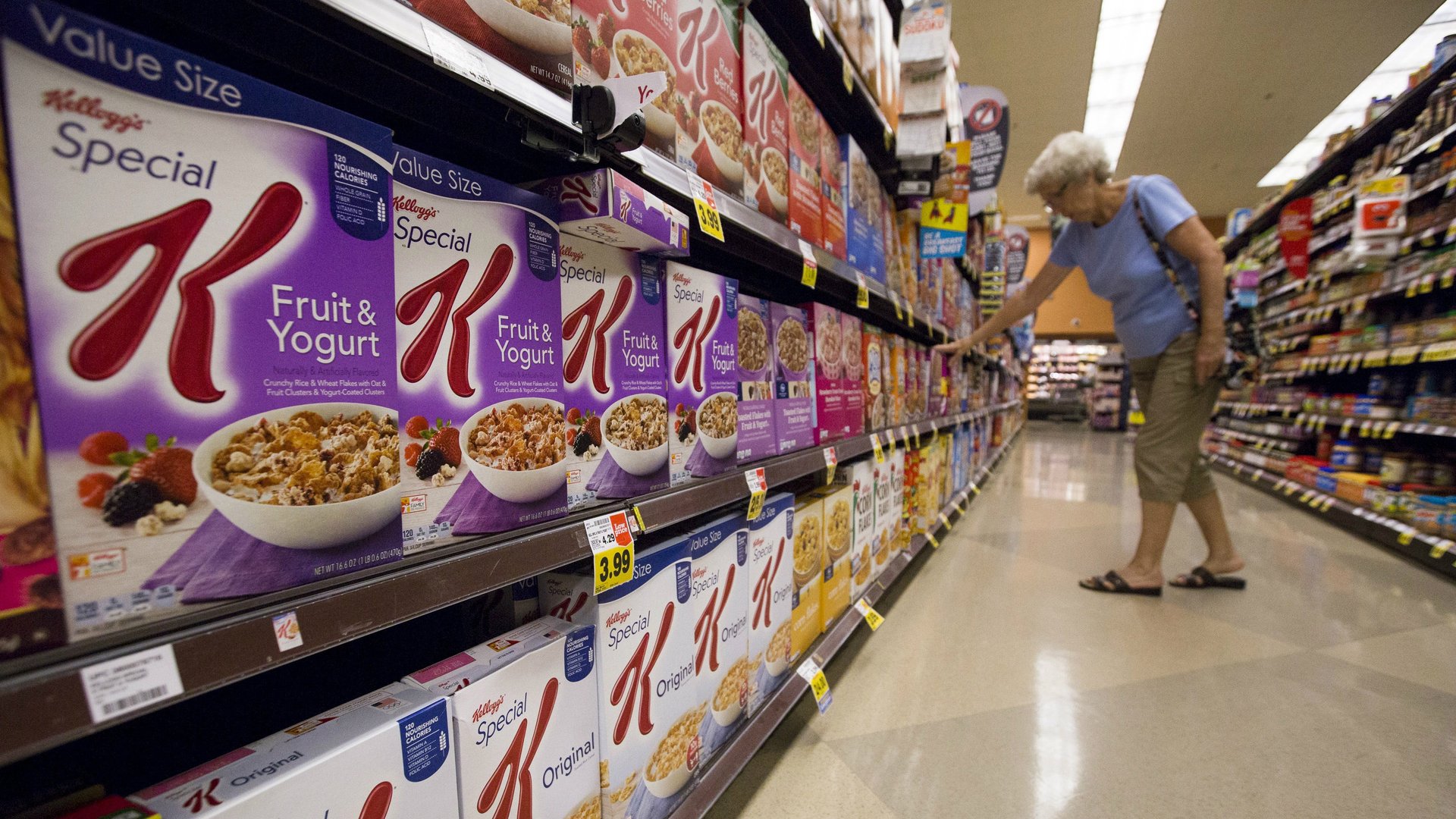
Turns out, almost every American has a close connection to one of the biggest power brokers in the food system. It plays out in nearly every US neighborhood, every time you pick up a box of cereal.
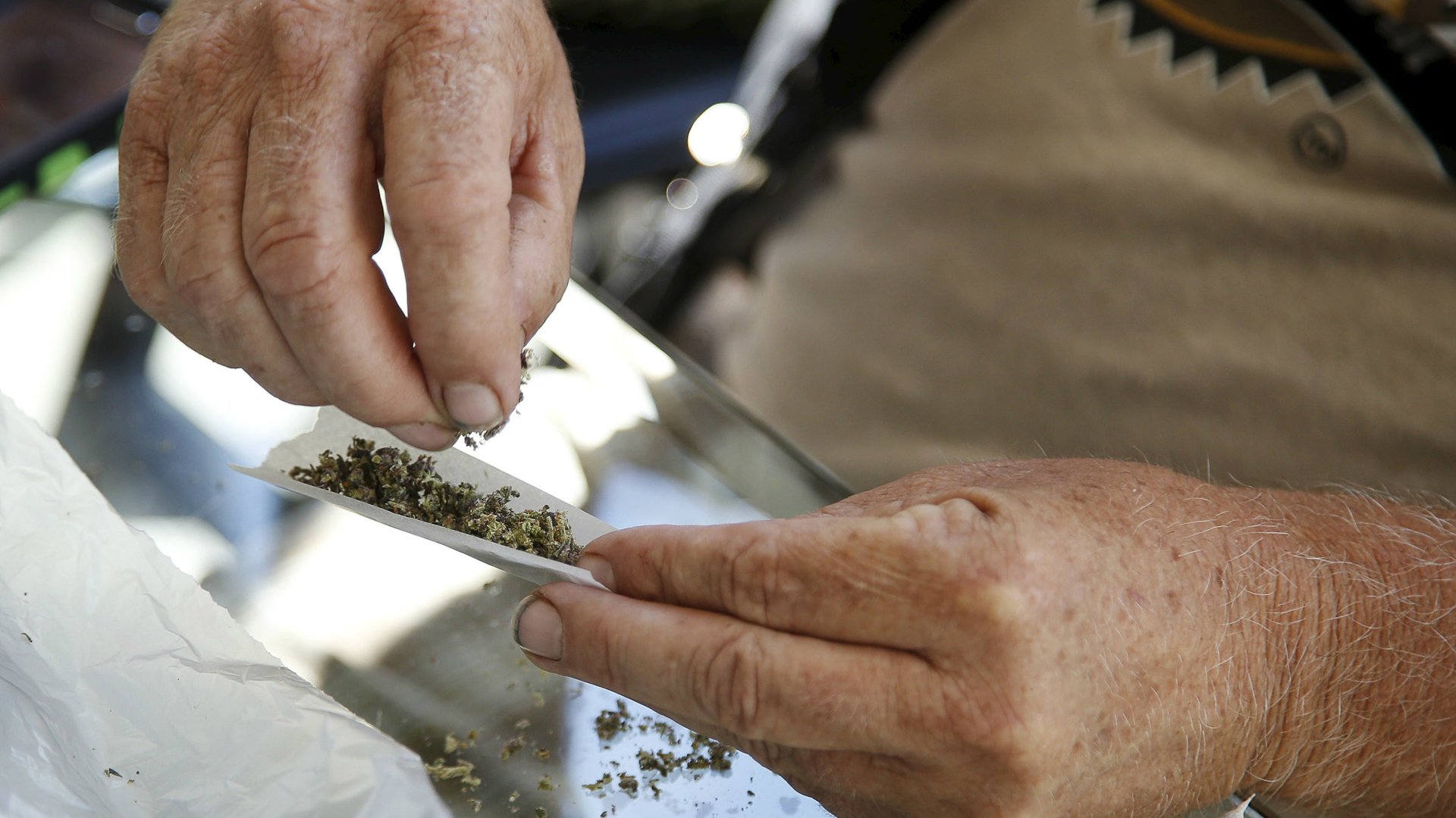
A food service company is spending tens of thousands of dollars to fight an effort to decriminalize marijuana in Arizona.
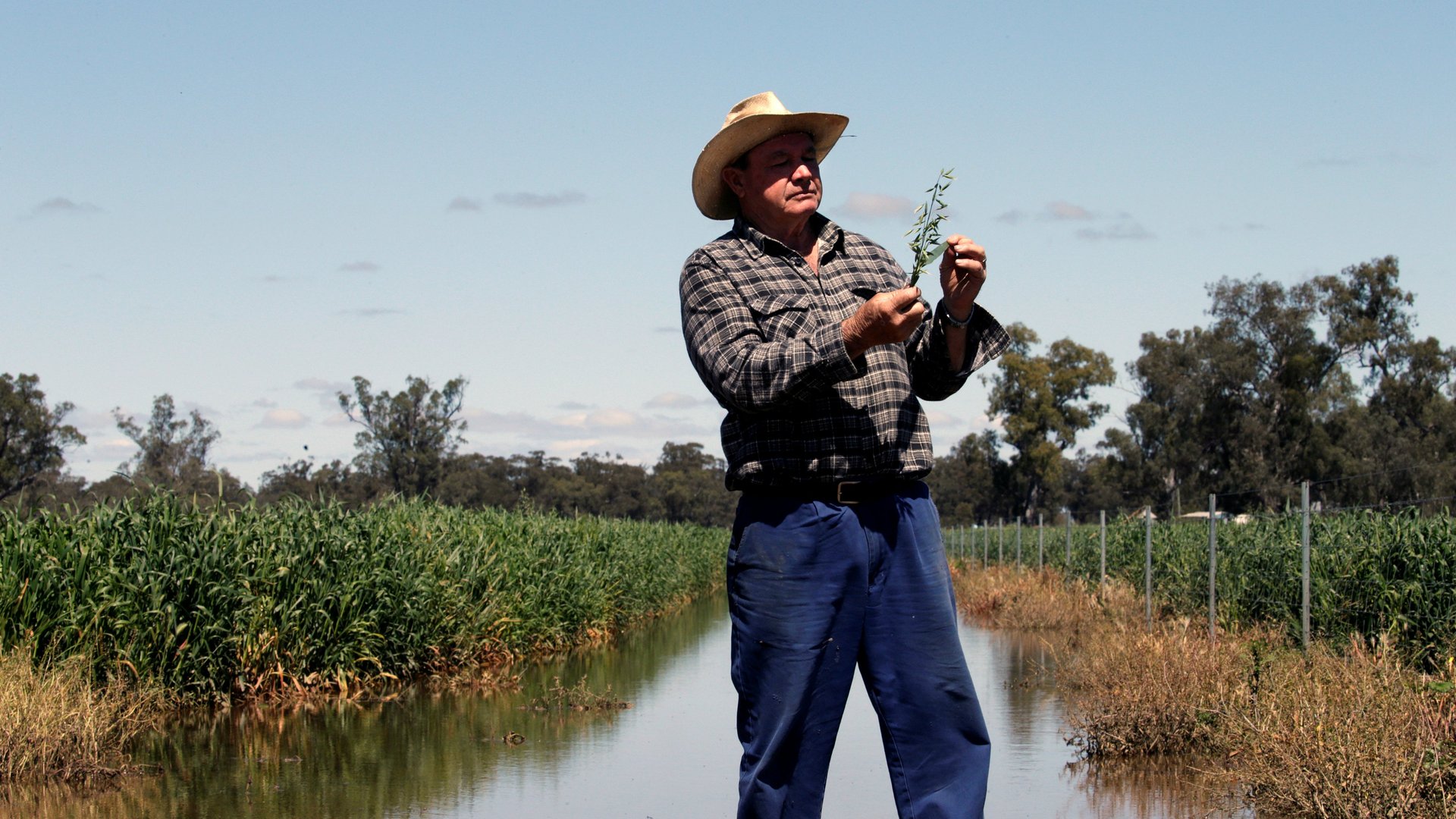
With only one month until the US presidential election and just three months until US president Barack Obama officially vacates the White House, the fate of the controversial Trans-Pacific Partnership (TPP) hangs in the balance.
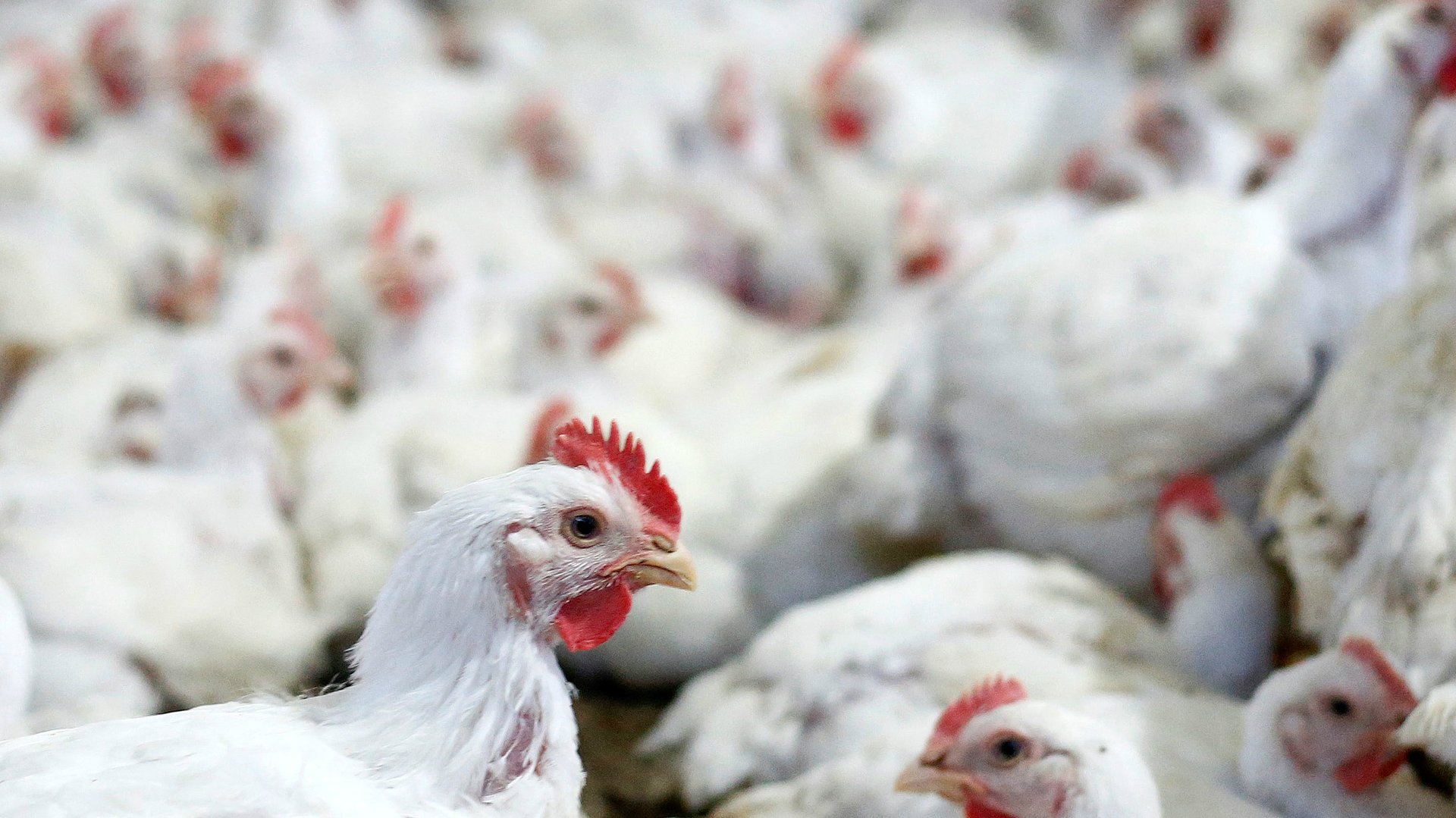
Claims that the US poultry industry conspired to pull off one of the biggest food-related price manipulations in American history just got wings.
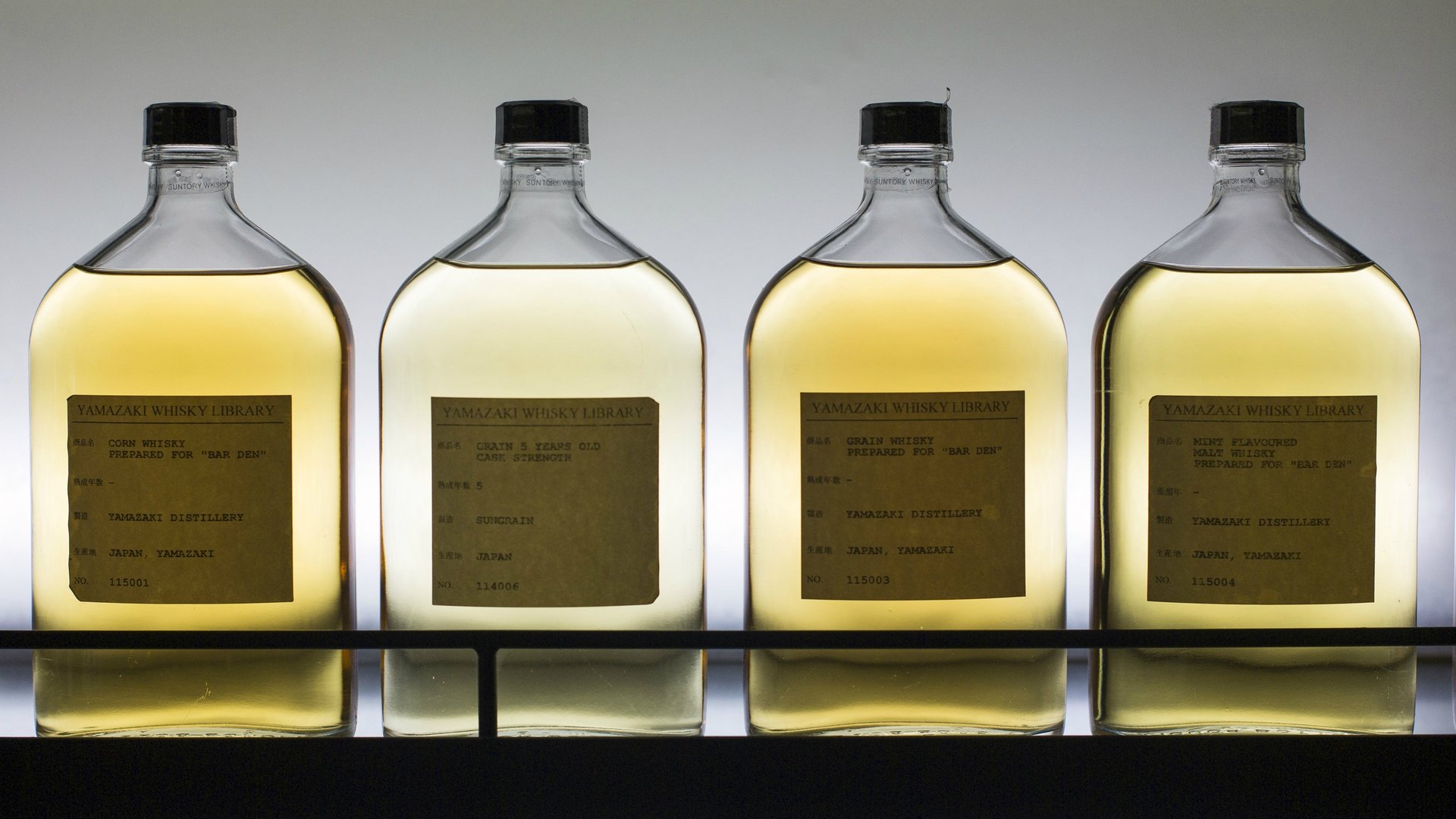
If the taste of vodka brings back memories of being younger—and painfully hung over—you’re not alone.
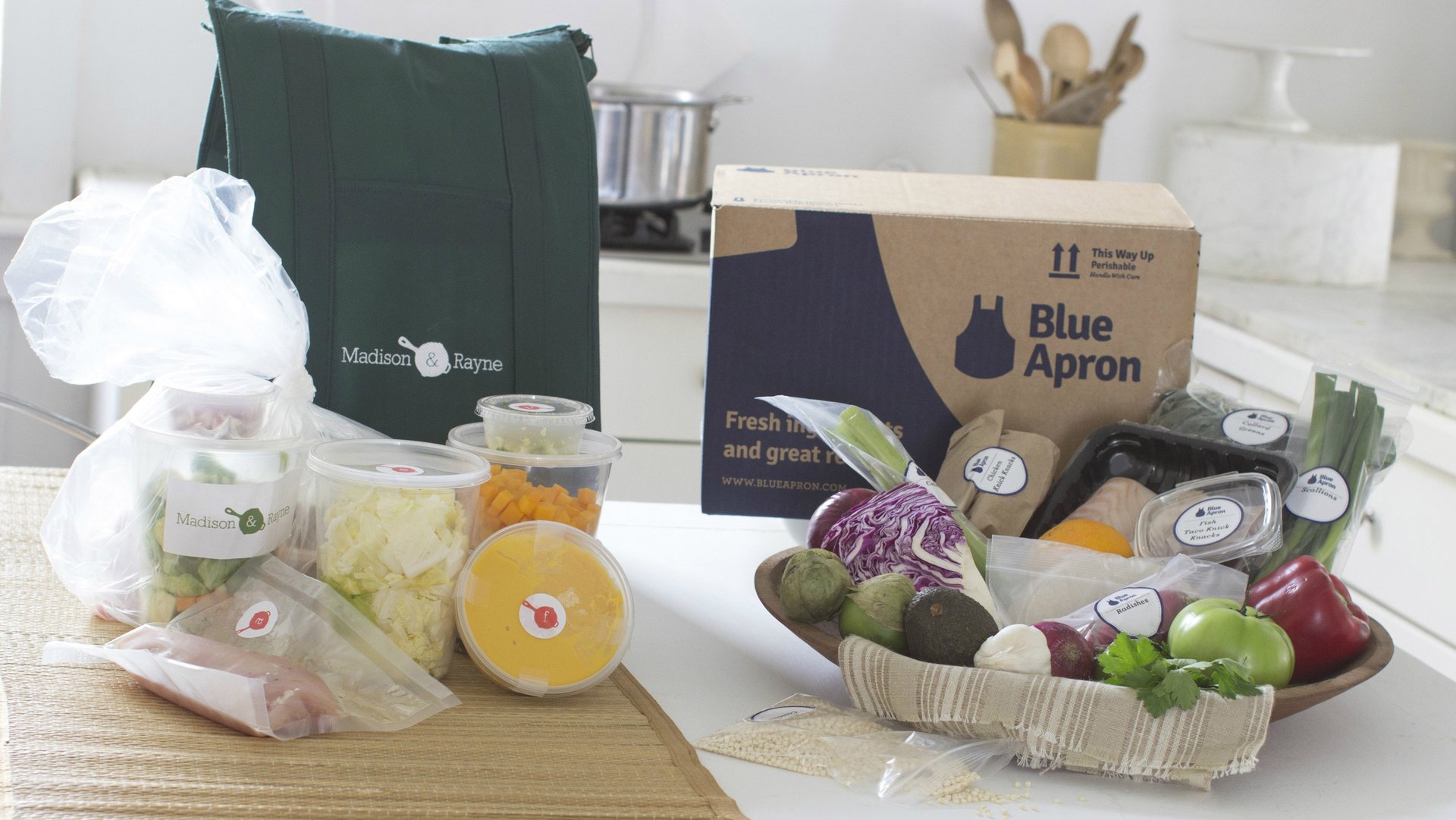
Silicon Valley has developed a special affinity for all things food: meal kits, plant-based burgers, newfangled food delivery services. But the growth demands on the typical tech startup don’t necessarily square with the needs of food-based companies.
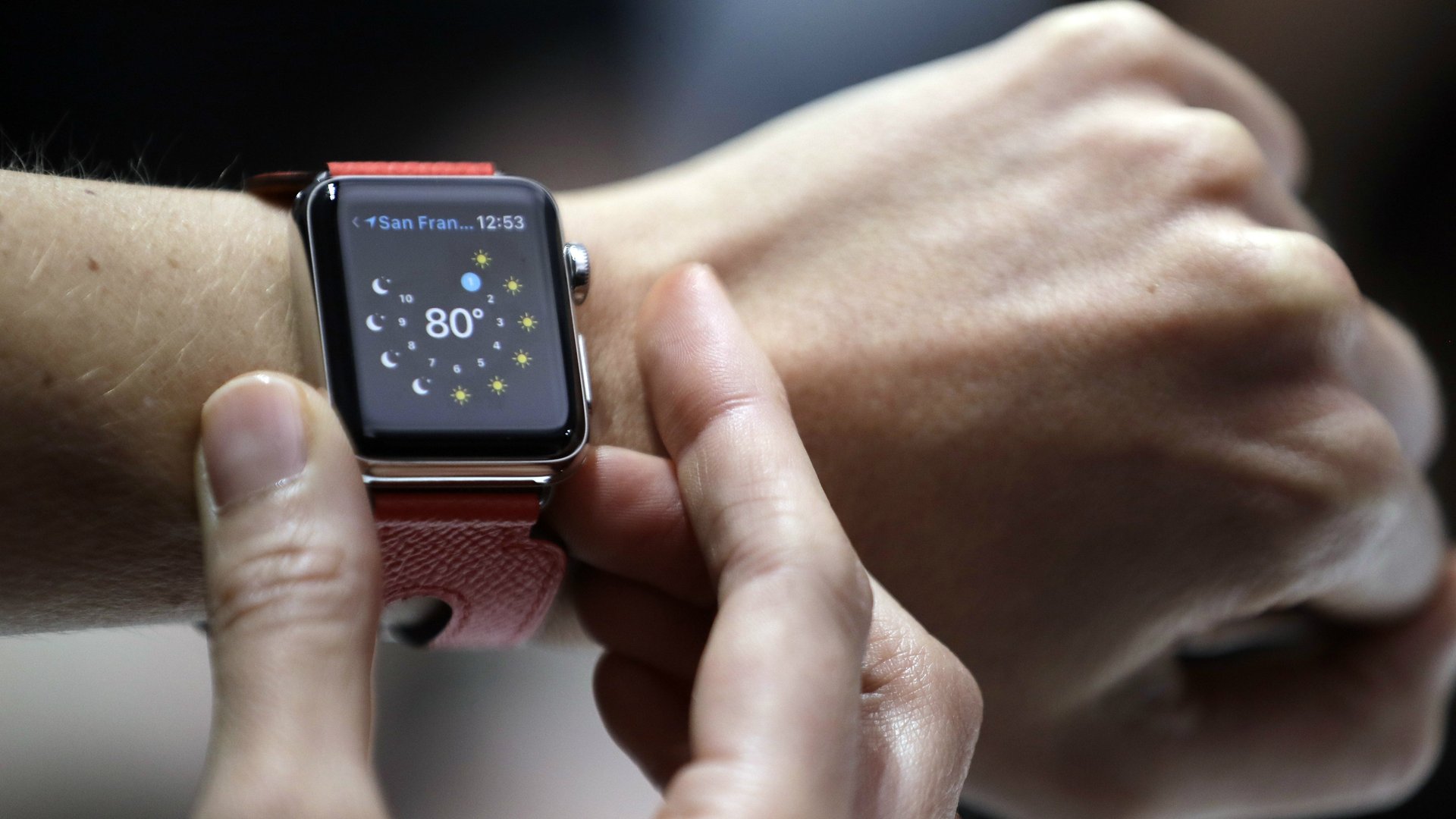
Of the many superfluous uses for the Apple Watch, which has inspired mixed reviews since its debut last year, perhaps none will prove as vexing to its wearers as this one: A highly influential restaurateur has decided to slap the street technology onto his waitstaff to better their service.

The American restaurant industry is not for the faint of heart. Servers’ wages often lean heavily on tips, and basic benefits packages are few and far between. The lack of support is especially hard on pregnant mothers and new parents, who typically can’t afford to take extended unpaid leave.
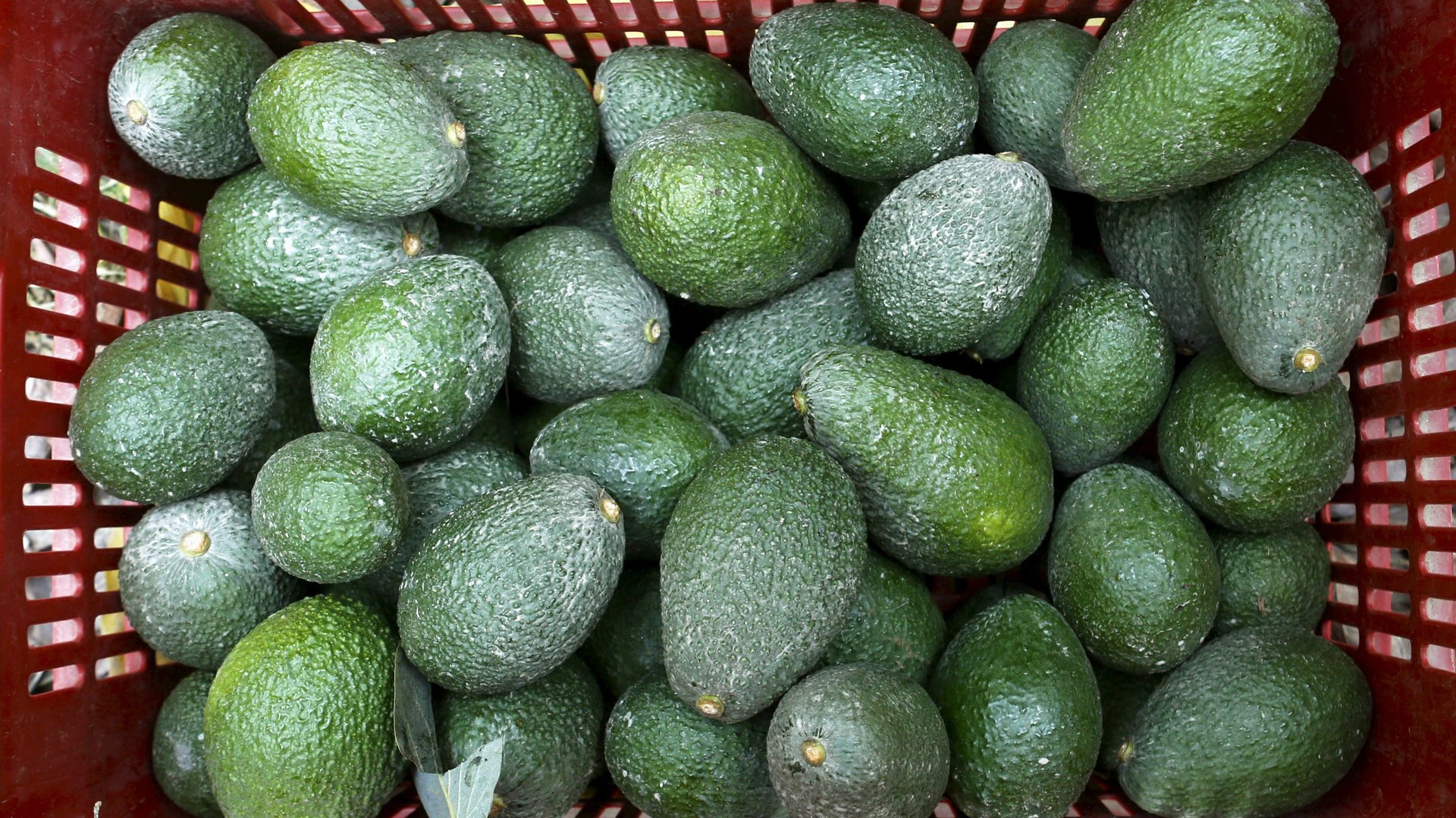
US consumption of avocados is at record levels, but the industry behind the fatty green fruit is staring down a gauntlet of new challenges brought by a changing climate.