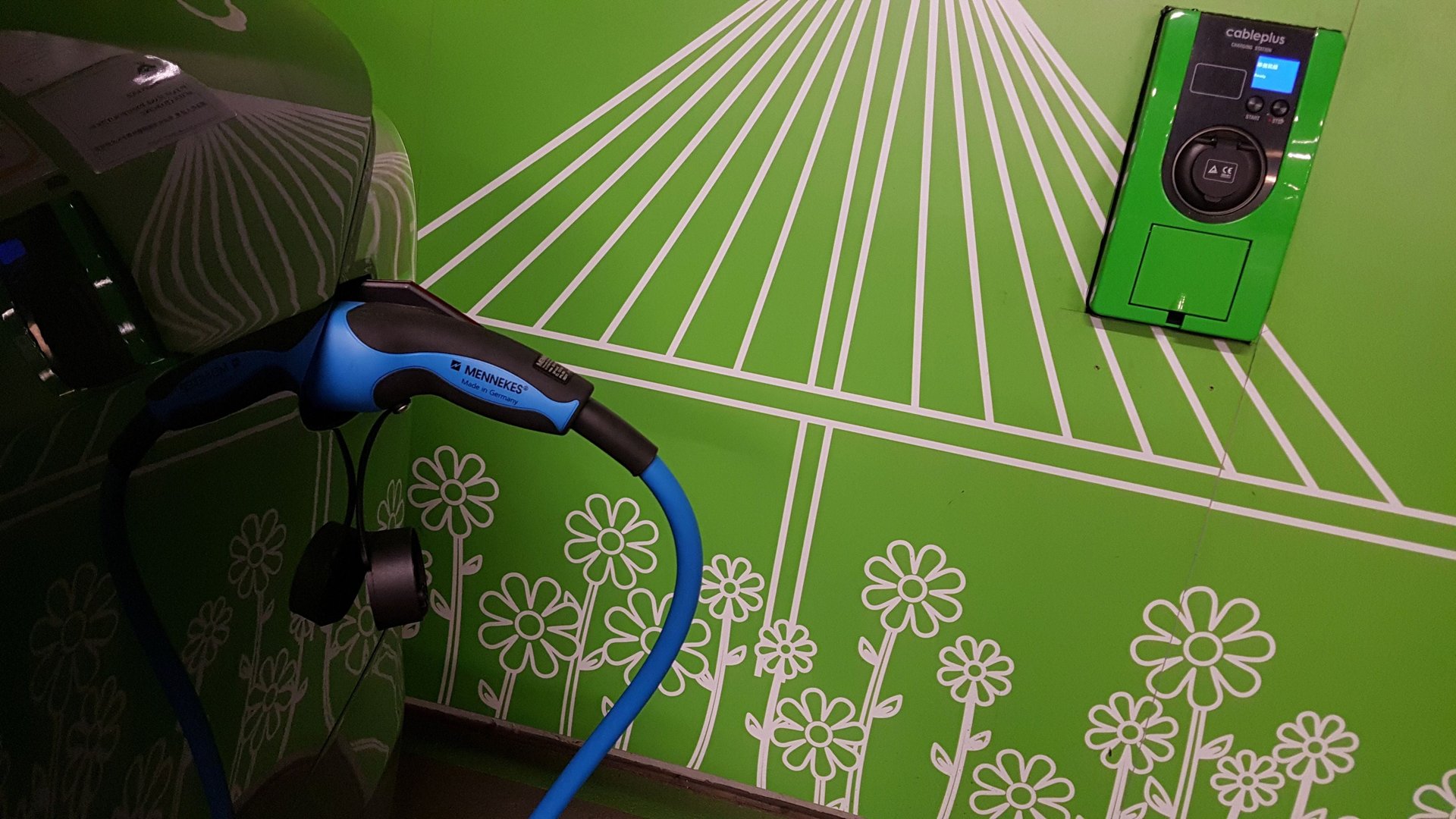
China’s ride-hailing giant Didi Chuxing is making a bet on electric cars. It’s also betting on battery-swapping technology, which has stalled in the US but is revving up in China.

China’s ride-hailing giant Didi Chuxing is making a bet on electric cars. It’s also betting on battery-swapping technology, which has stalled in the US but is revving up in China.

A decade ago, there were almost no electric cars on Chinese roads. Today, the country sells more battery-powered electric cars—upwards of 1 million in 2018 alone—than the rest of the world combined. The Chinese government now wants to do the same for hydrogen-powered cars.

Three years ago, the story of a university student who died of cancer after receiving questionable treatment advertised on search engine Baidu sparked a huge outcry, and prompted authorities to order the search giant to overhaul how it positions paid results. Robin Li, CEO of Baidu said in an internal letter at that time, “If we lose our users’ support or fail to stick to our values, Baidu will be only 30 days away from bankruptcy.”

Microsoft’s search engine Bing, the last major foreign search engine available within China, was temporarily blocked this week.

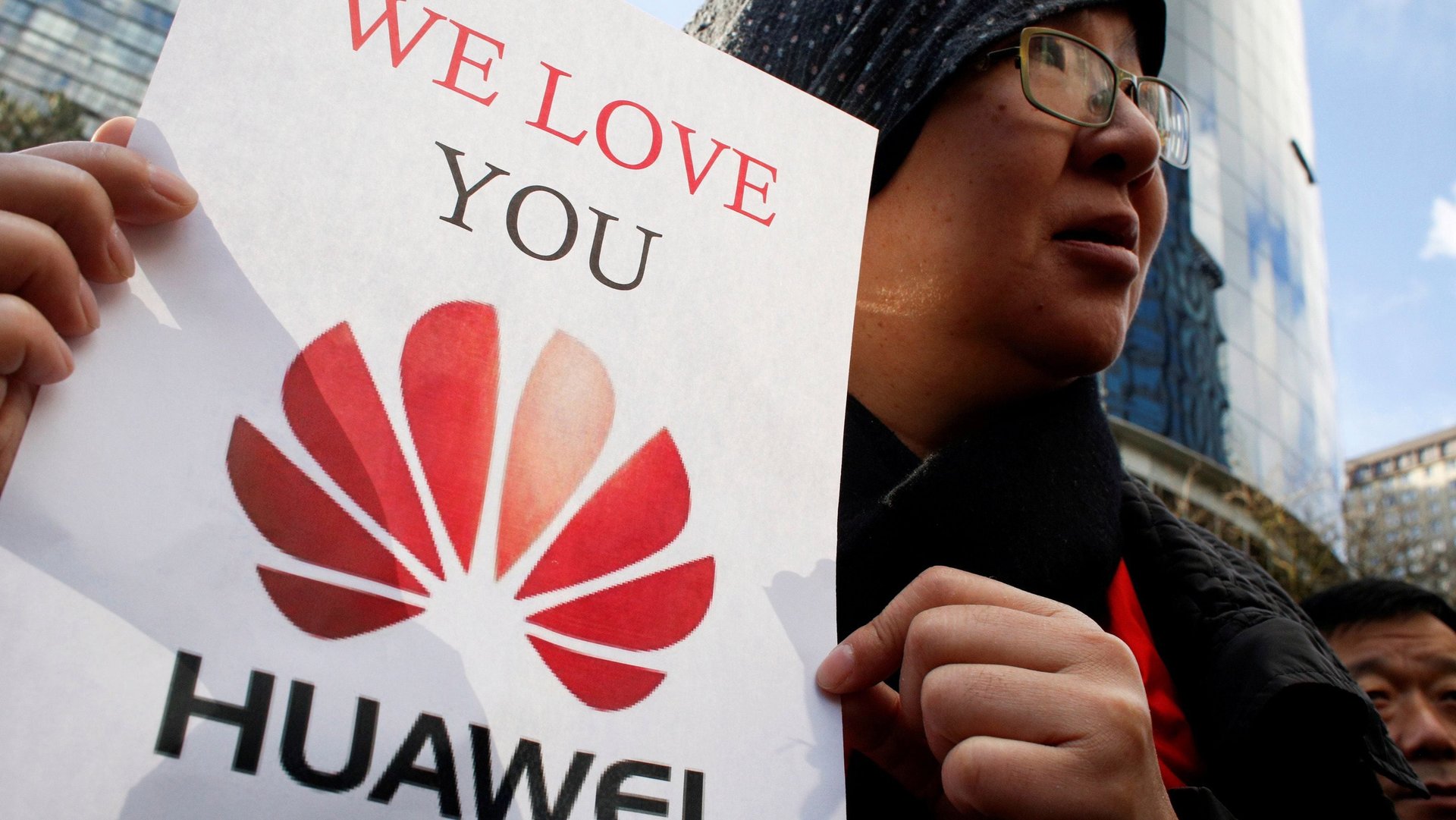
A recent finding about a detained Huawei executive’s passports is likely to raise more questions about the telecom giant’s relationship with the Chinese government.

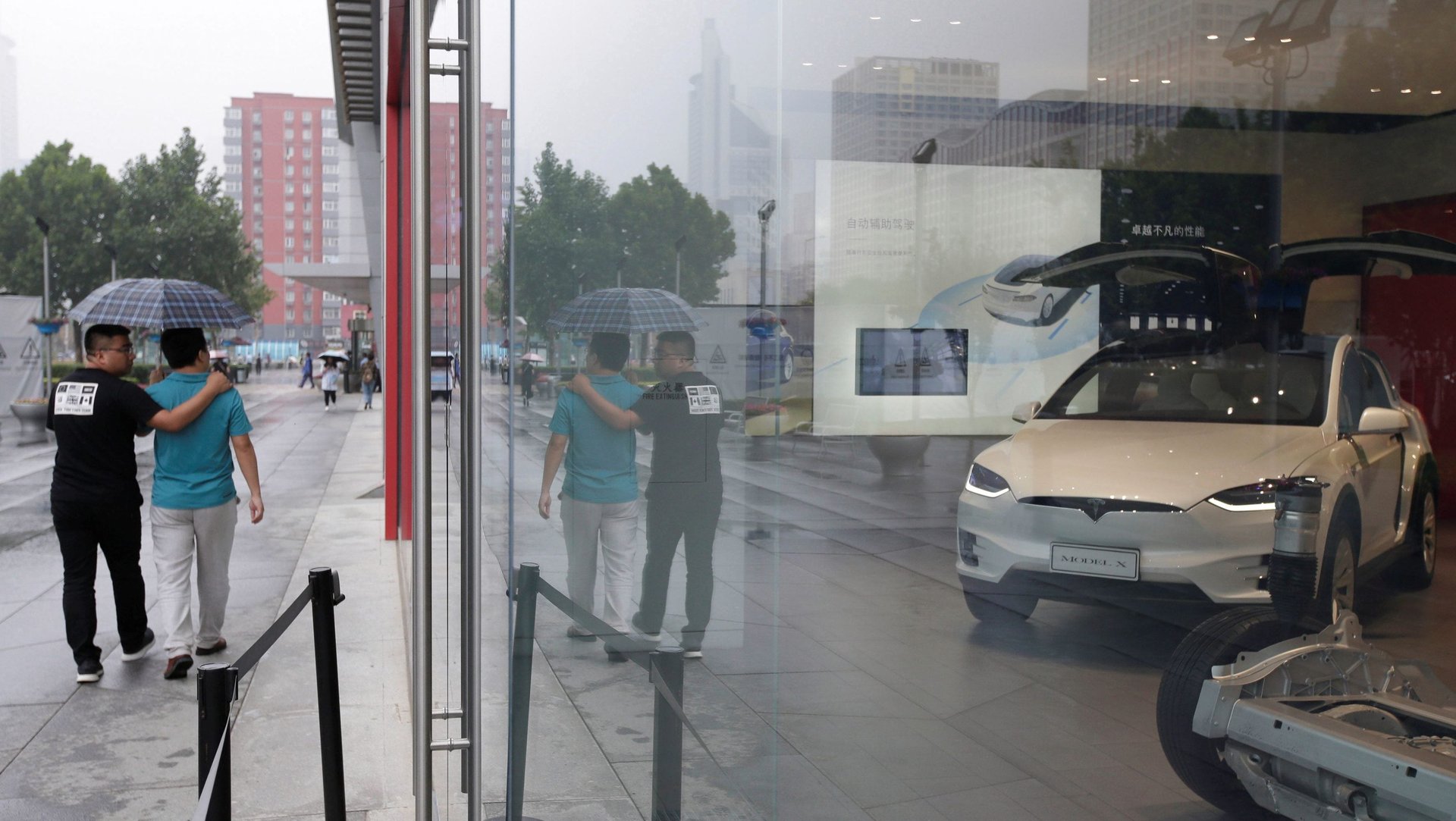
The first made-in-China Teslas could be in production by the end of this year. And they could be equipped with batteries from domestic manufacturers, ending Japanese electronics maker Panasonic’s position as the sole battery cell supplier to Tesla.

With less than 10 days to go before a deadline to seek the extradition of Huawei executive Meng Wanzhou, the US is on the verge of submitting a formal request for her, Canada’s top diplomat to the US has said.

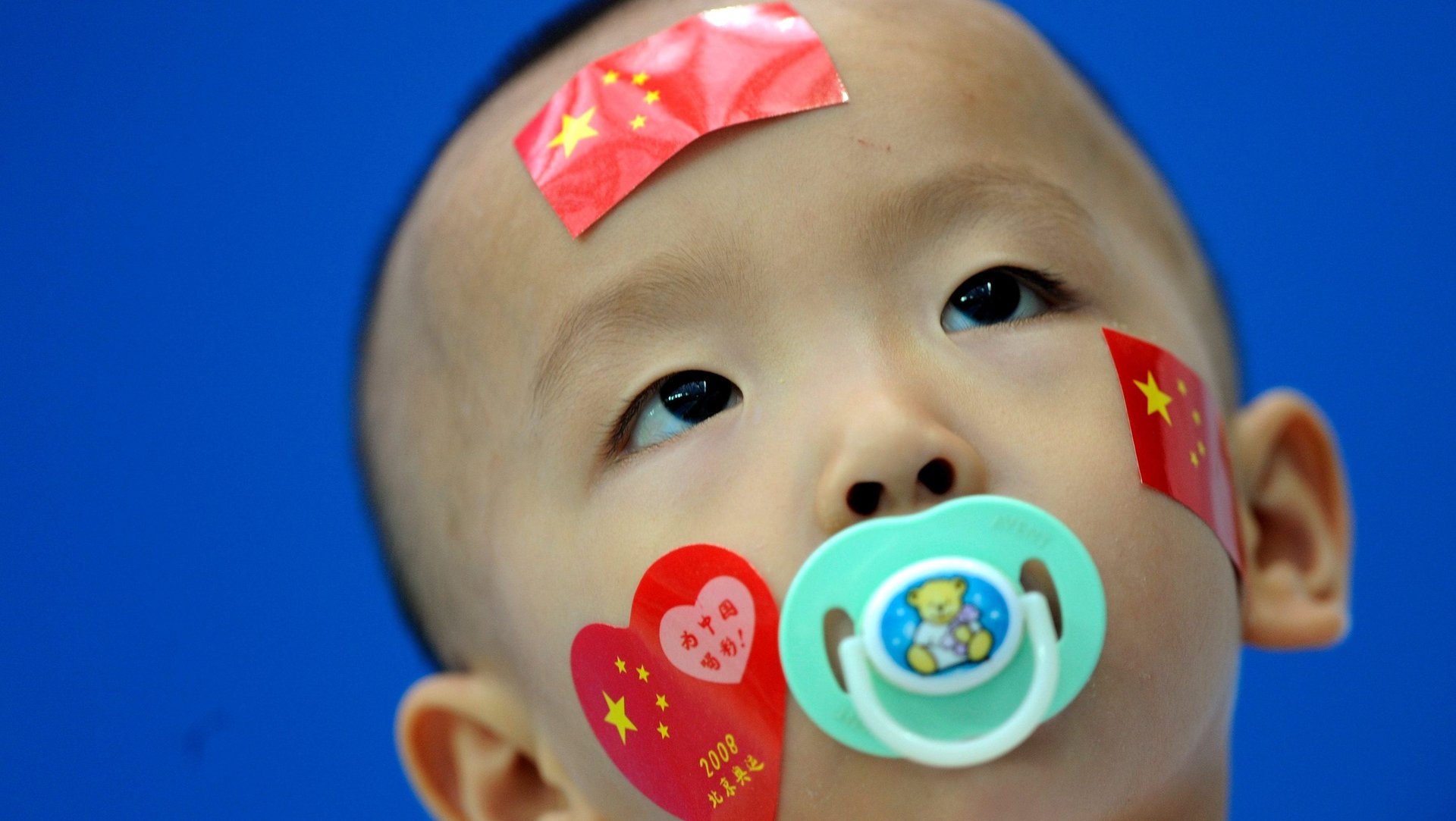
China announced on Monday that it recorded 15.23 million births in 2018, a sharp drop of two million compared with the previous year, according to China’s National Bureau of Statistics (link in Chinese).

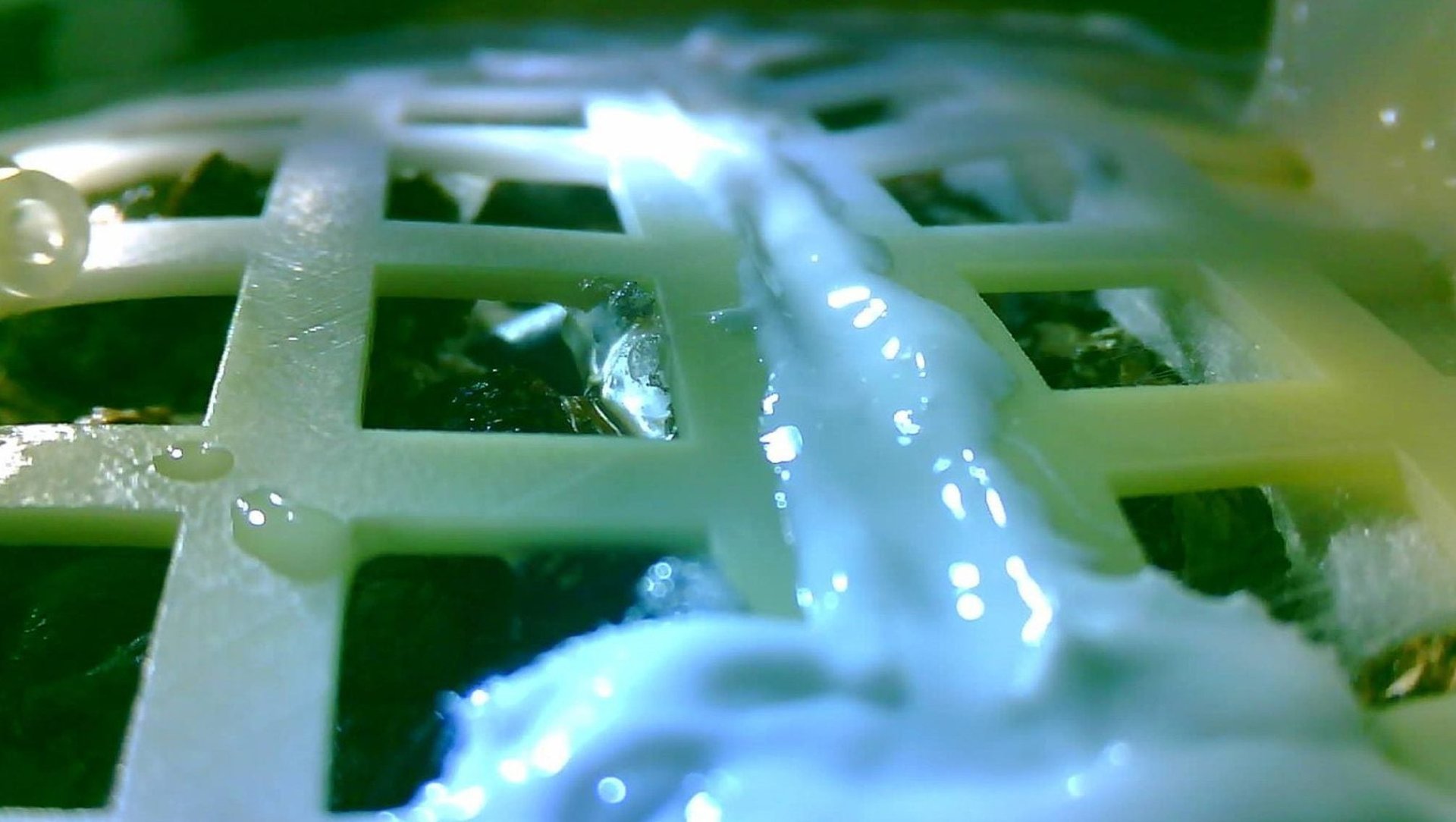
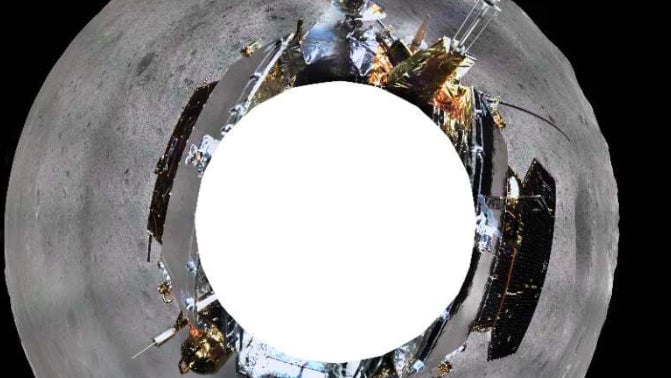
On Tuesday morning (Jan. 15), China released a picture of a cotton seed that sprouted on the Moon’s far side, marking humans’ first successful attempt at growing living things there. But the joy was short-lived as the plant died shortly after as the night’s freezing temperatures set in.

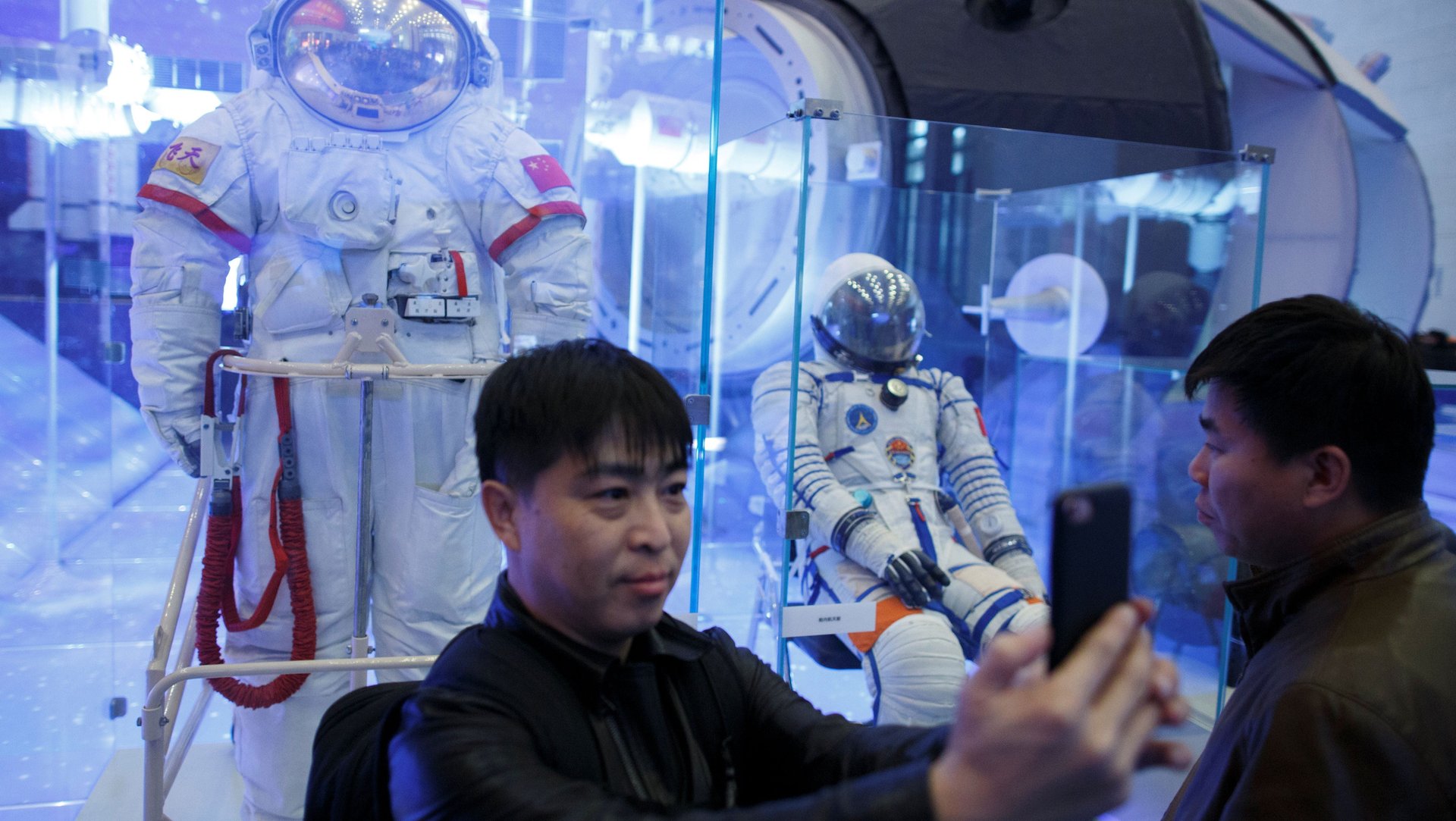
In its recent landing on the far side of the Moon, China had help from scientists from a handful of countries, while more and more institutes around the world are cooperating with China in space exploration. NASA, however, is left out, thanks to restrictions imposed by the US government since 2011.

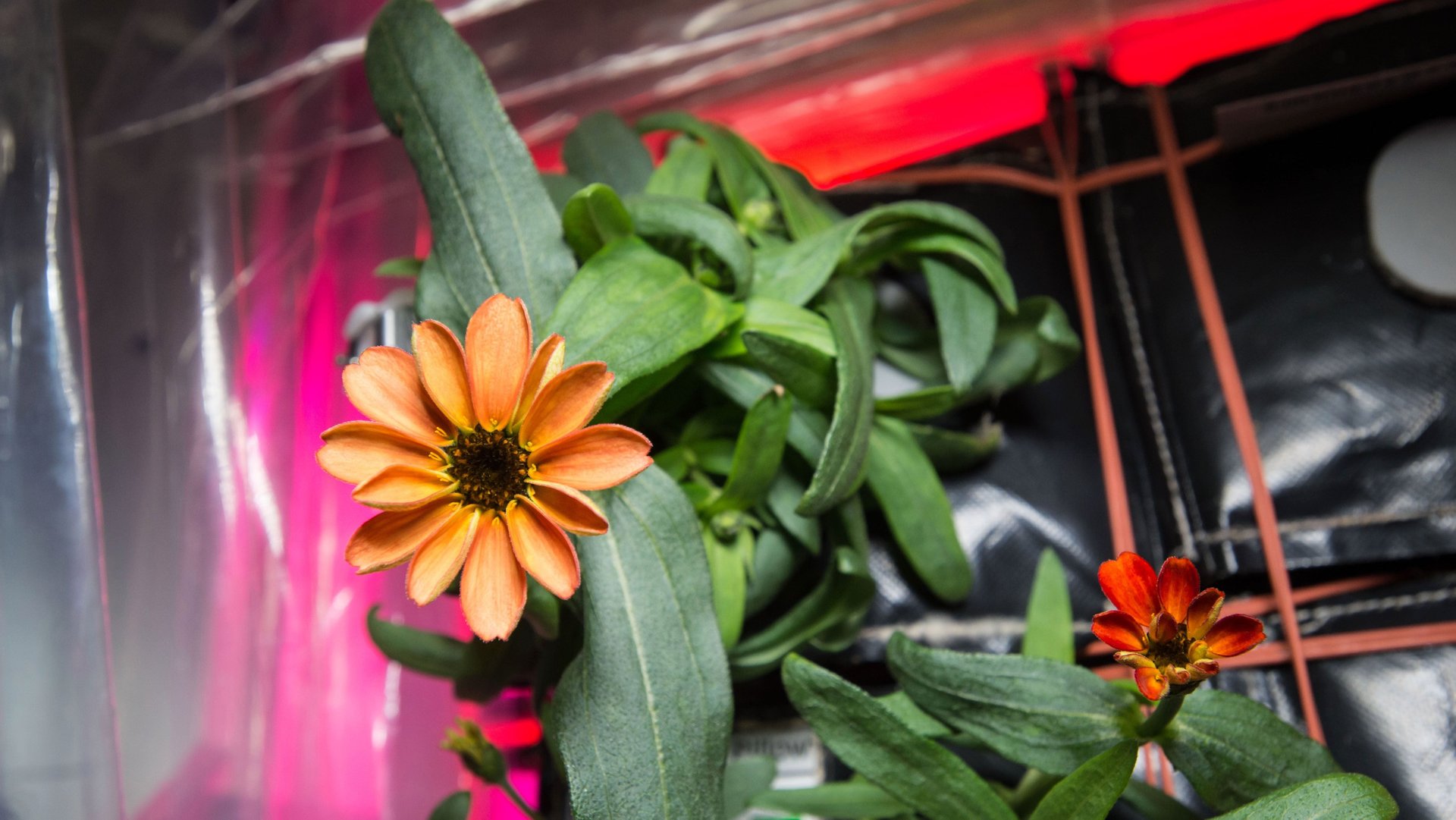
Humans have been able to grow plants in the space—including zinnias, sunflowers and leafy greens on the International Space Station—but never on the Moon. Now China’s trying to see if it can keep plants alive there, as part of its research efforts toward one day having a lunar base.

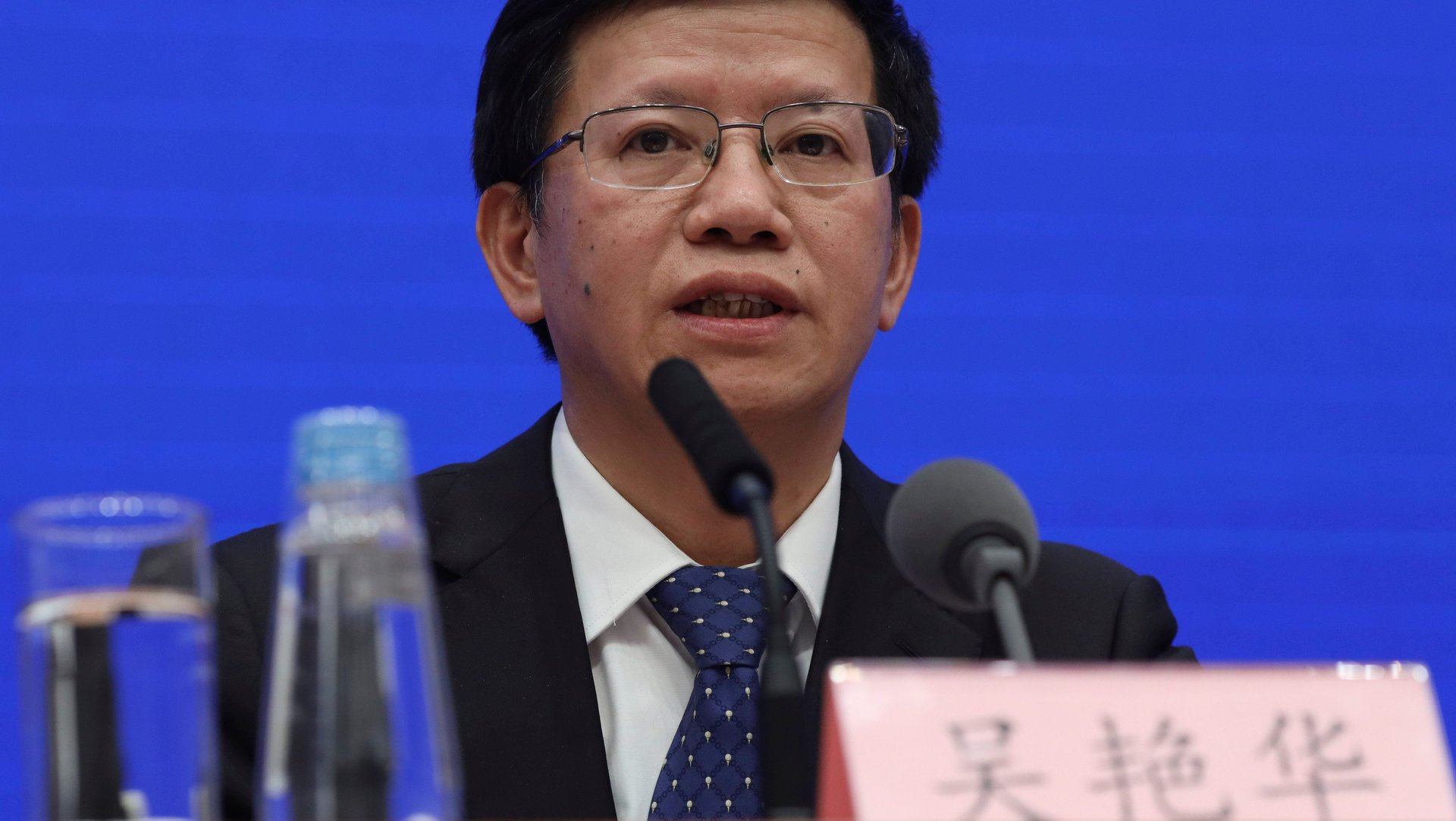
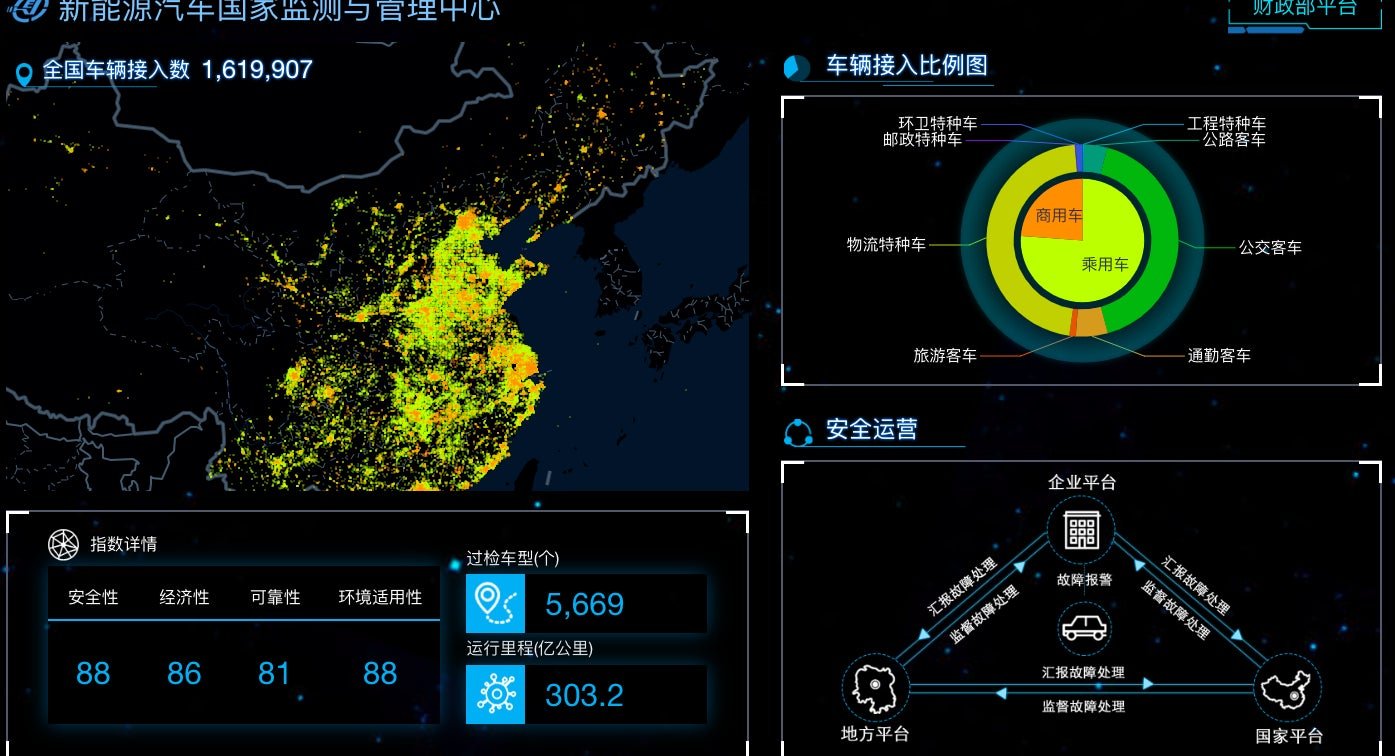
China’s electric vehicles have been sharing information with the government for at least a decade, according to an official who heads a national center to monitor them, and in certain situations, it’s possible to automatically bring a vehicle to a halt.

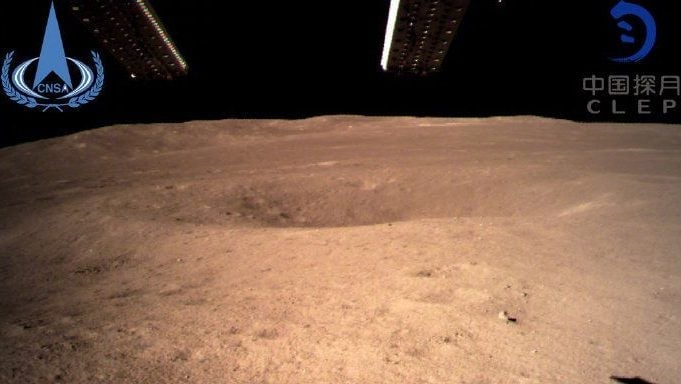
China made history last week by delivering back to the world its first glimpse of the previously unseen far side of the Moon.

Despite signs the auto market in China is slowing, investors are still bullish on electric cars, regardless of how untested the players behind them are.

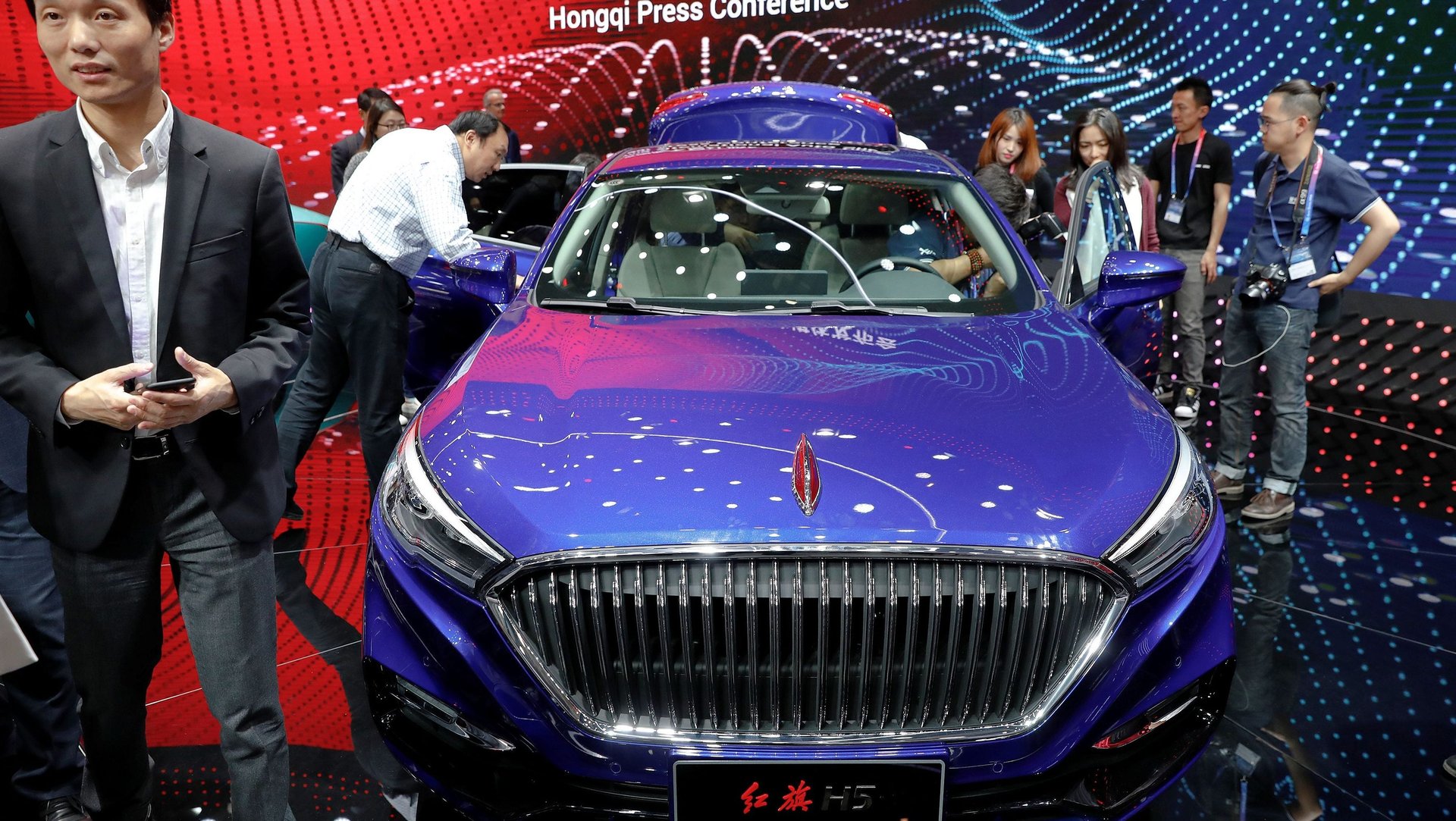
Six decades ago, China’s first car maker, the state-owned First Automobile Work, released its first passenger car, Hongqi, or “red flag” at a time that the country was just starting to build its vehicle industry. For years, Hongqi has been a luxury car brand favored by China’s political elites, including former chairman Mao Zedong, yet not so much to the public.

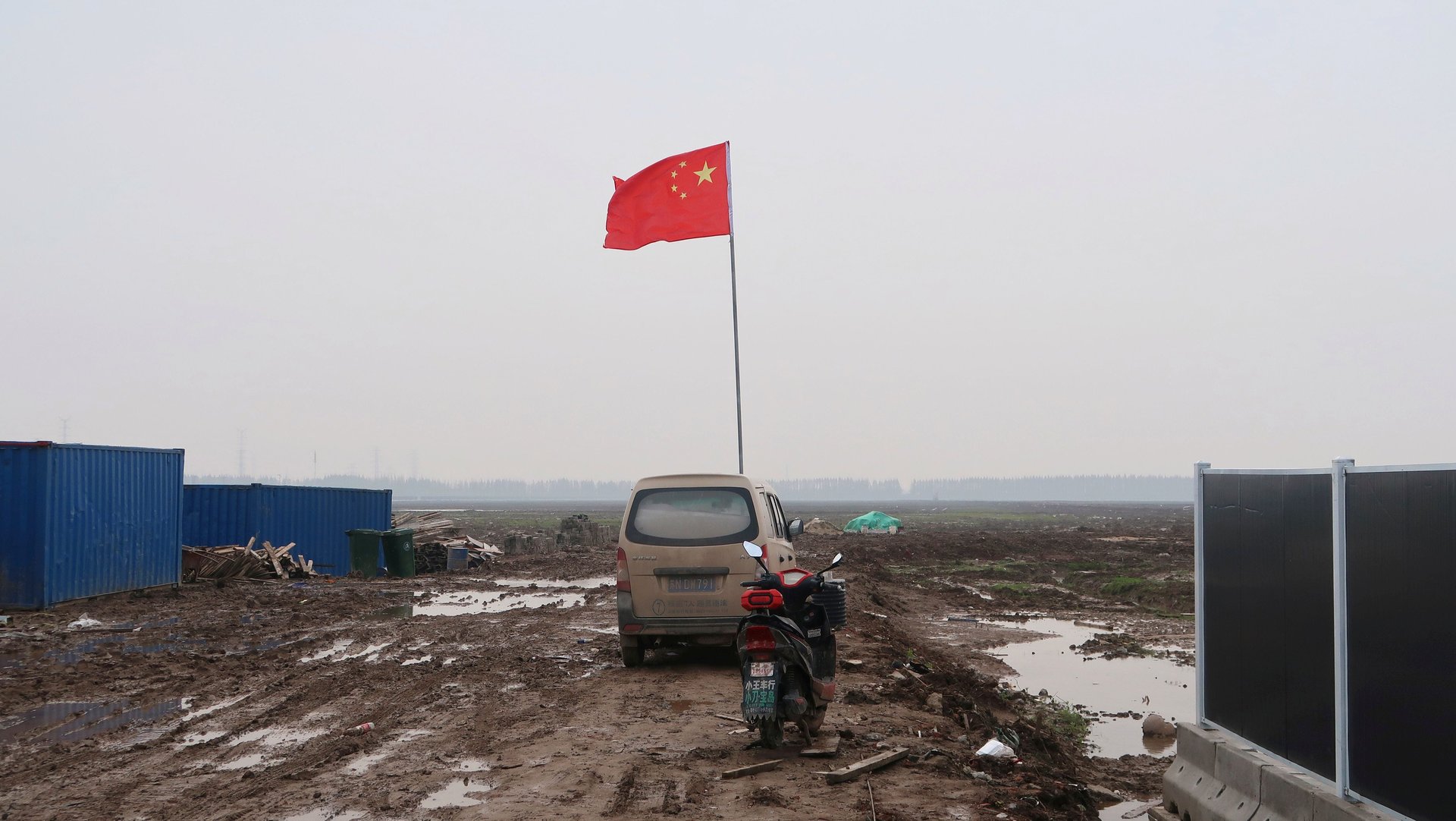
Tesla is working around the clock to build its first overseas Gigafactory in Shanghai, which is expected to finish initial construction in the summer and start production in the second half of this year, according to CEO Elon Musk today (Jan. 7).

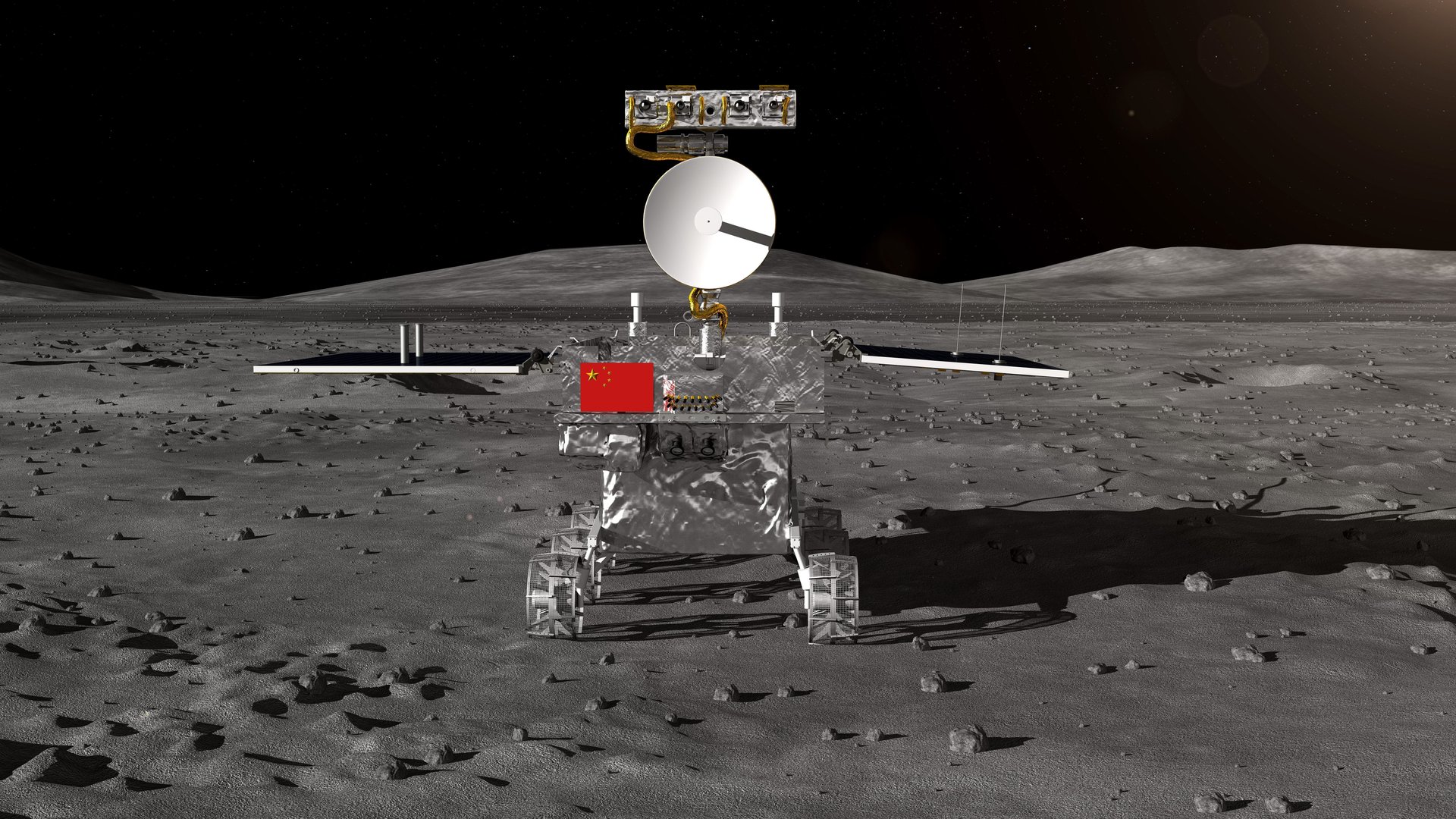
It hasn’t been easy to track the movements of the Chang’e-4, the Chinese spacecraft that embarked on a journey 26 days ago to the Moon’s far side.

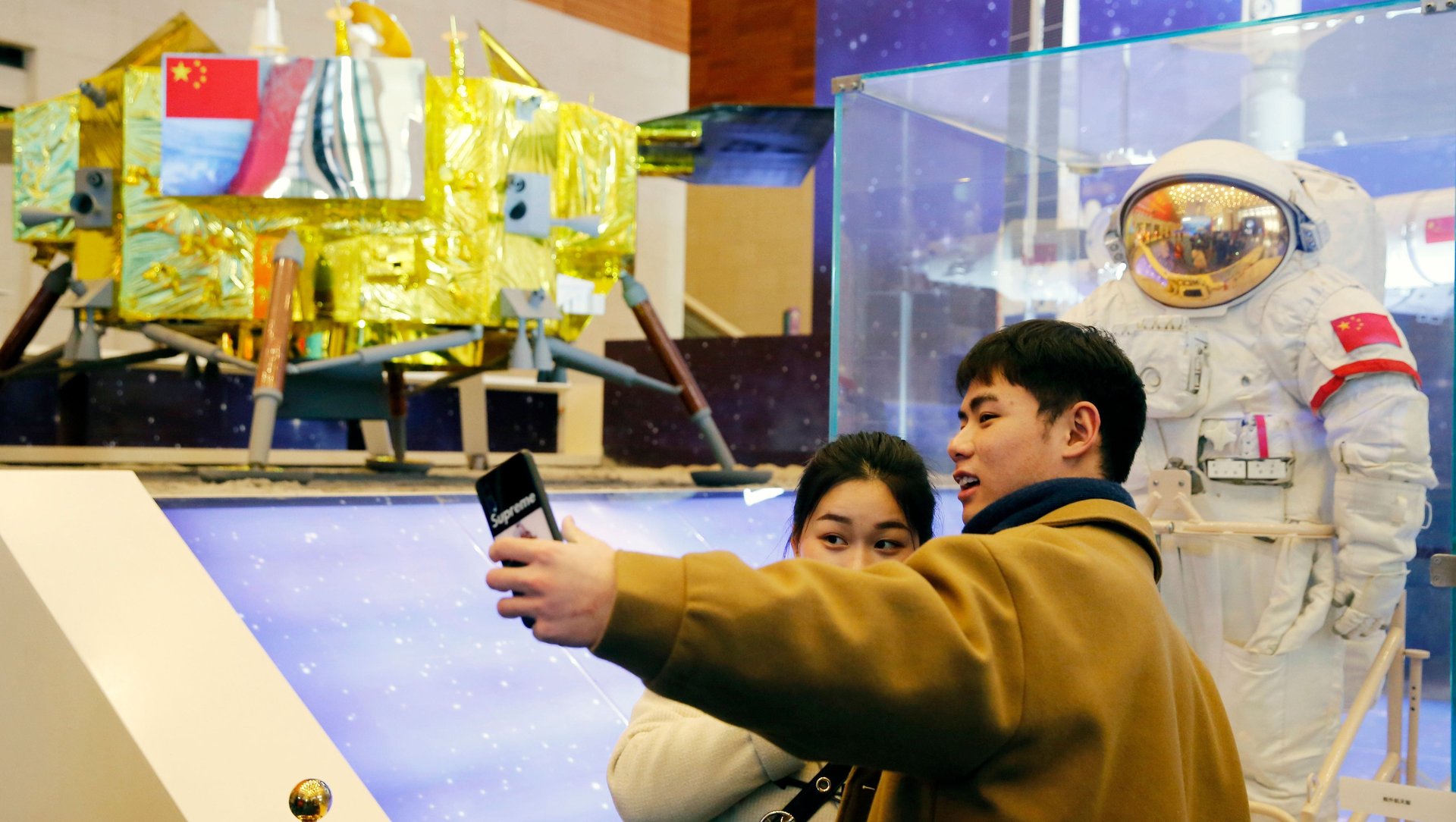
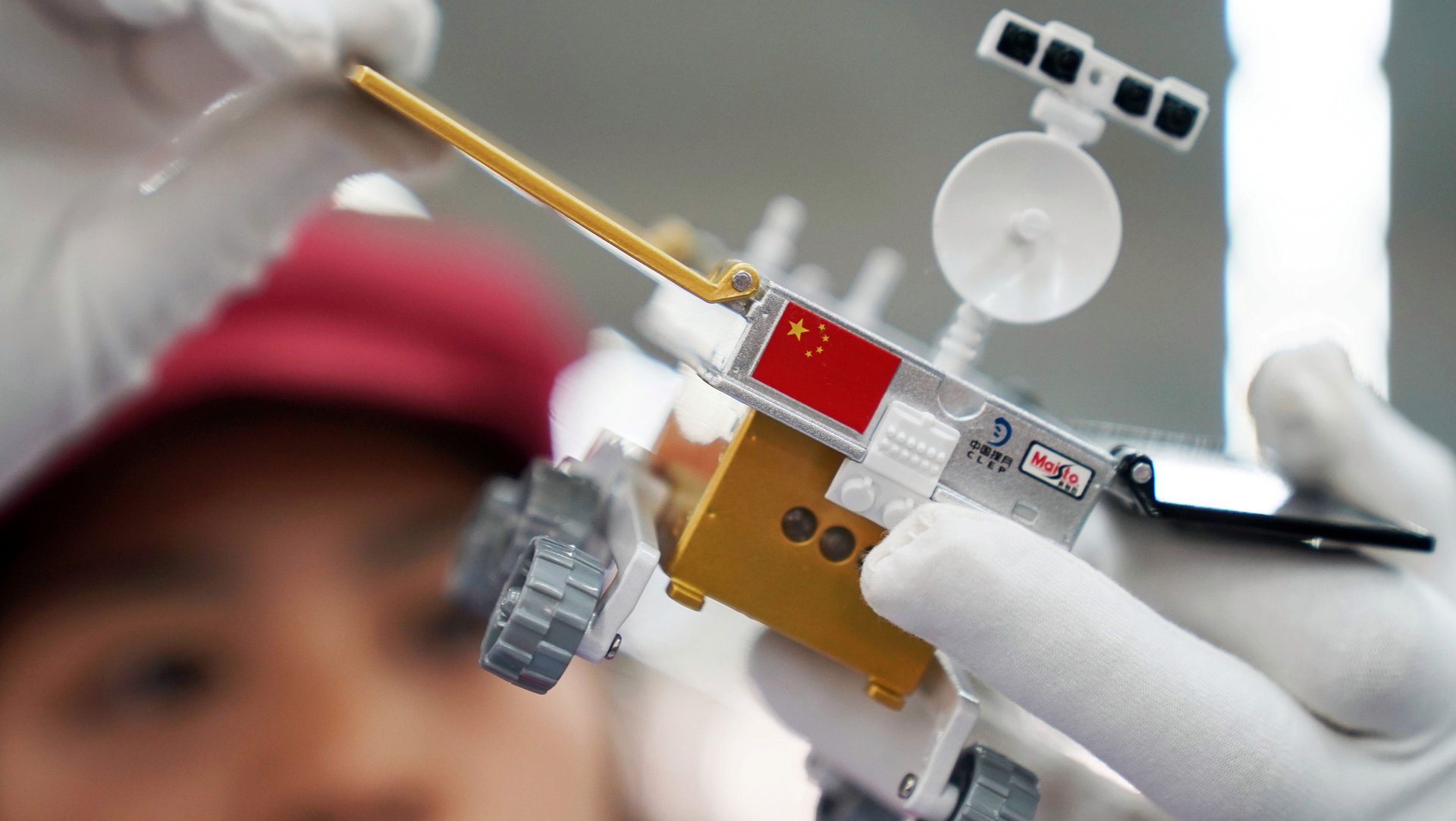
China’s Chang’e-4 spacecraft touched down this morning in a crater on the far side of the Moon—a first for space exploration—Chinese state broadcaster CCTV confirmed at noon local time on Thursday (Jan. 3).

The thrill of witnessing history is sometimes short-lived.

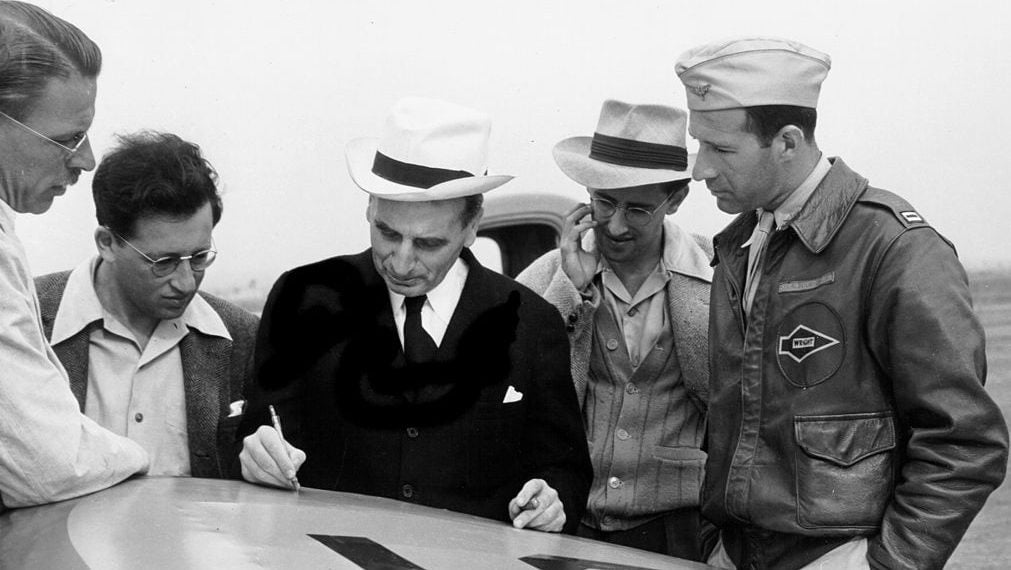
After nearly a month’s travel, China’s spacecraft, Chang’e-4 is likely to land tomorrow (Jan. 3 local time) on the moon’s far side—something that no country has ever done before. It’s targeted landing spot is a crater named after Theodore von Kármán, a Hungarian-American aerodynamics pioneer who made significant contributions to America’s military and space advances in the 20th century.

A little more than a decade ago, China began its lunar exploration by sending a spacecraft named after an ancient lunar goddess to the Moon. Thanks to the Chang’e-1 spacecraft, China became the world’s third country to have its own Moon maps, after the former Soviet Union and the US.

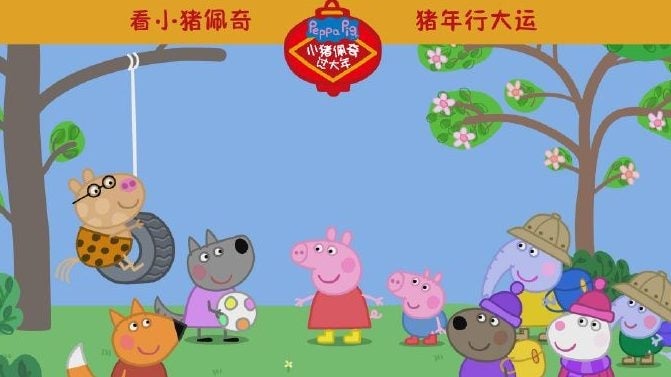
Peppa Pig, once namechecked by the Chinese government for being too “gangster,” will now be ushering in the Lunar New Year in 2019 on the big screen in the Year of the Pig.

Around this time last year, Tesla CEO Elon Musk said that the electric carmaker had a “rough target” to start making vehicles in China, the firm’s biggest overseas market, in three years. Thanks to the trade war, that plan went into high gear—and the first made-in-China Tesla could even arrive next year.

Over the weekend, China launched a satellite into low-earth orbit, the first step of a plan to provide global satellite internet to people who still don’t have reliable access.