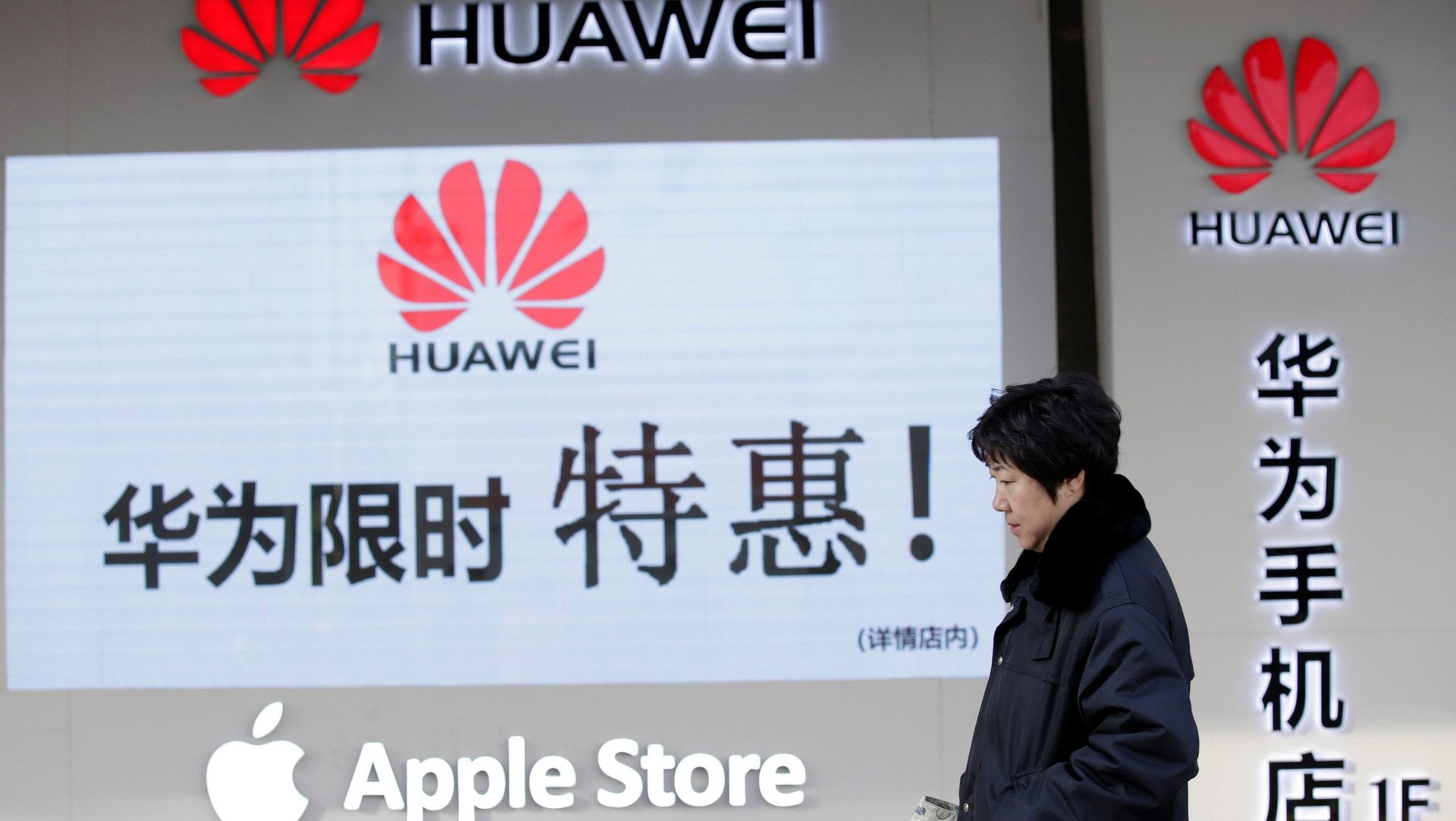
China seems to have reserved most of its ire over the arrest of the CFO of Chinese telecom giant Huawei for Canada—but at least one US company is facing some pressure.

China seems to have reserved most of its ire over the arrest of the CFO of Chinese telecom giant Huawei for Canada—but at least one US company is facing some pressure.

This year, Chinese people went collectively mad over a TV show that told the tale of a lowly maid’s ascent to a position of power in the Qing imperial court, as well as a children’s cartoon about a pig, which later drew the ire of the government because it morphed into a “gangster-like” creature on China’s internet.

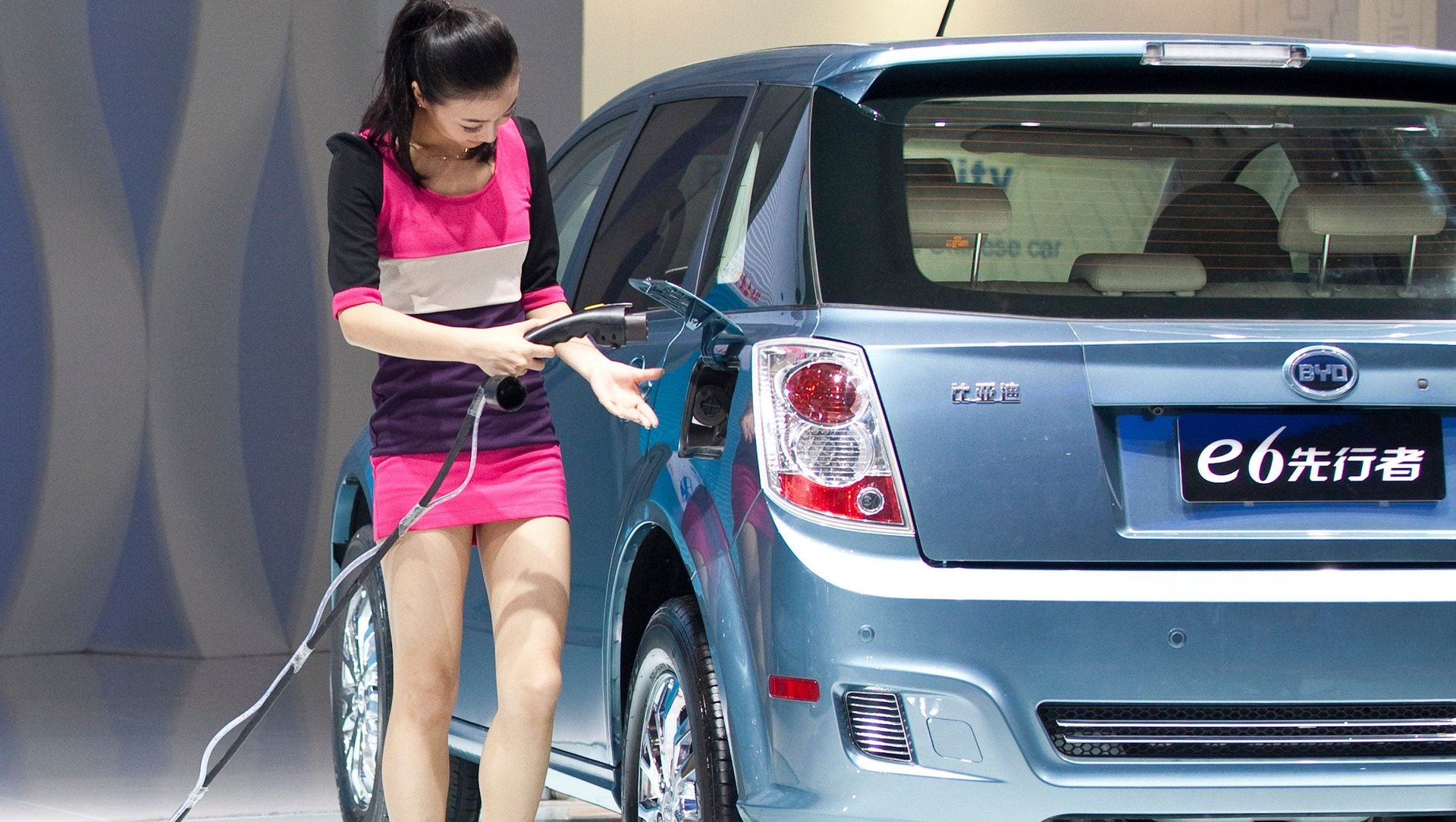
In September last year, a top Chinese industry official told an automobile conference that China was planning to phase out fossil-fuel cars, but didn’t offer many details. Now, China has rolled out rules that basically nix investment in new fossil-fuel car factories starting next year.

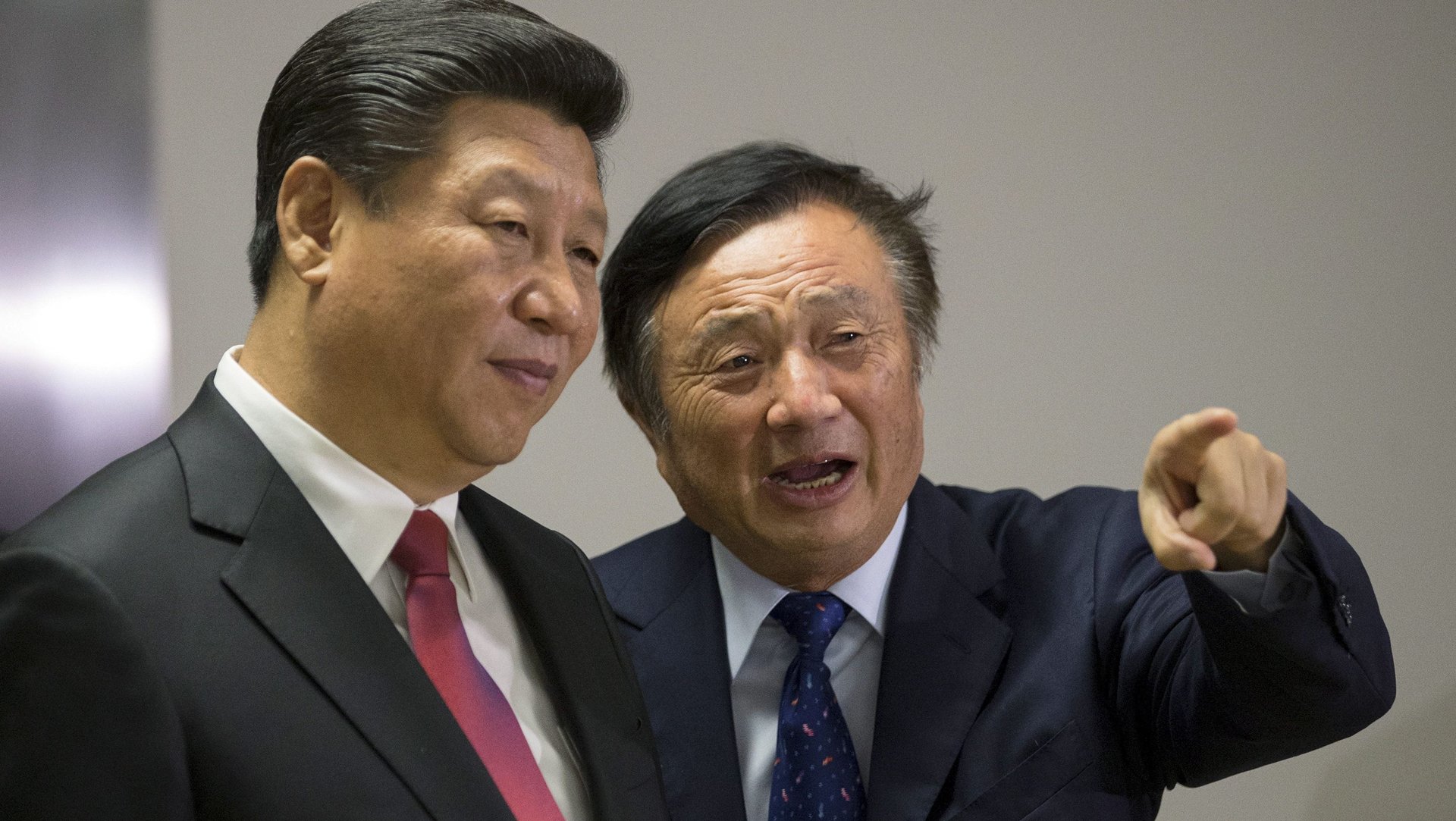
It appears Ren Zhengfei, founder and CEO of telecoms equipment maker Huawei, might no longer be one of the Communist Party’s favorite entrepreneurs.

As soon as Chinese electric car makers manage to get their vehicles on the road, an IPO often seems the logical next step. The “wild swings” in stock price notwithstanding, as Tesla founder Elon Musk complained in August, it’s a way to both fund future expansion and make early investors happy (hopefully).

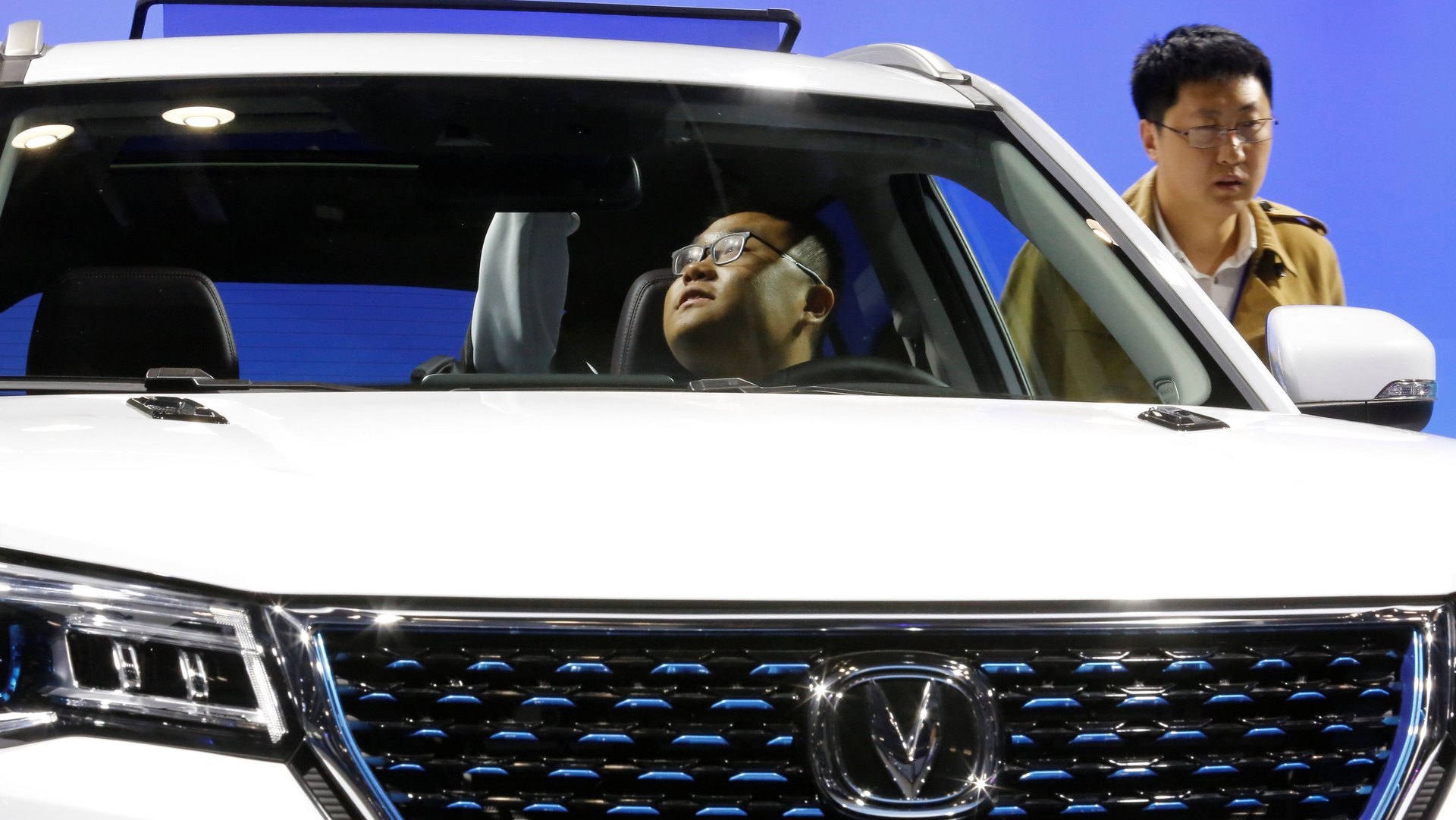
Almost a decade ago, China surpassed the US to become the world’s biggest car market. Since then, China’s auto sales have been growing—though that could come to a halt this year, in what would be the first contraction in annual auto sales in the country since 1990.

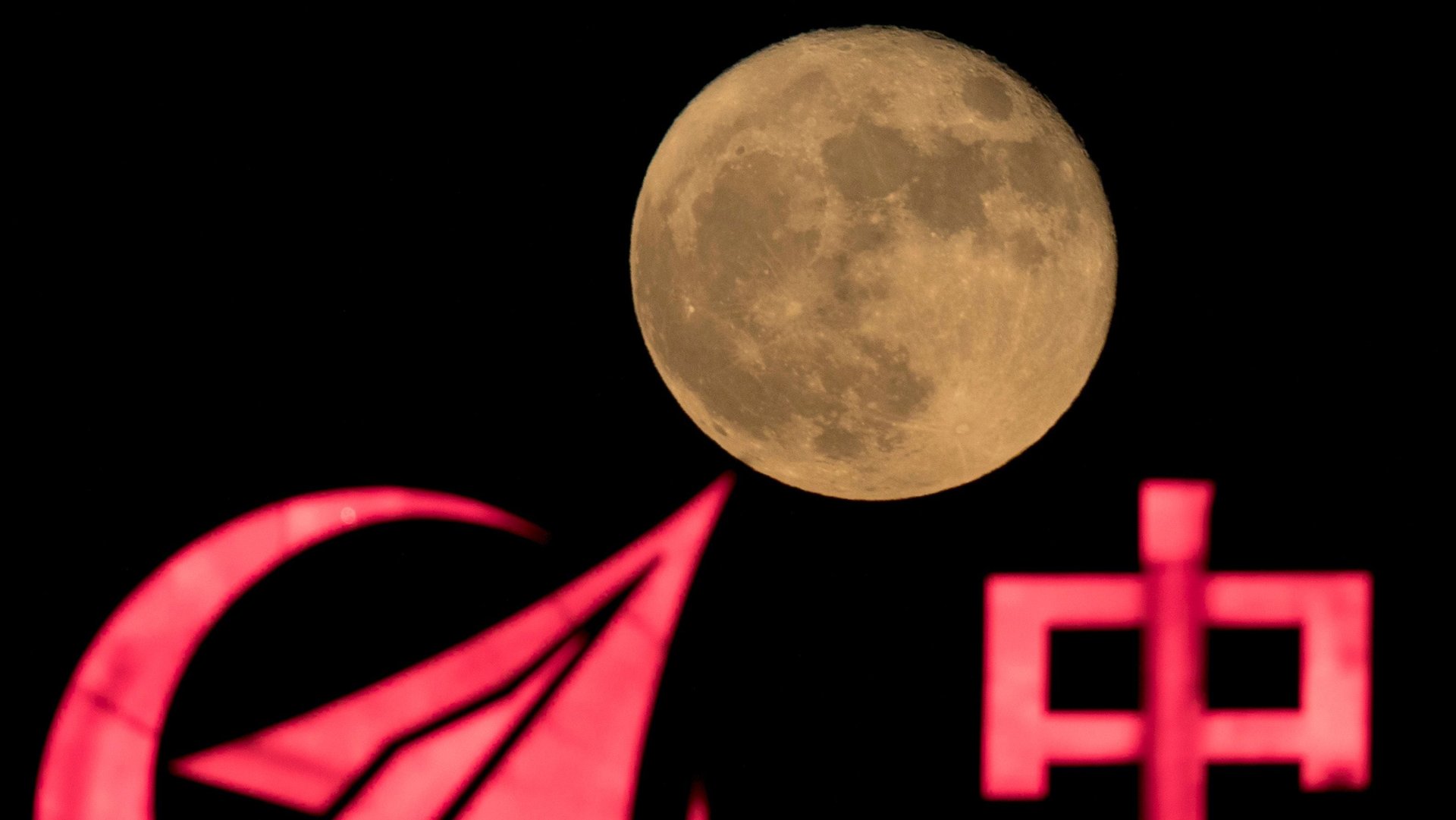
China’s trying to make history by becoming the first to land a spacecraft safely on the Moon’s far side early in the new year. If it gets there safely, investigative tools contributed by several countries will help it study the Moon’s hidden side.

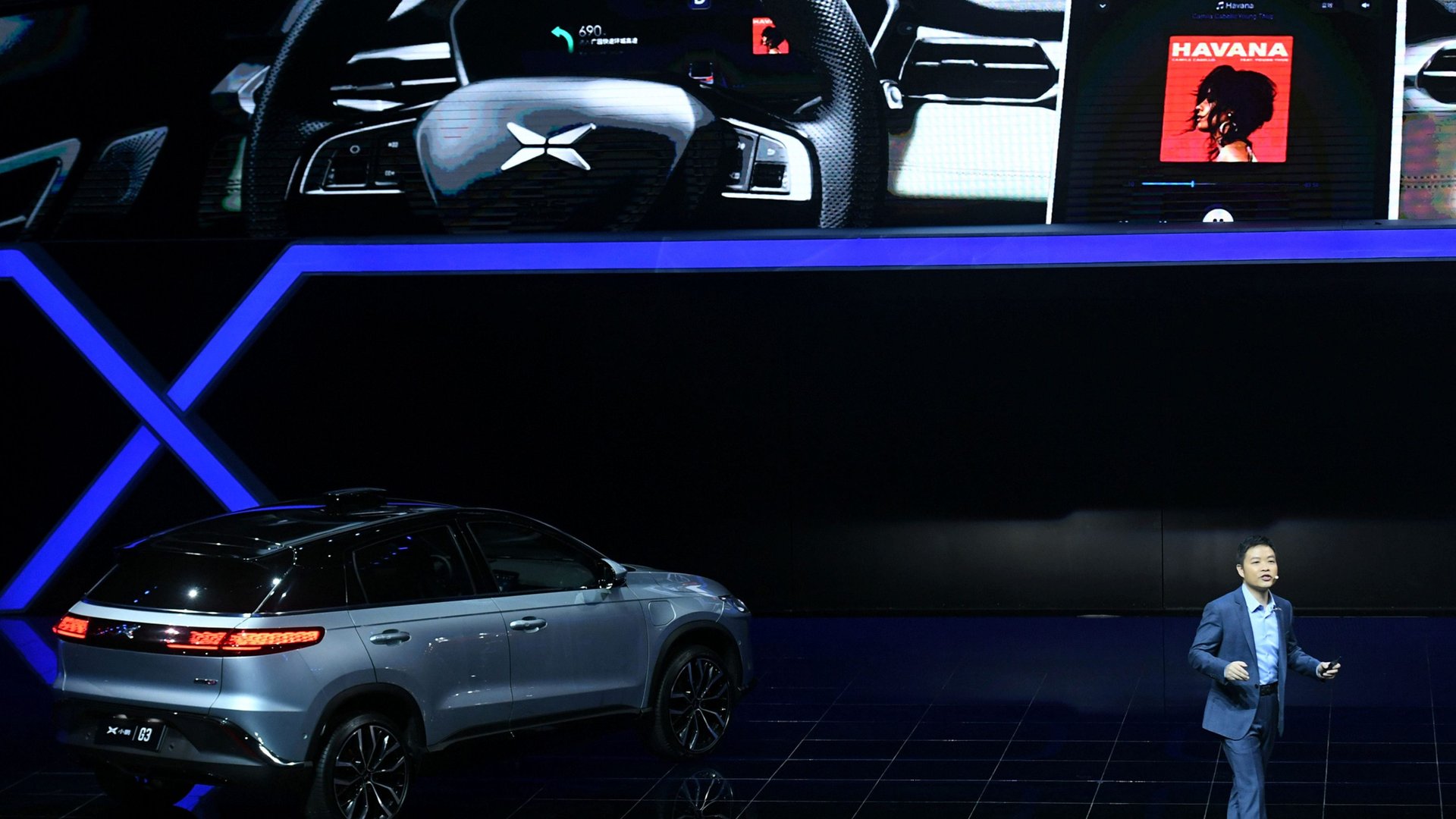
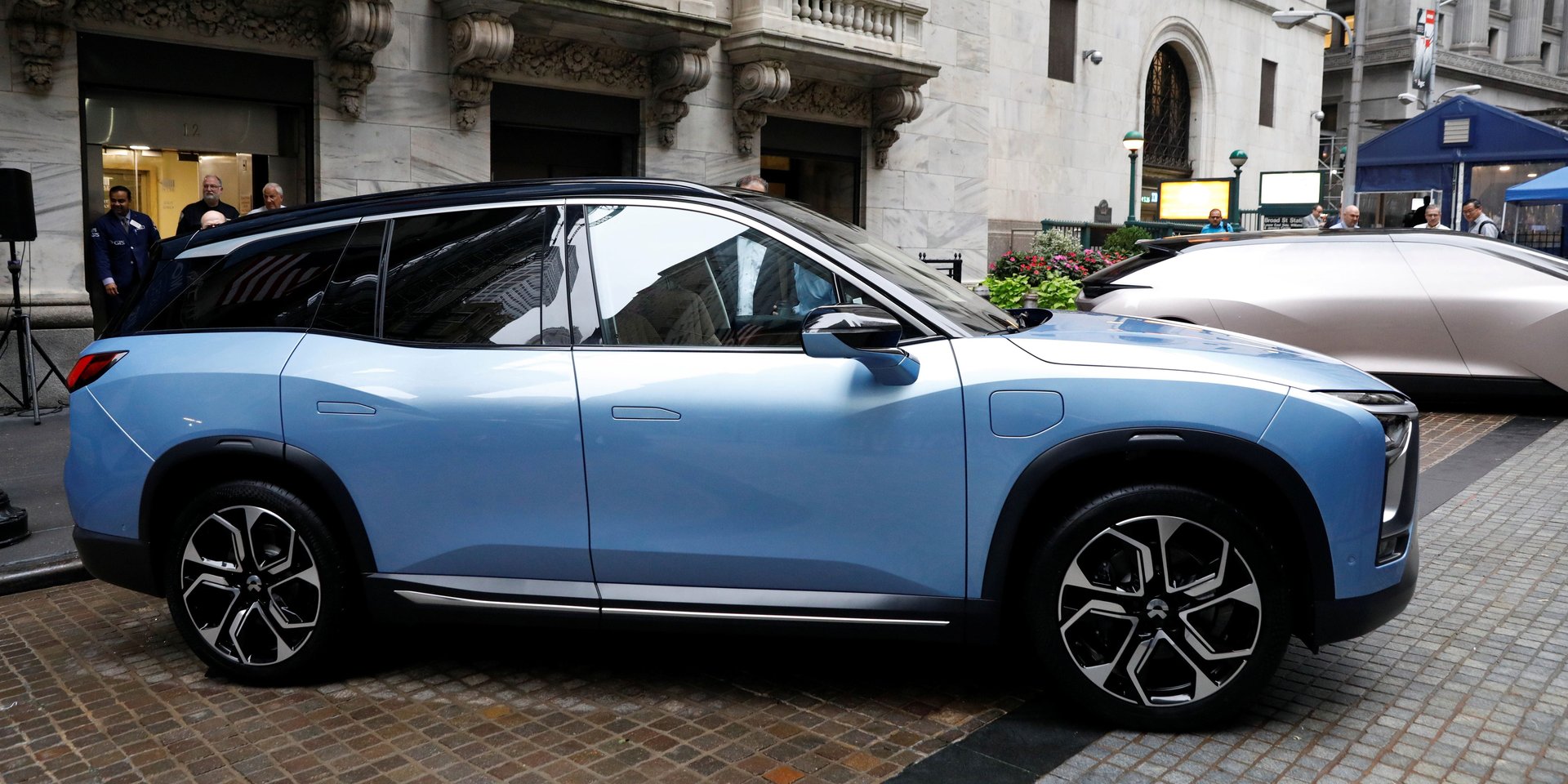
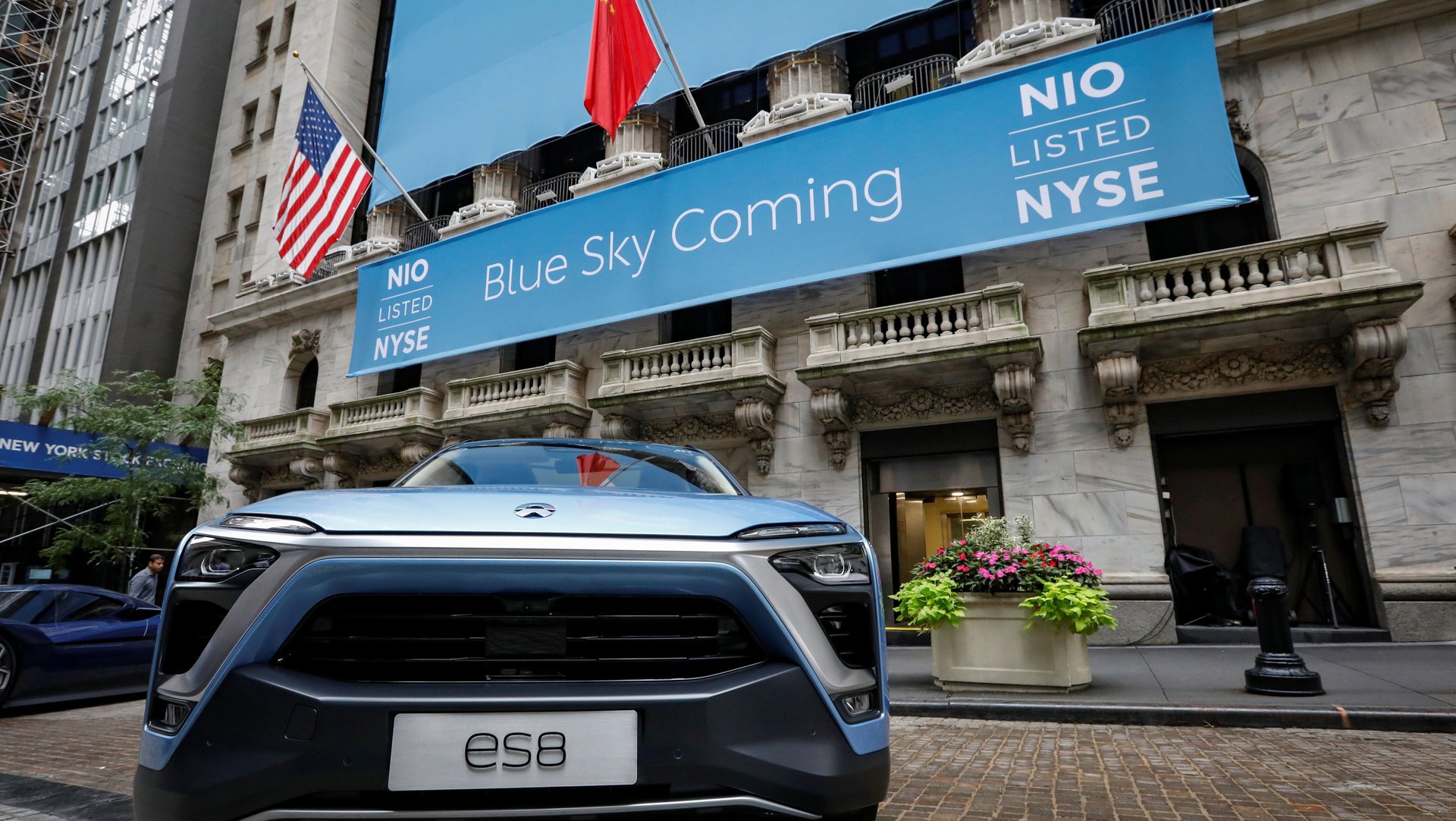
Among a slew of Chinese electric car startups that surfaced in recent years, one stood out—it went public in New York this year and now is drawing closer in sales to a rival that’s also an inspiration: Tesla.

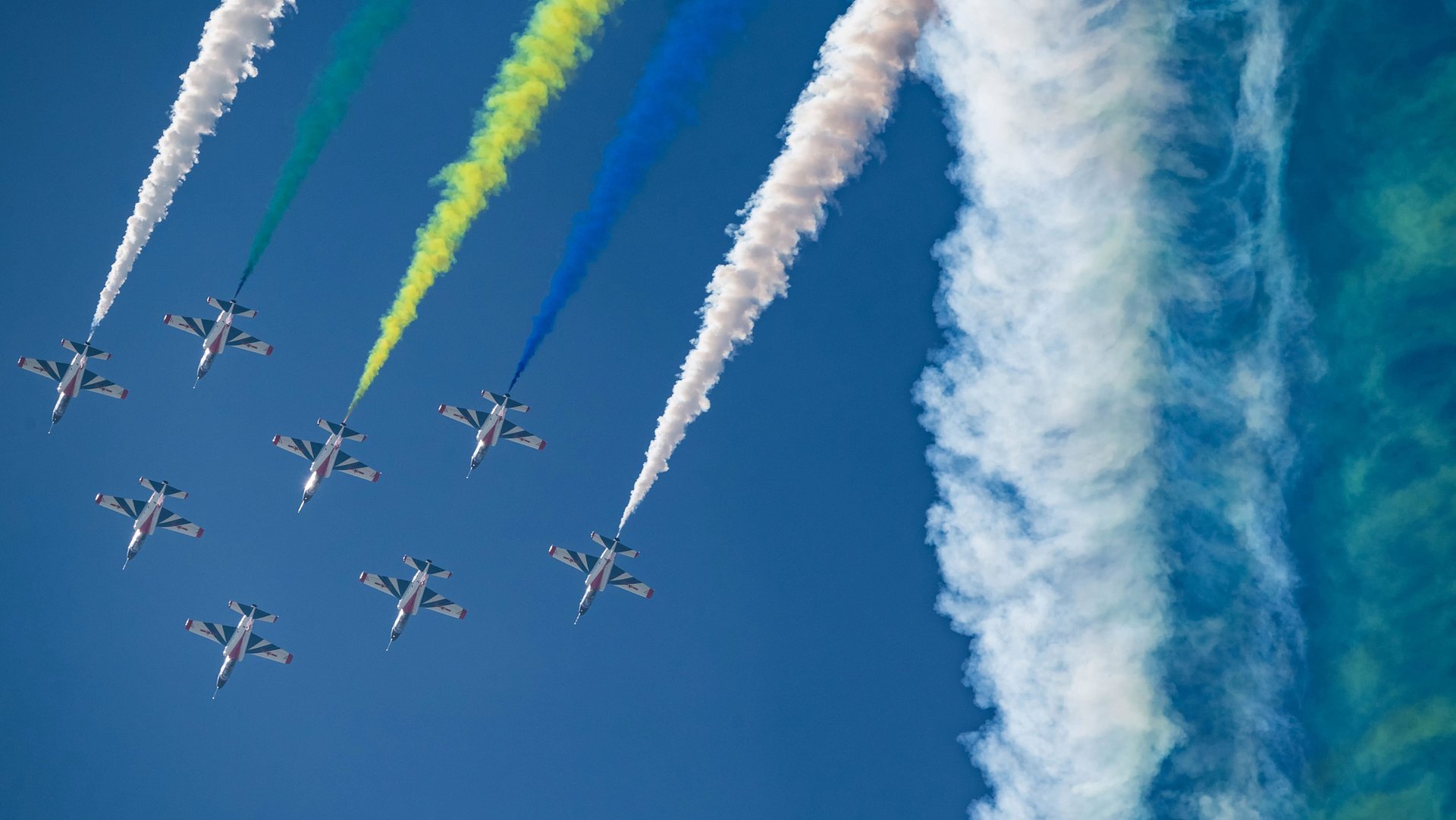
More than 20 years ago, China held an air show in the southern coastal city of Zhuhai. At the time, its aviation industry was just taking off—since then, the event has become an opportunity for Beijing to show off its growing aviation developments.

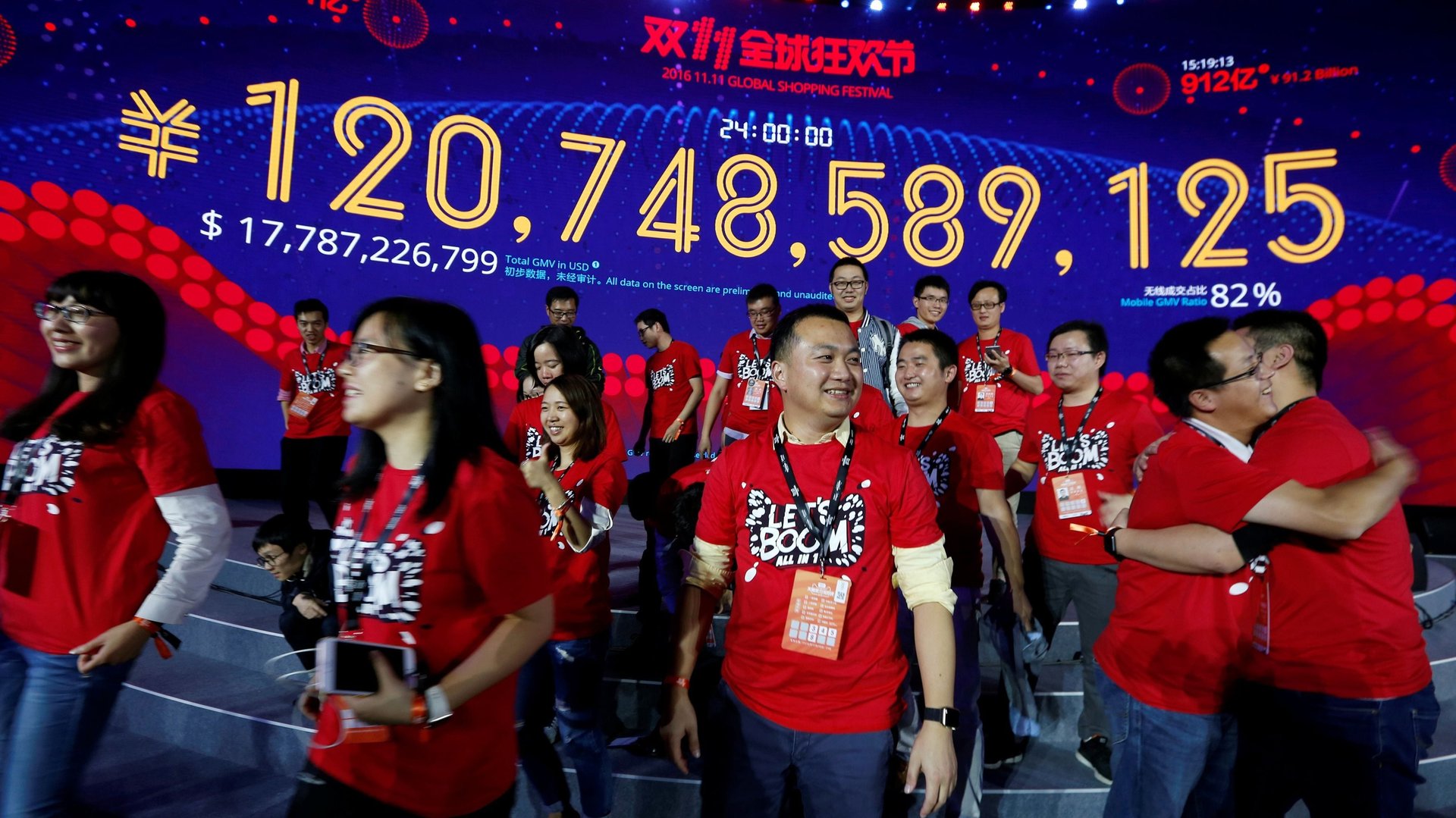
On Sunday (Nov. 11), Alibaba will mark the 10th edition of Singles’ Day, a one-day shopping event so big it eclipses both Black Friday and Cyber Monday, and leaves Amazon’s Prime Day trailing in the dust.

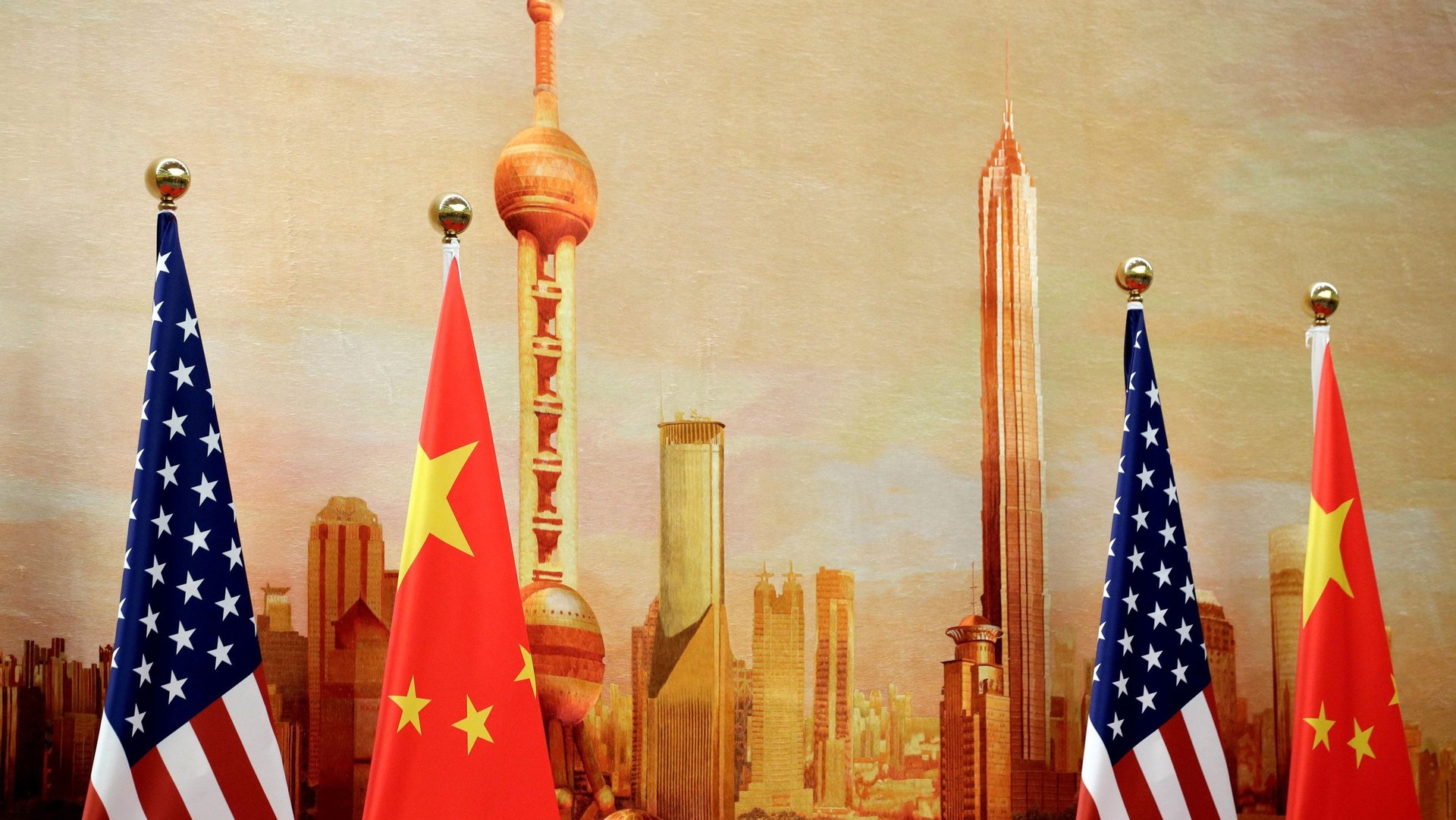
The midterm results—which saw a “blue ripple” win Democrats the House—have’t brought any cheer to China.

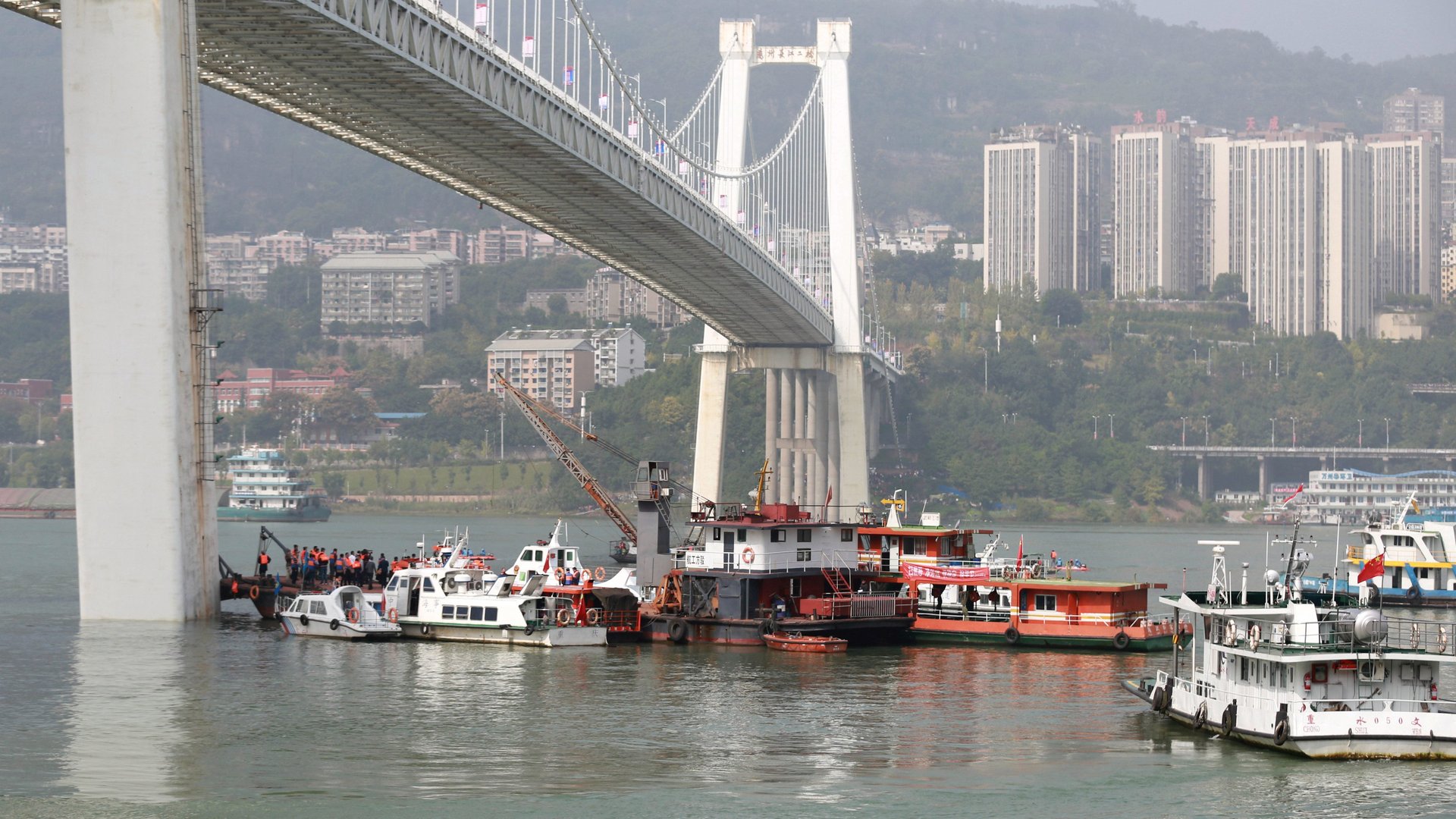
Recovered footage from a bus’s black box is helping police piece together what led to a deadly accident that killed at least 13 people in China over the weekend.

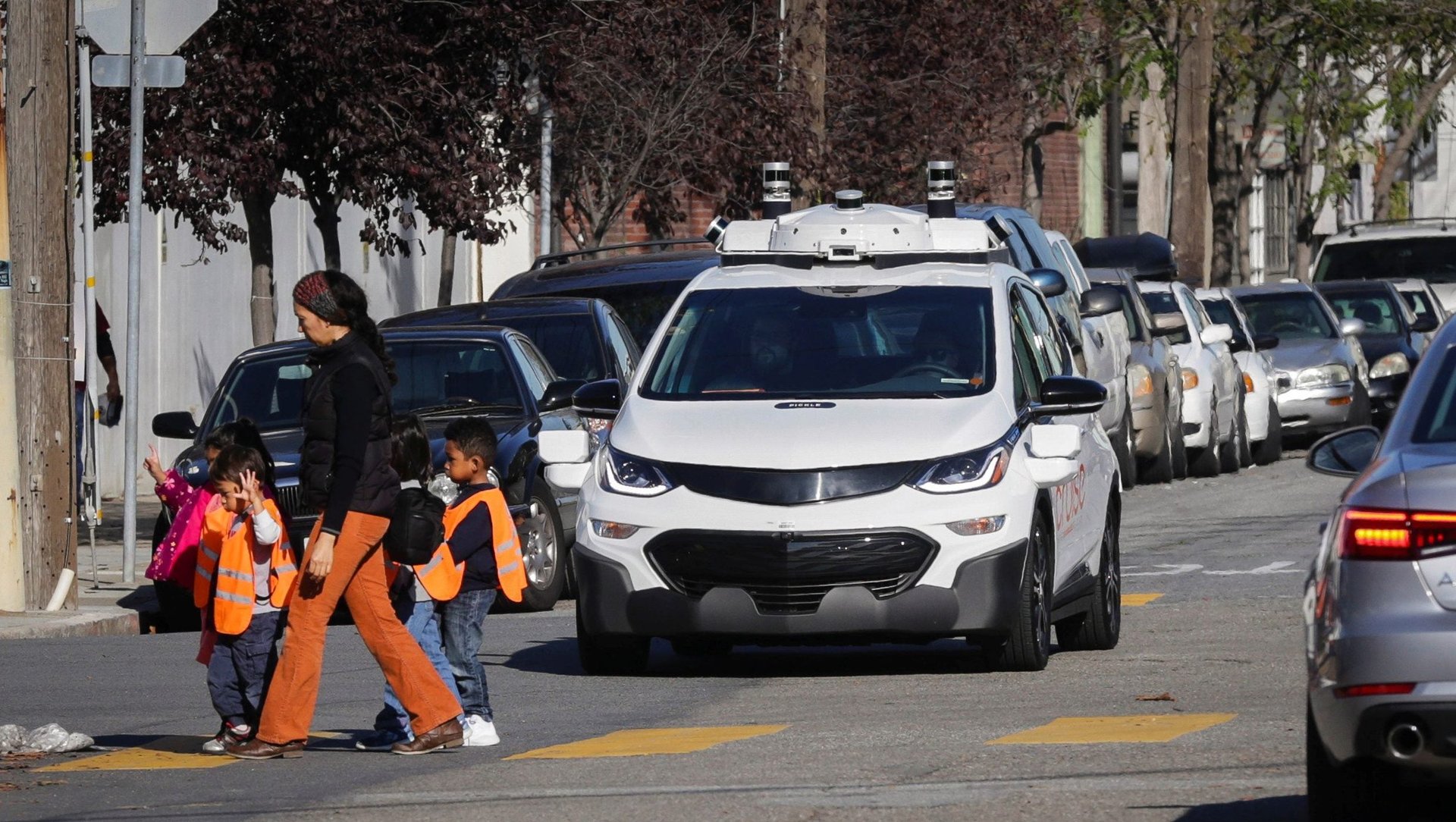
As countries race to put self-driving cars on road, these vehicles, like human drivers, will inevitably one day be in sole charge of split-second decisions that will result in life or death. Sometimes any decision will unavoidably cause harm to one set of people or another—the famous trolley problem. In that case, what human preferences should shape the algorithms that will decide what the car will do?

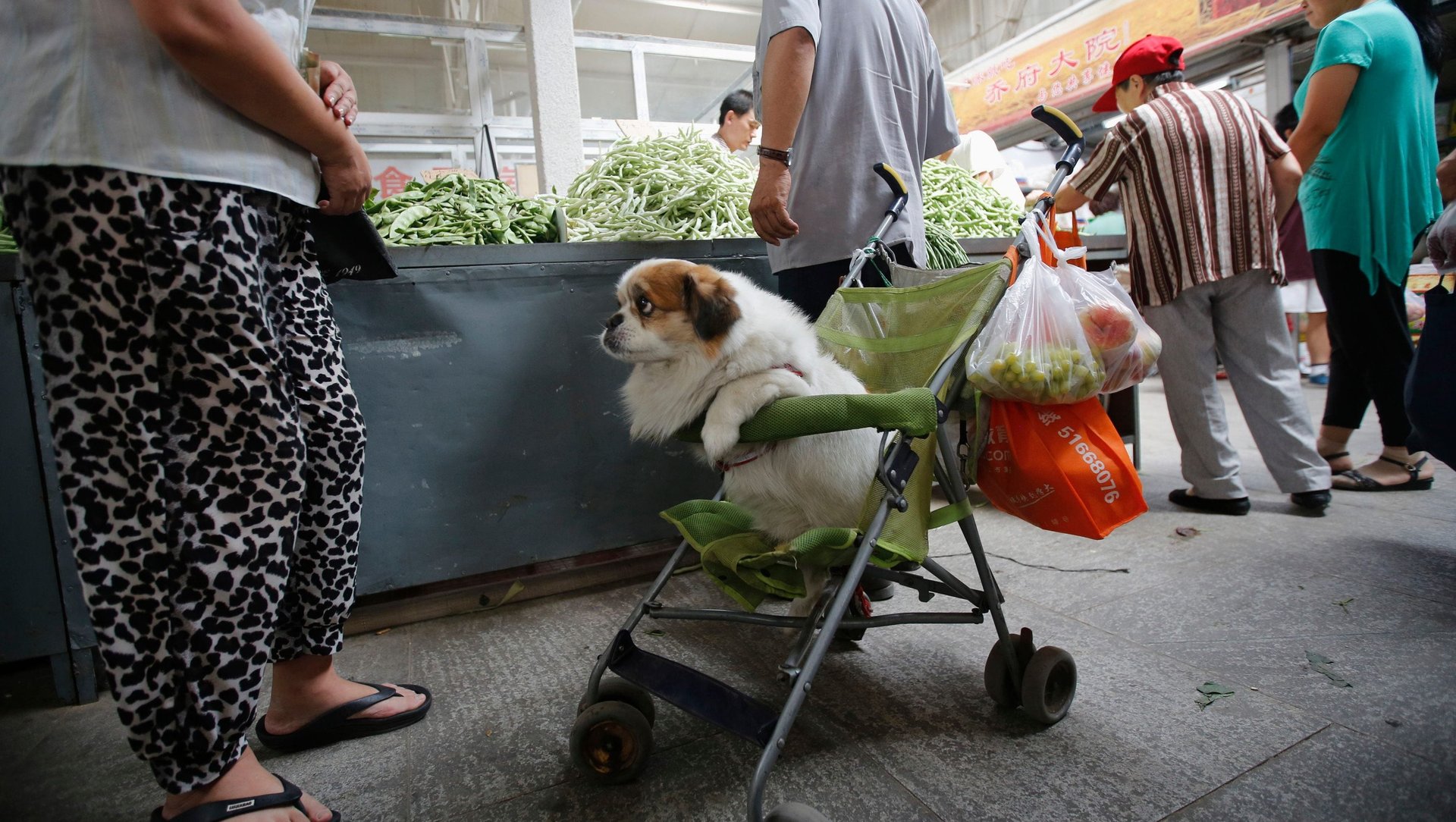
A Chinese city has implemented a credit score for dog owners—and enough dings could result in their furry friends being taken away from them.

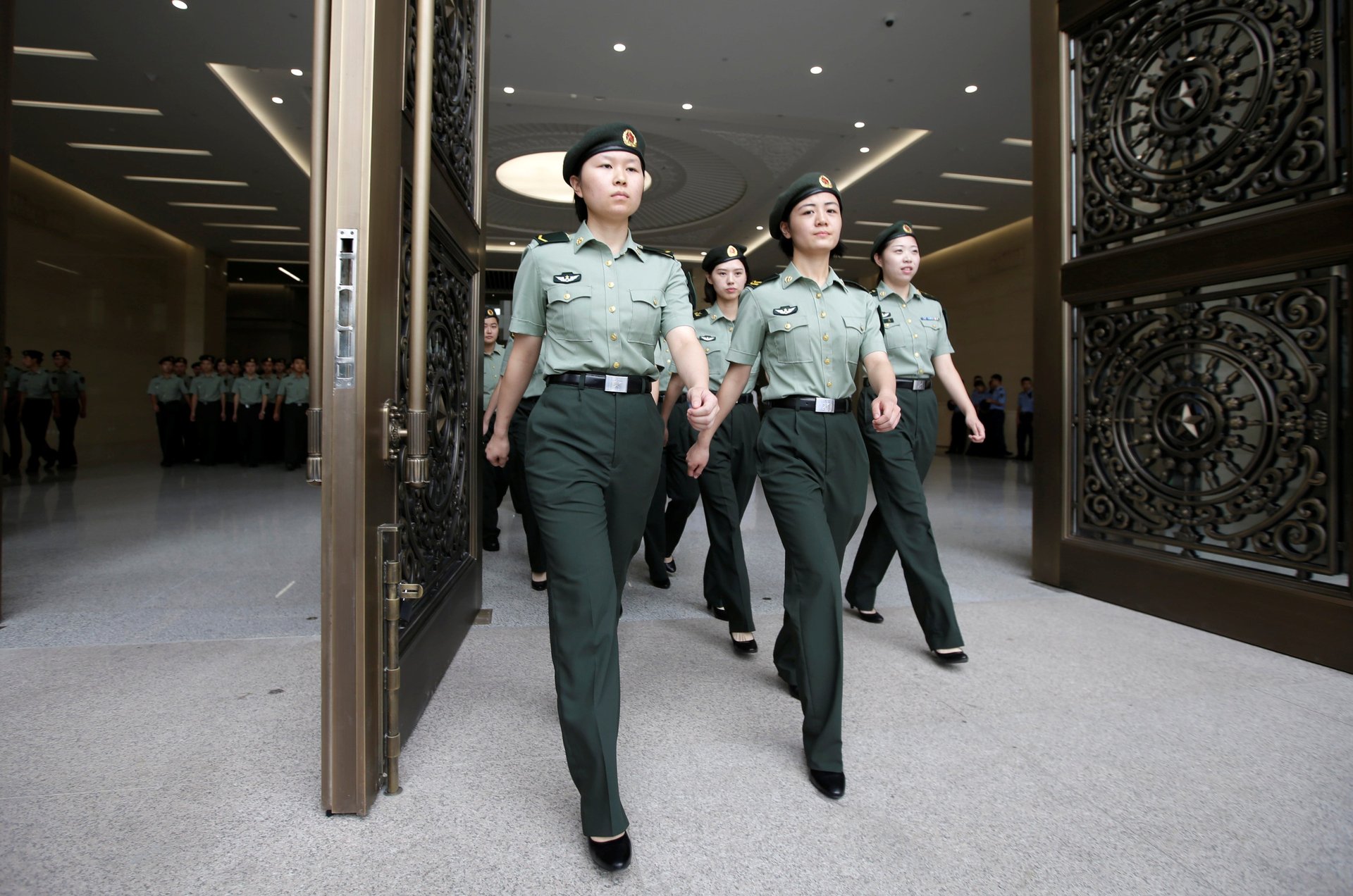
Universities in the US, UK, Australia, and other countries may have been unknowingly collaborating with China’s military.

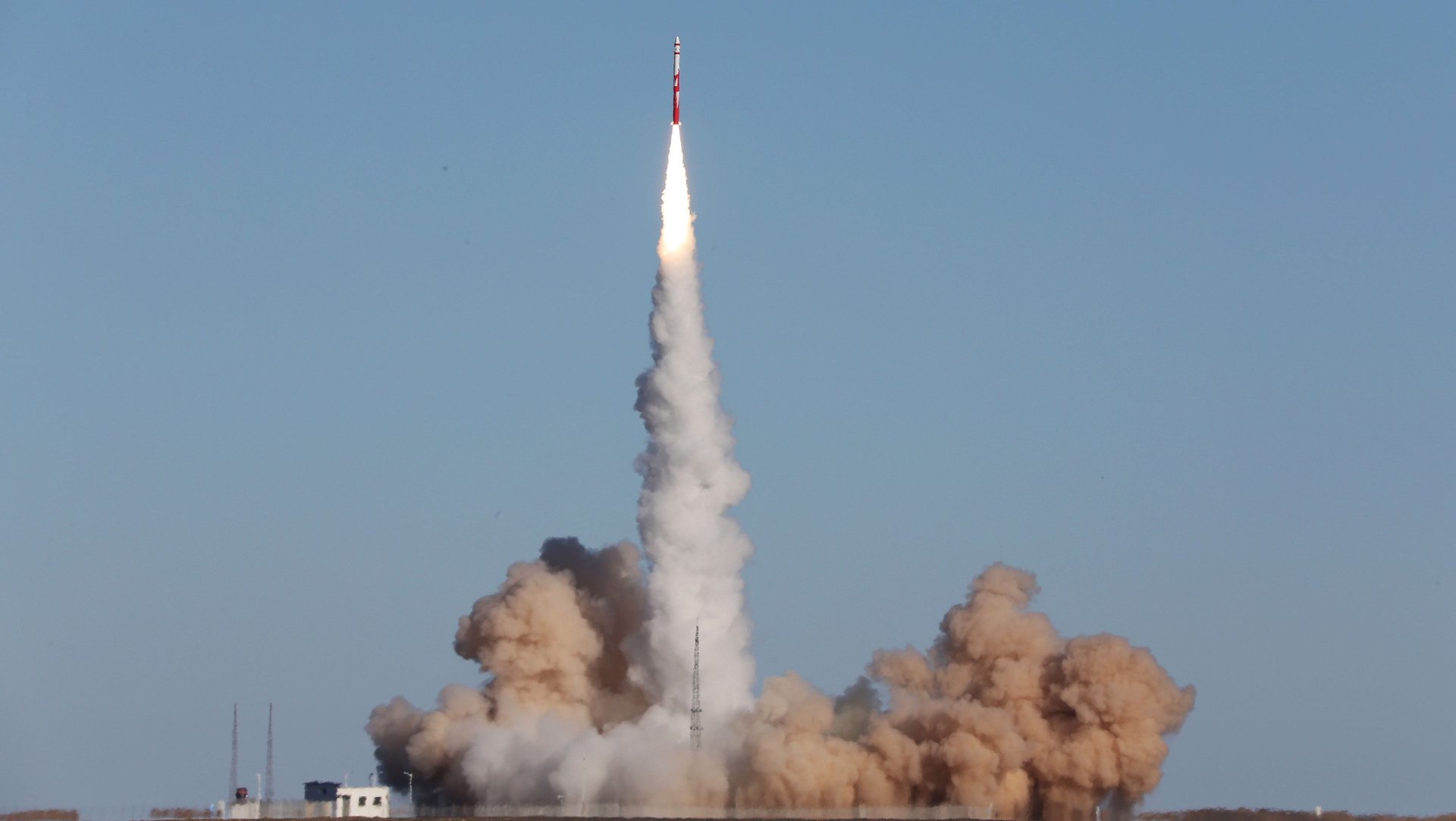
China’s private space industry saw a setback in its development over the weekend after a Chinese rocket firm failed to send a satellite into orbit.

China might achieve a major milestone for its private space business as soon as this weekend.

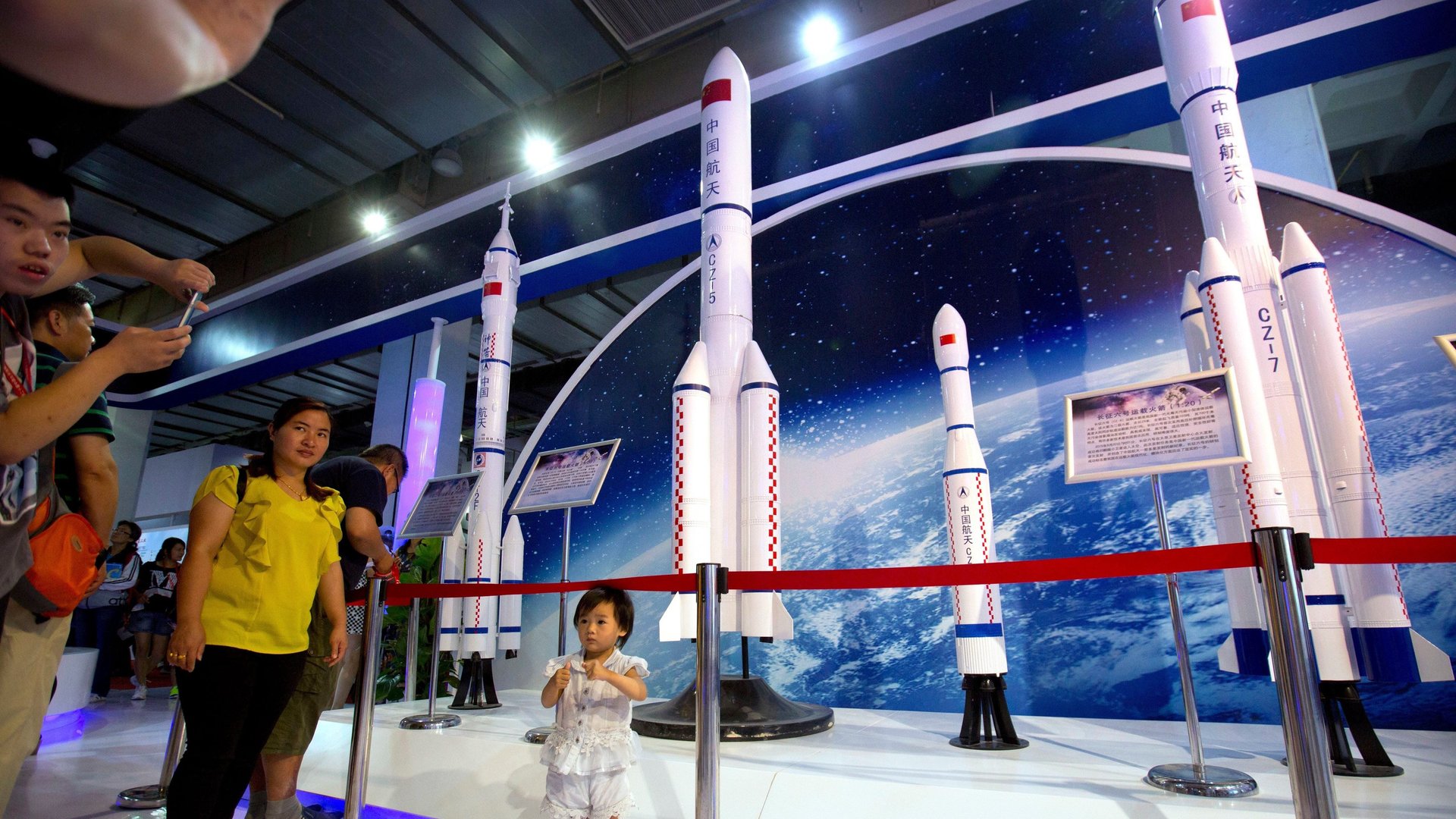
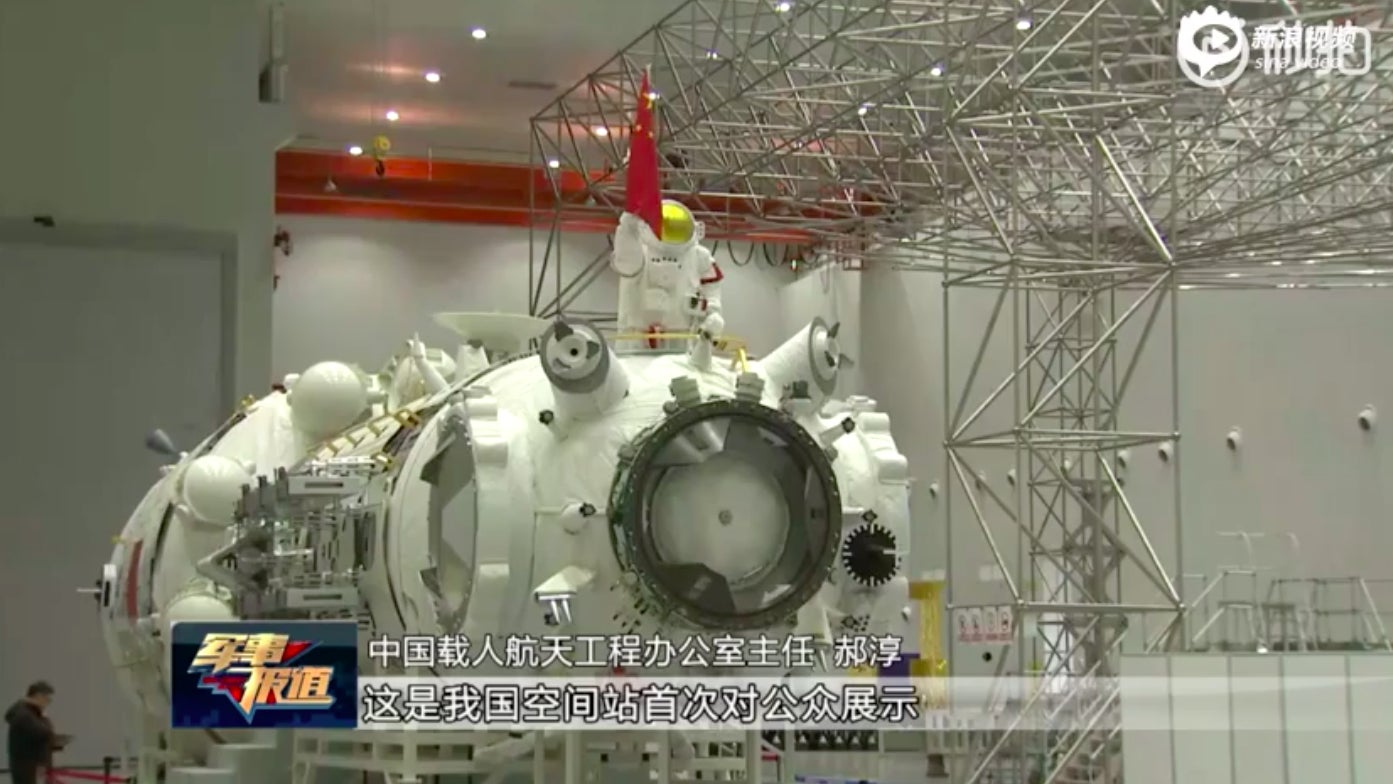
Seven years ago, China was shut out of using the International Space Station by the US over national security concerns, driving China to aspire to a space station of its own. Now the country is getting ready to show the world what it has built for the first time.

A meme taking over China’s internet is showcasing the privileged lives of its rich millennials.

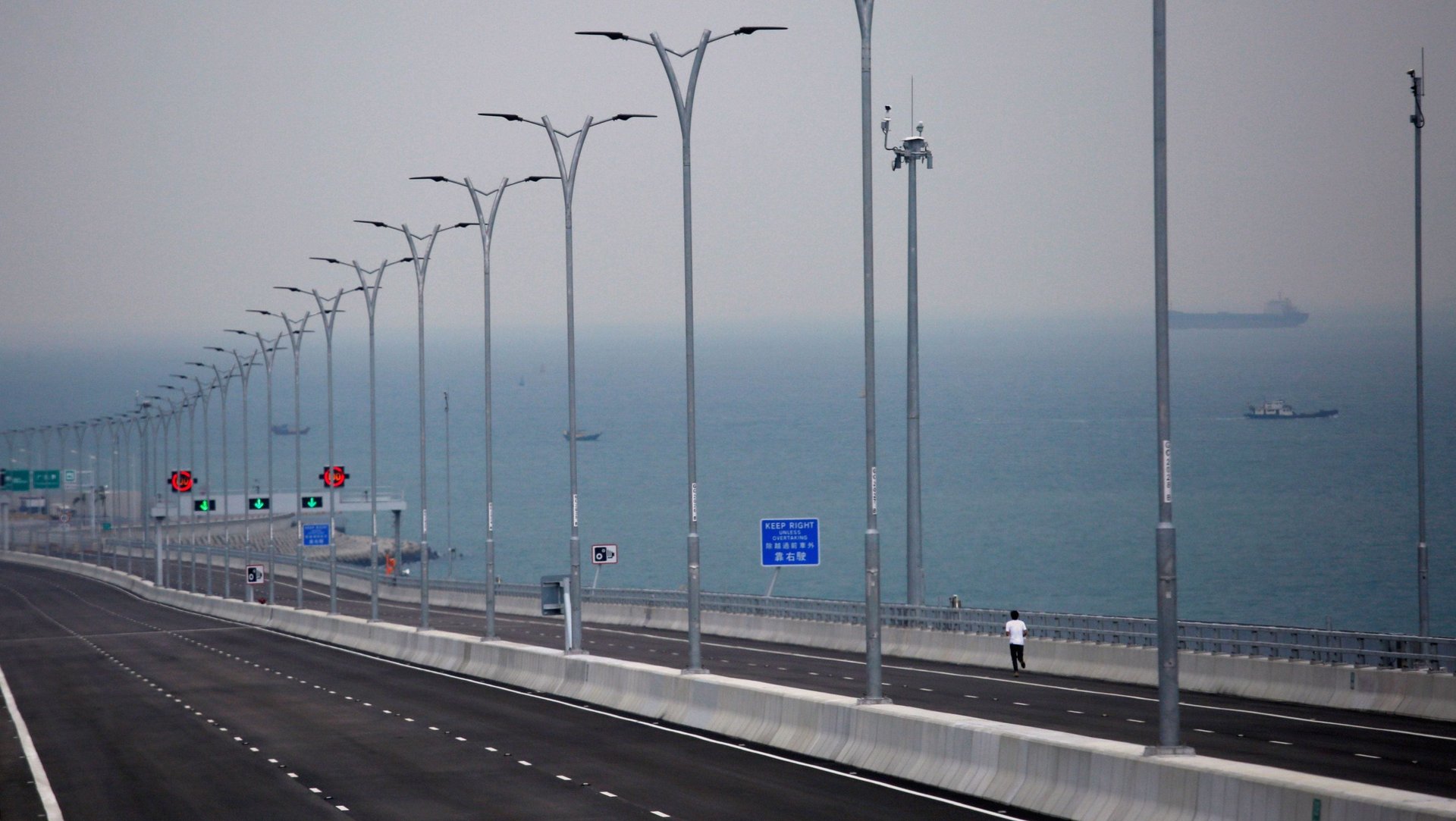
Fifteen years ago, China started to work on an ambitious project that would eventually become the world’s longest sea-crossing bridge ever built. Now that bridge, which connects the mainland to both of the country’s special administrative regions, Hong Kong and Macau, is finally ready. After an inaugural ceremony in the mainland city of Zhuhai presided over by Chinese leader Xi Jinping on Tuesday (Oct. 23), with fireworks, the bridge will open to traffic at 9am on Wednesday.

In January, e-commerce giant Alibaba joined the tiny club of tech companies with valuations above $500 billion. Tencent, China’s messaging and gaming empire, had touched that milestone briefly late last year.

NIO, a Shanghai-based EV maker that went public on the New York Stock Exchange in September, just attracted half a billion dollars (paywall) from the Scottish investment firm that is Tesla’s biggest shareholder after Elon Musk. According to a regulatory filing posted on Tuesday (Oct. 9), Baille Gifford, which has a roughly $ 4 billion stake (paywall) in the California EV maker—now owns 11.4% shares of NIO.

China’s ardent determination to win the trade war might not have all the public support it would like.

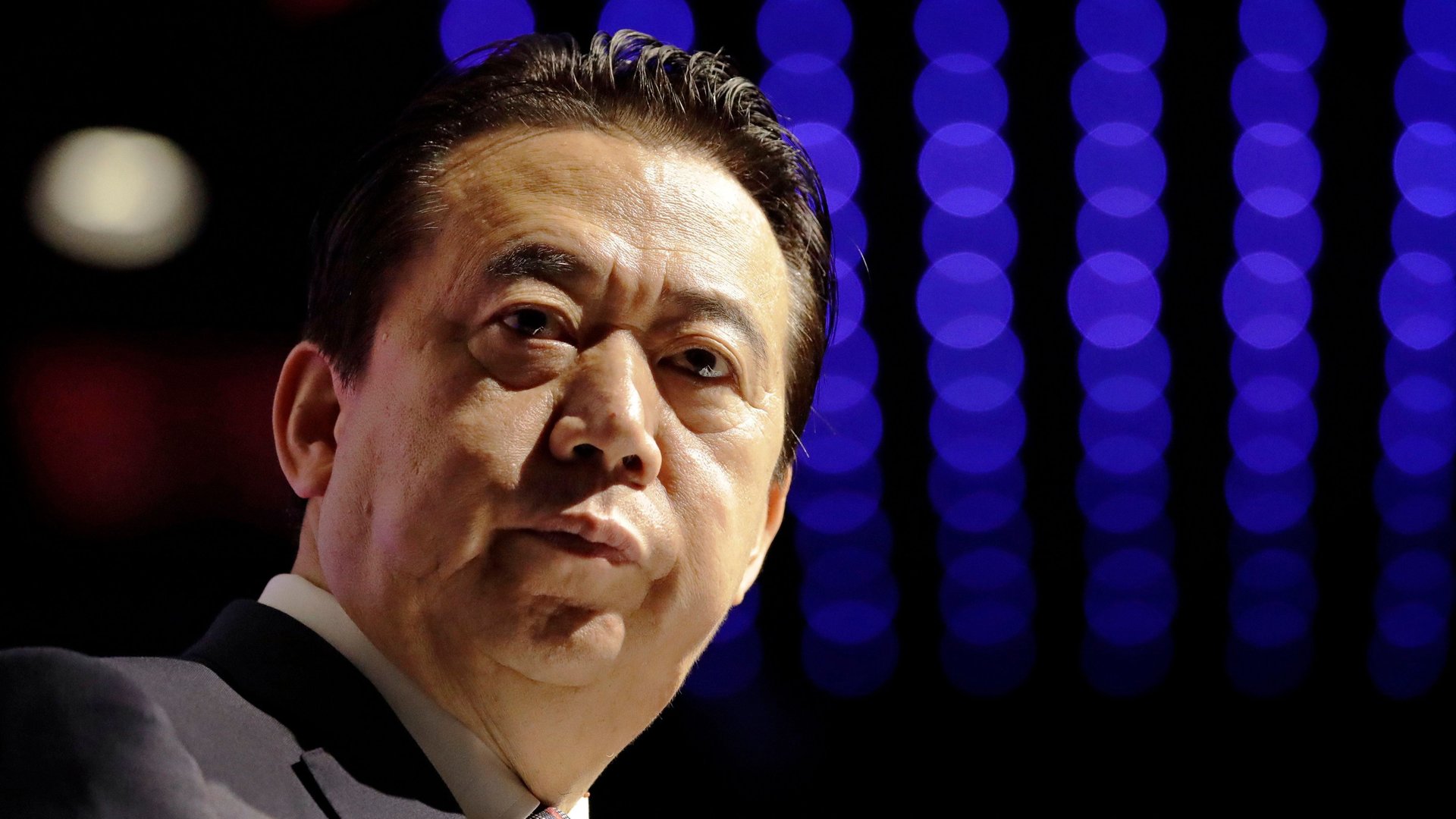
Two years ago, Meng Hongwei became the first Chinese person to head Interpol, the international police cooperation organization based in Lyon, France. Nearly two weeks ago, he went missing. Yesterday (Oct. 7), China announced that Meng was under investigation for “suspicion of violating the law,” according to China’s anti-corruption authorities (link in Chinese).