In a speech delivered yesterday (Oct. 4) in Washington D.C., US vice president Mike Pence went over a long list of China’s offenses—including espionage, meddling in US elections, and religious persecution, to name but a few such affronts.

In a speech delivered yesterday (Oct. 4) in Washington D.C., US vice president Mike Pence went over a long list of China’s offenses—including espionage, meddling in US elections, and religious persecution, to name but a few such affronts.

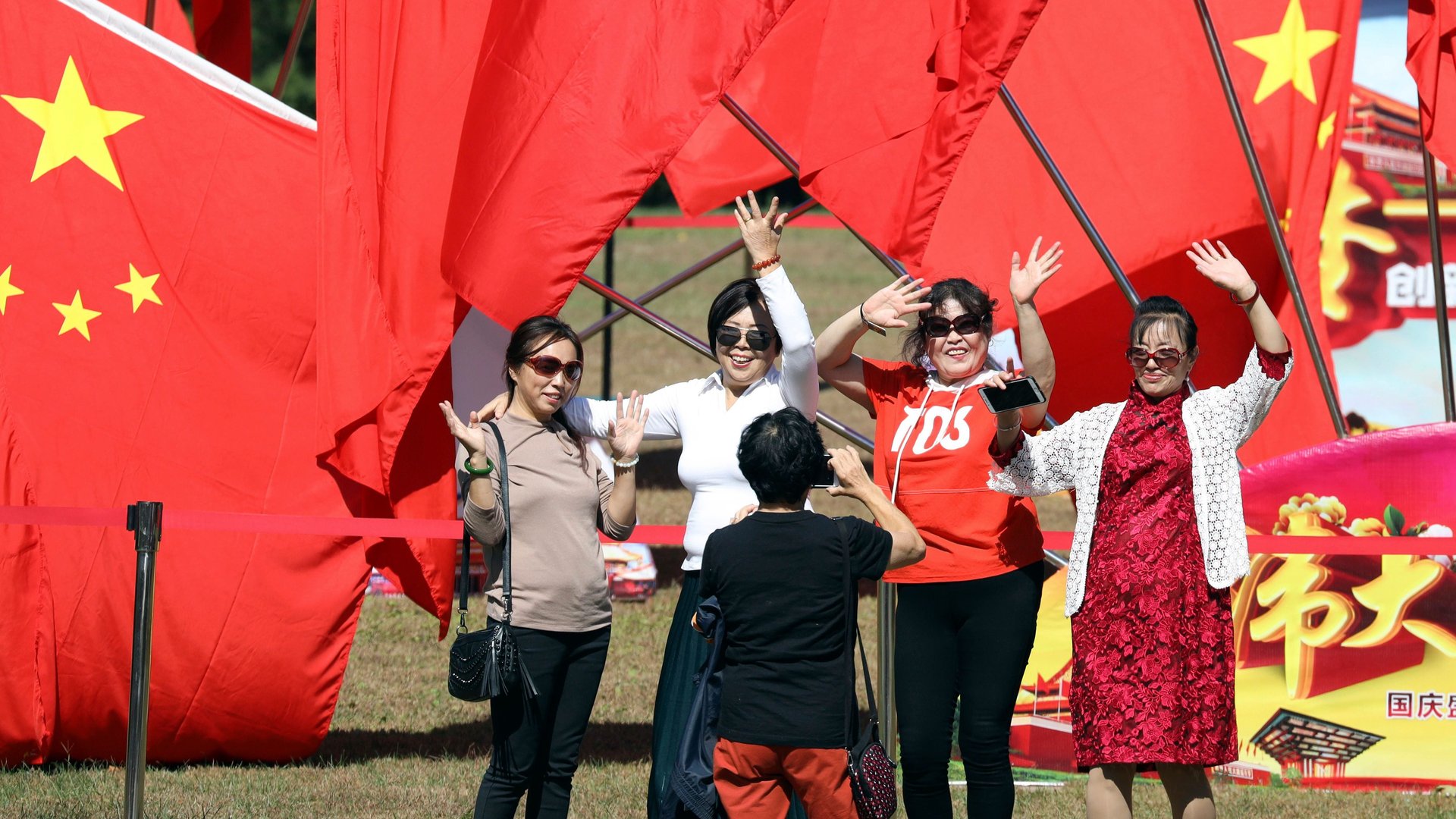
It’s Golden Week in China—which means hundreds of millions of Chinese are on the move.

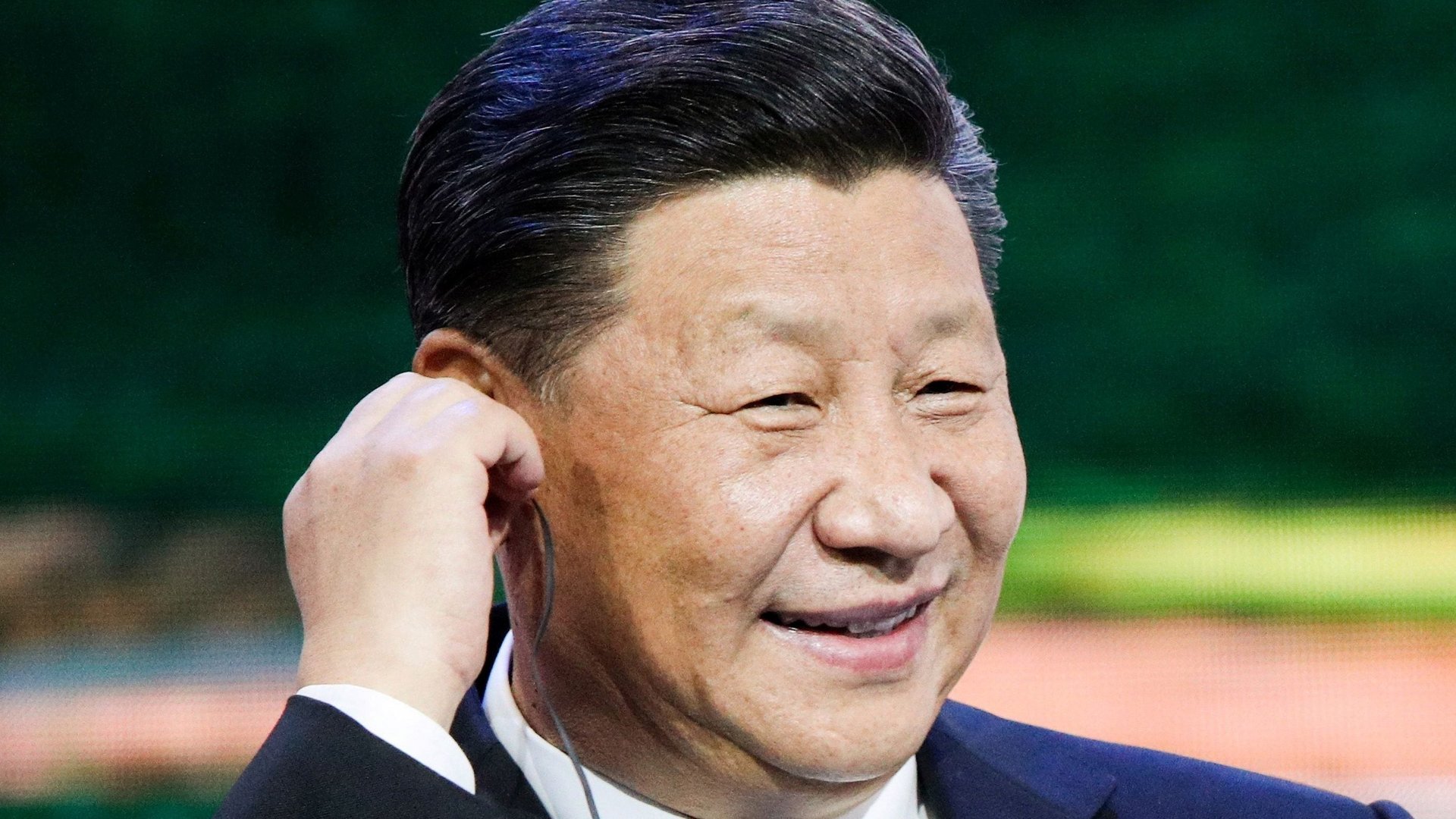
There are so many ways for China to learn how great Xi Jinping is.

After going AWOL for three months, China’s biggest actress, Fan Bingbing, is back—with a bill for 890 million yuan ($130 million) in fines and back taxes, and a deep apology to the Communist Party.

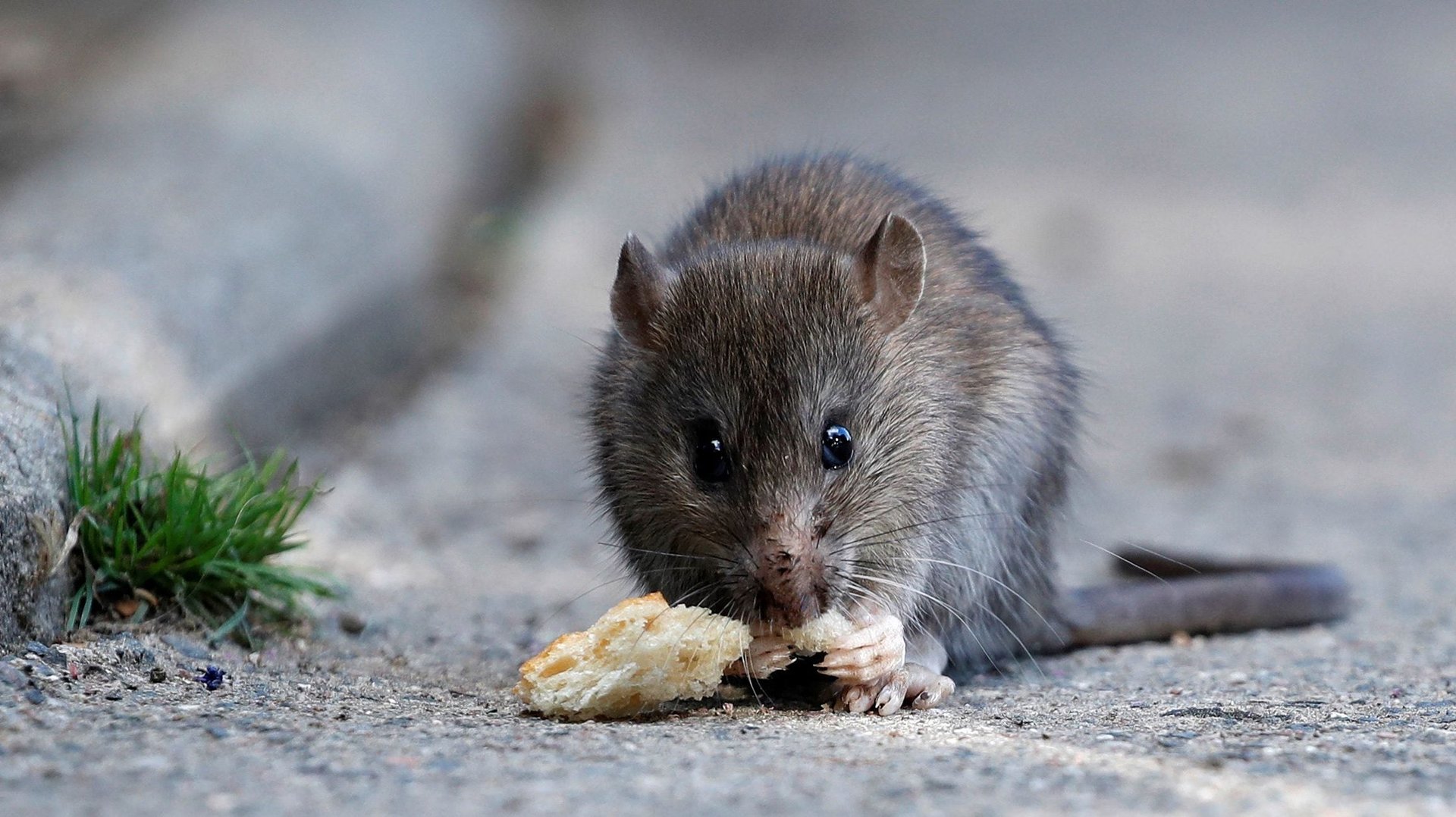
For the first time, a man was infected with a strain of hepatitis E that was previously found only in rats.

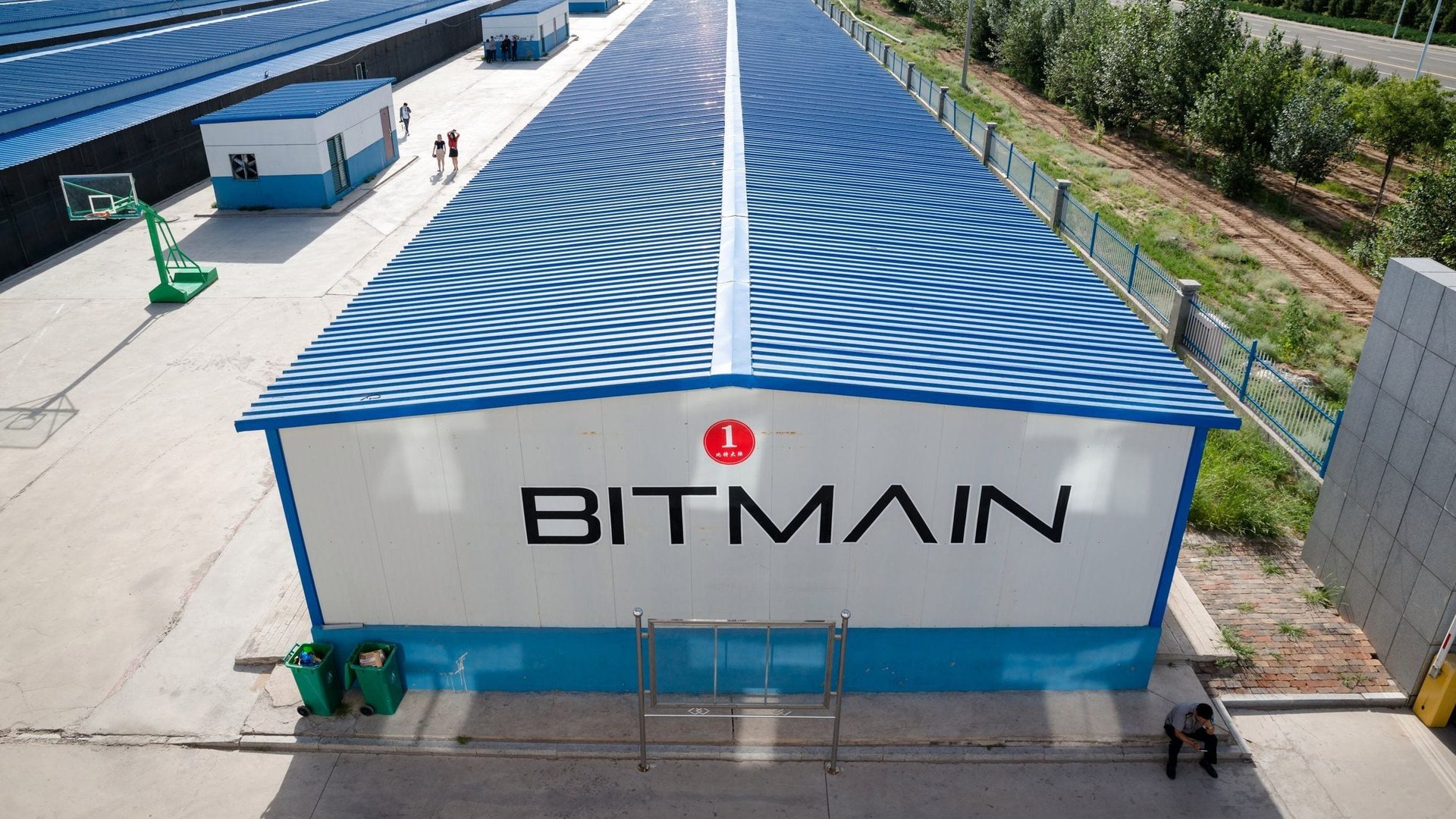
All the ups and downs of cryptocurrencies can make anyone—even the most bullish of crypto believers—reconsider putting all their eggs in one basket.

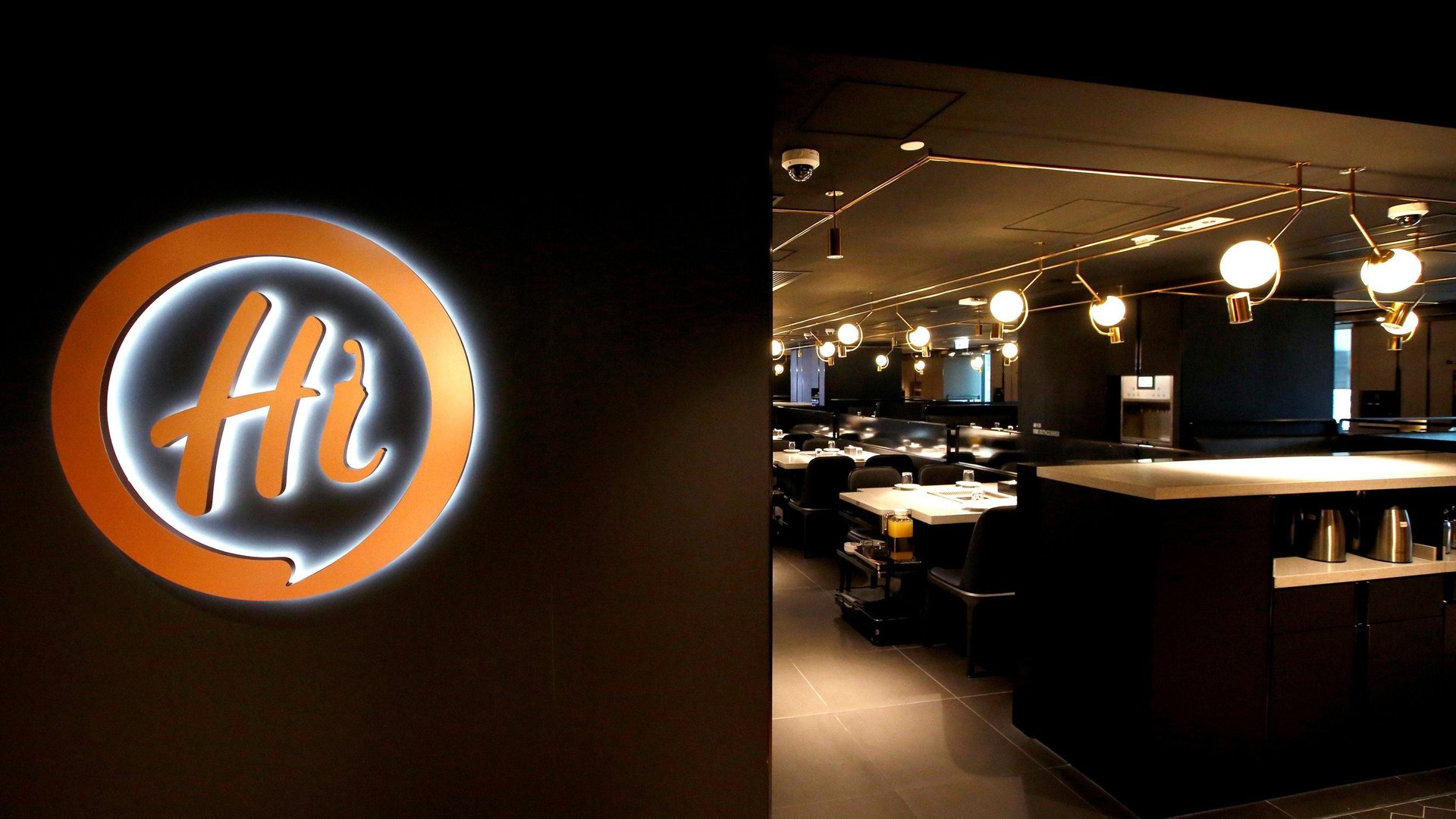
In 1994, two couples in China’s Sichuan province opened a hotpot restaurant, offering customers vats of spicy broth they could cook meat and vegetables in at their tables. Because it was a relatively common dish, the restaurant, called Haidilao, decided to take a different approach to its business, helping customers carry their bags and even looking after their children. These unusual services proved to be a success, as competitors nearby began closing down (link in Chinese), and helped it grow into a hotpot behemoth.

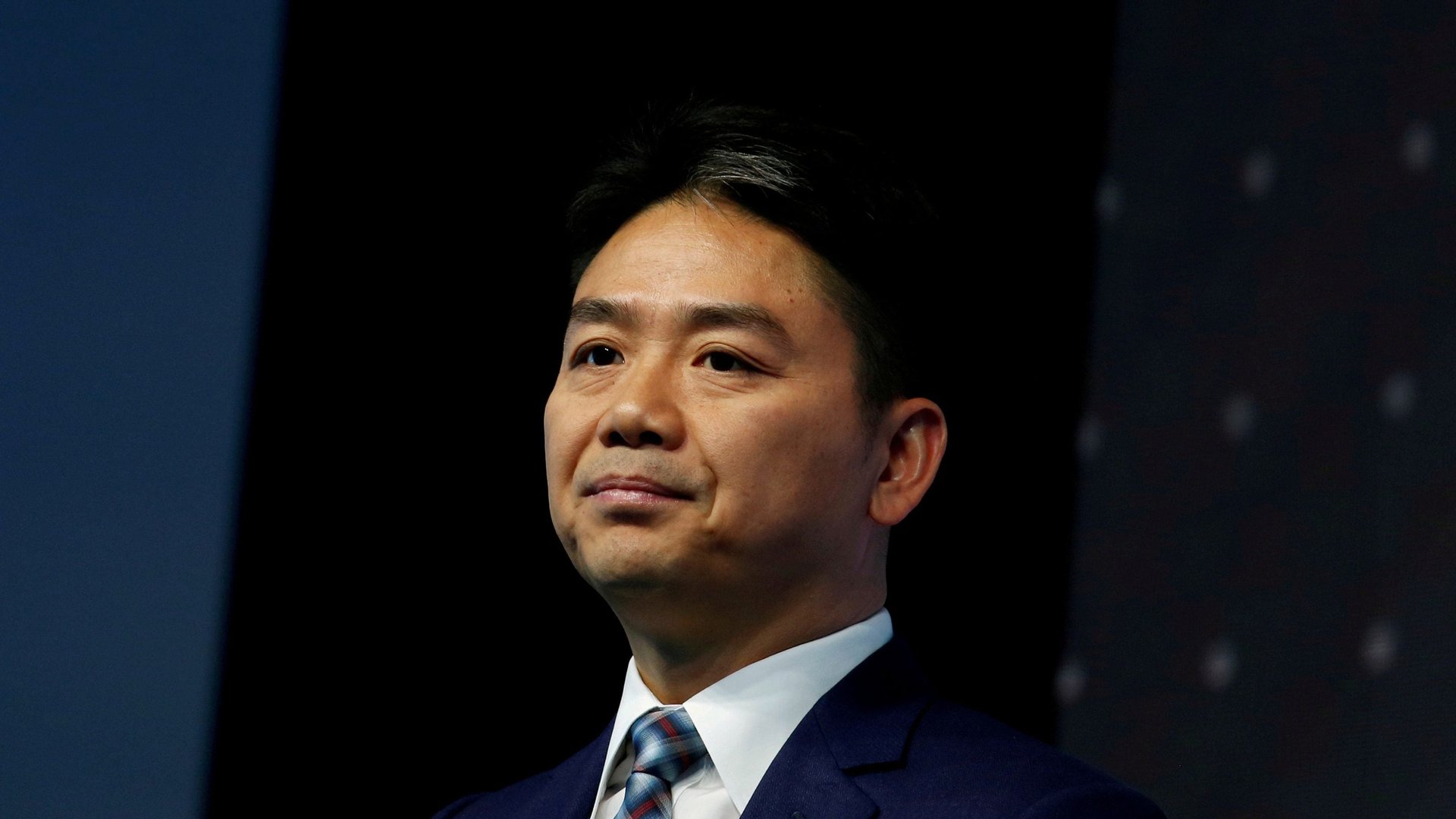
Earlier this month, the CEO of one of China’s most high-profile tech companies was arrested in the US after a woman accused him of rape. Richard Liu, chief of e-commerce giant JD.com, was released hours later and returned to China while authorities in the US investigate the case. The company has denied any wrongdoing.

Our taste in movies is now universal.

Didi is facing one of its biggest crises in company history.

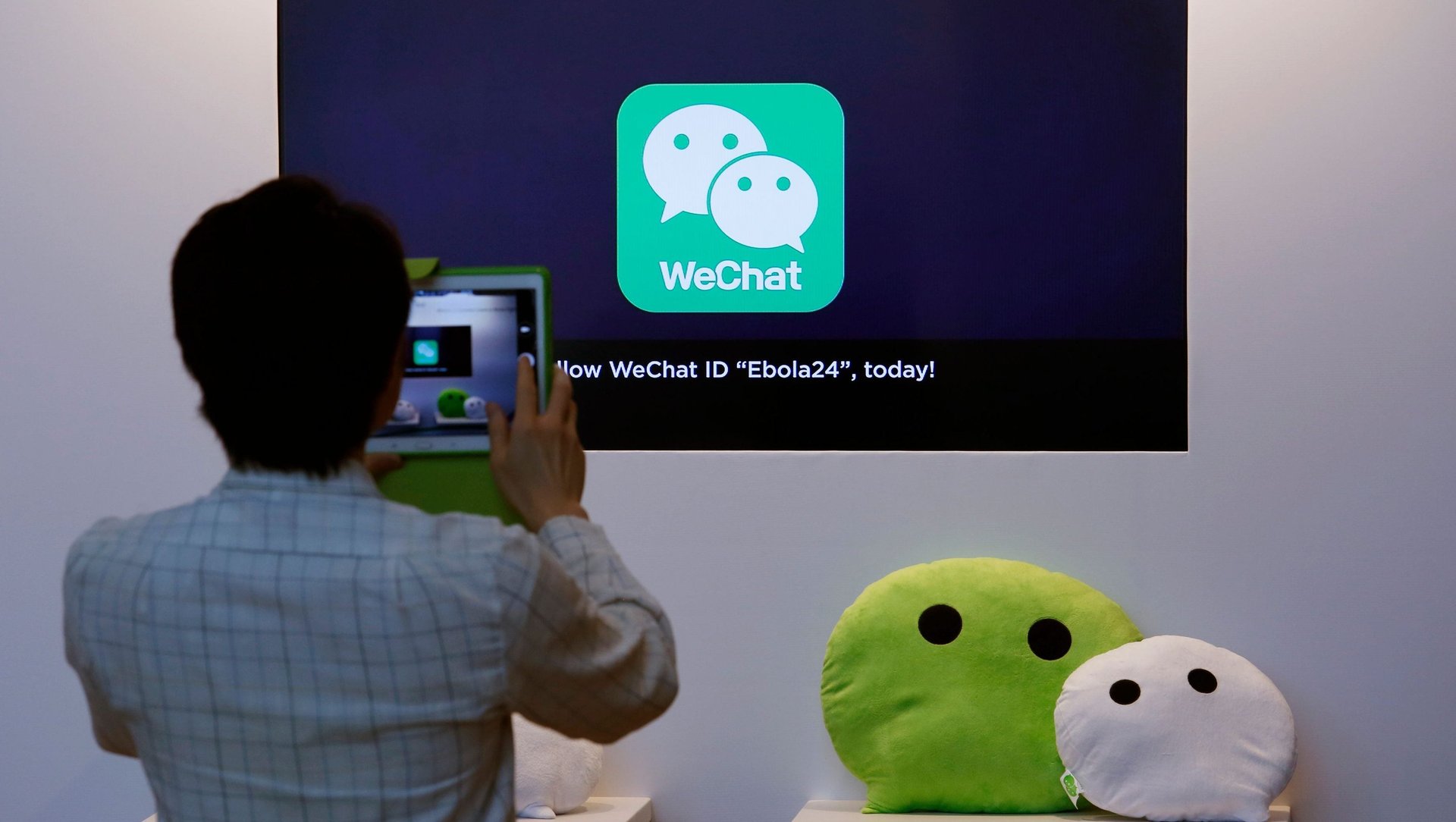
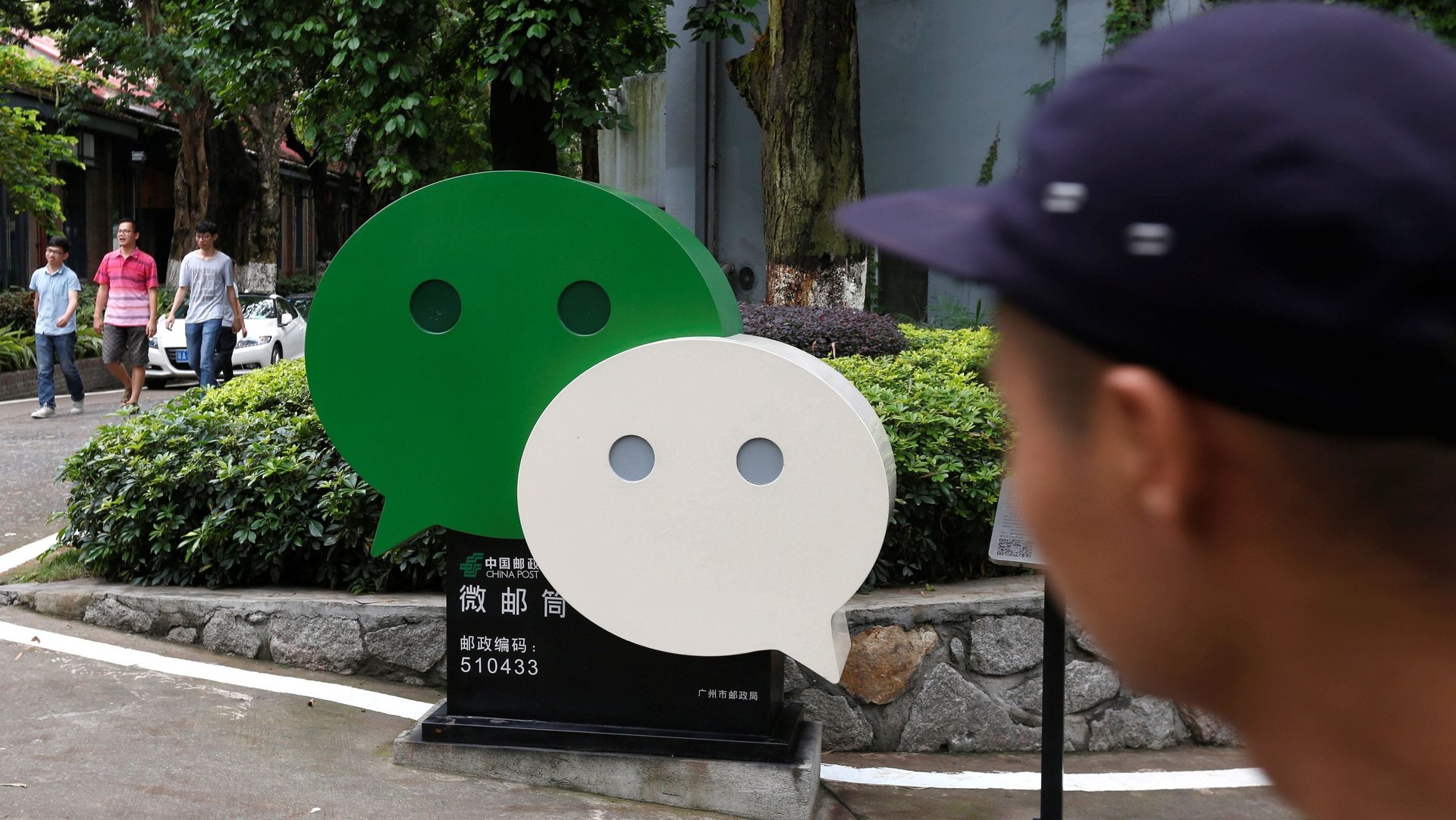
A new instant-messaging tool called Bullet Message has quickly become the most-downloaded free offering on Apple’s App Store in China. Among those trailing it, for now, is the ubiquitous WeChat, a rival app from internet giant Tencent that’s widely considered essential for daily life in China. WeChat’s nearly 1 billion users rely on it to pay bills, hail cabs, and much else in addition to sending messages to one another.

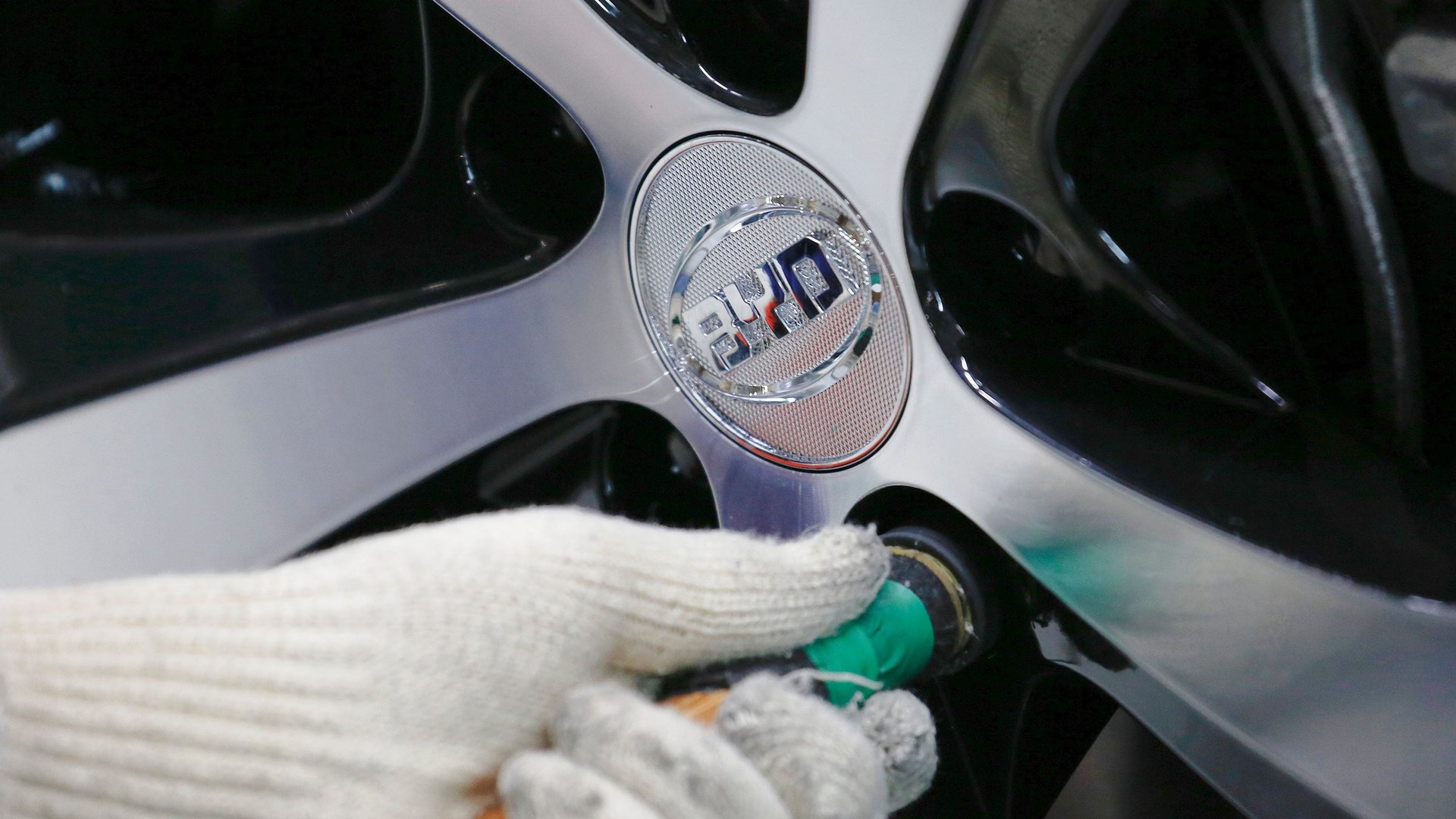
A year ago, when China indicated it would eventually phase out fossil fuel cars, the news boosted investor confidence in domestic electric vehicle makers, who already count on the world’s largest market. BYD, the Warren Buffett-backed electric-vehicle maker, saw one of its best performances since it listed in 2008.

Didi Chuxing, China’s ride-hailing giant, has had many warnings that it needs to do better on passenger safety, especially for women. News reports have tallied at least a dozen sexual assaults and three murders (paywall) of women using its services in the last four years—with the latest death taking place over the weekend.

A woman was murdered by her driver on a popular hitchhiking service offered by China’s ride-hailing giant Didi Chuxing, prompting angry users to urge one another to #DeleteDidi after the news spread over the weekend. The crime came just four months after the killing of another young woman by a driver on the same service.

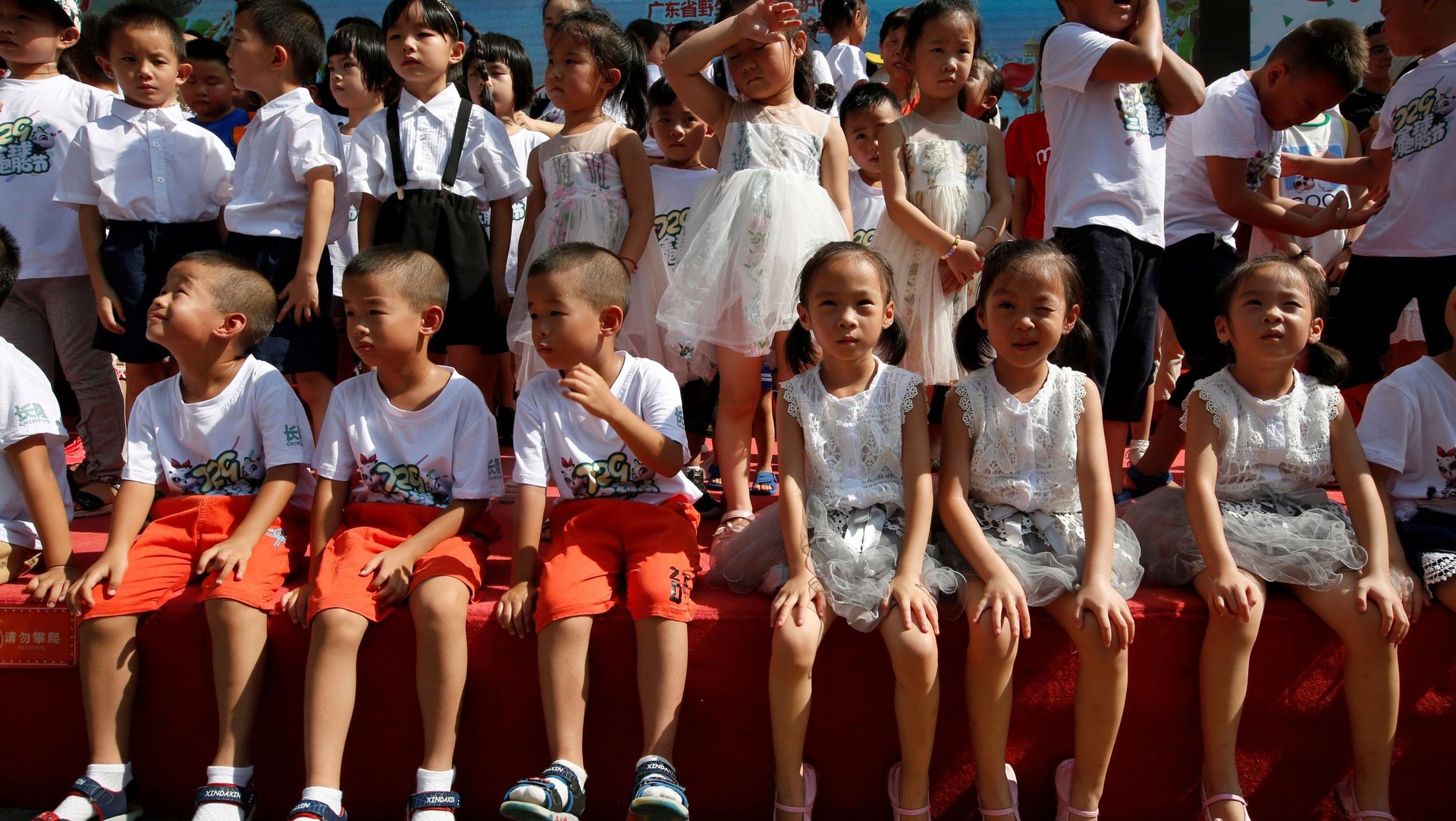
China seems to be pulling out all the stops so that its citizens have more babies. The next idea might be a tax cut.

Crazy Rich Asians doesn’t even have a scheduled release in China, but more than a thousand Chinese moviegoers who have purportedly seen the movie are already chiming in—and many of them are not impressed.

Tencent is giving Chinese authorities a helping hand in cracking down on cryptocurrencies.

Today (Aug. 22), former Chinese leader Deng Xiaoping, who died in 1997, would have turned 114 years old. Known as the chief architect of China’s reform and opening up policy, Deng was without a doubt one of the most influential figures of the 20th century.

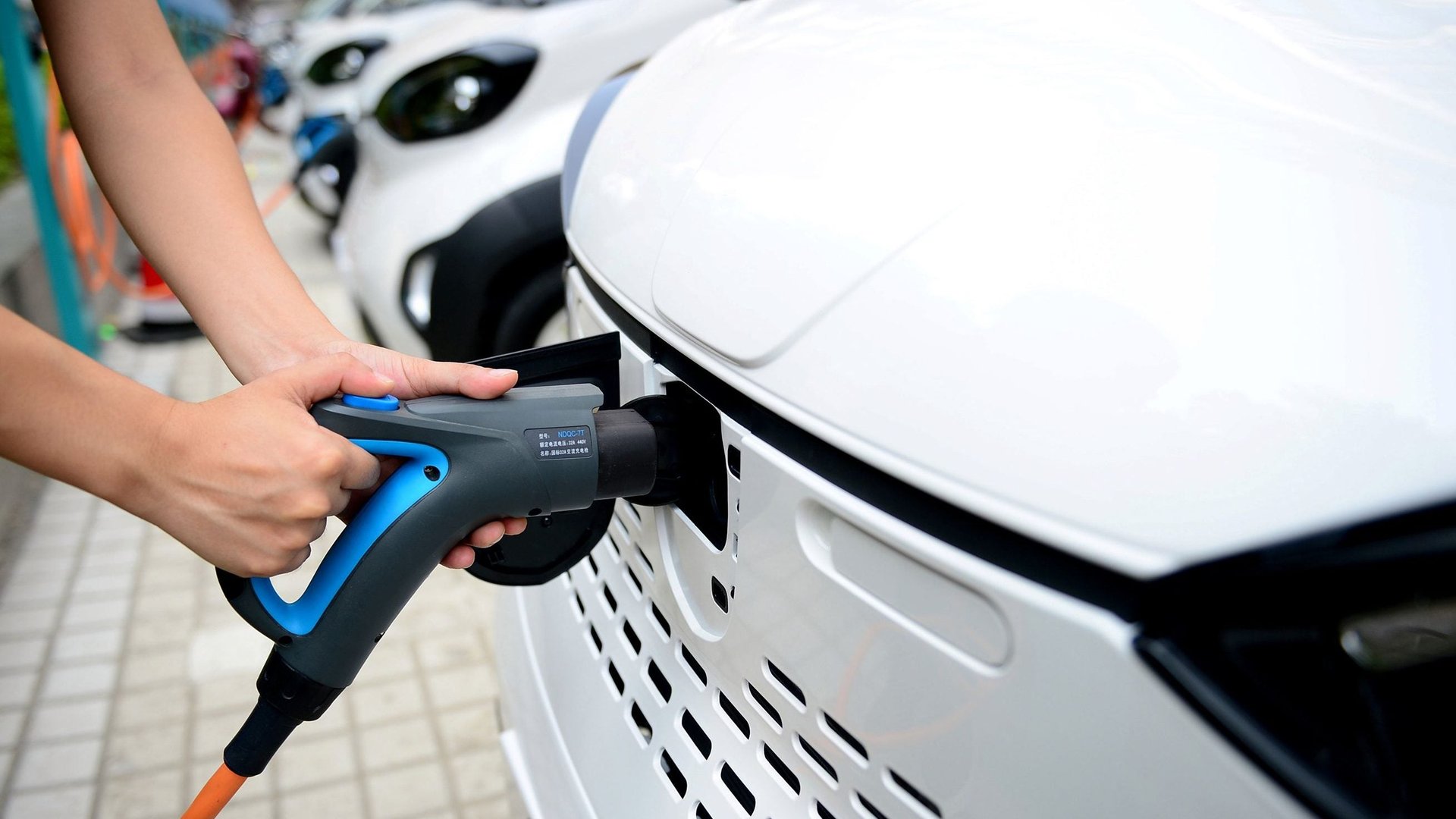
In recent years, China’s government has encouraged more domestic companies to produce electric vehicles. It’s worked: The country now has close to 500 EV makers (paywall), prodded on by government incentives.

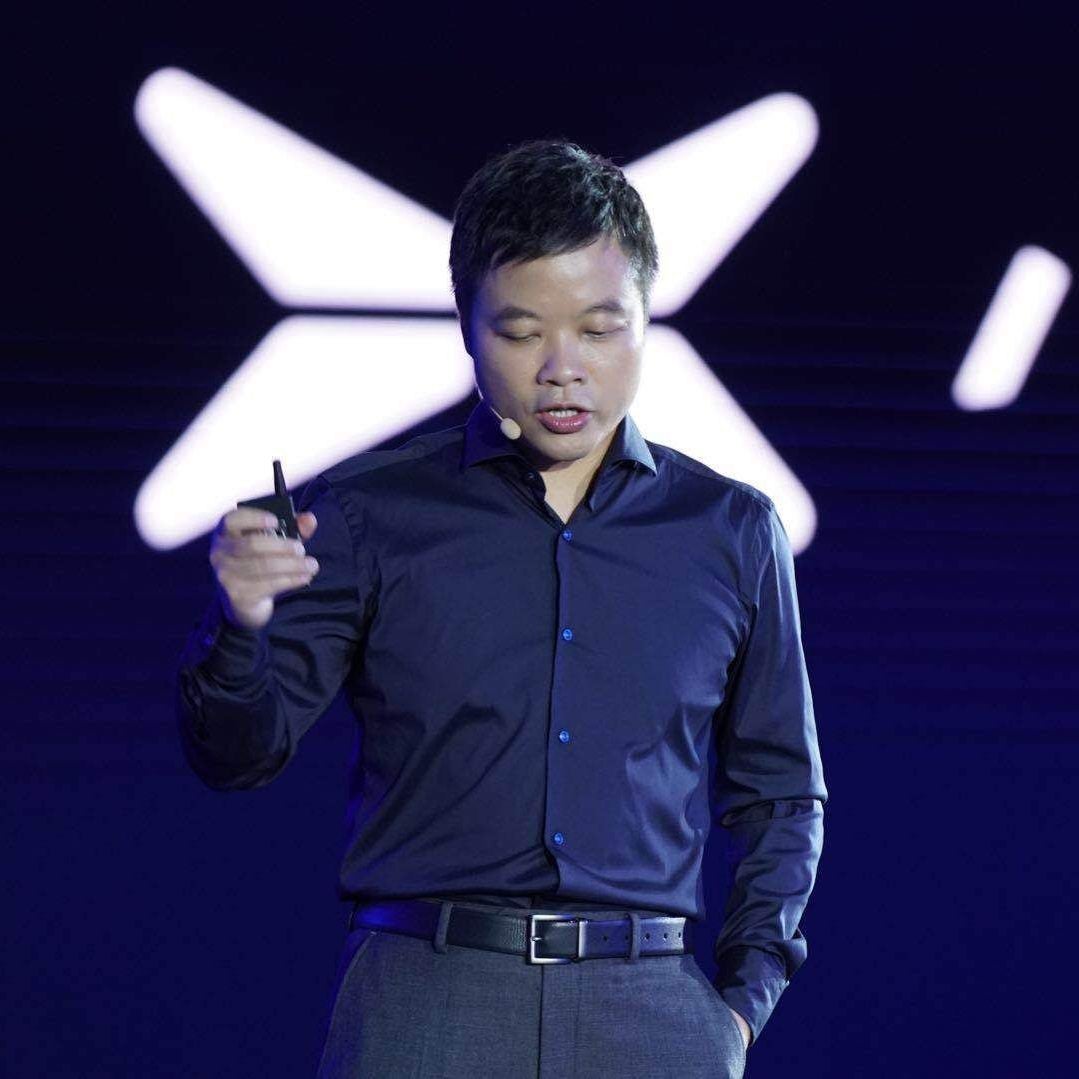
As Tesla gears up to start manufacturing in China, the Palo Alto-based car maker is likely to find considerable overlap between its competitors and its most ardent admirers. Consider He Xiaopeng, founder of Xiaopeng Motors—also commonly referred to as Xpeng—a four-year-old electric vehicle startup already worth billions of dollars.

It’s been only three years since China abandoned its infamous one-child policy, in place since 1979. Now, the country of 1.3 billion that once used to fine people for having more than one child, is floating the idea of mandatory contributions to a fund to encourage people to have more children.

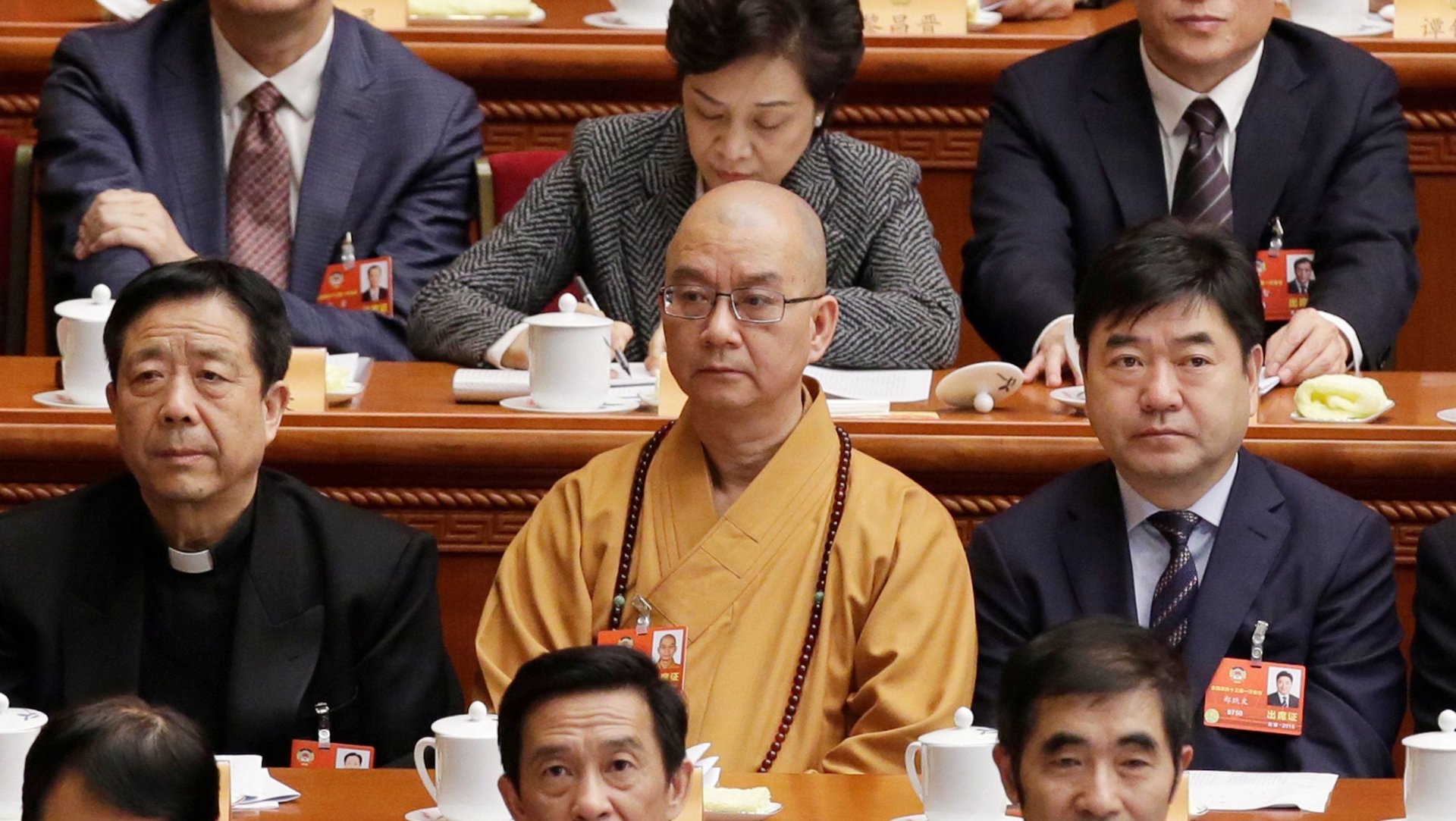
One of the most surprising aspects of how #MeToo has taken shape in China is that it’s roiled a Buddhist monastery.

WeChat users in China have come up with creative ways to circumvent censorship, and one of the more effective methods they’ve discovered seems to be sharing images instead of text, which can be easily caught by censors. In the case of China’s #MeToo movement, which authorities tried to shut down, social-media users decided to share a university student’s censored letter by posting images of it upside down in hopes of dodging the country’s filters.

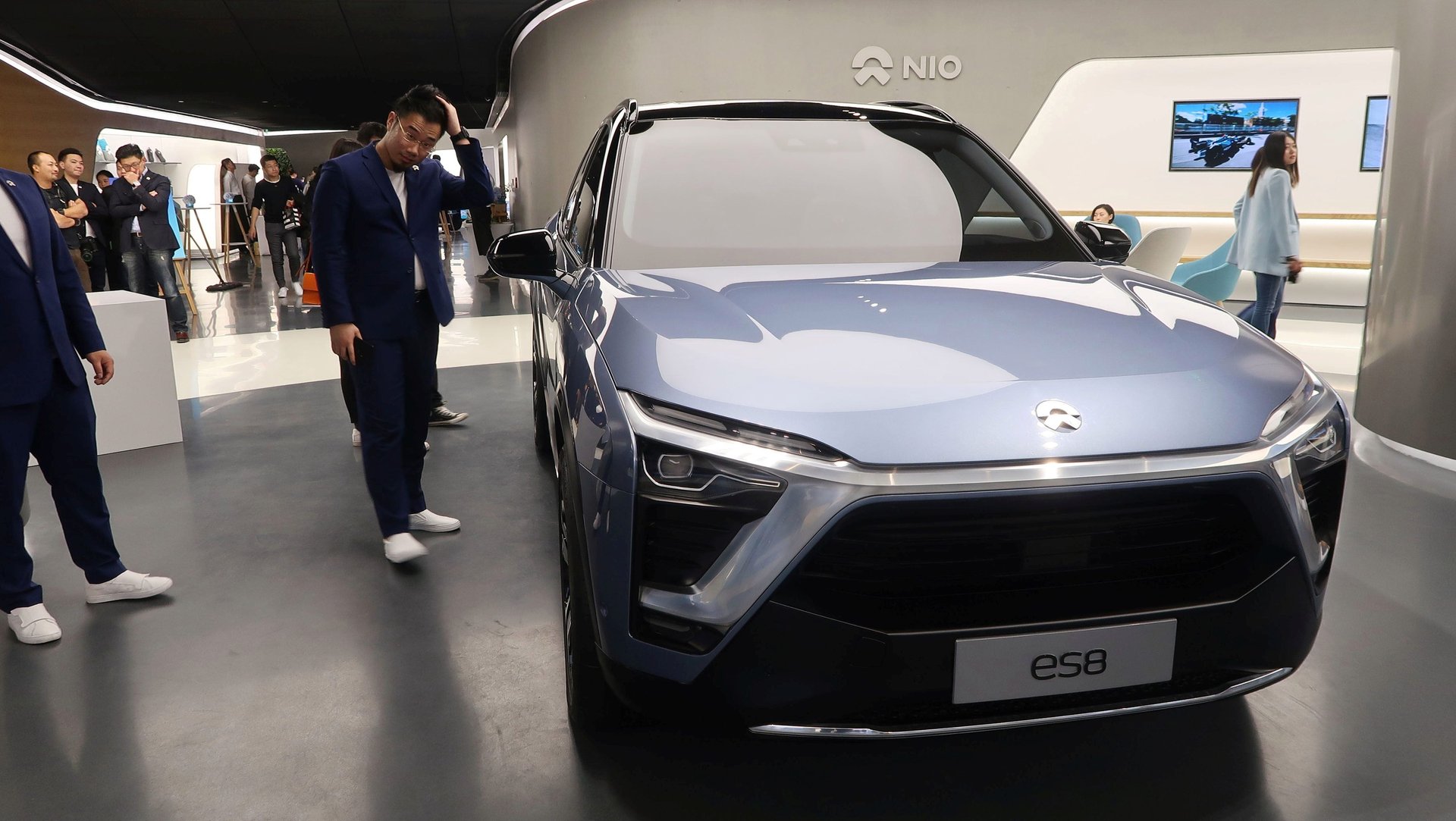
Investors have poured billions of dollars into China’s electric-vehicle startups in recent years. And now an IPO filing from one of the most high-profile unicorns is finally providing a window into the state of Chinese EV startups.