

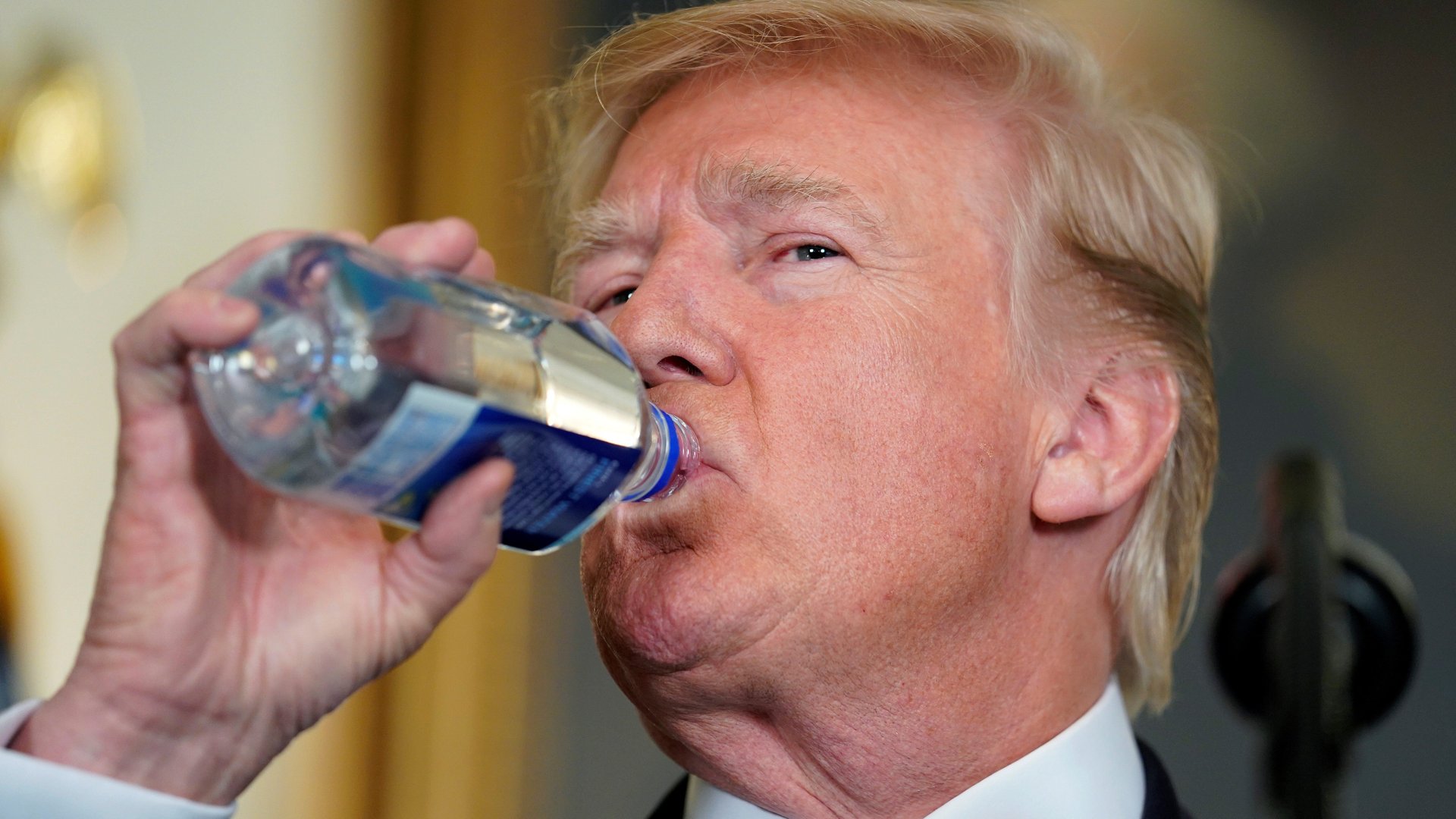
Nobody can deny the ground has shifted in America. Formerly invincible men are tumbling one by one as victims come out with their stories of sexual assault. Some, like Harvey Weinstein, were already fading from power, but others, like Louis CK, were still at the height of it.

Apparently, this is a question people ask, and they don’t like it when you make fun of them.
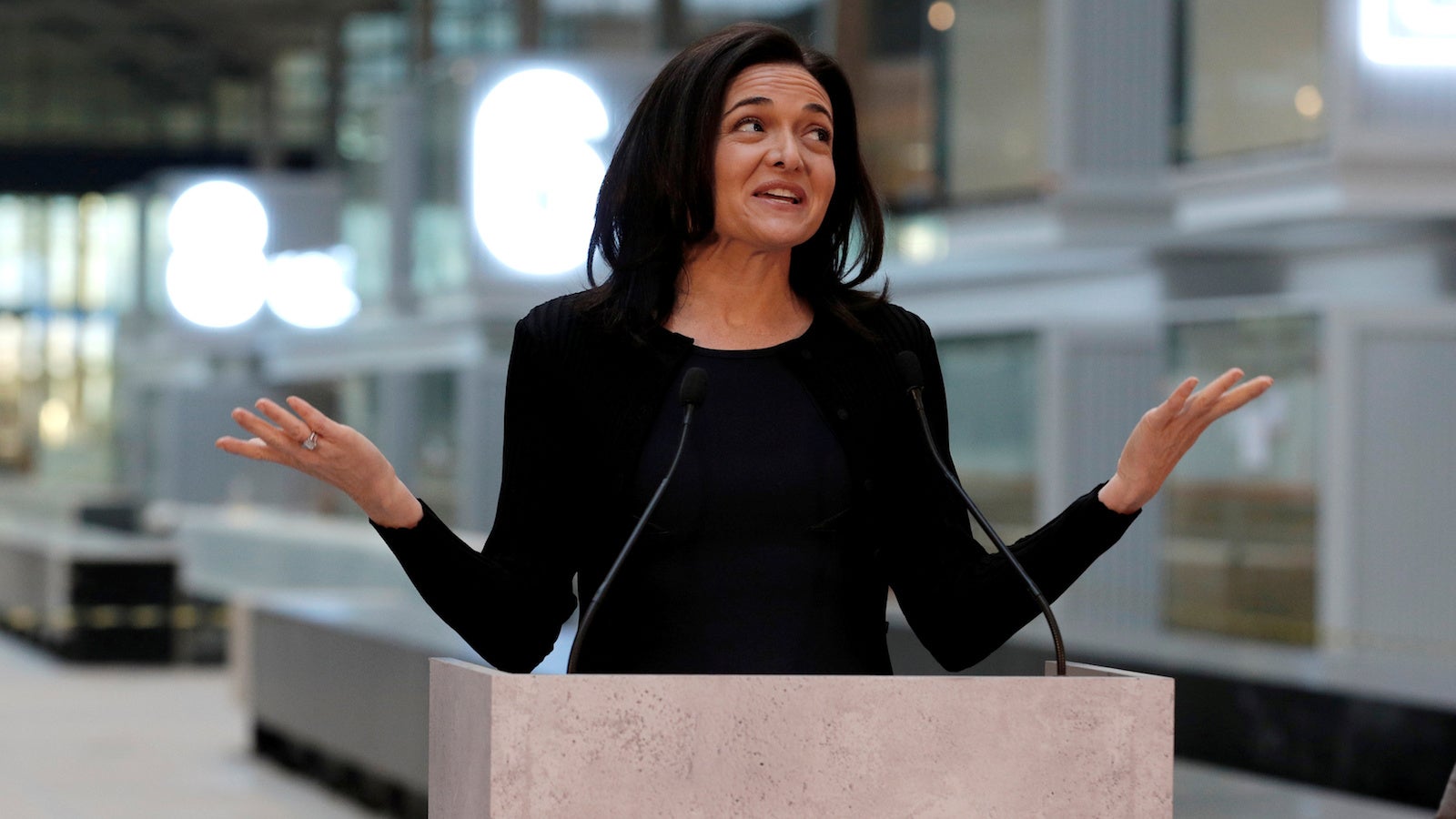
Facebook, mired in controversy about fake news and election-hacking by Russia, has been sending chief operating officer Sheryl Sandberg out to do battle with the US Congress and the media, instead of sending CEO Mark Zuckerberg. There are various theories as to why, but at least one reason now seems very clear: She’s talented at avoiding difficult questions while making it seem like she’s addressed them head-on.
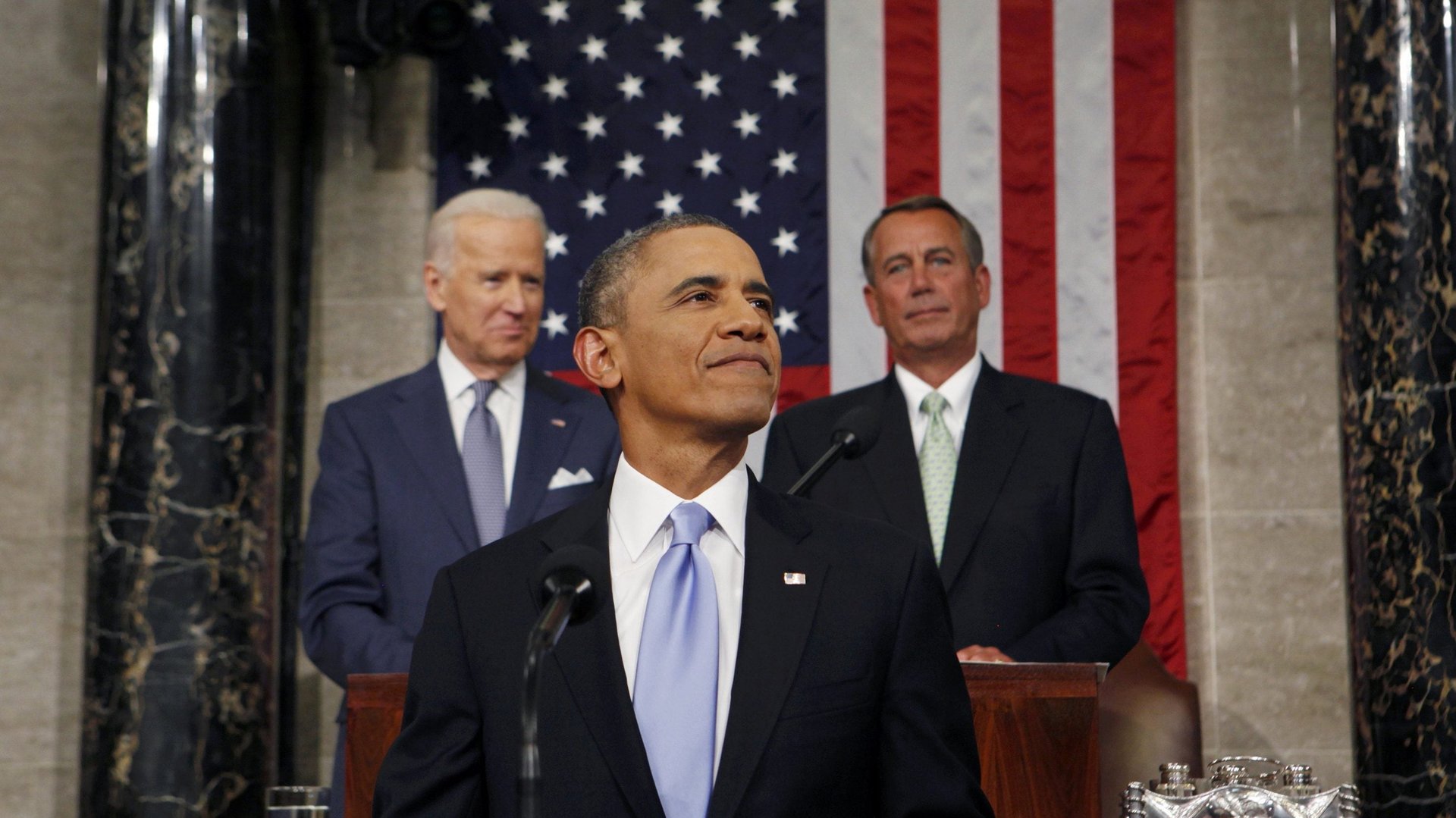
David Litt spent nearly four years as a speechwriter for Barack Obama—first on the Democratic National Committee during the 2012 re-election campaign, and then in the White House. In a new book, Thanks, Obama—My Hopey, Changey White House Years, Litt describes the rollercoaster ride of helping craft the president’s words from the highs of his re-election to the lows of the healthcare.gov debacle.

You might laugh at the notion that the UN general assembly has anything to teach the business world. The “world’s biggest meeting” can also, with its fetish for arcane procedures, interminable declarations, and impenetrable jargon, seem like the world’s most dysfunctional one.

In his speech announcing a new Afghanistan strategy last night, US president Donald Trump said, “nearly 16 years after [the] September 11th attacks, after the extraordinary sacrifice of blood and treasure, the American people are weary of war without victory.” He went on to lay out a plan for an essentially open-ended war, having criticized this very same policy in a 2013 tweet using the same “blood and treasure” phrase:

That American white supremacism once more reared its ugly head last weekend was not shocking; it’s been experiencing a resurgence for several years. That president Donald Trump equivocated about condemning it was also, sadly, no surprise. What’s troubling is how ambivalent much of America has been about it.
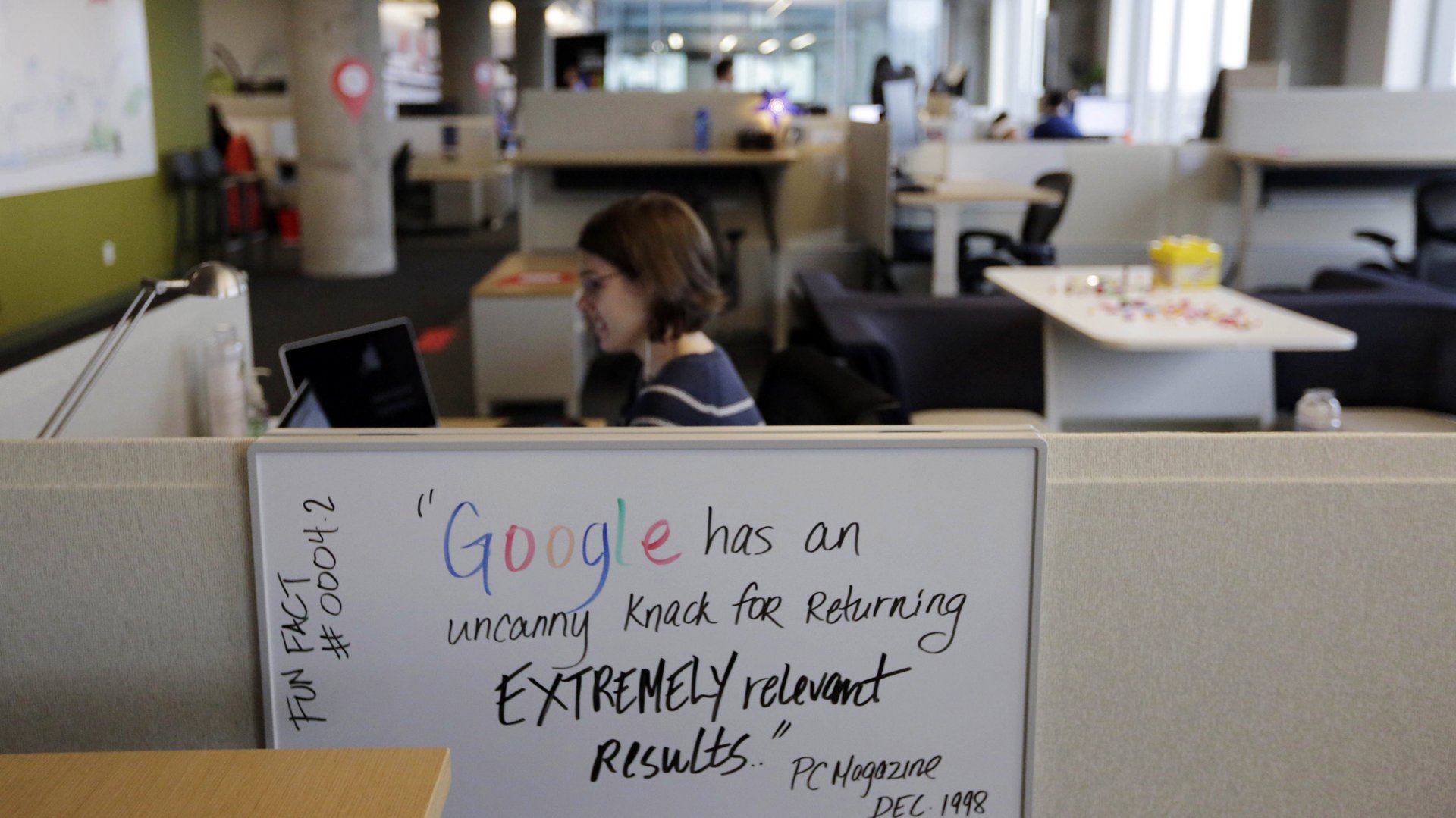
Over the weekend, a 3,000-word internal memo that went viral inside Google went viral on the internet as well. Written by an unnamed but reportedly male Google engineer, the document—published in full by Gizmodo—criticizes the company’s measures to promote gender and racial diversity in the workforce.
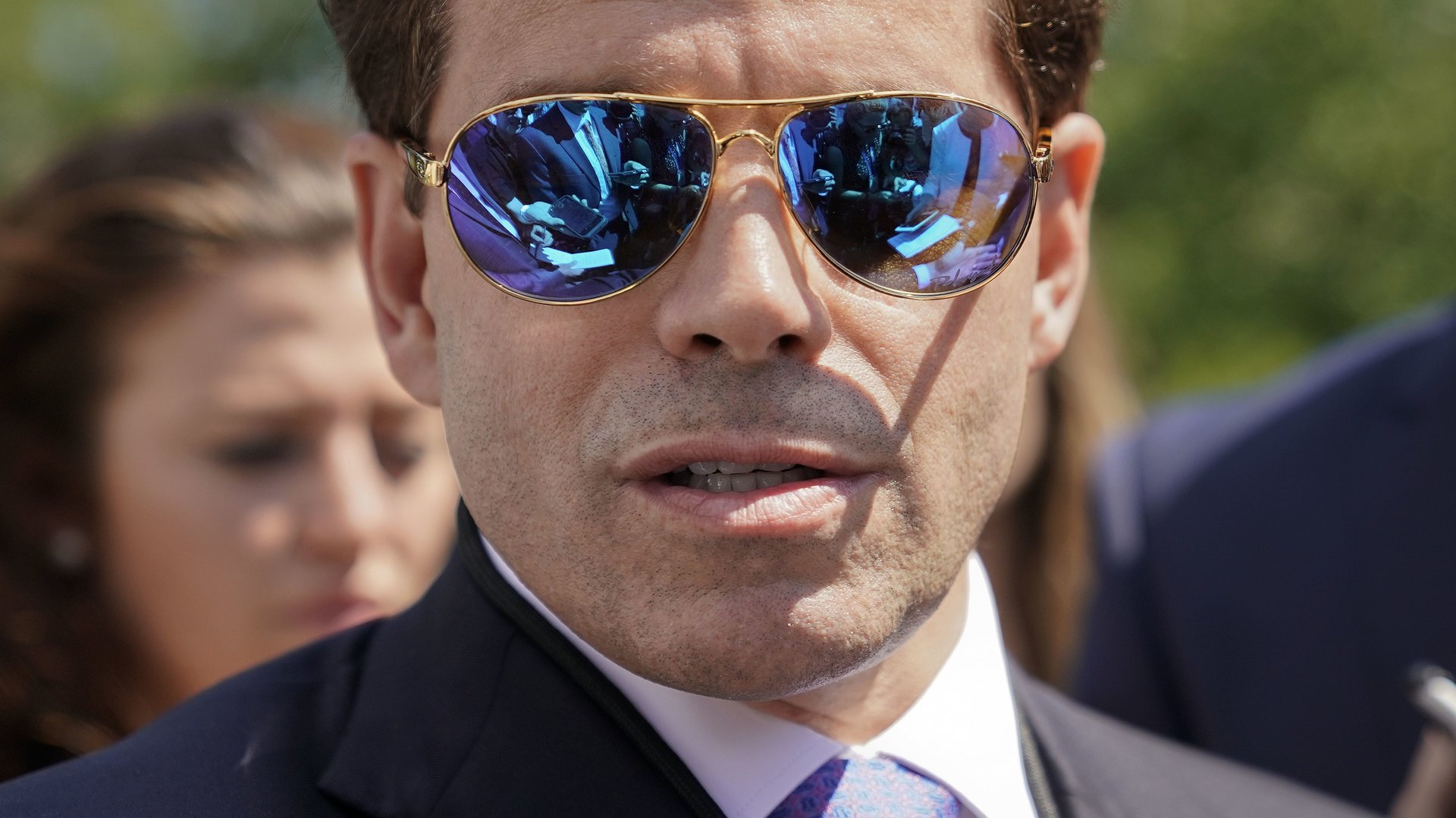
With apologies to Queen.
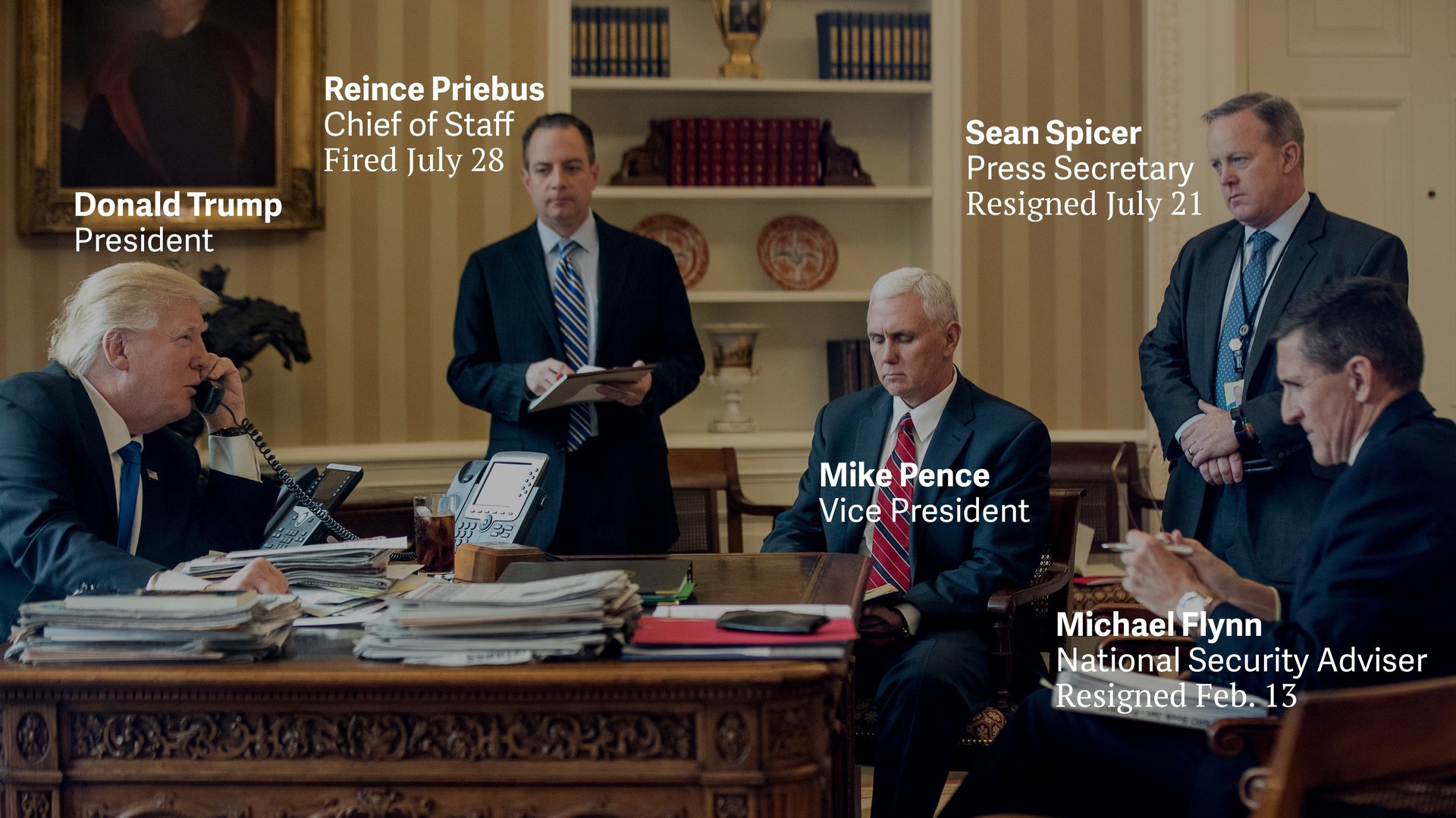
The picture above has an iconographic feel. It was taken almost exactly six months ago: January 28th, the ninth day of Donald Trump’s presidency. It was also the day of the administration’s first policy setback, as a judge blocked (paywall) the sudden ban on immigration from seven countries, a White House action that had caused panic, chaos, and protest at US airports.
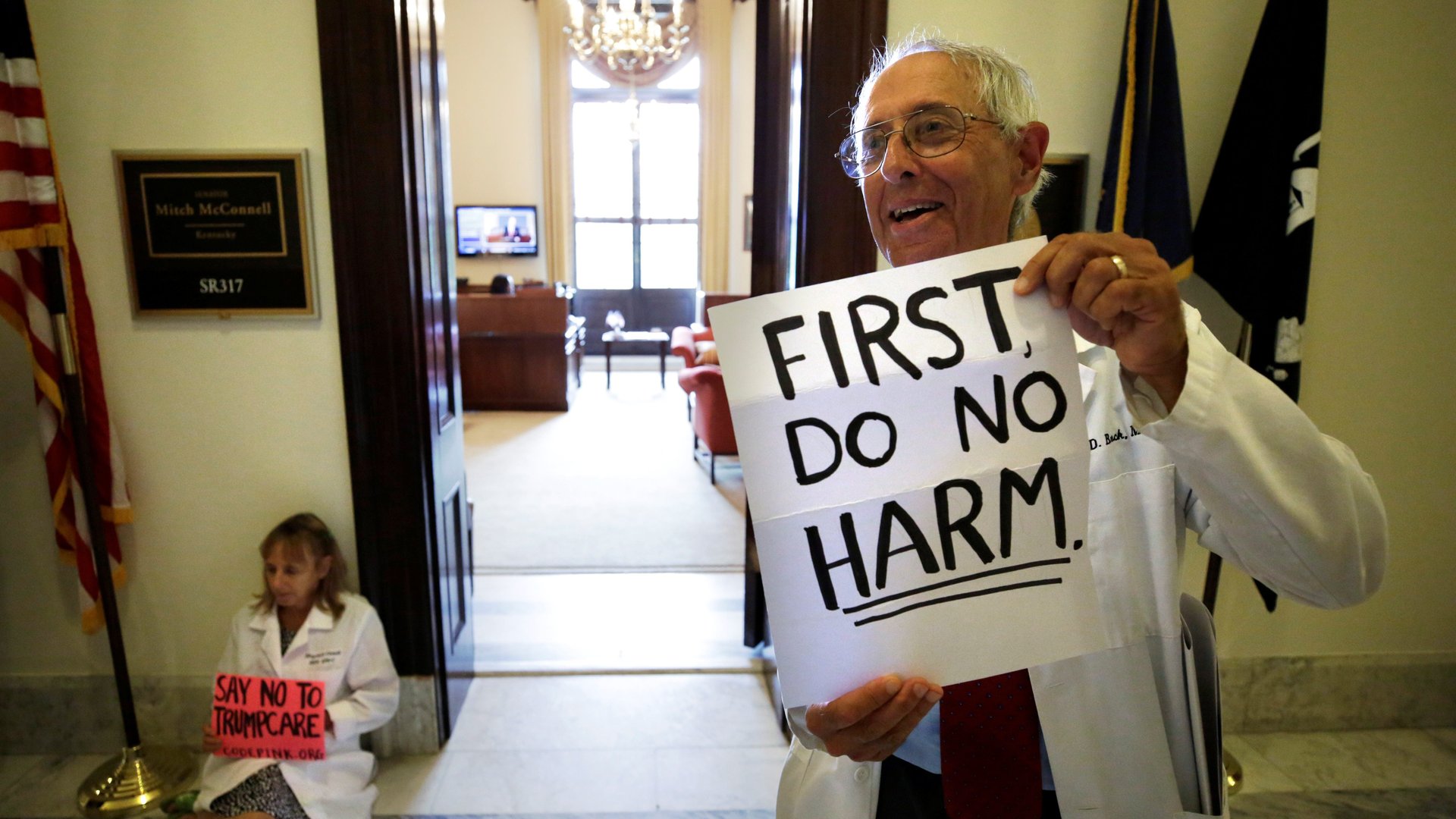
The Better Care Reconciliation Act is dead; long live the Affordable Care Act. But how long?
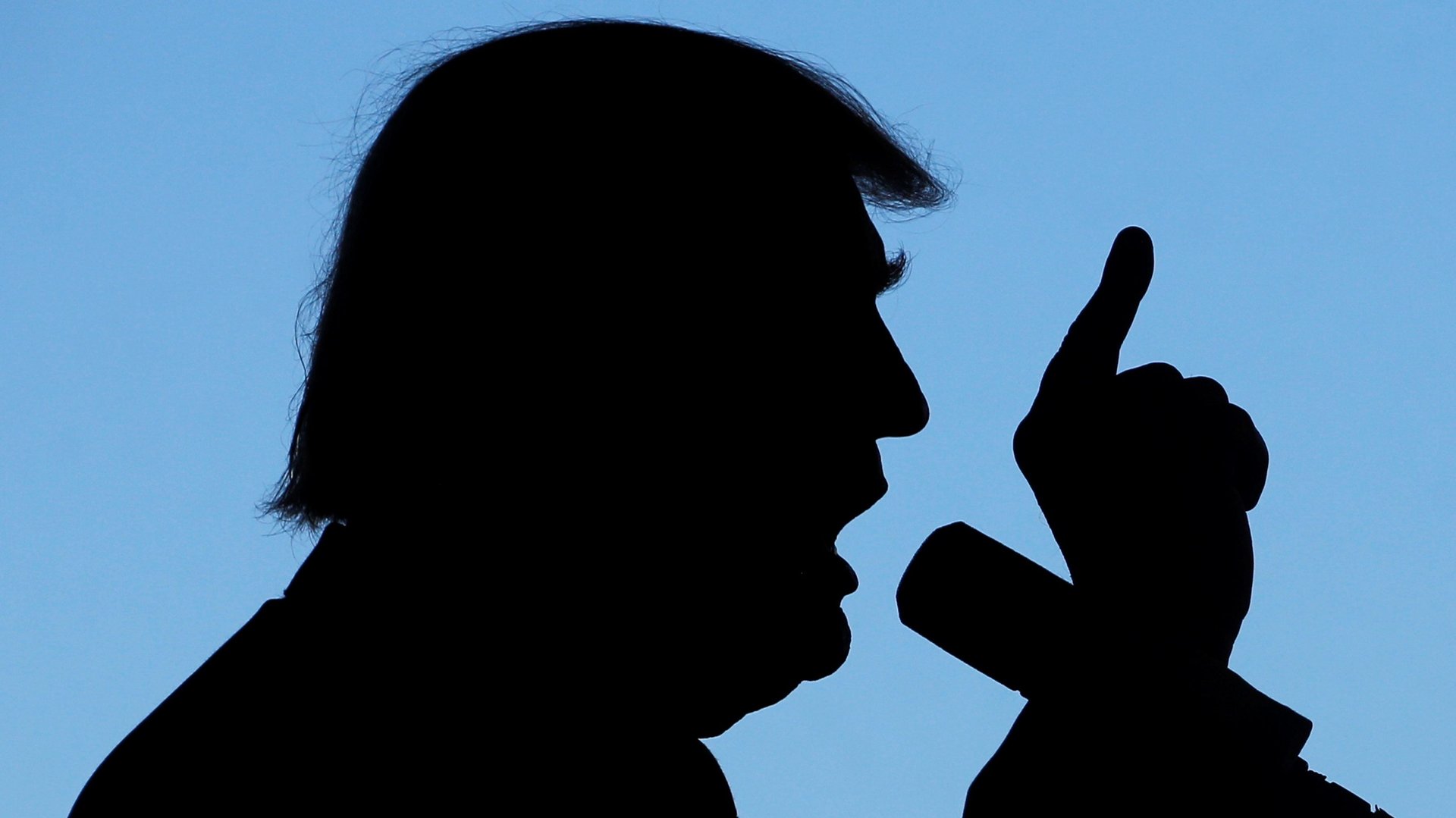
Another week, another crude Twitter outburst from the US president, another torrent of outrage from his detractors. But what if we just agreed to ignore the man?

It’s the 50th anniversary of the Six-Day War this week, and inevitably the media are filling up with musings on the current state of the Israeli-Palestinian peace process.
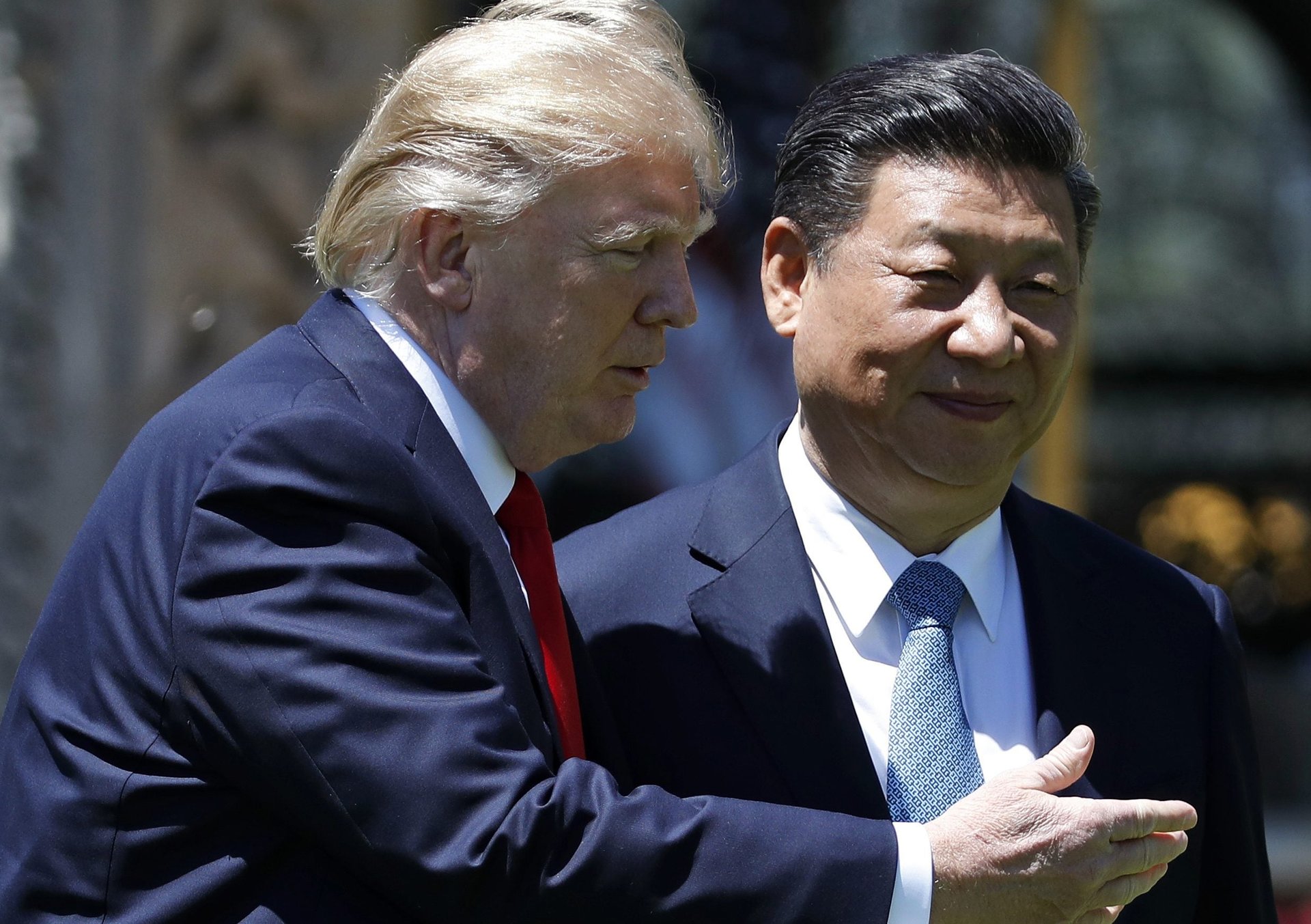
The US’s withdrawal from the Paris Agreement will be bad, but not that bad, for the rest of the planet. Every other country but Syria and Nicaragua is still committed to it, and the accord itself was pretty weak anyway. The global economy is decarbonizing on its own as renewables get cheaper. And climate-change mayhem is coming no matter what—it’s only a matter of degree(s).
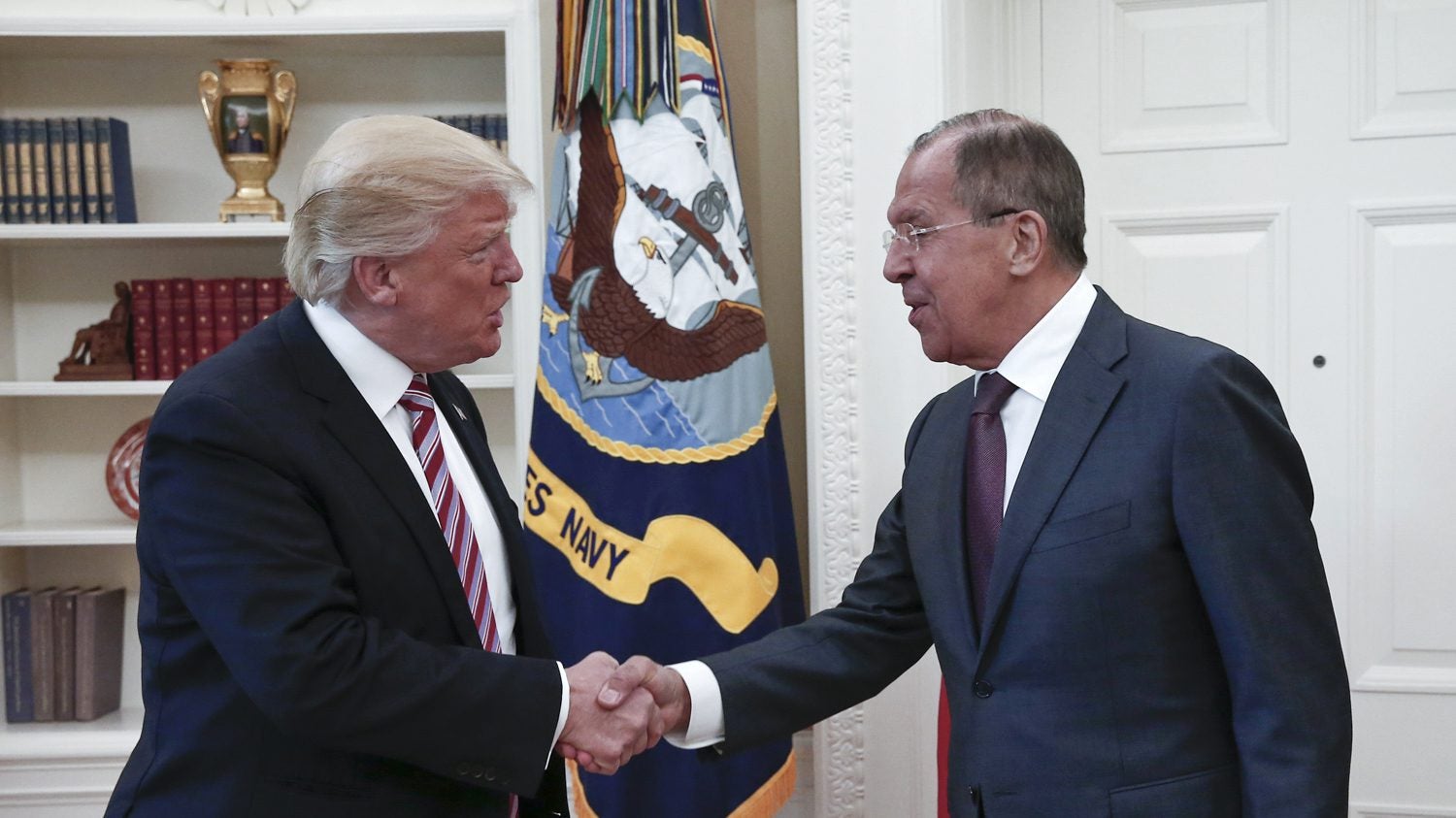
The English-language internet was briefly set aflame this morning by reports that Russia’s president, Vladimir Putin, had offered a “recording” of the May 10 meeting in the Oval Office between US president Donald Trump, Russian foreign minister Sergei Lavrov, and ambassador Sergei Kislyak. Reports that Trump had inadvertently revealed highly sensitive intelligence to the Russians during the meeting left the White House scrambling this week and Congressional leaders demanding answers.
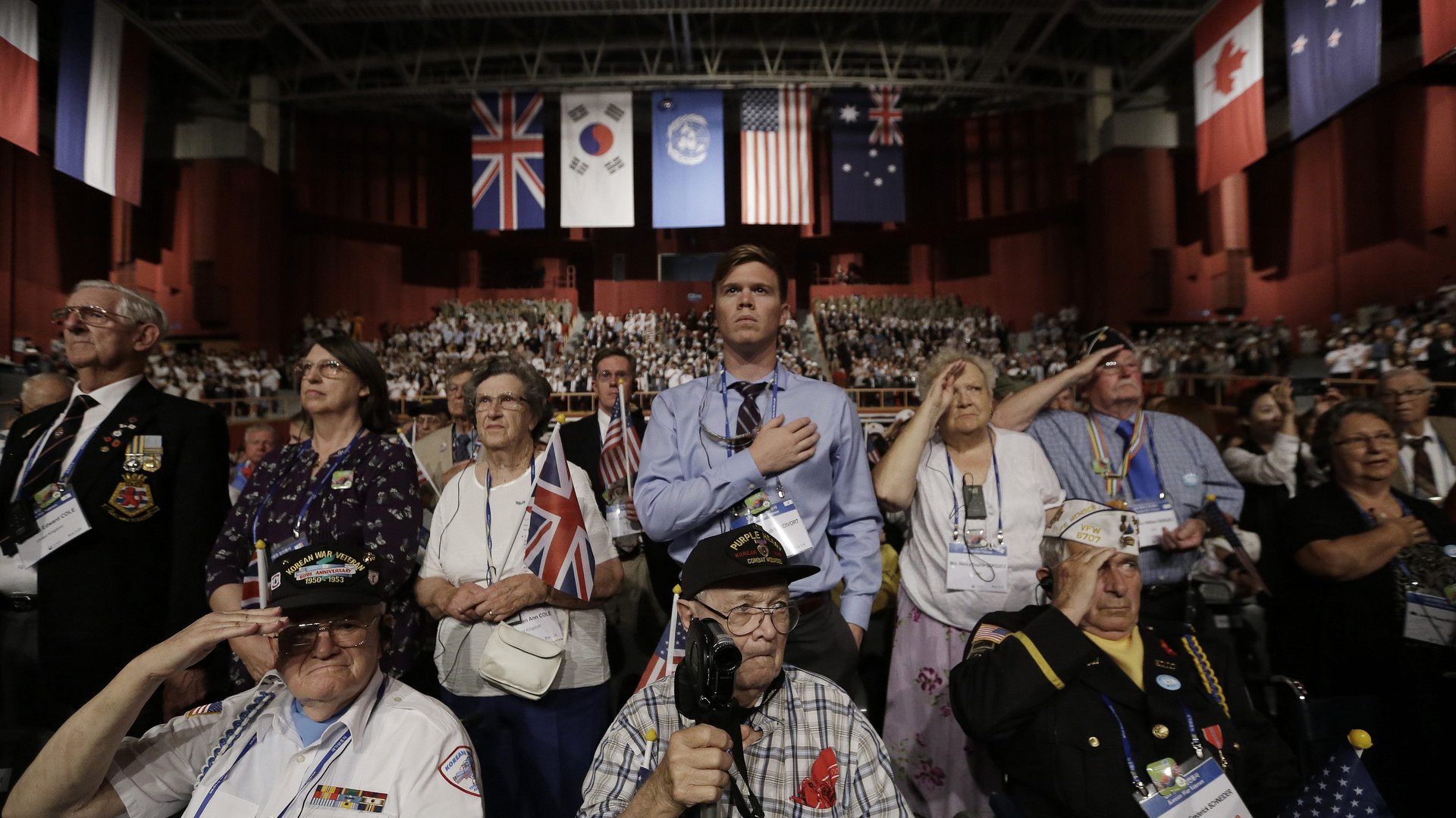
For as long as I’ve been a journalist, whether it’s covering the Israeli-Palestinian conflict or the science of near-death experiences, I’ve been obsessed with the question of how people form beliefs—and in particular, how they can come to totally opposite conclusions over what appears to be the same set of facts.
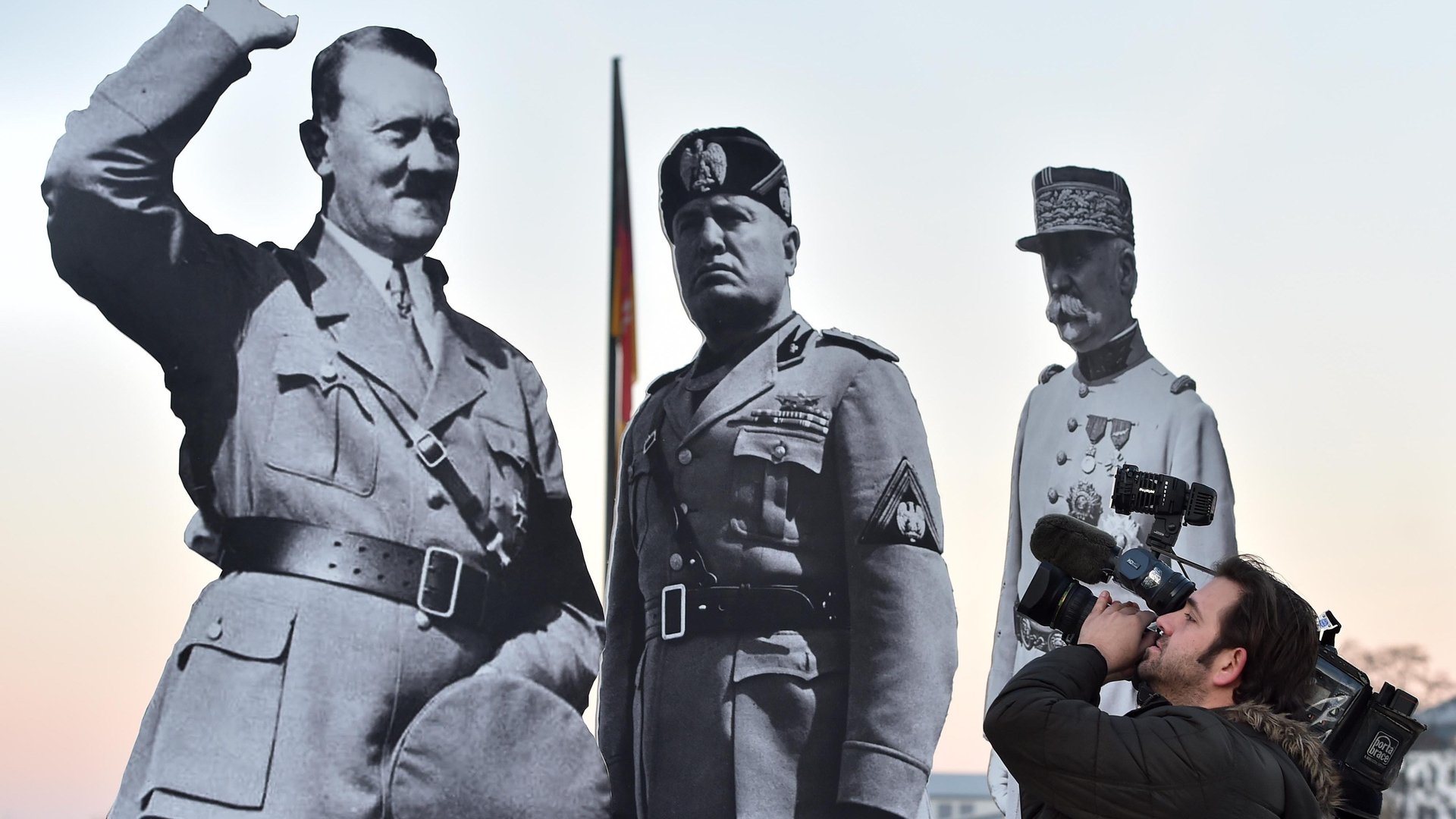
“There are two kinds of propaganda,” wrote Aldous Huxley in 1958 in Brave New World Revisited, a retrospective on his famous novel:

[Y]ou understand the expression “prime the pump”?
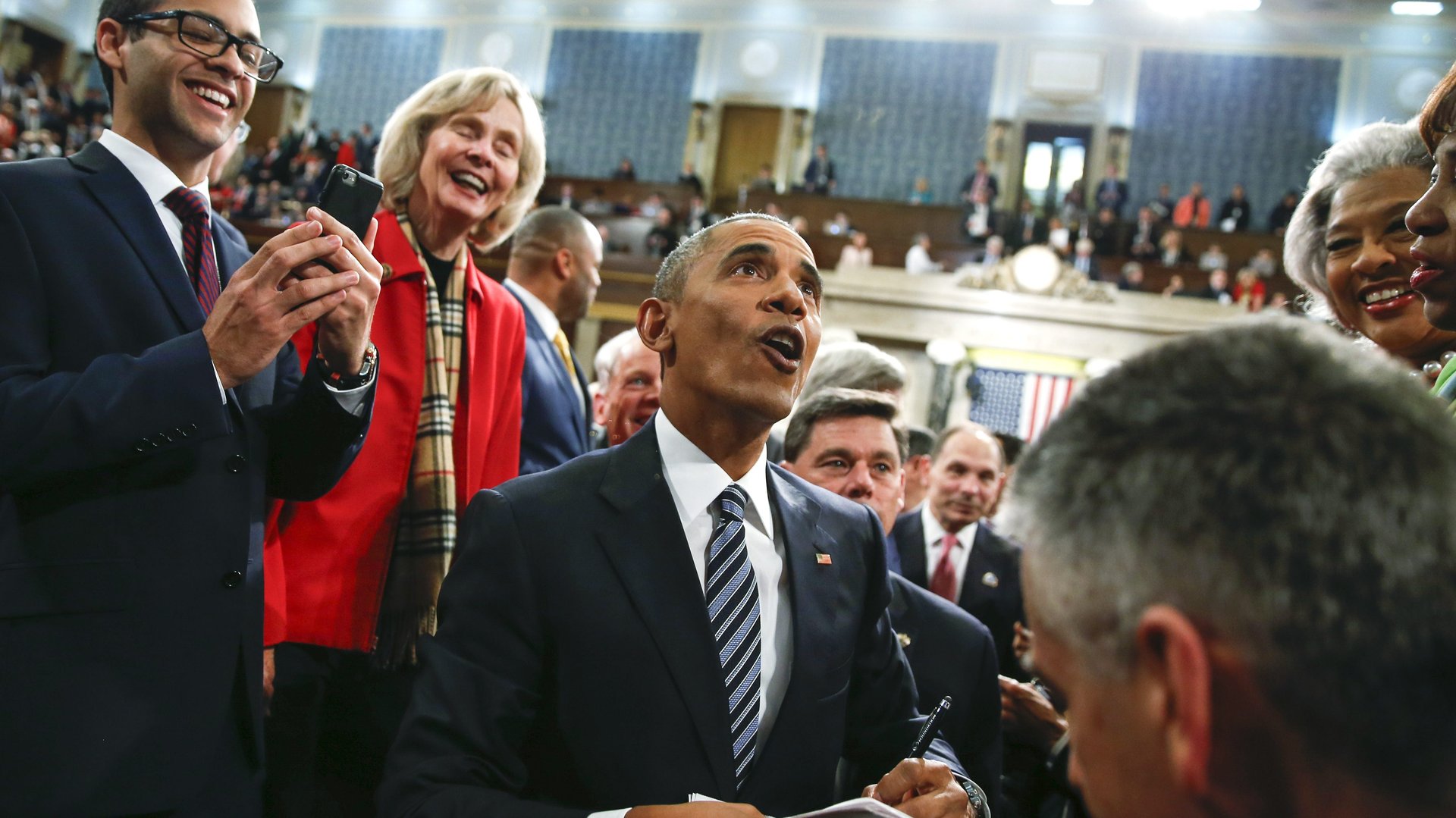
What will Barack Obama do next? The question has hovered in the air ever since Donald Trump’s victory made clear that much of what Obama had done as president could be summarily dismantled. Now more clues are emerging.
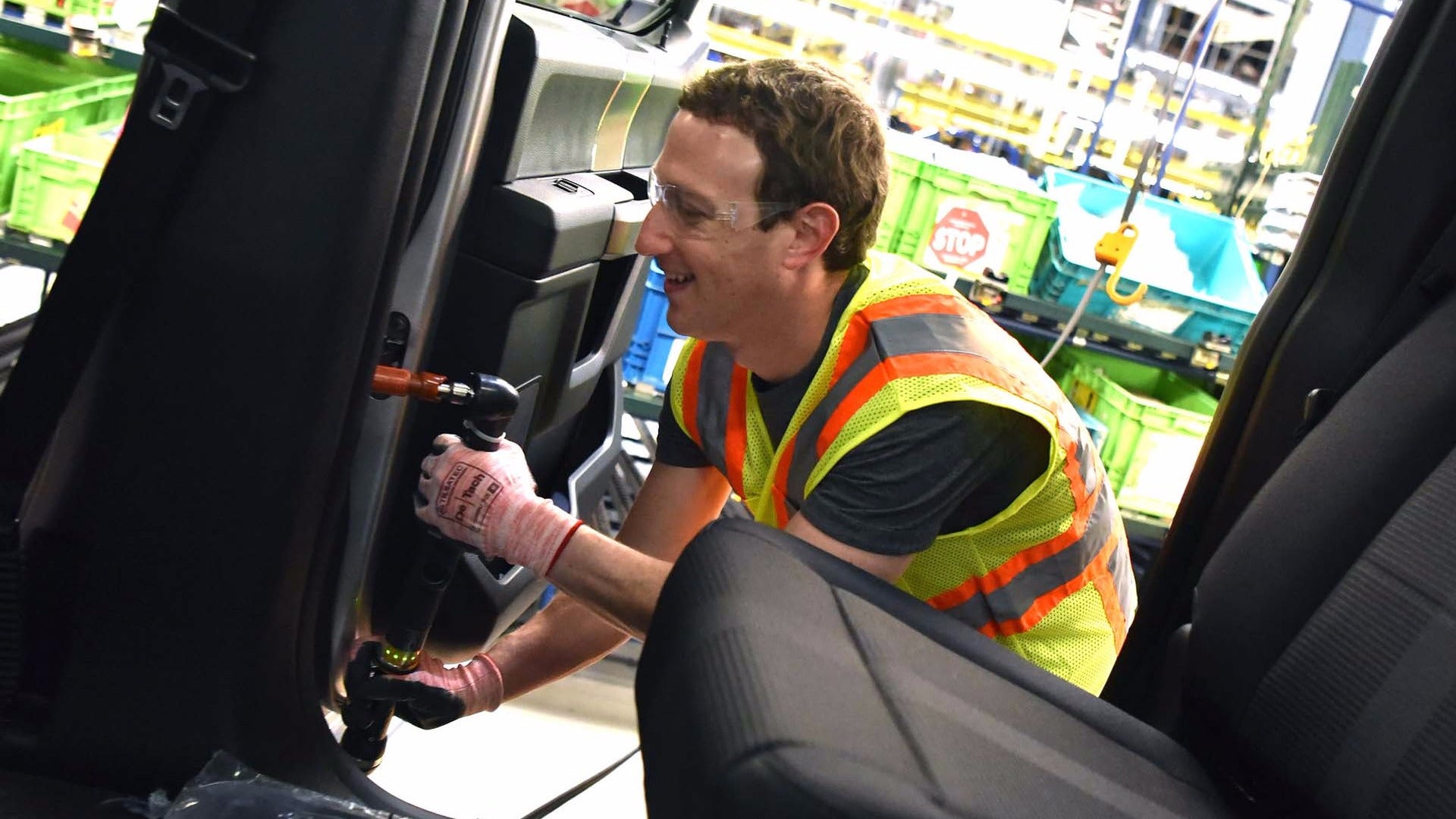
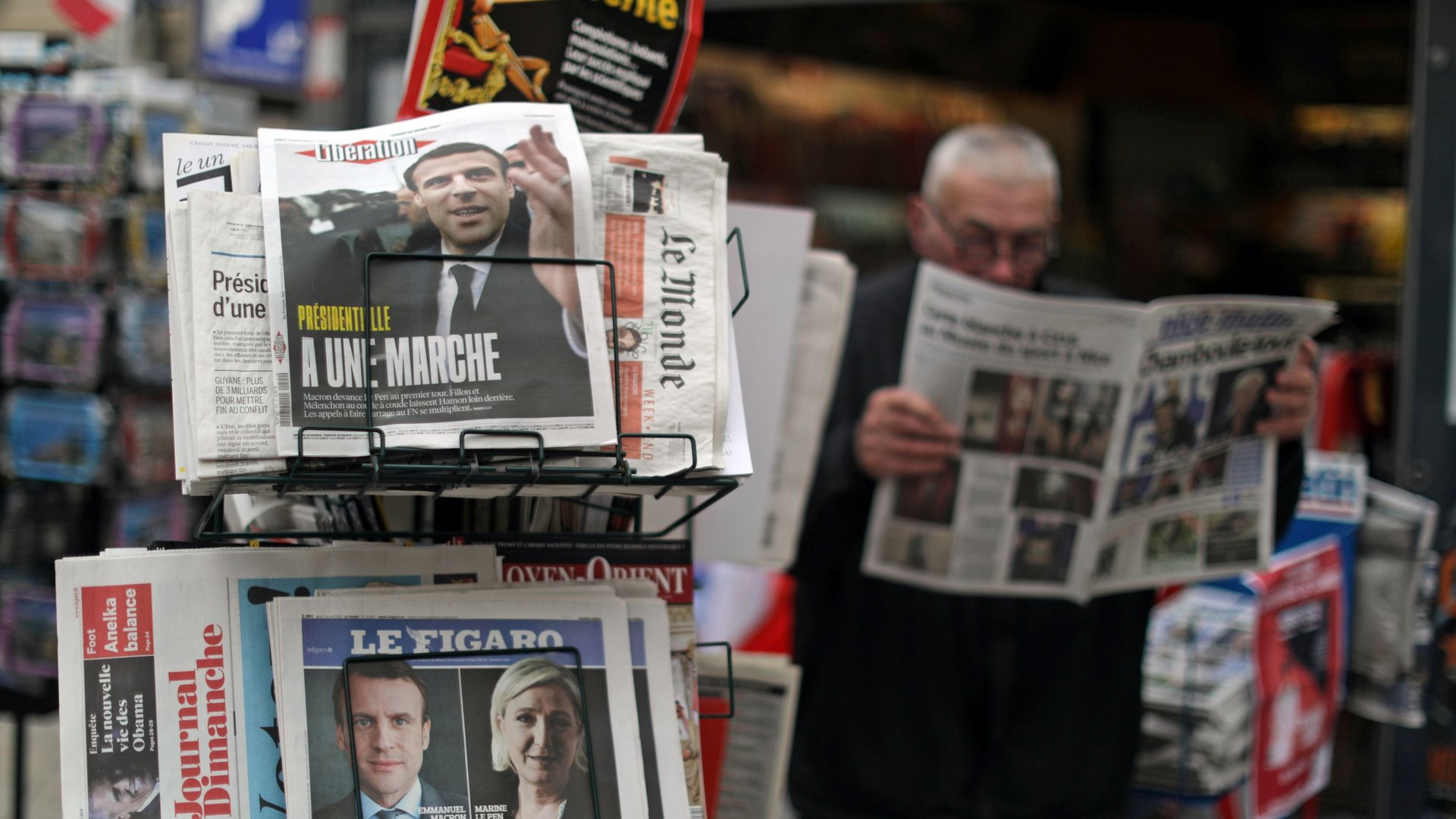
Some 10 days ago, two promising, charismatic young leaders went to ritually commune with the blue-collar masses. Emmanuel Macron, whom France will probably elect president on May 7, went to a Whirlpool plant in Amiens, while Facebook CEO Mark Zuckerberg dropped in at a Ford factory near Detroit.
There are some things that journalists can have principled reasons for not covering, such as the private lives of minor children of government officials.
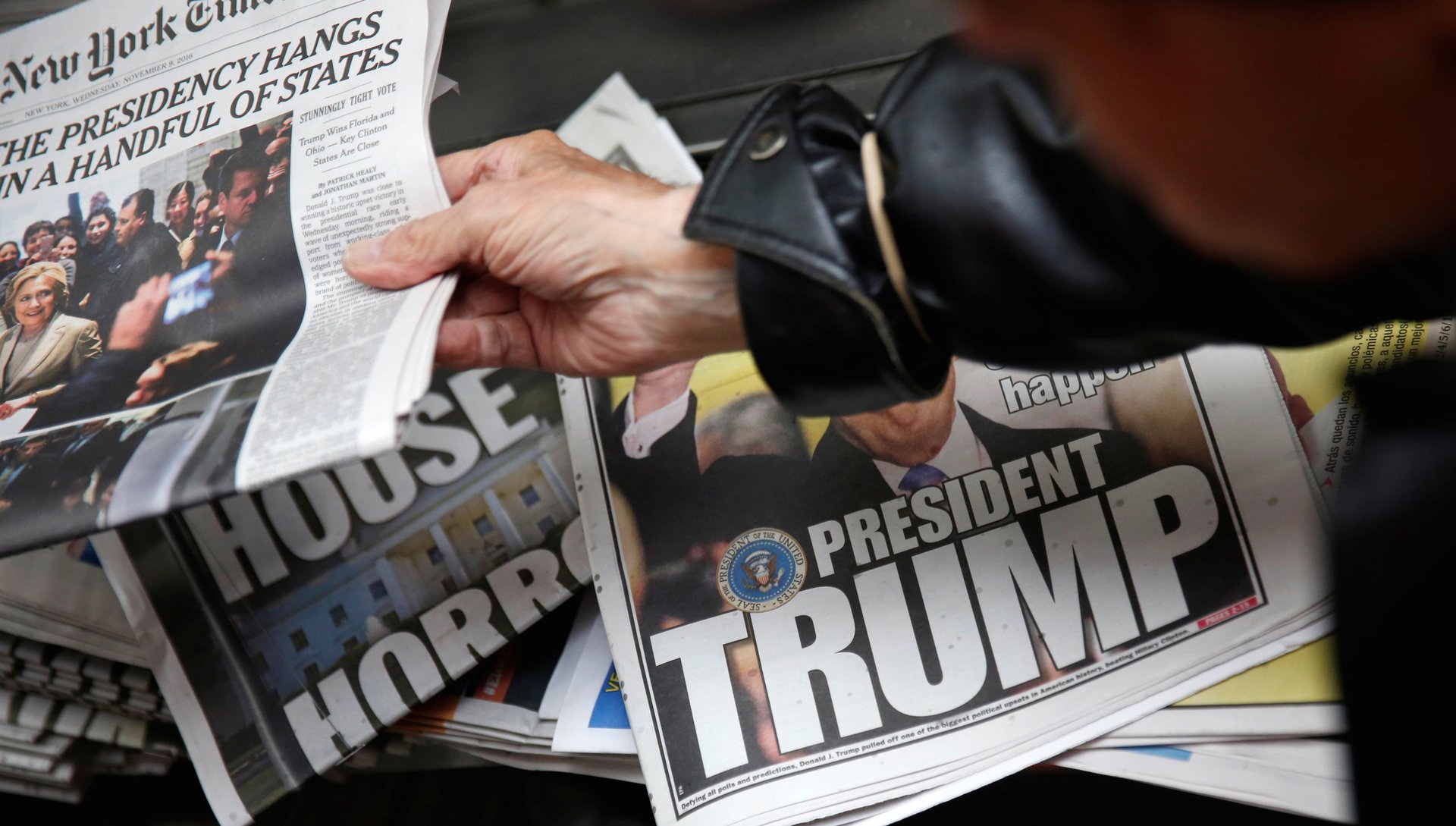
The New York Times published its collection of page-one headlines for the first 100 days of the Donald Trump, Barack Obama, and George W. Bush presidencies. They make instructive reading. Bush’s are a melange of domestic and foreign stories. Obama’s have slightly more narrative, since many are about his battle with the US’s financial meltdown. And Trump’s are a seat-of-the-pants psychodrama.
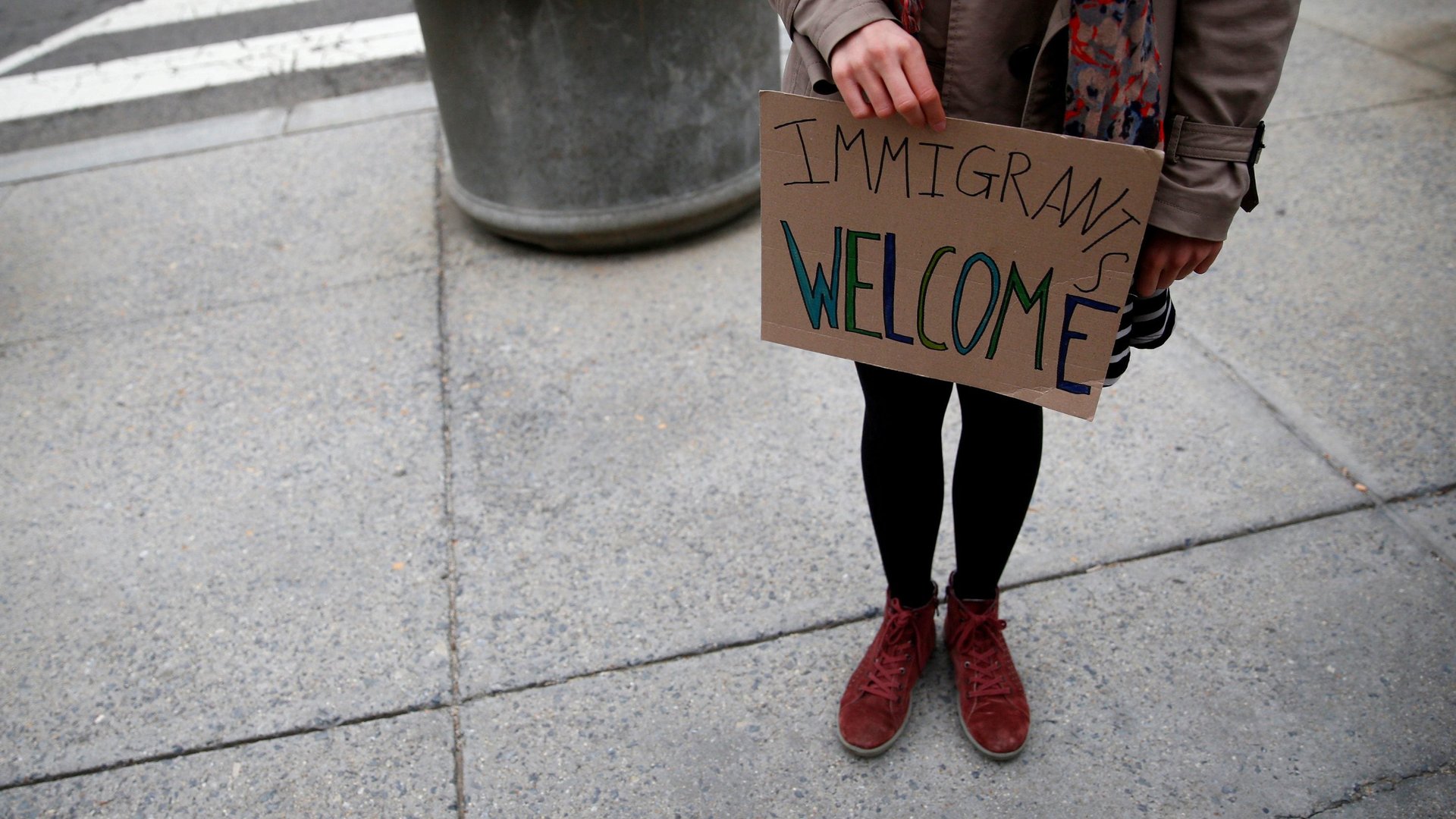
On April 1, the US government began accepting this year’s applications for H-1B visas—the coveted permits that let companies bring in highly skilled foreign workers. The number of applications has almost certainly already exceeded the annual 85,000 cap on new visas. Last year it took just a week (paywall) for the government to receive 236,000 applications and stop accepting new ones.