
Money & Markets
Republicans are already vowing to block any Obama Supreme Court nomineeThis post has been corrected.
Updated July 21, 20222 min read
This post has been corrected.

Crowdsourcing is an efficient way to add value to an app—getting users to provide the data and information that powers a program. Waze, a popular map app Google purchased for over a $1 billion, uses crowdsourced data to notify users of traffic jams. Now, a group of Iranian developers are using crowdsourcing to help people avoid the country’s “morality police.”
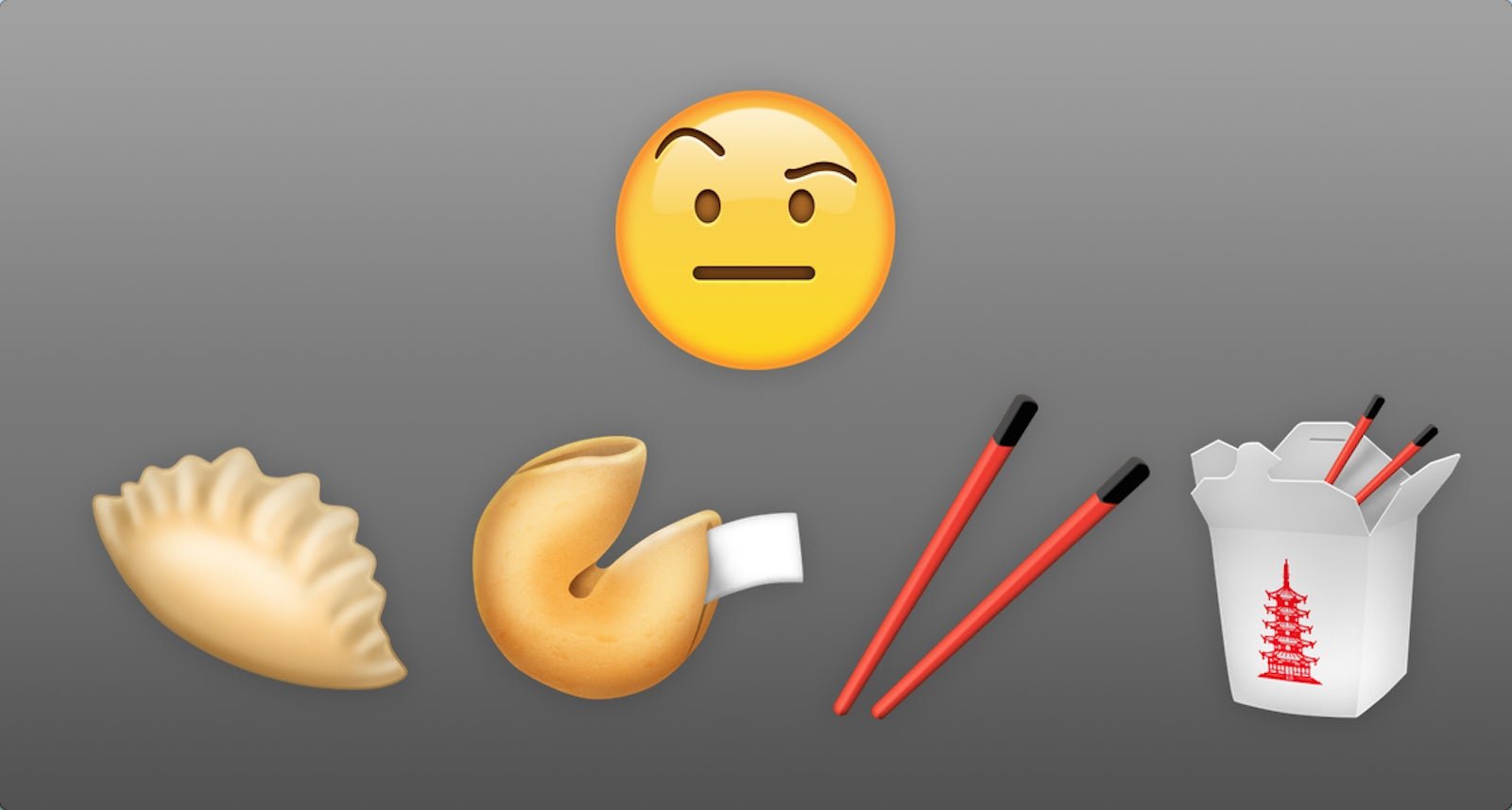
If you like dumplings, get excited.
This post has been corrected.
Twitter had a rough day.
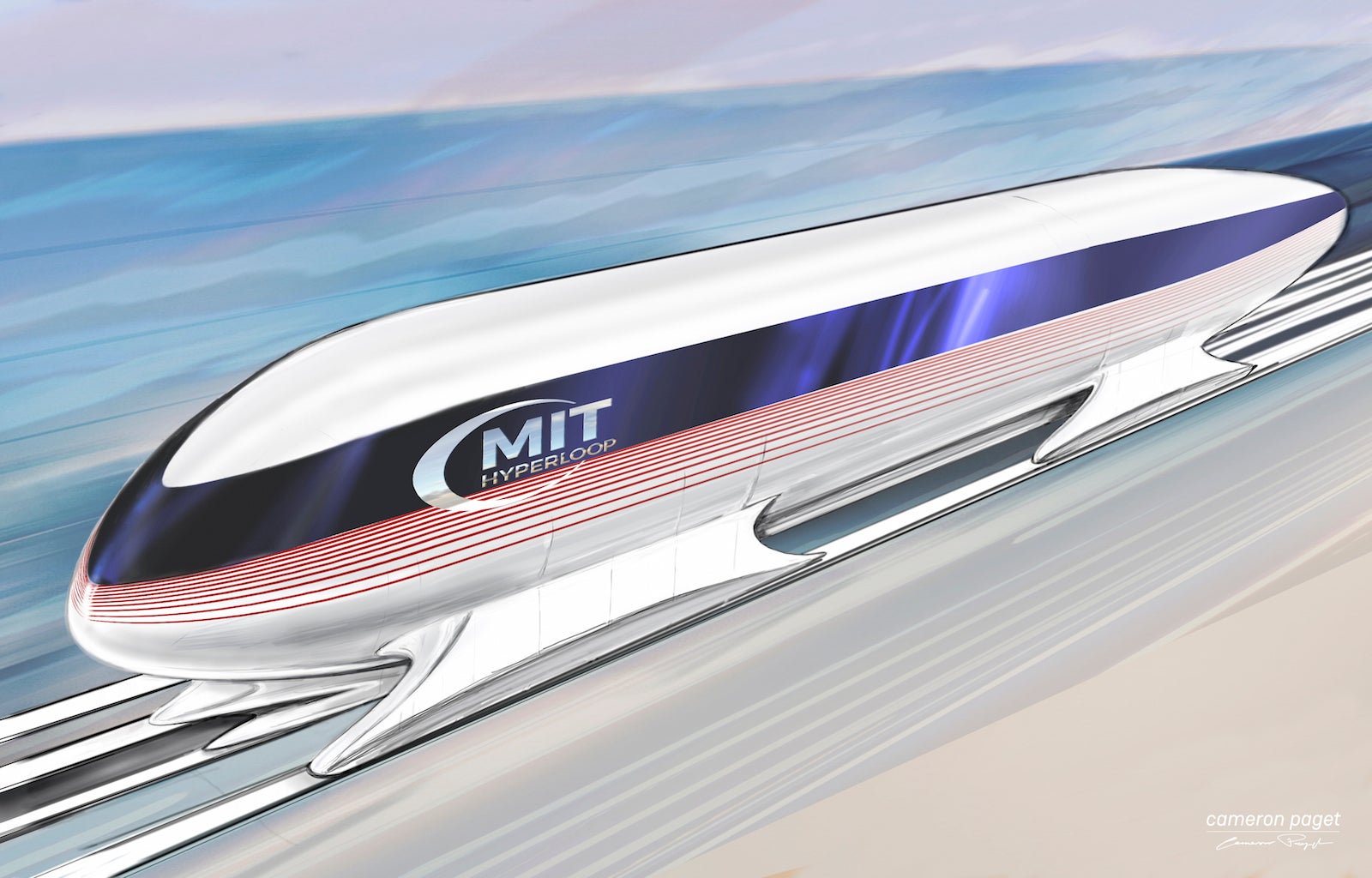
Elon Musk’s idea for an ultra-fast rail system, the Hyperloop, is one step closer to reality.
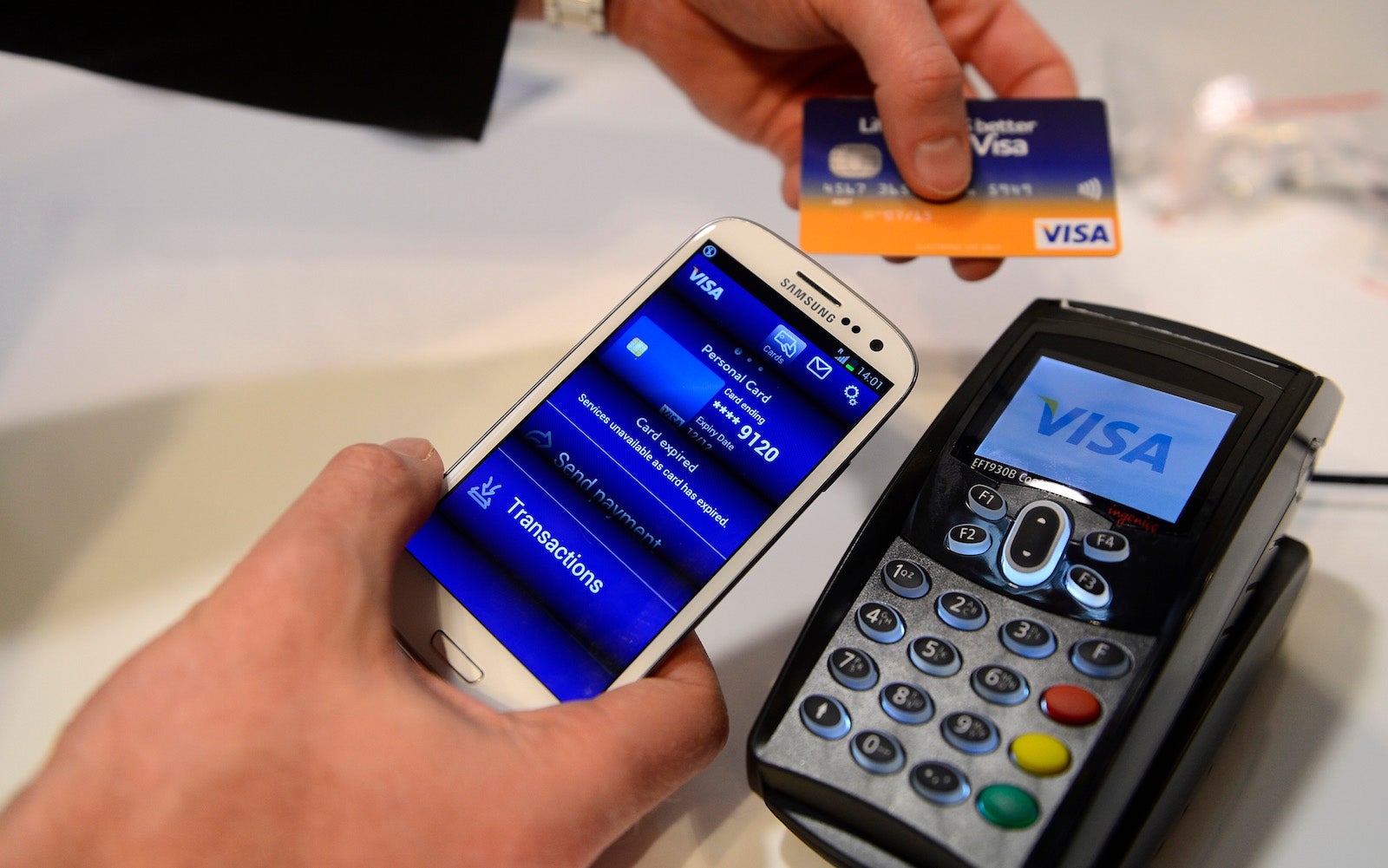
The way we pay for things has changed dramatically over the past few years. Uber calculates your fare in real-time, and charges you as you exit the car. The newest phones have chips that let you pay with a tap.
This post has been corrected.
The new Zica by Tata Motors was meant to be a combination of the words “zippy” and “car,” but the name’s similarity to the Zika virus, a dangerous infection that has rapidly become a global public health emergency, has prompted India’s biggest automaker to switch the name.
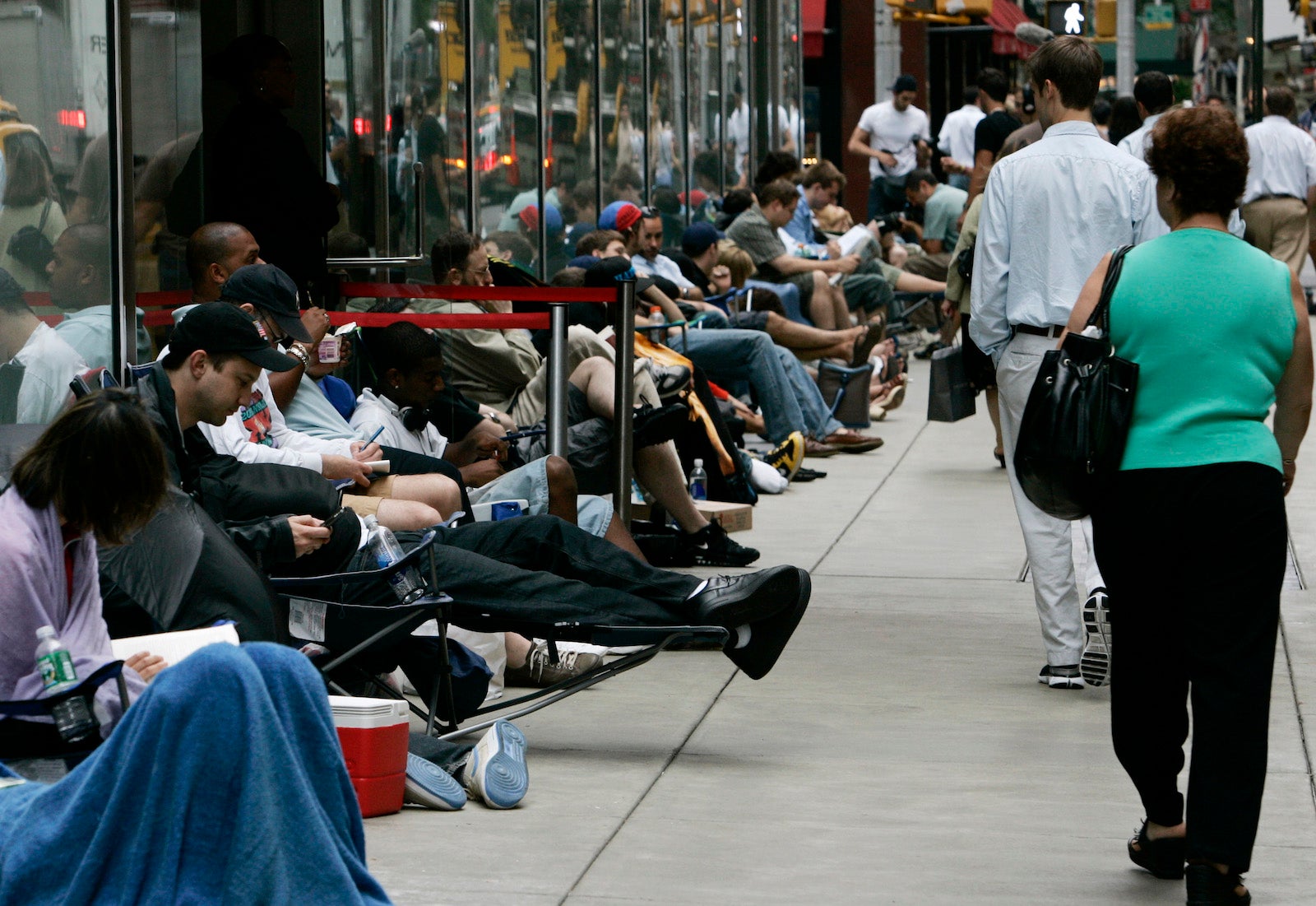
During its iPhone 6S event in September last year, Apple introduced the iPhone Upgrade Program, which lets customers pay off a new iPhone in installments, and upgrade their phones once a year. The offering could create a nice, steady revenue stream and lock customers into iPhones for as long as there are iPhones. How do the early results look? Not great. But the real test begins this September when a slew of customer phone plans expire.

Apple wants to radically change how you charge your iPhone.
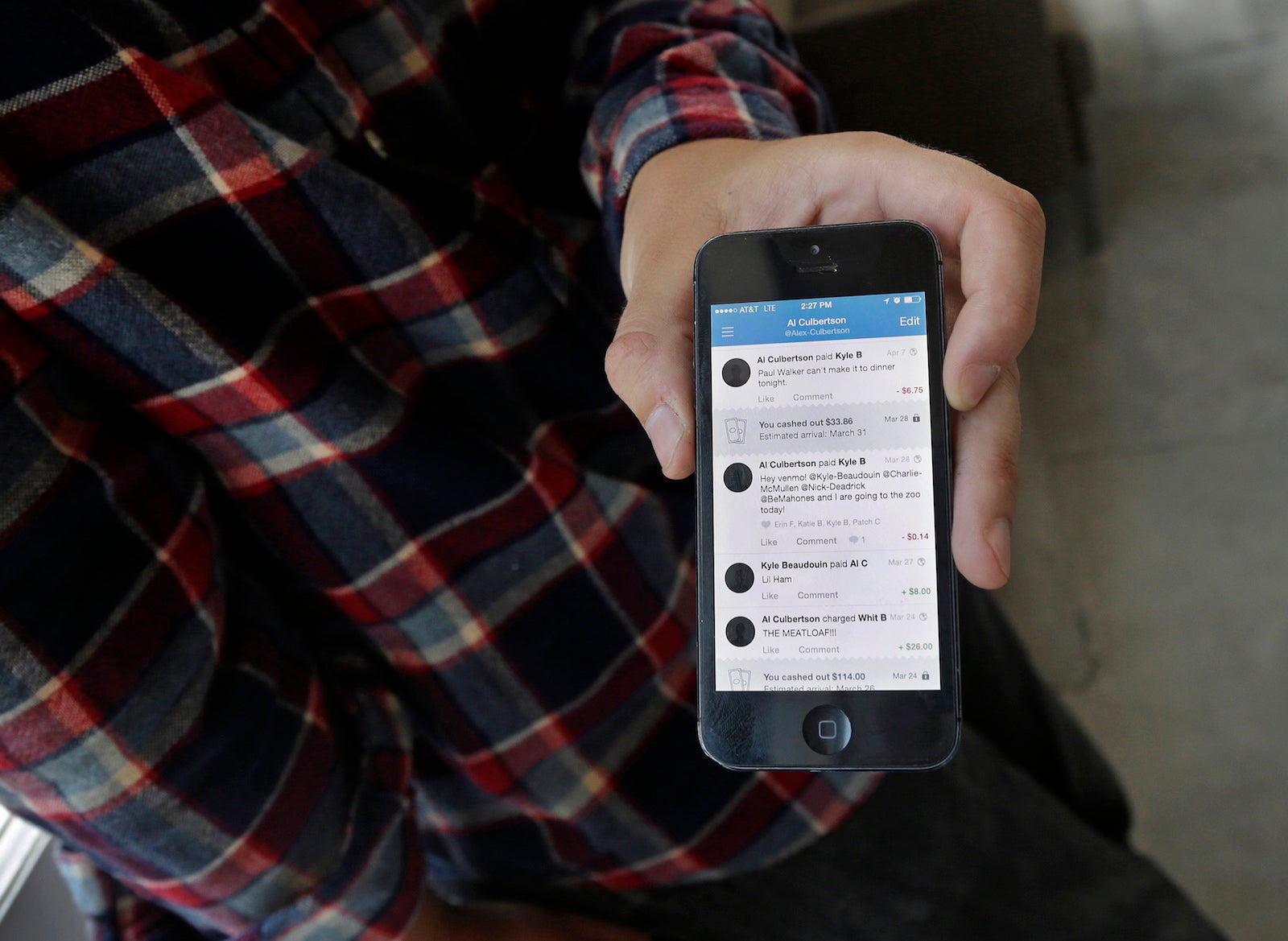
Since launching in 2009, Venmo has been great at one thing: letting people easily send money to each other. However, to date, it hasn’t been very good at making any money. Now, with a new feature called Pay With Venmo, the PayPal subsidiary is going to finally try to change that.

Explaining complex theories of physics to the average person is tough, so physicist Andreas Wahl took another approach: performing a death defying stunt.

When we discuss the separation between the rich and the poor, its usually on an economic level. After all, an abundance of money is what makes people rich.

Sarcasm might be all over the internet, but it’s still hard to recognize. Researchers want to change that.
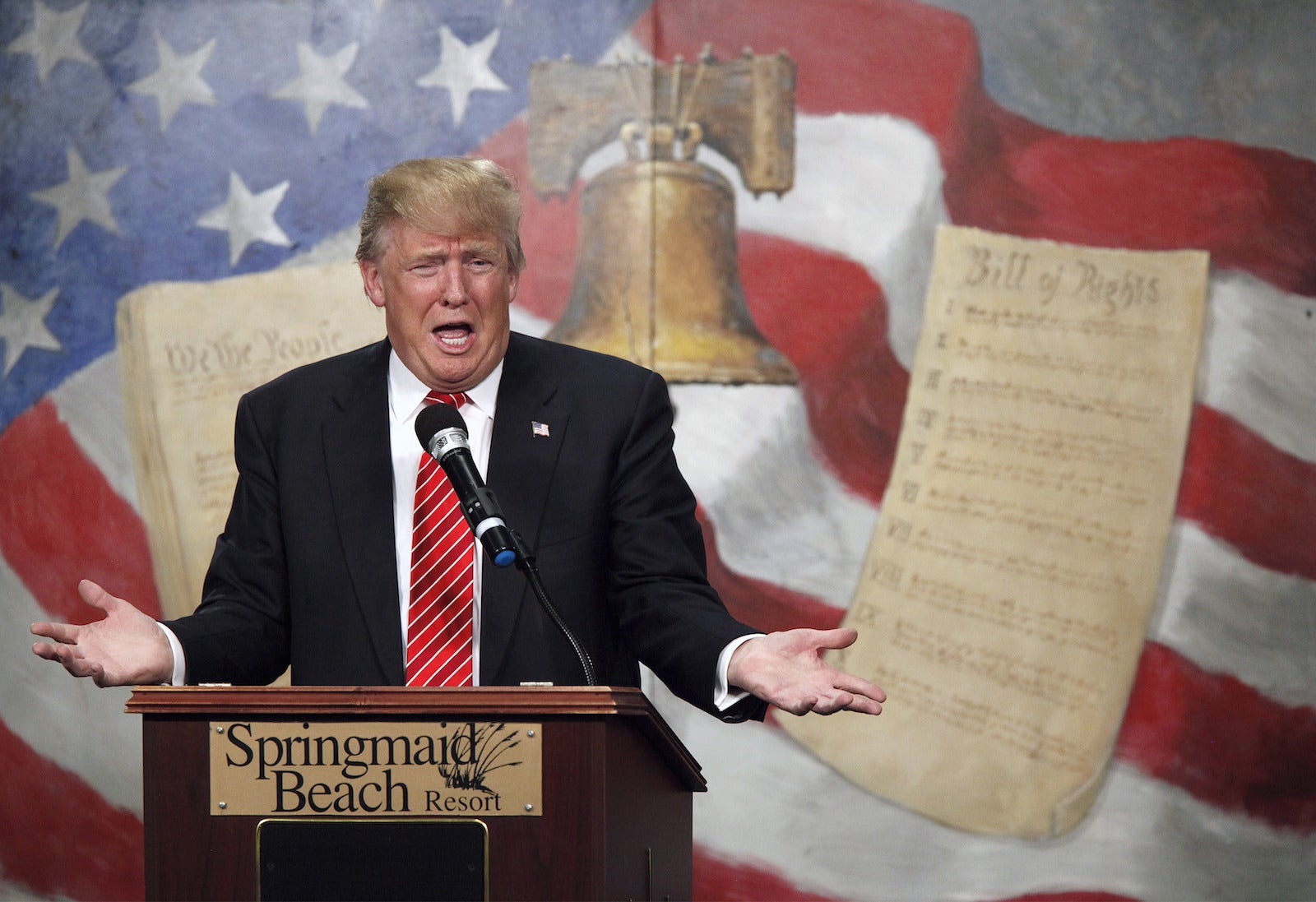
Trump has a new plan to boost America’s economy: make Apple manufacture its products in the US, instead of China.
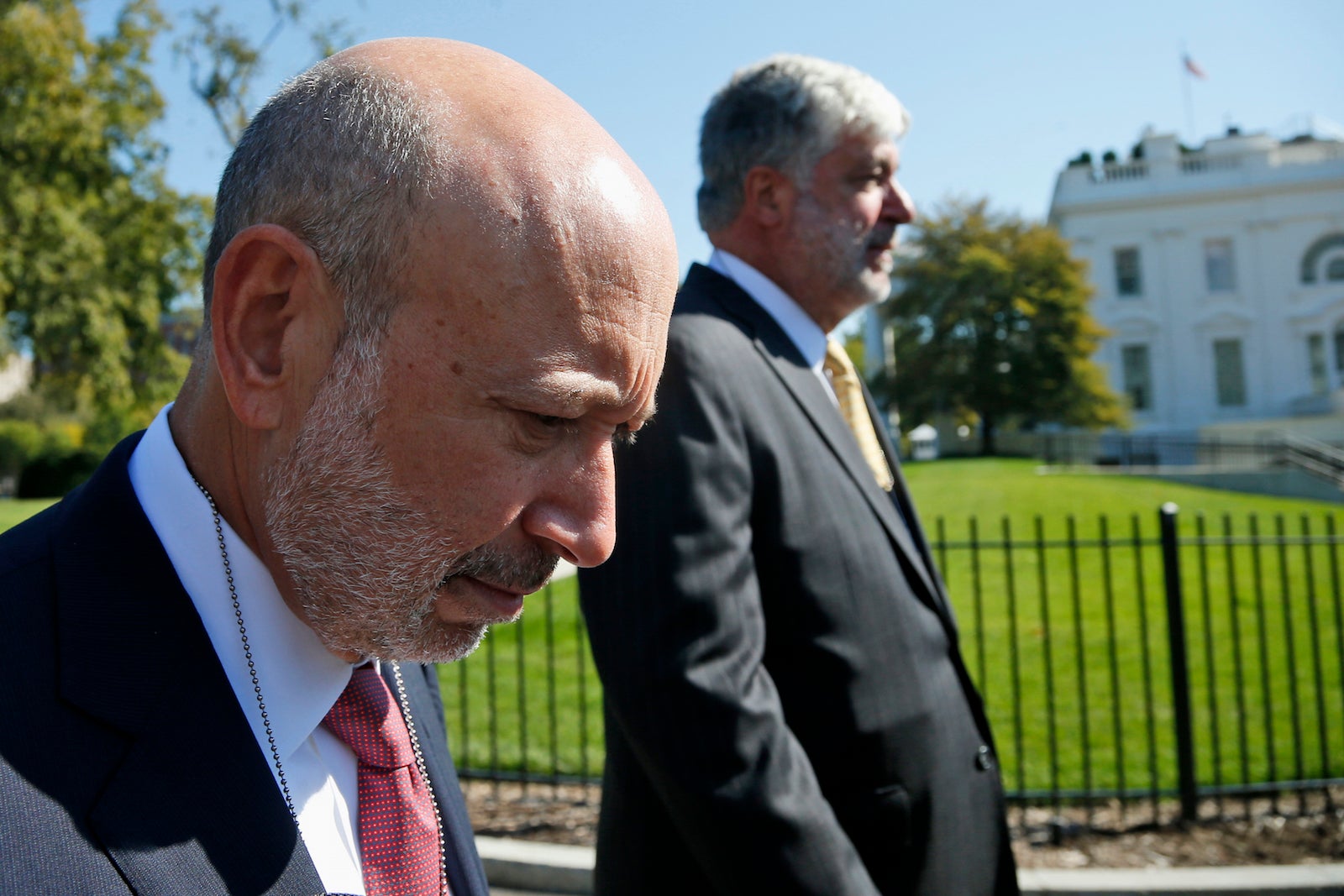
Goldman Sachs has agreed to a $5.1 billion settlement to resolve U.S. and state claims related to its sale of residential mortgage-backed securities from 2005 to 2007, the firm announced today (Jan. 14).
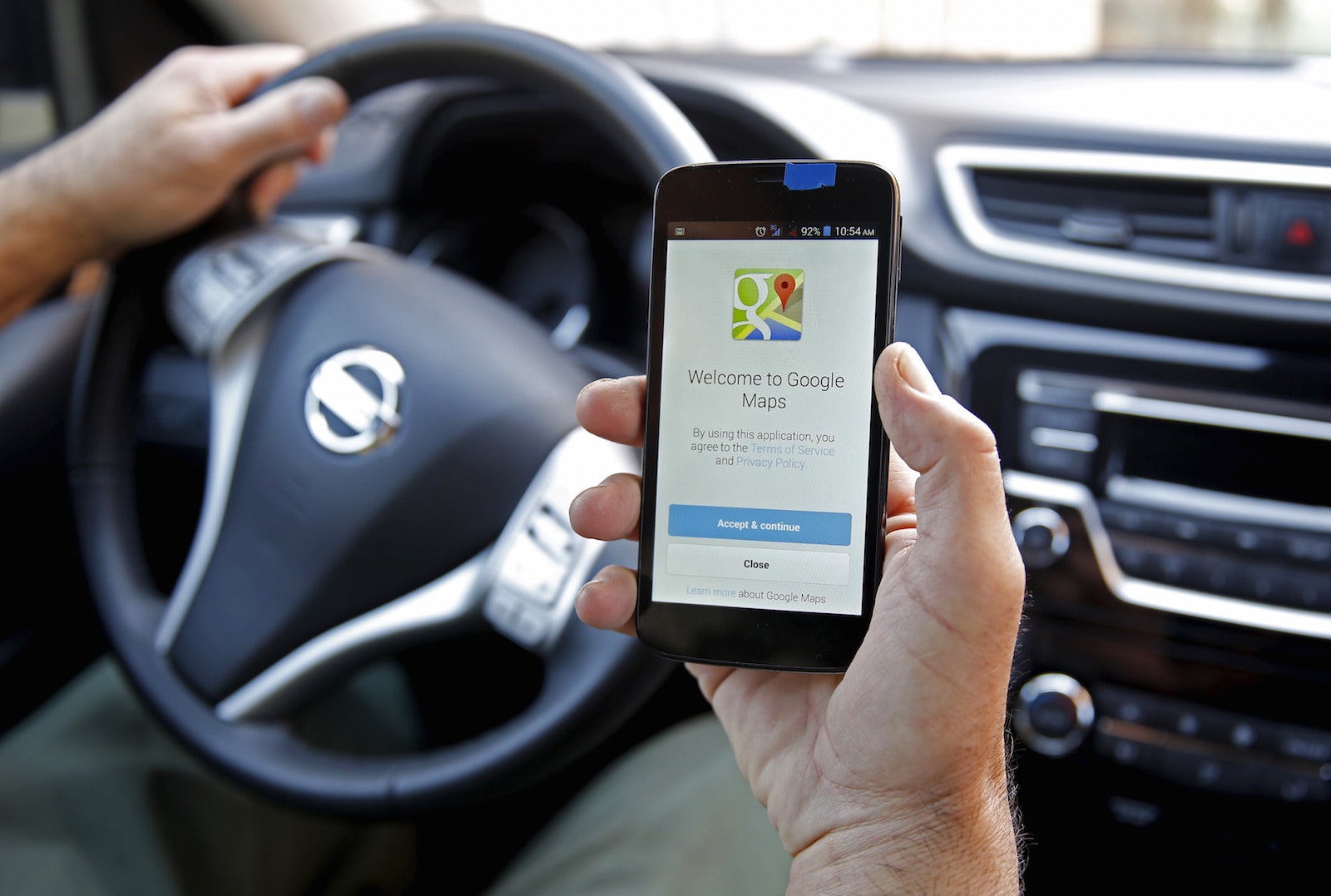
Google Maps discreetly added a new feature in a recent update that predicts where you’re headed, and sends you directions on-the-go.
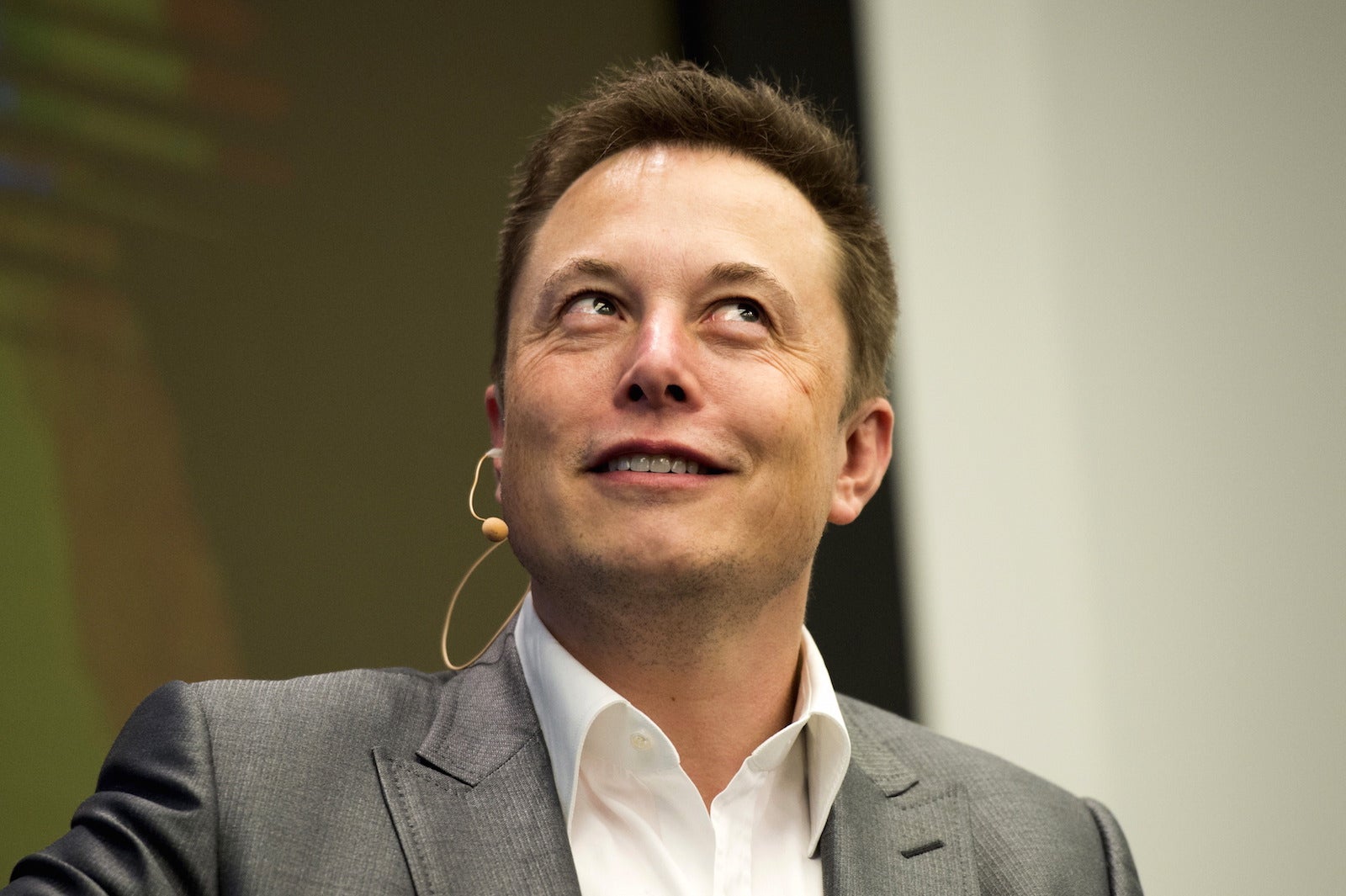
Tesla Motors CEO Elon Musk has no problem talking about rivals in the electric car industry—or even about companies that haven’t officially become competitors.

Millions of David Bowie fans were shocked and saddened to learn this morning that the influential rock star had died of cancer yesterday (Jan. 10), a few days after his 69th birthday. Throughout his career, Bowie’s influence on music, fashion, technology and culture was felt across the world—and even in outer space.
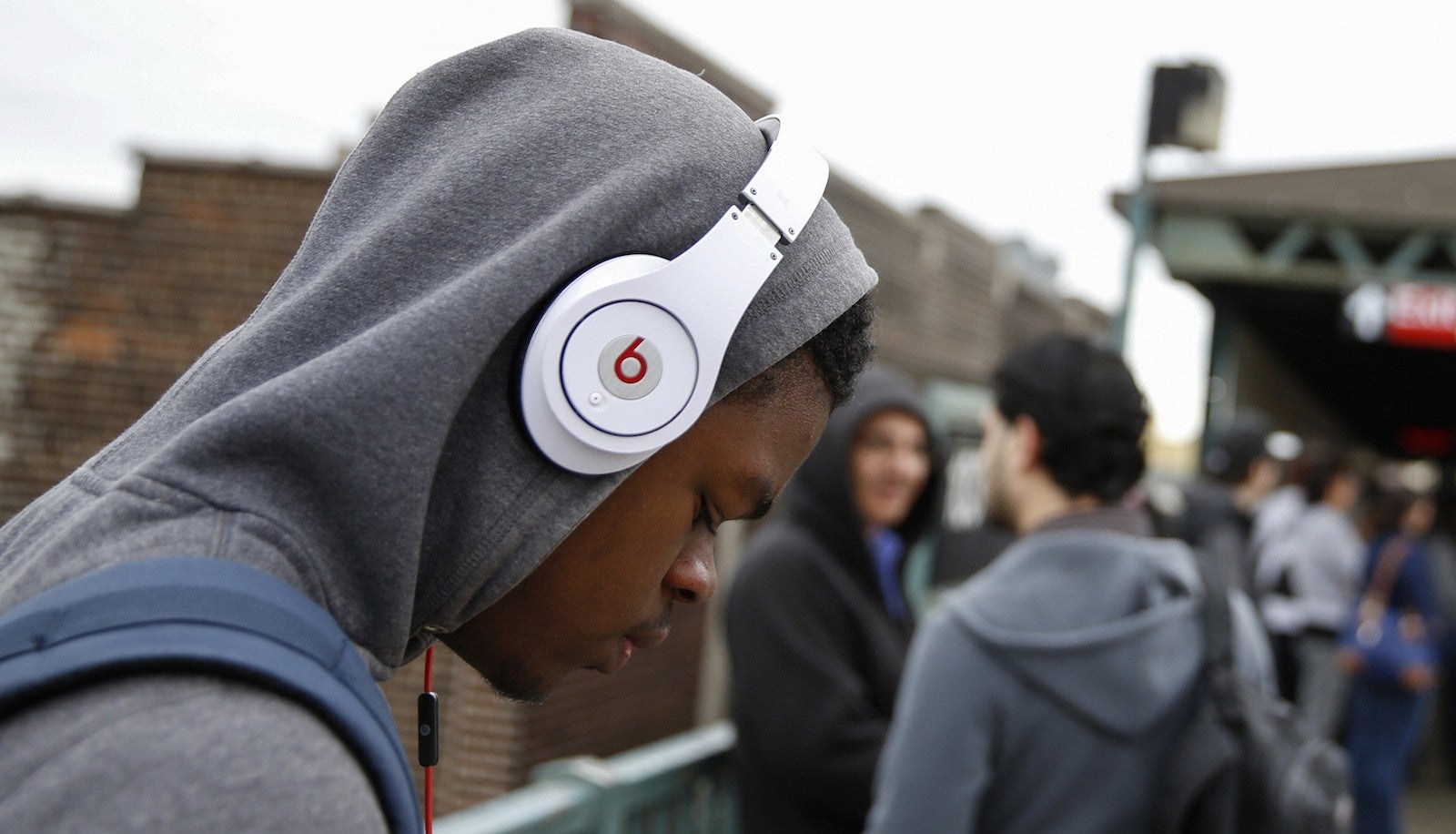
Apple is reportedly getting serious about ditching the headphone jack in its next iPhone, and is working on new cordless Beats headphones for you to buy instead.
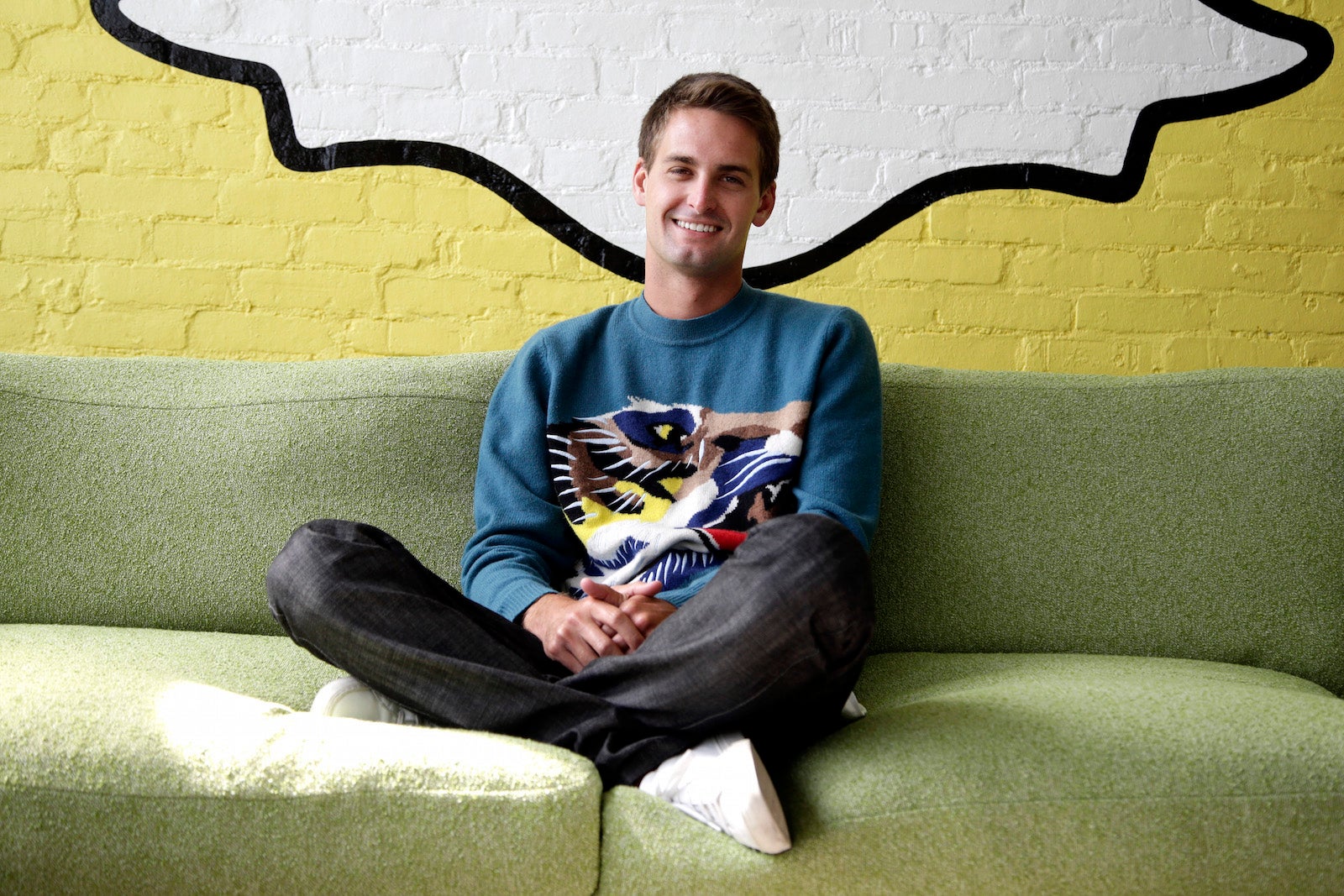
The social media service known for disappearing photos wants to manage your finances.

Trading on the Chinese stock market was halted twice this week, thanks to a new mechanism that went into effect on Jan. 4, known as a “circuit breaker.” But what exactly is a circuit breaker and how does it work?

As Apple Pay expands to China in early 2016, analysts think conditions are ripe for Apple’s mobile wallet to be a hit with consumers there.