

Tech & Innovation
Flush with funds again, India’s startup scene is buzzing with acquisition rumoursAs cash returns to India’s startup sector, so have the rumours of impending mergers and acquisitions.
Updated July 20, 20224 min read
As cash returns to India’s startup sector, so have the rumours of impending mergers and acquisitions.
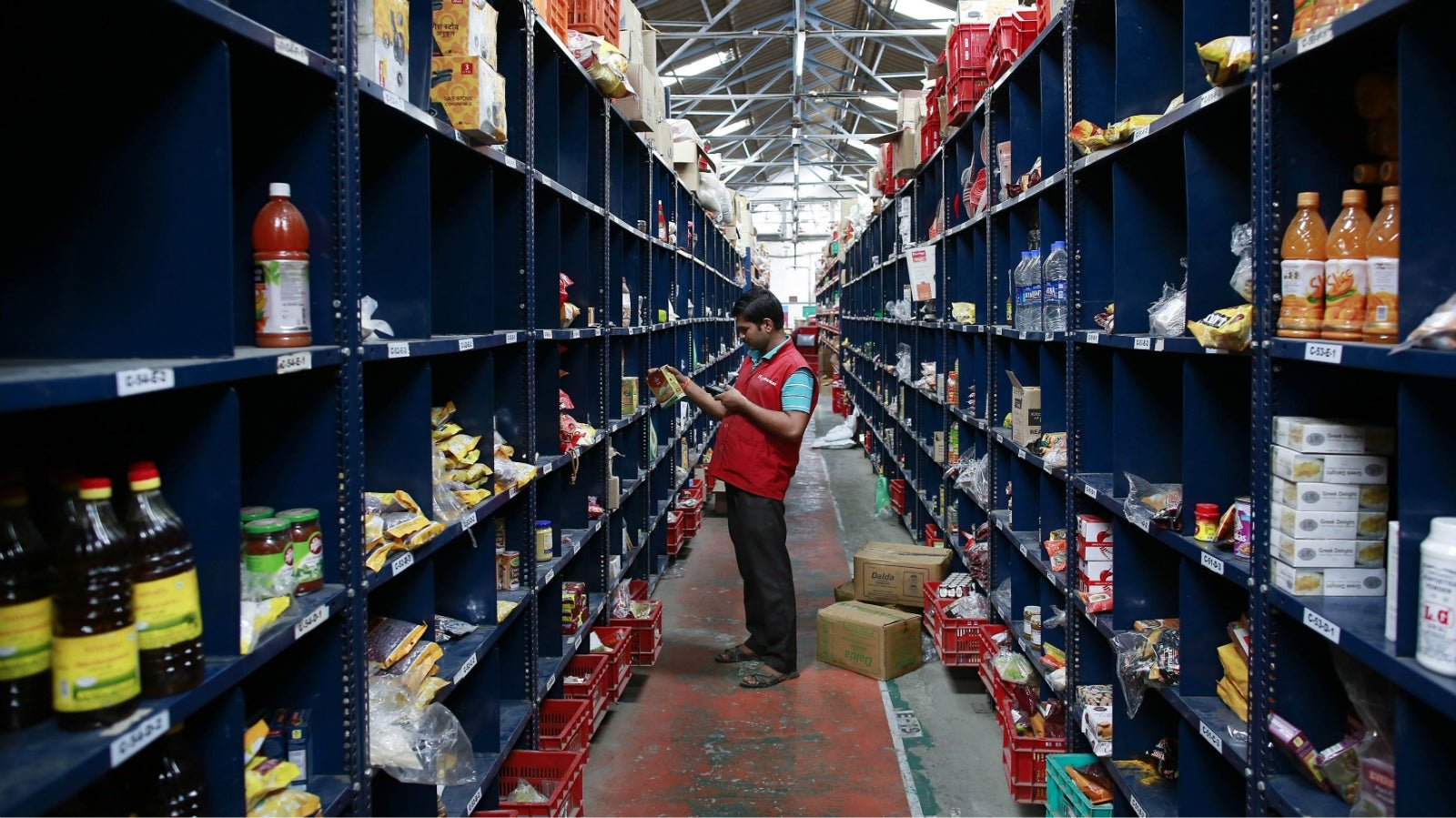
The next frontier for the great Indian e-commerce battle could be shampoos, cereals, fruits, and vegetables.
There was a time when the Infosys’s quarterly results set the tone for the $150 billion Indian IT service sector’s performance. The bellwether’s numbers influenced not just its own shares but even the benchmark IT indices on Indian bourses.
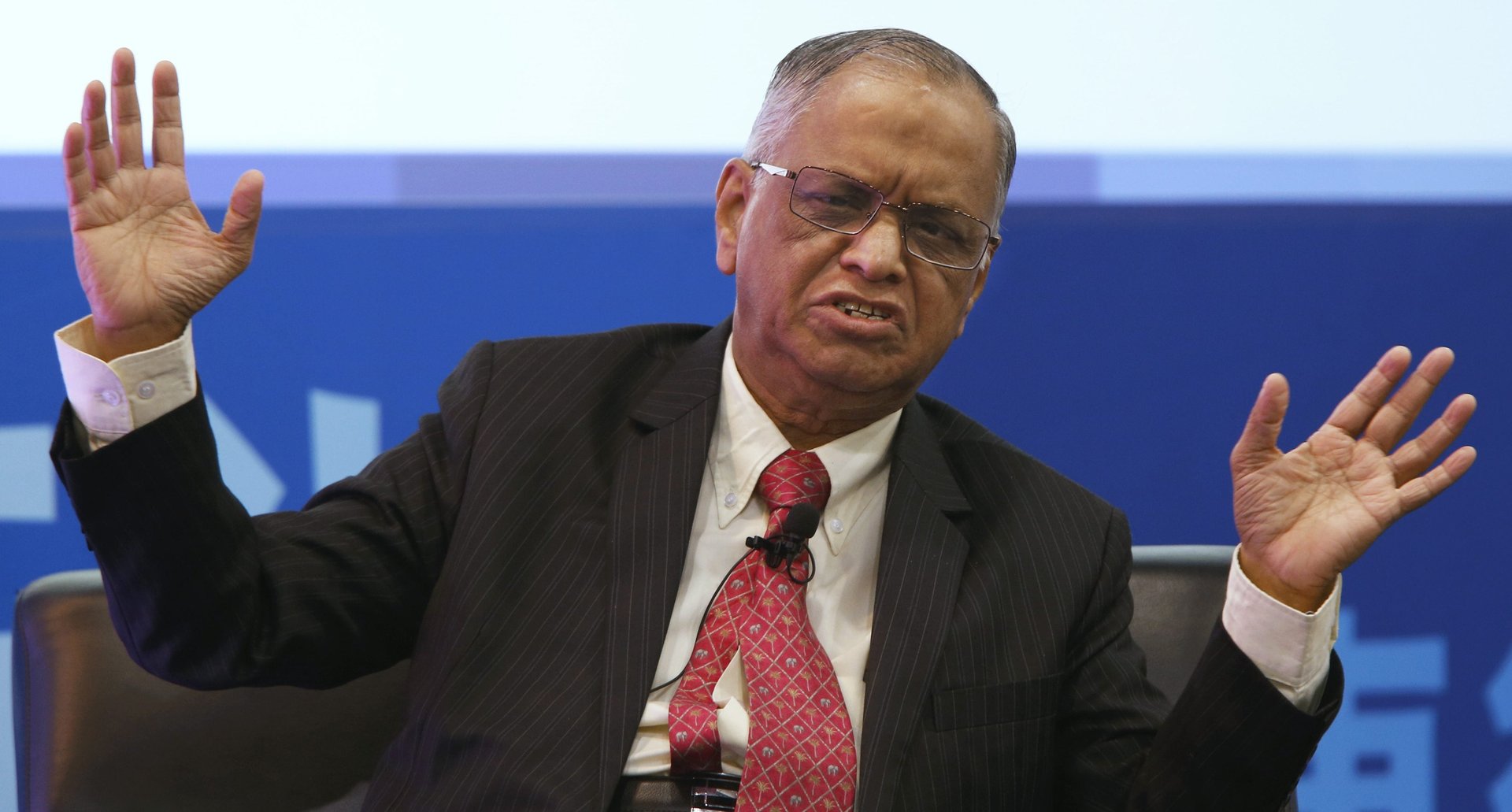
Even after the unceremonious exit of the “outsider” CEO, an overhaul of the management, and with his blue-eyed boy back at the helm of India’s second-largest IT company, Infosys founder NR Narayana Murthy remains dissatisfied.
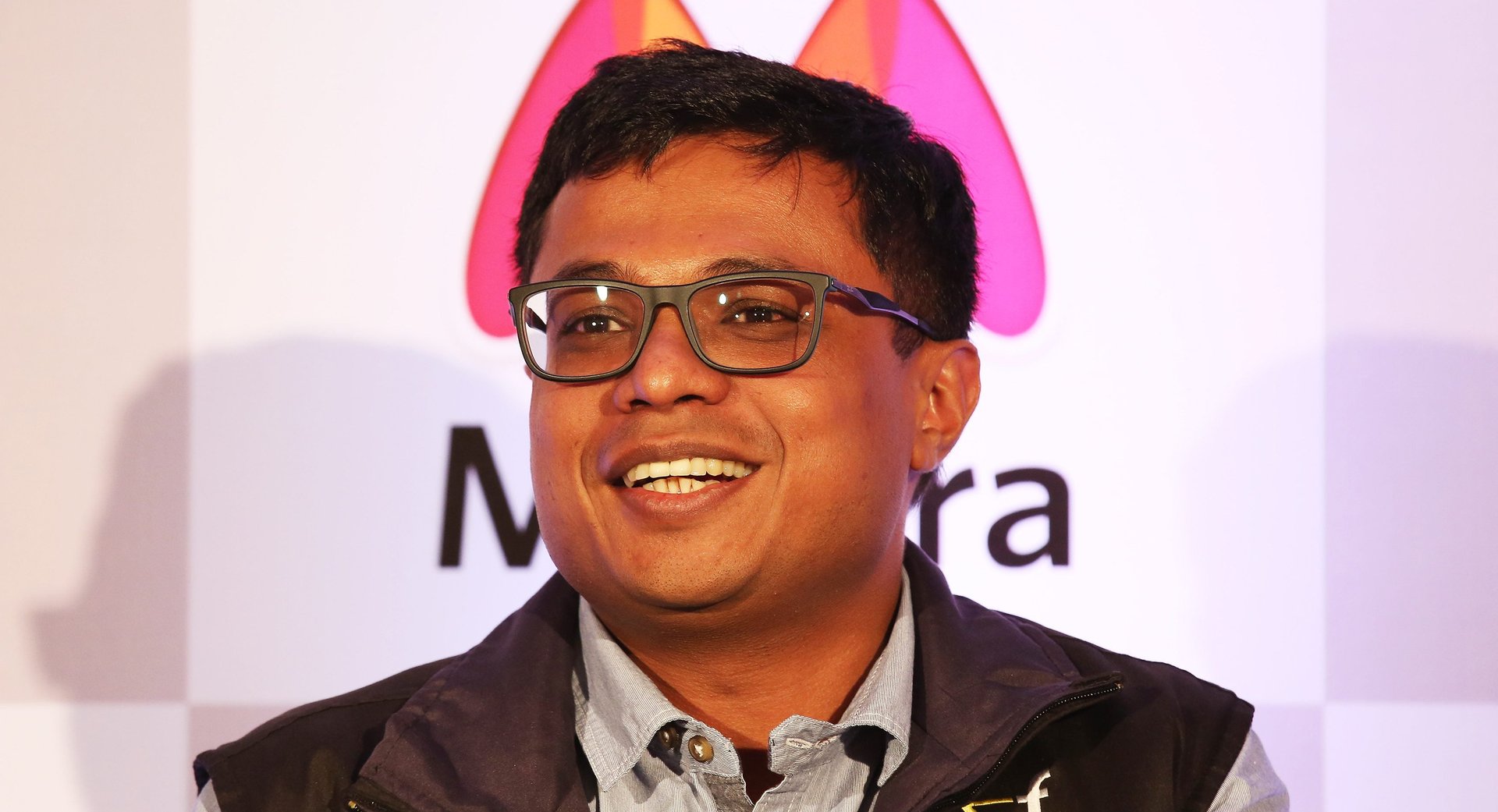
Indian entrepreneurs have a social media problem: Their tweets often turn into a customer grievance redressal exercise, drowning out even the most exciting announcements.

In a few hours from now, the night sky across urban and rural India will come to life.

By now, the degradation of Bengaluru as an urban centre is as well known as its reputation as ”the mecca of startups” and “the Silicon Valley of India.” And this year’s monsoon has sealed that infamy.
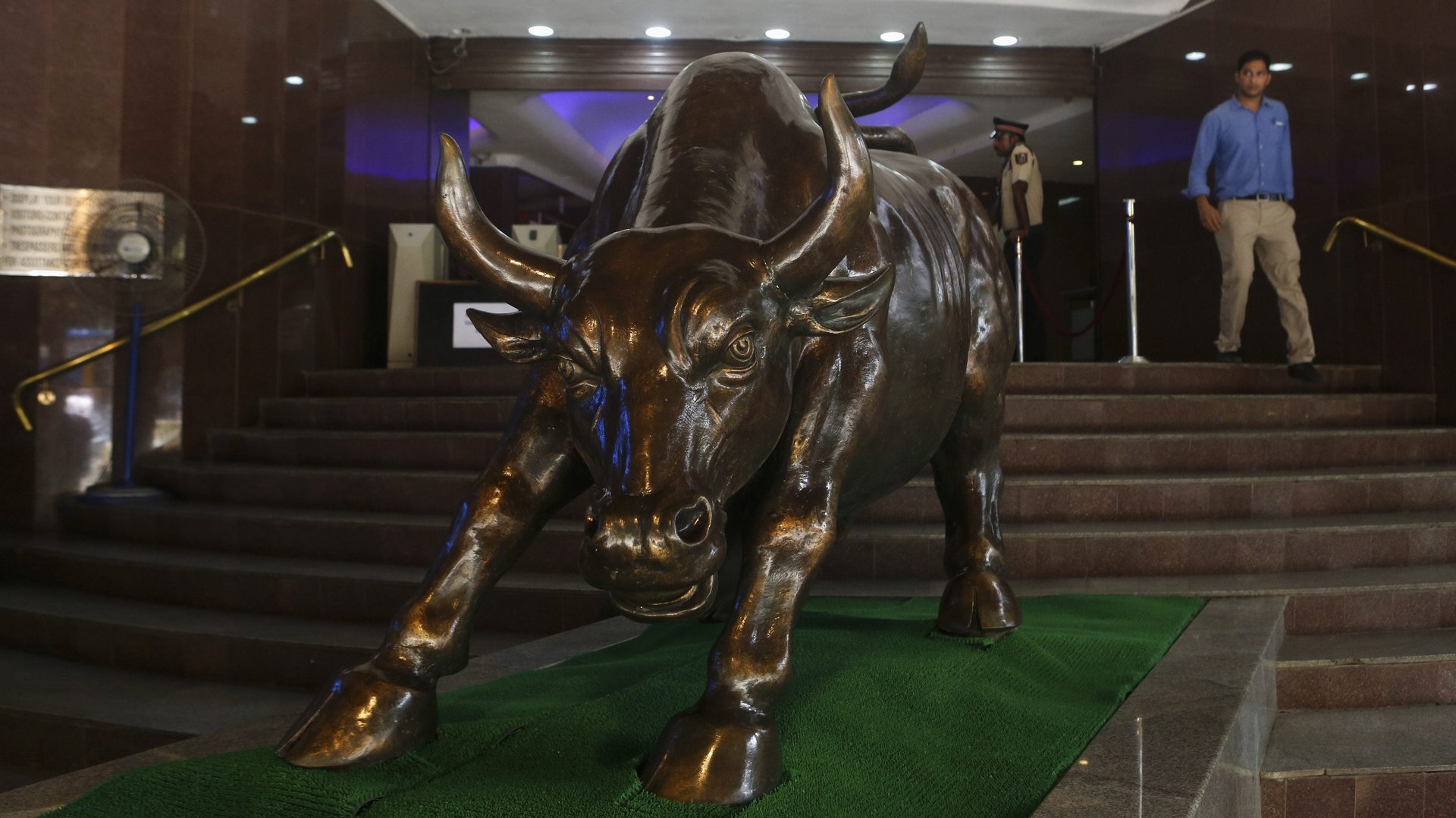
Despite having at least 10 home-grown unicorns, India’s internet startup sector is not ready to face individual investors in the country.

Bang in the middle of India’s biggest festival season, Amazon has thrown a surprise.
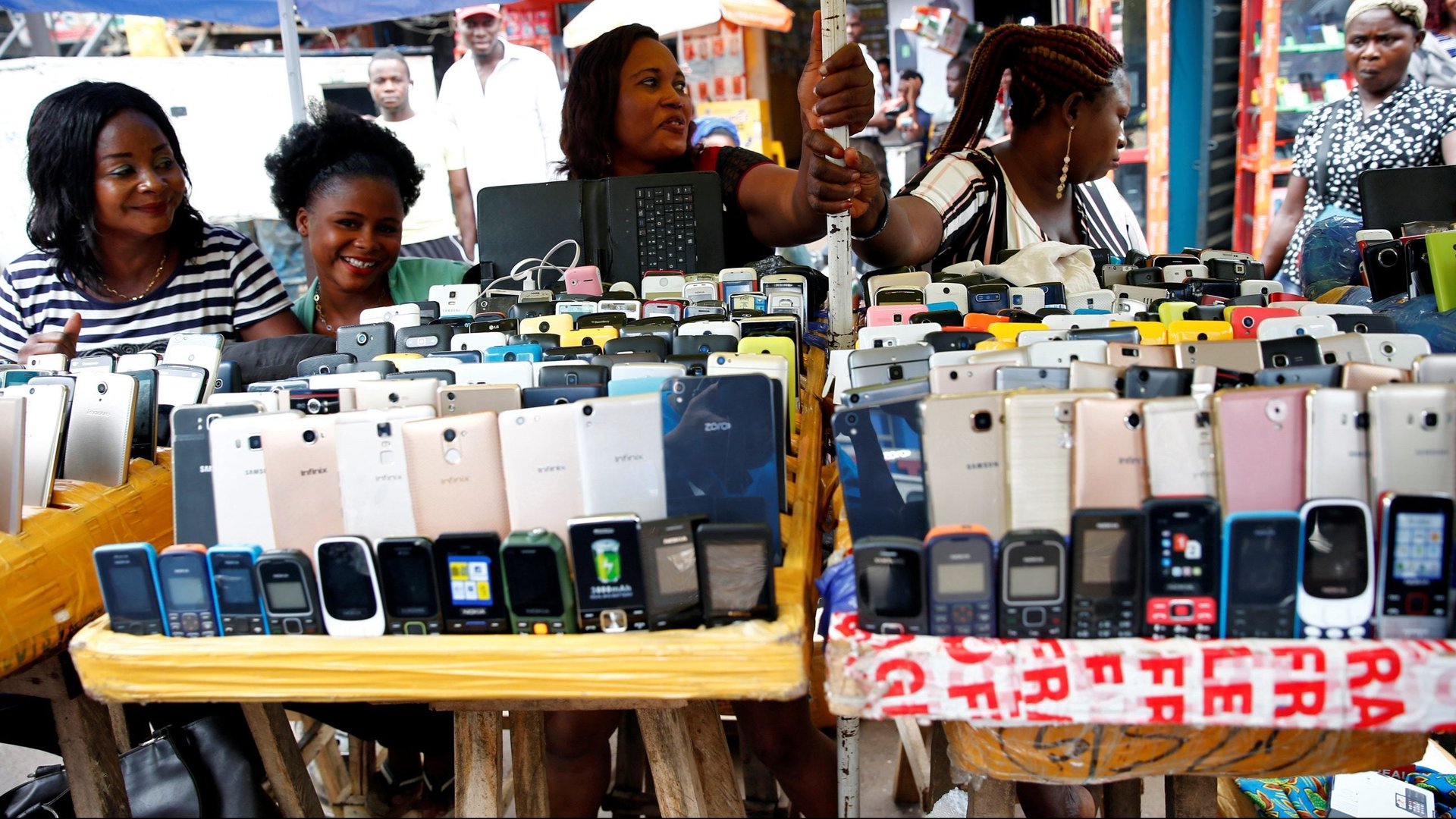
Flipkart says it has created history.
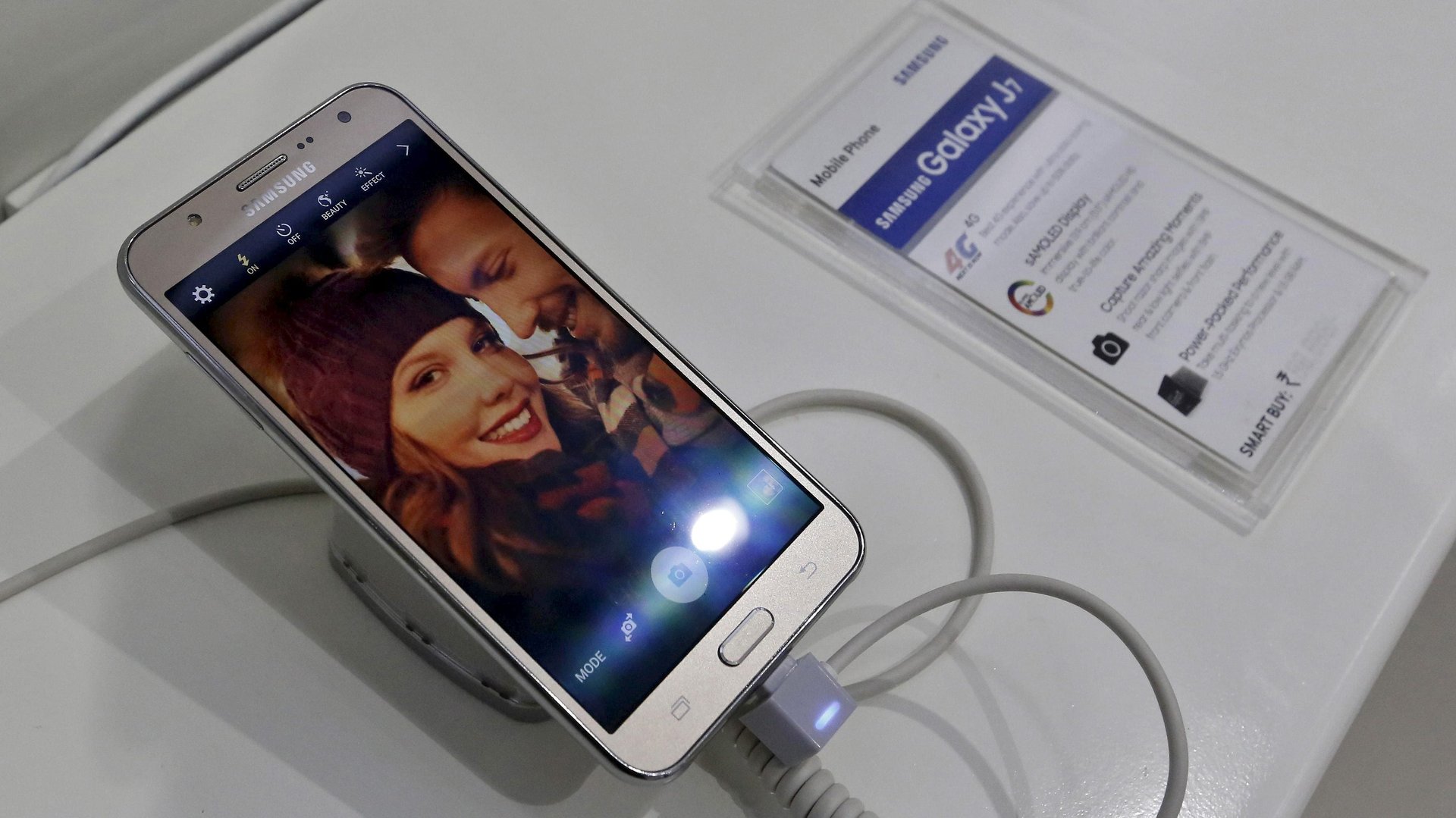
Back in 2009, India was still far from becoming a global startup hub. The founders of India’s (now) most-funded internet startup, Flipkart, were only selling books online, and the country was nowhere on the radar of global players like Amazon.

It’s that time of the year again.
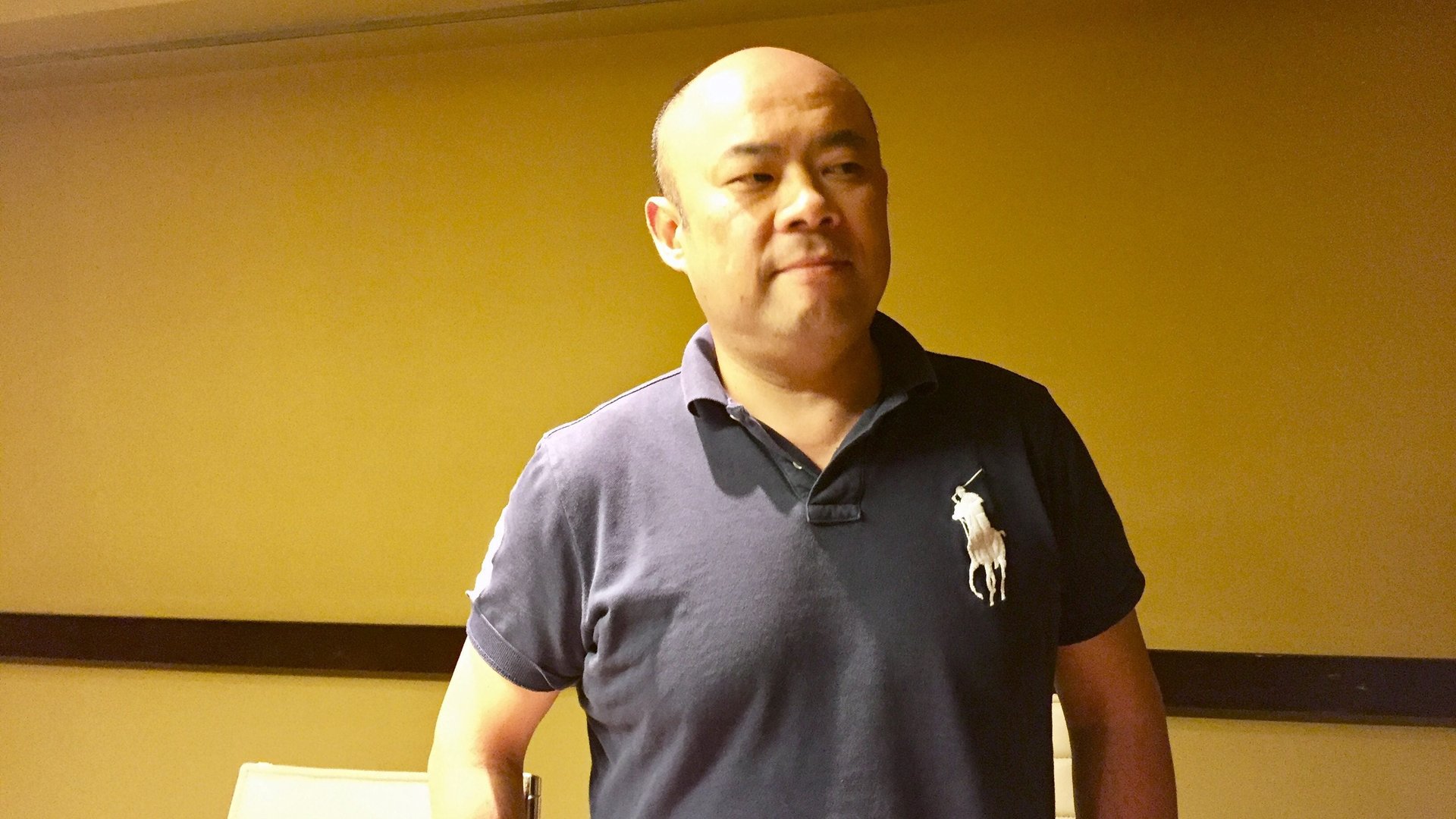
Following the deep involvement of his elder brother Masayoshi Son, founder and CEO of Softbank, in the Indian startup ecosystem, Taizo Son, too, is now set to back entrepreneurs in the country.

It’s not just people. A company’s culture can be discerned from even inanimate elements like the office halls, walls, pillars, walkways, and boardrooms.
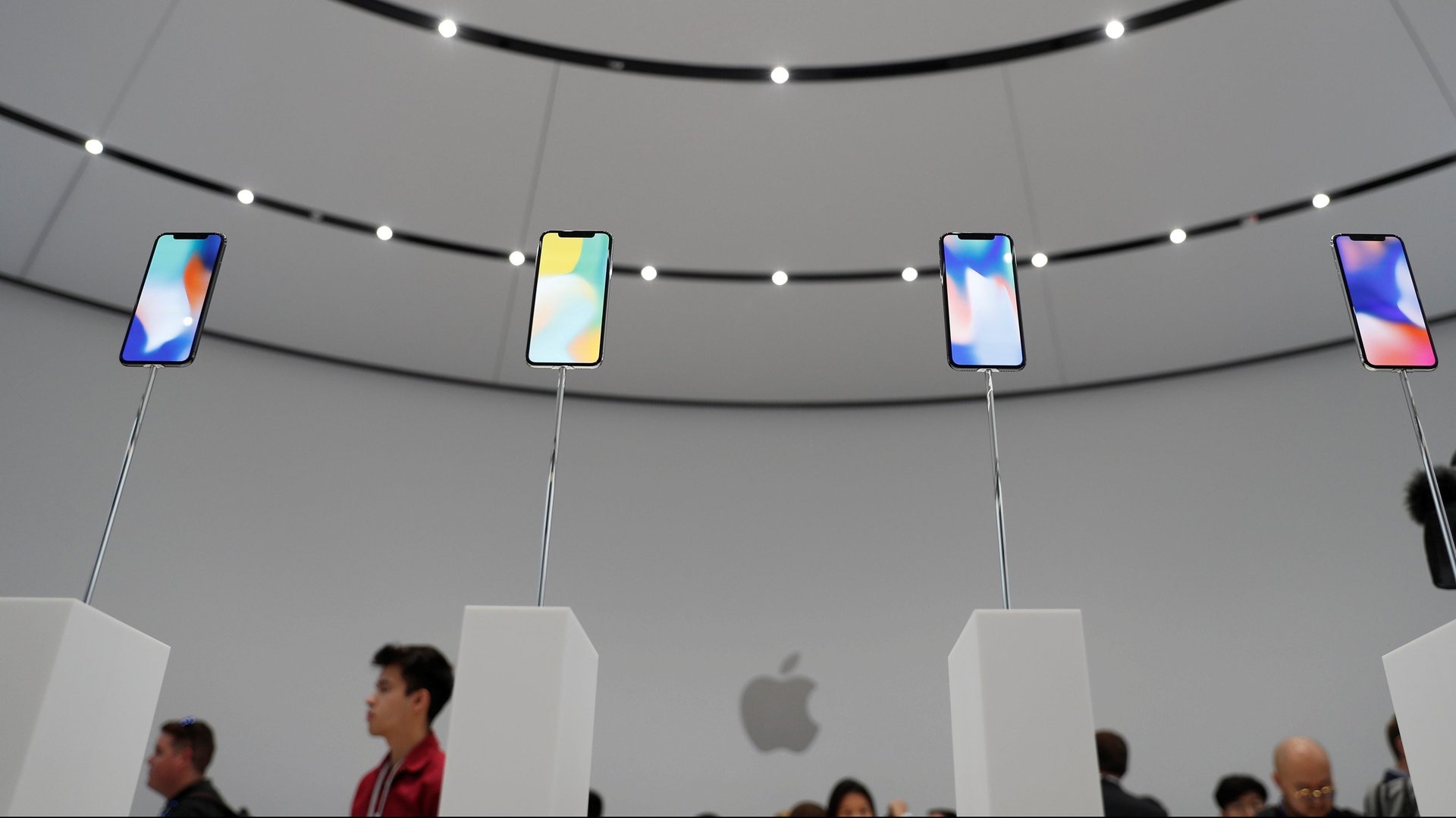
One kidney: That’s what a Washington DC-based Indian-origin scientist thinks Apple’s newest gadget is worth in India.
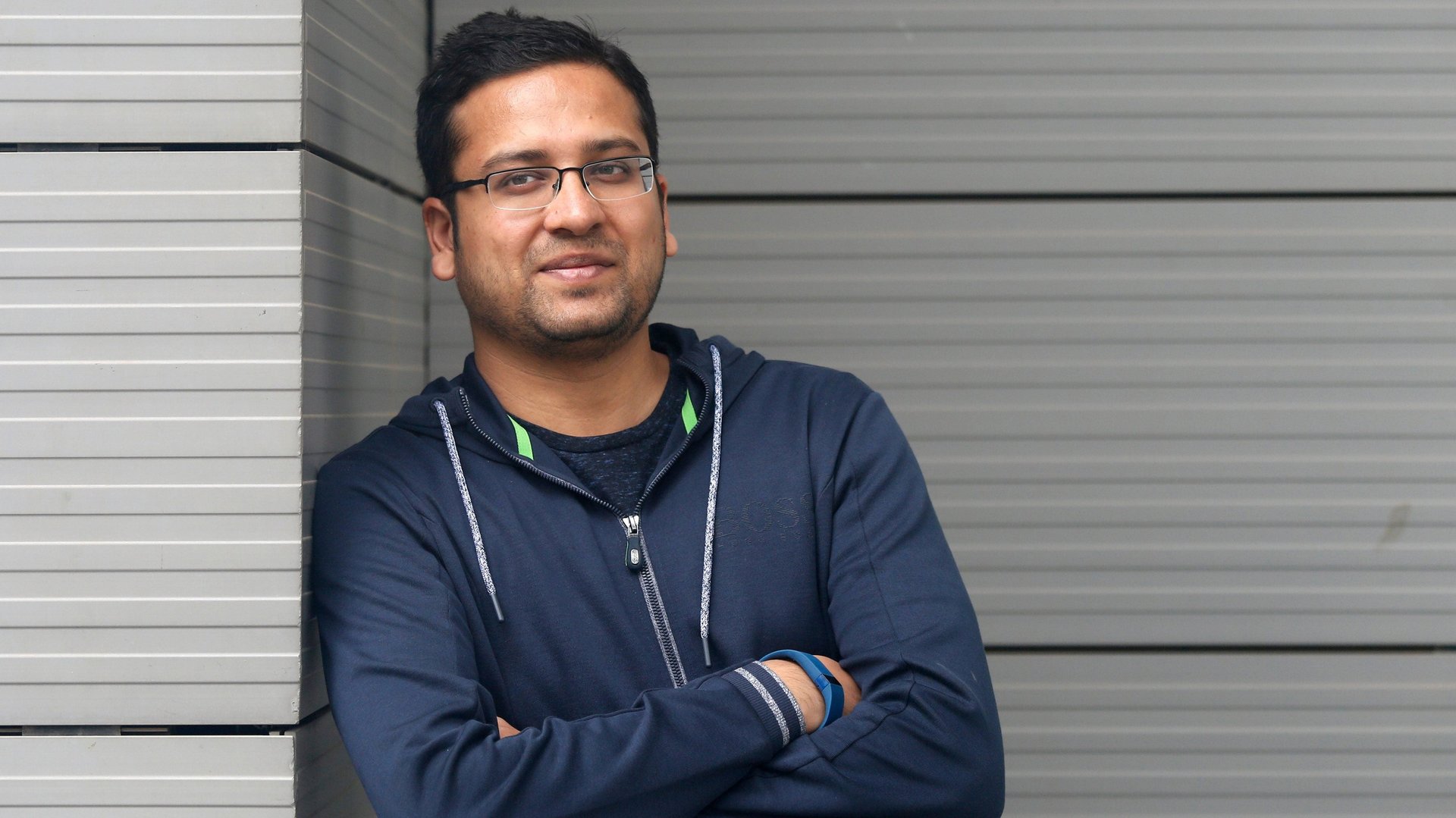
It was one online chat that concealed the momentousness of the occasion. And it happened on Oct. 16, 2007, minutes after Flipkart.com went live.
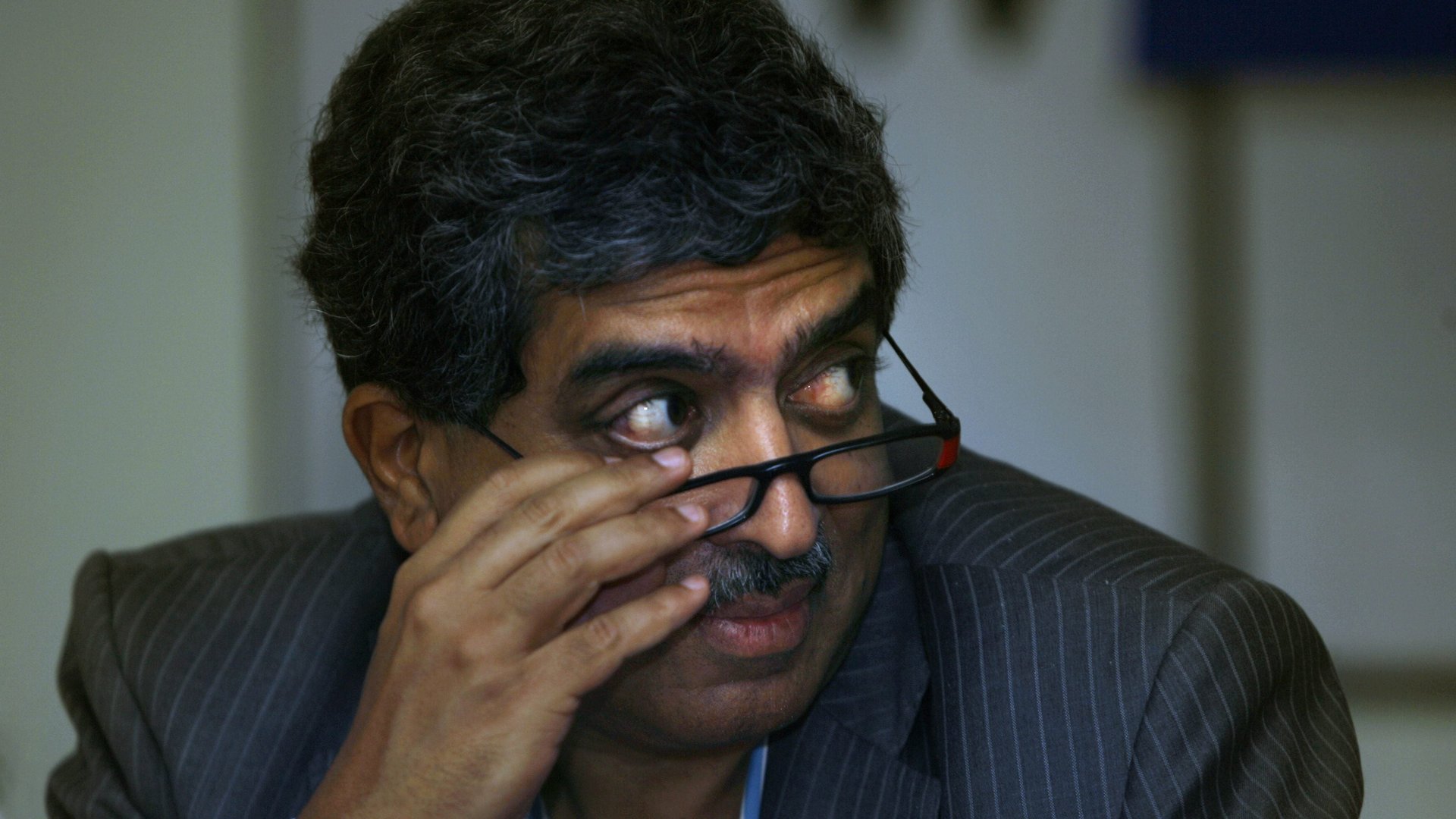
“I’ll watch how Infosys is progressing…from outside.”
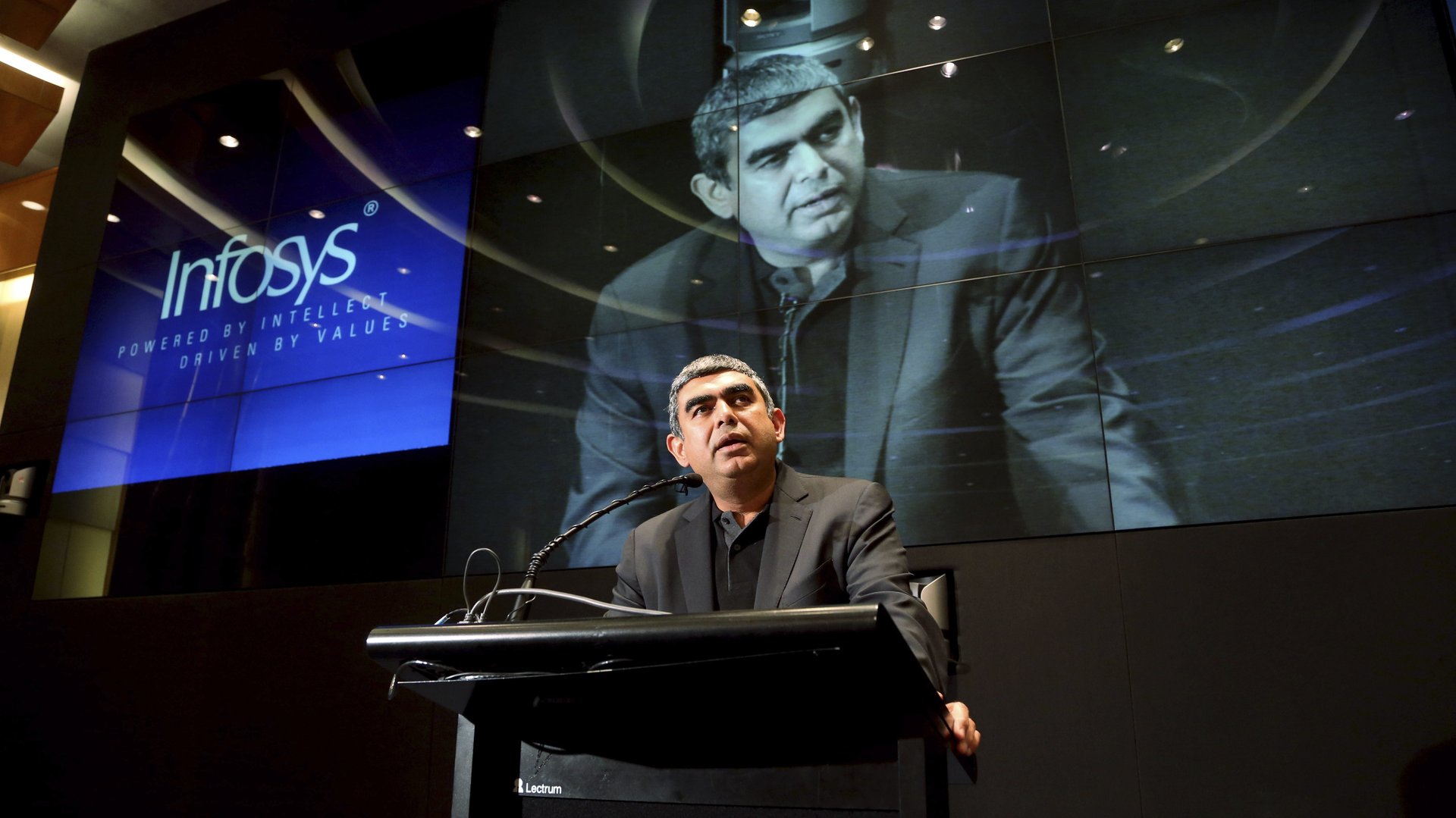
I first read up about a certain Vishal Sikka in May 2014. A source tipped me off that afternoon about this American-Indian who had spent most of his career working at German software major SAP. He was now set to be the next CEO of Infosys.
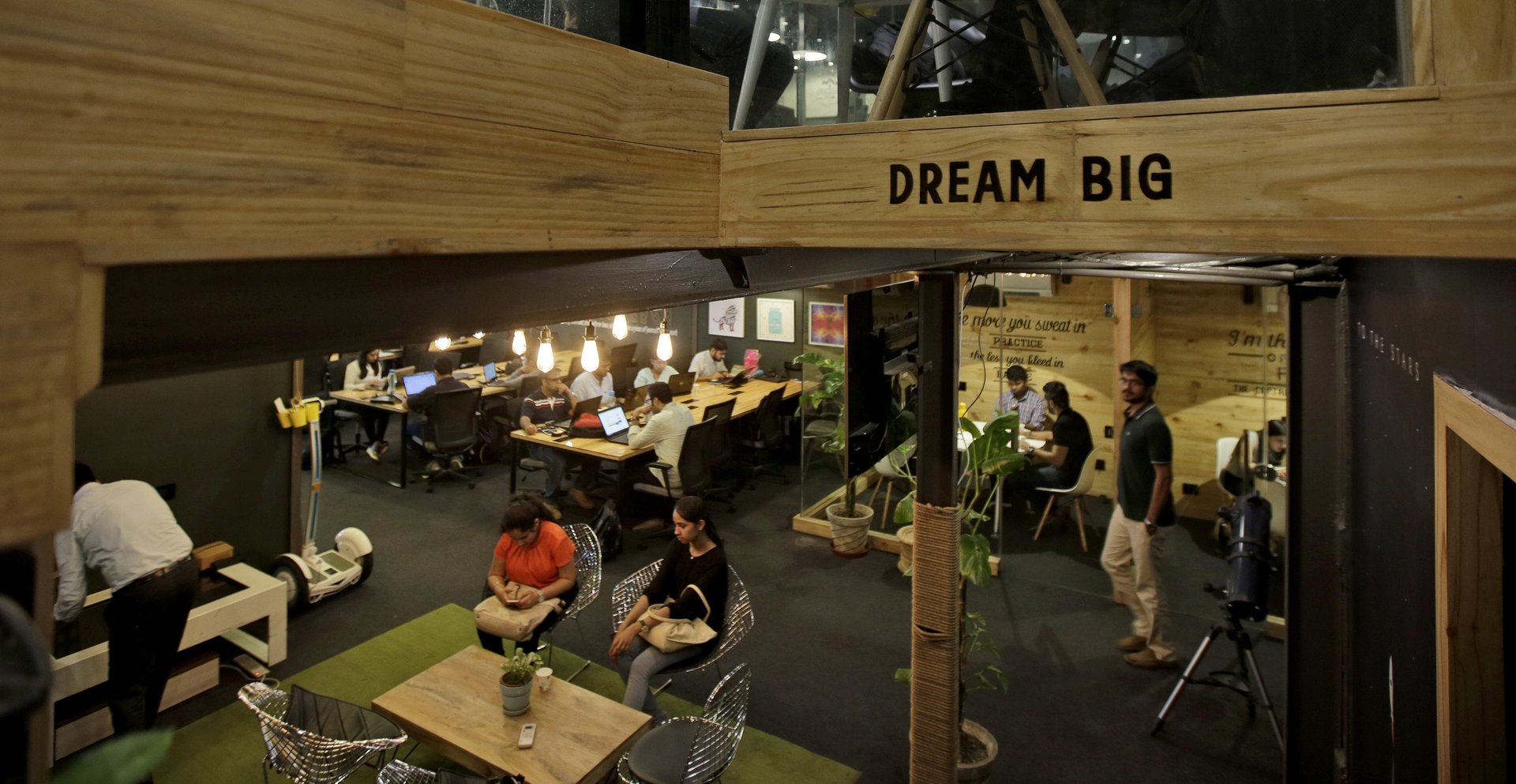
Indian unicorns may have severely messed up the compensation patterns for young technology workforce in India.
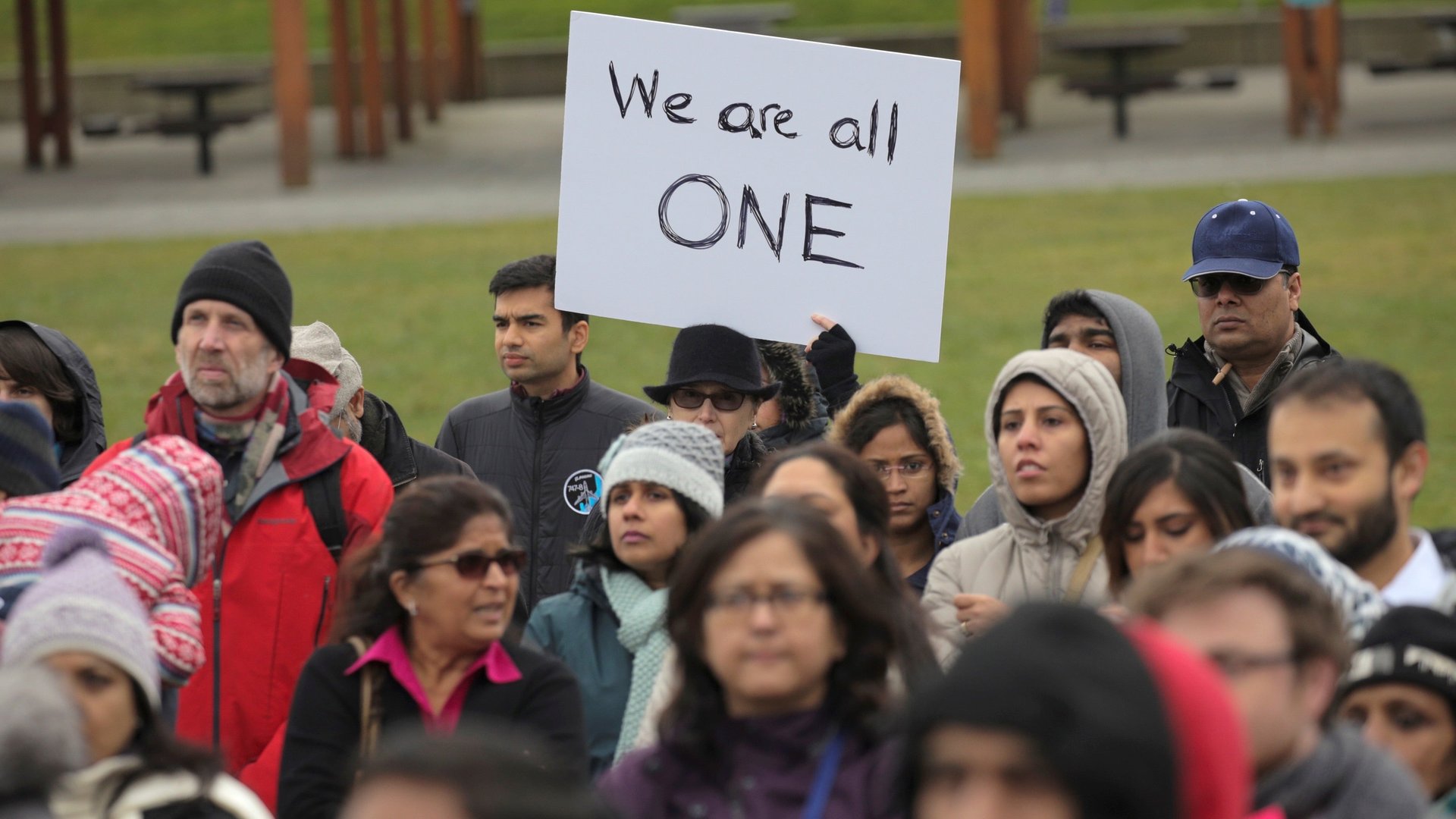
Indian engineers with an H-1B visa are facing an unexpected conundrum.
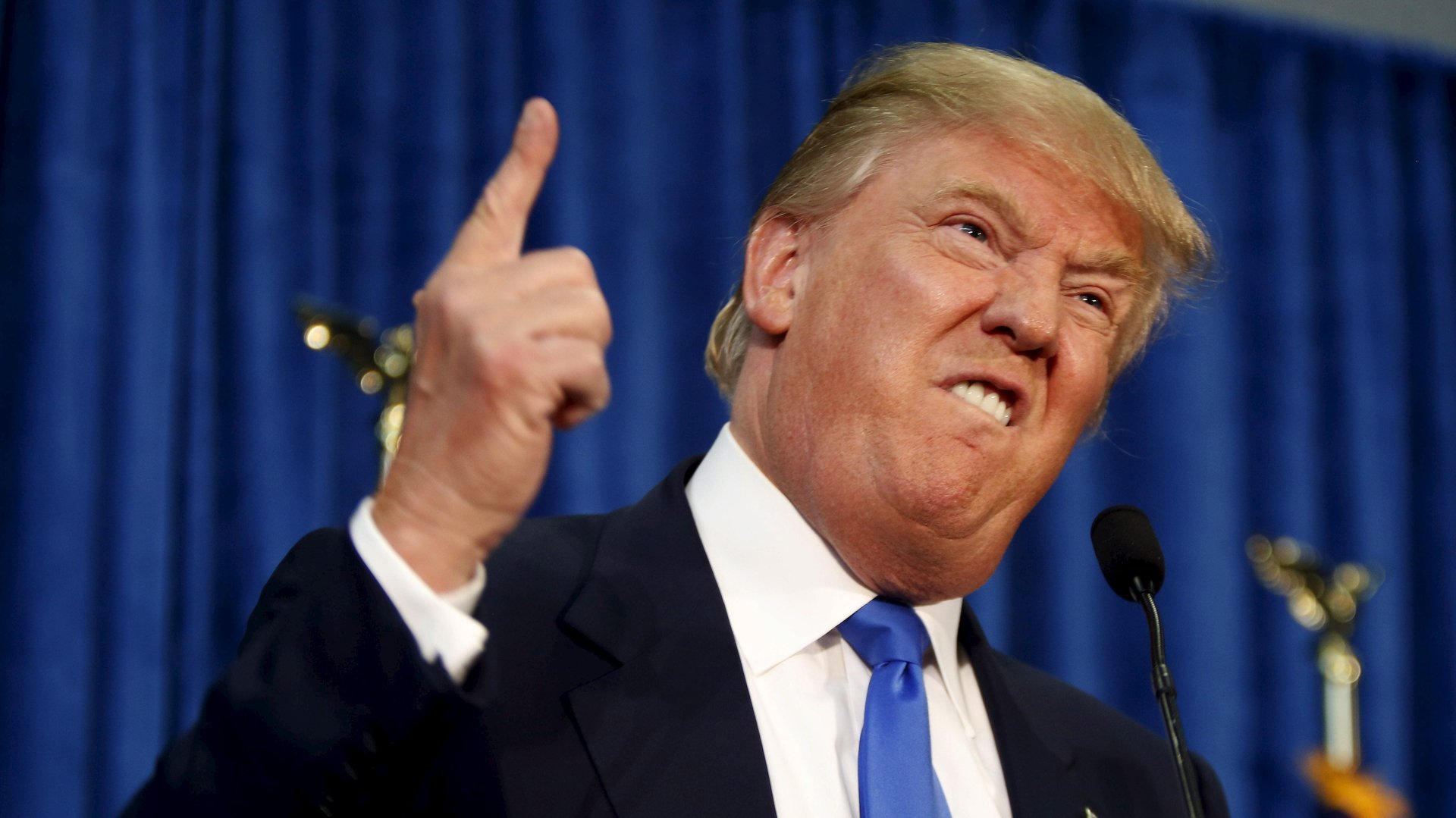
After months of anxiety, India’s $150-billion IT outsourcing industry has received a big blow from the Donald Trump government.

Dealing with stereotypes and taboos is a big part of being pregnant in India, and it’s even harder when you’re a celebrity. But young actresses in the country are now breaking the mould by living out their pregnancies in the public eye, a big step forward in an industry that views marriage and motherhood as career-killers.

Till a few years ago, profitability received the step-child treatment from Indian e-commerce entrepreneurs.
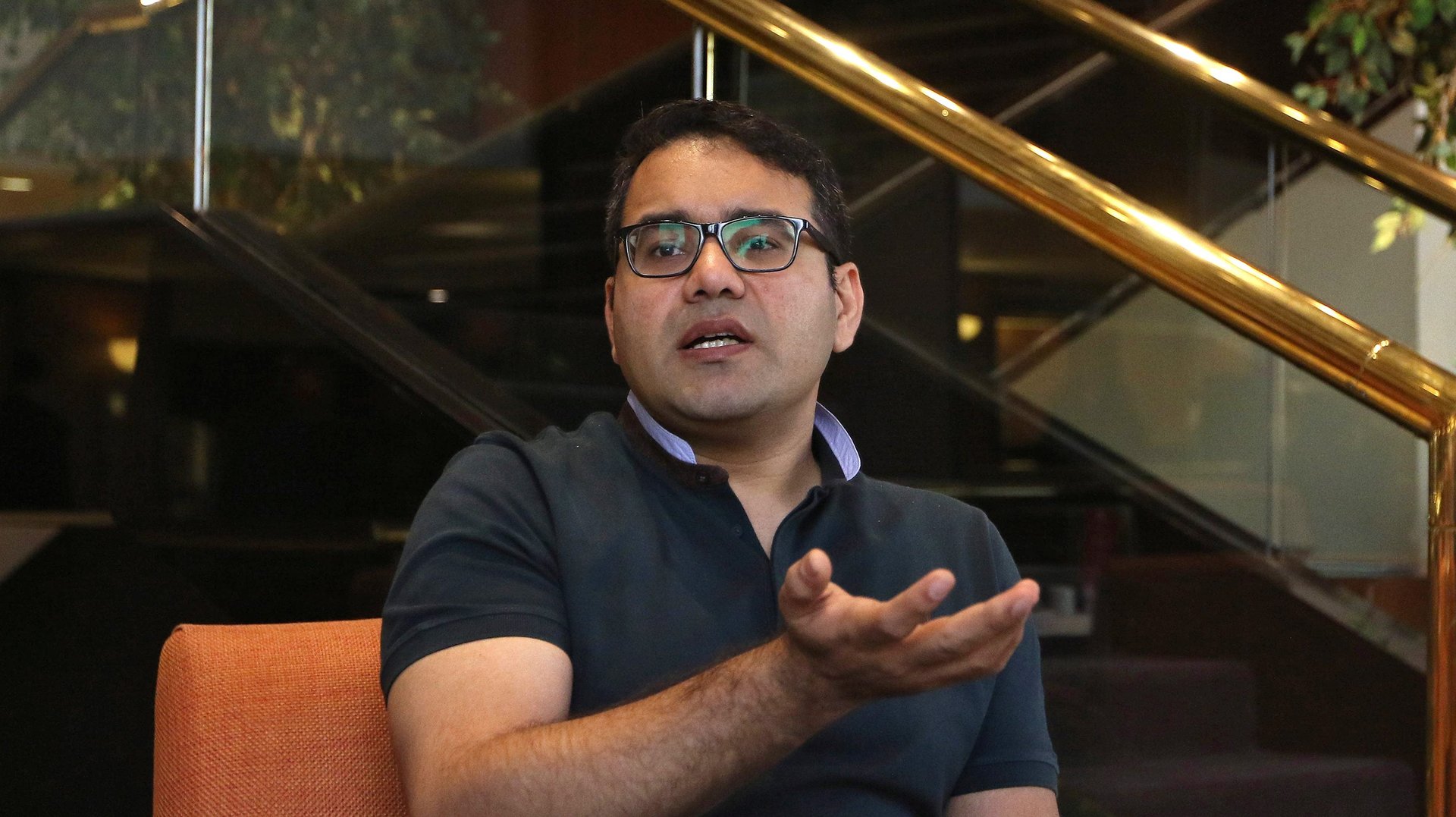
India’s bustling startup ecosystem is in a state of hysteria as e-commerce major Snapdeal implodes.