As summer turns to autumn, the leaves are turning in much of the world, and there is a chill in the air. But all that executives at Unilever are keen to talk about is ice cream.

As summer turns to autumn, the leaves are turning in much of the world, and there is a chill in the air. But all that executives at Unilever are keen to talk about is ice cream.

It’s after midnight… Do you know where your working capital is?

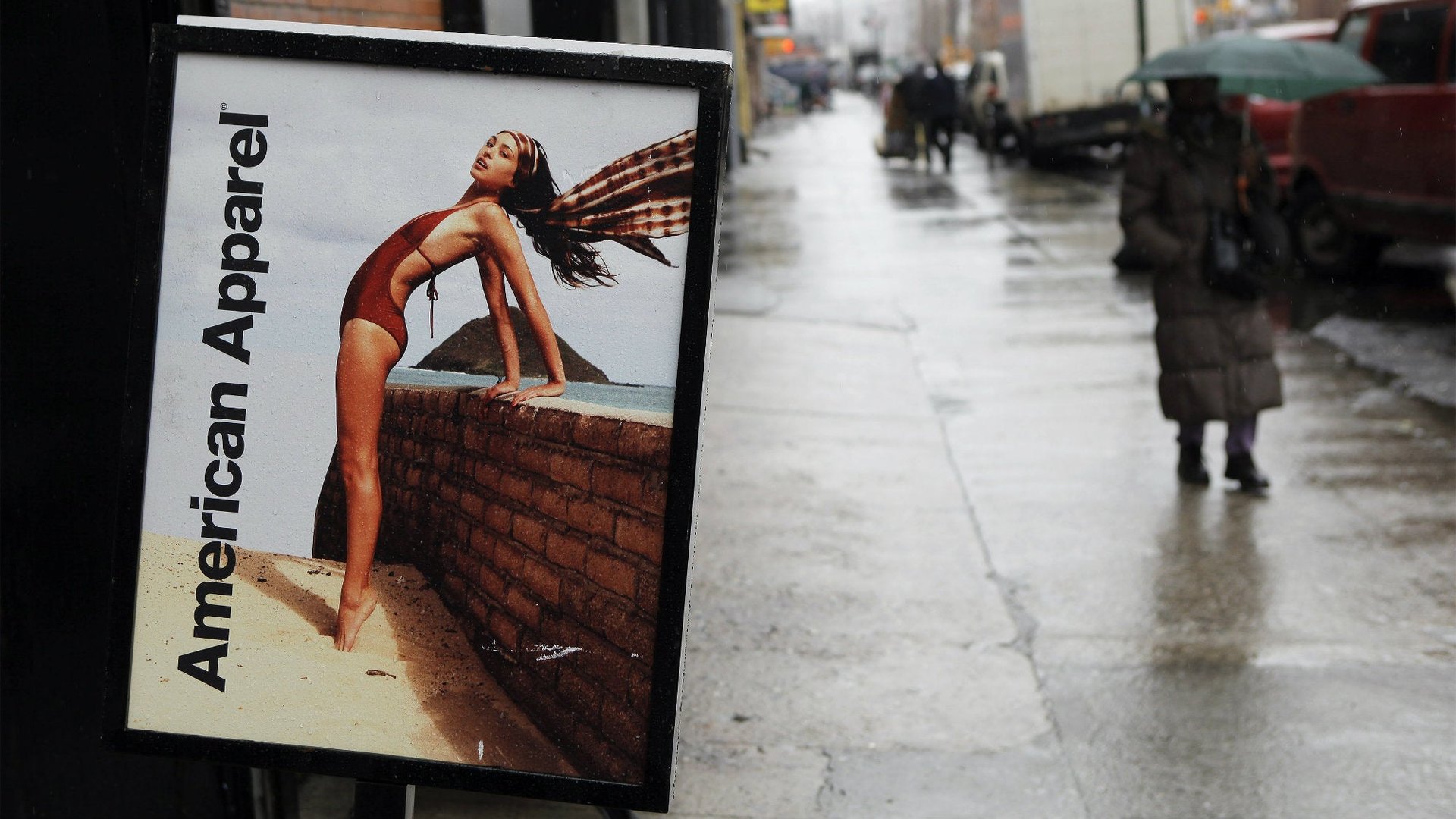
Trendy clothing retailer American Apparel has fallen comprehensively out of fashion.

This year, one of the corporate world’s toughest “say on pay” laws came into effect in Switzerland. Shareholders now have a mandatory, binding vote on executive pay at Swiss companies, stemming from a referendum on “rip-off salaries” that was comfortably passed by a majority of citizens in 2013.

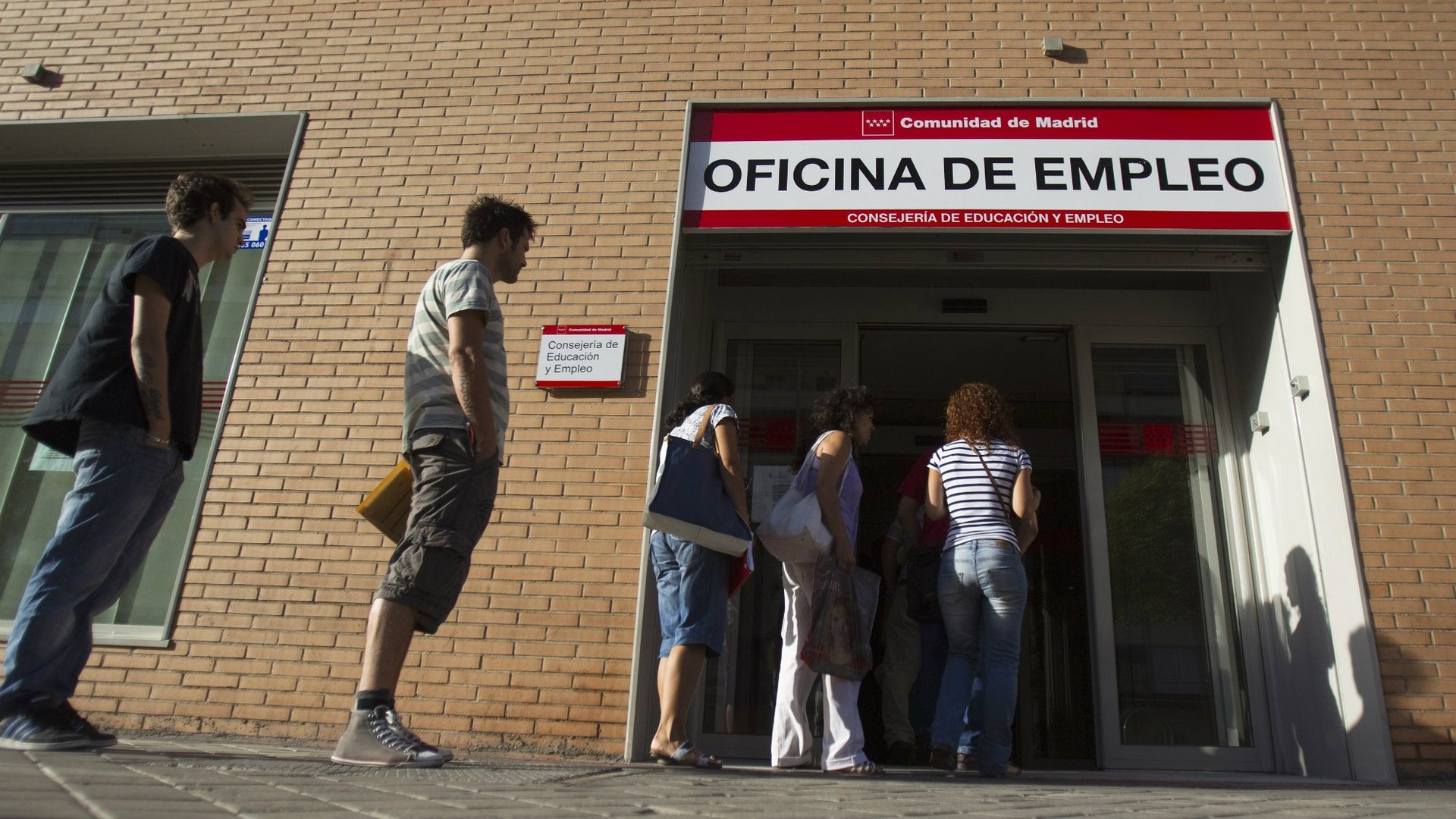
It’s been worse, but could be better. The euro zone’s beleaguered economy may be on the mend, but unemployment remains stubbornly high.

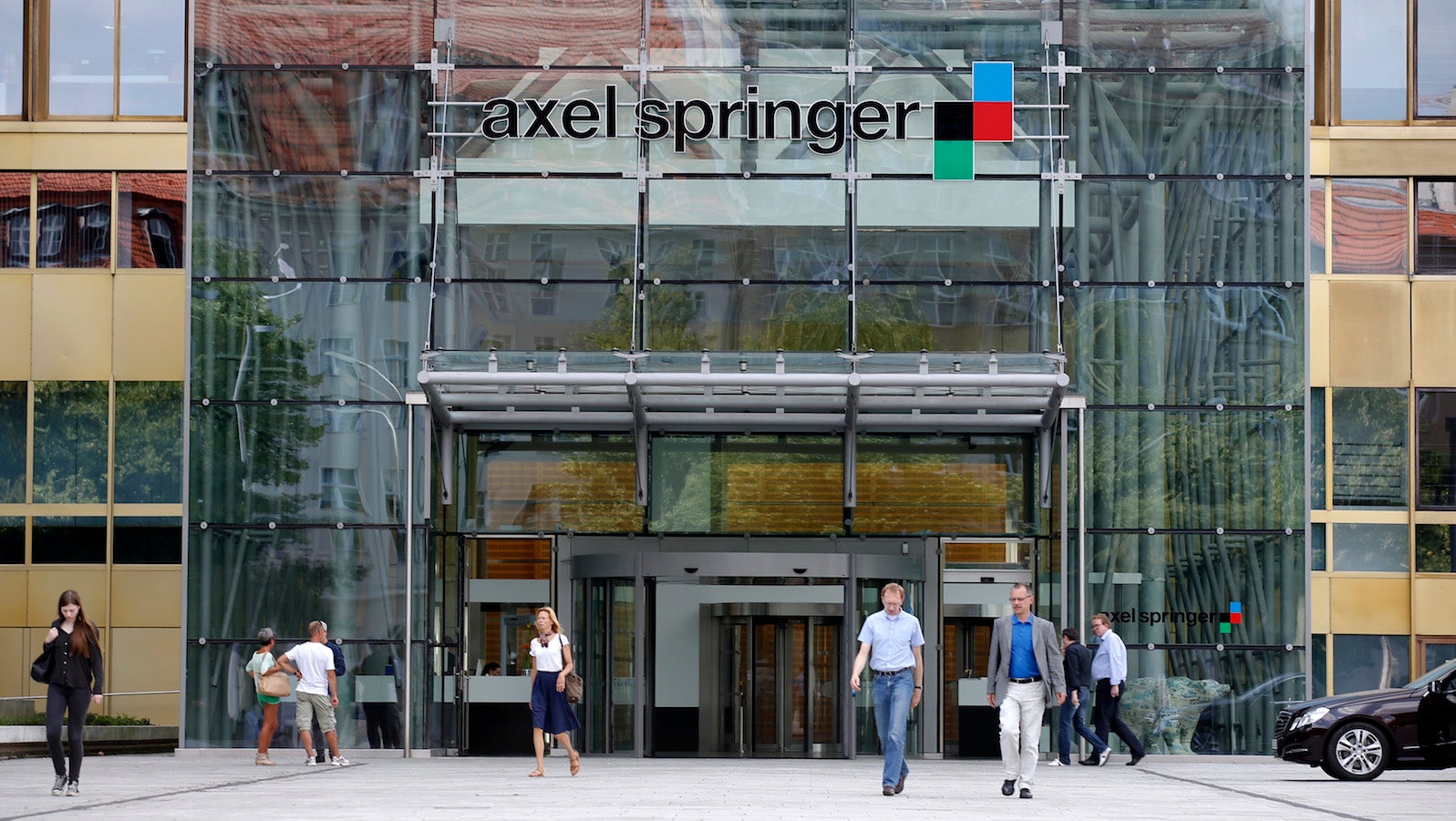
A few months ago, German publishing house Axel Springer narrowly failed in its attempt to buy the Financial Times, the august pink-sheeted UK newspaper that dates back to 1888. Instead, it is splashing out a huge sum to buy one of financial journalism’s newer players: Business Insider, the quick-fire business news site founded by former stock analyst Henry Blodget in 2009.

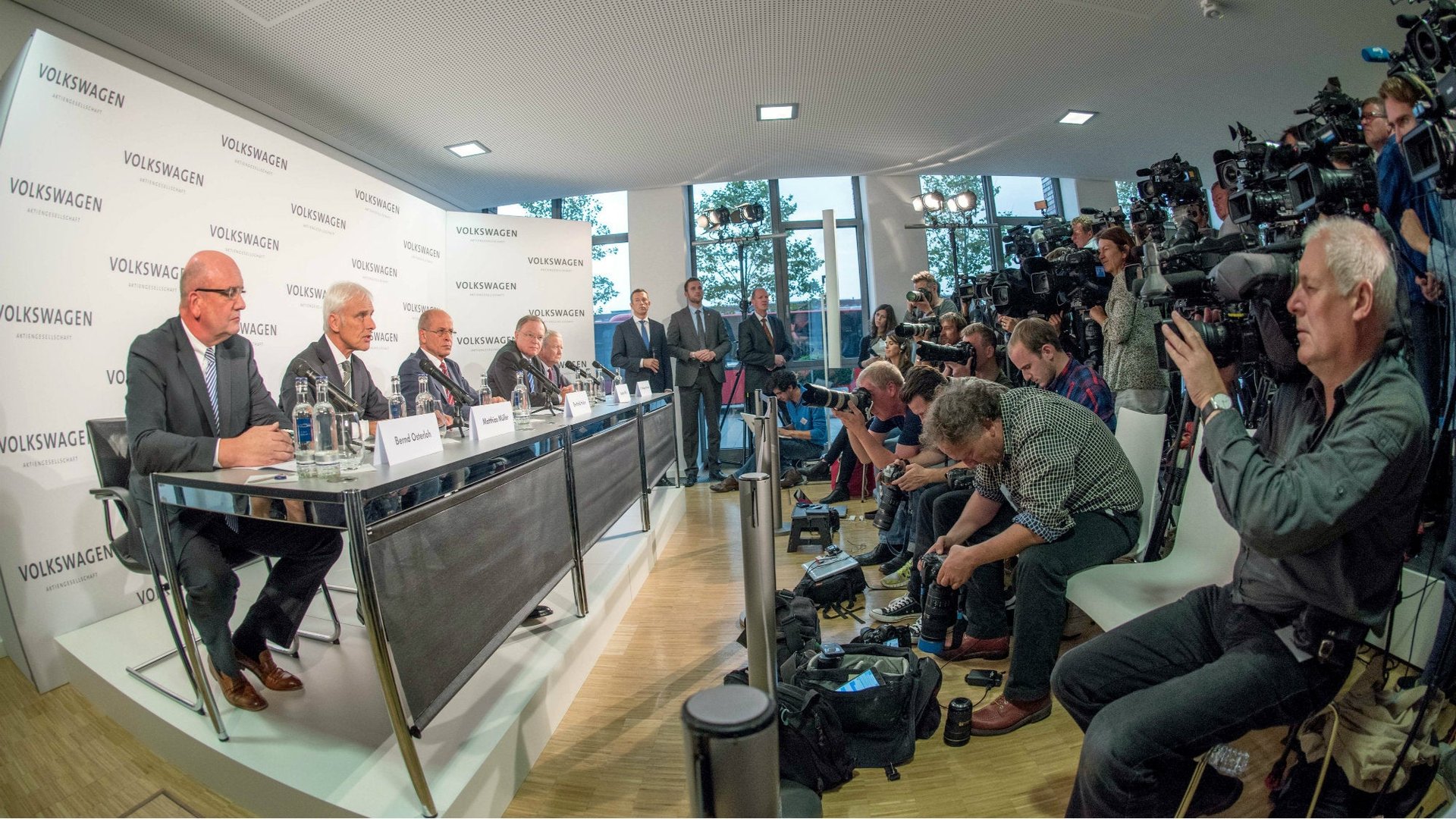
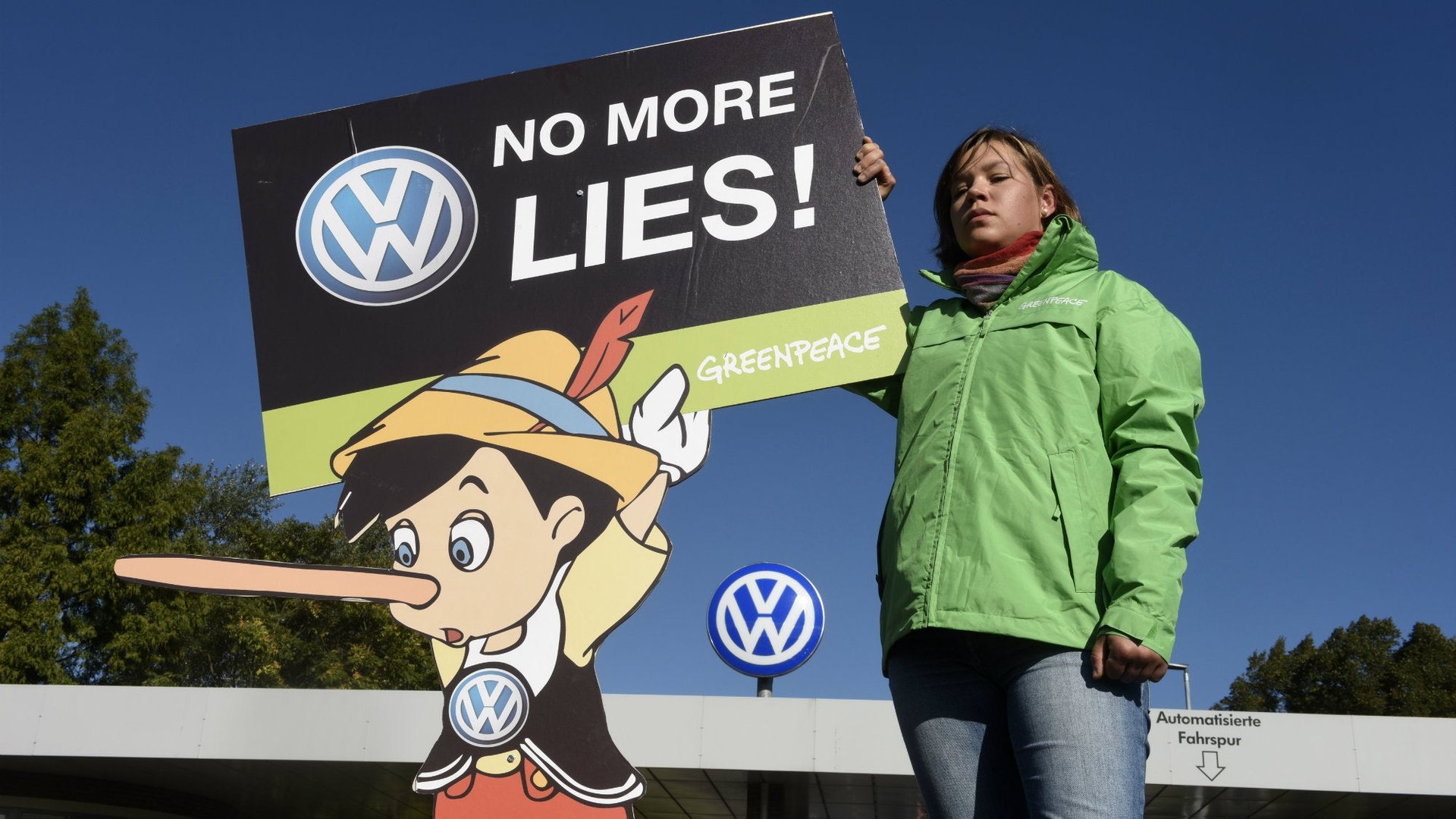
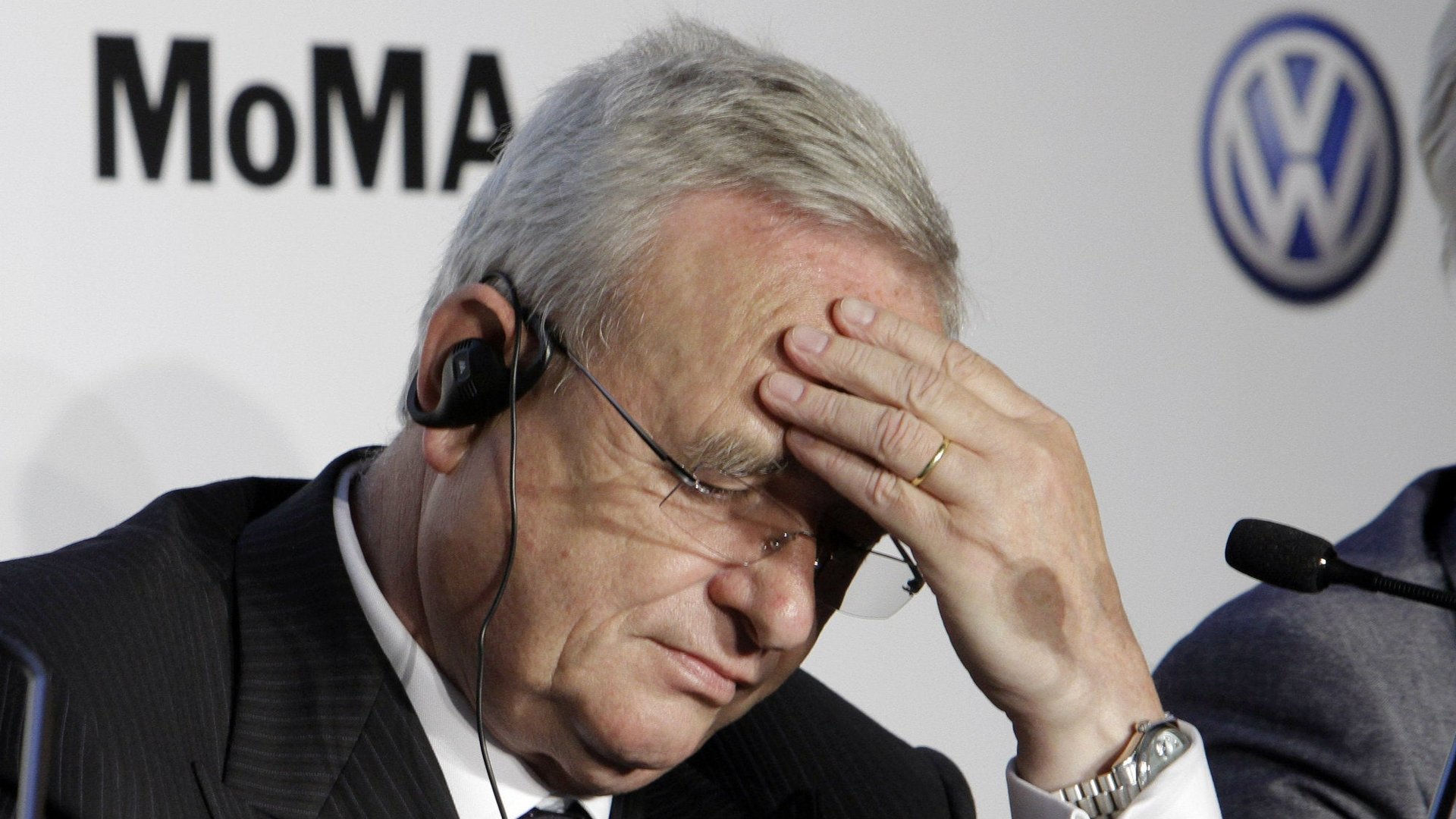
Volkswagen’s emissions-cheating scandal rumbles on. It is readying a recall of up to 11 million cars. Public trust in the brand has collapsed. Its former boss faces a criminal investigation for fraud that some think was worse than Enron. Fines, lawsuits, and other penalties loom, with a final bill likely to be measured in the tens of billions of dollars.

It’s not just Volkswagen. For years, emissions from cars built by almost every major manufacturer have been higher out on the road than when tested in labs.

First it was GM, then Toyota, and now Volkswagen: For each of these players in a seemingly star-crossed game, no sooner did it rise to be the biggest name in carmaking, than it fell in a stupendous, unforced blunder.

On top of the recalls and fines, there are also potential criminal charges, class-action lawsuits, and forgone sales to deal with.

For Volkswagen, apologies don’t come cheap. Yesterday (Sept. 20), the German car giant’s CEO, Martin Winterkorn, issued a statement in response to a burgeoning scandal over software installed in cars to cheat on US emissions tests.

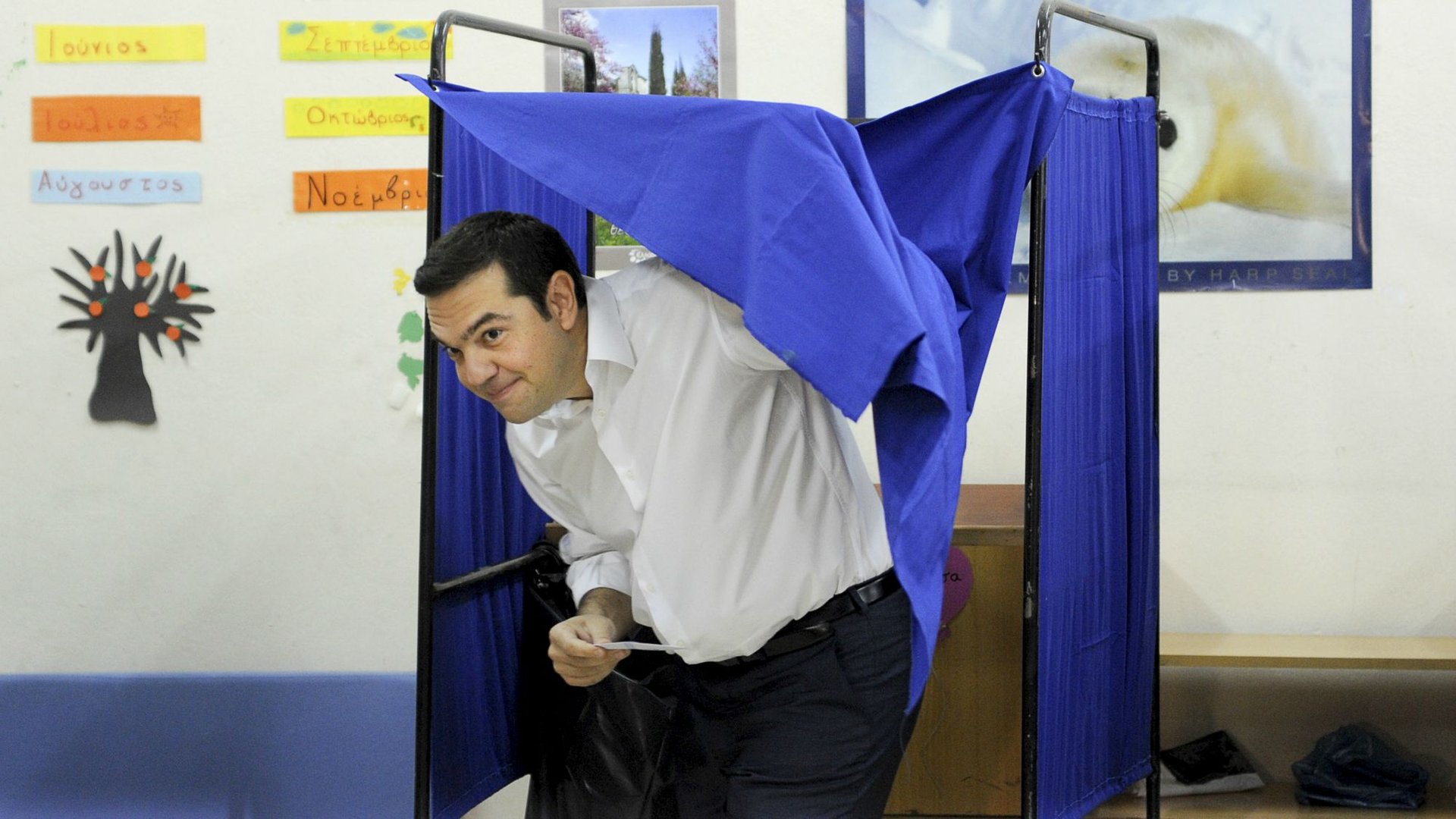
Greeks went to the polls today (Sept. 20) to select a new parliament. It was the second such election this year, and the fifth conducted within the past six years.

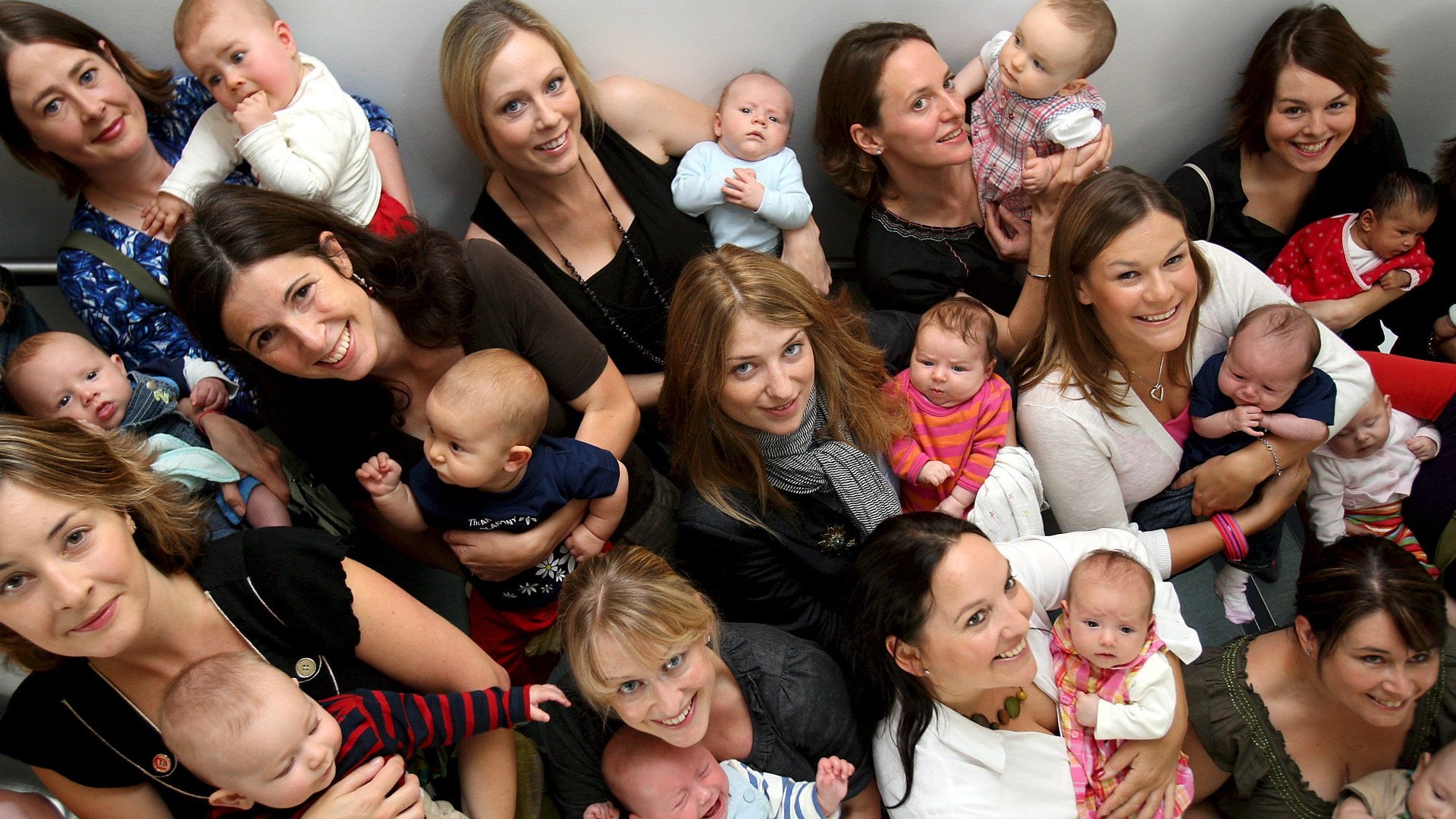
More than 900,000 people became millionaires for the first time last year. Contrary to what some may believe, upon reaching this milestone, newly-minted millionaires rarely pile it high in a vault, don a swimming cap, and practice their backstroke among the bills. They, and nearly 15 million others lucky enough to have amassed seven-figure sums (at minimum), usually turn to professional wealth managers for advice on how to grow even bigger piles via shrewd investments.

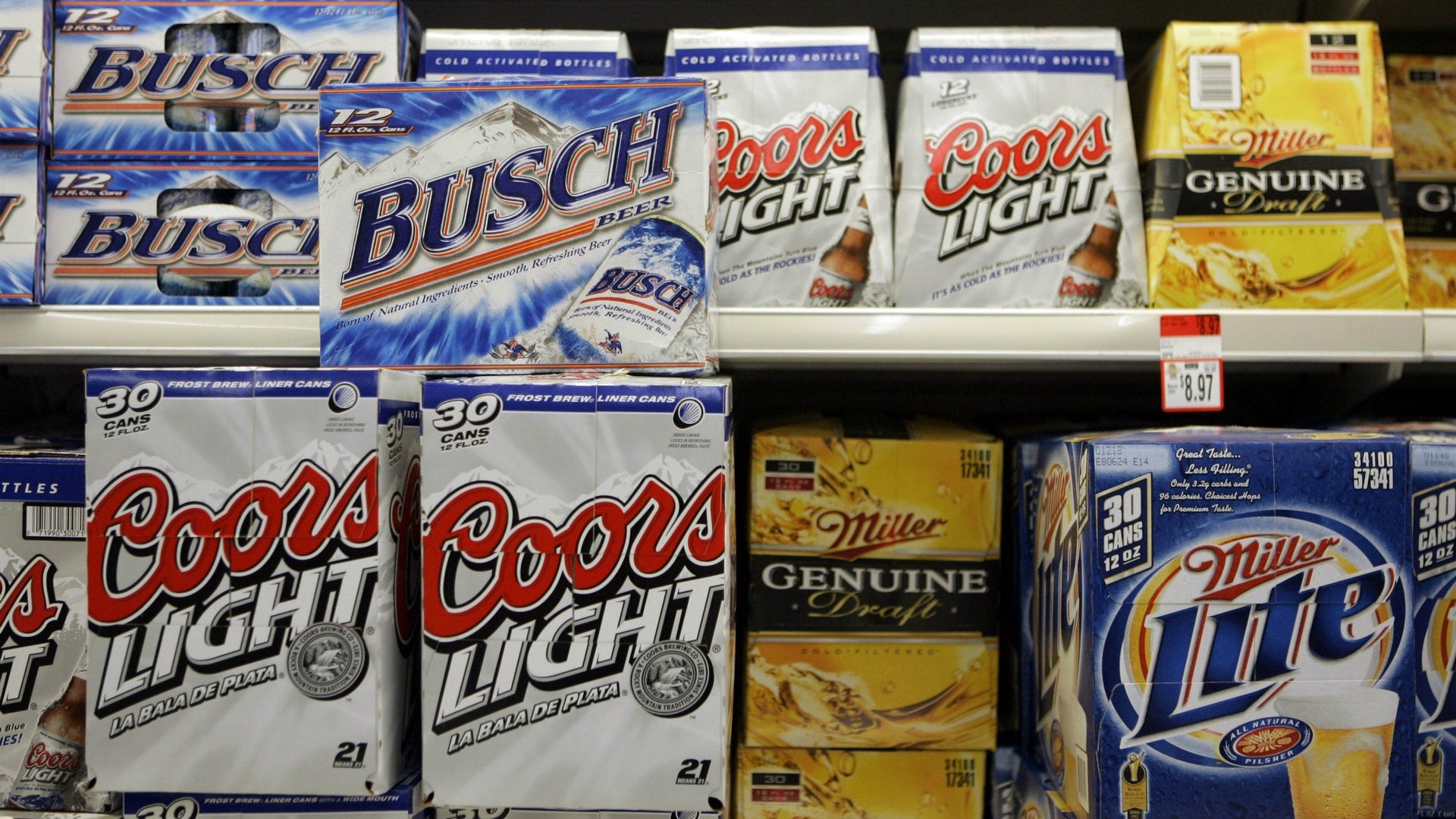
It’s not hard to see that something is up with the world’s largest brewers today (Sept. 16):

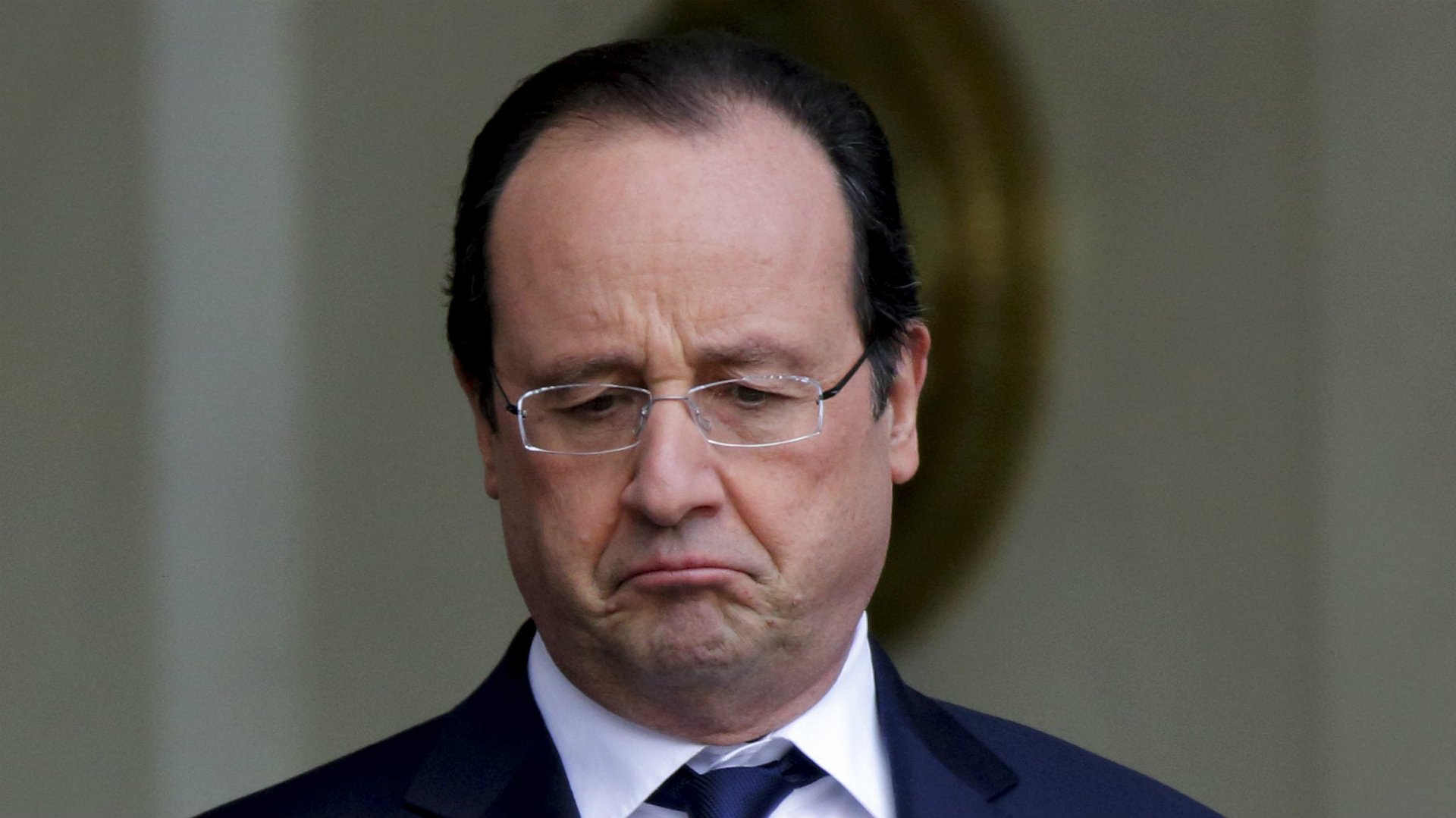
By most measures, François Hollande is the least popular leader in the history of modern France. Other recent presidents, despite having more time to disappoint the electorate, were more popular than Hollande at almost every stage of their tenure.

Across the US, people are enjoying time off today for Labor Day. Perhaps they’re visiting parents or grandparents—after all, they probably have the day off work, too.

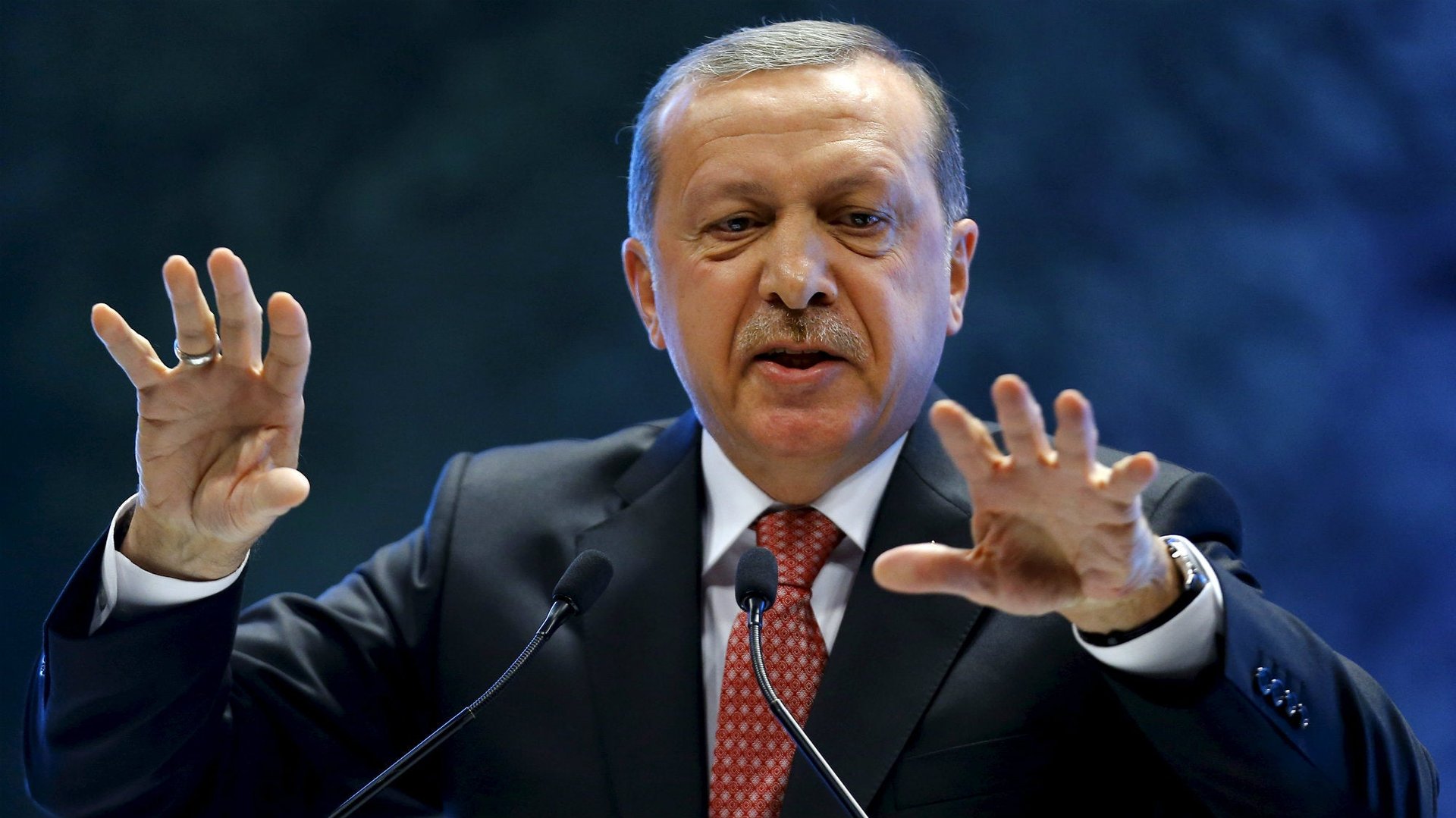
The steady selling of Turkish assets is fast becoming a stampede. Fearing for the country’s economic, political, and security stability, investors are quitting the country in droves.

At least someone is happy about Britain’s soggy summer. The rain and cold has convinced more Brits than ever to hop on planes and escape to sunnier, happier places.

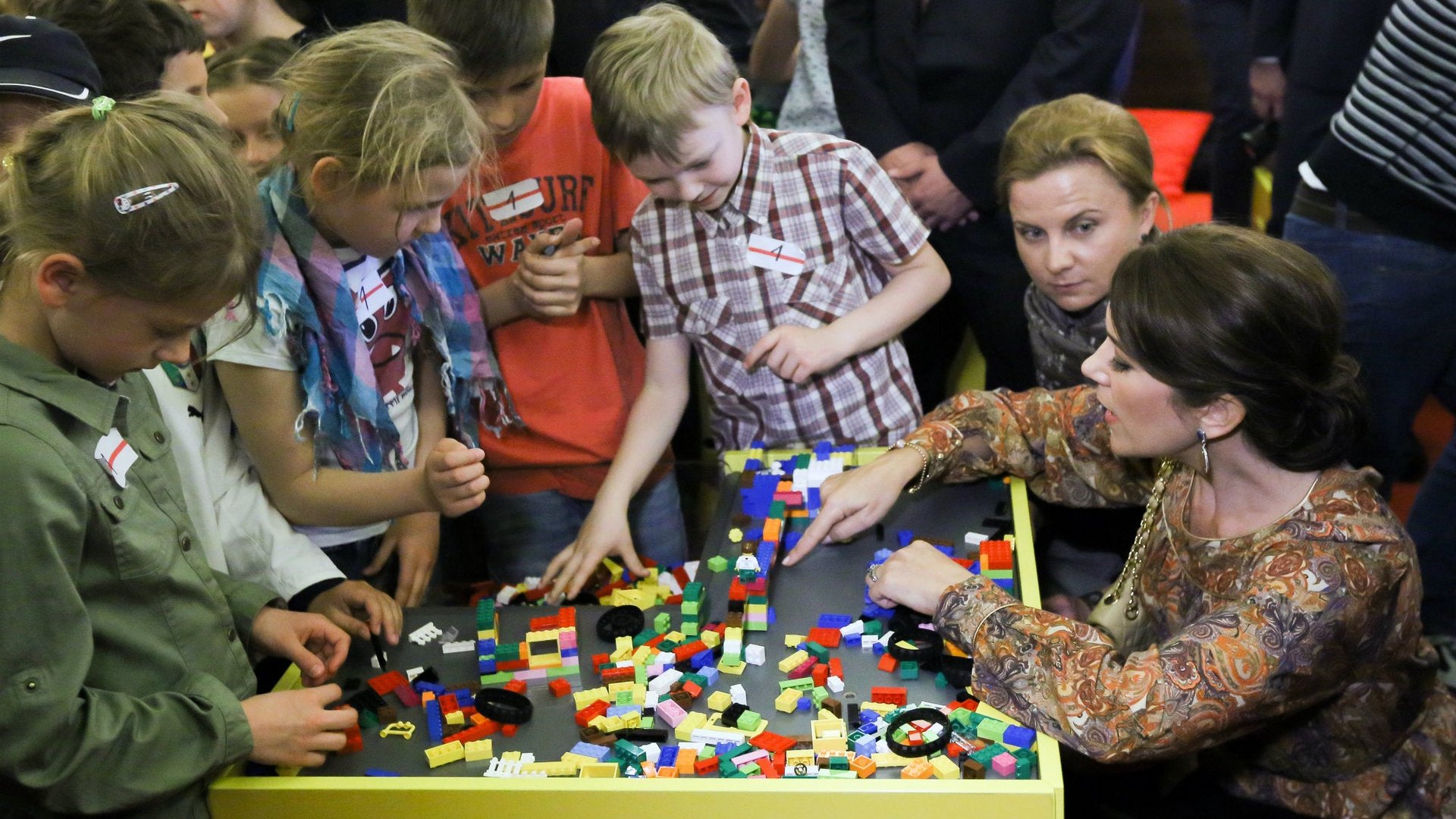
From strength to strength, brick by brick. Danish toymaker Lego has reported another bumper set of financial results—first-half revenue was up by nearly 20% while profit jumped by more than 30% versus a year ago.

Although Russia and Finland share a long border, their relationship is often tense. But if there’s one thing that the two can agree on, it’s a love of hard rock music.

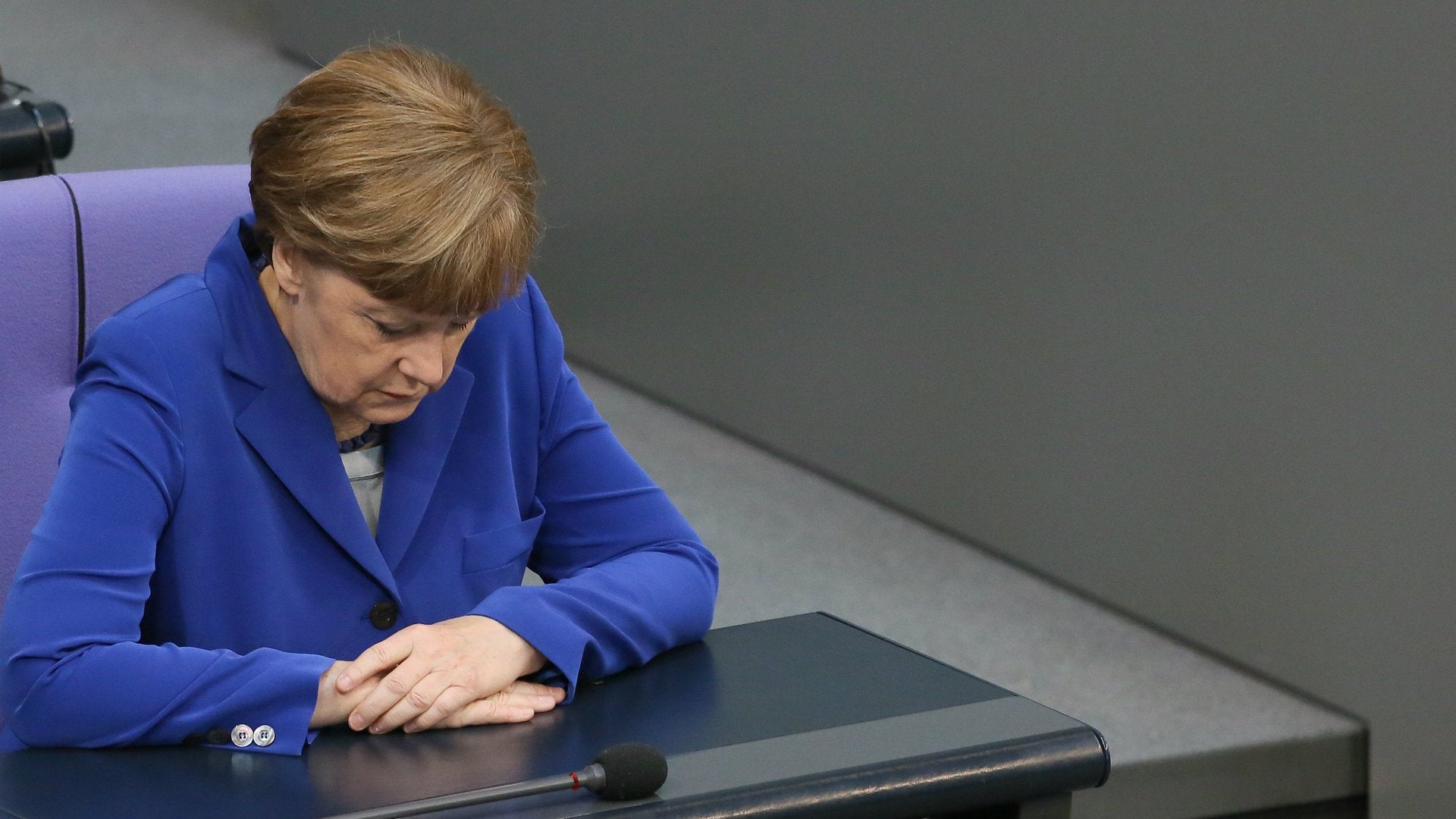
German chancellor Angela Merkel enjoys some of the highest public approval of any major world leader—67% of Germans are pleased with her stewardship at last count. This is all the more remarkable given how many other leaders have come and gone since she rose to power in 2005, turfed out by voters amid the economic turmoil of the global financial crisis and euro-zone debt drama.

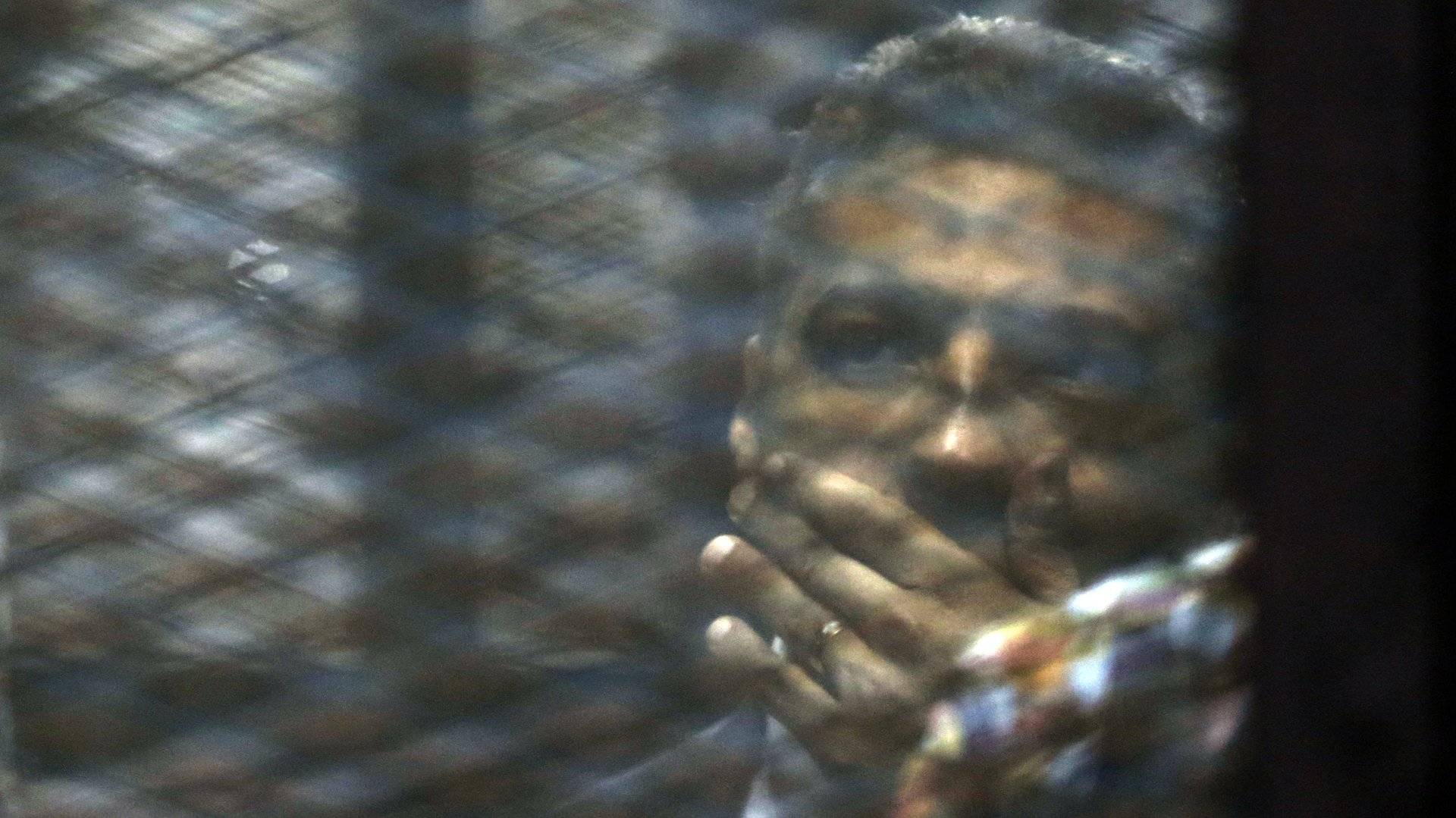
In a case that dates back to 2013, an Egyptian court sentenced three reporters from the Al Jazeera network to three years in prison today (Aug. 29). The judge, Hassan Farid, said the trio operated without the proper registration or clearances from security officials. The defendants deny all charges.

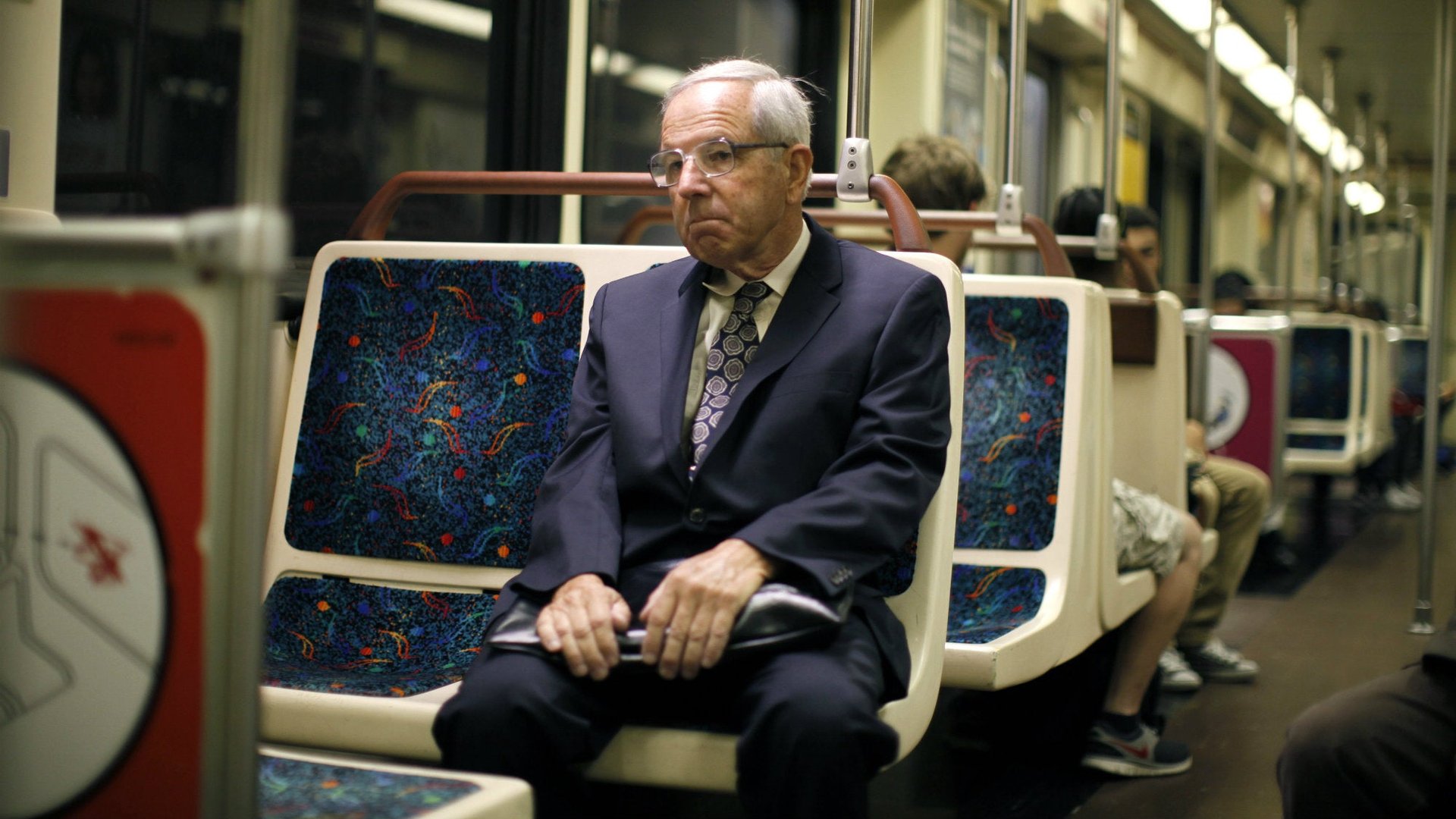
Immigration to the UK recently hit a new record, with a net 330,000 migrants coming to the country in the year to March. Britain’s relatively strong, open economy has long been attractive for immigrants, and the expansion of the European Union to poorer countries in the east has also made it easier for more people to move to the UK. (Citizens of EU countries are free to live and work in any other member state in the bloc.)

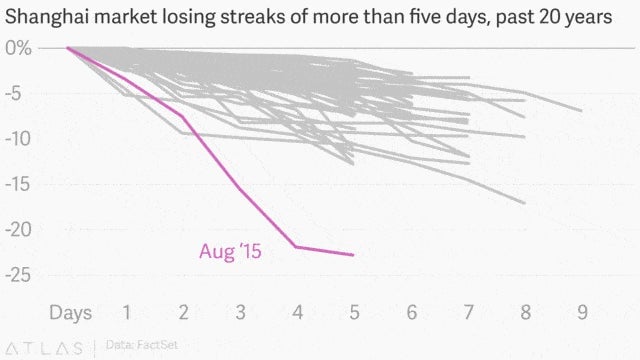
China’s stock market rout entered its fifth day, posting a 1.3% decline. There have been many other five-day losing streaks for the Shanghai benchmark index before, but none come close to the recent drop in terms of scale.