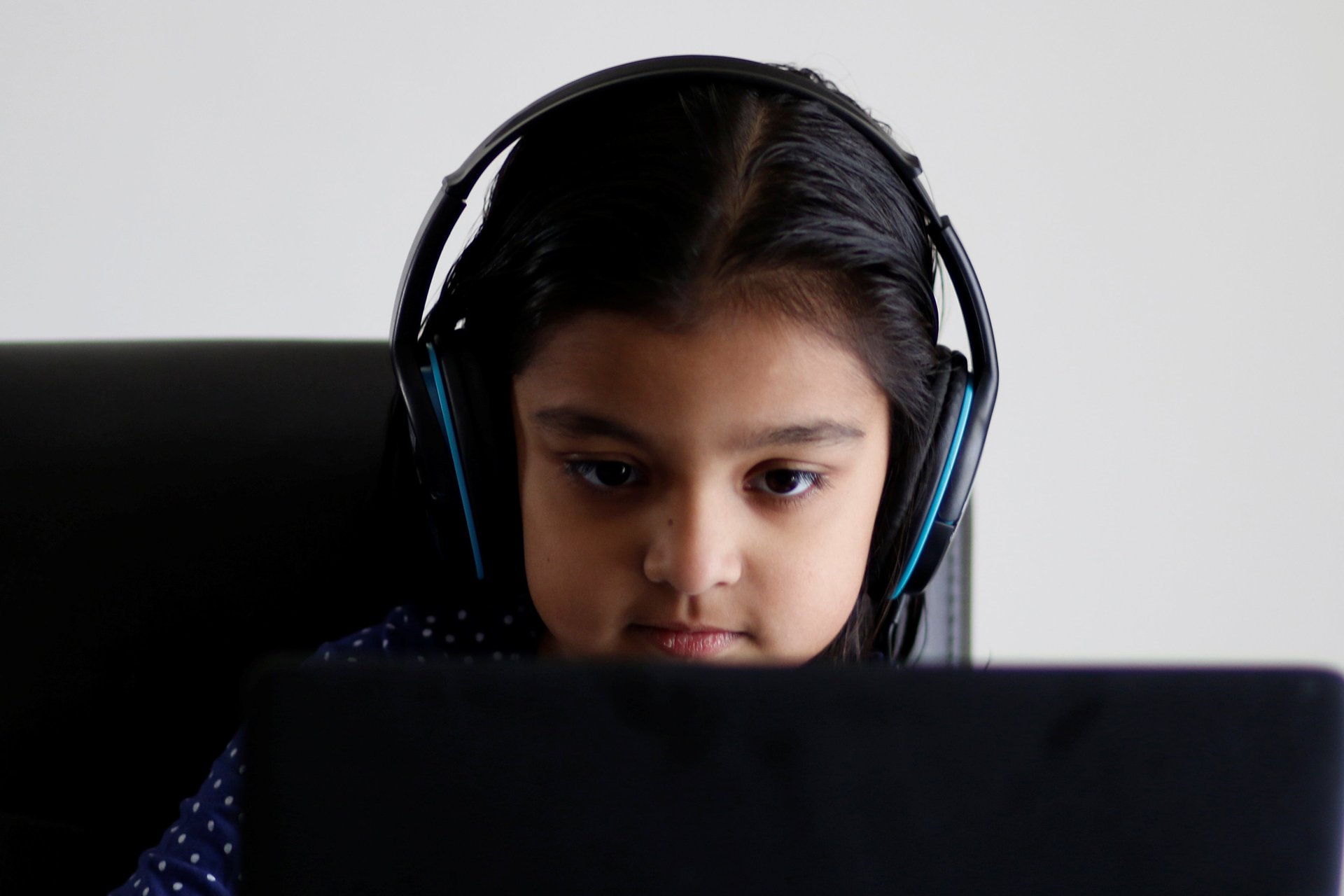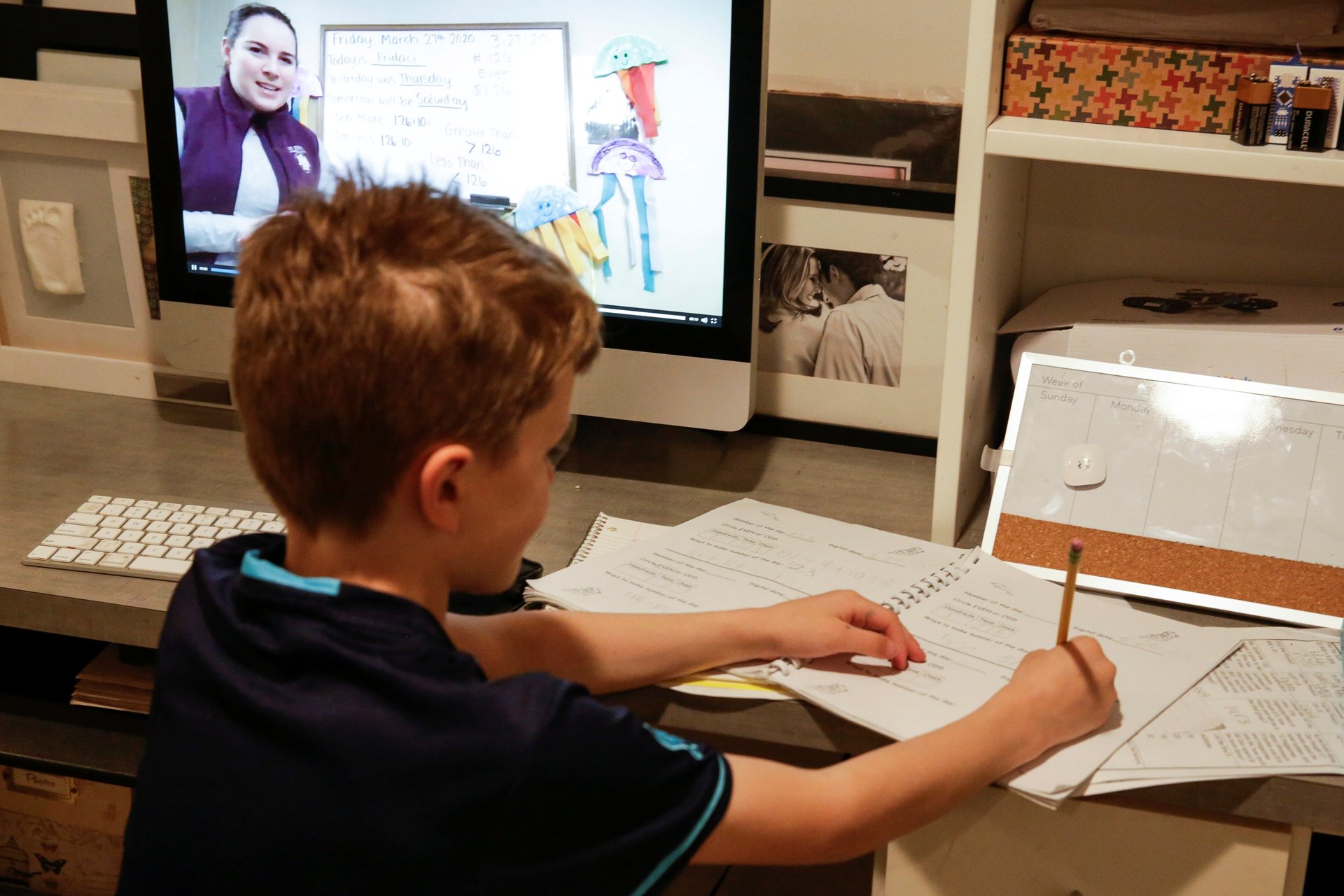
When the coronavirus pandemic forced schools around the world to stop offering in-person classes this year, more than 1.5 billion kids wound up at home, struggling to learn—with their parents struggling alongside them.

When the coronavirus pandemic forced schools around the world to stop offering in-person classes this year, more than 1.5 billion kids wound up at home, struggling to learn—with their parents struggling alongside them.

The education technology industry is having a moment. When Covid-19 lockdowns sent 1.7 billion learners home, leaving teachers, schools and governments scrambling to figure out how to make sure students kept learning, online education resources like Khan Academy and Coursera suddenly became household names.

Lockdown has been hard for many, including teens who had flown the nest and suddenly had to fly back home.

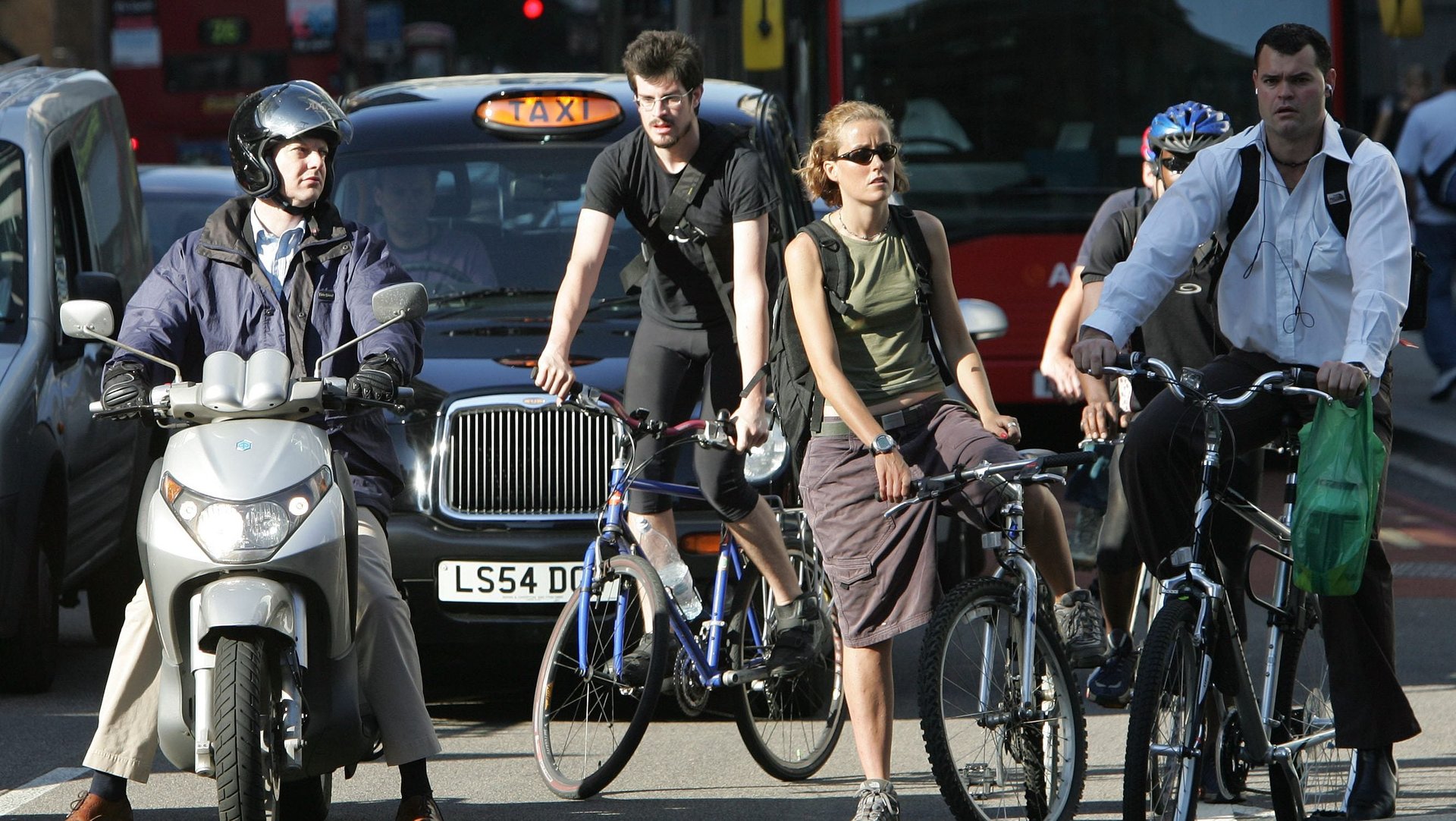
UK transport secretary Grant Shapps announced a £2 billion ($2.5 billion) package to put cycling and walking “at the heart of” Britain’s post-coronavirus transportation plan. The idea is to reduce crowding on public transport and gridlock on roads.

UK prime minister Boris Johnson is expected to announce changes to the country’s lockdown, in place since March 23, on Sunday night (May 10). Among the proposals being floated via leaks to the UK press is one in which passengers entering the nation would be forced to self-quarantine for two weeks.

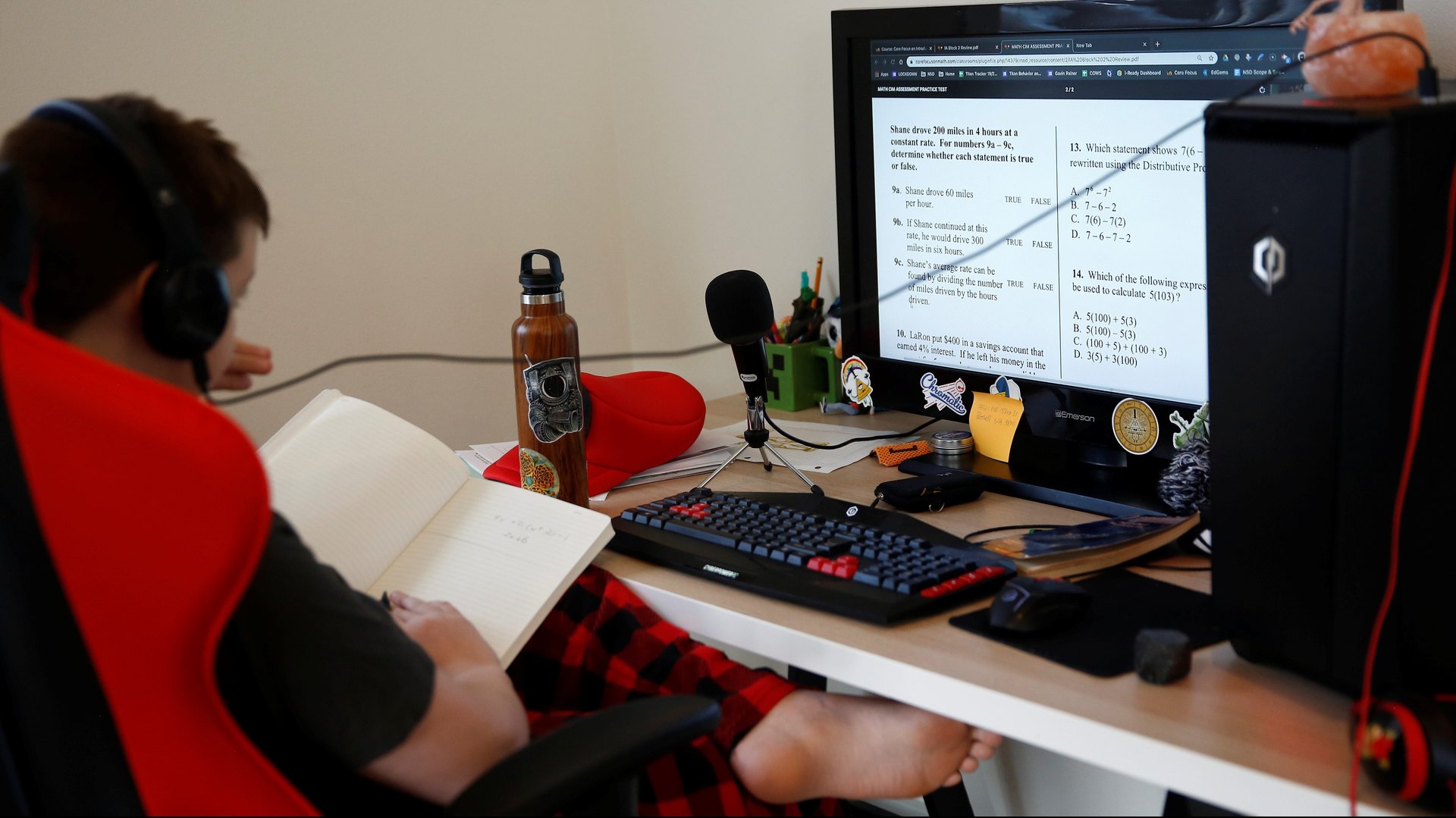
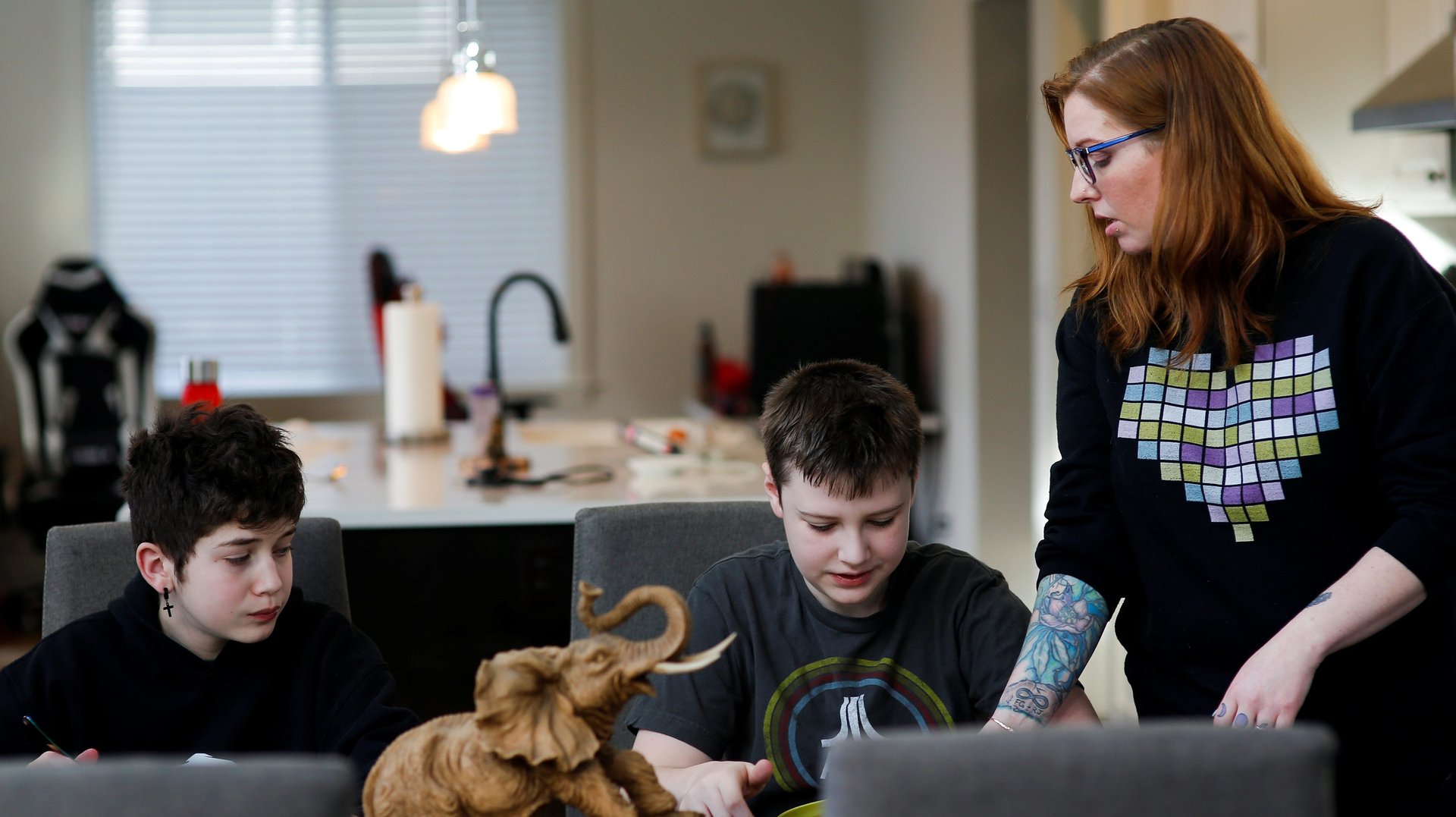
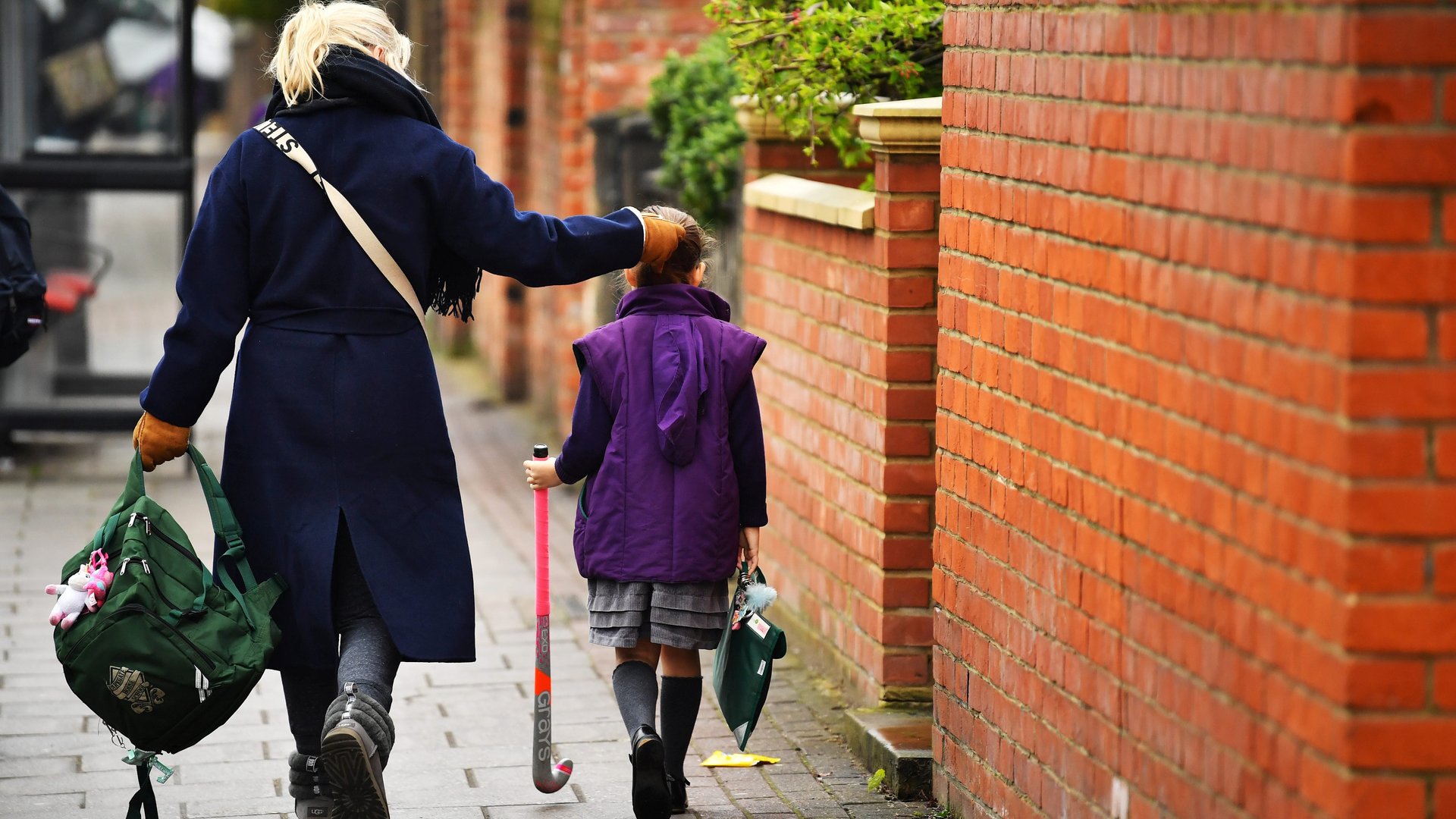
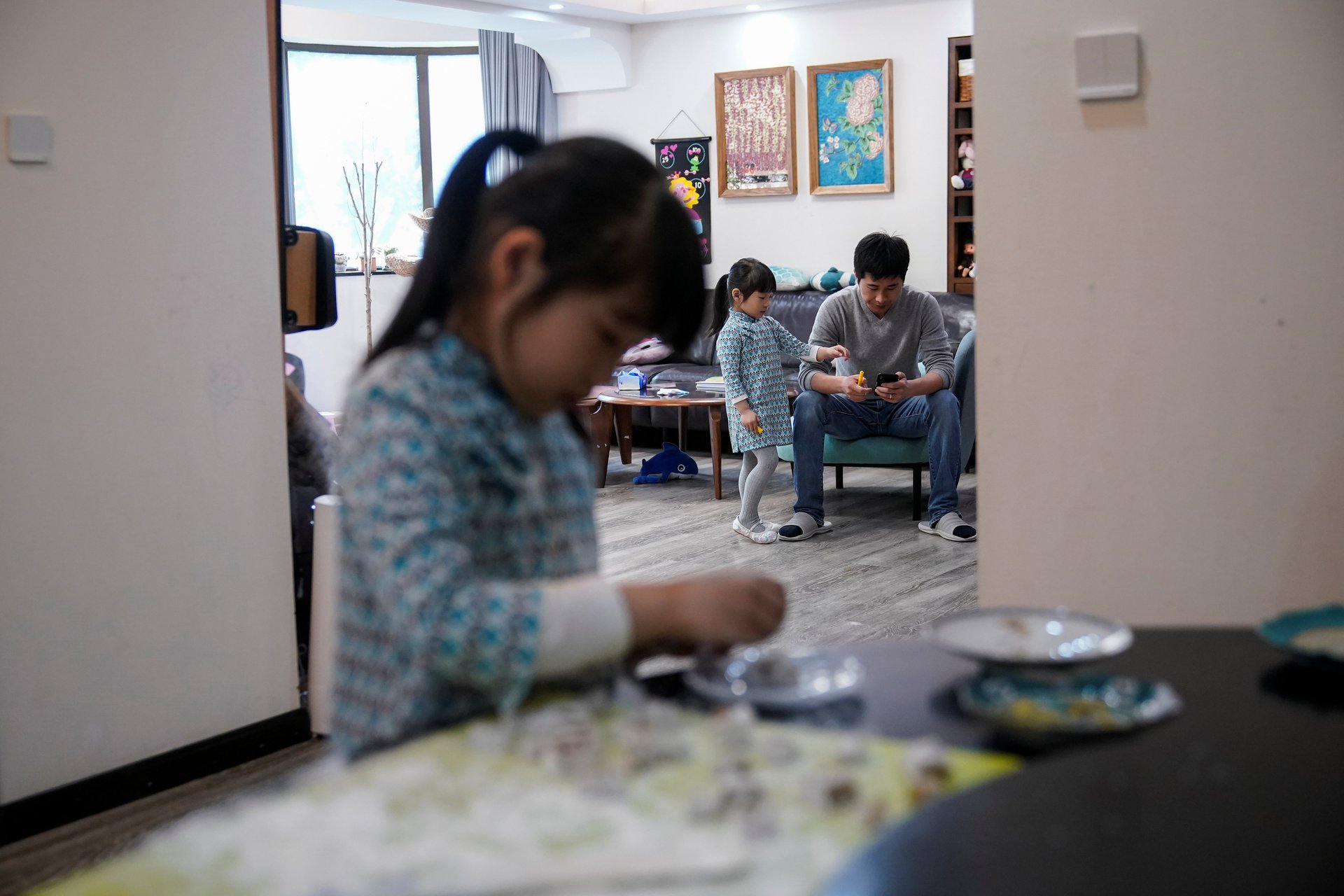
There is a long list of things that parents are struggling with in lockdown, including trying to work while learning, on the fly, how to teach. And one of the hardest things for parents to teach is math.

Trust in government officials is soaring, and that is not a typo.

As principal of Brooklyn Technical High School, New York City’s largest specialized high school, David Newman is used to a busy environment, with 6,000 students, 300 teachers, and constant buzz and bustle in hallways and classrooms.

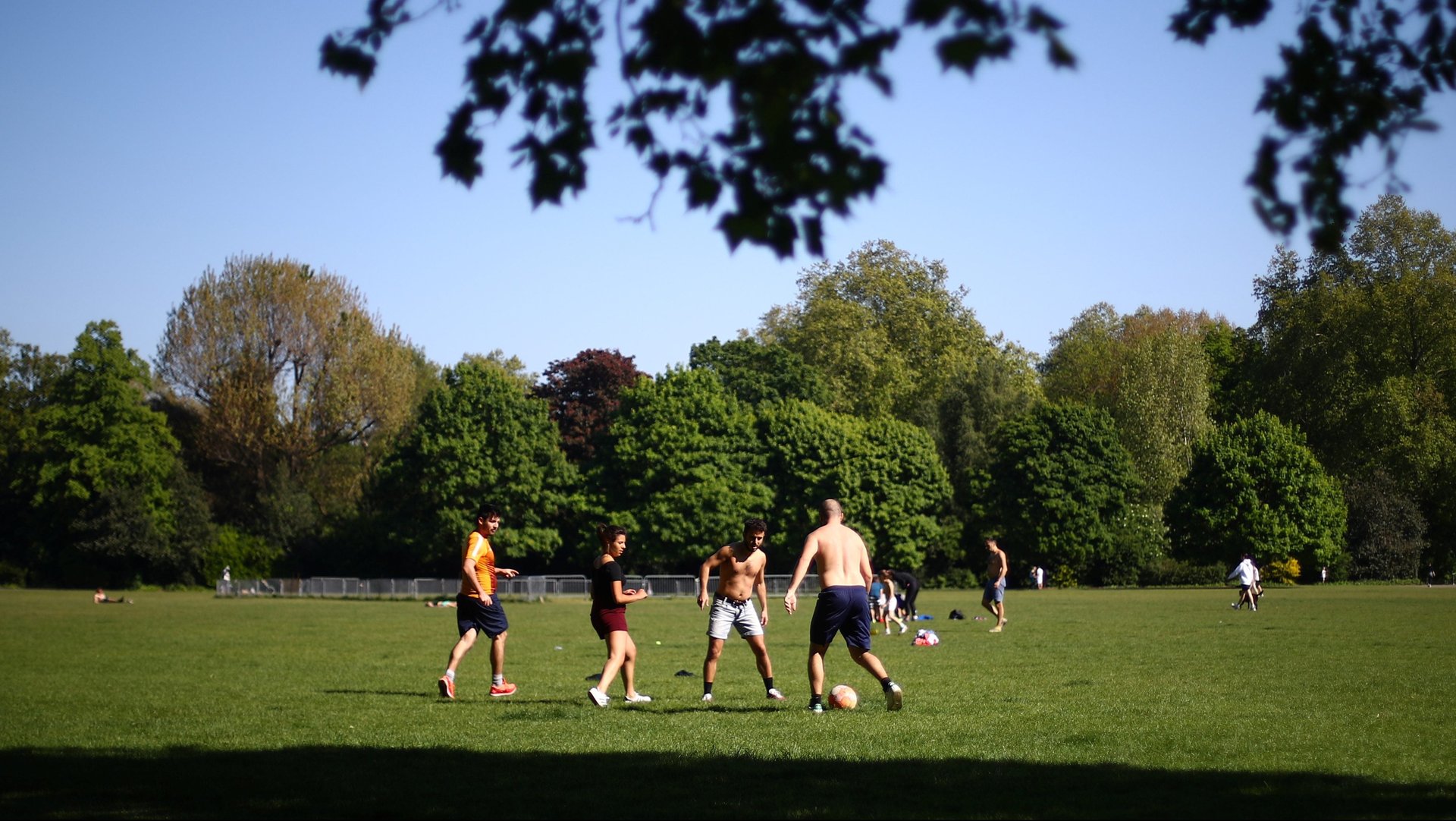
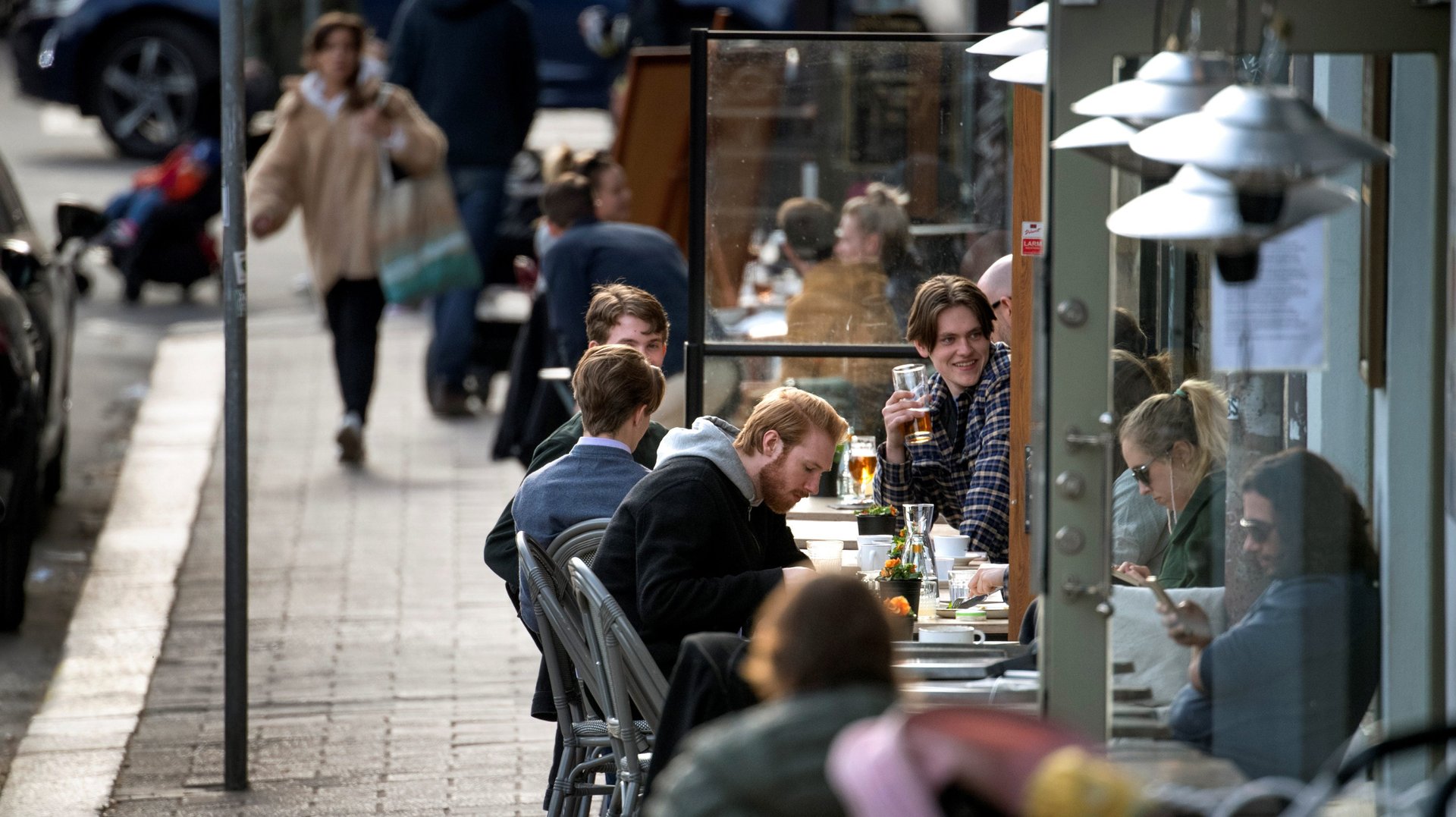
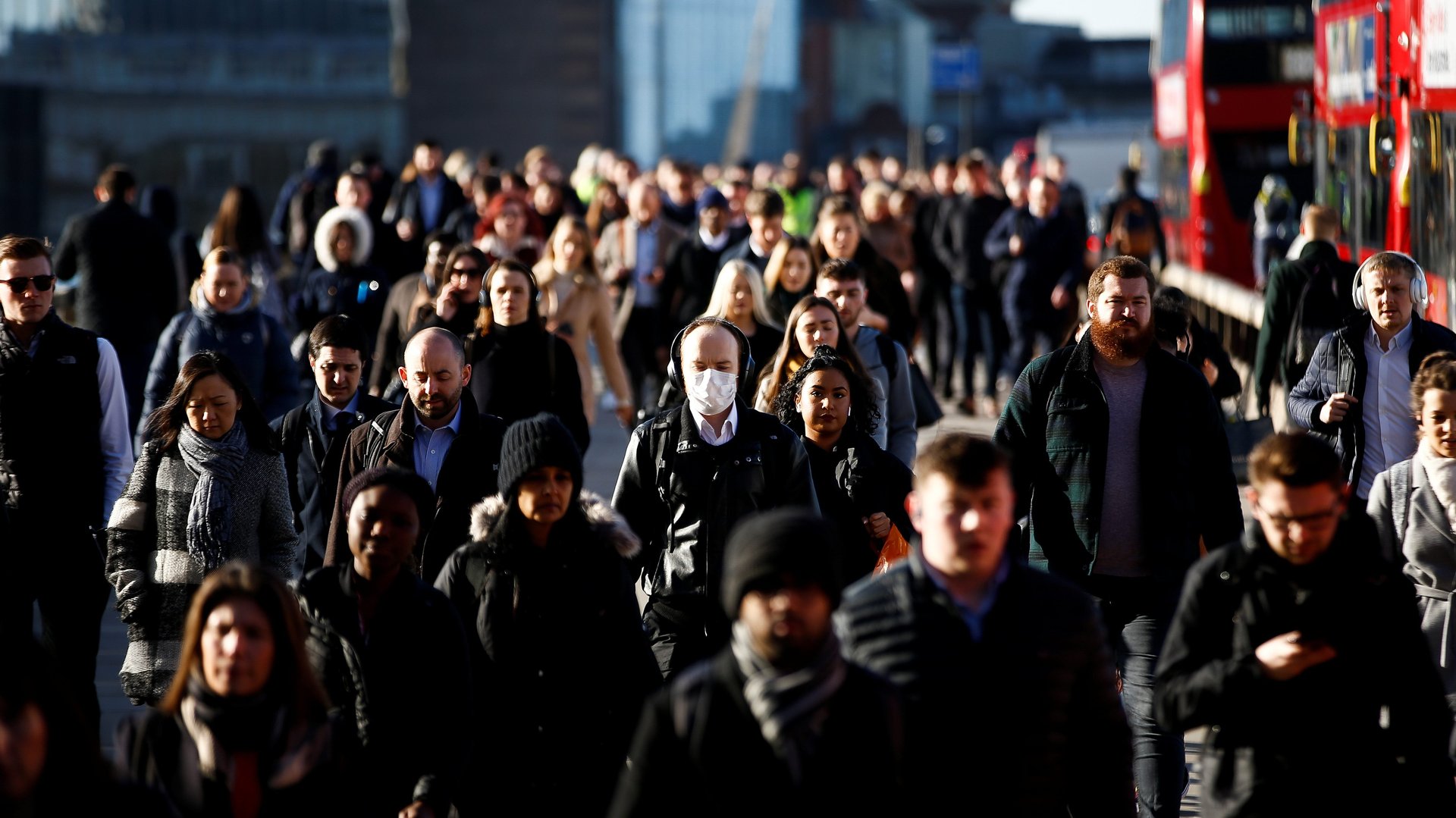
In a bid to save lives and not overwhelm healthcare systems, countries have chosen different measures to confront Covid-19. At the height of Italy and Spain’s outbreaks, people could not leave their homes. In the UK, they can leave for an hour a day of exercise, and to get groceries. In the US, activity varies by state; in Nevada, the streets of Las Vegas are empty while in southern California, some beaches are full.

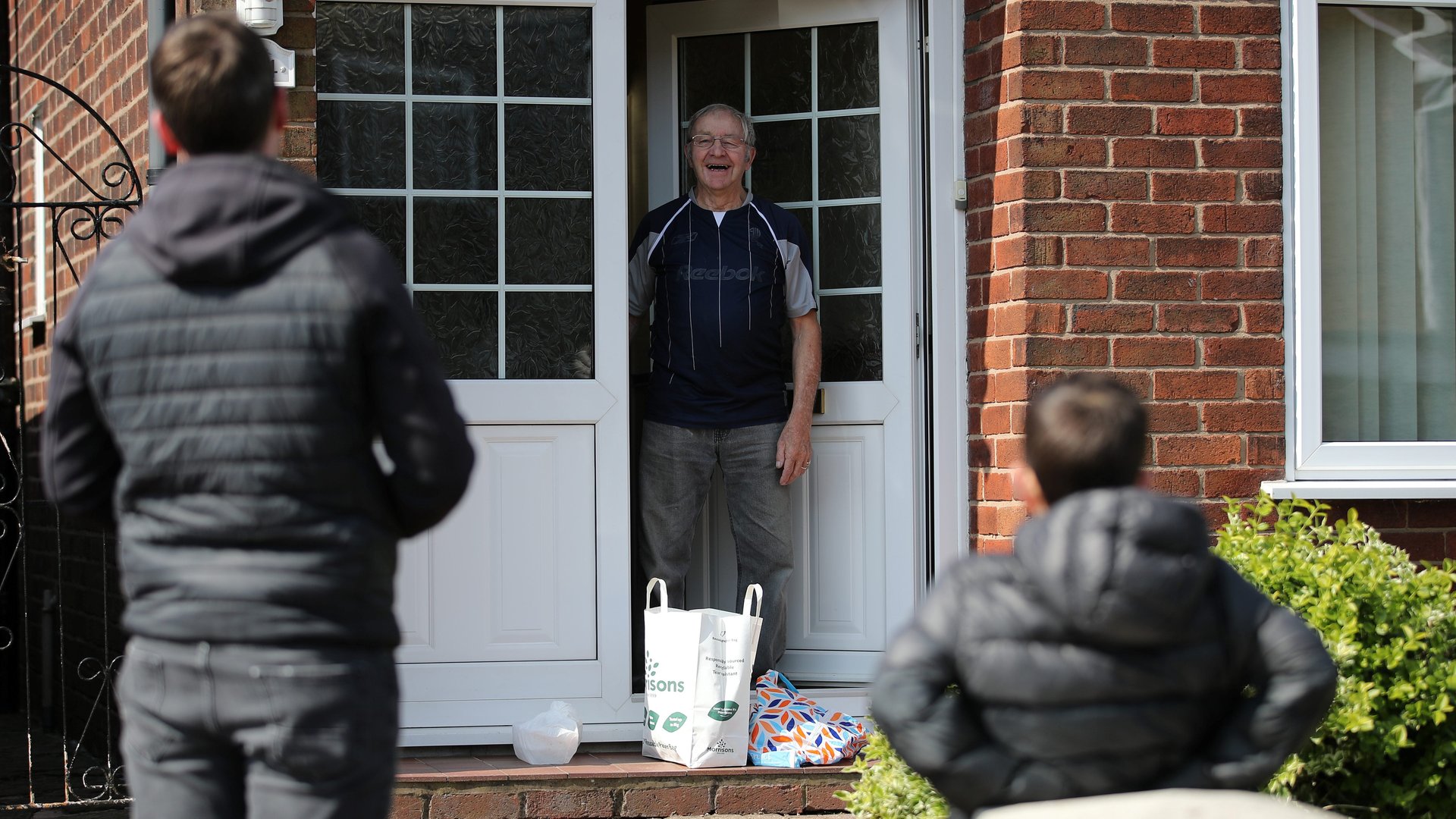
Before coronavirus shut us in our homes, a month or a million years ago, most of us had uninspiring to-do lists that never really got done. They prioritized discrete, narrow tasks—a form for school maybe, a deadline at work, food for dinner. They did not typically include getting to know neighbors, making sure local elderly or disabled citizens had what they needed, or creating a sense of community.

It is a remarkable thing to consider that only a few months ago, most of humanity did not know what social distancing was. The term’s popularity, and the need for it, emerged as Covid-19 did.

On the long list of things that are hard about home schooling, finding trusted online resources is up there.

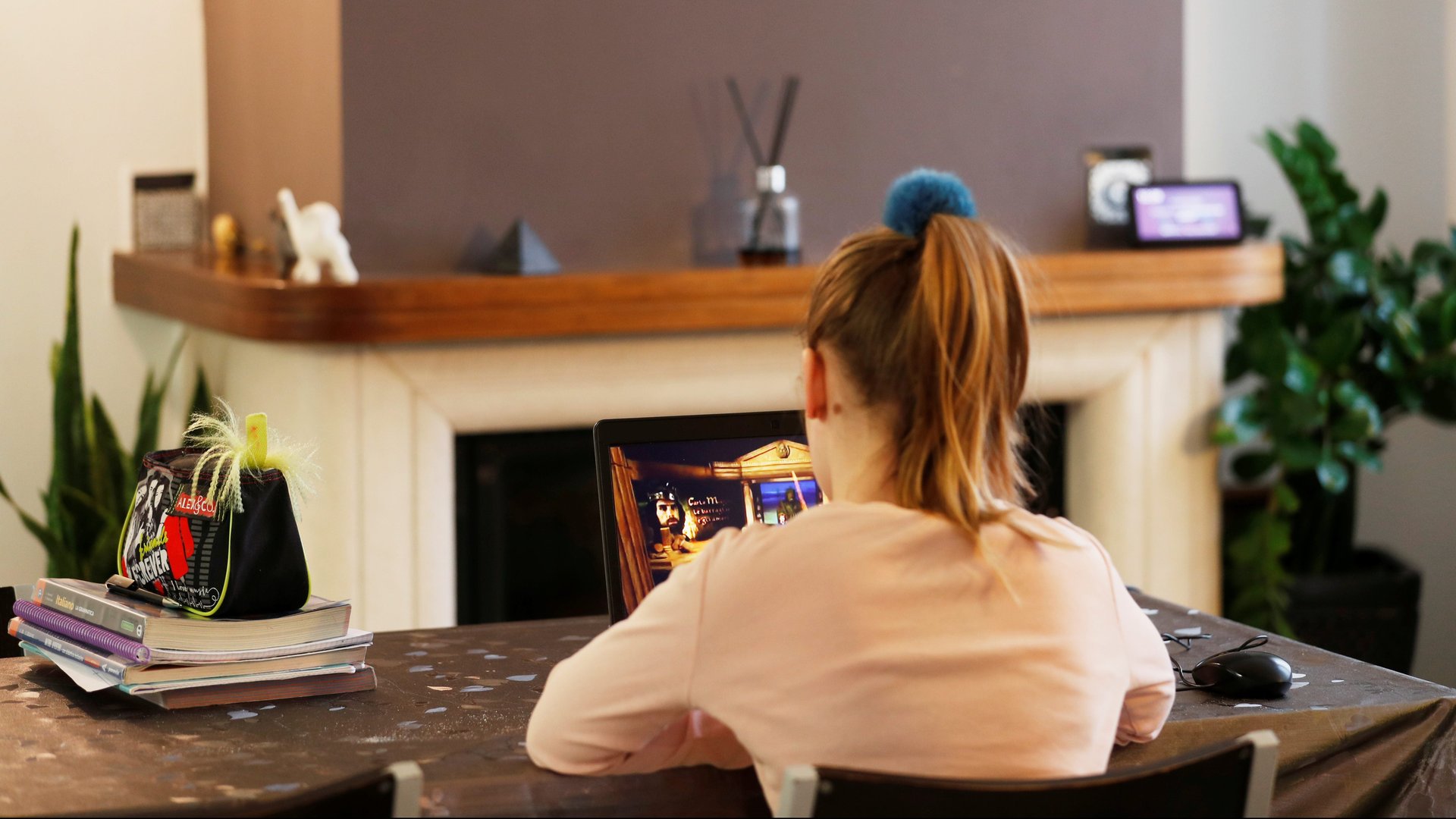
On Sunday, Feb. 23rd, rumors started that schools in the Lombardy region of Italy—the country’s economic powerhouse—might close. Confirmed cases and deaths from the new coronavirus were soaring. The healthcare system was teetering, and Italy had to dramatically change course in a bid to halt the virus. By evening, the region was in lockdown.

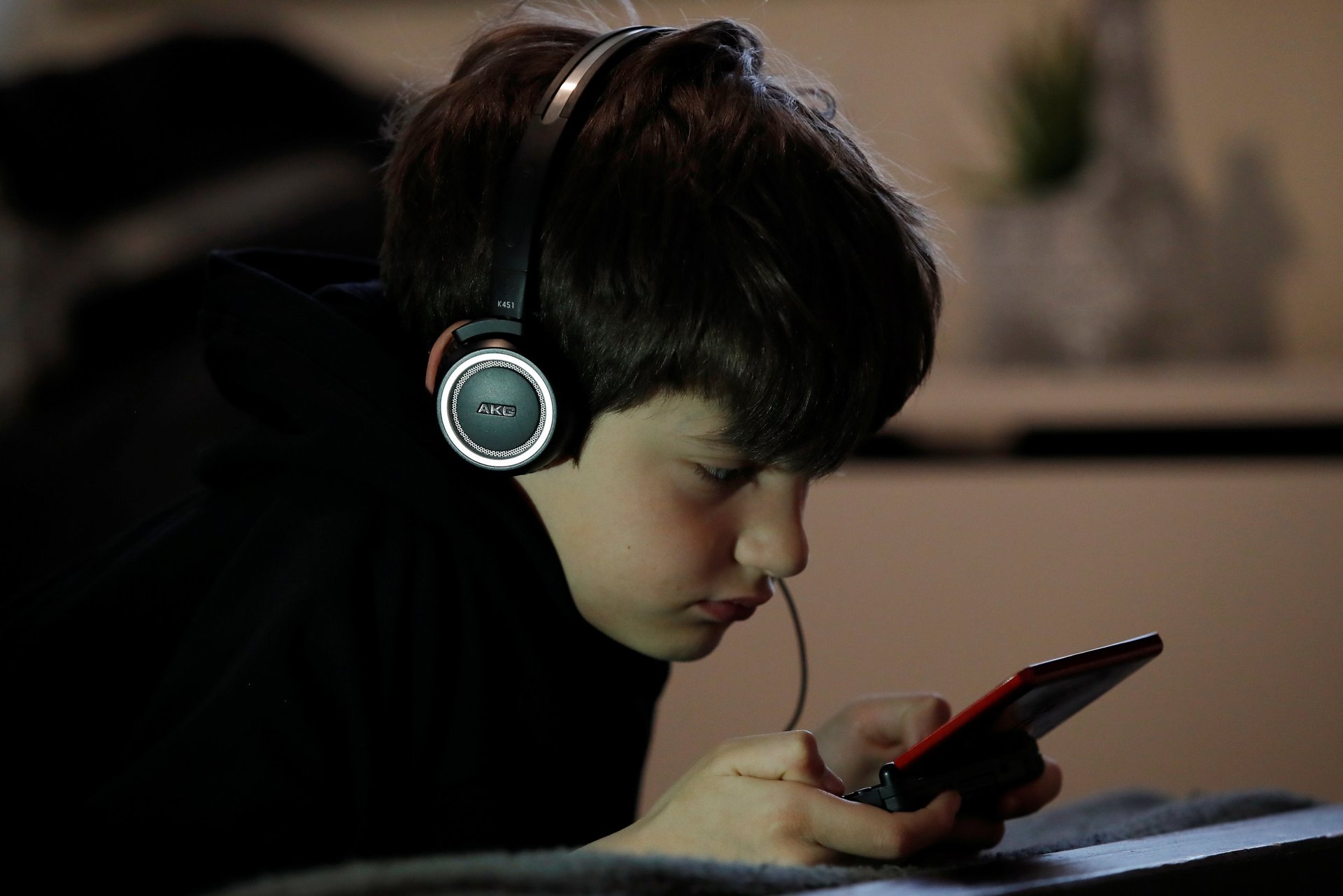
None of us were prepared for simultaneously juggling conference calls, parenting quarantined kids, and troubleshooting crashed servers as hundreds of millions of kids logged on to try and learn. Nor do we know how we support our kids as they grapple with no school, no activities, no in-real-life friendships, and no end in sight.

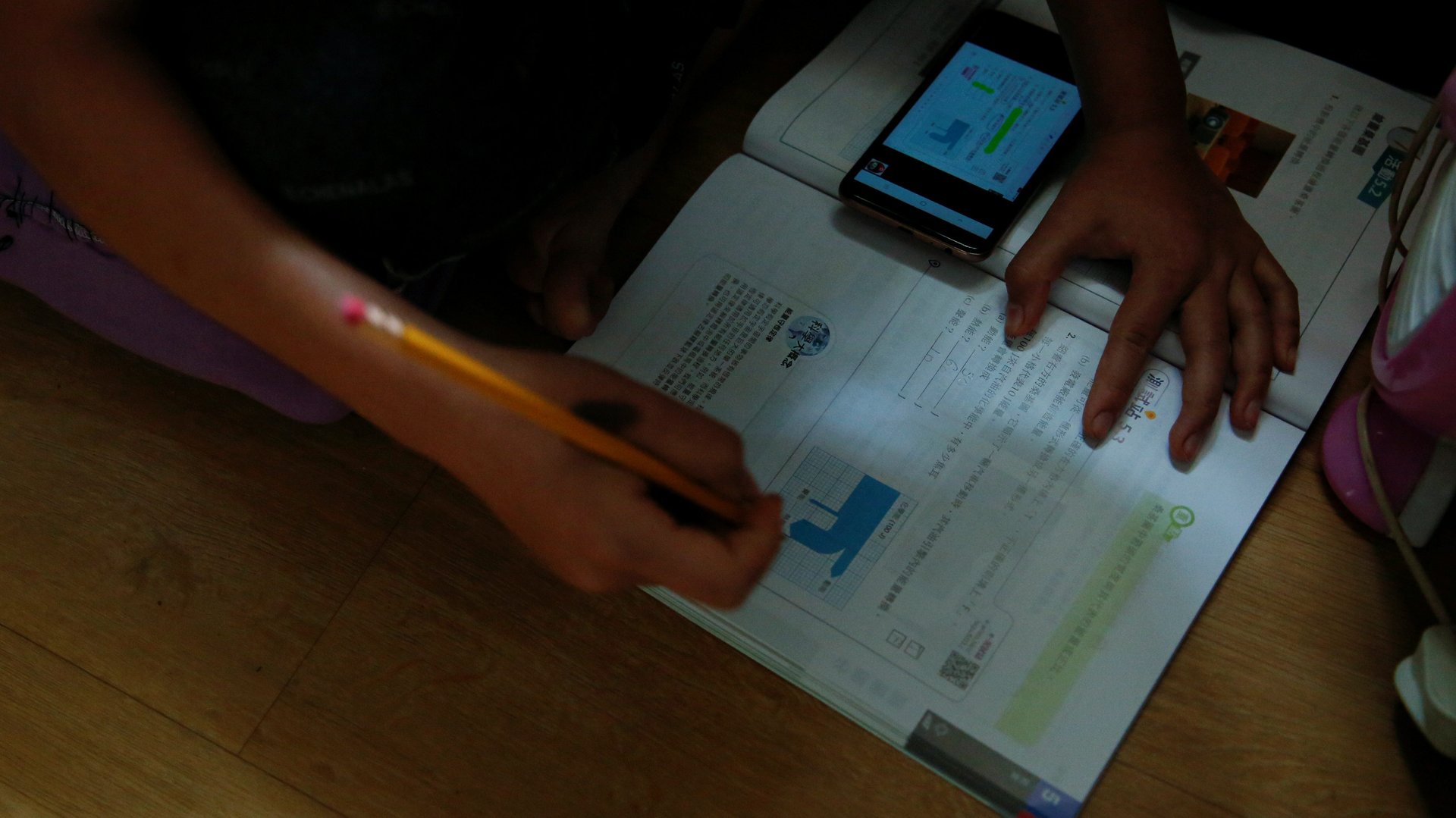
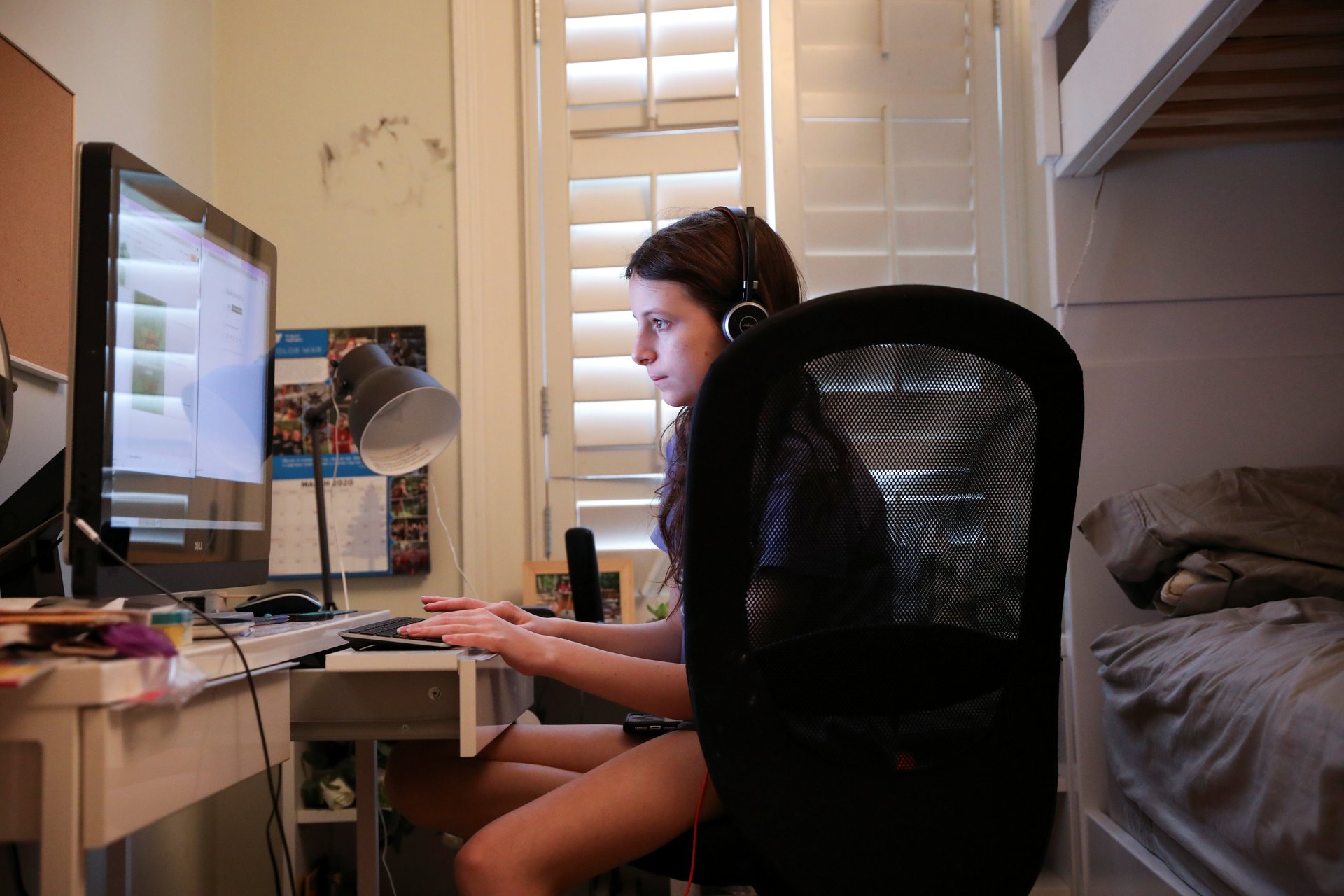
More than 861 million children are learning from home now, as schools globally shutter to try and slow the spread of Covid-19.

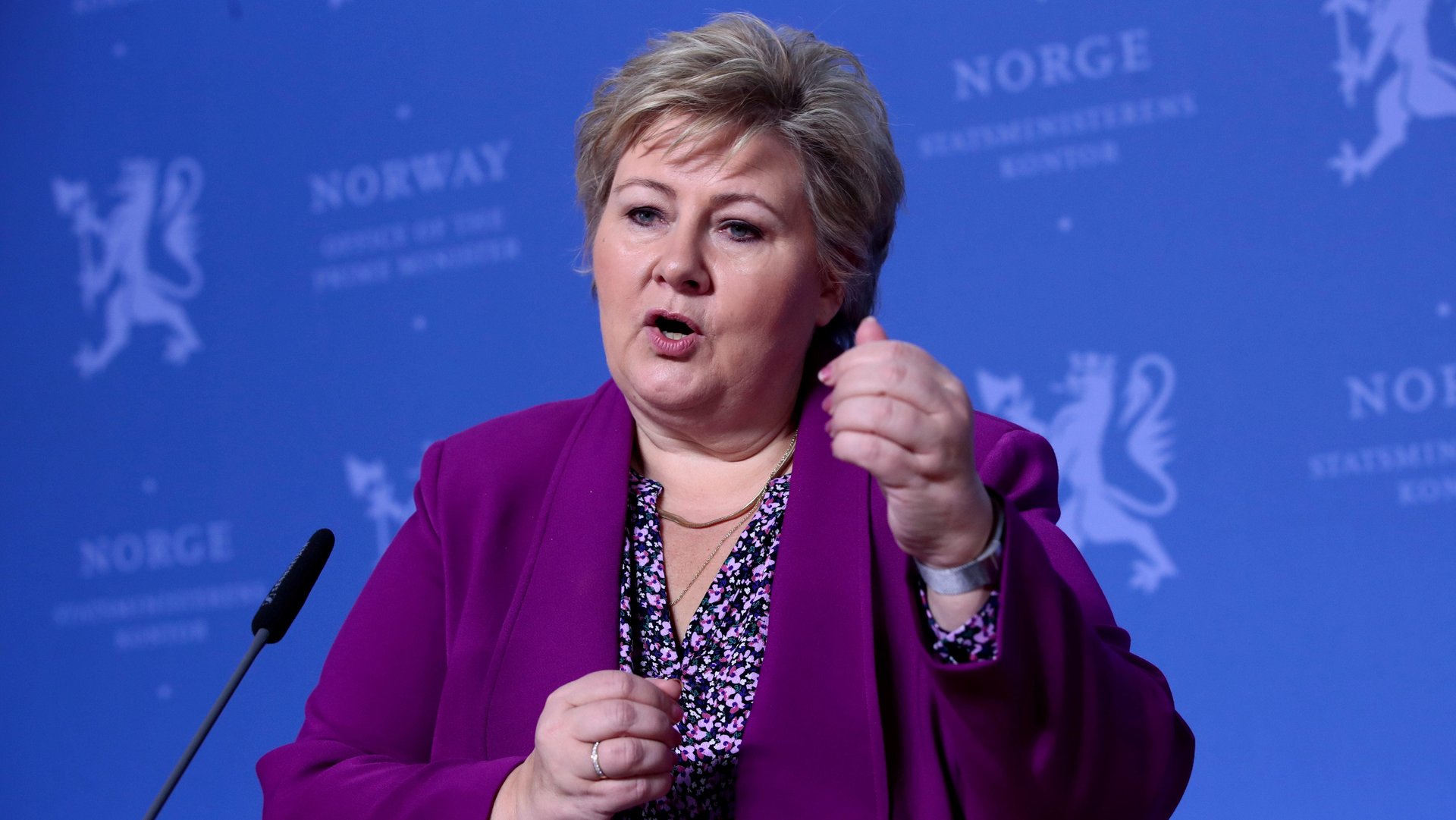
Coronavirus is scary for everyone, including kids. Norway’s prime minister, Erna Solberg, tried to help ease those fears by holding a 30-minute press conference for kids. She used the opportunity to explain that everyone who could stay home should, and that adults who are healthy don’t usually become very ill from the virus.

Last week, Boris Johnson held a press conference and announced new measures to tackle Covid-19. People who developed symptoms, however mild, were advised to stay home for seven days. Those over 70 were told not to take cruises, and schools were advised against international trips. The government was considering banning major public events, but did not do so. Schools, pubs and restaurants stayed open, in a major deviation from other countries around the globe. “So the most dangerous period is not now but some weeks away depending on how fast it spreads,” Johnson said.

On Jan. 24, I got a text from the UK’s National Health Service telling me if I had returned from Wuhan and felt ill, to call a number to arrange a phone consultation. The request to stay away from my local NHS facility was polite but firm: “Please do not attend.” One month later I got another text, with a longer list of countries (China, Hong Kong, Italy’s Lombardy region, Japan, Macau, Malaysia, Republic of Korea, Singapore and Taiwan). If ill, self-isolate and call 111.

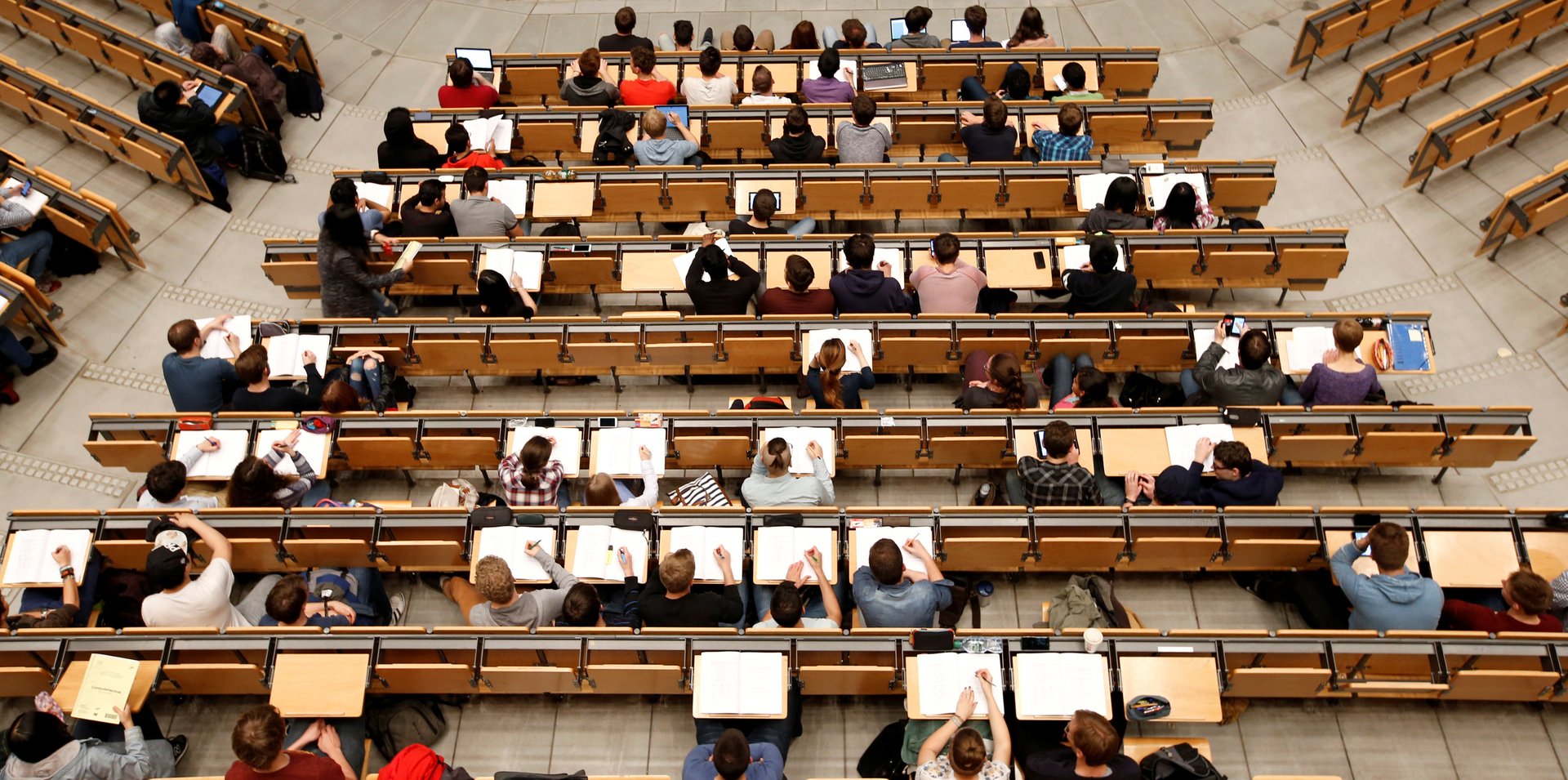
With an increasing number of universities shutting down campuses and shifting their learning online to try and contain the spread of coronavirus, Coursera, a US online education company, announced today (March 12) that it will provide any impacted university in the world with free access to its 3,800 courses.

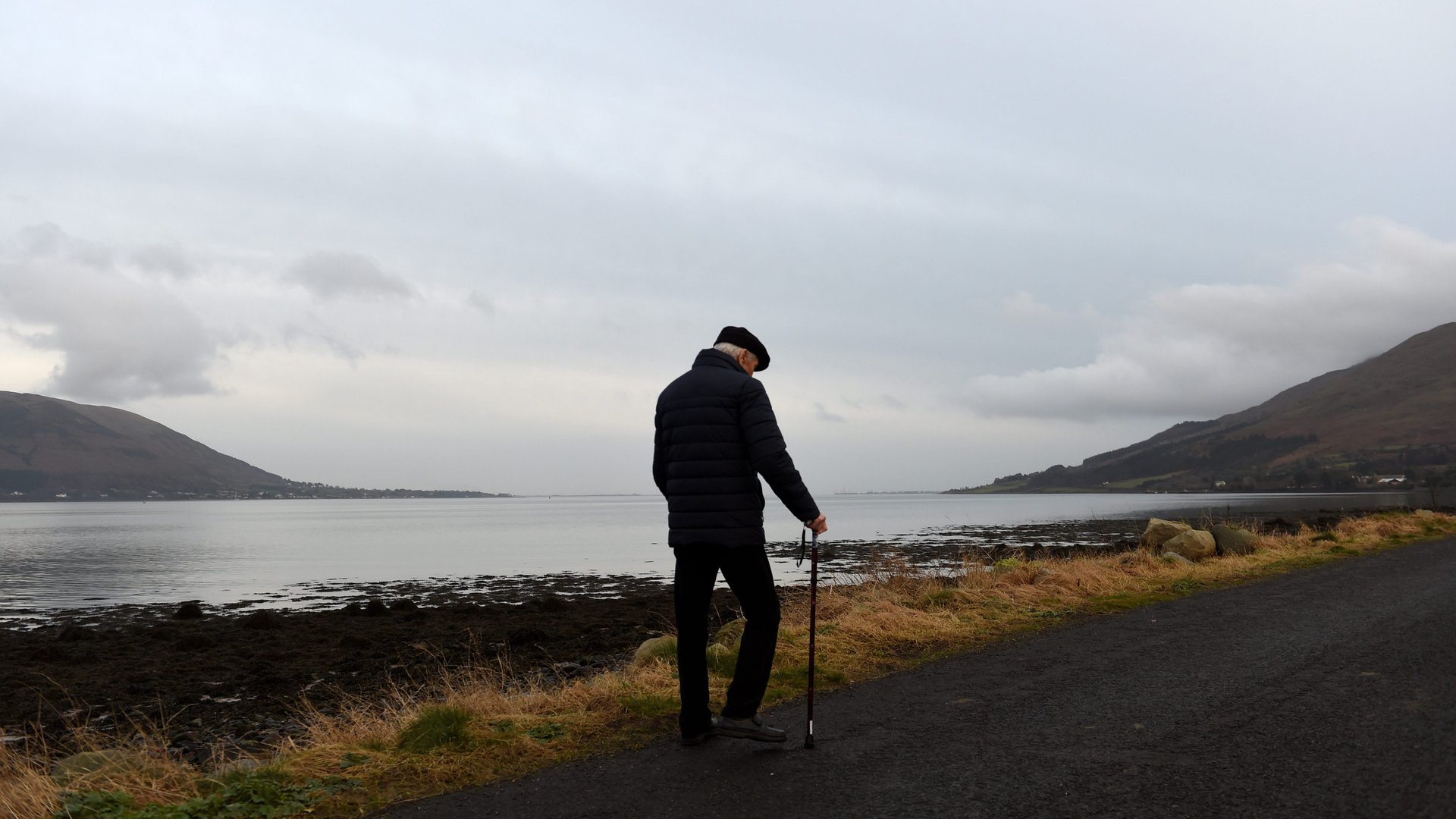
On any given week, my mother, who is 80, plays bridge, goes to church, attends public lectures, takes part in a book club, and meets friends for lunch.

Nearly 300 million children are out of school due to coronavirus, with countries like Japan, Italy, and Iran closing their entire school systems to try and stem transmission and buy time as governments and healthcare systems cope with an influx of new cases.

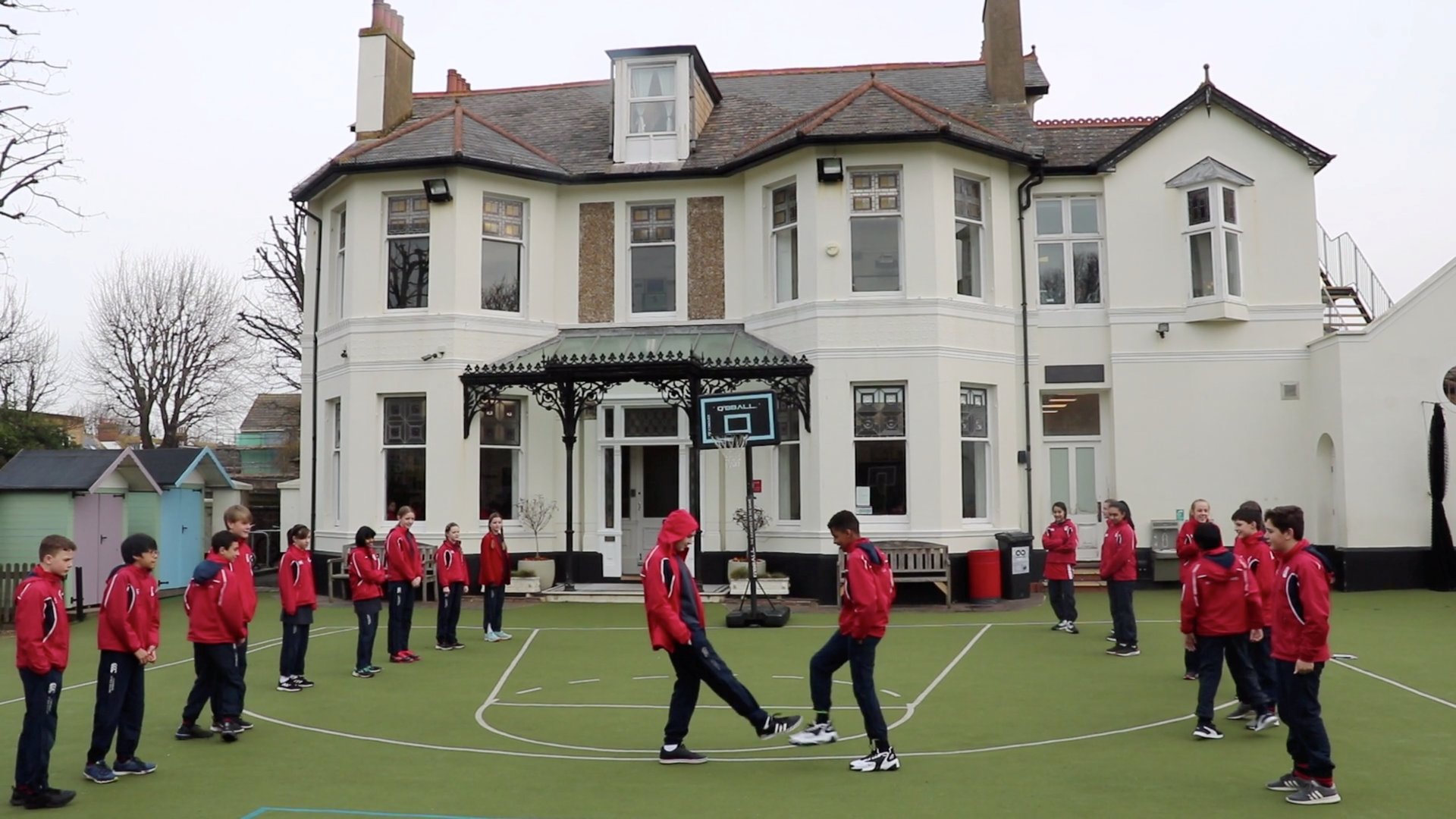
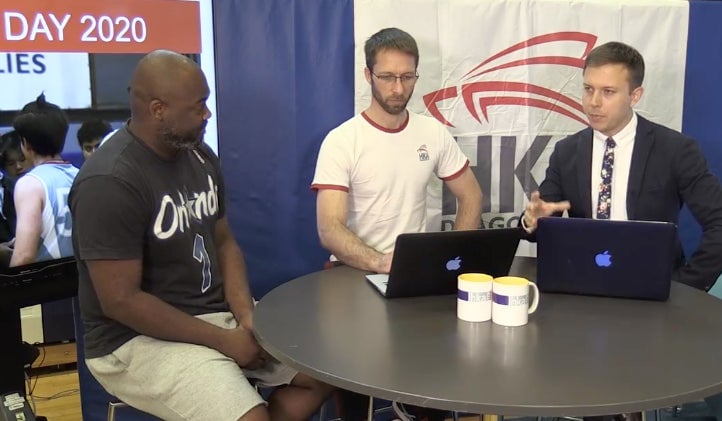
The livestream starts with the familiar blare of dramatic music and a burst of colors on screen, similar to the opening frames on ESPN or SkySports. Behind a desk sit two men, one a sports coach in a suit, the other a teacher dressed in athletic attire. Both are positioned behind computers and monitoring a leaderboard with incoming individual scores and house points (stay with me).

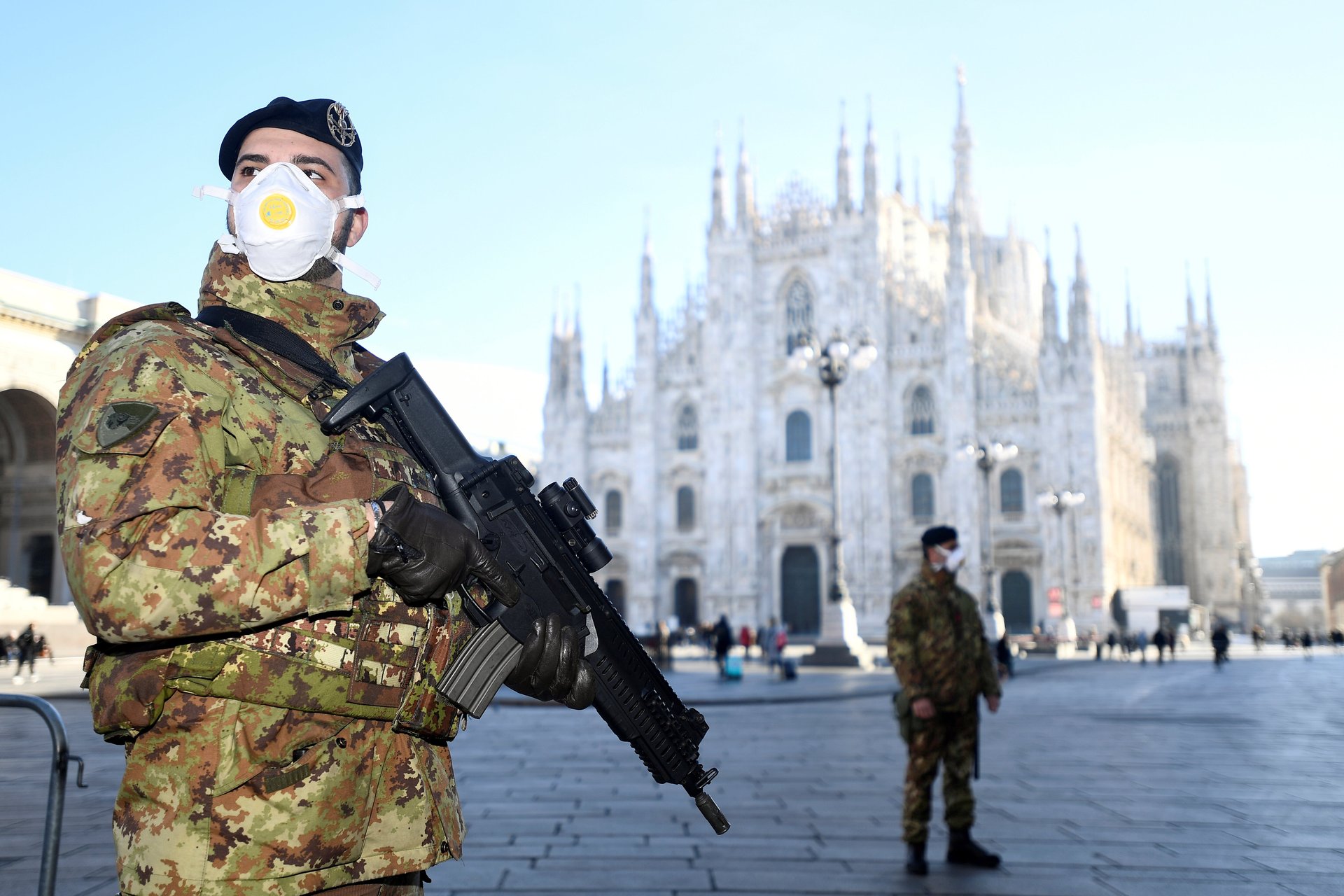
Up to 16 million people have been placed under quarantine in northern Italy, in a bid by the government to stop the march of coronavirus across Europe’s hardest-hit region.

In late January, Priya Lakhani, founder of Century Tech, an AI-driven learning platform for schools, got a question from her team: Should they offer free access to Century—which typically costs thousands of pounds—to schools in China that had started to close as a result of the spreading coronavirus?