

Emails
For Quartz members—Why do financial frauds keep happening?Hi [%first_name | Quartz member%],
Updated July 21, 20227 min read
Hi [%first_name | Quartz member%],
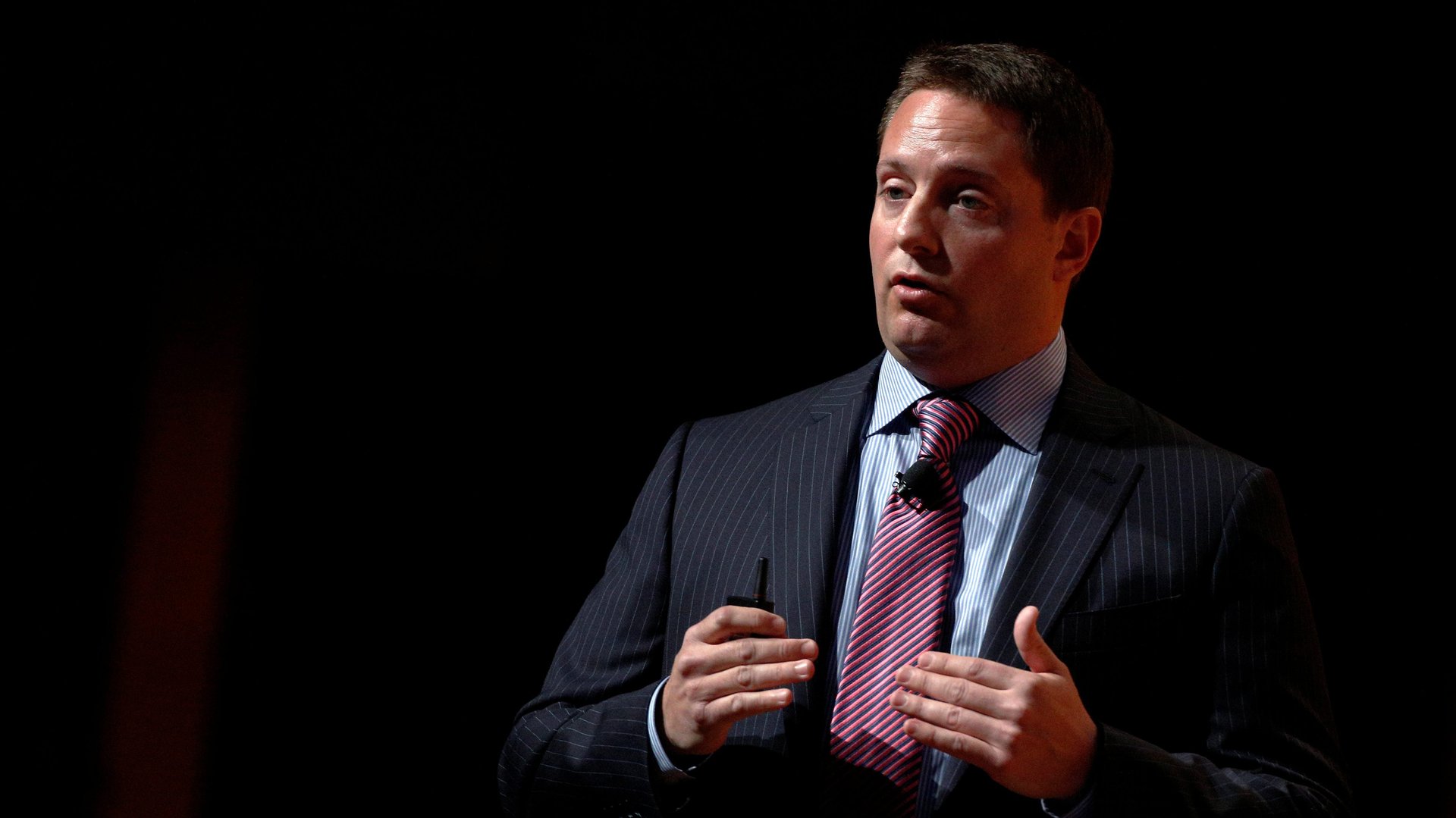
Carson Block gets pumped when a corporate fraud implodes.
Men control the vast majority of US household wealth, but that’s changing.
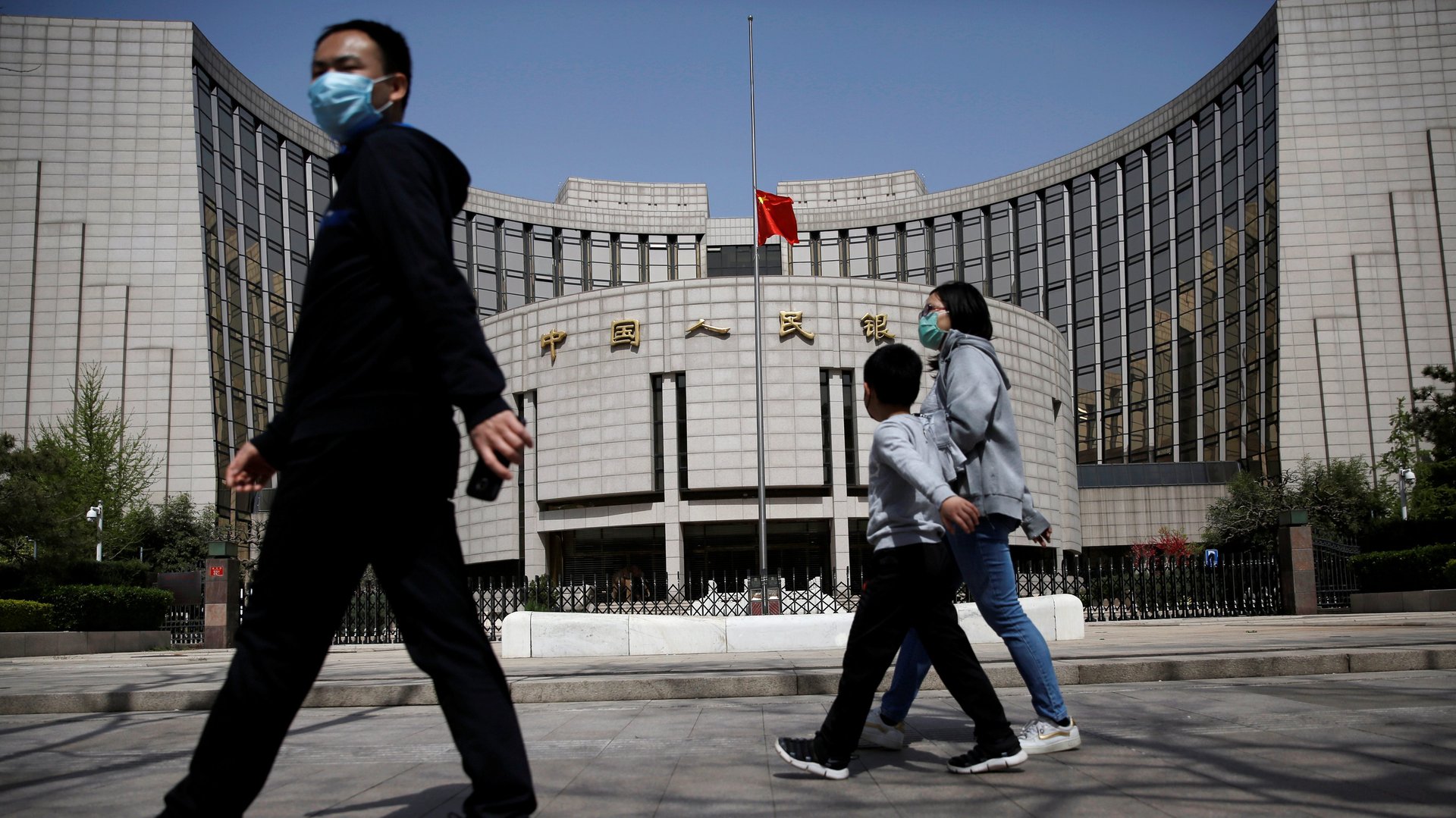
The coronavirus pandemic is poised to set off trillions of dollars of bank losses, a large chunk of which are forecast to implode at Chinese lenders.

The world’s most valuable fintech could turn out to be one of the most valuable financial companies in the world.

The US’s emergency program to keep small businesses afloat during the pandemic was far from perfect, and the data produced about the half a trillion dollars in loans is a total mess. But the former head of the Small Business Administration argues that those criticisms, while valid, miss the bigger point.
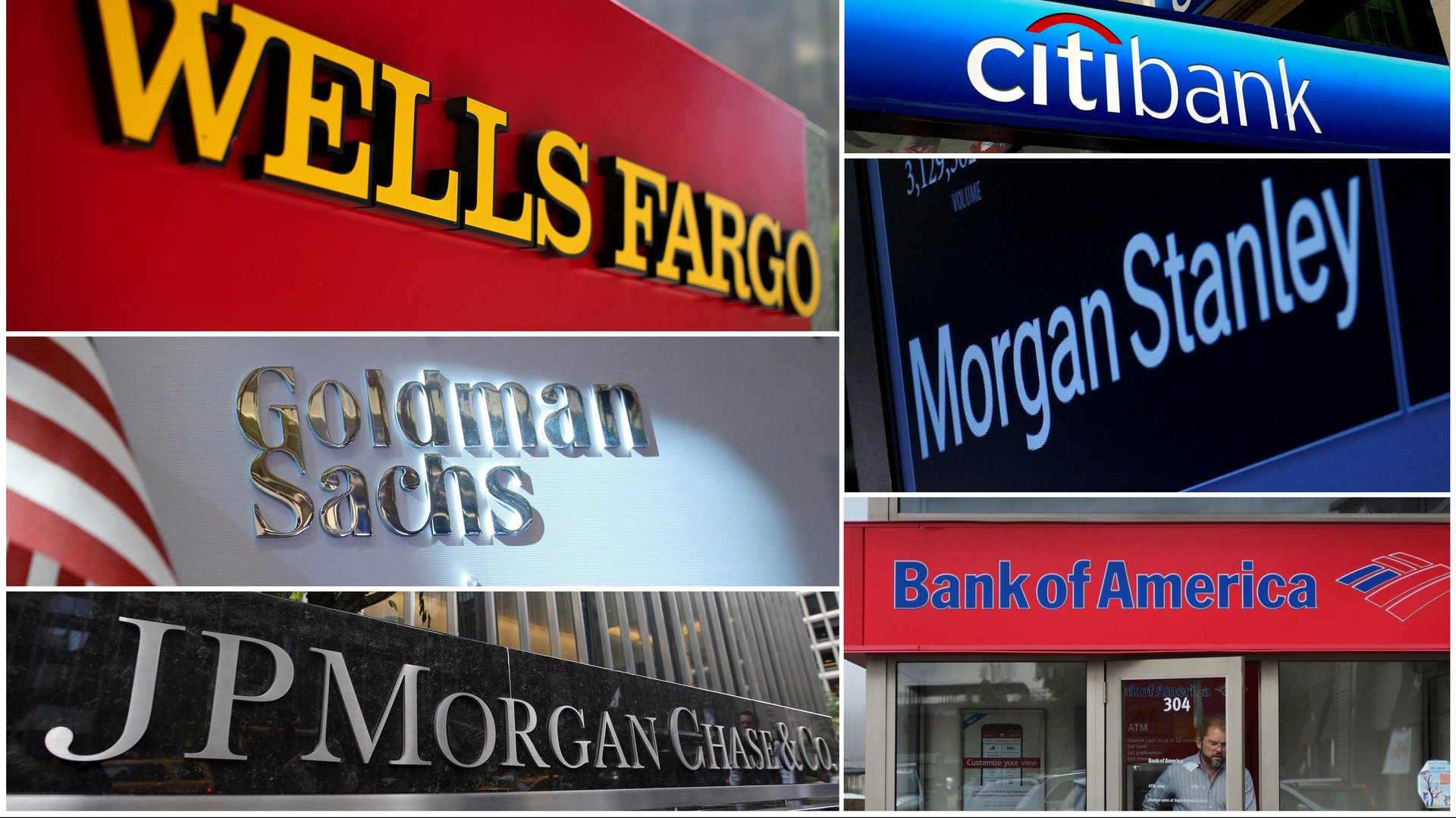
First the good news: The biggest US banks have had time to brace themselves for a wave of losses.
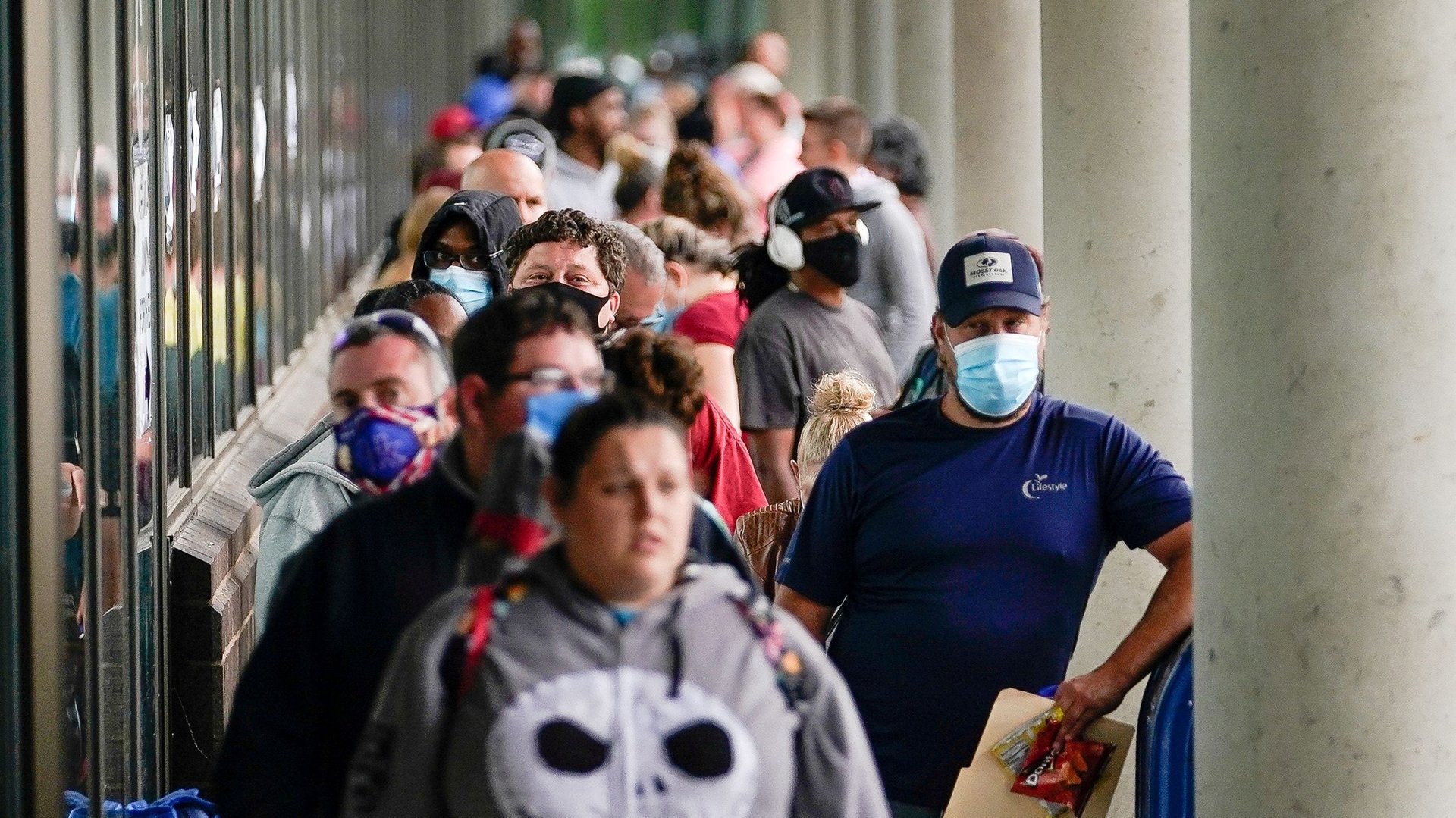
US government aid has shielded tens of millions of unemployed Americans from the worst effects of the pandemic-induced recession. But a wide range of data shows that the economic turmoil is far from over and that many people have slipped through the safety net.
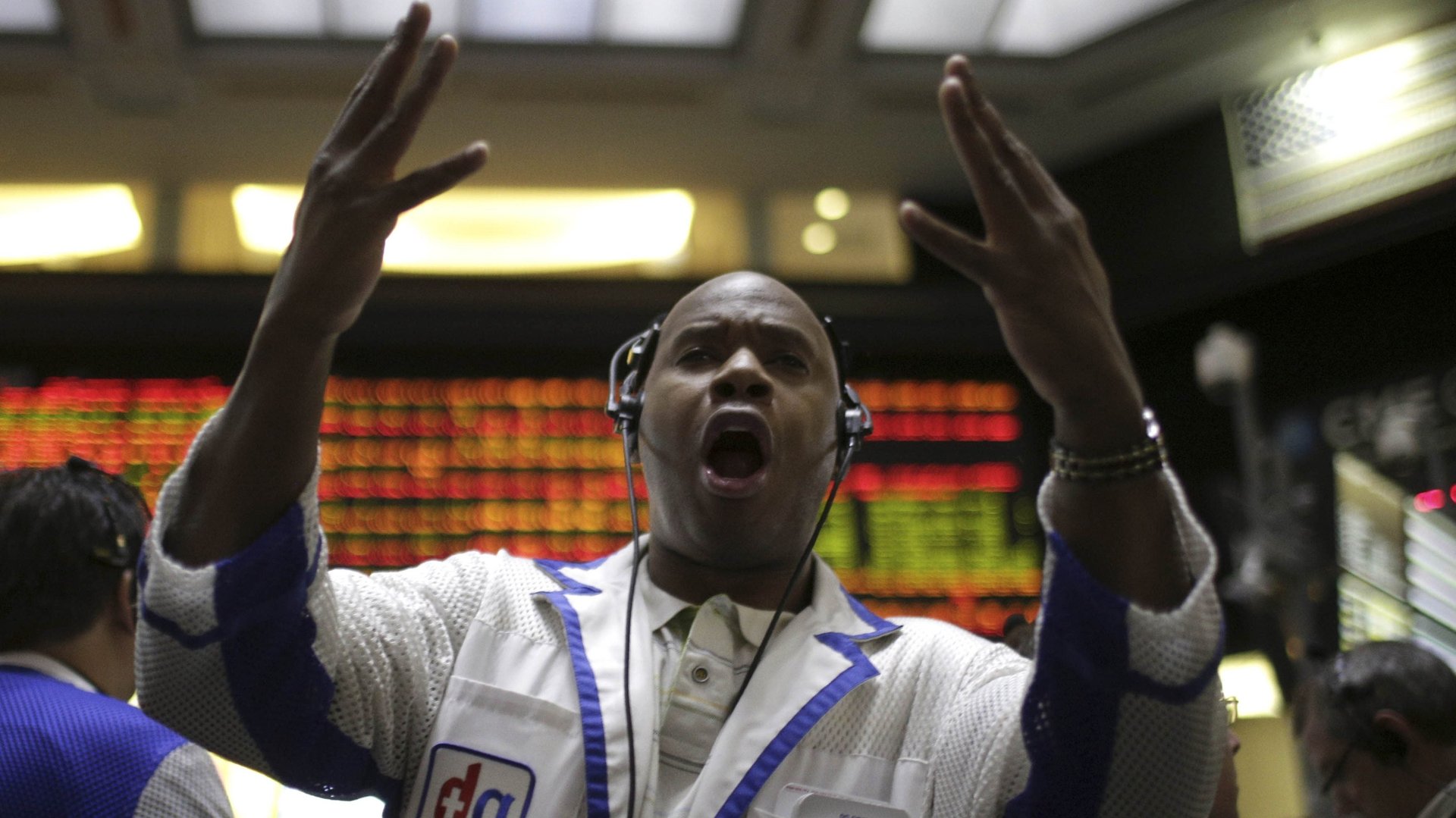
Brokerages like Robinhood and TD Ameritrade are riding high from the boom in trading. For these brokers, the big money isn’t in the stock market—it’s in options.

As the coronavirus pandemic shreds the global economy, women have been disproportionately swept up in the wave of unemployment. Are government safety nets catching their fall?

Shops in Germany are saying guten tag to a growing number of customers.
Professional traders appear to think Robinhood customers are extra valuable.

The coronavirus pandemic has underscored society’s disparities in everything from health to employment and wealth. The crisis has also highlighted a lack of fairness in digital payments, which are quickly overtaking cash transactions. Central bank officials are looking at ways to make these transactions fairer and more inclusive.

Ordinary people are piling into the stock market, snapping up shares of well-known companies like Tesla and Apple with a few taps on their phones. The influence of these app-wielding investors on the $30-trillion US stock market is still being debated, but in the meantime they are proving to be very lucrative for professional traders.

European airlines of all sizes have gotten at least some help from their governments. But flag carriers like Lufthansa are in discussions to receive aid that’s on another level.

The UK government has tried to cushion the economy from a deep recession, with extra assistance for companies and the unemployed. But a look just below the surface shows that the pain from the coronavirus disruption is severe and widespread.

As a devastated European airline industry looks to ramp up flights next month, low-cost carrier Wizz Air is soaring higher than the rest.
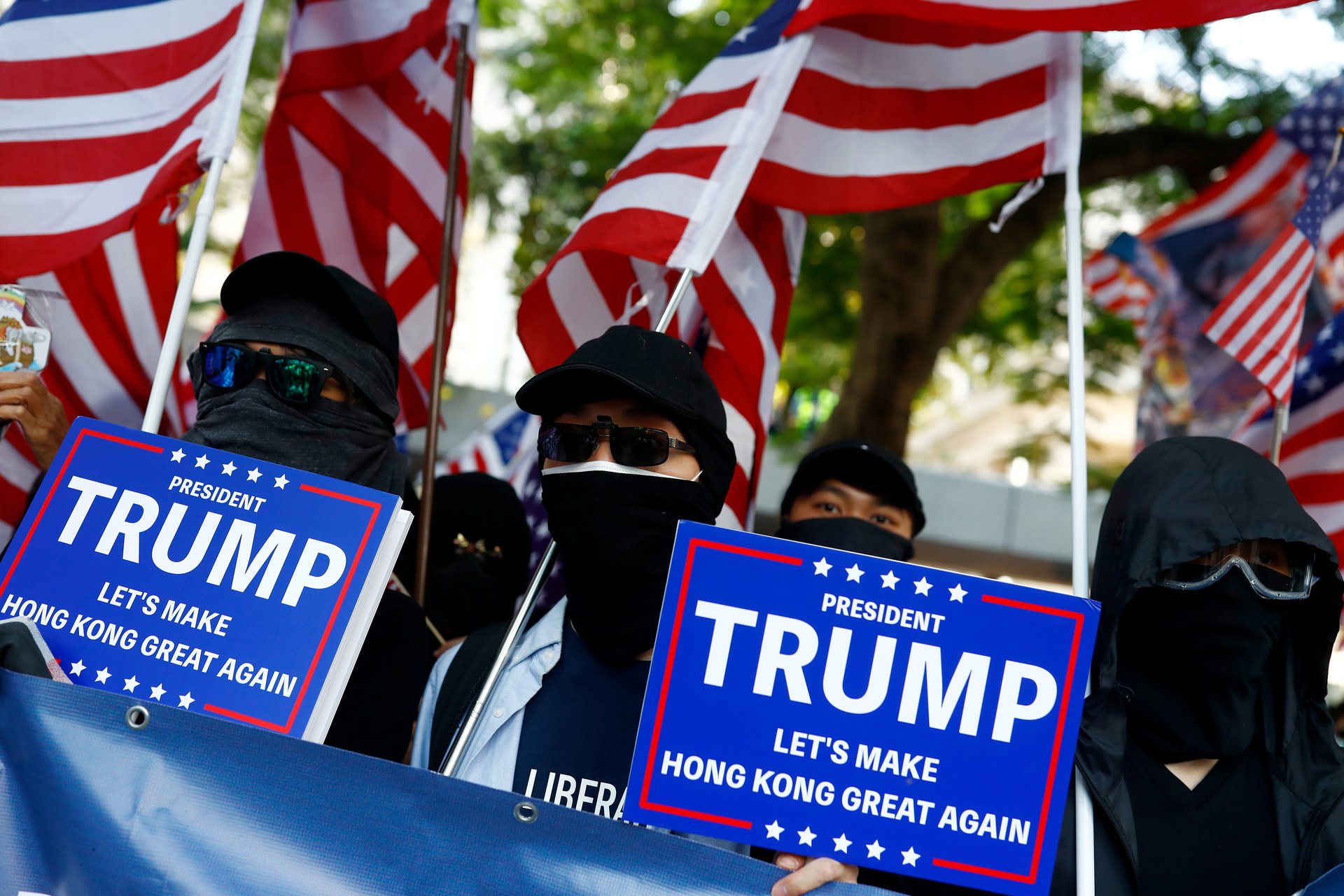
As Beijing moves closer to implementing a controversial security law in Hong Kong, questions are growing about the semi-autonomous city’s future as a global financial hub. Once a pawn between China and the Britain, Hong Kong’s fate is again out of its own hands.
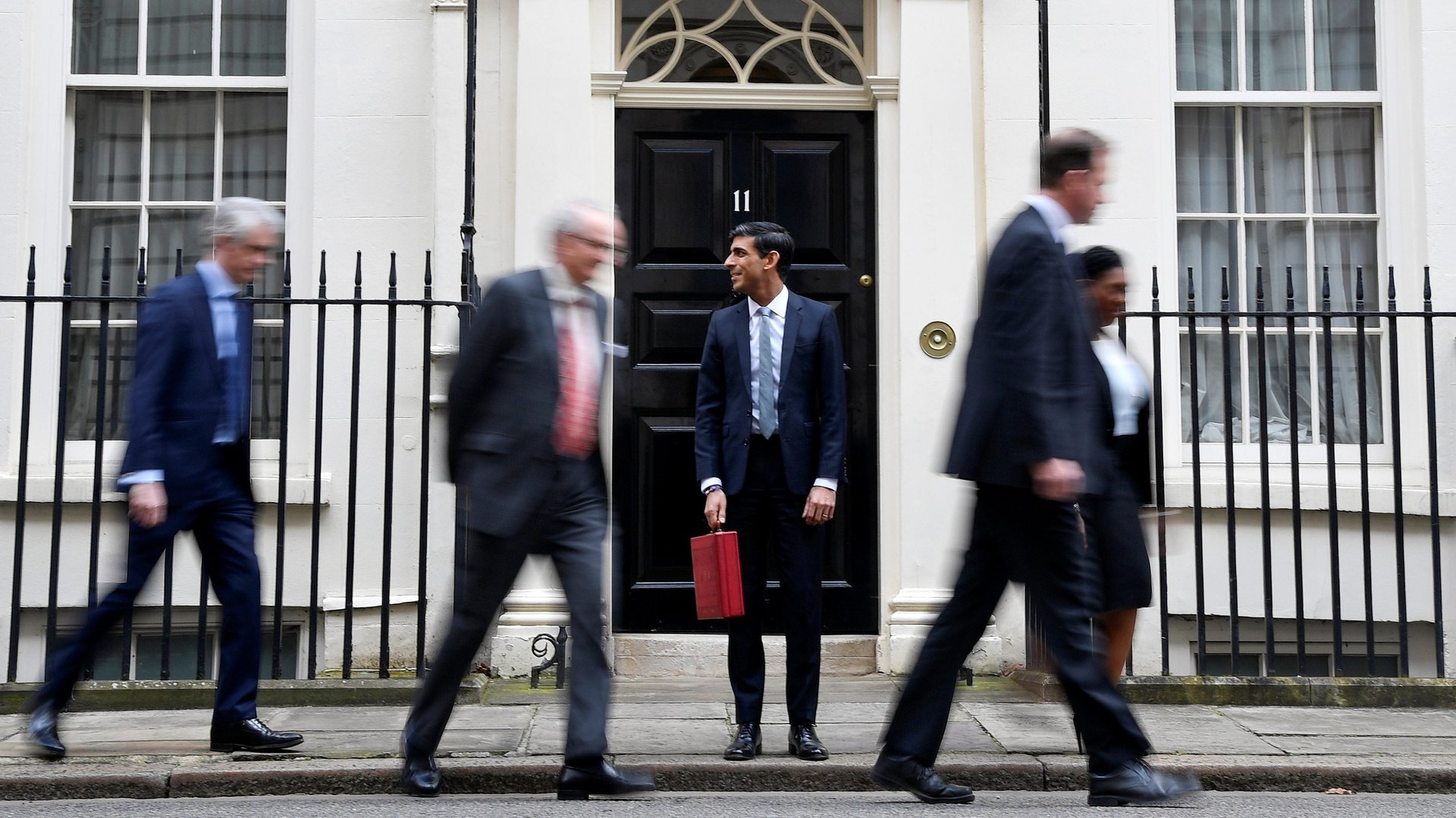
As the coronavirus pandemic batters the global economy, some government officials are getting creative. One idea from Britain is to start a sovereign wealth fund.
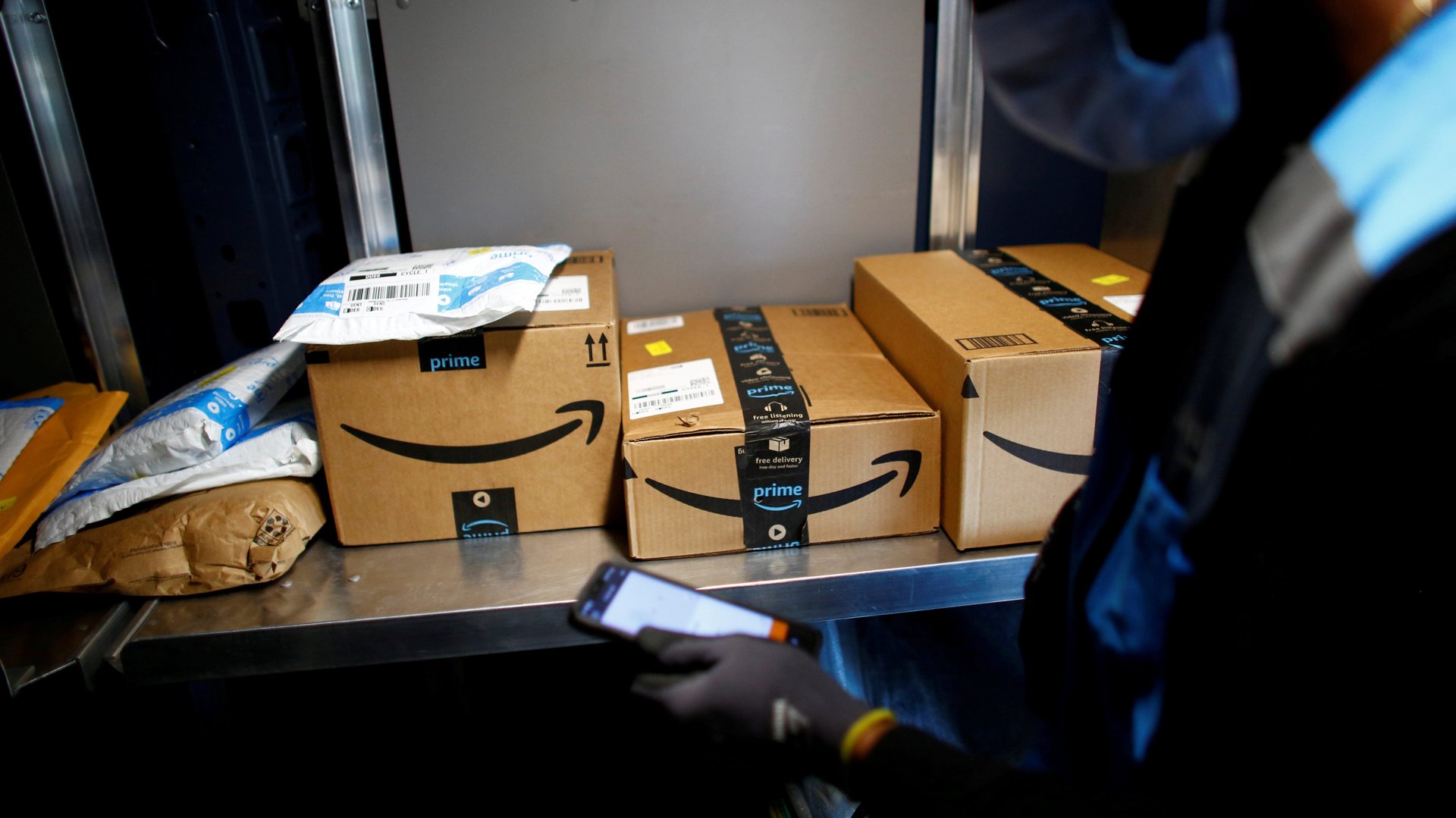
Amazon has had its share of missteps during the Covid-19 crisis. Employees have warned that safety protocols at its warehouses were inadequate, and its ordinarily ultra-efficient logistics and delivery operations have struggled to keep up with a wave of demand. But the e-commerce juggernaut has rumbled on, and it looks positioned to emerge from the pandemic even stronger.
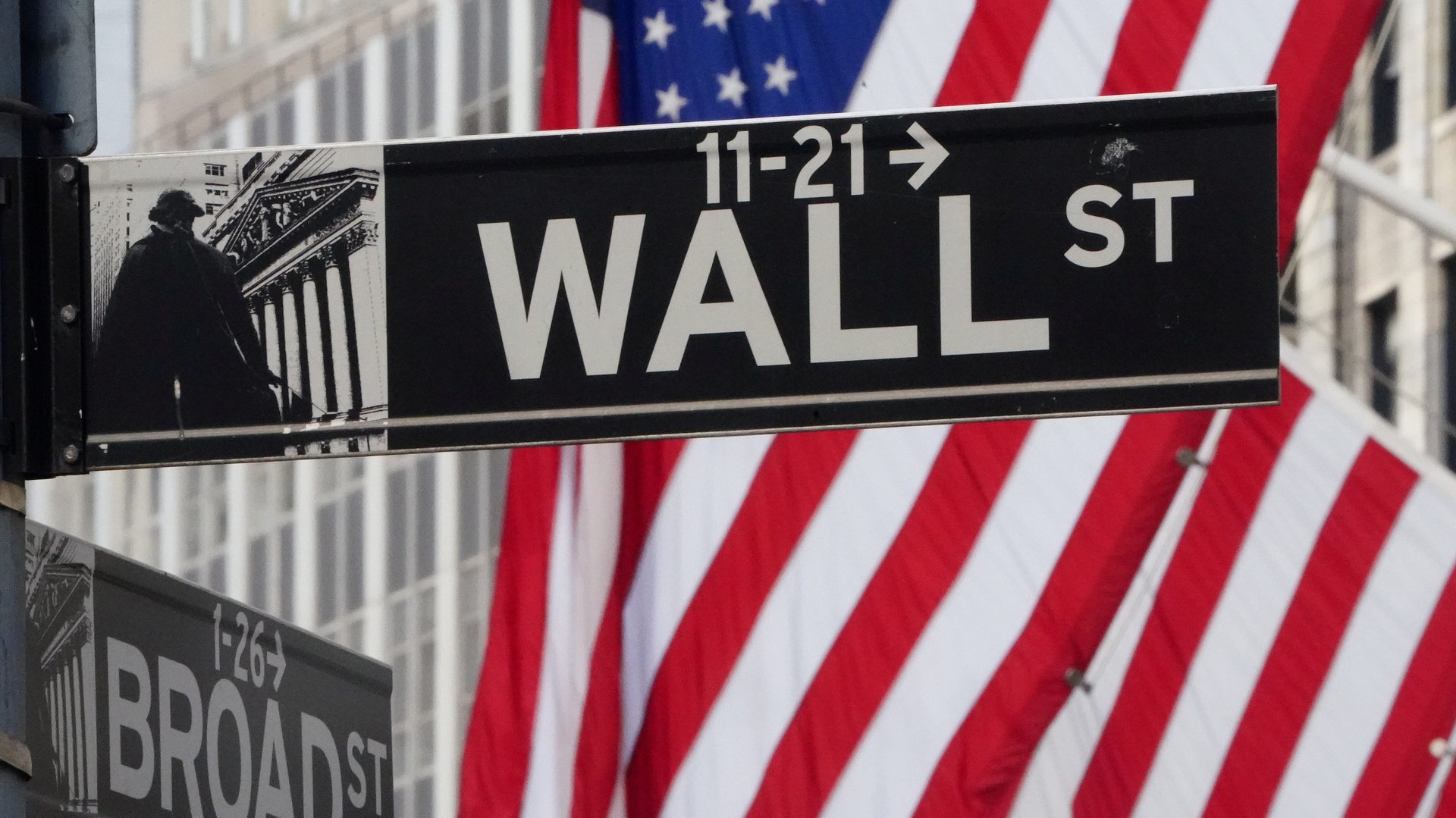
Nationwide protests over the death of George Floyd, an unarmed black man killed by a white police officer, are renewing attention to the ways that African Americans have been failed by everything from policing to job creation and public health. Many black Americans have also been unable to improve their quality of life through stock market investing—an important wealth generator.
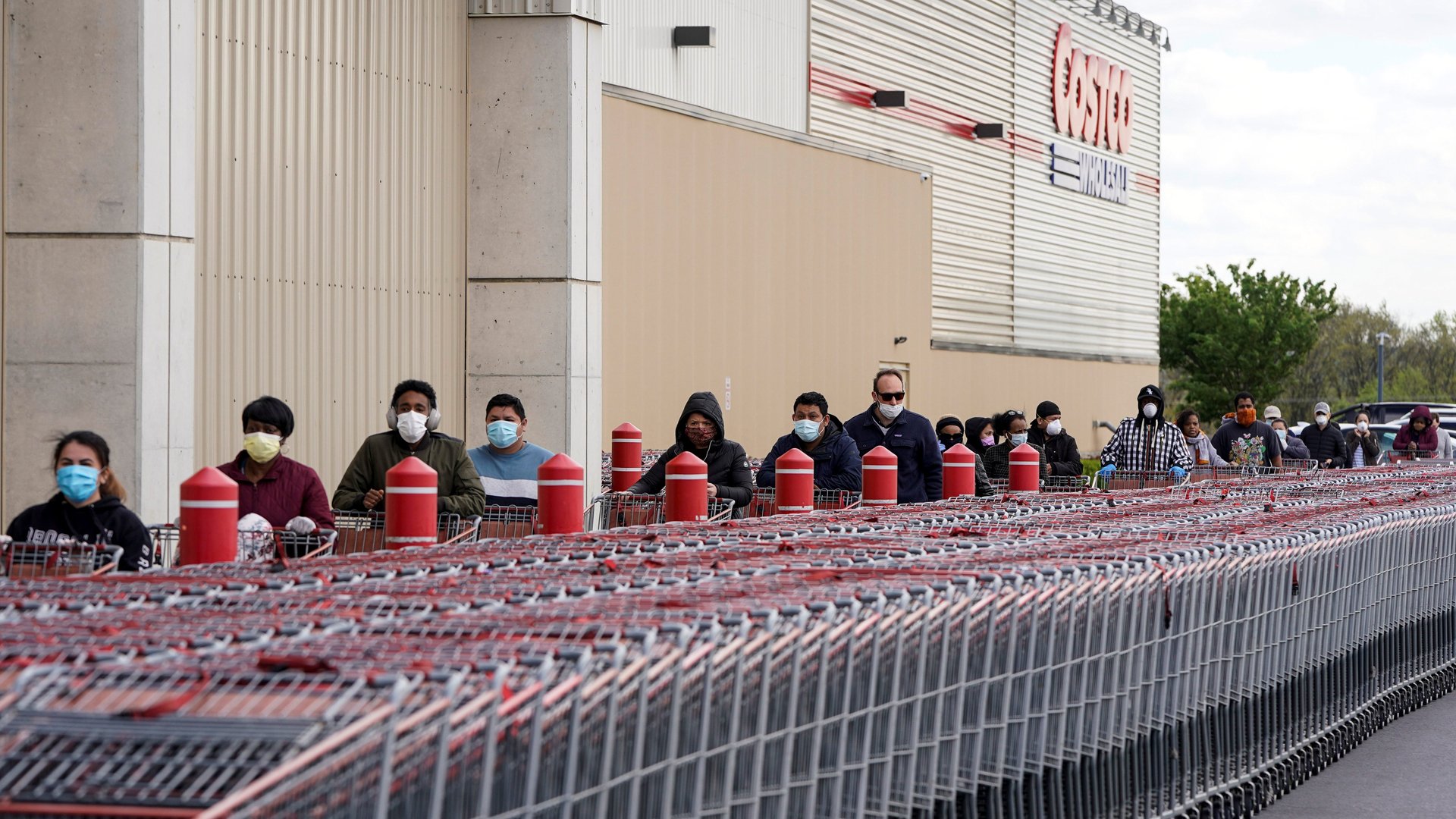
The coronavirus pandemic has ripped a hole in America’s retailers, but the country’s budget chains and mega-stores have fared much better.
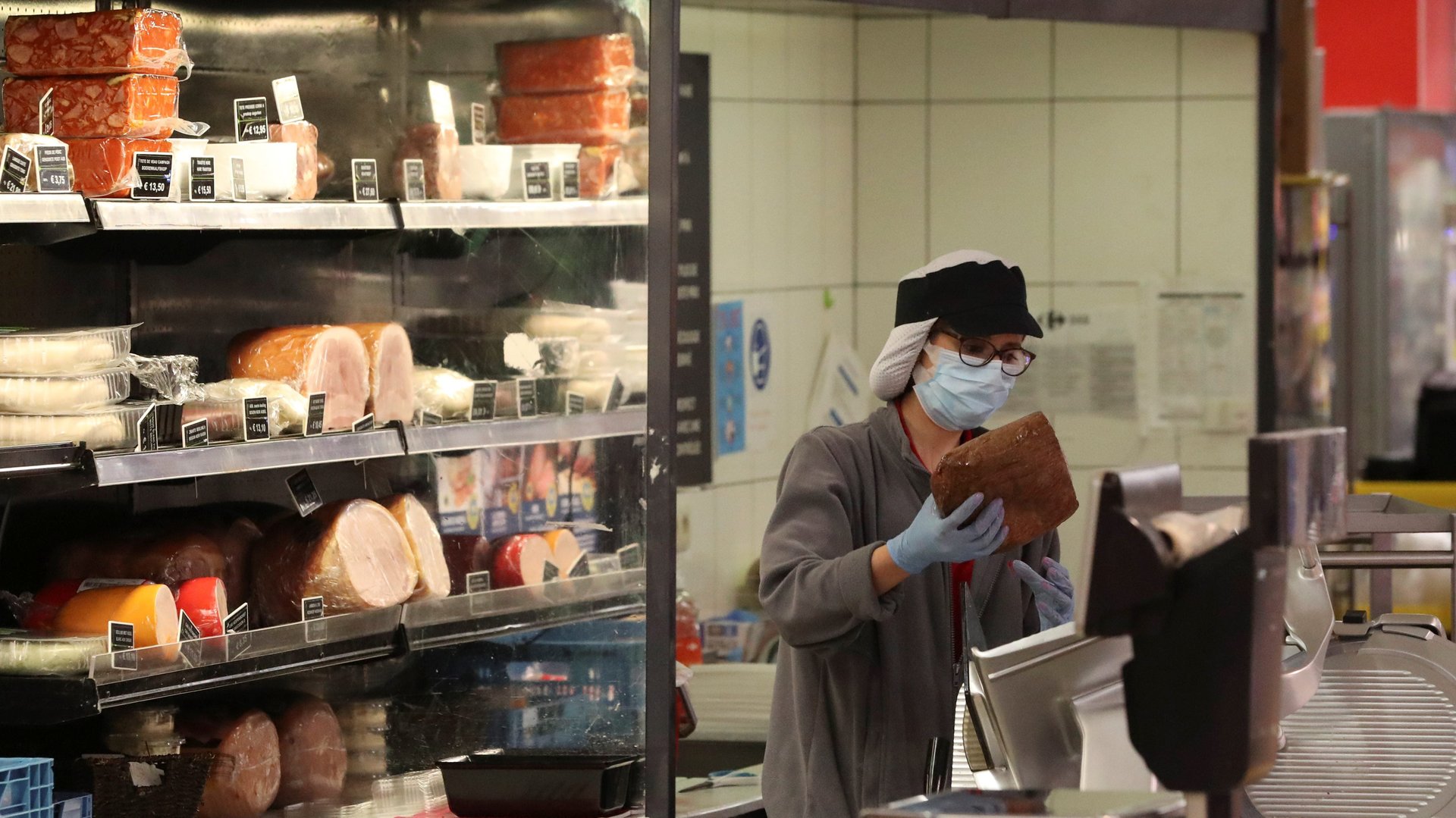
US and German unemployment rates appear to be on different planets. Below the surface, however, economic data show the two countries are experiencing similar pain.

Politicians from London to Washington agree: small businesses need billions of dollars of government support if they’re going to survive the coronavirus pandemic. But the need for transparency is a much less settled matter. Britain refuses to name recipients, and how much they’re getting, while a fight over disclosure is under way across the Atlantic.