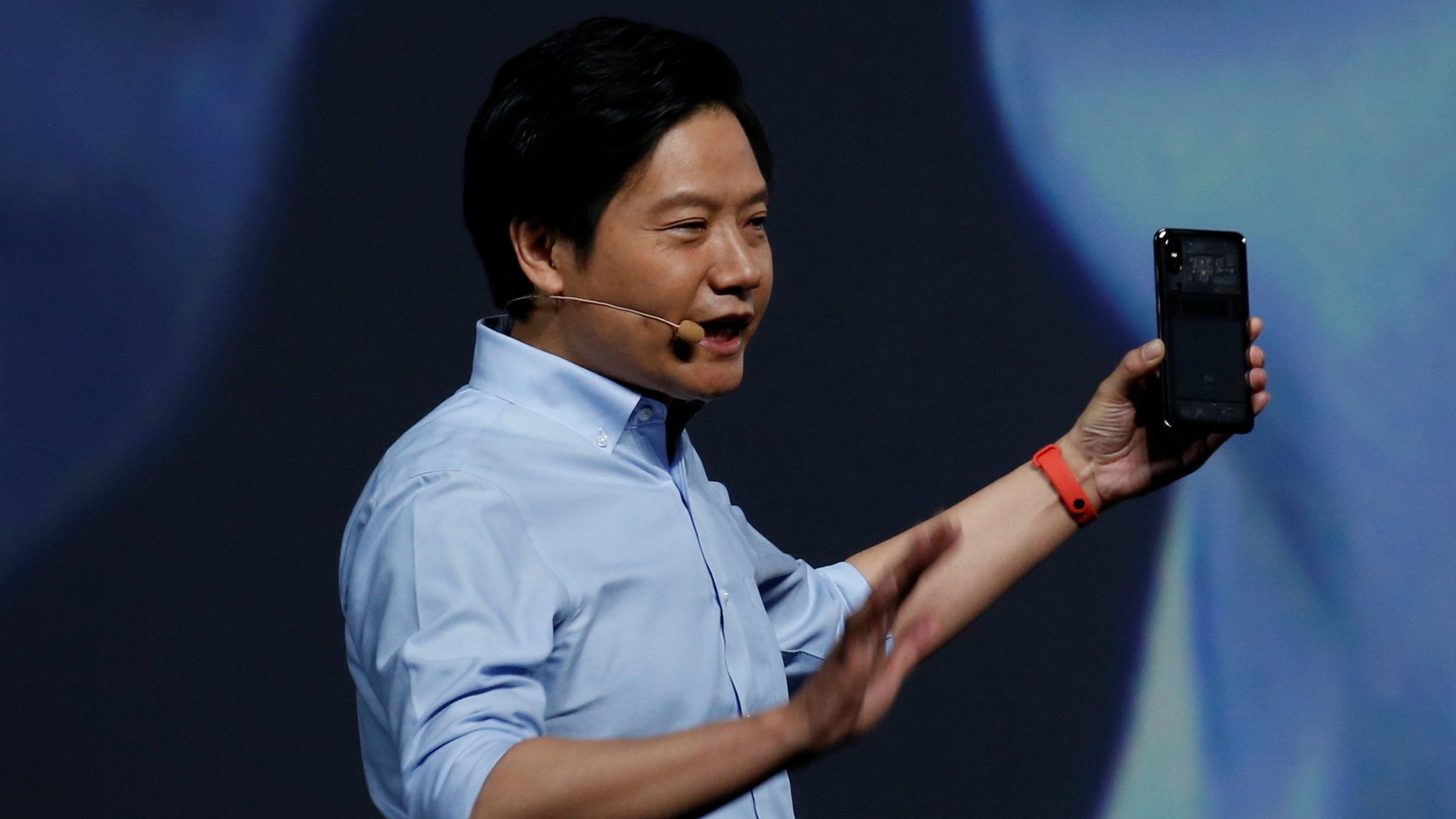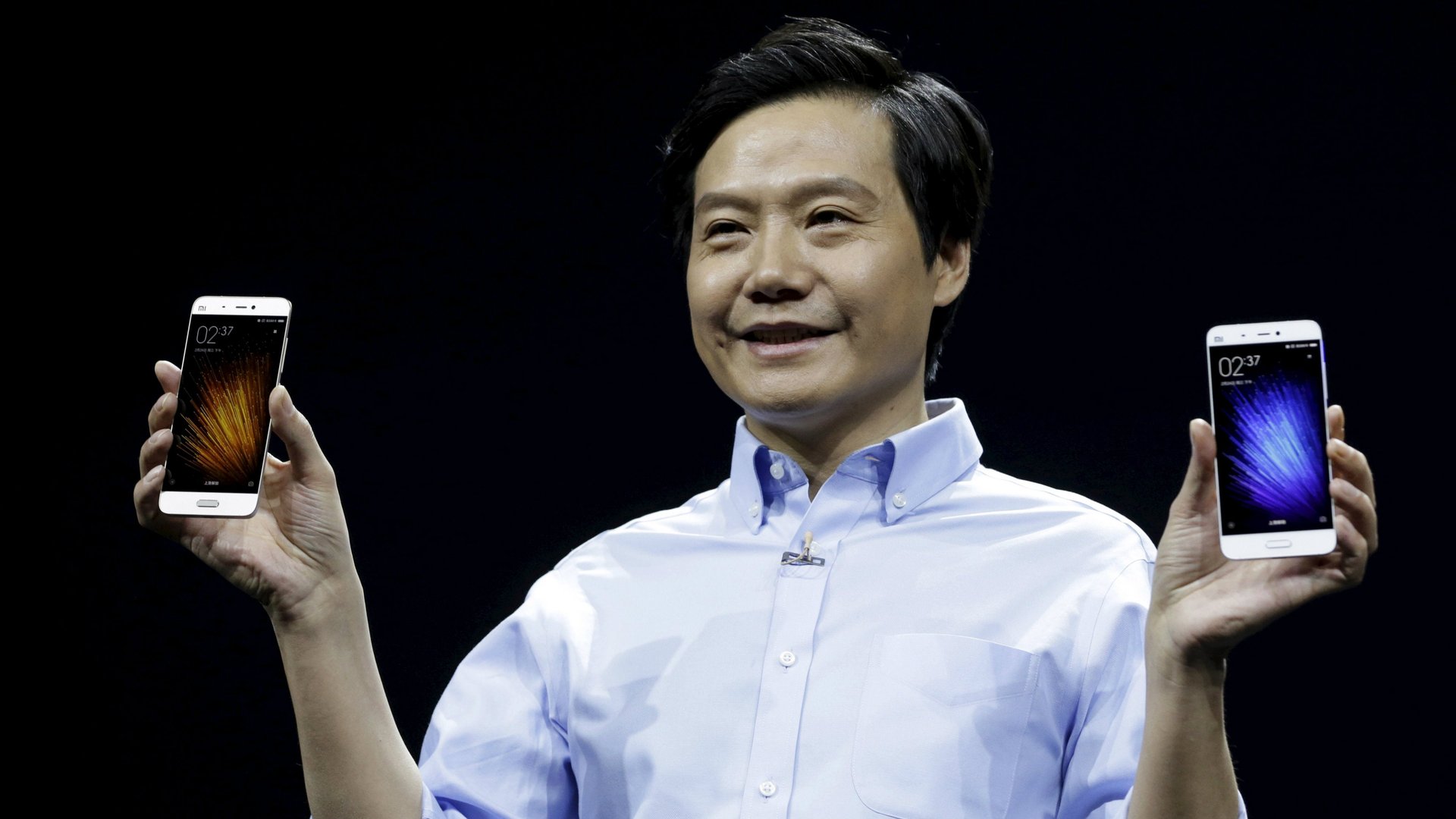
Some successful tech entrepreneurs can pinpoint the exact moment they realized they wanted to start a company. For Lei Jun—whose company Xiaomi is gearing up for a massive IPO in Hong Kong—it all started with a book.

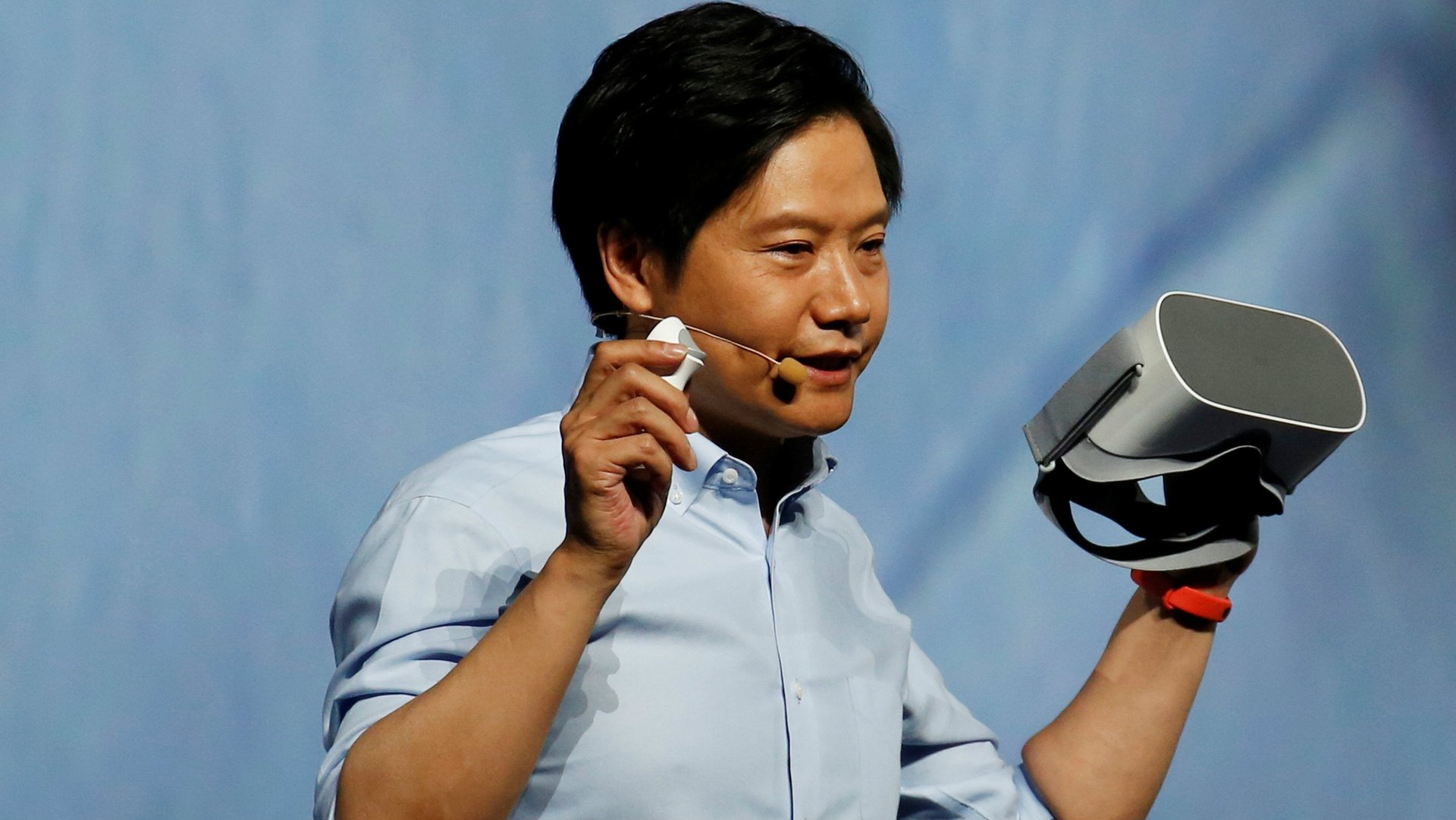
Some successful tech entrepreneurs can pinpoint the exact moment they realized they wanted to start a company. For Lei Jun—whose company Xiaomi is gearing up for a massive IPO in Hong Kong—it all started with a book.

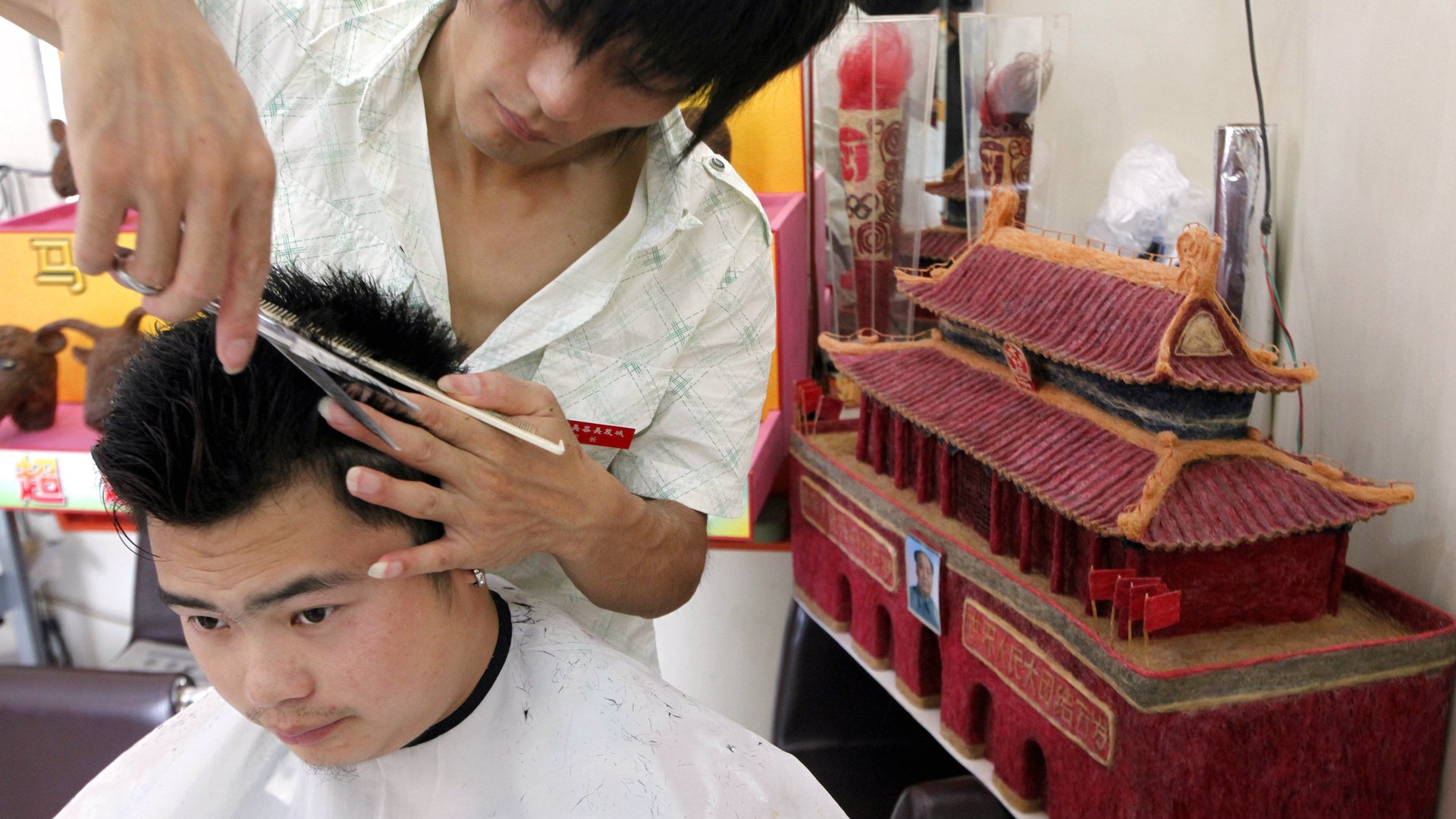
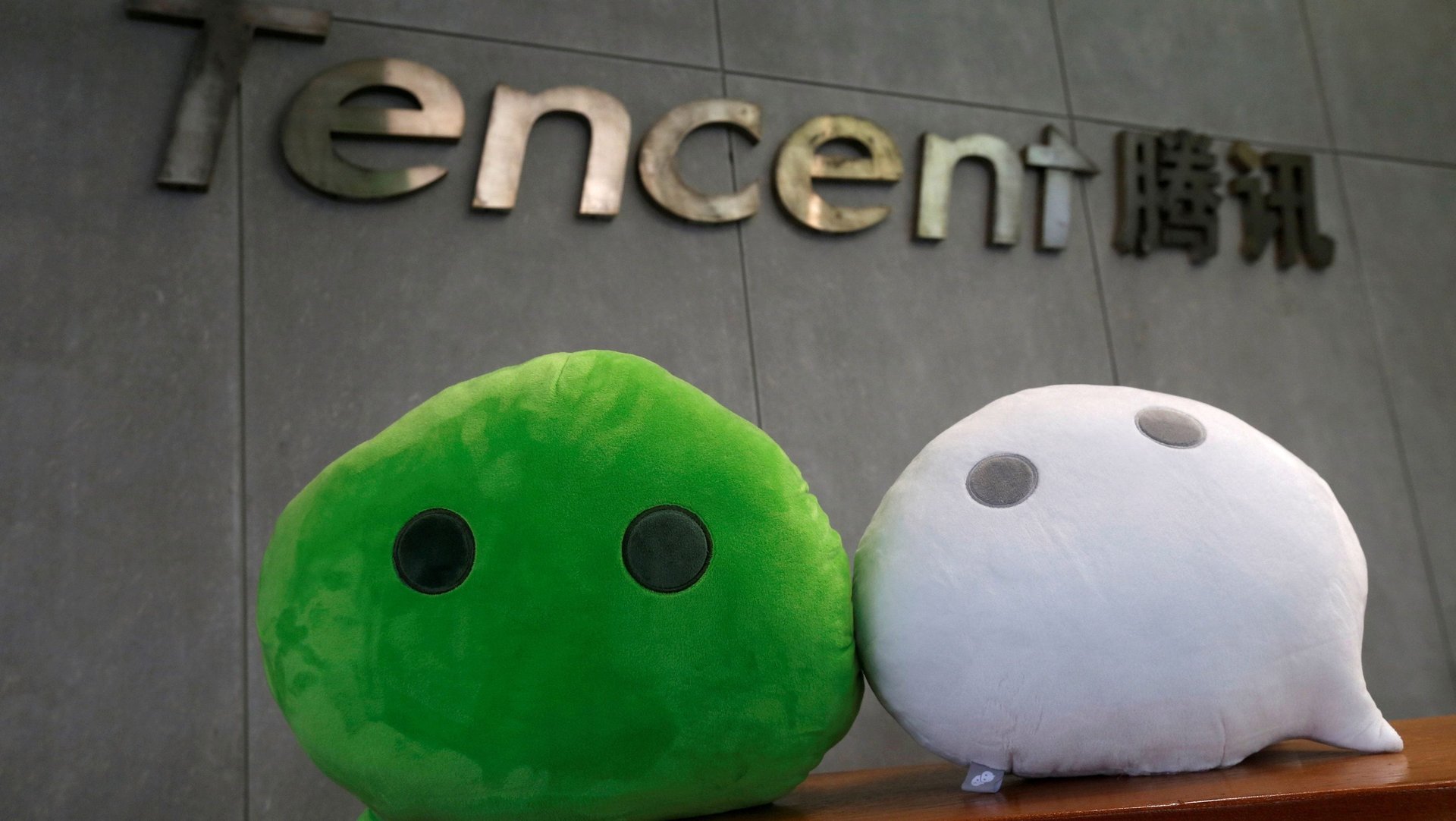
Movie tickets. Lunch delivery. Haircuts. Babysitting. Yoga classes. Coupons. Home repairs. It’s entirely possible for Chinese consumers to fill out a day’s worth of errands, entertainment, and eating using a single company’s apps.

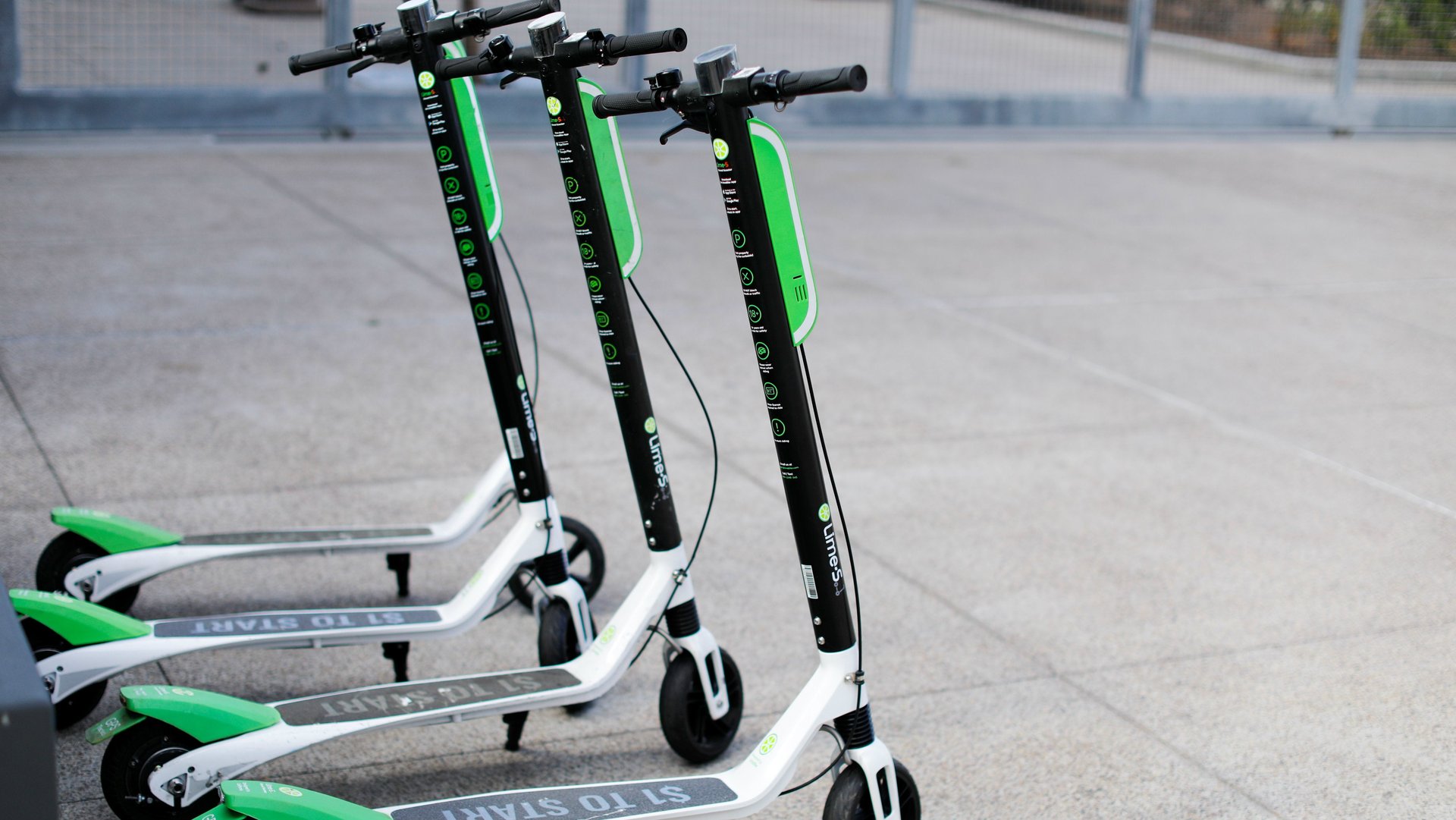
Silicon Valley’s scooter startups, which have exploded across the country over the past six months, depend largely on Chinese-made vehicles. That makes them—and one of China’s biggest smartphone companies—vulnerable as the Trump administration threaten billions more of tariffs on Chinese goods.

At least, according to Xiaomi.

In one ad, a nervous woman in a cafe drinks a few glasses of a carbonated beverage and works up the courage to confess her love to a man. In another, after sipping on a drink, a woman jumps on a male volleyball player and plants kisses on him—prompting a crowd of other women to shout, “You’re so brave, we envy you!”

On Monday (June 18), Google announced it would invest $550 million in JD.com, the Chinese e-commerce company that competes against Alibaba.

Democrat and Republican lawmakers remain as split as ever on issues from immigration policy to taxes. But they invariably agree on one thing–the US should stay tough on China’s tech giants.

Is Didi quitting the global “anti-Uber alliance”?

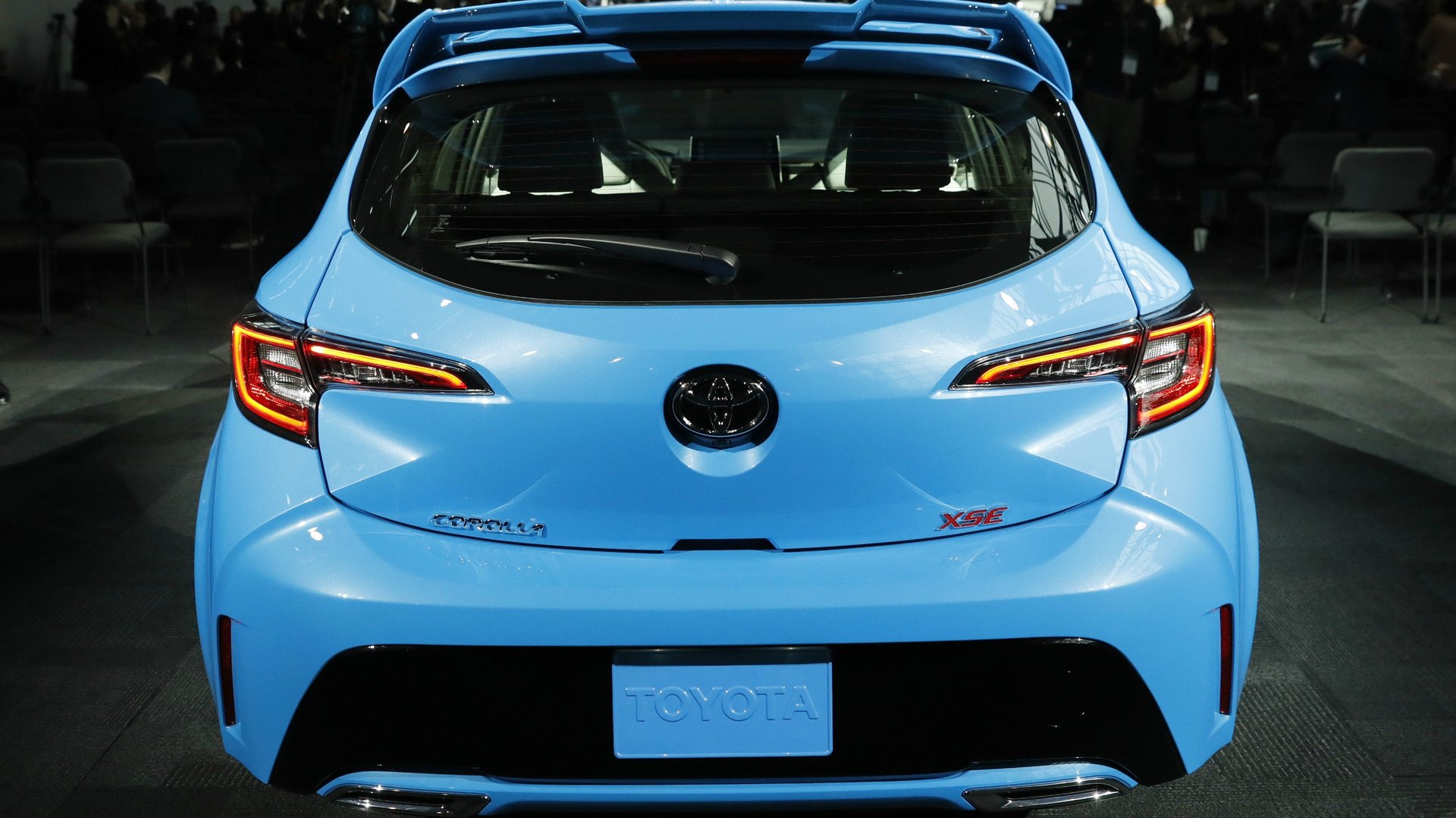
Toyota, the 80-year-old Japanese car maker, is betting big on the future of transportation—and staring to resemble another Japanese company that has spent heavily on stakes in rival ride-hailing firms.

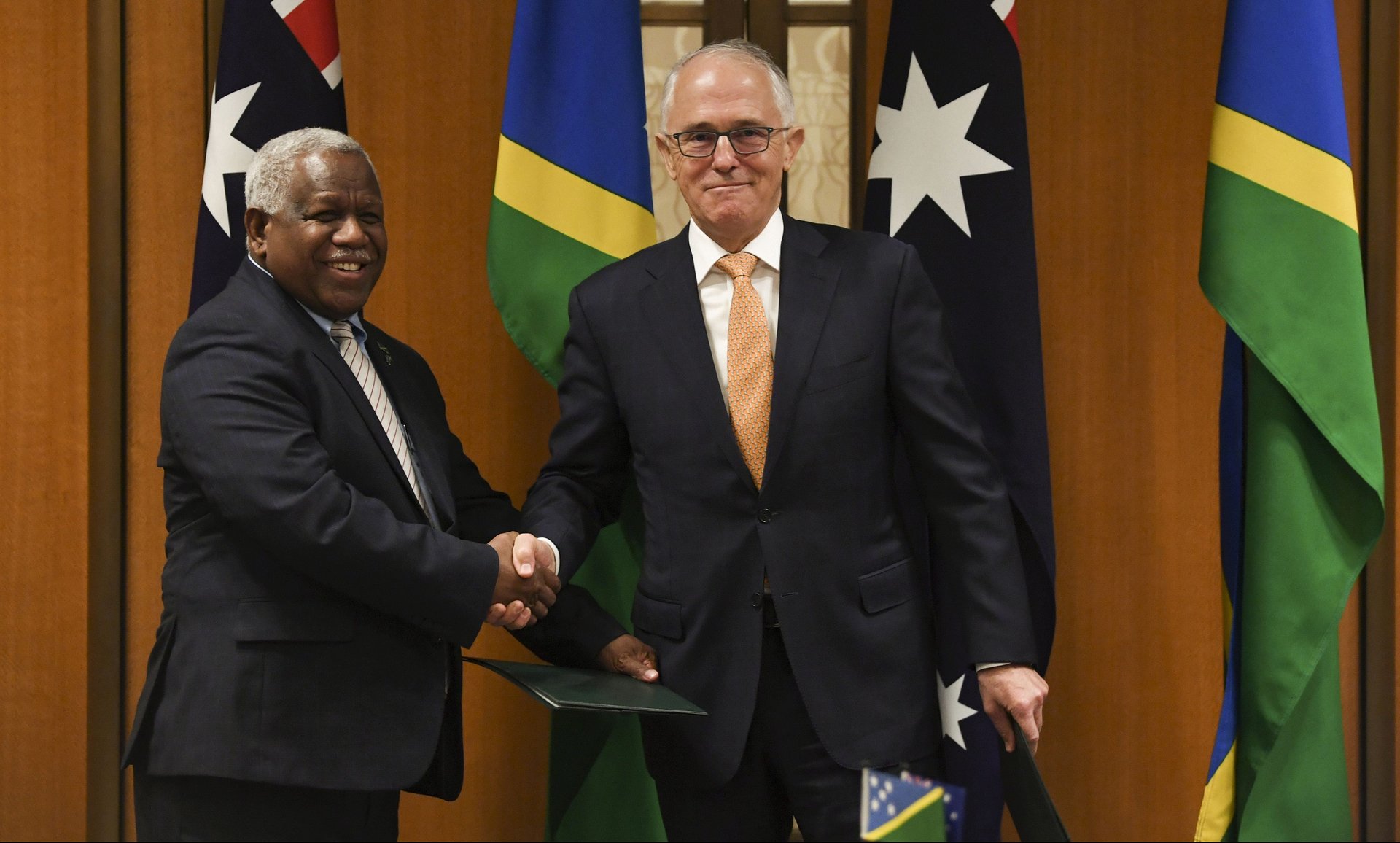
Australia today (June 13) formally agreed to help build a 4,000 kilometer (2,500 mile) underwater cable connecting it to the Solomon Islands, which has long been stuck with slow internet speeds.

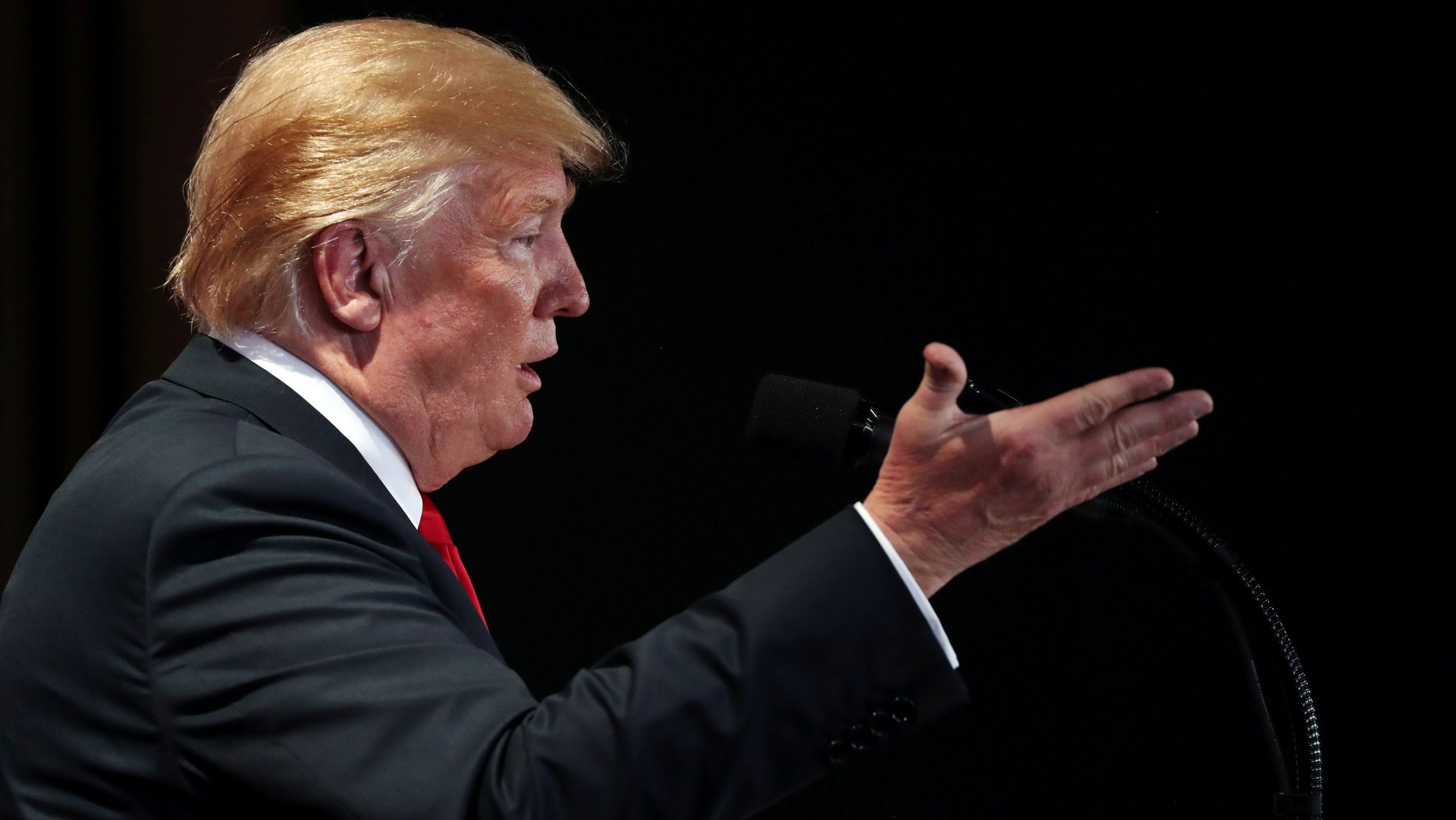
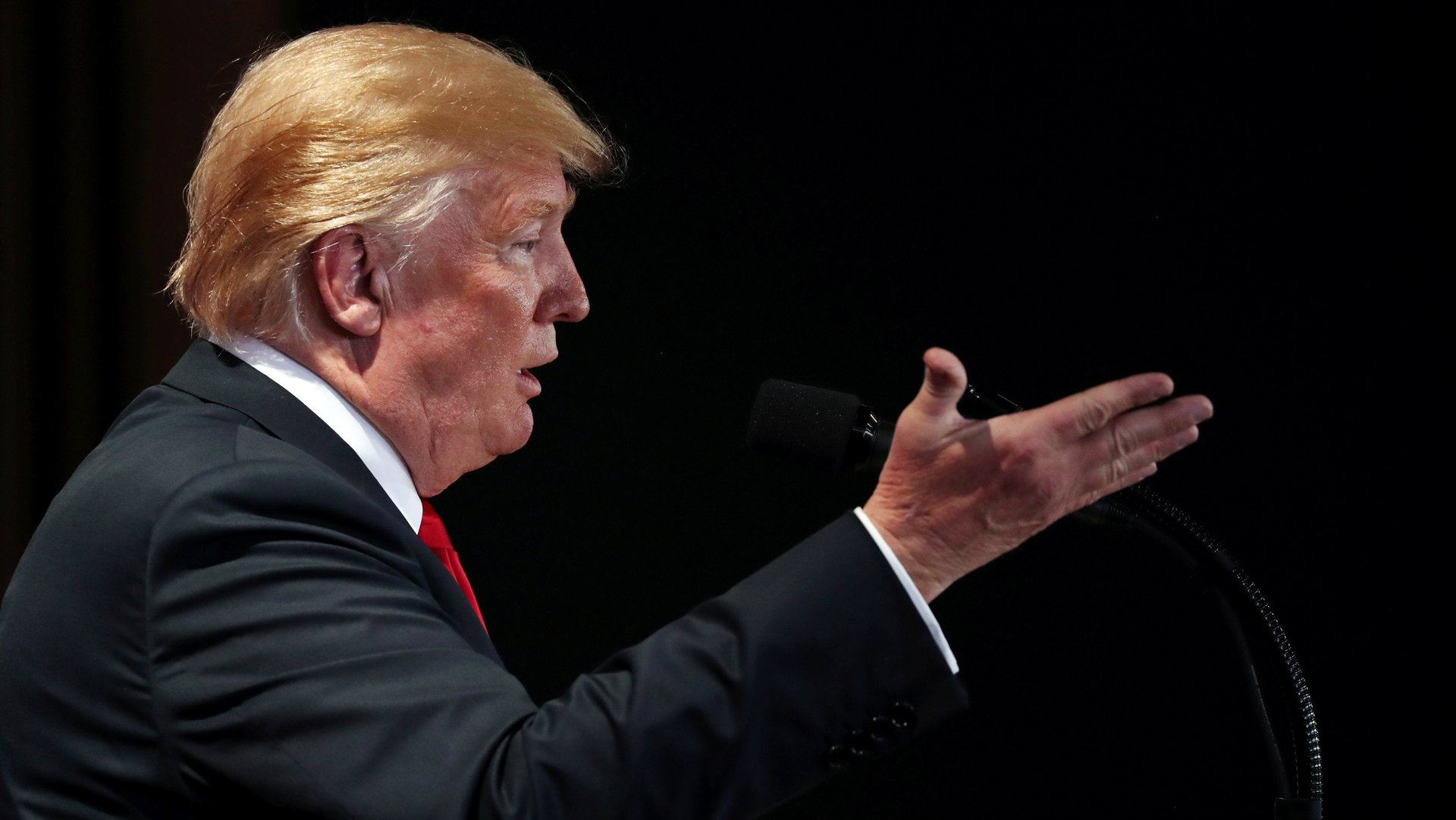
North Korea typically has no kind words for Donald Trump. In the past, state media has referred to him as a “psychopath” and a “lunatic,” while Kim Jong Un has called him a “dotard.“

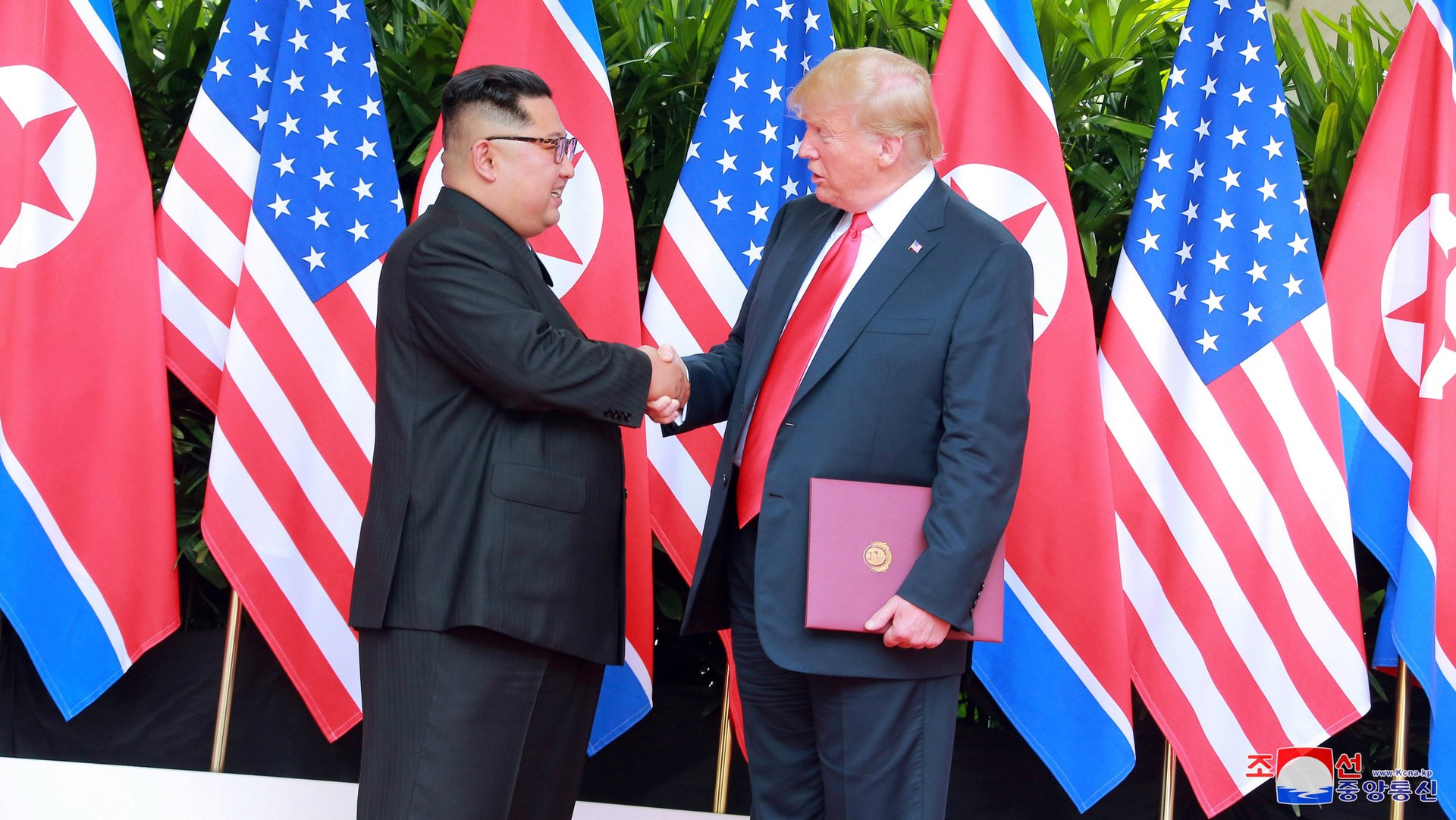
Donald Trump’s historic summit with North Korean leader Kim Jong Un today (June 12) ended with a signed document that laid out four basic commitments—establishing diplomatic ties between the US and North Korea, building a “lasting and stable peace regime” on the Korean peninsula, working toward complete denuclearization of the Korean Peninsula, and the repatriation of POW/MIA remains from the Korean War.

While the world watches the summit between president Donald Trump and Kim Jong Un unfold, another significant event will take place elsewhere in Asia.

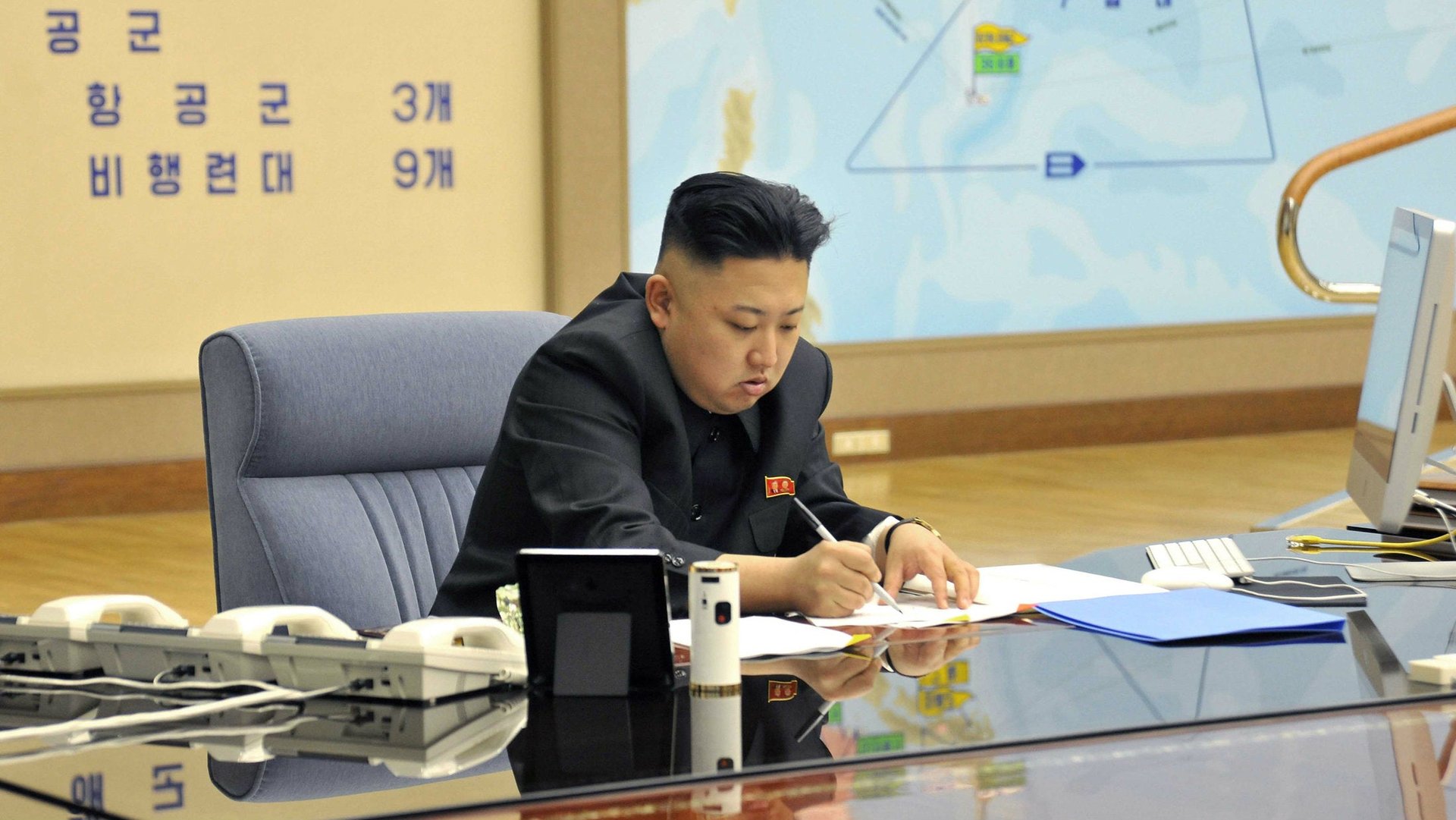
In one of the many staged photographs of Kim Jong Un, the leader of North Korea appears seated at a desk beside what looks like an iMac computer.

Of all the companies benefiting from Facebook’s sharing of user data with device makers, a practice under scrutiny after a series of reports from the New York Times this week, one in particular has attracted a disproportionate amount of attention.

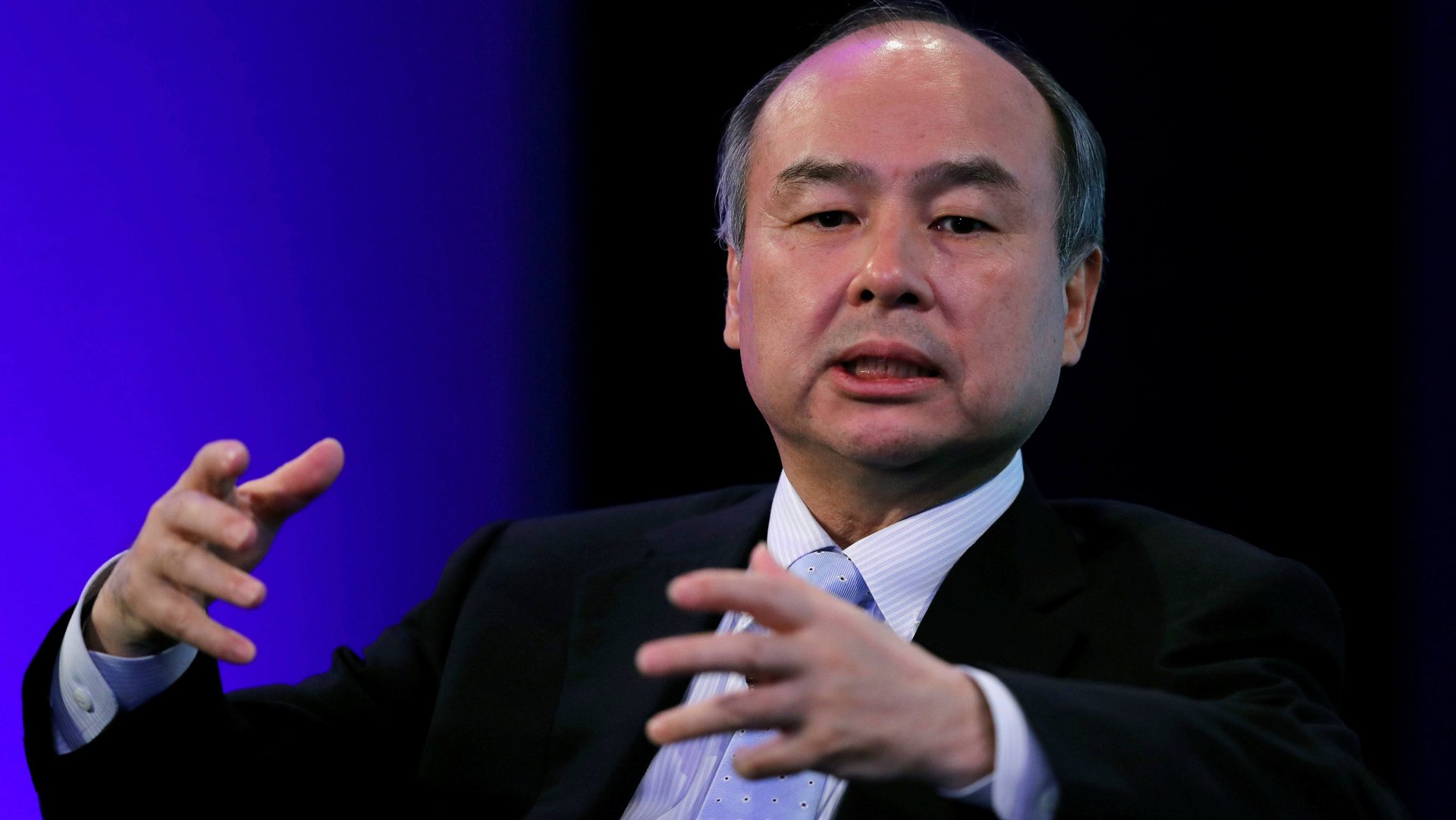
With its latest deal, SoftBank, the Japanese telco and mega-investor, gave China leg up on access to advanced semiconductors, one of the technologies at the heart of US-China tensions.

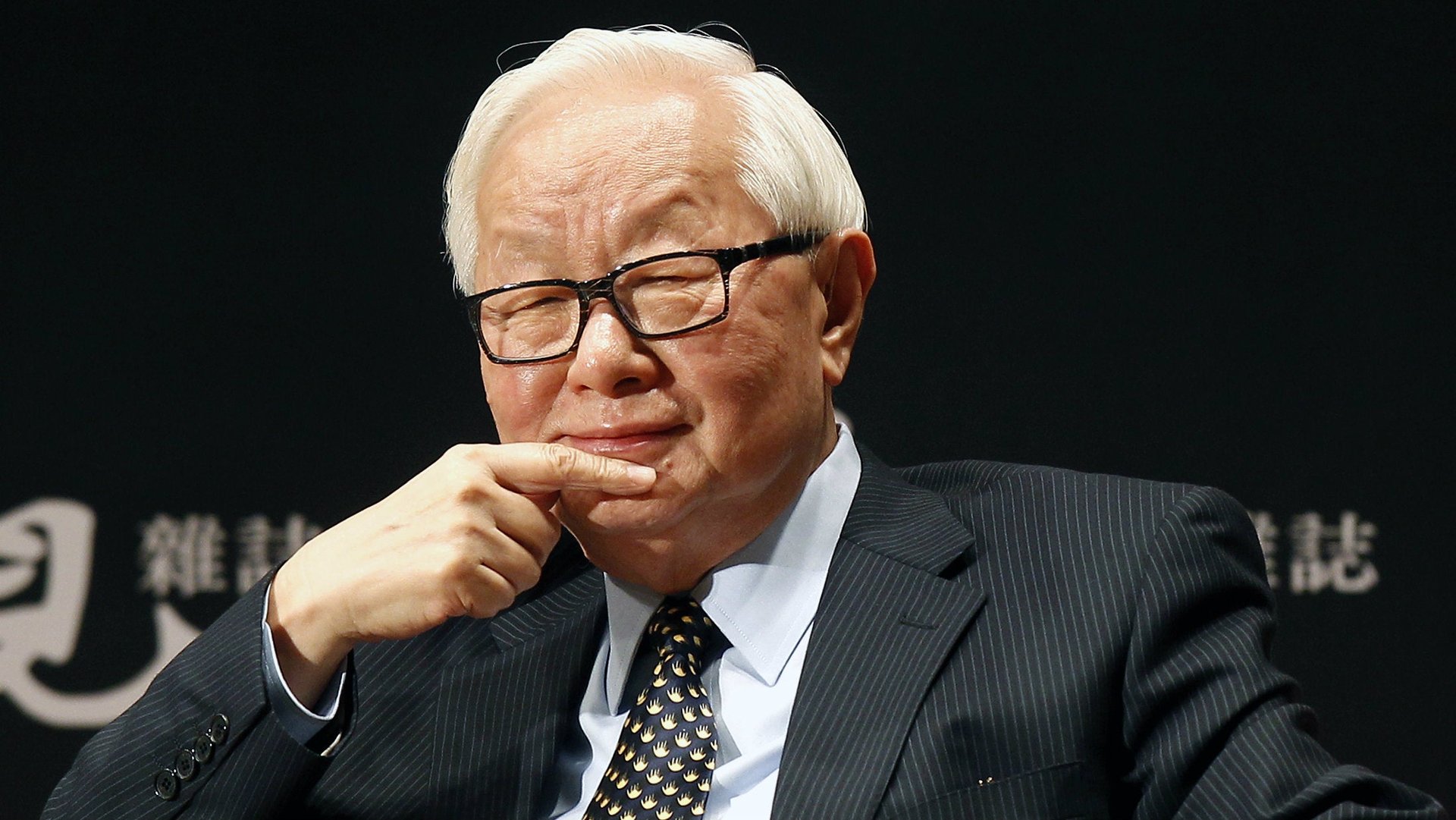
Morris Chang, founder and CEO of Taiwan Semiconductor Manufacturing Company, will officially retire today (June 5) after leading the company for 31 years.

Xiaomi is preparing for an IPO in Hong Kong, and its valuation estimates are already catching eyeballs. Early this year it was reportedly seeking a nearly $200 billion valuation, a number that became $100 billion when it published its prospectus (pdf) last month. Since then, the figure has dropped to somewhere between $70 billion and $80 billion (paywall).

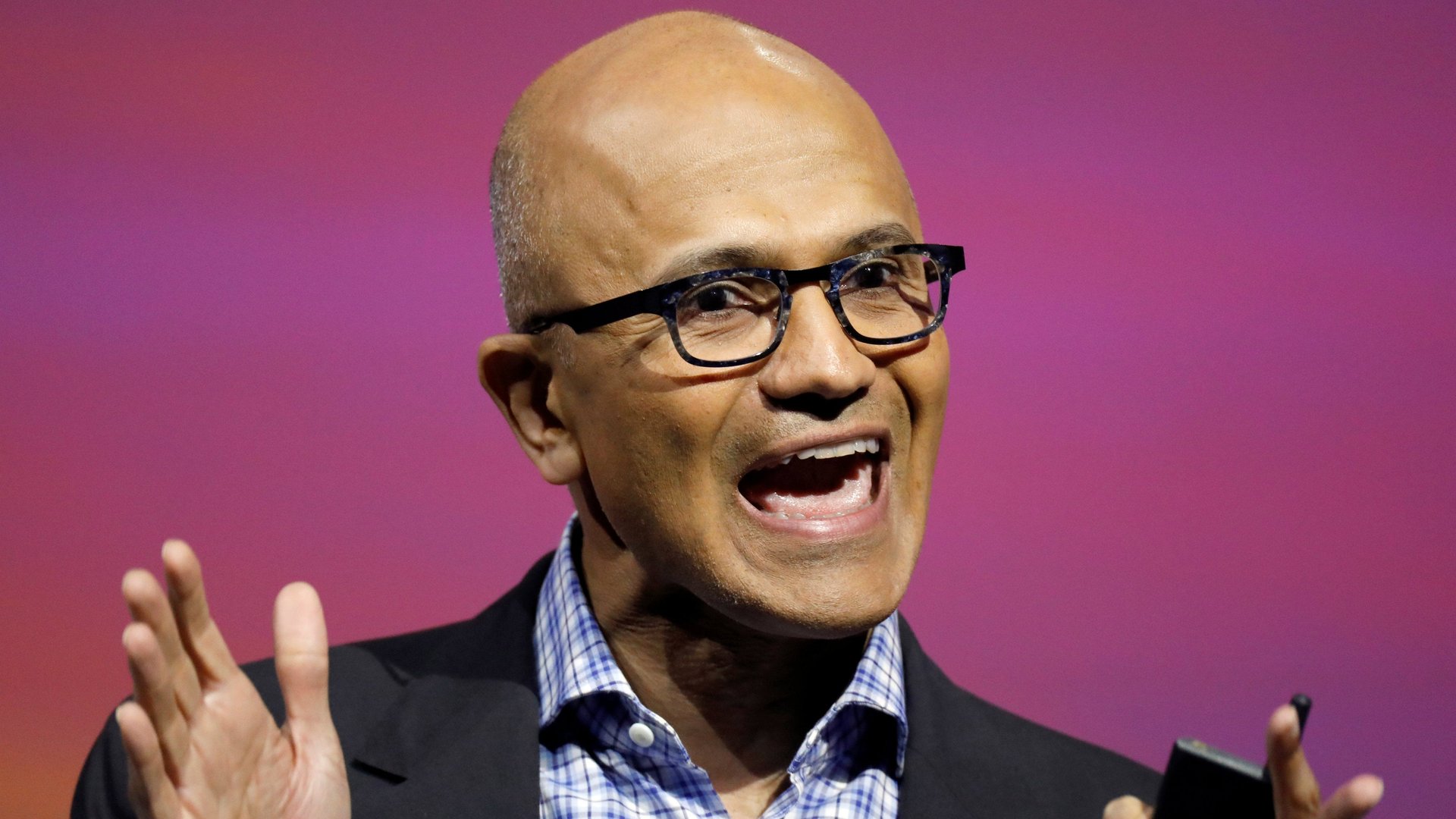
Today (June 4) Microsoft announced that it will acquire GitHub, the popular code repository that’s like Google Docs for developers, for $7.5 billion.

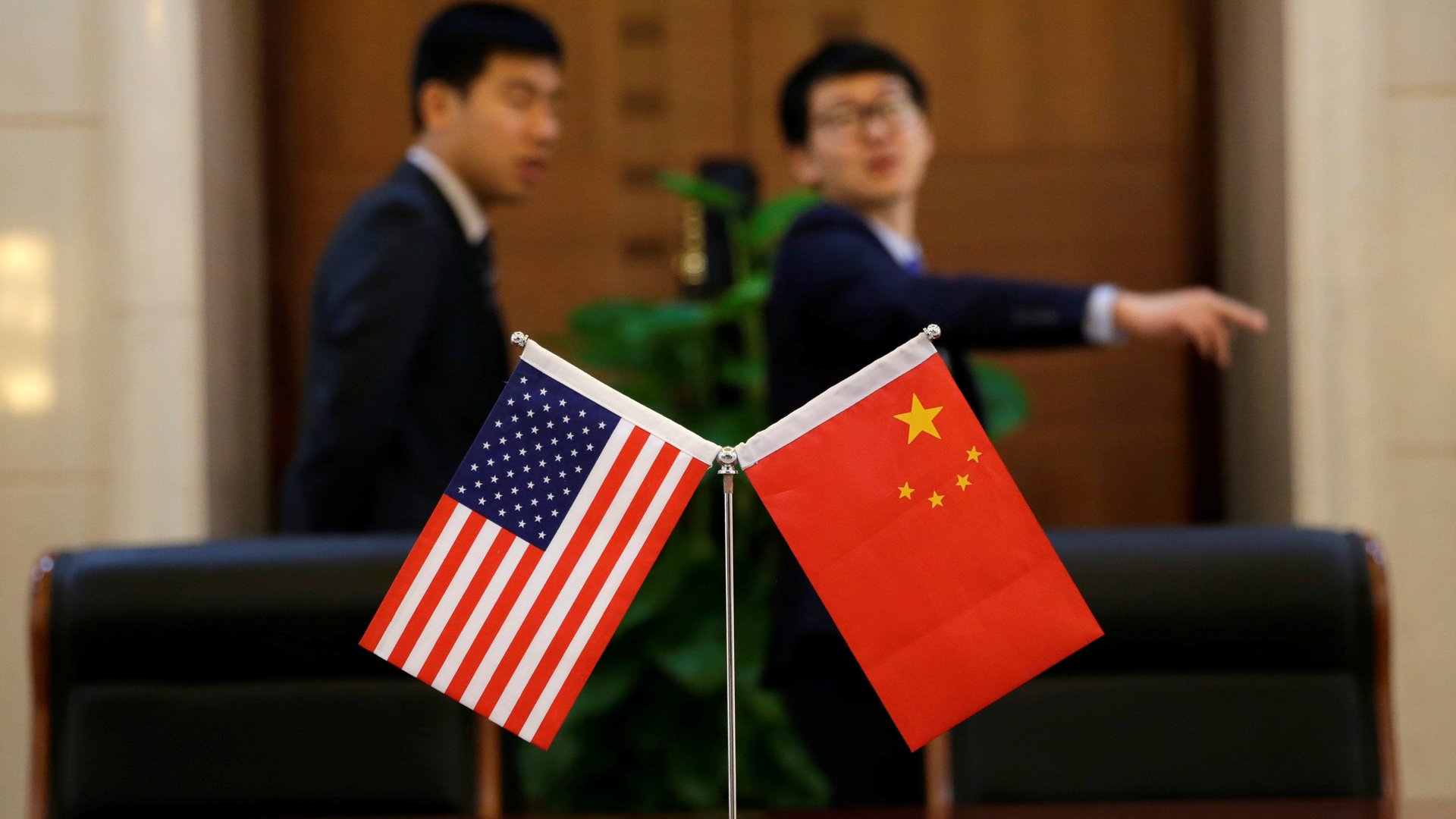
The next potential victims of the US and China’s spat over technology—actual people.

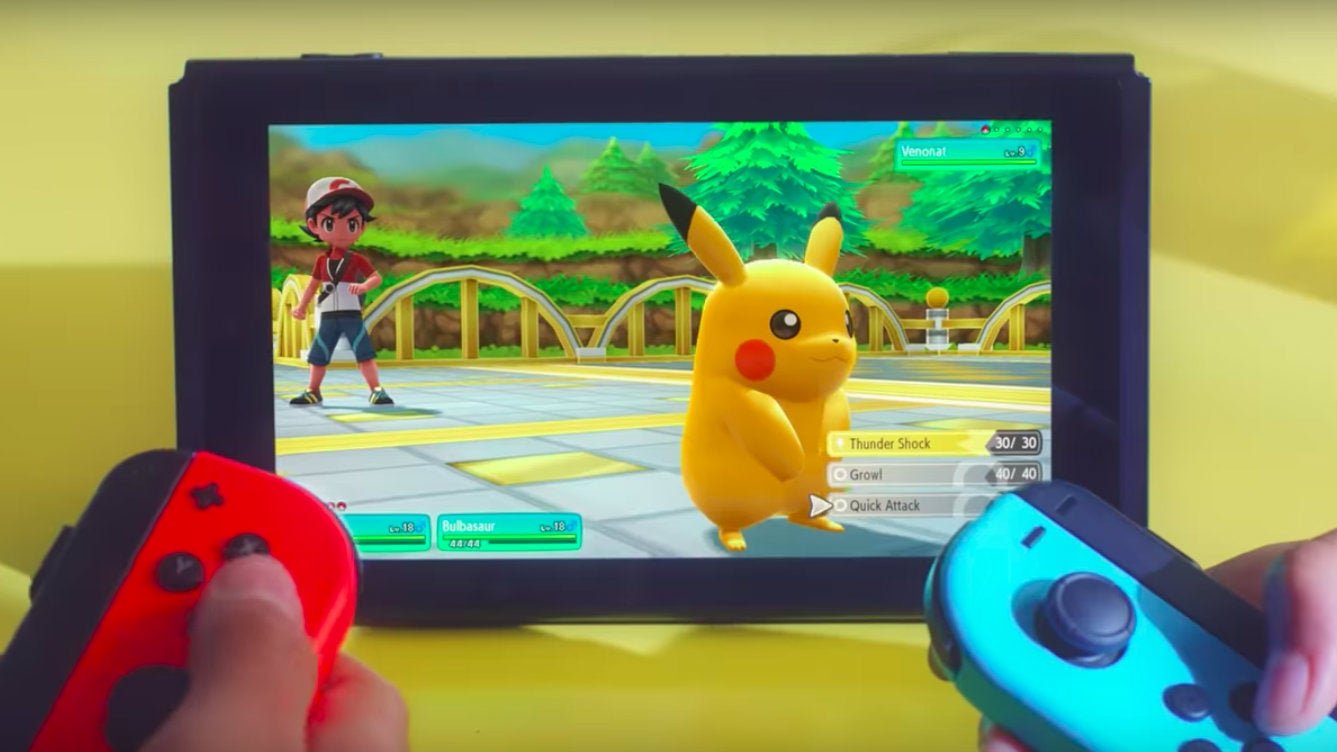
Following the global frenzy spurred by Pokémon Go, today (May 30) the Pokémon Company announced the upcoming launch of two new Pokémon games.

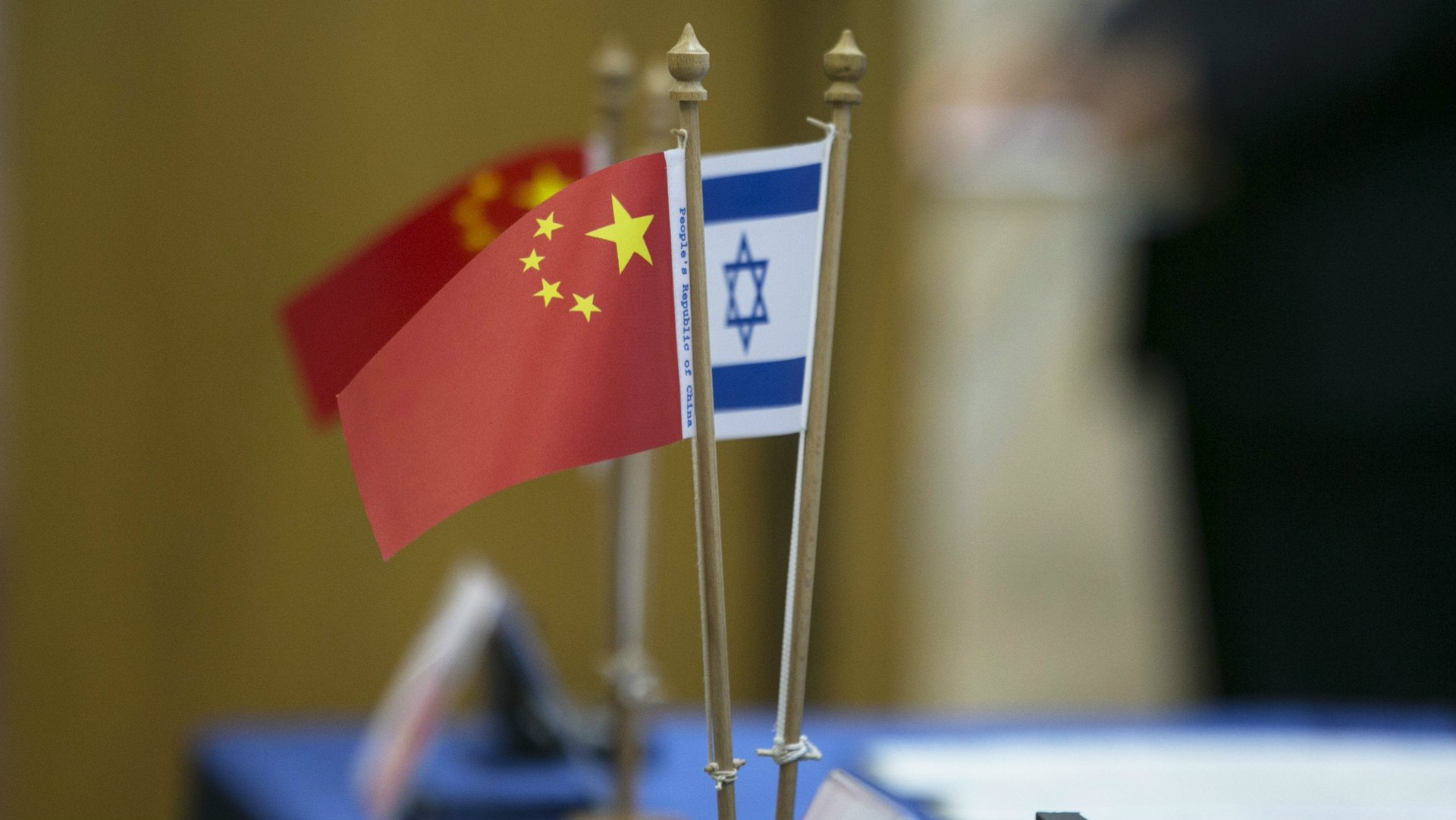
With Facebook and Twitter blocked in China, foreign embassies looking to spread their message in China have to turn to WeChat and Weibo—two of the country’s biggest social media sites. While many of these missions struggle with engagement, and censorship by their host, one country is succeeding—for reasons that aren’t flattering to China.

China’s top internet companies are fierce, territorial rivals, competing both for users and companies to invest in. But they’re putting all that aside to go in on one of the biggest Chinese IPOs in years.

Yesterday (May 24), US president Donald Trump called off a planned summit with North Korean leader Kim Jong Un that was set to take place in Singapore on June 12. Leaders around the world reacted mostly with dismay, though Trump found support among his allies.