

Business News
A deal Canada just blocked could have given China inroads to its military and nuclear facilitiesAs the US grows more wary toward Chinese investment, Canada appears to be following suit.
Updated July 20, 20223 min read
As the US grows more wary toward Chinese investment, Canada appears to be following suit.
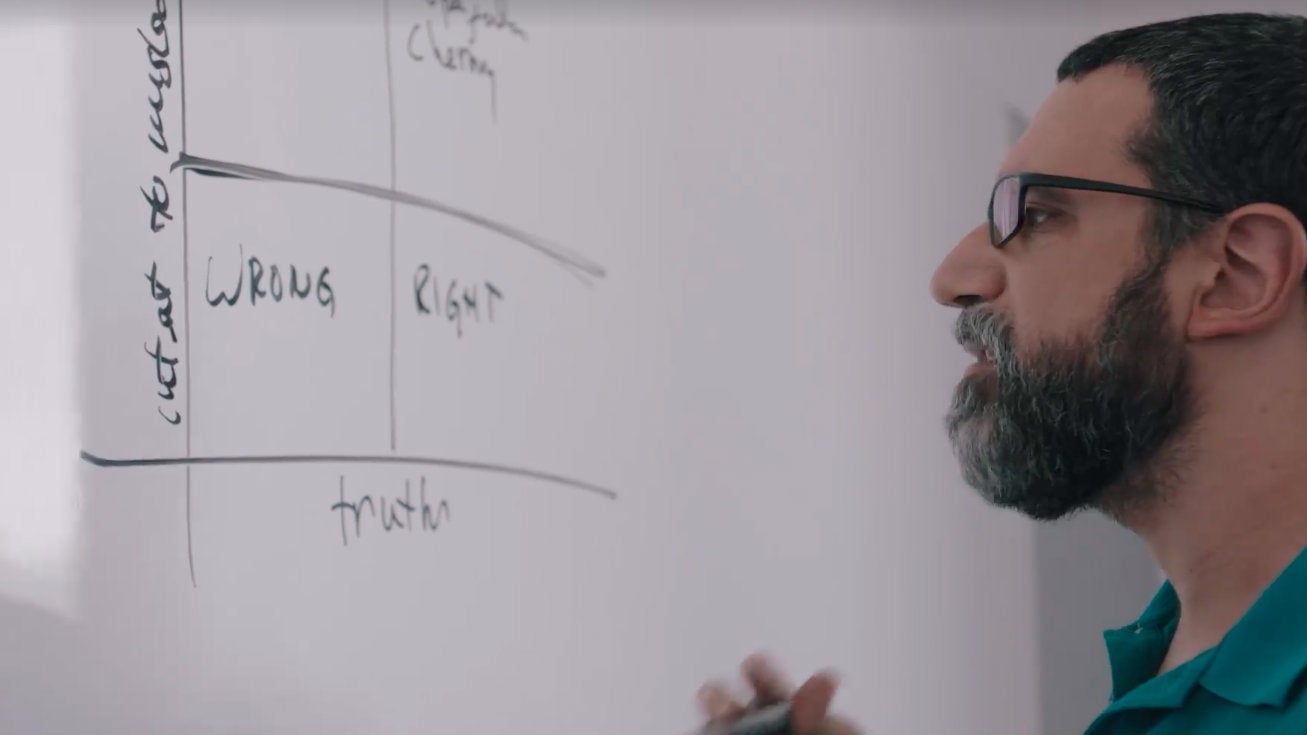
As Facebook reels from the Cambridge Analytica scandal and gears up for GDPR in Europe, the company is attempting to bolster its image as a responsible tech company. Case in point: an 11-minute short film all about its efforts to fight fake news.

It’s been over a month since the US slapped penalties on Chinese smartphone maker ZTE, and the debacle is only getting messier. On Tuesday, Donald Trump stated he was considering lifting a components sales ban that has crippled the Shenzhen-based company and instead imposing management changes and a $1.3 billion fine. Soon after, a bipartisan group of 27 US lawmakers signed a letter urging the Trump administration to not back down on the sales ban, while also urging it to consider “national security” during trade talks with China.
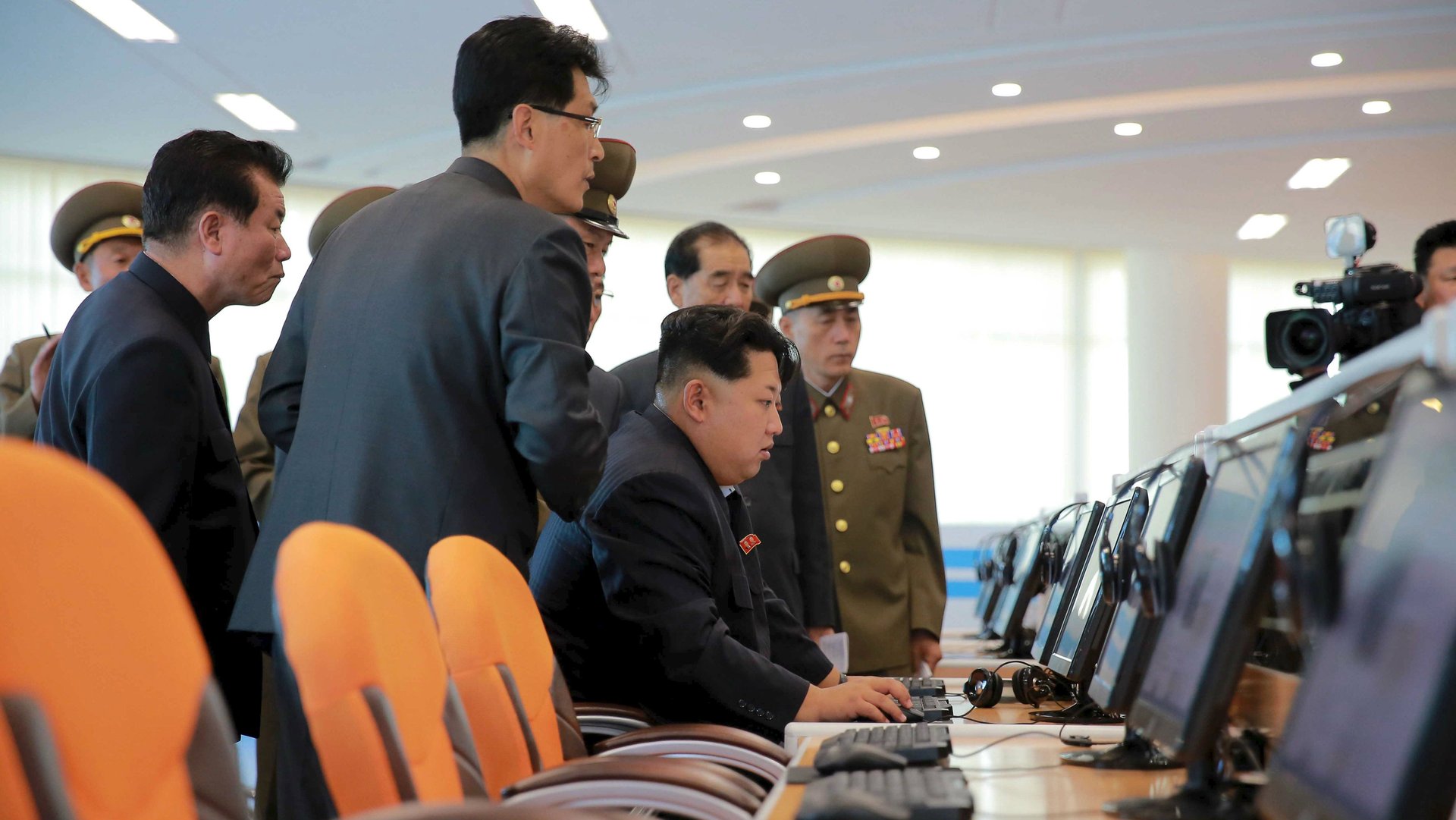
North Korea has gradually become a hacking superpower, and has earned a pretty penny in the process.

When it comes to corporate slogans, Google’s “Don’t be evil” has always been refreshingly clear. The three simple words mesh an irreverent tone with a sense of morality and justice—regardless of whether the company actually lived up to it.
Japan’s SoftBank has steadily become one of the most aggressive investors in the world. Led by the flamboyant Masayoshi Son, the company has deployed some $30 billion of its massive $100 billion Vision Fund in startups across the globe, and is set to raise a second fund of equal size.
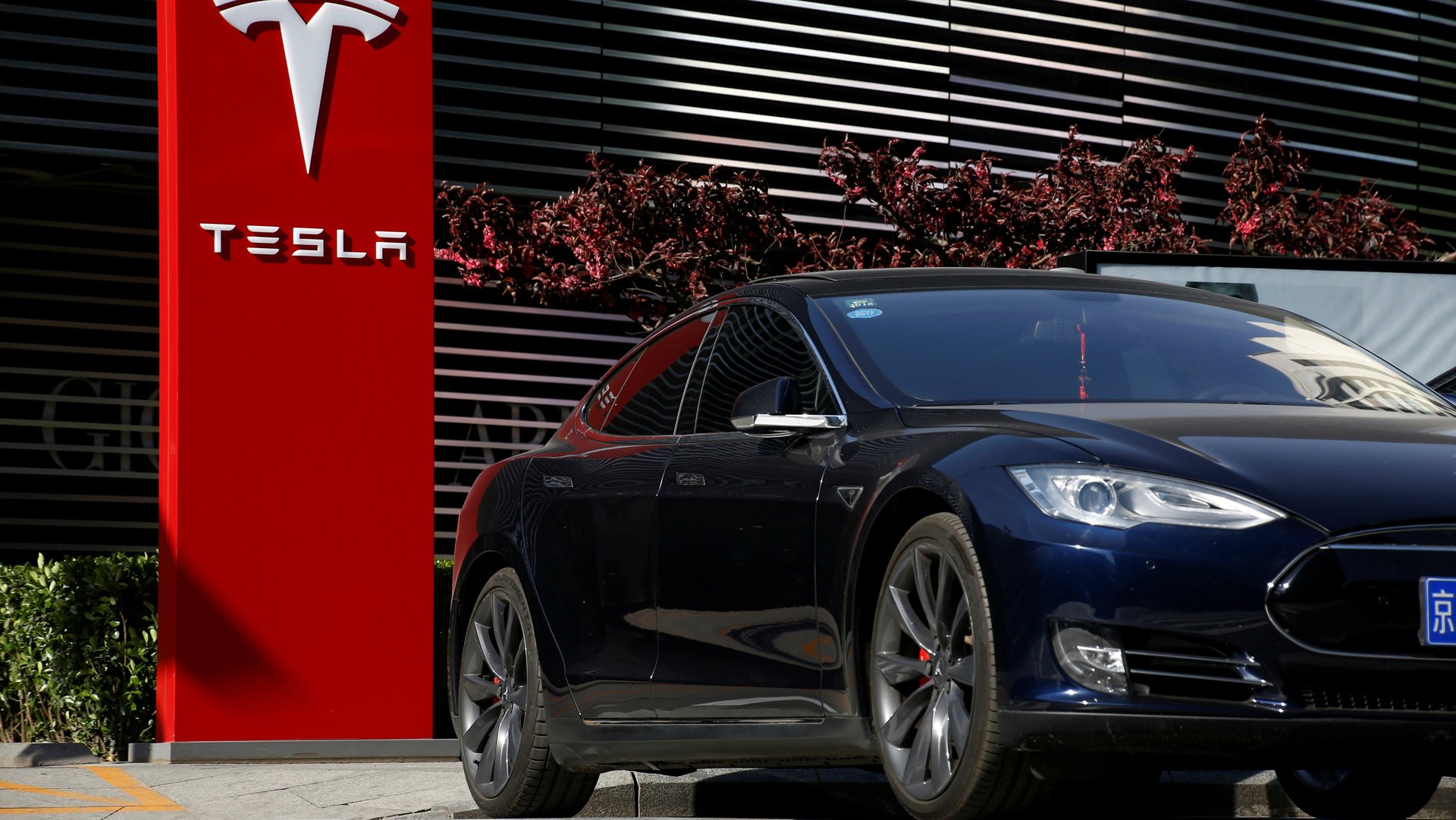
Tesla has set up a wholly-owned subsidiary in Shanghai, marking the latest step in the company’s steady march toward setting up a factory inside China, the world’s biggest market for electric cars.
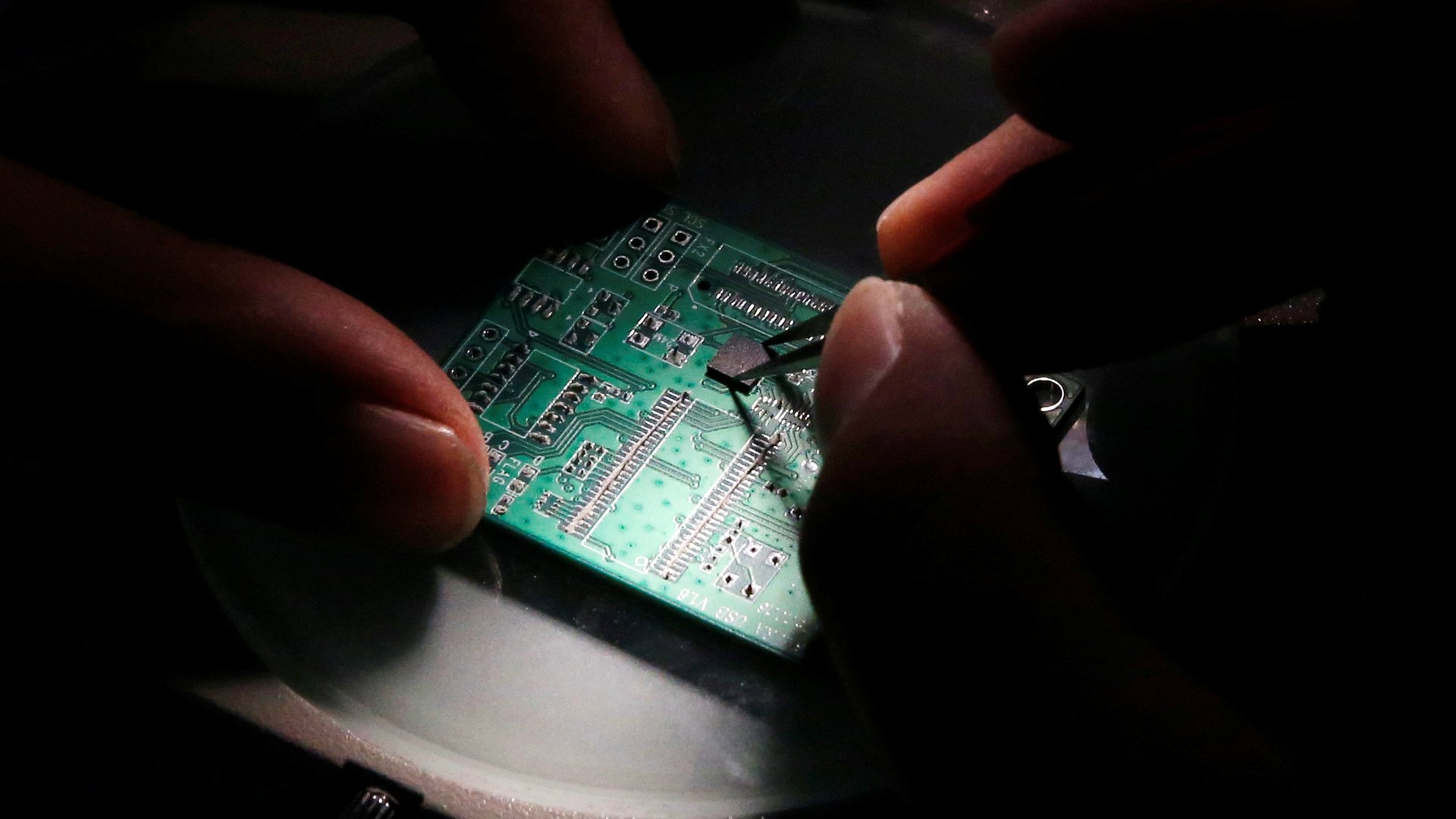
As Beijing and Washington prepare to resume their trade talks this week, one item in particular is taking center stage: the semiconductor.

Two of the world’s major smartphone companies are still waiting to break into the US. But in the mean time, they’re getting an increasingly warm welcome from consumers across the Atlantic.
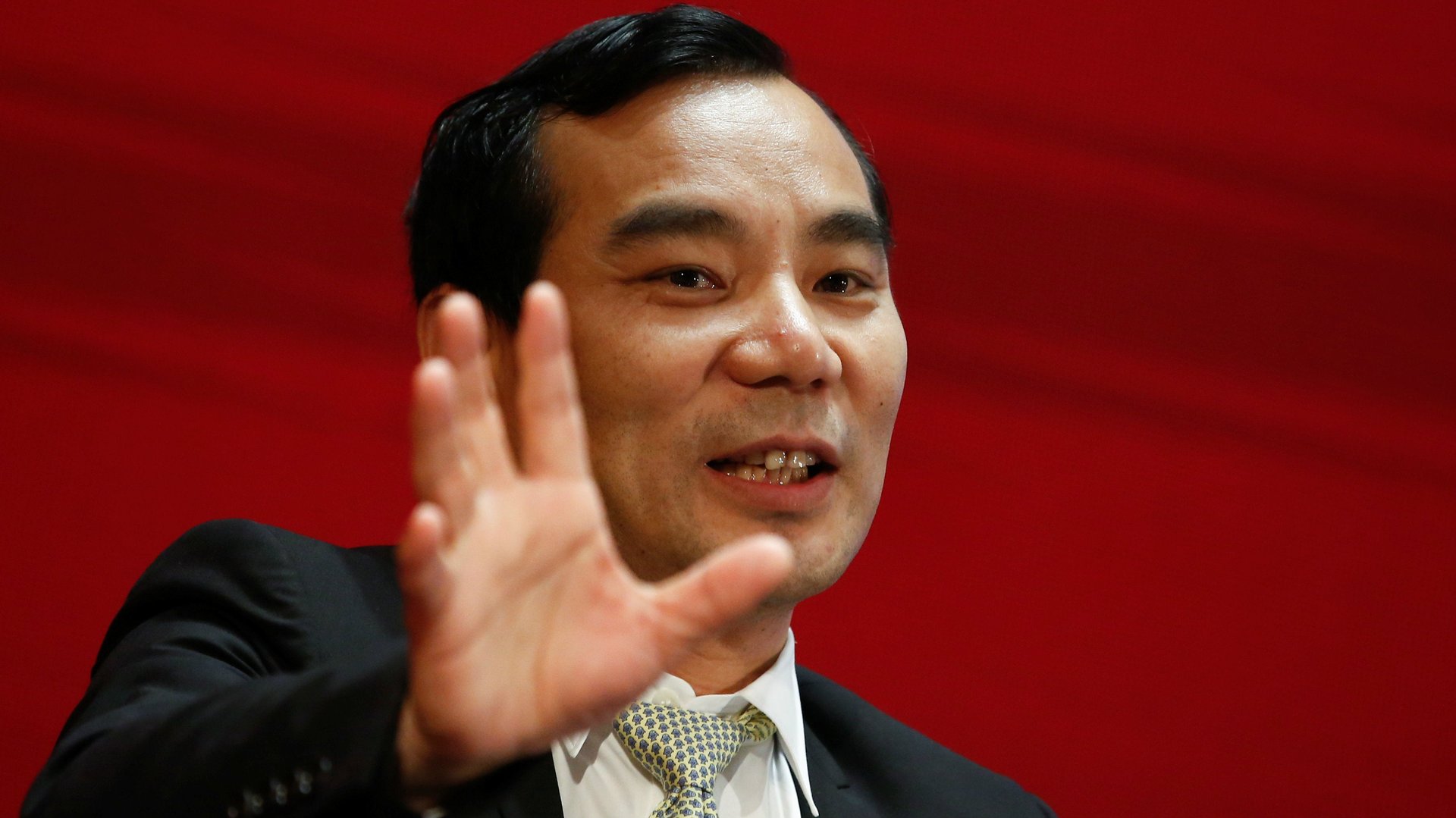
A once high-flying Chinese mogul has fallen hard.
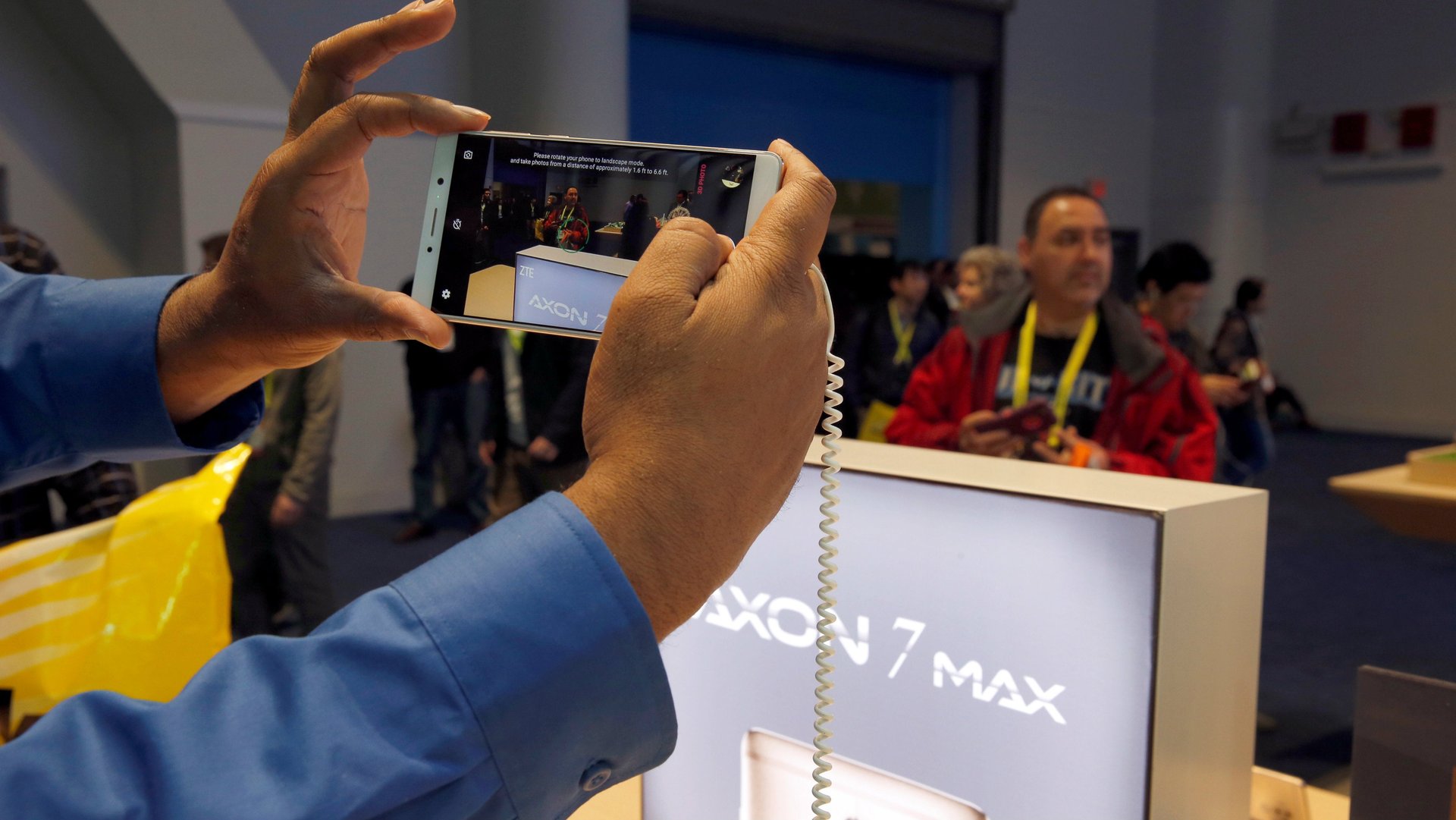
Last month, Washington dealt a major casualty in the standoff with Beijing over technology when the US commerce department ordered American companies to stop supplying components to China’s ZTE, the fourth-largest handset brand in the US.
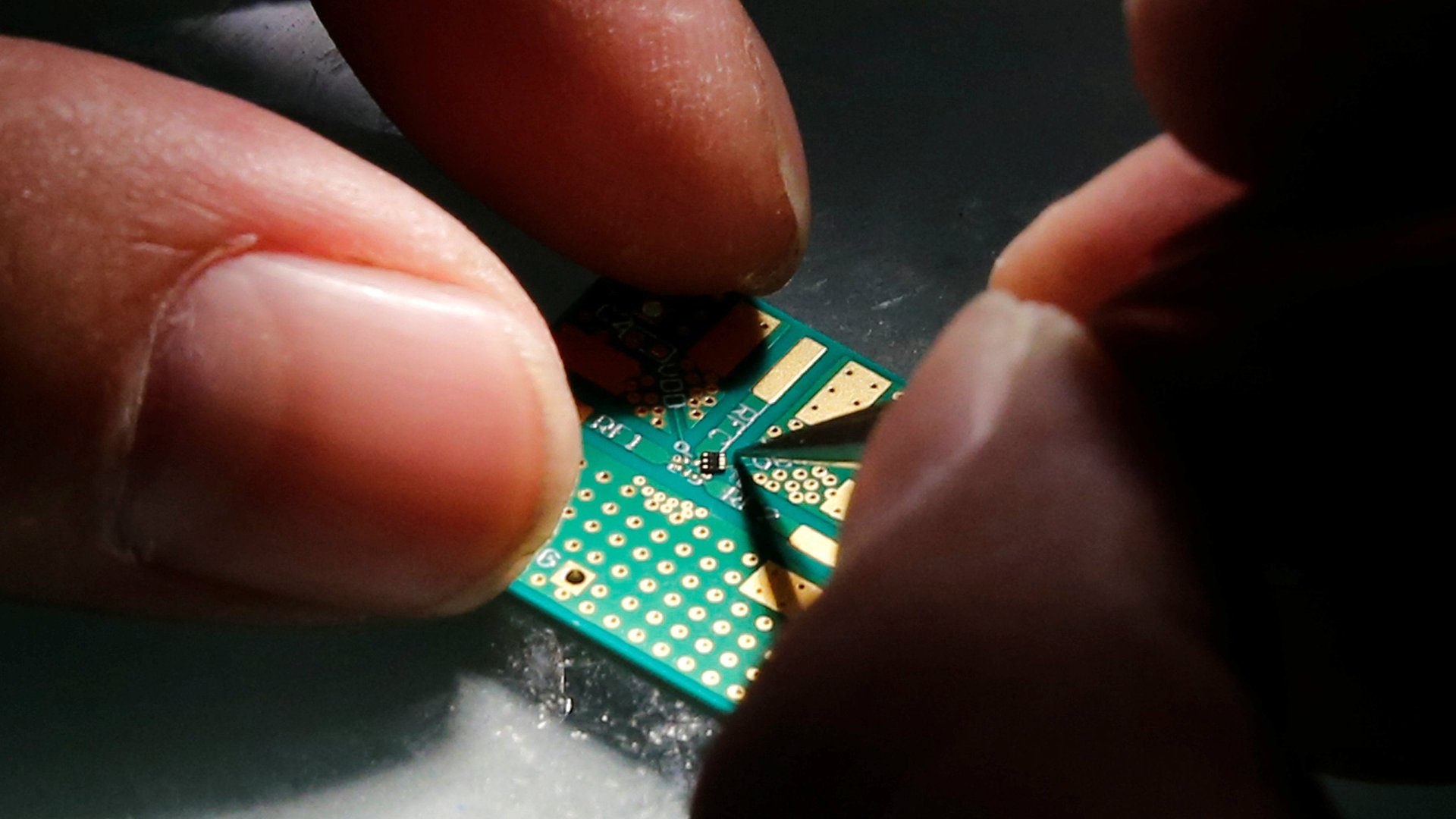
One of the challenges the US faces in its trade spat with China is how to enforce penalties on Beijing for actions it perceives as anti-competitive, without causing Beijing to double down on those behaviors to boost its economic self-reliance. Case in point: China’s semiconductor industry.
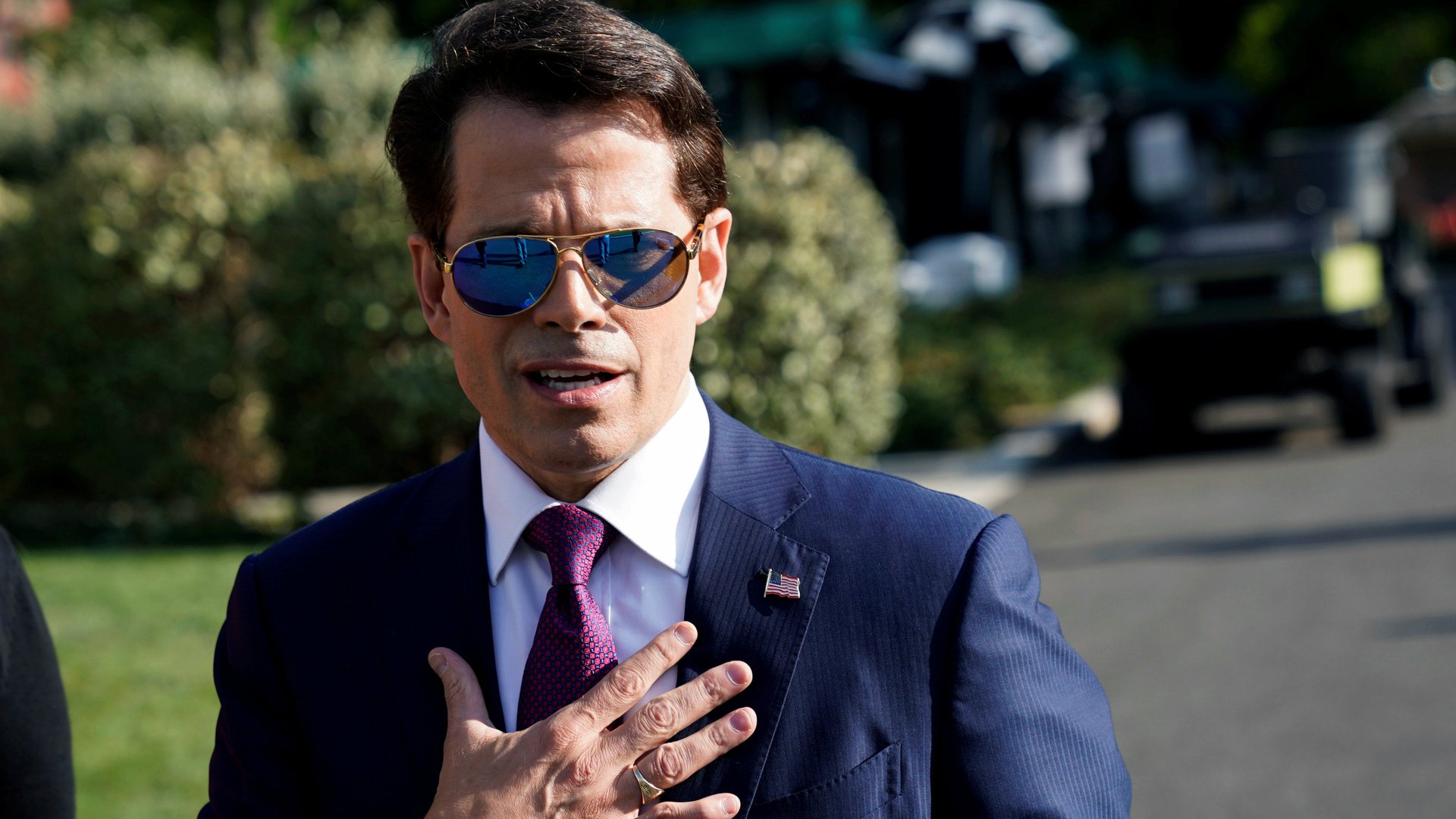
In December, the financier and former Trump administration spokesman Anthony Scaramucci told Bloomberg that his hedge fund SkyBridge Capital would be a part of the Chinese conglomerate HNA “very shortly.” But after more than a year in limbo since the planned acquisition was first announced, a US government agency has effectively blocked it from taking place, by reportedly refusing to even accept the application.
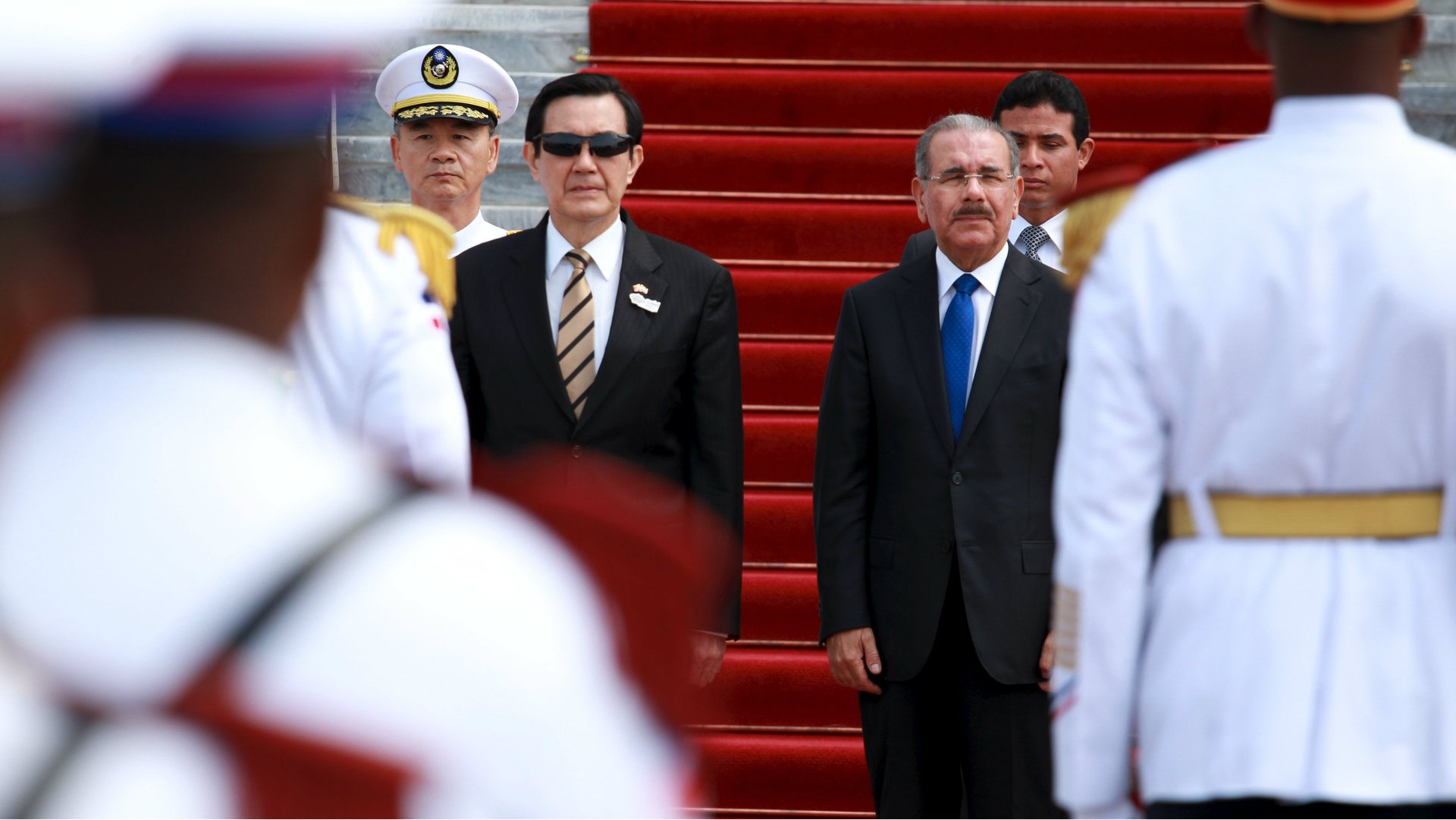
The Dominican Republic announced today (May 1) that it will establish diplomatic relations with China, dropping ties with Taiwan. The decision whittles Taiwan’s formal allies down to 19, even as the US takes steps toward providing more support to the self-governing island.

It’s been a grim day for media in Afghanistan and the journalism community at large.
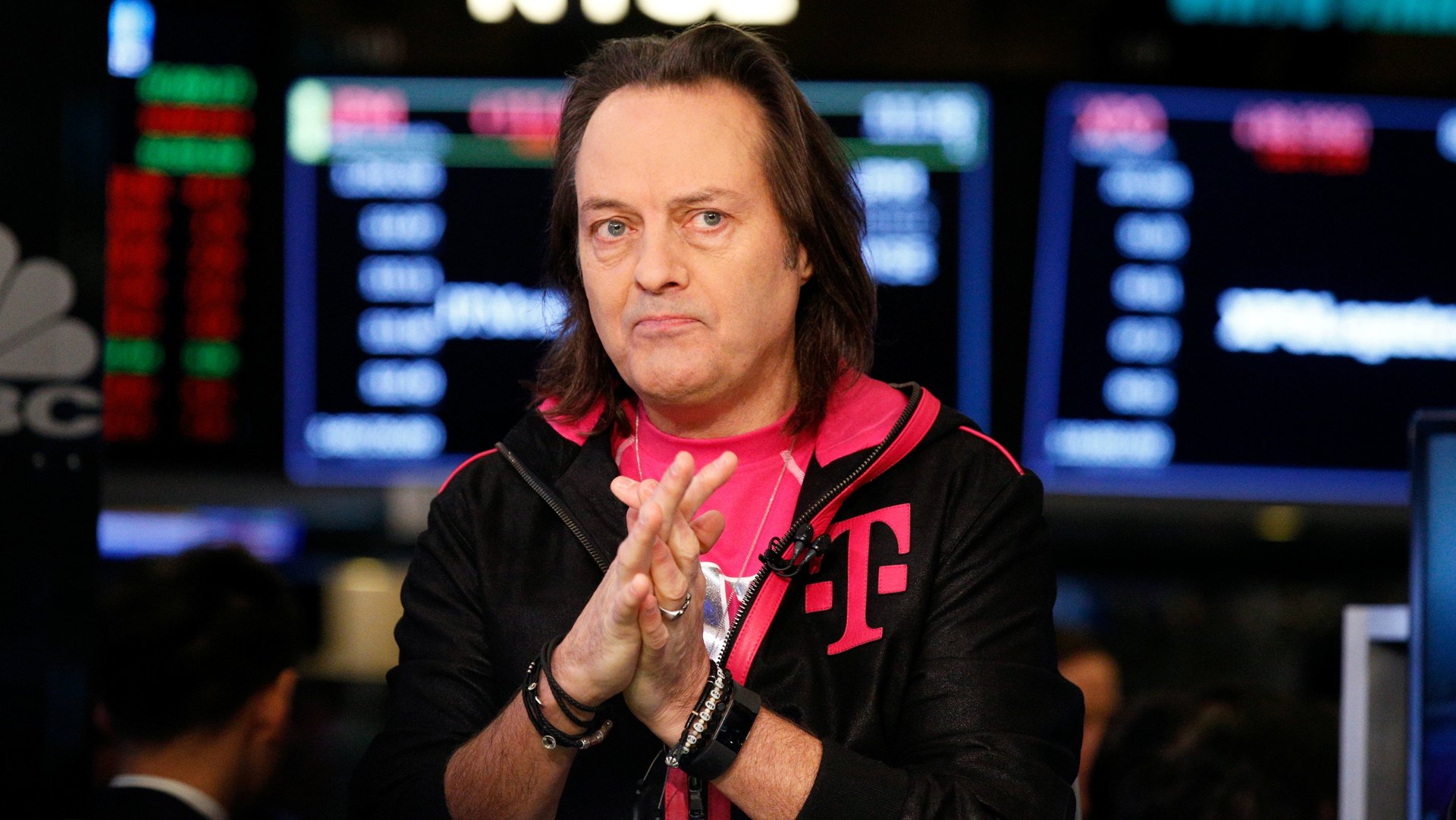
T-Mobile and Sprint have finally announced their plans to merge, creating the third-largest carrier in the United States behind AT&T and Verizon if approved.
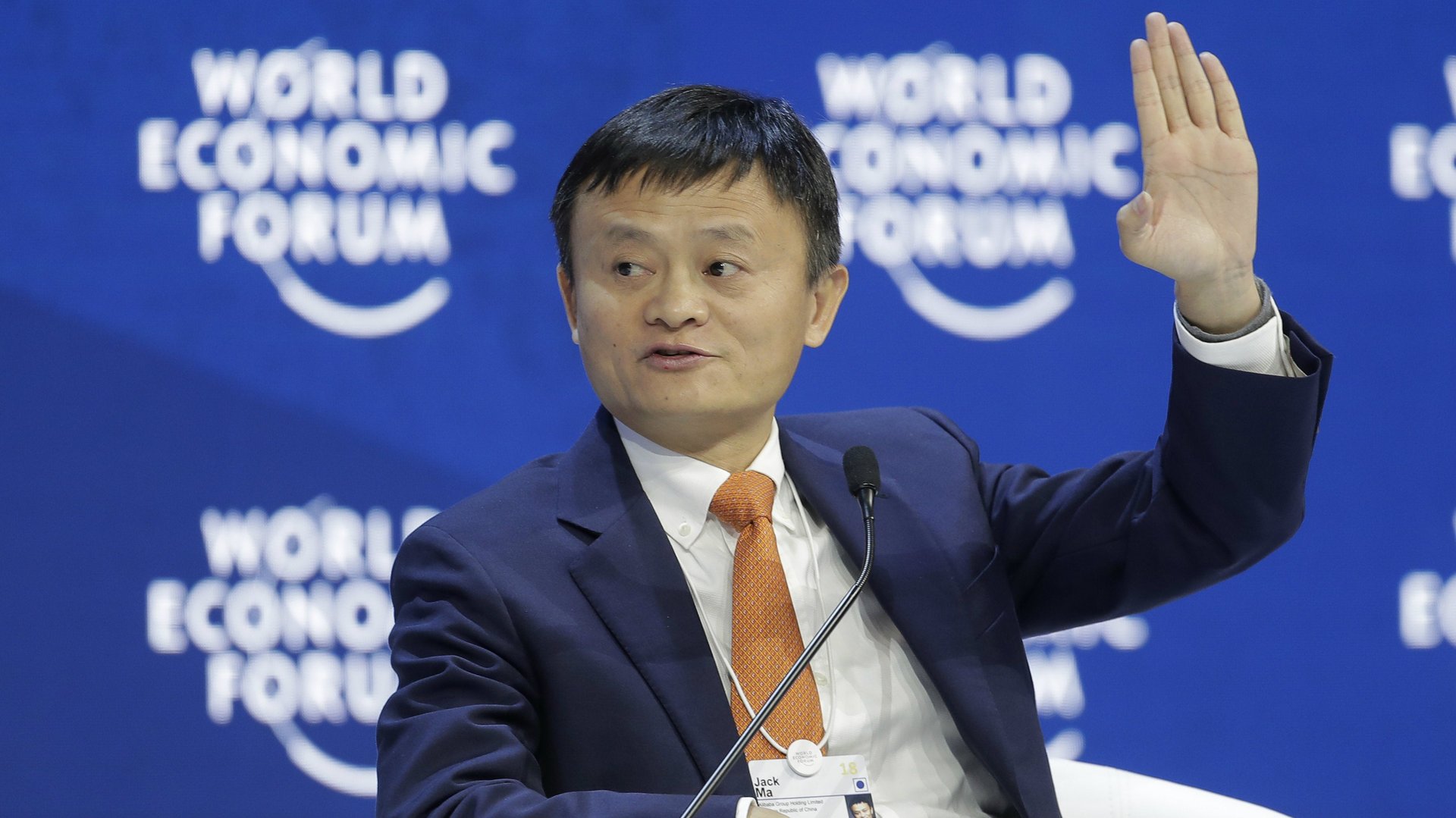
Last week, Beijing faced a setback when the US Department of Commerce ordered American electronics companies to cease selling components to ZTE, a Shenzhen-based smartphone and network equipment company.
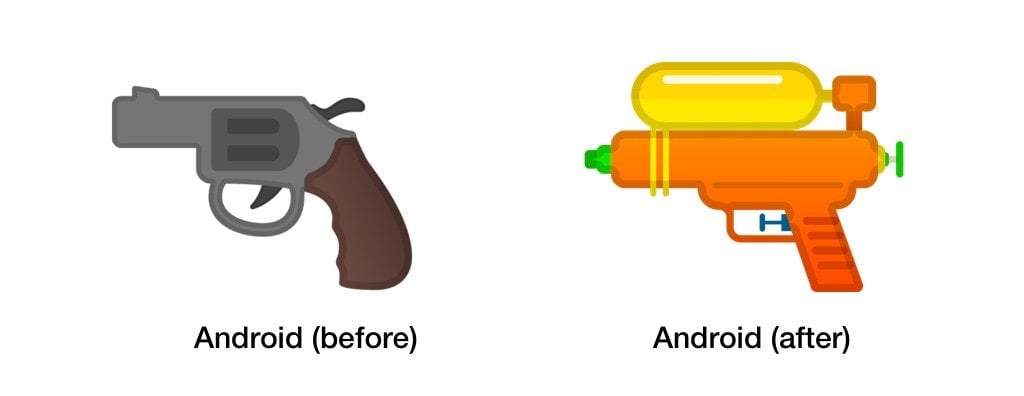
Major tech platforms are steadily replacing the handgun in their catalog of emojis with a toy gun or squirt gun, following a public outcry over gun violence after a mass school shooting in February.
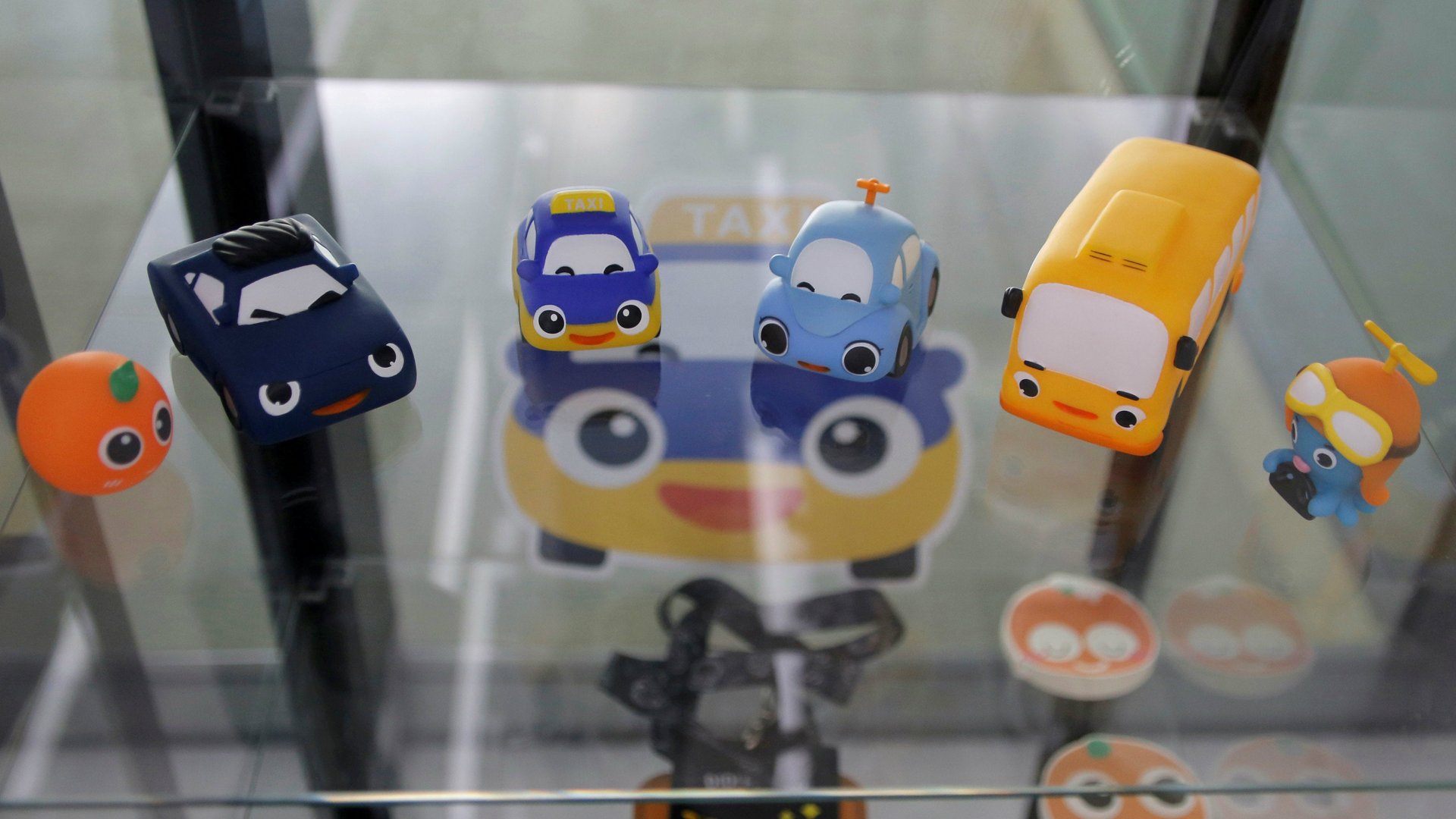
Most cars today are designed for personal ownership. Increasingly, though, they’ll be designed for ride-hailing and car-sharing services, which are growing in popularity. That will affect what the vehicles we see on the road look like.
Chinese internet users have seen posts referring to the country’s #MeToo movement disappear from WeChat, Weibo, and other popular social networks in recent weeks. In particular, posts about an alleged decades-old cover-up at Peking University, one of the most prestigious universities in China, seems to have attracted the attention of government censors. Students at the school are calling for faculty to investigate the case of Gao Yan, a college student who committed suicide in 1998 after alleging she was sexually assaulted by a professor who remained on the faculty for years.
Much of the media and government attention toward the Cambridge Analytica scandal has been centered around the firm itself or Mark Zuckerberg. Aleksandr Kogan, the Cambridge University academic who created the app that helped the data analysis firm obtain the personal information of as many as 87 million Facebook users, has been relatively silent as the incident has unfolded.
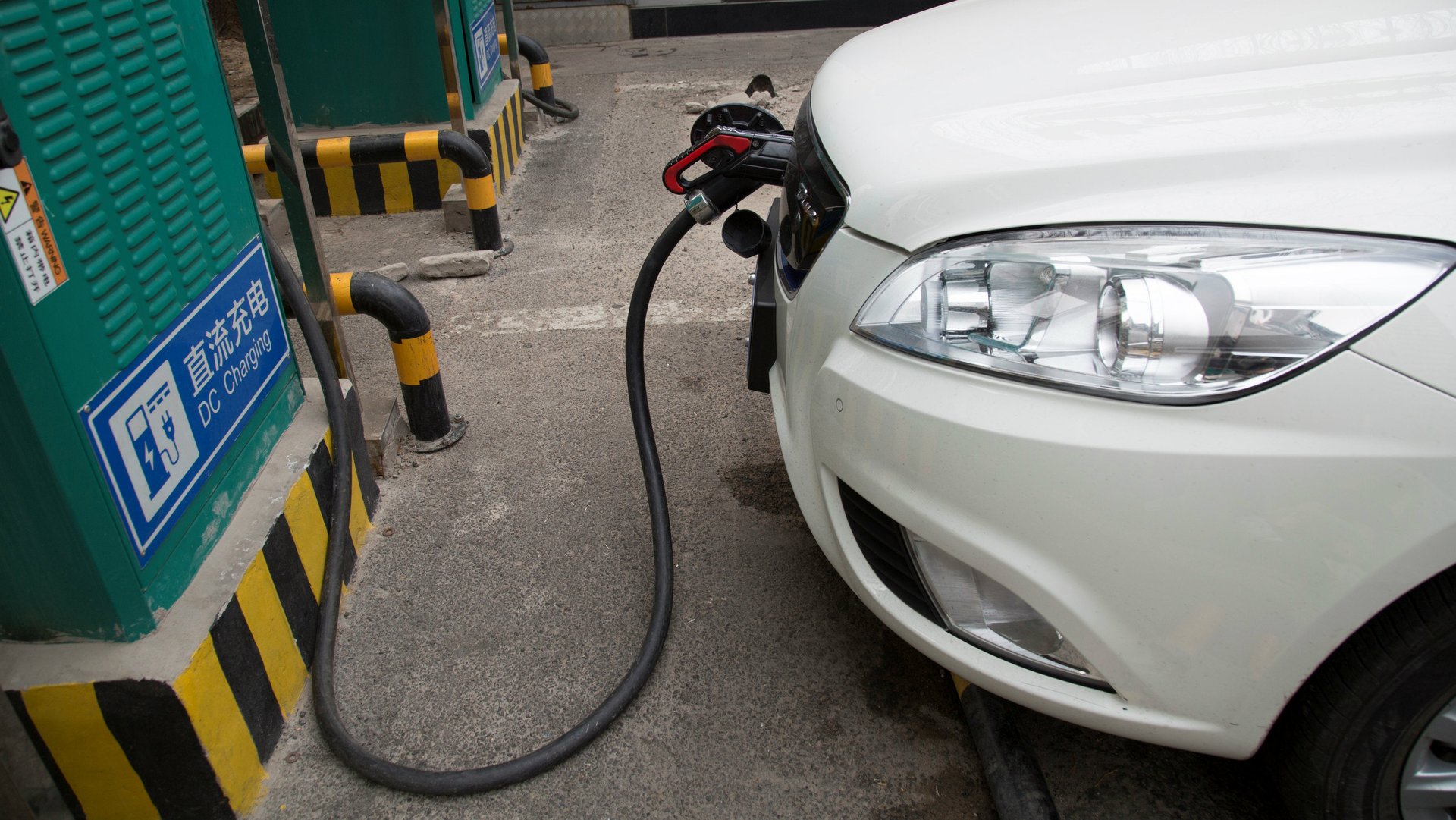
For years, the Chinese government has fostered a booming electric-vehicle industry. By providing buyers with tax incentives and bureaucratic perks, and producers with funding and tax breaks, the country has become the world’s largest market for EVs. Plenty of upstart companies have entered the market, hoping to take advantage of the favorable policies and sell to the burgeoning consumer market.
The US and China’s tit-for-tat jabs in trade and tariffs are moving in tandem with each country’s anxieties over dominance in the global tech industry. And as those tensions escalate this week, one company is set to suffer—San Diego-based chipmaker Qualcomm.
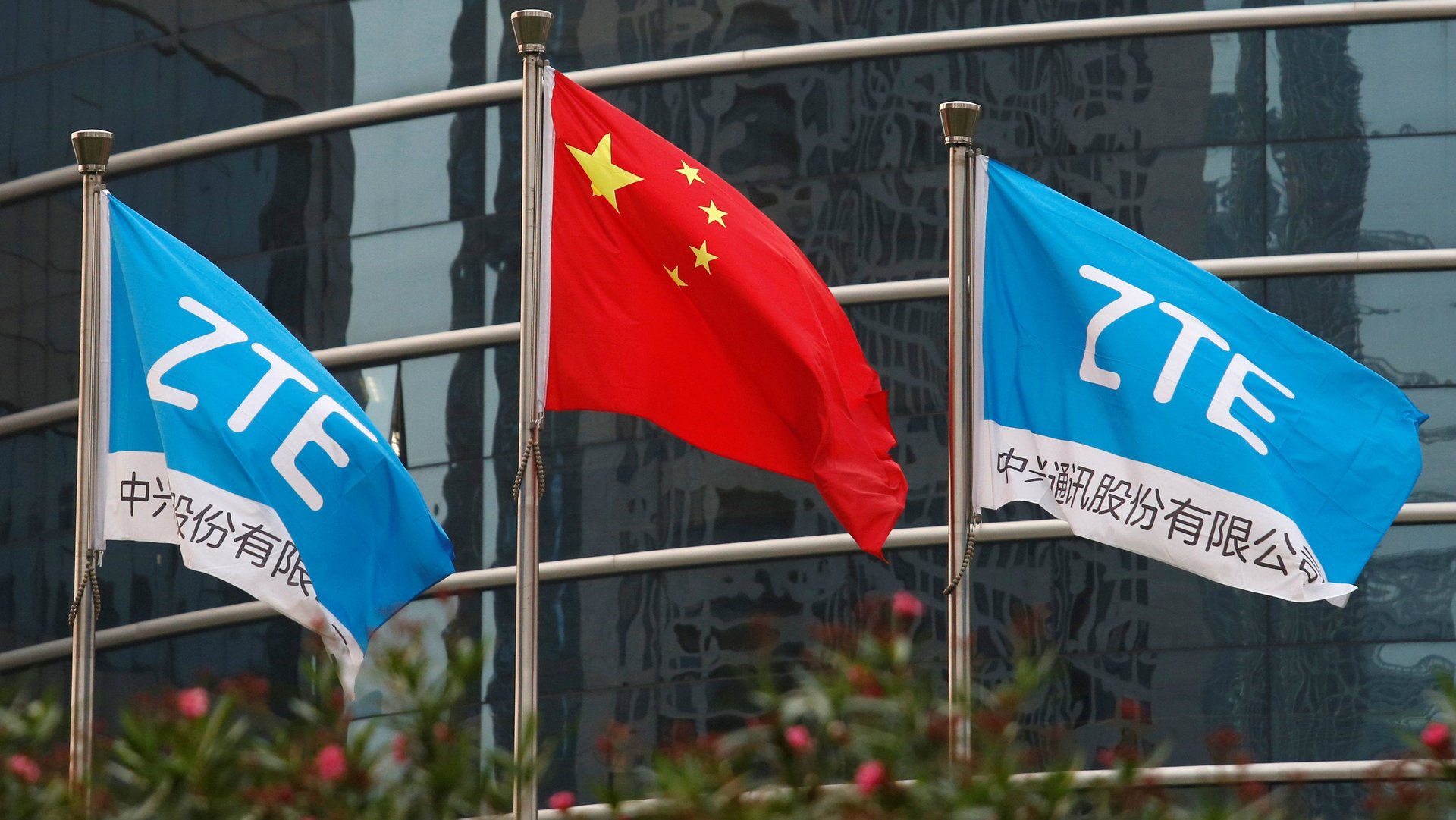
Even before Donald Trump got into the White House and raised the prospect of a trade war with China, Beijing was aiming to reduce its reliance on foreign technology.