

Business News
Quartz Daily Brief—Asia Edition—QE4, Rosneft, Delta-Virgin, hand and ear hygieneGood morning, Quartz readers!
Updated July 21, 20226 min read
Good morning, Quartz readers!
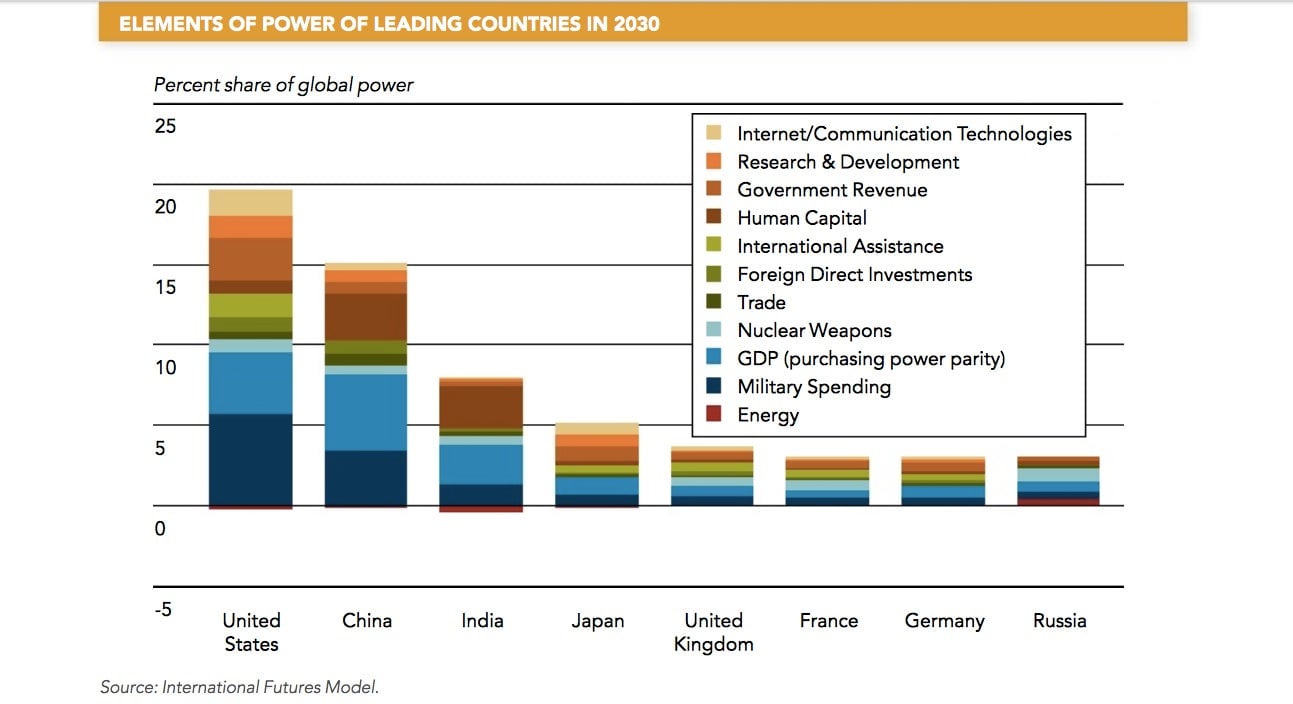
The year 2030 will be a time of diffused power—China will have the largest economy, but multiple actors operating individually, in coalitions and networks will exert much countervailing influence. According to Global Trends 2030, the latest quadrennial consensus of US intelligence agencies, this shift largely reverses the historic rise of the West over the last 250 years. Yet, the report says, when you account for all aspects of global power—hard and soft—the US is likely still to tower over everyone else.
Every four years, US intelligence agencies assemble their top prognostications of coming big global trends for the nation’s president to absorb before launching into a new term of office. In the latest such report, released Dec. 10 for President Barack Obama, the agencies have inserted an important caveat: Something big is on the way by 2030—that is clear. But what it is precisely is not.
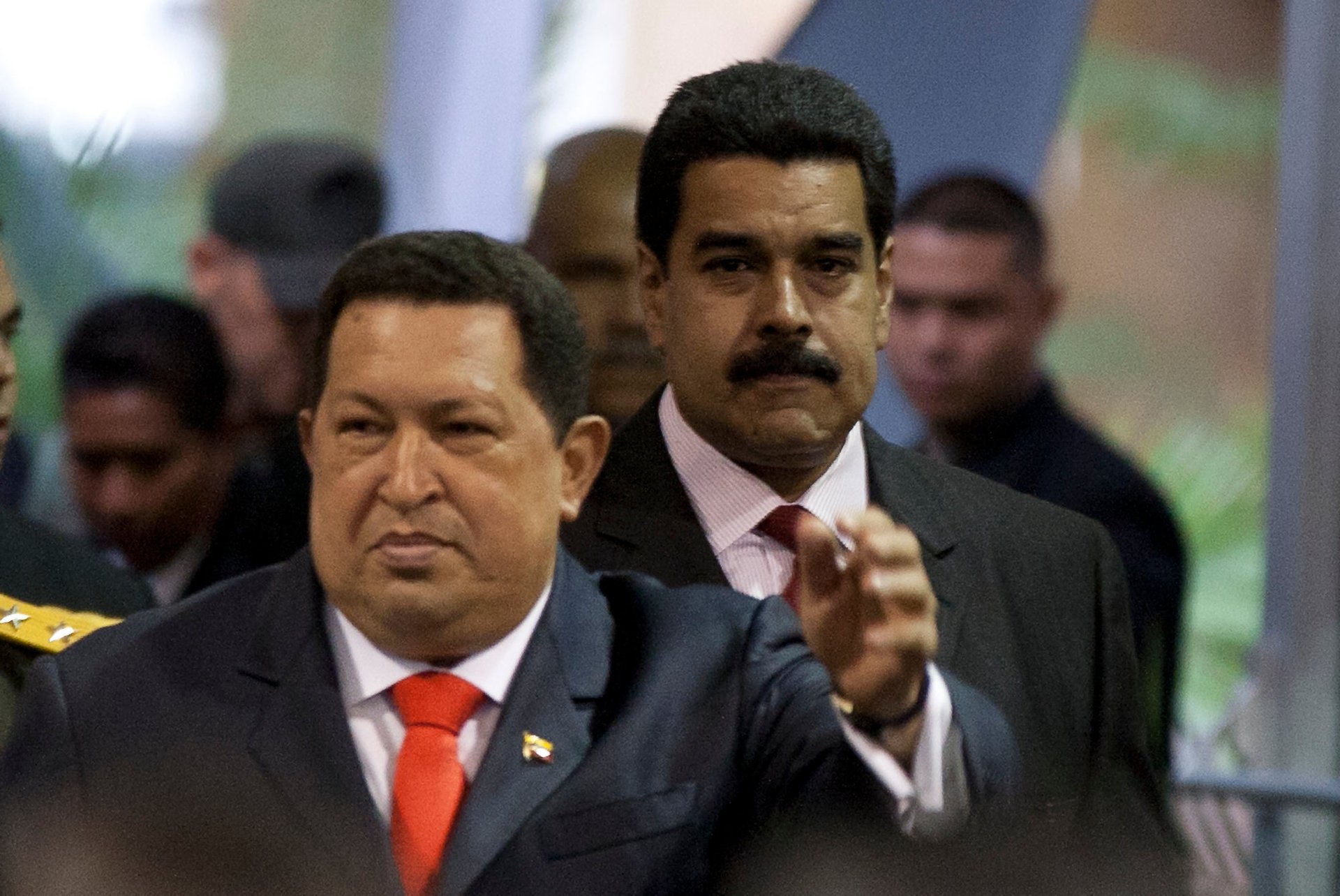
Before leaving this morning for a new round of cancer surgery in Cuba, Venezuelan President Hugo Chavez made his choice should he become incapacitated or die after nearly 14 years in power: his people should elect his vice president, a 50-year-old former bus driver named Nicolas Maduro.
Over the years, the US natural gas industry built a dozen terminals to import liquefied natural gas for fuel-hungry Americans, and until recently also had plans for 11 new and expanded LNG import terminals. None of them is currently in use—the US, awash in its own gas, requires none from anywhere else. In fact, the US has so much gas that, if the industry has its way, those existing terminals and some of the proposed ones—16 in all—will be converted into export facilities in the coming years.

Shell was awarded top-prize in the Total Energy innovation competition on Nov. 29 for the Prelude, imagined in the computerized image above, which will be the largest offshore floating production facility in the world. It measures 74 meters wide and 488 meters long, or more than four soccer fields end to end. When fully loaded with liquefied natural gas, it will weigh six times as much as the largest aircraft carrier and be capable of withstanding a category 5 cyclone.

Numerous authoritative voices have weighed in with a forecast that, with some help from neighboring Canada and Mexico, the US will become more or less self-sufficient in oil production in a few years and even start exporting. If they are right—has anyone yet learned the sad lessons of mass market enthusiasm?—it will be perhaps only for a flash in time.
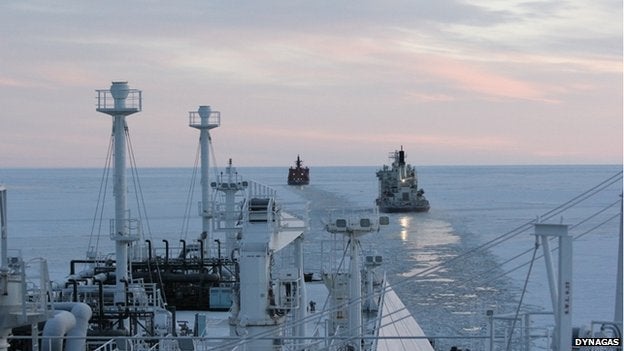
Almost a month ago, a reinforced ship filled with highly chilled liquefied natural gas embarked from the Norwegian port of Melkoya for the Japanese port of Tobata. There are hundreds of such shipments a year, most of them through the Suez Canal, which saw 676 of them in the first ten months of this year. What has been unusual about the journey of the carrier Ob River is that it is the first LNG shipment through the hitherto impassable northeastern Arctic Sea passage, made passable by the partial melting of the ice due to global warming. For this it required the assistance of two nuclear-powered Russian icebreakers.
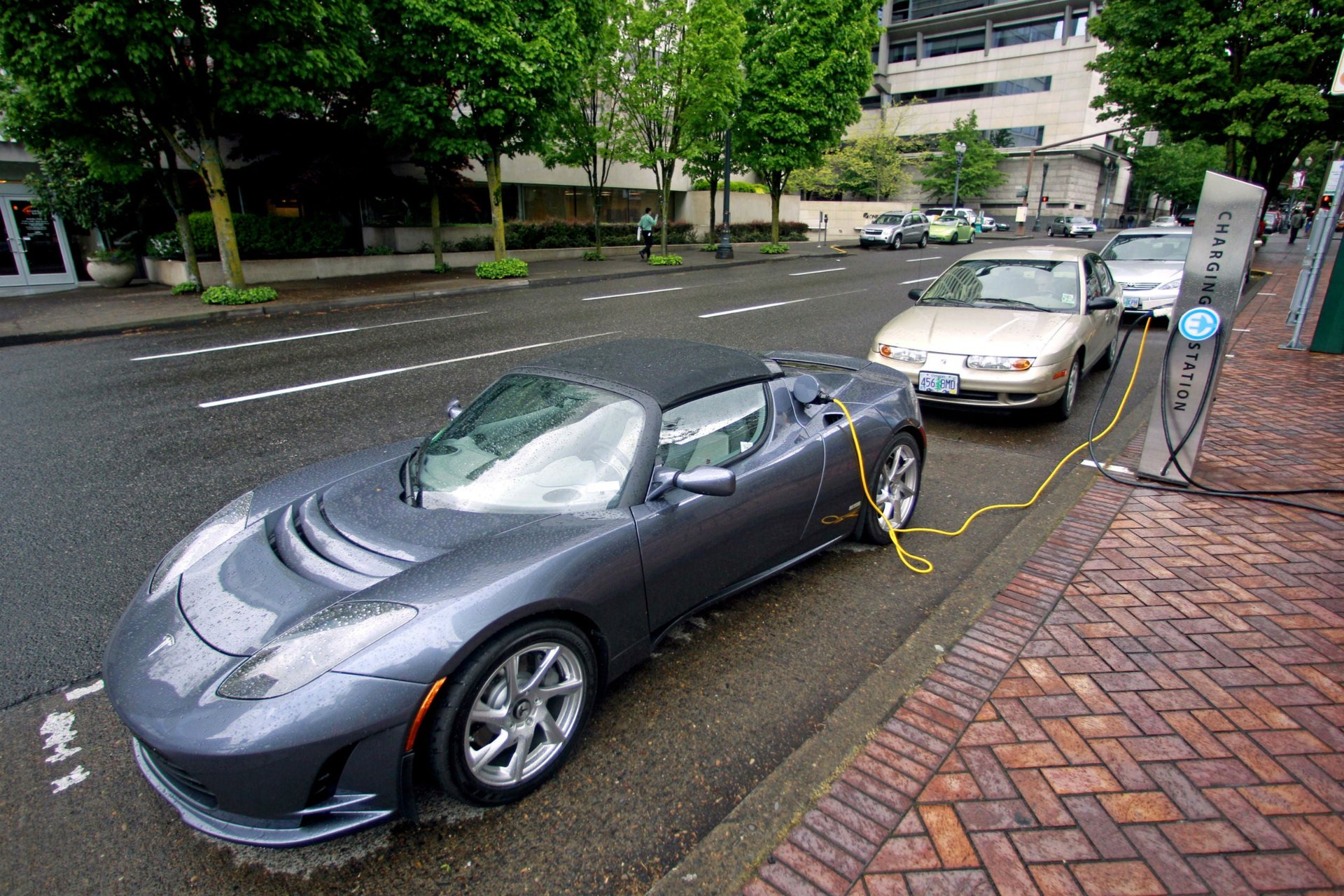
As China continues its massive push in renewable energy, the Obama administration is doing so as well, betting another $120 million to win the global race for a better battery. The administration is allocating the money to a Bell Labs-style project that, over a five-year period, is intended to push the boundaries of current technology and create far more powerful transportation and stationary batteries.

Kashagan is one of the largest discoveries in the history of petroleum—and also one of the most troublesome. A monster field containing at least 38 billion barrels of oil (a 1-billion-barrel field is regarded as a “supergiant”), Kashagan occupies the extreme end of the industry risk scale—difficult to develop, far over budget, and very late indeed. It’s so huge that no less than seven big oil firms have partnered up to exploit it (which is part of the problem.) Discovered in Kazakhstan in 2000, Kashagan was supposed to deliver first oil seven years ago, at a development cost of about $24 billion. Instead, it is expected to produce only next March, after some $46 billion has been spent.
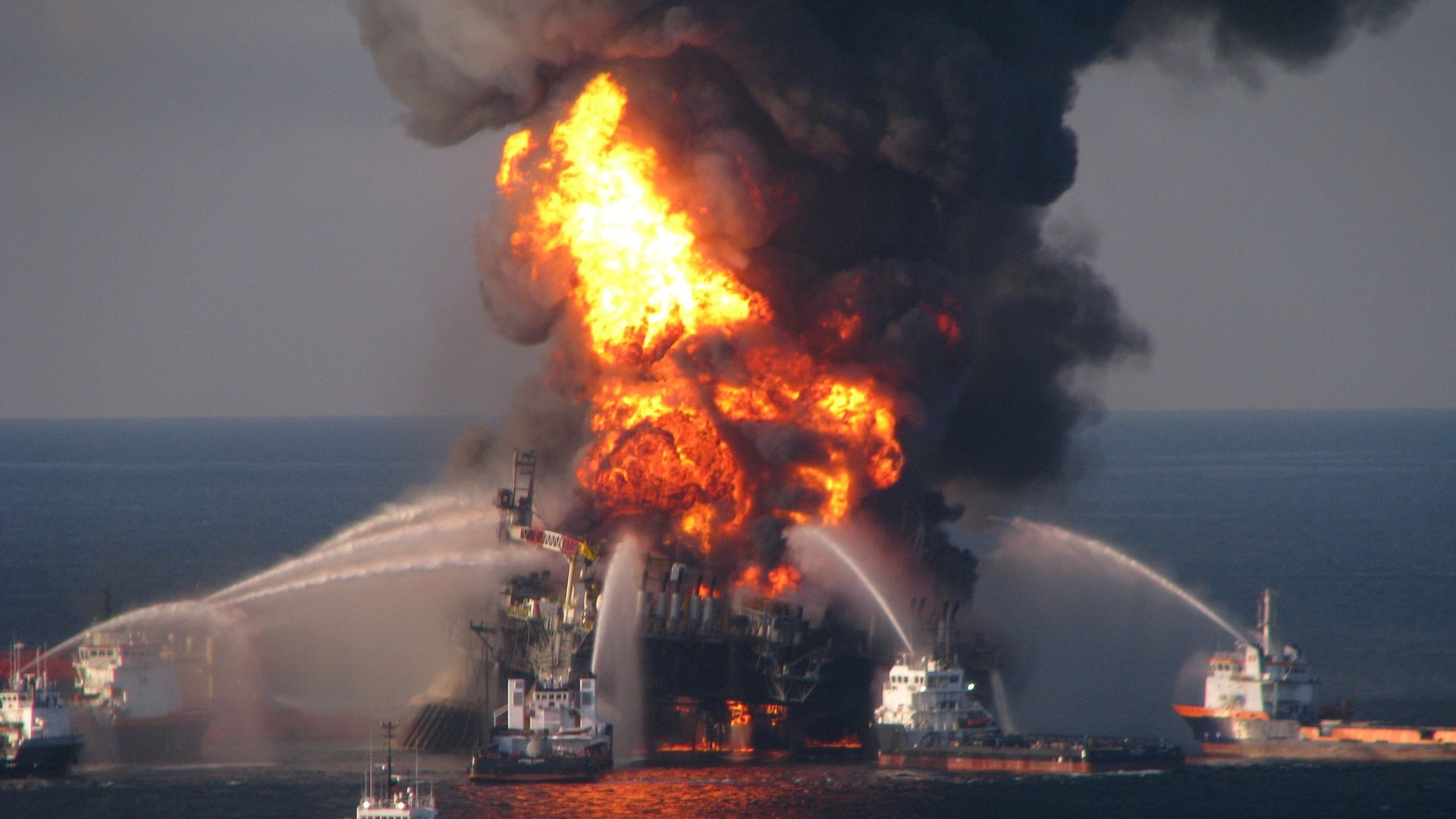
BP has suffered multi-billion-dollar fines, criminal charges and an existential threat since the 2010 blowout of its Deepwater Horizon oil rig in the Gulf of Mexico. But through it all the worst it was called was incompetent—until today. The US Environmental Protection Agency (EPA) branded the British company as having a “lack of business integrity” because of criminal charges to which it pleaded guilty Nov. 15 stemming from the accident. That may be a more disparaging than incompetence, negligence, or recklessness, of which BP has also been accused.
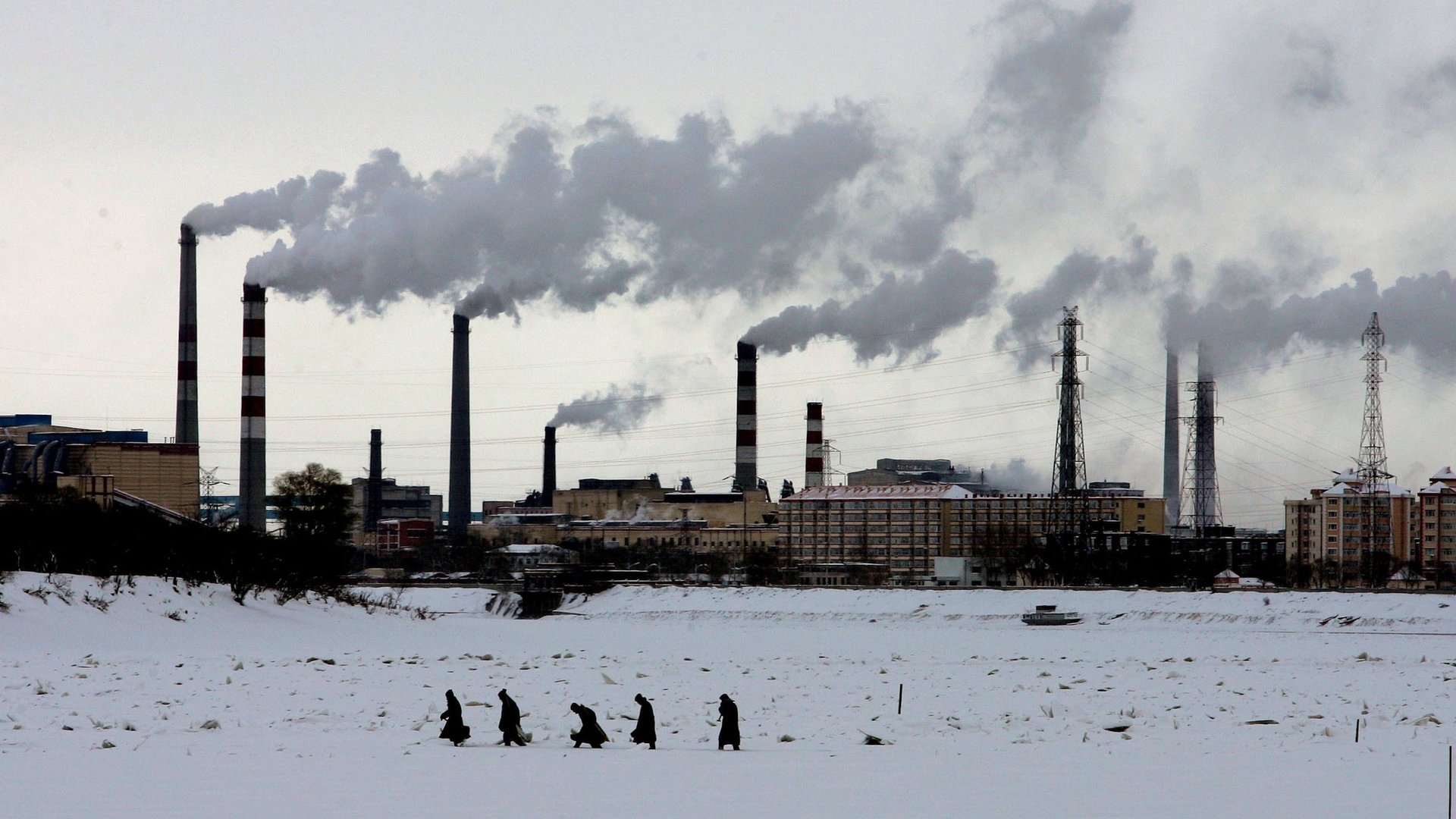
Second in an occasional series on the business impact of extreme weather. Read part one here.
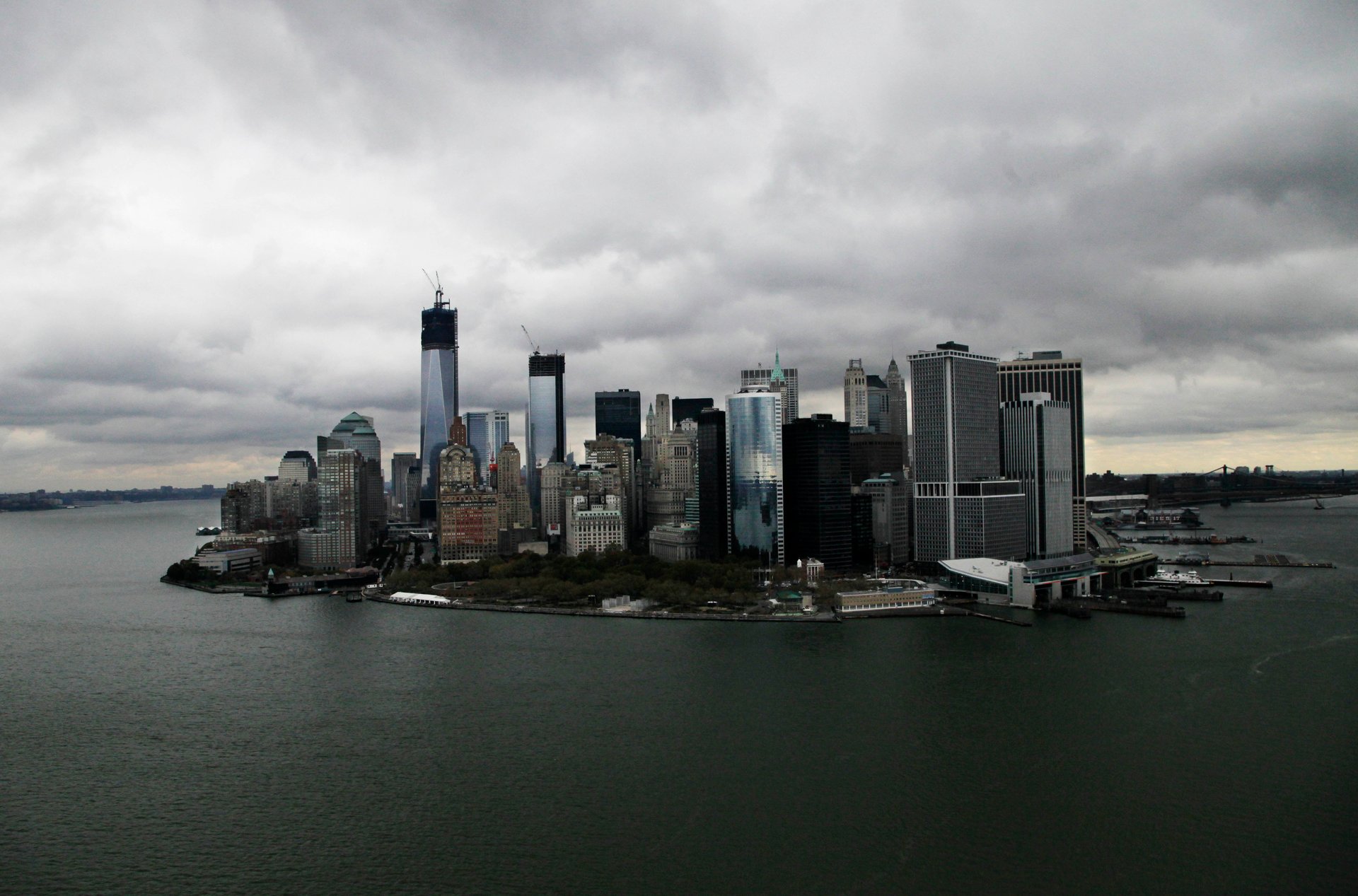
First in an occasional series on the business impacts of extreme weather.
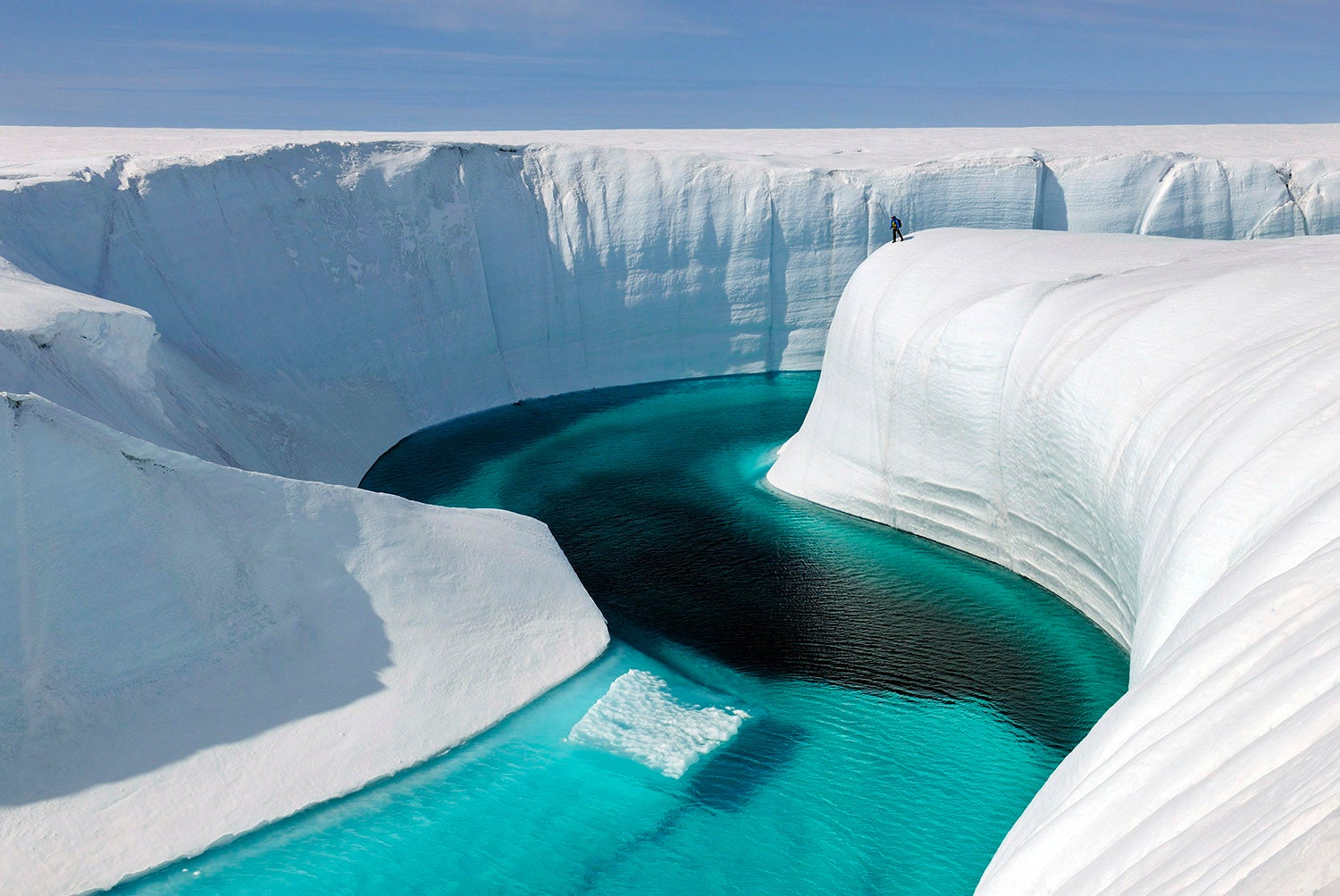
Oil prices have gyrated with the violence in Gaza and Israel, the improved economic outlook for China, and the prospect of a tax deal in the US. But they have remained relatively low, which may be in part because China has paused its diversion of tens of millions of barrels to fill its strategic petroleum reserve.
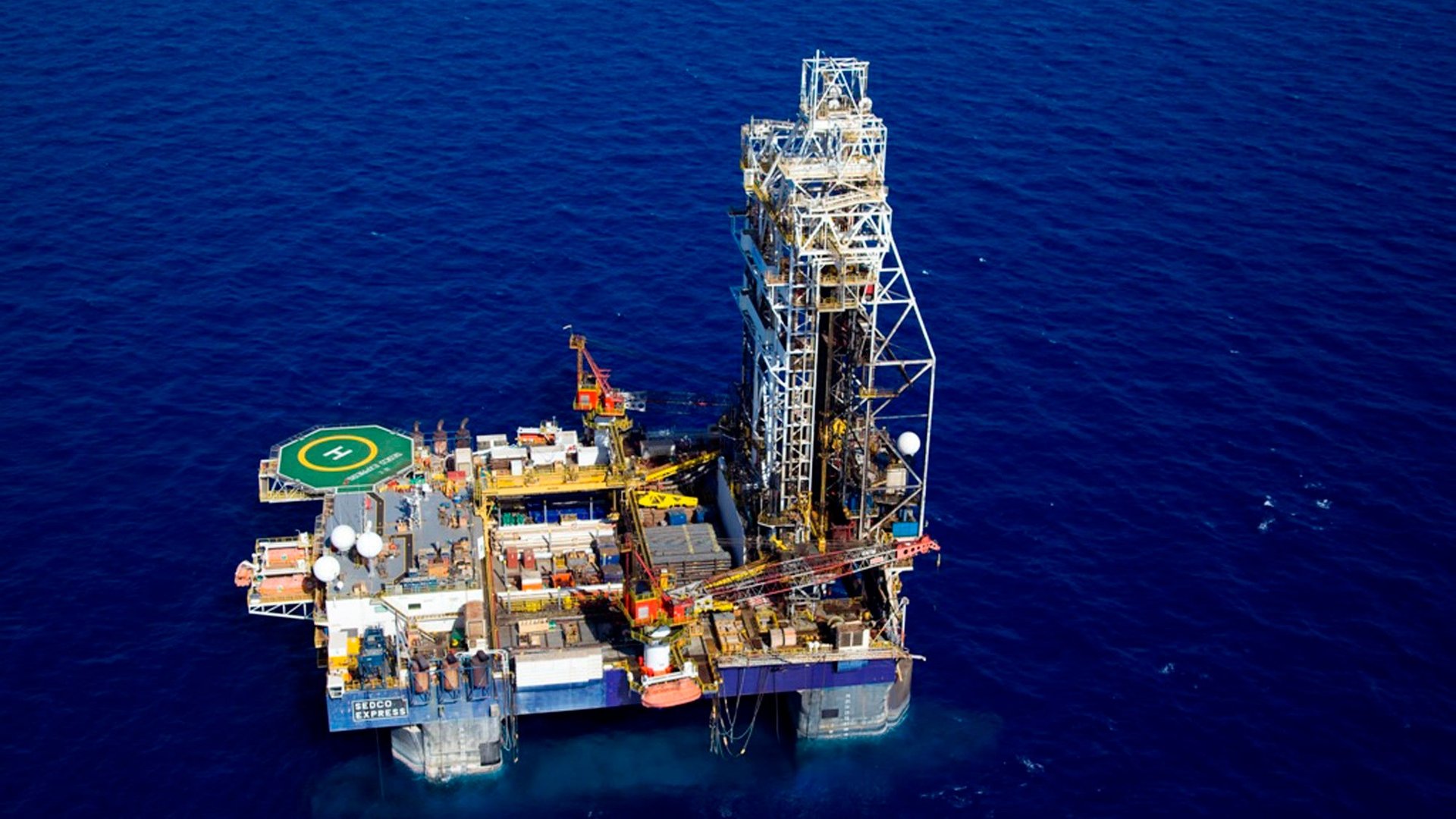
ISTANBUL— Around the world—in North and South America, in East and West Africa, in Israel (the Tamar gasfield, pictured above), as well as Kurdistan and Russia—a fresh oil and natural gas boom is under way. There is so much new supply coming onto the market in the coming decade that it seems no one has bothered to tally all of it up.
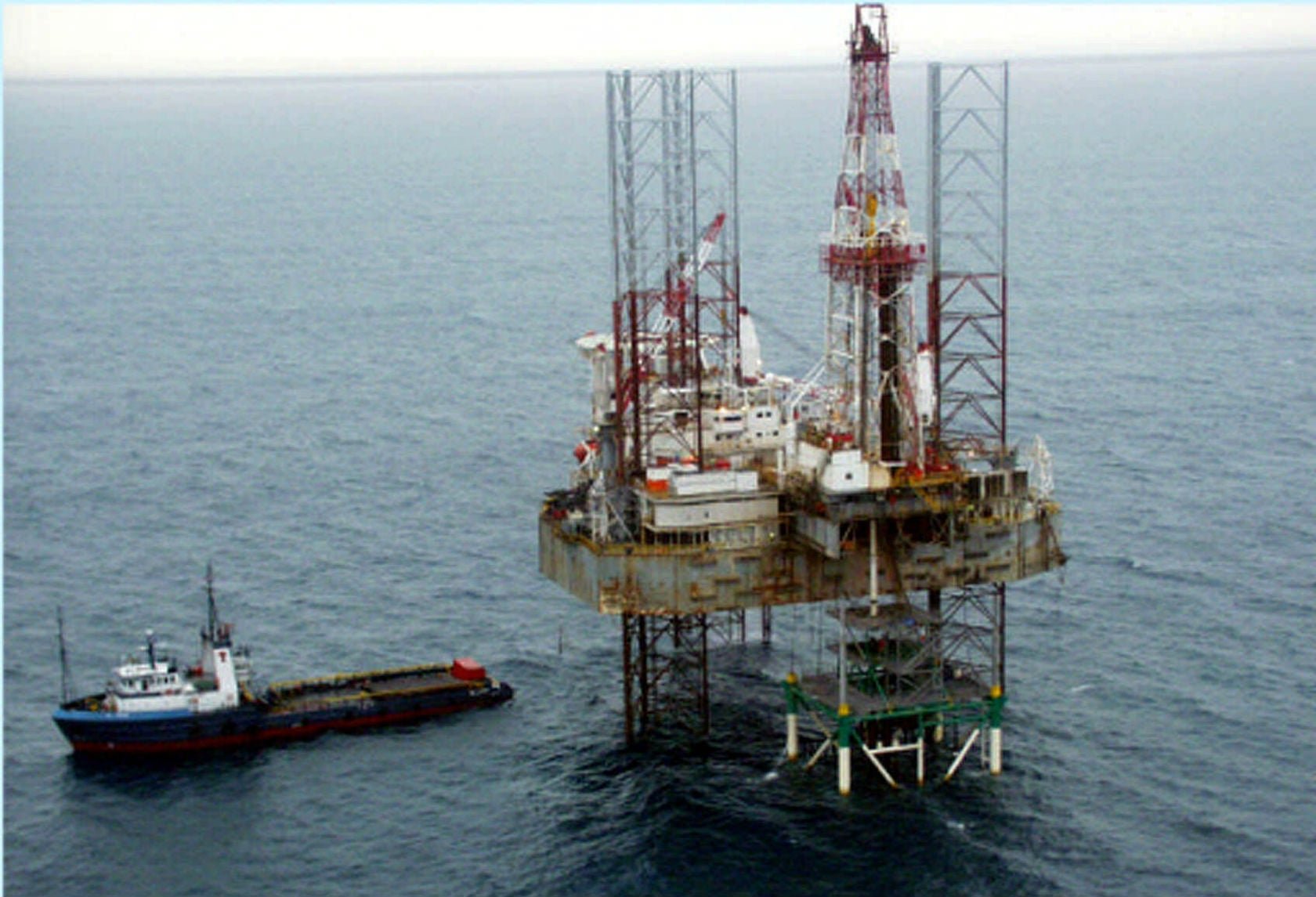
Suppose you want to do an oil deal—a colossal one—in Nigeria. One person you might think of engaging is a Russian middleman named Ednan Agaev, who, judging by an affidavit that he has filed in the New York Supreme Court, seems resourceful, agile and plucky. Agaev made the affidavit because, he says, he arranged a whopper of a deal for Shell and Italy’s Eni last year, a $1.3 billion agreement for an estimated 9-billion-barrel offshore oilfield called OPL 245, but never got his $65.5 million success fee. While we can’t know if Agaev will ever receive his cut, his account opens up how this patch of the business world works.
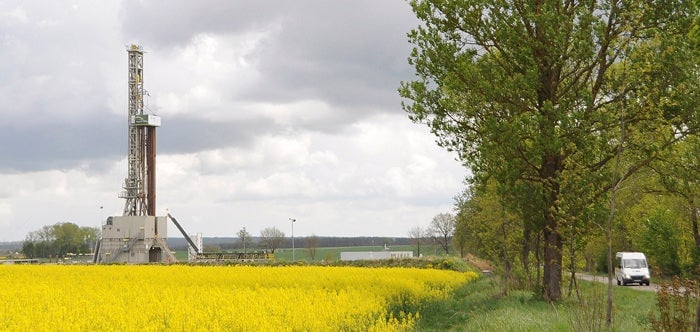
ISTANBUL—New energy trends are bolstering the United States and China, giving their industries a sharp competitive edge over Europe’s and Japan’s in the next quarter-century, according to a major new study by the International Energy Agency. However, IEA’s chief economist, Fatih Birol, suggested that Europe can arrest its long competitive slide if it reverses a thus-far halting approach to the development of shale gas and oil.
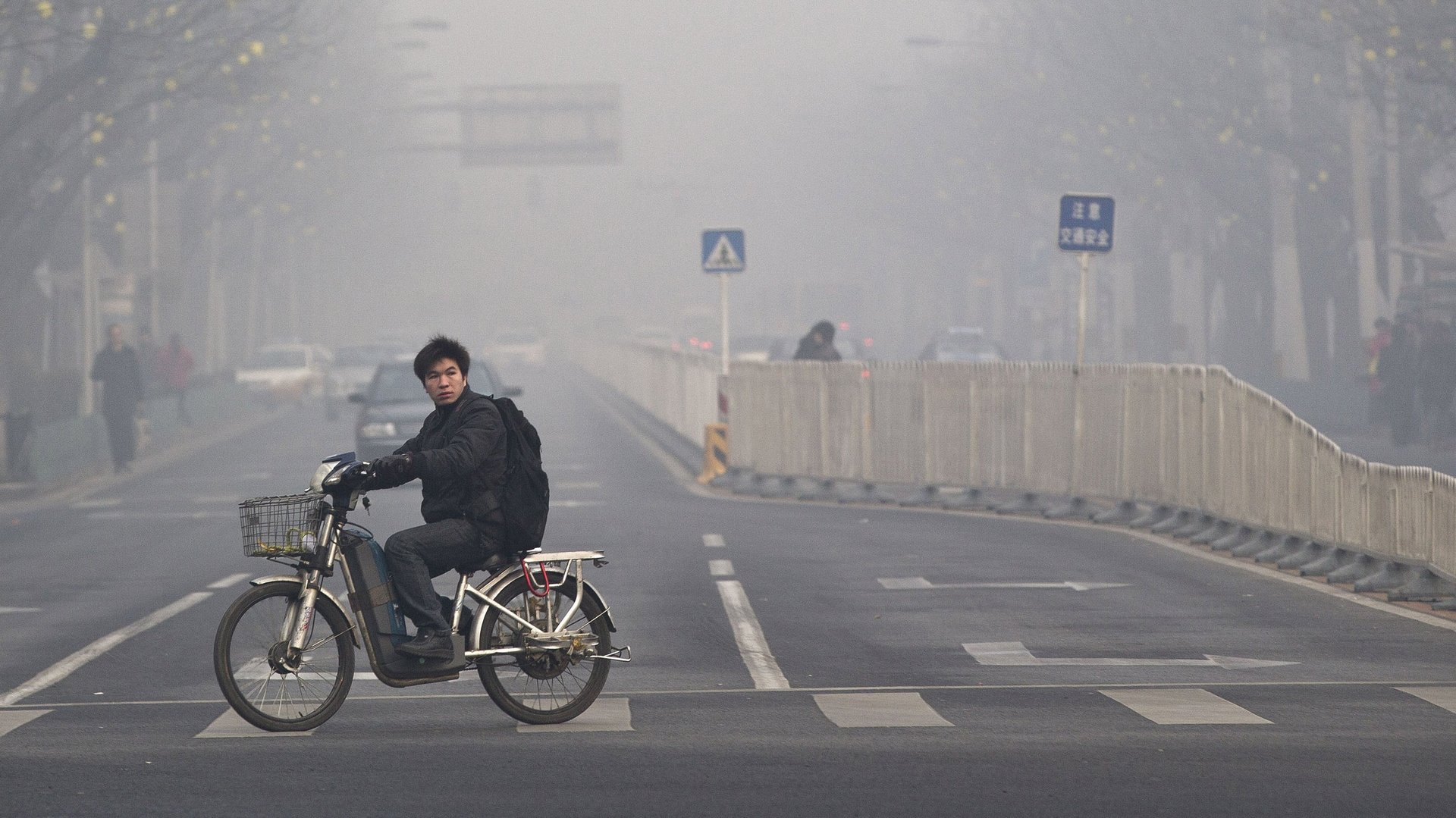
Realpolitik usually suggests unsentimental pragmatism in one’s foreign policy, but it’s also a good word to describe a sharp turn in Chinese domestic policy during its leadership transition this week. After three decades of headlong construction of polluting coal, chemical, and metals plants, the Chinese Communist Party has decided to assess the risk of upsetting the masses before erecting major factories. The decision, announced Nov. 12, follows a string of public uprisings against new factories, forcing their cancellation.
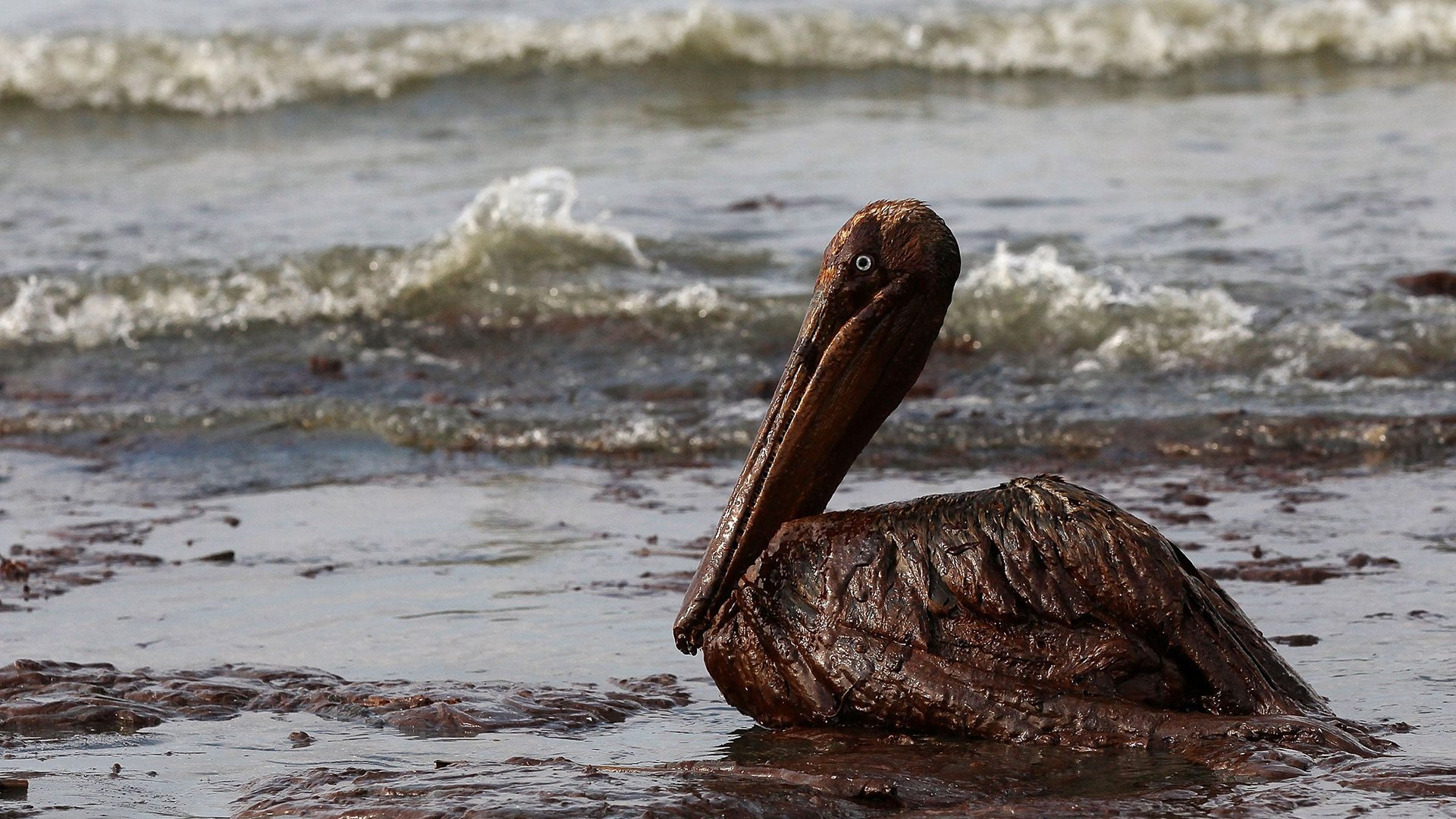
Announcing a settlement today with US authorities worth just over $4.5 billion, BP closed the door on its most serious remaining vulnerability in a 2010 Gulf of Mexico oil spill that killed 11 men and threatened the company’s survival. The British company now faces one major remaining legal battle in the disaster–over the pollution caused by the 5-million-barrel spill, which could cost it billions of dollars more in civil fines.
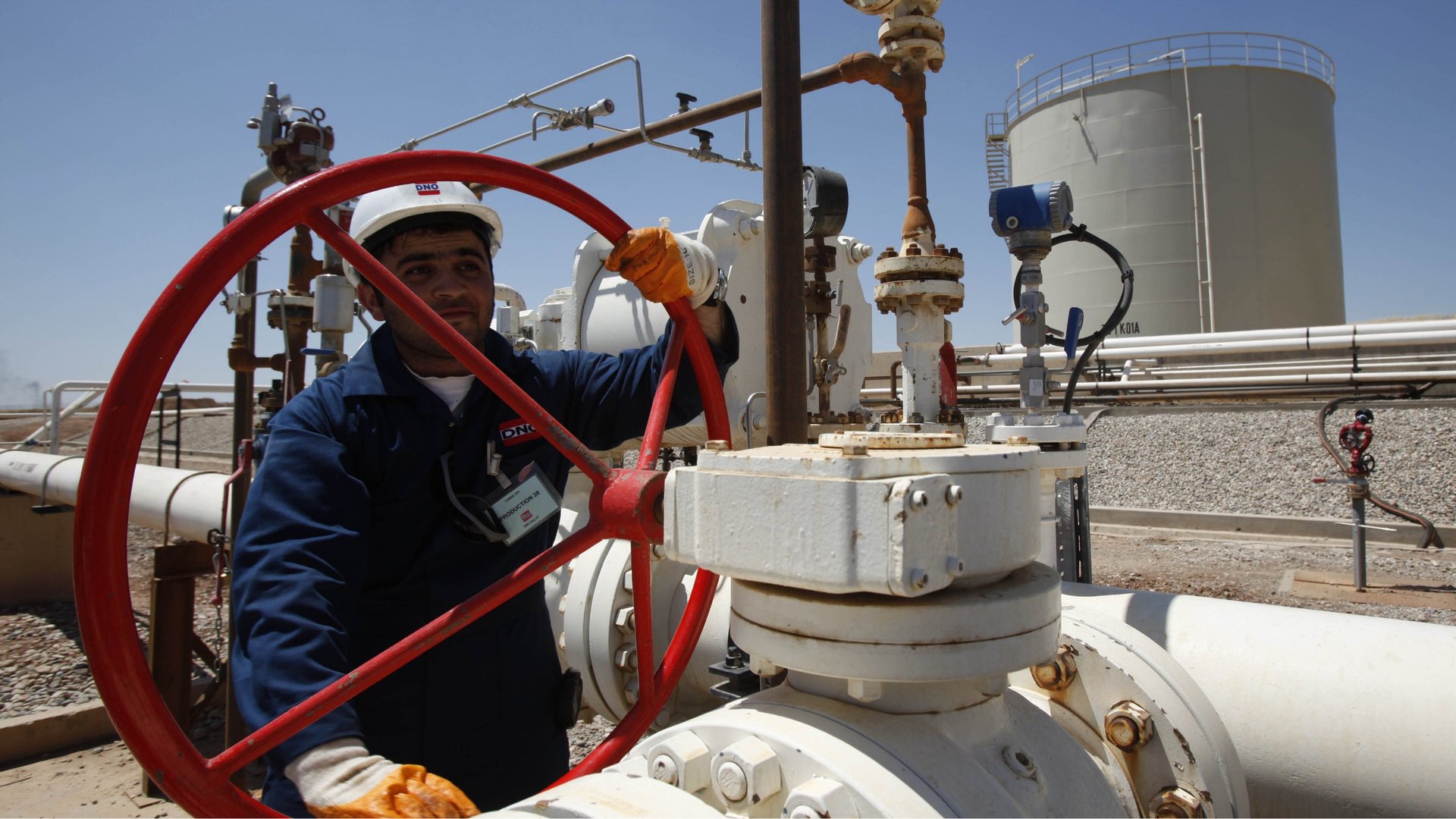
Iraq is finally acting against oil companies that persist in flouting its authority by working in autonomous Kurdistan without permission. Baghdad has told one of them—Russia’s Gazprom—to choose: Either cancel your oil deal with the Kurds, or get out of Iraq proper. Gazprom hasn’t yet responded. But, acting pre-emptively before the fall of the ax on it as well, ExxonMobil has signaled to Baghdad that it is packing its bags in favor of the Kurdish north.
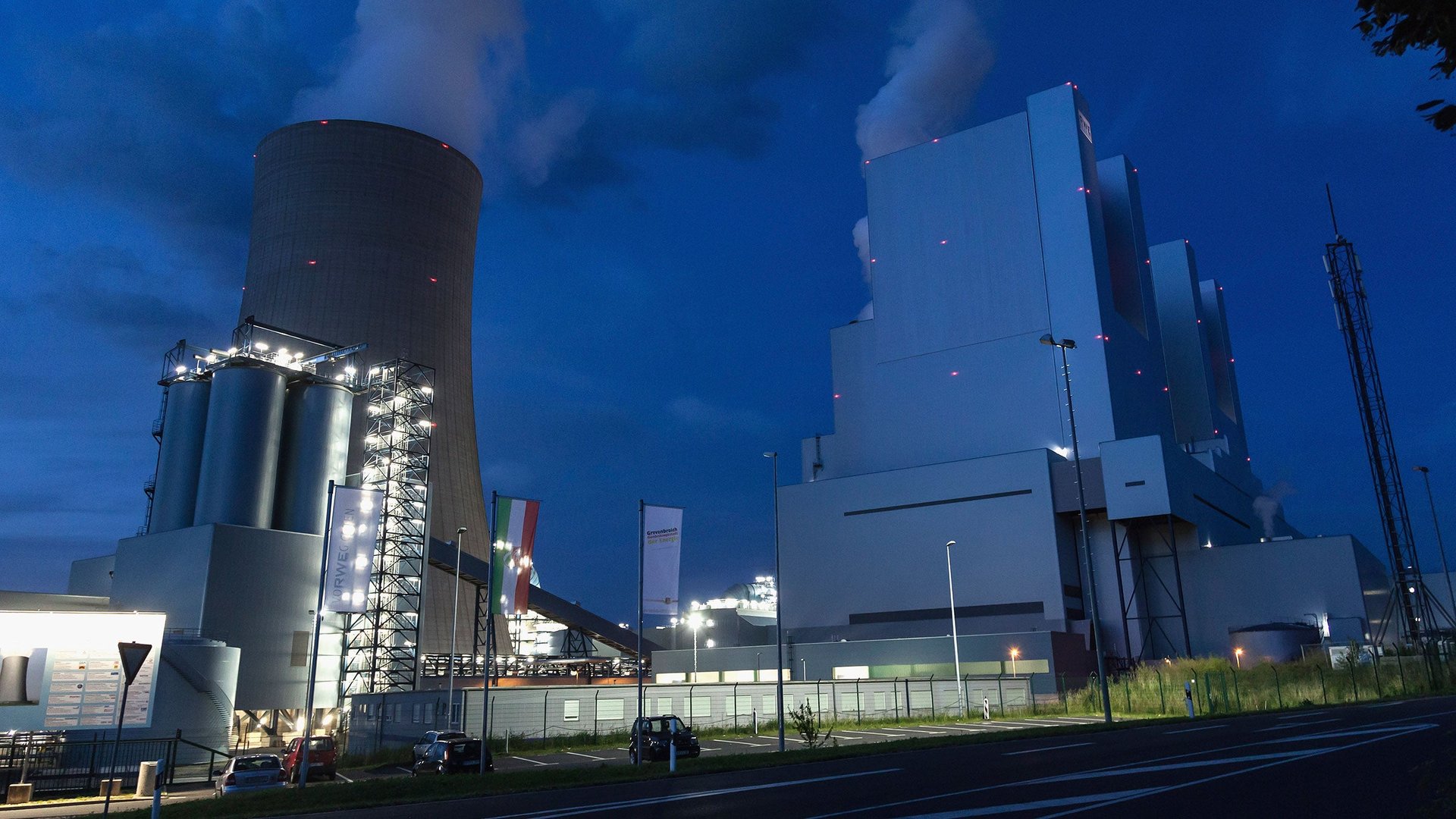
When oilmen joke about the view of some that the world is running out of fossil fuels, they sometimes note that the Stone Age did not end because the world ran out of stones. A lack of fossil fuels might similarly not be the biggest worry facing the modern world, according to a new report by the International Energy Agency. The IEA’s latest estimates say the world has 189 years of oil remaining at current consumption rates, 241 years of natural gas and (have a seat) 2,780 years of coal.

At 12:13 a.m. on Nov. 7, Nate Silver tweeted: “This is probably a good time to link to my book: http://tinyurl.com/andexhw.” Sent about an hour after the networks had called the election for President Barack Obama, the tweet had by the time of this writing been favorited over 2,500 times and retweeted nearly 7,000 times. The FiveThirtyEight blogger at the New York Times had silenced his critics with a dead-on forecast of the presidential election, correctly predicting which candidate each of the 50 states would vote for—surpassing even the 49-out-of-50 performance that made his name in the 2008 election. He was right about his sense of book promotion as well—The Signal and the Noise vaulted to No. 2 on the Amazon rankings, where it has sat since. Even Amy Chua’s 2011 blockbuster Battle Hymn of the Tiger Mother reached only No. 4 on Amazon at its height.
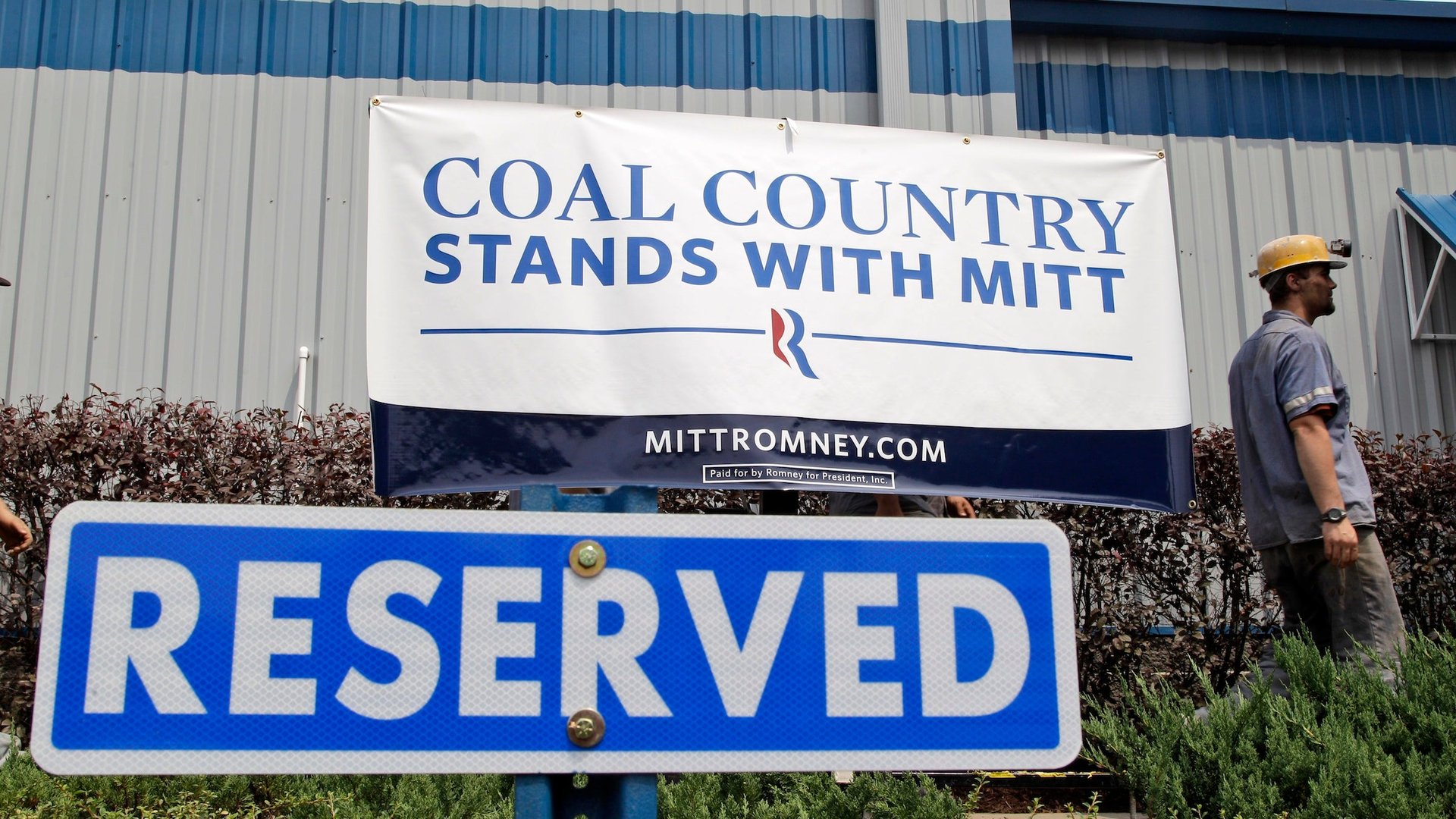
The evening of Nov. 6 was horrendous for the US fossil fuel industry, which spent more than $160 million in a largely one-sided bet against President Barack Obama and other Democrats. That was a combination of campaign ads ($158 million just as of September) and direct contributions to losing Republican candidate Mitt Romney (at least $5.7 million).
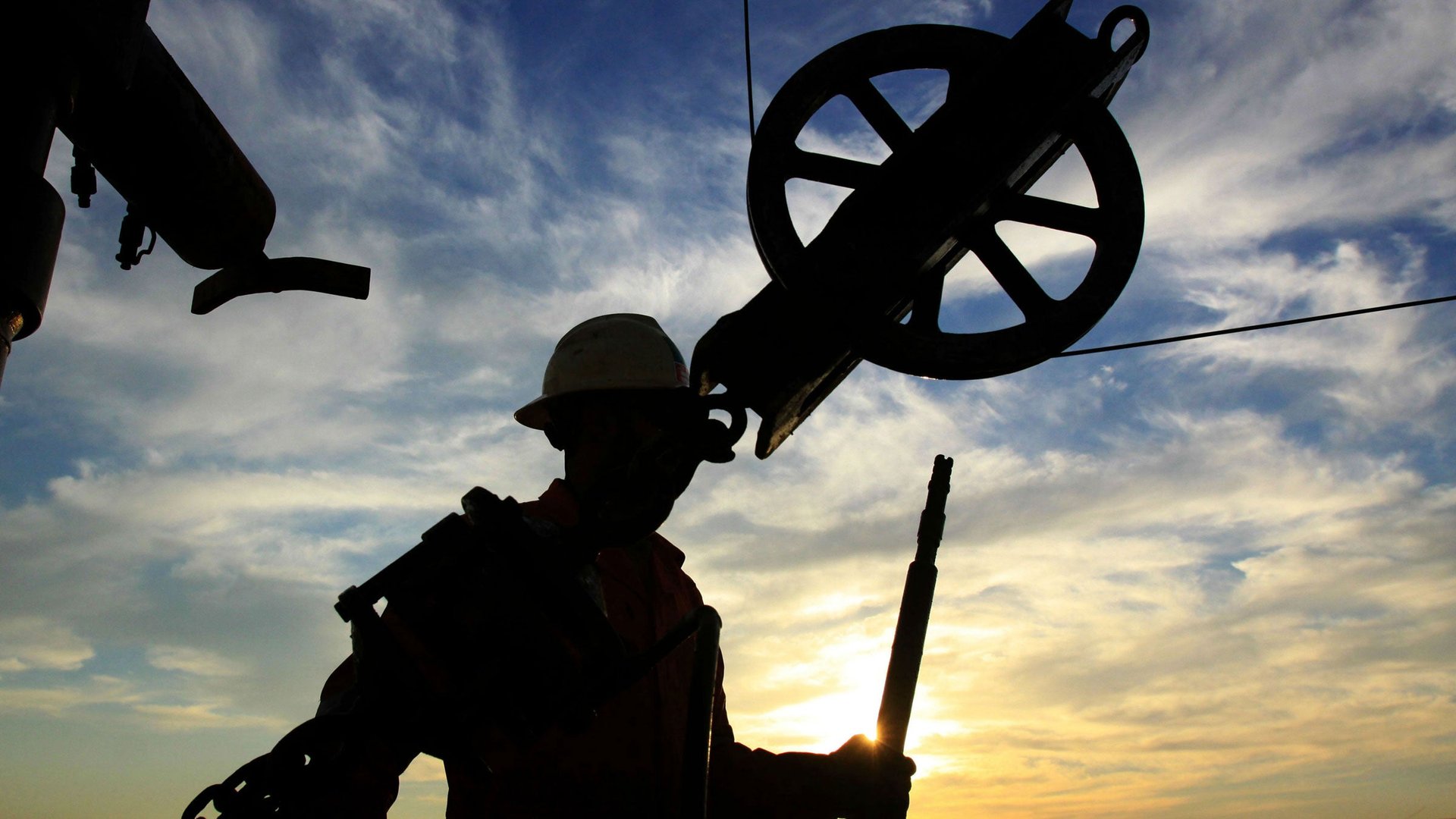
In the Canadian province of Alberta, the epicenter of a boom in the production of bitumen from oil sands, senior geoscientists saw a 14.5% rise in salary this year, to $231,000. When you include overtime, truck drivers in the province are earning up to $170,000. Next year, these salaries and others in Alberta’s oil sands will rise on average by another 4.2%, as against a unionized-workers’ average of 2.0%.