I am drawing at least two lessons from recent emails and conversations with smart energy industry players about the misery on the US East Coast, where some 1.4 million homes and business are still without power.

I am drawing at least two lessons from recent emails and conversations with smart energy industry players about the misery on the US East Coast, where some 1.4 million homes and business are still without power.

Update: Read IHS’s response to this article here.

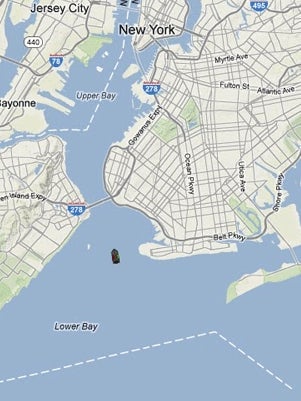
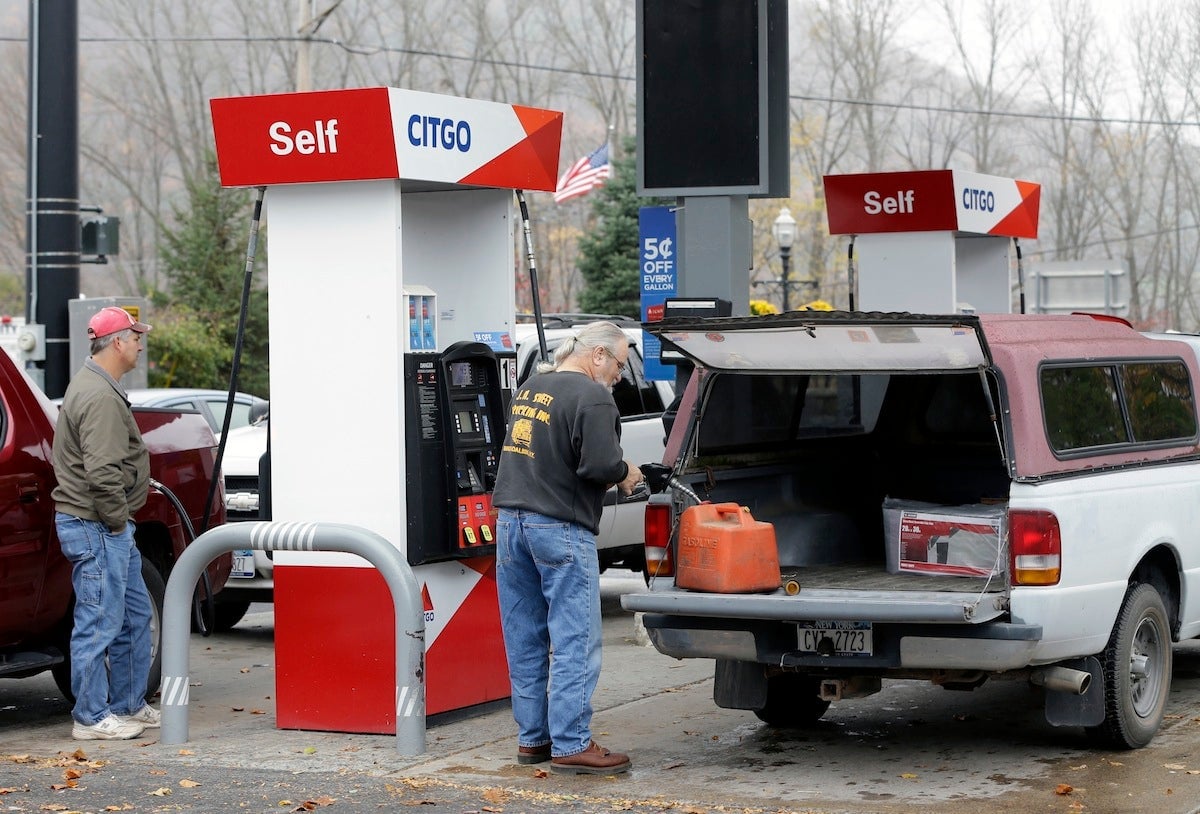
New York Harbor, the body of water around the southern tip of Manhattan, has reopened to normal ship traffic as the region attempts to ease a crippling fuel shortage caused by Hurricane Sandy. Ships have started their way in, and there ought to be more as the federal government has temporarily waived a law requiring that all fuel moved between US ports travel on US-made ships manned mostly by Americans. “There should be a real change in position, and people should see it quickly,” New York Governor Andrew Cuomo said this morning.

Good morning, Quartz readers!

Chinese manufacturing improved last month, but don’t get out the champagne as yet—it is only a single month of data, and it was a mixed message at that.

A US agency alleges that Barclays, the British bank, wrongly earned $34.9 million in trades on the West Coast electricity market. Barclays faces $470 million in potential fines. That is in addition to separate accusations that Barclays manipulated interest rates, for which it has already paid $450 million in fines and faces a UK trial. It is also on top of a separate US investigation into the bank’s possible violation of US bribery laws.

Good morning, Quartz readers!

An interesting detail about the US oil and gas boom is the war it has sparked among experts: while one group is cheering a bonanza it says is changing the world as we know it, another less-excited bunch yawns that yes, it’s big, but not quite revolutionary. So it is in East Africa. Along this coastline of backwater nations, a feverish band of oil and gas boosters speaks of a promised land. Other voices, however, caution that a long wander in the desert could come first.

They are pledging to name names. Oil-producing and mining nations have agreed tentatively to reveal the powerful people behind extraction licenses, the valuable permissions required in most countries to drill for oil and mine for metals. But they won’t have to divulge another key area of corruption and theft—when and where oil and mining profits are spent.

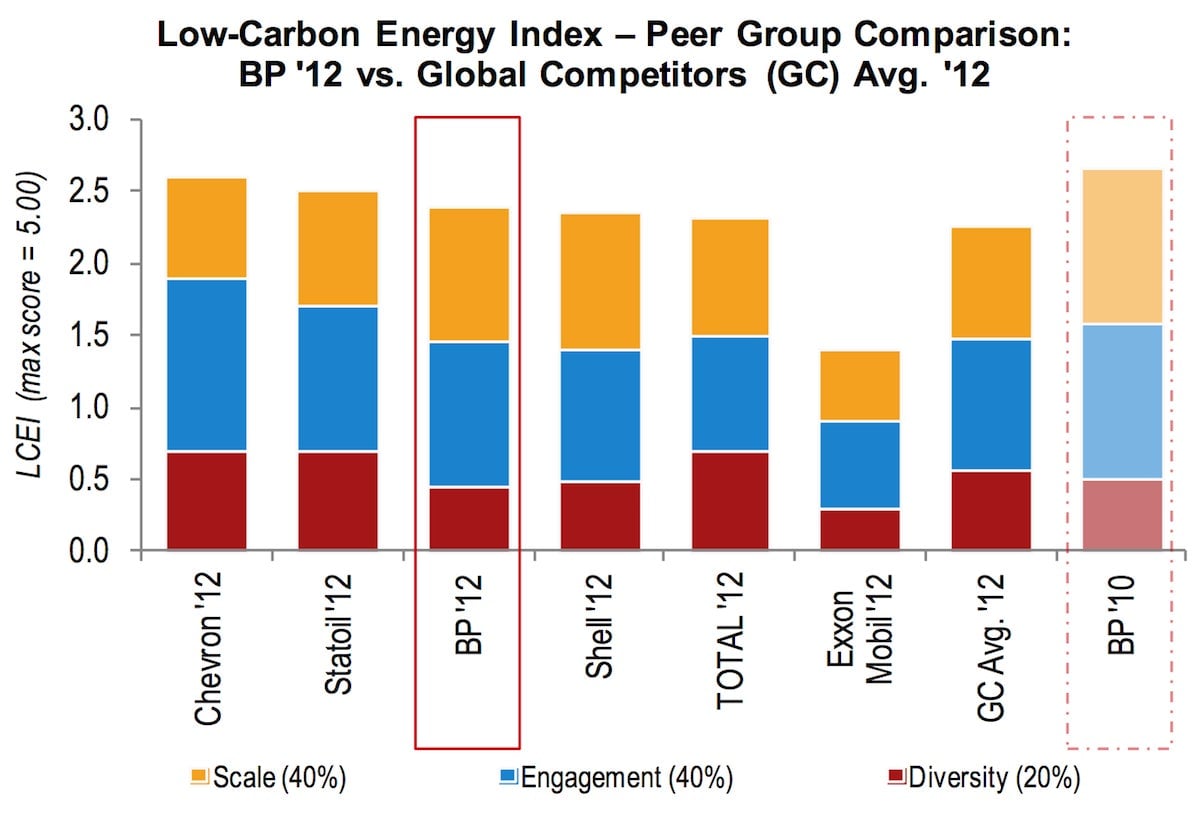
BP is losing its green sheen. In 2000, the company originally called British Petroleum declared itself “Beyond Petroleum,” changed its corporate colors to green, and said it would move aggressively to commercialize renewable fuels including solar, wind and biofuels from non-edible agricultural products. It set up numerous research facilities, including a $500 million center at the University of California at Berkeley, aligning itself with global politics and achieving street credibility with increasingly influential environmentalists. In 2010, it was the king of renewables, according to an index developed by PFC Energy, a Washington-based energy research firm (see chart above).

Update: Gasoline and oil prices moved in opposite directions Oct. 29–gasoline futures jumped, while oil declined–as Hurricane Sandy struck the US East Coast. Some 70% of the region’s refineries were either closed or closing as a precaution against flooding or wind damage. Some analysts called the storm the biggest to hit the US in memory, and said the affects in terms of prices would linger for awhile after the hurricane passed.

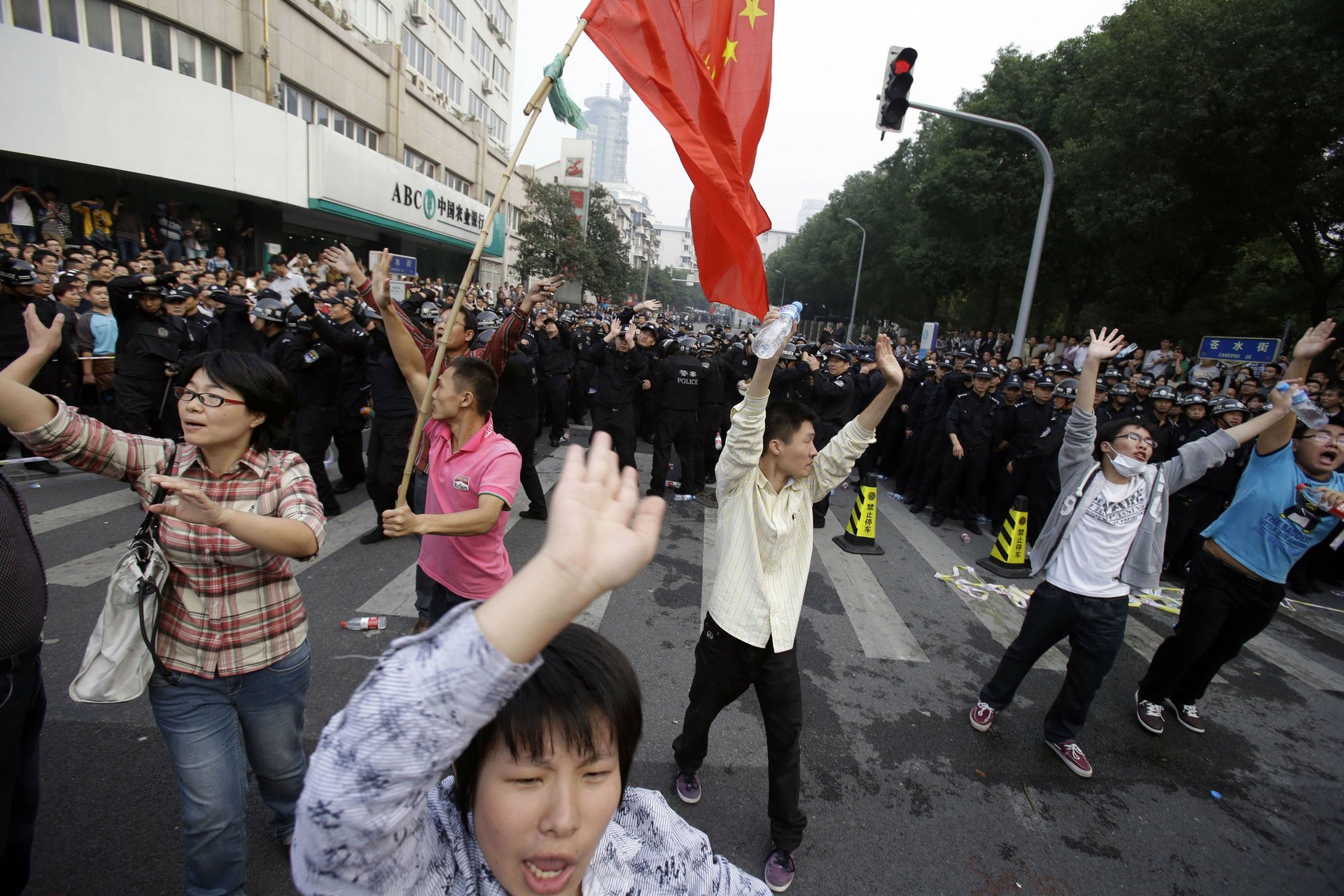
A little over a week before a new Chinese leadership is announced, Beijing has retreated from the expansion of a petrochemical plant in the face of public protests in the city of Ningbo and what experts say is a potential crisis of legitimacy.

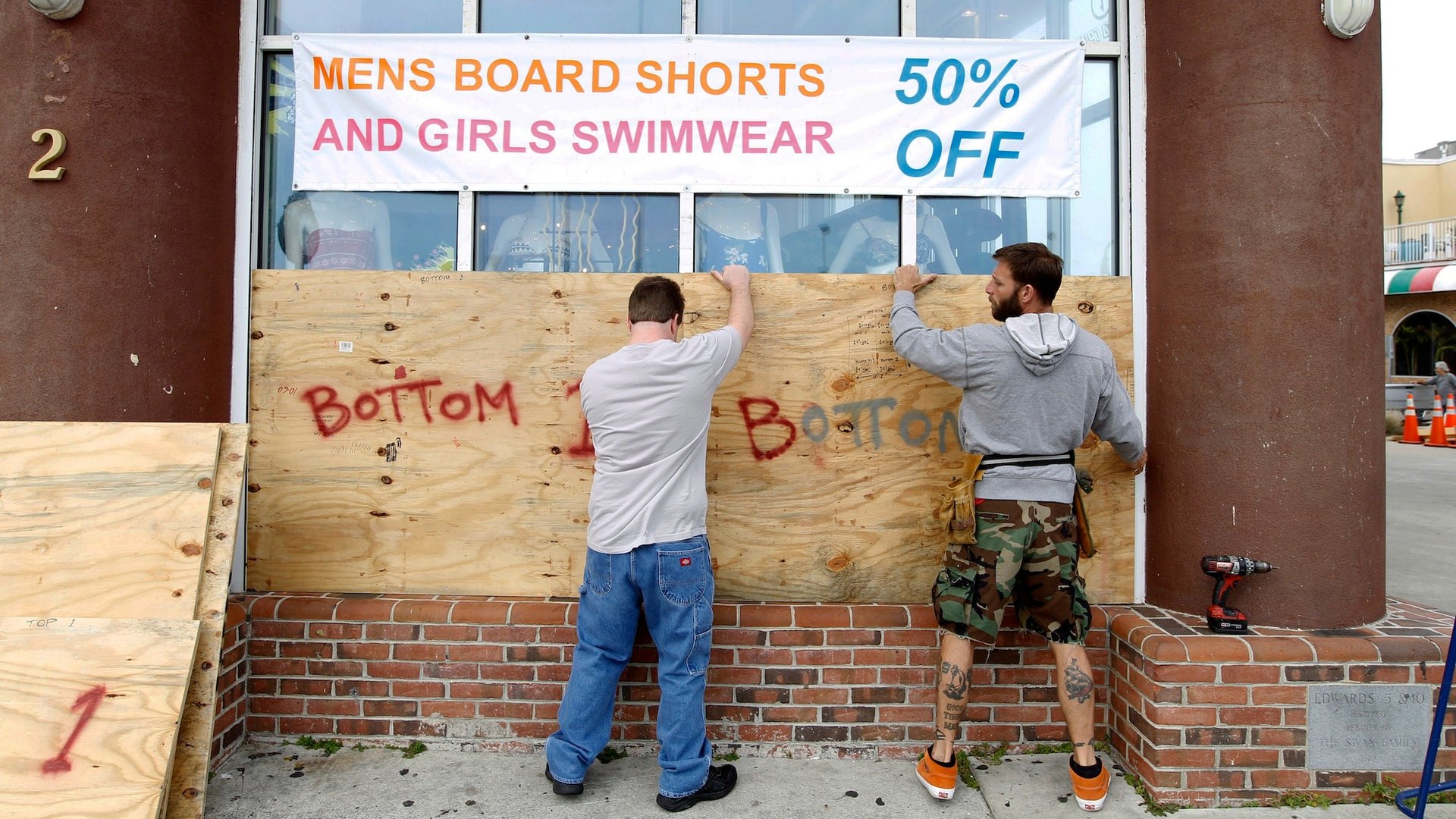
Ever since Hurricane Rita devastated the Gulf of Mexico six years ago, hurricanes have attracted increasing attention in the US. So it is that, with Hurricane Sandy looming, generators are sold out in New Jersey, Massachusetts and Pennsylvania, and flashlights and batteries are hard to find. Flights out of New York are very hard to come by. That is bad news for some, as 10 million people could be without electricity for awhile, says Seth Guikema at Johns Hopkins University. In Maryland, it may be hard even to seek sanctuary in the presidential election, as early voting has been canceled for Oct. 29.

Influential ExxonMobil is adding more weight to its support for Kurdish autonomy from Iraq. Facing unhappiness in Baghdad over its year-old defiance of a ban on direct dealings with Kurdistan, ExxonMobil has opted to find another company to take over its interest in Iraq’s supergiant West Qurna oilfield, say people with knowledge of the situation. By abandoning Iraq explicitly to be in Kurdistan, Exxon is making a rare open display of geopolitical muscle.

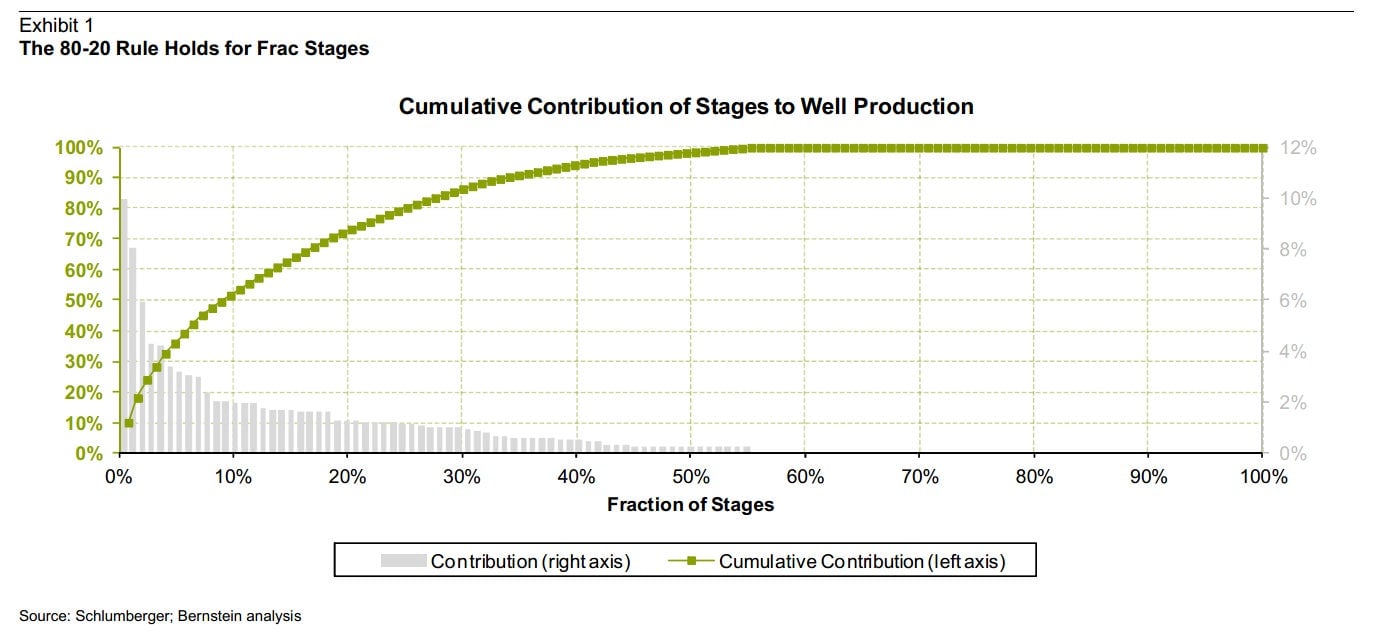
We’ve predicted that oil and gasoline prices are going to go much lower in the long term, as the American shale oil reserves now starting to be tapped begin pumping out their bounty. Bernstein Research’s Bob Brackett disagrees. In a note to clients on Oct. 26 he argues that the shale will produce a lot, but that prices are not going to fall much, if at all, from their current level. He titled his note, “For Halloween, a Chart that Could Scare the Oil Bulls.” (Reproduced with Brackett’s permission above.)

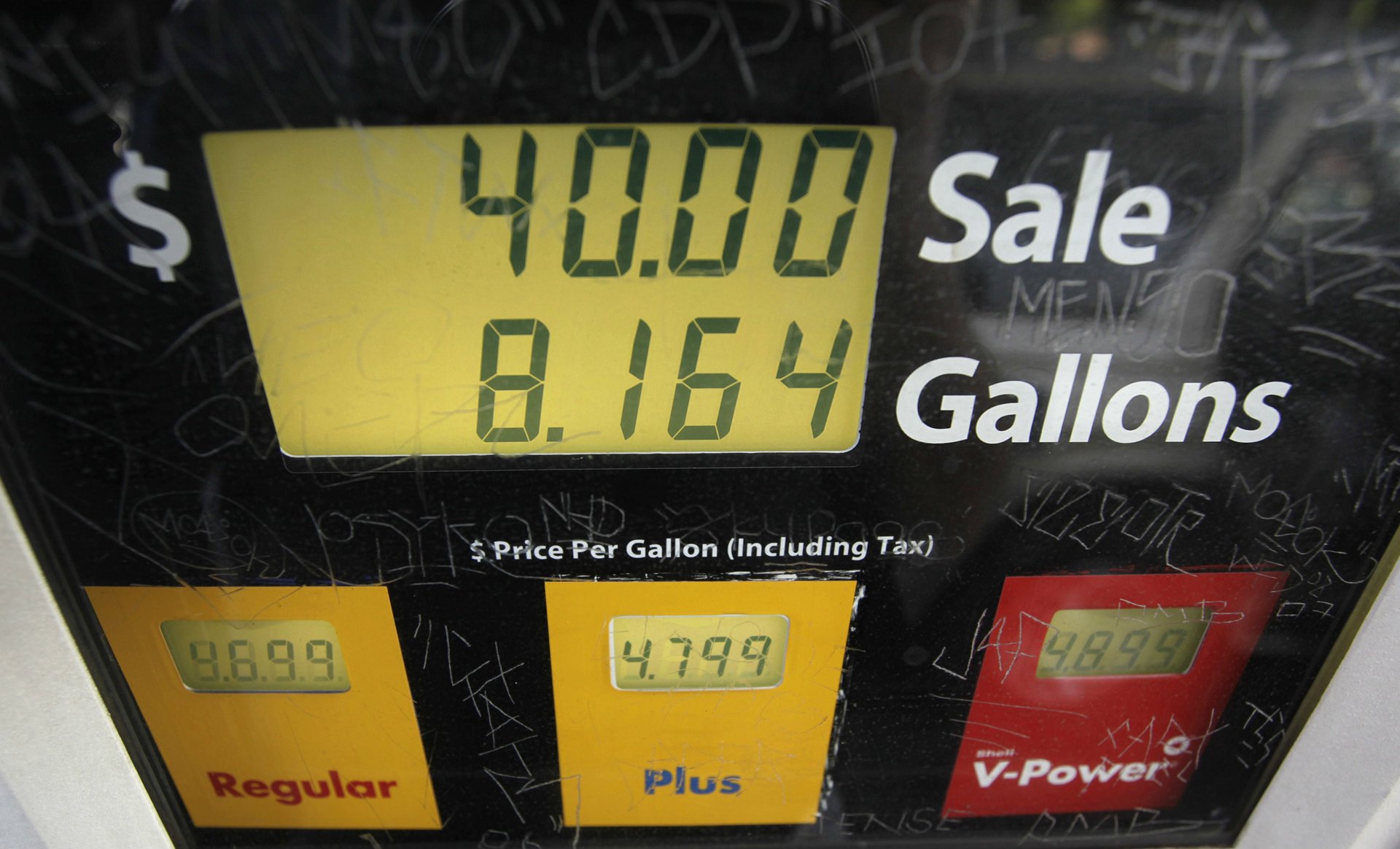
If you are an oil-futures bear, or the owner of a gas-guzzling car, you may be shouting “hallelujah” right about now. Not so much the world’s petro-rulers. The reason is oil and gasoline prices, which have plunged over the last week, the result of what numerous voices are calling the dawning age of fossil-fuel abundance. Goldman Sachs, whose feverish notes to clients a decade ago led a charge of investors into commodities, now says the bonanza and high prices are over and that traders can get back to their knitting. This is more evidence of the end of the commodities supercycle, which we have discussed.

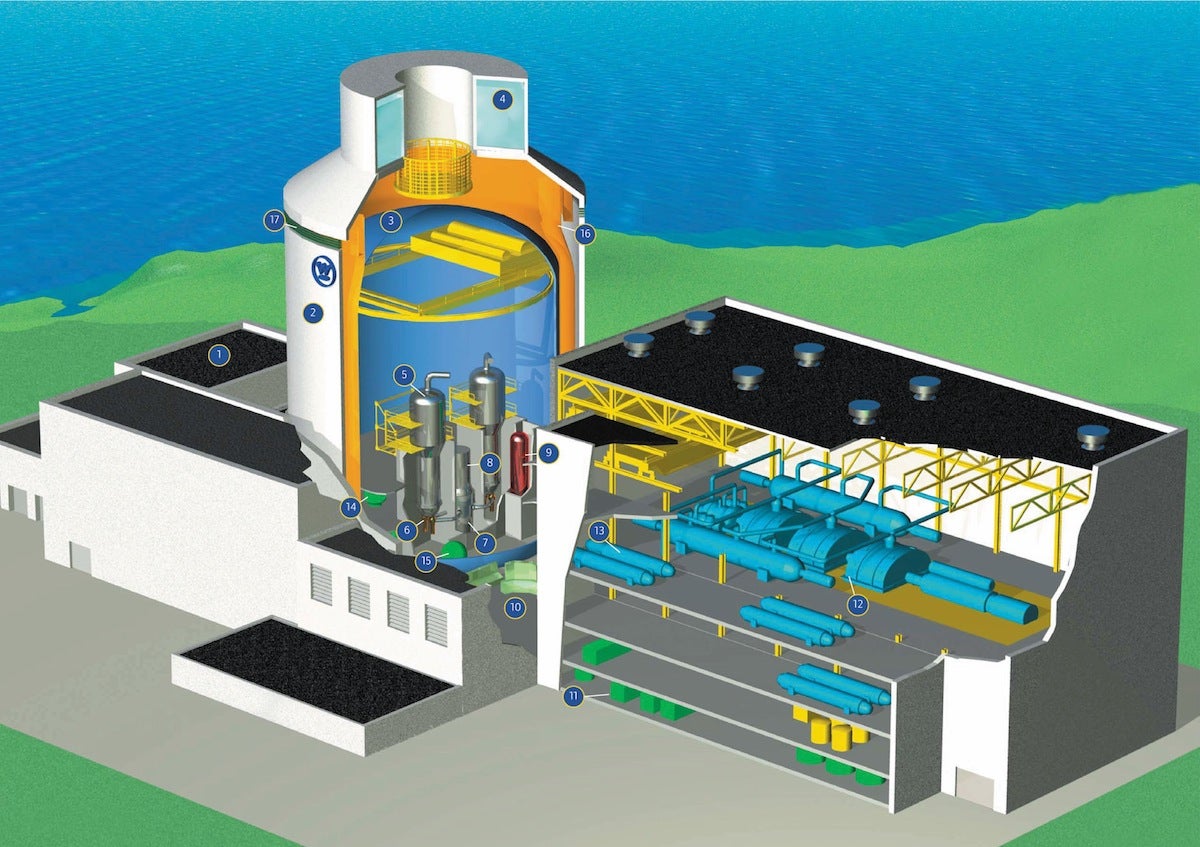
Asia’s two main economies appear to be winding down their moratoria on nuclear power. The latest is China, which says it is starting to build nuclear reactors again, 19 months after the Fukushima disaster in Japan triggered a nuclear power pullback around the world. By 2015, China will have 40 GW of nuclear power capacity, or 10 GW less than planned prior to Fukushima. The resumption fits into China’s aim of developing the world’s largest non-fossil-fuel energy sector.

A link from Financial Times

Does Iran truly have a “Plan B” allowing it to shut down its oilfields and still go on?

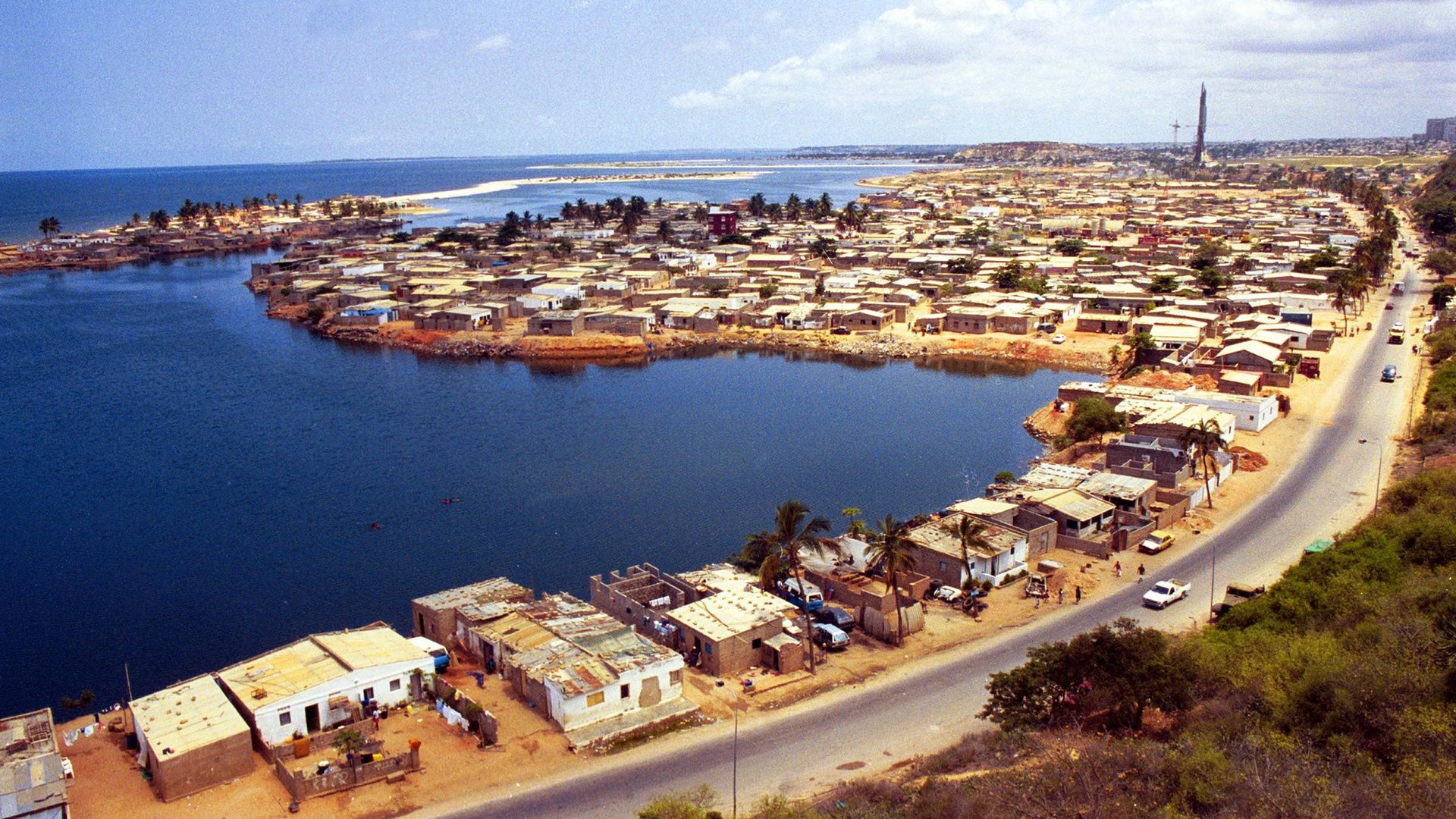
Every year for five years, corruption in Angola has become steadily worse, according to Transparency International’s corruption perceptions index of 182 nations. In 2007, the oil-rich southwest African country was 32nd from the bottom. By last year, it had plunged to the 14th most-corrupt nation on the Earth.

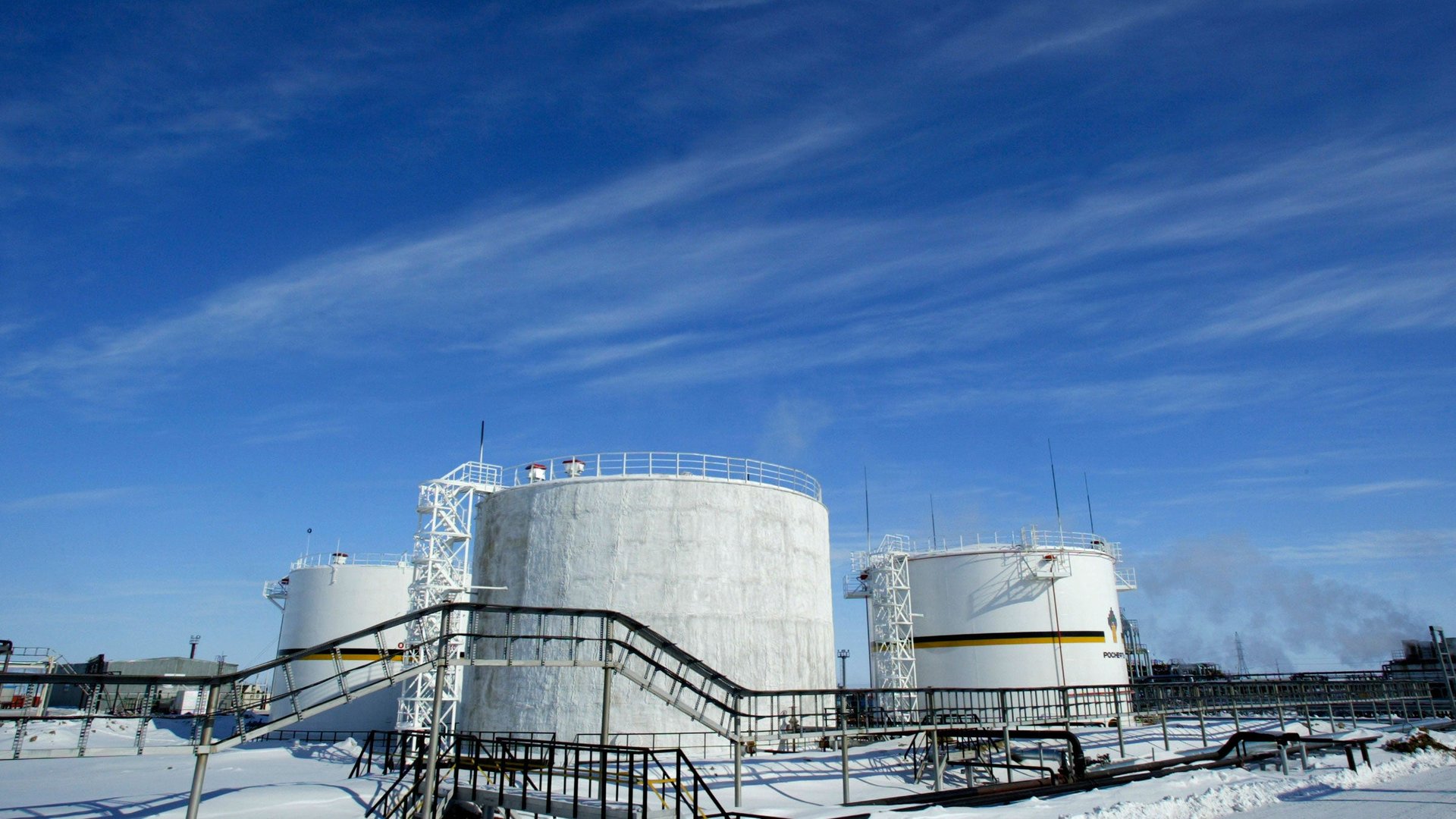
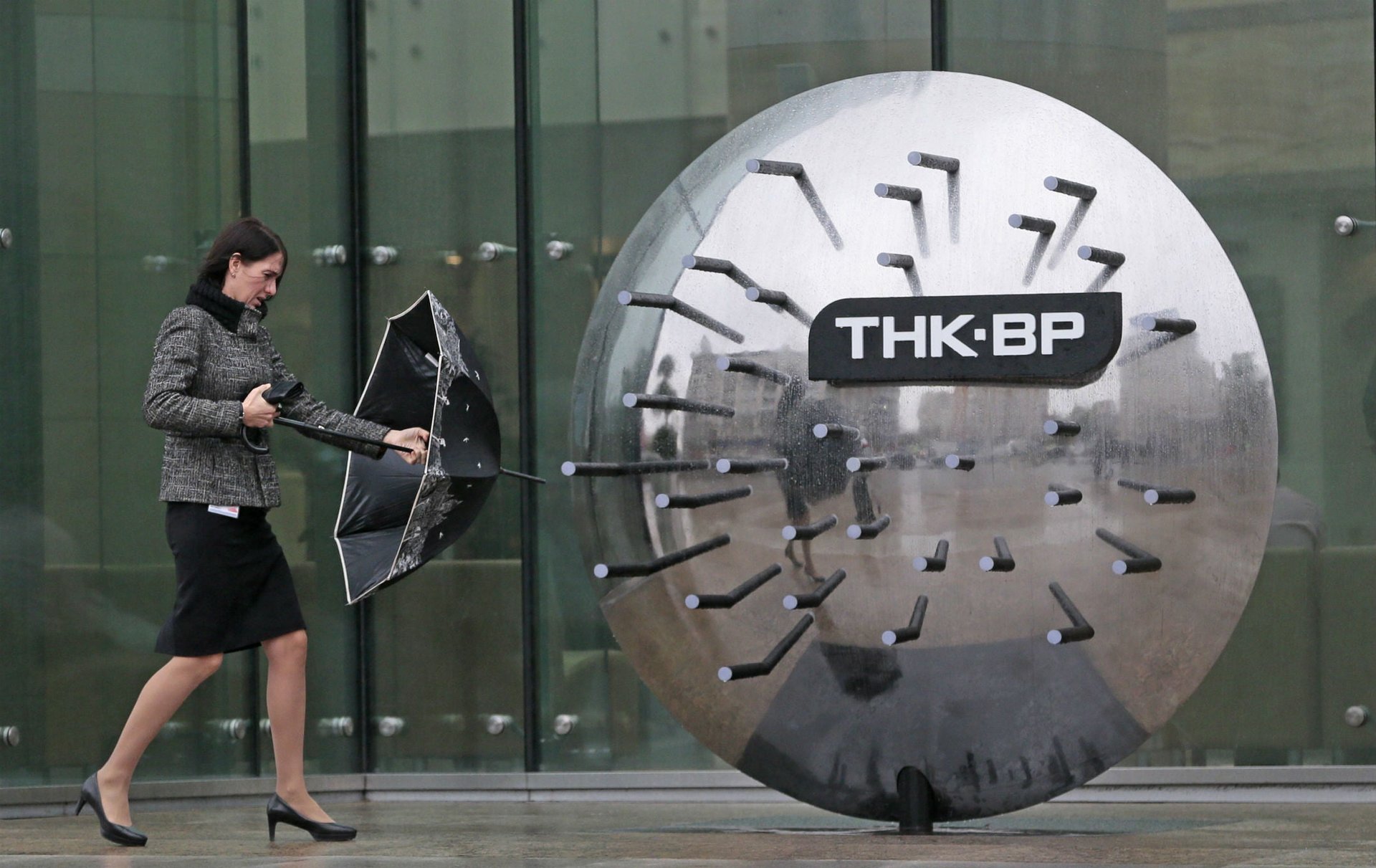
Russia’s Rosneft is poised to become the largest single publicly traded oil company in the world after President Vladimir Putin blessed its purchase of 100% of TNK-BP for about $55 billion. The agreement is triumphant for BP after a tough two years in which many analysts doubted its ability to go on. And it allows a graceful exit for four Russian oligarchs who less than two years ago humiliated the country’s most powerful oil official.

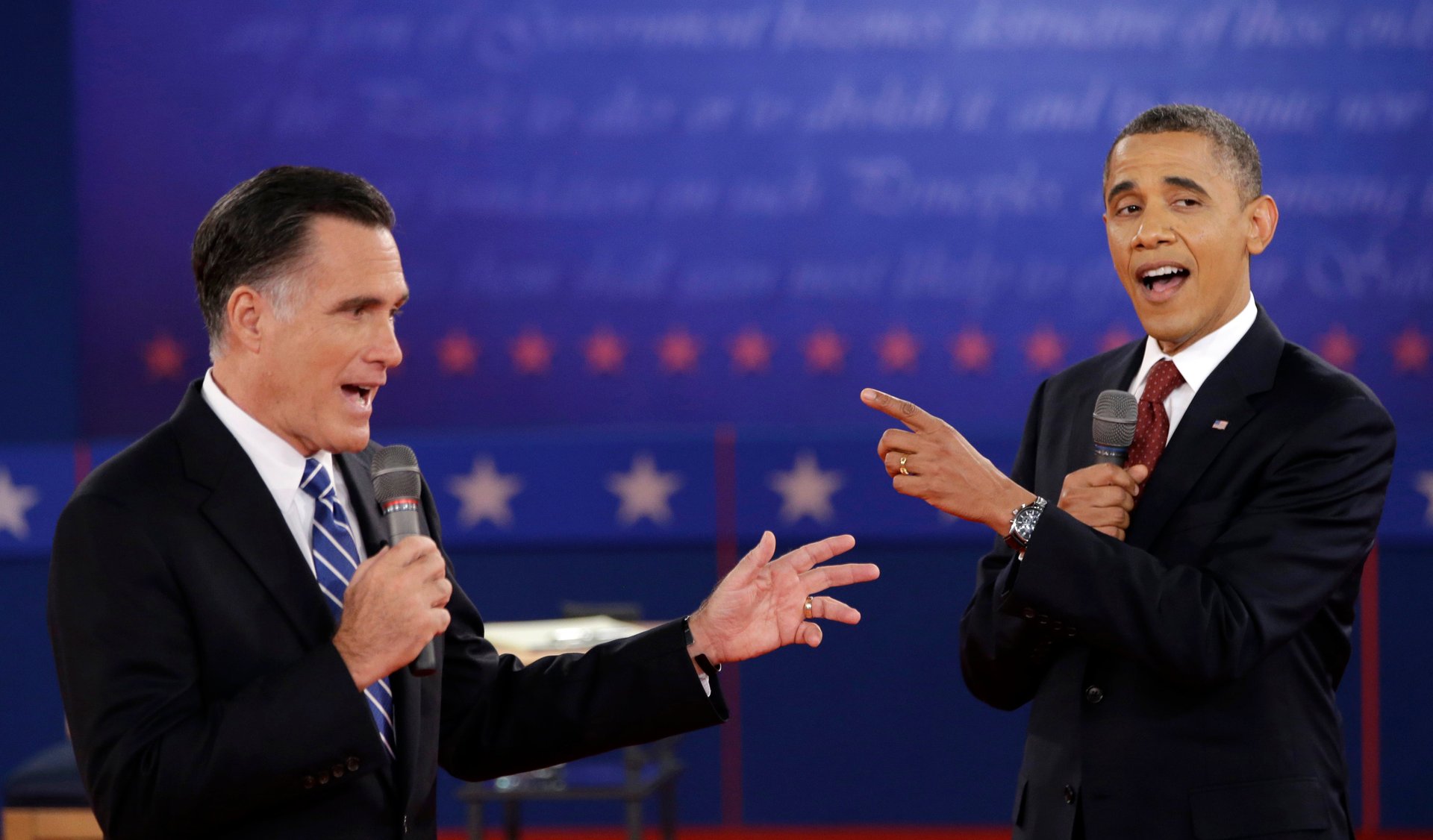
The third and final debate between President Barack Obama and GOP nominee Mitt Romney on Oct. 22 will focus on foreign policy. Among the key topics are likely to be Iraq, Libya, Israel, Russia, and China.

BP’s board of directors has approved the sale of the company’s 50% stake in Russia’s third-largest oil company to state-controlled Rosneft in a cash-and-shares deal worth as much as $27 billion, say people with knowledge of the deal.

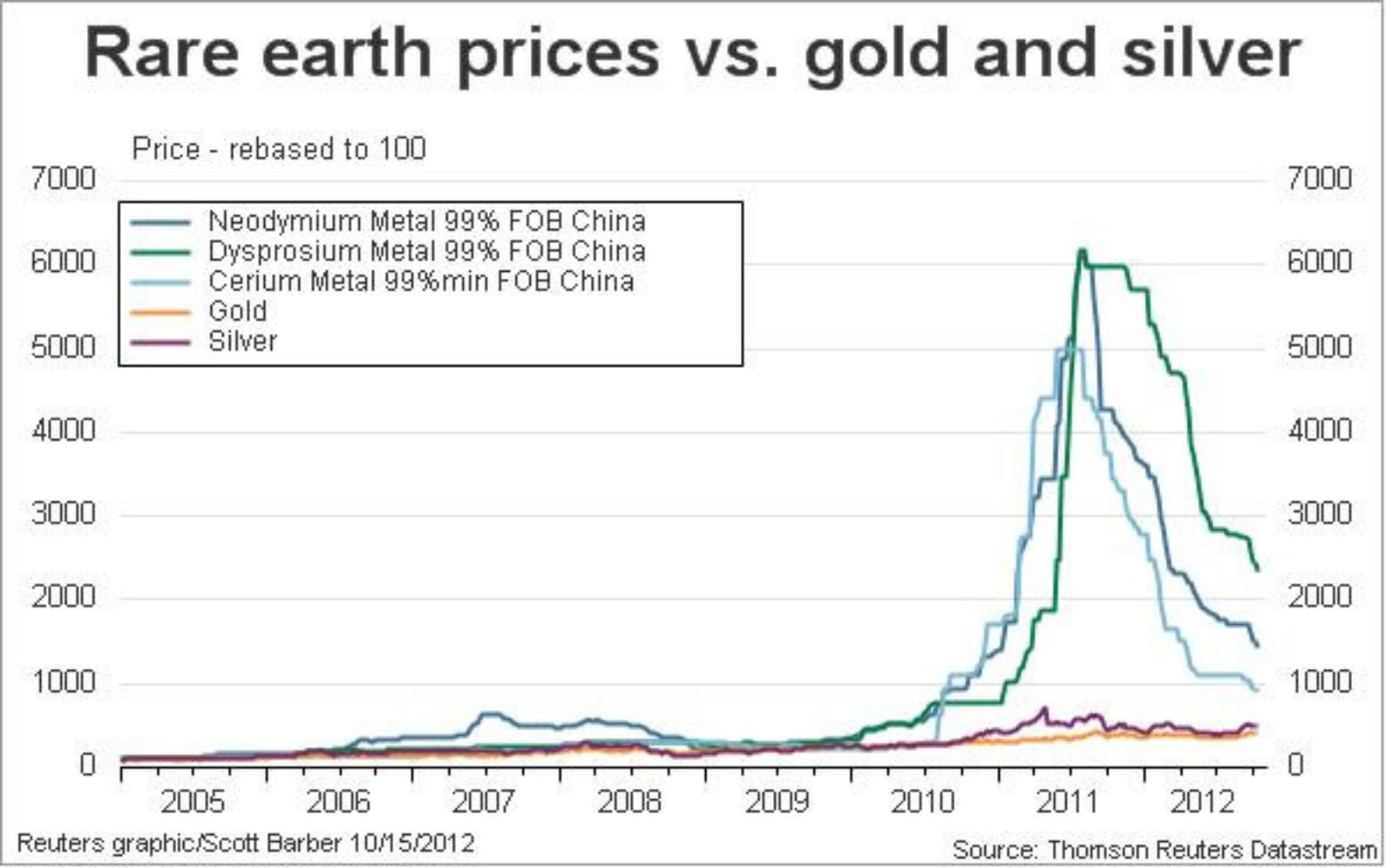
Japan and China may be much less at odds than it has seemed by their mutual threats. To see why, go back to 2010, when a Chinese fisherman named Zhang Qixiong rammed a Japanese naval vessel in the East China Sea, triggering an international incident. In the subsequent days, Beijing retaliated by clamping an embargo on Japan’s access to rare-earth elements, the 17 metals that are crucial in big-screen TVs, wind turbines, and batteries. China controls 98% of the global rare earths supply, and by cutting Japan off, it showed that it was prepared to strike at the jugular of Japan’s economy over an arguably trifling affair. In the last couple of months, the re-ignition of a dispute over the Senkaku/Diaoyu islands has provoked naval drills, a Chinese boycott of the recent IMF meeting in Tokyo, a plunge in Asia’s most lucrative trade relationship, and other general boisterousness.