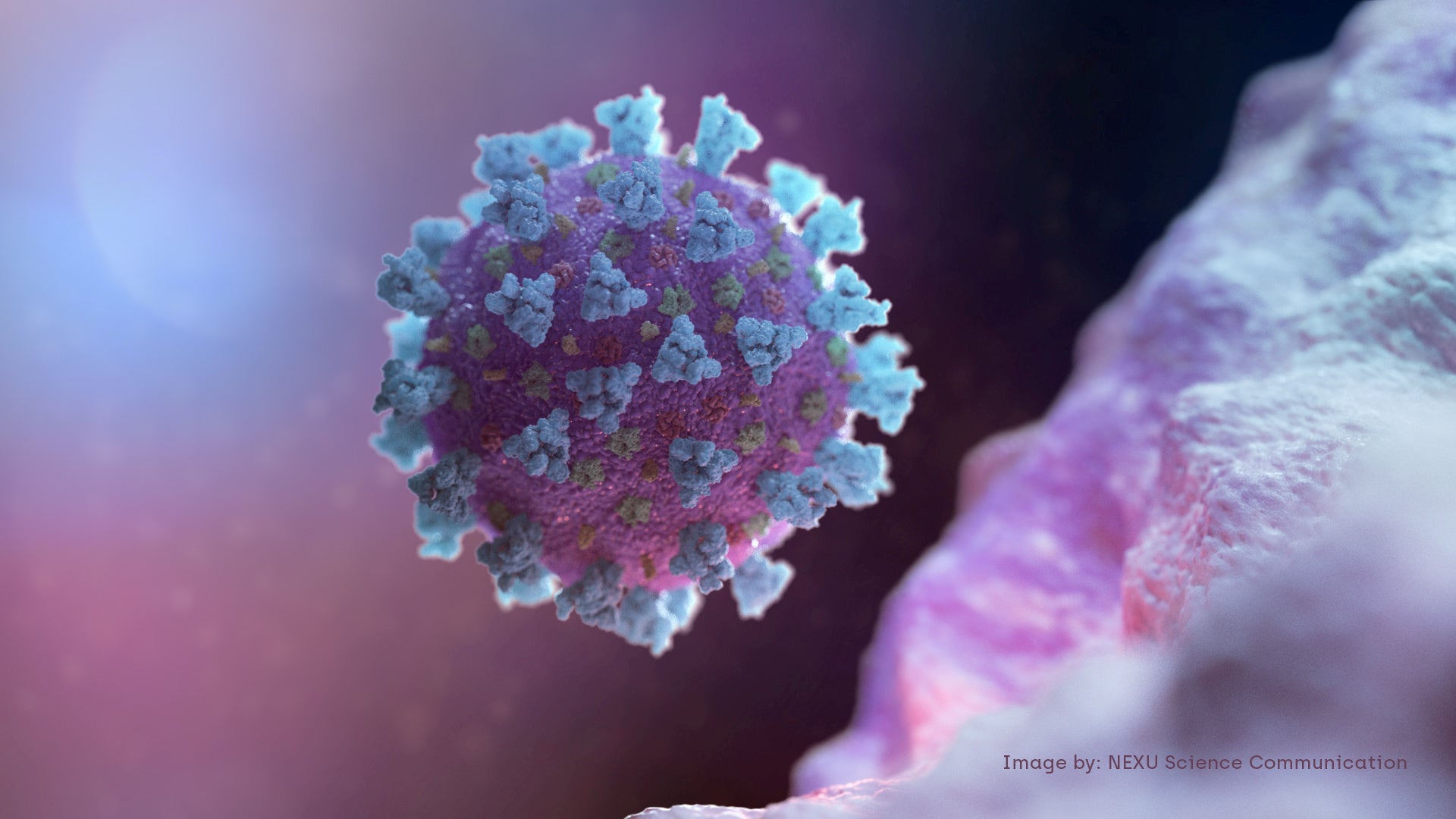
Despite what you may hear from dodgy sources on social media, there is no known treatment for Covid-19, the illness caused by the novel coronavirus. Right now, there are only clinical trials.

Despite what you may hear from dodgy sources on social media, there is no known treatment for Covid-19, the illness caused by the novel coronavirus. Right now, there are only clinical trials.

Until just over a week ago, Brianna Davis was feeling secure in her social media and content creator role for Student Beans, a kind of Groupon site for college kids. She knew there was a risk of layoffs, but she had been reassured in a recent call that her job at the New York-based company was safe.

Living under quarantine can have a profound impact on a person’s psyche.

The coronavirus pandemic has only begun to wreak havoc on the economy, but millions of people around the world have already felt the impact, with mass layoffs and furloughs announced daily and throngs of small businesses shuttering.

On a recent pre-quarantine drive from Toronto to New York, my husband and I made a tacit agreement to treat our rental car as a sealed escape hatch from coronavirus anxiety. We binged on podcasts, discovering one that was particularly brilliant and uplifting, a This American Life episode on delight that first aired in January. The producers’ goal: to provide some counterprogramming to the dark news that month.

When the Covid-19 pandemic winds down, it will have left an indelible mark on the workplace.

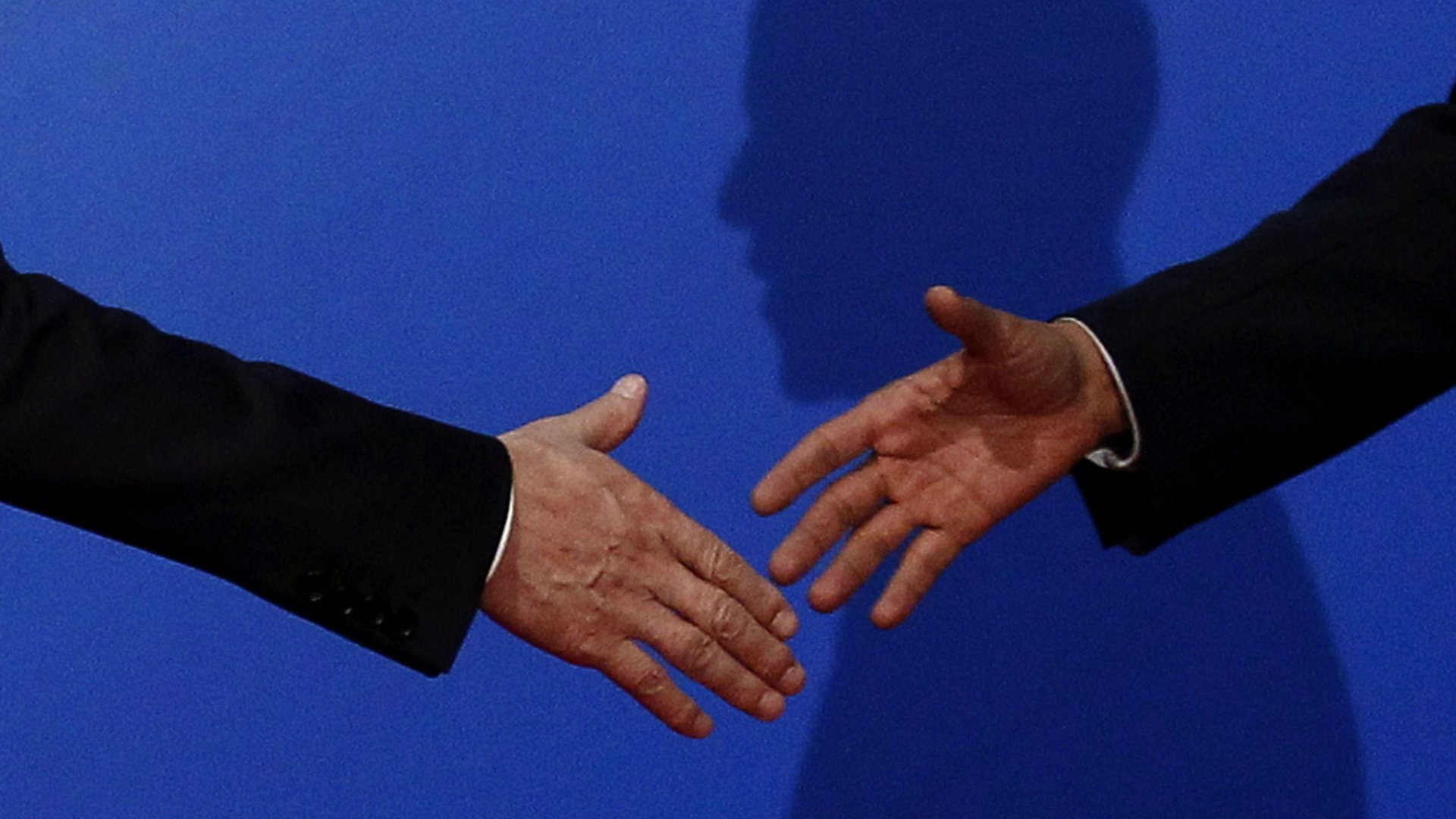
Just over 10 years ago, Daniel Post Senning, author and consultant at the Emily Post Institute, noticed more clients asking him the same question: How do you decline a handshake when you don’t want to get sick?

Should you want to make a case for banning handshakes during the coronavirus crisis, there’s plenty of damning evidence out there to help you do it.

Do people come up with more creative ideas when they all show up to work in the same place, or are remote teams and distributed workforces just as skilled at collaborating?

Luxembourg just became the first country in the world to make its entire public transit system free to all.

“You gotta admit, folks, universal healthcare doesn’t sound too crazy now, does it?” says actor and comedian Larry David, in character as US presidential candidate Bernie Sanders, in this weekend’s Saturday Night Live cold open about a coronavirus press conference.

Rare is the self-help management book that doubles as a page-turner, but that’s part of the genius of Optimal Outcomes (Harper Business, 2020) by organizational psychologist Jennifer Goldman-Wetzler.

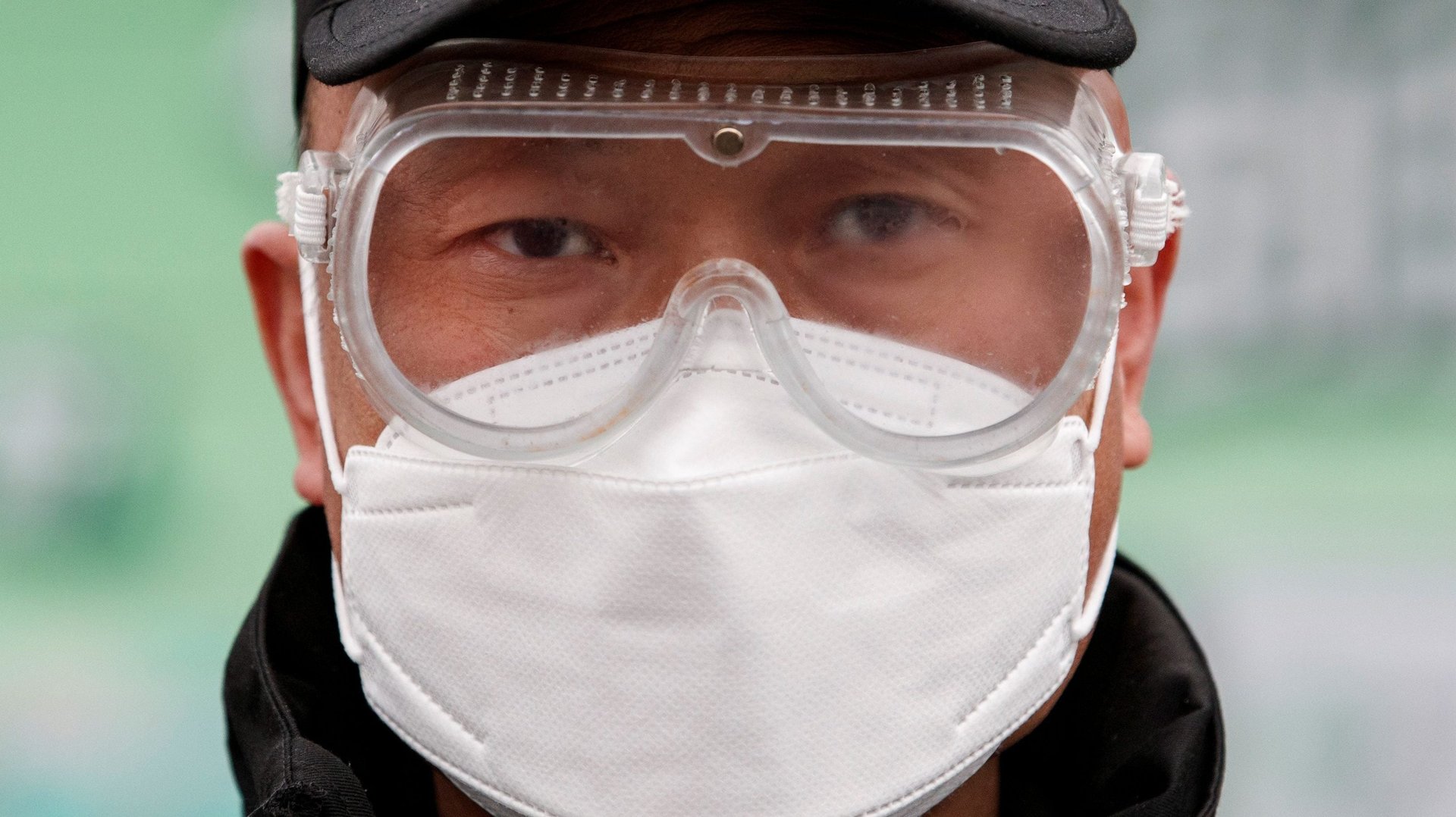
The city of Beijing recently released detailed guidelines for workplaces to avoid the spread of the novel coronavirus disease, or Covid-19, within offices and other places of business.

Democratic presidential candidate Elizabeth Warren appeared on a CNN Town Hall in Nevada last night armed with a prop: a legal document.

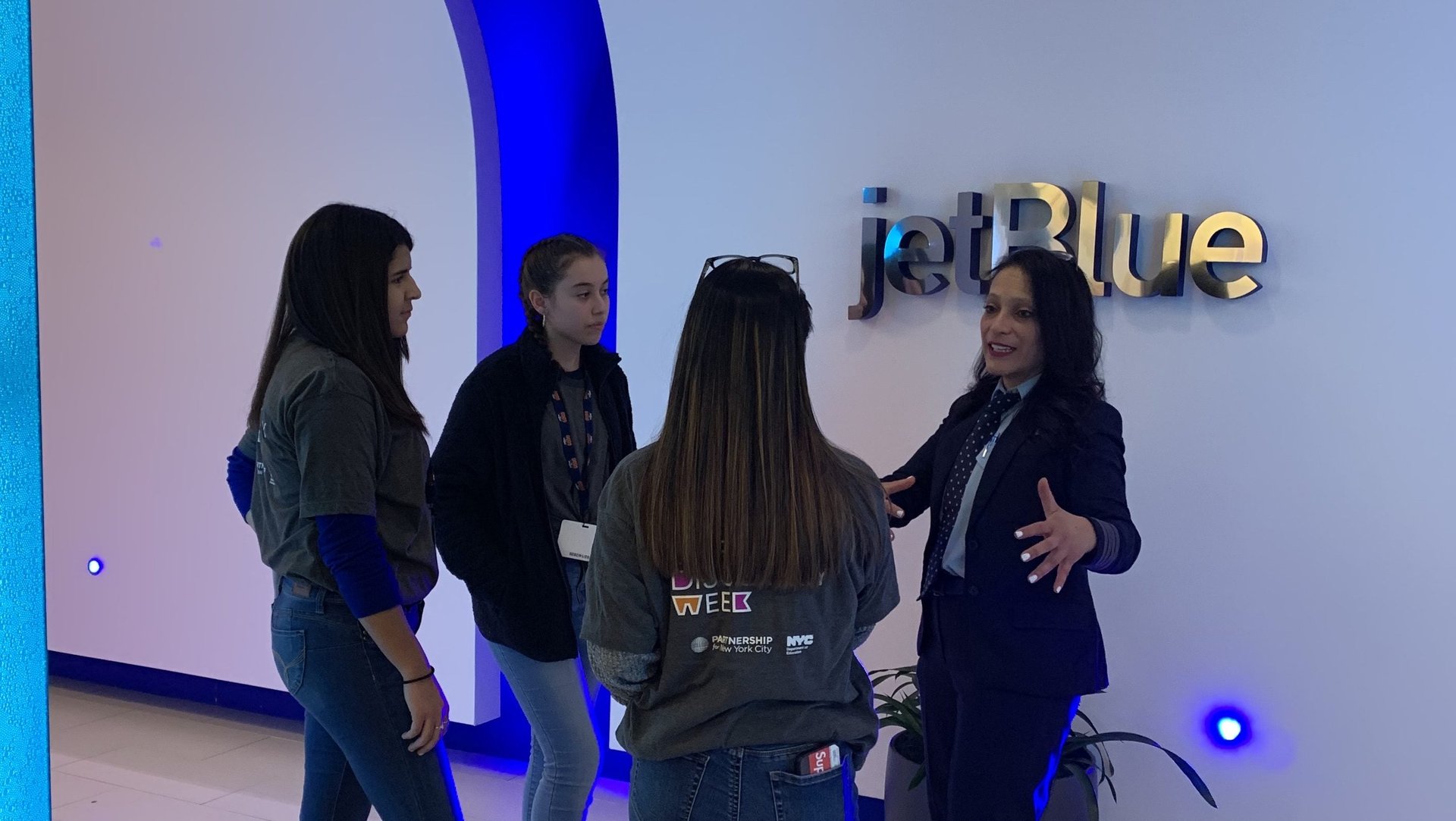
New York has been a world capital for all manner of industries for decades, but the city’s first ever Career Discovery Week was held just this month.

The goal of this review is to create the impression that our evaluation of you is not ad hoc and subjective. Employees will be awarded totally non-arbitrary rankings on core competencies. Managers will also provide feedback strongly informed by their mood and hunger level at the time of writing, and what little they remember of the last month or so. Please be aware that a copy of this document will live in your HR file forever.

According to a recent survey of more than 10,000 adults by health insurance giant Cigna, loneliness is a scourge across the US. About 63% of American men qualify as lonely, and 58% of women.

In 2017, Etsy endured a leadership “revolution,” as The New York Times put it. When board member Josh Silverman replaced Chad Dickerson, the well-loved former CEO, employees were reportedly concerned that the online retailer for independent artisans was losing its uniquely anti-corporate soul. And a big part of the company’s identity was its commitment to inclusivity, particularly, at that time, for women and the LGBTQ community.

“Looking for a long-term (at least five years) member of the household to act with leadership, strategy, attention to detail, high energy, and kindness. Live-in or out. Car provided.”

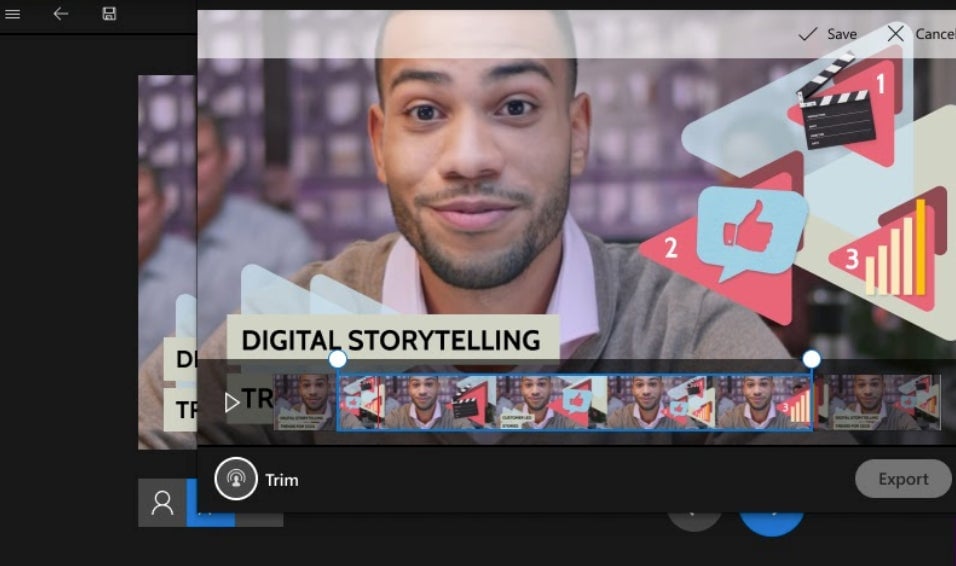
Prezi, the software company known for its artful presentation templates, now wants to help you make compelling live video presentations, by keeping your face in the picture.

A new documentary about a woman who broke new ground in animal behavior studies is filled with awe-inspiring scenes of its protagonist and vintage footage of the otherworldly, long-lashed gentle giants that are her subjects. It’s a beautiful film, but the most poignant moments, at least the day I saw it, happened offscreen, among audience members profoundly moved by a too-familiar story of sexism denying a woman her full potential.

Every now and then, a media story will propose another wild or surprising reason that millennials aren’t saving for retirement. We’ve been told that some young adults don’t believe civilization will exist by the time they’re ready to stop working, and that some are counting on a socialist future to save them from capitalism’s indifference.

In 2009, a nursing home opened in Weesp, Netherlands, not far from Amsterdam, that was unlike any other in the world. It included a town square, a post office, and a theater. In its compact convenience store, residents could “shop” for milk, shampoo, and other necessities, but without the need to pay for anything. In this neighborhood, called Hogeweyk, all of the residents had dementia, and their environment was designed to allow them the quotidian pleasures of daily life, despite the illness that likely would have landed them in a hospital-like ward at a traditional nursing facility.

The senior housing market can be bewildering to newcomers, partly because not everyone within it speaks exactly the same language. The terminology for the wide range of arrangements can vary slightly between businesses, states, and countries.