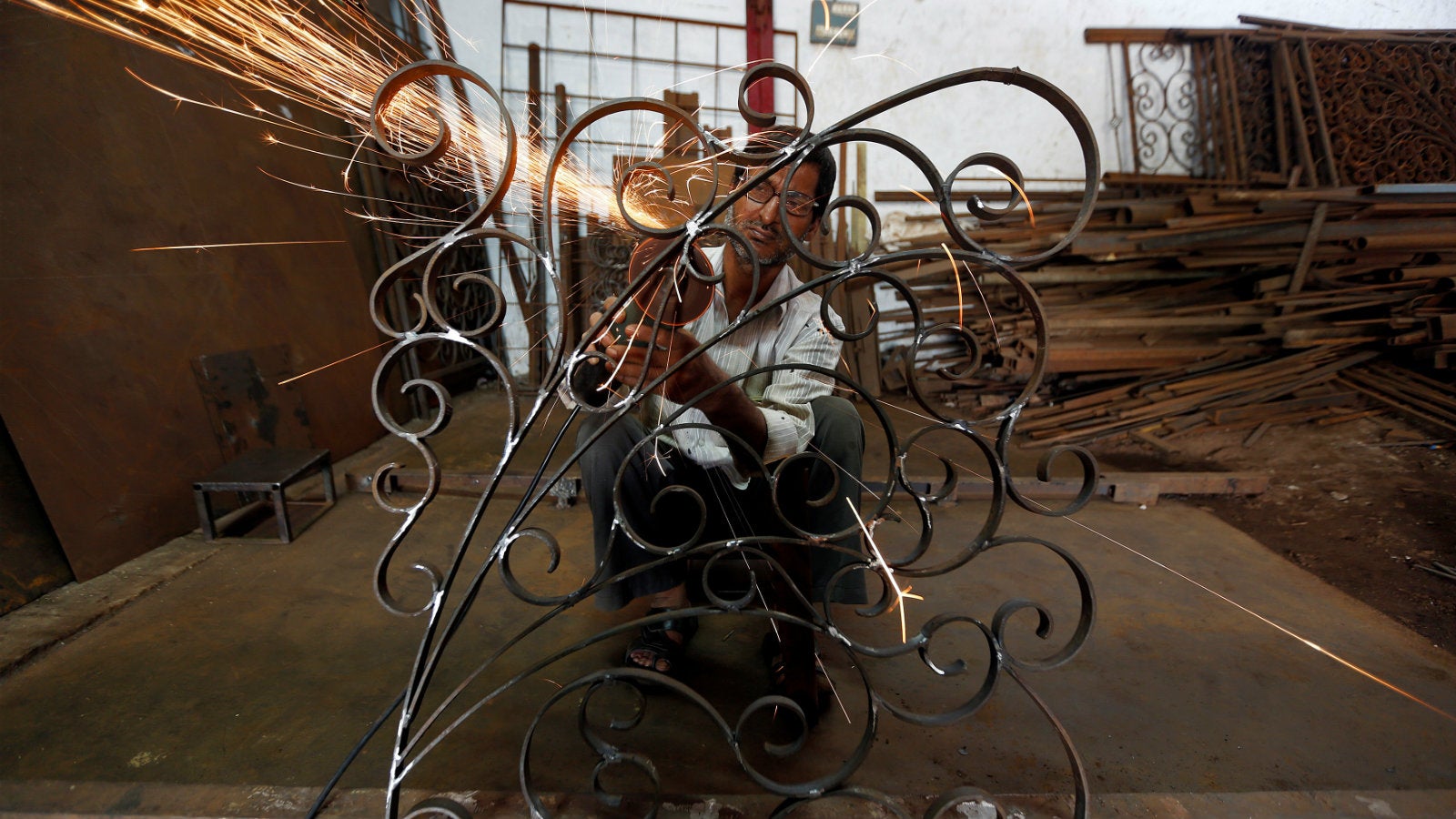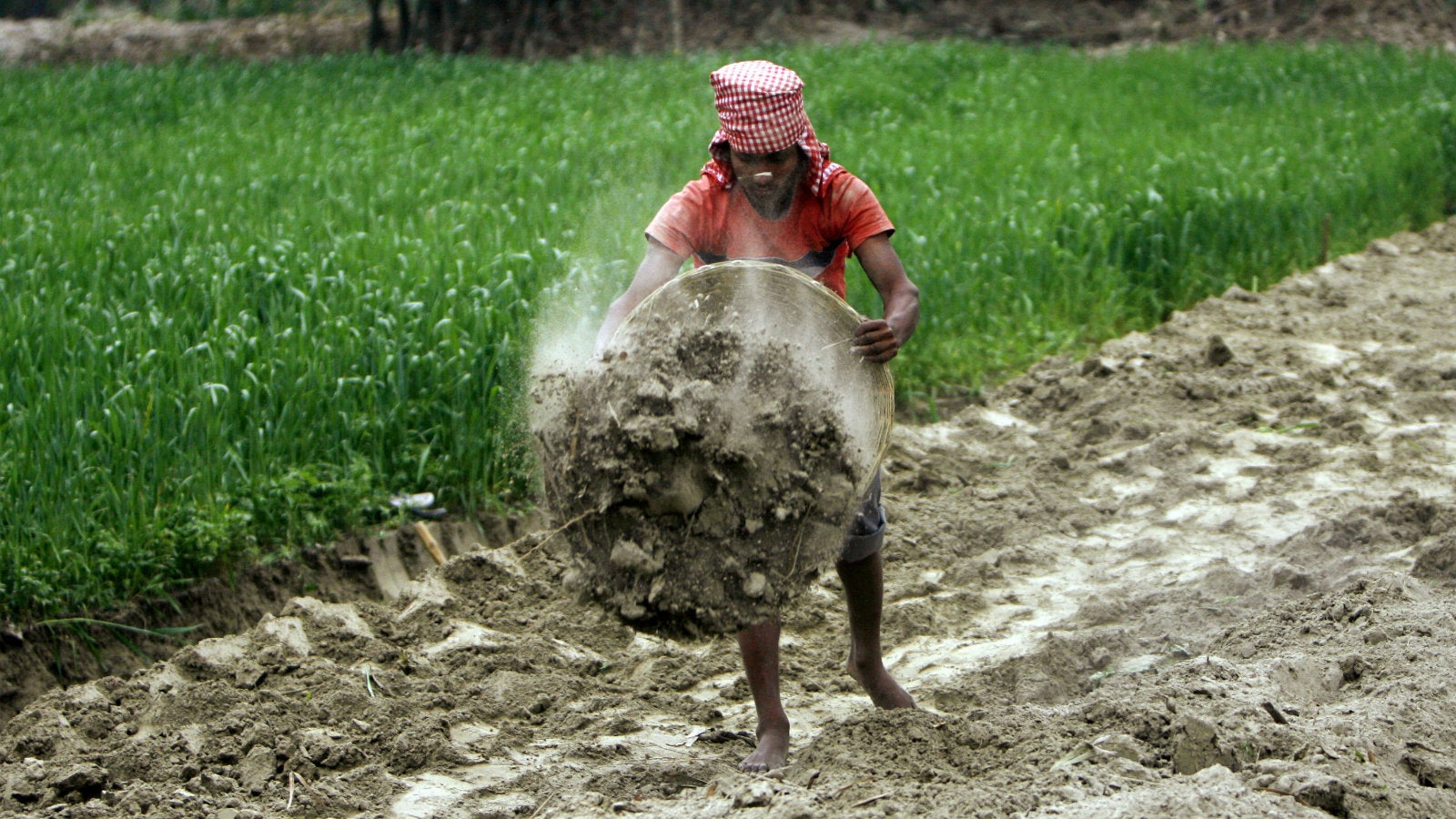
A mega job-guarantee program to alleviate massive rural distress may have had an unexpected, deleterious effect: luring India’s skilled labour away from the organised sector.

A mega job-guarantee program to alleviate massive rural distress may have had an unexpected, deleterious effect: luring India’s skilled labour away from the organised sector.

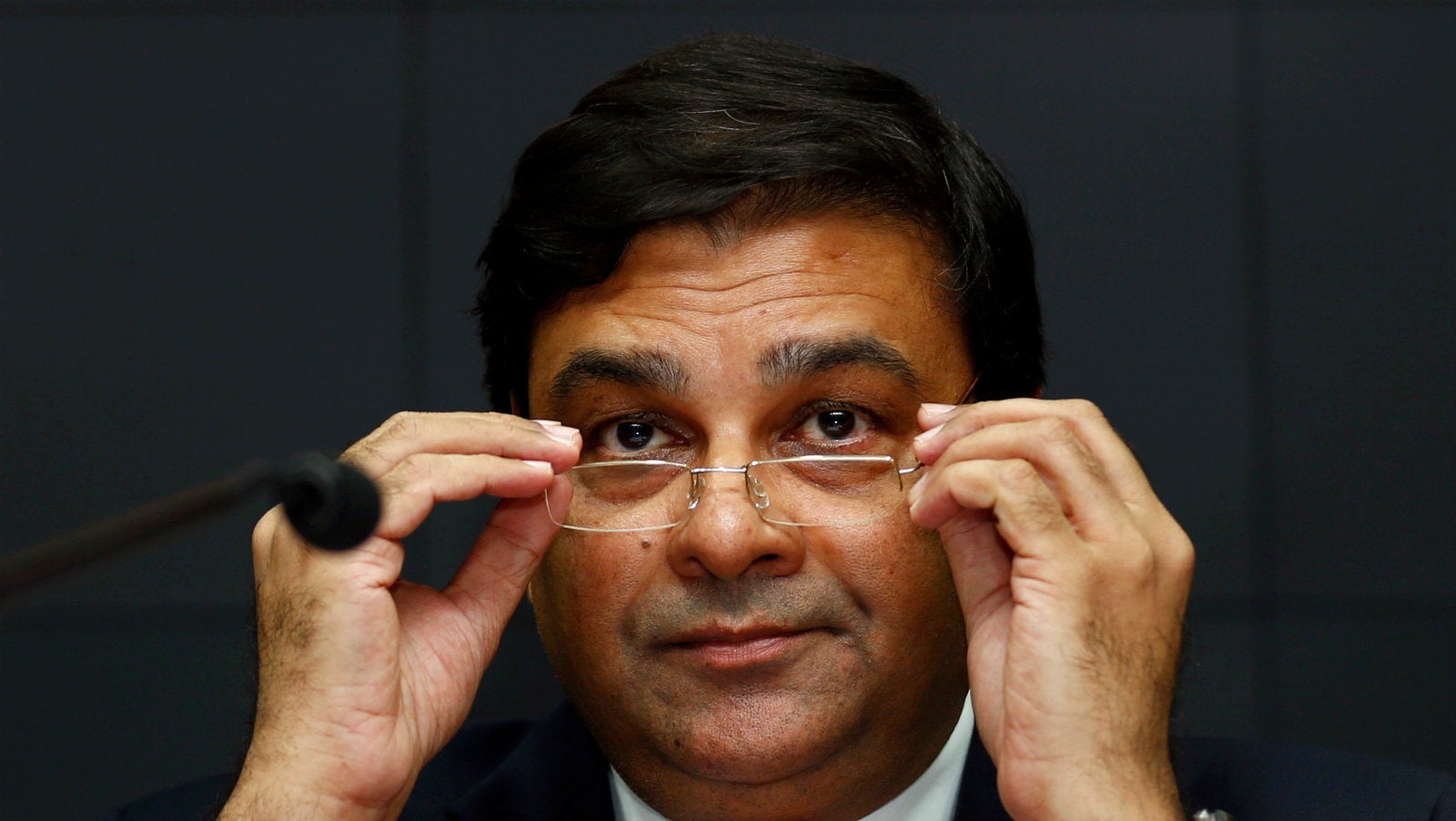
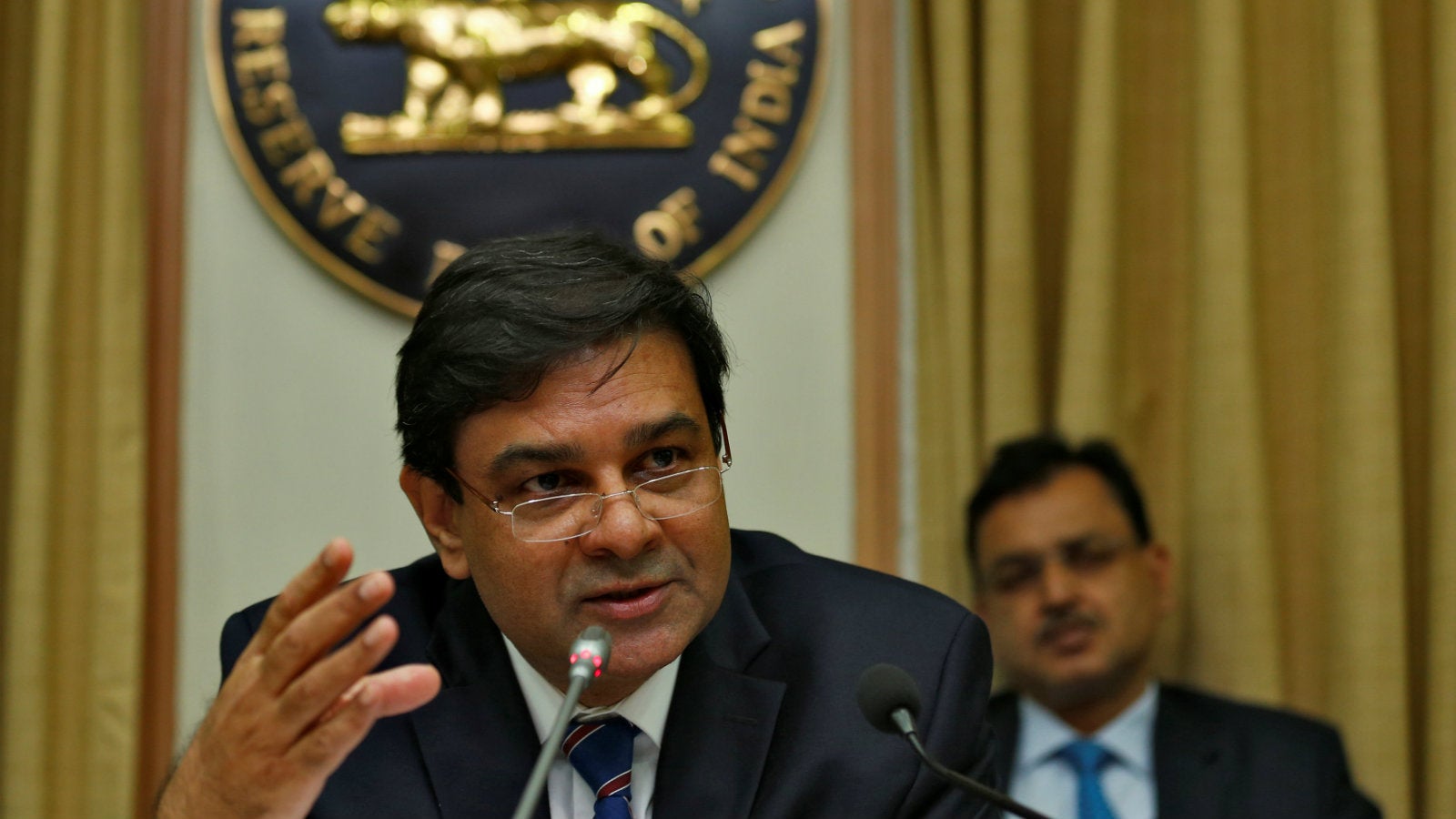
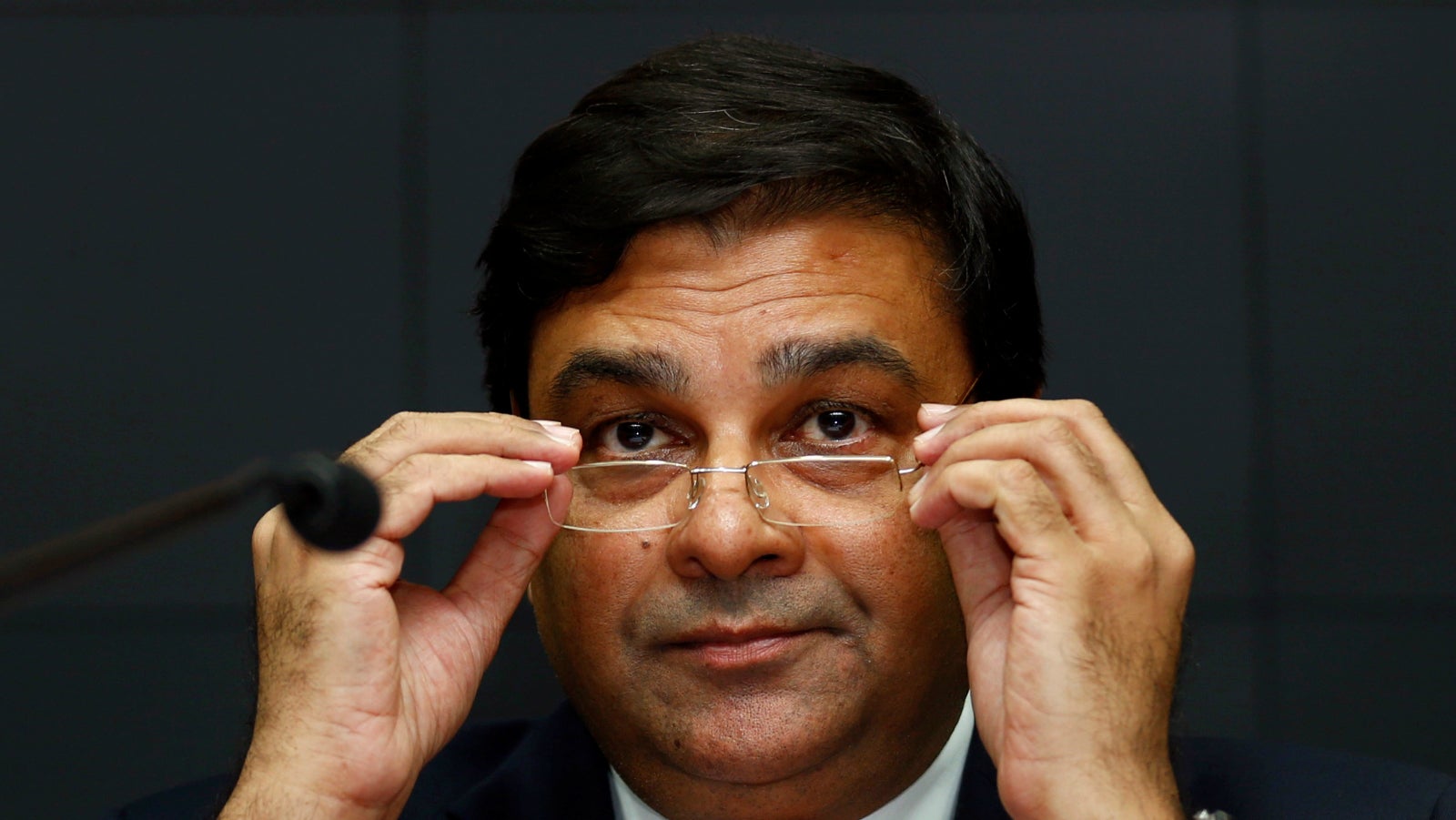
Four months ago, when Urjit Patel took charge as the 24th governor of the Reserve Bank of India (RBI), he had big shoes to fill. His predecessor, Raghuram Rajan, had proven to be a superstar with his free-flowing eloquence making an instant connect with Indians. Patel’s low-profile style of functioning was inevitably compared to that of Rajan’s.

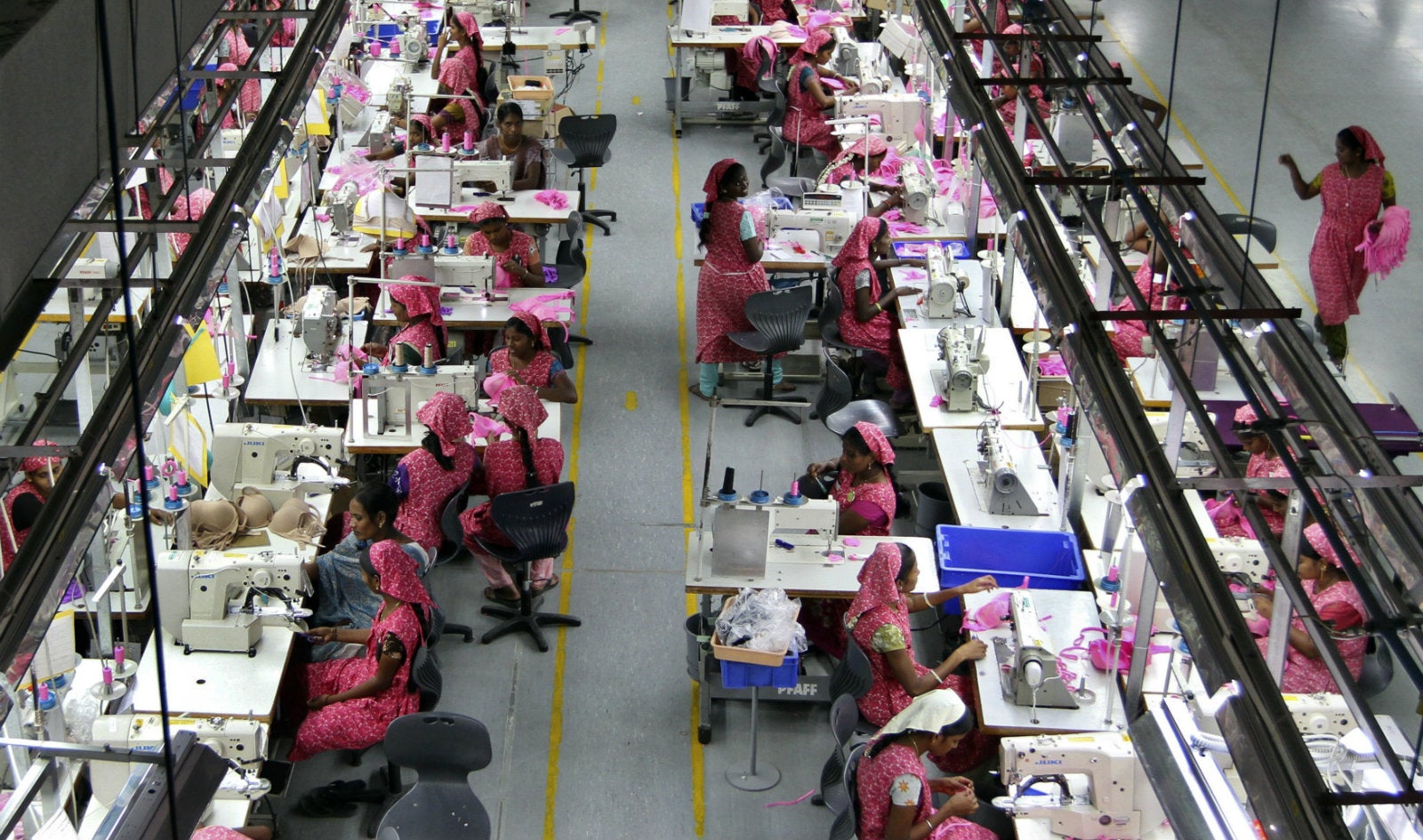
For the first time since December 2015, manufacturing activity in India is contracting.

Rating agencies play a major role in determining the macroeconomic indicators of a country. This is especially true in emerging markets such as India.

It’s been a testing two months for Indians.

2016 has been rough.

E-tailers in Asia’s third-largest economy are in fix.

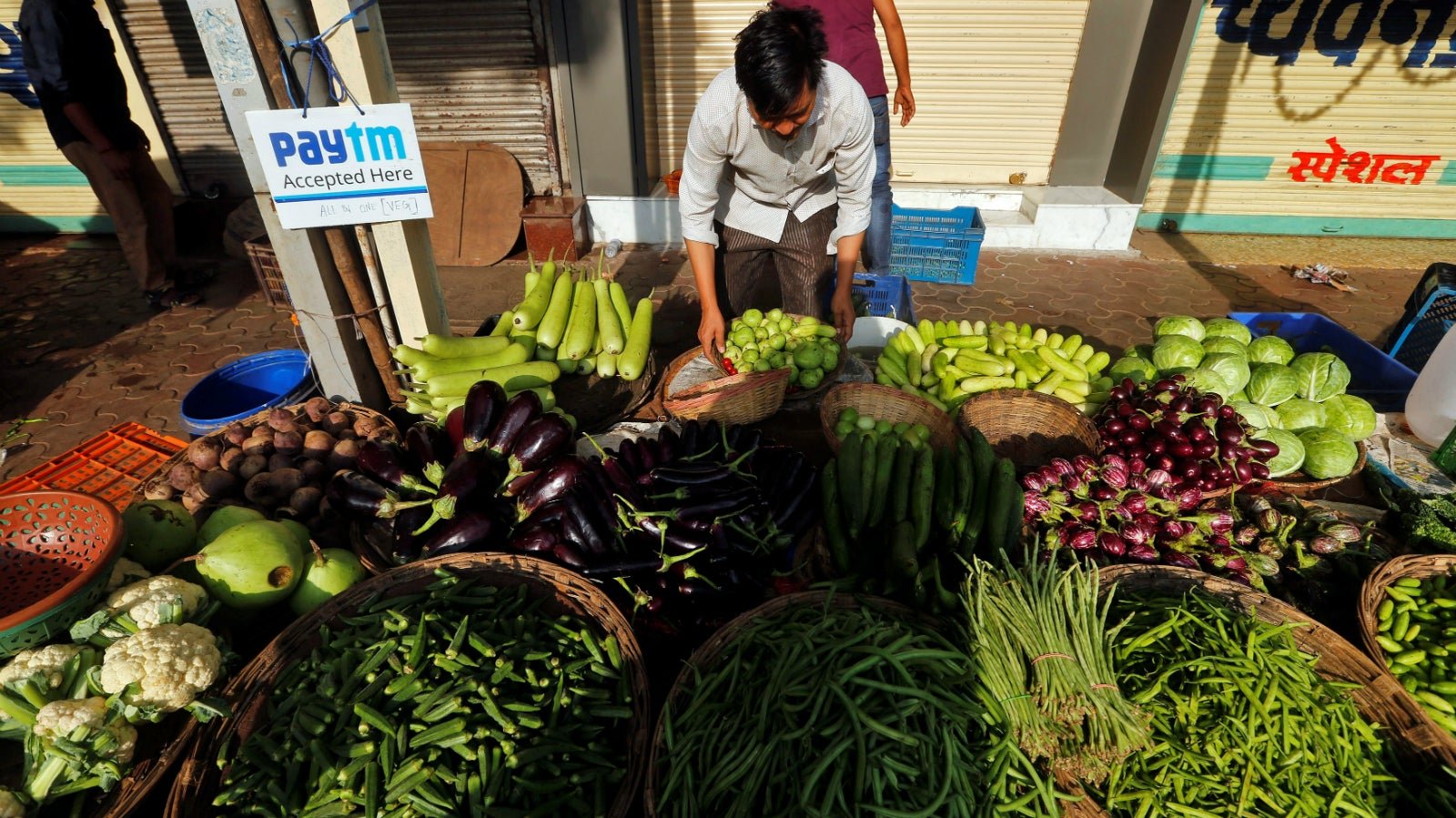
The last six weeks have been tough for the residents of Pakur, a district in Jharkhand, since prime minister Narendra Modi’s move to demonetise Rs500 and Rs1,000 notes on Nov. 08.

Saket Modi’s job is to break into the IT systems of India’s central bank.

Six weeks ago, when prime minister Narendra Modi announced his government’s decision to demonetise Rs500 and Rs1,000 notes, it wasn’t just Indians who were taken aback.

Most Indian working women—76.7% of them, and across age groups—are married. The country’s total female workforce stood at 149 million, according to data from the Census 2011.

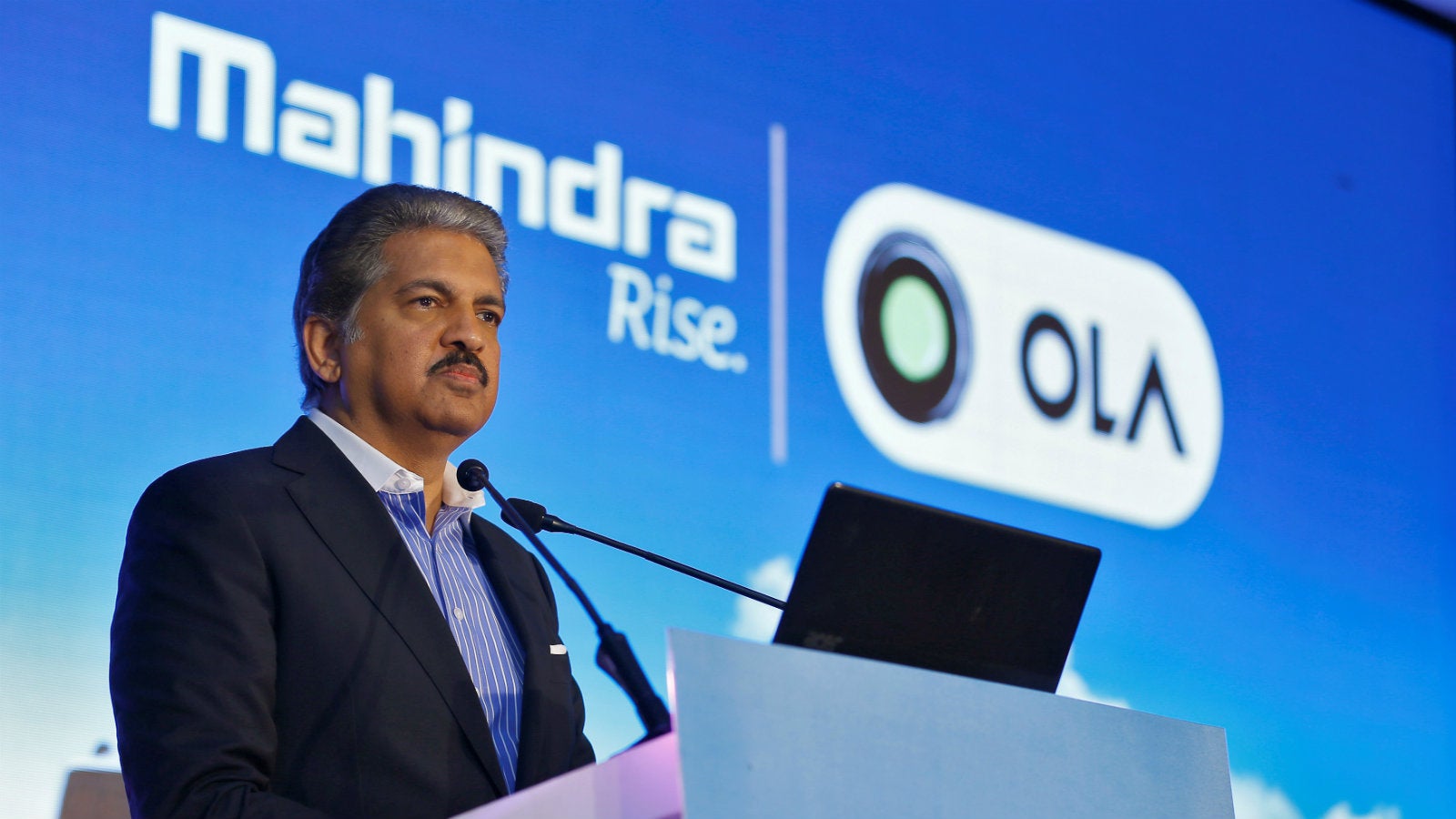
Anand Mahindra believes Indian industry is at an inflection point. And he is readying his company for the future.

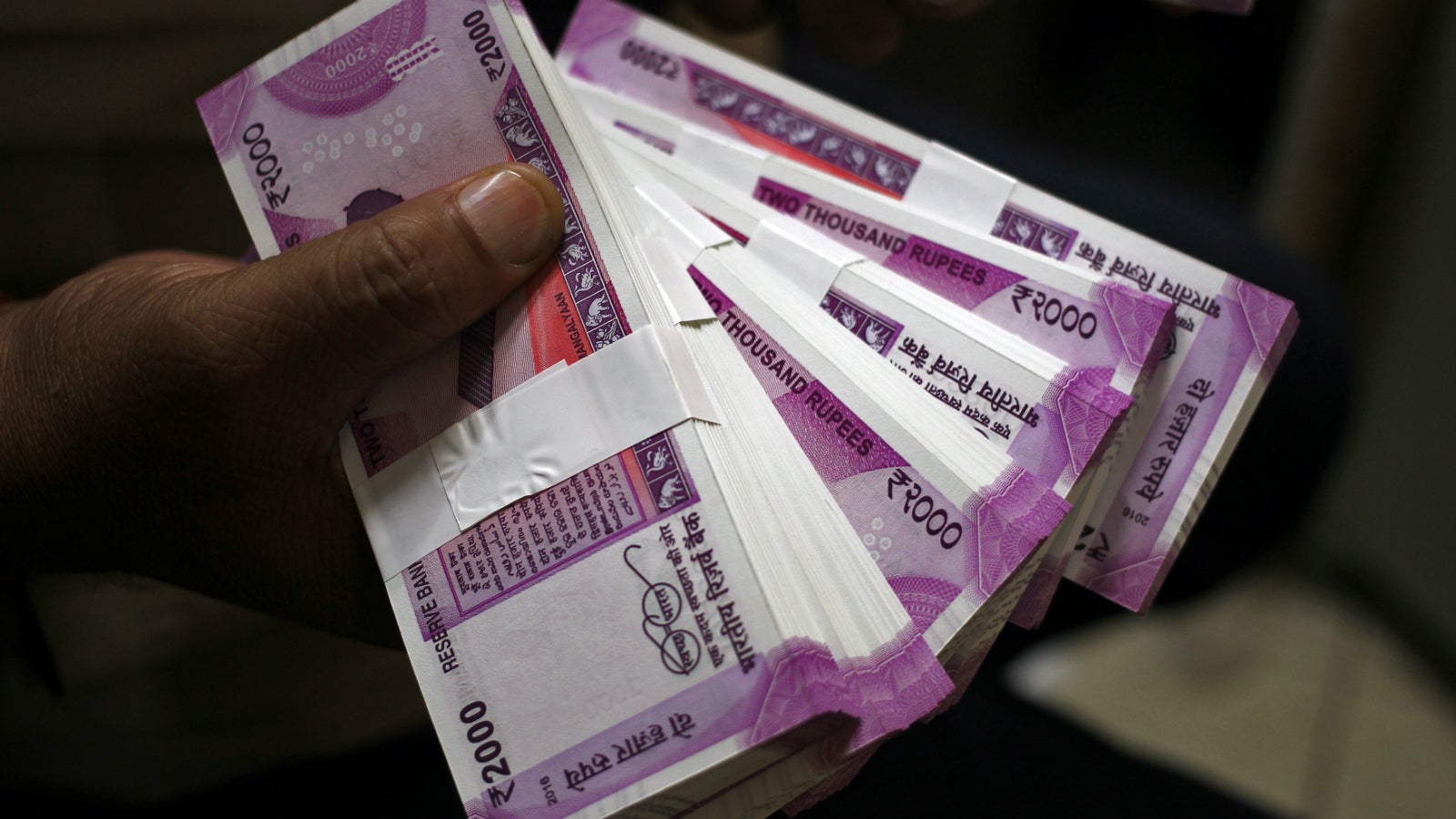
The Narendra Modi government’s move to demonetise an overwhelming bulk of Indian currency notes in circulation has squeezed the country’s banking system to the limit.

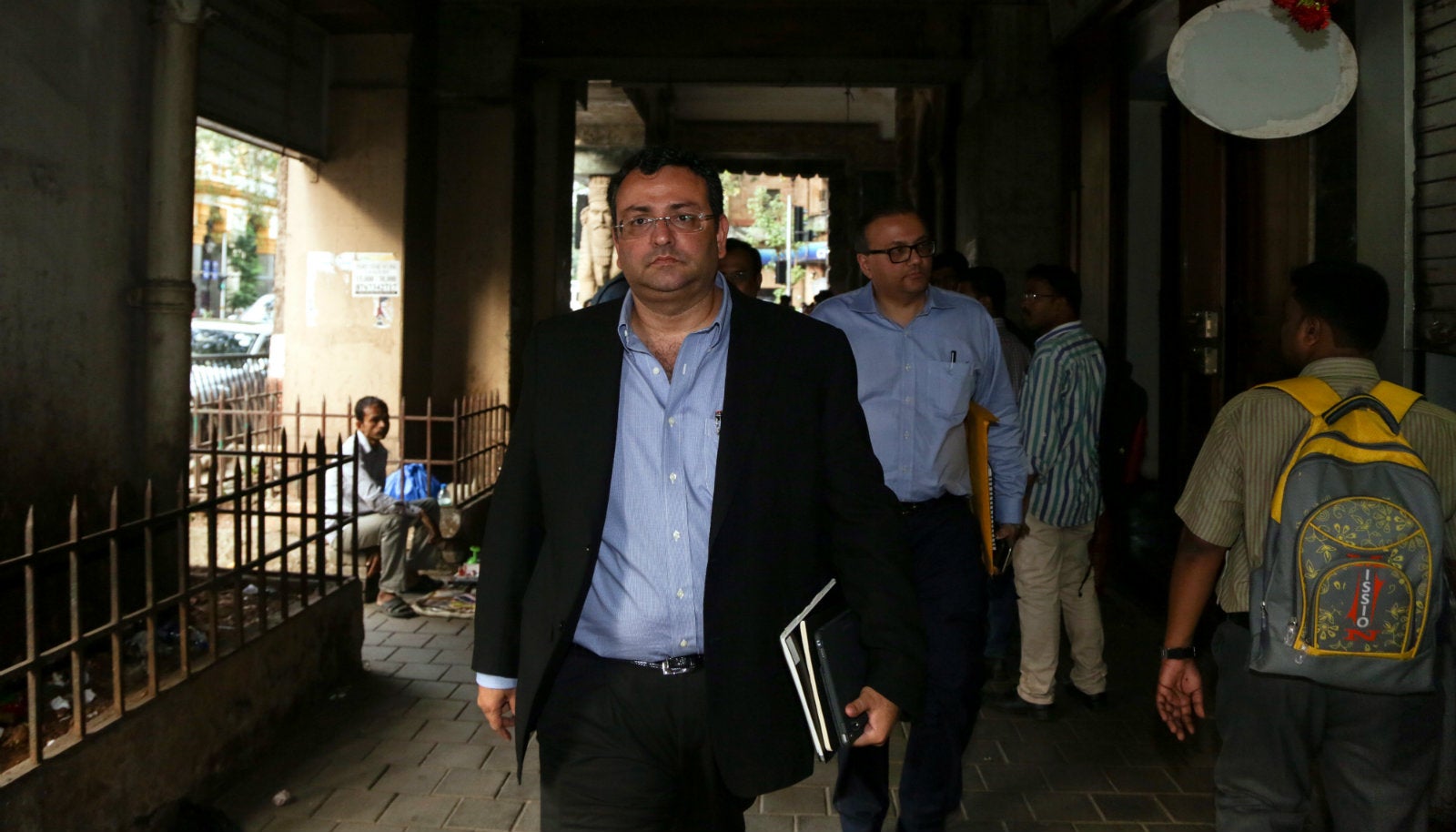
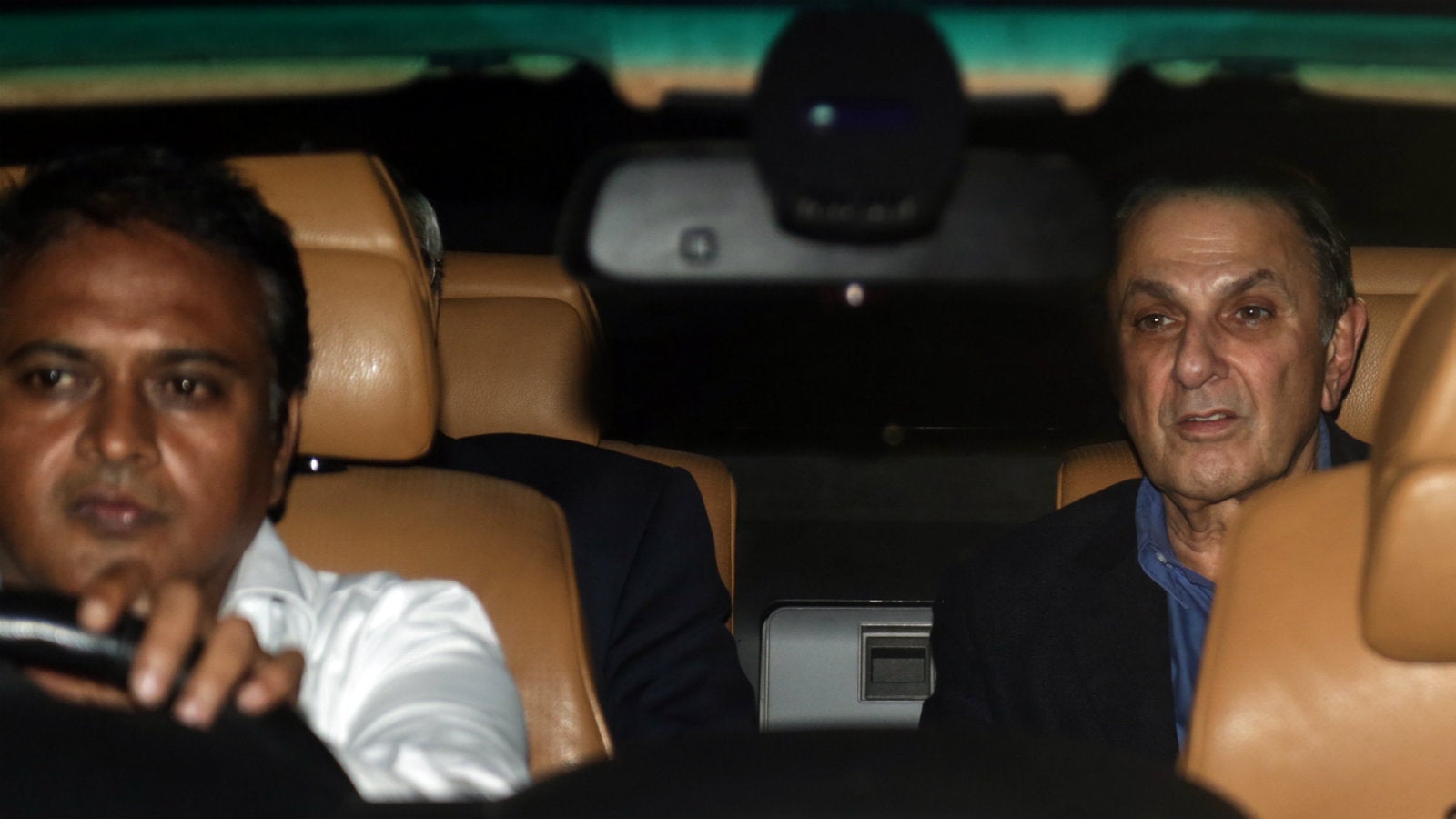
Ousted Tata Sons chairman Cyrus Mistry has been dealt another blow: On Dec. 13, he was voted out as a director from the board of Tata Consultancy Services (TCS), India’s largest IT firm and the Tata Group’s crown jewel.

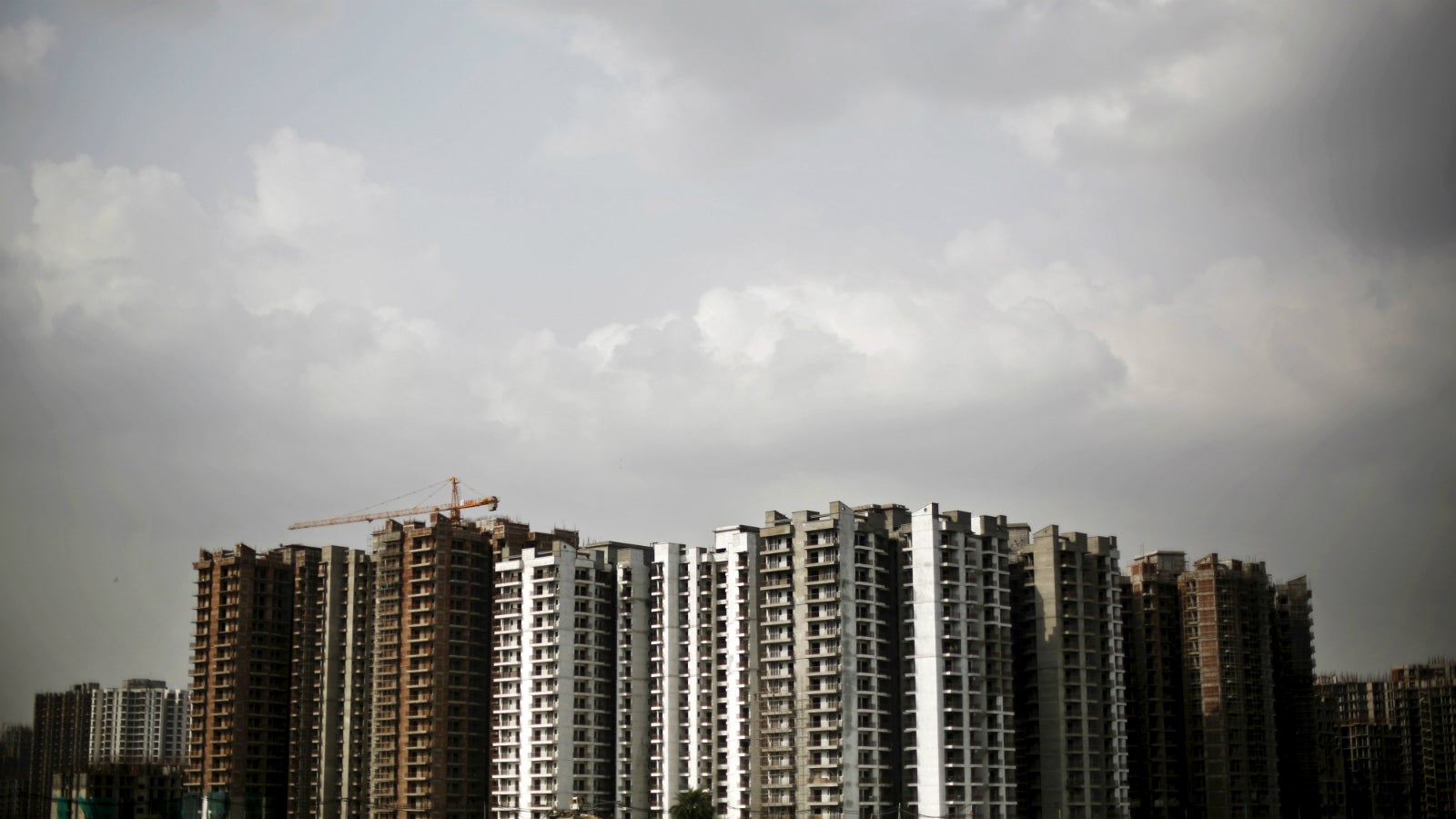
India’s real estate sector, which accounts for about 7% of the country’s GDP (pdf), has seen demand dry up drastically following Narendra Modi’s decision to demonetise the Rs500 and Rs1,000 notes.

As if allegations from ousted chairman Cyrus Mistry weren’t hurting Tata Sons enough, now an old confidante has targeted Ratan Tata over wrongdoings in the group’s affairs. Nusli Wadia, the 72-year-old chairman of the Wadia Group and an independent director at Tata Steel, has written a letter to the shareholders of the steelmaker, accusing Tata of possibly violating insider trading regulations.

It’s the season of income tax raids in Asia’s third-largest economy.

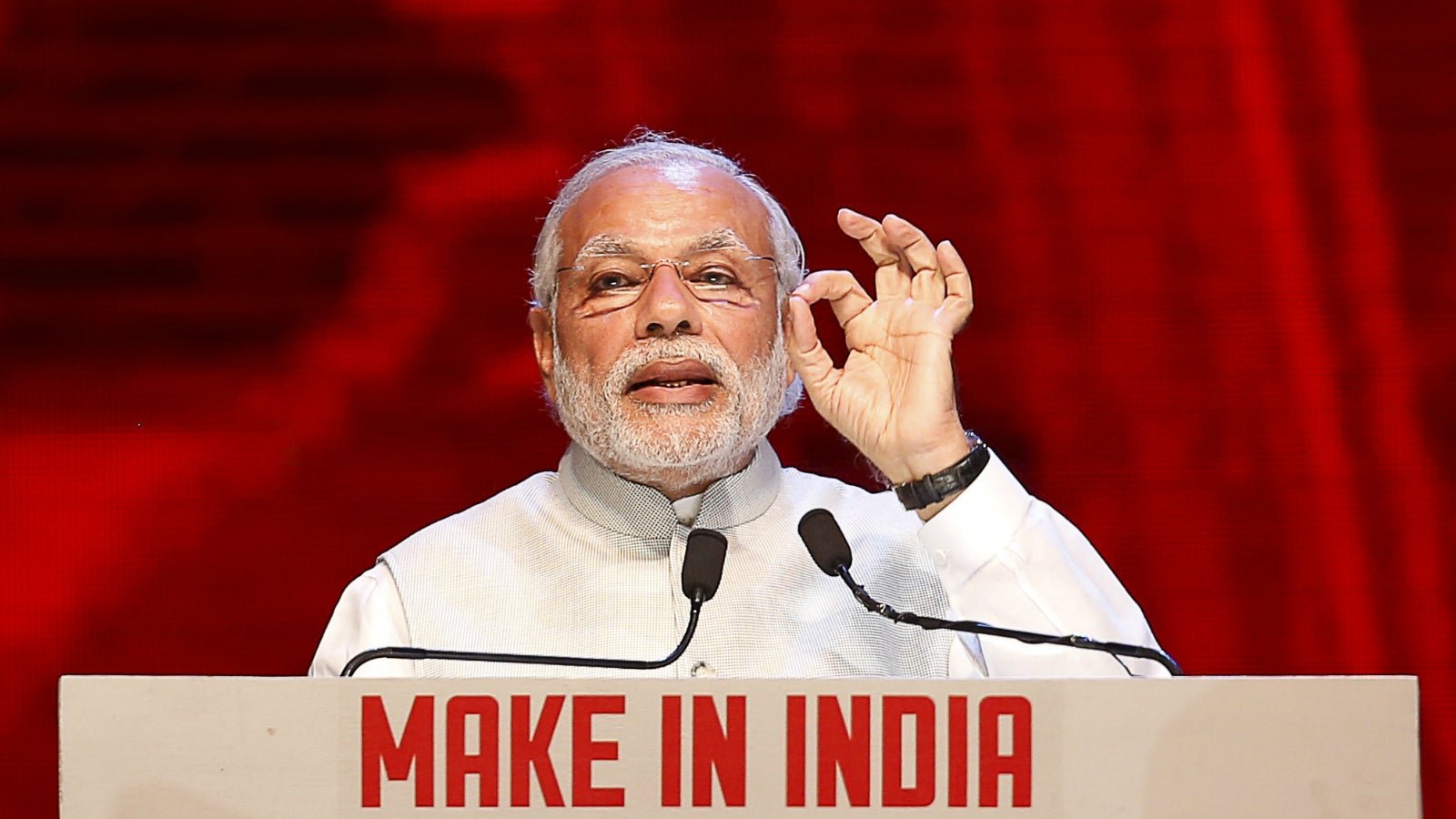
Narendra Modi is in a hurry to transform the way India’s economy works.

The Indian diamond polishing and cutting industry—the largest in the world—is rapidly losing its lustre.

On Dec. 07, India’s central bank surprised the country with its decision to hold interest rates. It was widely anticipated that the Reserve Bank of India (RBI) would resort to a rate cut, given the liquidity crisis in the country due to prime minister Narendra Modi’s demonetisation policy.

The Reserve Bank of India (RBI) on Dec. 07 unexpectedly kept the repo rate unchanged at 6.25%.

India’s central bank has simplified the process of making low-value transactions online.

In 2014, Narendra Modi came to power promising to kickstart India’s growth engine.

The amount of private equity (PE) money chasing India’s education firms is growing again. After a 30% drop in 2015, investments in the sector are up 25% year to date with $208 million raised across 42 deals, according to VCCircle, a news and data provider focused on startups and funding.