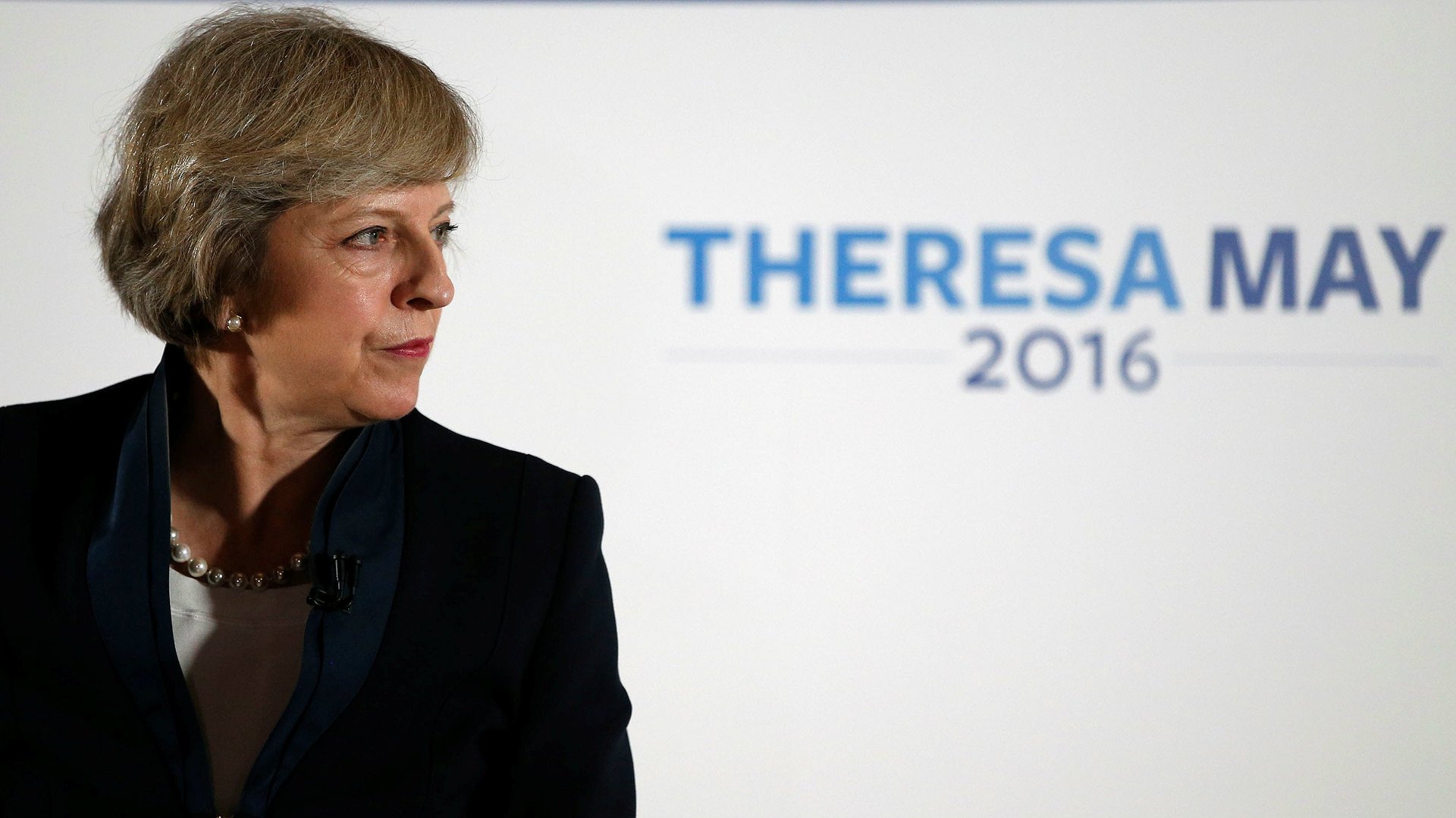
On yet another turbulent day in British politics, David Cameron announced that he will step down on Wednesday (July 13) after his weekly questions session, paving the way for home secretary Theresa May to be installed as prime minister.

On yet another turbulent day in British politics, David Cameron announced that he will step down on Wednesday (July 13) after his weekly questions session, paving the way for home secretary Theresa May to be installed as prime minister.

As Britain steps out of European Union, there is a question hanging over the three million EU citizens living in the UK: “Now what?”

News reports of violent shootings in America, and particularly black men at the hands of police, have become alarmingly frequent. But the voices of commentators and rapid politicization that follows such an event often drowns out the actual humans at the center of the tragedy.

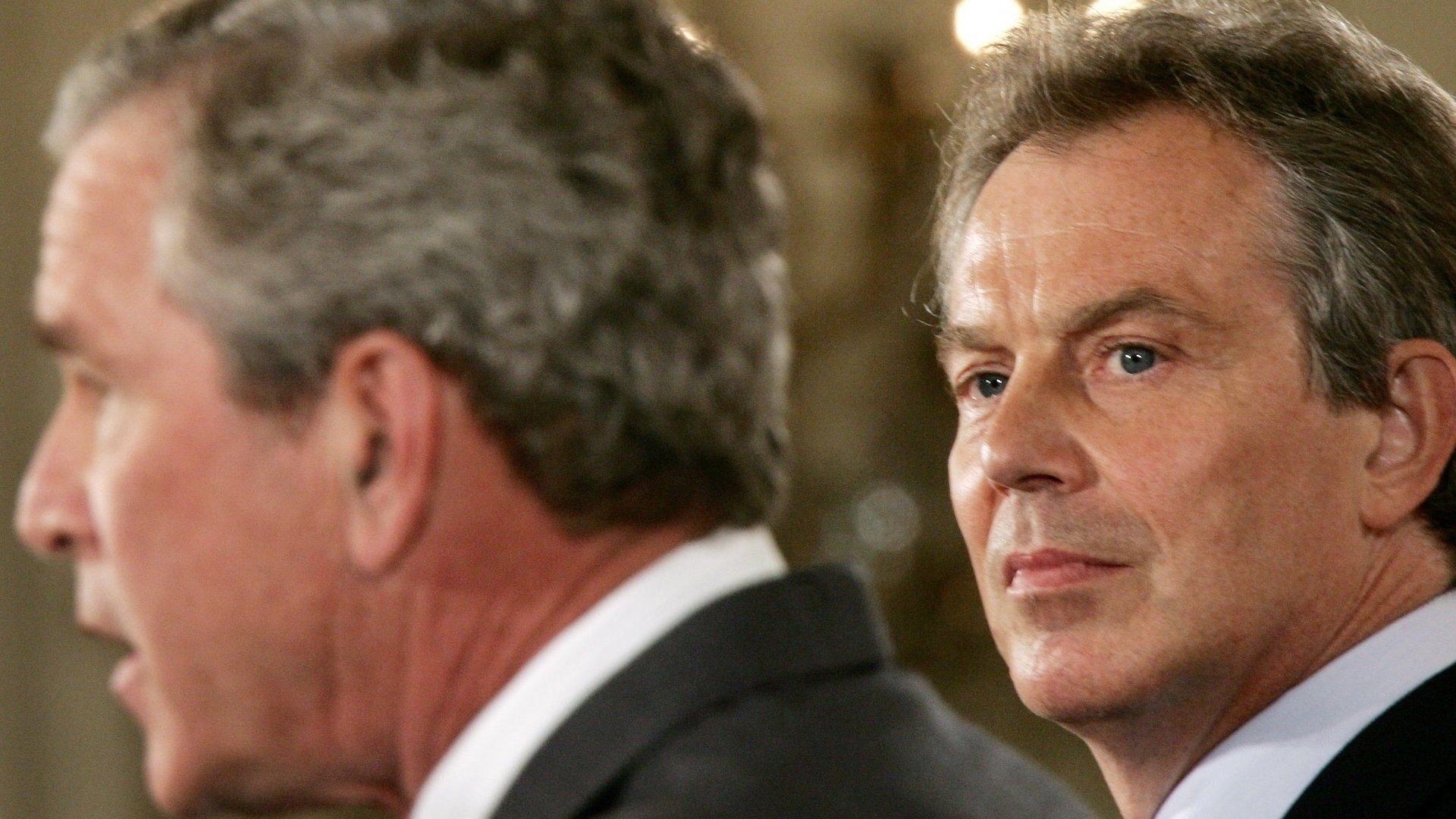
The long-awaited, 2.6 million word report into the UK’s involvement in the Iraq War was published today (July 6).

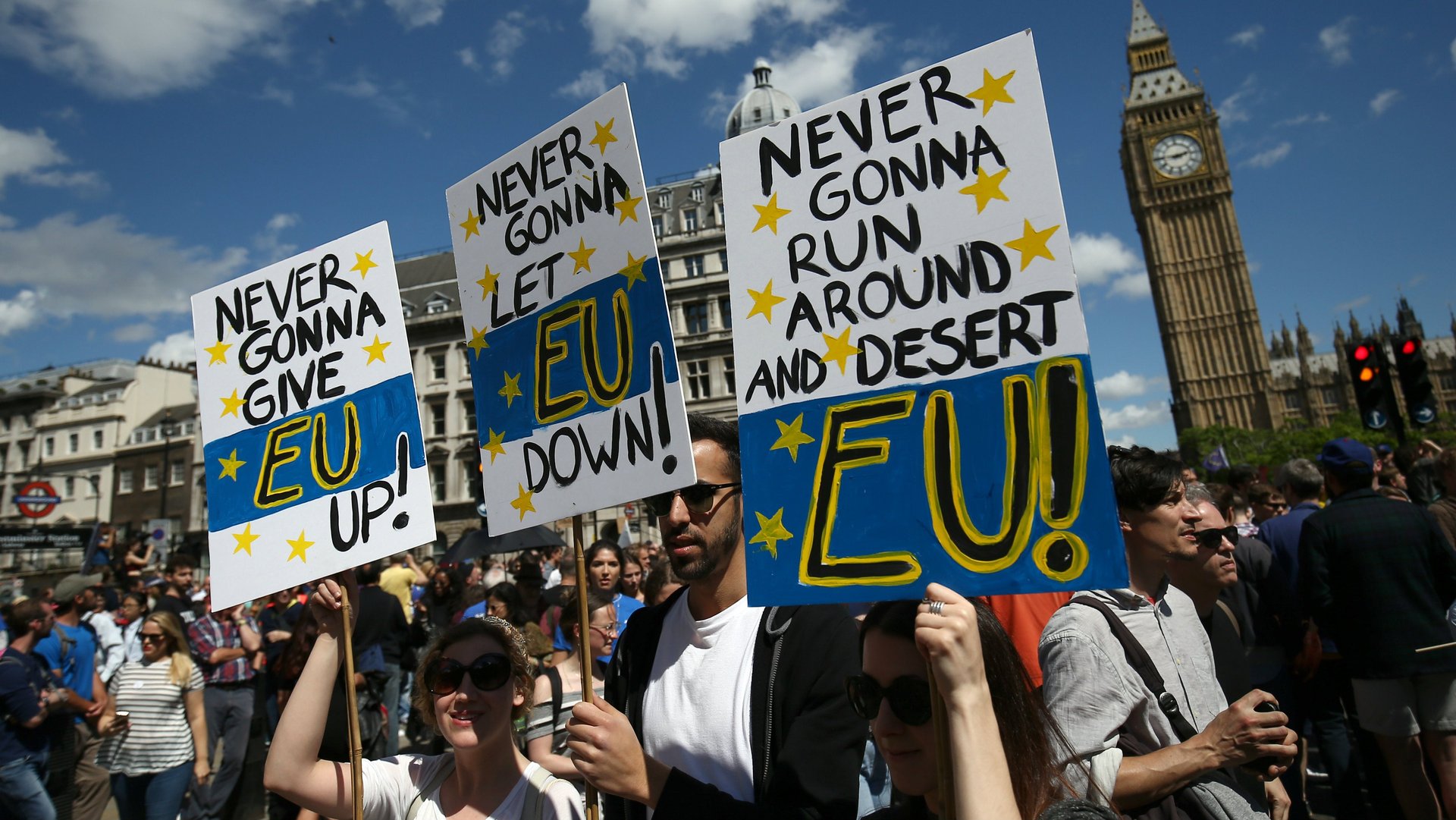
First came the Brexit demonstrators, then came the lawyers.

Aside from Brexiters’ jubilation, the reaction to Britain’s departure from the European Union has largely been one of shock.

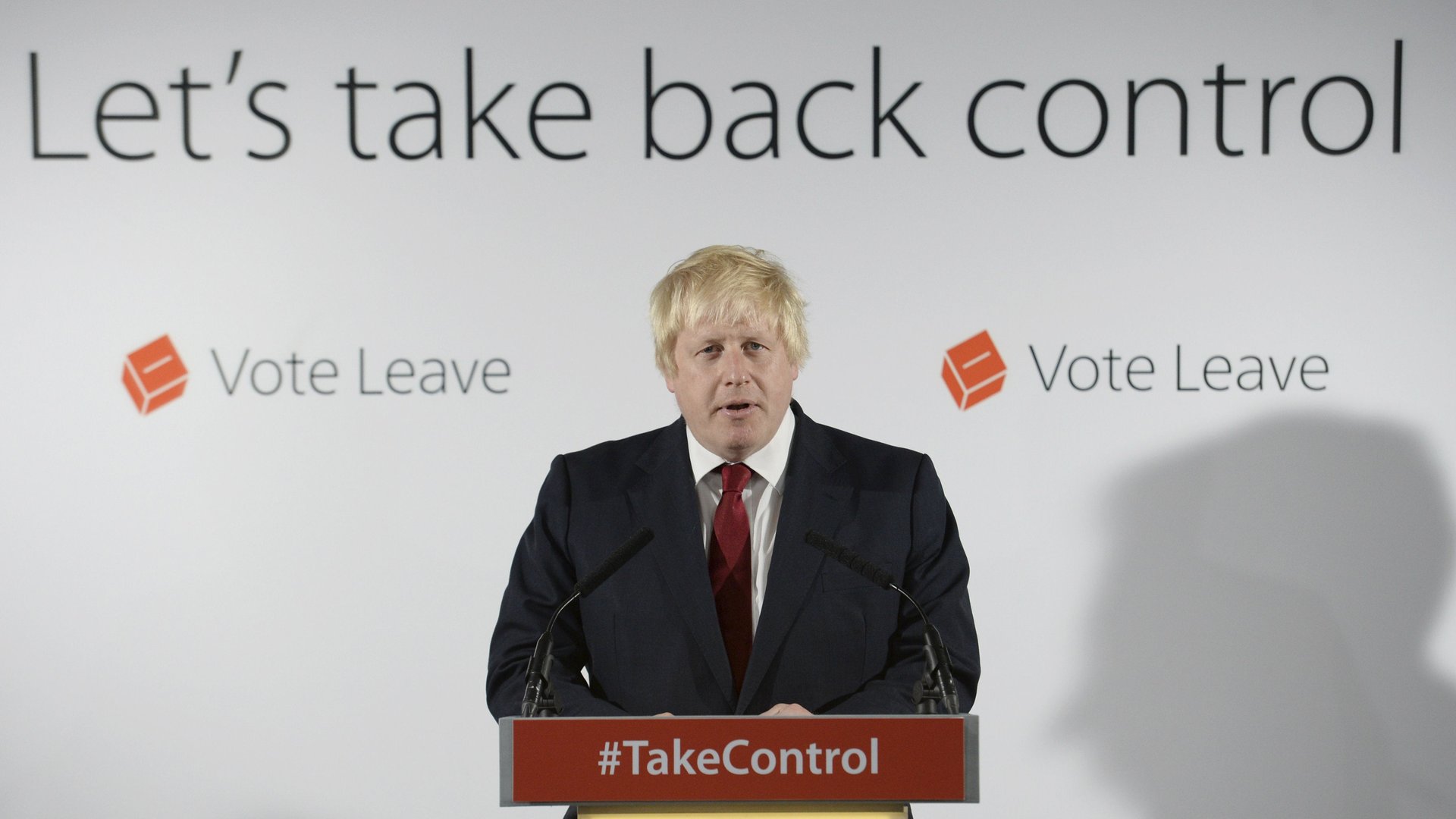
Boris Johnson, the former mayor of London who galvanized British discontent about immigration behind the campaign for Britain to leave the European Union, now says yesterday’s seismic Brexit decision will not empower extremists.

It’s official. Britain has decided to leave the European Union.

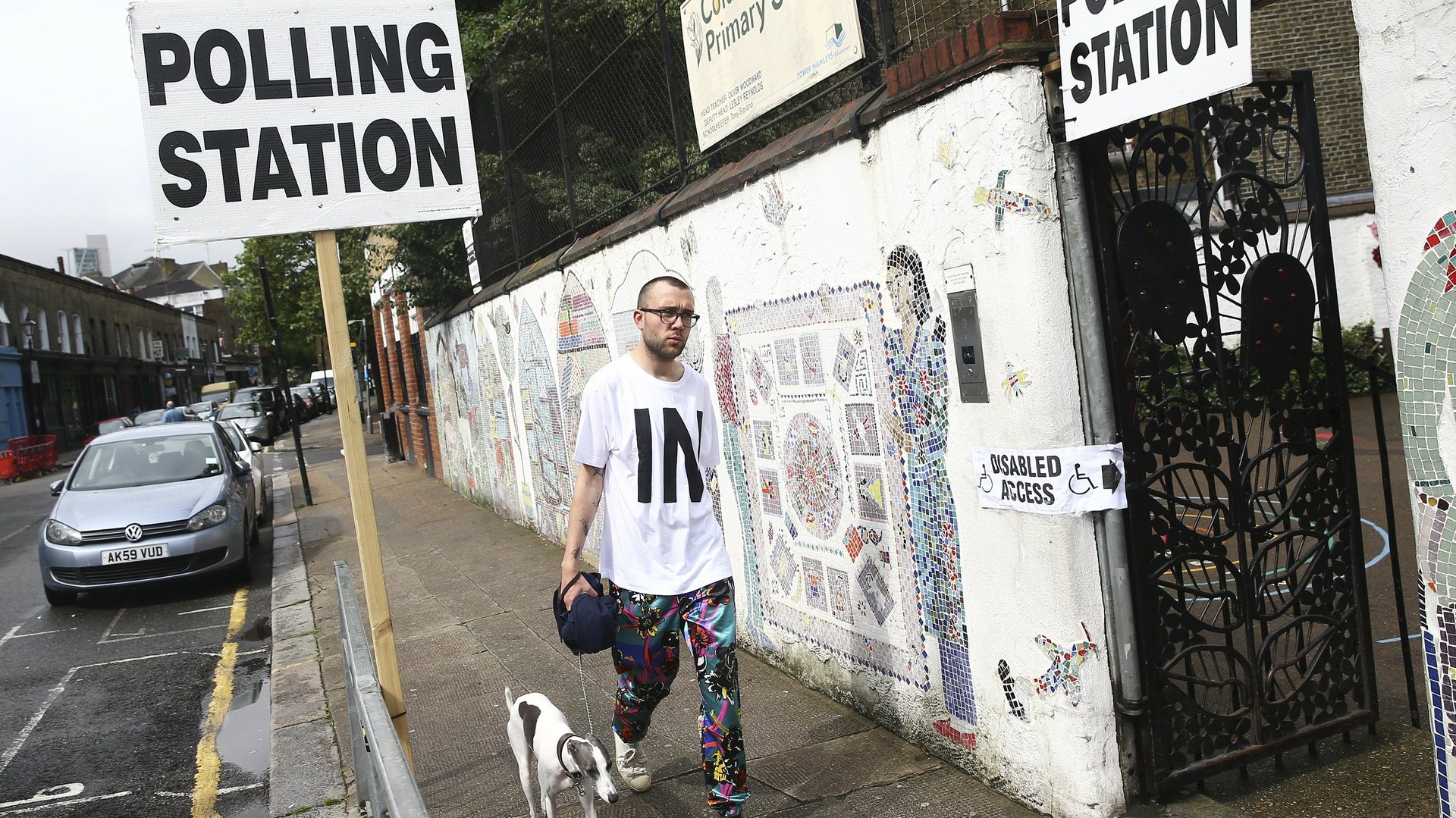
Britain is busy at the polls today (June 23), deciding whether to remain in or leave the EU.

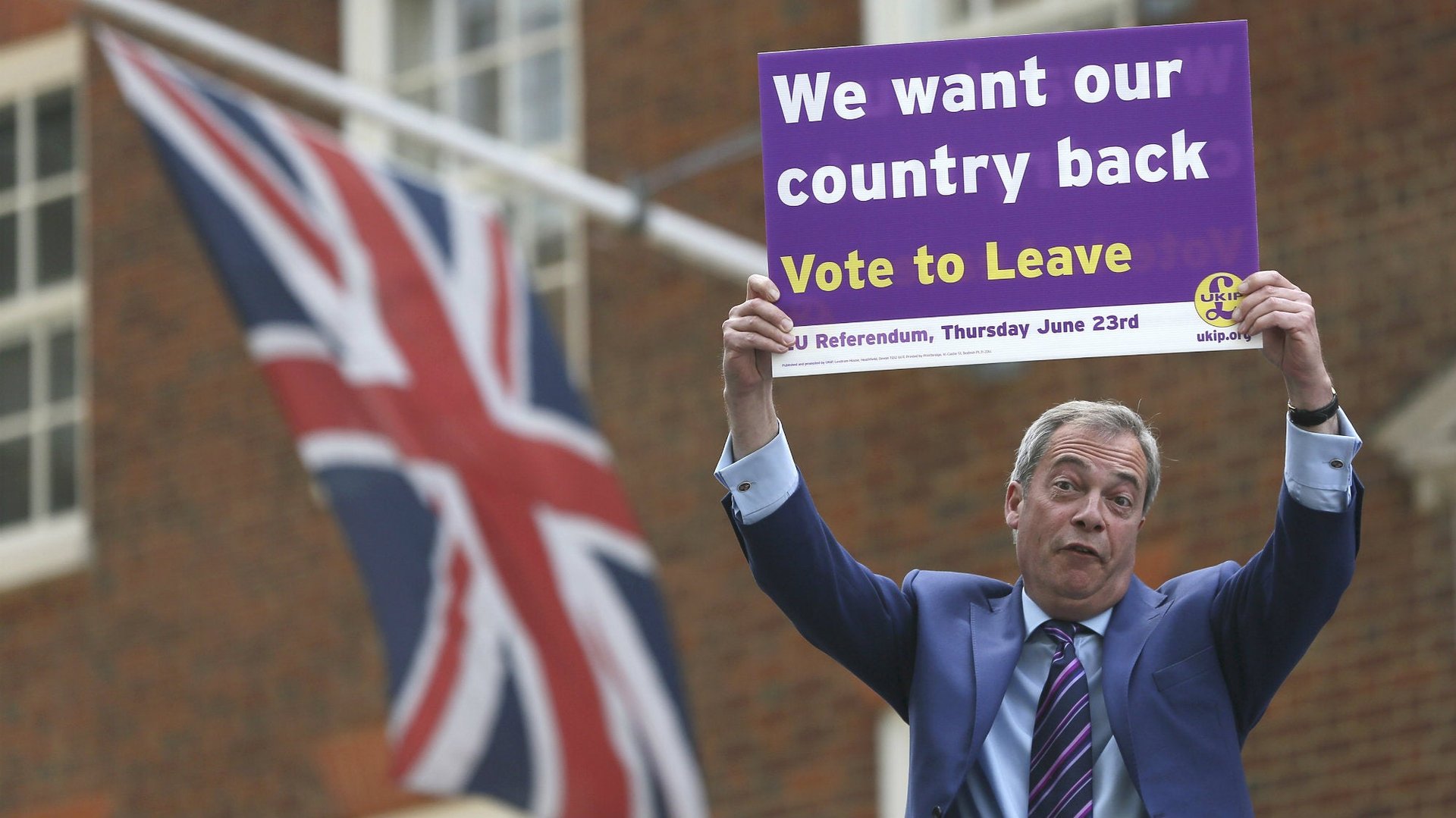
For the best part of 40 years, the UK has been the odd duck of the European Union family. This Thursday (June 23), the nation will vote on whether it wants to stay in the nest, or fly the coop.

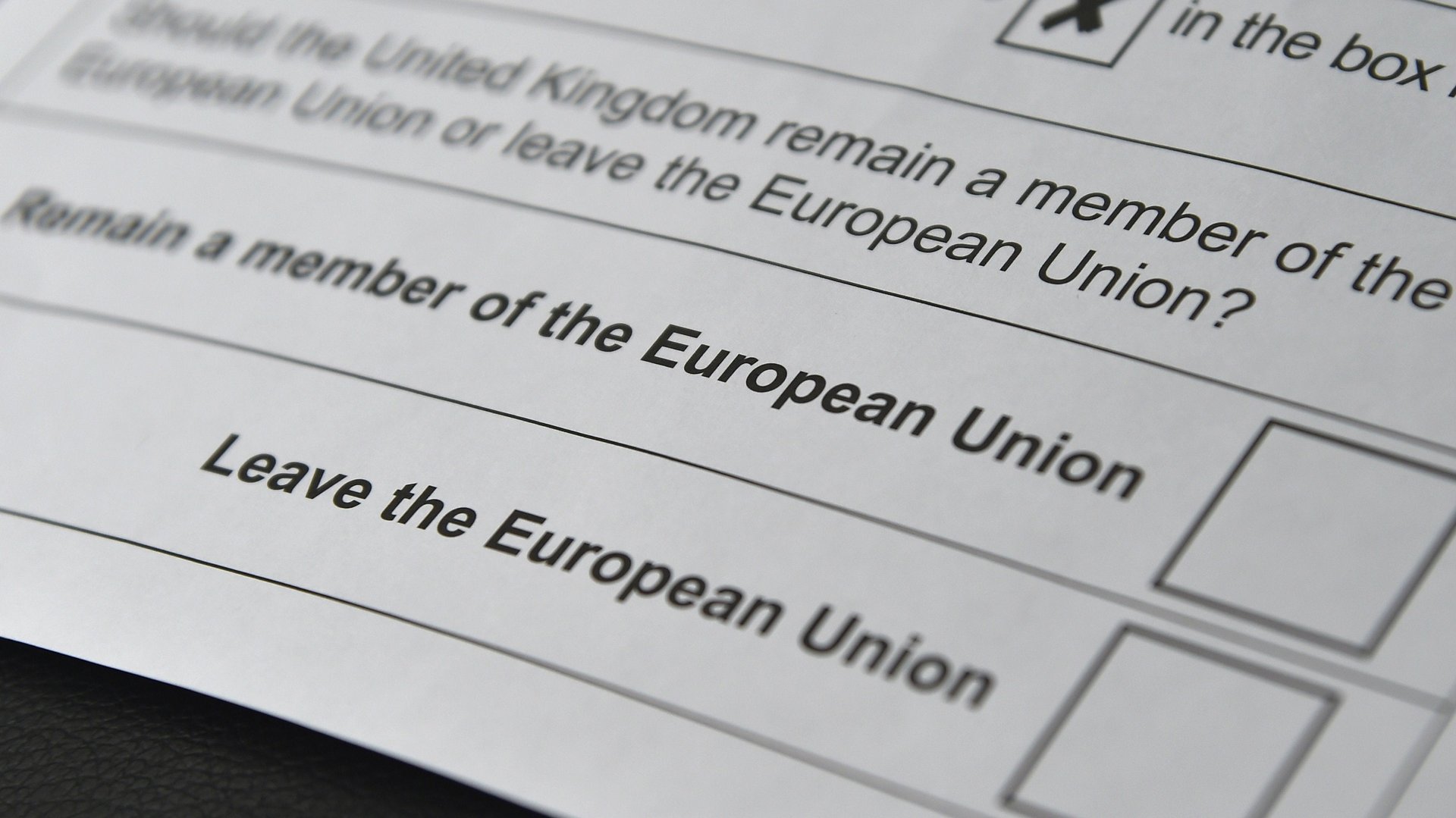
“Should the United Kingdom remain a member of the European Union or leave the European Union?”

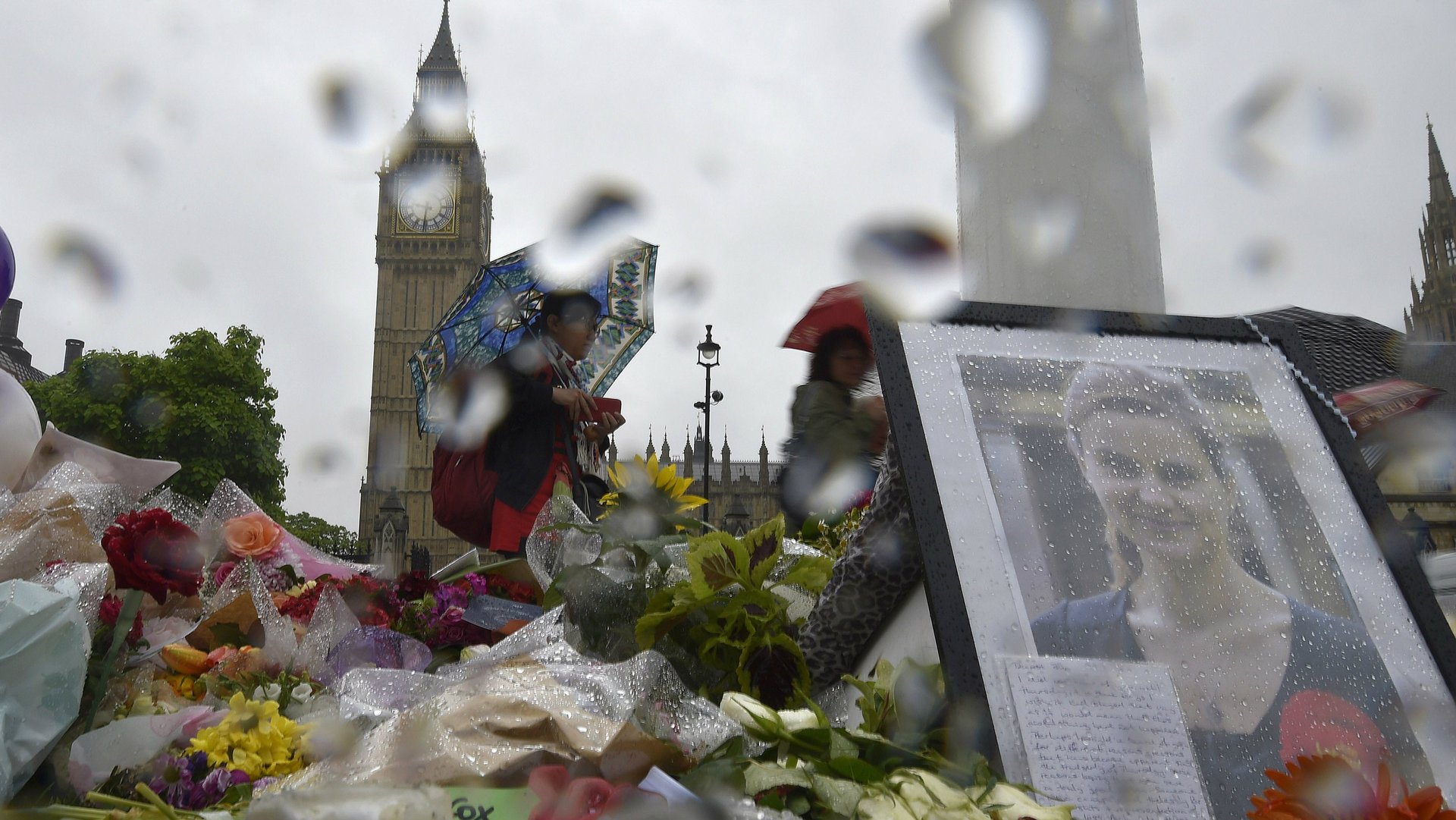
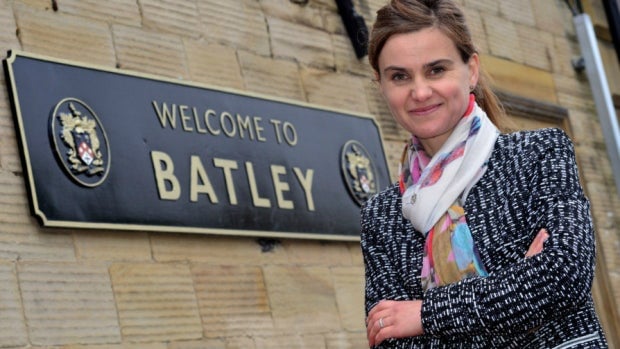
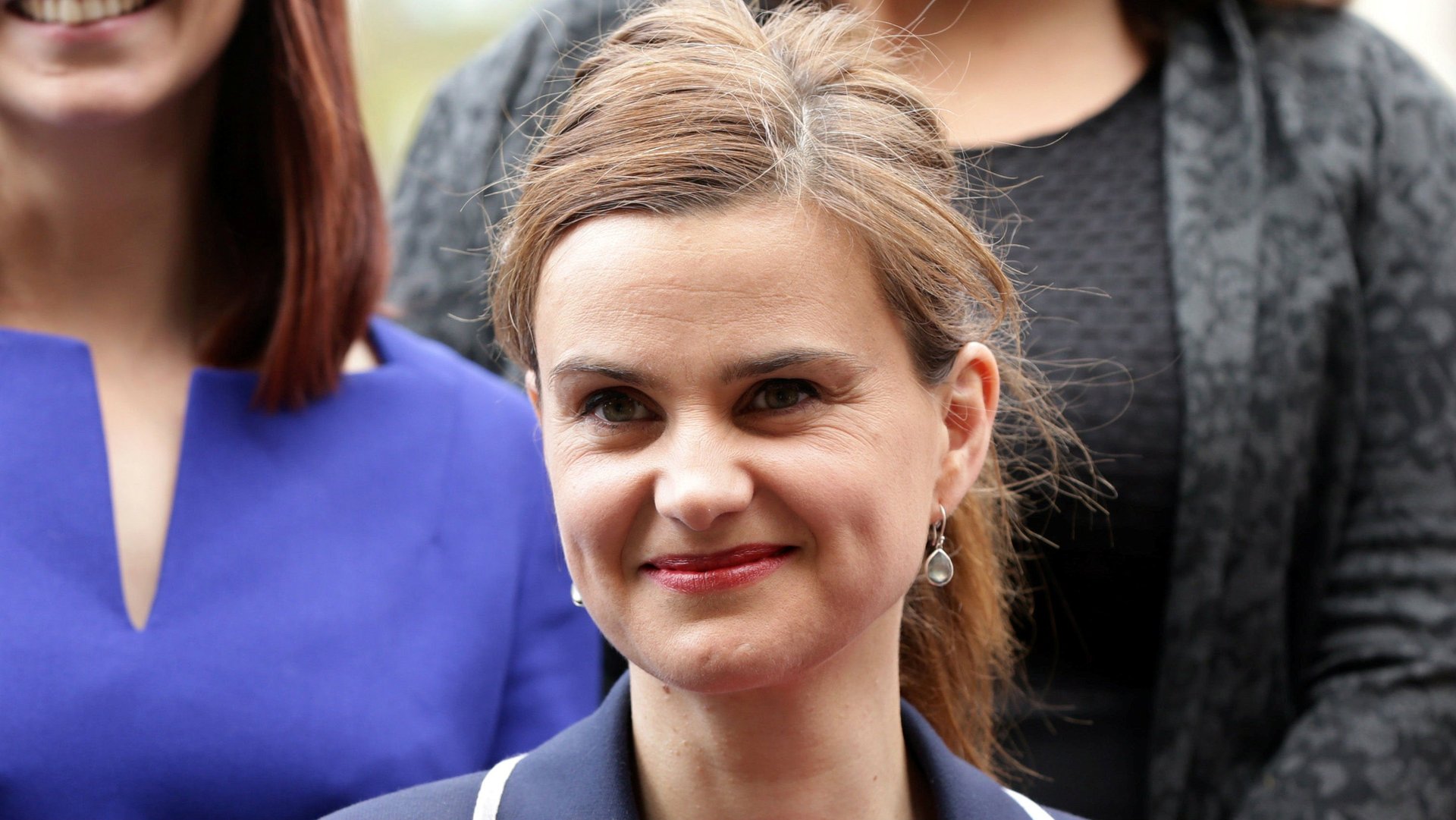
The husband of murdered British MP Jo Cox has thanked the public for their “incredible generosity” after a memorial fund set up in her honor raised more than £1 million ($1.47 million) in just three days.

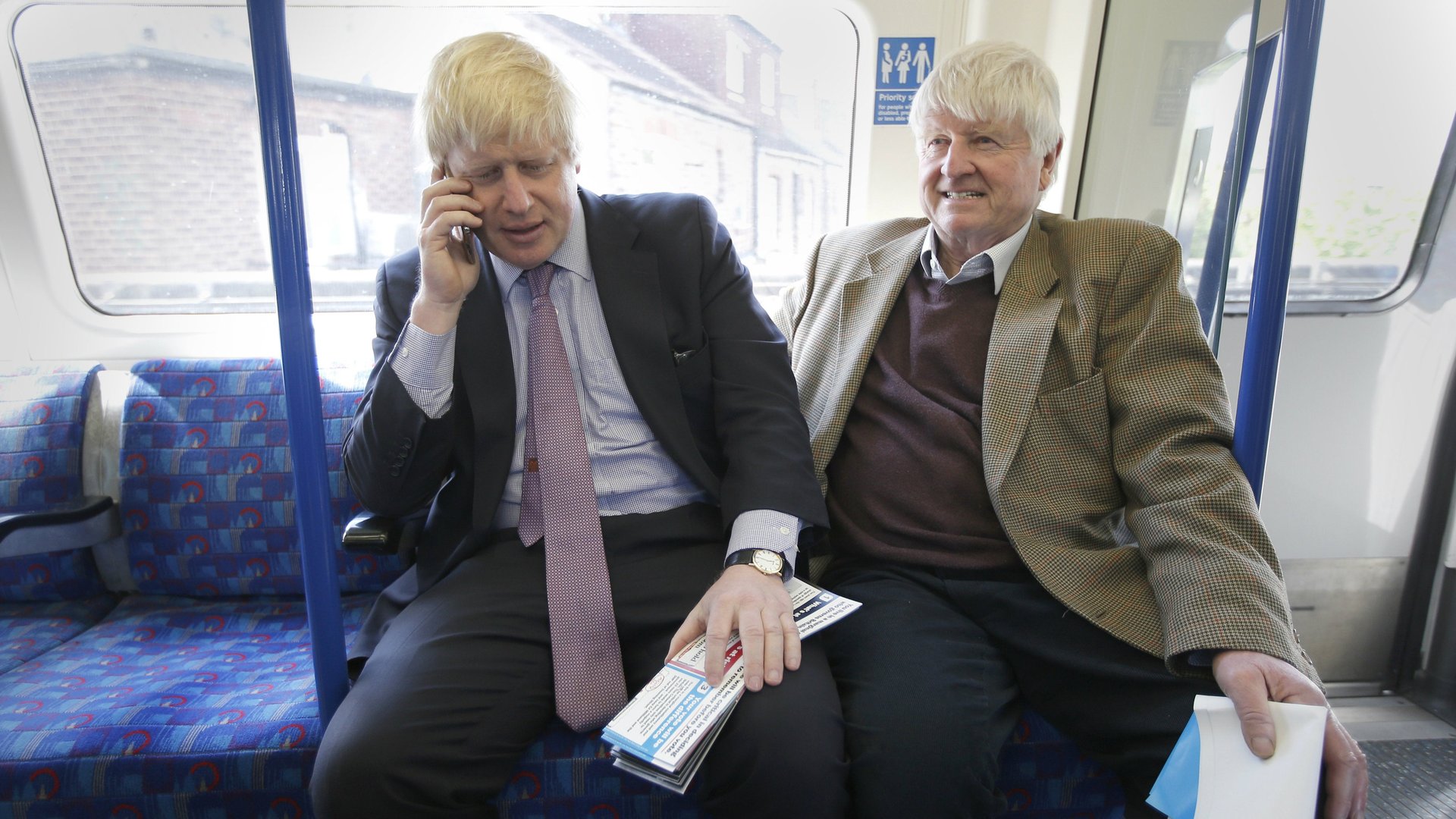
Britain’s vote on whether to leave the European Union this Thursday (June 23) is not just dividing the country. It’s tearing up entire families, too.

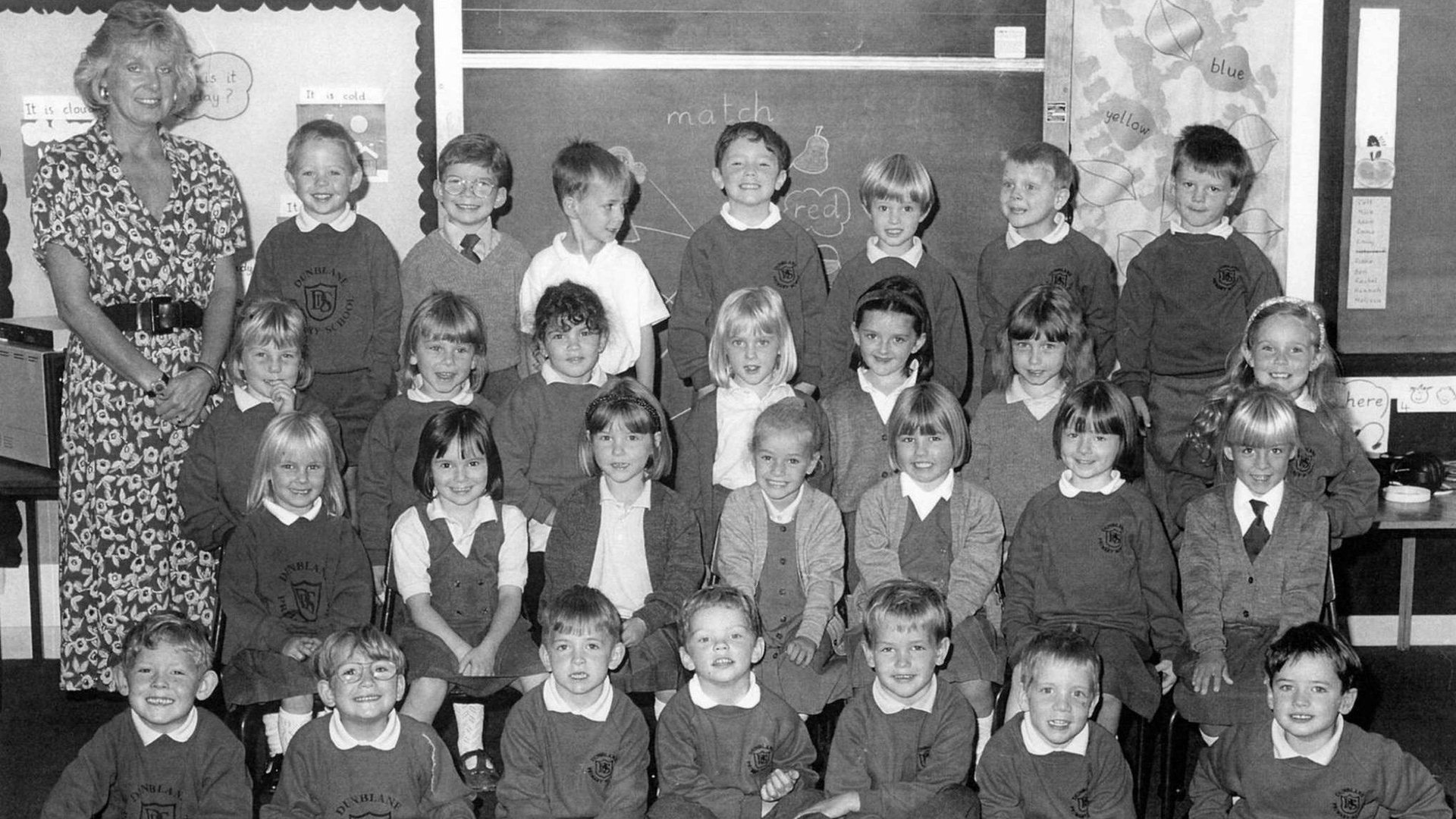
On the morning of Mar. 13, 1996, a man named Thomas Hamilton made his way to Dunblane Primary School in Scotland, carrying four legally-owned firearms.

One Sunday morning several years ago, Ian Rawes made his way to Petticoat Lane market, a noisy clothes market on the edge of London’s East End. He went there with a small pocket tape recorder and a microphone, and captured the sounds of an average market day.

British politician Jo Cox has died after being shot and stabbed in her constituency in Yorkshire, northern England. The Labour Party MP was holding a weekly advice session with locals at a library in Birstall, near Leeds.

Update: Cox has died from her wounds Her death was confirmed by the West Yorkshire police. Follow Quartz’s coverage here.

Conventional wisdom suggests it may well be easier to learn a second language as a child than as an adult. But for adults who do take the linguistic leap, what sort of factors influence how well they acquire another tongue?

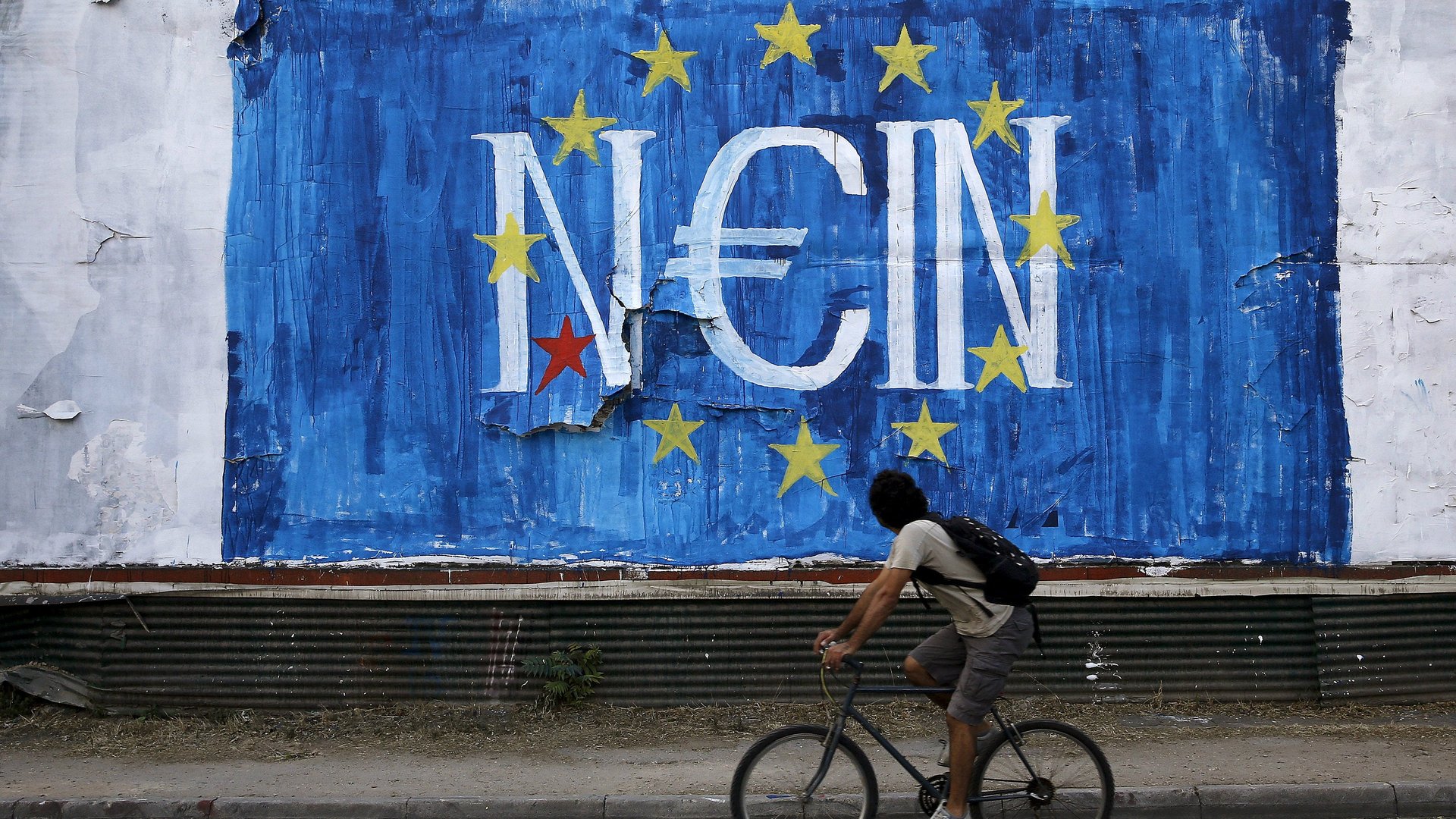
When it comes to turning its new arrivals into citizens, one EU country has been much more generous than the others.

In a matter of weeks, Britain could vote to leave the European Union. The latest polls suggest the vote will be close, and some fear it could set off a domino effect among other European countries.

The UK government website for registering to vote in the EU referendum collapsed under the weight of a record-breaking, last-minute surge in applications yesterday (June 7). More than half a million people were inspired to register to vote on deadline day.

June 7 was the deadline to register to vote in the UK’s referendum on staying in the EU. Such was the last-minute scramble to apply that the government registration website crashed due to what the Cabinet Office called “unprecedented demand.”

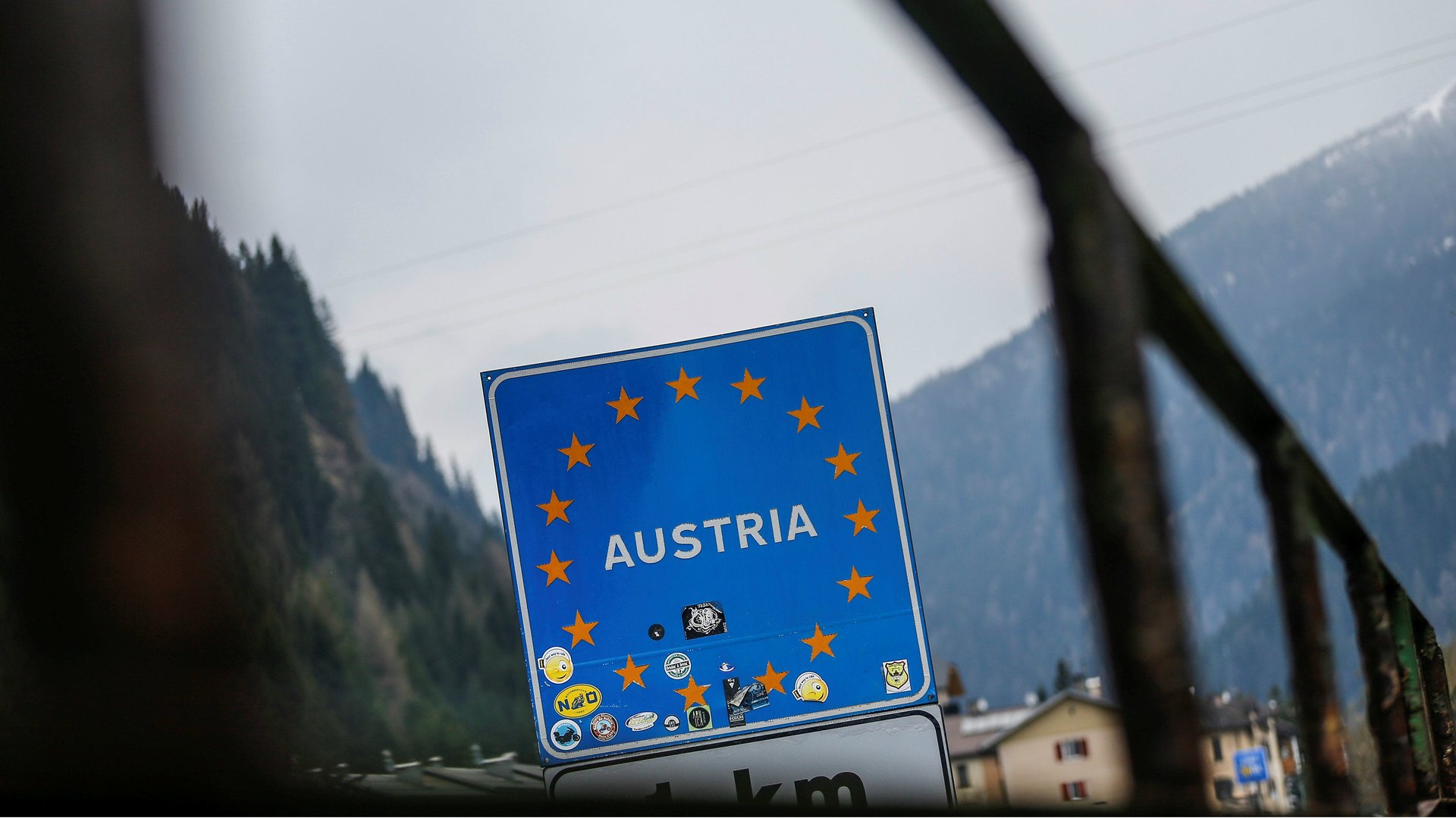
Faced with a record-breaking refugee crisis over the past year, some European countries have resorted to strict measures to stem the flow of migrants and asylum seekers arriving at their borders.

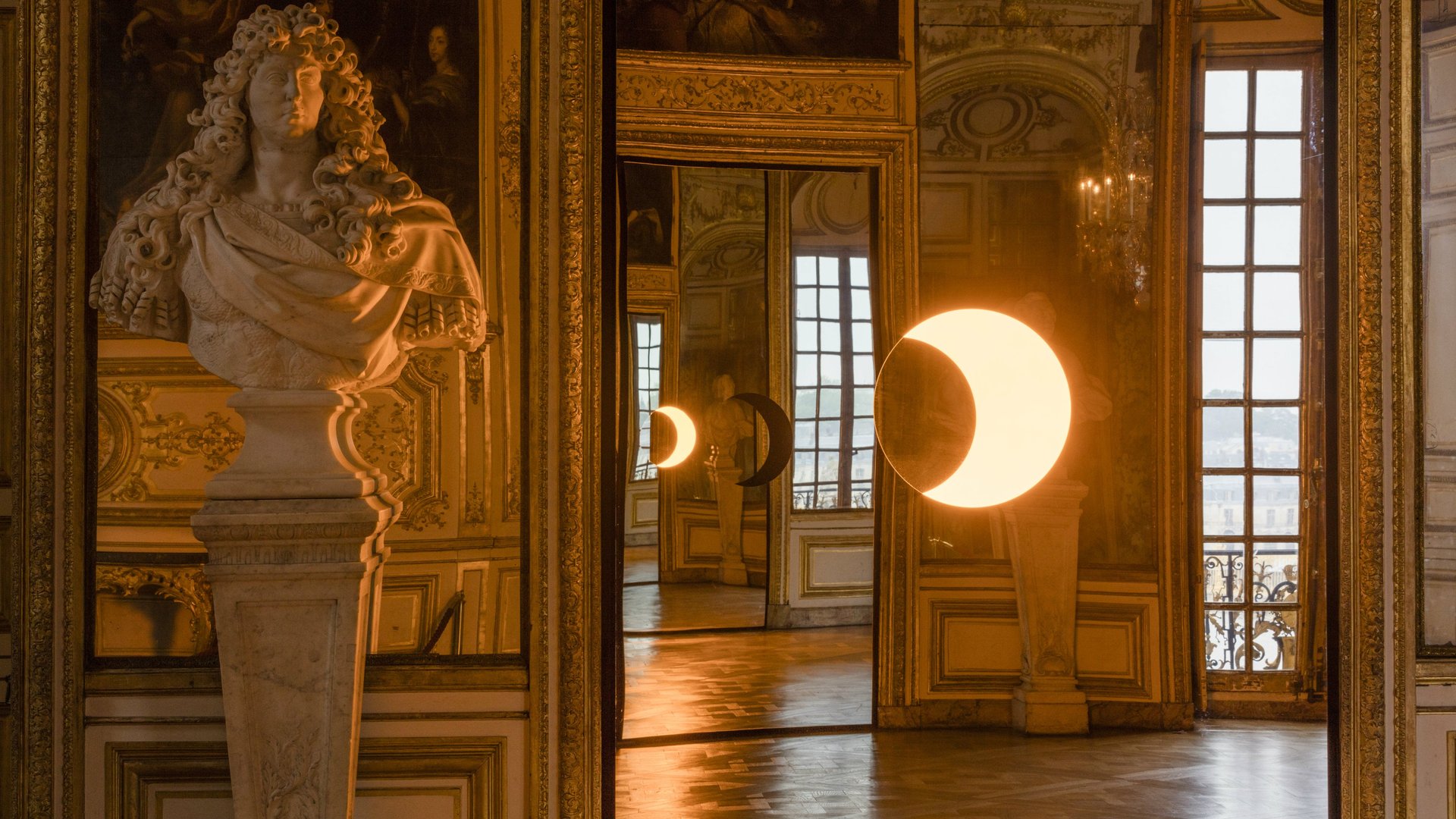
Since 2008, the Palace of Versailles—the iconic 17th century château that was once the court of Louis XIV and has since become a symbol of France’s royal history—has been transformed by some of the world’s foremost artists, from Jeff Koons to Anish Kapoor.