

Business News
Quartz Daily Brief—Europe edition—Corporate tax, China’s yuan, Alibaba-Sina, investing in condomsGood morning, Quartz readers!
Updated July 21, 20226 min read
Good morning, Quartz readers!
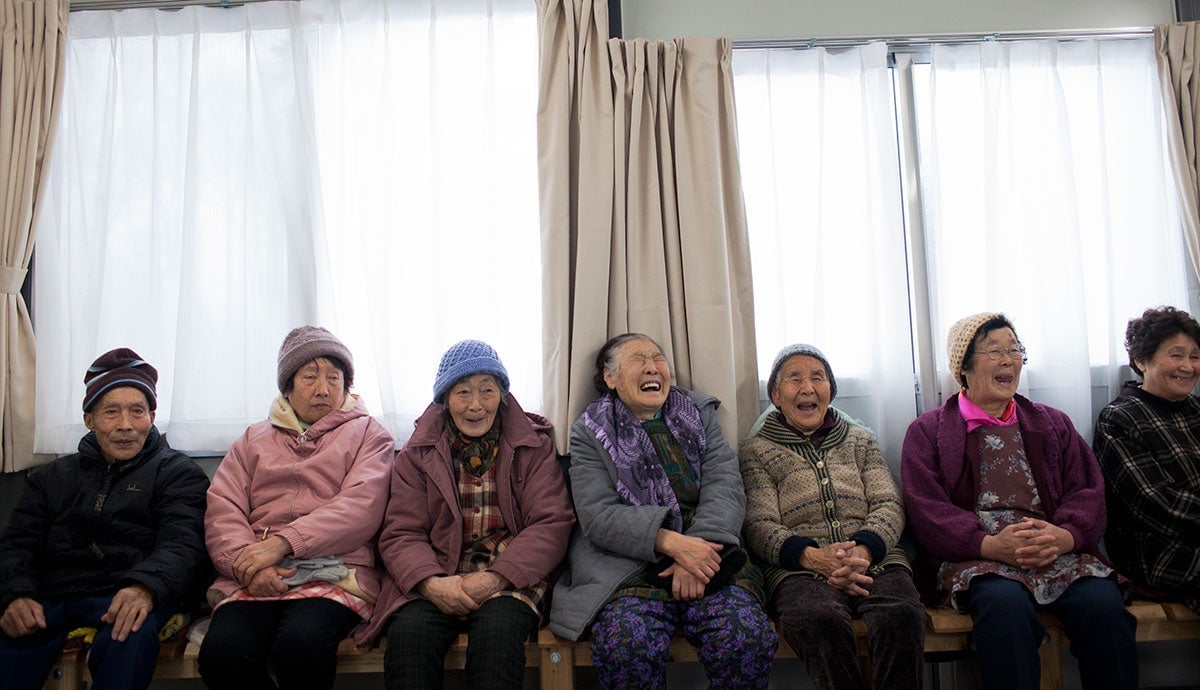
Another Japanese leader has quit after a short term in office. Prime Minister Yoshihiko Noda dissolved parliament today, paving the way for a snap December election his Democratic Party of Japan are predicted to lose. Noda has only been in his job since September 2011.
Good morning, Quartz readers!
All eyes were on China on Thursday as the country unveiled its new Politburo Standing Committee. Beijing’s entire foreign press corps and quite a few parachuted-in journalists were hanging around the Chinese capital’s Great Hall of the People to get a glimpse of the new leaders, then spent the day filing their analyses of what the new lineup meant. What a good day, then, for China’s banking regulator to release bad news about the declining health of China’s state-owned lenders. Coverage was, unsurprisingly, very scant.
Good morning, Quartz readers!

Oceans of digital ink have been spilled in the last two days about China’s new leadership. Here is a summary of the main arguments and analyses that are trending online:
Good morning, Quartz readers!
Good morning, Quartz readers!
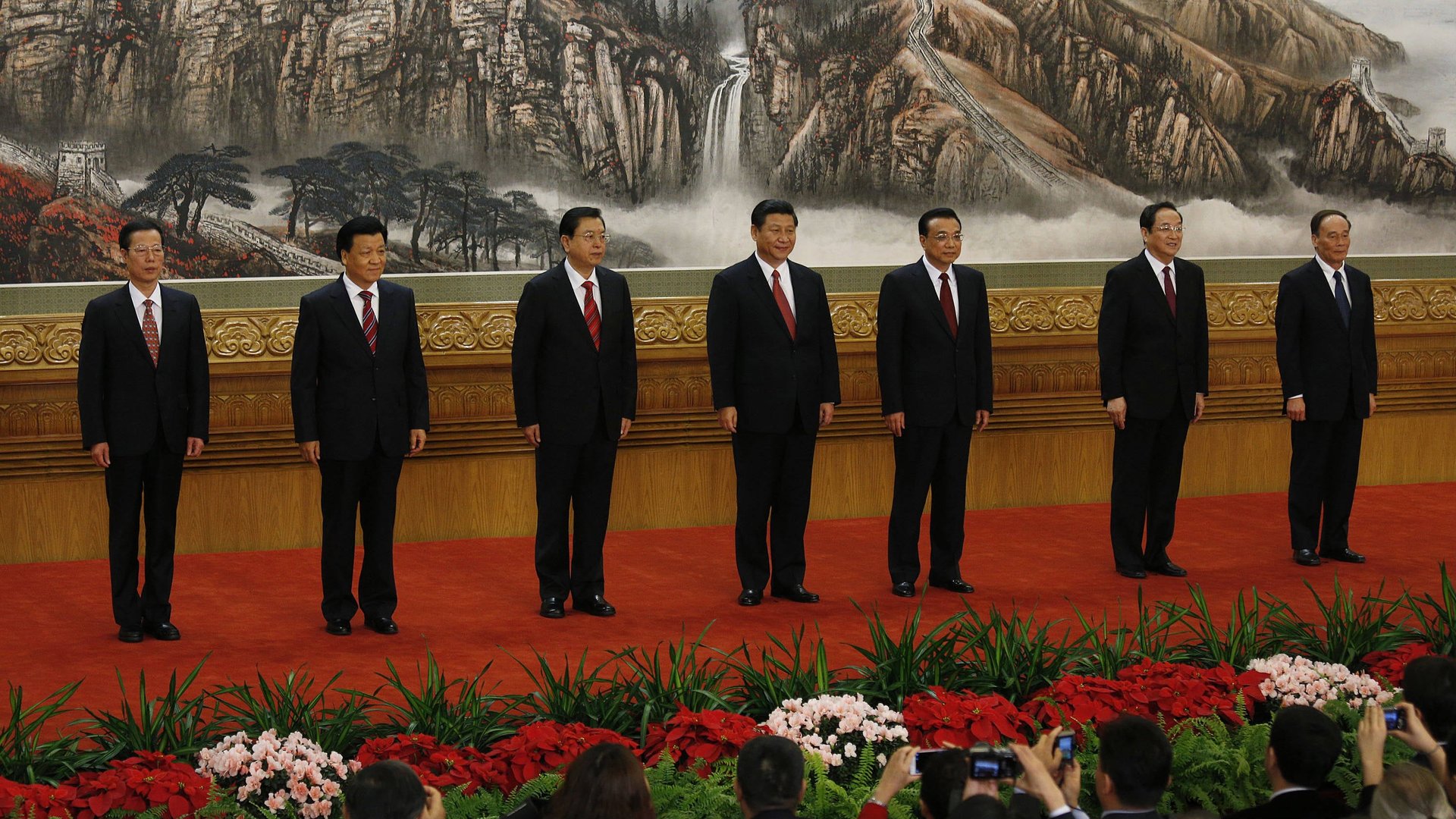
The world’s most populous country has just unveiled its seven new leaders. They marched into Beijing’s Great Hall of the People wearing identical black suits and red ties. Early signs suggest that the line-up does not augur especially well for anyone hoping for greater access for foreign businesses, for a gradual move toward democracy or for greater personal freedoms for the Chinese. Among others, a woman and a reformer who wanted to bring more happiness to China did not make it.

China’s new leaders, who take the stage in Beijing’s Great Hall of the People on Nov. 15, are taking over a country that is looking healthier. By September, the economy had slowed for seven straight quarters down to quarterly growth of just 7.4%. But October was a different story. Here are all the good things that happened last month:
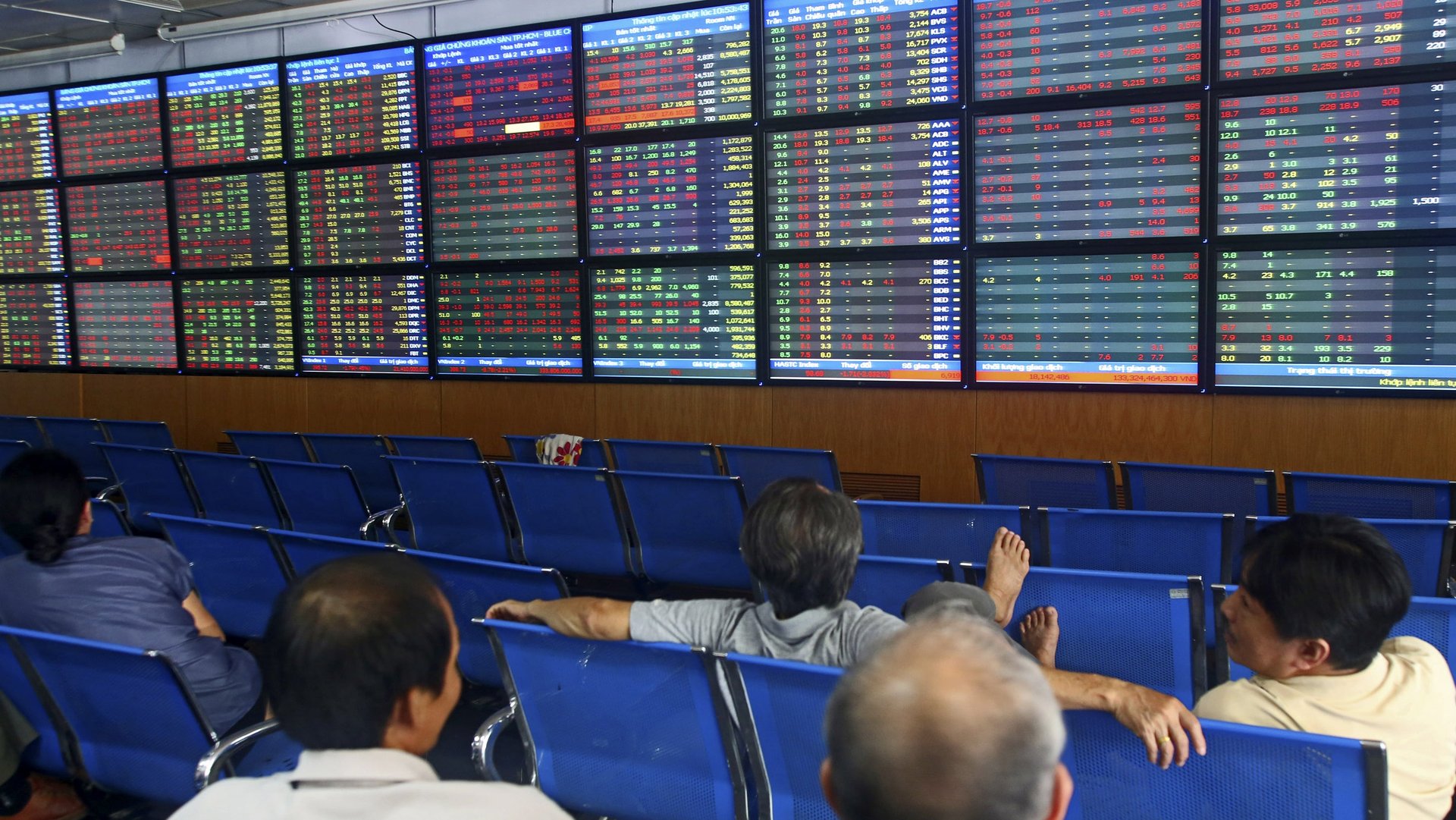
For the last two years, we’ve all been focused on China’s wobbly economy. And all this time, China’s small neighbor Vietnam has been ever so quietly heading toward a banking crisis.
Good morning, Quartz readers!
Good morning, Quartz readers!
This item has been corrected.
This item has been corrected.

Here is a slice of China’s latest economic stimulus plan in action, which also nicely illustrates the money-go-round that is China’s state-owned economy.
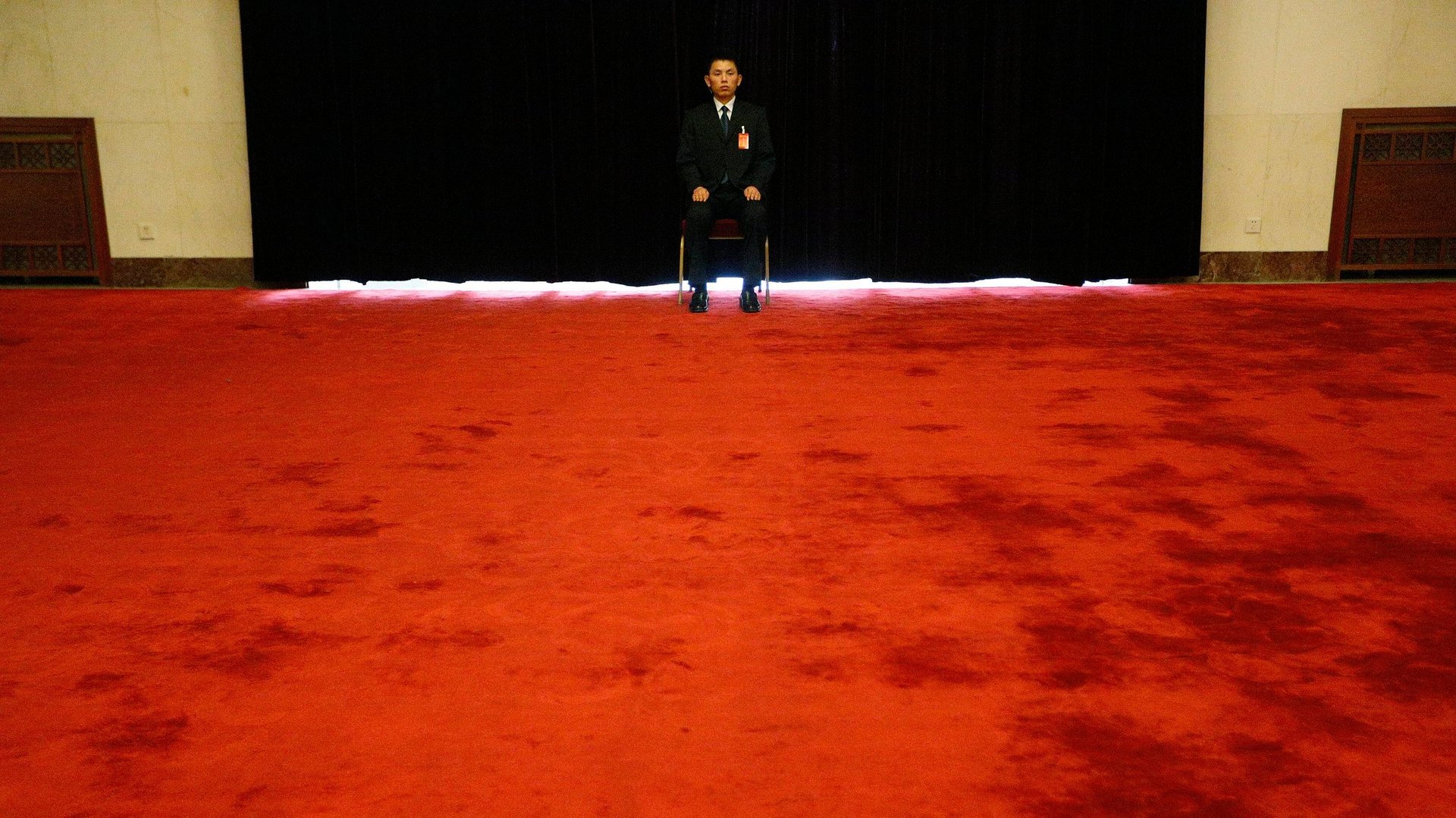
China’s biggest political event for a decade is also its biggest secret. With the Communist Party meeting in Beijing for its 18th Congress, the country’s infamous censors are on high alert.
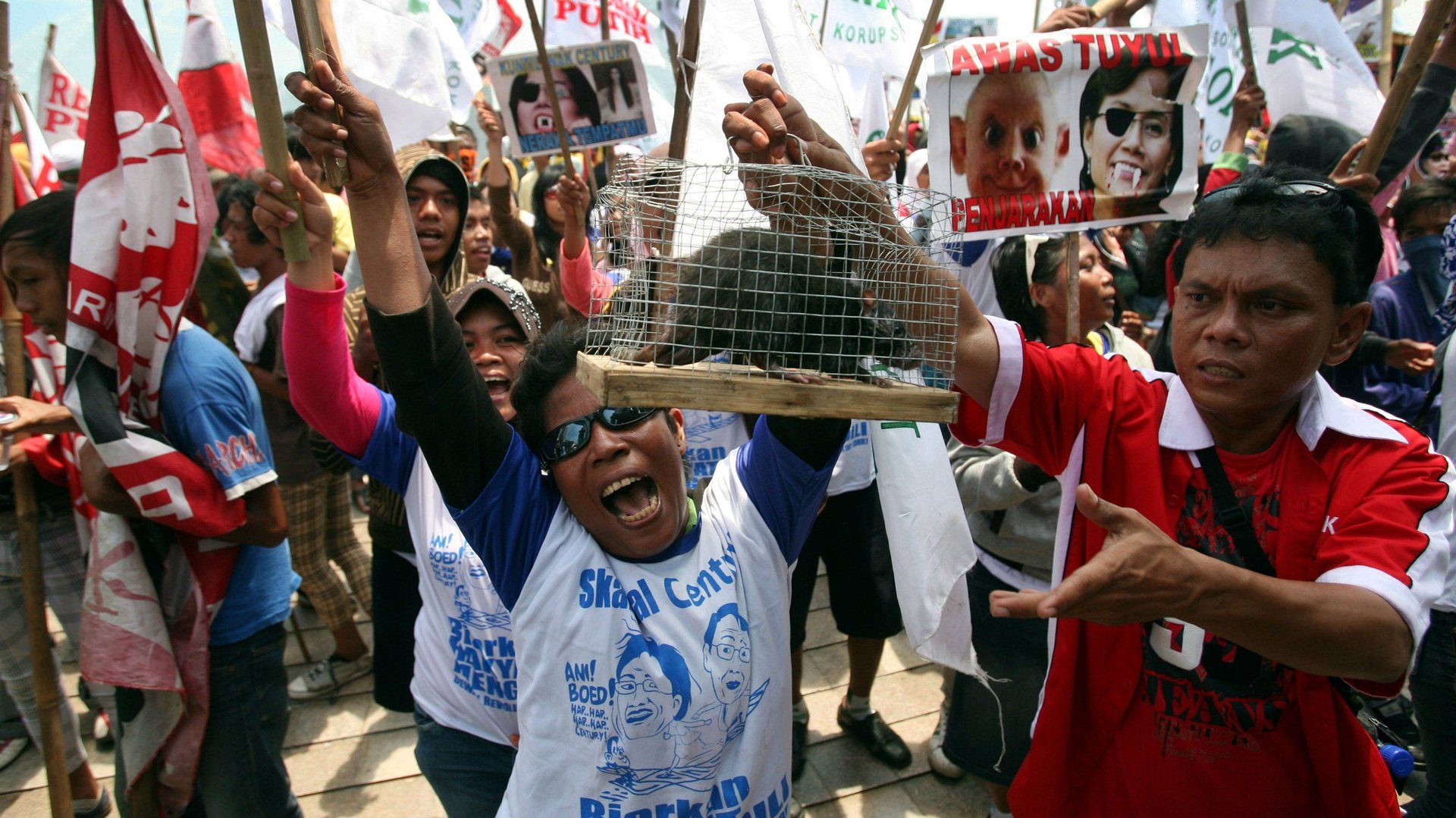
Things are not so bad in the capital, Jakarta. But drive around a smaller Indonesian city such as Medan in North Sumatra or Bandung in West Java during the midday rush, and traffic police might issue a fine for perceived infractions such as not having your headlights on during the day. For foreigners, the fines tend to be set at between $3 and $5. Annoying, but certainly not enough money to spend an afternoon in the police station arguing about. The traffic cops do not provide a receipt.
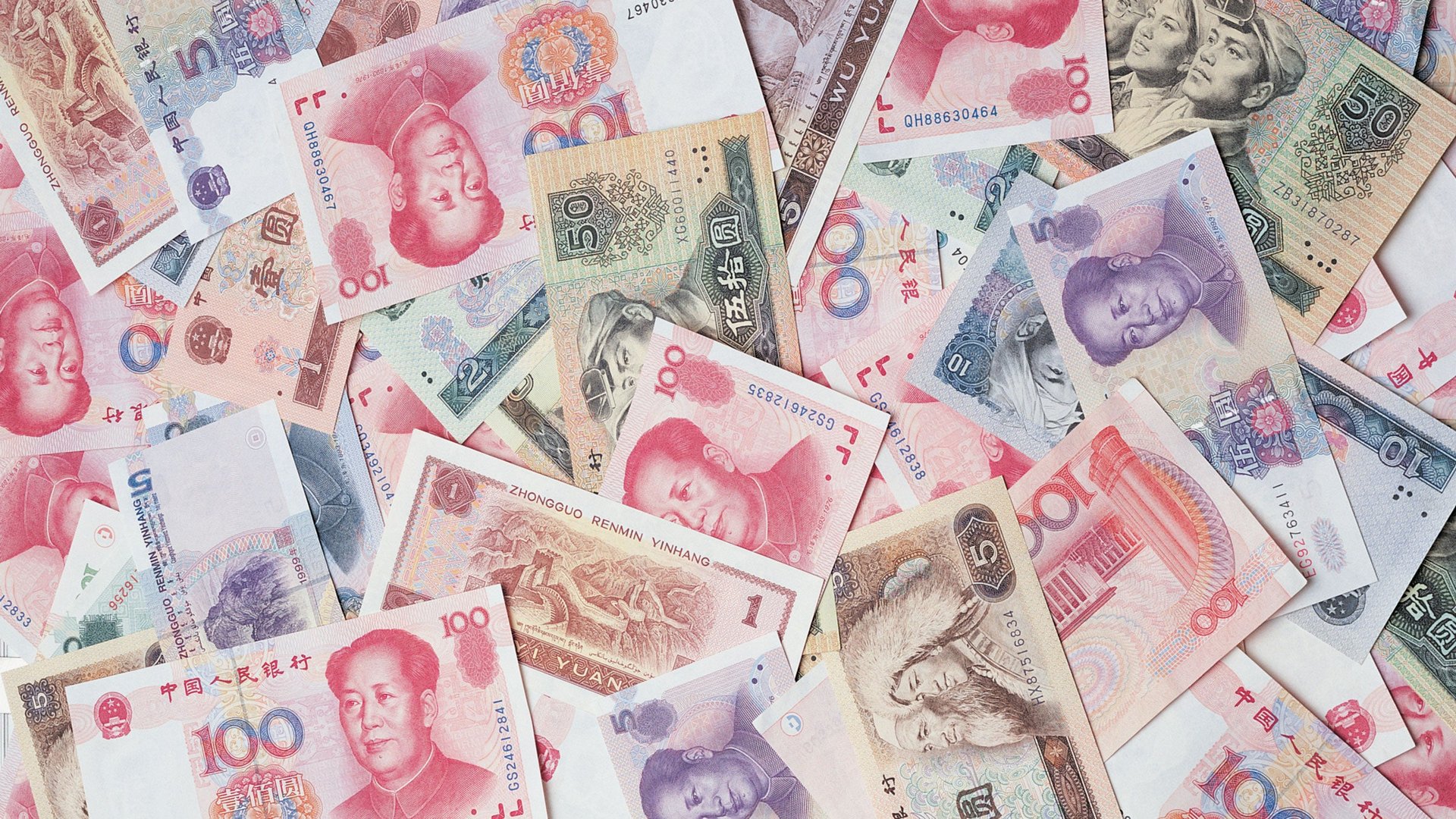
In Chinese, one word for cooking the books translates loosely as “stir frying.” Old vegetables and bad quality meat can be made much more palatable with the right oil and spices. In the same way, before an IPO or other fundraising, company bosses can take lackluster financial data and season it with fake sales, phantom customers and and phoney assets to make their business much more appealing to investors.
Good morning, Quartz readers!
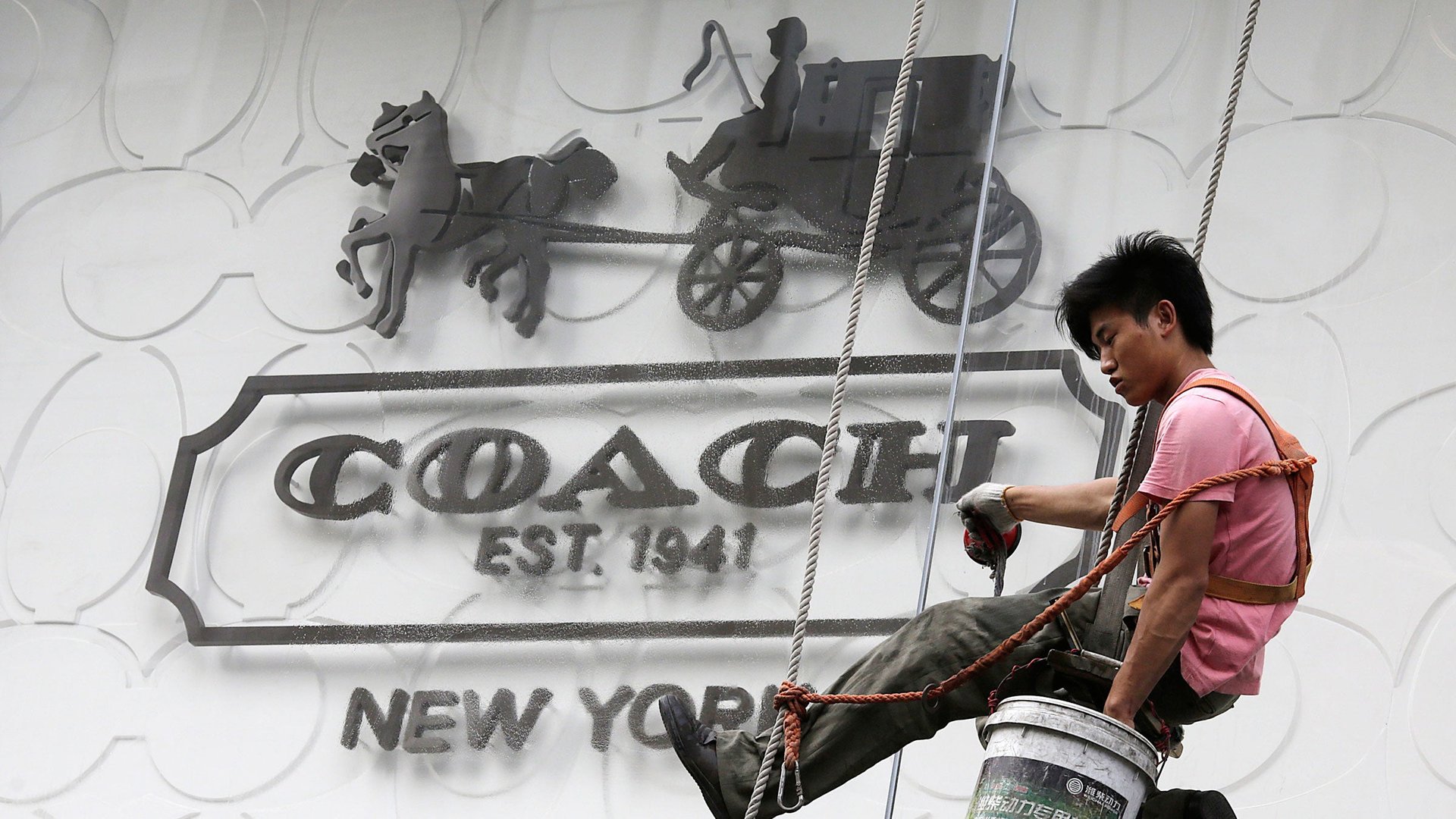
China’s 18th party congress began today. The country’s new leaders, whose identities will be formally revealed on or around November 15, look likely to be a fairly conservative group when it comes to economic and political reform. That shouldn’t harm China’s giant import and export markets, but it augurs badly for foreign companies, particularly in the banking and media sectors, who are hoping to get rich selling services to China’s close to 1.4 billion consumers.
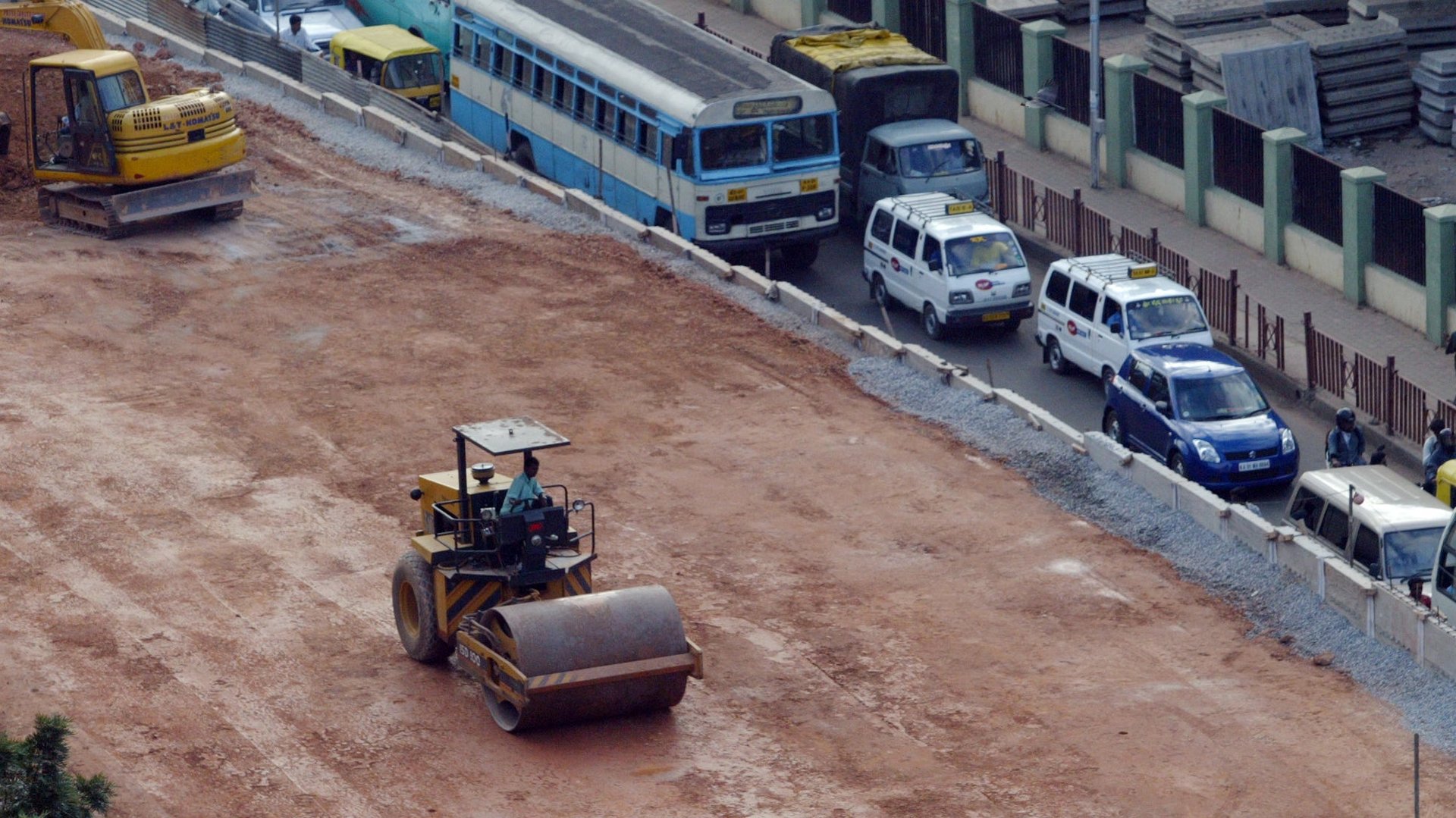
Kamal Nath, India’s urban development minister, is the trillion dollar man. Every few months, he pops up at a foreign investment forum or press conference to proclaim that he has a “trillion dollar budget” for infrastructure. Each time, this tends to get reported as something new. Here he is announcing his $1 trillion plan on Nov. 6. And again last October. And also last June. And again in 2010.

There was much talk during the US presidential campaign about China supposedly waging currency warfare on the United States, but the candidates largely steered clear of discussing China’s capability to wage actual warfare on its enemies.
Good morning, Quartz readers!