

Business News
Quartz Daily Brief—Europe Edition—Greek unrest, Chinese nukes, legal marijuana, lazinessGood morning, Quartz readers!
Updated July 21, 20226 min read
Good morning, Quartz readers!
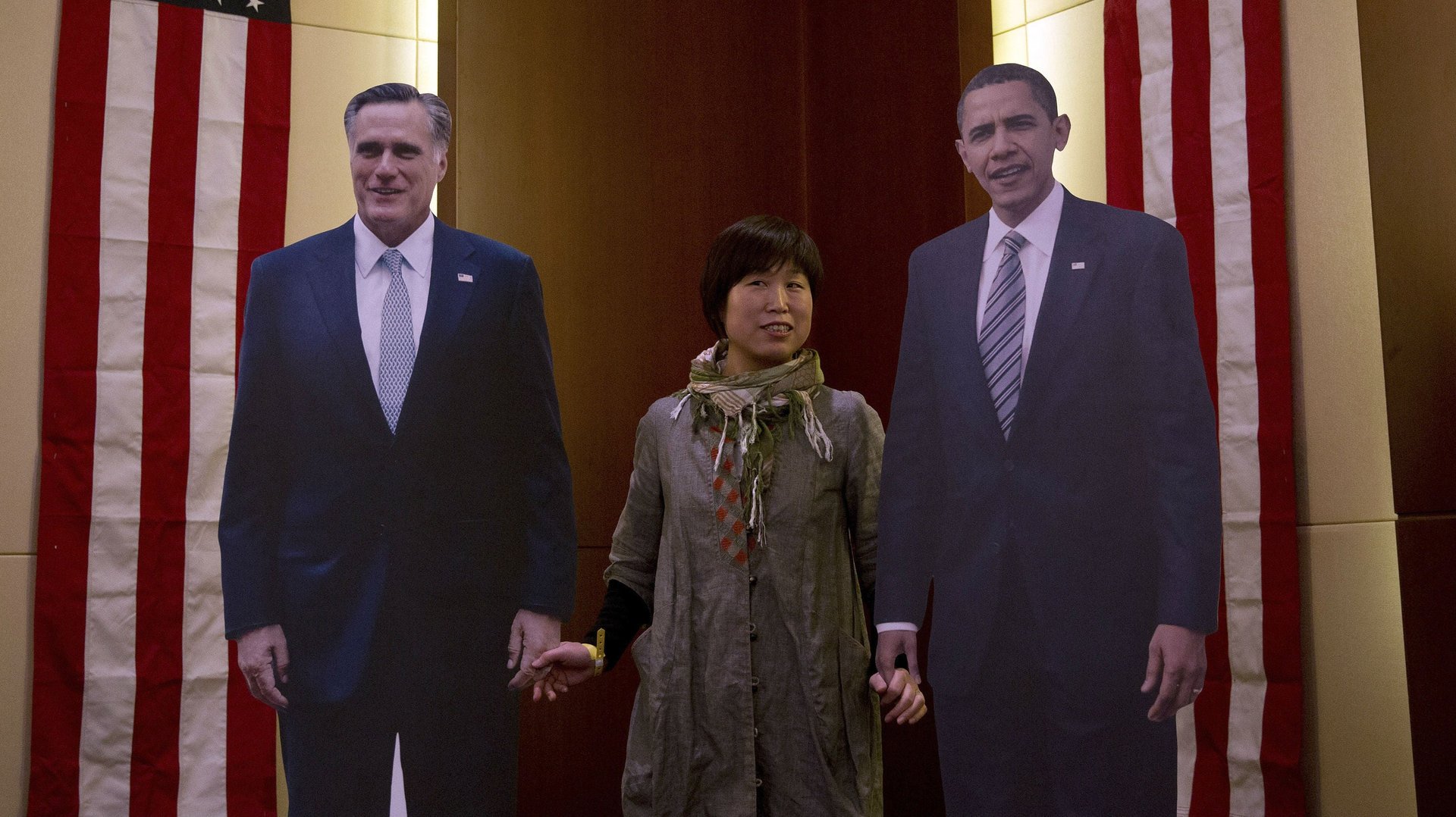
Chinese bloggers, activists, and journalists took a moment to reflect on politics within their own country after US President Barack Obama’s reelection victory. The fascination with the presidential race, which we have noted before, starkly contrasts with a seeming lack of interest in their own leadership transition which takes place during China’s 18th party congress that begins Nov. 8.
Good morning, Quartz readers!
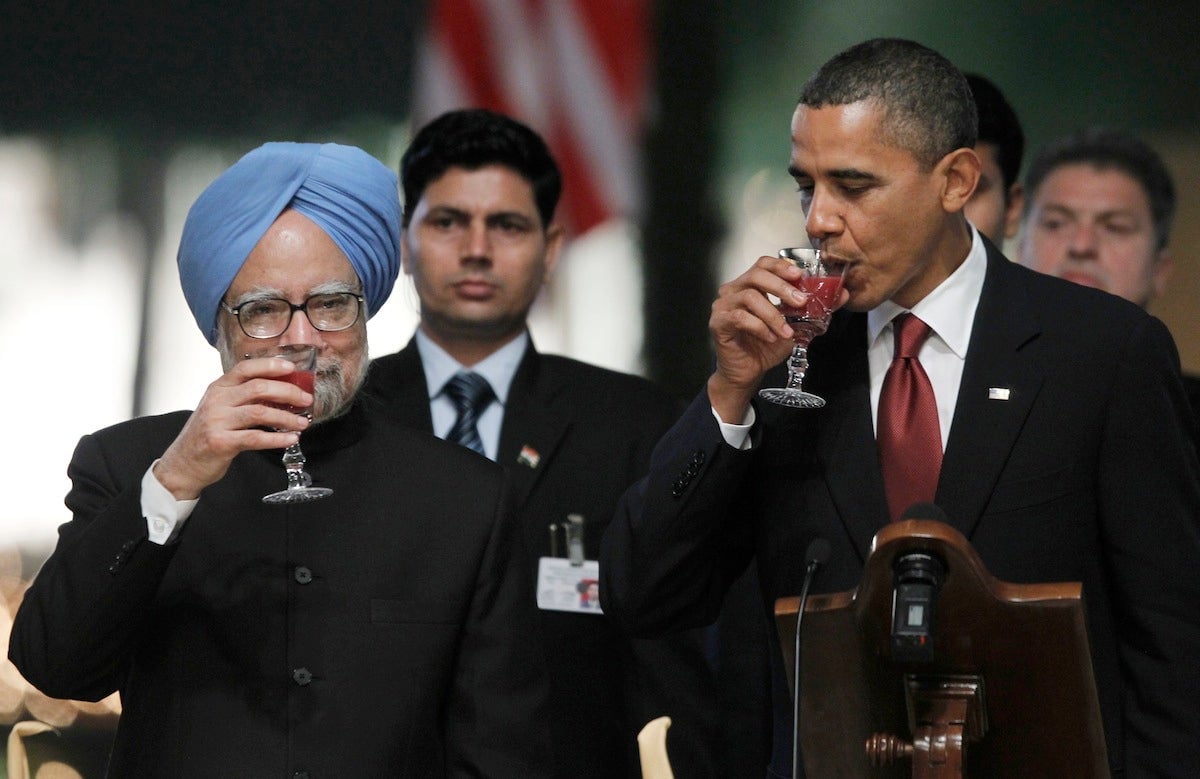
A continued hard line on China. The Obama administration has signalled it is not going to soften its stance on China anytime soon. A key plank of his manifesto was the need to bring American jobs back home. The US government has continued selling weapons to Taiwan, the self-ruled and democratic island that Beijing claims sovereignty over. And showing just how much this sparks its ire, China has reportedly been aiming more missiles at the rebellious island. Despite this, Chinese people felt a Romney victory would have been worse, and overwhelmingly backed Obama before election day.
Good morning, Quartz readers!

Last week, while forecasting the company would make a $9.8 billion loss this year, Panasonic president Kazuhiro Tsuga said his company was in the electronic industry’s “loser group.” The CEO of Sharp, which may seek a government bailout after hemorrhaging ¥103 billion ($1.28 billion) this year, is also beating himself up publicly. Takashi Akuda of Sharp said last week: ”We have lots of great technology and we want to tap that asset to revive and make money, but I can’t say we are now a company with that vitality.”
Note: this item has been corrected.
Good morning, Quartz readers!
Good morning, Quartz readers!
Good morning, Quartz readers!
Credit ratings from the “big three” agencies (Moody’s, Standard & Poor’s, and Fitch) come with a notorious caveat emptor: they are produced on the “issuer-pays” model, meaning that sellers of financial instruments pay the agencies to rate them, much as if a car dealership paid a magazine to write reviews of its vehicles. Historically, the law has insulated agencies from the complaints of irate investors. But now, in what is being hailed as the first decision of its kind, an Australian court has found a ratings agency responsible for investors’ losses on structured debt products sold in the years leading up to the financial crisis.
In Asia, private sector credit is at an all time high. According to London consultancy Capital Economics, the continent could be heading for a new major debt crisis (here is a reminder of the continent’s mid 1990s financial meltdown). Capital Economics says China, Hong Kong and Vietnam look in the worst shape. Here is their argument, in charts from their research note:
Good morning, Quartz readers!

In many cities, the area populated by foreign embassies and consulates is the most upscale. In London, for example, diplomats cluster around St James’s Park and Regents Park. But in Hong Kong, office rents have become so expensive that foreign consulates are moving out (paywall) of the Chinese territory’s high-end Central district.
Good morning, Quartz readers!
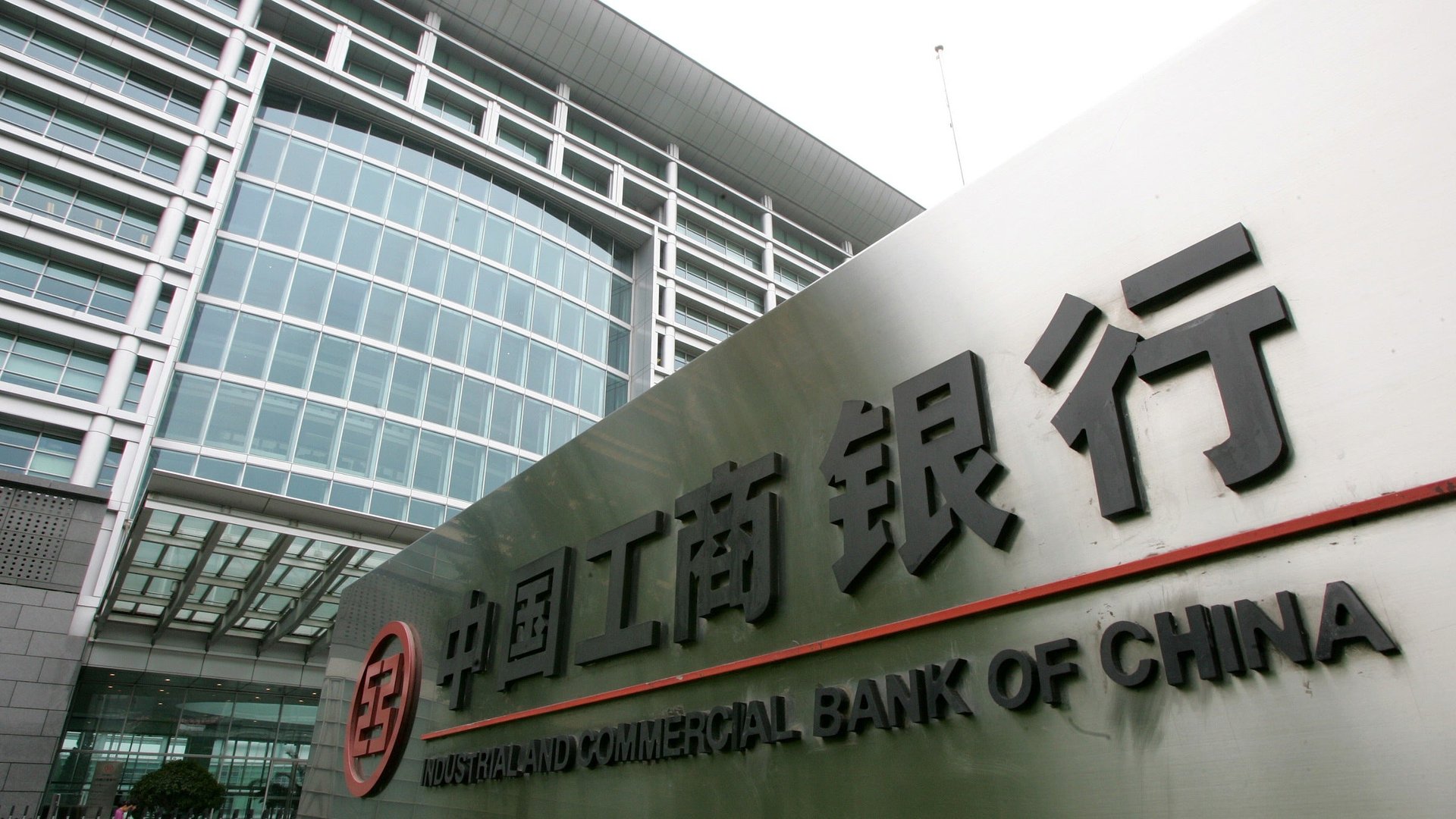
China’s banks have not done too well in the past couple of years, due to a Chinese economic slowdown and fears about rising bad debts. But on Oct. 30 ICBC, China’s biggest bank, reported profits that came in ahead of investors’ expectations. Some analysts smell a change in the wind. China’s massive, state-owned banks, Macquarie’s Victor Wang suggested in a note to clients, have turned a corner. “We do not need to be super bearish for these money-making machines,” he said.
Good morning, Quartz readers!
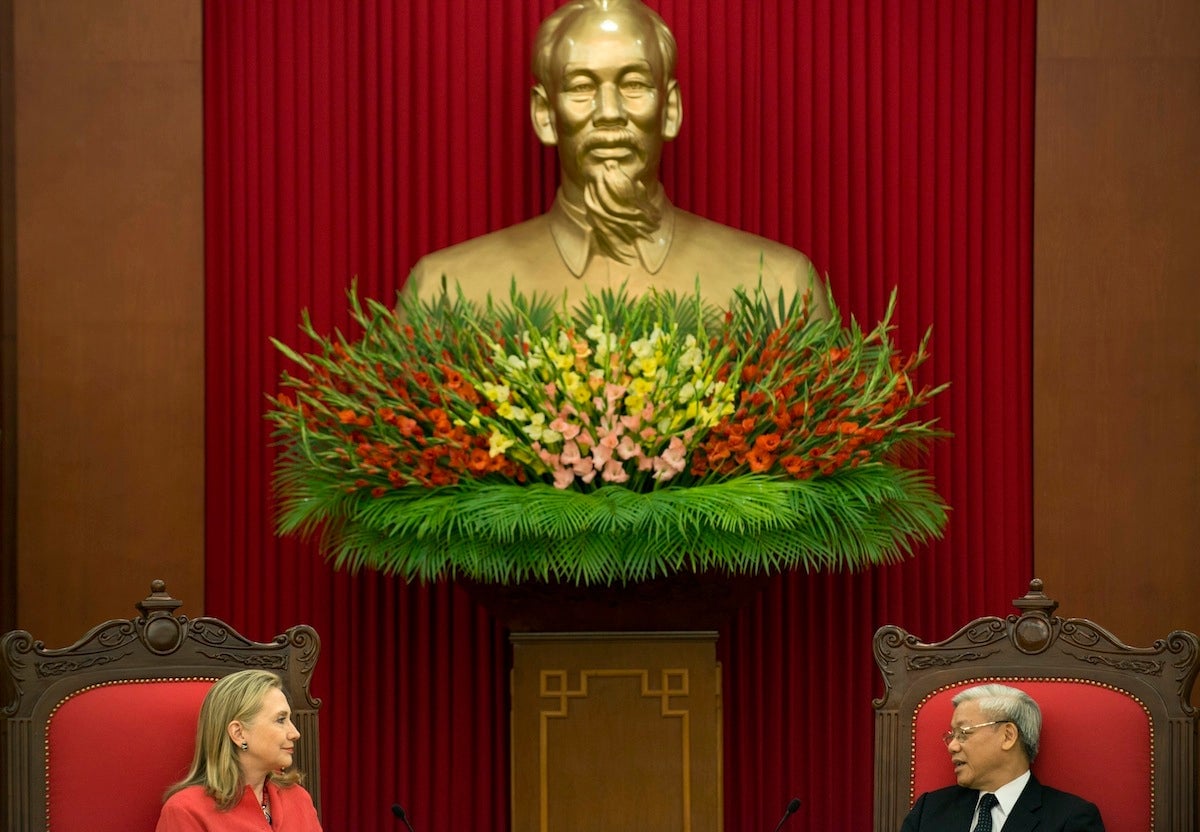
It may be a one-party Communist regime. But usually, Vietnam passes the all-important “try to take a photo with an armed guard” test, which shows how authoritarian one-party states really are. If you attempt this with the soldiers patrolling Beijing’s Tiananmen Square, you will likely be escorted away. By contrast, the guards who stand in front of Hanoi’s Ho Chi Minh Mausoleum usually pose with a big grin and a thumbs-up.
In the 1990s, traders in the Big Lychee, as expats living there call Hong Kong, used to nickname Standard Chartered the “banana skin bank”. Its focus on fast growing but chaotic Asian markets caused all sorts of accidents (paywall) that decade, including becoming embroiled in a $1 billion Indian share trading fraud and a bad loan pile up during the Asian crisis.

Honda has slashed its full year profit forecast by 20% because of bad September sales in China. No shock there. Honda and its rivals Toyota and Nissan have already disclosed the sales droop they all suffered last month because of an anti-Japan backlash in China, caused by the ongoing row between Beijing and Tokyo over the Senkaku/Diaoyu islands in the East China Sea. Yet the Japanese firms’ poor performance is due not just to politics, but to a longer-lasting series of strategy mis-steps.

Chinese search engine giant Baidu’s third quarter revenue fell short of the $1 billion analysts had forecast. That was partly because Baidu—like Google, which recently reported disappointing revenues—has not yet fully figured out how to make money off the mobile-phone version of its search engine. But in Baidu’s case there’s an emerging-market twist. It needs to teach small Chinese businesses, including farmers and restaurant owners, why its worth their advertising on mobile search. That is going to be hard.
Good morning, Quartz readers!
Good morning, Quartz readers!
A link from Sifma