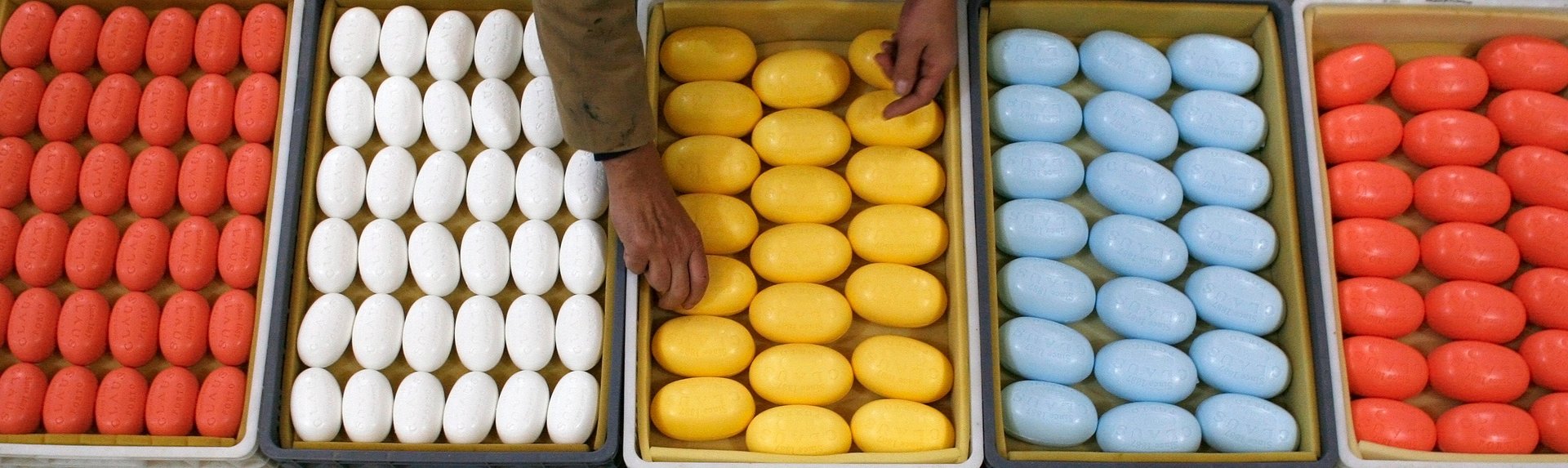
The moment money launderers get lazy is the moment they get caught. Such is the case with two men who allegedly decided that transferring a lump sum of $9.7 million to buy 10 million bars of soap wouldn’t turn any heads.

The moment money launderers get lazy is the moment they get caught. Such is the case with two men who allegedly decided that transferring a lump sum of $9.7 million to buy 10 million bars of soap wouldn’t turn any heads.

Queen Elizabeth is making a killing in the UK real estate market without ever having bought, sold, developed or leased a property, let alone lifted a finger.

A mere six restaurants in Spain’s capital city, Madrid, carry the distinction of two Michelin stars, but that club may be getting even more exclusive.

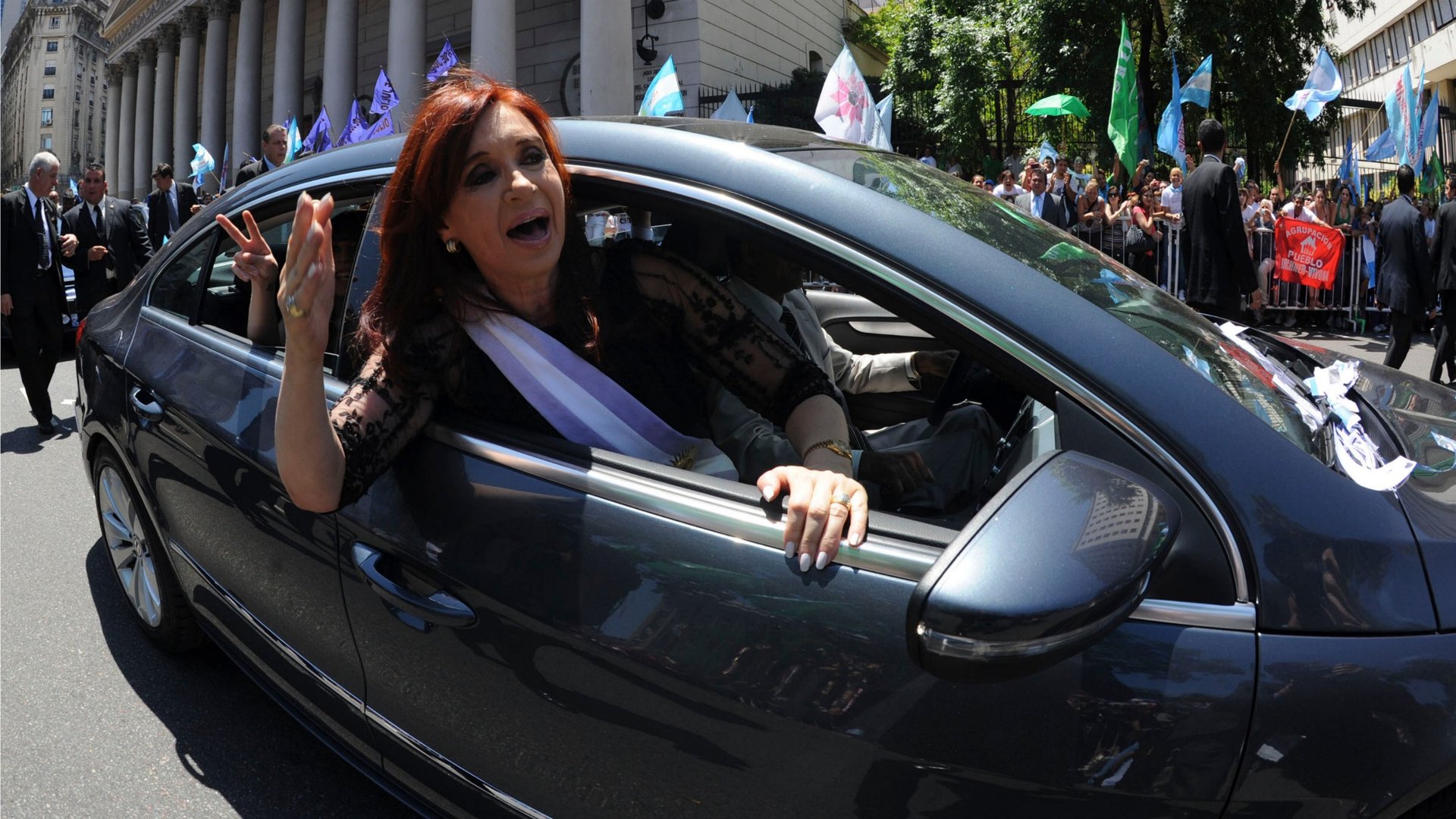
A few weeks ago, the president of Argentina’s central bank, Mercedes Marcó del Pont, lauded the country’s balanced current account. Defending a war on dollars policy launched by Argentine president Cristina Kirchner, Marcó del Pont said Argentina “doesn’t need more US dollars and won’t need more US dollars.” But that’s rapidly changing.

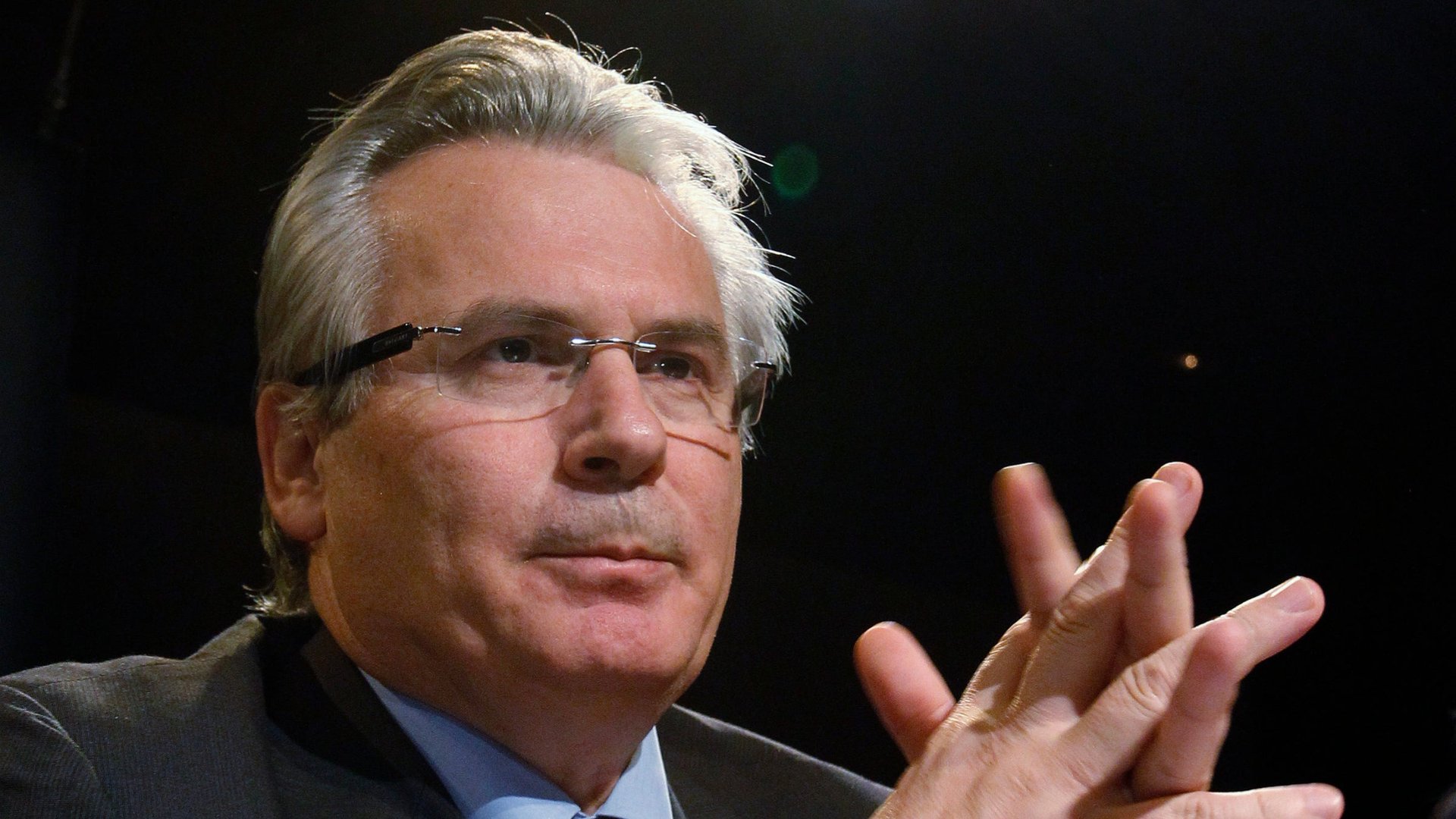
Late Sunday, Spanish jurist Baltasar Garzón released a statement saying that US whistleblower Edward Snowden had reached out in hopes that he—Garzón—would be willing to offer up his legal advice. Garzón, who currently serves as legal head of anti-secrecy group WikiLeaks, has yet to publicly accept.

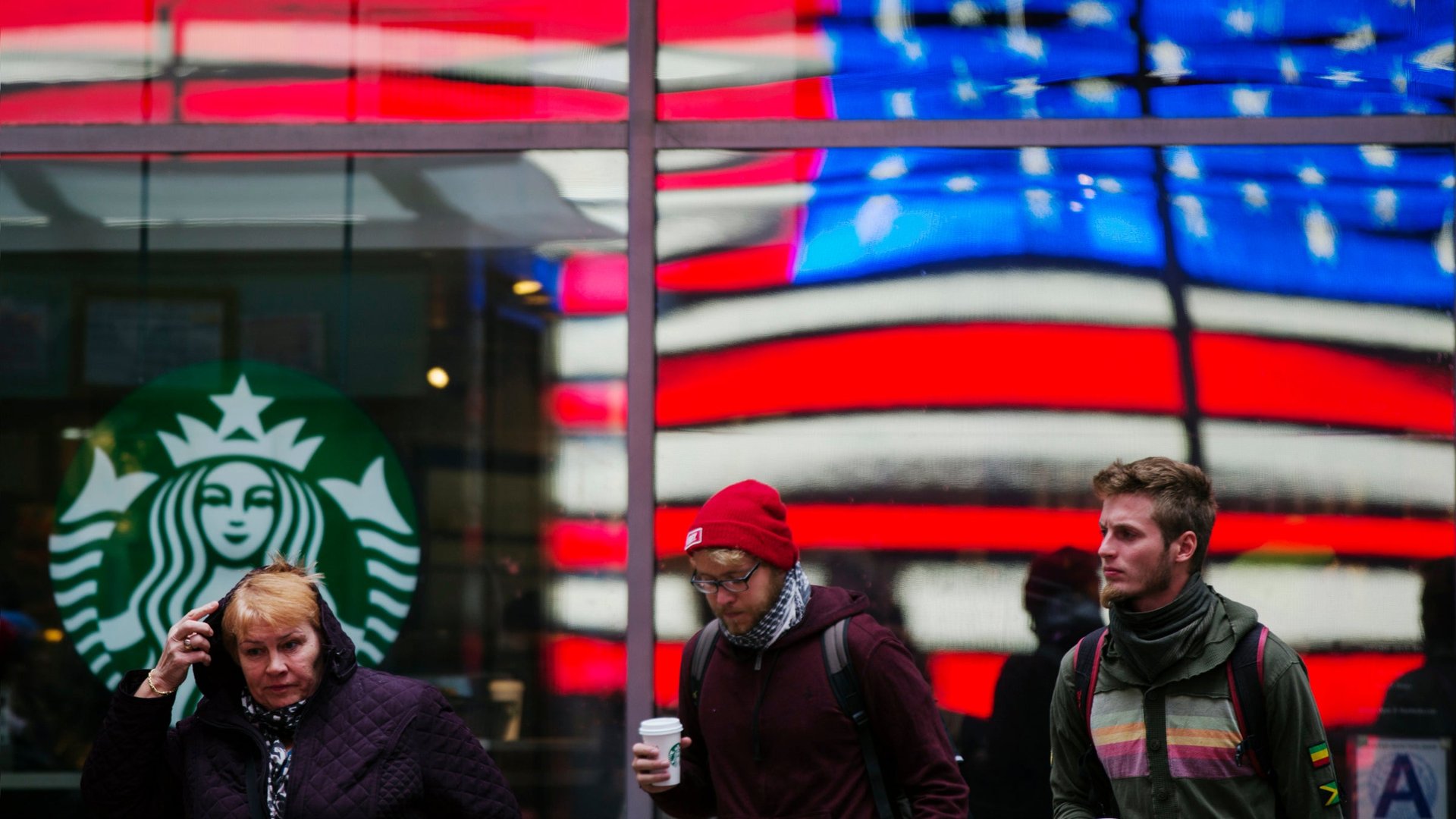
Starbucks just announced that it will be raising the price of some beverages in the United States by as much as 10 cents.

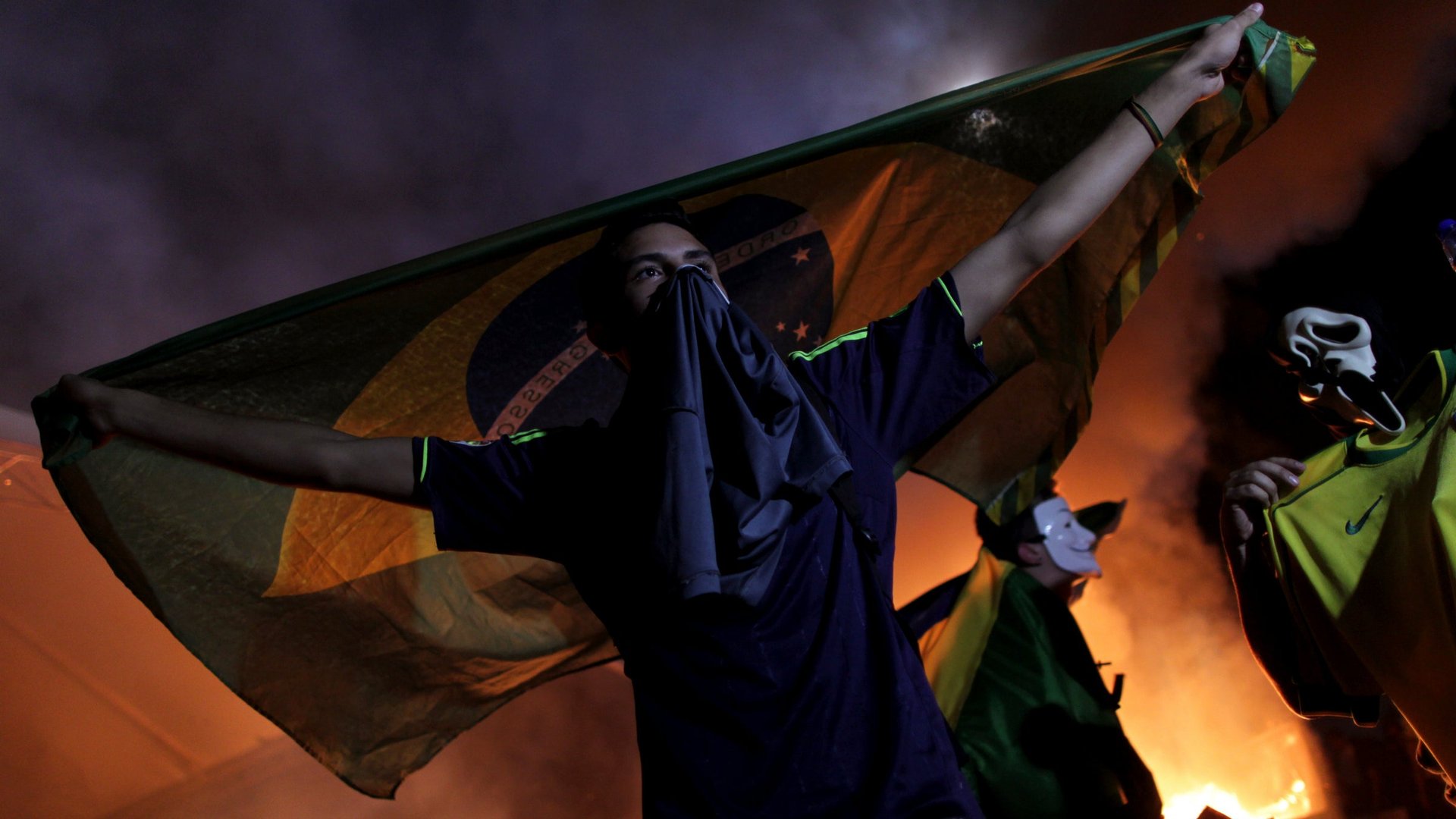
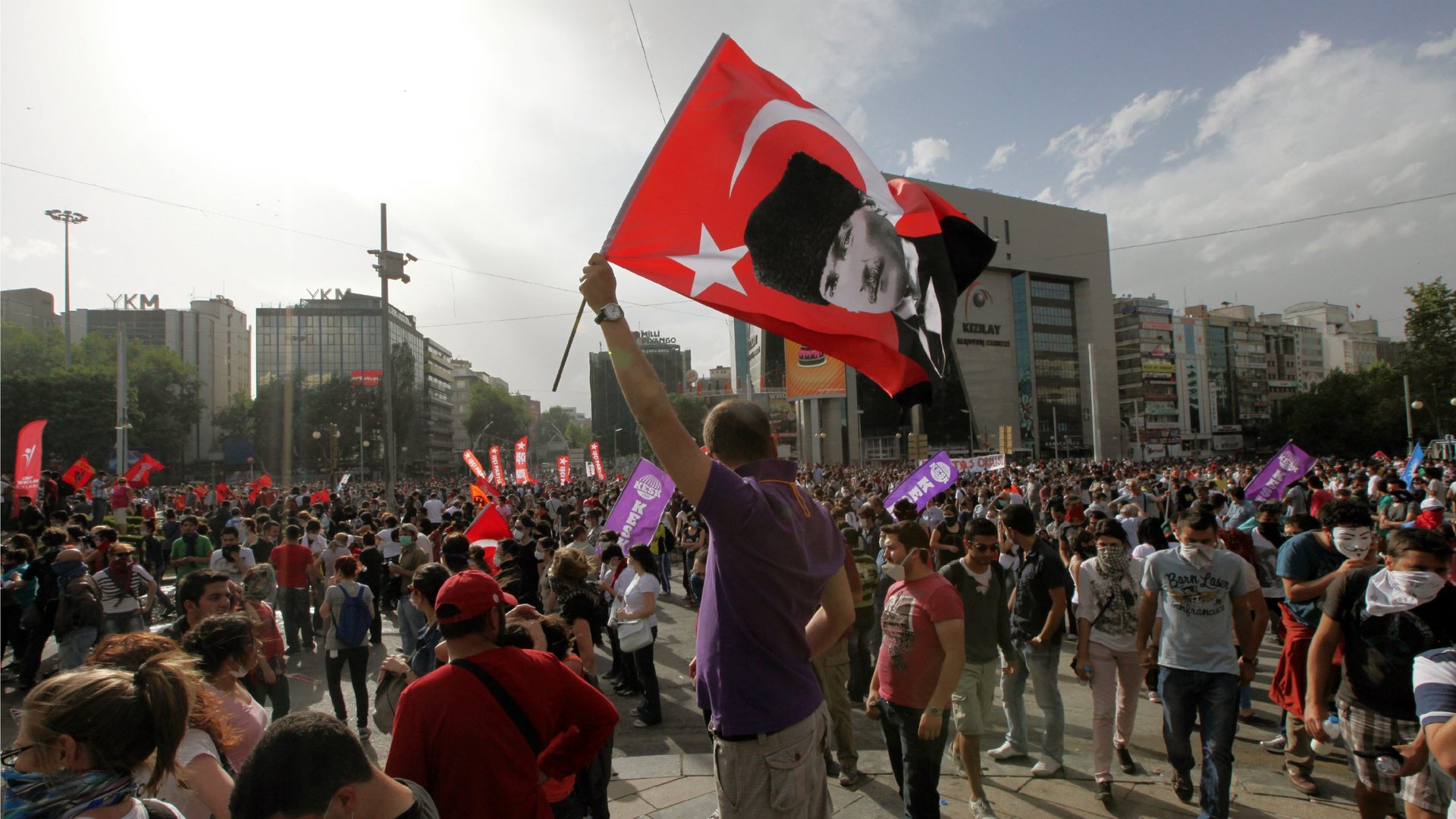
The biggest protests to hit Brazil in over 20 years just got a whole lot bigger.

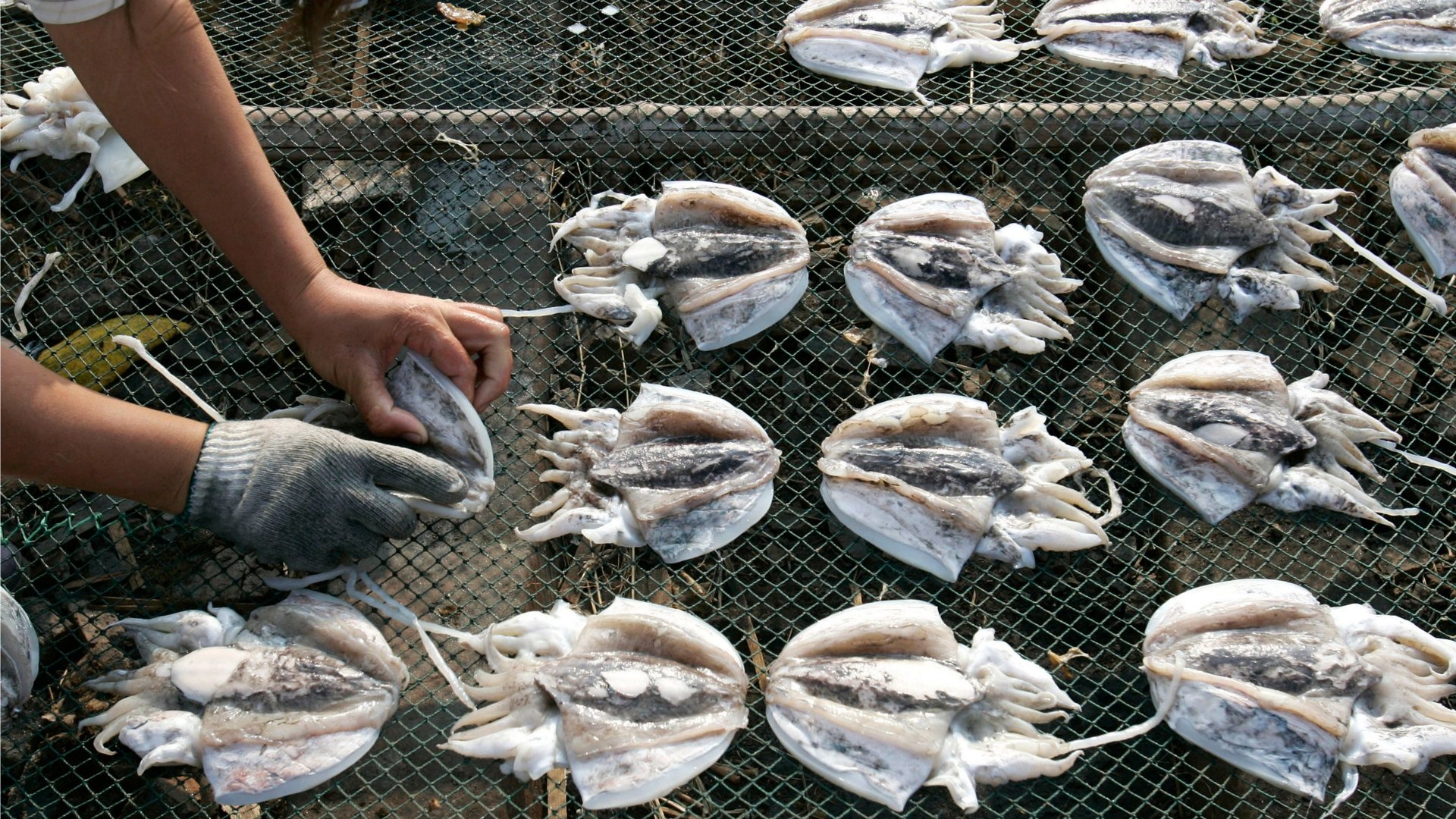
An unlicensed Chinese jigger hoarding some 180 tonnes (200 tons) of fresh squid was caught fishing off of Argentina’s coast late on Tuesday (June 17). The country’s coast guard has since boarded and seized the ship, which is being escorted to the Patagonia port on Argentina’s southeastern coast. But the incident was hardly the first.

Chinese consumers love luxury products, but they drink crummy tequila. At least until now. Earlier this month, China’s President Xi Jinping and his Mexican counterpart Enrique Peña Nieto signed a bilateral trade agreement that will allow Mexican imports of 100% agave tequilas (Spanish link) into China for the first time since 2008.

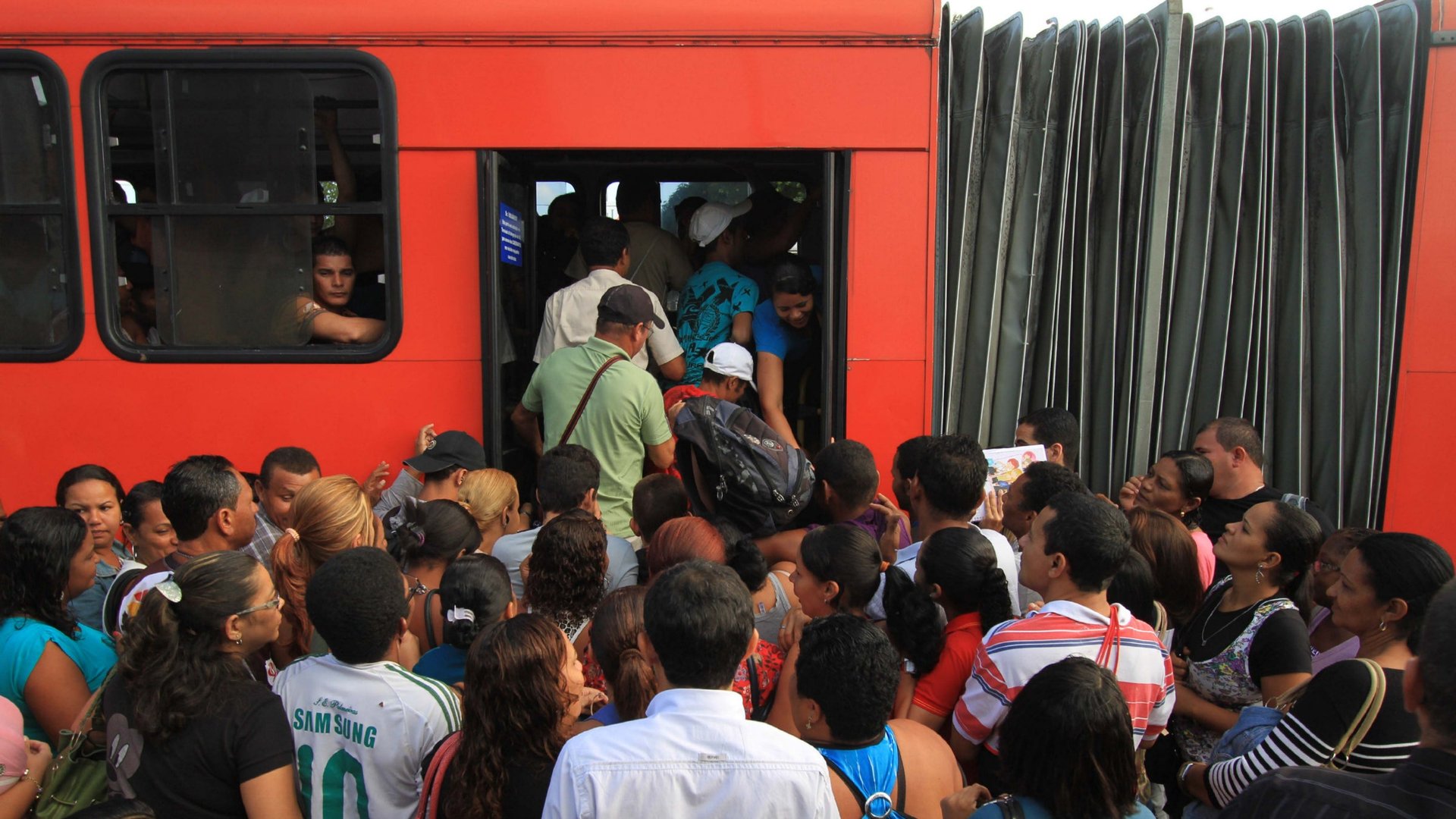
A $0.09 hike in the price of a single bus fare in Sao Paulo ignited the biggest protests to hit Brazil in over 20 years. As we noted earlier today, the bus fare hike was merely the last straw in a long list of public grievances about the shaky Brazilian economy.

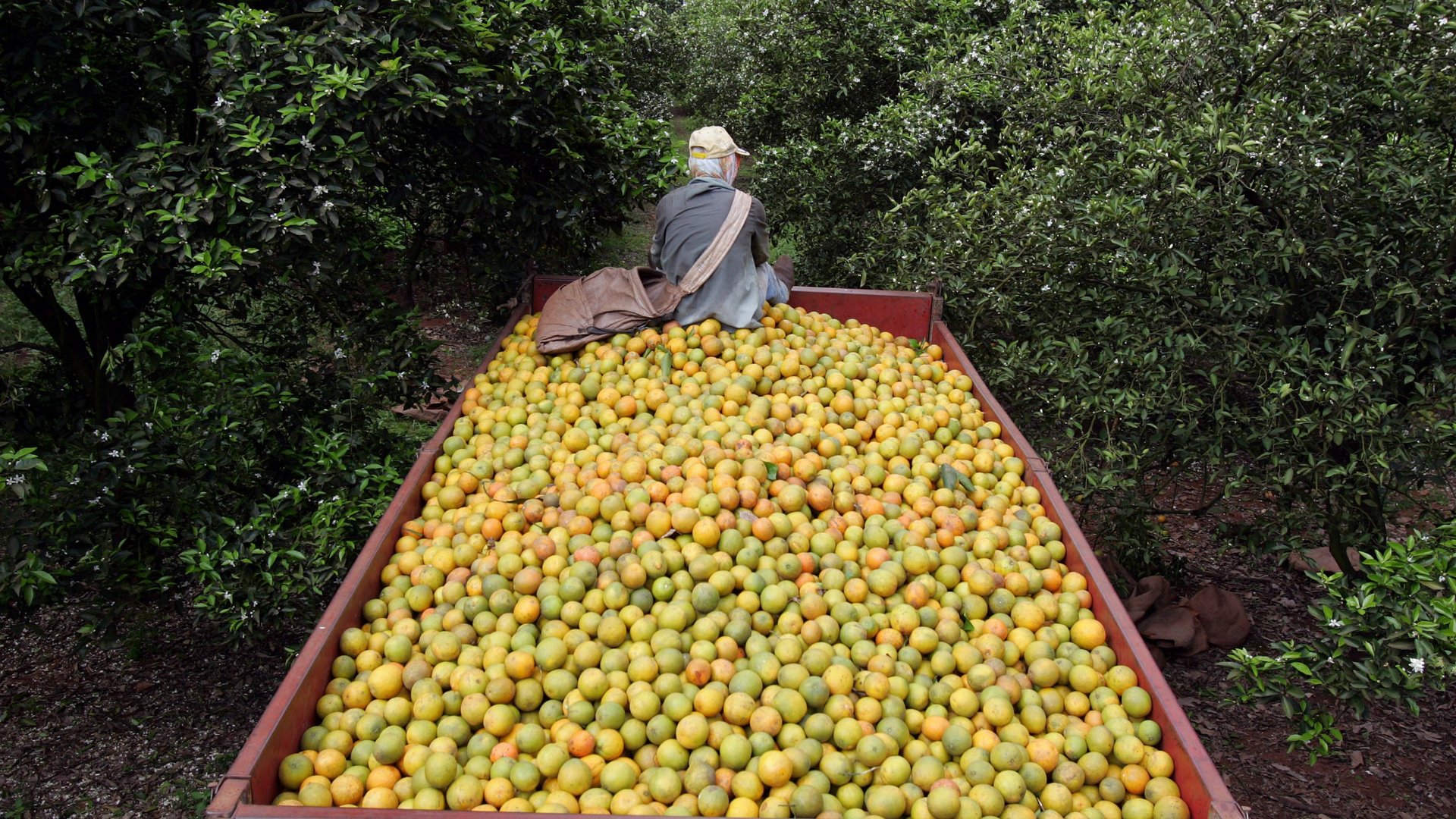
If Brazil is going to maintain its grasp on the global orange juice market, it’s going to have to shake things up a bit.

Edward Snowden wasn’t your traditional spy. He was, however, a very modern one, a guy who worked from a computer terminal in an office, similar to how a modern bomber pilot might control his drone. The weekend’s big revelations about the NSA’s biggest revealer prompt a natural question: How many Snowden-type spies with top secret security clearance are there?

Last December in an interview with Russia Today (video above), former NSA crypto-mathematician William Binney disclosed the extent to which he believed the US government was not only capable of, but actively engages in spying on internet data and web activity across the country. Binney said that the FBI has access to the emails of everyone in the US, holds a target list and monitors every email to and from those contained on the list.

Italian banks aren’t safe investments these days. But they are getting safer in at least one way.

If there was ever a global currency war—and we’ve long been skeptical—Brazil’s Finance Minister Guido Mantega just effectively announced his country’s surrender by slashing its tax on foreign investment (IOF) from 6% to zero. Mantega says the move is needed to boost Brazilian growth by reviving slowing foreign investment. But the move isn’t likely to jolt foreign investors, who are more worried about the overall trajectory of Brazil’s faltering economy.

Atop Çamlıca, a hill on Istanbul’s Asian side, a 15,000 square meter (161,000 sq foot) mosque is being built. If all goes according to prime minister Recep Tayyip Erdogan’s plan, the structure will be not only enormous, but visible to the entire city, too.

It’s too hard to pay developers in Argentina for Android apps, so Google isn’t going to anymore.

As if running out of toilet paper wasn’t indignity enough, Venezuela is now proving itself incapable of supplying yet another staple of life: sacramental wine.

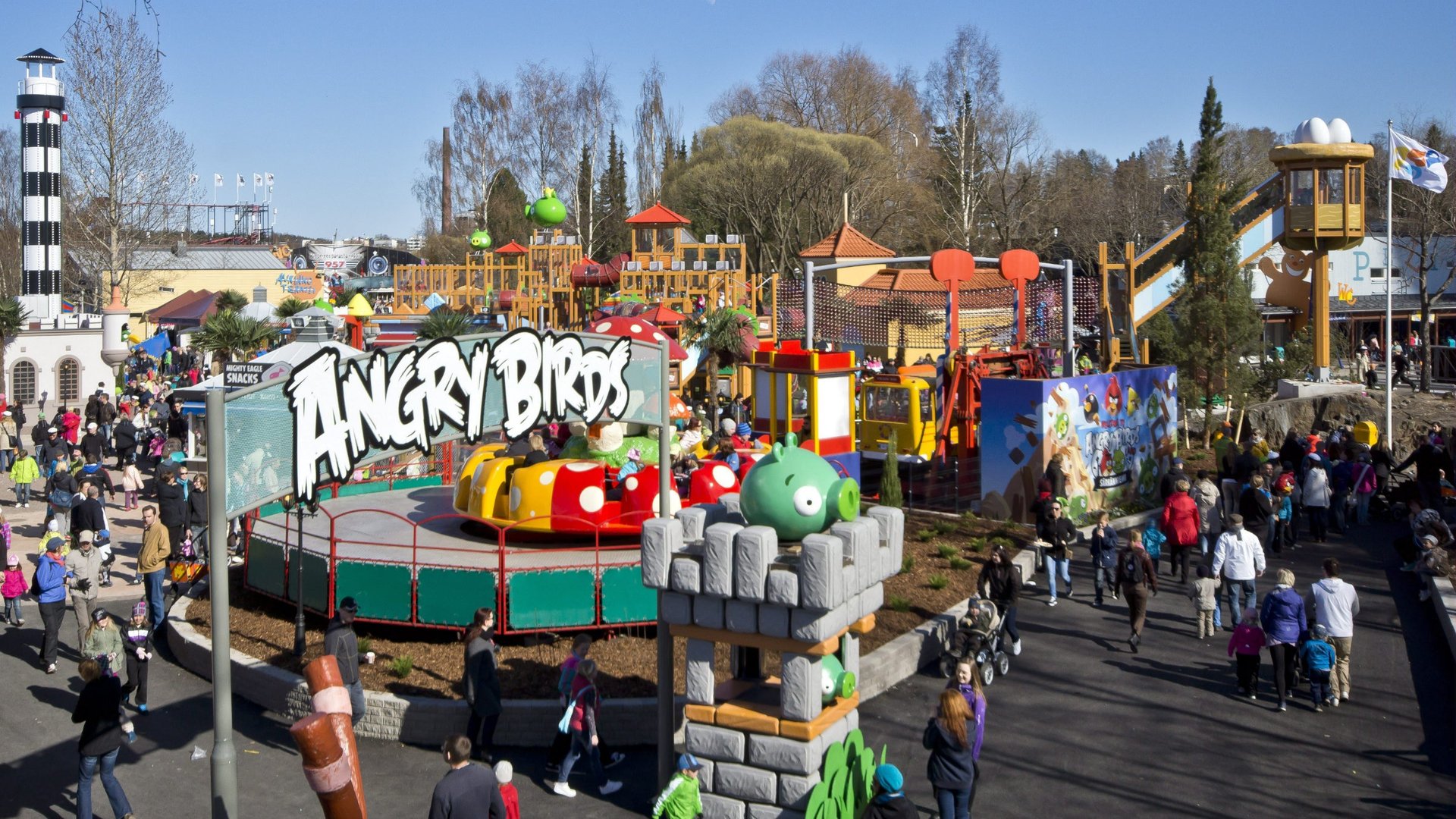
Flinging those digital Angry Birds was so much fun that they’ve inspired their own theme park. Abu Dhabi, Al Ain, and Doha are now the latest cities vying for the rights to an Angry Birds theme park, which plans to be the world’s largest of its kind. The glorified playground, which will feature rides, interactive games and Angry Birds-inspired feats, is expected to cost as much as 60 million dirham ($16.34 million).

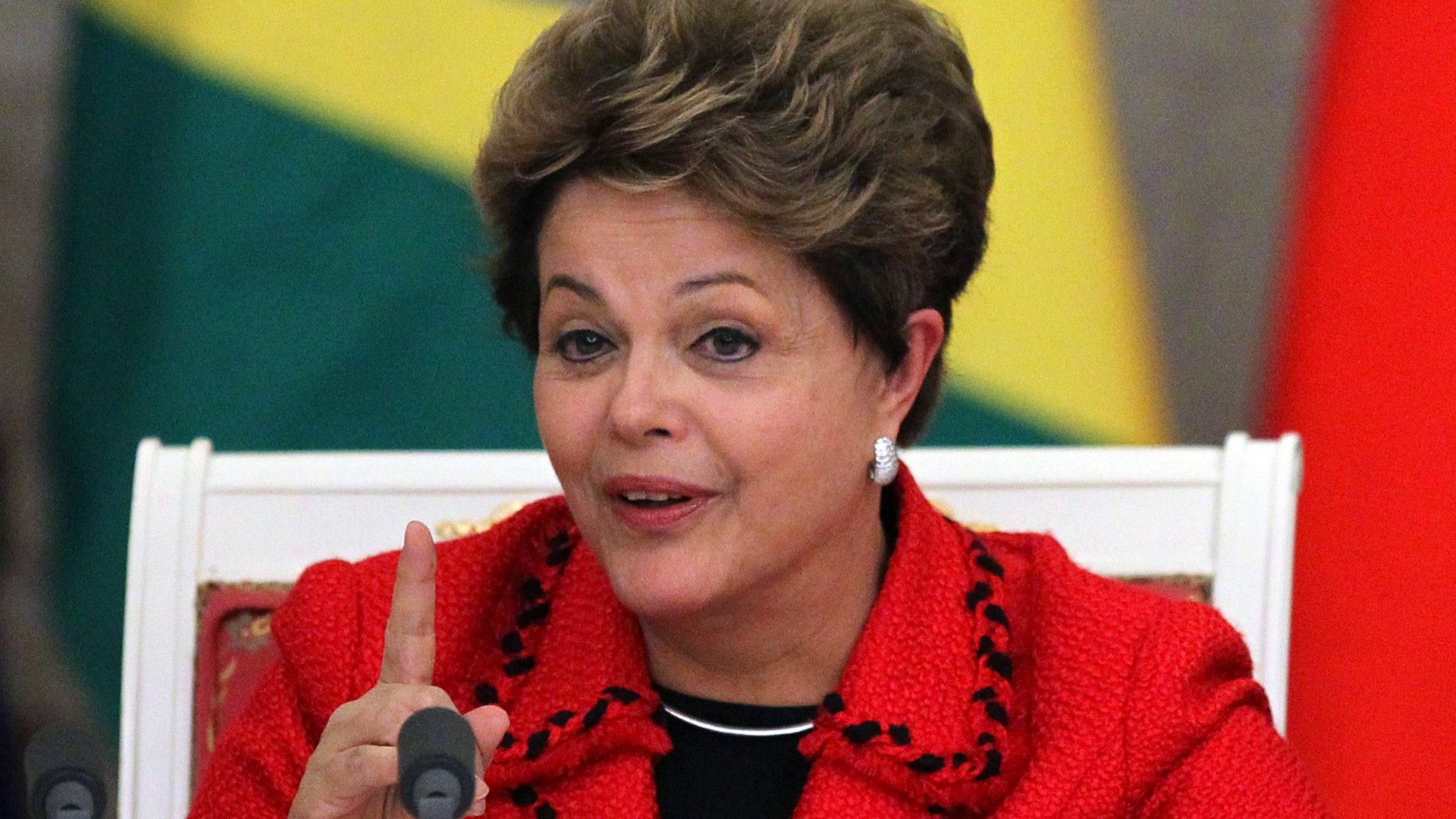
Brazil is owed some $900 million from 12 African countries, but no longer. Brazilian president Dilma Rousseff announced over the weekend that her country would cancel the bulk of the debt, most of it dating from the 1970s, and restructure the rest. The recent pardon was made “to maintain a special relationship with Africa,” which “is strategic for Brazil’s foreign policy,” said president Rousseff’s spokesperson, Thomas Traumann.

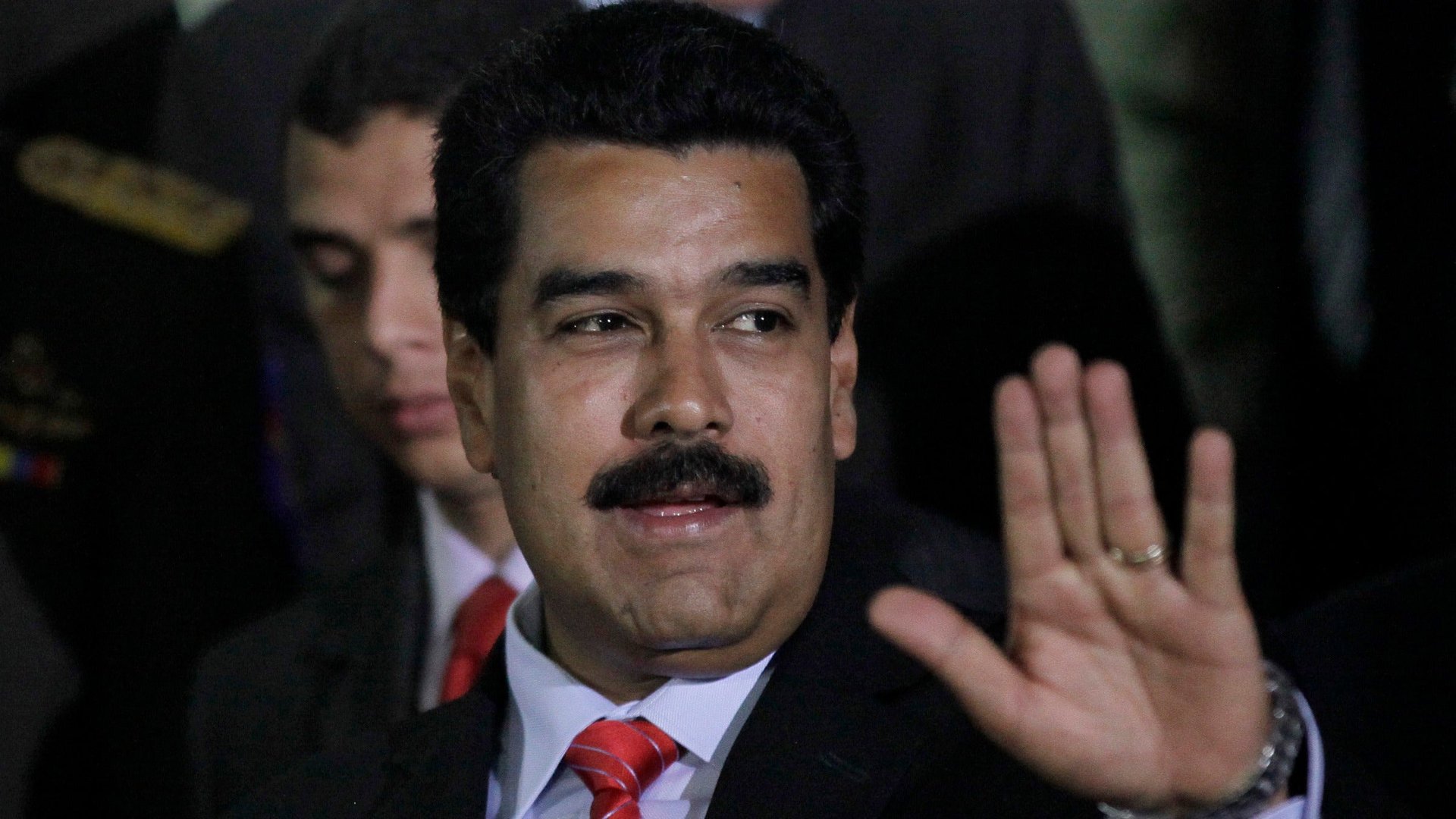
Venezuela’s lawmakers are rolling out plans to import toilet paper and allot a $79 million trade credit to help alleviate the country’s shortages on many basic goods.

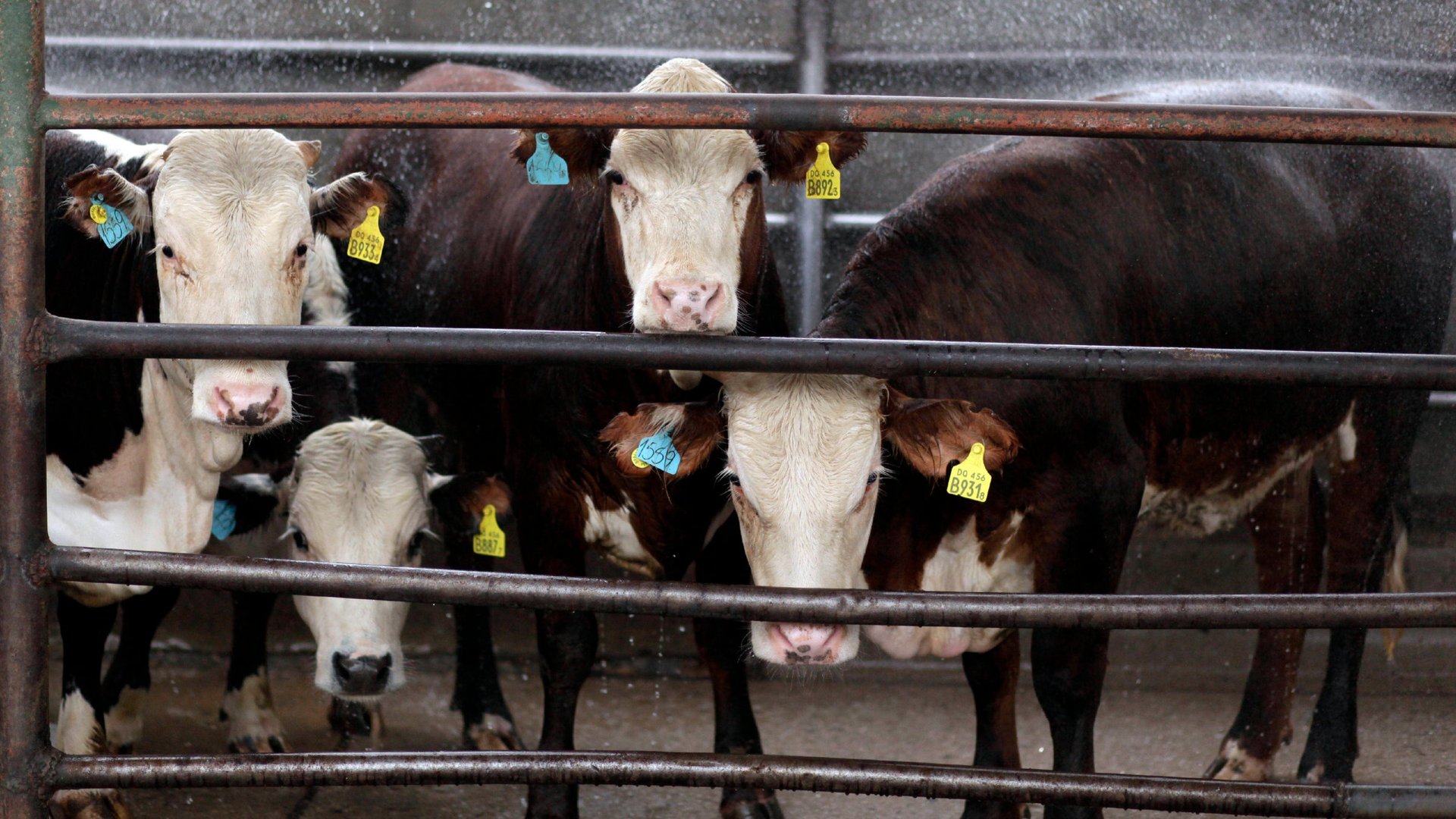
Argentina’s steaks are world-renowned, but good luck finding one these days. Argentines have become oddly bashful about sharing their beef.

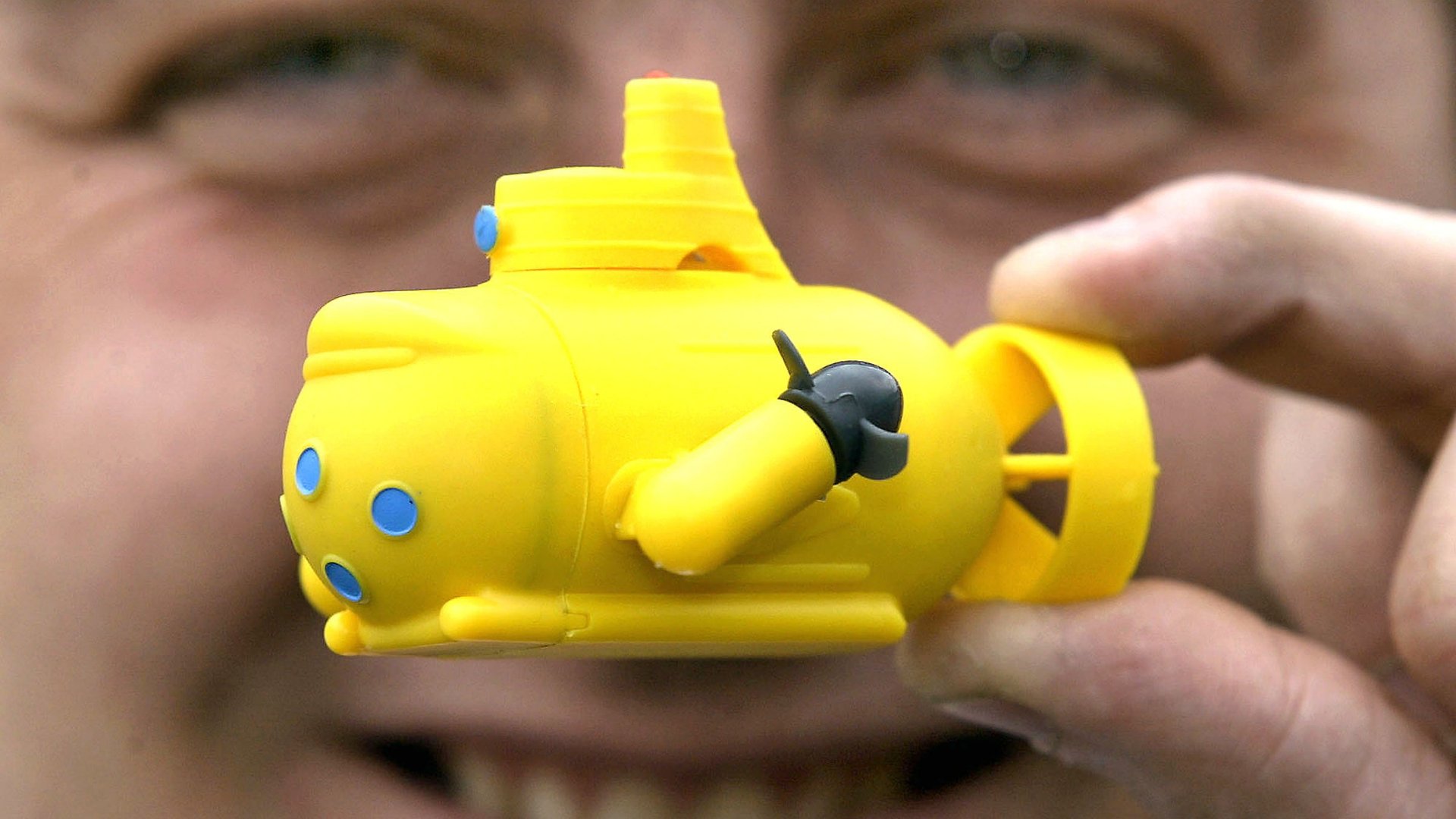
One of Spain’s largest defense splurges may also be one of its most embarrassing. After spending nearly one-third of a $3 billion budget to build four of the world’s most advanced submarines, the project’s engineers have run into a problem: the submarines are so heavy that they would sink to the bottom of the ocean.

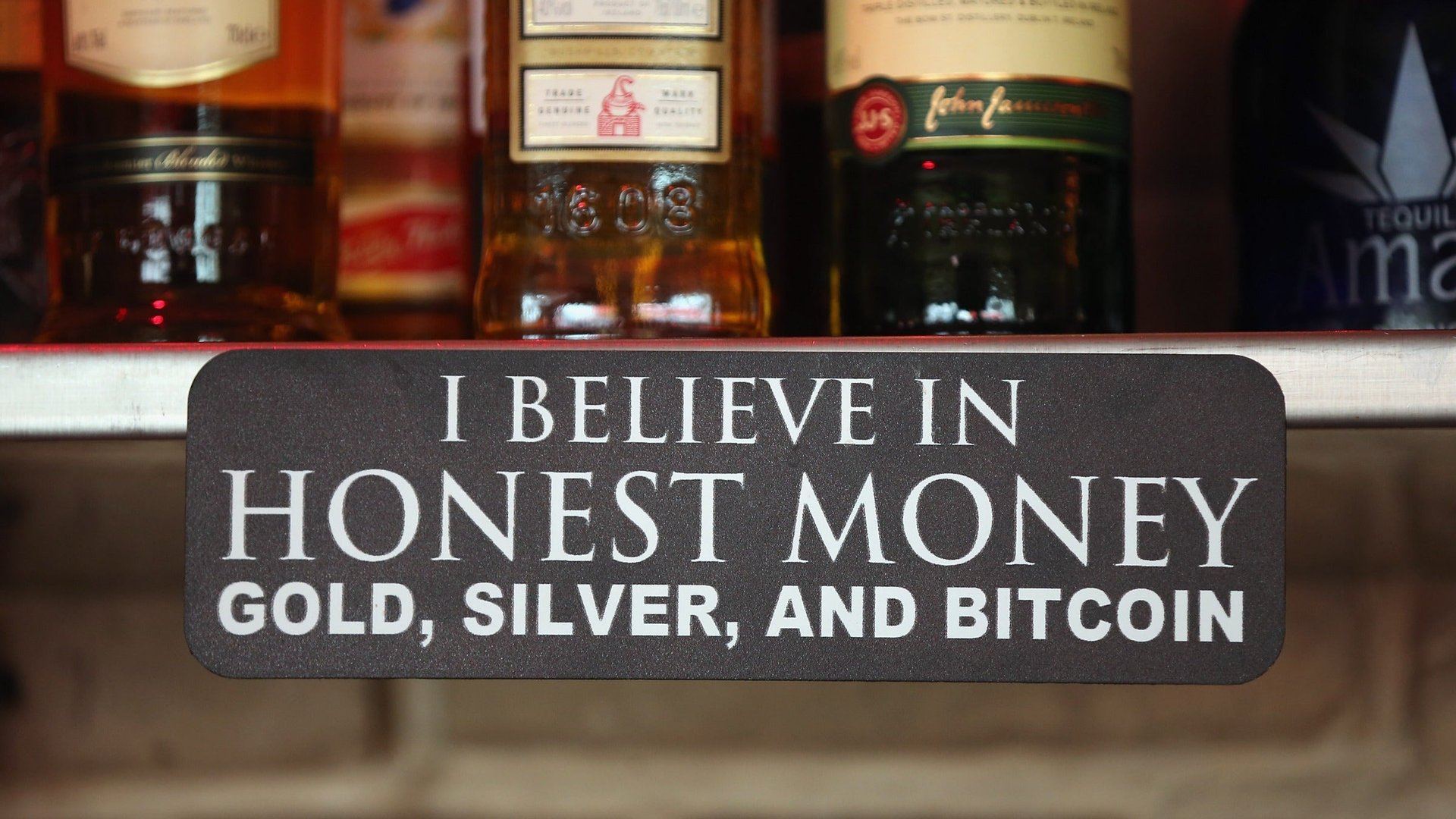
At a bar several hours outside of downtown Buenos Aires, a group of 16 strangers gathered around a table to learn about a new way to circumvent Argentina’s inflation. Only this time it wasn’t another clandestine way to accumulate illegal US dollars; the group had traveled to the outskirts of Argentina’s capital to hear about Bitcoin.