
Business News
Why Illy will never sell fair trade coffeeIllycaffè says its coffee doesn’t mix with fair trade.
Updated July 21, 20222 min read
Illycaffè says its coffee doesn’t mix with fair trade.

Conferences are a booming business—Quartz held its own Next Billion gathering last week—and your company may pay thousands of dollars to send you to a big-name event. How do you make sure it’s worth the money and convince your boss to let you go next time? We turned for advice to a conference veteran: Yossi Vardi, often described as the tech guru of Israel. At 71 years of age, and with experience in over 70 different companies (either as a founder, manager or investor), Vardi has been to more than his fair share of conferences and also hosts the DLD Tel Aviv Digital Innovation Festival.
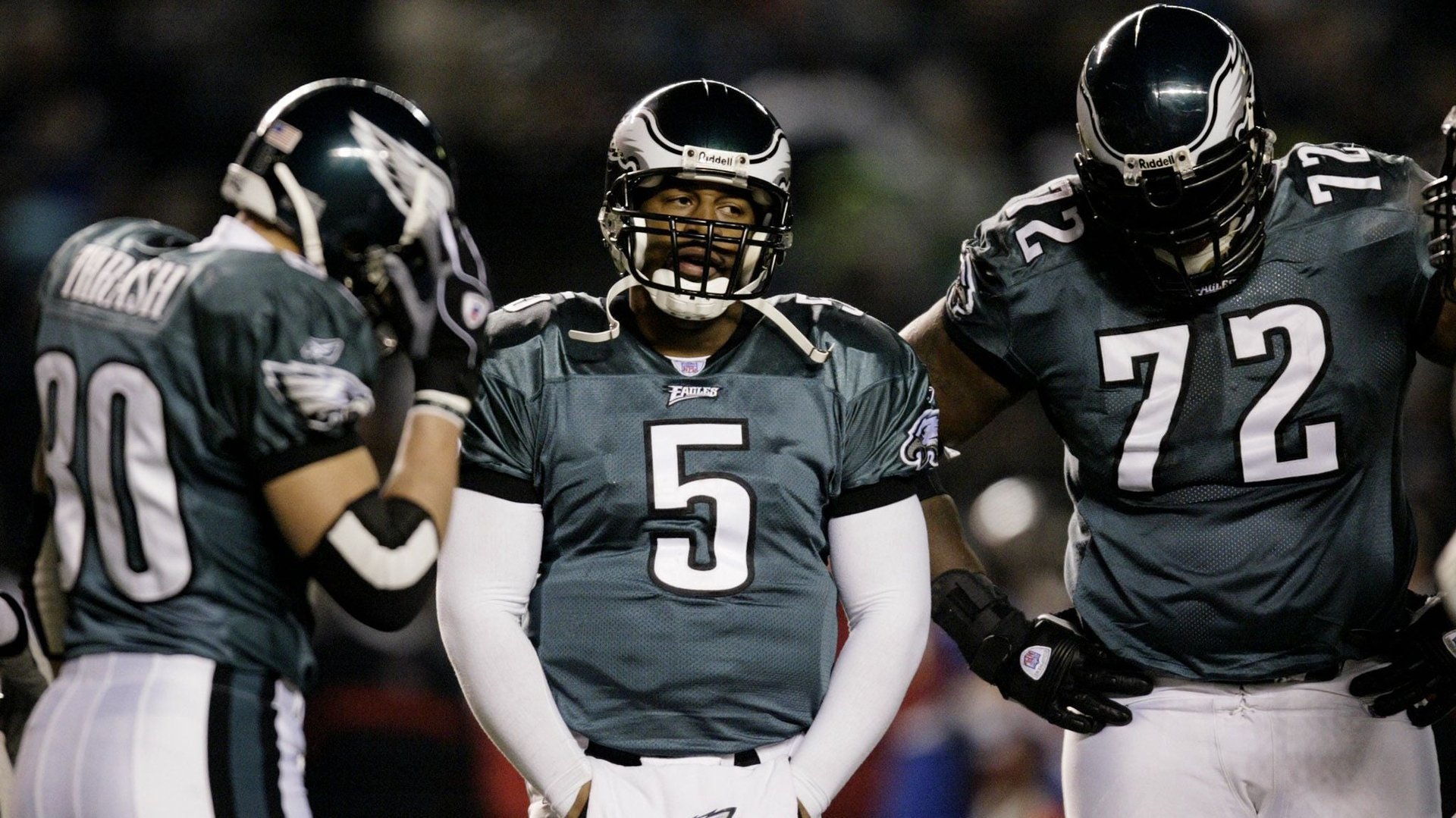
If conference calls and even Skype conversations never feel quite the same as sitting in a room with someone, it’s because we communicate a vast amount of extra information with every part of our bodies, from the arch of our eyebrows to the movements of our feet. Researchers have devoted a lot of time to studying body language, and Quartz turned to some academic papers to compile these explanations about the impact of various body positions.
Demonstrating a feat that was until recently thought to be impossible, researchers in Geneva, Singapore, Cambridge and Waterloo, Ontario have “unconditionally guaranteed” the security and sanctity of a message transmitted between two points on earth. Their work (pdf) could lead to impenetrable communications networks for financial trading, online voting, or an endless variety of other tasks currently carried out on the internet.

The next time you’re waiting to pay at Tesco, the ads you’re watching may be watching you back. Britain’s biggest retailer is rolling out screens with built-in cameras at its petrol stations that can identify people by their gender and approximate age, and customize ads based on who is watching.
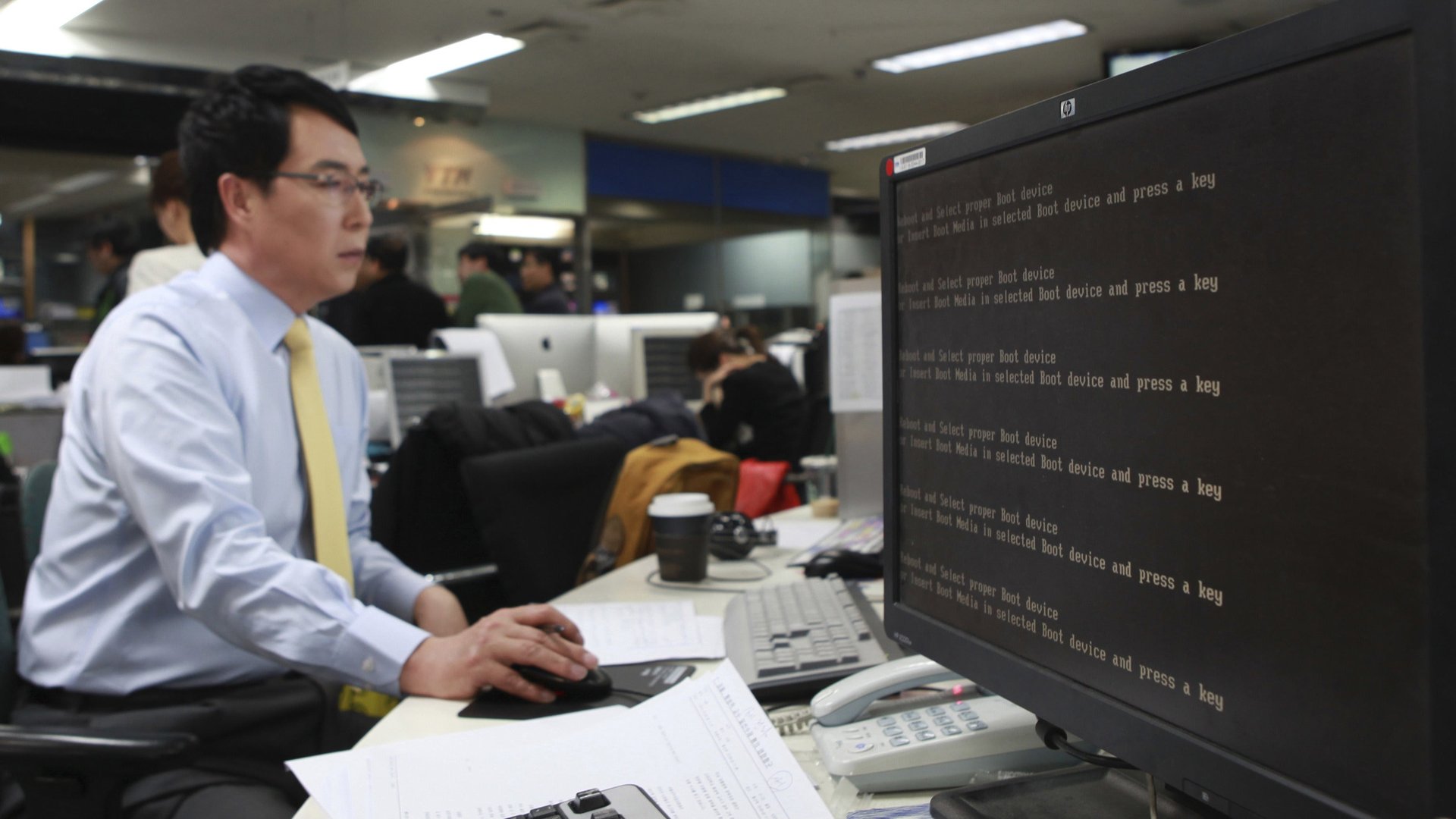
Every week there are headlines about a company getting its email, website, Twitter accounts or something else hacked. The reason? In a word: Employees.
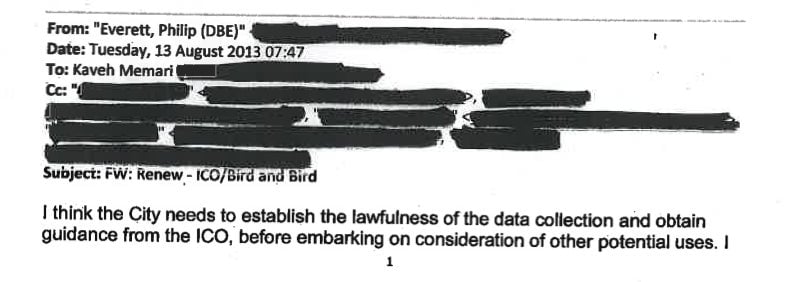
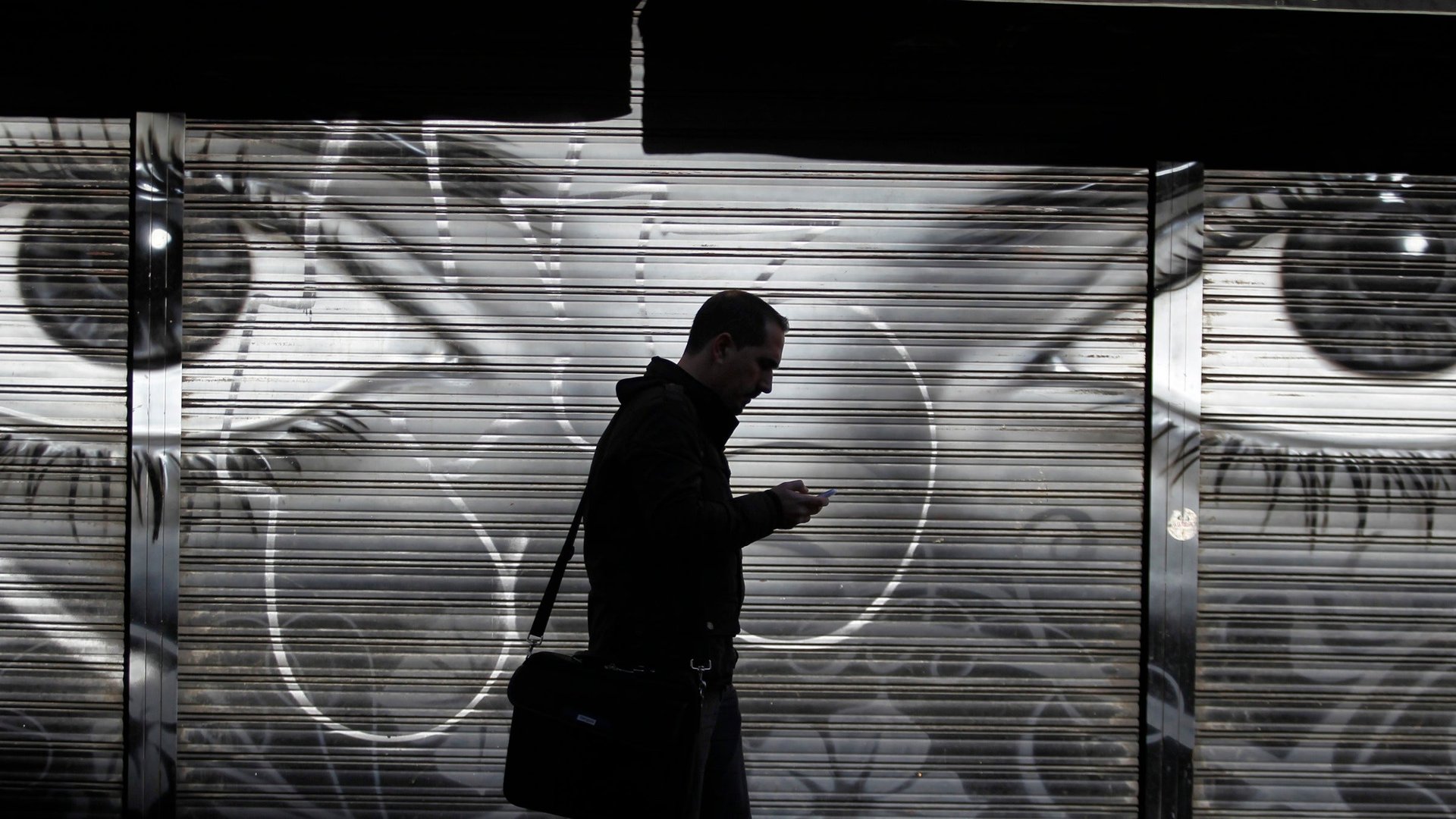
City of London staff knew for a week that recycling bins in the local authority were tracking the movements of passers-by, but didn’t put a stop to it until news reports prompted a public outcry.
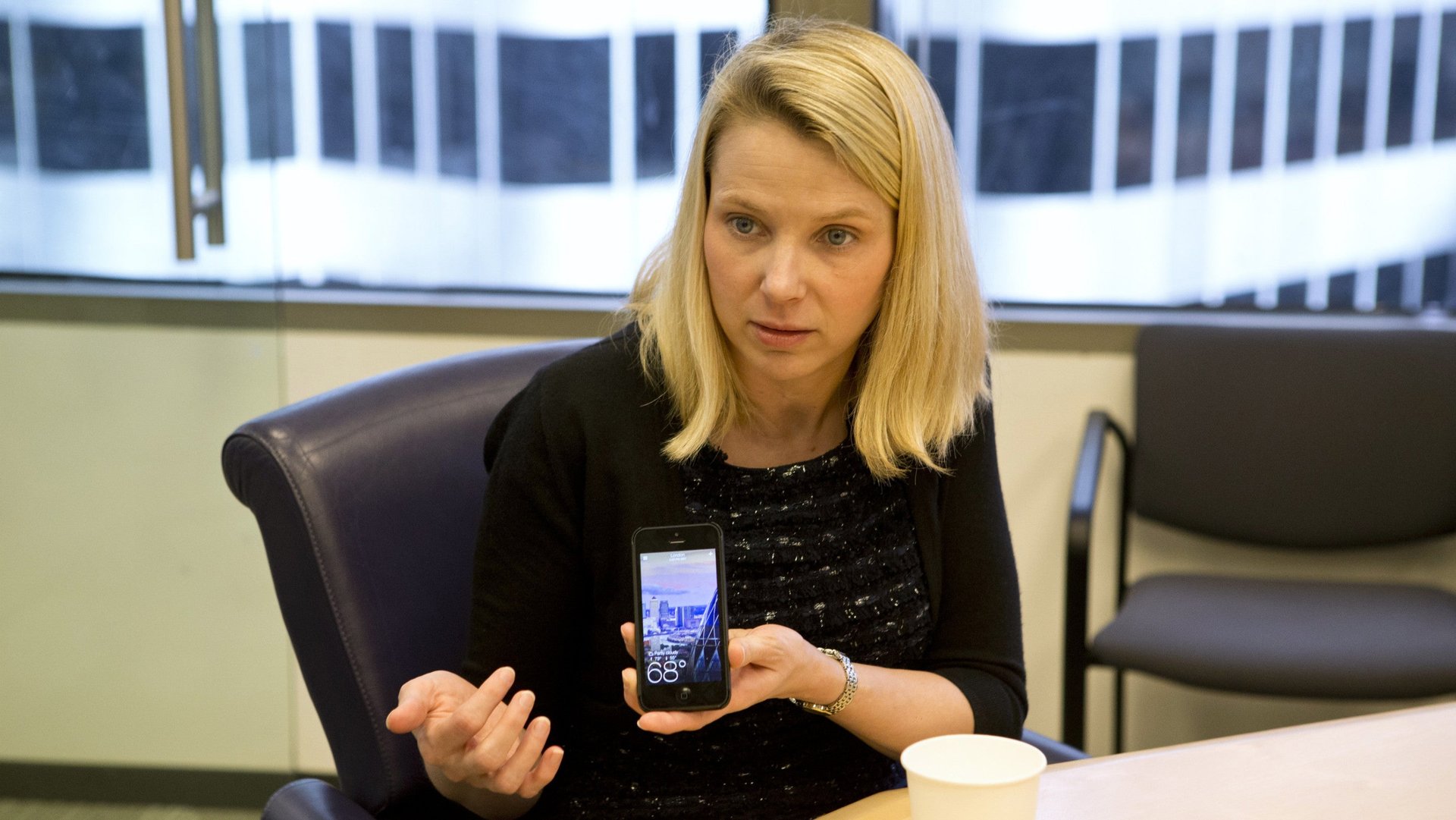
Yahoo CEO Marissa Mayer doesn’t use a passcode to protect her phone, defying the wisdom of most corporate IT departments.
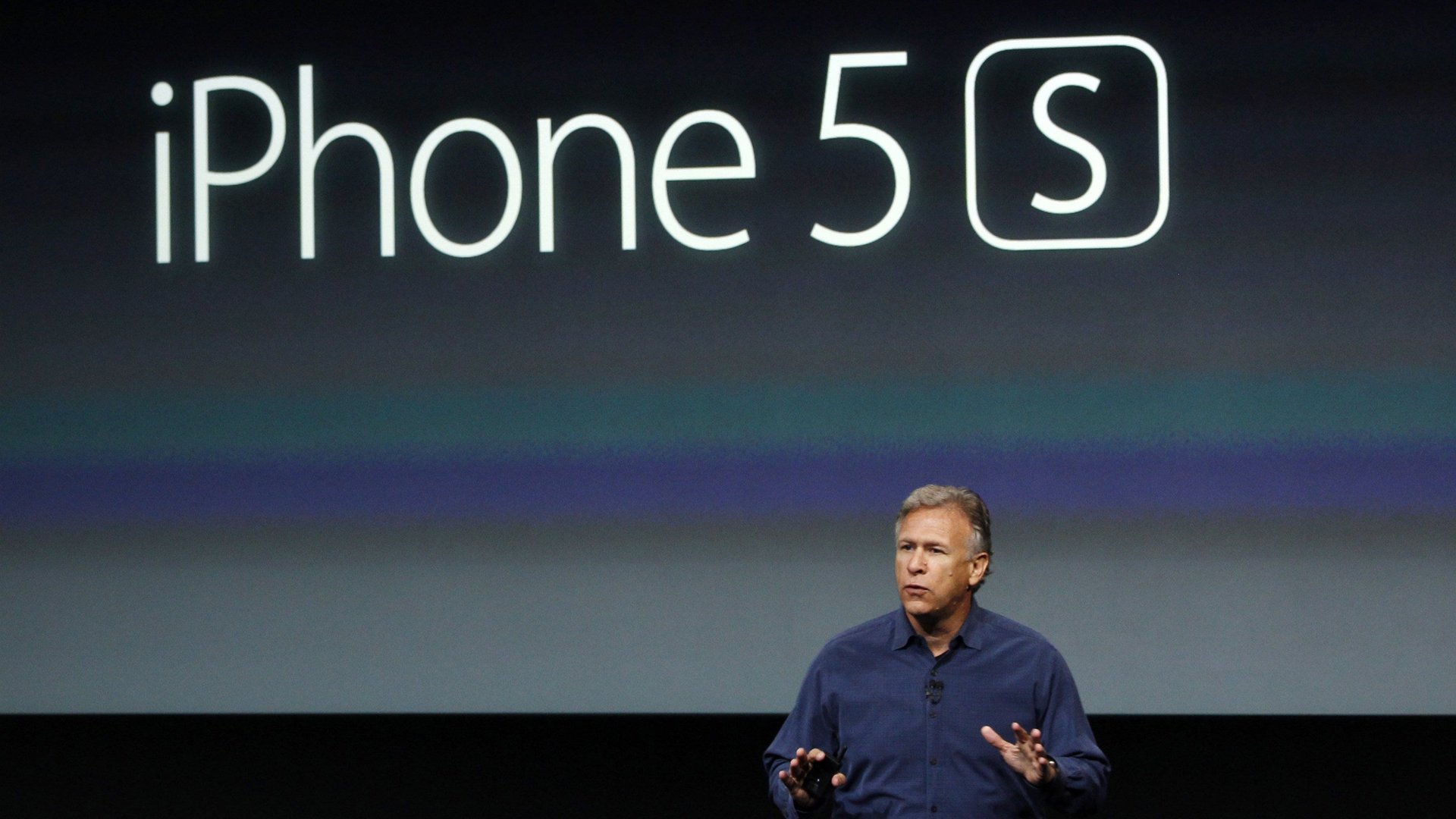
Sensors have played a role in mobile devices for years, even if it was simply a compass designed to help phone users find their bearings (in the woods, supposedly). Yet at Apple’s iPhone launch today, the company announced a “motion co-processor,” the M7 chip, on its higher-end iPhone 5S. The chip’s job is to continuously monitor the phone’s motion sensors—its accelerometer, a gyroscope and compass.
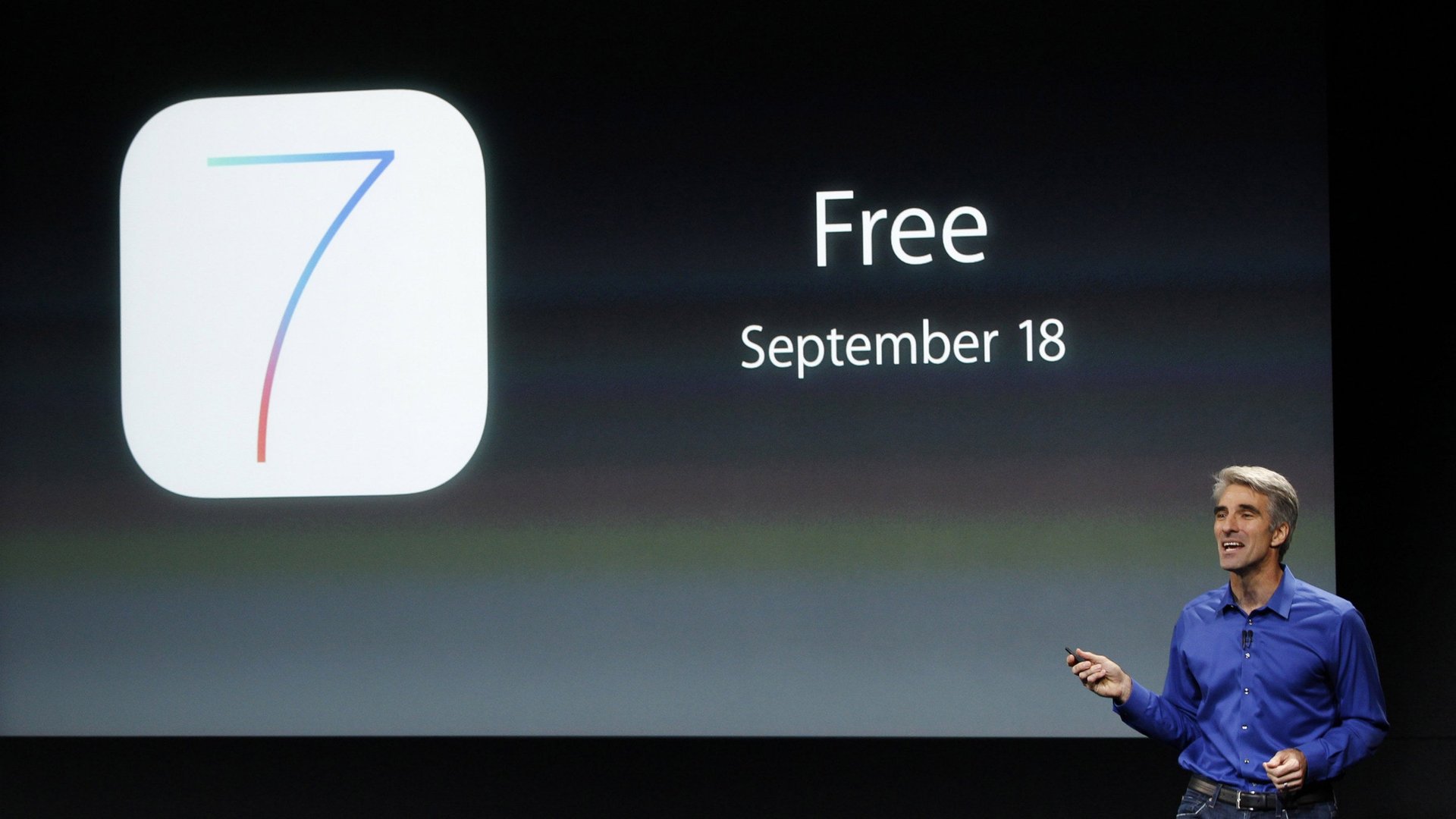
Apple first announced iOS7, its latest (and largest) iteration to its mobile operating system at its developer conference, WWDC, in June. Today, in its keynote address at its Apple Event 2013, still in progress, it said that iOS7 would be available for free to the public starting September 18. iOS 7 will be accessible to people who use the iPhone 4, iPad 2+, and iPad mini as well as the fifth generation iPod Touch.

The age of the cotton-paper banknote is slowly coming to an end. Following in the footsteps of former colonies Australia, New Zealand and Canada, the Bank of England is likely to start introducing polymer banknotes from 2016. Although the final decision won’t be until December, the bank’s deputy governor called the introduction of polymer banknotes a “done deal”, according to the Guardian.
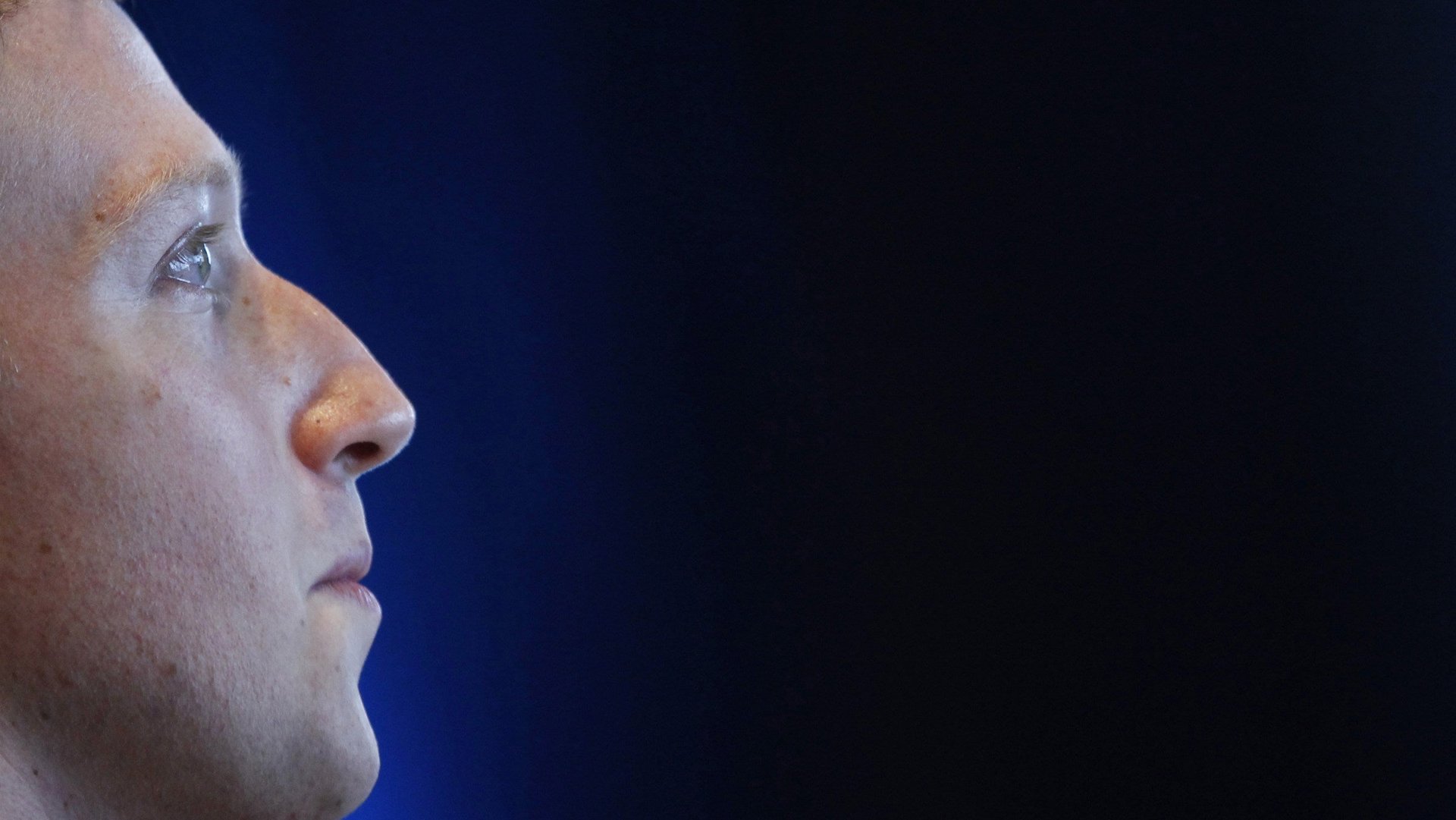
When Mark Zuckerberg founded Facebook and dropped out of Harvard, he inspired future generations of students that they too might create successful businesses without getting a degree. One of Facebook’s early investors, Peter Thiel, went on to create a fellowship program which offers budding entrepreneurs up to $100,000 to drop out of school for two years or skip further education entirely.
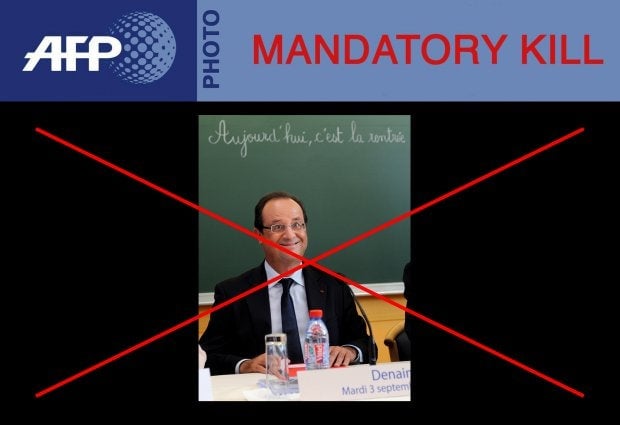
The big news in France is that president François Hollande was caught with a dumb-looking grin on his face. It’s not so much the photograph itself that has enthralled the country but that the news agency responsible for it, Agence France-Presse (AFP), now wants the image to disappear.
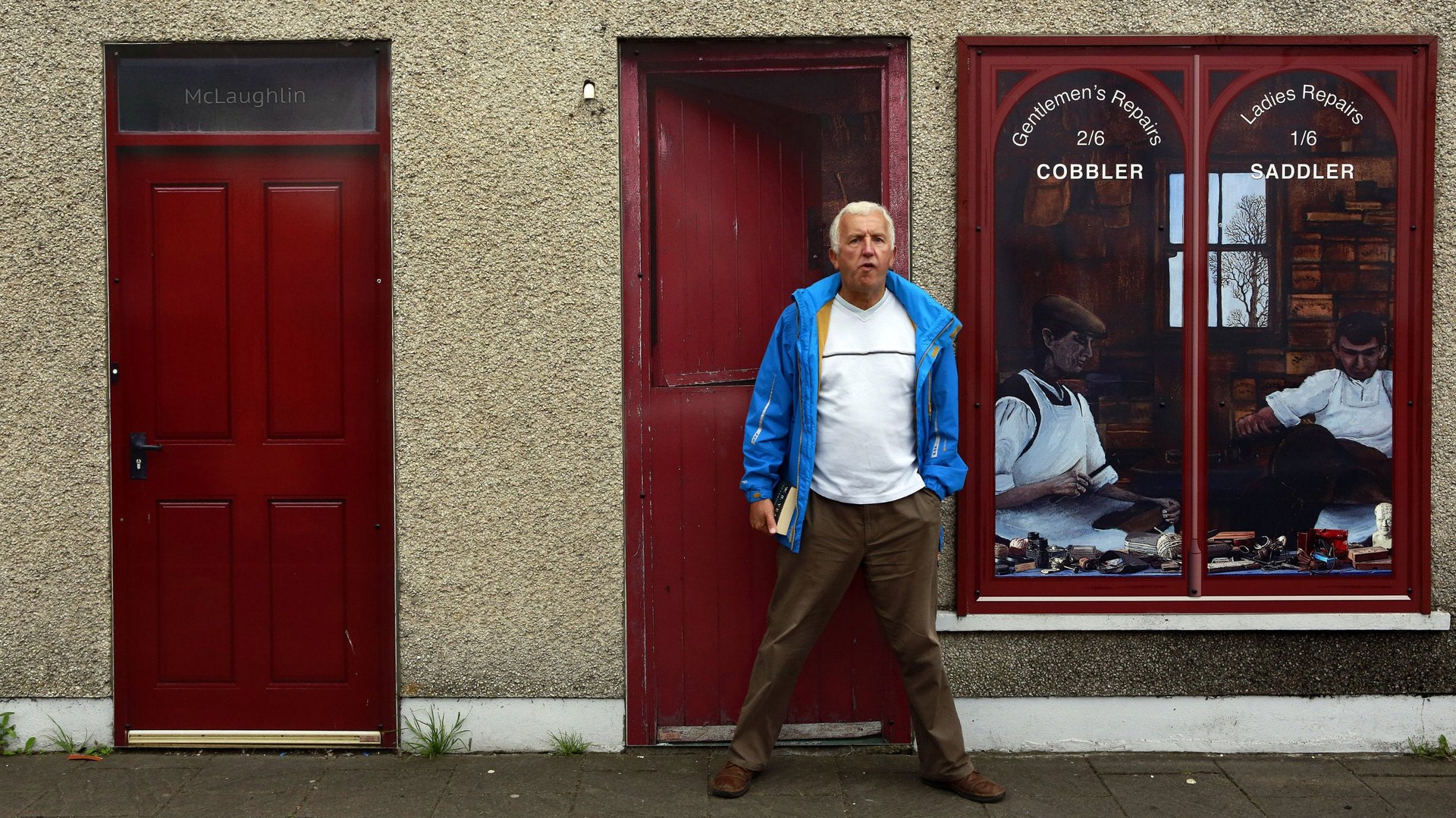
A bakery, a bookmaker and a barber have recently appeared in a village in Northern Ireland. But you cannot enter any of them. In a bid to bring in tourists, the town of Bushmills, famous for the whiskey that was first distilled there 400 years ago, has painted over a dozen abandoned storefronts and houses.
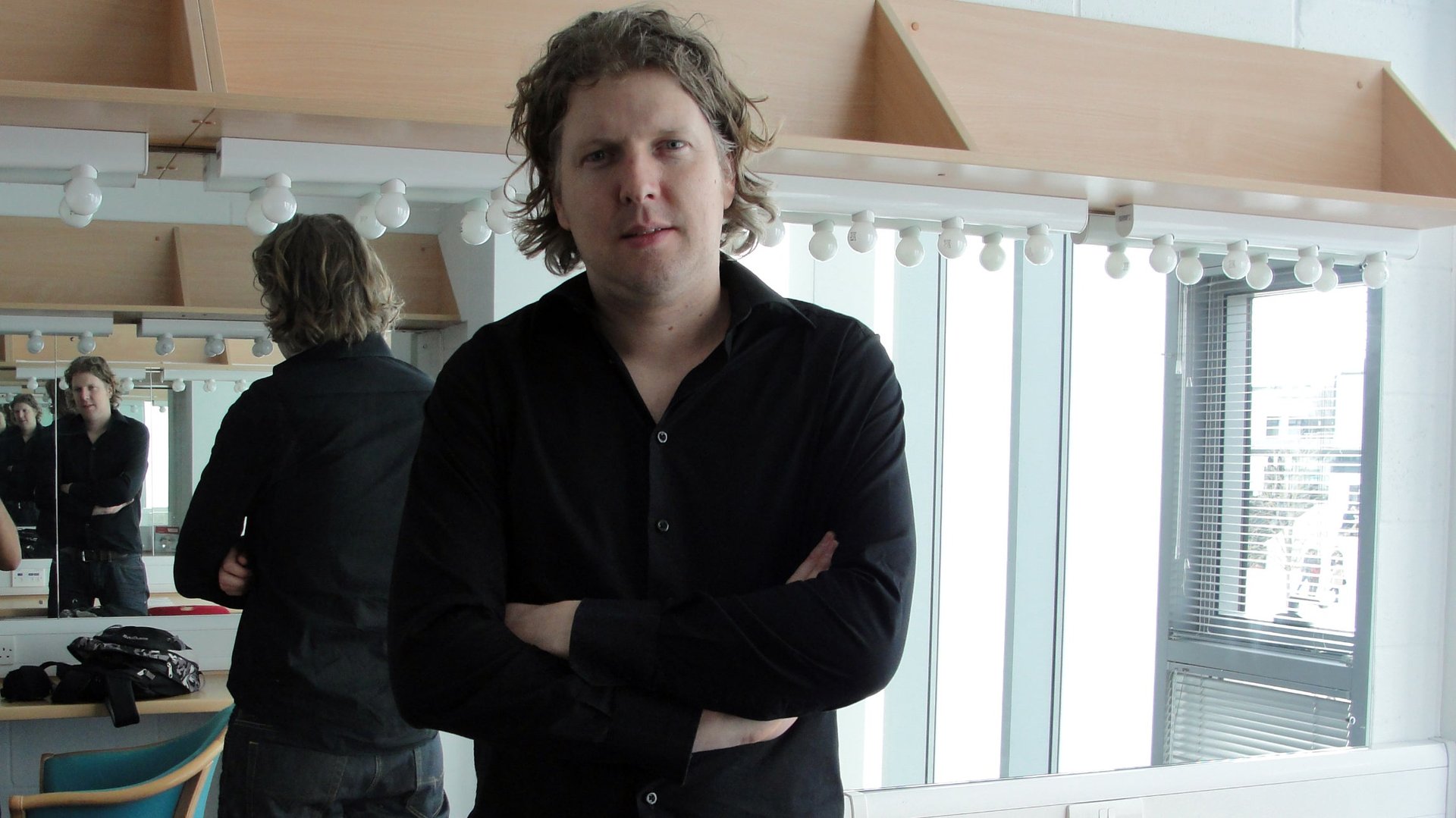
Dutch architect Koen Olthuis specializes in building things that float. His structures, he concedes, use a similar technology to oil rigs. Yet Olthuis’s focus is elsewhere—on combating rising sea levels, floods, and a growing world population. As he outlined in a TEDx Warwick talk last year, the work he’s doing is quite literally putting land where there wasn’t any before.
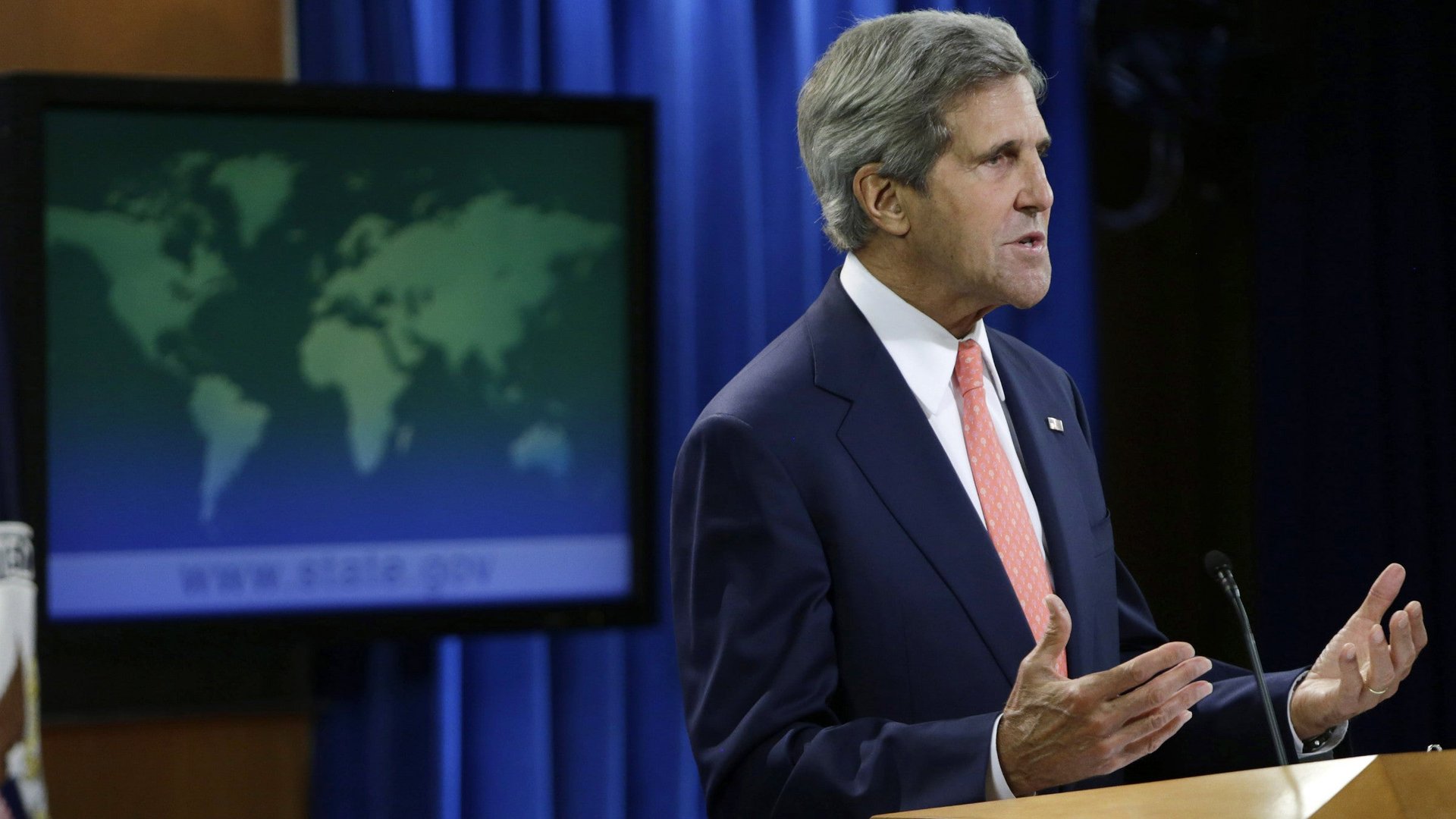
A week after what looks pretty certain to have been a chemical weapons attack led to the deaths of possibly as many as 1,300 Syrians, the US, the UK and France are now angling towards some kind of bombing campaign. But it’s worth noting that bombing Syria won’t be about hastening the overthrow of the man behind the terror, Bashar al-Assad. The goal is purely to send a signal that no country will be allowed to get away with using chemical weapons.

As the West looks set to intervene in Syria, the pace of updates is starting to get difficult to follow. Yesterday, military plans came out from Pentagon officials, French president François Hollande spoke about Syria at a conference with France’s ambassadors, British prime minister David Cameron released the transcript of an in-house interview about his thoughts on Syria, and oil prices reached a six-month high on worries about Middle Eastern stability. Today, Britain will submit a draft resolution condemning Syria to the UN Security Council. There’s also been lots of debate about whether or not intervention is the best option, Saudi Arabia has offered Russia an oil deal if it stops backing Syria, and there has been a surge in orders of gas marks in Israel due to fears of the civil war spilling over to their country.
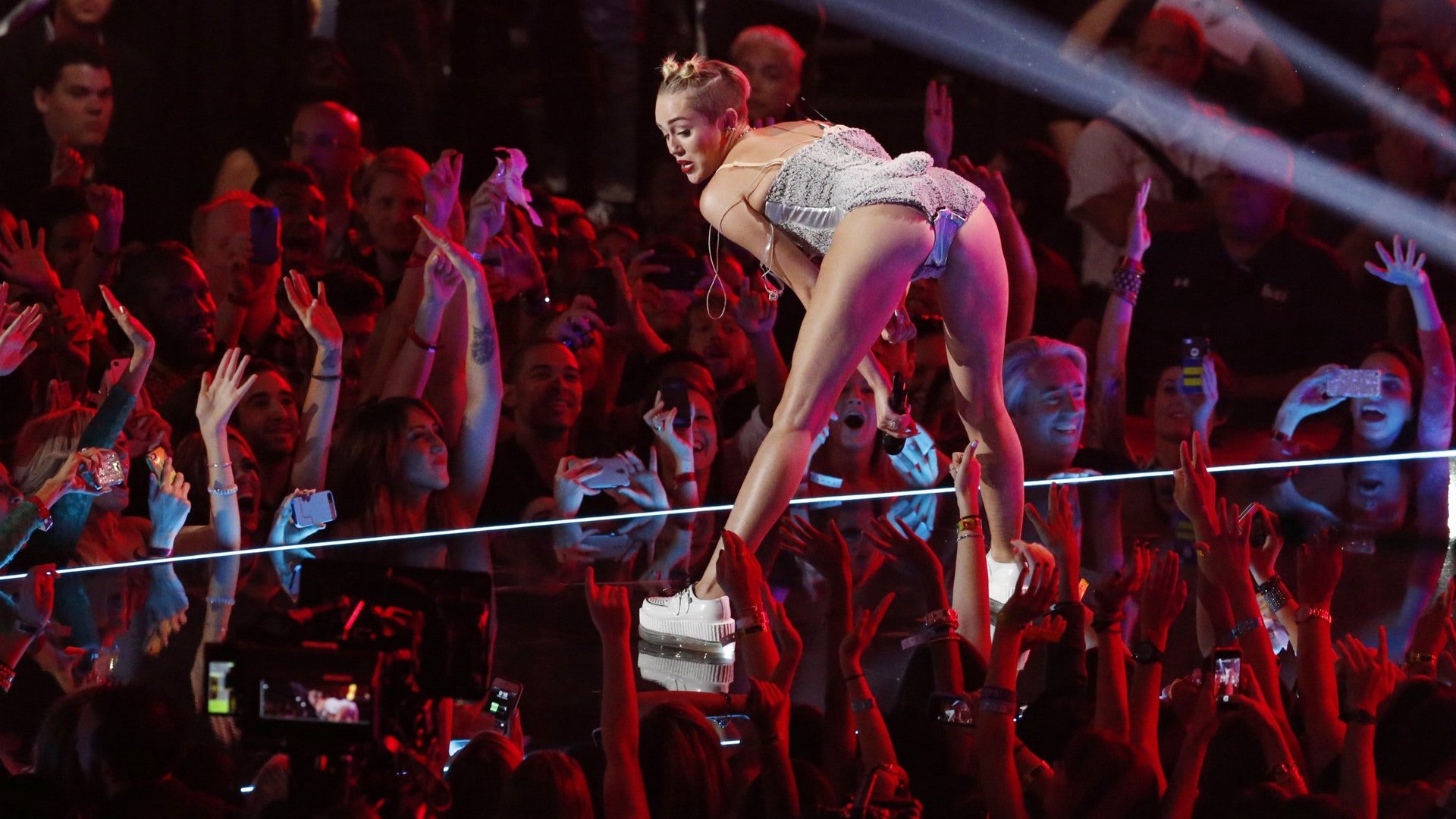
Oxford Dictionaries Online (ODO) is adding a slew of words that only recently came into general usage, many driven by fast-moving trends in technology and culture. Yes, “twerk” is now in the dictionary.
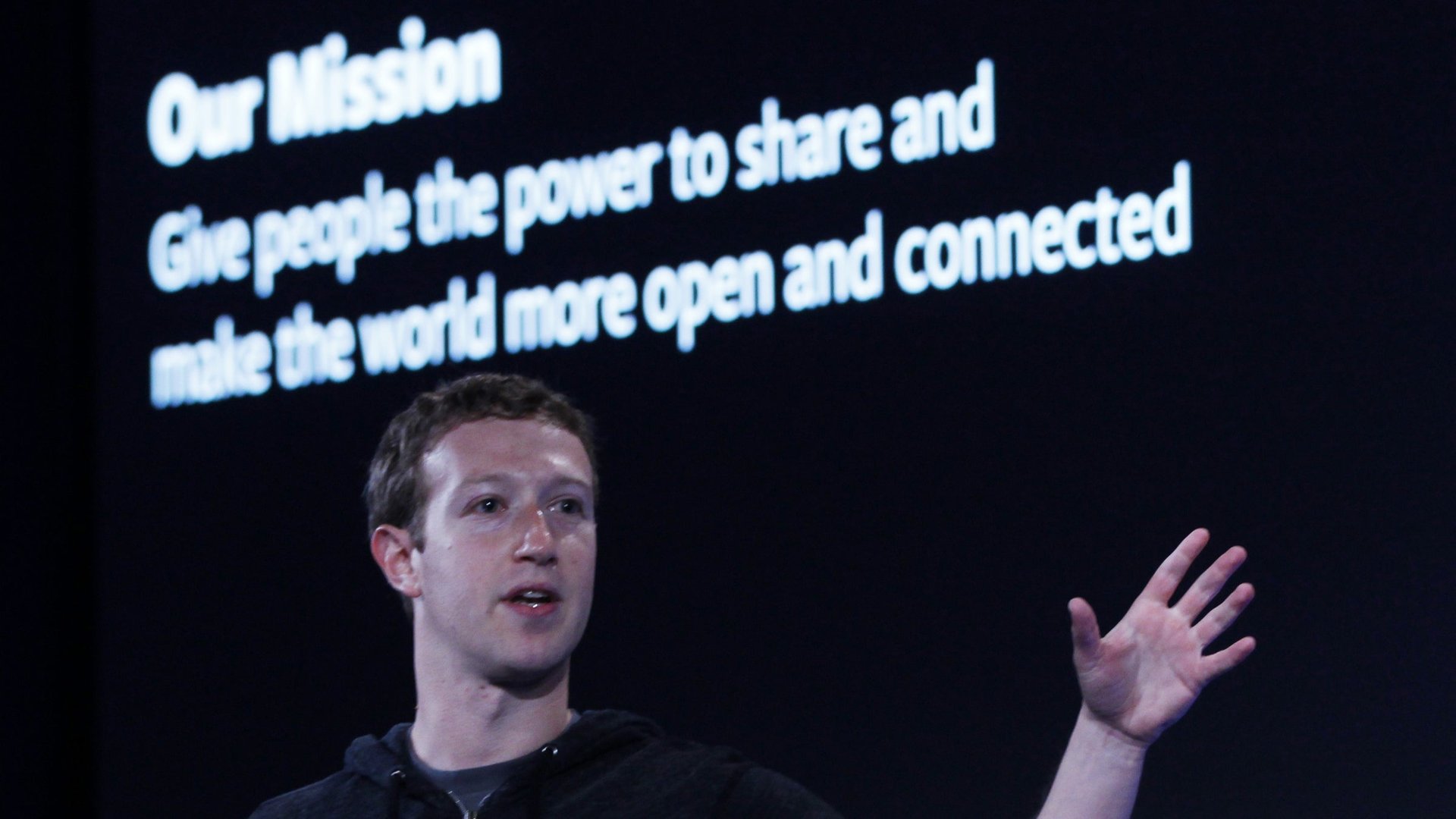
Only a day after a page was launched on crowdfunding platform GoFundMe, the internet community has raised over $10,000 for the Palestinian security researcher who exposed a flaw in Facebook’s digital infrastructure.

Not many people think of drones as a form of creative expression. But at Burning Man, the week-long music and arts festival in the Nevada desert, drones are becoming their own kind of art. The festival has released instructions for attendees who wish to fly drones and full sized unmanned aerial vehicles (UAVs). The drones will add to the kites, balloons, remote control helicopters and even skydivers that currently fill the Black Rock City airspace.

Don’t bring your Google Glass to Camp Justice at Guantánamo Bay. A sign outside the US military court now informs visitors that “visual enhancement devices,” from binoculars to Google’s wearable computing device, aren’t allowed inside.
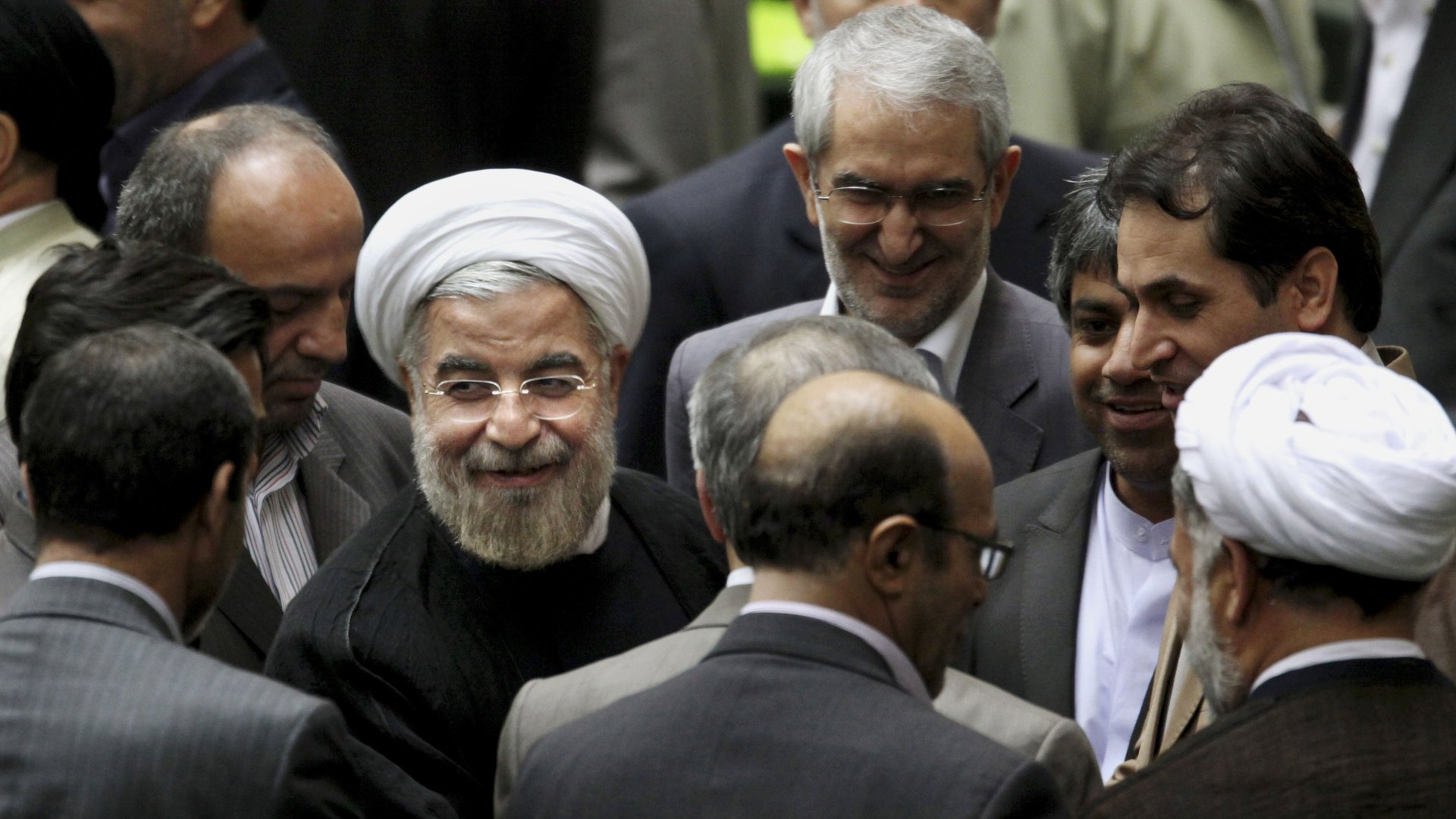
US sanctions against Iran are getting in the way of improving human health, Saleh Zahediasl, a professor of physiology at Tehran’s Endocrine Research Center, wrote in medical journal The Lancet.

Today is Eid al-Fitr, the celebration that marks the end of Ramadan, the ninth month in the Islamic calendar. Muslims believe it to be the month in which the Qur’an was revealed to the prophet Muhammad.
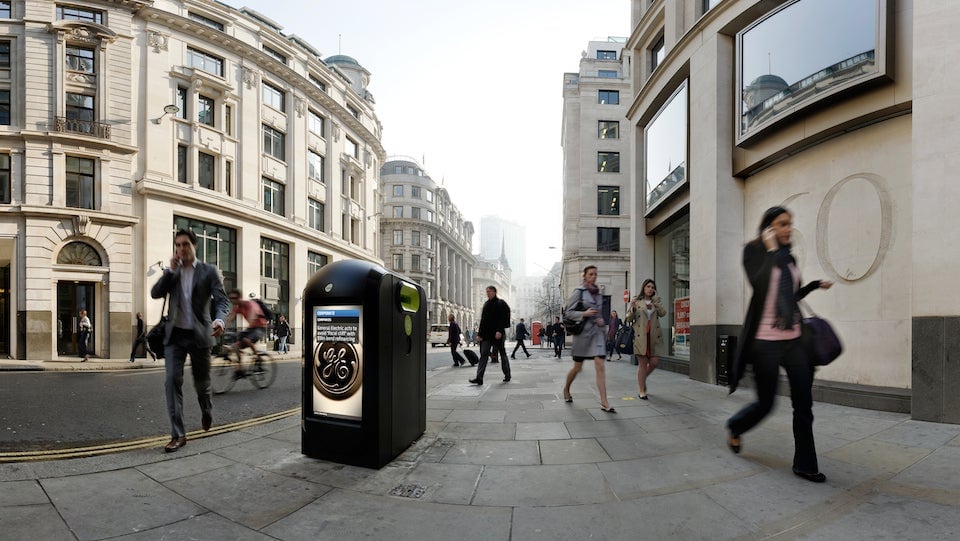
Recycling bins in the City of London are monitoring the phones of passers-by, so advertisers can target messages at people whom the bins recognize.