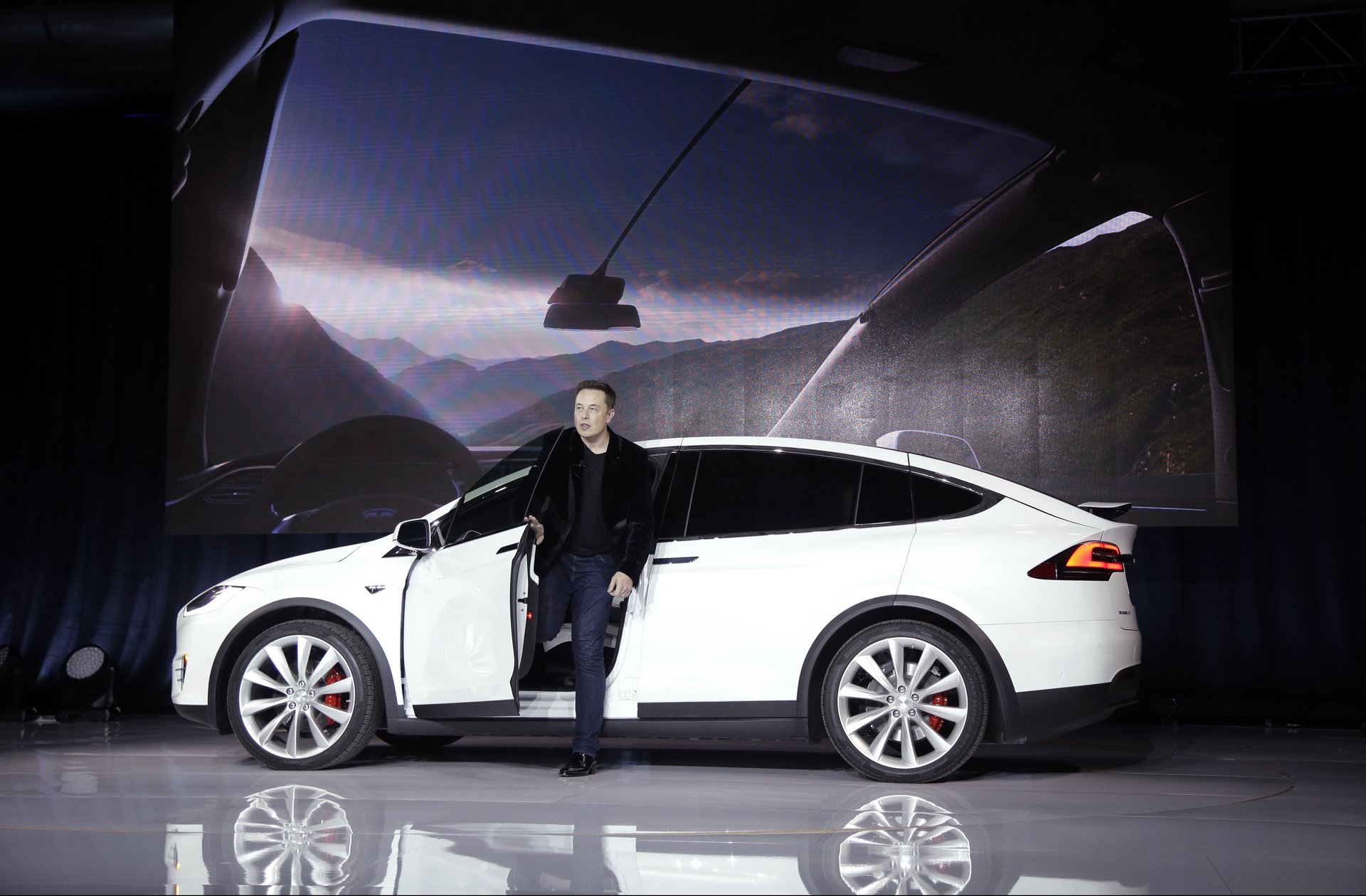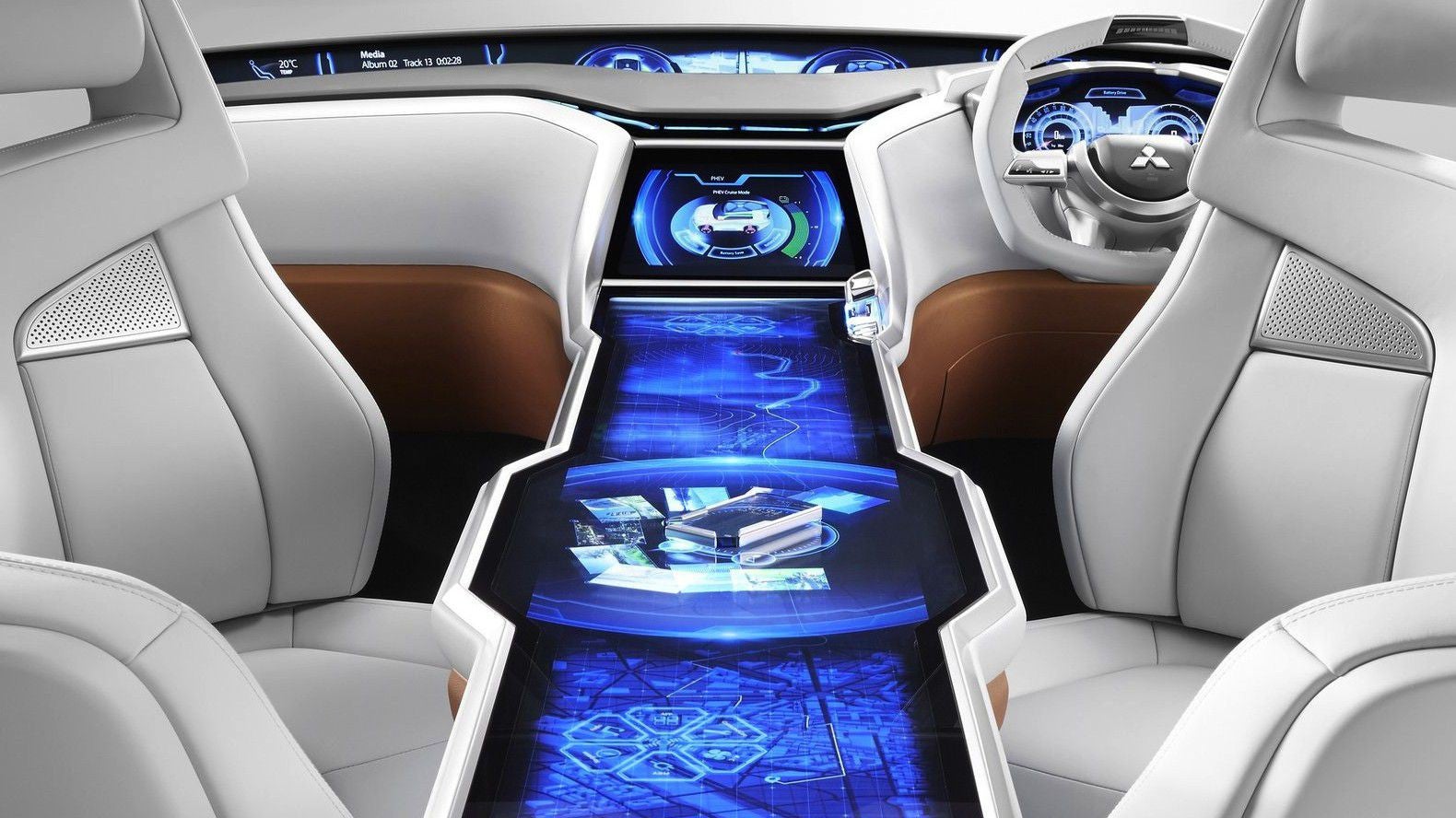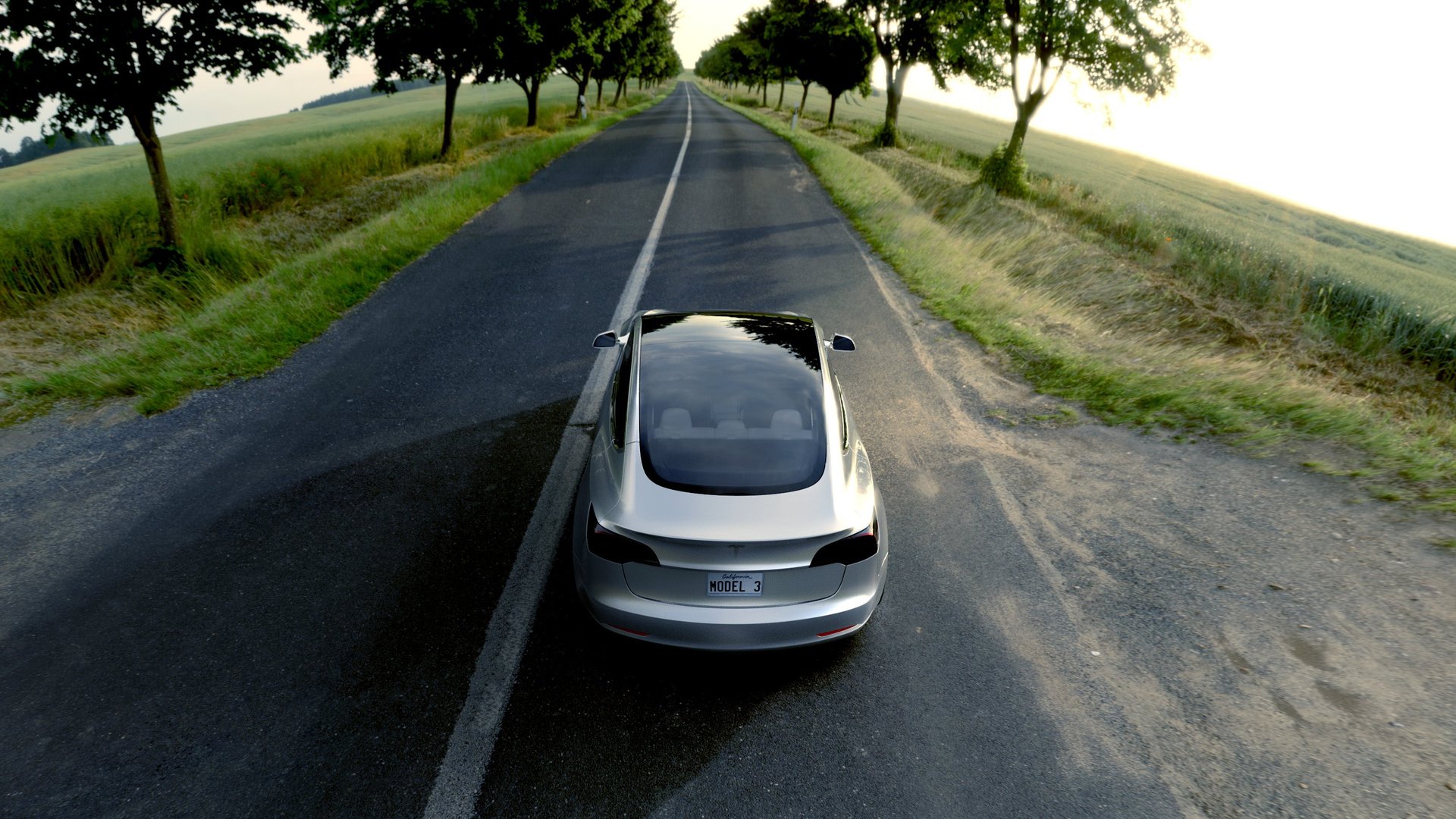
After eight years of promotional buildup, Elon Musk spent just 13 minutes introducing the Model 3, the new mainstream electric car produced by his company, Tesla.

After eight years of promotional buildup, Elon Musk spent just 13 minutes introducing the Model 3, the new mainstream electric car produced by his company, Tesla.

Outside of the iPhone, almost no product announcement in modern history has ignited as much buildup as tonight’s live webcast unveiling of the Tesla Model 3, the mainstream-priced electric car to which Tesla CEO Elon Musk has pinned his hopes for his startup company, and what he says is his contribution to resolving climate change.

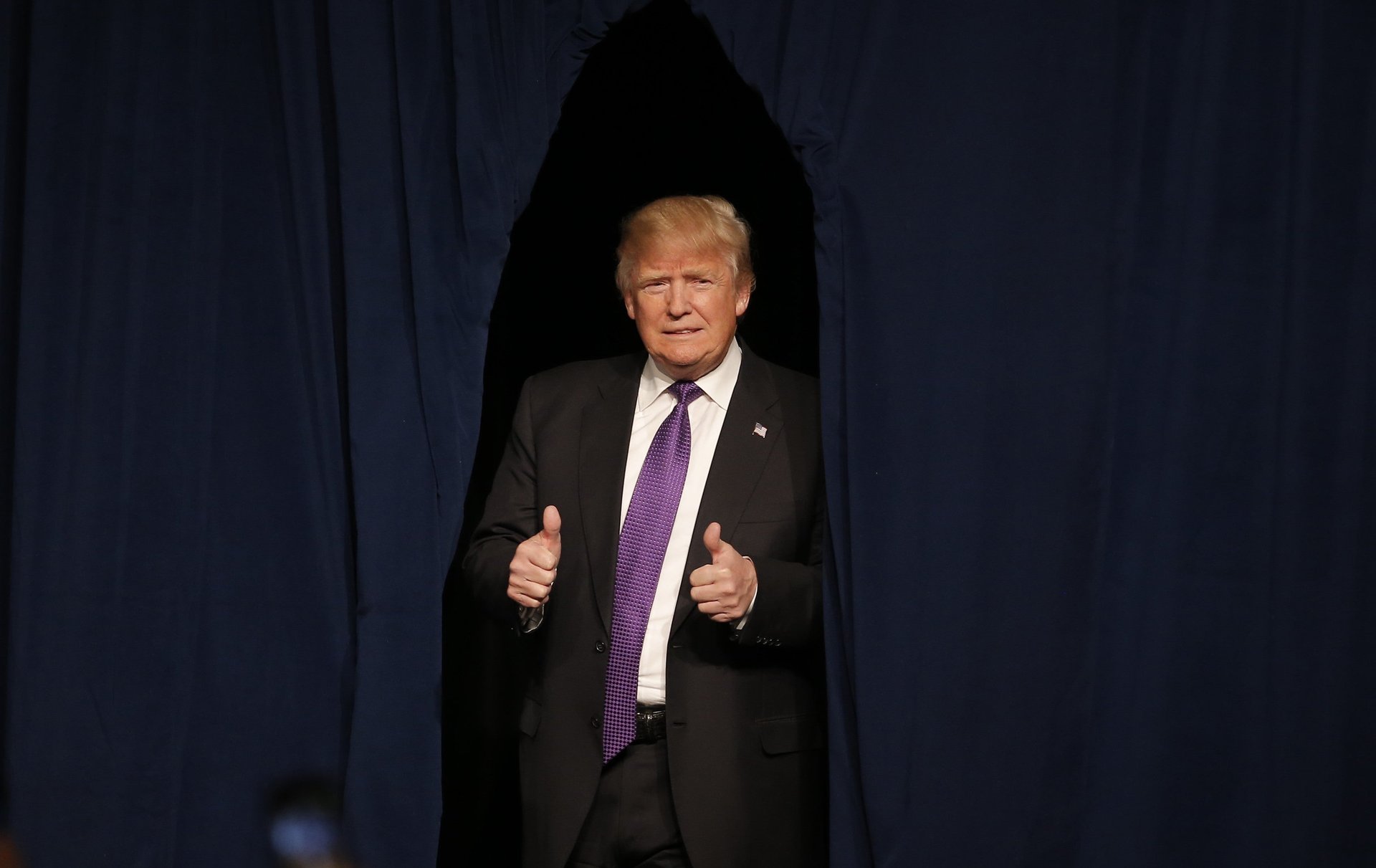
In preparation for what will surely be a heated Republican convention, Donald Trump has hired an experienced political operative to help wrangle GOP delegates: Paul Manafort, a strategist with three decades of Republican conventions under his belt, who has also worked for some unsavory international clients.

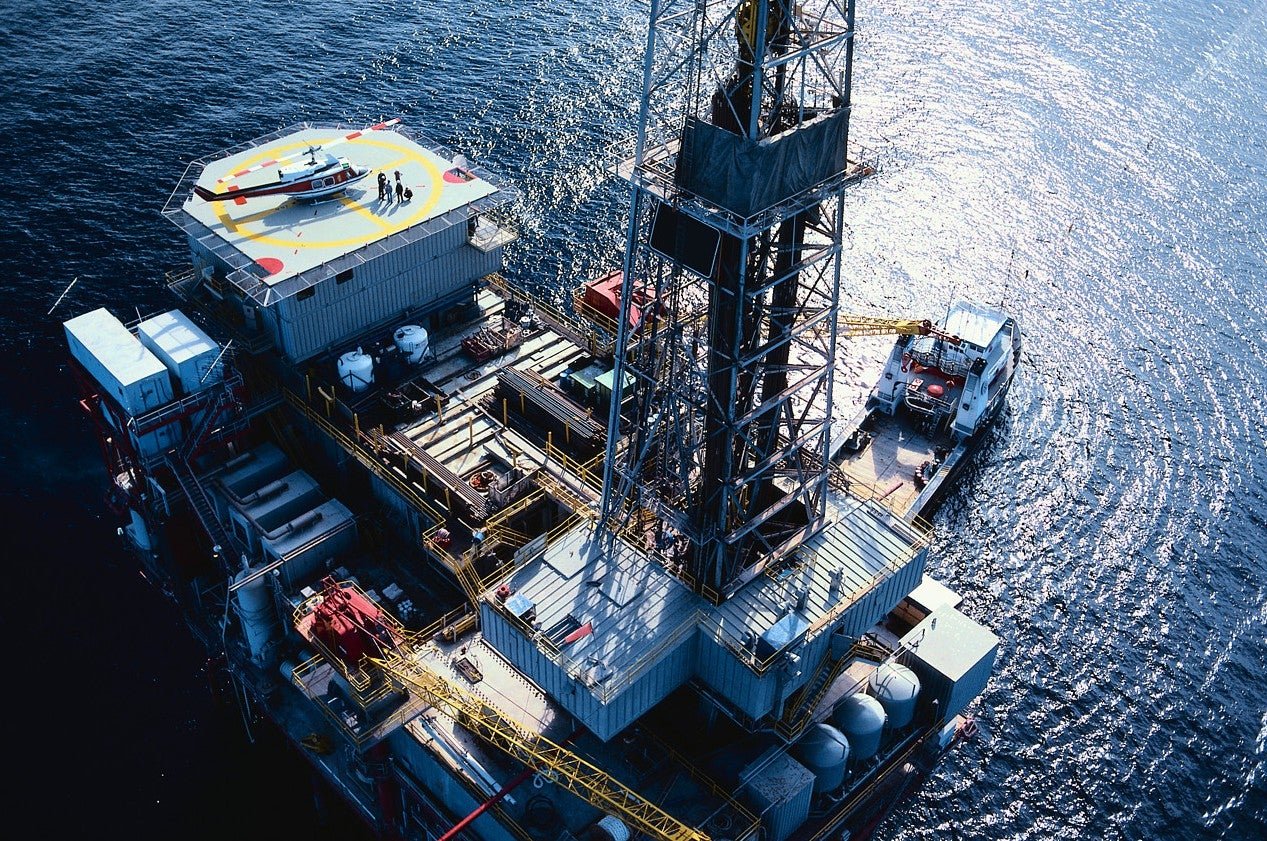
For five years, a giant natural gas field called Leviathan has been touted as a way for Israel to join the leagues of petro-exporters, obtaining energy security and a much-needed flow of dollars. But a court decision has again postponed drilling, probably holding back big Israeli natural gas exports into the 2020s.

It is Elon Musk’s moment of truth.

No one who has never been in or close to a violent situation really knows how he or she will react to the experience. From my time in war zones in Chechnya, Afghanistan, and elsewhere, I know that you might find yourself completely calm or, more likely, in a terrified panic; things will happen so fast, you probably won’t know what to think, and could freeze up.

Donald Trump and Vladimir Putin have had a rocky bromance, frequently trading compliments before their relationship hit a few rocks last week. But Trump’s newly named team of foreign advisors includes one expert who may bring them closer once again.

When US president Barack Obama reversed himself this week and barred oil exploration along the country’s eastern seaboard, he frustrated the practitioners of a quirky obsession followed from the cold Canadian waters off Newfoundland all the way south to Brazil. This interest, mirrored across the ocean, along the west coast of Africa, is focused on the arcane corner of scholarship surrounding the 200-million-year-old breakup of the ancient supercontinent of Pangaea.

For the second straight year, the global economy has grown without a corresponding rise in emissions tied to climate change, reversing an almost two-century-old trend and giving some hope that heat-trapping gases can be curbed without hurting living standards.

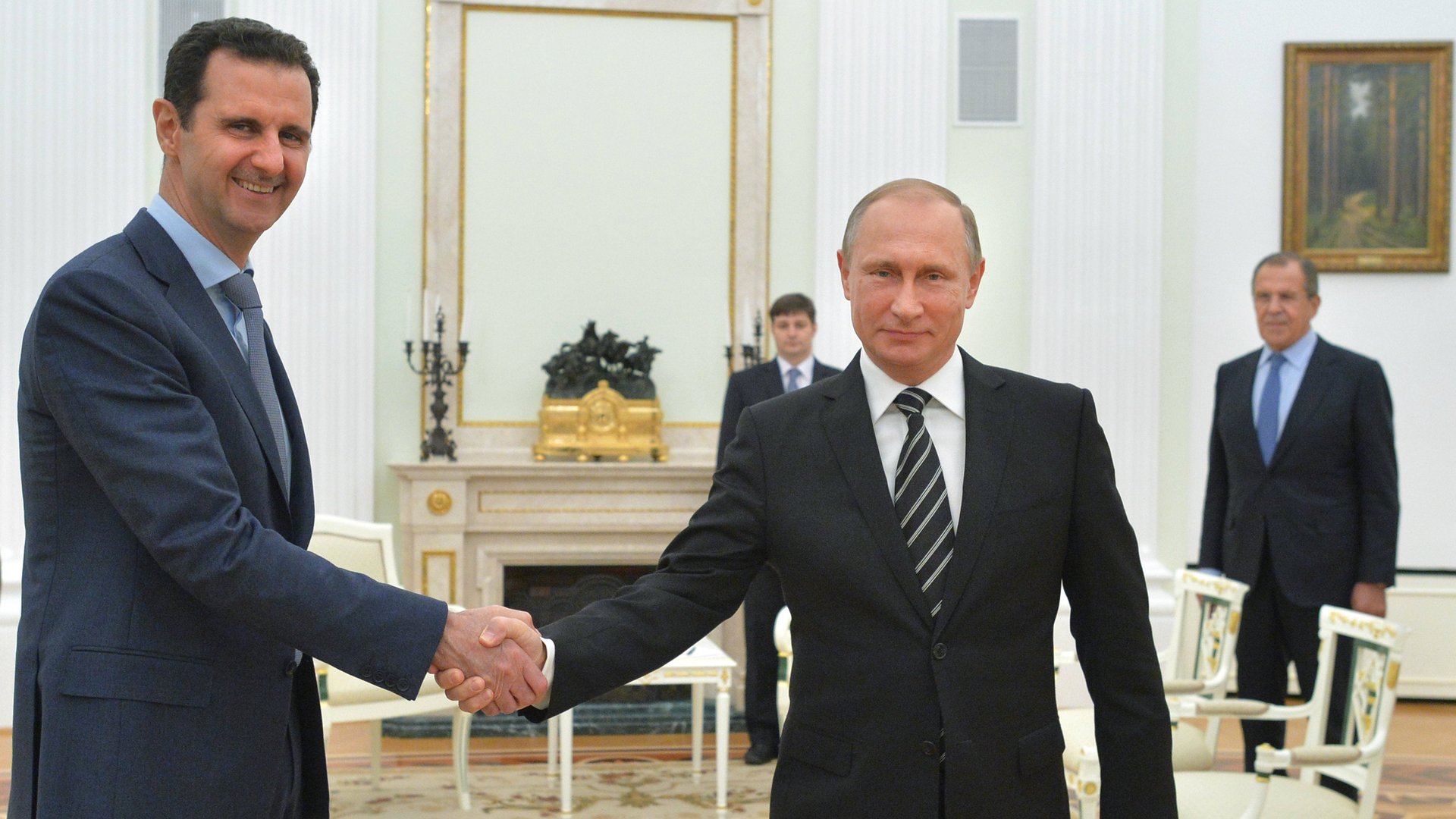
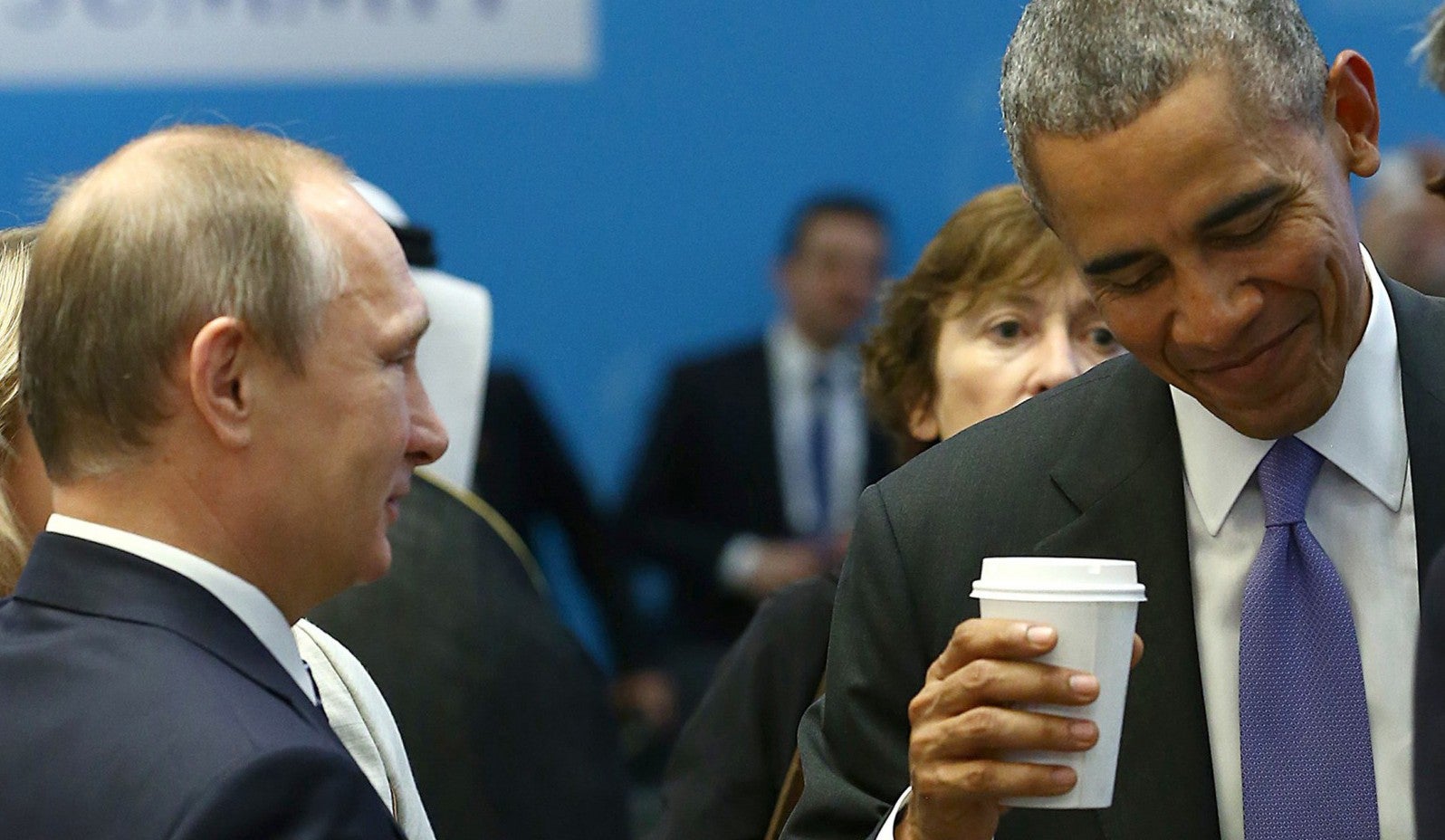
Just six months after shaking up the strategic calculus of the Middle East, Russian president Vladimir Putin has yet again shown his capacity to do the unexpected, ordering most of his troops out of Syria.

Electric cars currently occupy only a niche of the global automobile market, but some analysts think the category is on the verge of giant leap in global demand. If their forecasts are correct, demand for lithium-ion batteries will soar, too, which is the subtext of a more than year-long legal battle between German chemical giant BASF and a Belgian rival, Umicore.

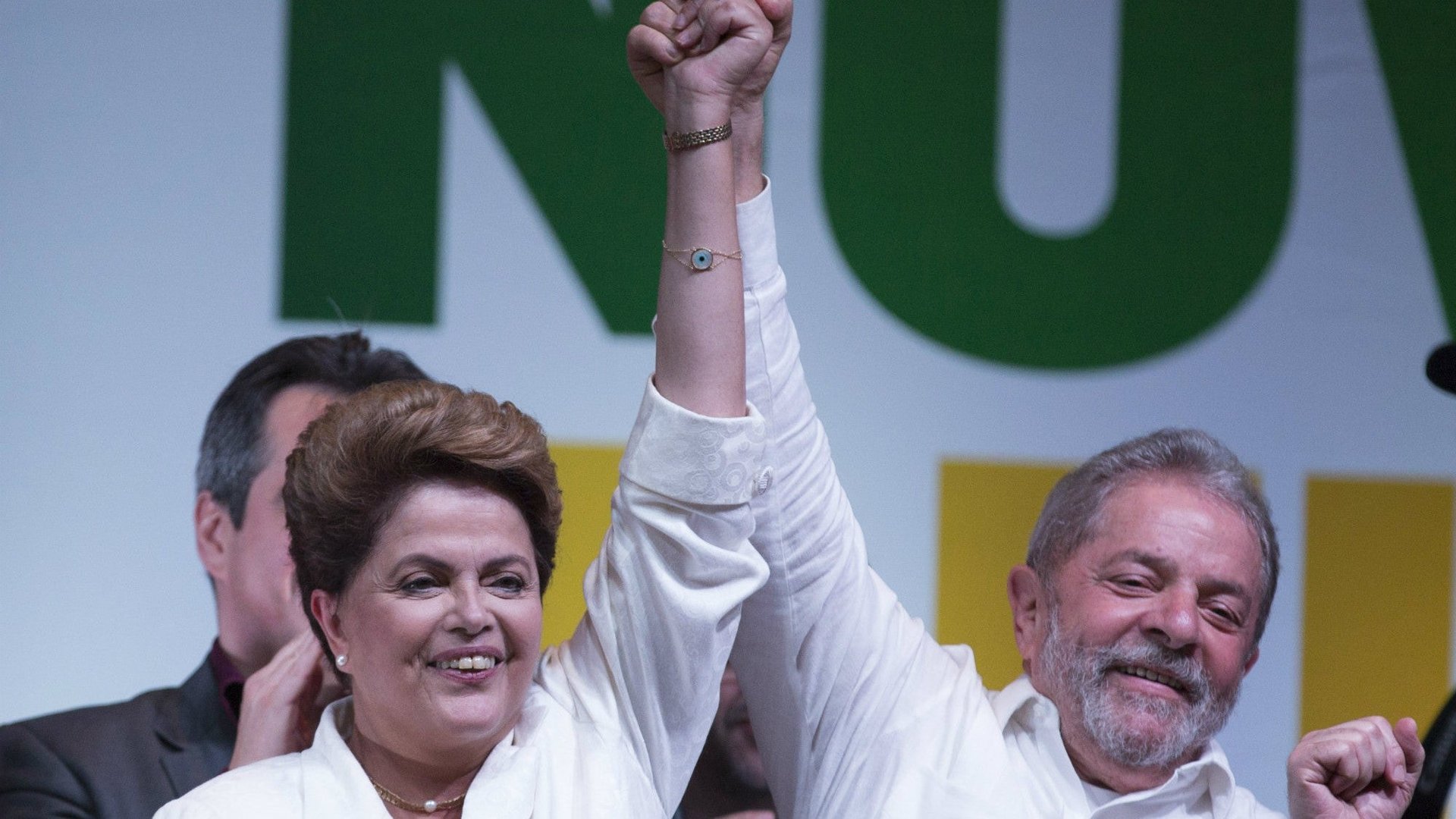
Update (3:15pm ET): In a press conference after being released, Lula was visibly angry about his arrest. “I felt like a prisoner,” he said (link in Portuguese). “Unfortunately, they preferred to abuse their power, arrogance—a show, a fireworks spectacle.” Clashes were reported outside the his apartment, where supporters and opponents gathered following news of his detention. Some analysts worry that the increasingly heated rhetoric could erupt into violence in the next couple of days.

Nuclear energy evangelists, seeing in it a carbon-free source of electricity that works whether or not the sun shines or the wind blows, are turning to China as a place to try out experimental designs.

After months of denial that Donald Trump could actually win the Republican nomination, conservatives—politicians, activists, thinkers, and even families—are grasping that he probably will.

Does Apple CEO Tim Cook risk going to jail by opposing the US government request for help hacking into the San Bernardino shooter’s iPhone?

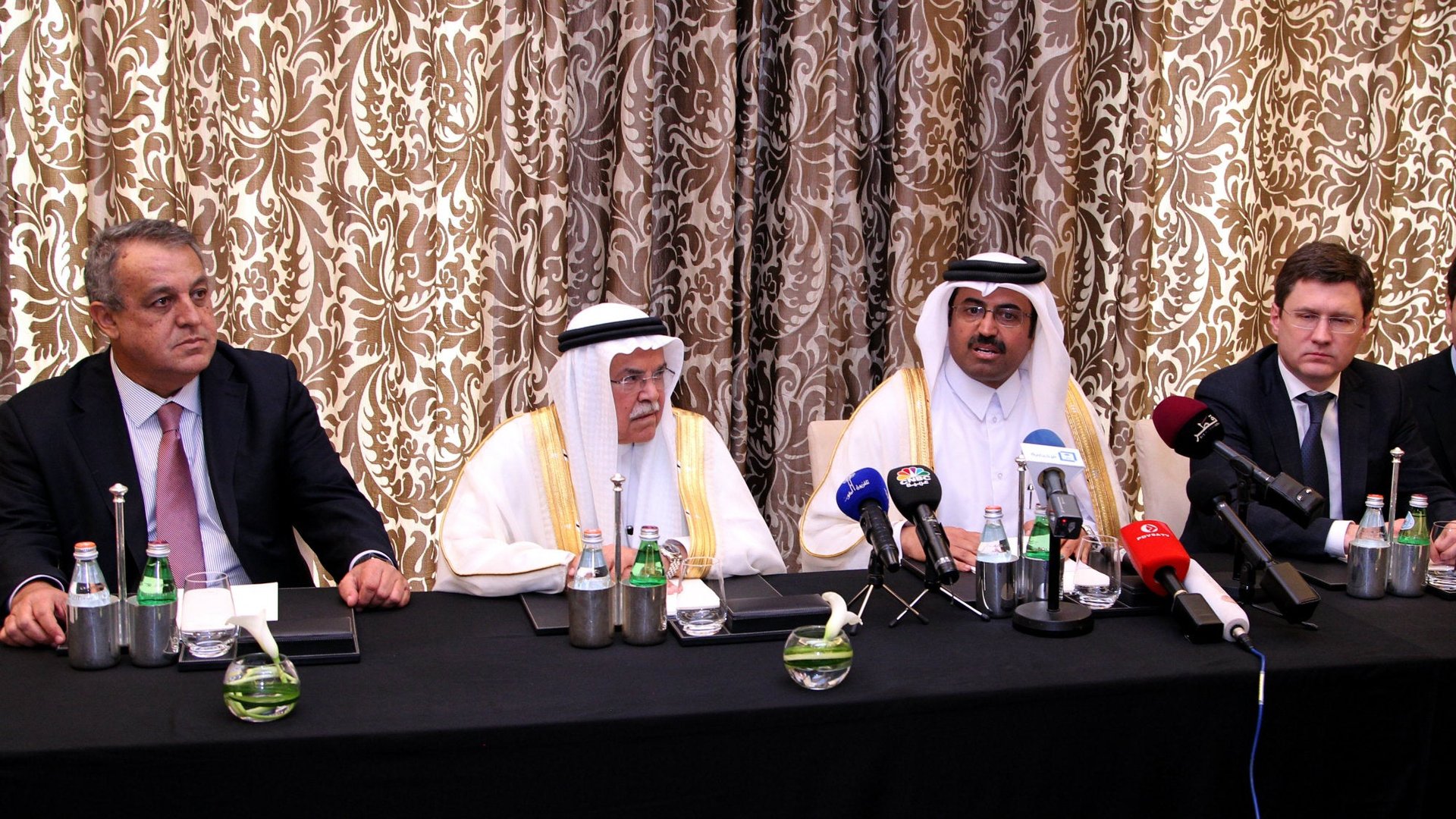
Yesterday evening (Feb. 15), word spread that the oil ministers of Russia and Saudi Arabian had made a breakthrough: after years of failure to find common ground on almost any subject of substance, these two titans had agreed to freeze petroleum production, a demonstration of resolve to reduce the global glut of crude and push rock-bottom prices back up. They got Qatar and Venezuela on board, too.

Over the past year, Americans have renewed their love for gas-guzzling SUVs and trucks, those high-riding, muscular, thumbs-in-the-nose to sissy sedans and all other milquetoast affronts to the eight-piston engine. They bought a record 9.7 million of them in 2015, well over half the total number of new cars sold in the US. Last month, they continued to snap them up, even as sales of other vehicles sagged.

The 19-month plunge in oil prices has already confounded analysts and cost the global energy sector hundreds of thousands of jobs. Now it’s forcing international banks to decide whether to bail out at least two oil-producing countries, both rated among the most corrupt in the world.

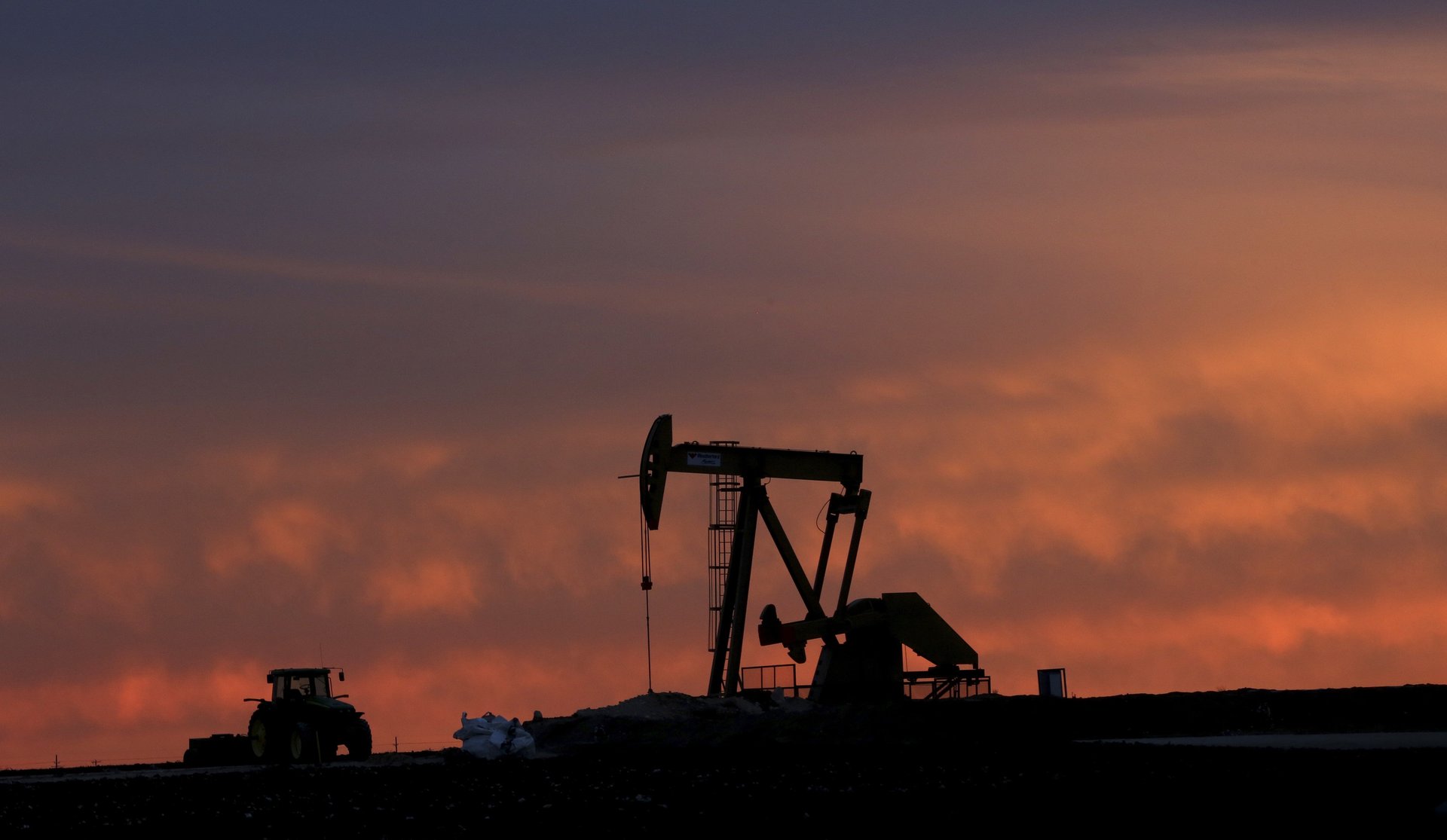
Oil has wrong-footed our leading experts—again.

Over the last couple of years, chaos and unpredictability have become the new normal. We are rocked by upheaval in Syria and Iraq, continued Russian needling in Ukraine, corruption-fueled political topsy-turvy in Brazil, China’s economic makeover, and havoc in the oil and stock markets.

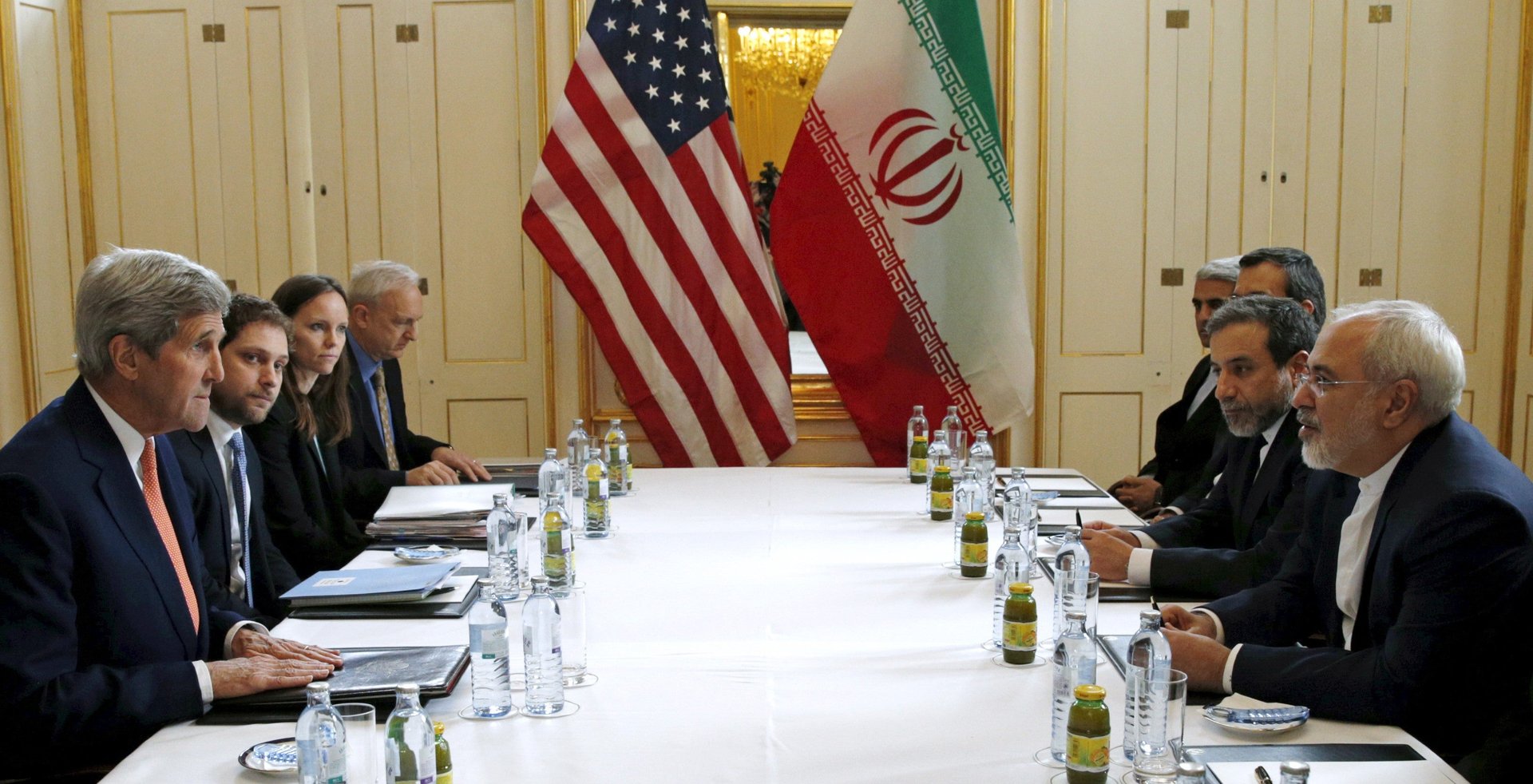
International inspectors report that Iran has complied with all requirements regarding the diminishment of its nuclear capability, clearing the way for Tehran to receive more than $100 billion in cash and to start exporting hundreds of thousands of barrels of added oil supplies a day.

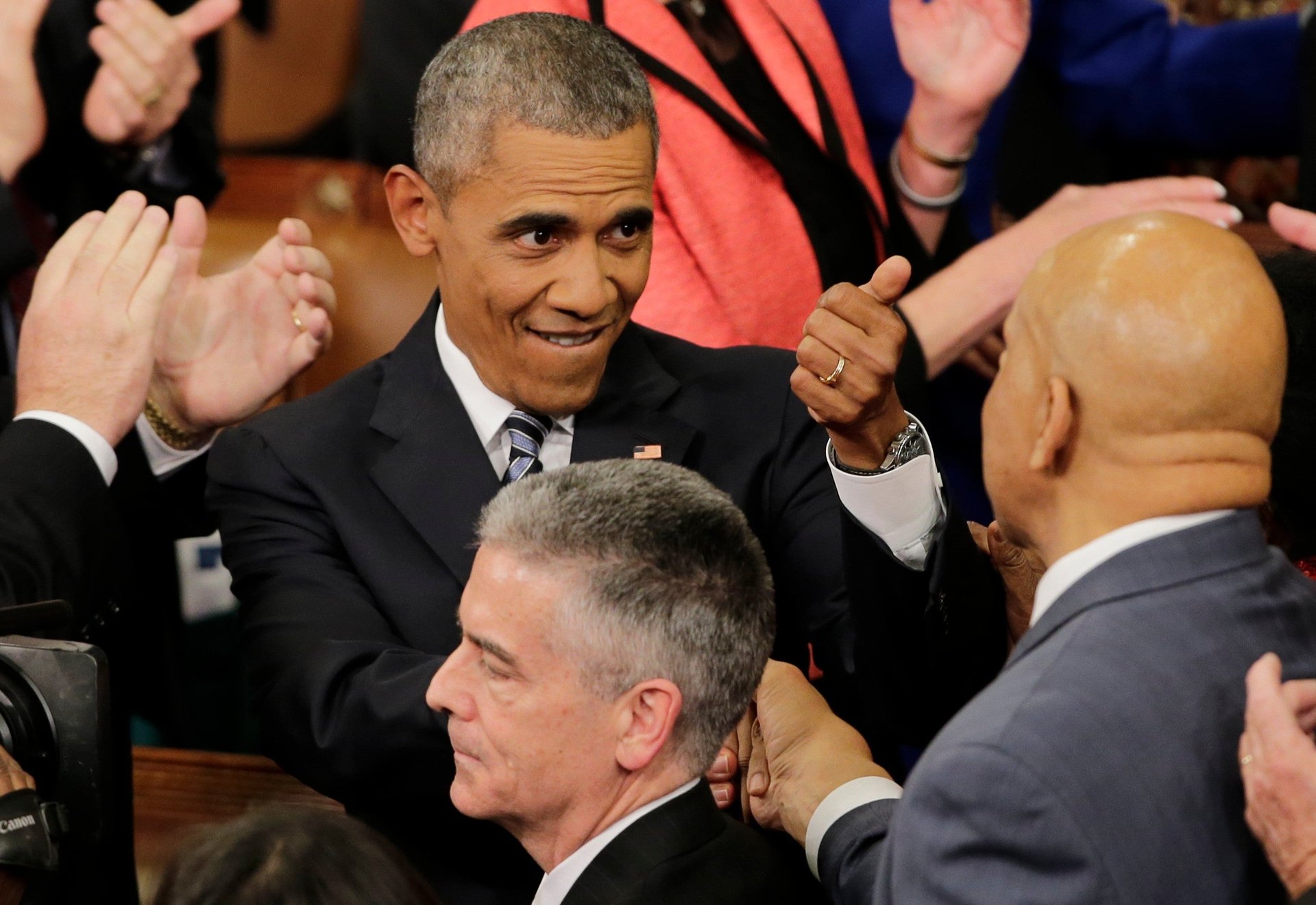
US president Barack Obama challenged the narrative of American decline in his final State of the Union address, and ridiculed the scare-mongering of Republican presidential candidates over ISIL, with their “over-the-top claims that this is World War III.”

It’s time again to evaluate how Quartz’s annual geopolitical forecasts stacked up against actual events. We had a good year: our 2015 forecasts mostly panned out—we were five for six. In addition, we won a side bet with other journalists, best sussing out where Brent oil prices would end the year.

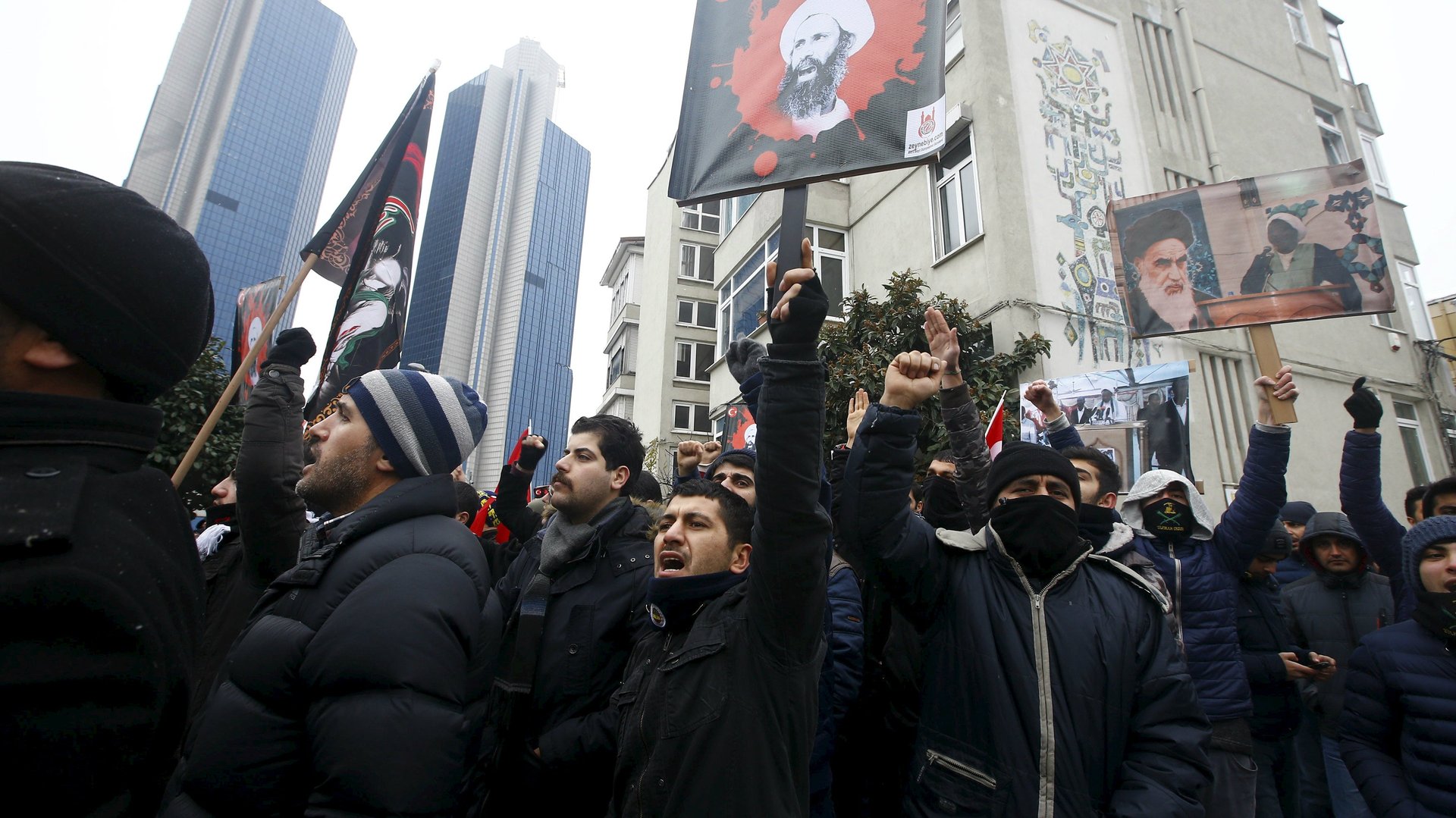
If friction between Saudi Arabia and Iran persists, in addition to attacks on targets such as embassies, look for oil’s first move of the new year to be a spike.