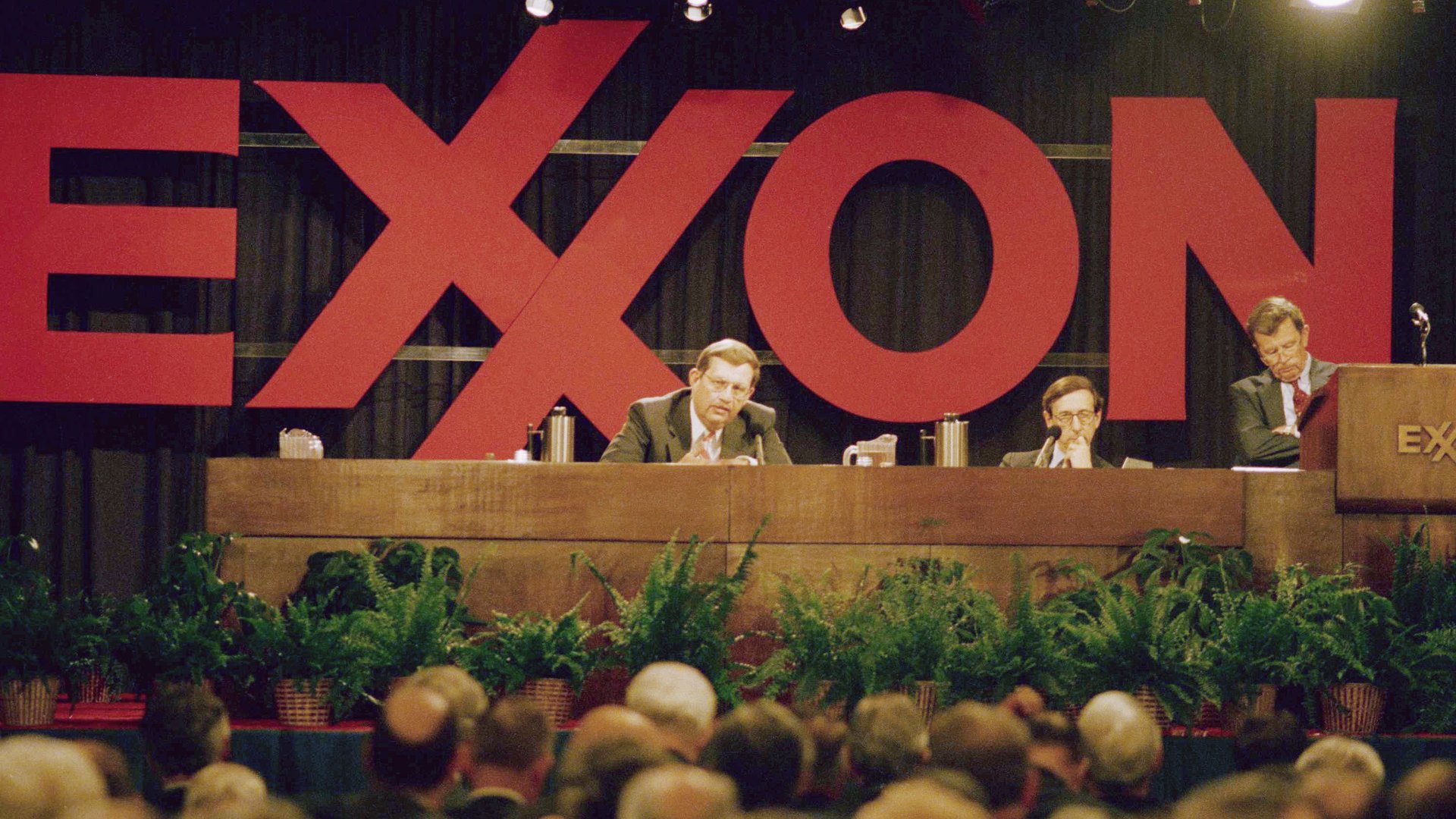
For years, ExxonMobil has been running away from the environmental politics of former CEO Lee Raymond, a salty-tongued chemist who spent millions of company money to fund writers and foundations to sow scientific doubt about climate change.

For years, ExxonMobil has been running away from the environmental politics of former CEO Lee Raymond, a salty-tongued chemist who spent millions of company money to fund writers and foundations to sow scientific doubt about climate change.

About this time next year, General Motors will start producing the Chevy Bolt EV, the first 200-miles-per-charge electric car priced in the mid-range market, at just under $30,000 after government rebates.

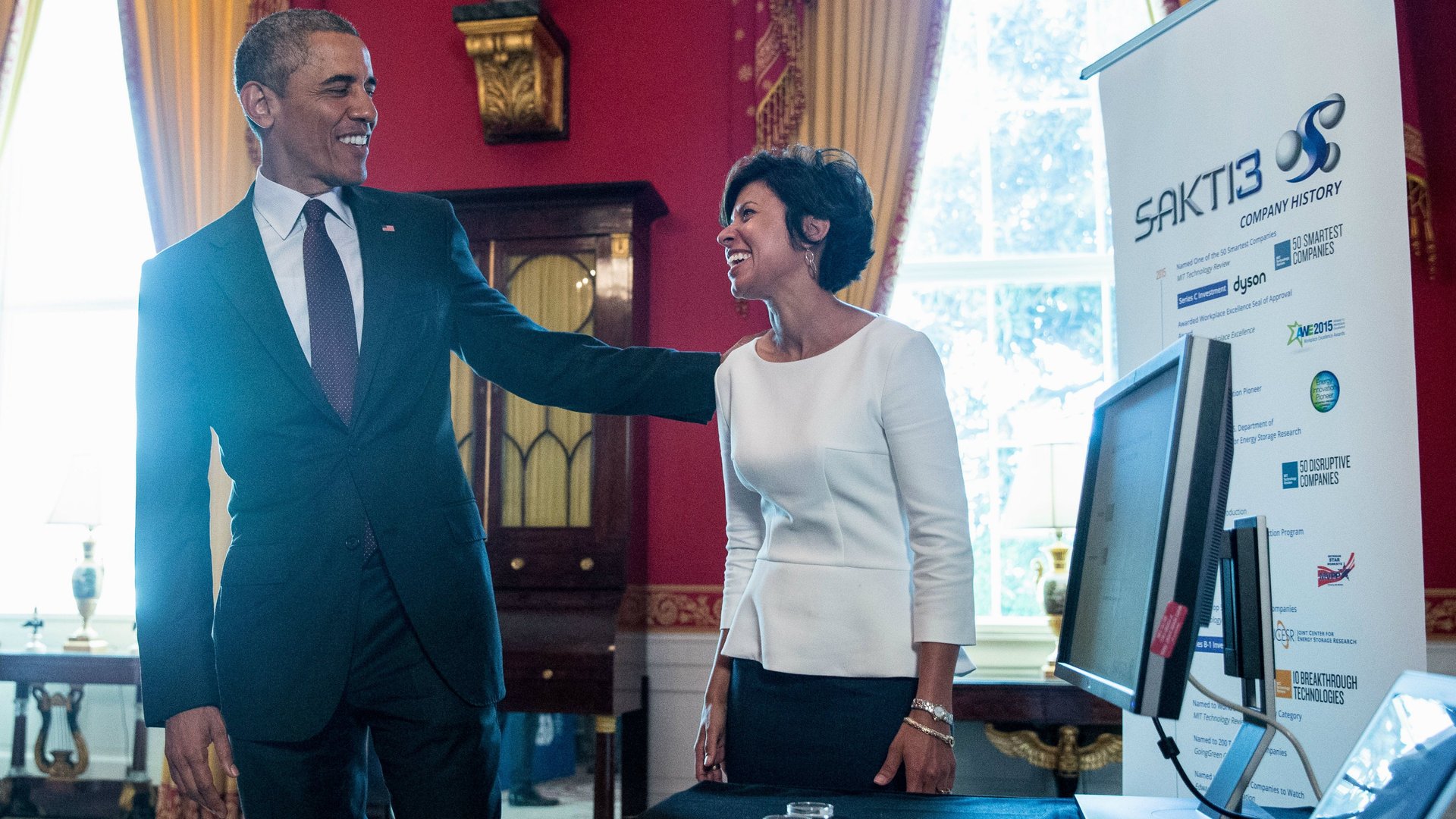
Last August, president Barack Obama strolled up to a mechanical engineer visiting the White House. Ann Marie Sastry, in town from Michigan for “Demo Day,” an exhibition of potentially game-changing American inventions, had something to show him.

Shell is preparing to begin drilling for oil offshore from Nova Scotia after crossing a near-final regulatory hurdle in the Canadian province, yet another step in an extraordinary story of a government’s attempt to reverse a steep local economic decline.

Dyson, the UK-based home appliance manufacturer, has agreed to acquire Sakti3, a seven-year-old Michigan startup working on an experimental solid-state approach to advanced batteries.

Volkswagen, confronting a daunting threat to its size and prestige, is making a dramatic pivot to electric vehicles. The move has seemed a likely one since mid-September, when the German company was caught running about 11 million diesel vehicles with fake emissions controls. But the plans it articulated today surpass anything its major rivals have unveiled to date.

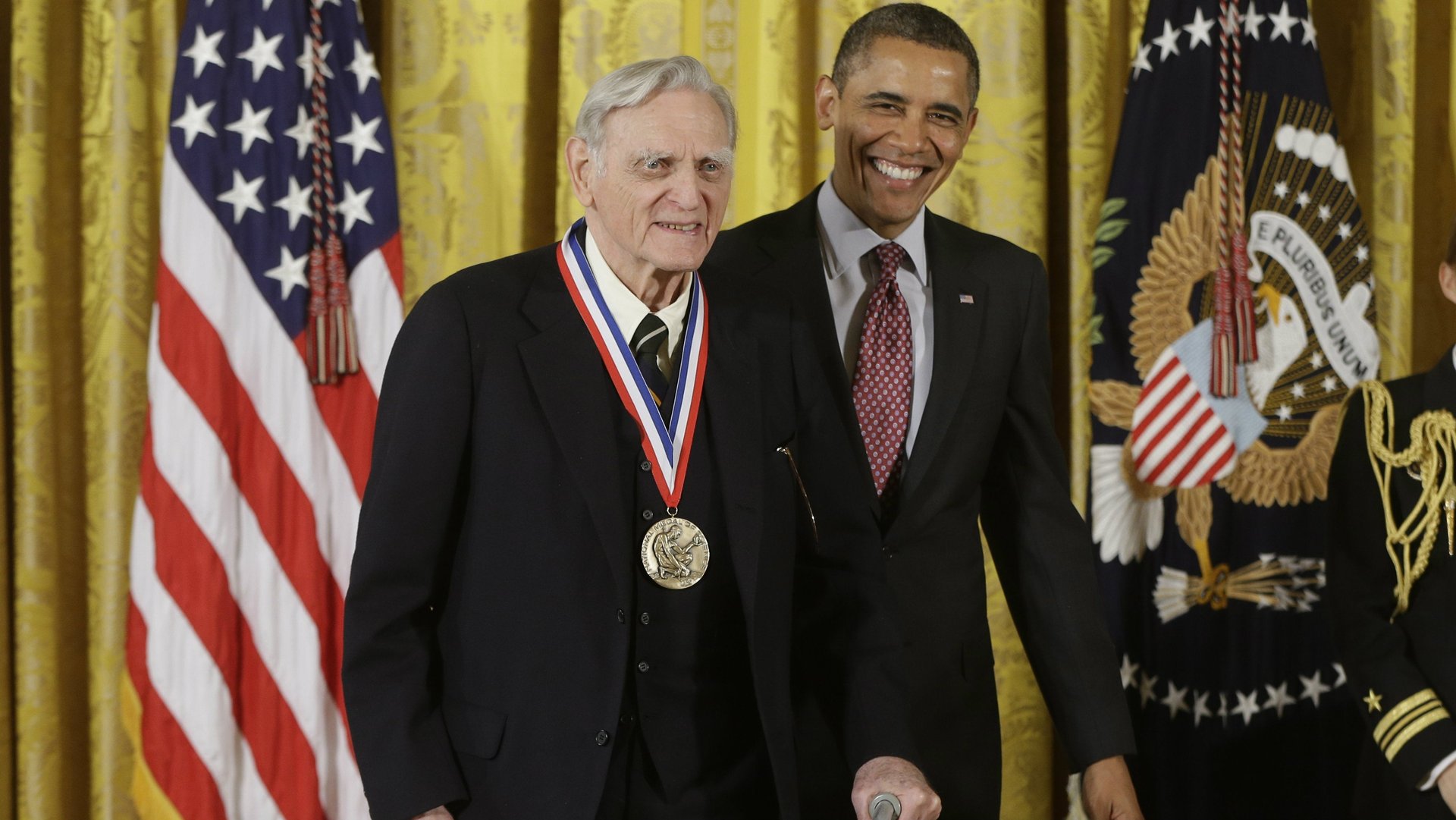
The world chemistry community is abuzz with what’s become a perennial exercise in oddsmaking: When will it be John Goodenough’s year to win the Nobel Prize? The feeling is that this year is his likeliest yet.

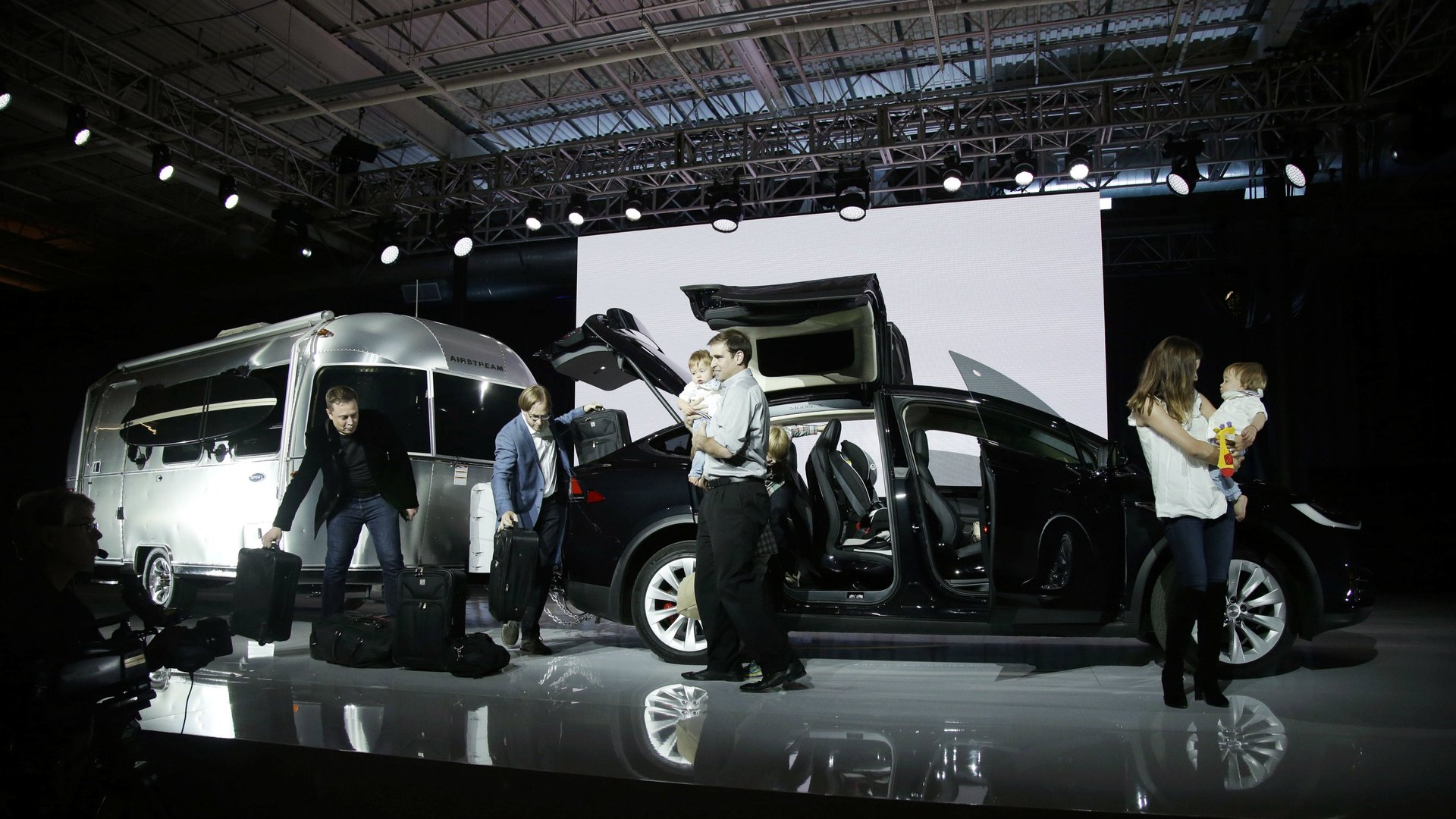
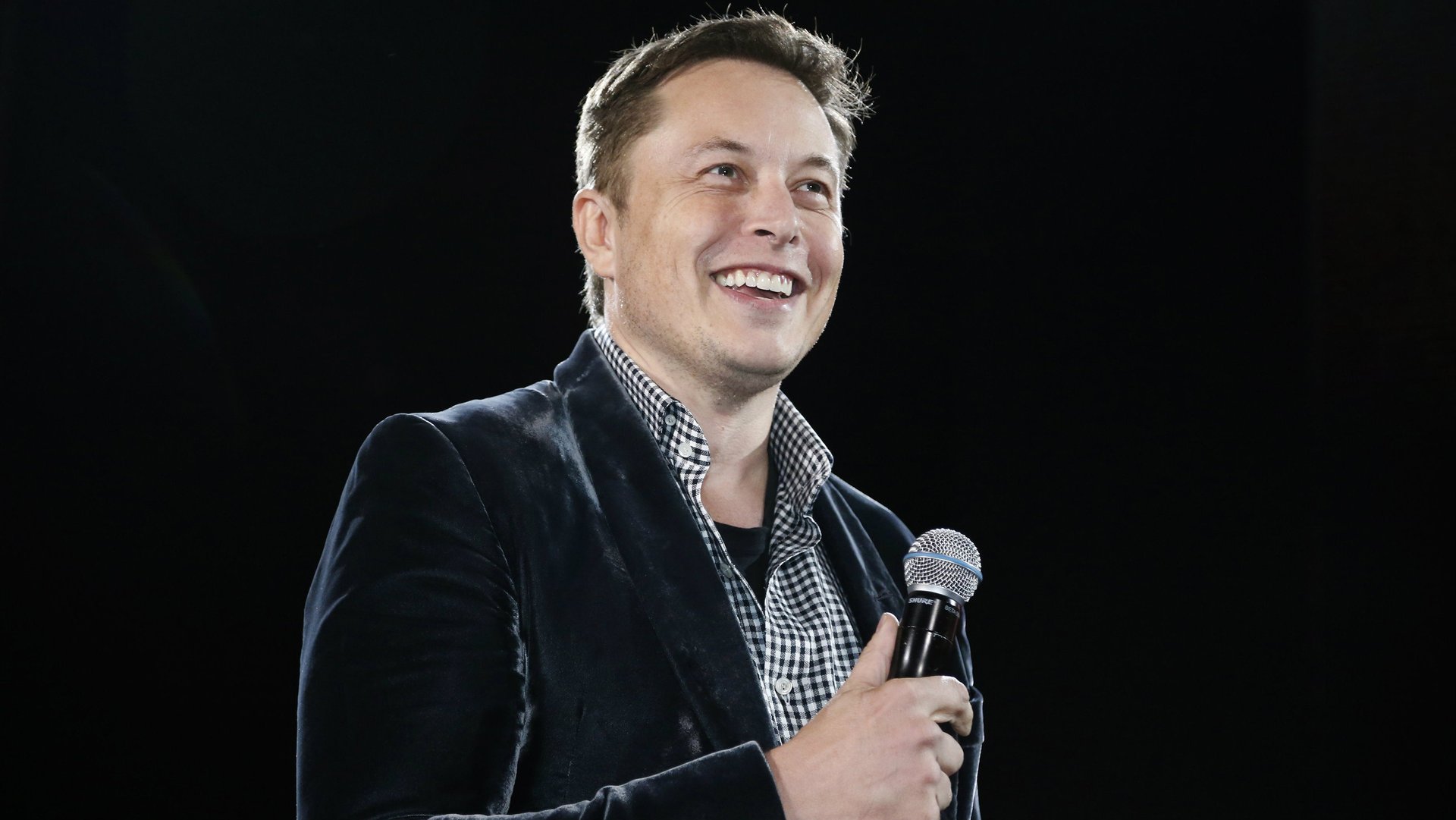
With his latest vehicle, the Model X, Tesla CEO Elon Musk essentially aims to plant a fearful question in the minds of every mother with $100,000 to spend on a premium SUV: Are you prepared to risk the safety of your child by driving anything else?

Muscovite history offers up few examples of far-flung military adventurousness. Close to home, there’s of course the 2008 attack on Georgia and the more recent action in Ukraine, and, during the 1980s, full-fledged war in Afghanistan. Soviet combat jets helped Egypt in the 1973 Yom Kippur War; its tanks rolled into both Budapest (1956) and Prague (1968).

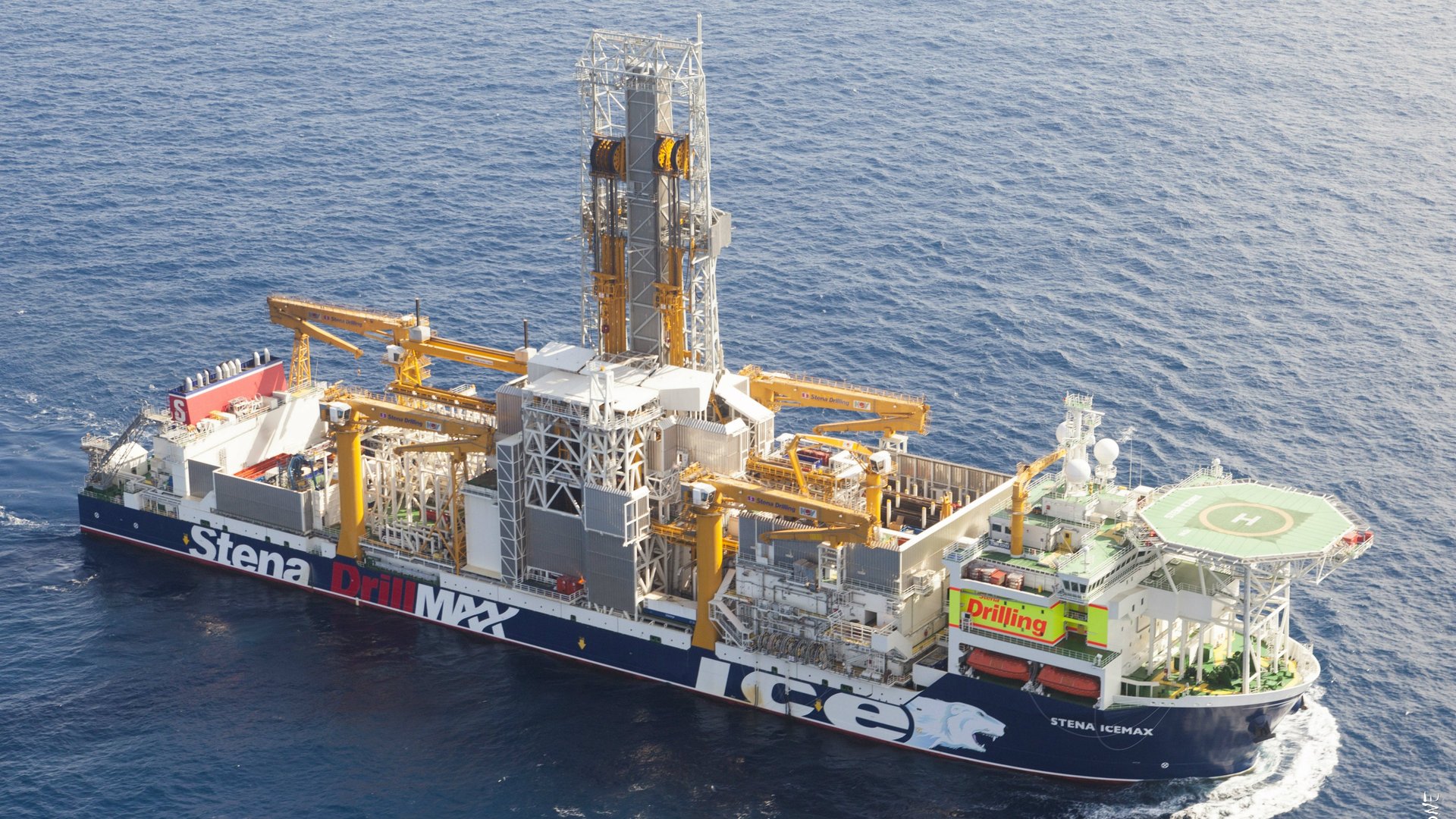
After eight years and $7 billion of work, including some humiliating seafaring blunders and the black eye of the environmental spotlight, Shell has abandoned a high-stakes effort to find oil in the Arctic sea near Alaska.

Volkswagen, reeling in the fallout after being caught lying to emissions regulators and millions of motorists about its supposed “clean diesel” engines, has at least one promising route to recovery from the self-made debacle. And that would be forging the most aggressive path of anyone to the mainstream electric car, to bring the cleanest of clean-car technologies to the masses.

First it was GM, then Toyota, and now Volkswagen: For each of these players in a seemingly star-crossed game, no sooner did it rise to be the biggest name in carmaking, than it fell in a stupendous, unforced blunder.

OPEC is waving the white flag, at least for 2015—oil prices, the cartel thinks, will remain more or less at $40 to $50 a barrel for the remainder of the year, lower than the $70 or so that it had considered to be the fair price.

The war between Russia and Ukraine has a new front.

Silicon Valley seems to think that the march to self-driving vehicles is inexorable, but the carmaking industry’s biggest players are betting that most drivers prefer to keep their hands on the wheel.

Oil prices continue to swing wildly, but they are subject to a hard fact—the incessant flow of US shale oil, which, according to a leading energy research firm, is likely to dip only slightly this year before rising again by next summer.

Tesla CEO Elon Musk has announced (in his favorite way, by tweet) that he will unveil what he hopes will be his breakaway electric car, the Model 3, in March. As previously promised, it will cost $35,000. But it will take until the fall of 2017 to deliver the first vehicles. Here is the tweet.

Oil prices have surged about 25% in recent days, but that’s of little consolation to the oil drillers, investors, and petro-autocrats who have suffered a 14-month-long price plunge. Though they may think otherwise, they are almost certain to endure another plummet and at least another year of relatively low prices, say key analysts.

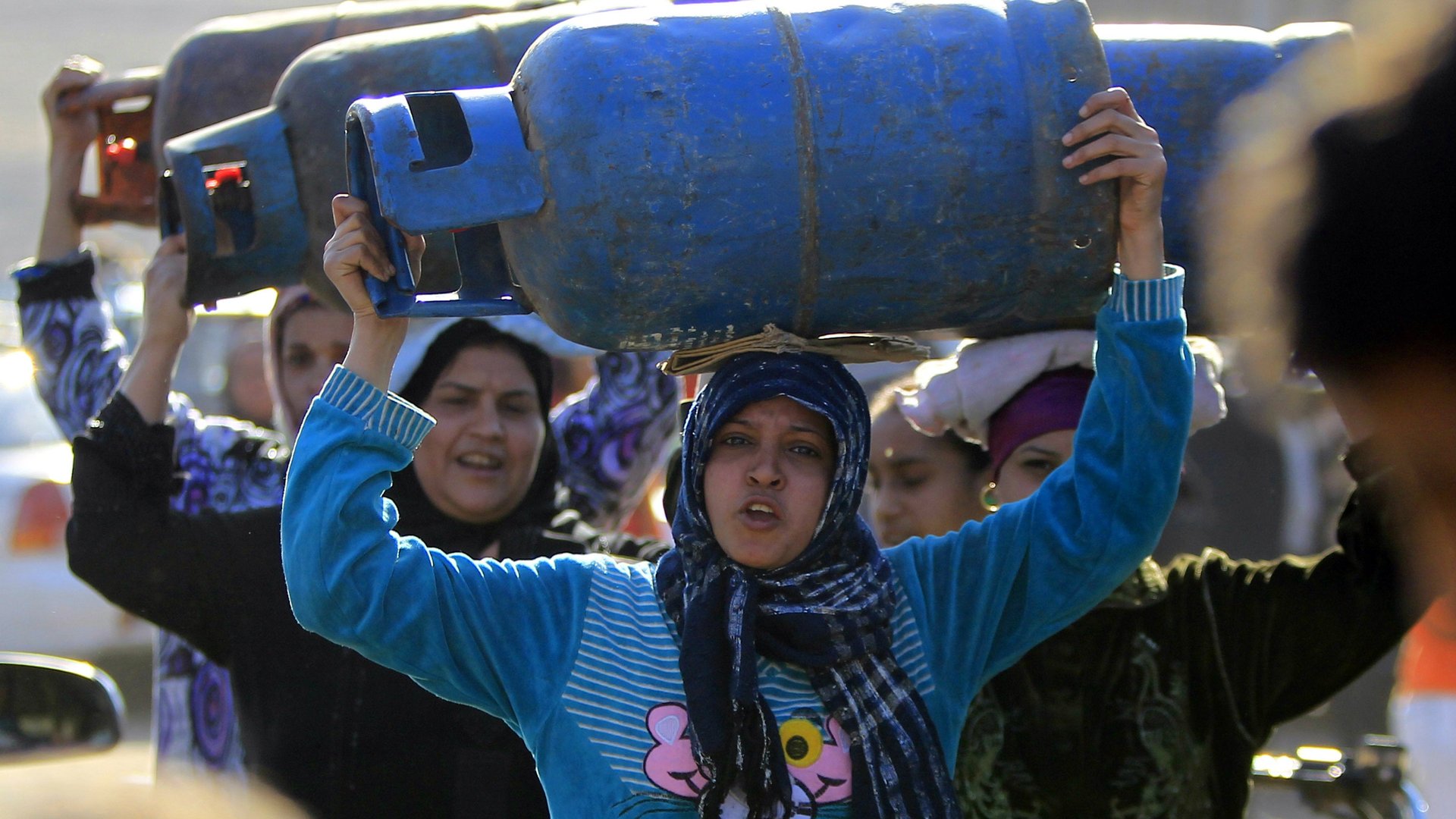
Israel’s hopes of becoming a natural gas export powerhouse have sustained a blow from an enormous discovery of gas off the coast of Egypt. Companies drilling in Israel have planned to ship much of their product to Egypt, which, if its gas find is as large as thought, will not need the Israeli supplies.

Tesla Motors is in a growing battle for electric car supremacy—now Audi, BMW, GM, VW, Aston Martin, and perhaps Jaguar are creating new electrics. But a parallel race is under way as well—a battle among chemists for which battery will be king.

Bosch, the German industrial conglomerate, has agreed to acquire Seeo, one of the hottest advanced battery startups in Silicon Valley, Bosch confirmed today.

Not too long ago, oil prices seemed to have bottomed out. Internationally traded Brent crude was climbing back toward $70 a barrel after plunging into the mid-$40s, and a lot of analysts were giving the all-clear signal. After the breathtaking plunge from $115 a barrel in June 2014, the oil patch misery seemed to be over, so companies and petro-dictators could go back to business as usual.

In January 2008, then-US senator Barack Obama, coming off a surprise victory in the Iowa caucus, lost his next primary in the race for the Democratic nomination. As he conceded the New Hampshire primary to Hillary Clinton, he made a polished, 13-minute speech in which he sounded much more like the victor. The rousing “Yes we can” speech, as it came to be known, arguably cemented Obama’s path to the White House.

How can an autocratically-minded president regain his fortunes if he loses his parliamentary majority? The answer, apparently, is to stir up a war, tie up politics in knots, and then swoop back in to fix things.