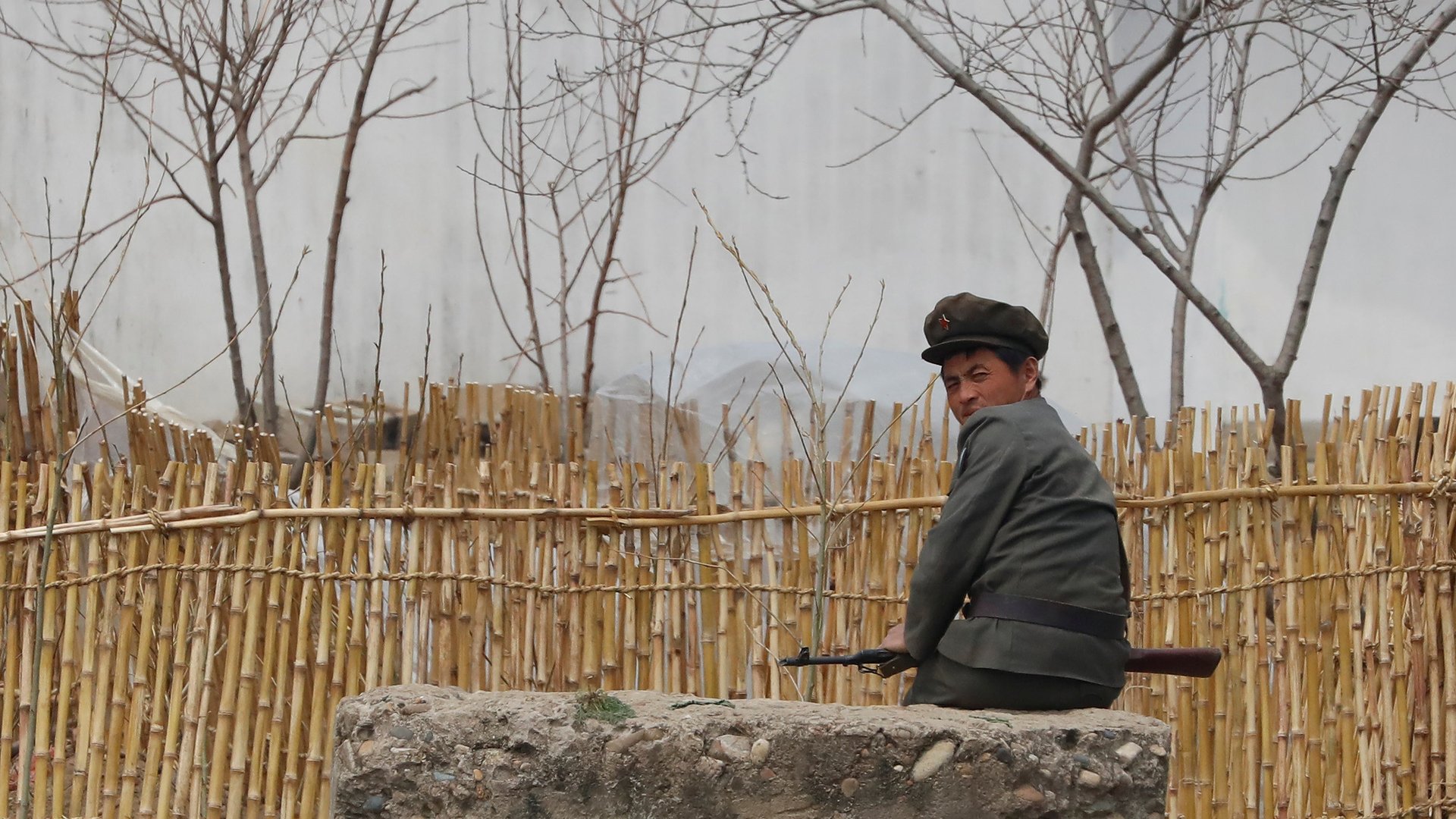
There’s an undeveloped strip of land on the Korean peninsula where nature thrives, but wild animals occasionally explode. Walking across it would be a bad idea.

There’s an undeveloped strip of land on the Korean peninsula where nature thrives, but wild animals occasionally explode. Walking across it would be a bad idea.

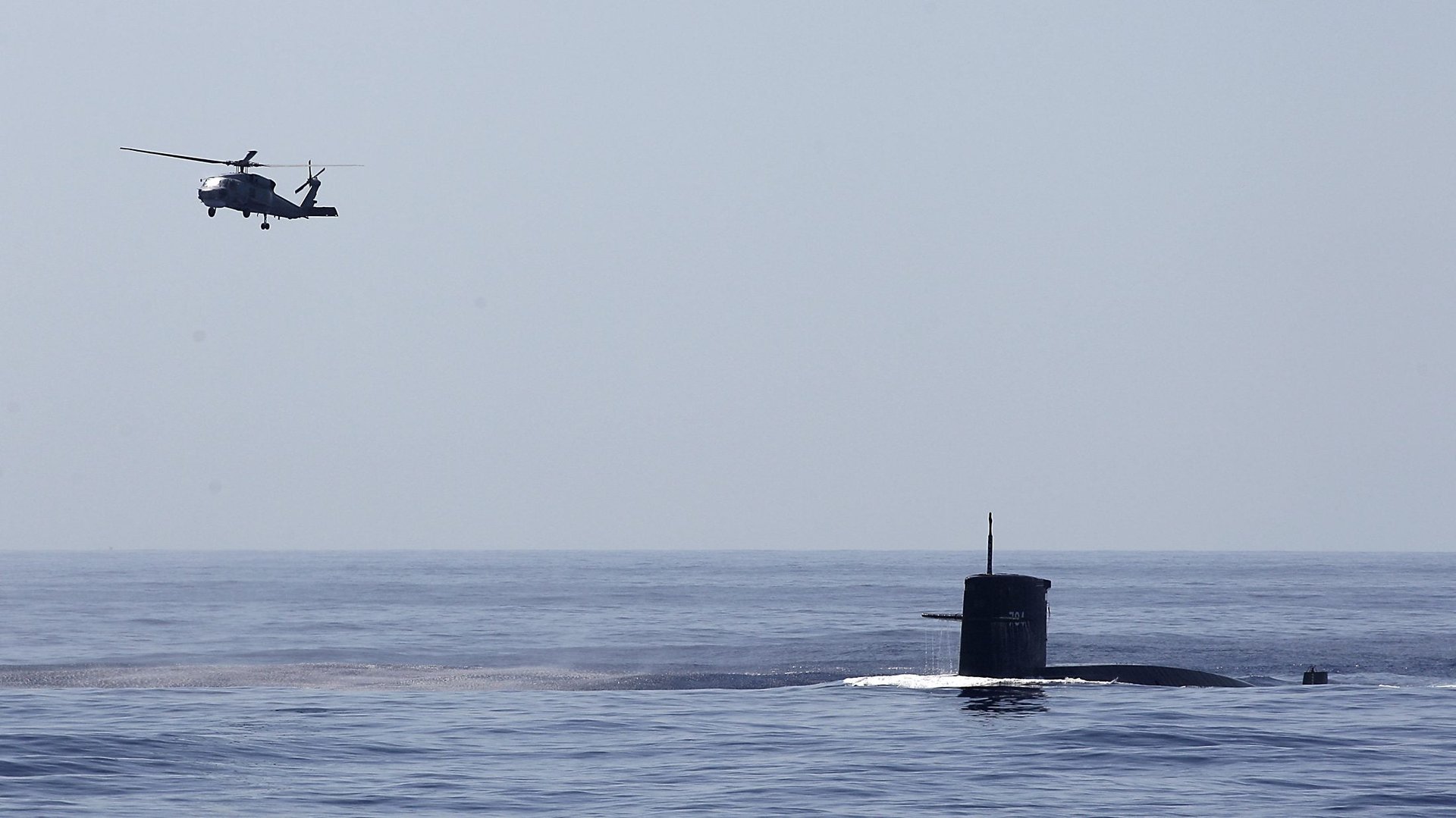
China’s first nuclear submarine was a joke. Launched in the 1970s and now an exhibit in a museum, it was loud, couldn’t fire missiles while submerged, and exposed its crew to high levels of radiation.

This past weekend Donald Trump praised his Chinese counterpart for his efforts to address the increasingly tense situation on the Korean peninsula. The US president said Xi Jinping “is working to try and resolve a very big problem, for China also.”

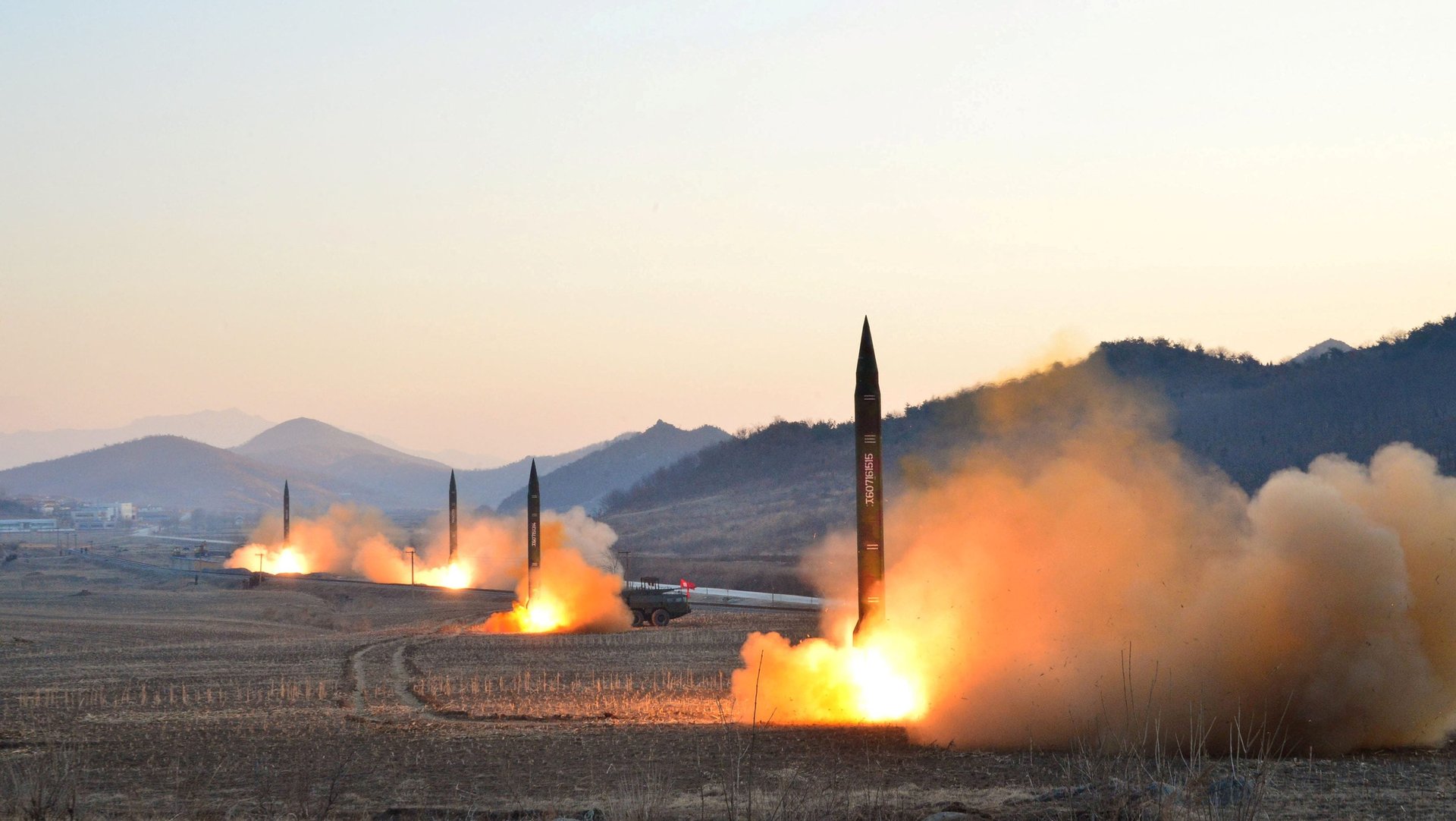
Whether he intends to or not, US president Donald Trump is making a lot of people nervous about the prospects of an American attack on North Korea. Earlier this year, he said that ”a major, major conflict” is a possibility, and he summoned the entire Senate to the White House for a briefing on the rogue nation’s weapons programs, which aim to develop nuclear-tipped missiles capable of hitting US cities. (Read latest, July 4: North Korea just test-launched a missile capable of hitting Alaska)

The civil war in Syria, which began in 2011, has been a tragedy for millions of people, including refugees fleeing the violence and residents caught in the crossfire. But for North Korea’s ruling elite, the conflict has in many ways been a good thing.

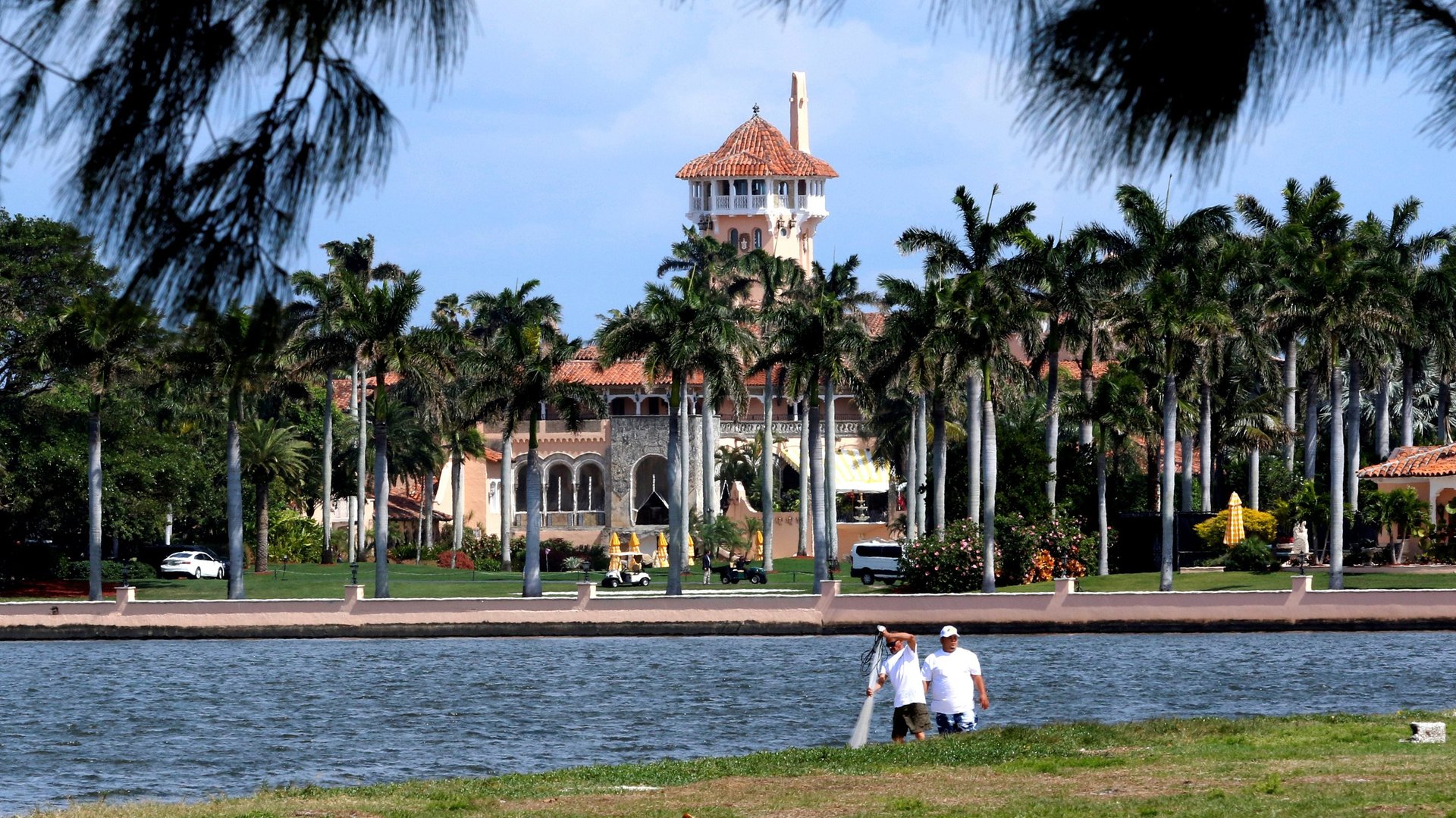
Kim Jong-un will likely never be invited to Donald Trump’s Mar-a-Lago estate, but the North Korean leader knows how to make his presence felt there nonetheless.

It might not be as awful as last year’s “Tronc,” but the new name for the Verizon division that will hold the combined AOL and Yahoo—“Oath,” as tweeted by AOL chief Tim Armstrong—has a decent shot at becoming the most panned corporate branding attempt of 2017.

When US president Donald Trump hosts his Chinese counterpart, Xi Jinping, in Florida this week, he promises to demand better trade terms with China. But there’s another issue of equal or arguably greater importance: the South China Sea.

Words can come back to bite you.

The Uyghur people of China’s far-west Xinjiang region have long complained that government rules and policies discriminate against them. Things just got worse.

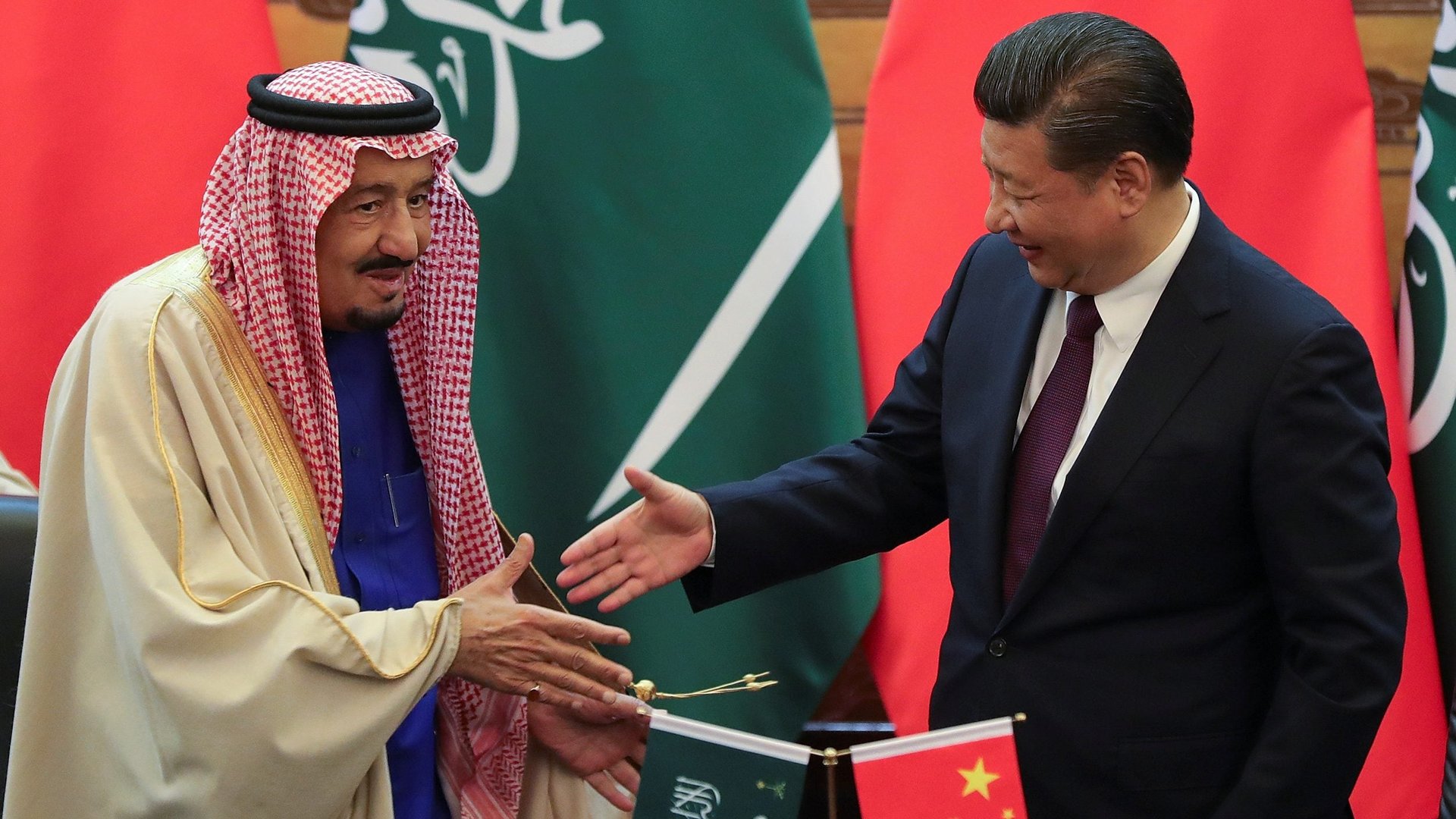
The Middle East wants more combat drones to fight terrorists and wage wars. Saudi Arabia wants to boost its manufacturing sector to reduce its alliance on oil. A Chinese company is happy to oblige on both fronts.

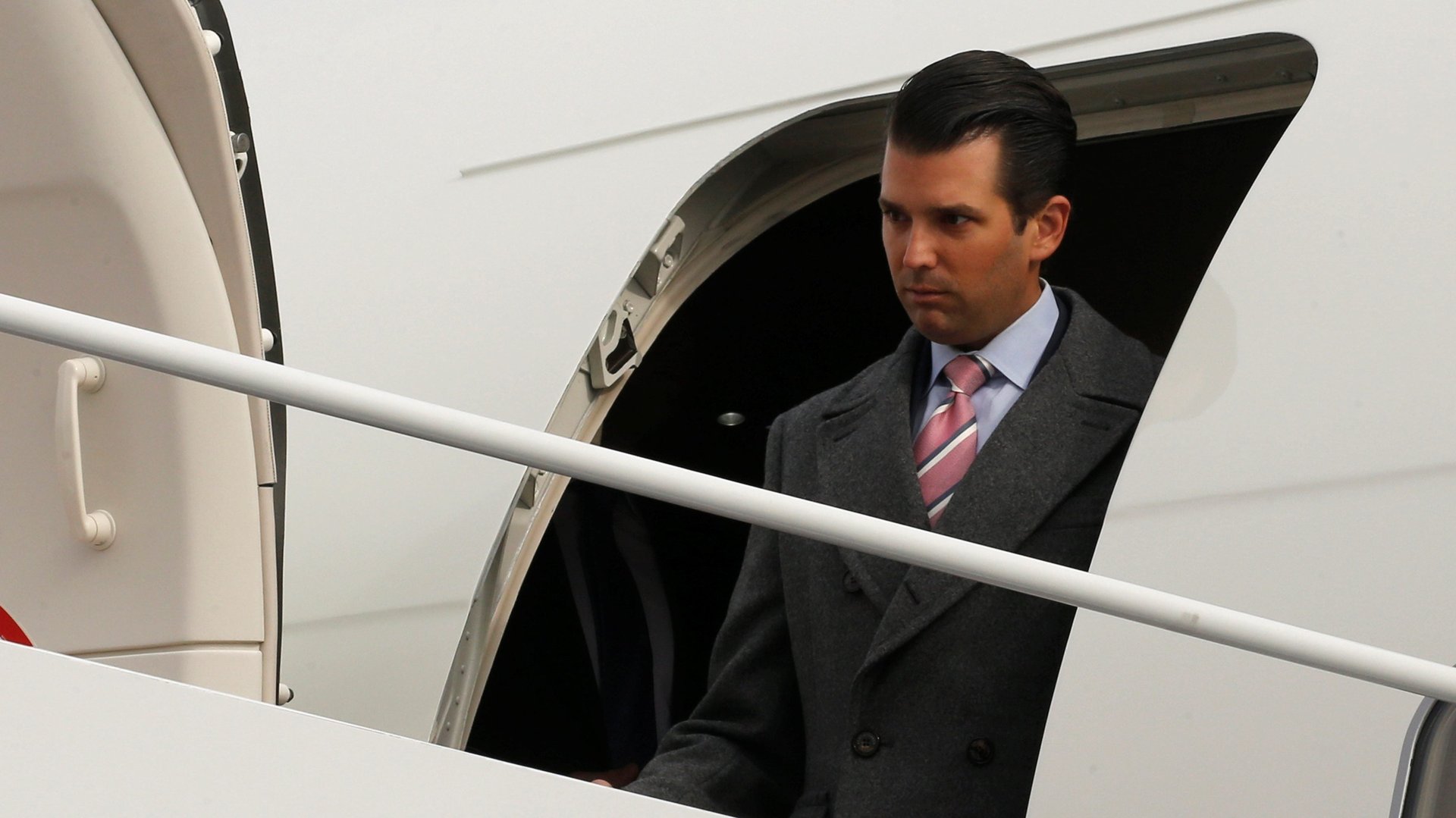
Within hours of a terrorist attack in London that killed four victims and injured dozens on March 22, the oldest son of US president Donald Trump took aim at the city’s mayor, Sadiq Khan. Referencing the headline of a September 2016 article in the Independent about the mayor, he tweeted:

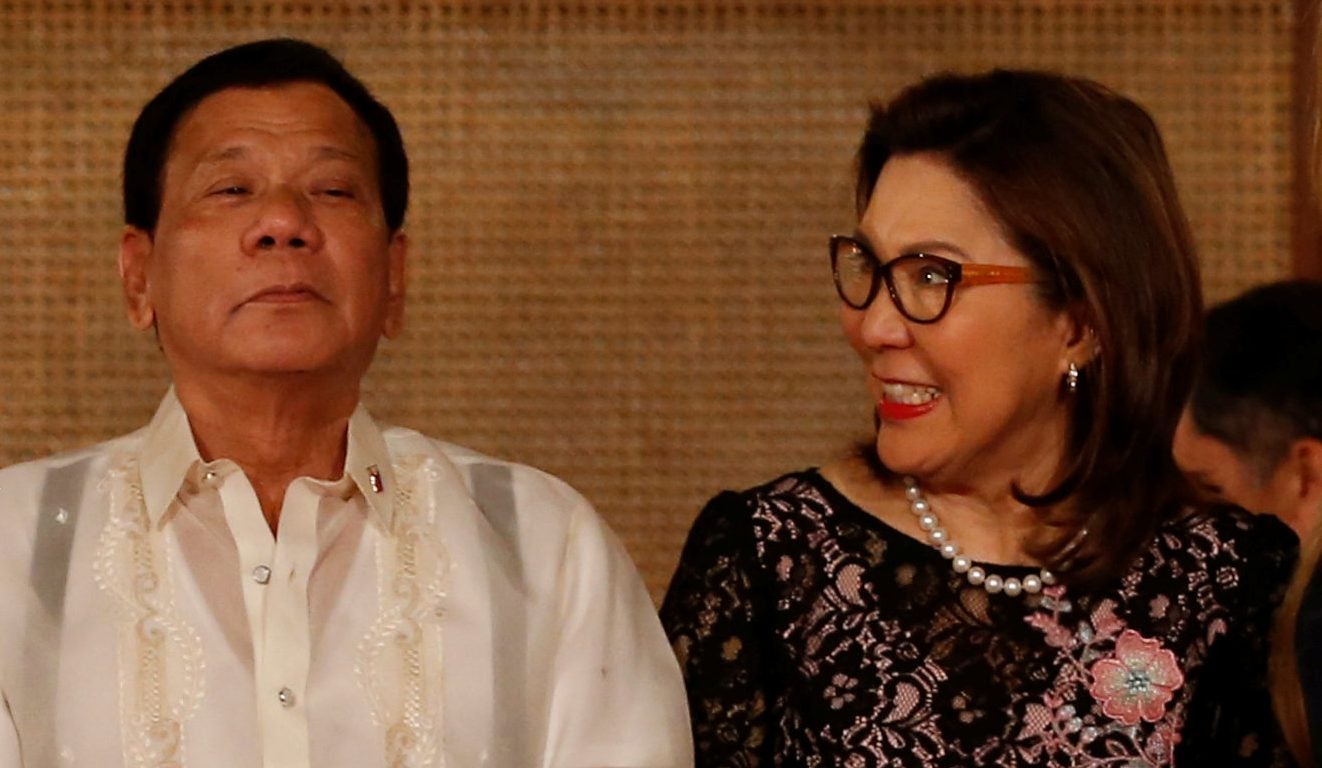
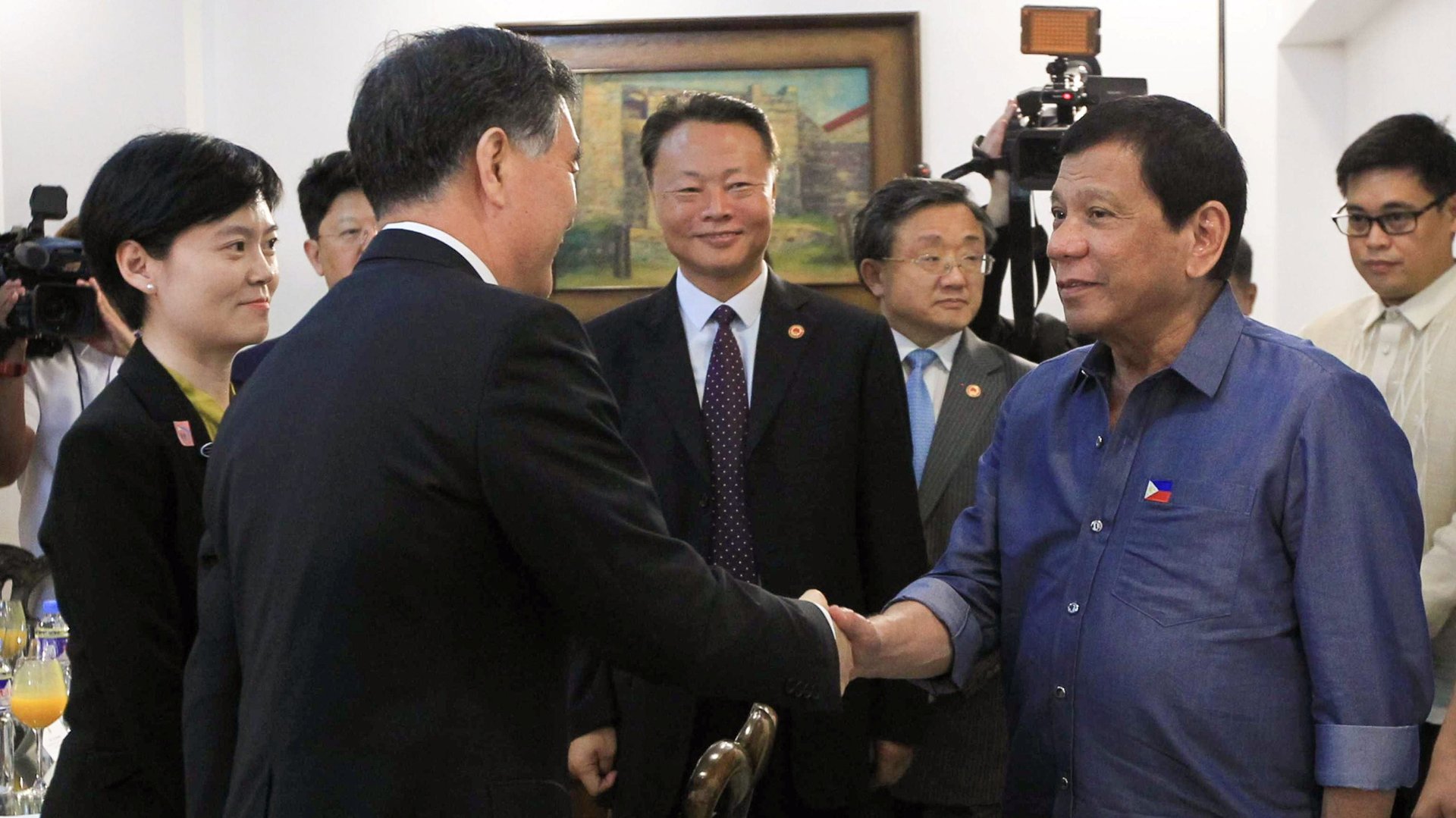
If you’re the tourism secretary of the Philippines, part of your job is convincing tour operators to send travelers to your country. Working in your favor: the majestic mountains, tropical islands, and fascinating cultural history of the Southeast Asian nation. Working against it: a bloody war on drugs criticized by human rights groups and dominating headlines about the Philippines.

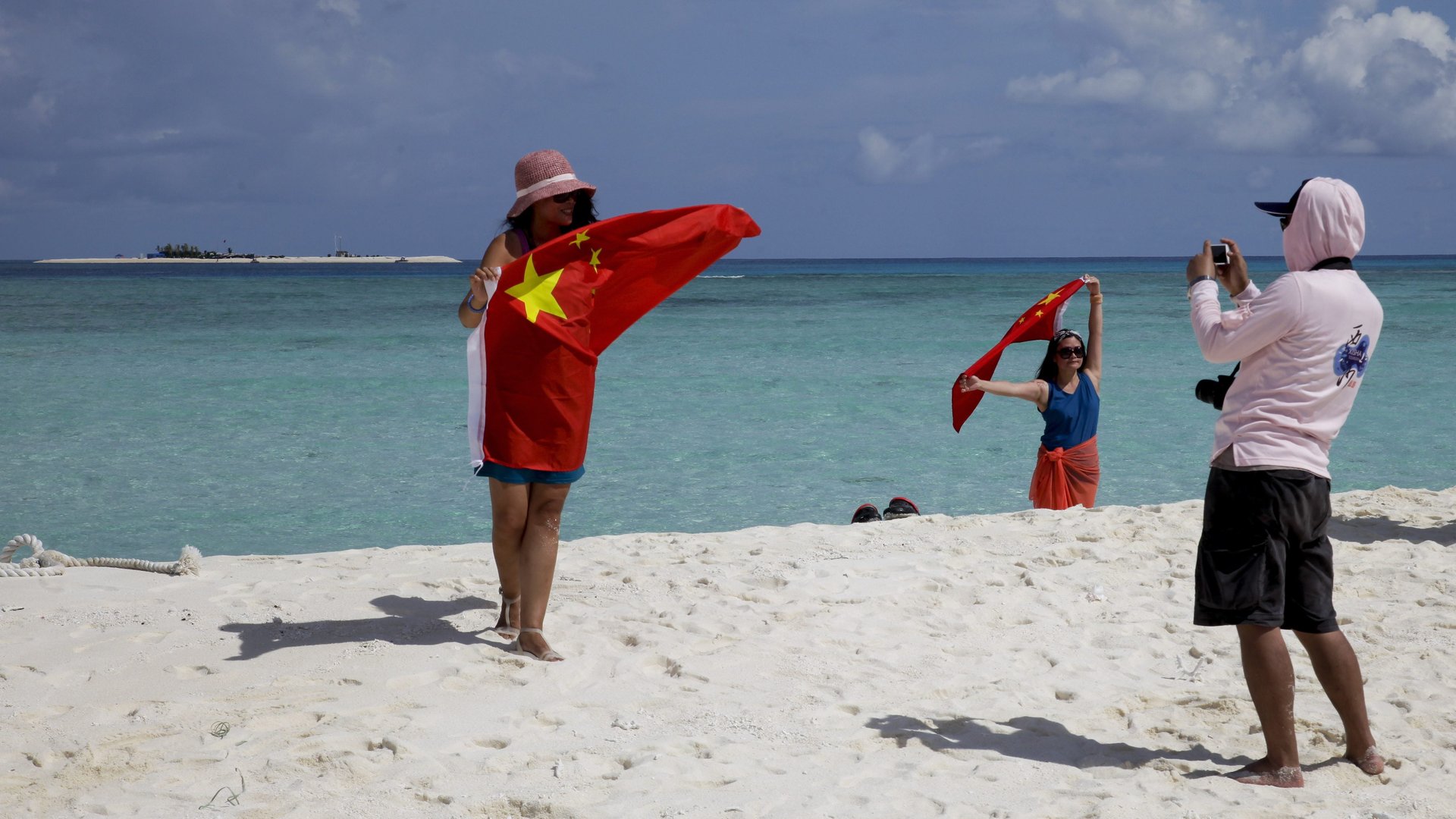
If China has an equivalent tropical paradise to Hawaii, it’s Hainan Island. But some of the domestic tourists flocking to the popular holiday destination want to do more than have fun in the sun. They also want to express their patriotism.

In the mid-1990s Beijing reassured Manila that structures it was building atop Mischief Reef, near the Philippines in the South China Sea, were merely fishermen’s shelters. Today China has a militarized island at that “shelter,” complete with a runway and large anti-aircraft guns.

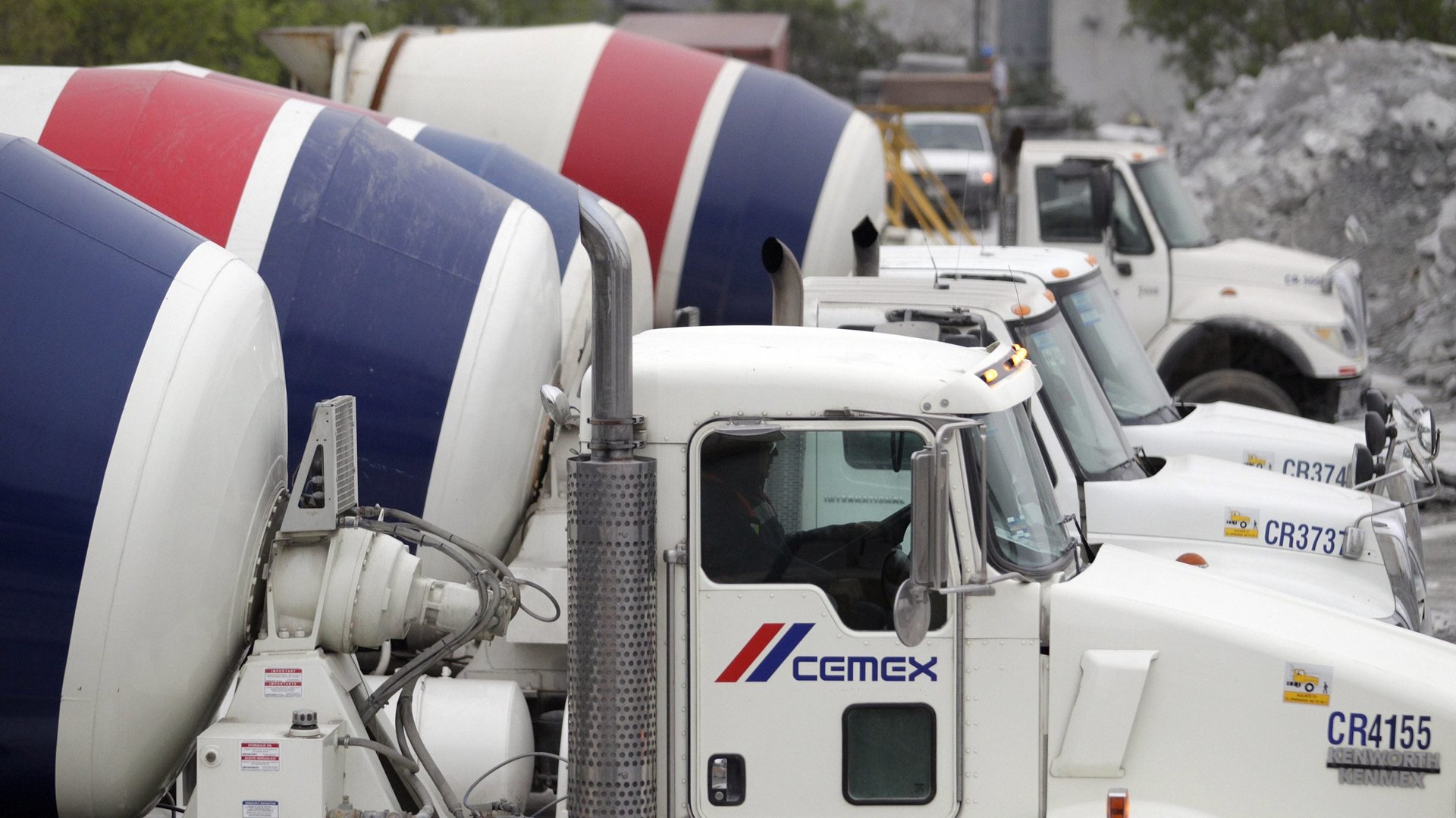
When it comes to building the US-Mexico border wall proposed by US president Donald Trump, it’s hard to imagine a company better positioned to benefit from the project than Cemex, the largest cement maker in North America. The company has plants on both sides of the border, and a US headquarters in Houston to complement its global headquarters near Monterrey, Mexico, a two- to three-hour drive from the border.

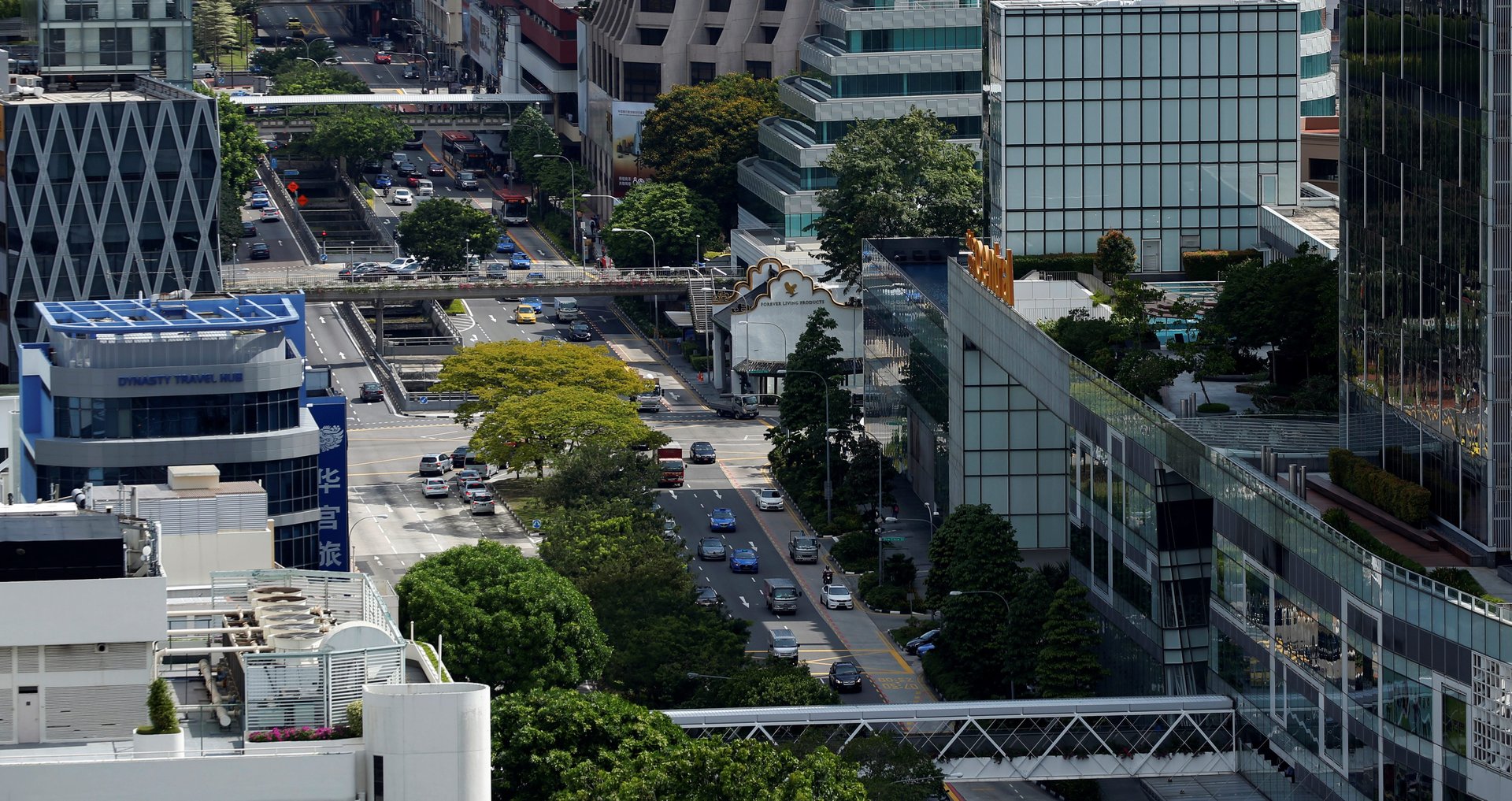
Singapore is one of the most expensive places in the world to own a car, thanks to government fees and restrictions designed to reduce congestion and encourage the use of public transportation. But if you don’t mind being an occasional Uber driver, you can get around this problem by renting a car and using your Uber proceeds to cover the costs.

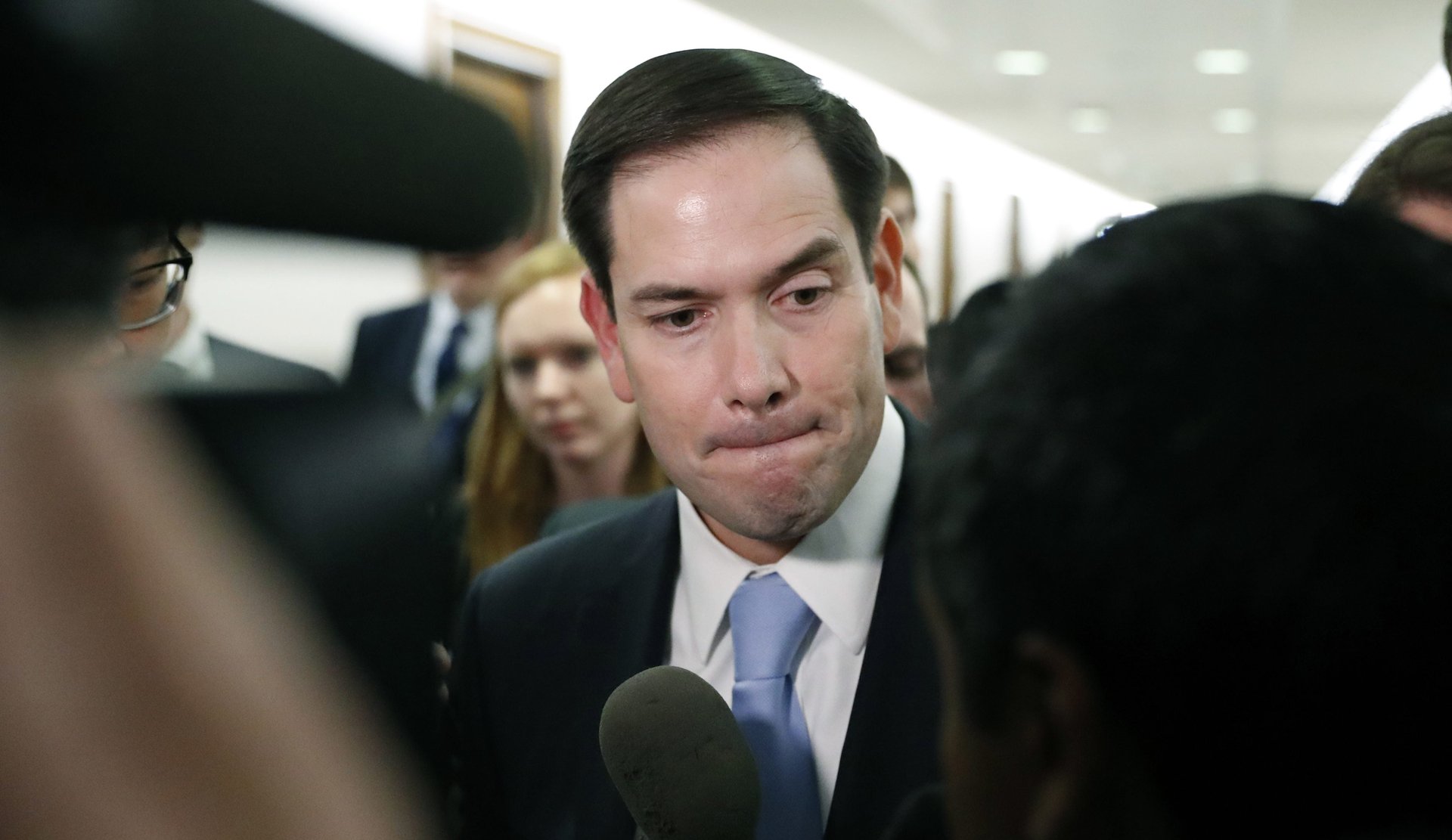
US senator Marco Rubio, a Florida Republican, floated a bill that’s sure to stoke anger in Beijing. The measure would, among other things, sanction Chinese companies that engage in “illegitimate activities” in the South China Sea, such as dredging to expand the militarized islands China has built.

This week Japan said it plans to send its most formidable warship on a three-month tour through the South China Sea. Observers waiting for an angry reaction from China—which claims nearly all of that sea and was mighty testy about it last year—were likely disappointed.

Last week Australia sentenced three Vietnamese fishermen to prison for gathering sea cucumbers in a marine park off the coast of its northeastern state Queensland in February. The poachers pleaded guilty, but blamed China for pushing them into Australian waters.

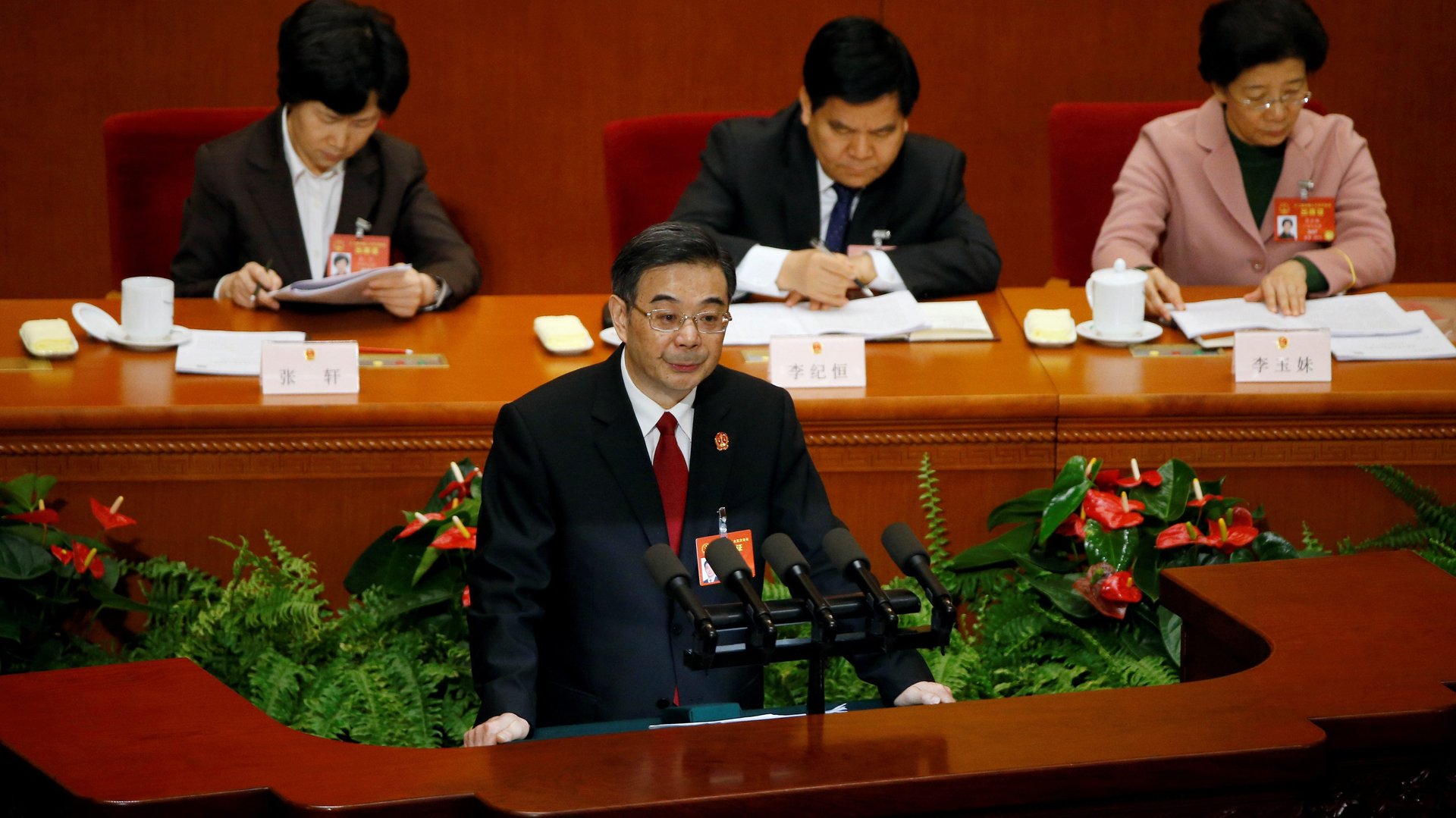
Beijing does not take kindly to being criticized. Last week the US state department released an annual report on the human rights situation in China, and similar ones of other countries around the world. Yesterday (March 9) Chinese authorities responded in kind, drawing heavily on media reports—including from several US publications that are behind China’s great firewall—as well as on US government statistics.

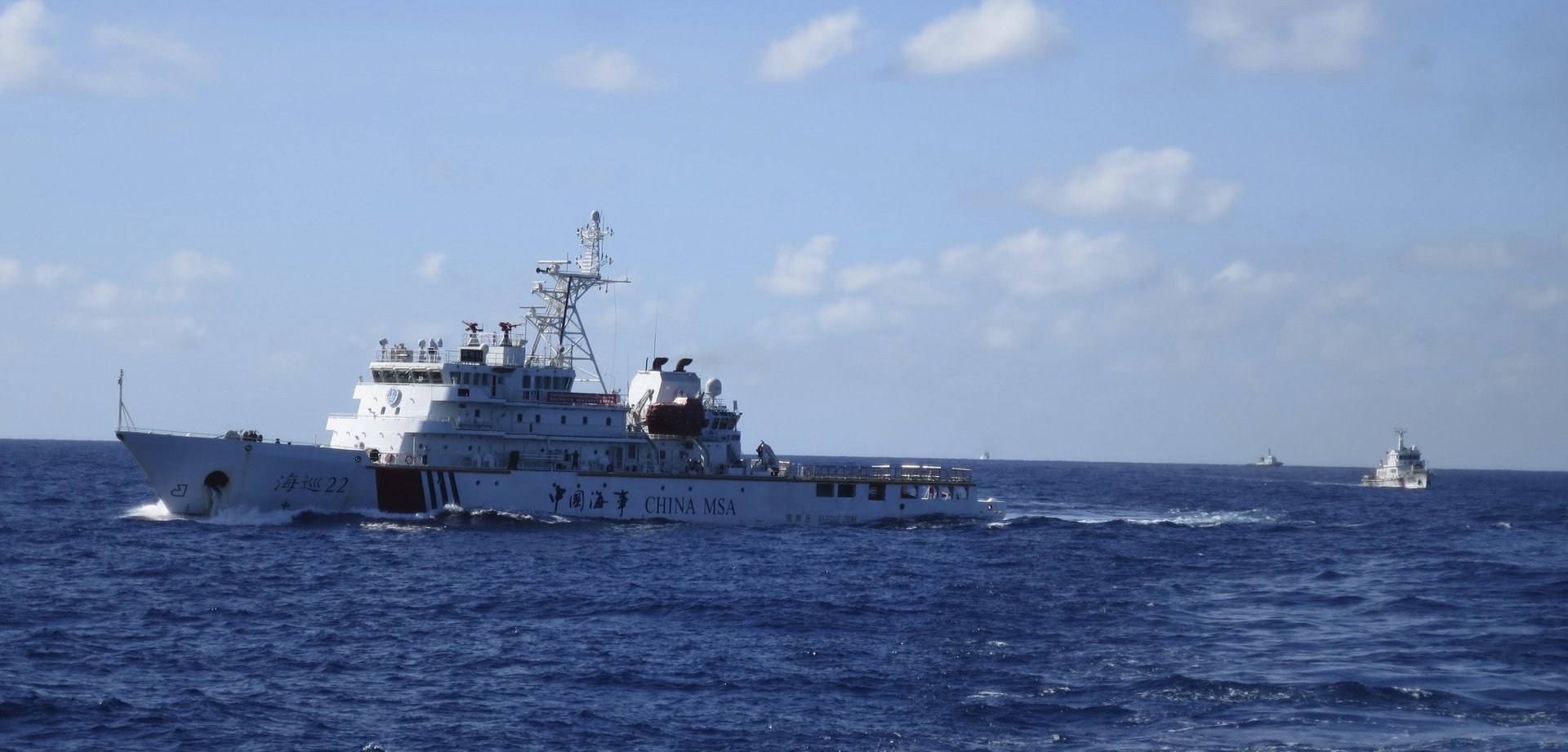
Submarines are designed with one primary aim: to travel underwater. But when it comes to foreign vessels operating in the vast waters it claims, China doesn’t much like that idea.

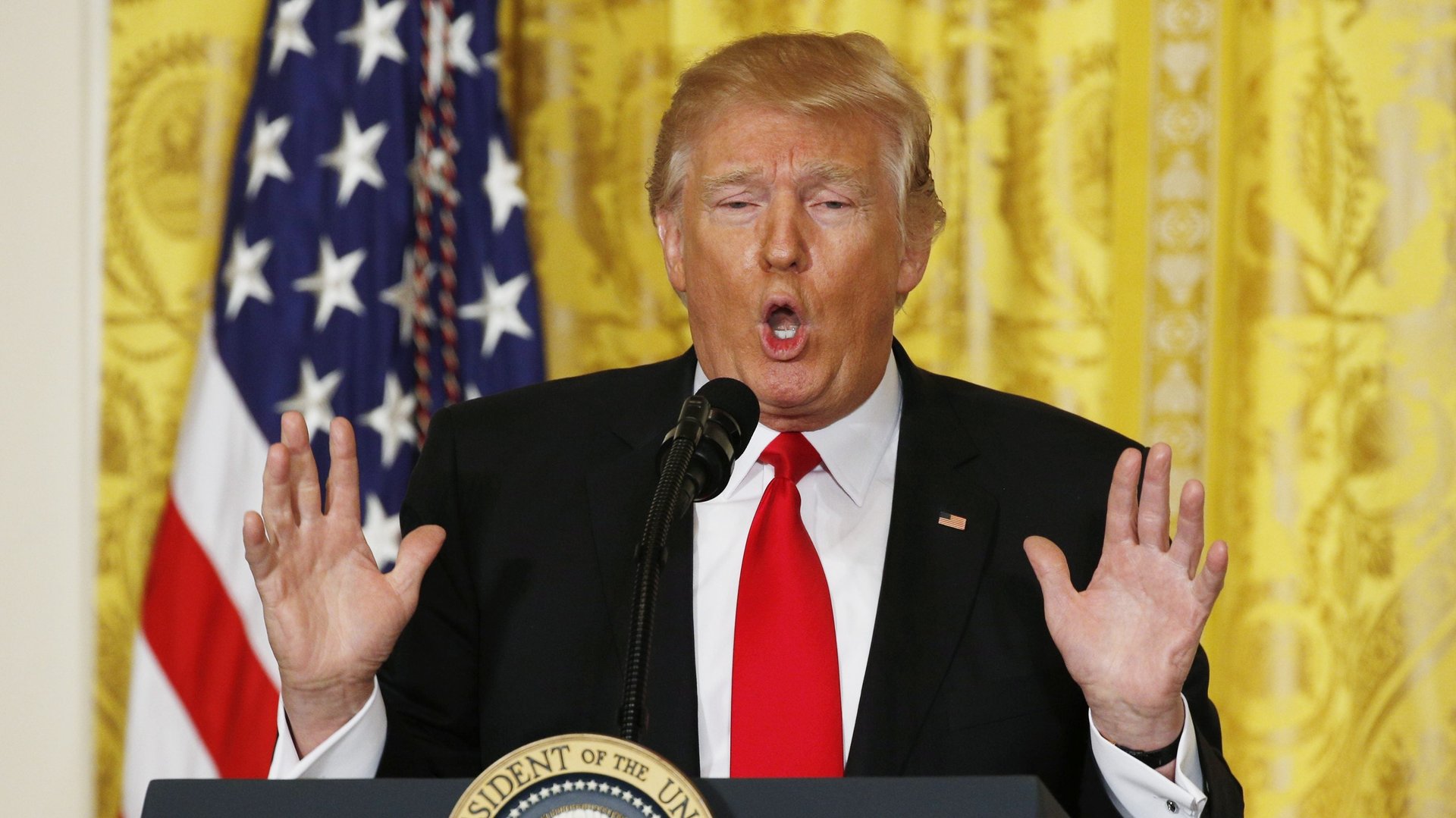
In a bizarre press conference yesterday, Donald Trump suggested he could boost his popularity by destroying a Russian naval ship operating off the US East Coast—but that he would do the politically unpopular thing and seek a peaceful relationship with Moscow instead.

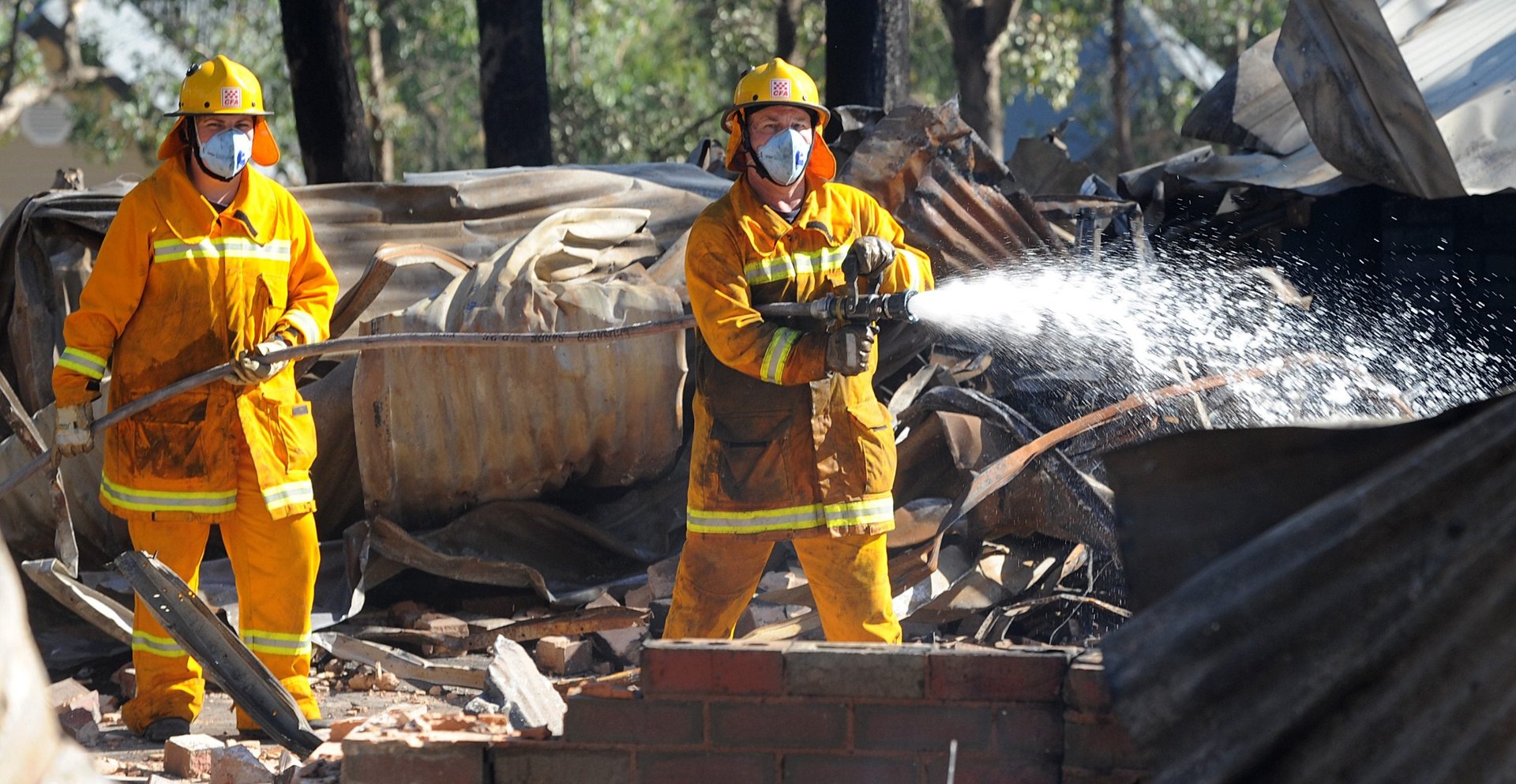
Australians sweltered in a brutal heat wave over the weekend that caused bushfires and minor blackouts, as people cranked up their air conditioners under temperatures easily reaching the mid to high 40’s Celsius (120°F). Scientists predict more such heat waves—only longer and hotter—in the future due to climate change. Globally, 2016 was the hottest year on record, according to NASA, and the same was true of 2015 and 2014.