

Tech & Innovation
How to chart the price of a trip to MarsWill it cost a trillion dollars to send humans to Mars?
Updated July 20, 20223 min read
Will it cost a trillion dollars to send humans to Mars?
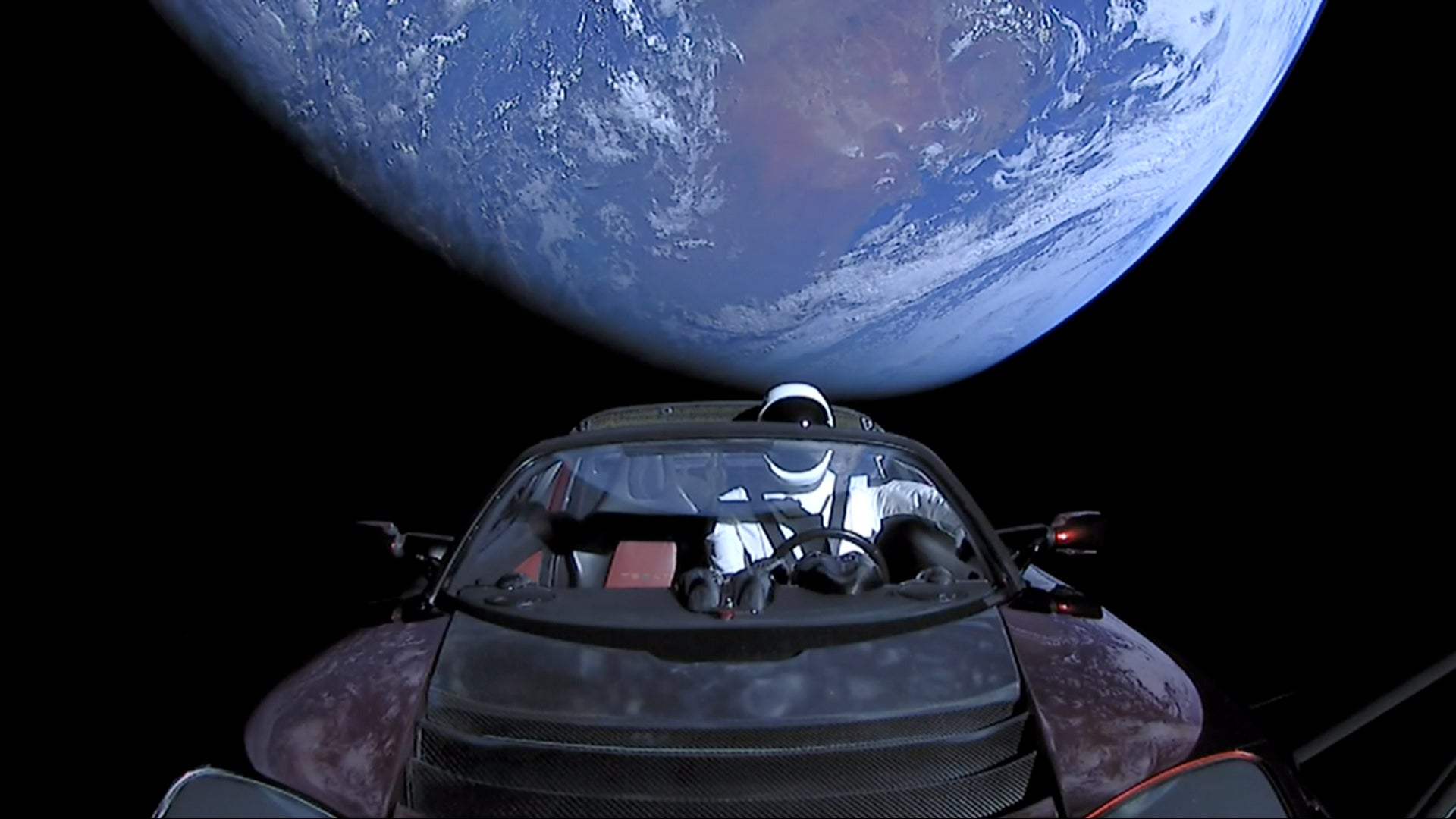
The first US mission to Mars in five years may be the start of a new wave of exploration, as geopolitics and the private space industry pressure NASA to move faster. Global space agencies are planning five missions to Mars that are expected to launch in 2020, including a new US rover.
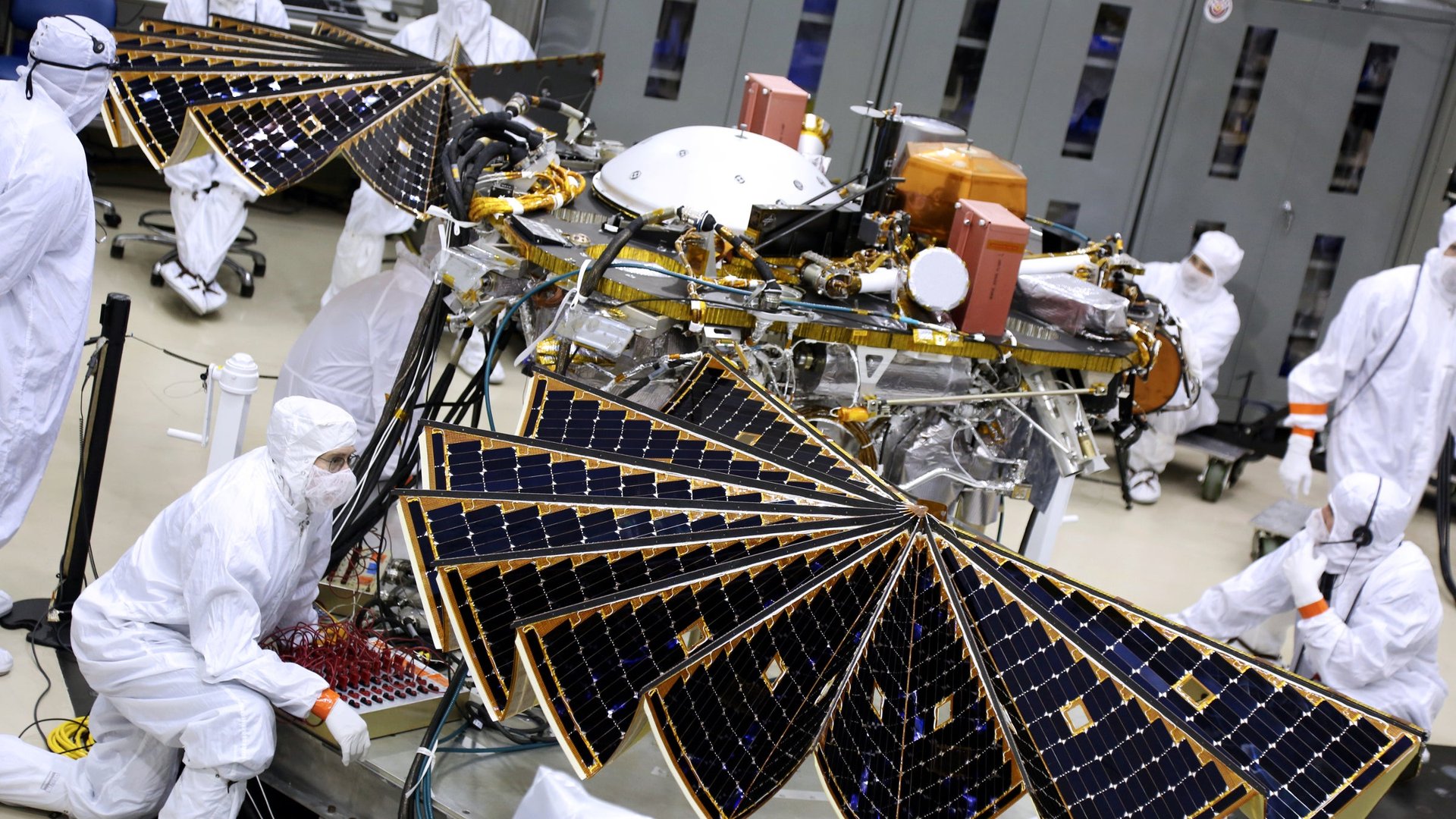
A mission more than eight years in the making, NASA has launched the Mars InSight lander today. The expedition will give scientists a new understanding of the geology and history of Mars—and perhaps the Earth as well.
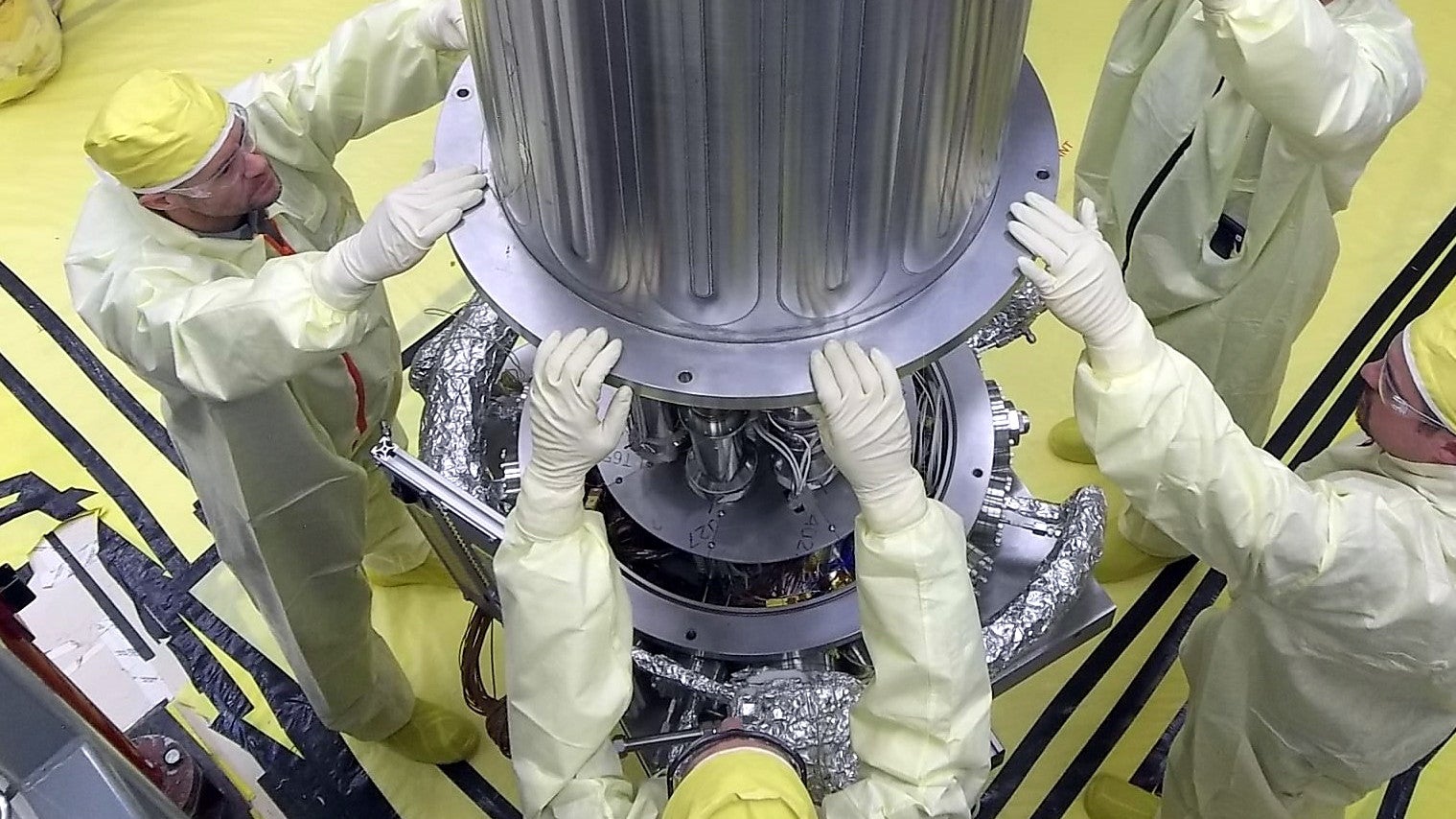
If space is an ocean, the International Space Station is a raft tethered to the shore. The moon is a nearby island that we’ve visited briefly. To go any further or stay any longer, humanity needs more power.
What happens if you launch satellites into space without government permission, but with government funding?
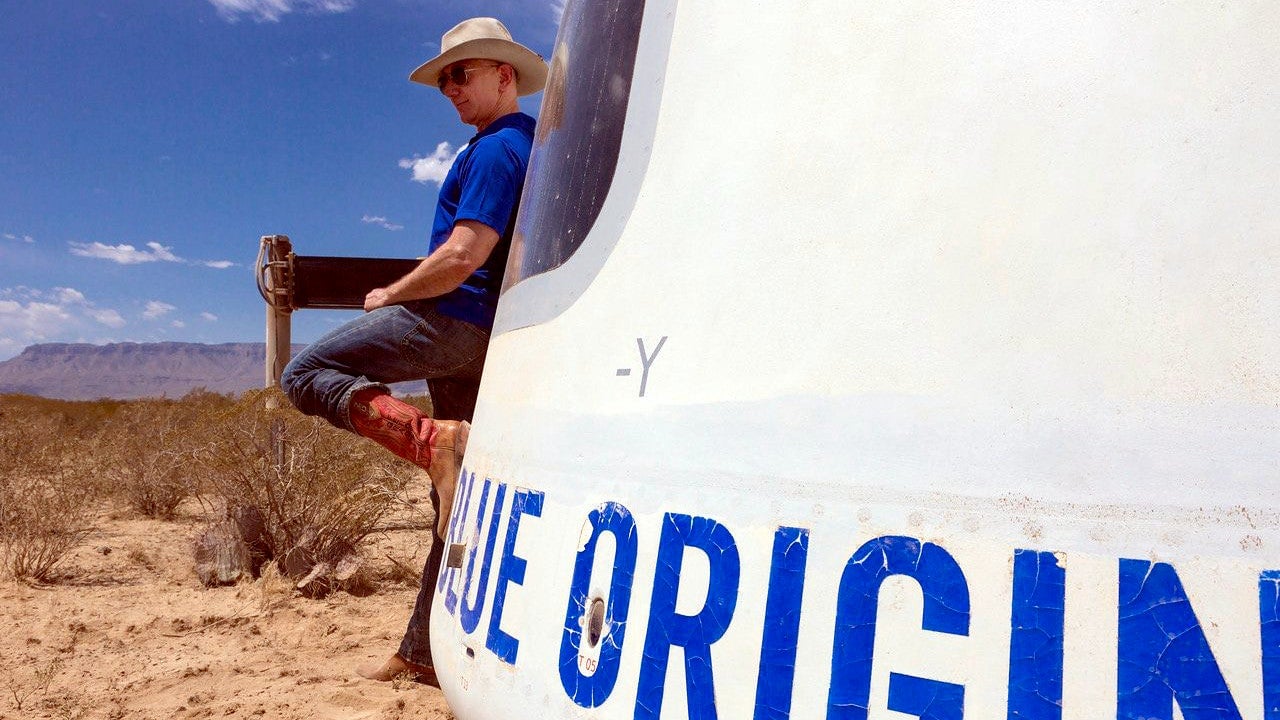
Amazon founder Jeff Bezos has shed new light on what’s driving him to invest billions in his space technology company, Blue Origin.
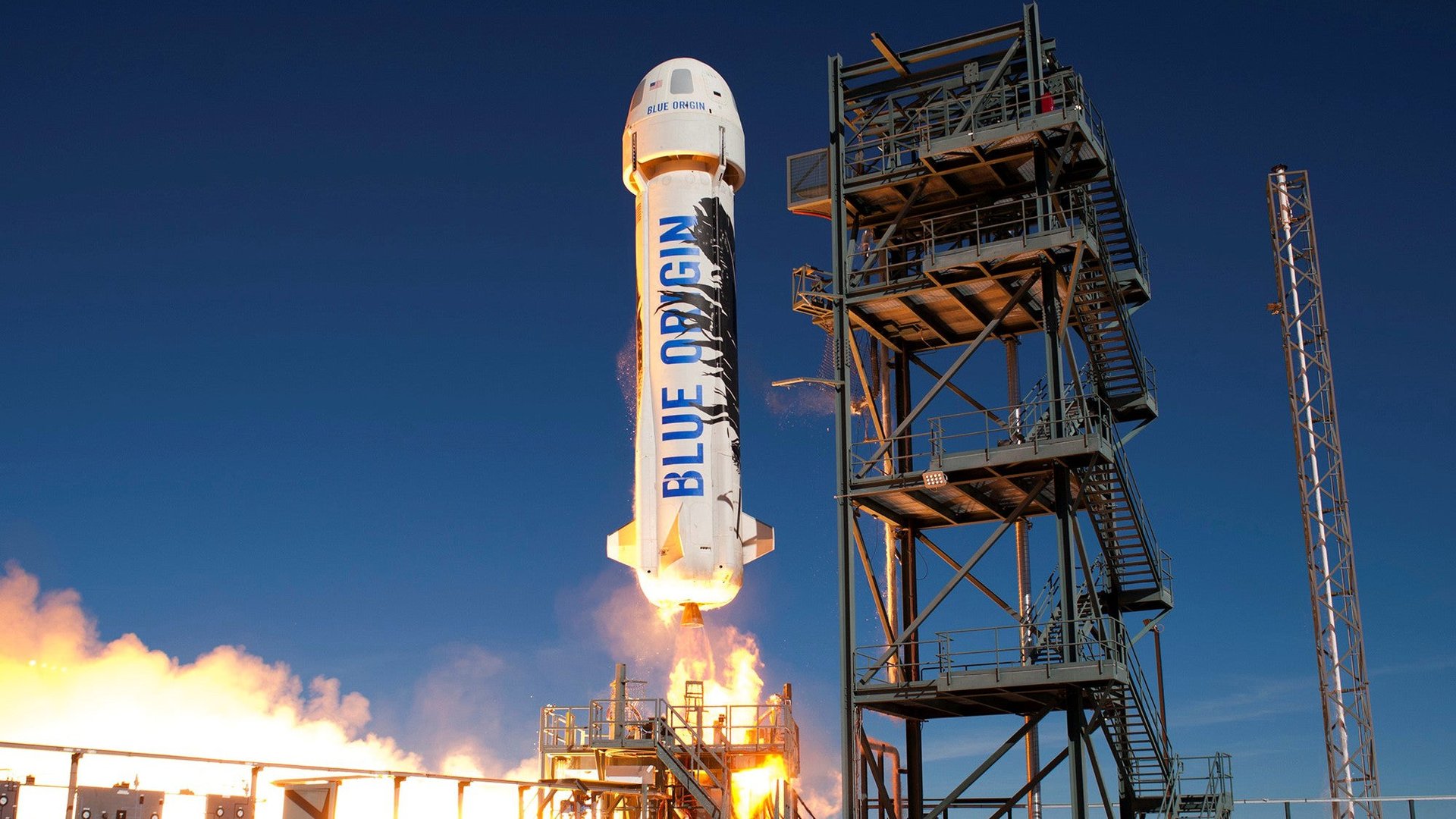
Blue Origin launched its reusable rocket New Shepard, carrying a space capsule equipped with a dummy and a handful of scientific experiments, to the edge of space for the eighth time on Sunday (April 29).
The United Kingdom’s awkward extraction from the European Union has extra-terrestrial dimensions.

The images below, created by a radar satellite built and operated by a private company, are a taste of a future in which anyone can purchase the ability to monitor changes on Earth from space.

There are certain classes of technology that, by their nature, put those who possess their secrets in danger: Nuclear weapons. Ballistic missiles. Advanced encryption software.
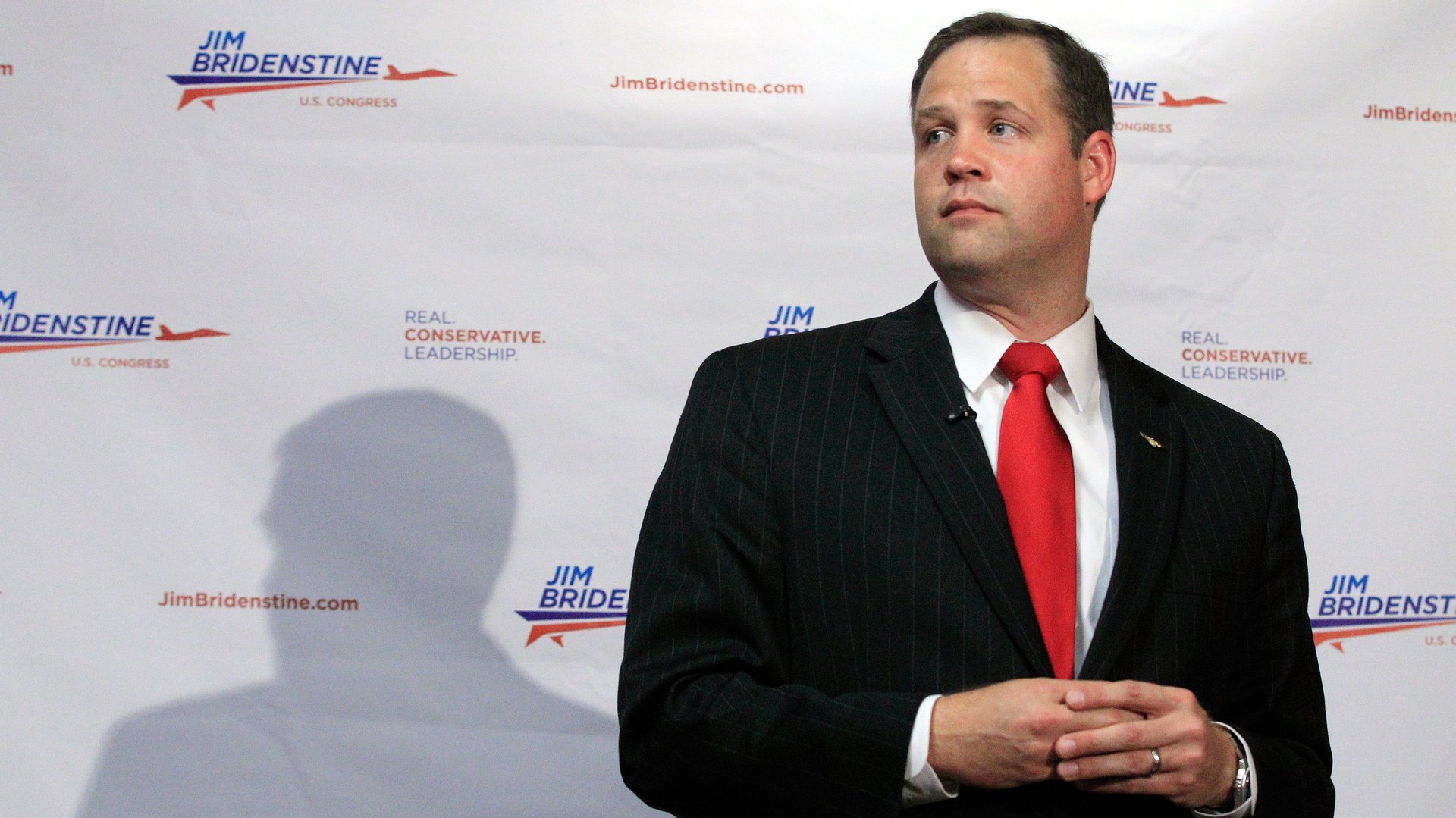
Jim Bridenstine, perhaps the most politically controversial NASA administrator in history, was confirmed today (April 19) on a party-line vote in the Senate, giving the US space agency a permanent leader for the first time in 15 months.
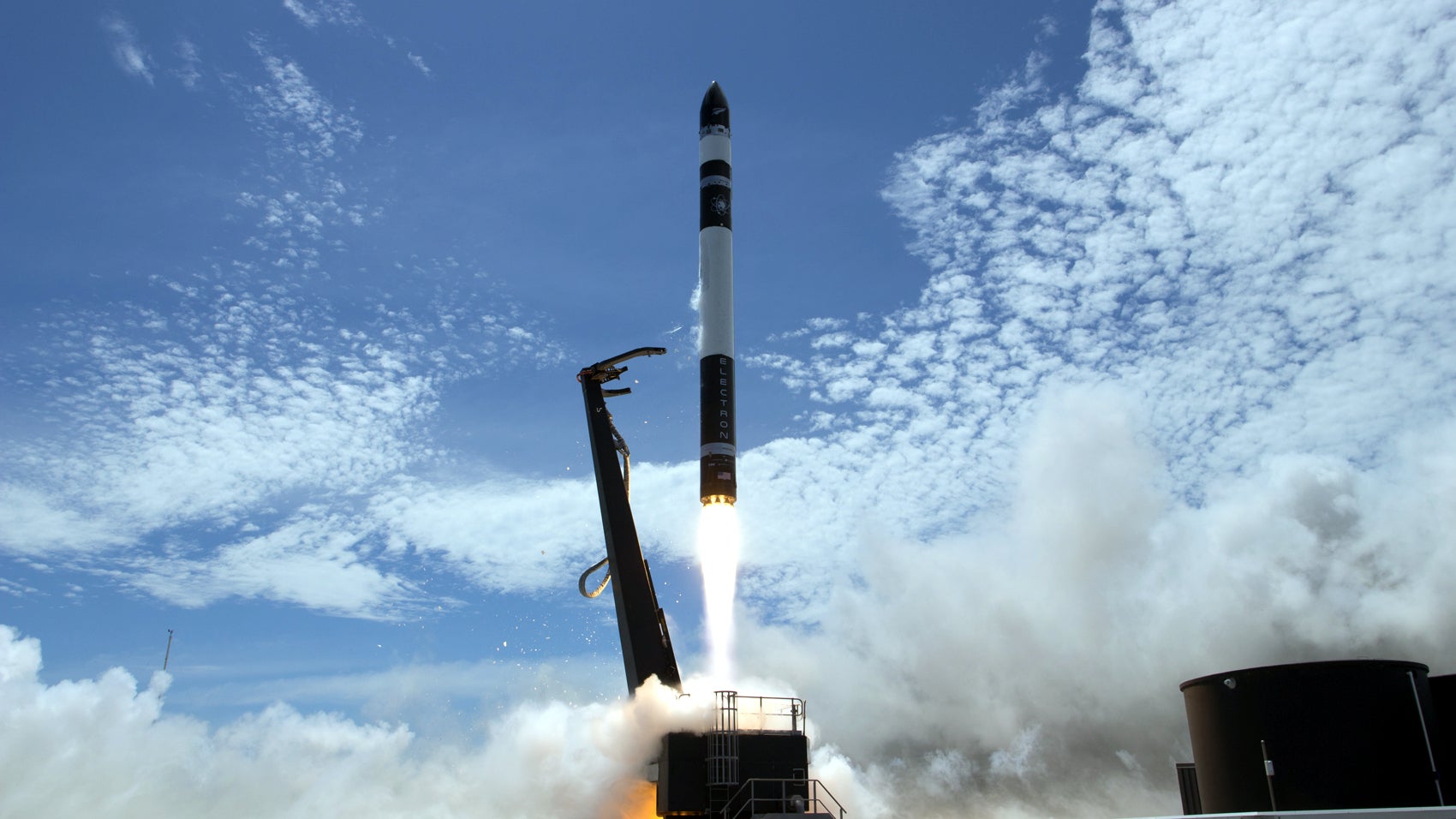
US military leaders are bullish about small satellites as tools to spy on adversaries and provide secure communications, but there’s just one problem: There isn’t a good way to get them into space, on demand.
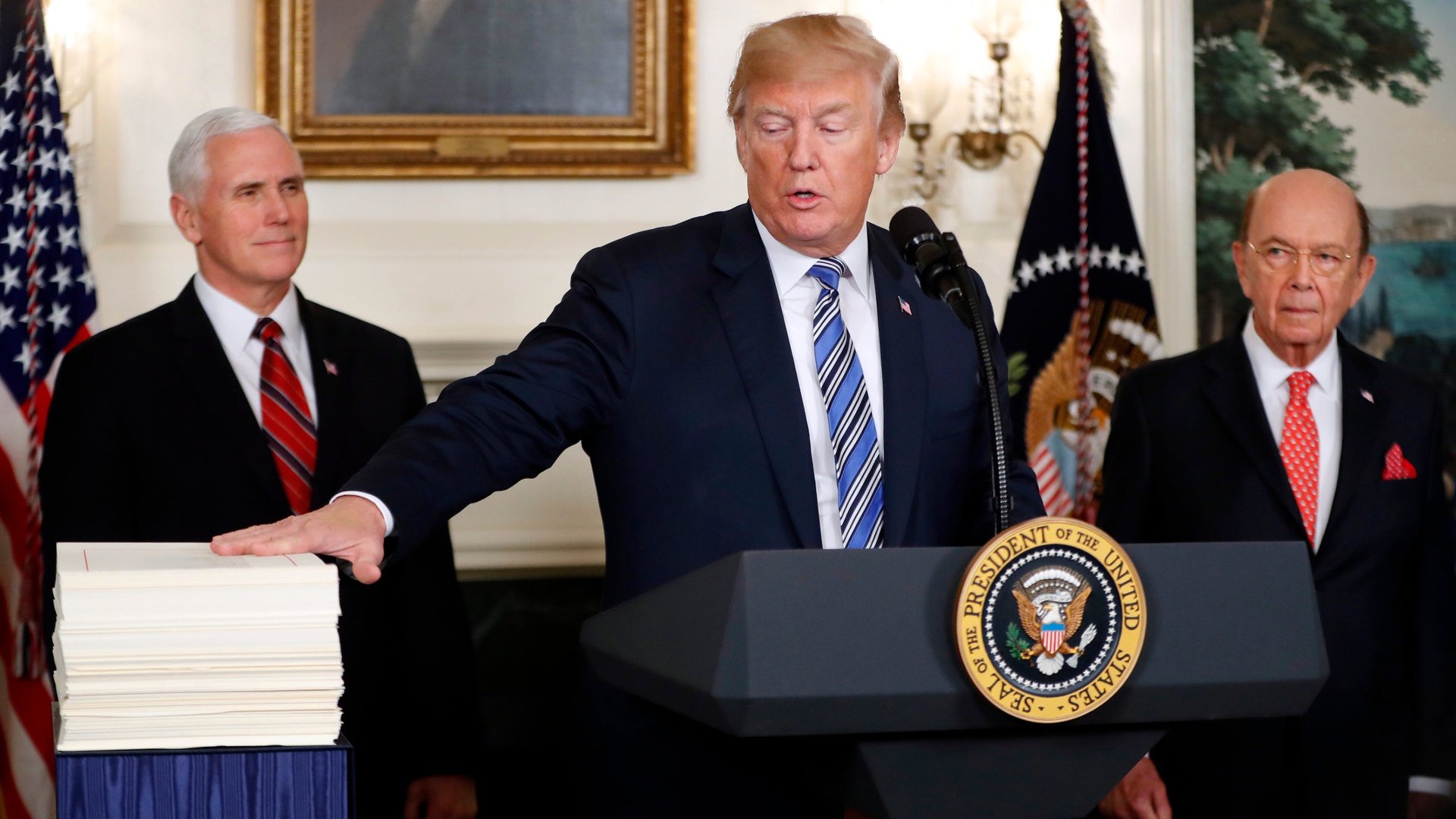
The US government is promising space companies it will make it easier for them to get into space by boosting its long moribund “Office of Space Commerce.”
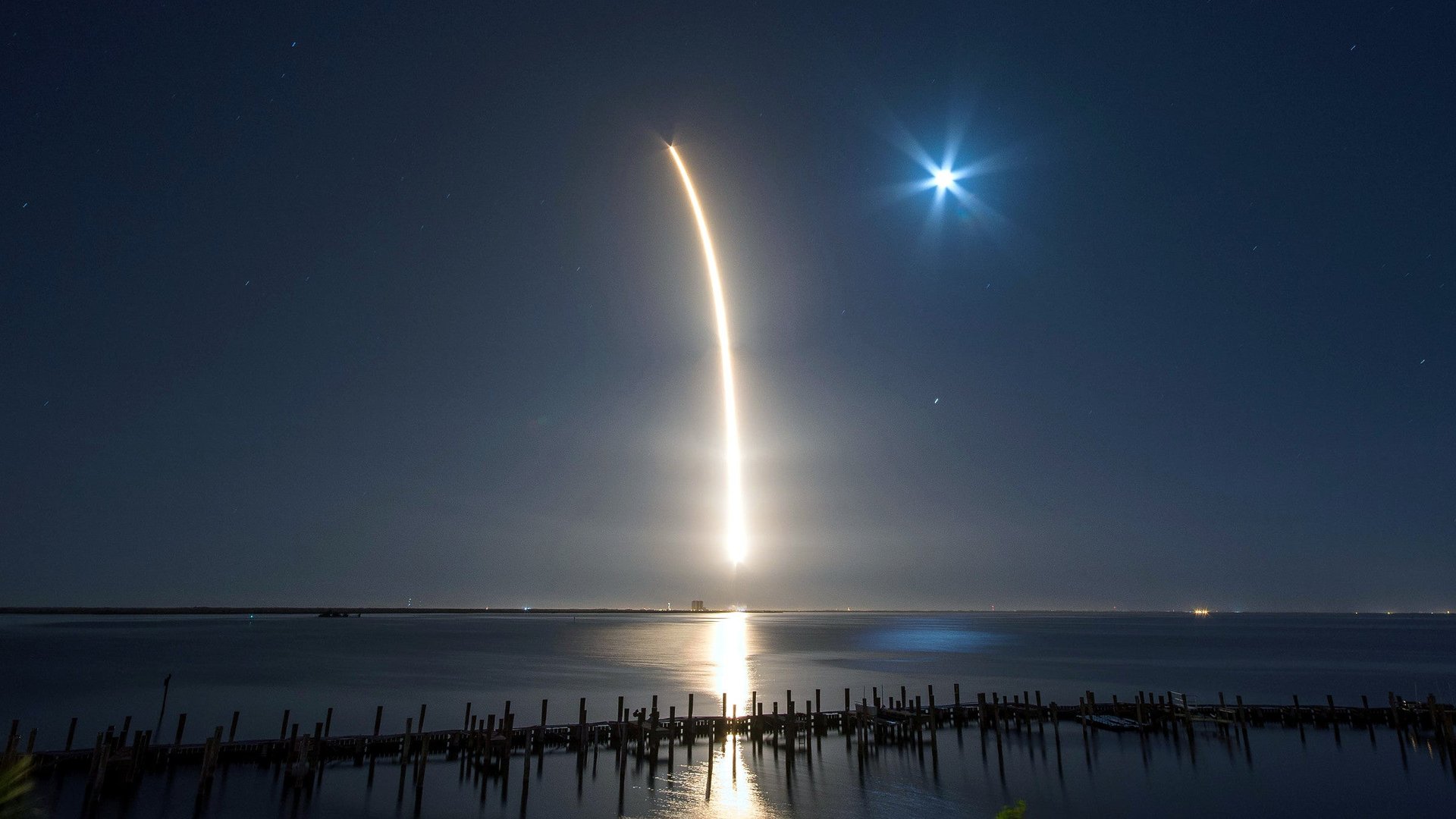
Elon Musk’s space aspirations are focused on Mars, and now his rocket company is helping NASA scientists hunt for planets far beyond our own solar system.
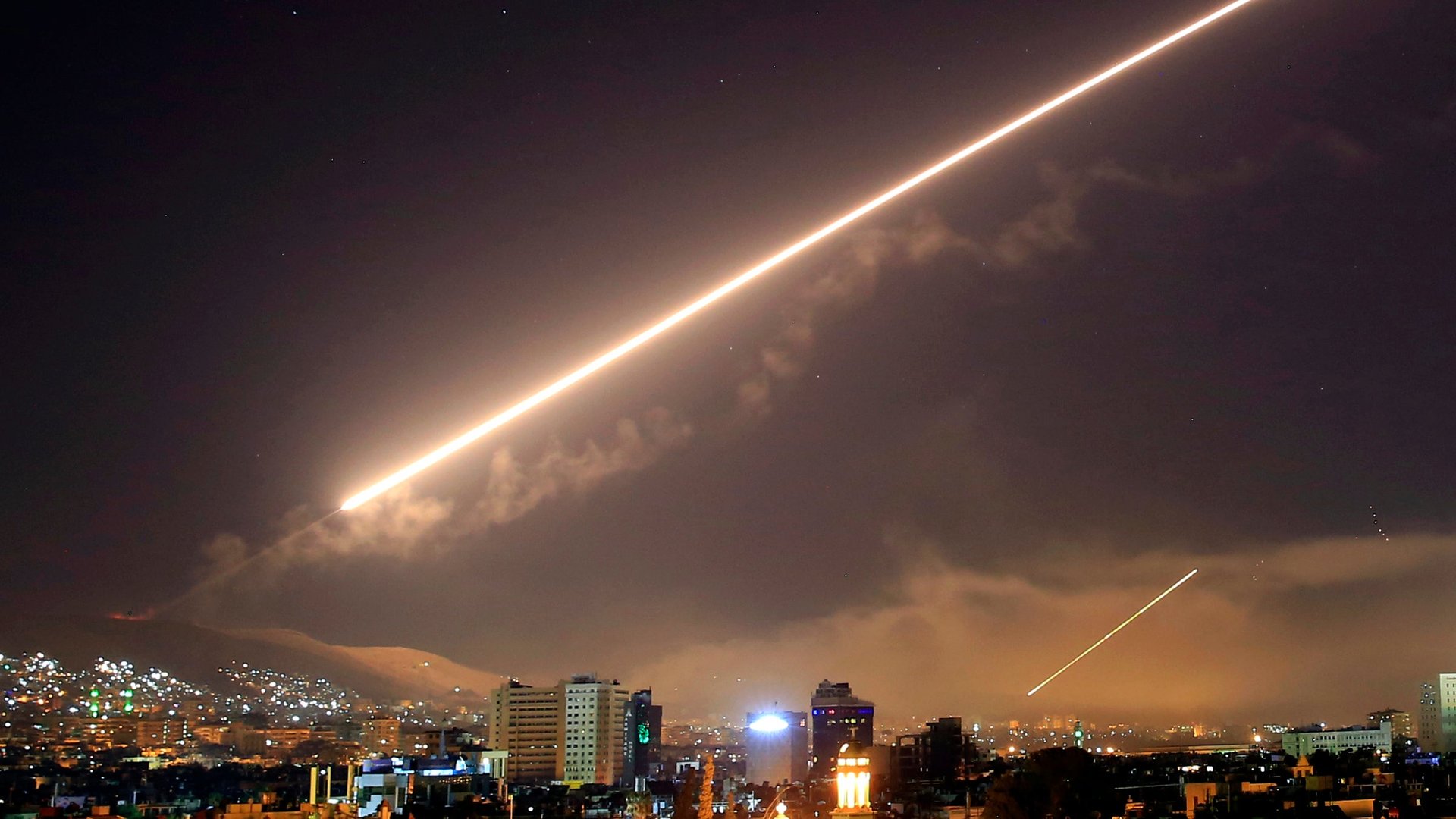
The US, UK, and France have launched a barrage of 105 cruise missiles against the Syrian state, designed to target an alleged chemical-weapons program used by strongman Bashar al-Assad against insurgents.
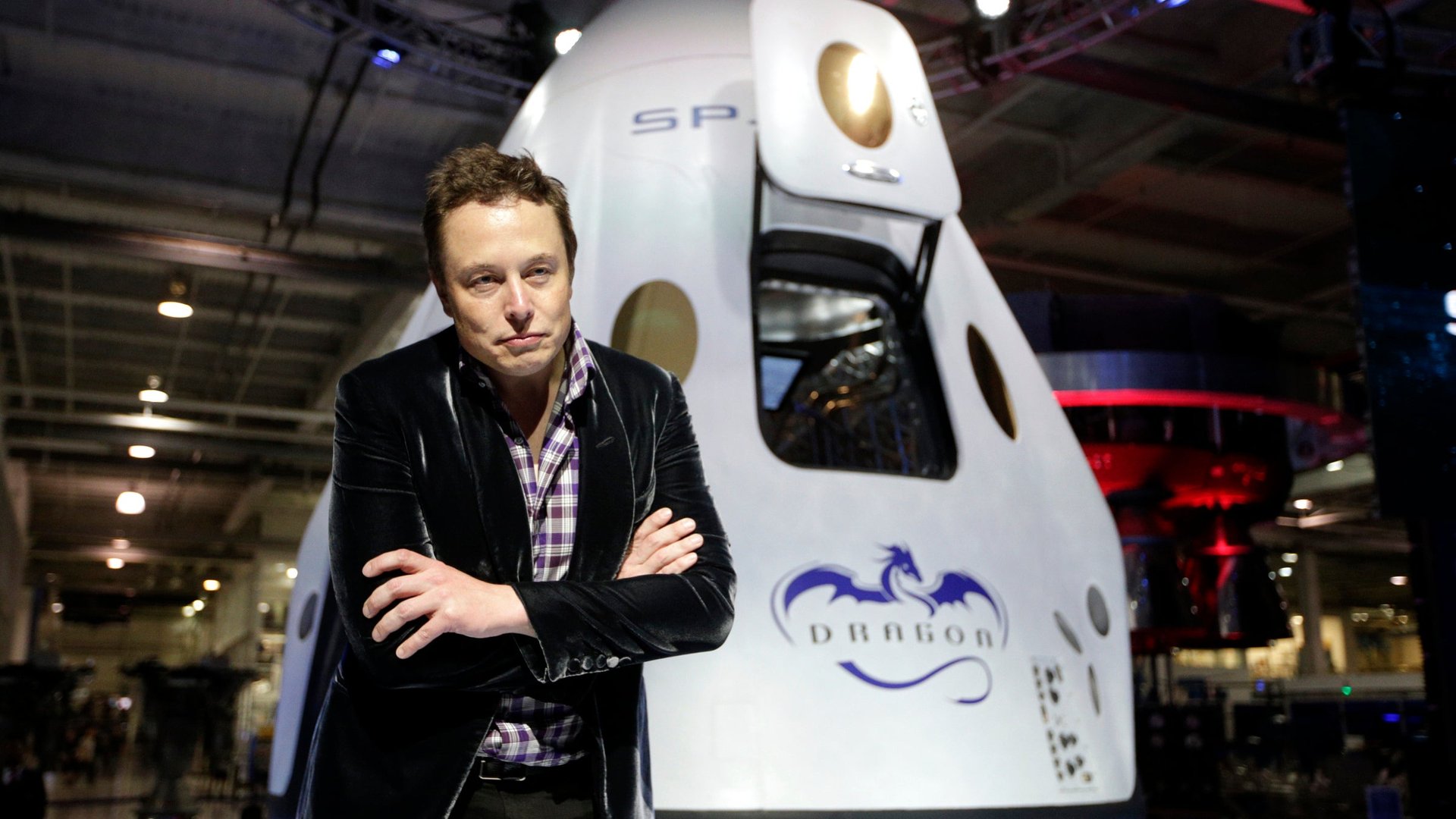
Elon Musk’s bet on the future of space transportation is set to be the third-biggest private tech company in the US, behind only Uber and Airbnb, and worth more than $27 billion.
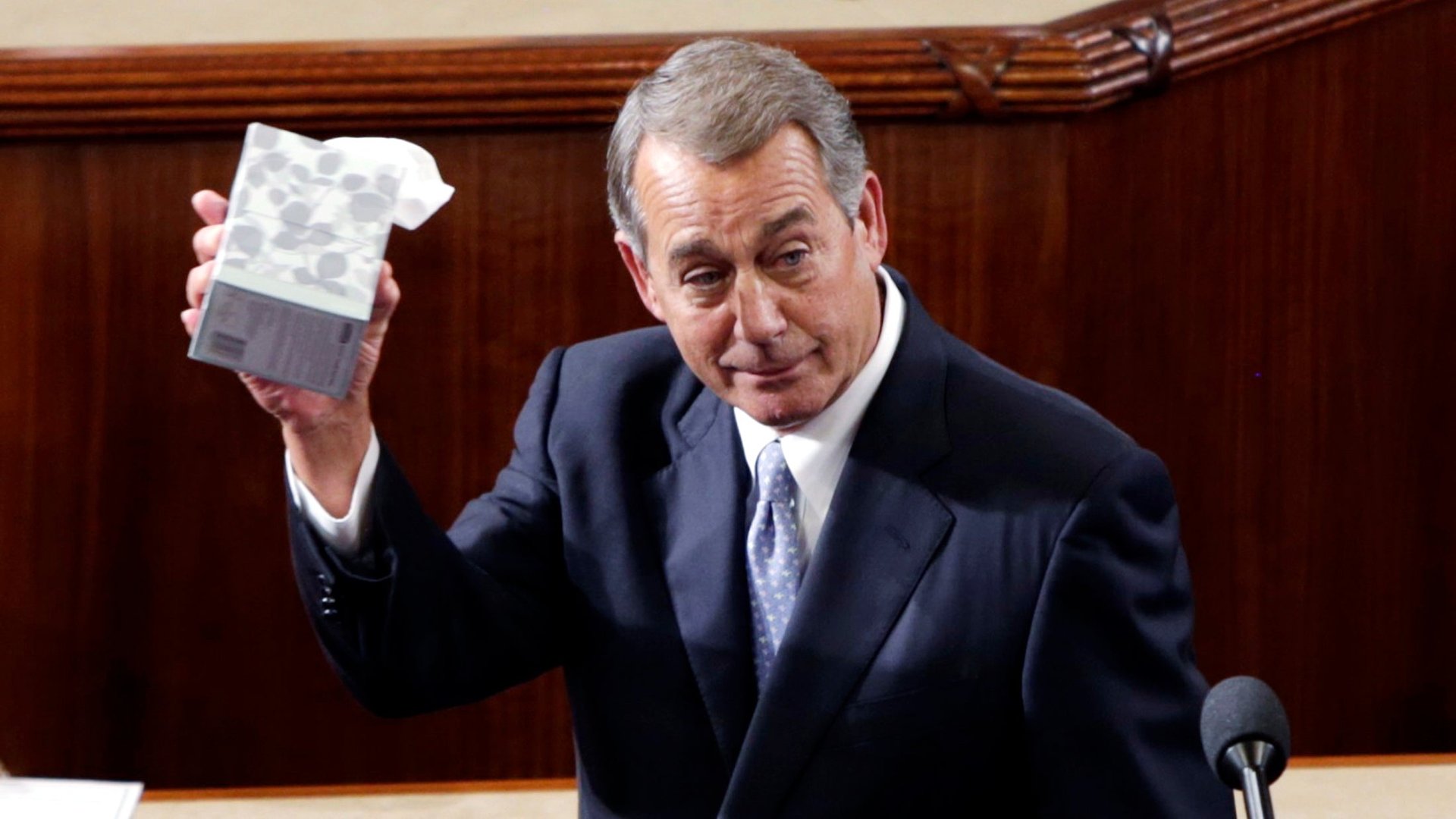
John Boehner has joined the board of one of the largest US marijuana businesses: Acreage Holdings, which hopes to profit from retailing cannabis products as US states relax restrictions on the product despite on-going federal prohibition.
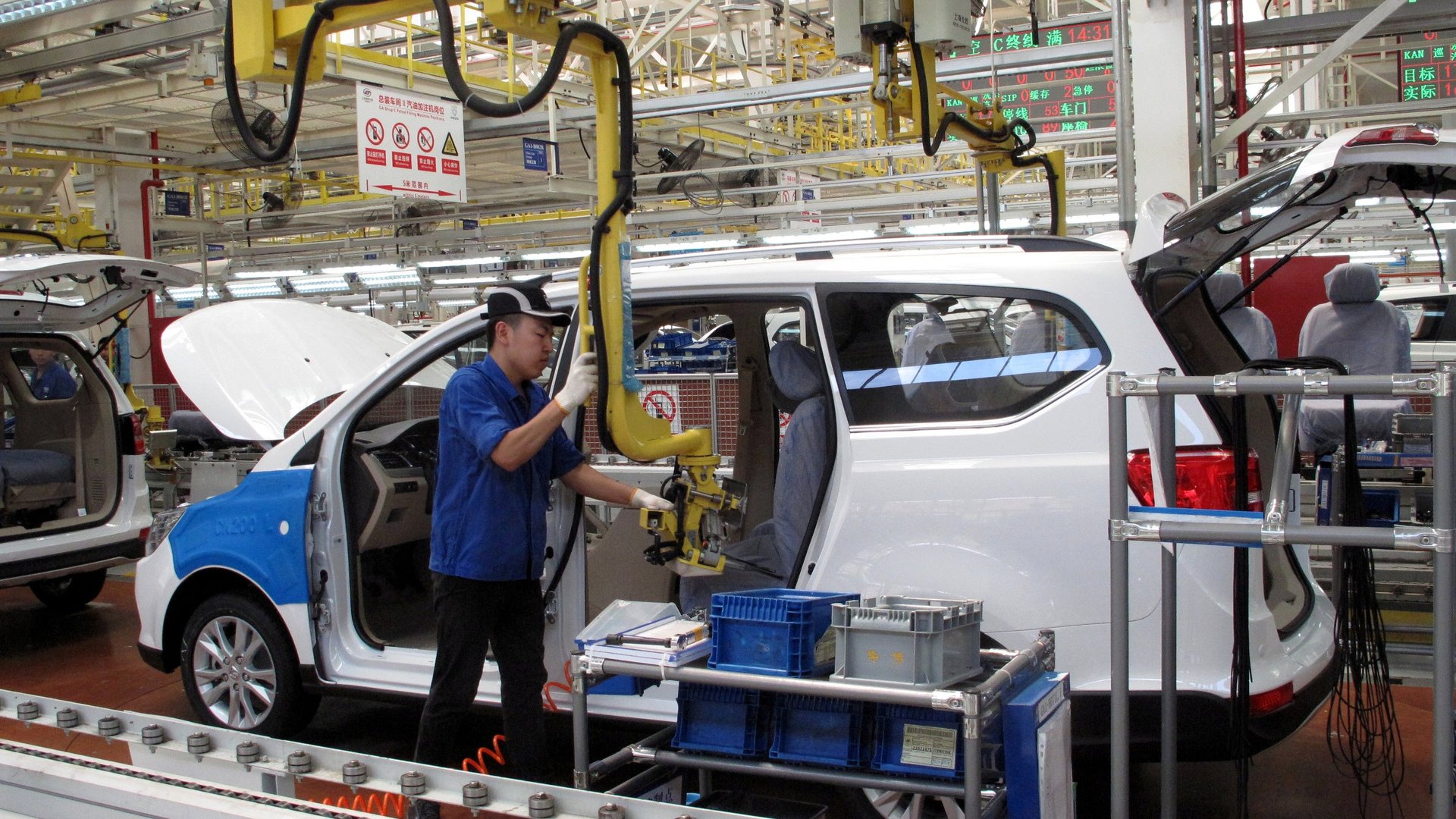
As China and the US announce competing plans to hike taxes on each other’s exports, threatening a trade war, it’s worth considering what trade actually looks like between the two countries.
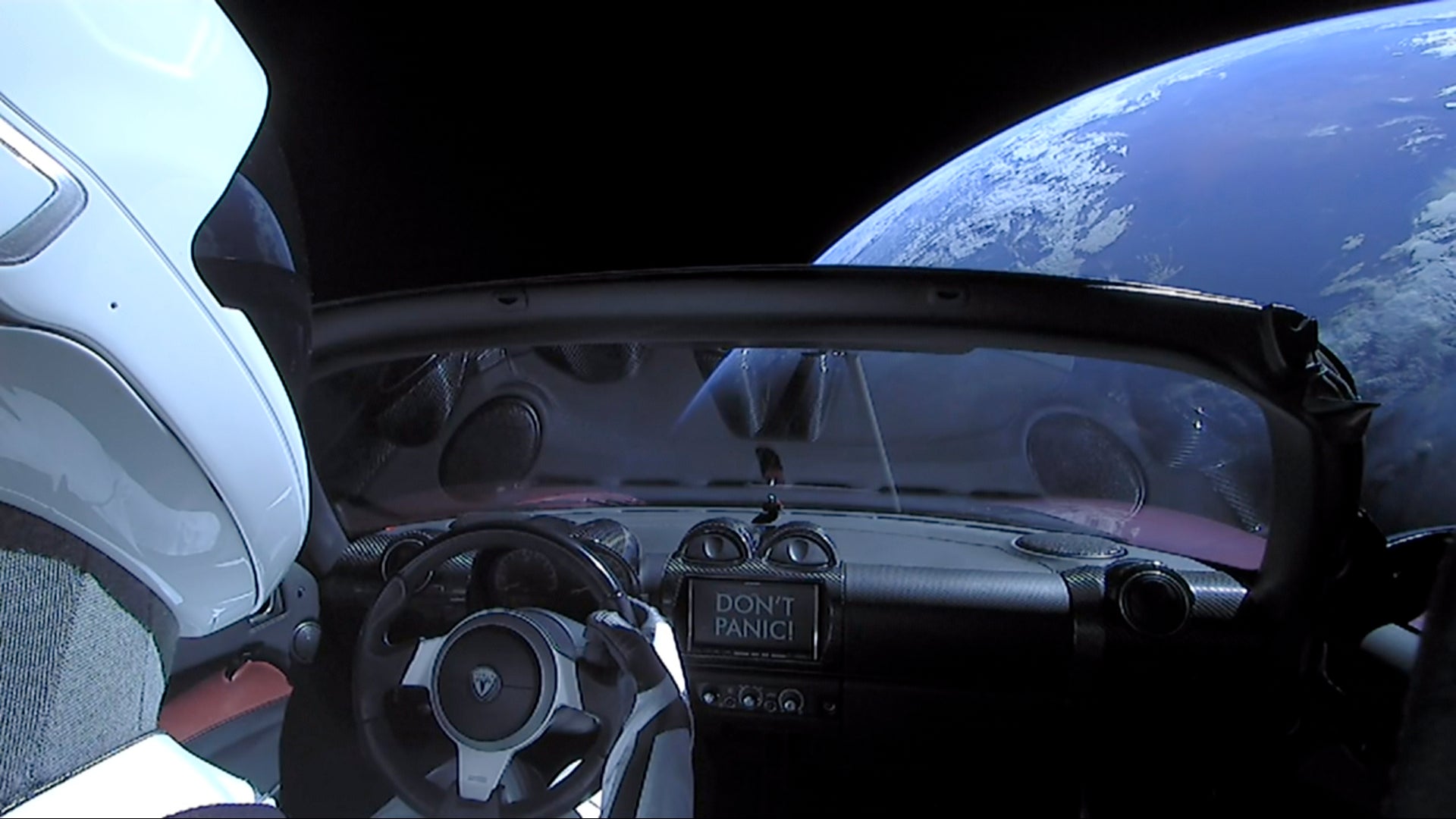
Since 2010, millions of space fans have devoured video shot from SpaceX’s Falcon 9 rocket—but not the US government agency charged with regulating videos shot from space.
Elon Musk’s most successful companies, Tesla and SpaceX, are having very different years in 2018.
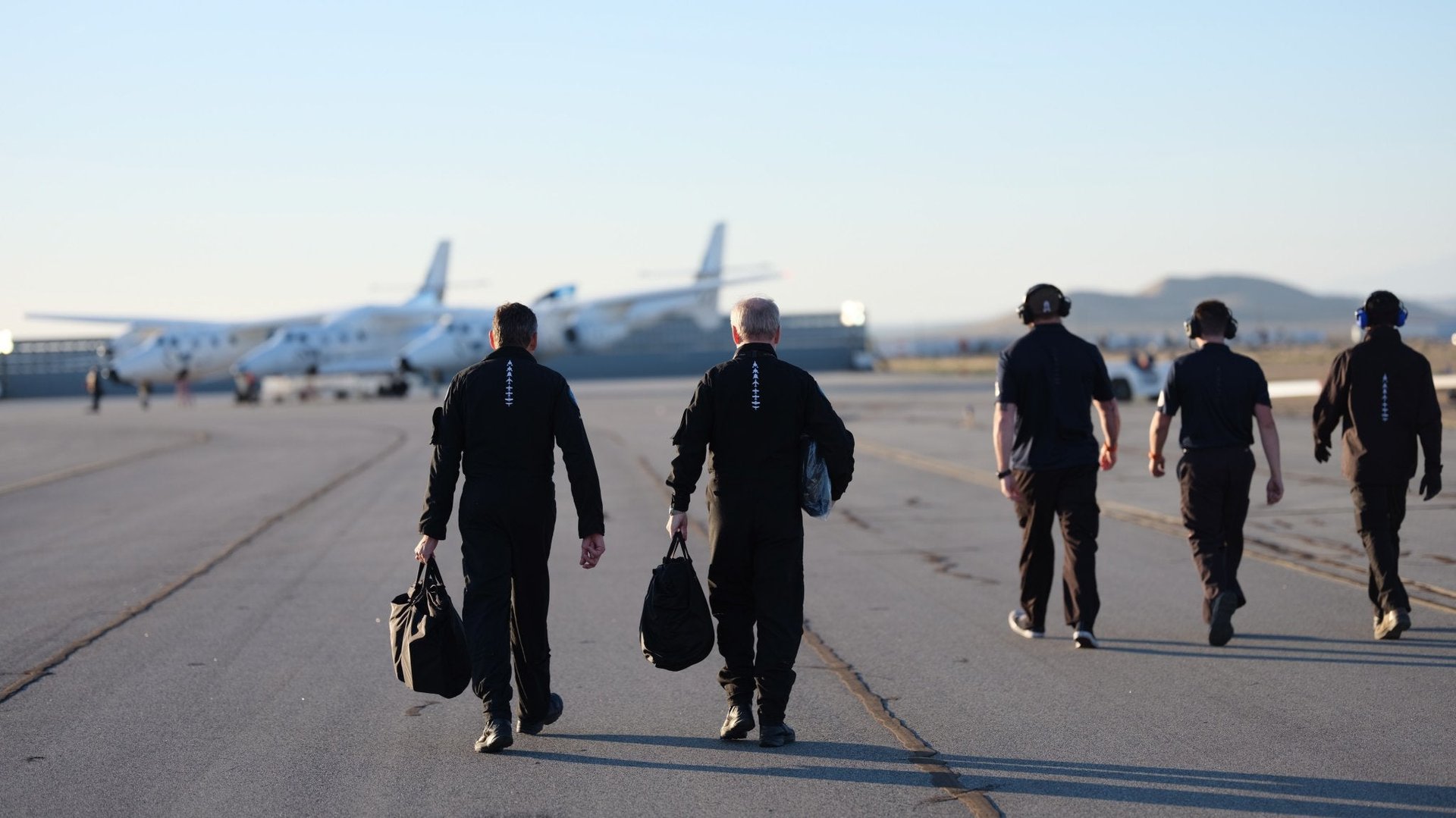
A rocket motor shot two Virgin Galactic test pilots past the speed of sound in the latest milestone for Richard Branson’s space company.

In 2016, the US military bragged about a massive air strike that destroyed 168 oil trucks used by the Islamic State of the Iraq and Levant, the militant Islamist group best known as ISIS, to export oil and finance its operations.
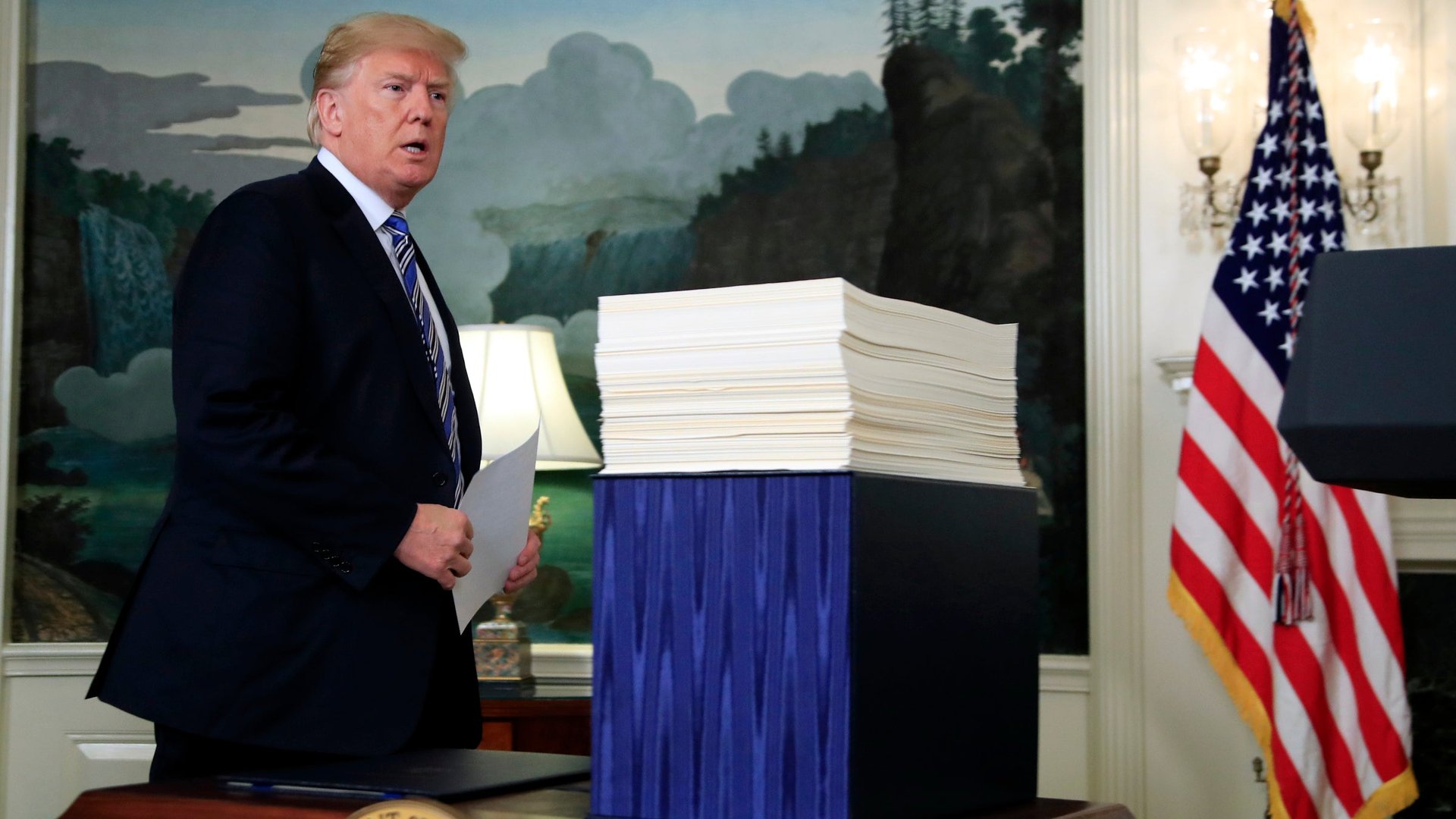
Donald Trump is reaching for more power over government spending, and conservatives in Congress appear eager to cede their authority to him.
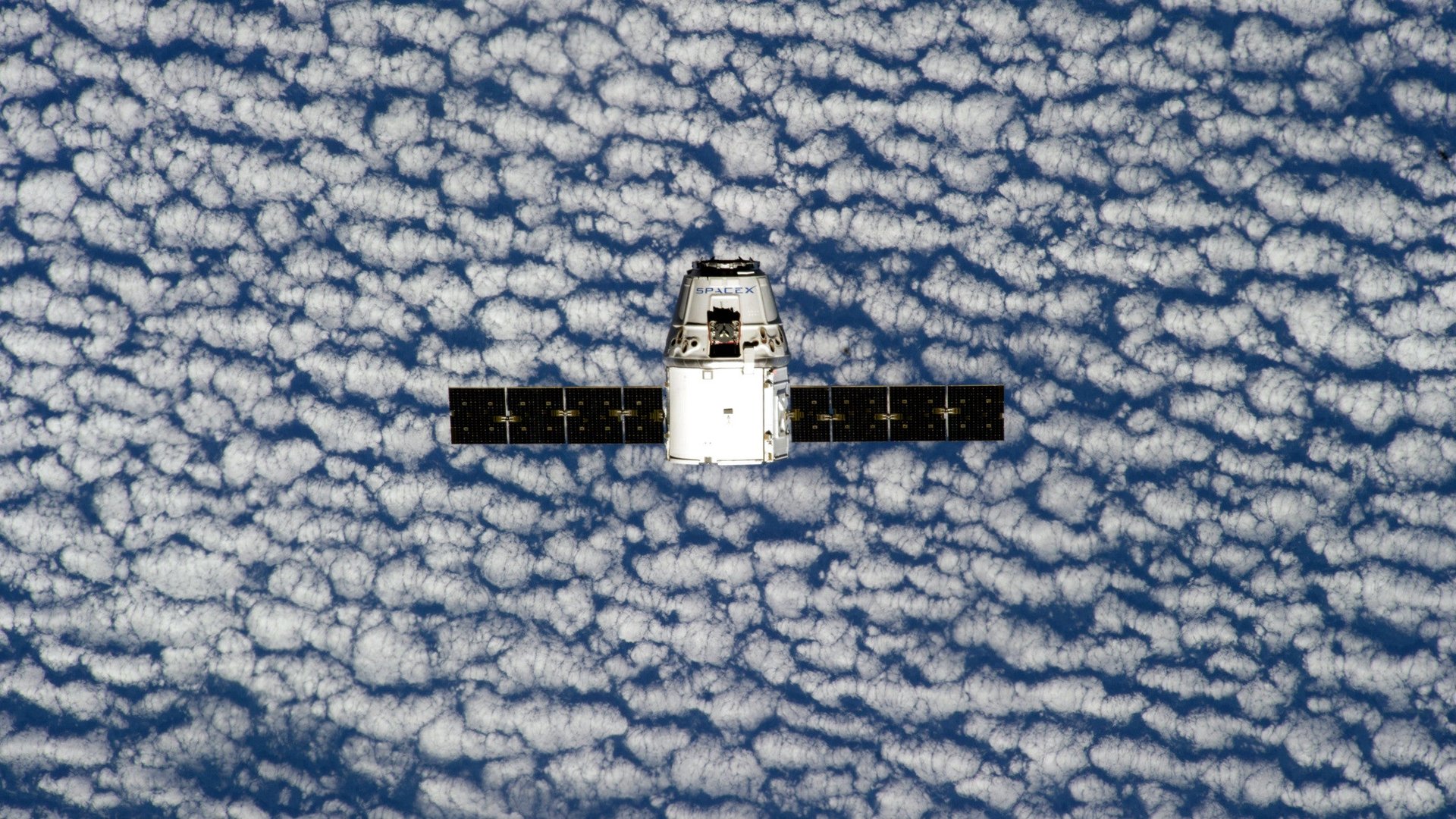
SpaceX will launch a new mission to the International Space Station today (April 2), yet it’s a familiar flight for the vehicles in question: Both the Falcon 9 rocket booster and the Dragon spacecraft it will carry are refurbished veterans of previous flights to the orbiting laboratory.