
Money & Markets
Trade with China is a big reason why US politics are insaneThis year has seen a surge in anti-China rhetoric in the United States—and it’s not entirely because of election-cycle pandering.
Updated July 21, 20223 min read
This year has seen a surge in anti-China rhetoric in the United States—and it’s not entirely because of election-cycle pandering.
There are lots of ways to forecast elections—public opinion surveys, economic fundamentals, consulting the entrails of chickens—but my new favorite comes from the blog of Sam Wang, a Princeton neuroscientist with a sideline in statistical election analysis.
Donald Trump has finally brought together evangelical southerners and northeastern fiscal conservatives—just not behind him.
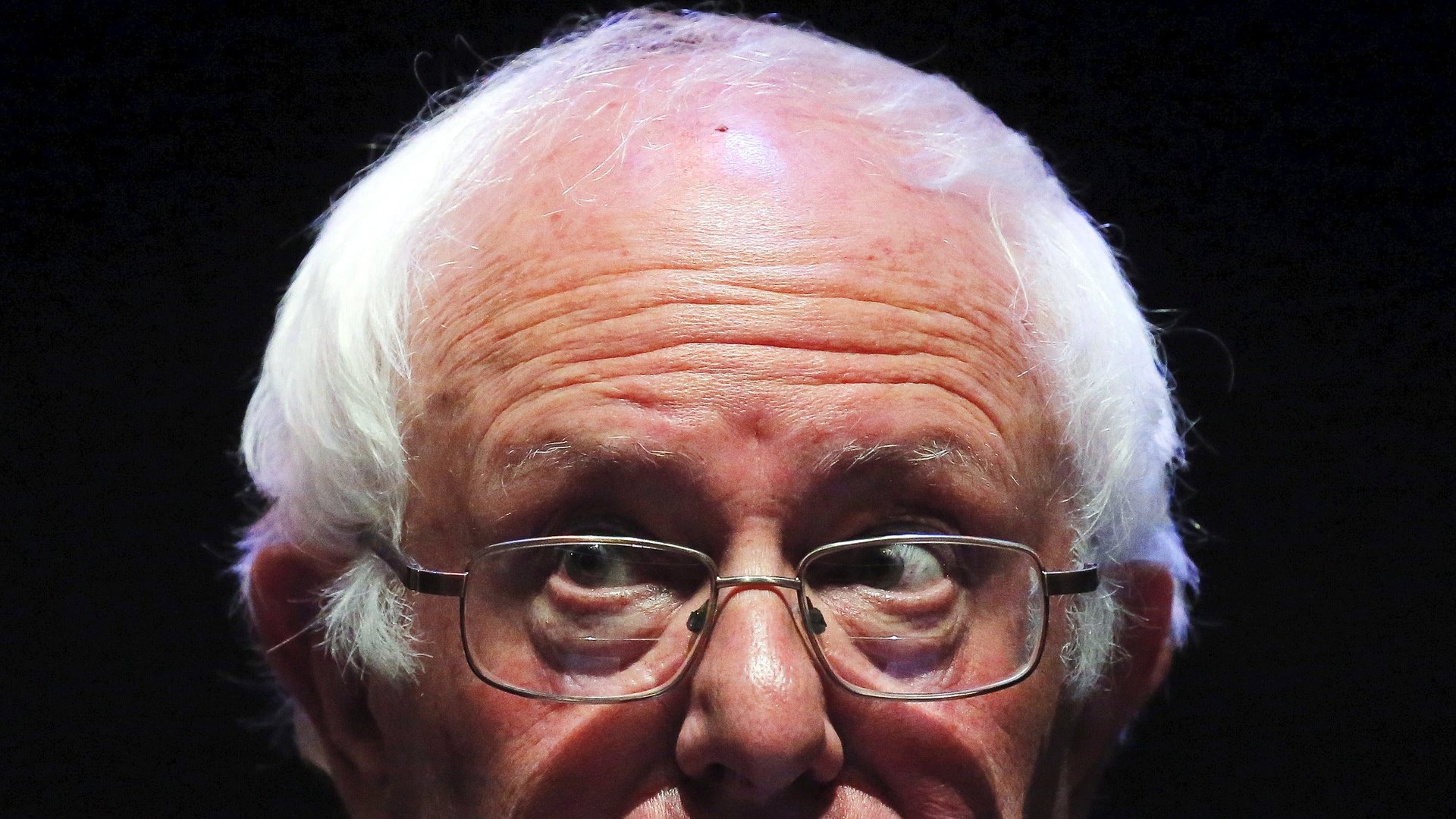
Personal income? Investments? Inheritance? Cigarettes? Marijuana? Bernie Sanders will gladly tax it all.

Almost forty years ago, Hollywood told 27-year-old Michael Uslan he’d never make a successful film based on the washed-up character of Batman, much less other denizens of the funny pages.
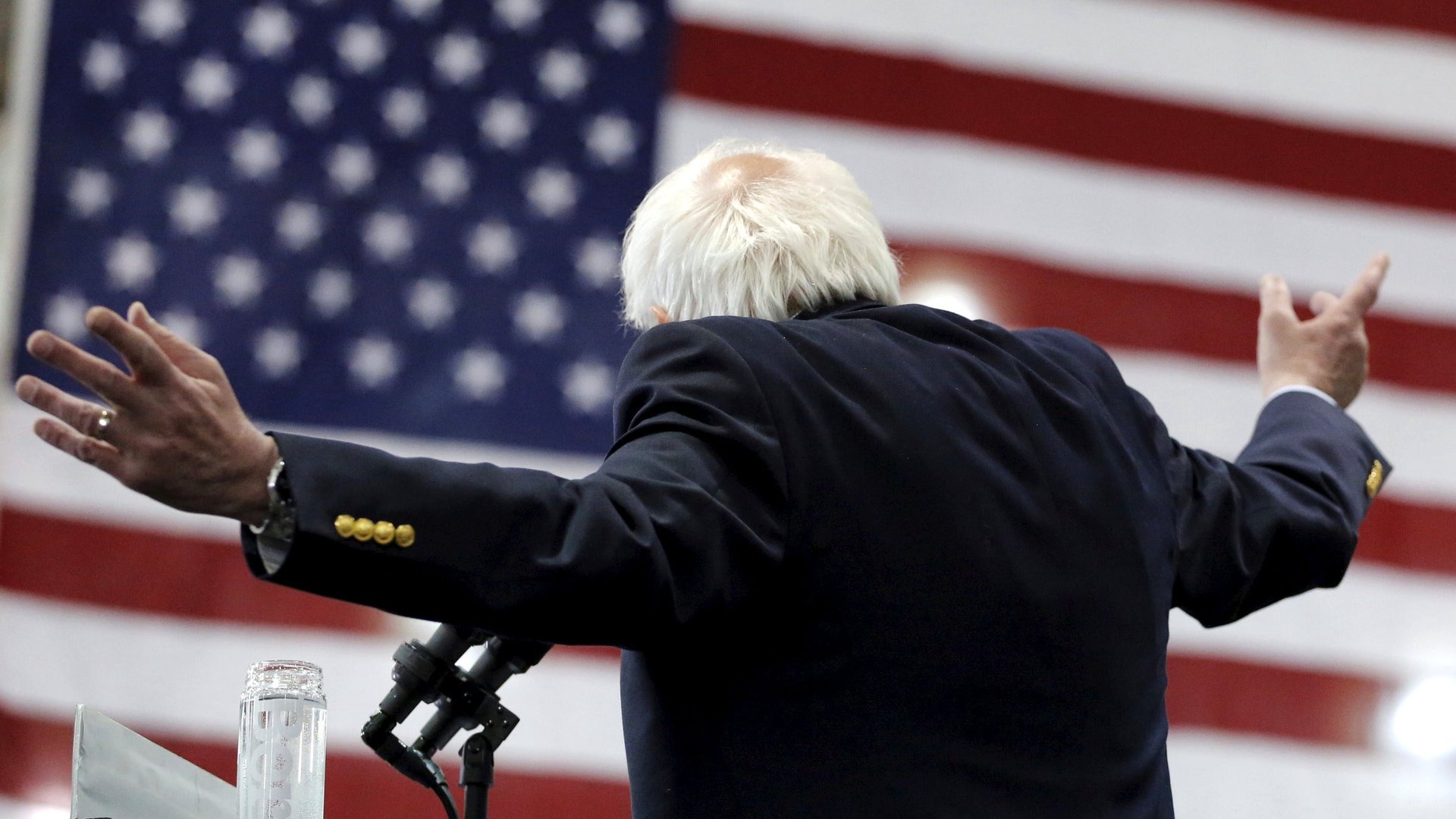
With New York’s primary complete, it’s clear that Bernie Sanders campaign has peaked and is highly unlikely to catch Hillary Clinton.
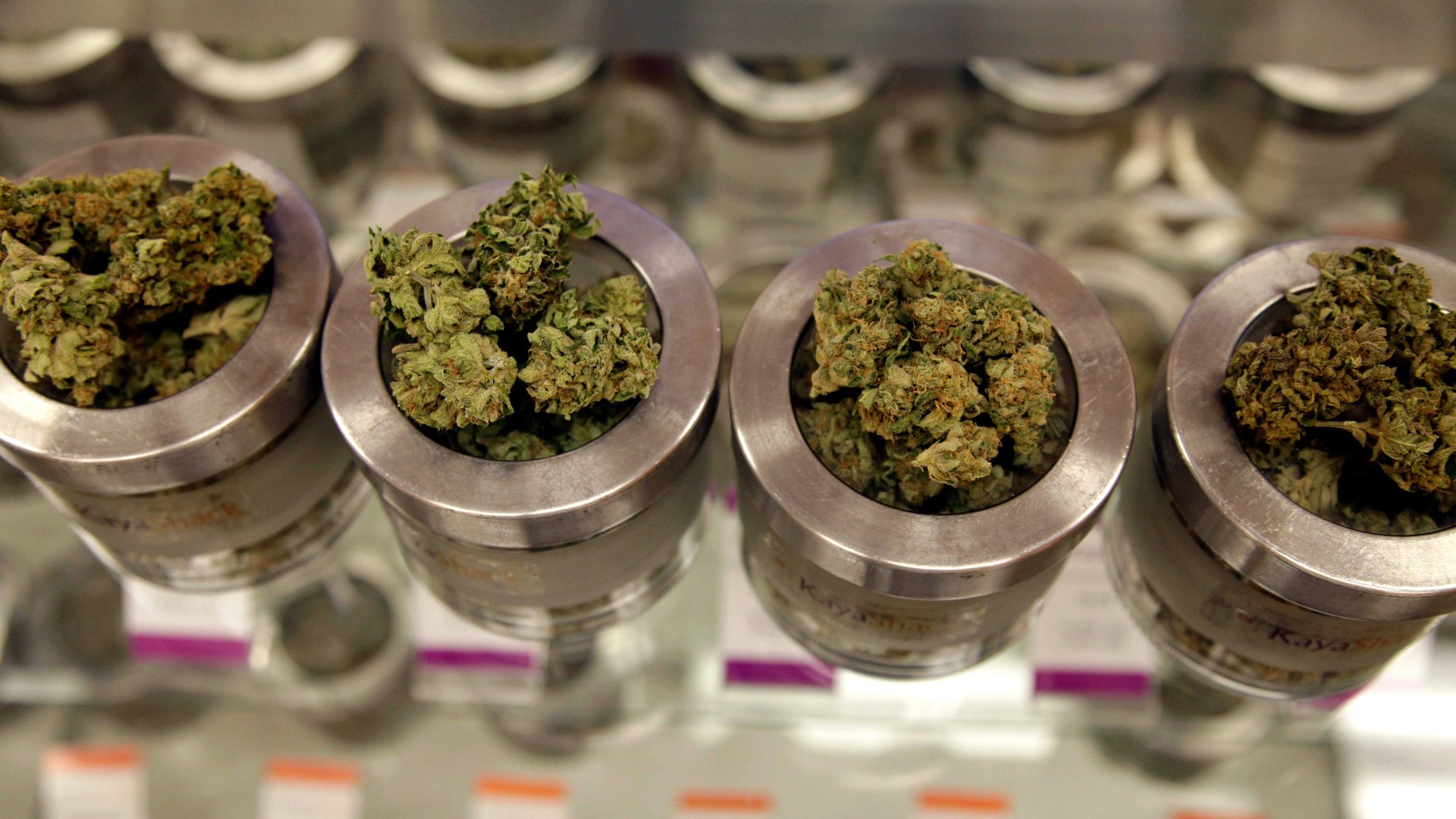
“We are going, in the United States, to legalize marijuana nationally, and roughly along the alcohol model, and there’s a good chance that people in 25 to 40 years will look back and shake their heads and ask, what were you thinking? Why did you think it was a good idea to create an industry of titans to market this drug?”
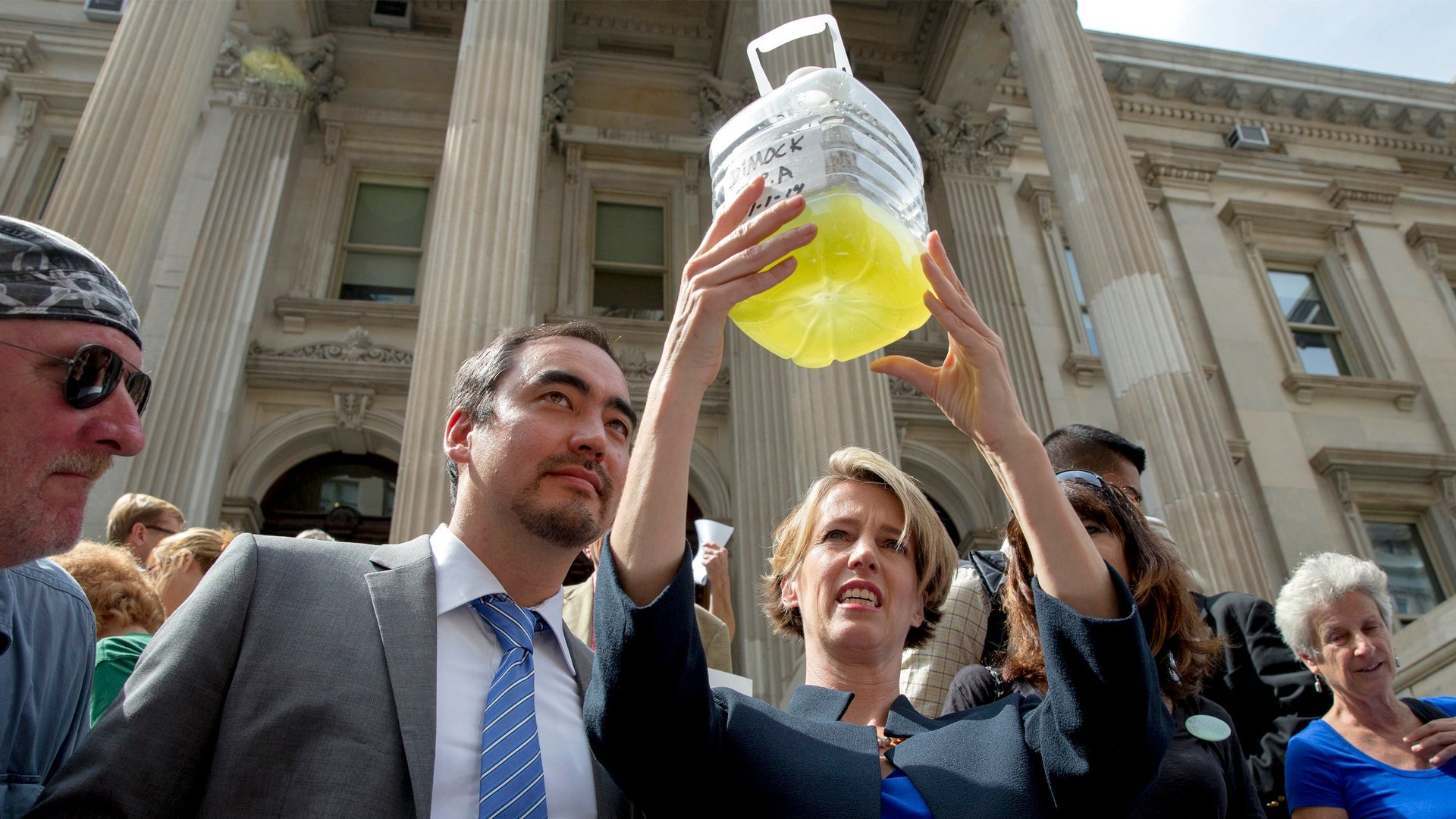
Hillary Clinton holds a 12 to 14 percentage point lead in surveys of New York Democratic primary voters ahead of tomorrow’s election, setting the stage for a decisive victory over senator Bernie Sanders.
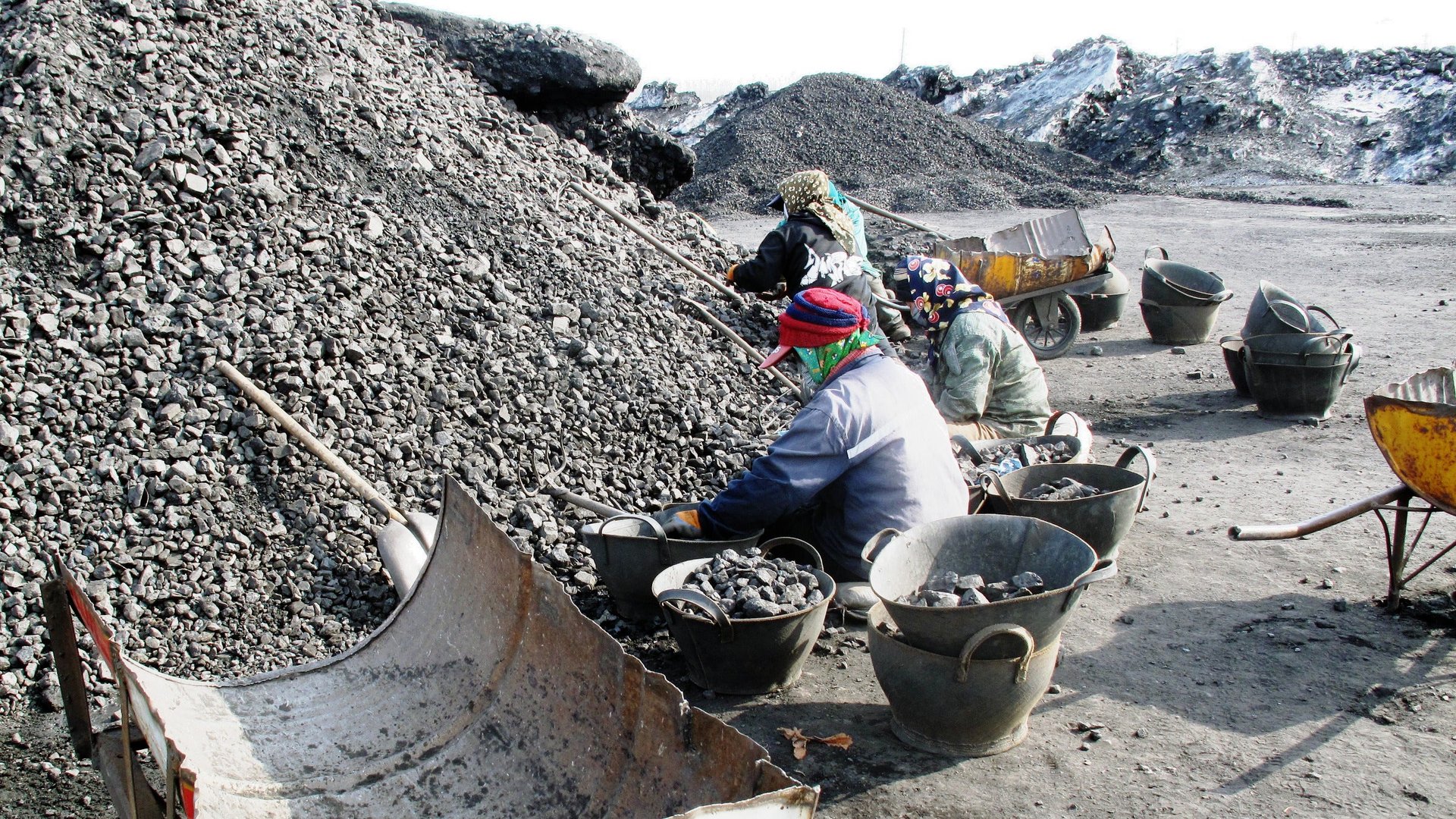
A new rule to ban the US import of products made with forced labor could mean trouble for companies whose supply chains reach into the darkest corners of the global labor market.

After four failed attempts, SpaceX has successfully landed the first stage of its Falcon 9 rocket on a sea-going platform.
The exposure of Panamanian law firm Mossack Fonseca’s work helping the global elite hide money from the tax man, and the more recent leak of the “Paradise Papers” from firms Appleby and Estera in Bermuda, have prompted outrage and interest in corporate secrecy. In the US, it also should provide occasion for introspection, because anything Panama does, Delaware, South Dakota, and Nevada can do just as well.

Can a swarm of low-flying satellites connect the 60% of humans who don’t have internet access?
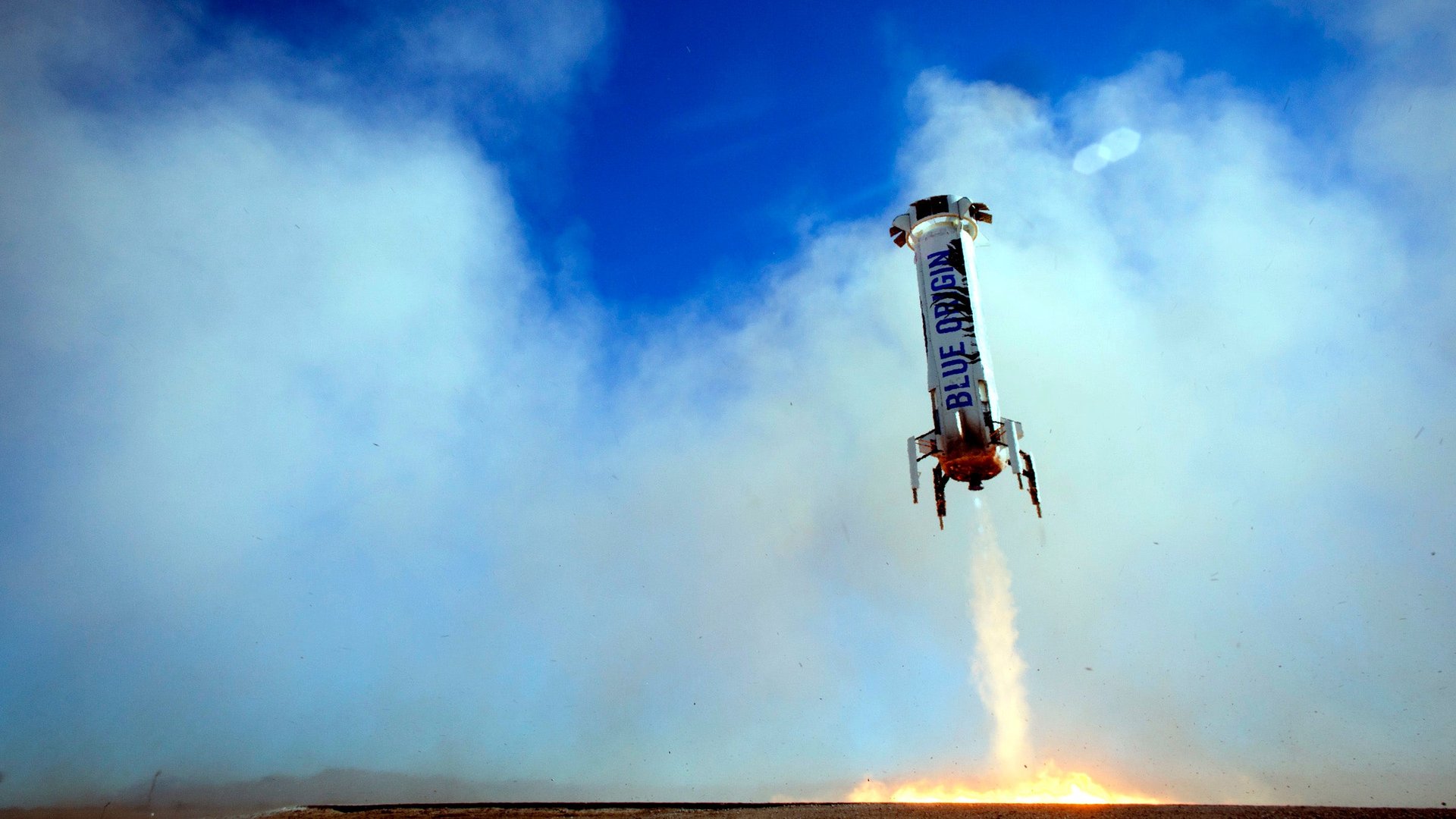
Over the weekend, Blue Origin, the space company founded by Amazon CEO Jeff Bezos, launched a reusable rocket booster for the third time, carrying a space capsule to the height of 103 kilometers above the earth. The view is impressive.
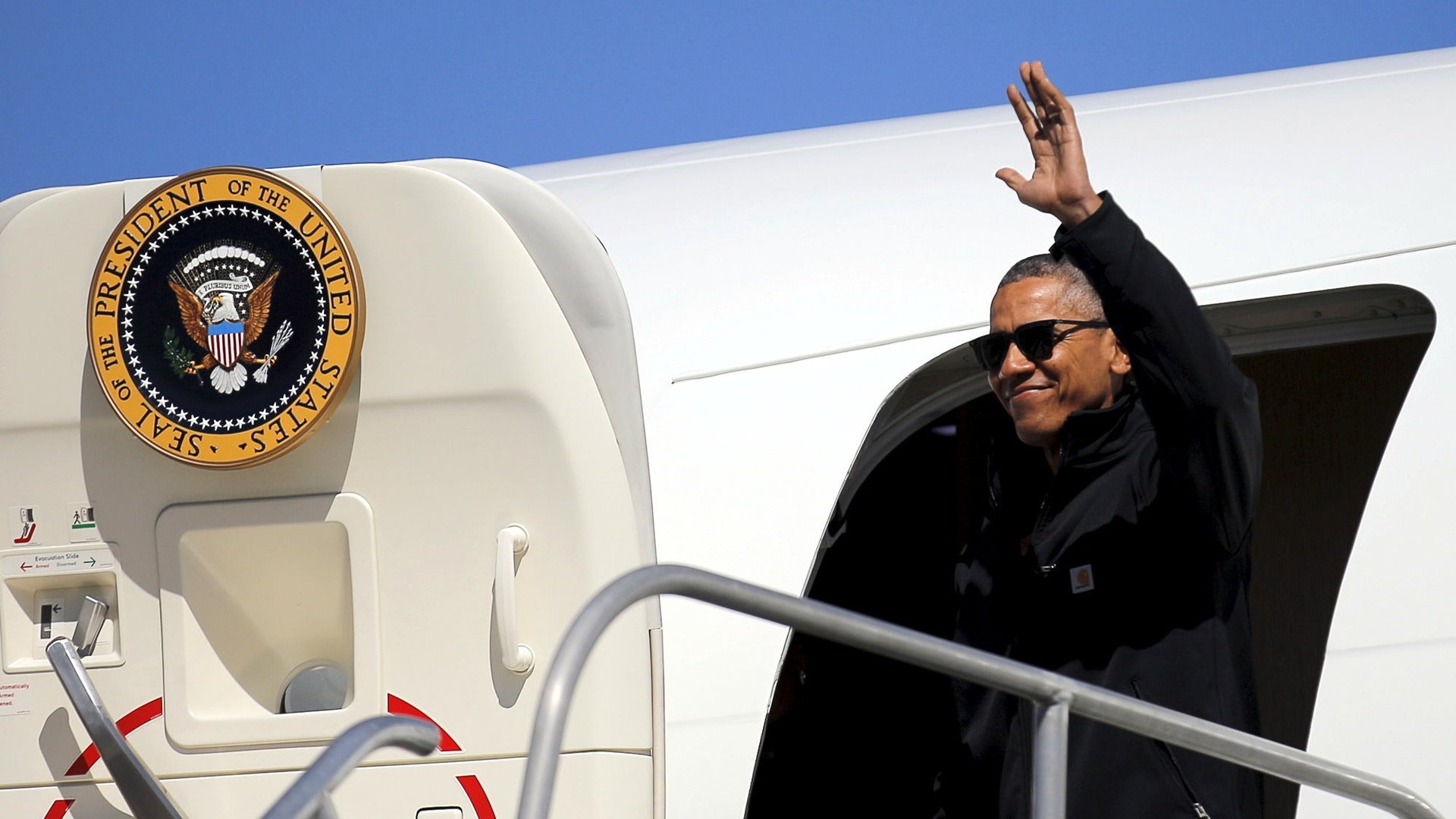
Today’s strong jobs report is another reminder that even if Donald Trump wasn’t exposing the fractures in its electoral coalition, the Republican party would still face a daunting challenge in November.
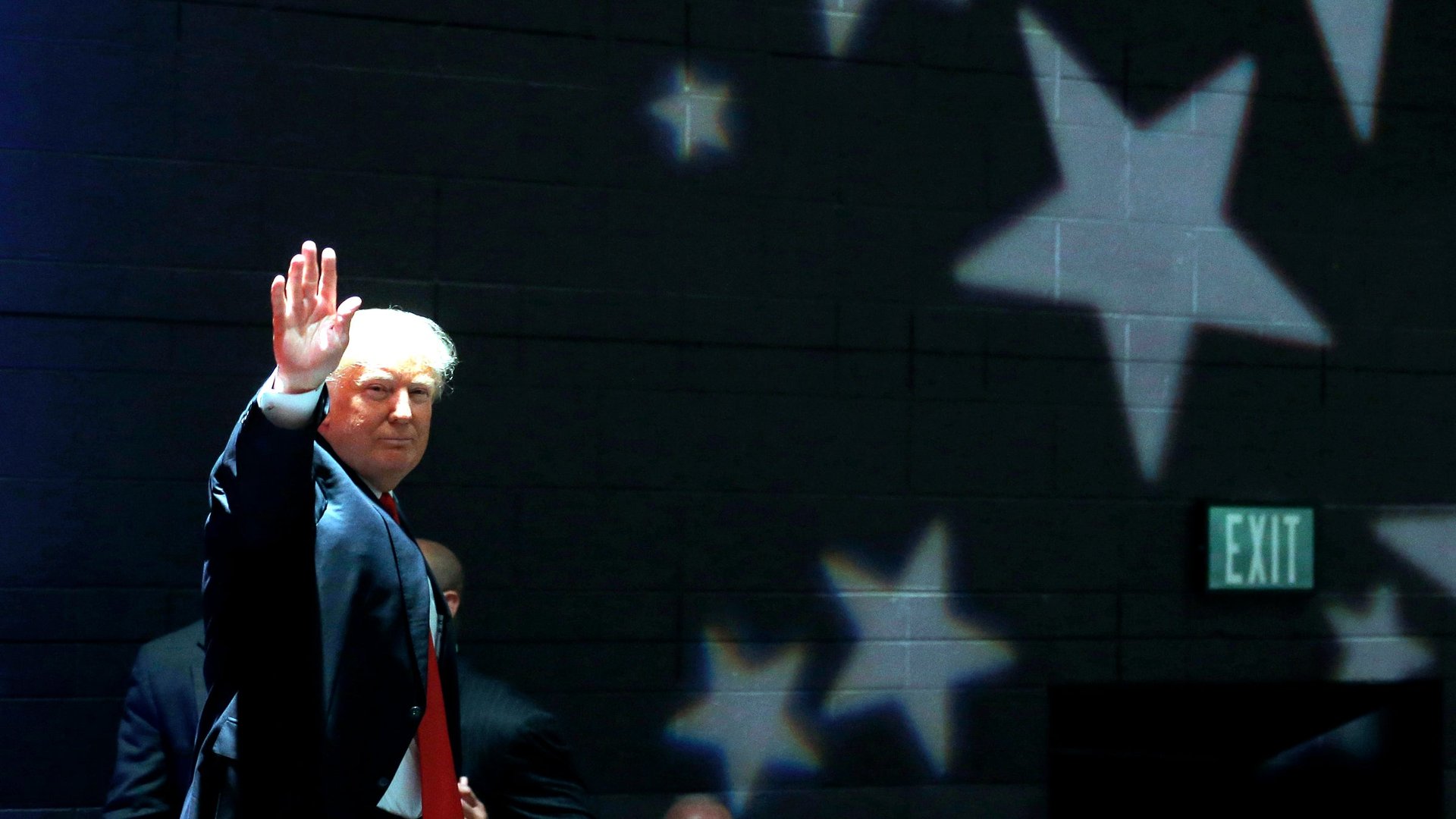
Donald Trump’s shtick may be getting old.
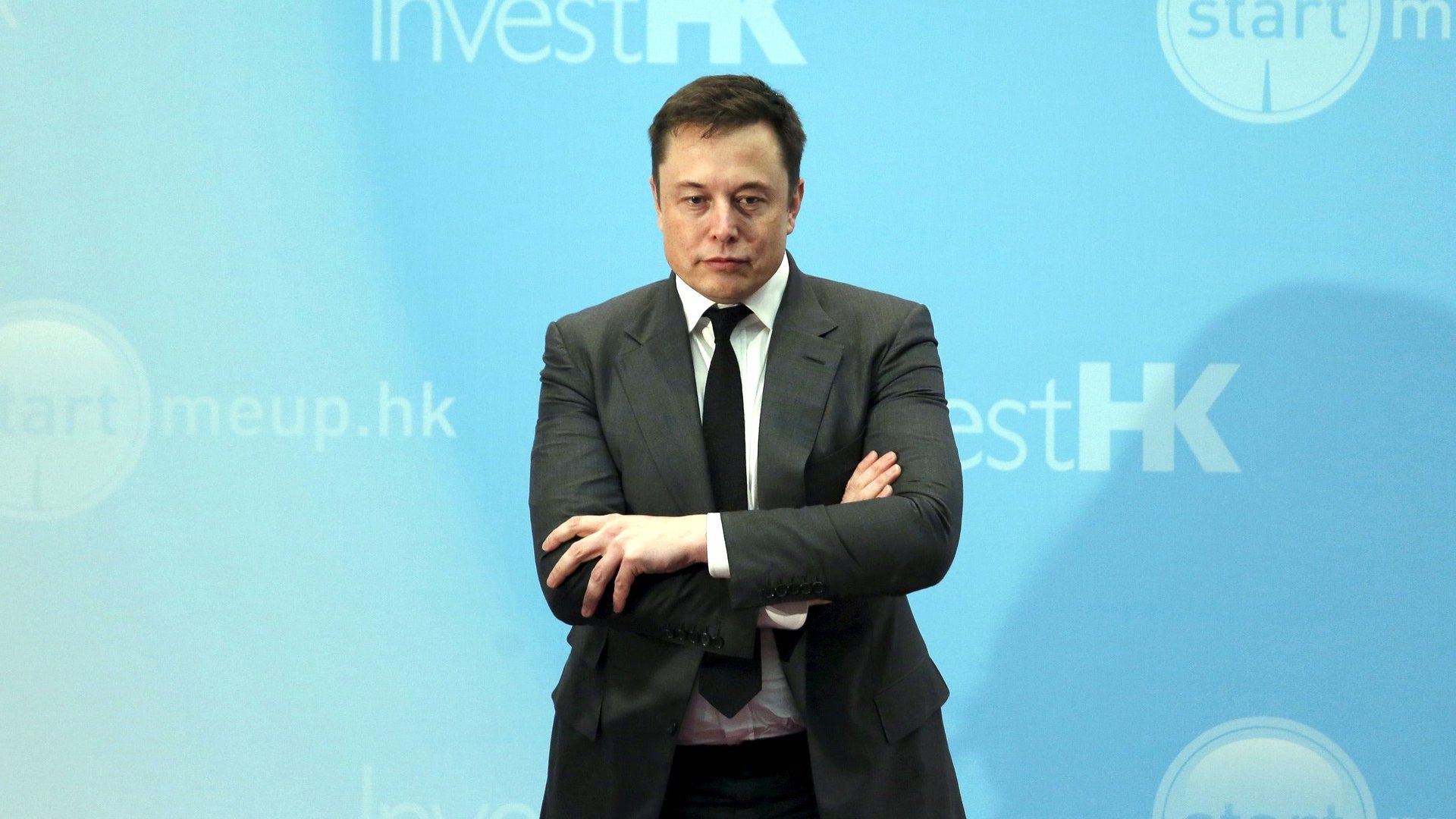
SpaceX’s plan to develop a swarming constellation of internet-broadcasting satellites has left bad blood in its wake. Chipmaker Broadcom sued Elon Musk’s rocket firm, alleging it hired away five of Broadcom’s senior engineers to steal its trade secrets.
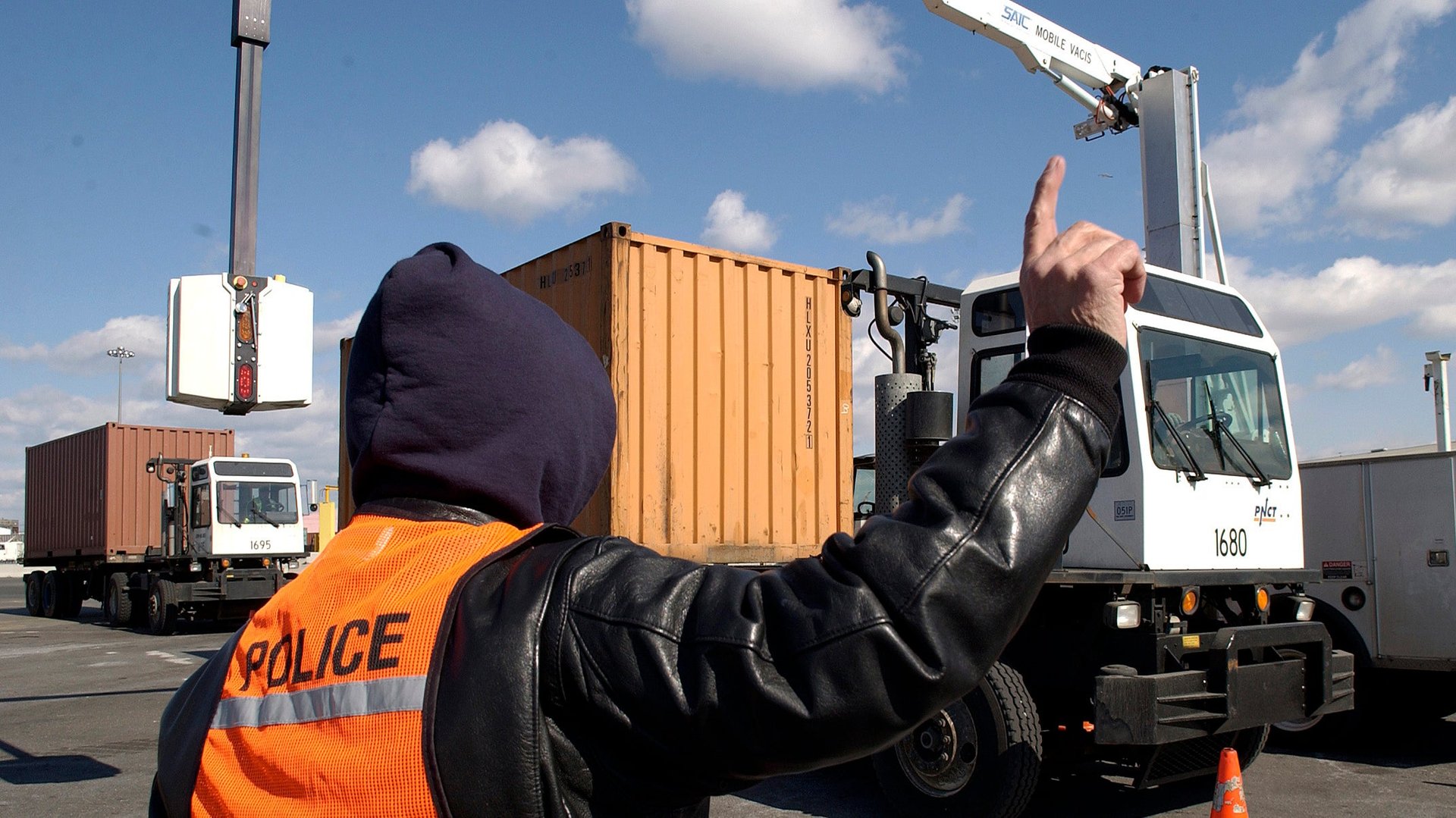
US border agents seized a shipment of soda ash from China today, alleging that it was produced by forced prison labor.
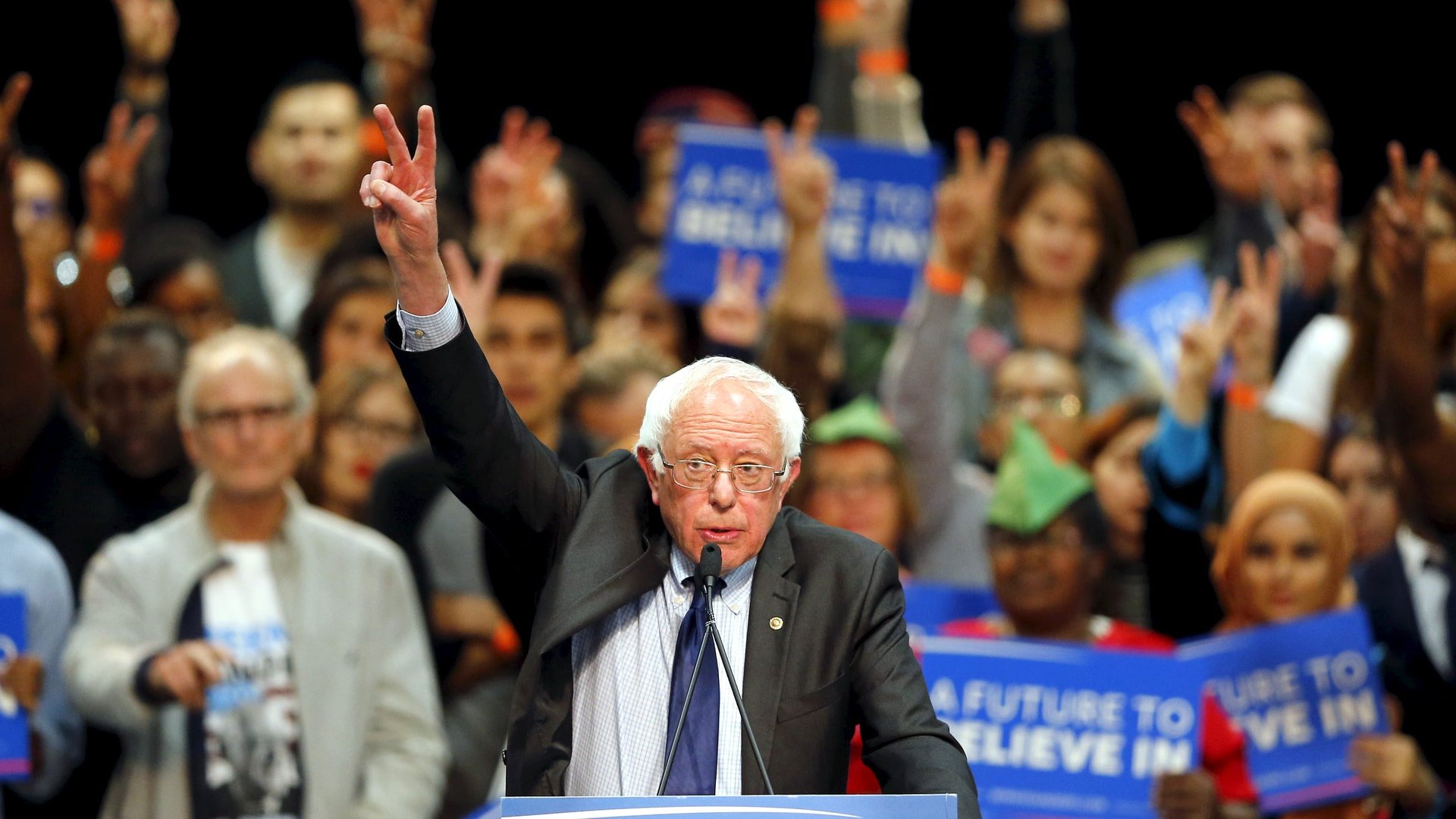
Like all the biggest match-ups, the battle for the Democratic nomination is primed to finish in Madison Square Garden. After a sweep of three state primary caucuses last night, Senator Bernie Sanders kept his long-shot bid for the presidency alive until New York primary election next month.
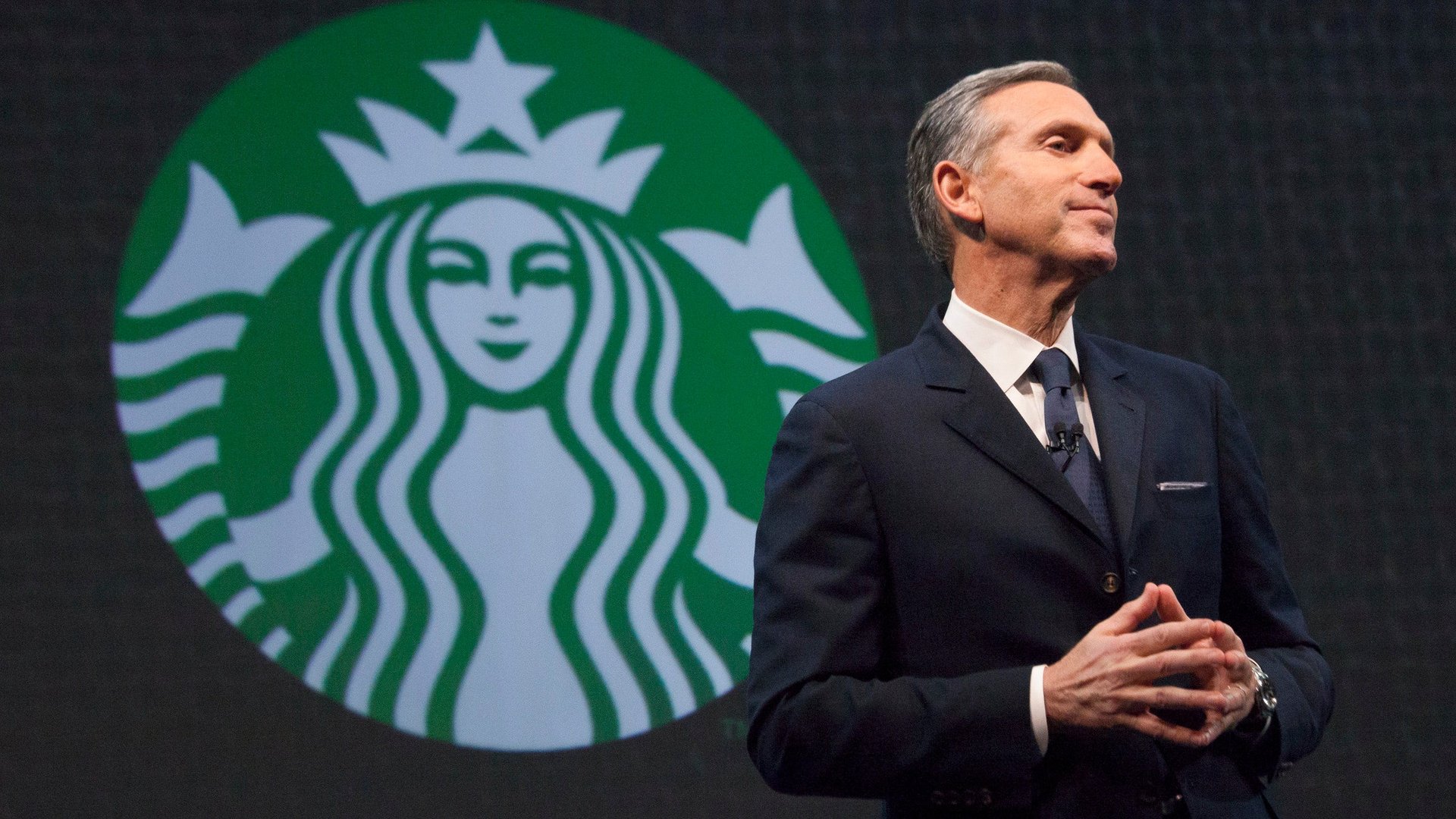
Starbucks CEO Howard Schultz, who has somehow convinced himself there is public desire for him to be president, took a moment at yesterday’s board meeting to deliver some pious criticism of America’s unusually rancorous political season.

Can software have good taste?
Welcome to season two of Actuality, the podcast from Quartz and Marketplace.

Students at the University of Colorado got an unexpected lesson about the speed of business transformation recently, when a recording of their guest’s candid remarks was posted to the internet, and led to his resignation the next day.
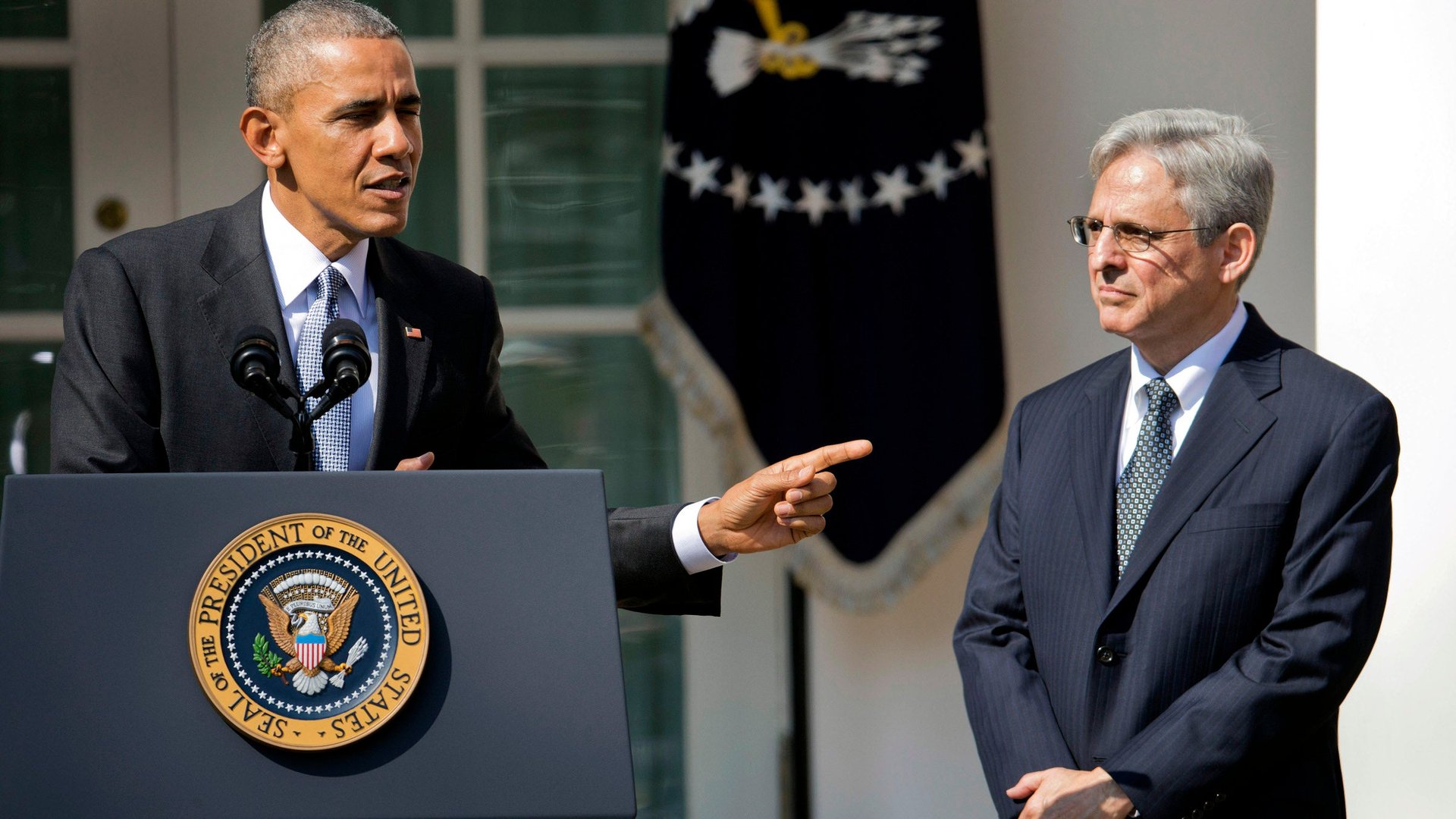
US president Barack Obama tapped federal appeals court judge Merrick Garland as his nominee to the Supreme Court, replacing the recently deceased Antonin Scalia.

In Florida, Republicans poured out of their nursing homes to vote for Donald Trump. In North Carolina, where the mills went overseas, angry voters picked the billionaire. In Illinois and in Missouri, they looked to Trump and Trump again.