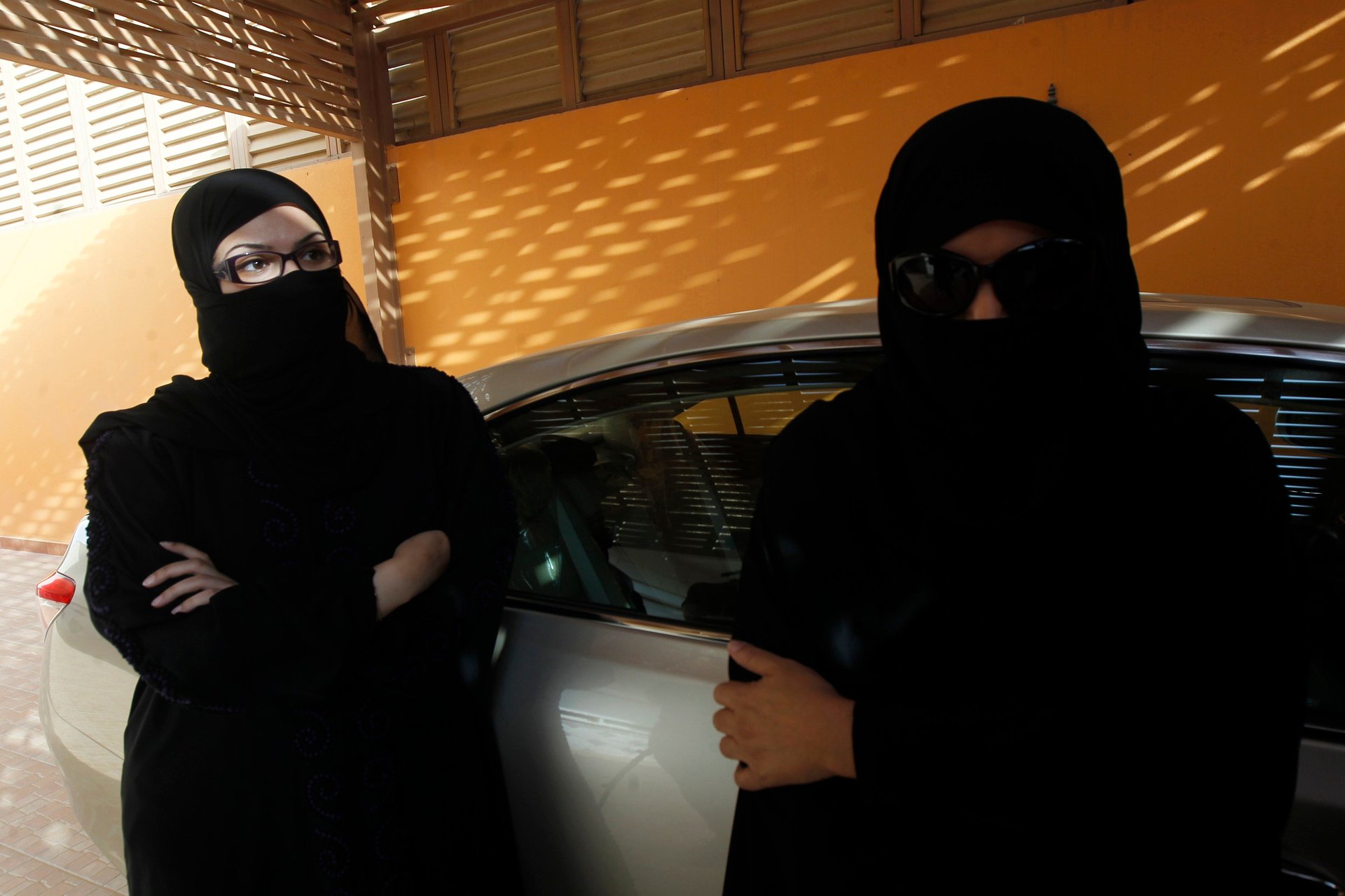
Saudi Arabia on Tuesday (Oct. 26) issued a royal decree allowing women to obtain driving licenses and to drive alone, lifting the only ban in the world on women driving.

Saudi Arabia on Tuesday (Oct. 26) issued a royal decree allowing women to obtain driving licenses and to drive alone, lifting the only ban in the world on women driving.

On Saturday (Sept. 23), North Korea’s foreign minister addressed the United Nations (video). That prompted US president Donald Trump to put out a tweet which North Korea said was a declaration of war.

Nine years ago this week, as stocks were tanking in the global financial recession, Warren Buffett put money into a little-known mobile phone battery maker in Shenzhen. This year, with China making it clearer than ever that fossil-fuel cars aren’t going to be welcome for long, that bet is doing better than it’s done in a while.

Since China began its market reforms in the late 1970s, it has lifted more than 800 million people out of poverty, slashing the rate from nearly 90% in 1981 to under 2%, as measured by the World Bank’s latest spending benchmark.

At 11am local time Tuesday morning, Mexico held a national public earthquake drill, with more than 7 million people participating (link in Spanish). Two hours later, at 1:14pm, a 7.1-magnitude earthquake hit, on the anniversary of the country’s deadliest earthquake ever.

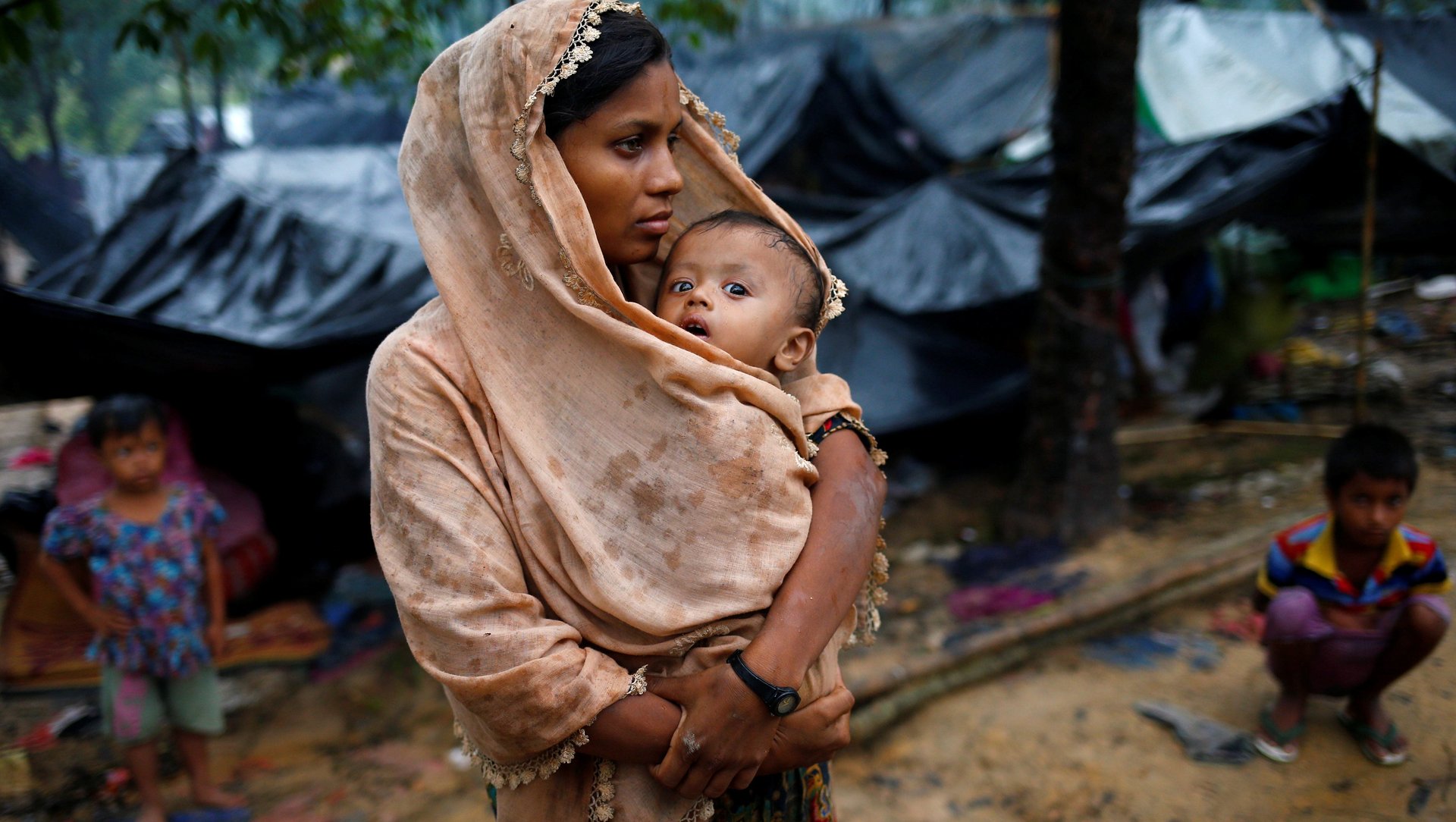
The number of people who have fled Myanmar for Bangladesh over the last three weeks has now crossed 400,000, according to the United Nations. If that’s not bad enough, here’s something even more troubling—the majority of them are children.

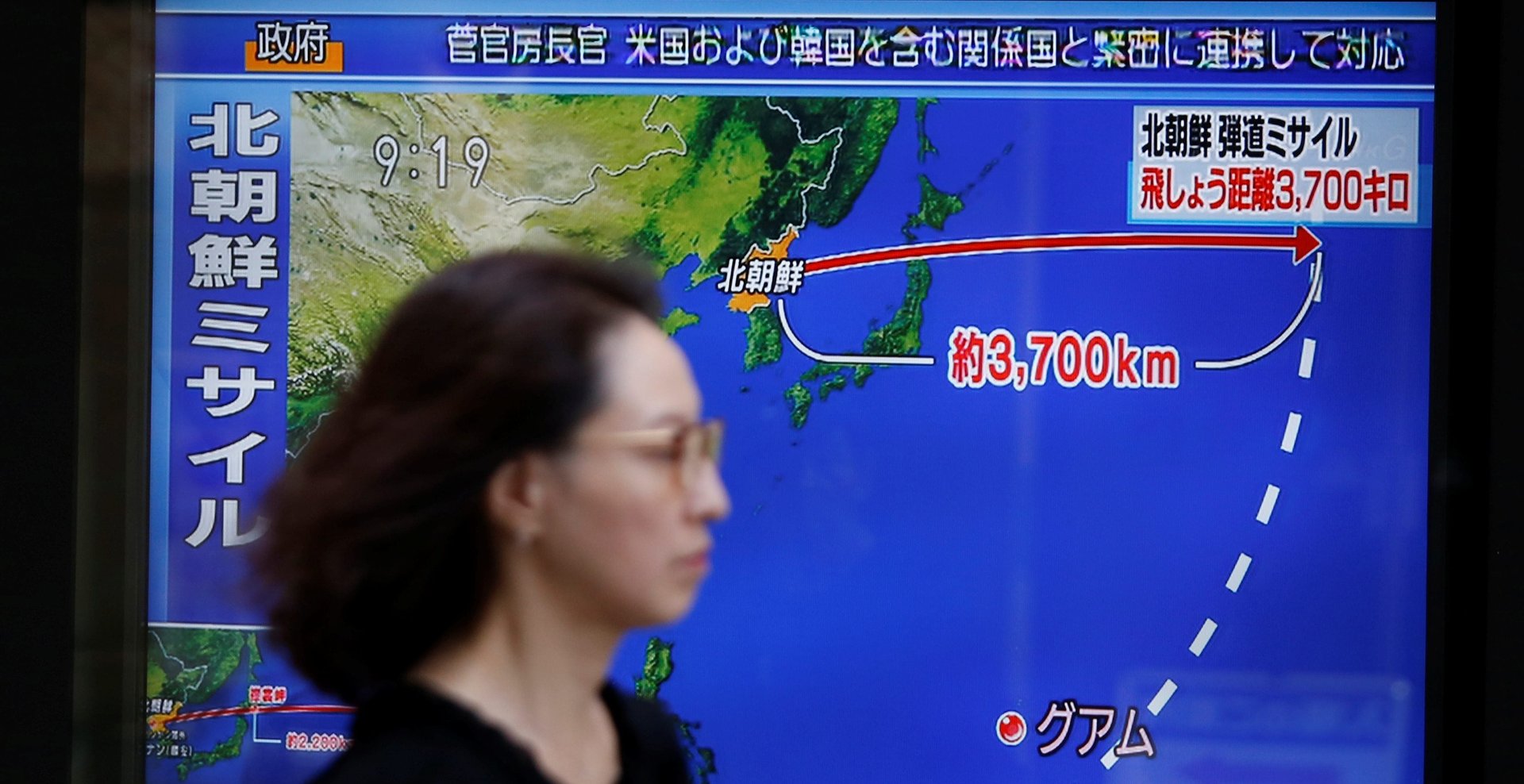
A day after North Korea threatened to sink Japan into the sea, Pyongyang today (Sept. 15) sent another missile over Japan, South Korea’s military and Japanese officials said. The missile, launched shortly before 7:00am local time, flew around 3,700 kilometers (2,300 miles) and landed in the ocean east of Japan.

It may not have been a surprise, but president Donald Trump’s veto of a US semiconductor firm’s sale of itself to a China-funded private-equity firm is nevertheless a shock to China’s tech ambitions.

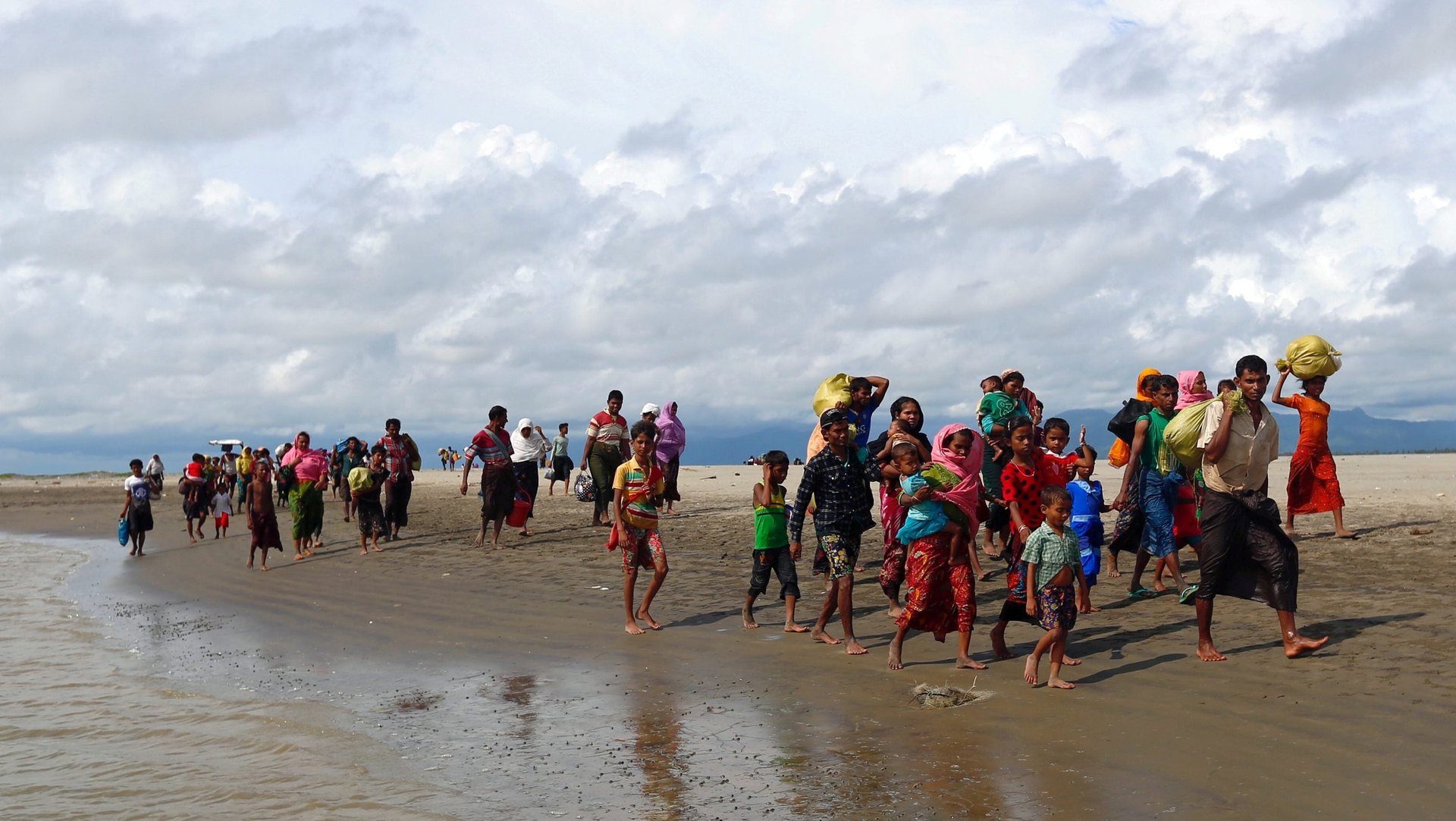
Bangladesh, one of the world’s poorest nations, has seen a massive influx of Rohingya people fleeing brutal violence in Myanmar in the last two weeks: some 370,000 people, according to UN estimates.

Less than two years after its founding on Sept. 9, 1948, North Korea invaded South Korea, starting a war in which tens of thousands of China’s soldiers died fighting on the side of its communist neighbor. In the decades since the 1953 armistice, China has relied on the country as a buffer zone between itself and US military forces in South Korea, which until the early 1990s were armed with nuclear weapons.

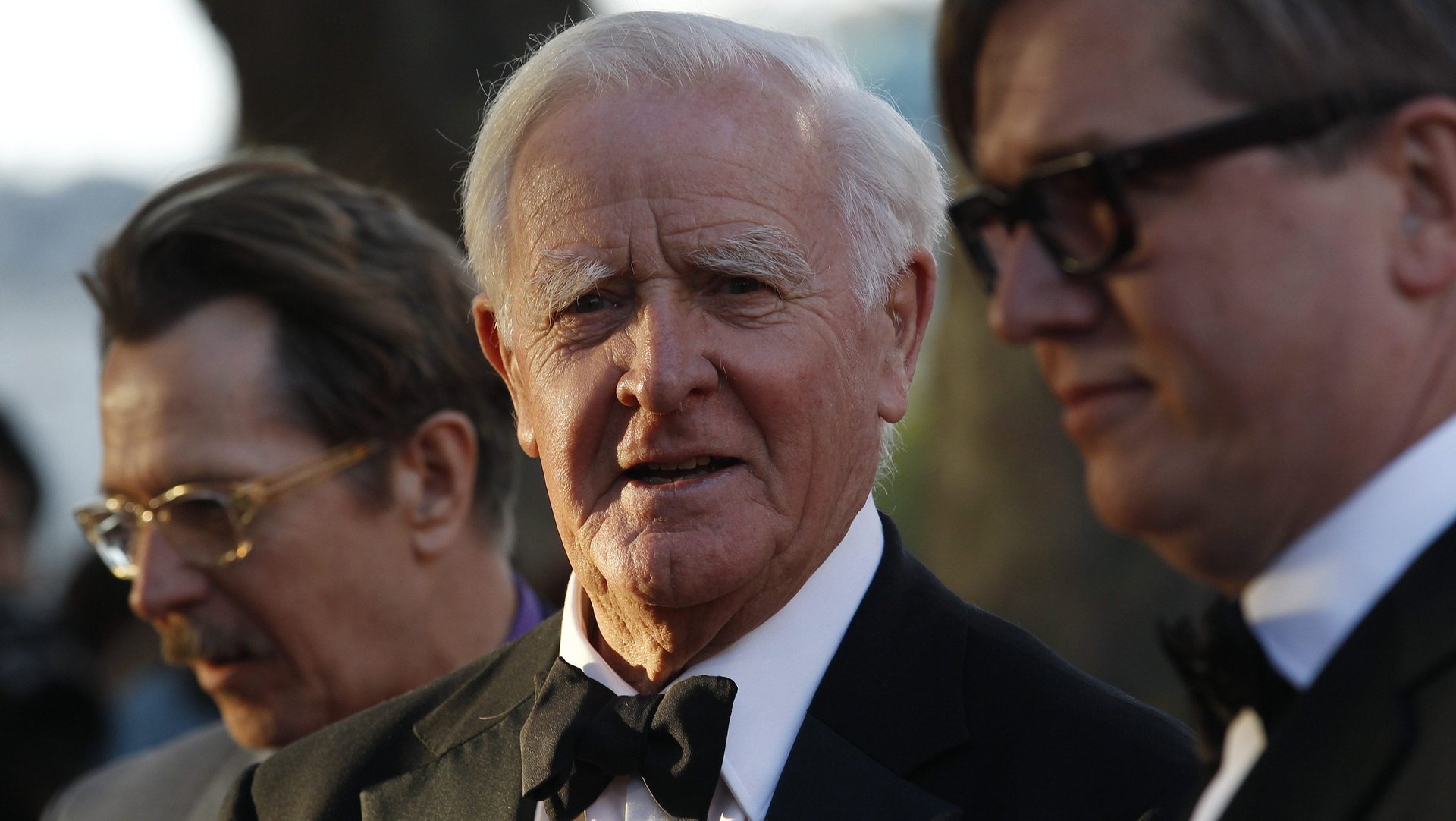
Master spy novelist John le Carré’s depictions of Cold War spy games carry such a strong whiff of inside knowledge that his books, to his obvious embarrassment, were considered essential reading by Russia’s KGB, and scrutinized by the CIA’s Center for the Study of Intelligence. Despite predictions that the fall of the Berlin Wall and triumph of capitalism—“the end of history”—would also lead to his downfall as a novelist, the former British spy has kept writing. His latest and highly anticipated novel, A Legacy of Spies, is publishing this week.

This is a developing story, last updated on Sept 3 at 3:37am ET.

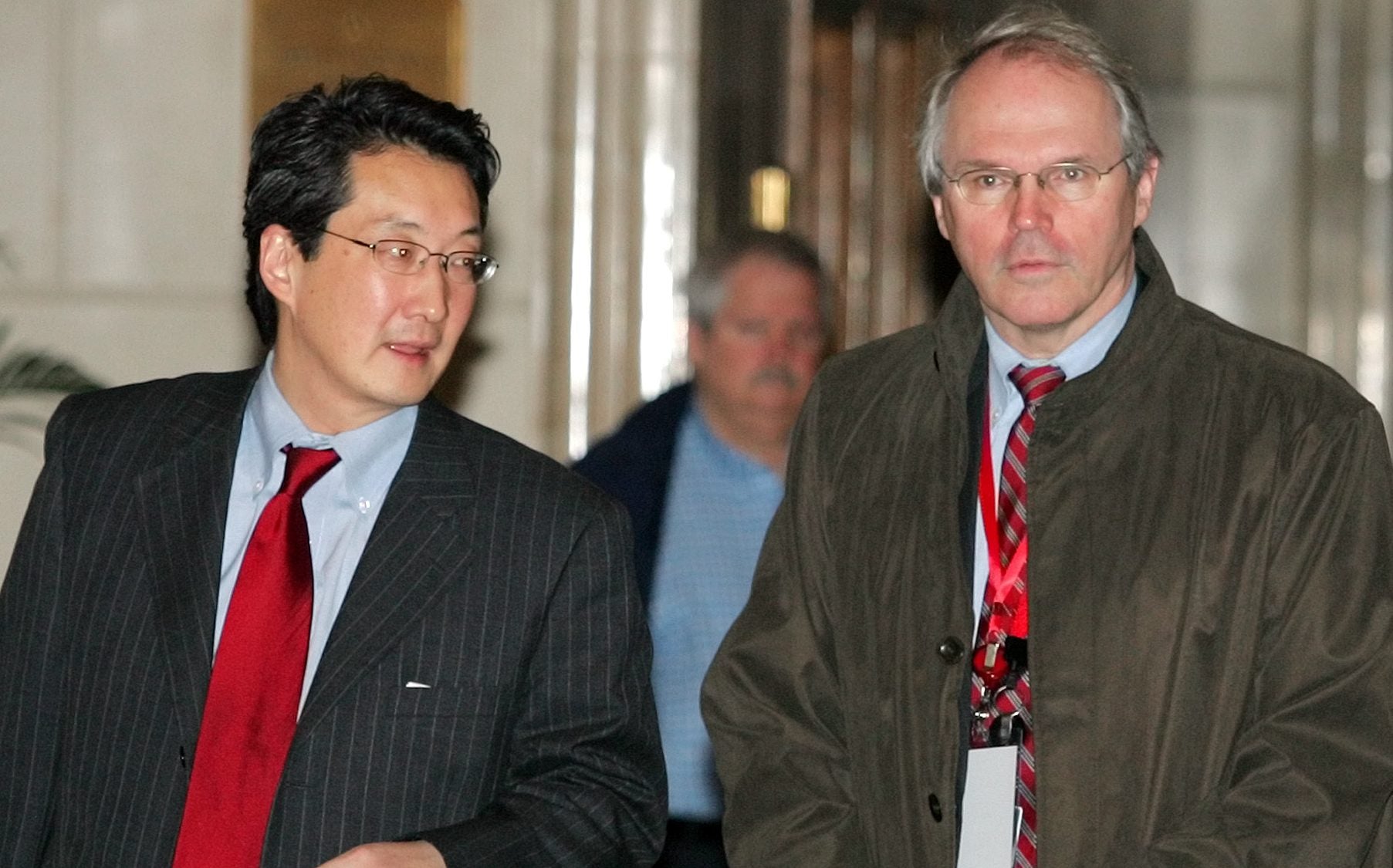
Through North Korea’s increasingly provocative missile tests of recent months, and US president Donald Trump’s combative response, security experts have worried over the fact that the US didn’t yet have ambassadors in the two countries most threatened by the bellicose state: South Korea and Japan. Washington’s new ambassador to Japan, William Hagerty, finally arrived there earlier this month. Now, South Korea looks set to get its top US envoy too.

When she was just 20, Tran Thi Nga, shown above, got a job as a live-in domestic worker in Taiwan through a broker, and then moved on to factory jobs. It took many years but Thi Nga eventually realized that as a migrant worker she had been mistreated. On her return home, she became an activist for labor and political rights.

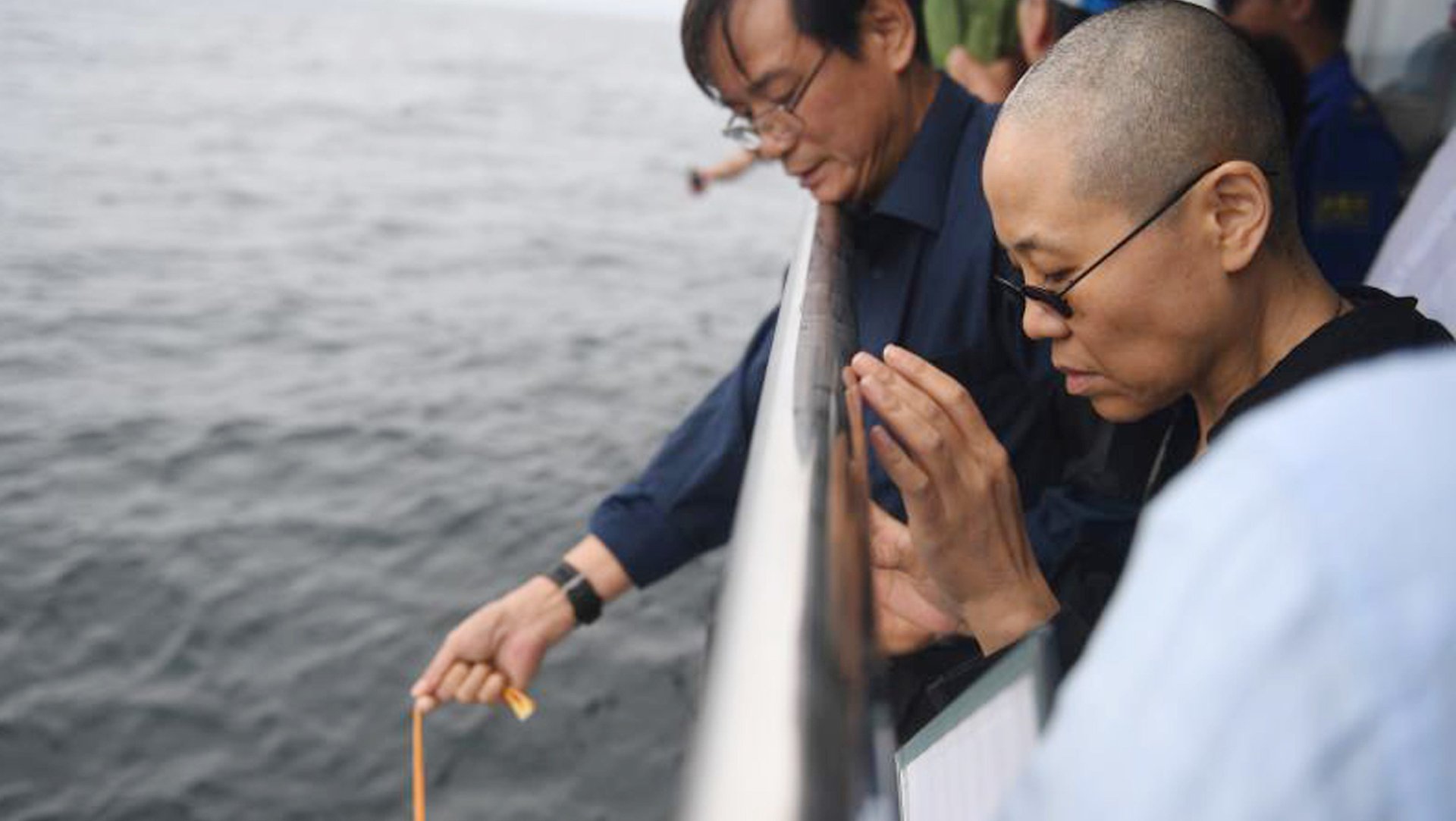
China buried human rights activist Liu Xiaobo July 15 the same way the United States buried terrorist Osama bin Laden, the mastermind of the 9/11 attacks on the World Trade Center and the Pentagon.

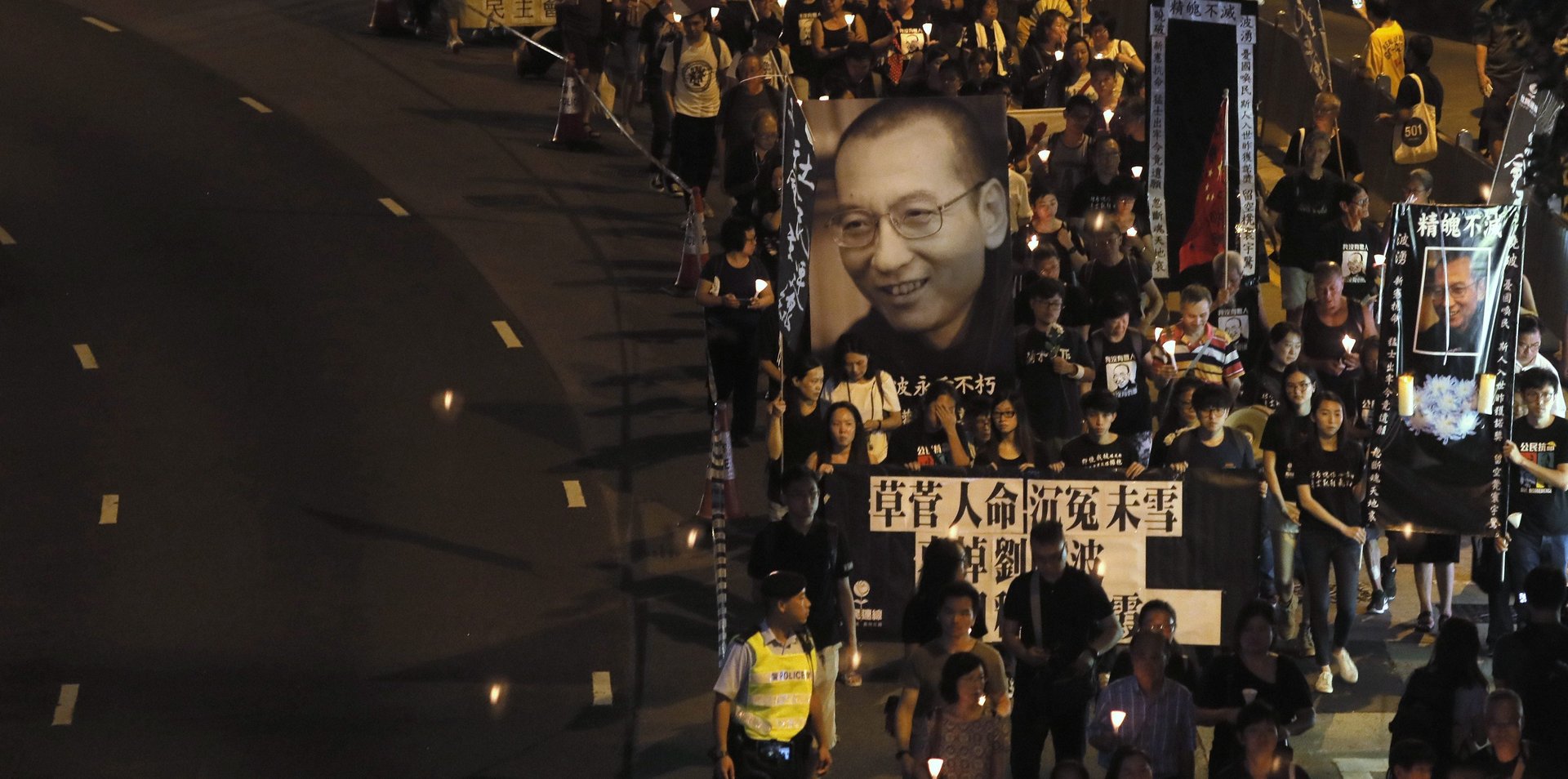
In mainland China, any attempt to the mourn the death in custody on July 13 of democracy activist Liu Xiaobo has been quickly snuffed out. After China announced the imprisoned dissident had died of liver cancer, the country’s microblog site, Weibo, began deleting posts containing candle emojis or the letters “RIP,” part of a spike in censorship around the death on the country’s firewalled internet.

Cross-border tensions between India and China, who share a border more than 2,000 miles long, are common. Both sides regularly accuse the other of incursions, but this time it’s much more serious—an editorial this week in China’s state-controlled tabloid Global Times warned that should a clash occur India “will suffer worse losses than in 1962,” a reference to the two countries’ bitter war.

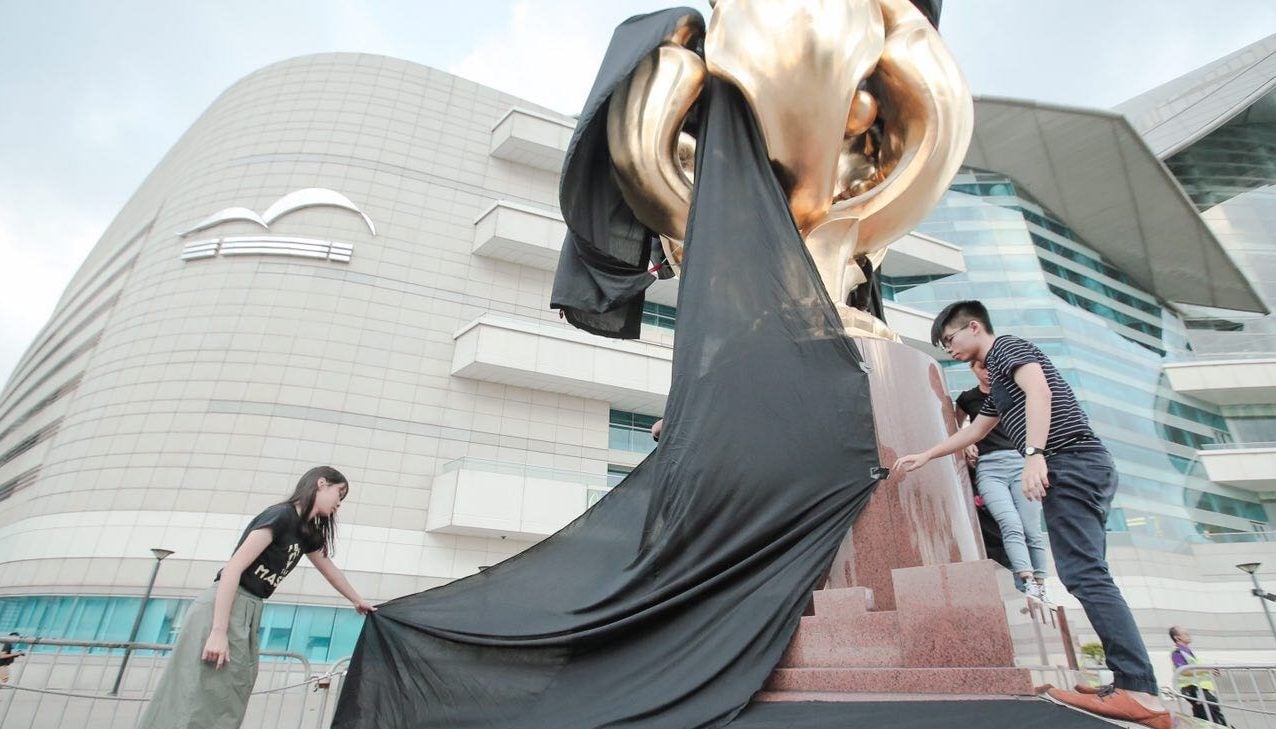
Every five years since the 1997 handover, China’s president has come to Hong Kong to mark the anniversary and preside over the swearing-in of the city’s leader for a new term. This year, it’s Chinese president Xi Jinping’s turn, for what will be his first visit as leader to the former British colony—and one that comes after the major protests led by young people in 2014 calling for democracy.

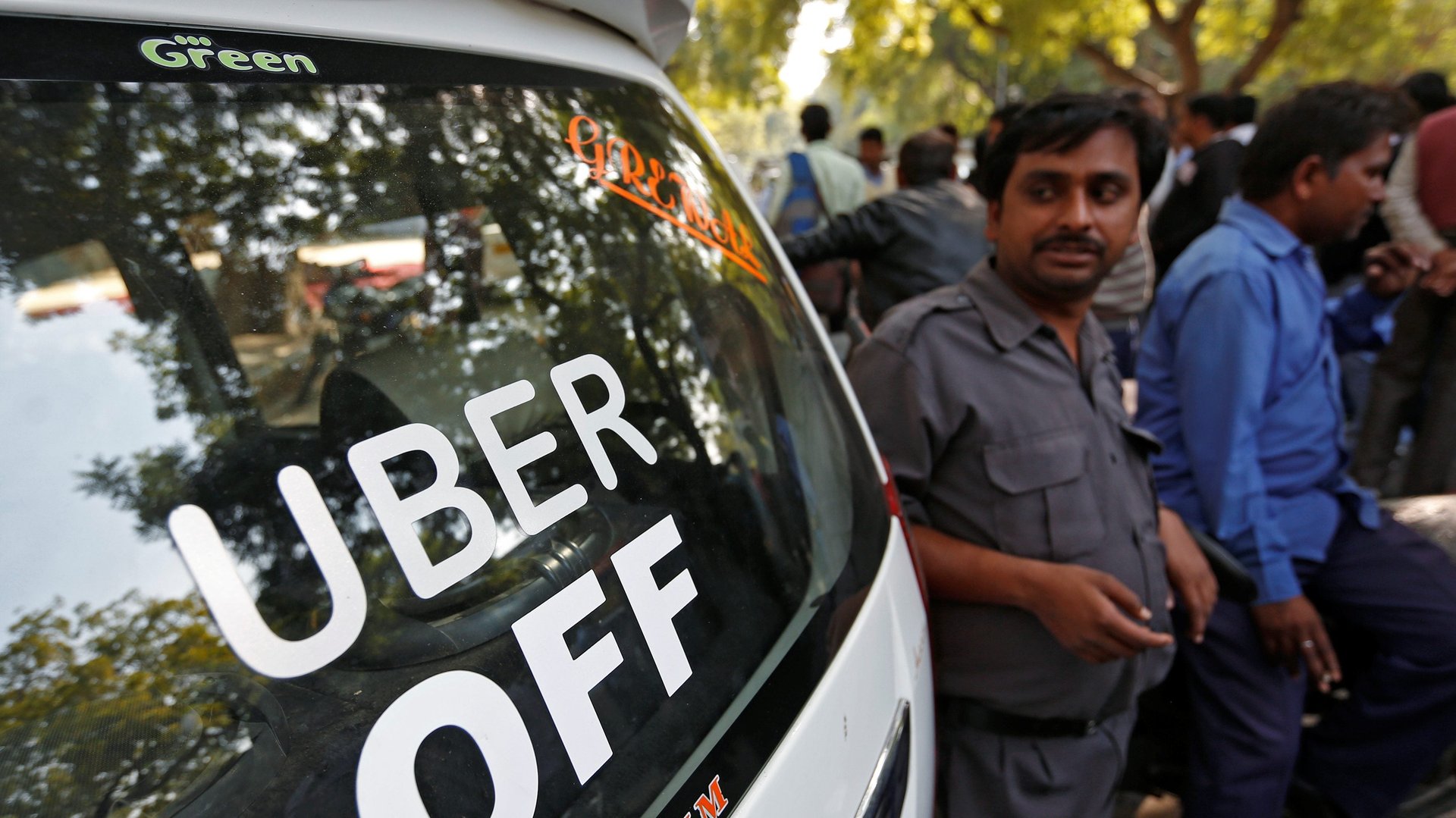
During his tenure at Uber, Travis Kalanick turned an American startup into a global behemoth using a simple strategy—just barge in. Don’t ask governments for permission, don’t worry about whether a country is too rich or too poor for Uber, don’t worry about the local taxi lobbies.

How quickly the mighty can fall in China.

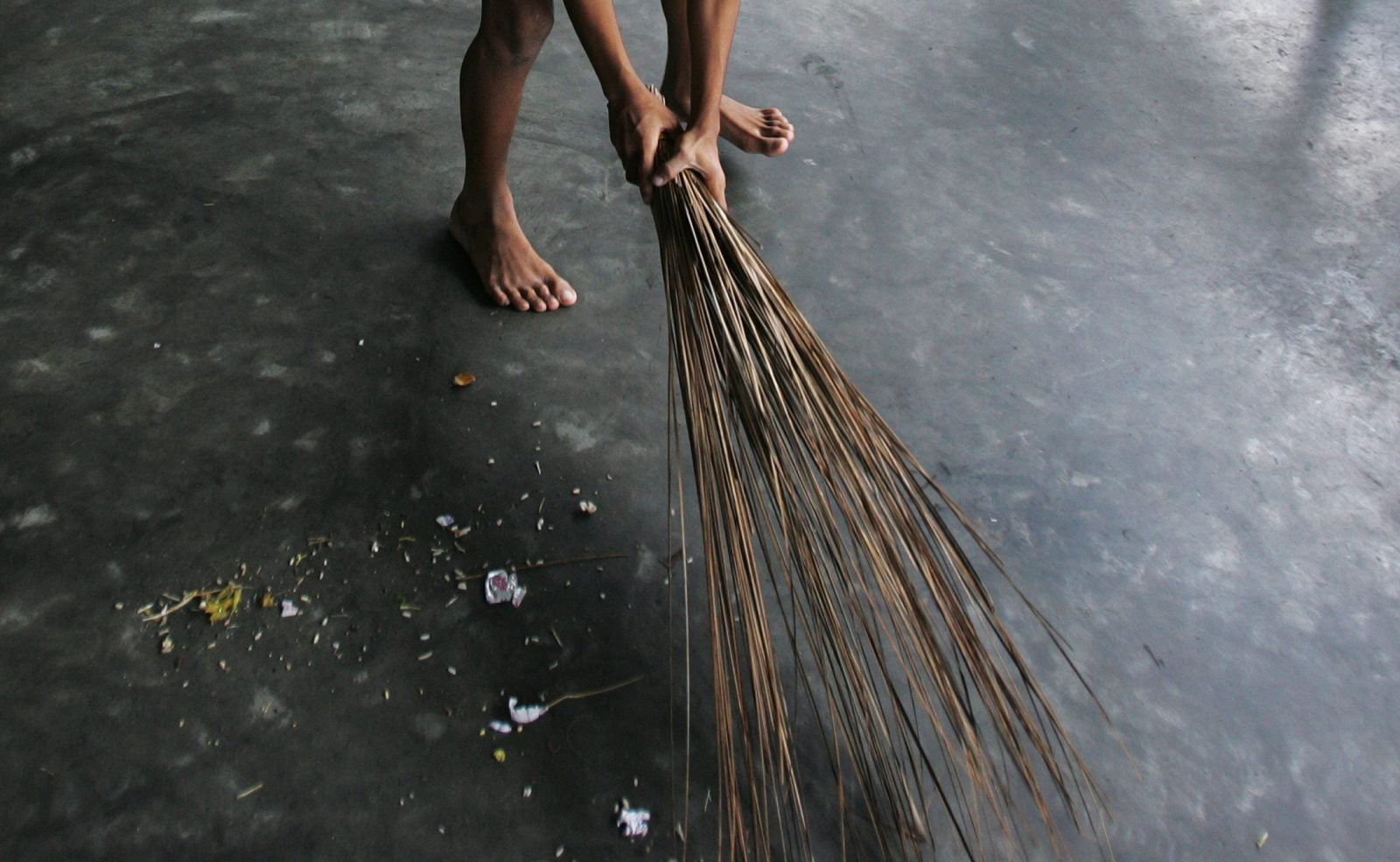
Business editors may know the last closing share price and market capitalization of India’s top firms, but Sunita Sen knows their true bottom line: what their CEOs pay the help, what they feed them, and just how many servants each family employs.

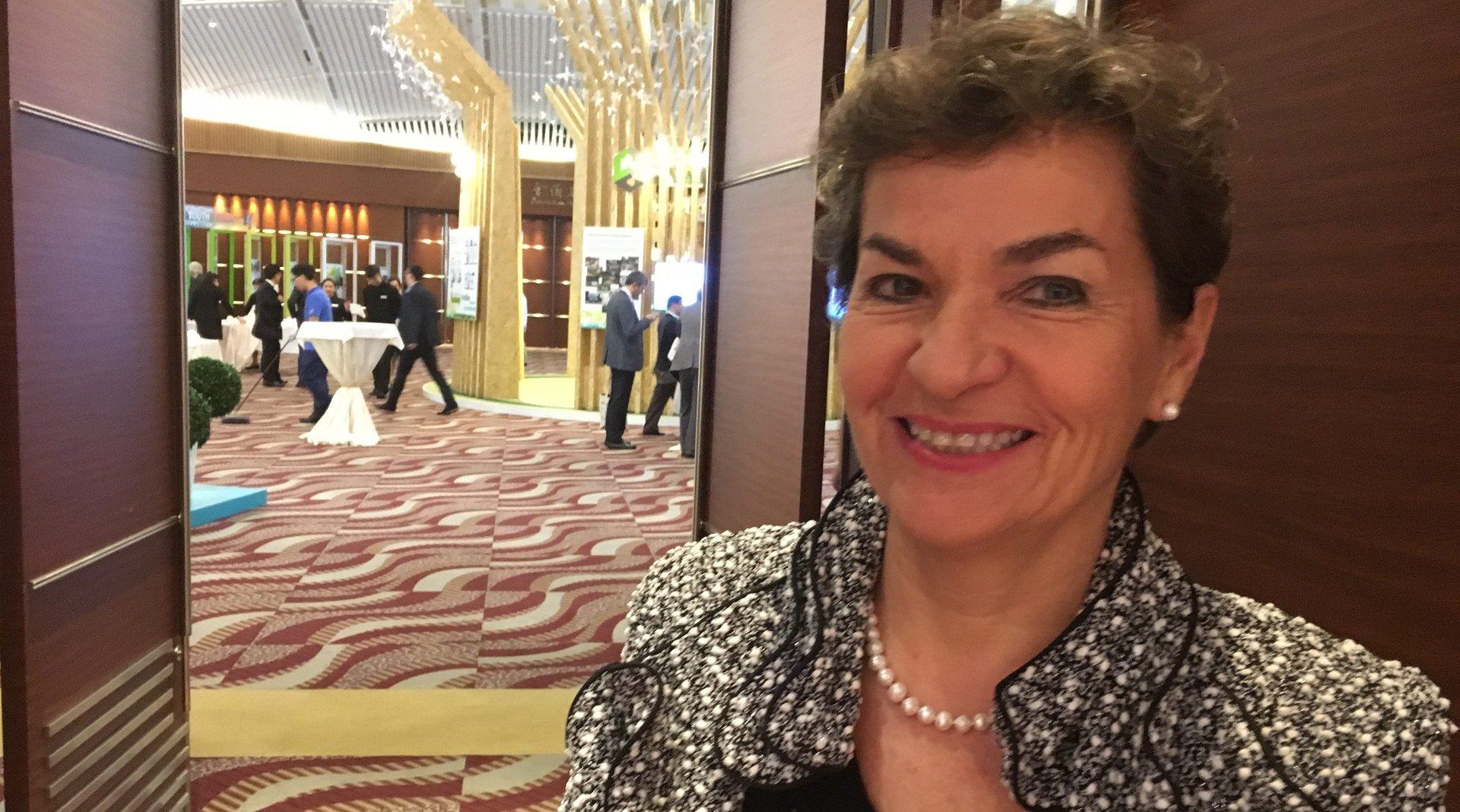
Christiana Figueres, who led the original negotiations of the Paris agreement in her former role as executive secretary of the UN Framework Convention on Climate Change, has called US president Donald Trump’s move last week to withdraw the United States from the international Paris agreement a “political message.”

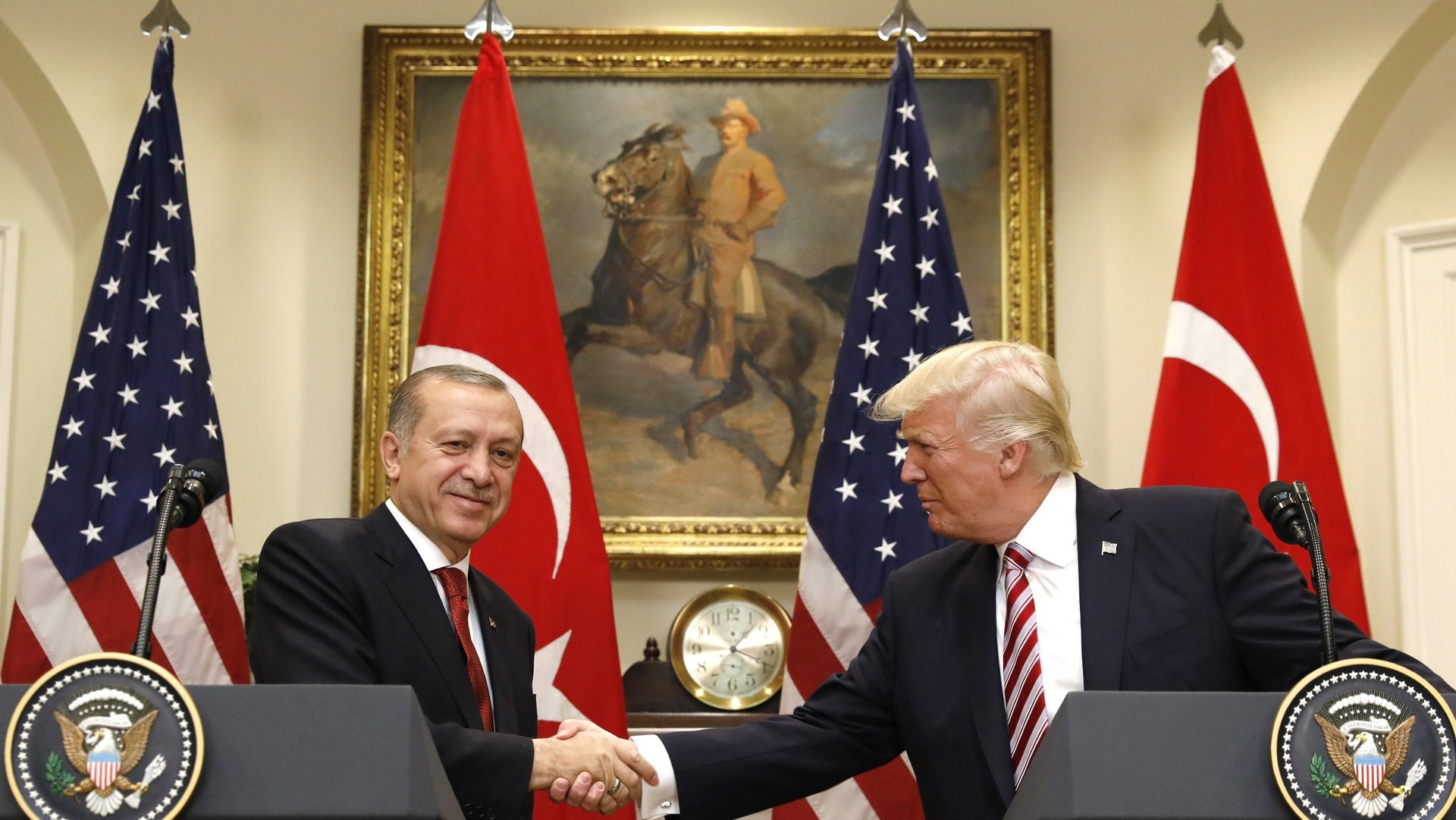
“The relations between Turkey and the United States have been erected upon common democratic values and common interests.”

In 2011, author Suki Kim took a job teaching English at the newly-opened Pyongyang University for Science and Technology. She later wrote a book about her experience there. The university she taught at is also the institution Kim Hak-song, the US citizen detained by North Korea over the weekend, was affiliated with. He was helping to develop the university’s farm by advising on agricultural methods, according to a statement from the university. Last month North Korea also detained Kim Sang-duk, a US citizen who had been teaching finance at PUST, as he and his wife prepared to leave the country.