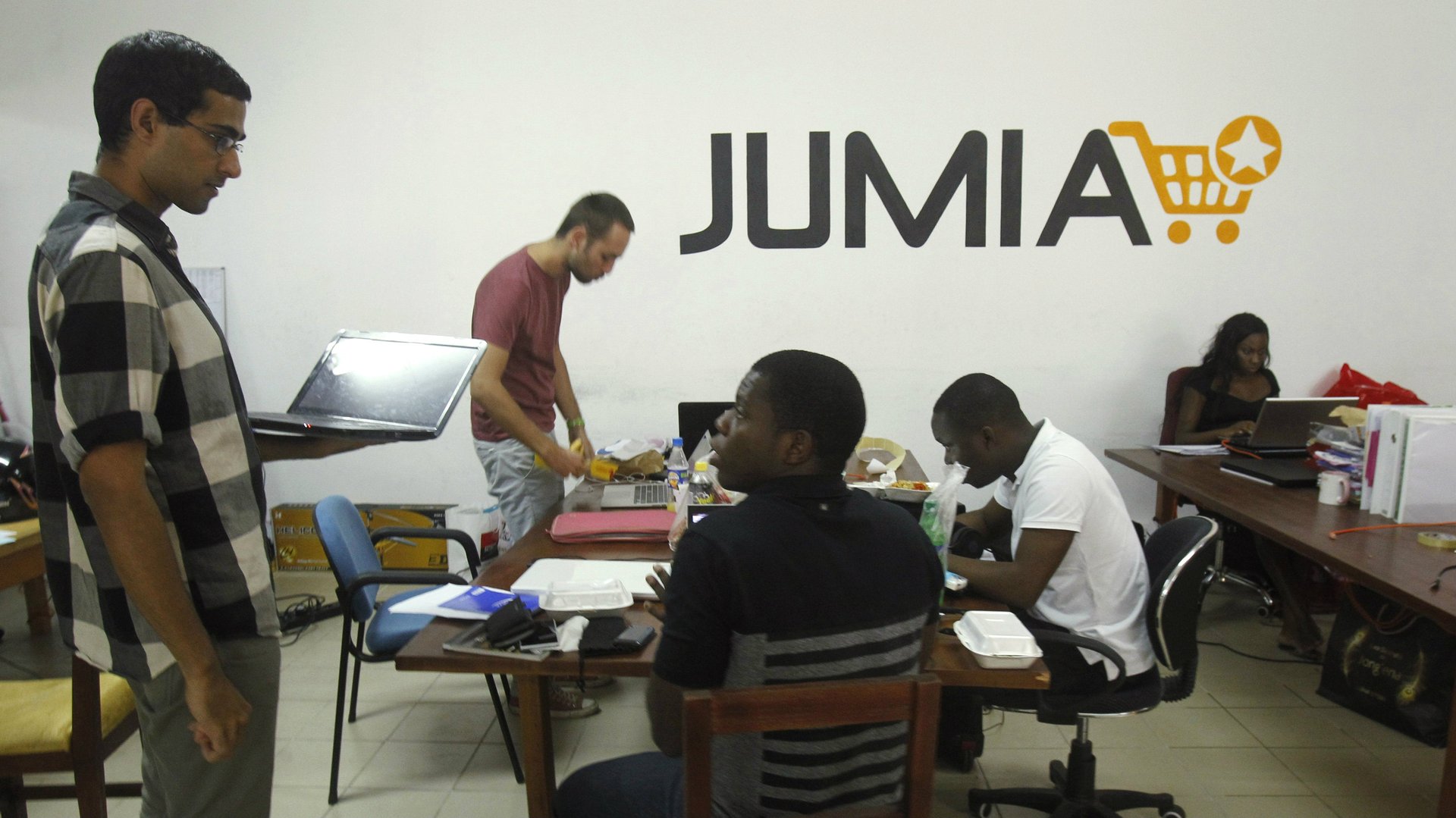
Jumia, Africa’s largest e-commerce operator, is struggling with internal fraud, legal threats even as losses widened in the second quarter.

Jumia, Africa’s largest e-commerce operator, is struggling with internal fraud, legal threats even as losses widened in the second quarter.

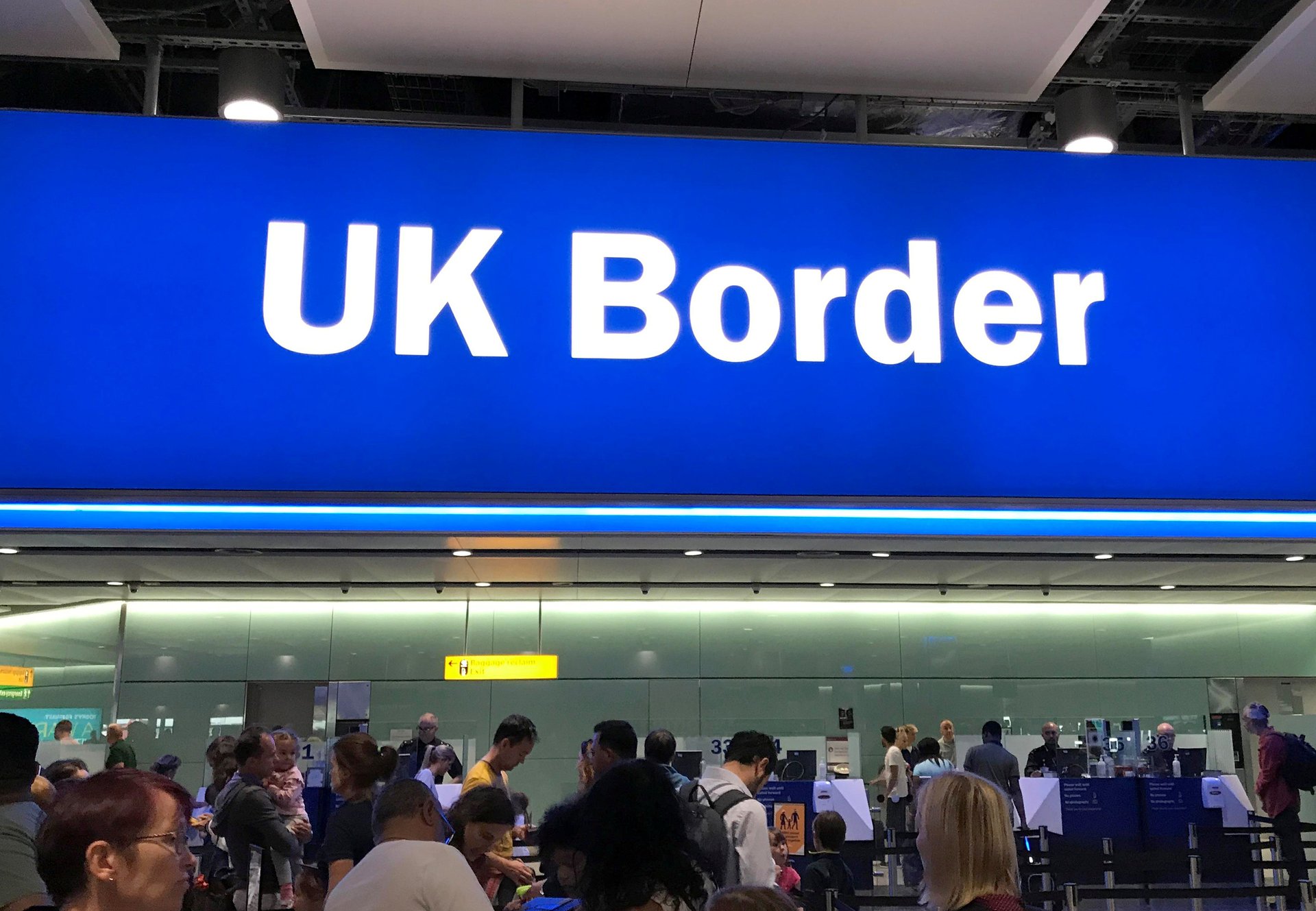
Among the many difficulties faced when traveling with an African passport, the most tasking is getting a visa.

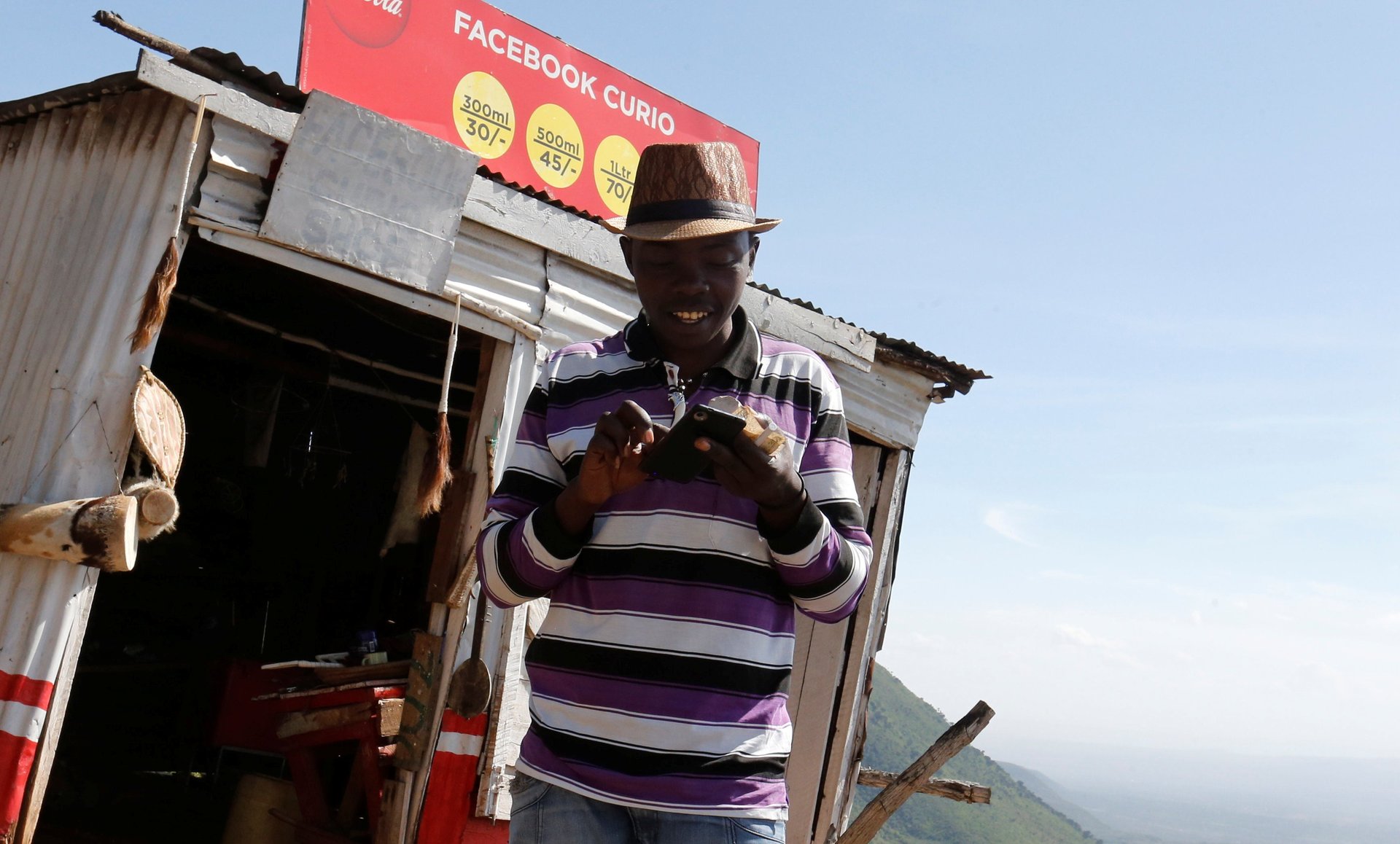
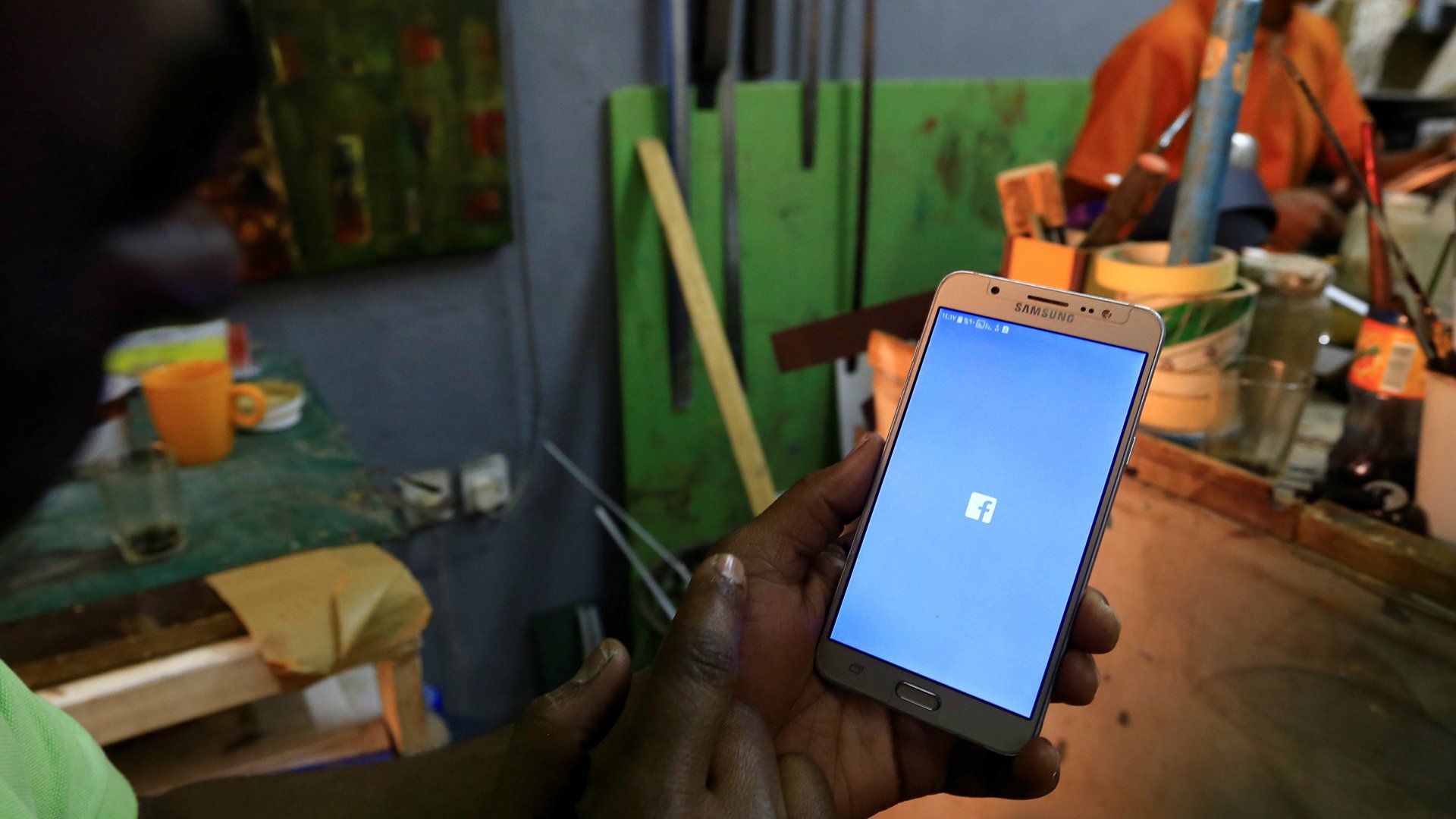
Facebook is going local as it doubles down on tackling its global fake news problem.

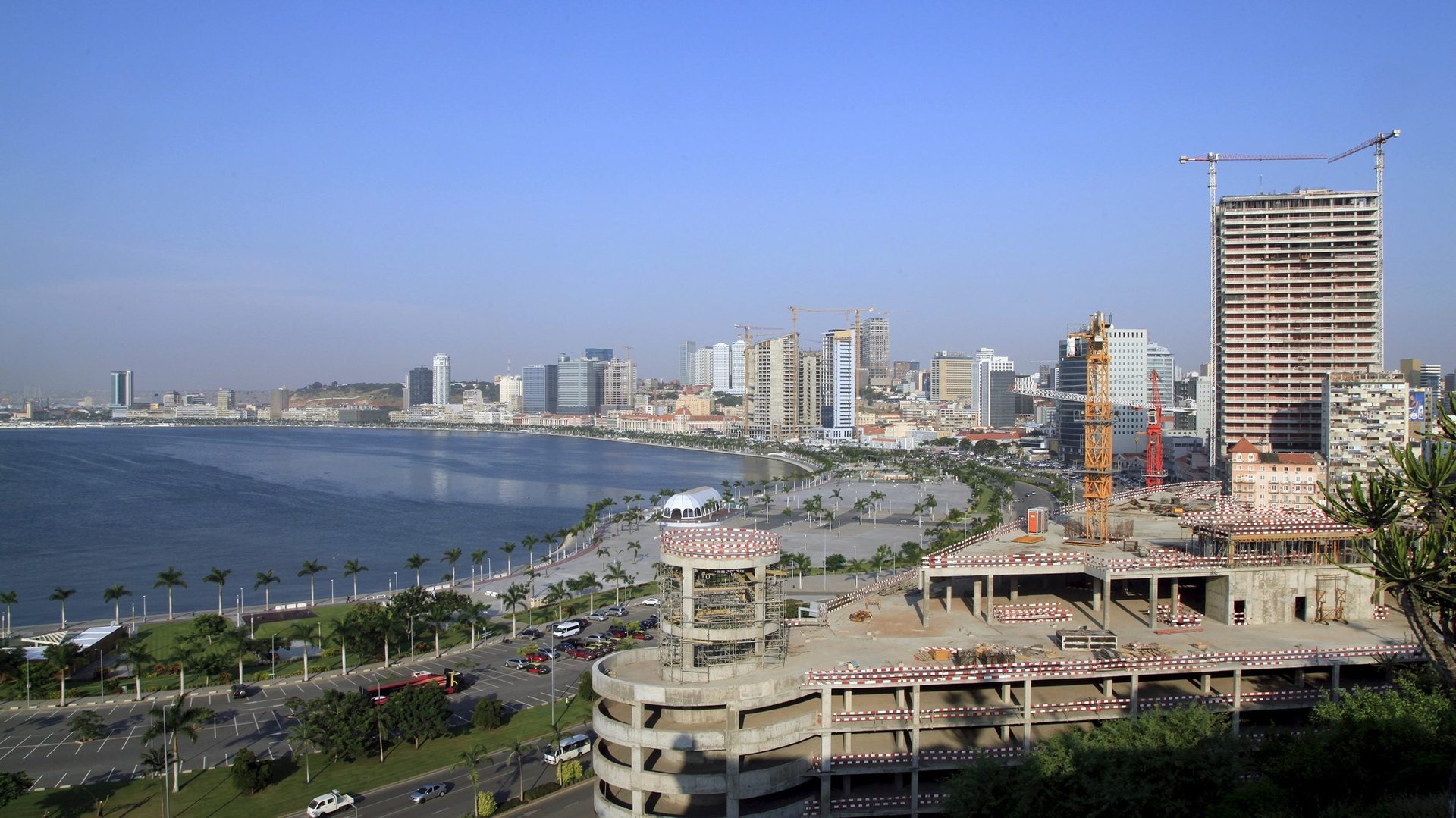
Luanda’s run over the past decade as the most expensive city in the world has come to an end.

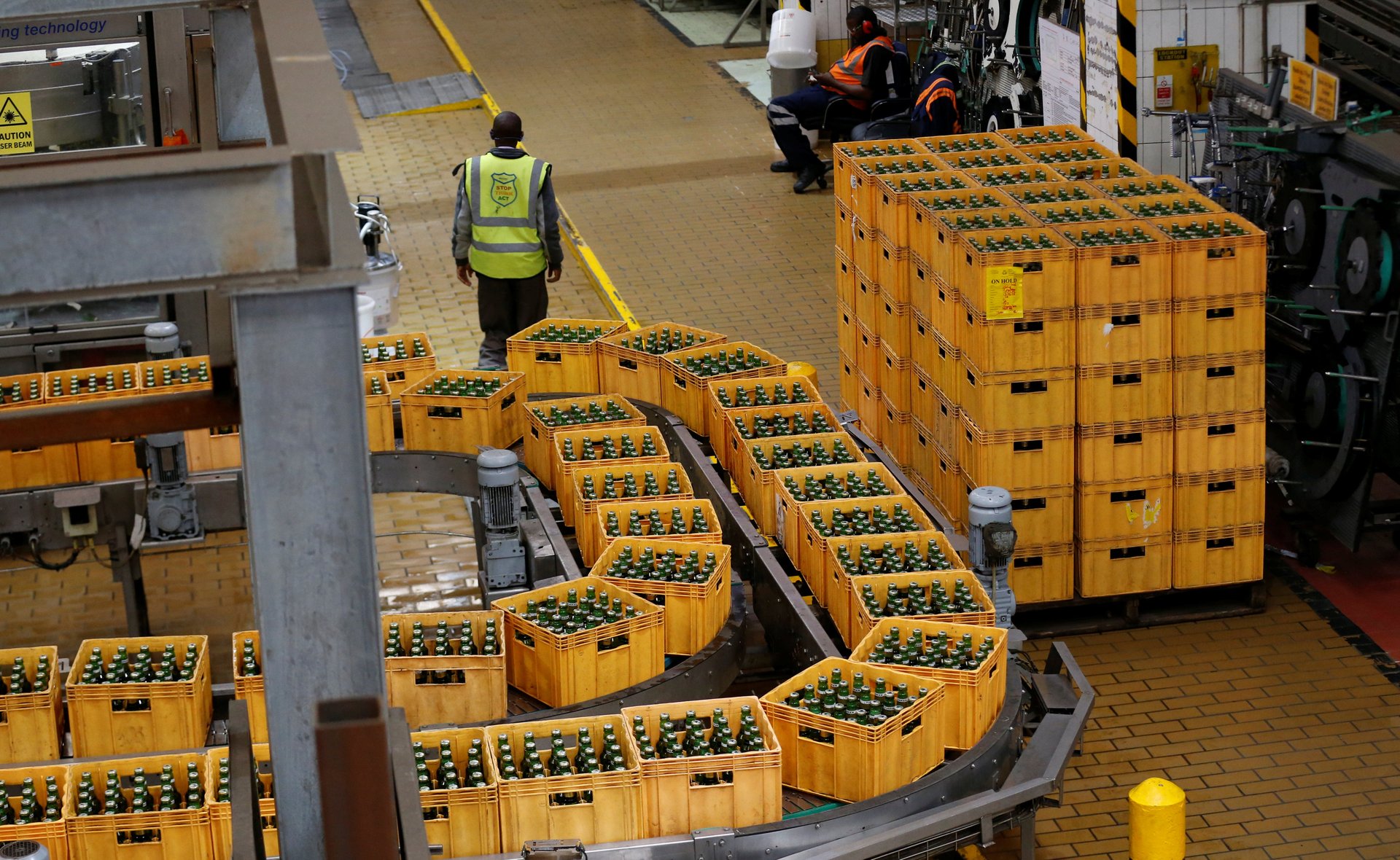
Diageo, the British owner of iconic brands including Guinness and Johnny Walker, is going green at brewing sites across Africa with an ambitious $218 million investment drive.

Four months after a landmark launch on the New York Stock Exchange, Jumia—the largest e-commerce operator in Africa—has crashed below its IPO price.

Making online purchases in Nigeria could soon come with a tax bill.

The fledgling mobile money market in Nigeria is about to get a major shake-up.

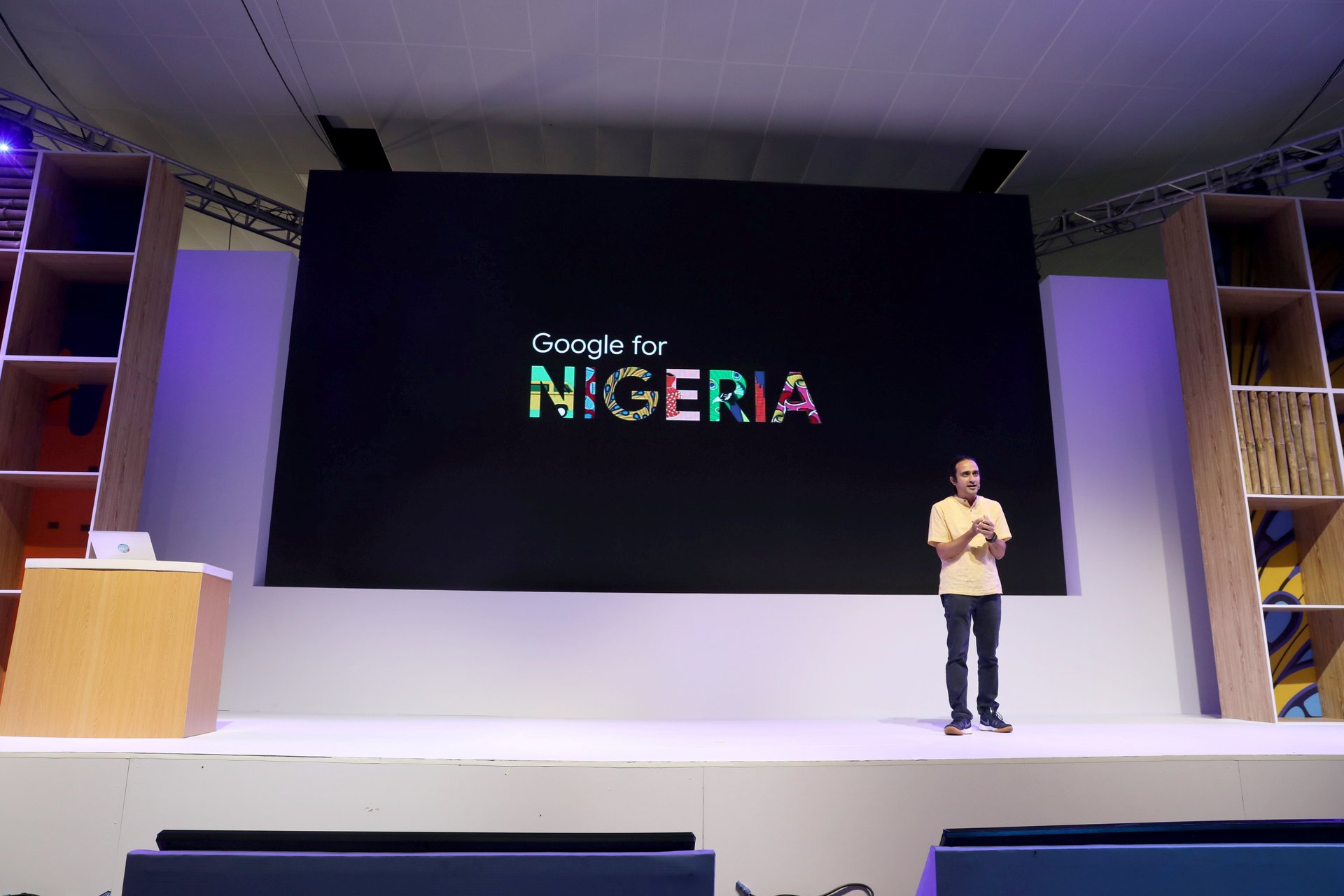
Over the course of the past month, the voice on Google’s Maps service in Nigeria has sounded more, well, “Nigerian.”

The promise of e-commerce across Africa has, so far, been partly held up by the logistical challenges of delivery.

This year, Nigeria, a country which prides itself on milestones like being Africa’s most populous country and being home to its largest economy, is marking an unsavory one: a decade of devastating insurgency in its northeast region.

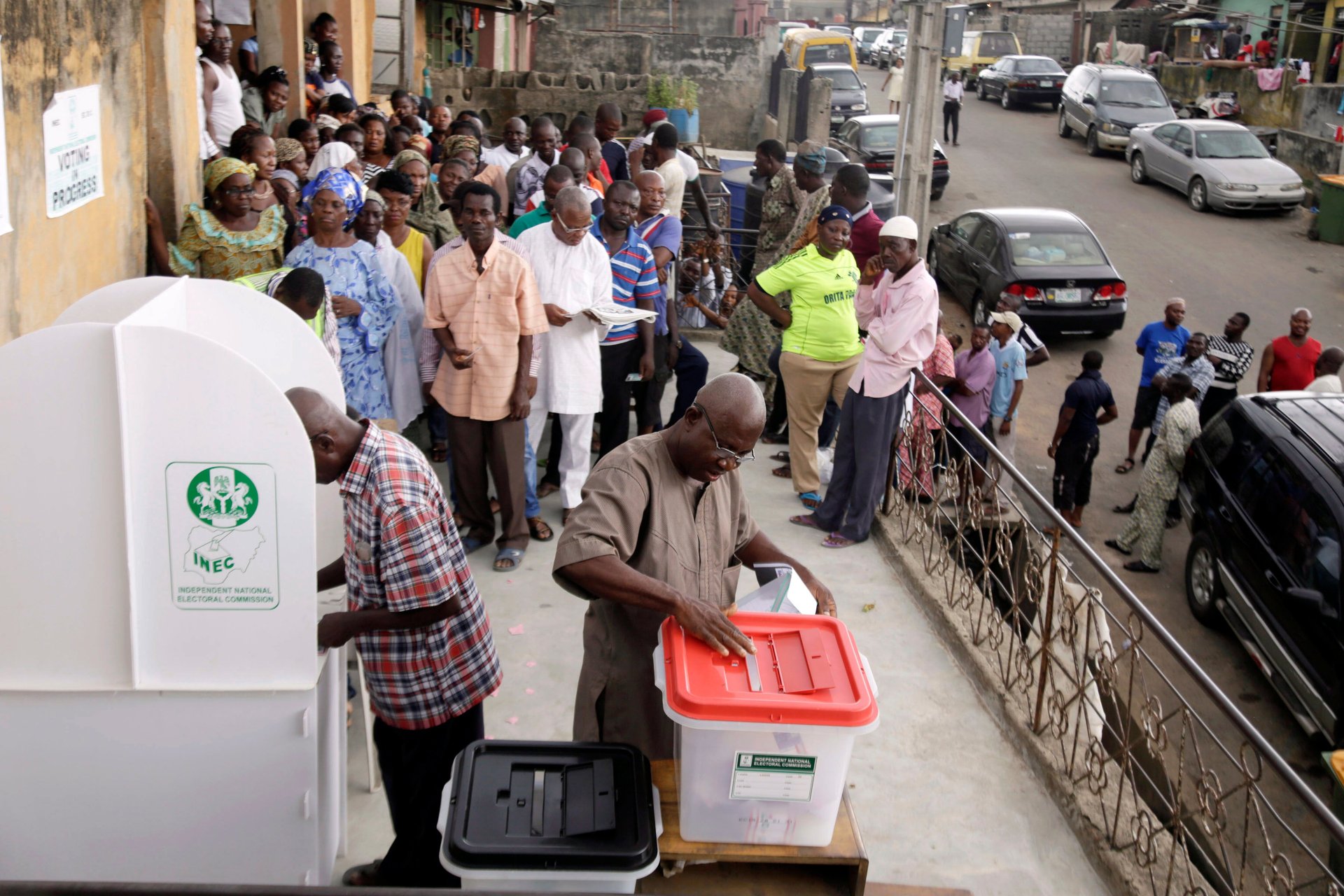
Ahead of Nigeria’s general elections back in February, the United States government said it would consider placing visa restrictions on individuals who undermine the process or are involved in organizing electoral violence.

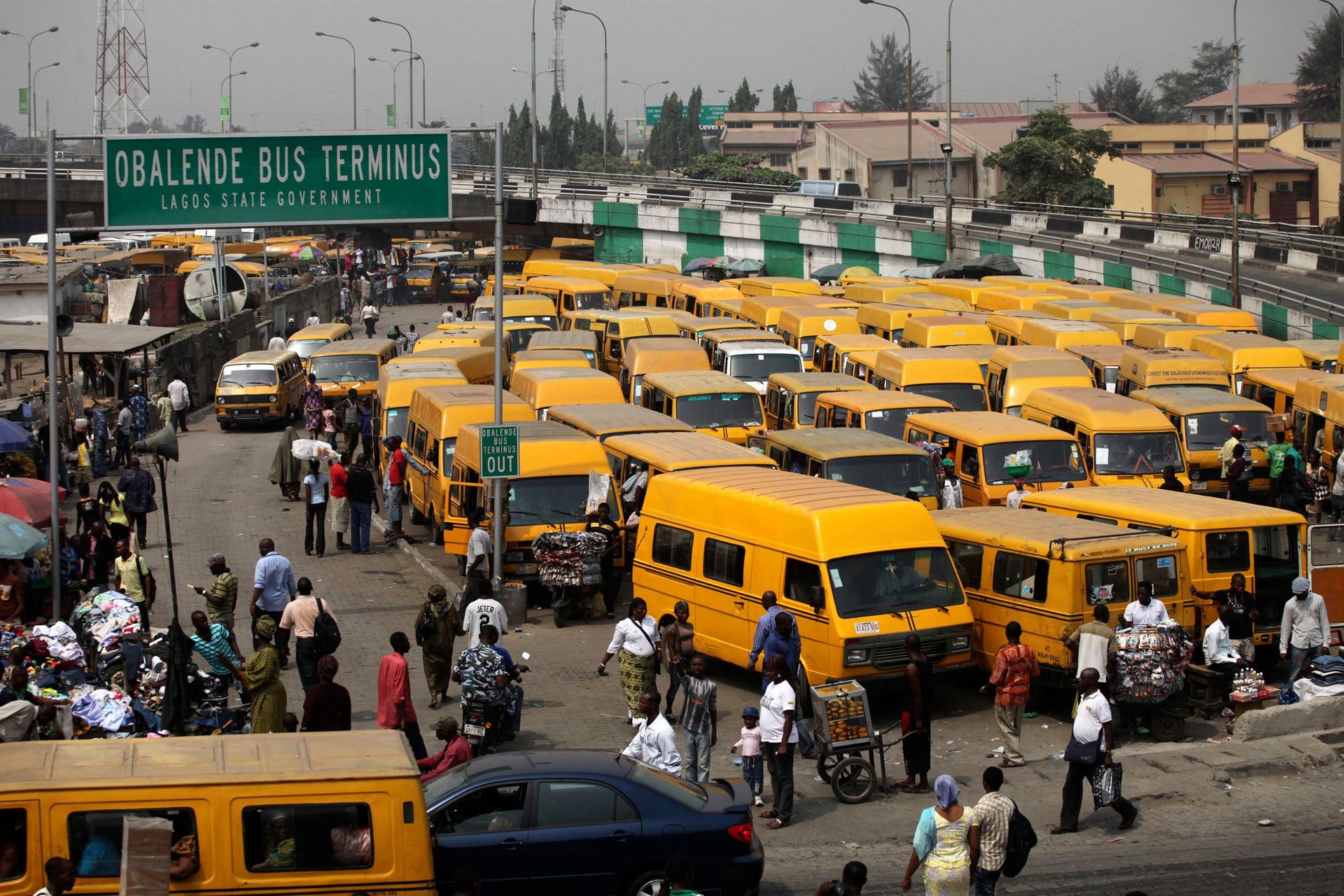
Moving around in Lagos, Nigeria’s economic nerve center and Africa’s largest mega-city, can be a pain regardless of the mode of transport as problems range from road congestion to poorly maintained road infrastructure and rowdy public transport.

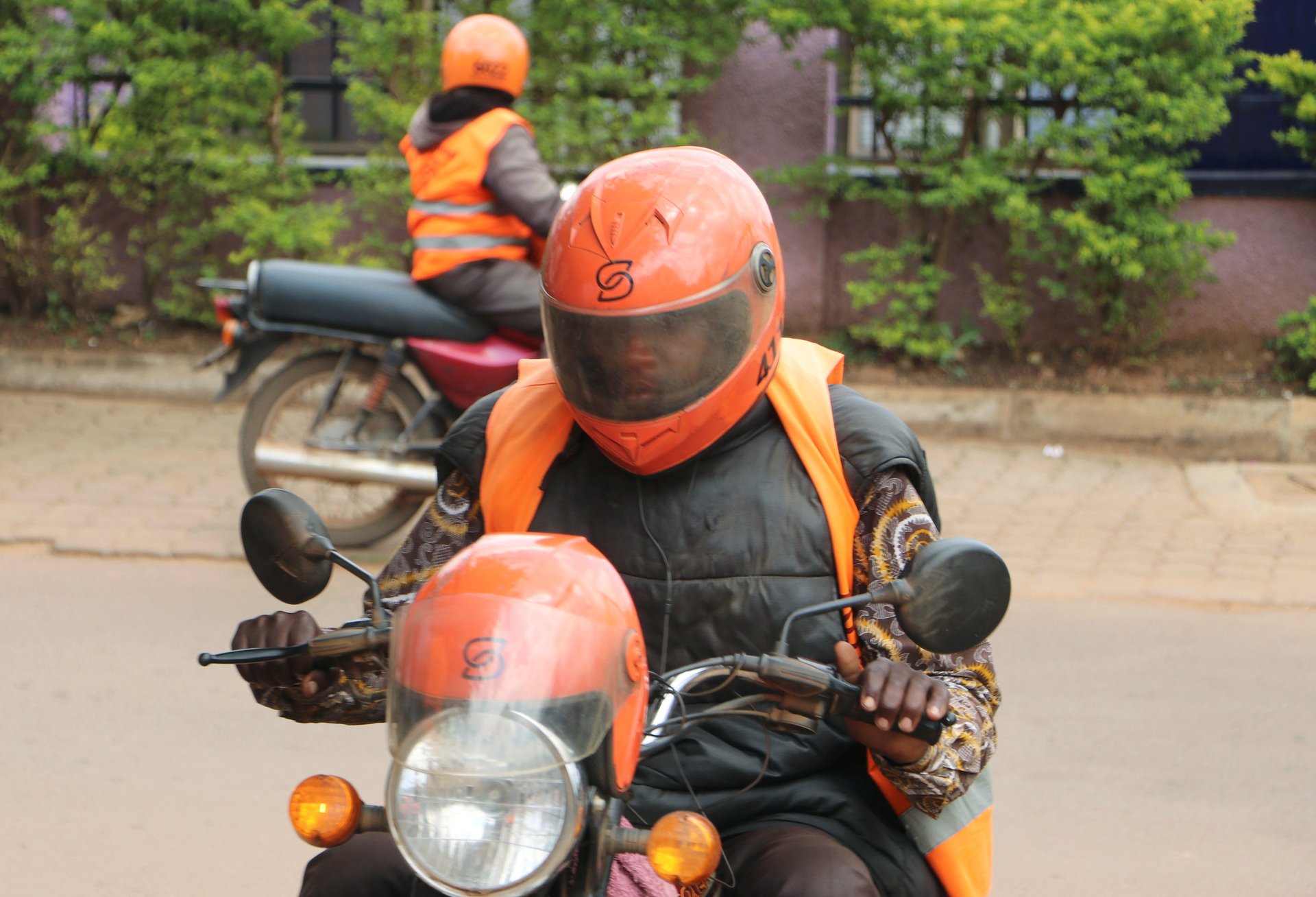
Just when bike-hailing startups appeared to be taking off fully in Lagos, Nigeria’s economic hub, they are facing new regulation that may hobble operations.

If you’ve watched the African Cup of Nations (AFCON) hosted by Egypt over the past month, you’ll likely have heard nicknames of the continent’s soccer teams.

If you’re waiting on 4G networks to become the standard for mobile connectivity in Africa imminently, you may have to wait a bit longer.

Few things unite Nigeria’s middle classes like anxiety over international visa application processes—and none more so than for the United States.

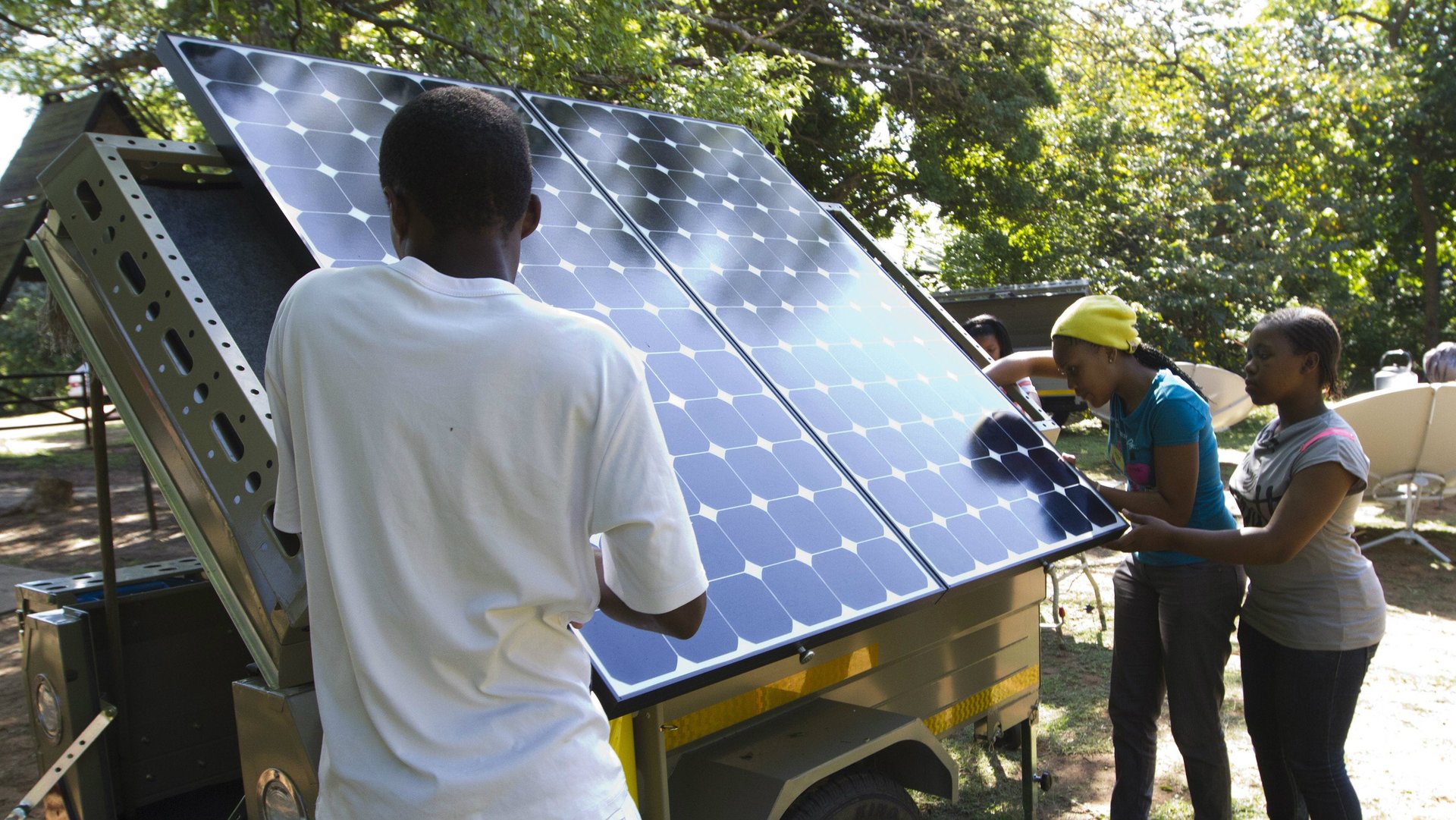
The rise of decentralized renewable energy as a solution to electrification rates across Africa—the slowest growing globally—is also bringing with it a solution to high unemployment.

A previously unknown species of fairy wrasse fish found in a deep, unexplored reef off the coast of Tanzania is creating as much excitement among reef researchers as Marvel’s Black Panther did with moviegoers.

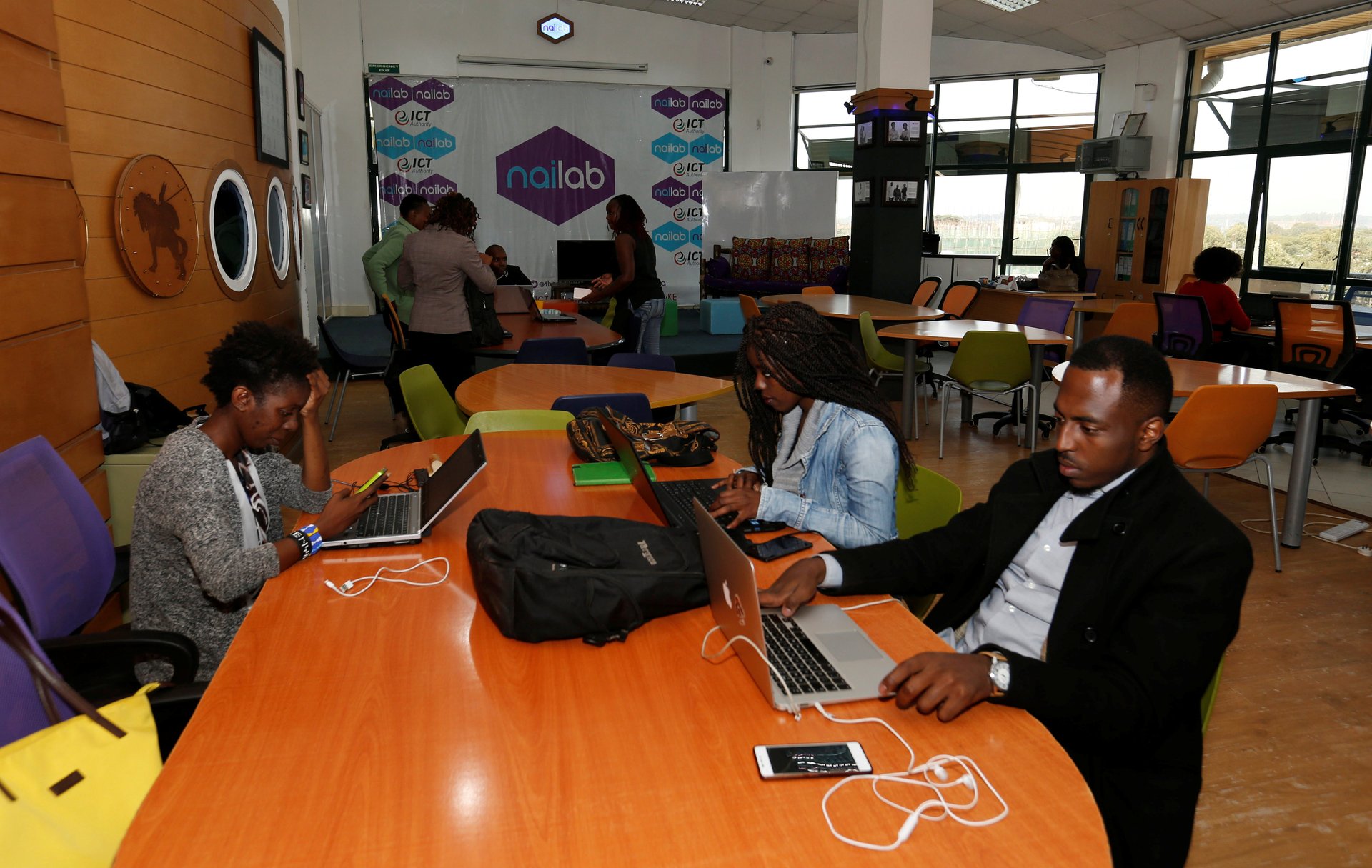
The number of tech hubs across Africa has grown by nearly 50% over the past year.

It’ll take over 22 hours to download a 5-gigabyte movie in oil-wealthy Equatorial Guinea, the worst ranked African country whereas in Taiwan, top of the broadband speed league, it will take only eight minutes.

Health-focused startups have been low-profile players in Nigeria’s burgeoning tech ecosystem over the past decade—but that’s starting to change.

Naspers, the most valuable company in Africa, has appointed a new chief executive for its South African unit and made history in the process.

Nigeria—the continent’s largest economy and most populous country—will finally sign the African Continental Free Trade Area (AfCFTA) agreement which aims to boost intra-Africa trade and create the world’s largest trading bloc.