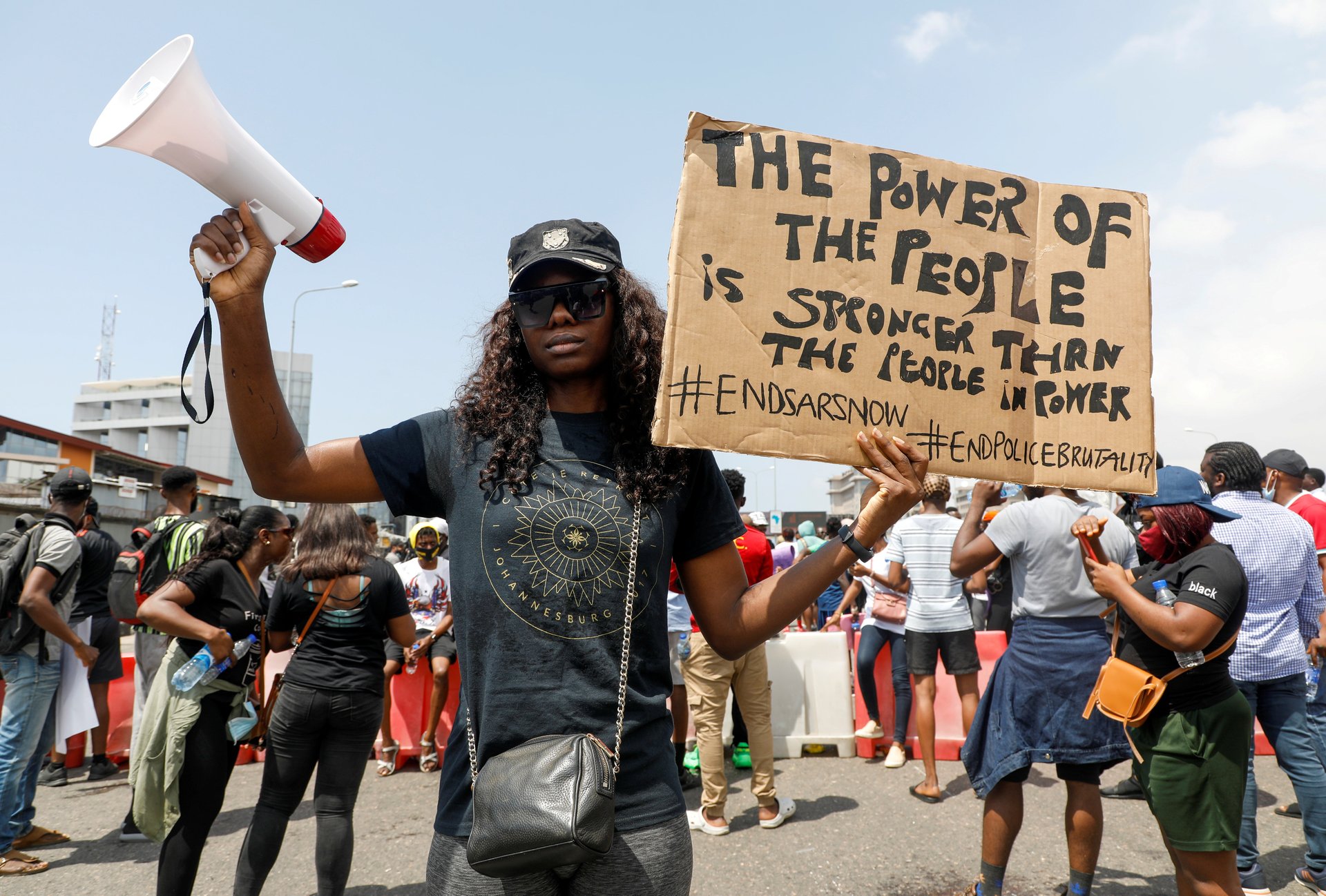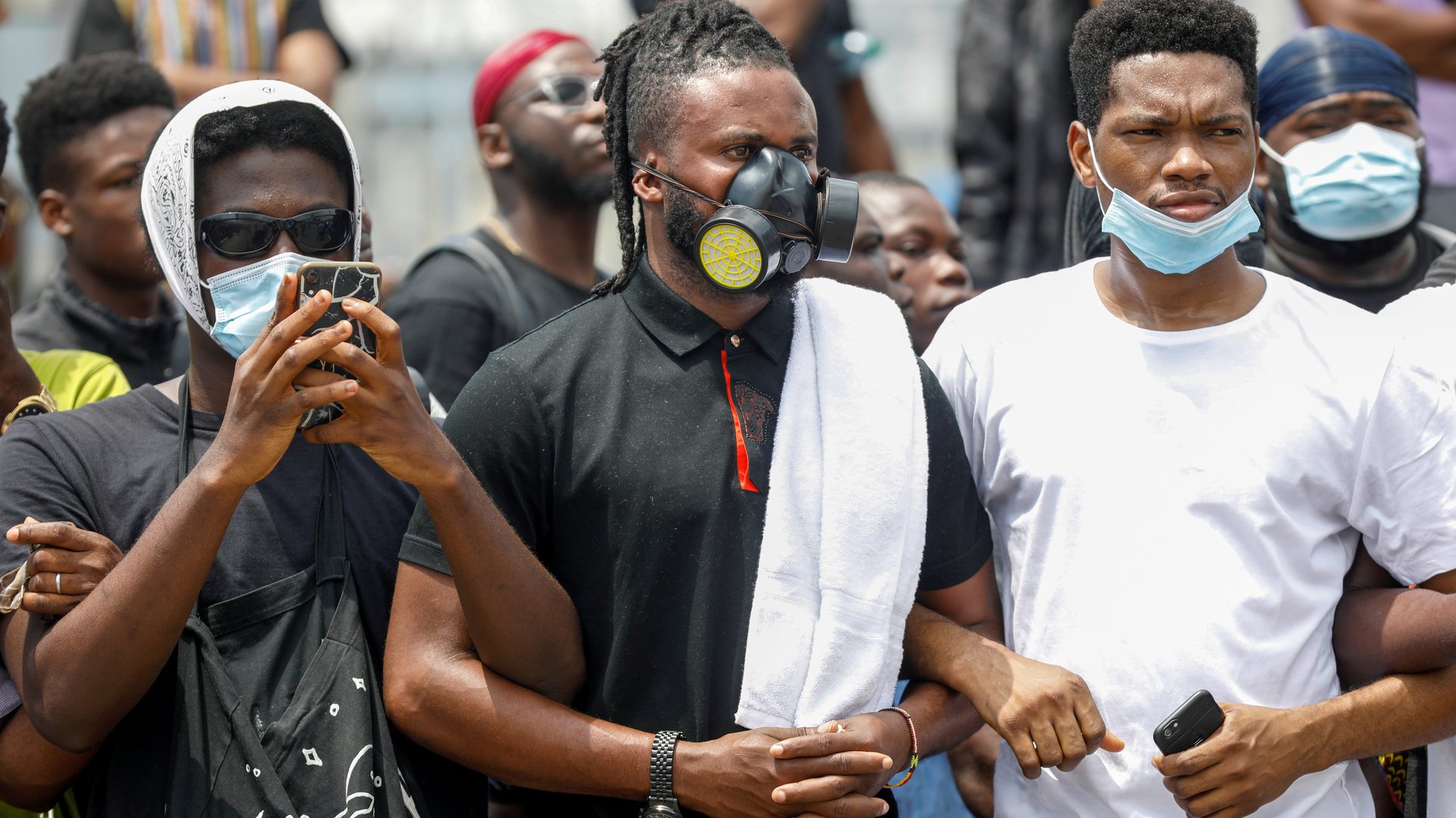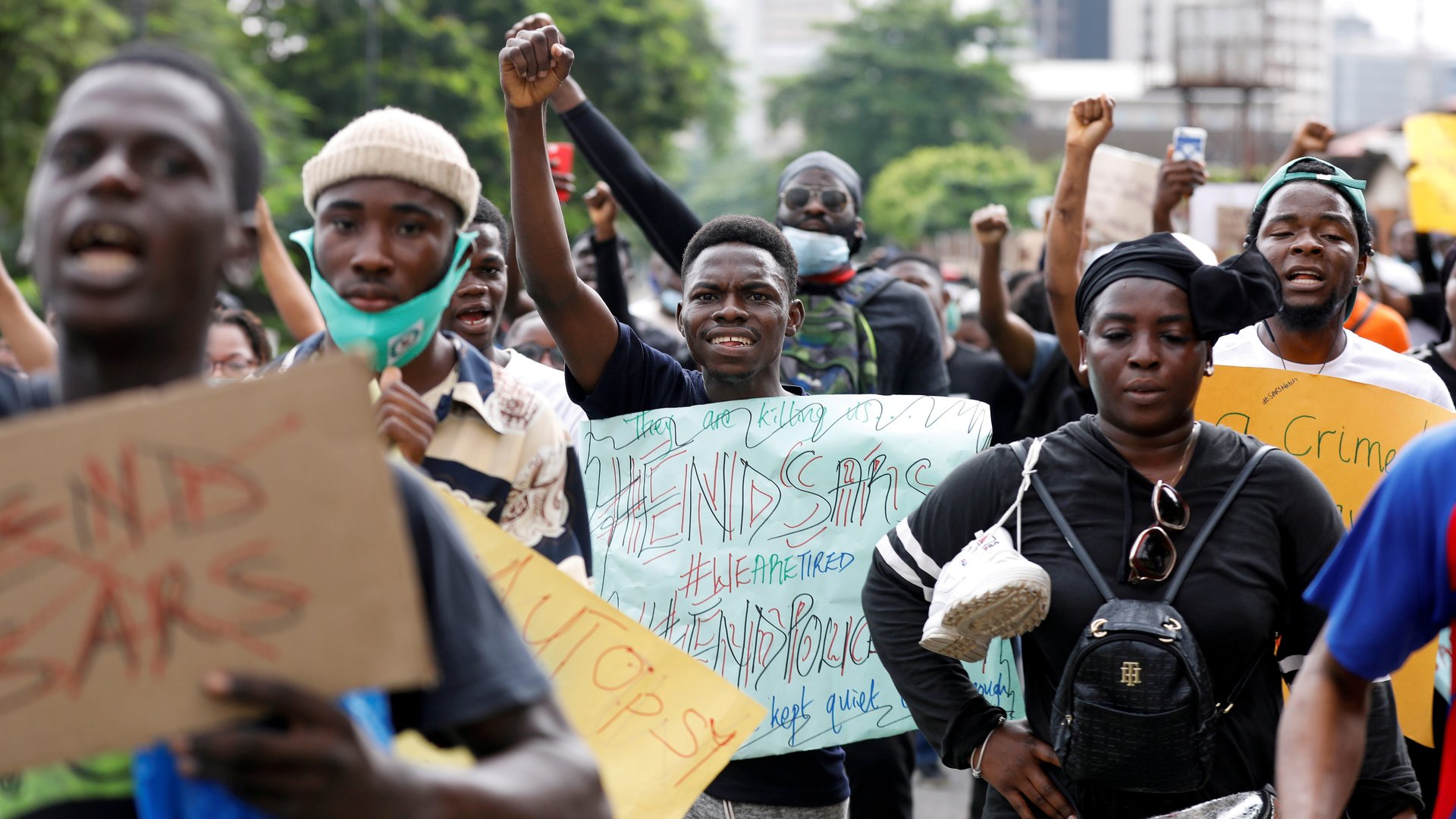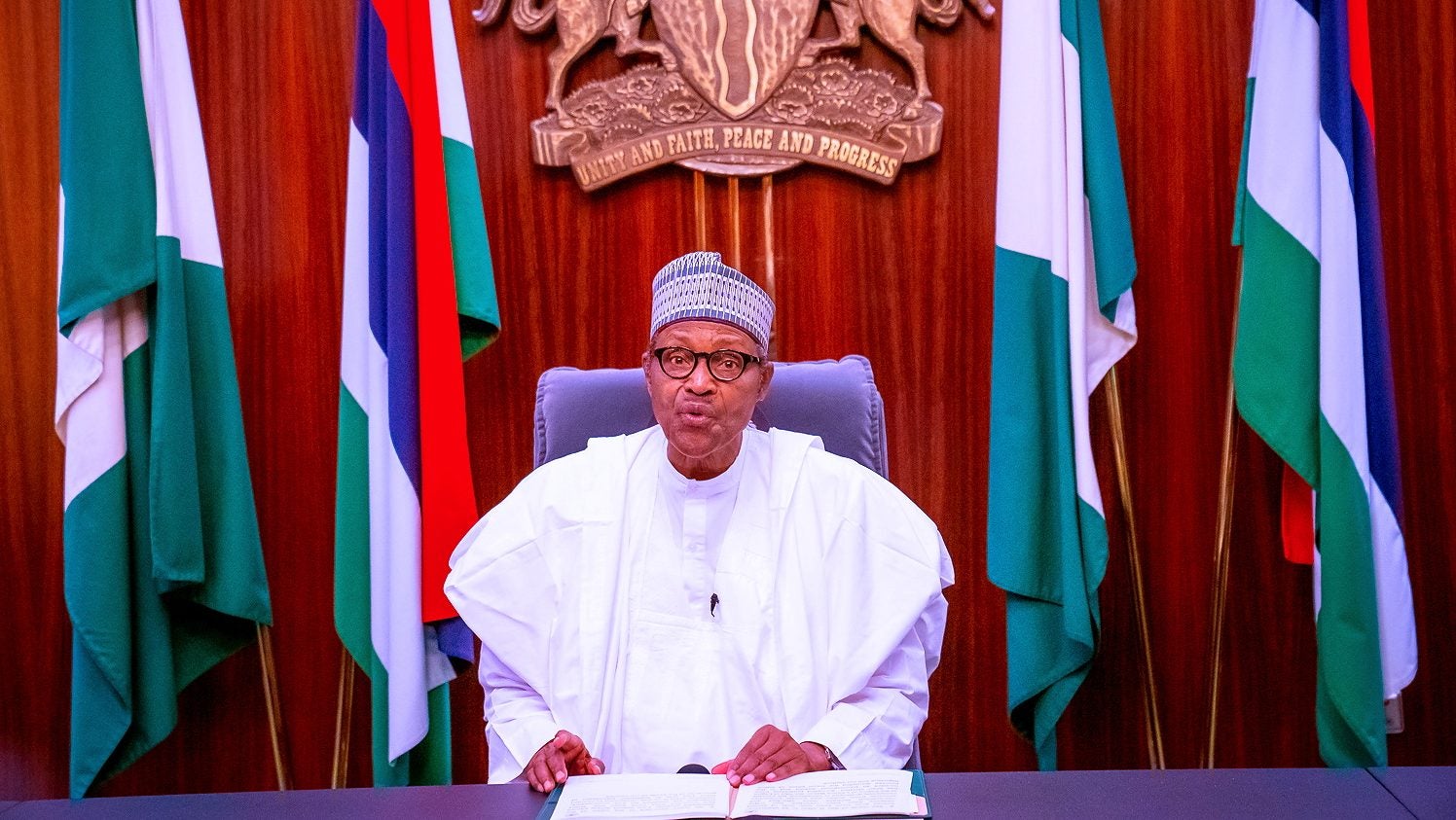
Two weeks after #EndSARS protests against police brutality began, president Muhammadu Buhari finally gave a national address.

Two weeks after #EndSARS protests against police brutality began, president Muhammadu Buhari finally gave a national address.

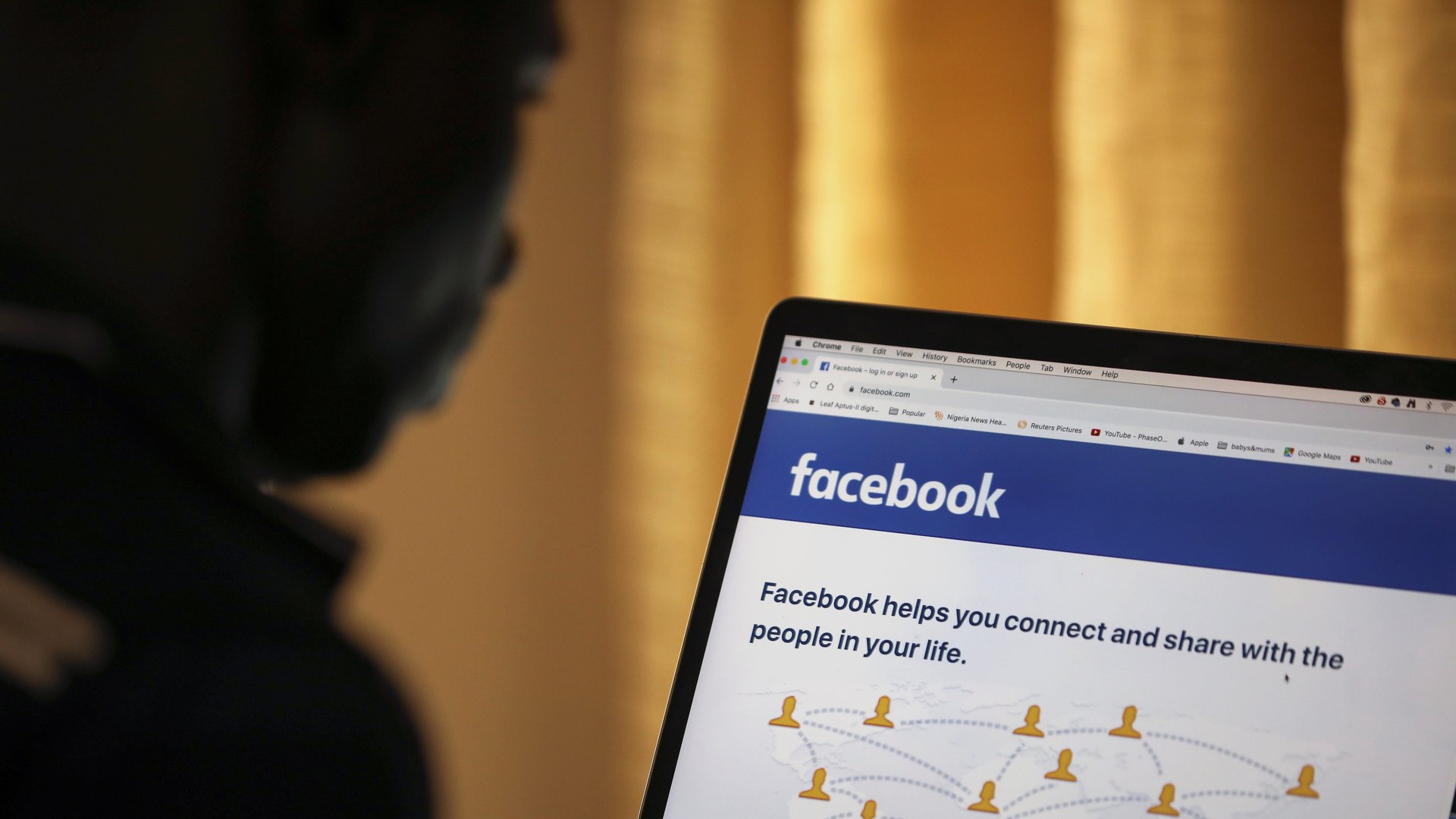
Since the beginning of Nigeria’s anti-police brutality protests, tagged #EndSARS, there has been widespread suspicion among the young people engaged in the online and offline demonstrations that the national government would shut down internet access.

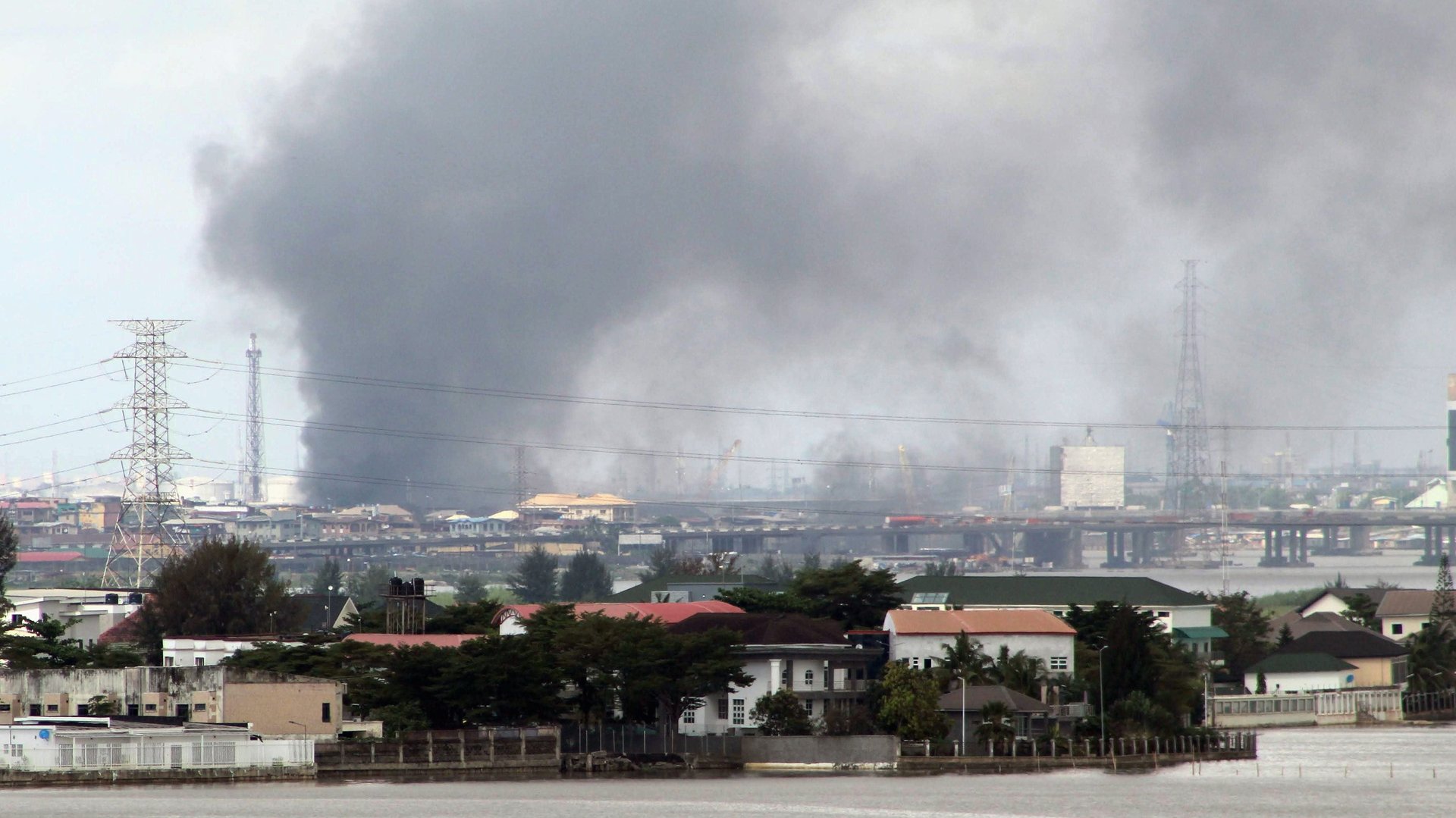
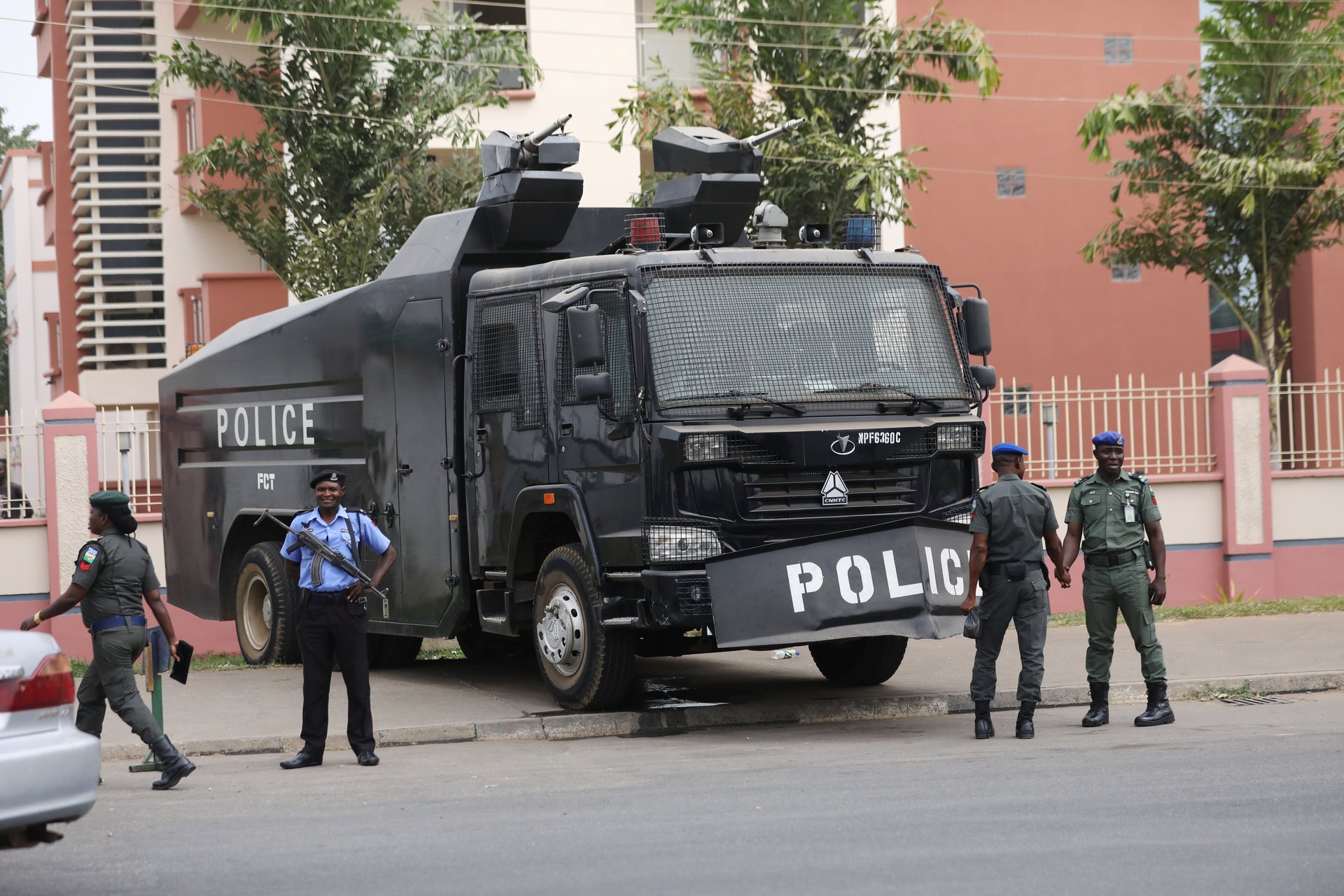
Ongoing youth-led protests against police brutality in Nigeria took a horrific turn on Tuesday (Oct. 20) evening.

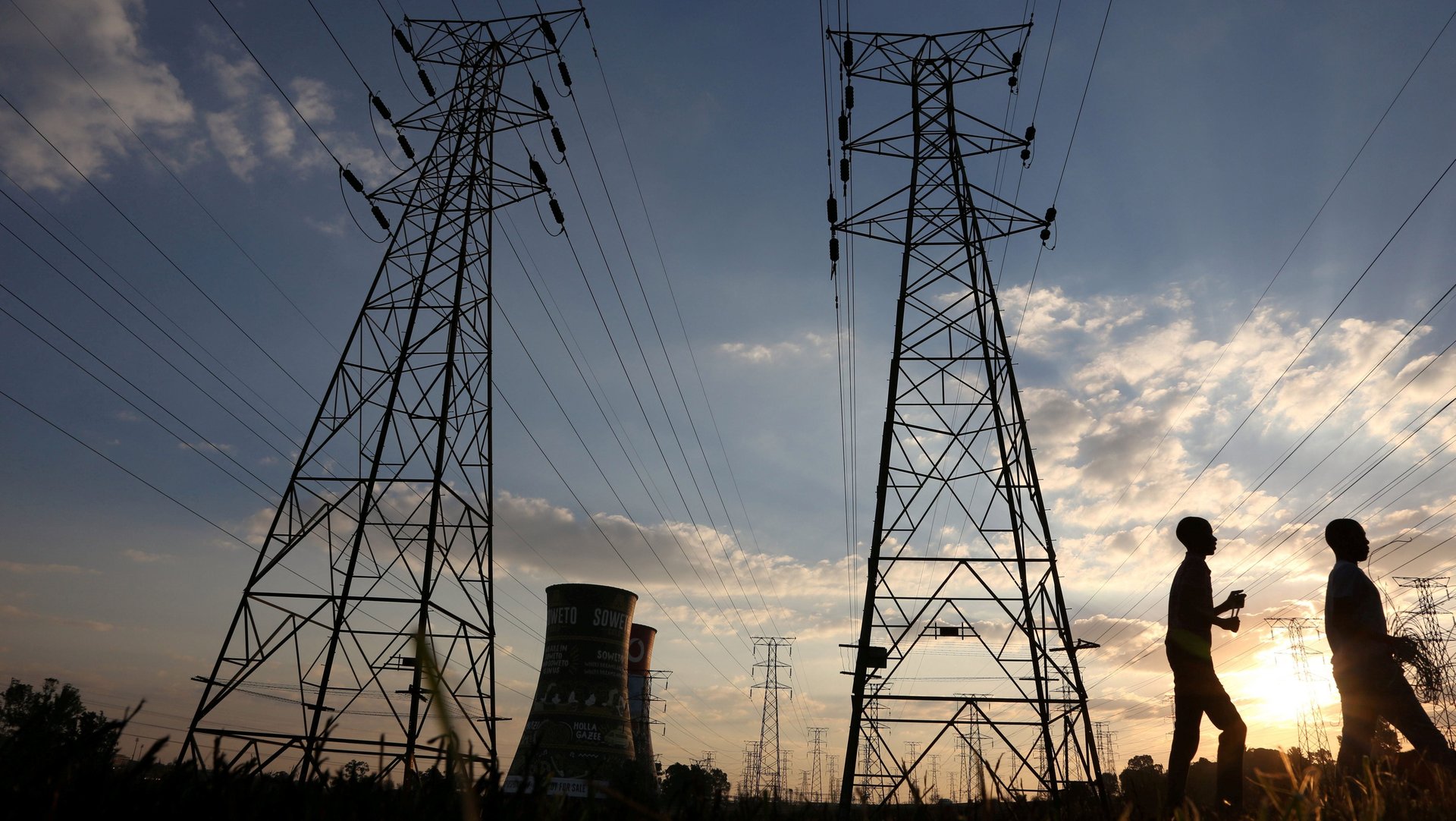
The number of people living without electricity in Africa is set to increase for the first time in eight years.

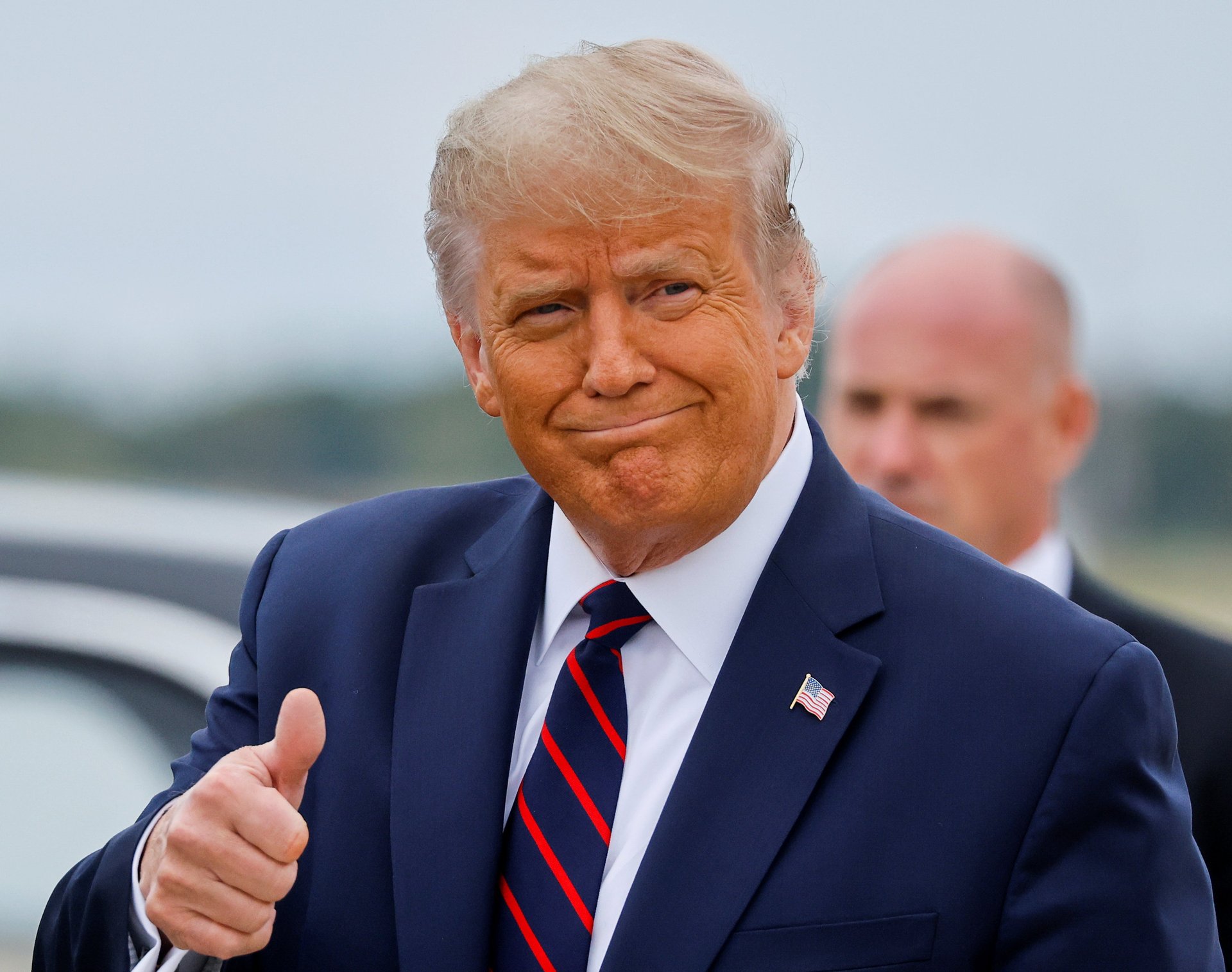
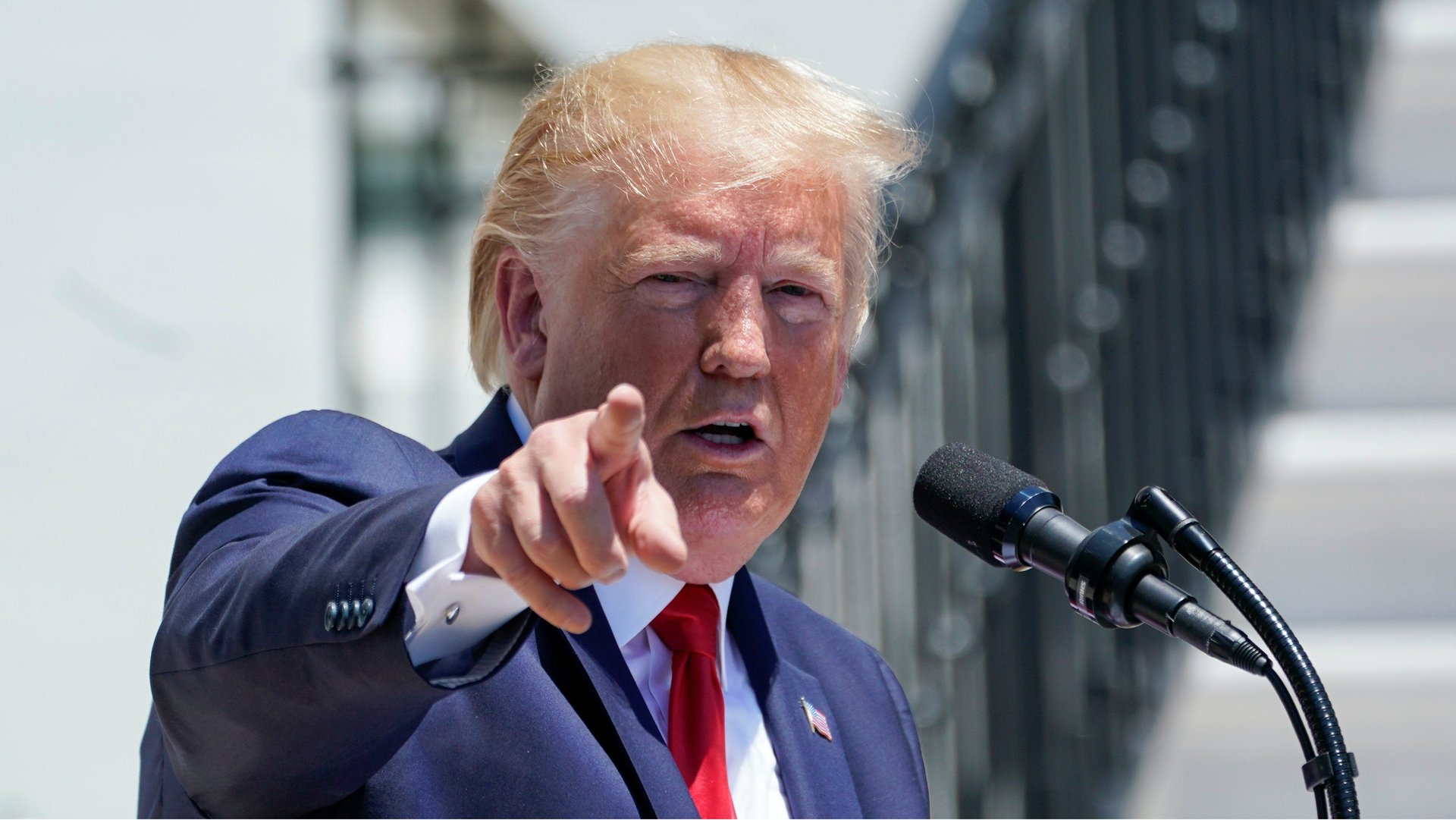
Since US president Donald Trump took office in 2016, Nigeria has been one of the targets of several of his administration’s anti-immigration policies and negative comments. But he remains quite popular in the world’s largest Black country by population.

There’s been a long-held belief, sometimes shared publicly, among Nigeria’s leadership elite that the country’s youth do not care enough about social and political causes—but over the last week and a half that myth has been shattered for a generation.

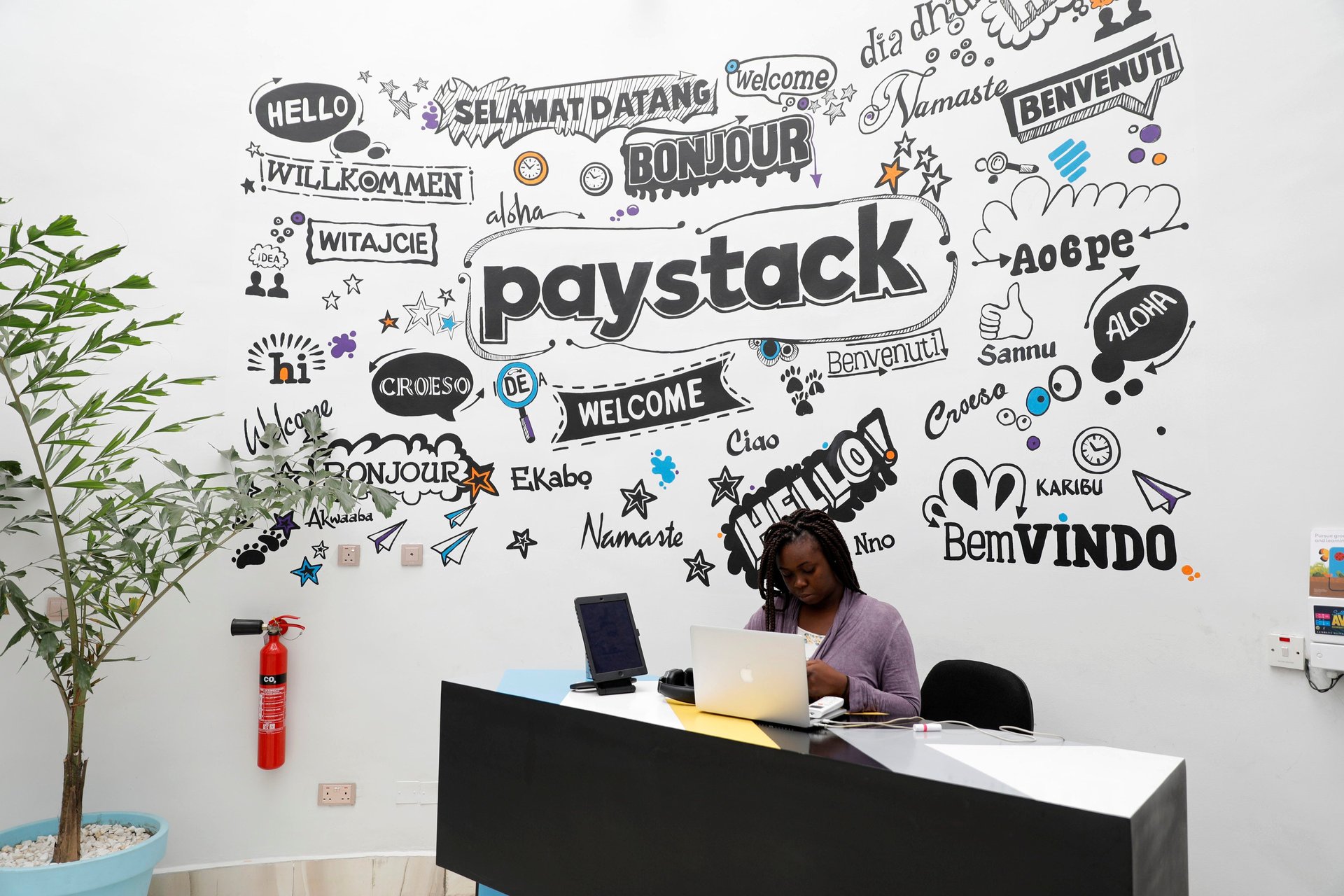
Nigerian payments startup Paystack has become the latest African tech company to notch a multi-million dollar exit this year.

Around 3 pm on Monday, police officers in Lagos arrested entertainment entrepreneur Ademola Ojabodu while he was protesting in Lagos as part of nationwide calls for an end to local police brutality.

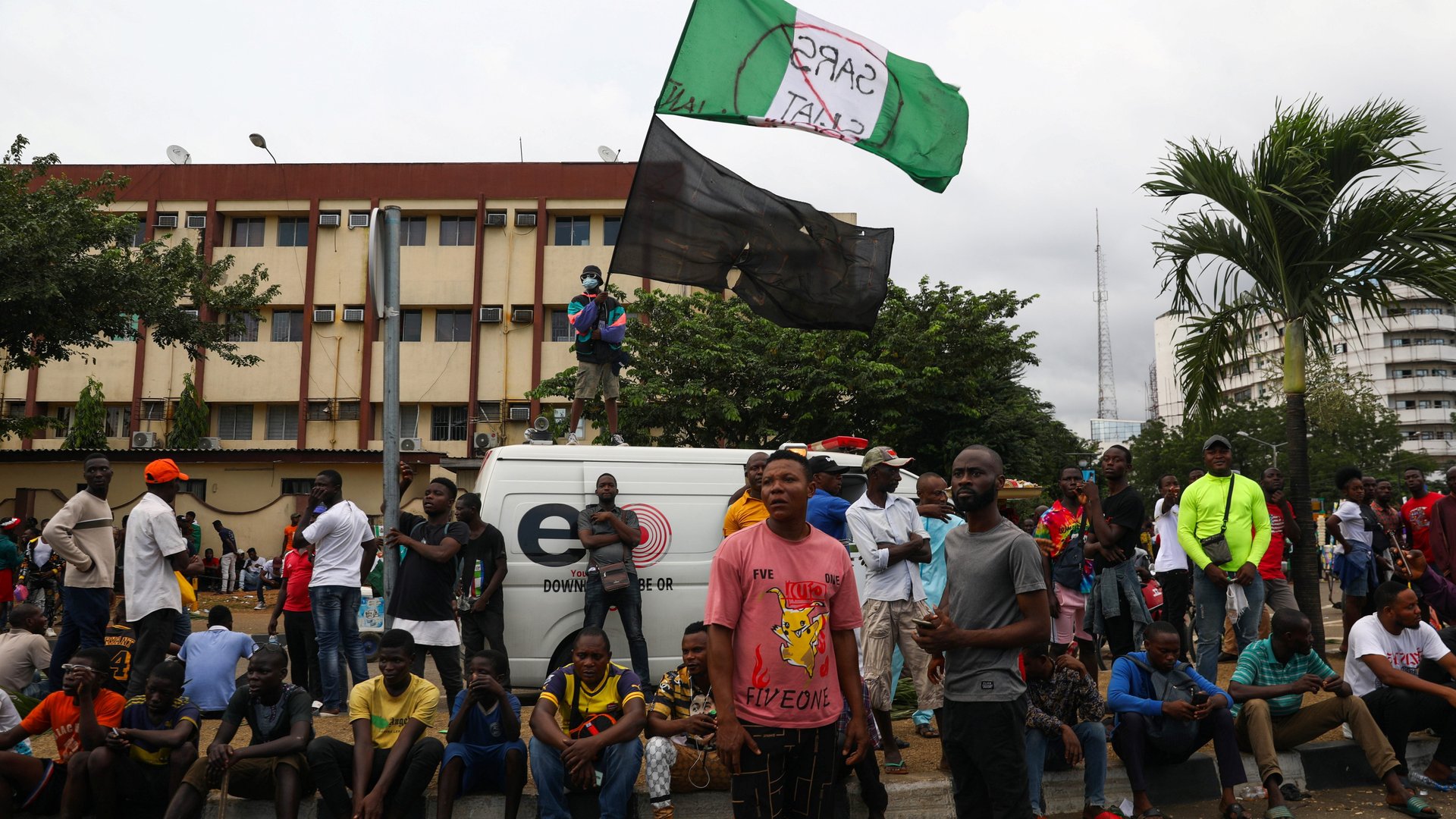
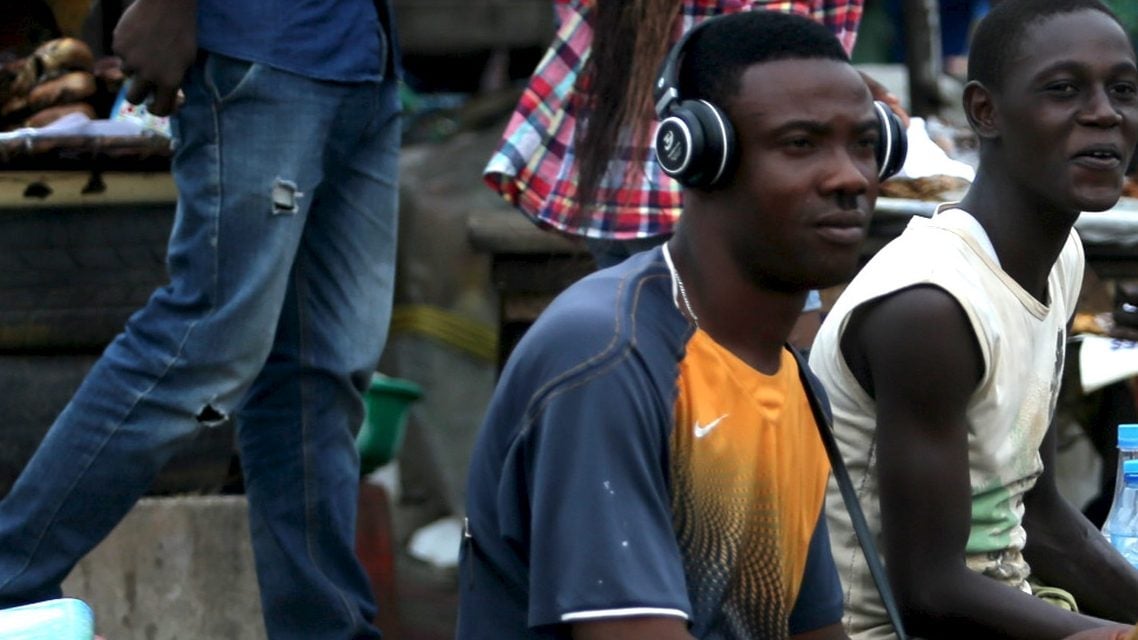
Over the past week, young Nigerians have ramped up widespread protests—online and offline—against rampant brutality by local police.

After years of horror stories of brazen extortion, illegal detentions and gruesome murders at the hands of local police, young Nigerians are out on the streets to demand the government scrap the police’s notorious Special Anti-Robbery Squad (SARS) unit.

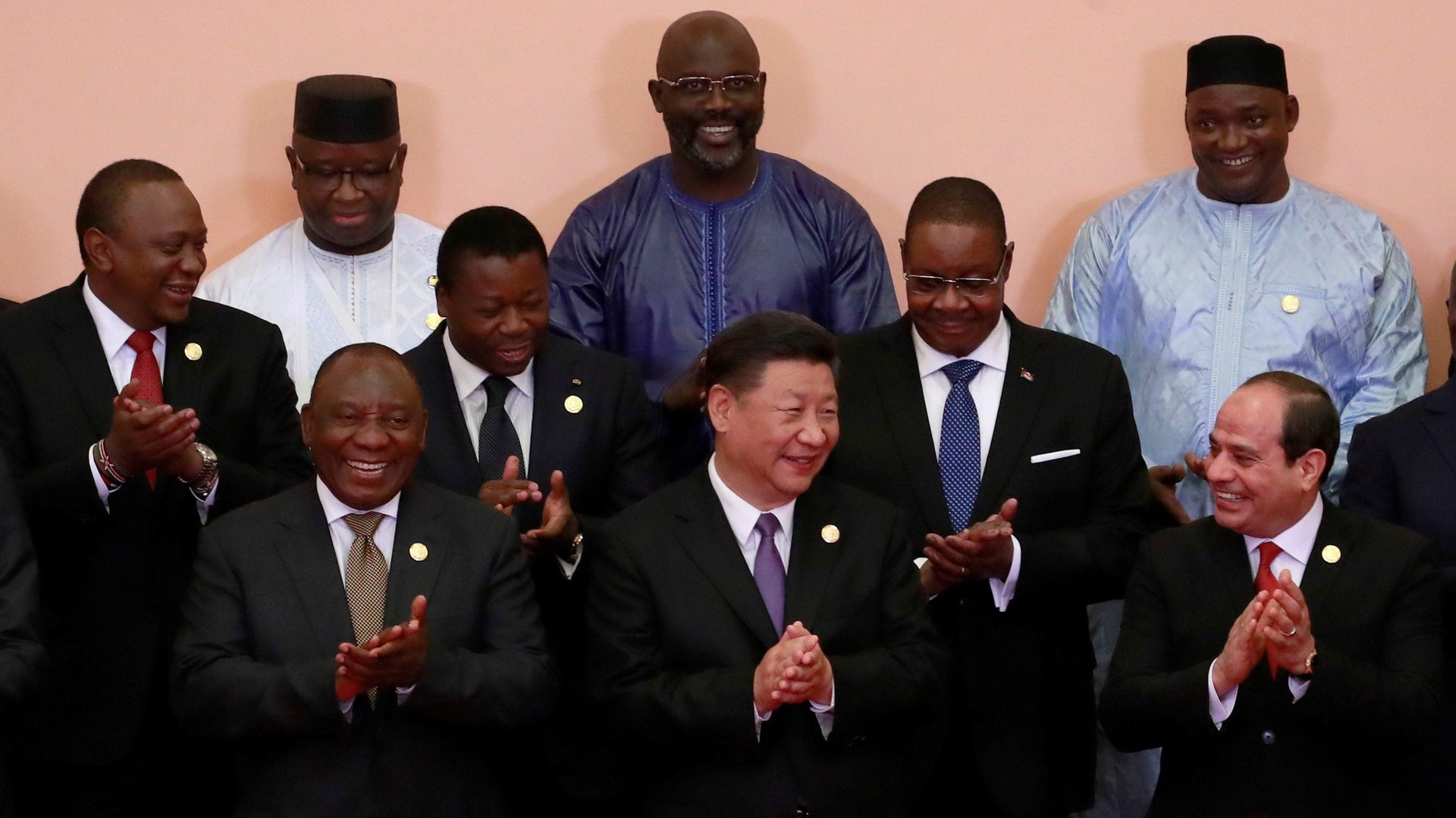
Two months ago, the Chinese embassy in Nigeria was forced to deny plans to seize any of Nigeria’s national assets amid local debates over the possibility of “losing” sovereignty to China over bad debts.

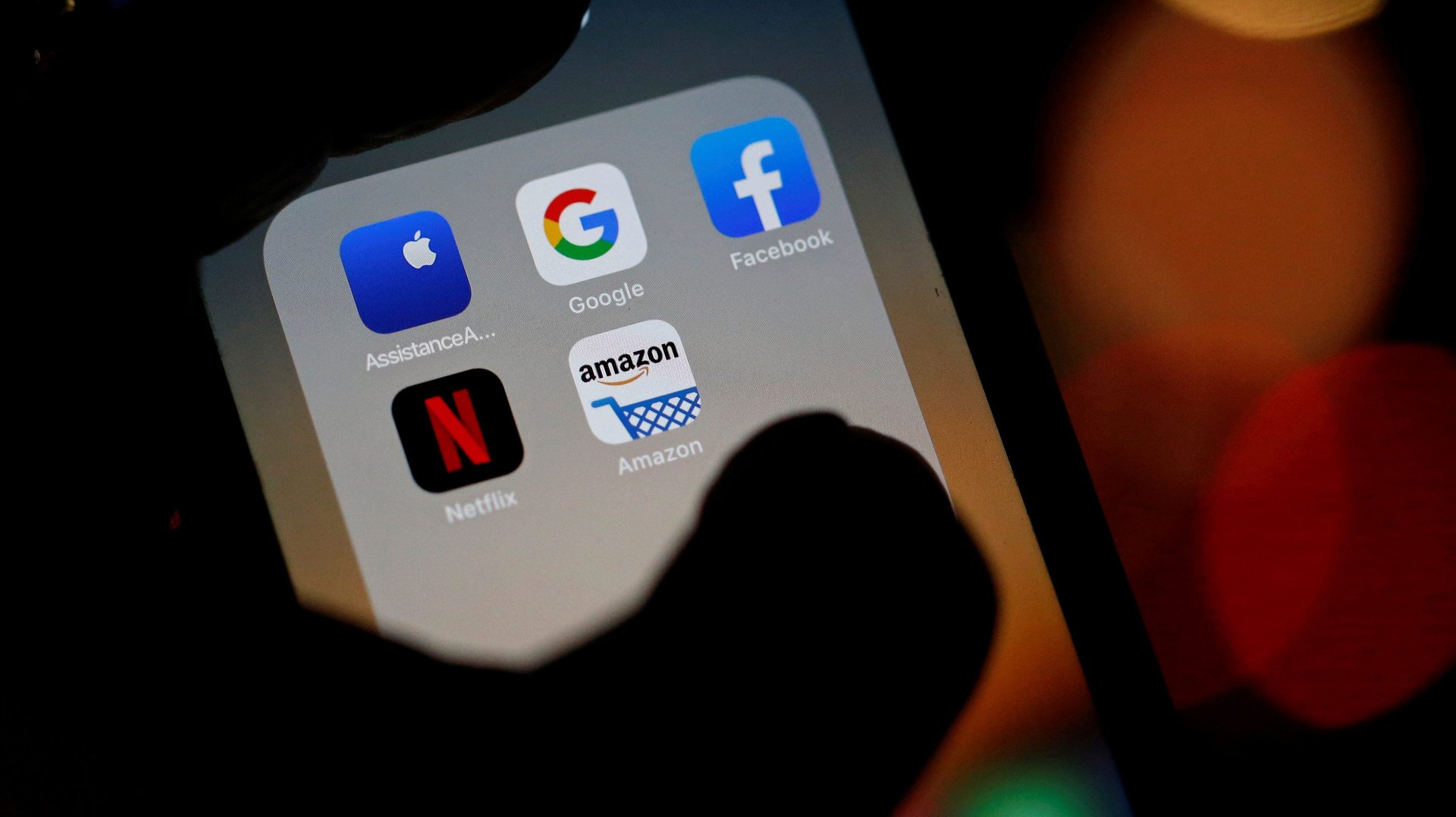
When Netflix first launched in Africa in 2016, early predictions suggested it was likely run into unique problems it had not faced elsewhere, from users’ spotty internet connectivity to questions over its pricing.

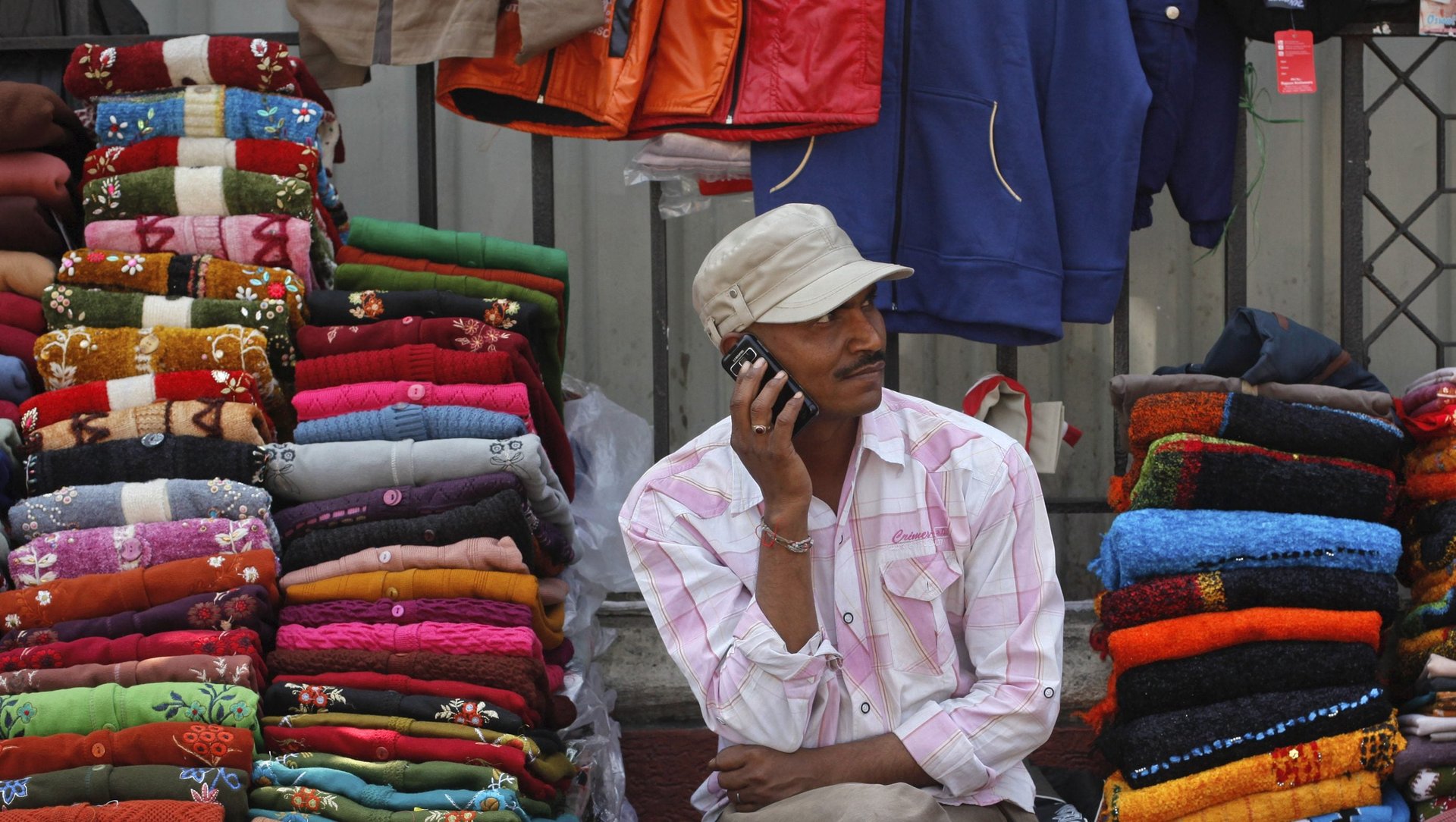
To gauge the progress of 5G networks in Africa, consider this stat: 5G connections will account for only 3% of the total mobile connections on the continent by 2025.

US president Donald Trump has tested positive for coronavirus. He and his wife Melania were already in quarantine after one of their advisers also tested positive, and although the president will have the best possible medical care, he’s 74, likely overweight, and generally in a higher-risk category.

The economic impact of Covid-19 is starting to show up in private equity activity and deals in Africa.

Illicit financial flows are burning billion-dollar holes in African economies.

The US Department of Homeland Security (DHS) is attempting to revamp visa rules for international students—but thousands of Africans could be adversely affected.

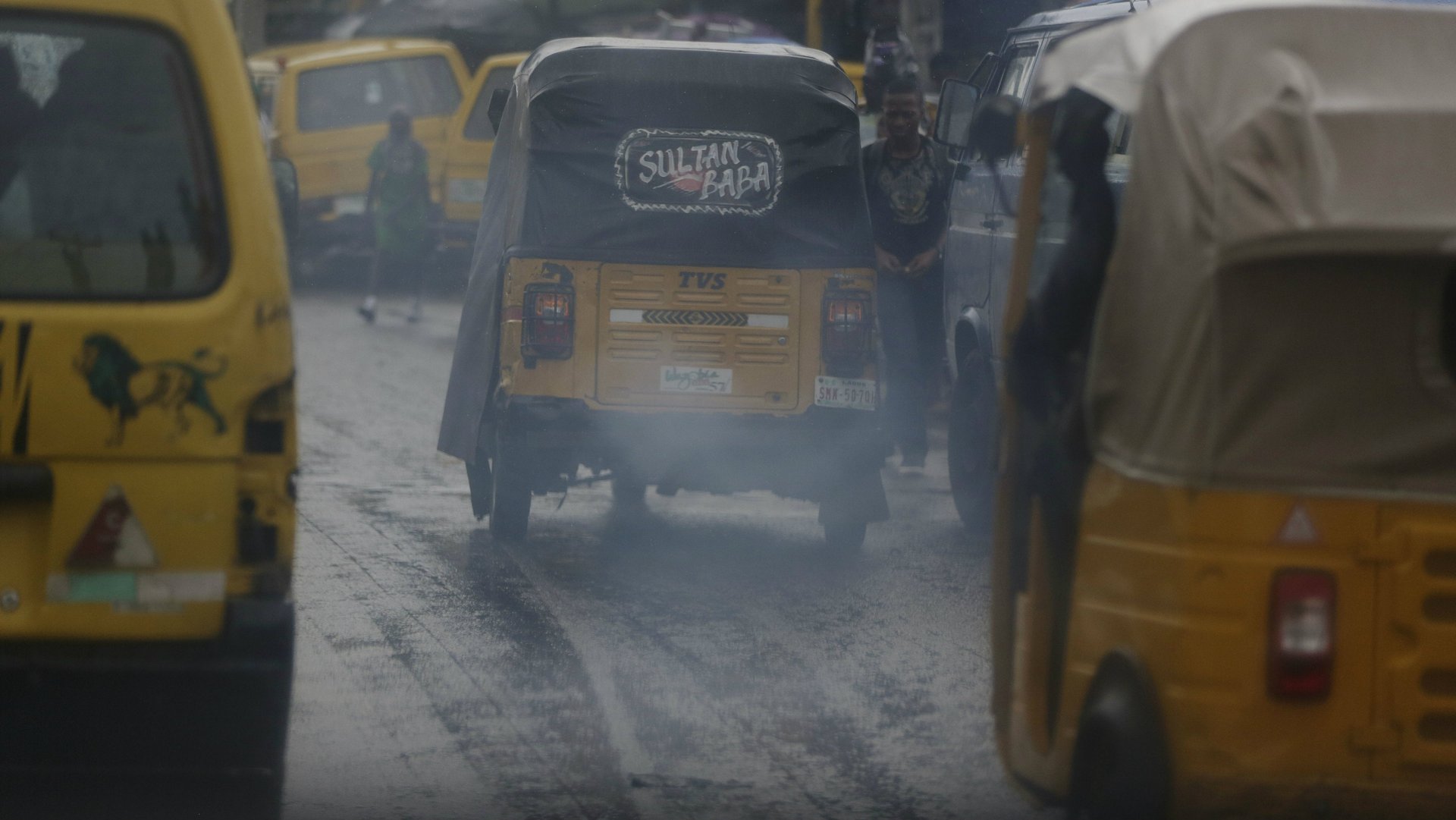
There is growing evidence of how bad—and expensive—air pollution is in Lagos, Africa’s largest mega-city.

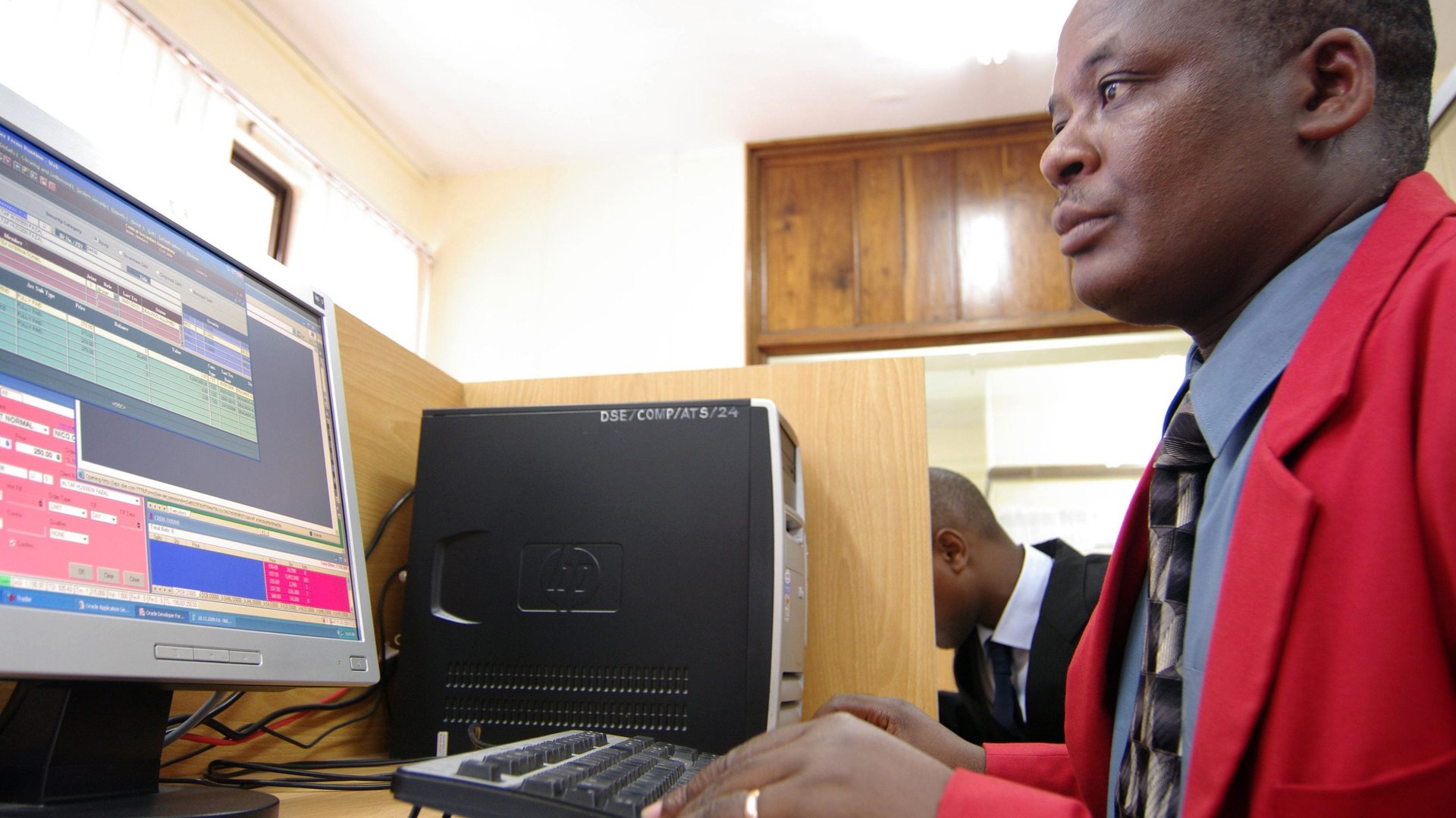
After nearly a decade in the works, Uganda, Tanzania, and Rwanda are speeding up plans to merge their stock markets electronically in a bid to ease the cost and time difficulties of cross-border trading.

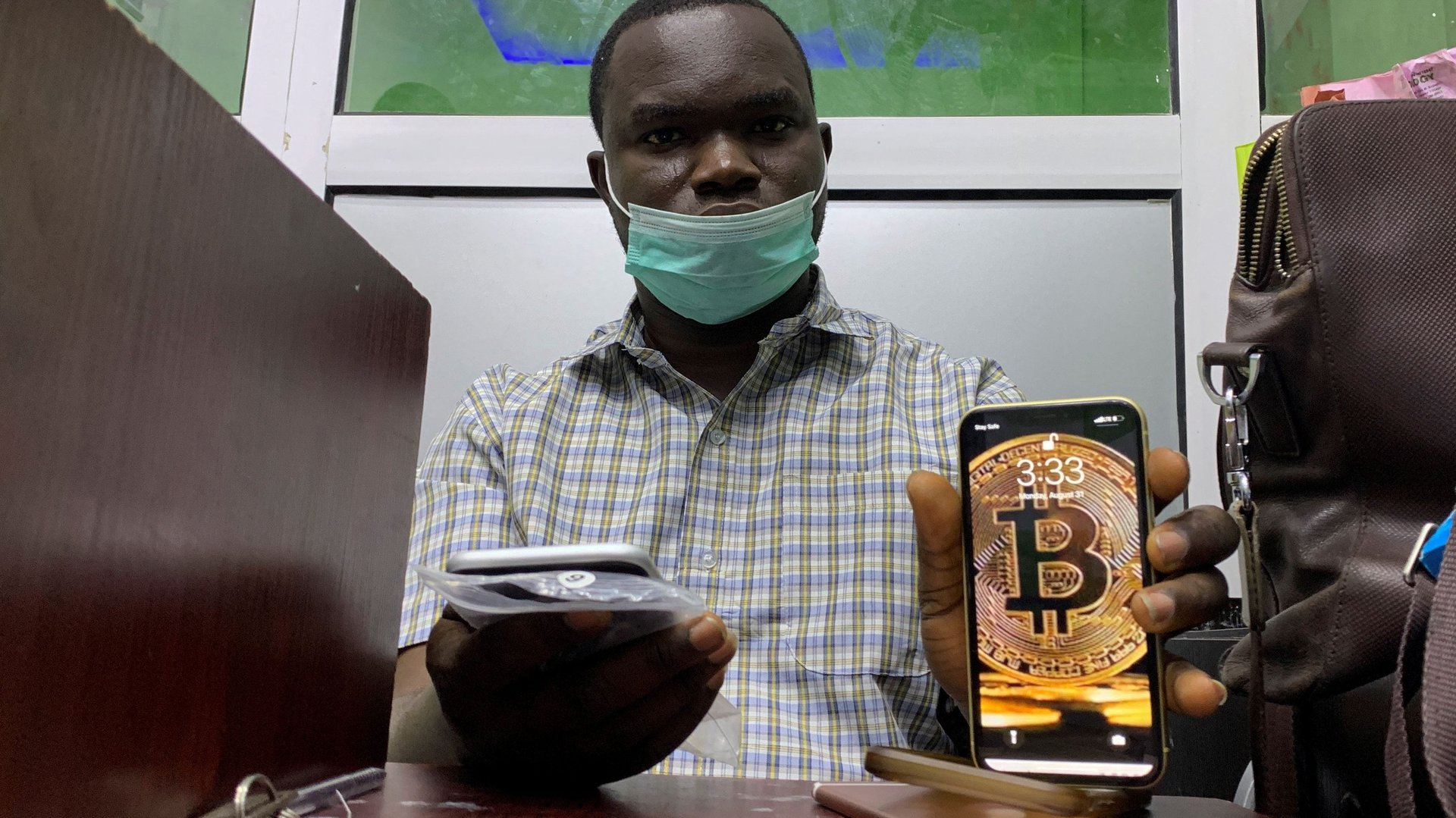
In August 2018, a report on the state of cryptocurrency regulation across Africa came back with one obvious conclusion: most countries were undecided on what to do.

About 21.7 million Nigerians are unemployed—it’s a figure that is higher than the population in 35 of Africa’s 54 countries. That number will likely rise given Nigeria has also just suffered its worst quarterly economic contraction in over a decade due to the Covid-19 pandemic.

In 2016, Facebook chief executive Mark Zuckerberg visited Nigeria in what was his first trip to sub-Saharan Africa.

After Martin Nielsen moved to Kenya in 2012 to work with a venture capital firm, he soon noticed an obvious trend: most locals consumed music by downloading tracks illegally.

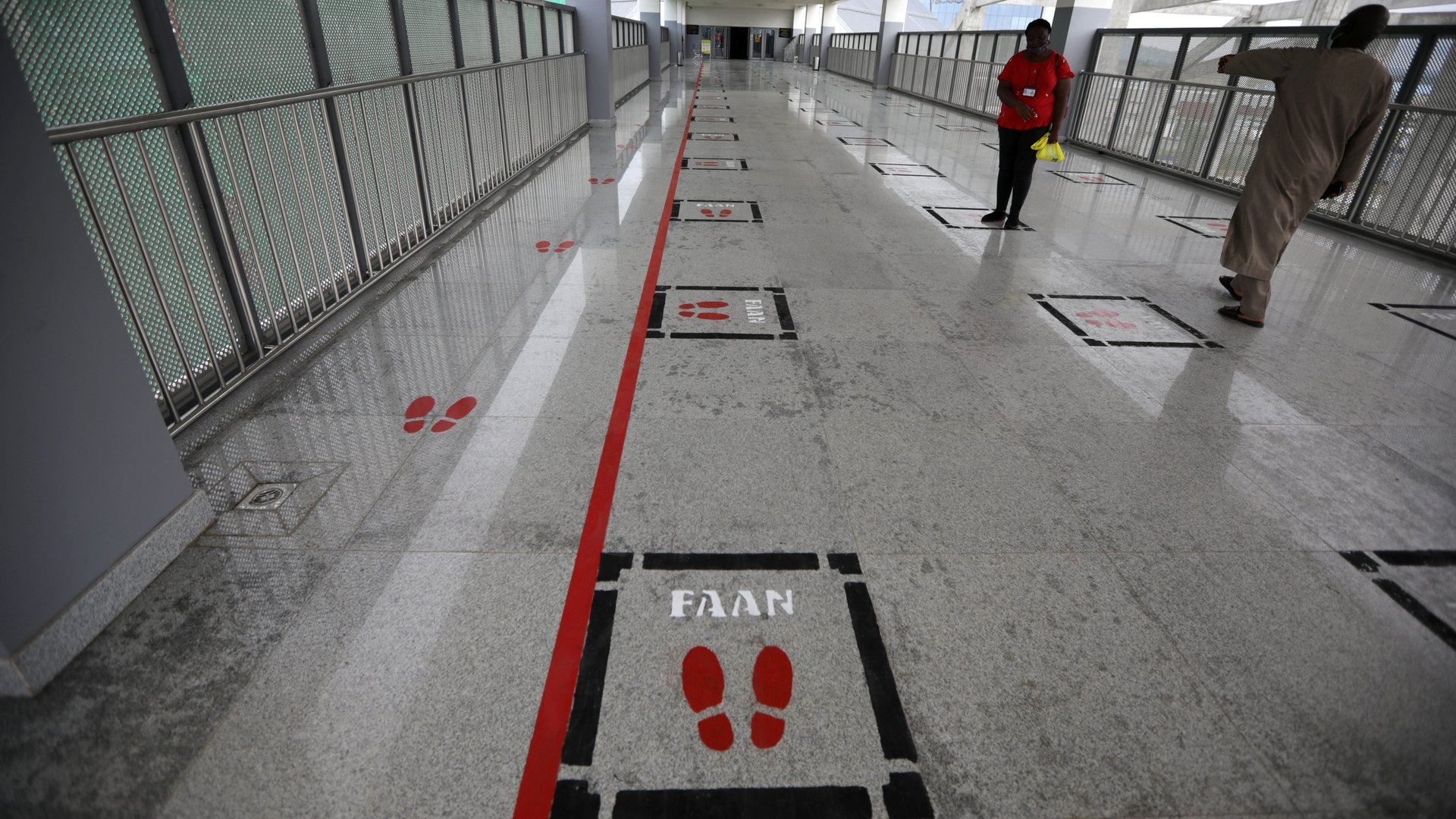
The response of several African countries to the threat of coronavirus outbreaks mirrored most of the measures taken globally: strict lockdowns and movement restrictions.