The latest Africa-focused fintech player to receive investor backing is one that largely focuses on enabling establishment corporations rather than disrupting them.

The latest Africa-focused fintech player to receive investor backing is one that largely focuses on enabling establishment corporations rather than disrupting them.

It’s hard to miss the SportPesa logo at an Everton FC home soccer match in the English Premier League.

The largest e-commerce operator in Africa just became smaller—again.

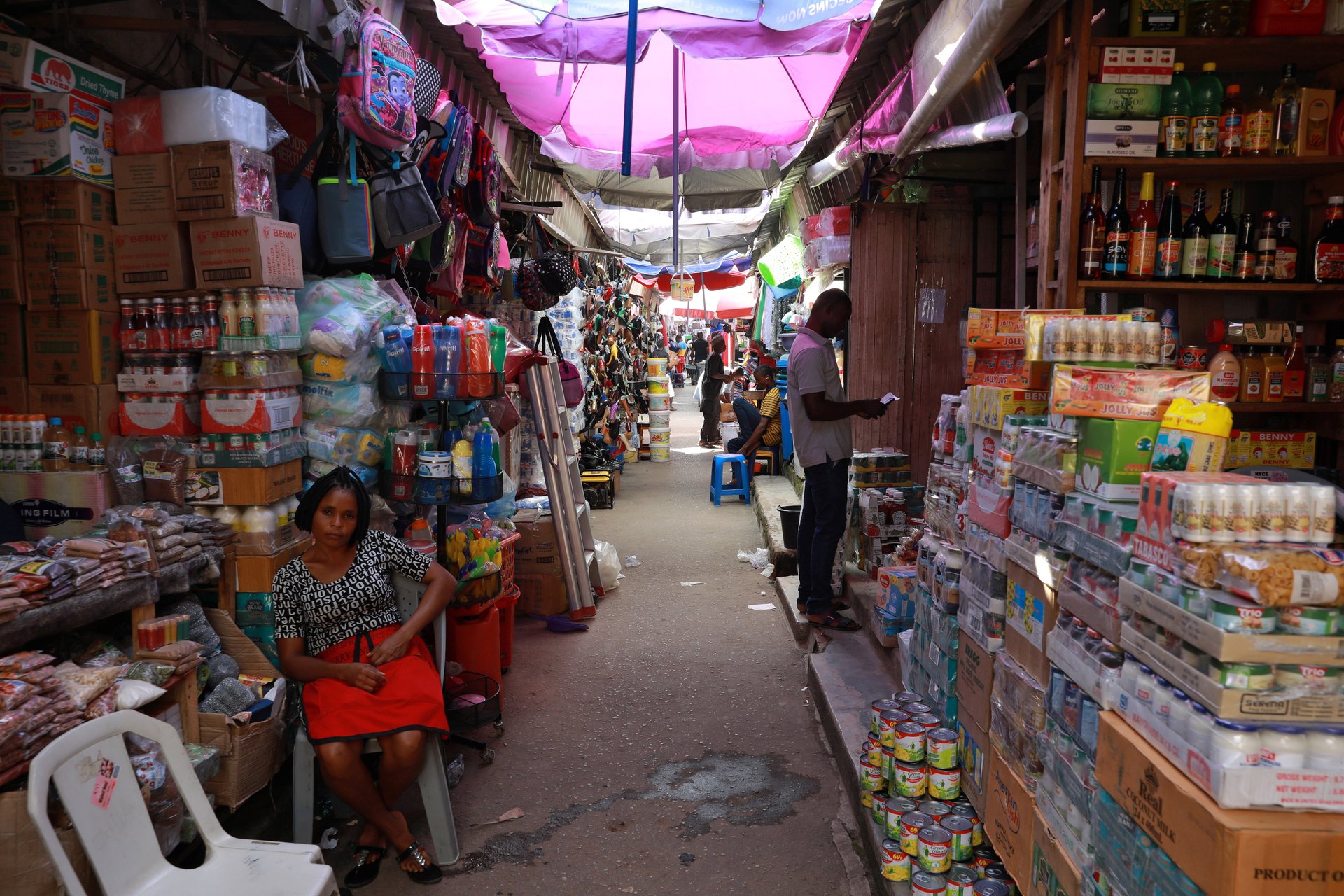
The promise of e-commerce over the past decade across Africa’s urban middle class lies in the ease and convenience of making and paying for purchases via an internet-connected mobile phone without human interaction.

The rot in Nigeria’s educational system is costing the country hundreds of millions of dollars.

Over the course of the next three decades, Africa will record faster population growth than anywhere else.

Africa-focused financial technology startups are, by far, the tech rave of the moment. In each of the last three years, startups in the sector have received more investment than other sectors – and there’s a basis for this.

Entrepreneurs in Nigeria have an oft-repeated saying that is borrowed from New York: “If you can make it here, you can make it anywhere.”

Chinese interest in African fintech has just stepped up another gear.

Shenzhen, China-based Transsion Holdings, Africa’s top phone maker, is joining a crowded field of major international players getting into the continent’s fintech space with the launch of PalmPay.

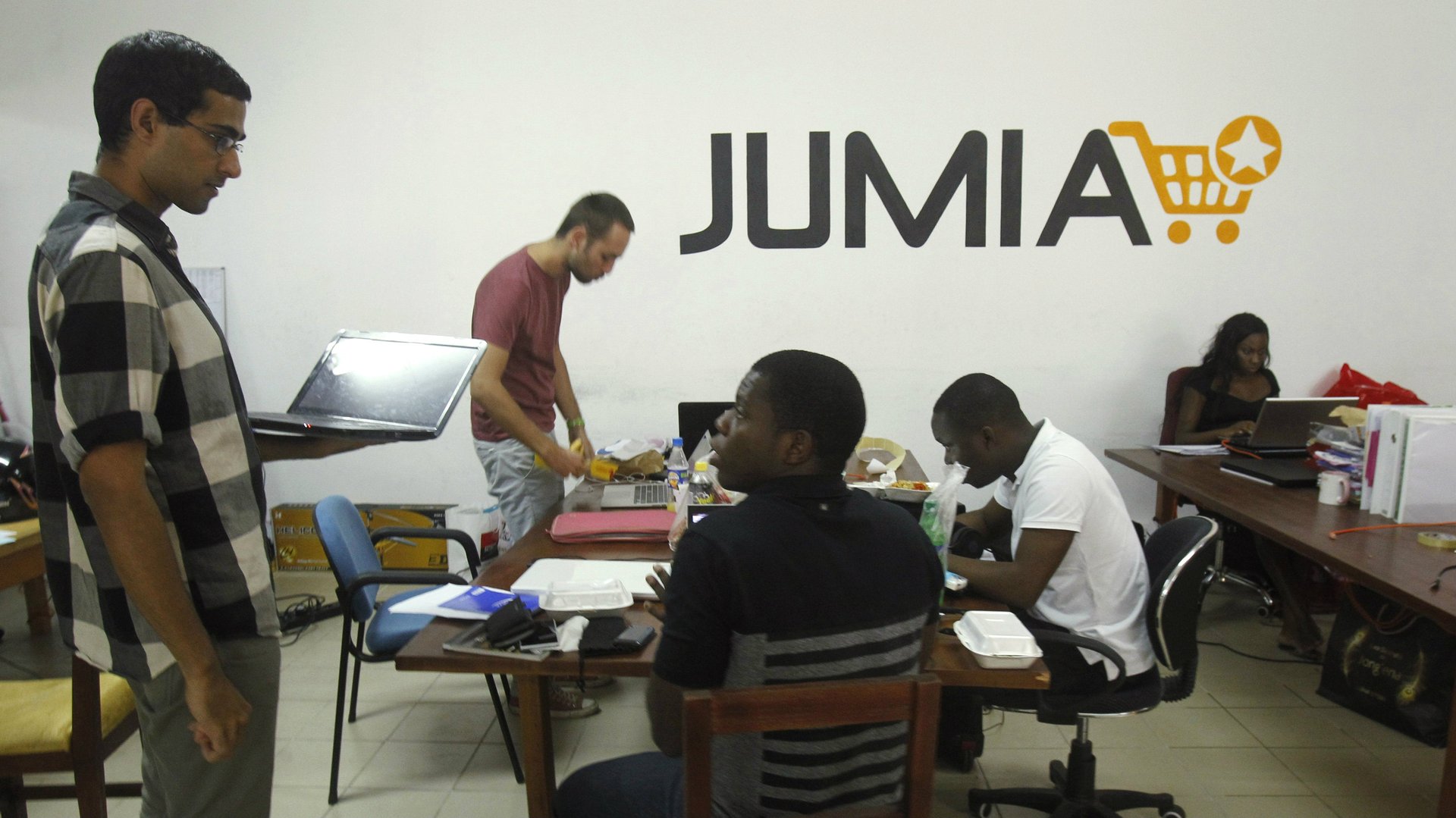
The latest earnings call by Jumia shows the largest e-commerce player in Africa is still trying to figuring out how to make e-commerce work—but its partial fintech pivot might yet work.

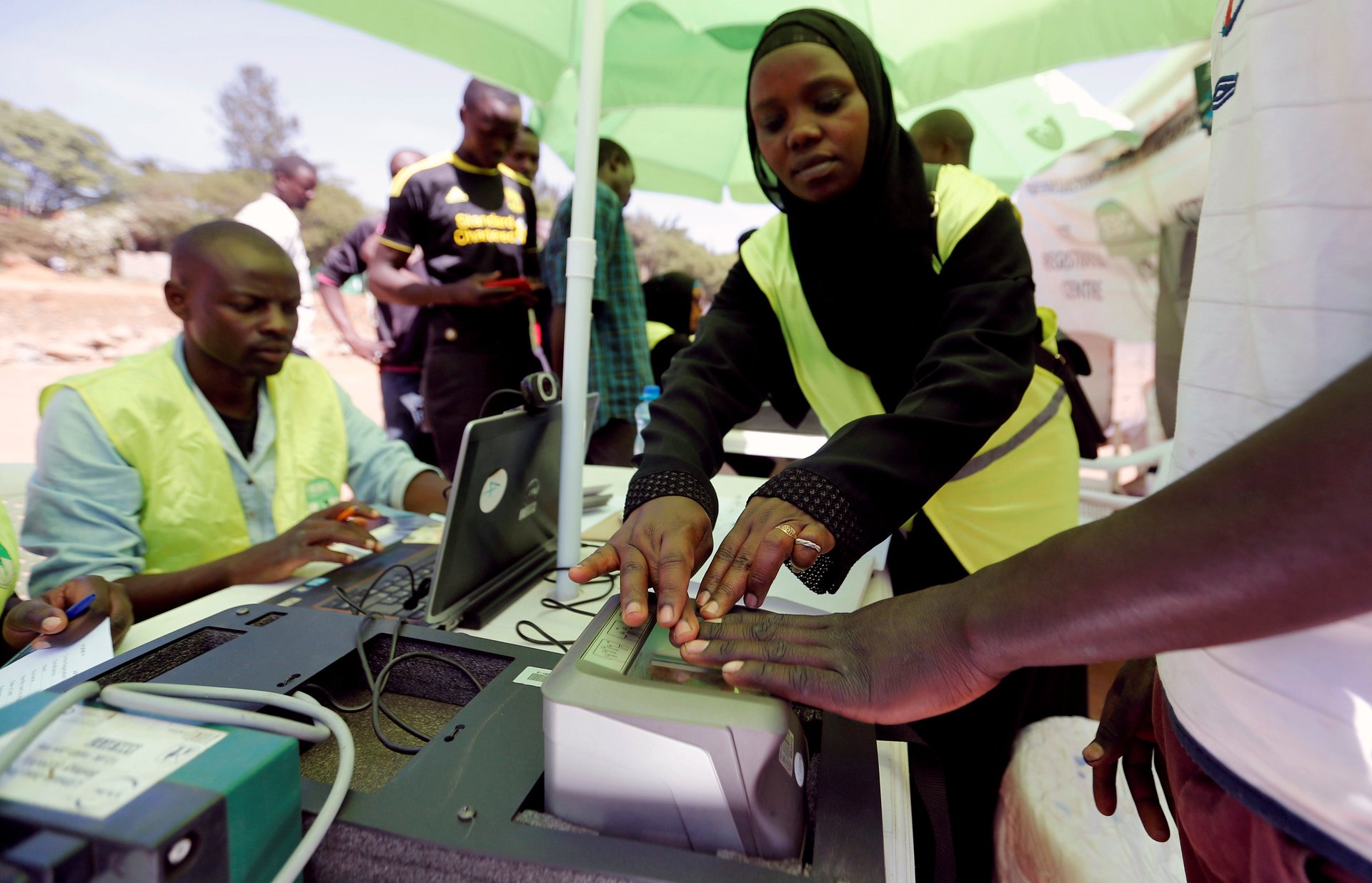
A new data protection law in Kenya is setting a high standard for the rest of the continent.

One unintended outcome of the “sub-Saharan Africa” classification of African countries is that North Africa is typically excluded from conversations about Africa’s tech startup landscape. This often means we’re sharing an incomplete picture of progress being made in tech ecosystems on the continent especially given landmark events recorded in North Africa in recent years.

One of Africa’s veteran fintech companies is about to become the sector’s first unicorn.

As tech ecosystems and hubs continue to sprout across Africa, an accompanying effect has been an upswell in local software engineering talent.

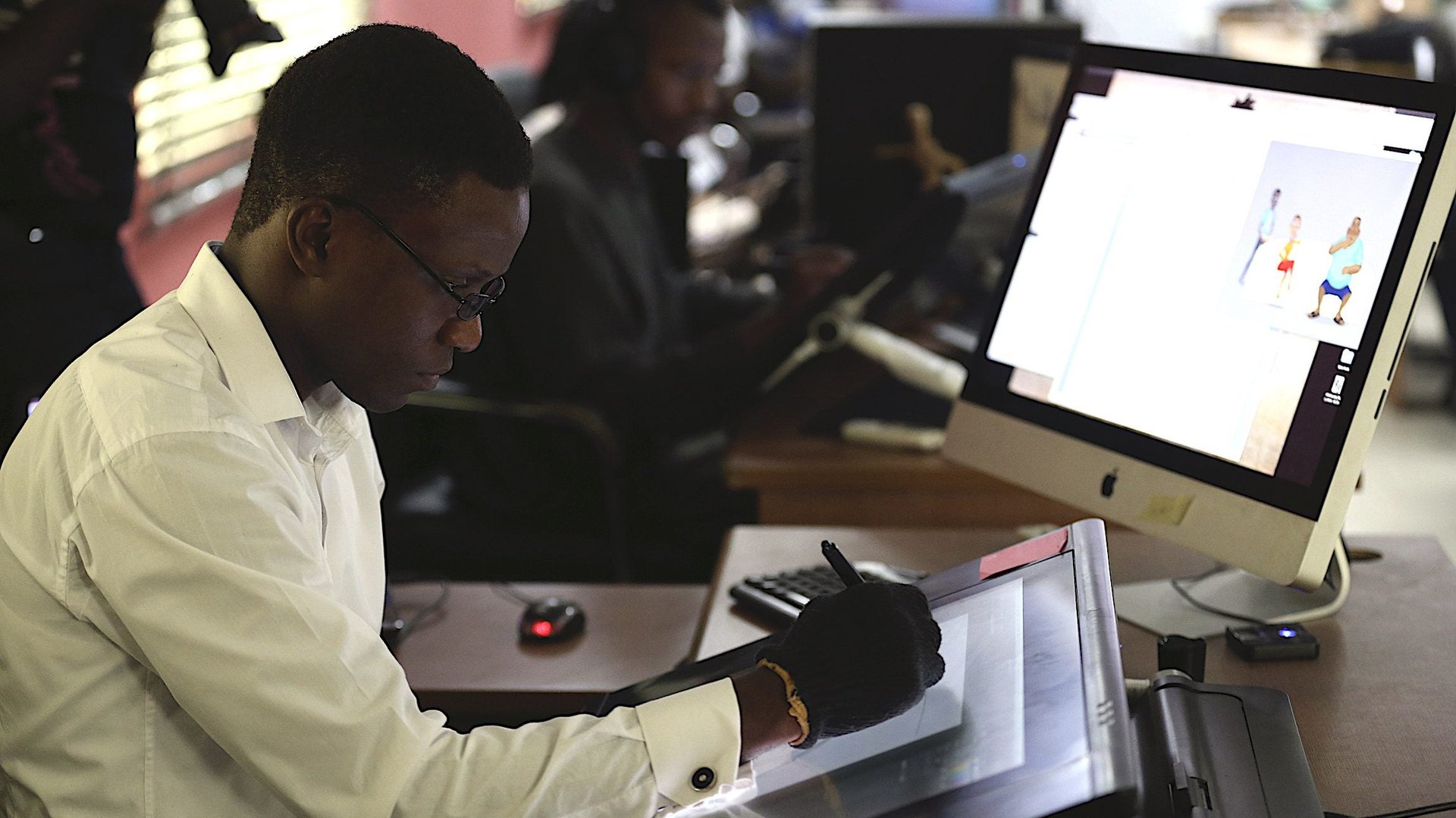
Nigeria’s Nollywood movie industry will be waiting a while longer for its first Academy Award nomination.

Days after the conclusion of the first ever Russia-Africa summit which was the culmination of Russia’s efforts to grow its influence as a regional economic player, there’s evidence the East African giant is influencing matters on the continent in other ways.

The high rate of waste and the lack of effective distribution are two major problems plaguing the agribusiness value chain across African countries. A startup tackling both issues has just bagged major funding.

The notorious difficulties of getting business done in Nigeria are gradually easing up, according to the World Bank.

Nigeria’s Ministry of Communications is getting a new name—it will now be known as the “Ministry of Communications and Digital Economy.”

Africans are still paying way too much for their internet access due to a myriad of challenges including infrastructure investment and weak competitive environments in local markets.

Amid fears of a possible Ebola outbreak in Nigeria during the devastating epidemic that plagued West Africa in 2014, a WhatsApp broadcast made the rounds:

It pays more to be a startup CEO in South Africa than anywhere else, according to a survey of startup compensation packages focused on nearly 50 startups in Kenya, South Africa, Nigeria and Ghana. The survey was carried out by Timon Capital, early-stage investor in sub-Saharan Africa and think tank Briter Bridges.

One criticism of Nigeria’s Nollywood movie industry is the lack of variance in story genres.