

Money & Markets
China’s economy will cool this year—but it’s a good thingThis post has been updated with China’s latest GDP figures.
Updated July 20, 20222 min read
This post has been updated with China’s latest GDP figures.
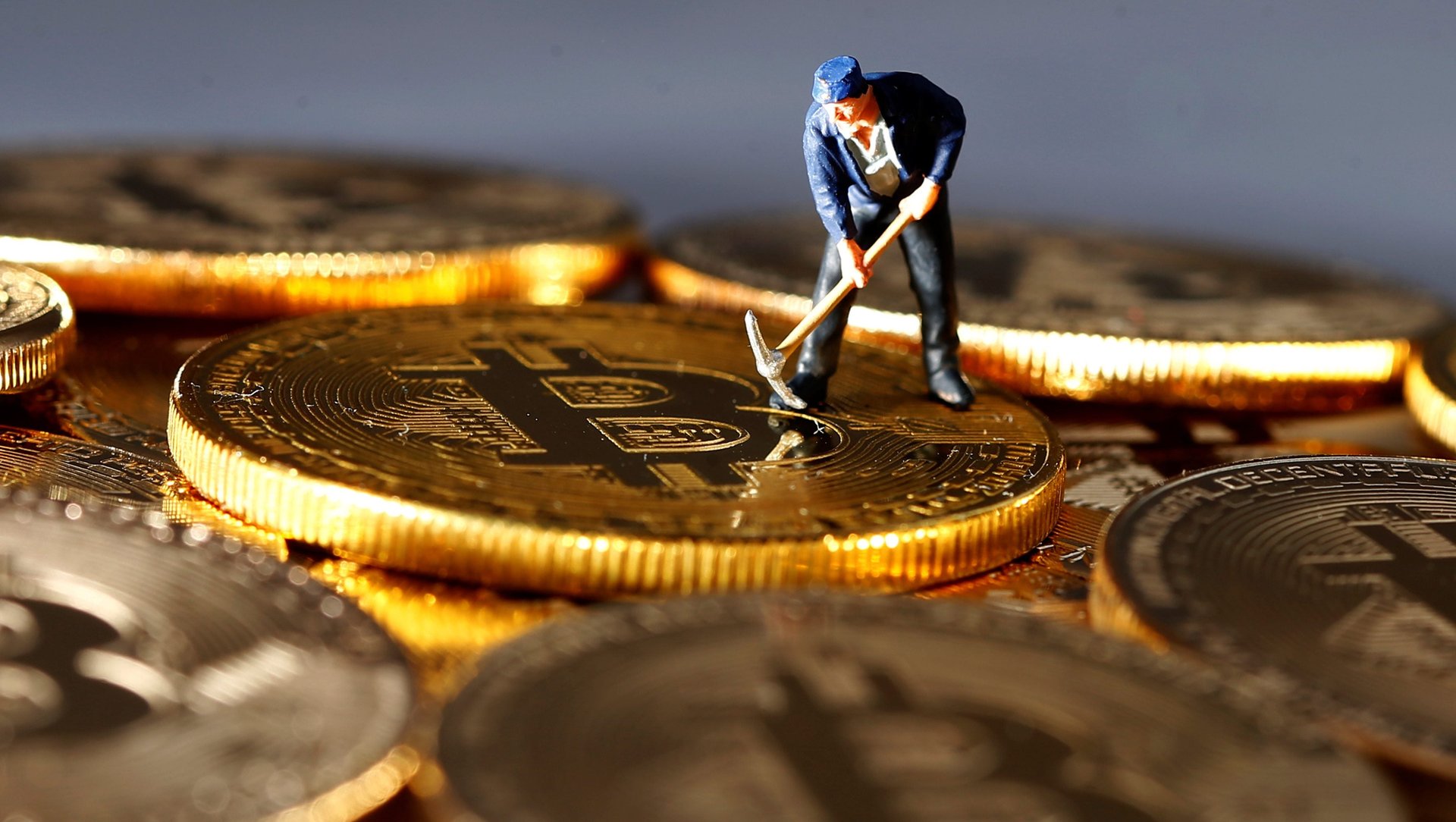
China is set on stopping its citizens from trading bitcoin.
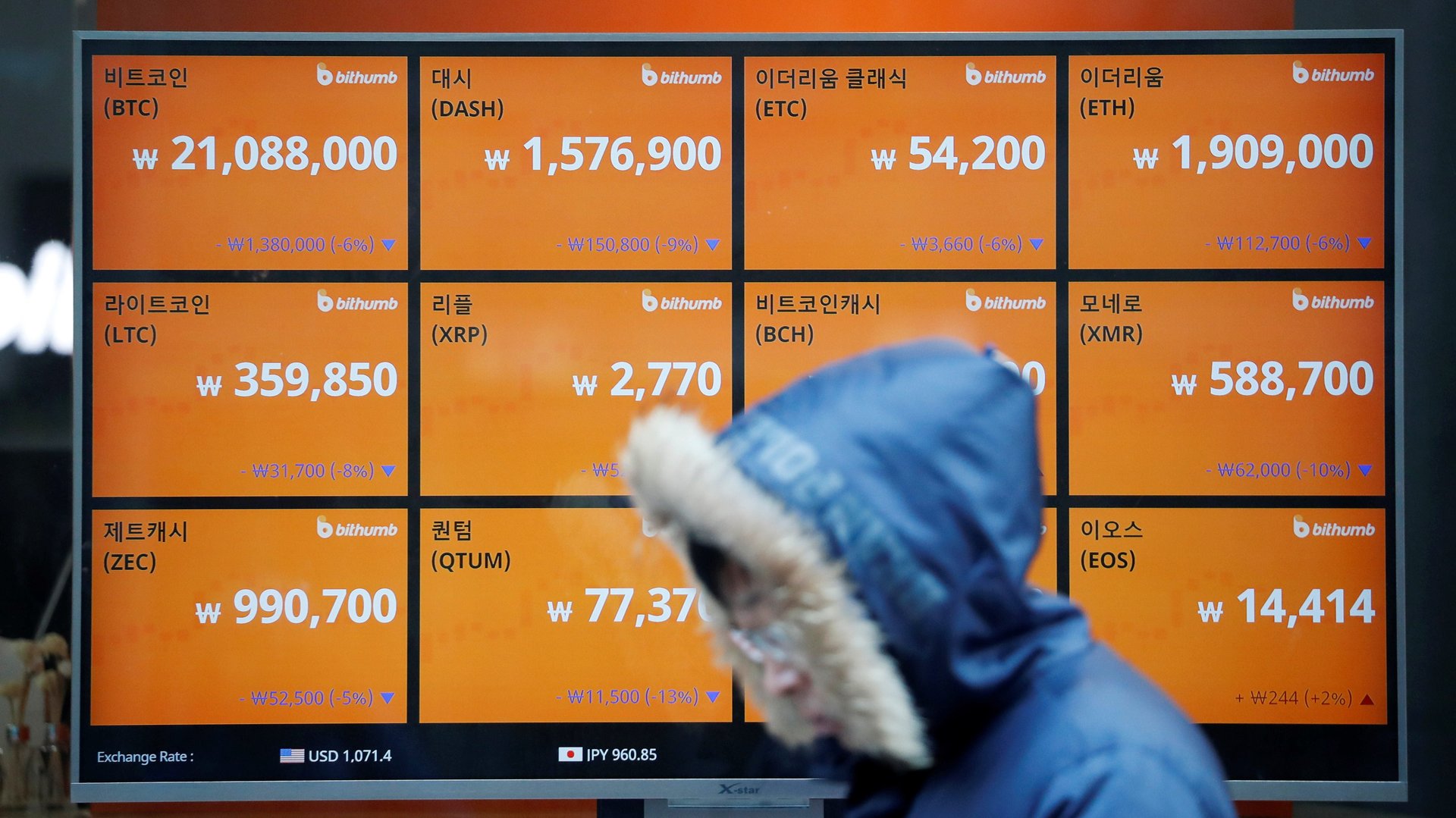
South Korea’s decision to tighten its control over cryptocurrency trading has triggered a public uproar in the bitcoin-obsessed country.
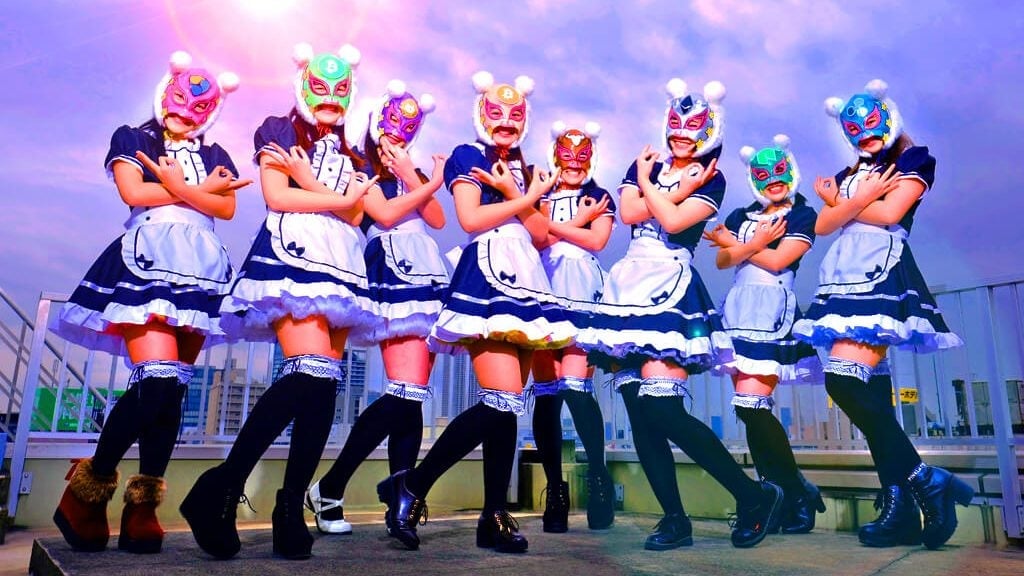
AKB48 and Morning Musume are so yesterday. The real sign of our times is Japan’s new all-girl pop group Kasotsuka Shojo, each of whose eight members represents a different cryptocurrency. They’re holding their first cryptopop concert in Tokyo this Friday.

Not everyone can feel the force, but almost everyone has one or two exes she misses or hates, it turns out.

French president Emmanuel Macron is betting on horse diplomacy during his first state visit to China, as he presented his Chinese counterpart Xi Jinping with an eight-year-old gelding named Vesuvius.
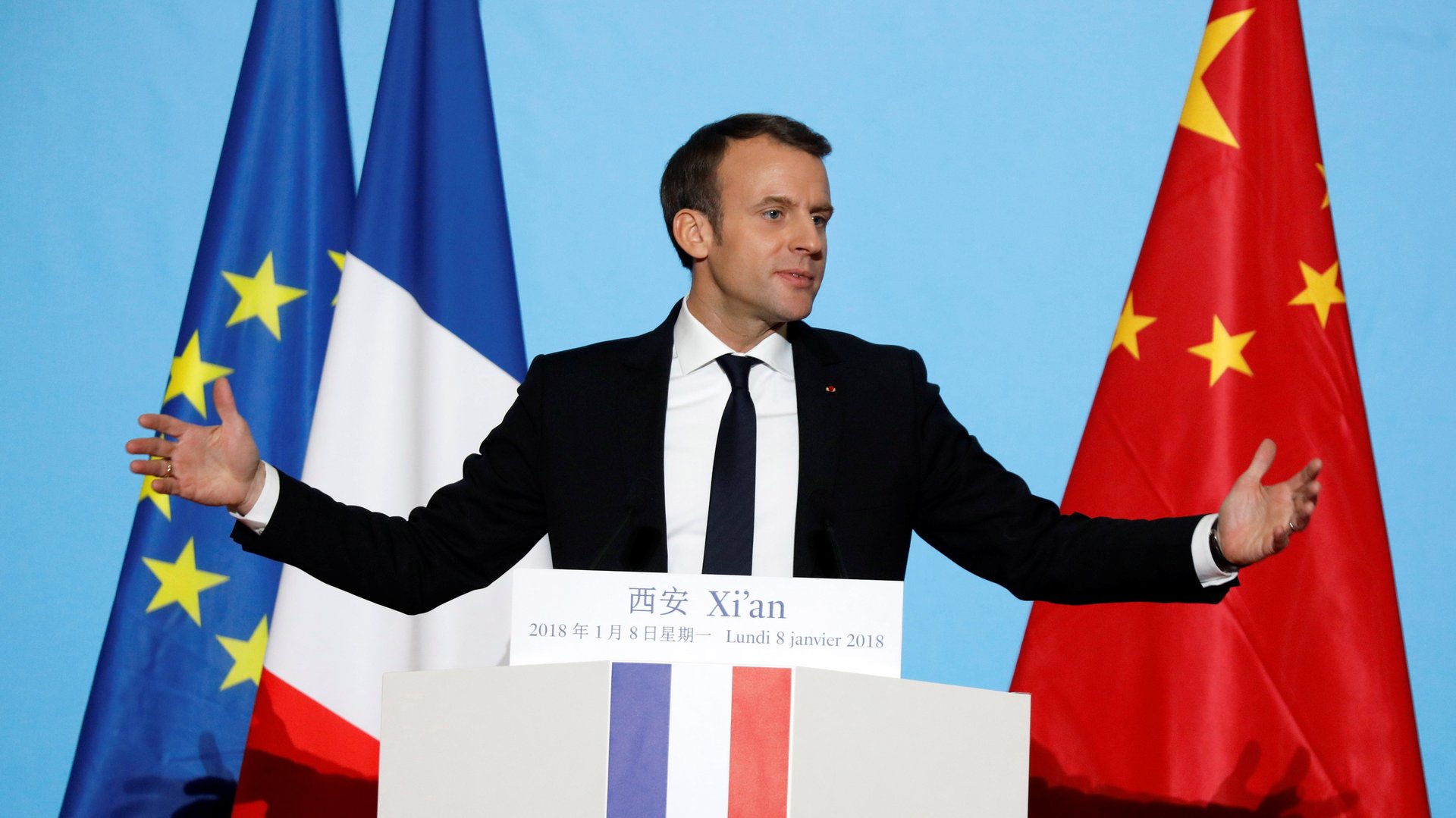
After Donald Trump announced last summer that he would pull the US out of the Paris climate deal, French president Emmanuel Macron trolled him in a televised address in English, saying, “Make our planet great again.”
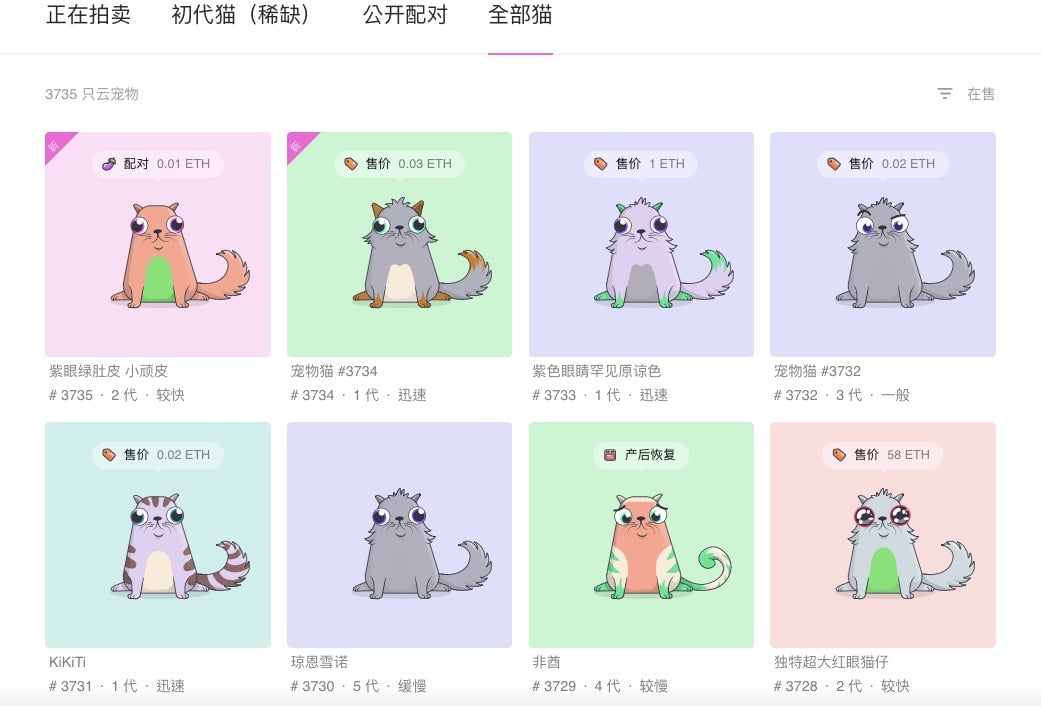
Last month, the global cryptocurrency community flocked en masse to CryptoKitties, a game that lets users breed and trade virtual kittens using ethereum, a virtual currency like bitcoin. At one point, 12% of all ethereum transactions were going toward the game, as users spent the equivalent of tens (and possibly hundreds) of thousands of dollars on the virtual felines.
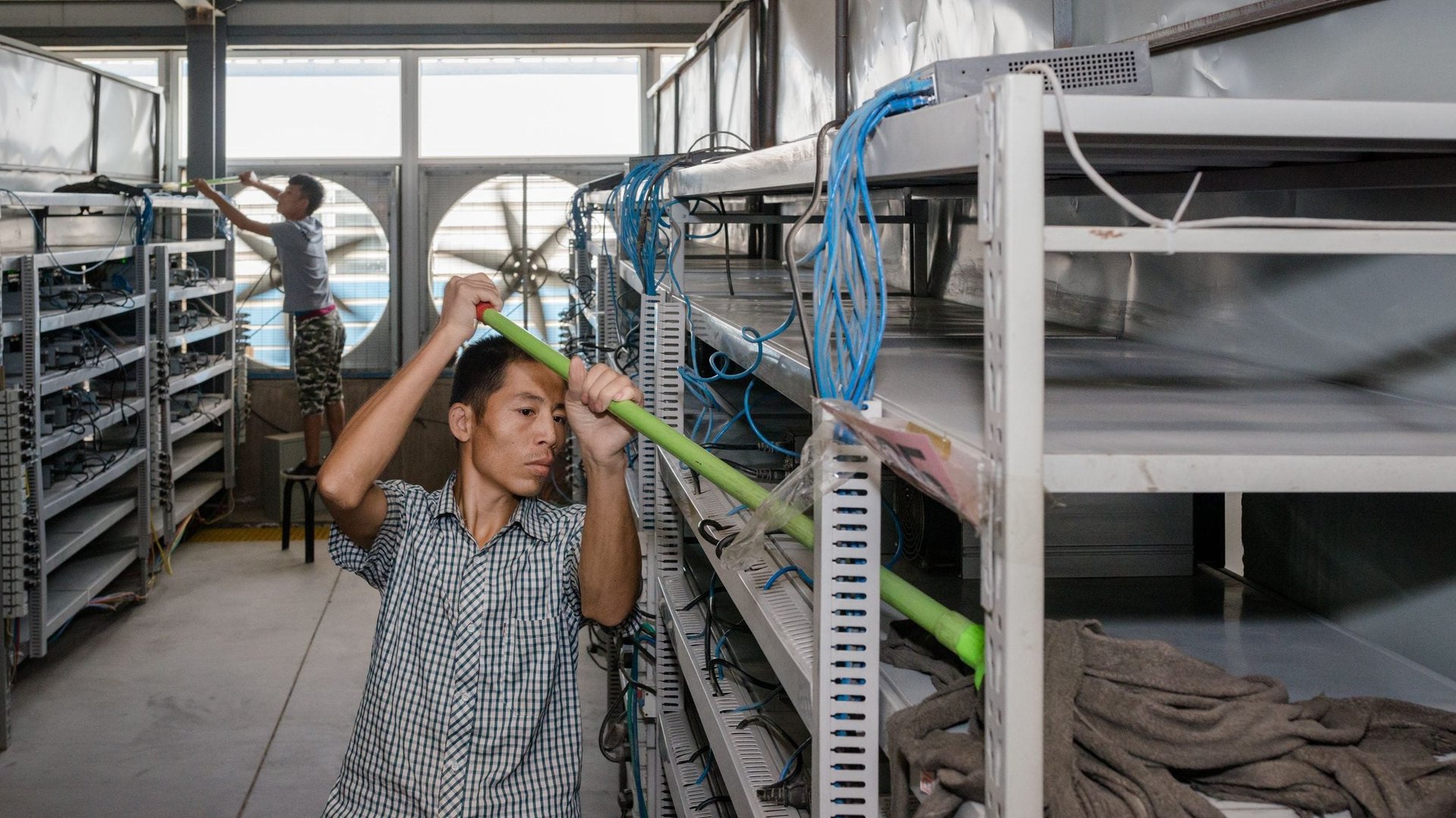
Bitcoin mining could be on its last legs in China.
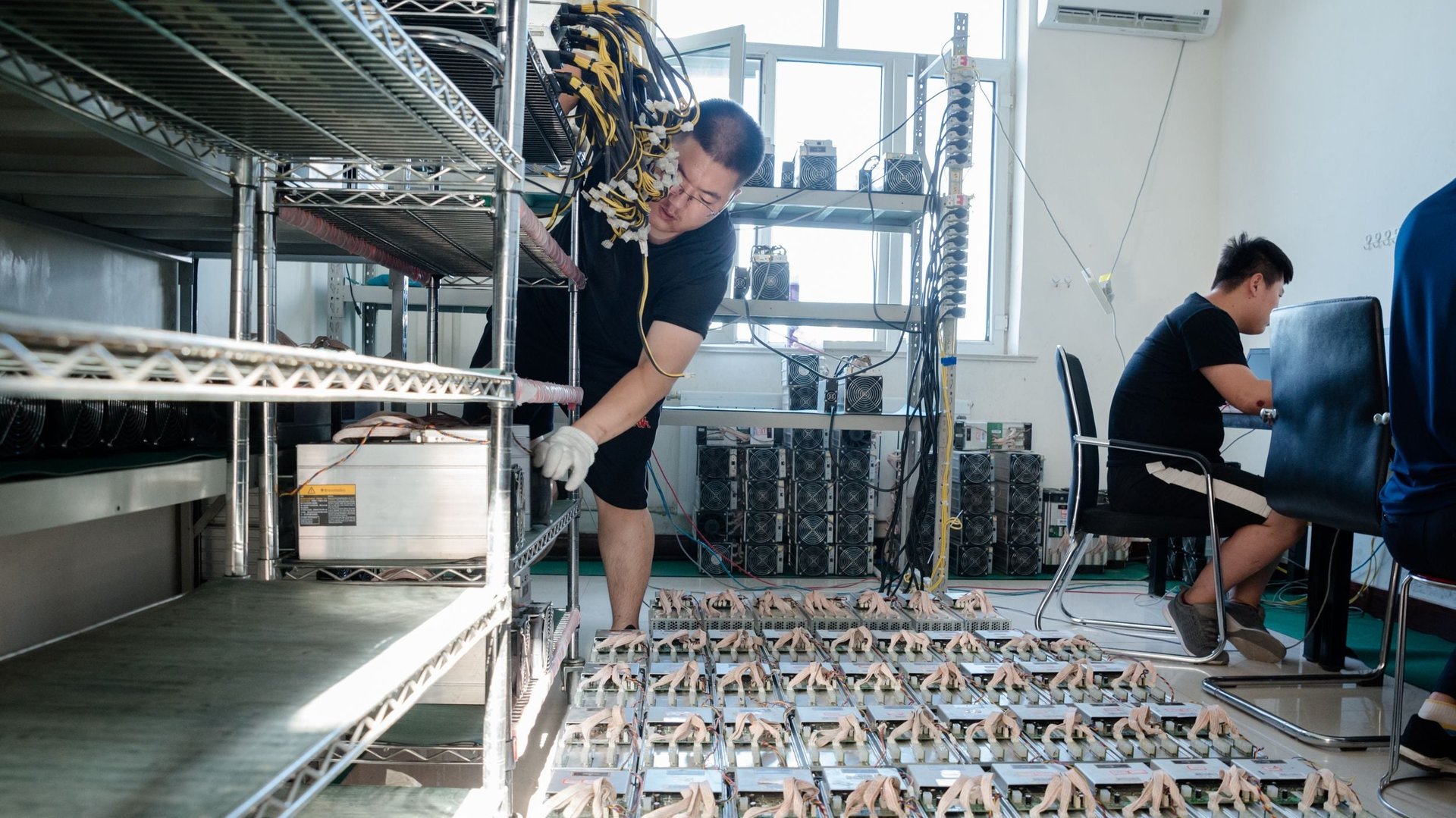
Having shut down the exchanges where cryptocurrencies like bitcoin are traded, the Chinese government is now going after the facilities where such currencies are “mined.” To do so, it’s hitting such operations where it hurts: electricity supply.

NBA team Dallas Mavericks has a horse as their logo and mascot, but the team has been mysteriously called xiaoniu, or “Little Cows,” in China for more than two decades.
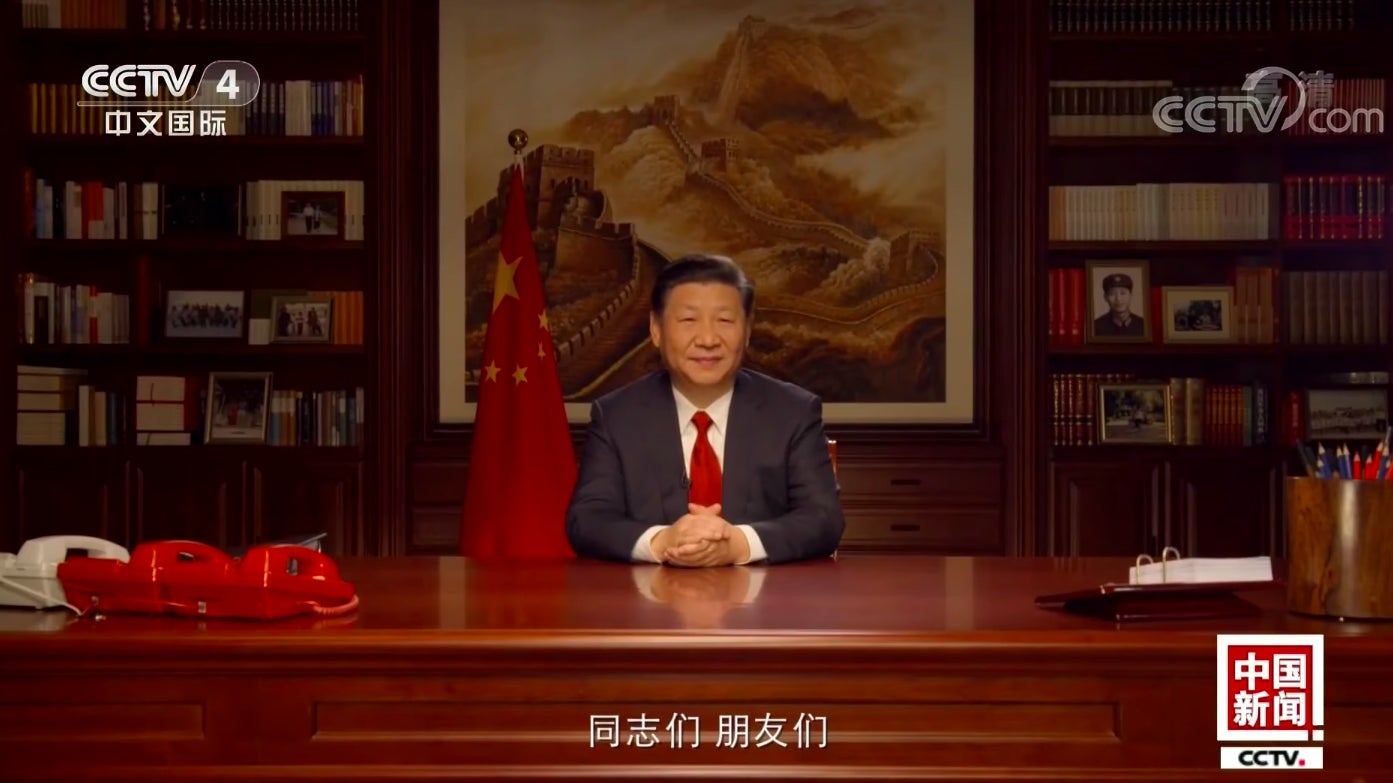
China’s president Xi Jinping is an avid reader. He peppers his speeches with quotes from his favorite writers, including Charles Dickens, Victor Hugo, and Paulo Coelho. His annual New Year’s Day greetings offers a rare look into the secrets of his office bookshelf—something Chinese netizens enthusiastically examine each January.
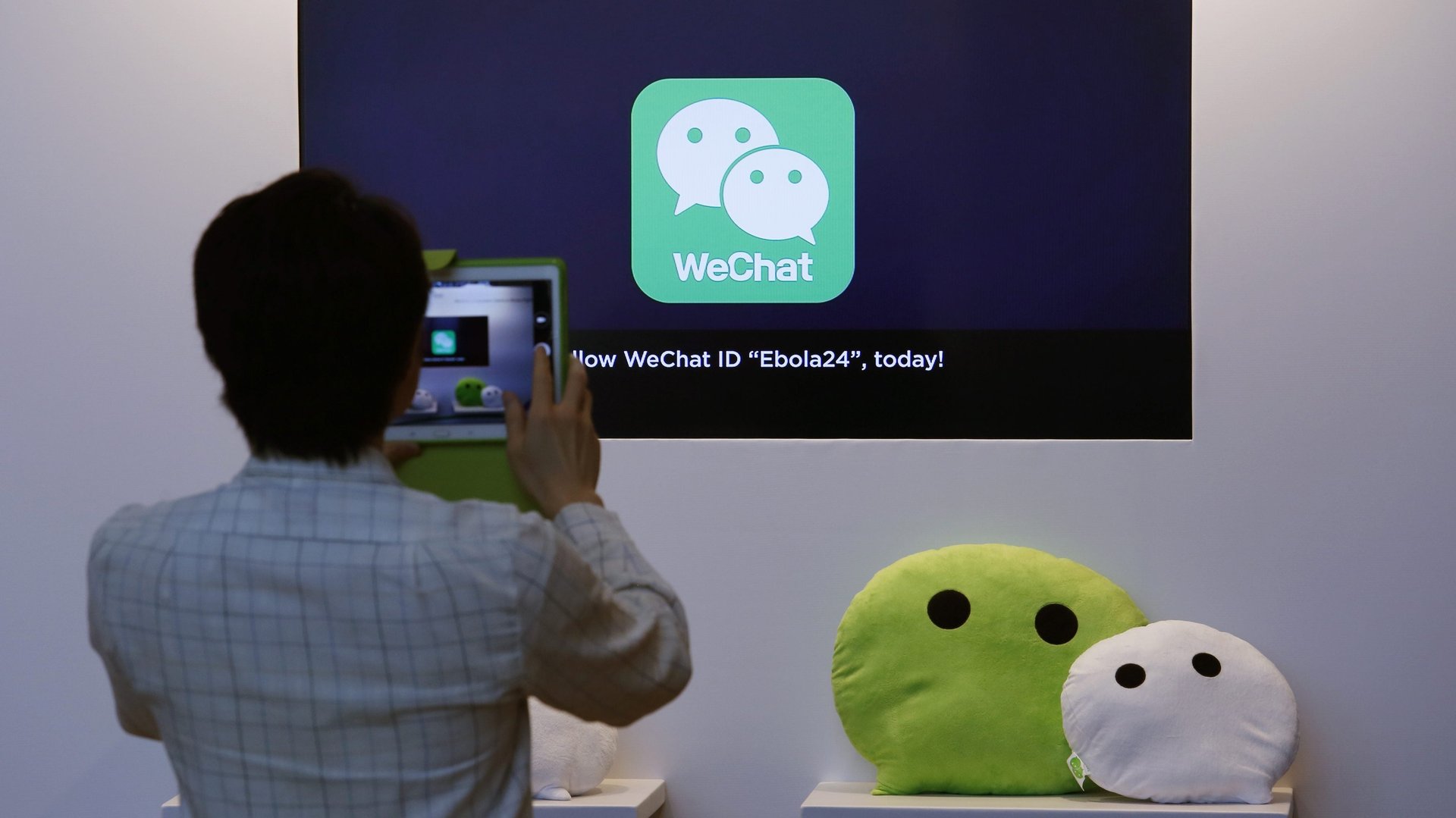
Owned by Chinese tech giant Tencent, WeChat has evolved from a WhatsApp clone into an all-encompassing system for just about everything in China. But as a billion people become ever more dependent on the app, there’s growing concern about its handling of user information. Tencent founder Pony Ma “must be watching all our WeChat every day,” said Li Shufu, chairman of Geely Automobile, at a business forum this week.

China’s movie-ticket sales set a new record last year, and Hollywood was not the main reason.
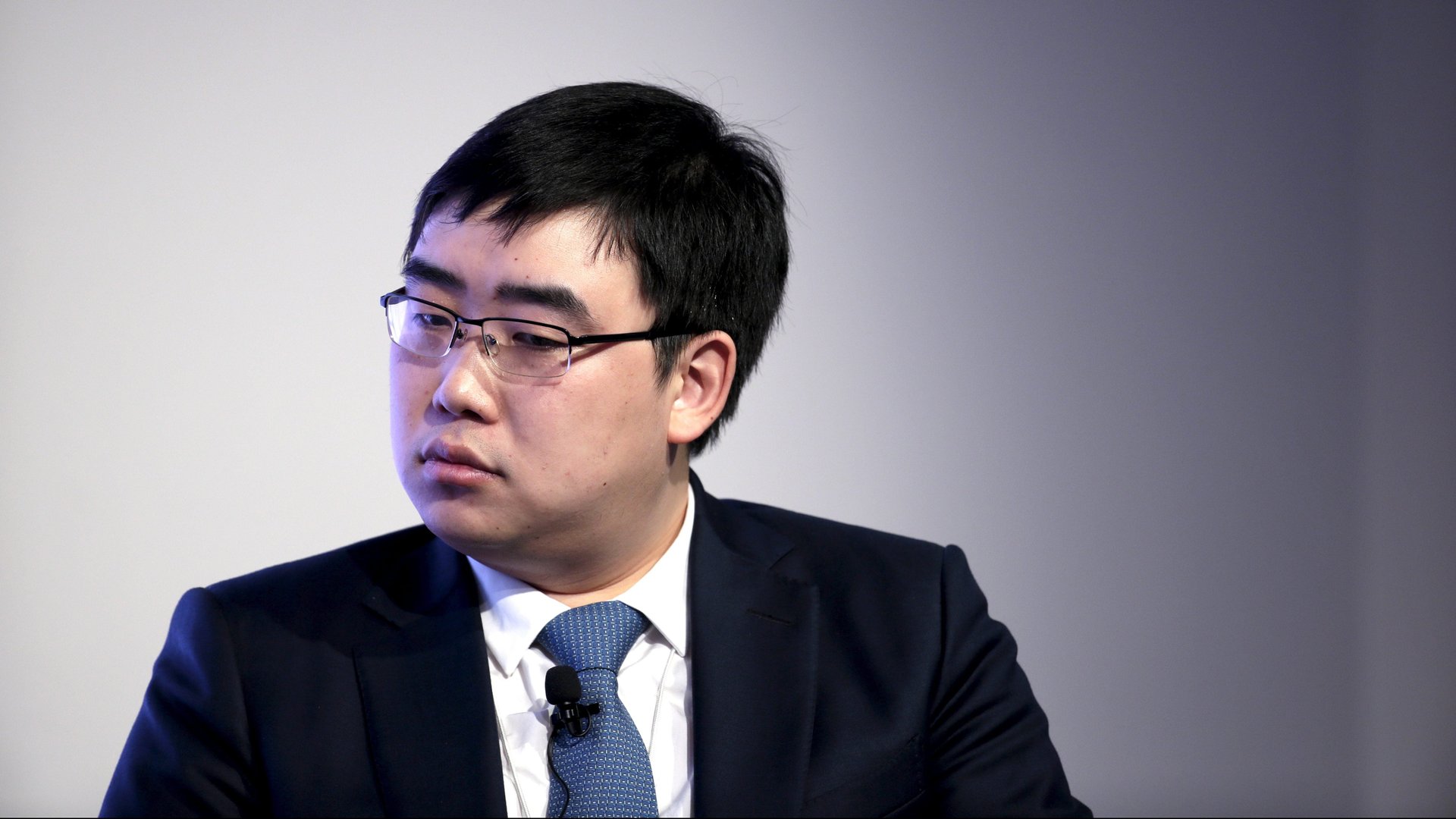
Ride-hailing giant Didi Chuxing has become a near-monopoly in China, having acquired Uber’s business there over a year ago. Its biggest goal now, according to CEO Cheng Wei, is to take on Google and Tesla in the the realm of self-driving cars.
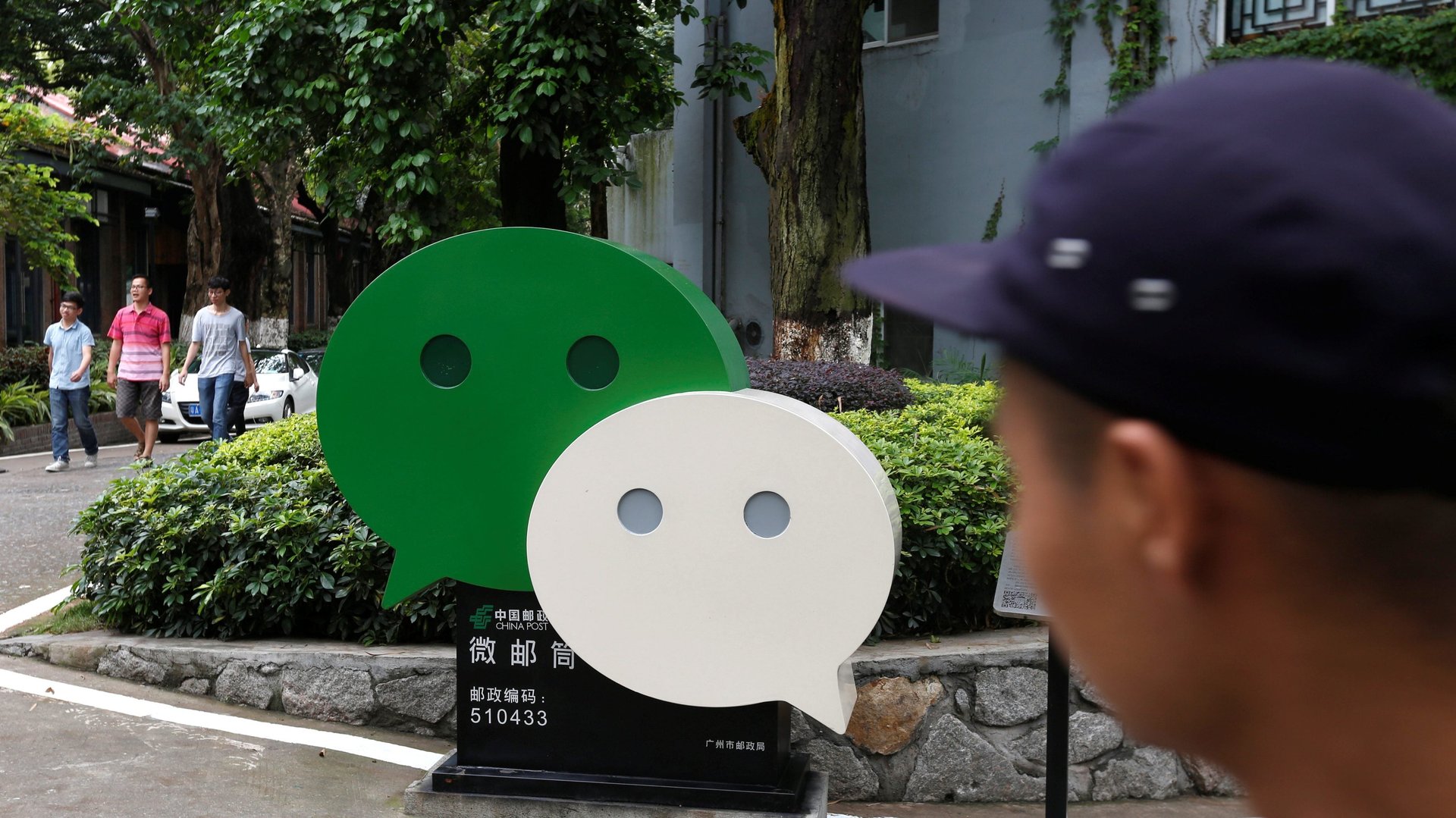
In China, people will soon be able to bring nothing but their smartphones (and clothes, perhaps) when going out, and the one and only app they’ll need to download is WeChat.
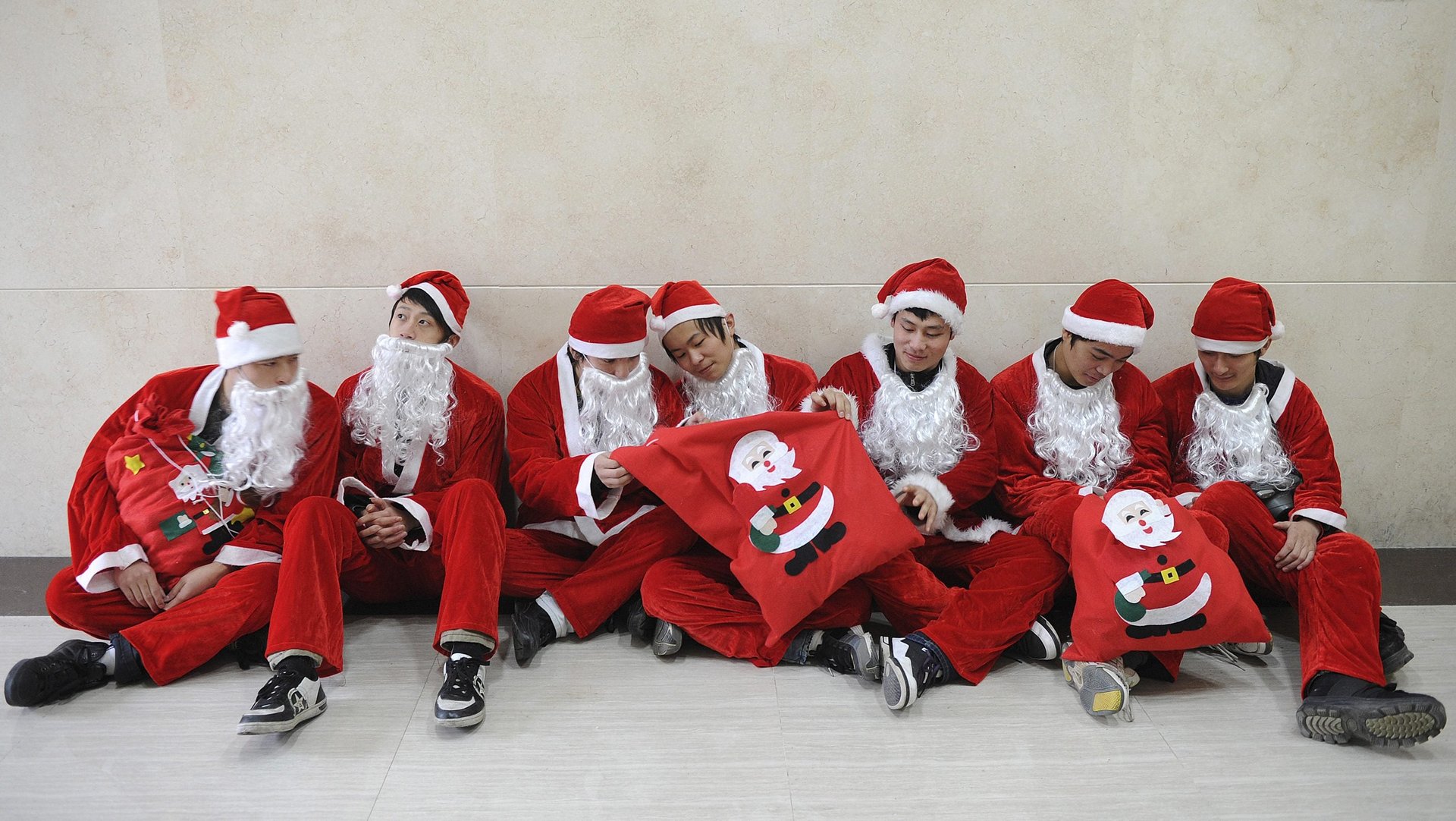
Not only is China is not a big fan of Christmas, but the holiday season appears to be the perfect time for authorities to put human-rights activists on trial.
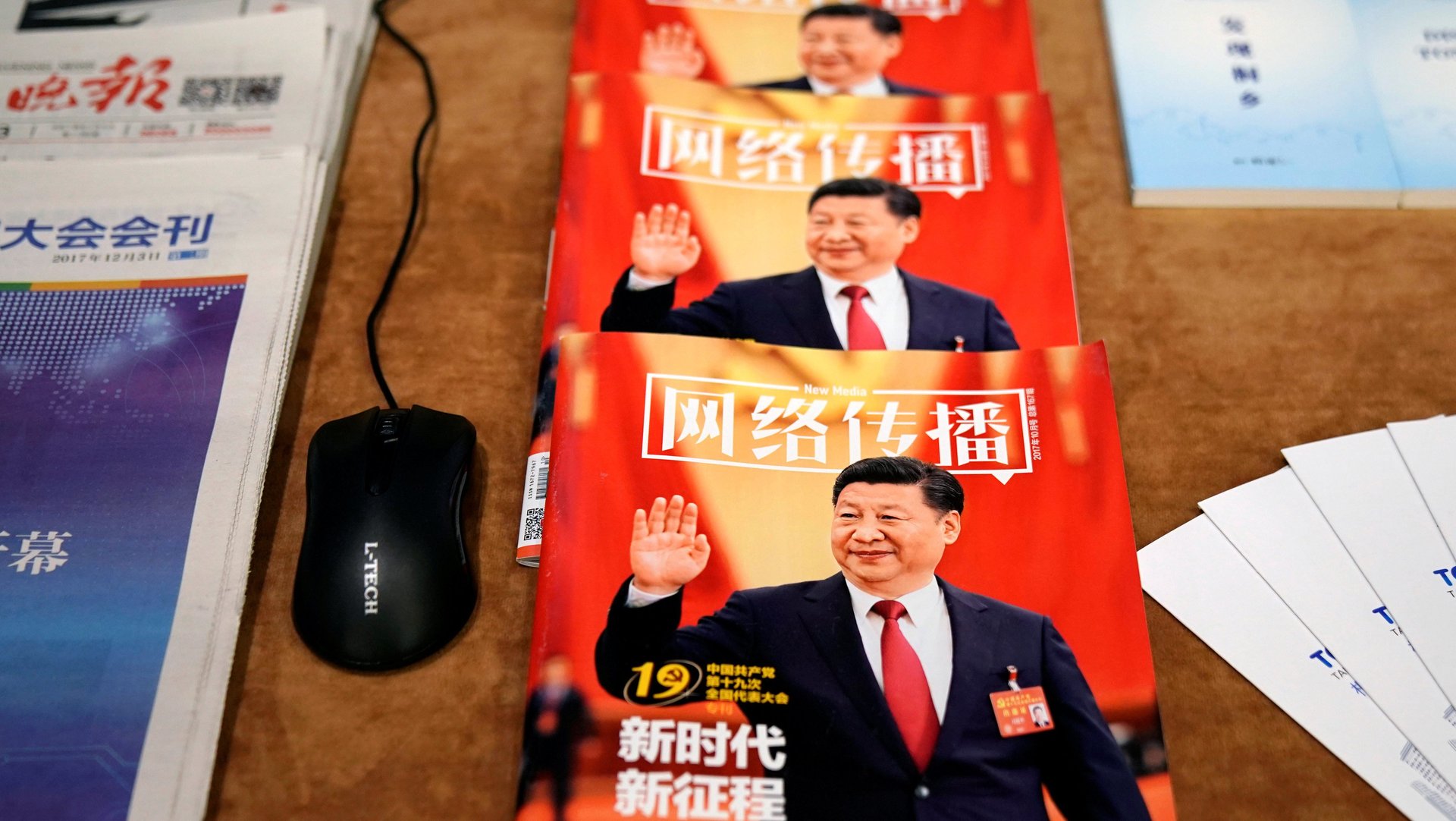
In 2017, the world saw a China more eager to take its place as a global leader, with president Xi Jinping heralding the importance of a globalized world at Davos, just ahead of Donald Trump’s “America First” inauguration in January, and portraying China as being on the frontlines in fighting climate change.
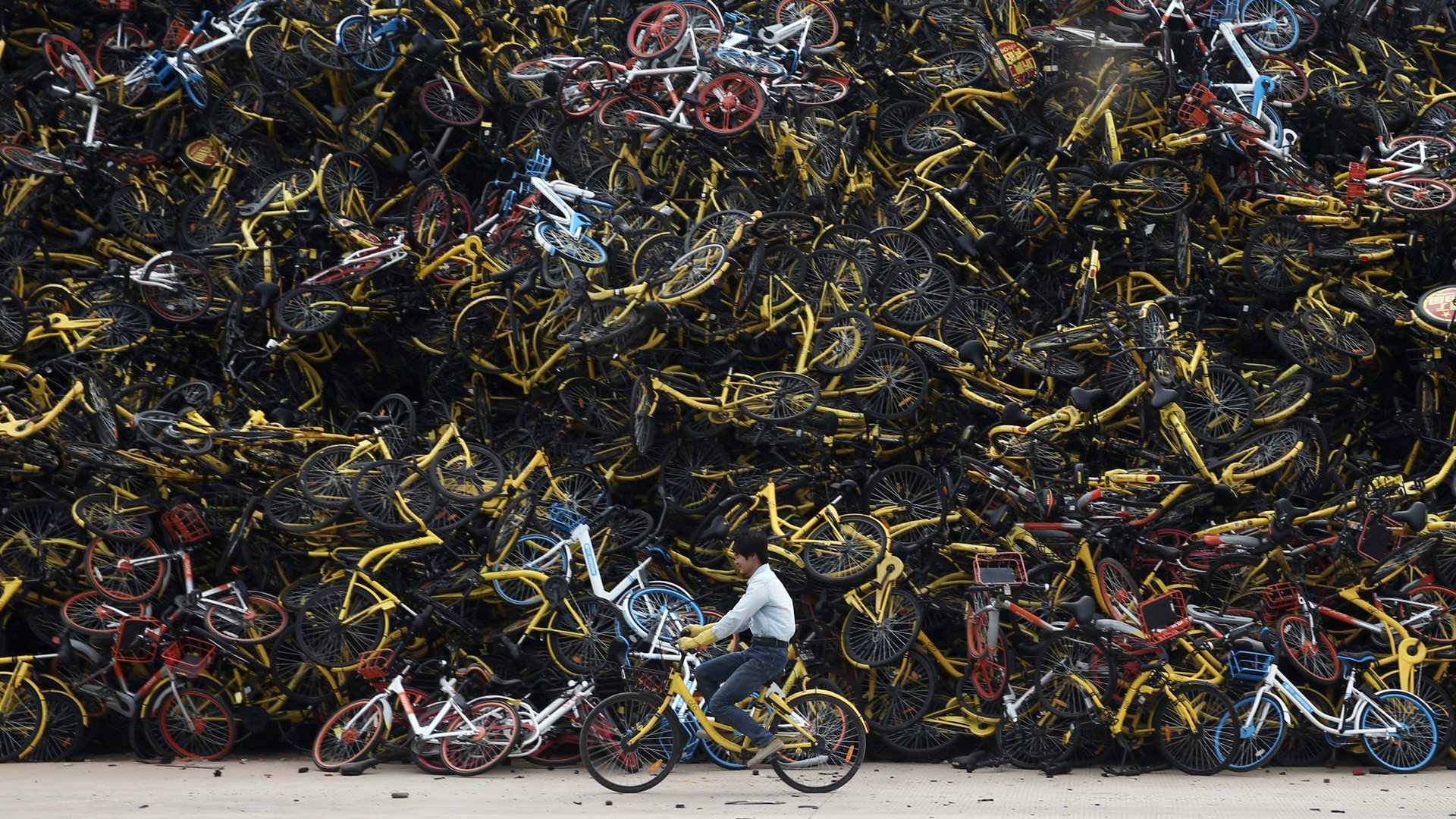
China has announced its character of the year, and the winner is 享 (xiang), meaning “share.”

In the literary genre of magic realism, made popular by Latin American authors, fantastical elements emerge in an otherwise mundane, rational world. In China, the term is beloved by netizens who use it when surfacing the absurd in political and social phenomena they witness daily. It can describe a doctor who uses electric shocks to treat internet addiction in teenagers, or a top Buddhist monk who professes deep love for the Communist Party, to name just a few examples.

China is not sending a team to the 2018 Russia World Cup, to the dismay of fans. But the country’s businesses are not going to miss the world’s most popular sports event.
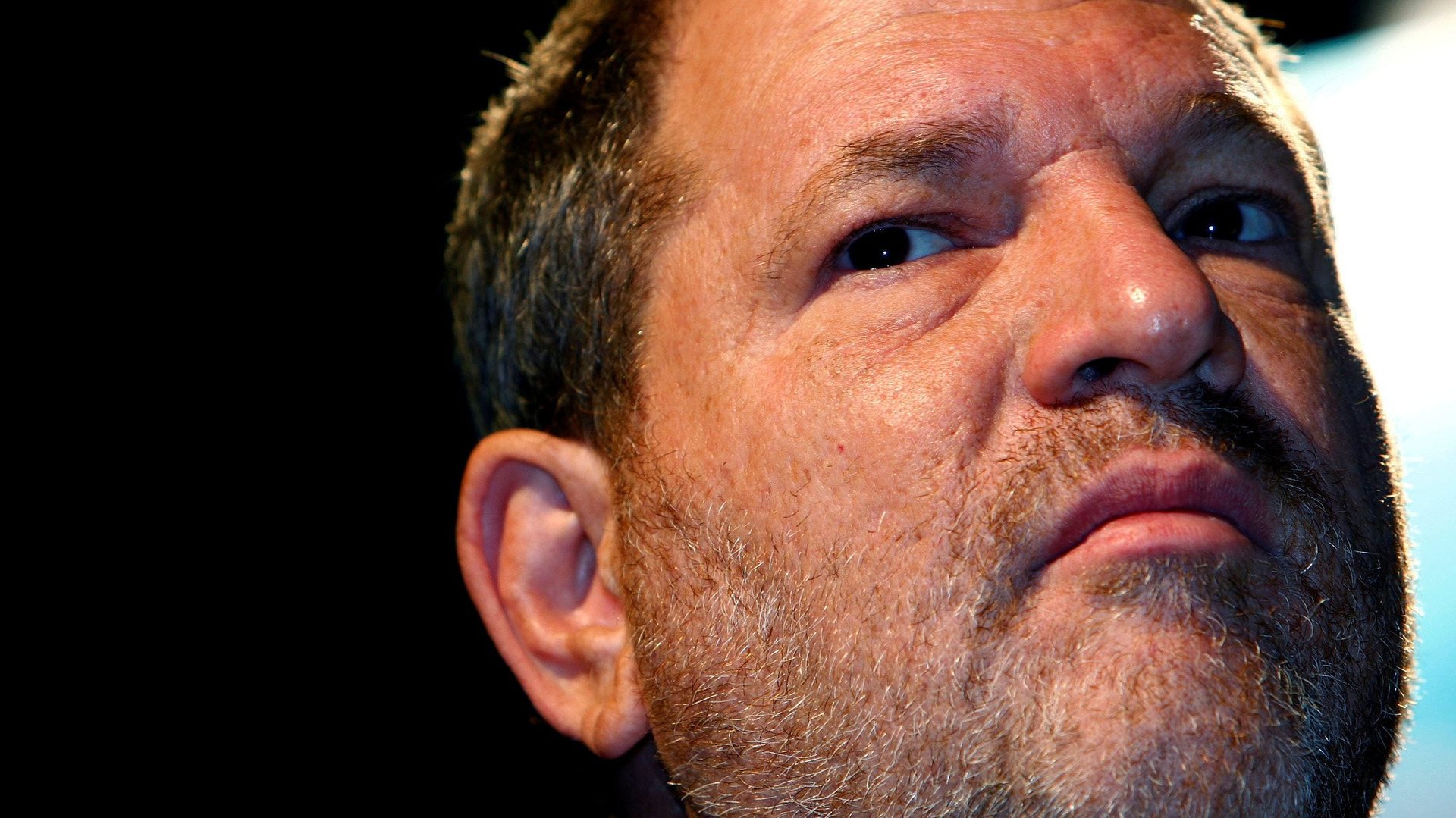
More than 80 women in the film industry have now accused Harvey Weinstein of sexual misconduct ranging from unwanted advances to rape. The disgraced movie mogul’s alleged behavior is reportedly enabled by those around him: Associates set up private meetings between Weinstein and young actresses, who end up alone with him in hotel rooms or bars.
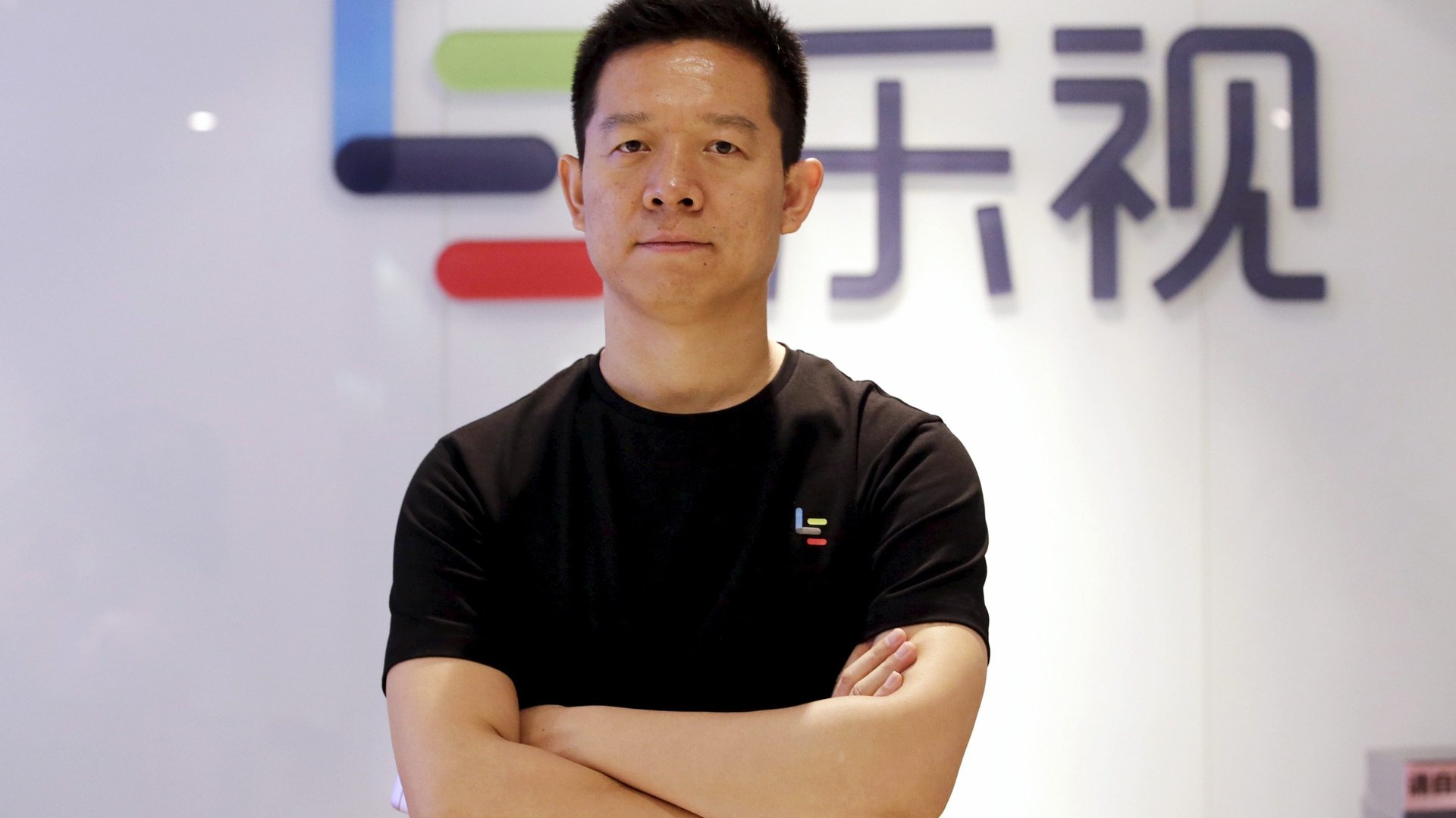
Few Chinese tech entrepreneurs have been thought of as “China’s Steve Jobs,” but Jia Yueting was one of them (paywall). The 44-year-old founder of tech company LeEco vowed to build an empire to rival Apple, Netflix, Amazon, and Tesla all at once. Just over a year ago, LeEco made an overblown US debut involving phones, cars, TVs, and movies.
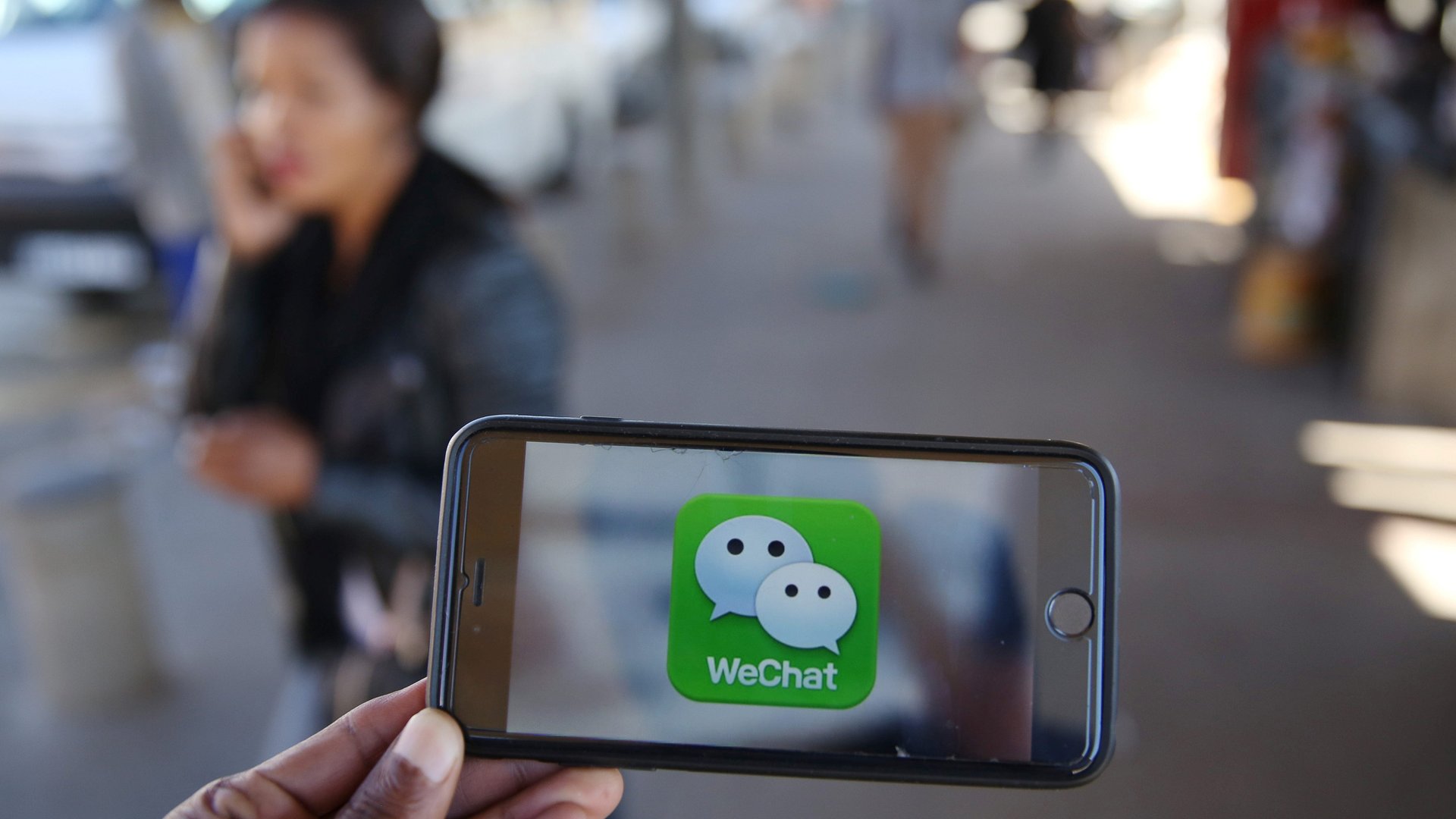
In China, you can use WeChat for just about everything from sending messages to grabbing a taxi to getting your laundry done. Owned by Chinese tech giant Tencent, WeChat is a smartphone Swiss army knife of sorts, and it’s on the path to becoming the one and only app users will ever need.