
Lifestyle
The origin of Daylight Saving Time is all about business — not farmersFarmers actually hated Daylight Saving Time. But it was and always has been good for one thing: selling stuff
Updated March 8, 20244 min read
Farmers actually hated Daylight Saving Time. But it was and always has been good for one thing: selling stuff
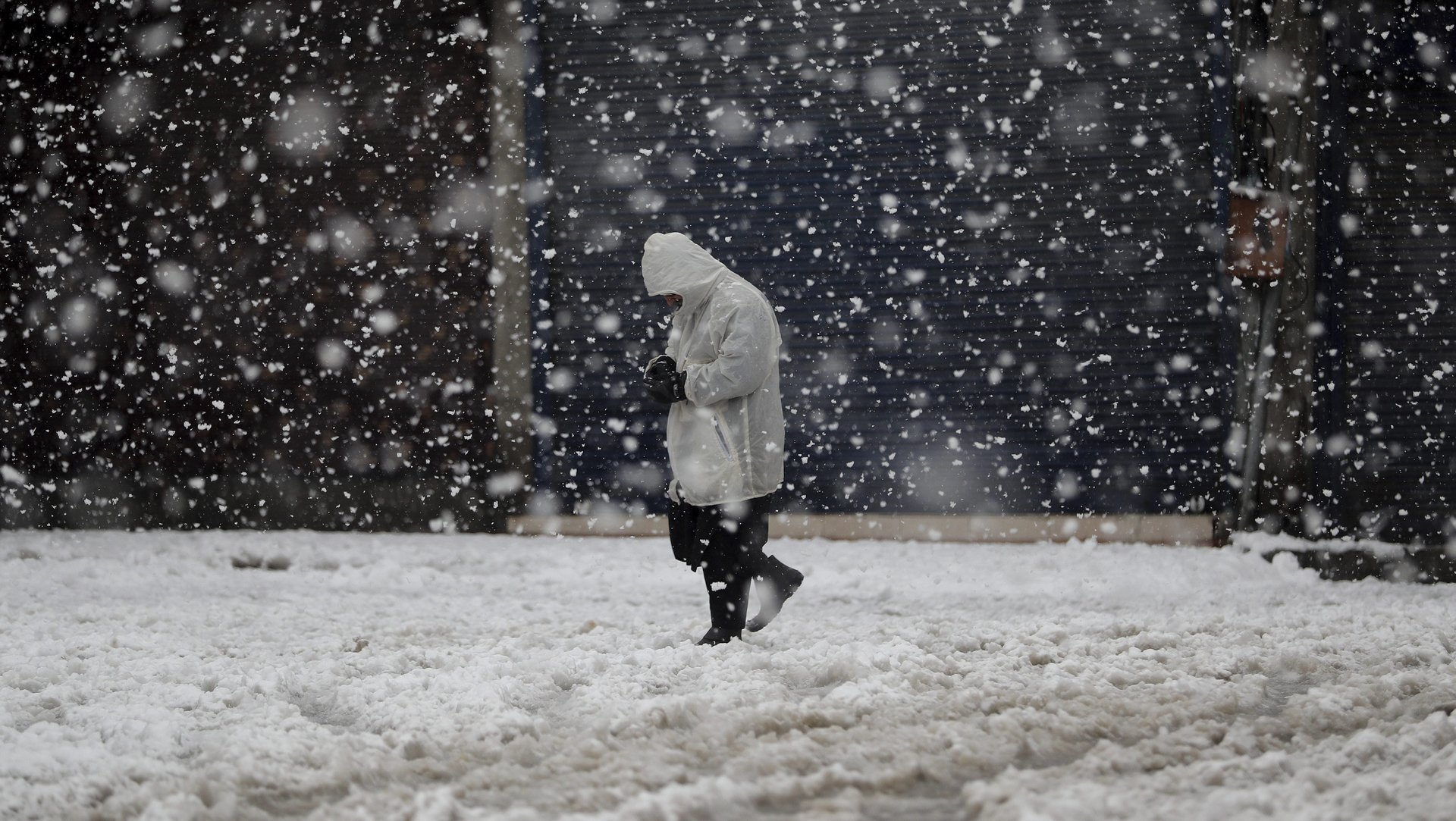
This is the year we found microplastic in the snow.
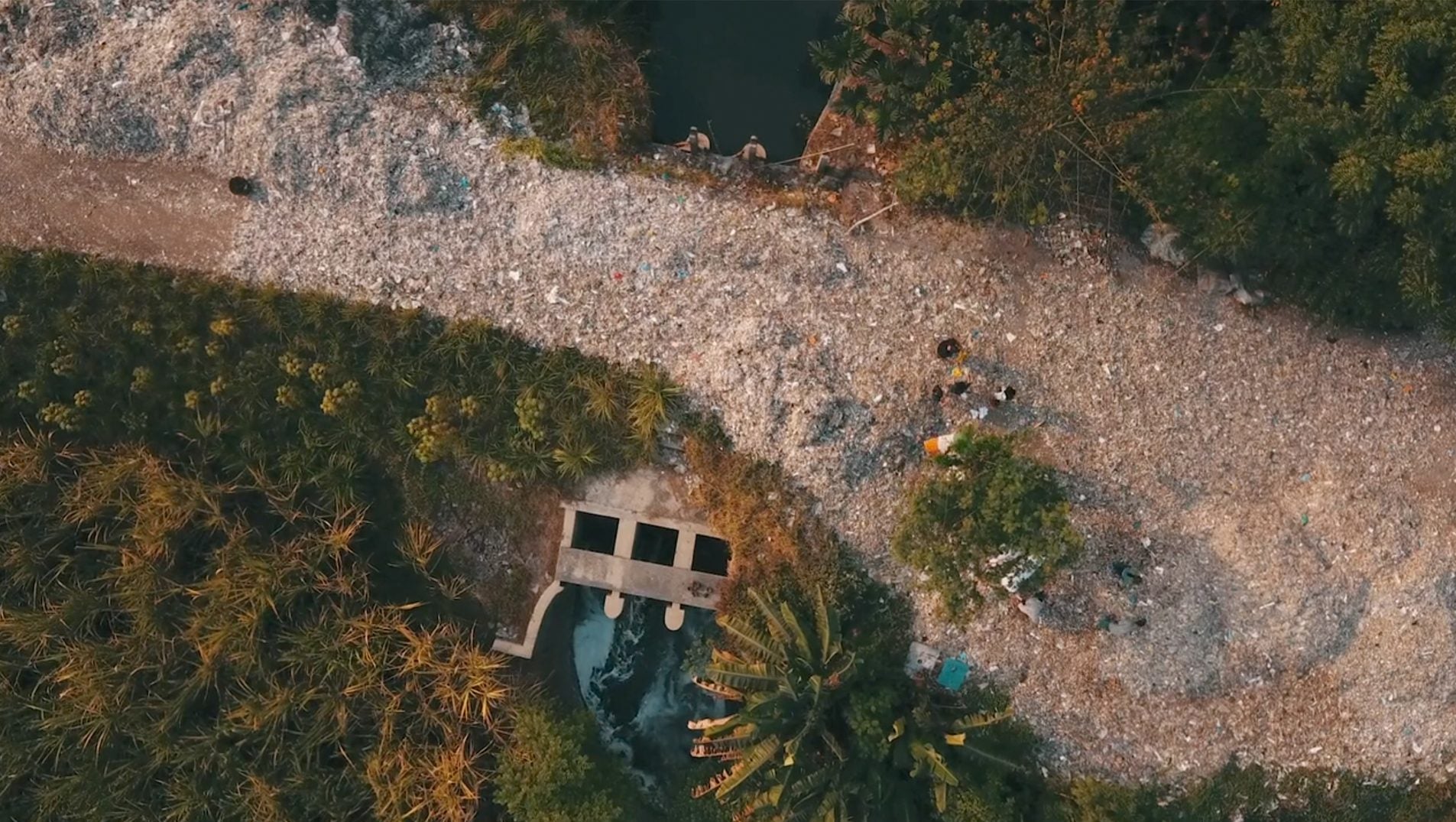
It’s hard to choose which scene in The Story of Plastic most sent a chill down my spine, so startling is the hour and a half-long documentary. But if forced, I’d say it’s the drone footage from Indonesia. Piles of plastic blanket the landscape, stretching unfathomable distances. As the drone camera zooms in, we see small moving shapes amid the glittering piles. It zooms closer: They are people, wading through the piles, picking up plastic trash.
This week in Madrid, delegates from around the world are meeting to nail down the finer points of how to achieve their Paris Agreement commitments. The gloomy backdrop to the UN’s COP25 climate change conference is the fact, repeated in several reports, that current pledges to cut carbon emissions are not enough to curb worst-case-scenario warming.
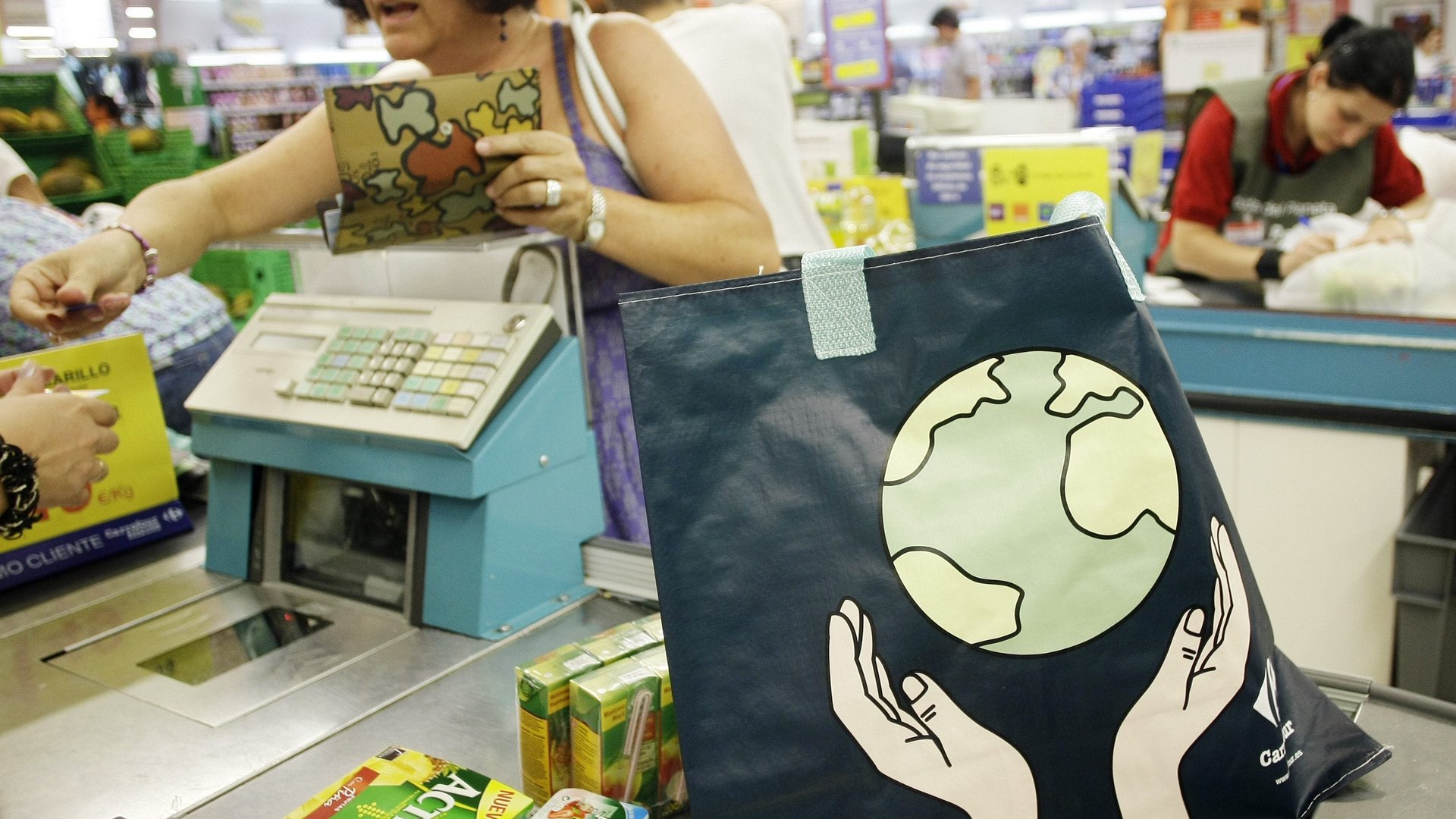
Over the past few years, reusable plastic shopping bags began showing up in grocery stores in many parts of the world. They are sturdier than the flimsy plastic bags that have become a symbol of the global movement against disposable plastics, and so can be used many times, lending to their marketing as the ethical choice for the environmentally conscious shopper.
Delegates from around the world will gather Monday in Madrid for the start of a week of climate change summitry. This follows a major UN report showing that the goal of holding climate change at 1.5°C above pre-industrial average temperatures—the threshold at which climate change becomes catastrophic—is nearly impossible.
Technically speaking, global temperature rises due to climate change could still be limited to 1.5° Celsius, a new UN report says. But it’s not looking good. Actually, it’s looking very bad.
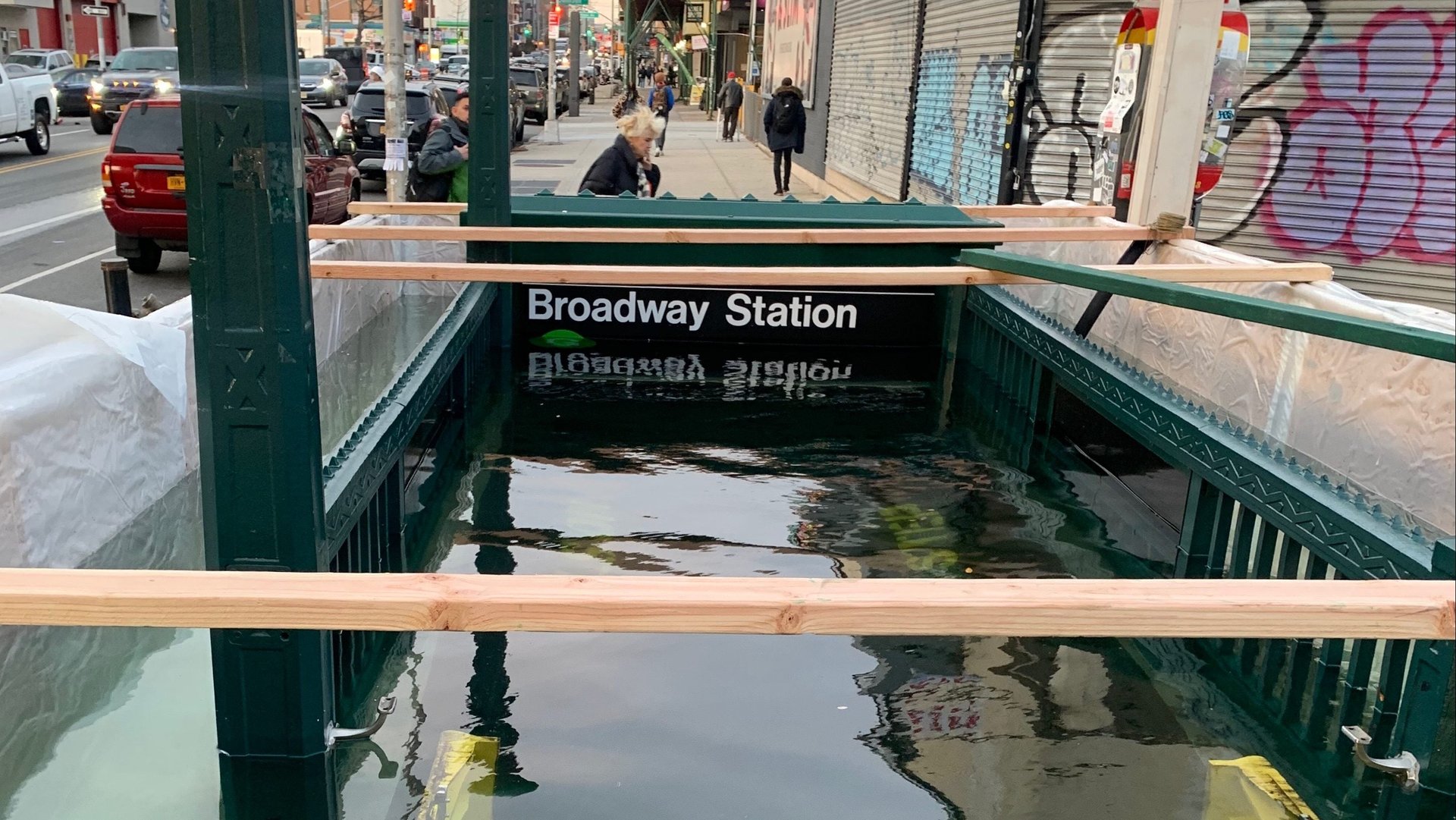
On a bright autumn afternoon in Brooklyn on Wednesday (Nov. 20), illustrator Kaye Blegvad was about to take the subway home. But as she approached the G train entrance in the South Williamsburg neighborhood, she saw something was very off. The station entrance, a staircase leading underground, was completely flooded. The water level appeared so high as to be flush with the sidewalk.
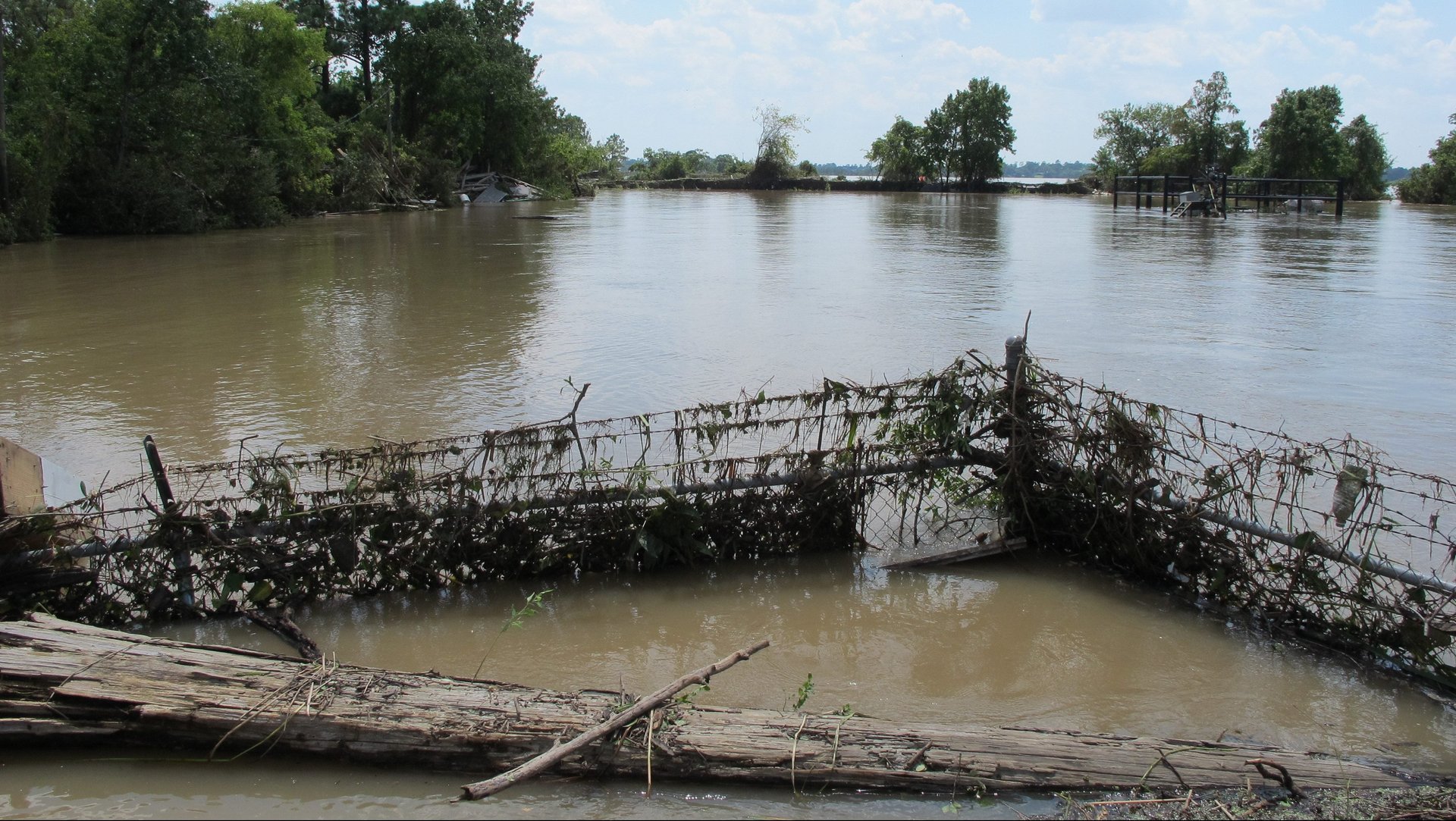
You really, really don’t want a toxic waste site to flood. But 60% of the waste sites designated the most hazardous in the US, known as “Superfund” sites, are threatened by rising sea levels, flooding, storm surge, and wildfires made more destructive and frequent by climate change, according to a report released Monday (Nov 18) by the US Government Accountability Office (GAO).
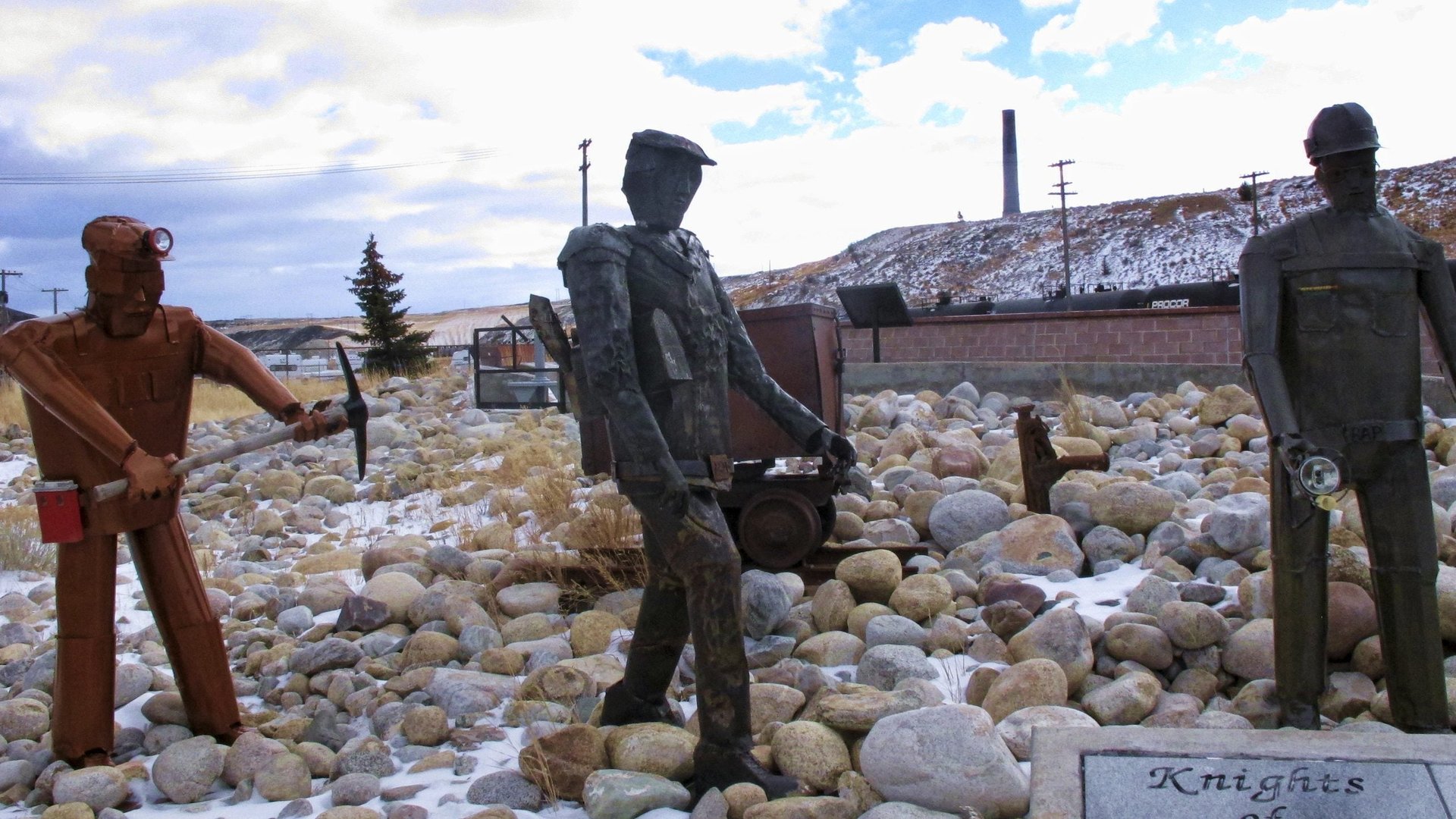
On Monday morning (November 18), the oversight body of the US environment agency sent a letter bursting with the prose of stifled alarm: It had recently become aware that “a certain unapproved use of slag is taking place in Anaconda, Montana.” The slag, a toxic waste product from decades of mining and copper smelting in Anaconda, was being sold as a souvenir.
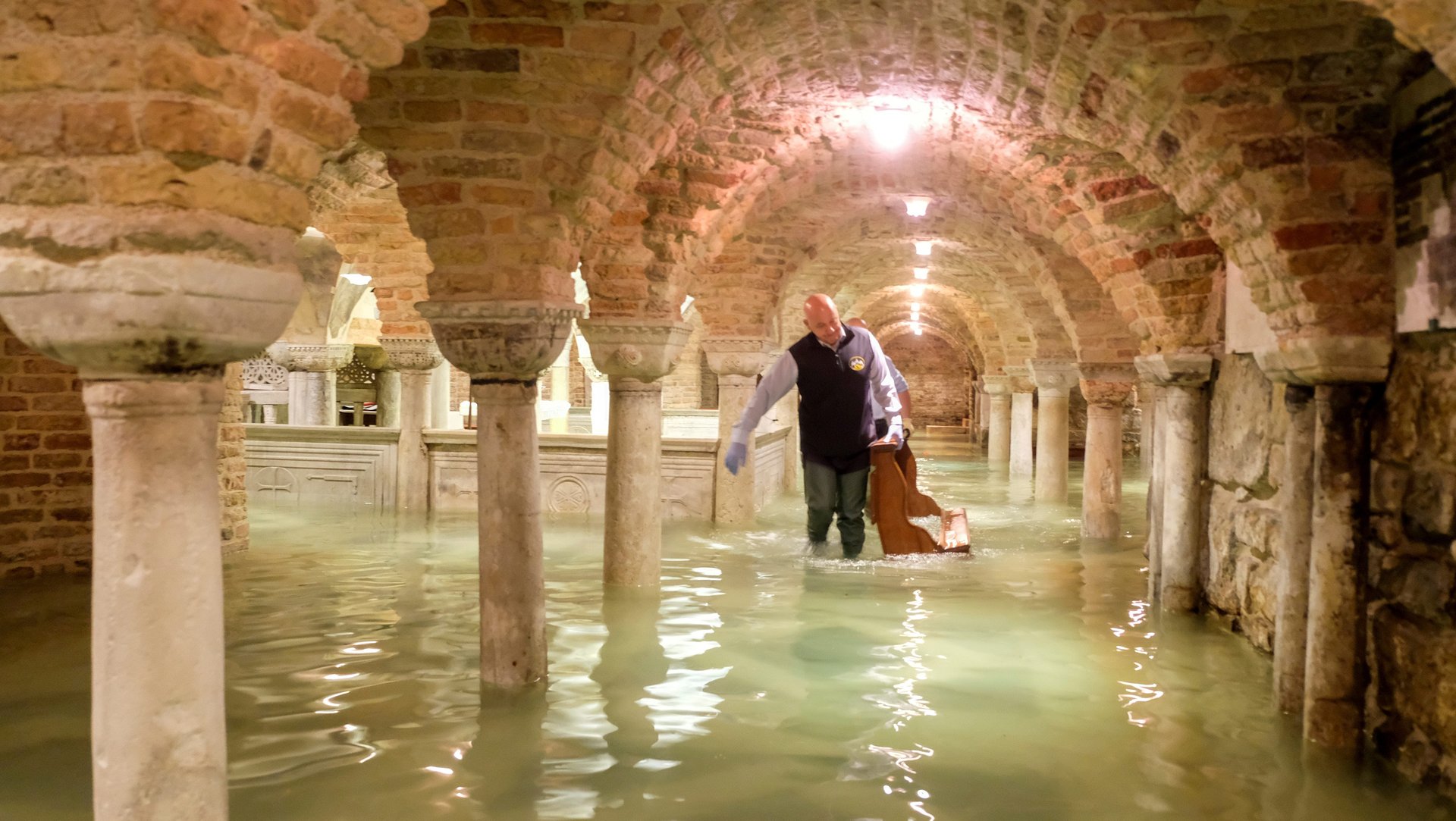
The leaders of psychological associations from more than 40 countries signed a proclamation this week at a conference on psychology and global health in Lisbon, pledging to use their expertise as psychologists to “take urgent action to combat climate change and its impacts.”
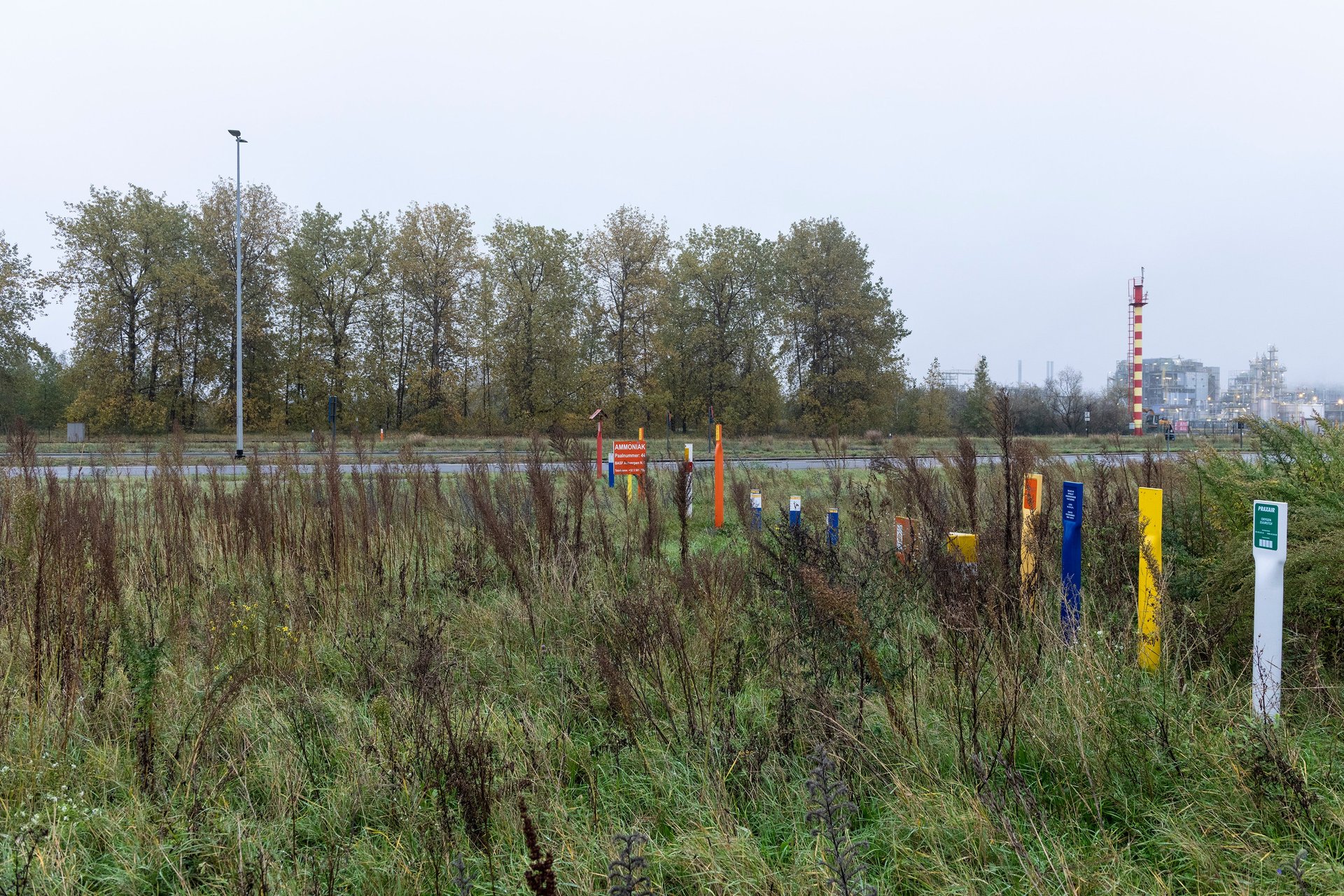
A provincial government in Belgium on Thursday (November 7) granted European petrochemical giant Ineos a permit to cut down a forest in preparation to build a large new plastic plant in Antwerp.
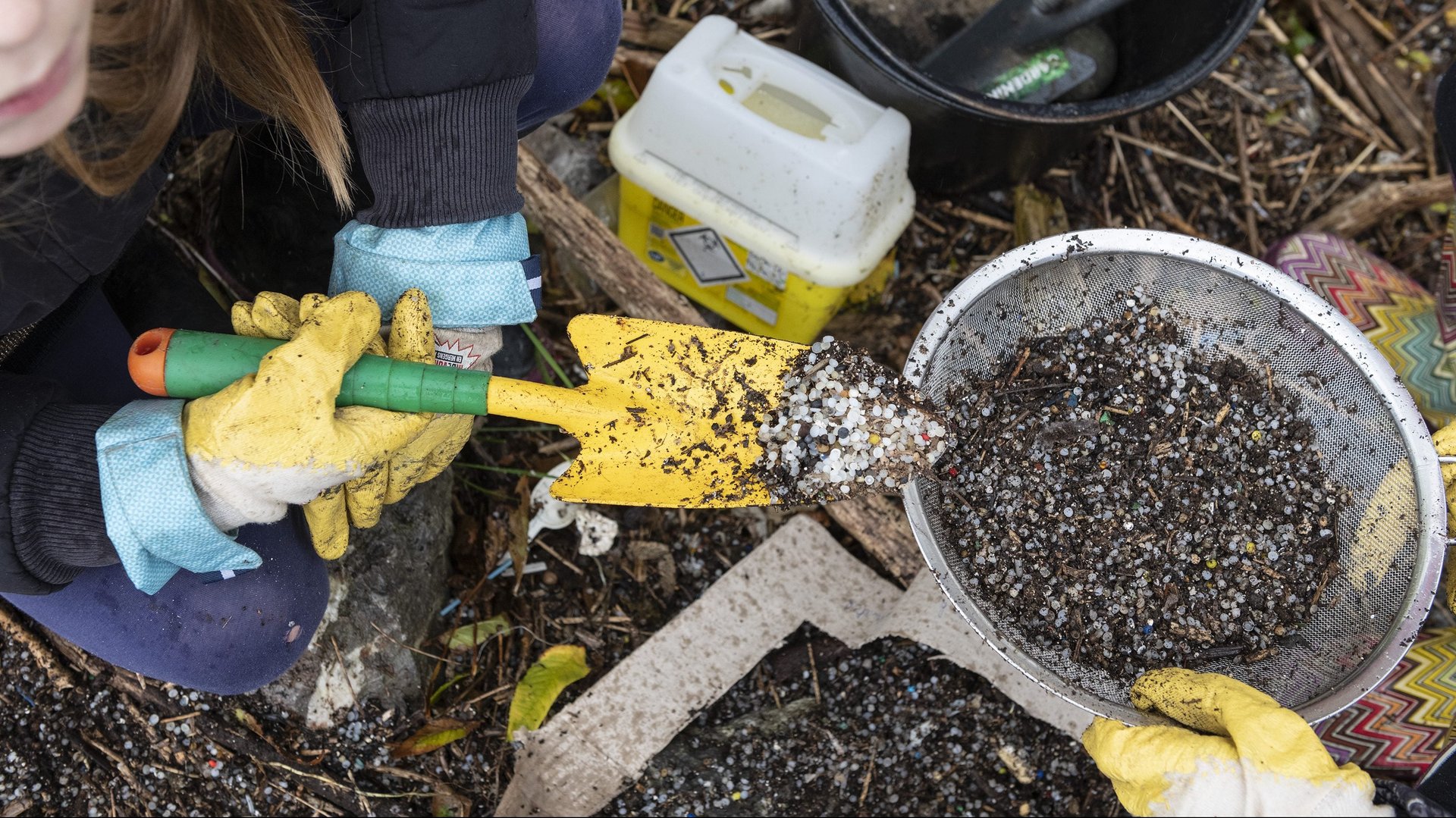
The river Scheldt winds through northern France, crosses through western Belgium, and then turns abruptly west to nick the southwestern edge of the Netherlands. From there, it travels on to disgorge itself in the North Sea. During its dalliance in Belgium it cuts straight through the city of Antwerp, whose great port was carved from its banks.
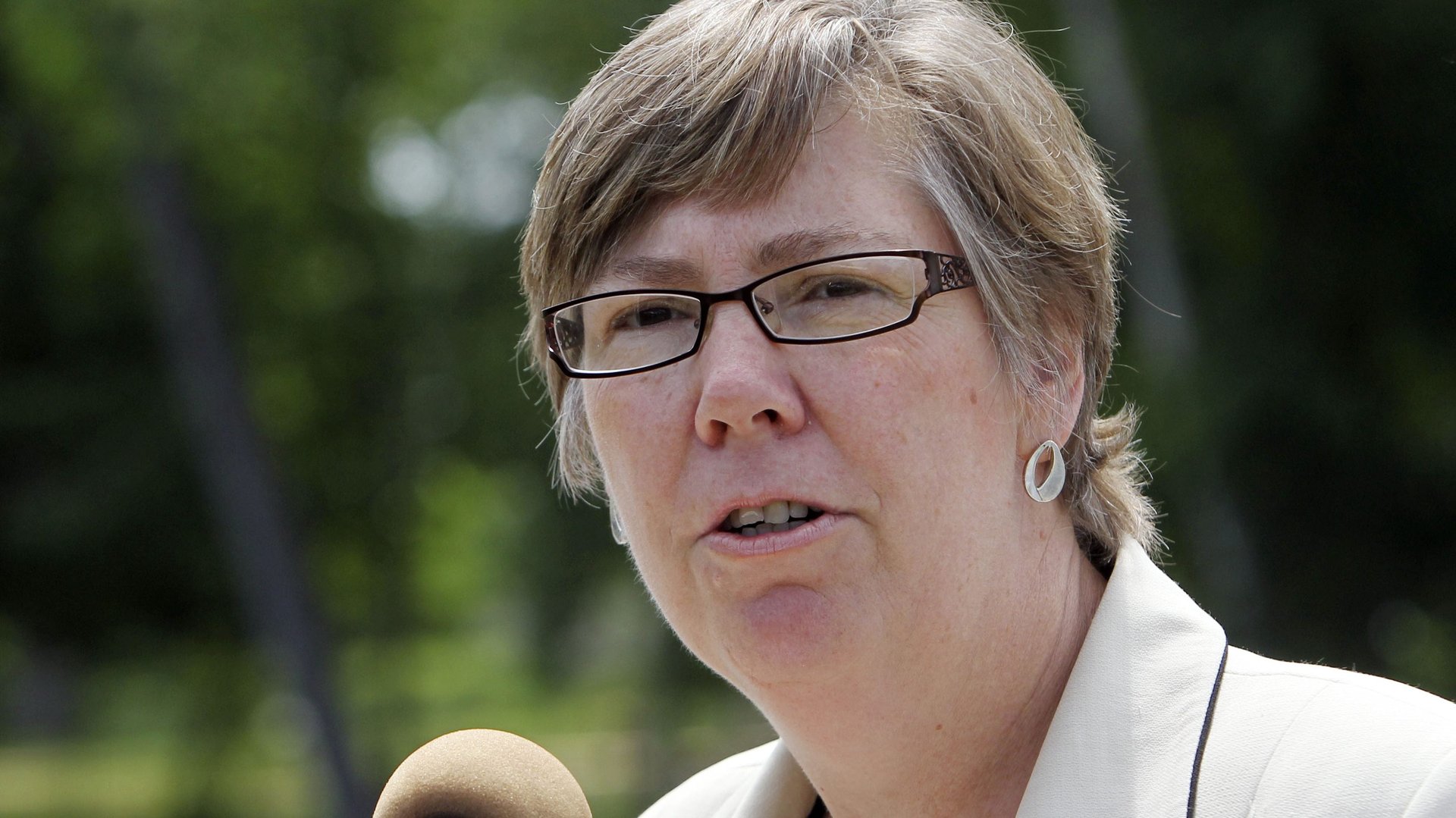
Judith Enck has been working behind the scenes on plastic for decades. In 2009, US president Barack Obama appointed Enck the administrator of EPA’s Region 2, which covers New Jersey, New York, Puerto Rico, the US Virgin Islands, and eight Indian Nations. She served in that position until president Donald Trump took office in 2017. Before that, Enck was the deputy secretary of the environment for New York’s governor, and before that, an advisor to the New York State attorney general. While she was on maternity leave from her job in the late 1980s, she managed to design her own small New York town’s recycling program. At each stage in her career, she watched as plastic waste grew from a trickle to a flood, and as governments failed to enact meaningful laws to address the problem.
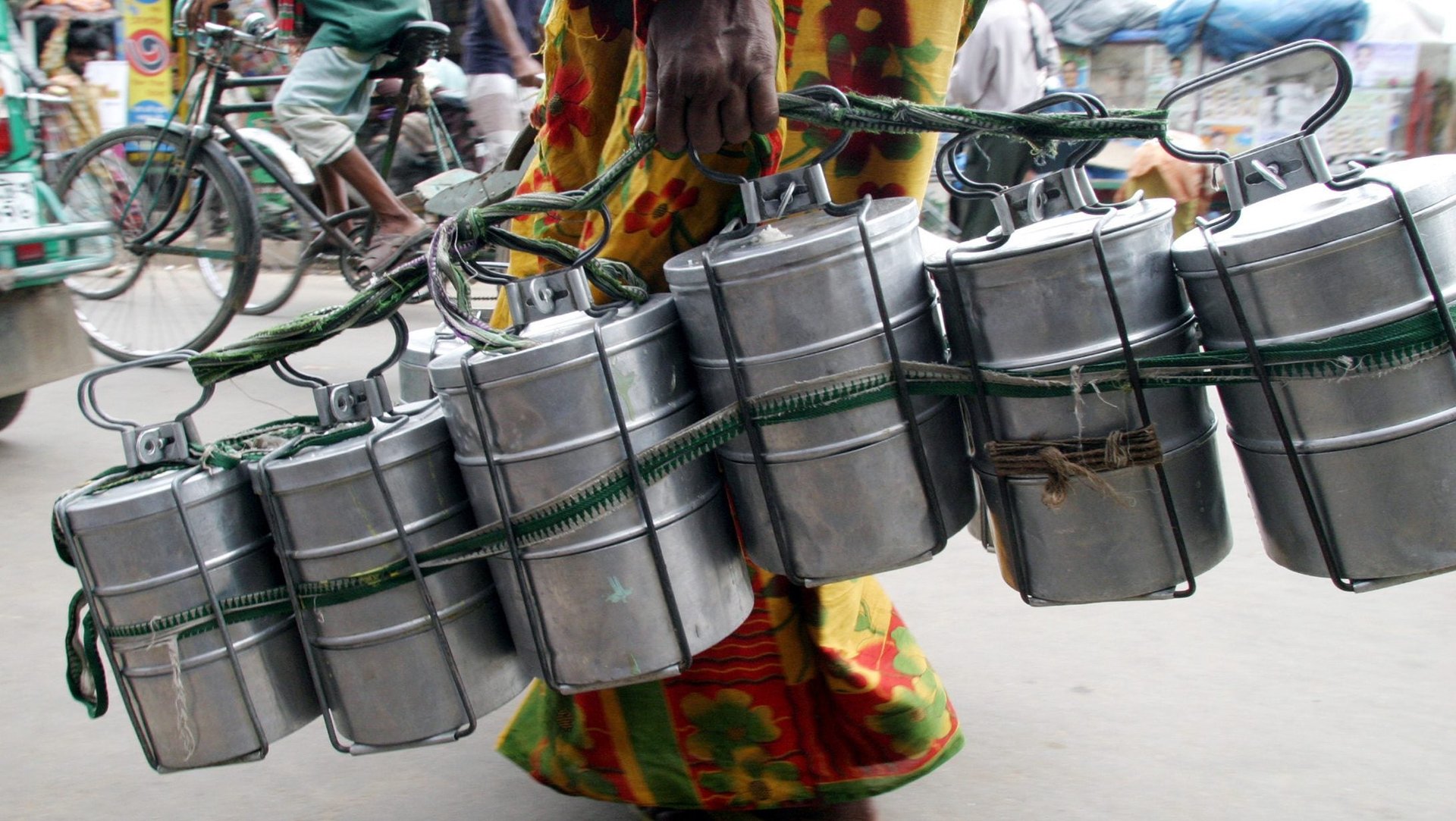
What would a world without single-use plastic look like? One only has to look back about 60 years, when the vast majority of the single-use plastics we use today didn’t exist.
Ants are useful creatures. As the most numerous insects on Earth, they have colonized nearly every habitat on land. So when a researcher wants to understand how far a contaminant has spread, they turn to ants.
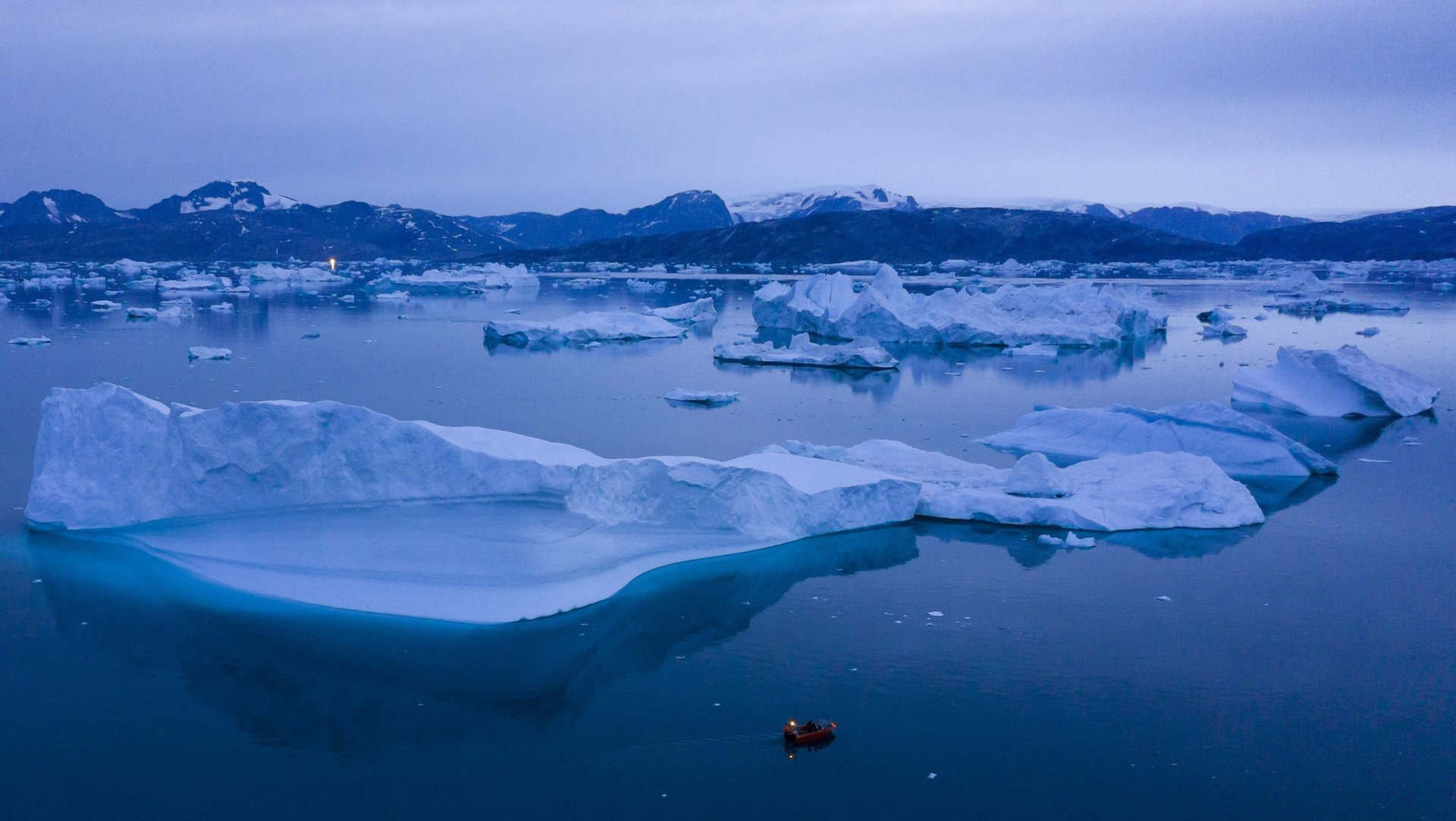
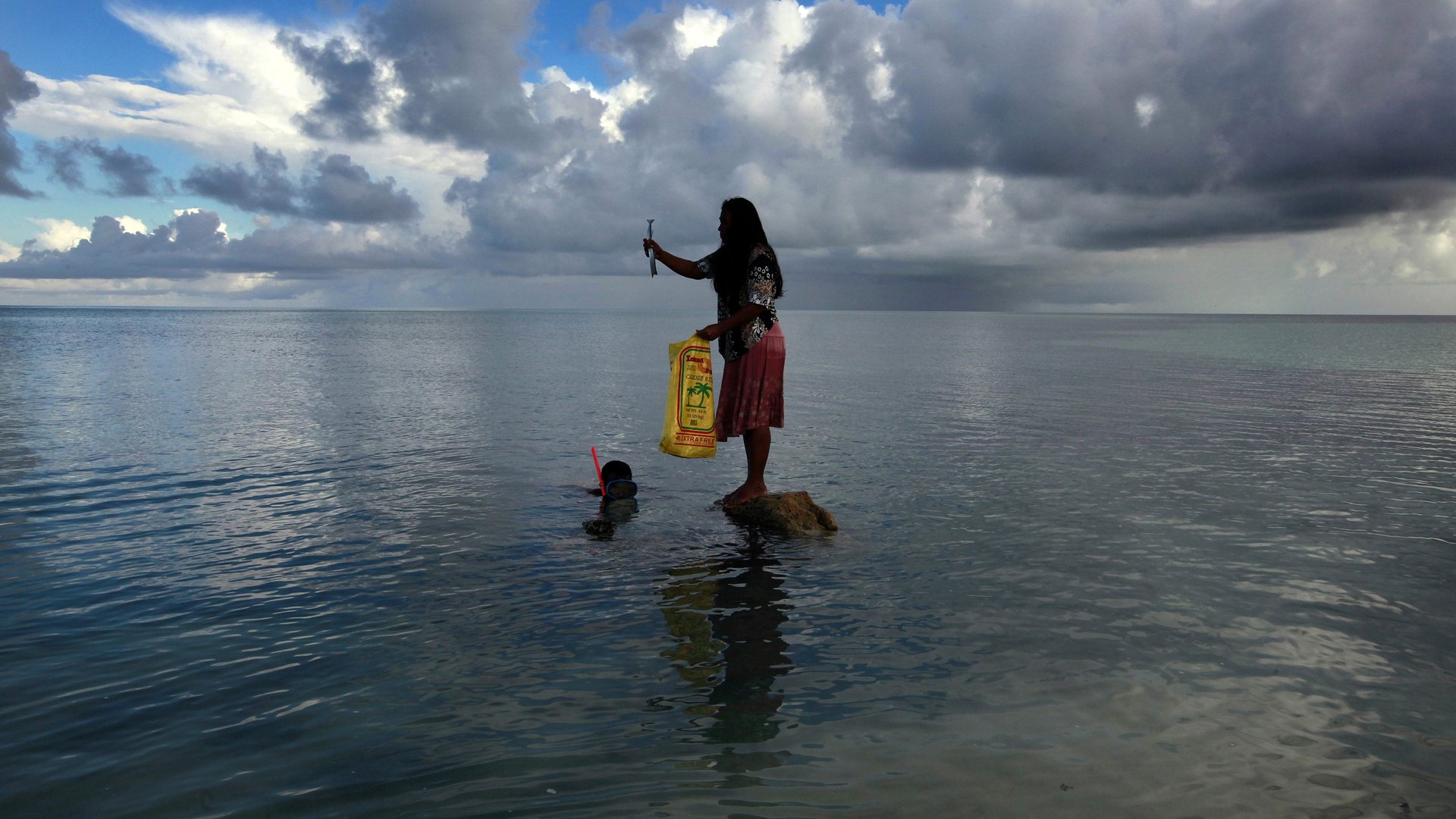
In a sweeping new report on the state of the oceans and the cryosphere—the ecological realm of sea ice, snow, and glaciers—the United Nations climate change body doesn’t pull any punches. Even if one looks only at oceans and ice, failure to dramatically reshape “all aspects of society” in order to keep warming in check—less than two degrees Celsius above pre-industrial levels—will mean devastation for coastal cities, Arctic communities, small island states, anyone who relies on glaciers for water, and virtually all sea creatures.
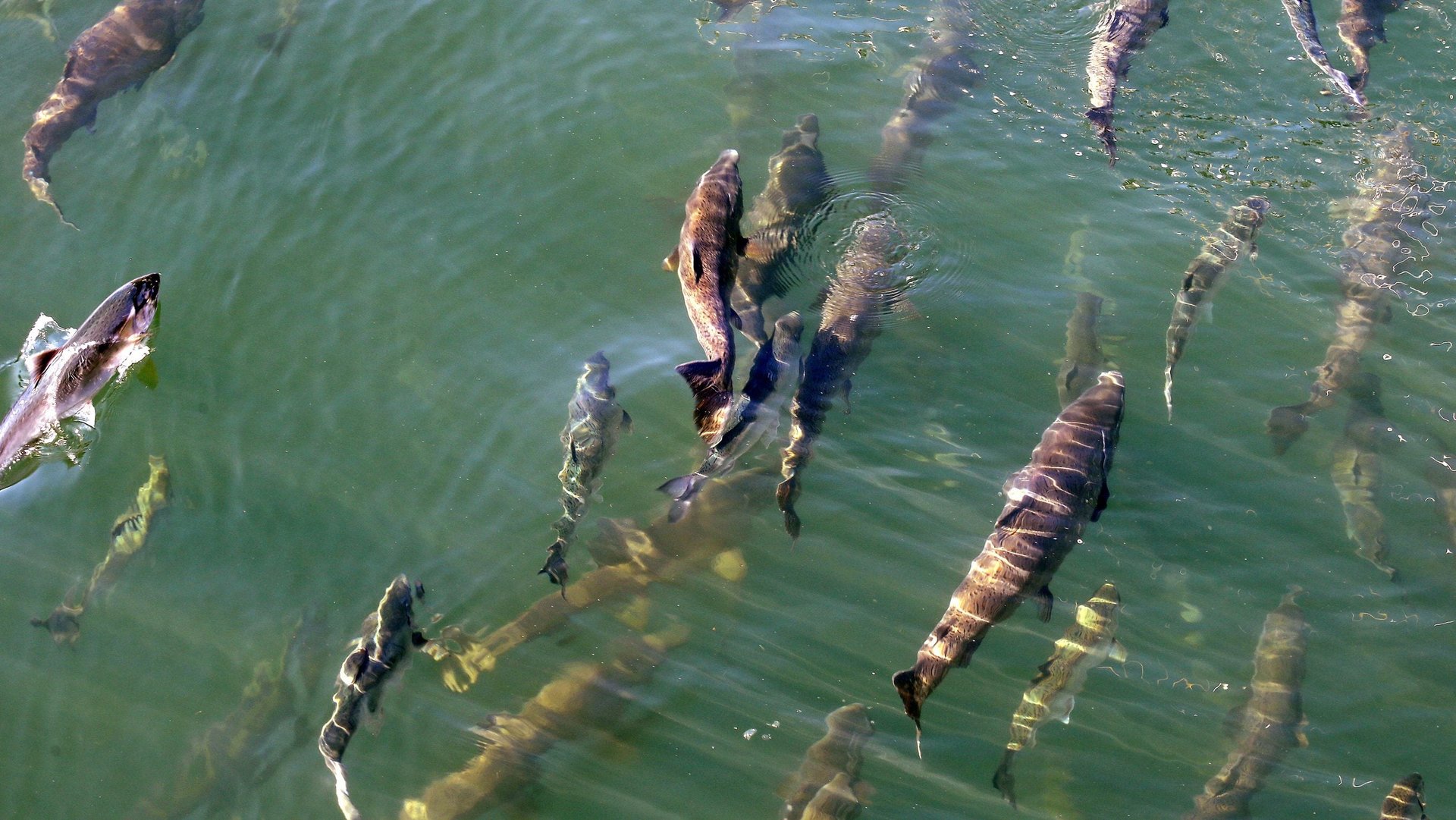
As ocean temperatures rise, marine species are moving away from their warming and acidifying habitats to seek colder waters. There is, in effect, a mass migration of sea life towards the poles.
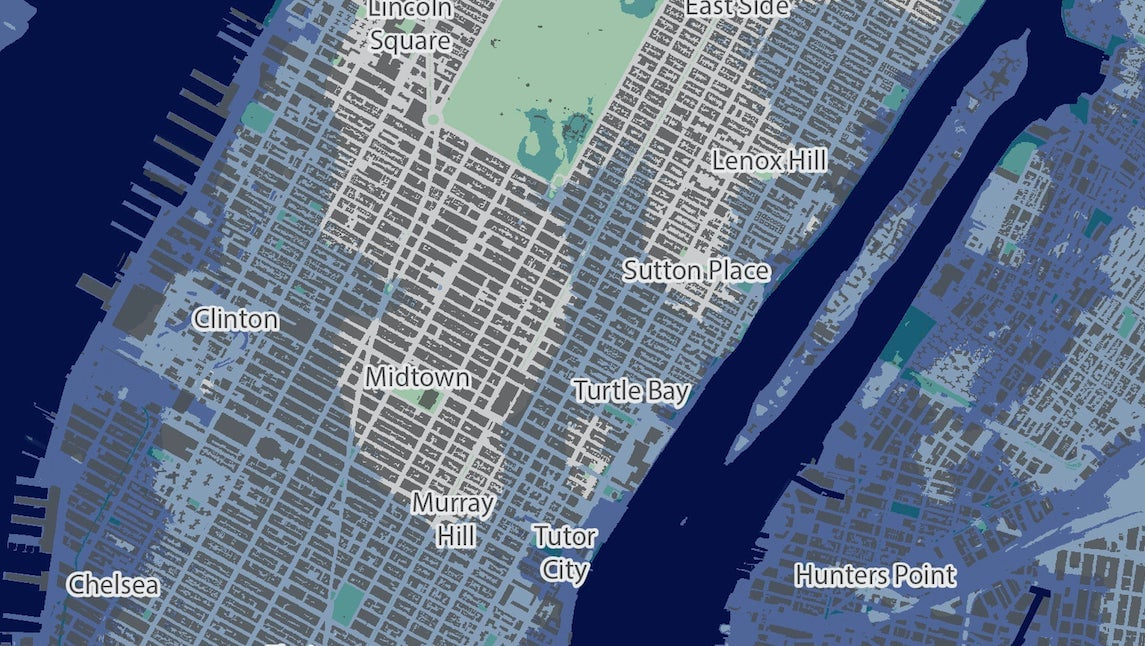
Leaders are gathering at the United Nations headquarters in New York City this week, where a set of climate change meetings will take place alongside the United Nations General Assembly. While they discuss ways to prevent the worst effects of climate change, the neighborhoods around the UN face a very real threat: Sea level rise is set to flood the immediate area, possibly as soon as 2100.
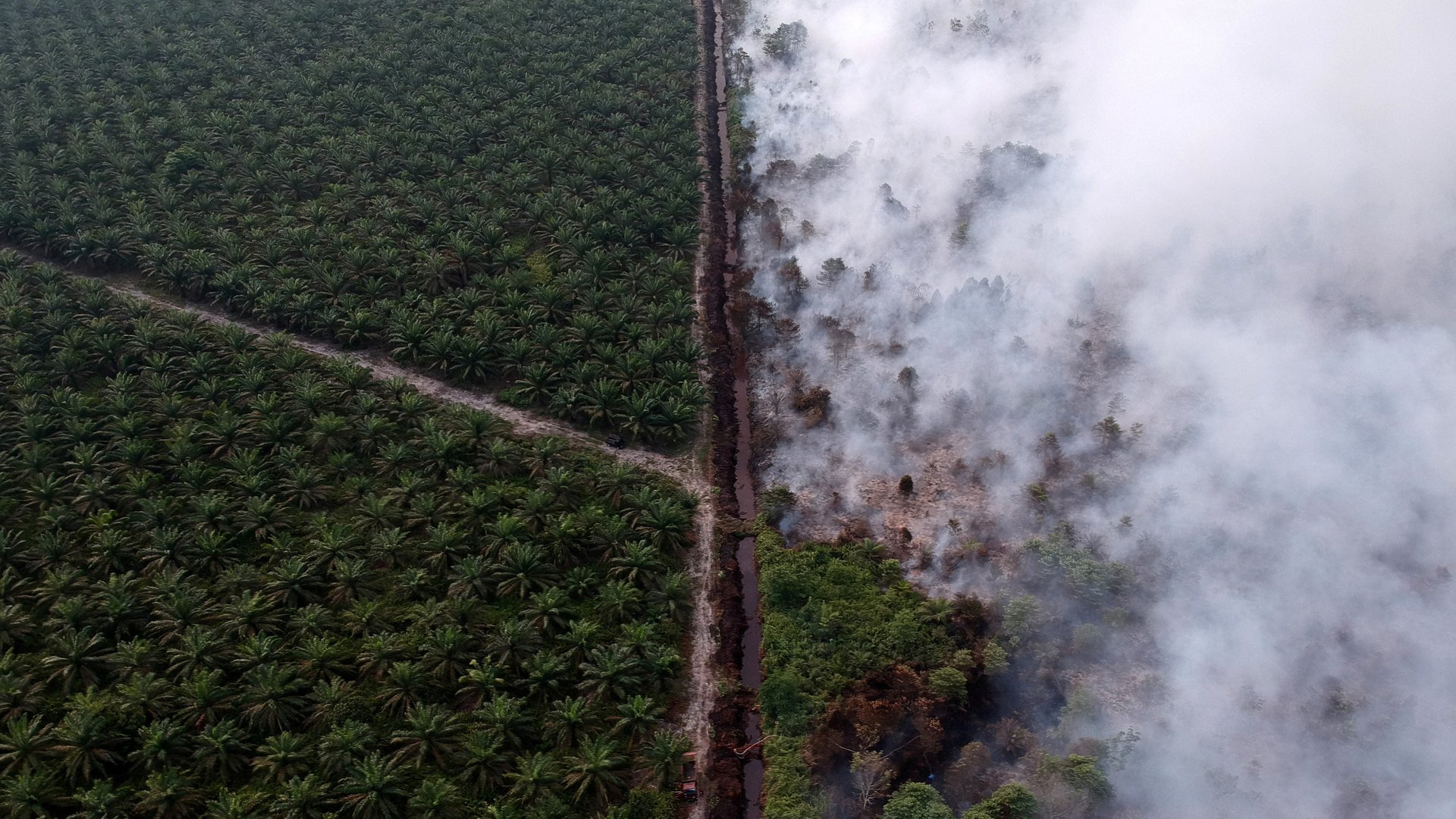
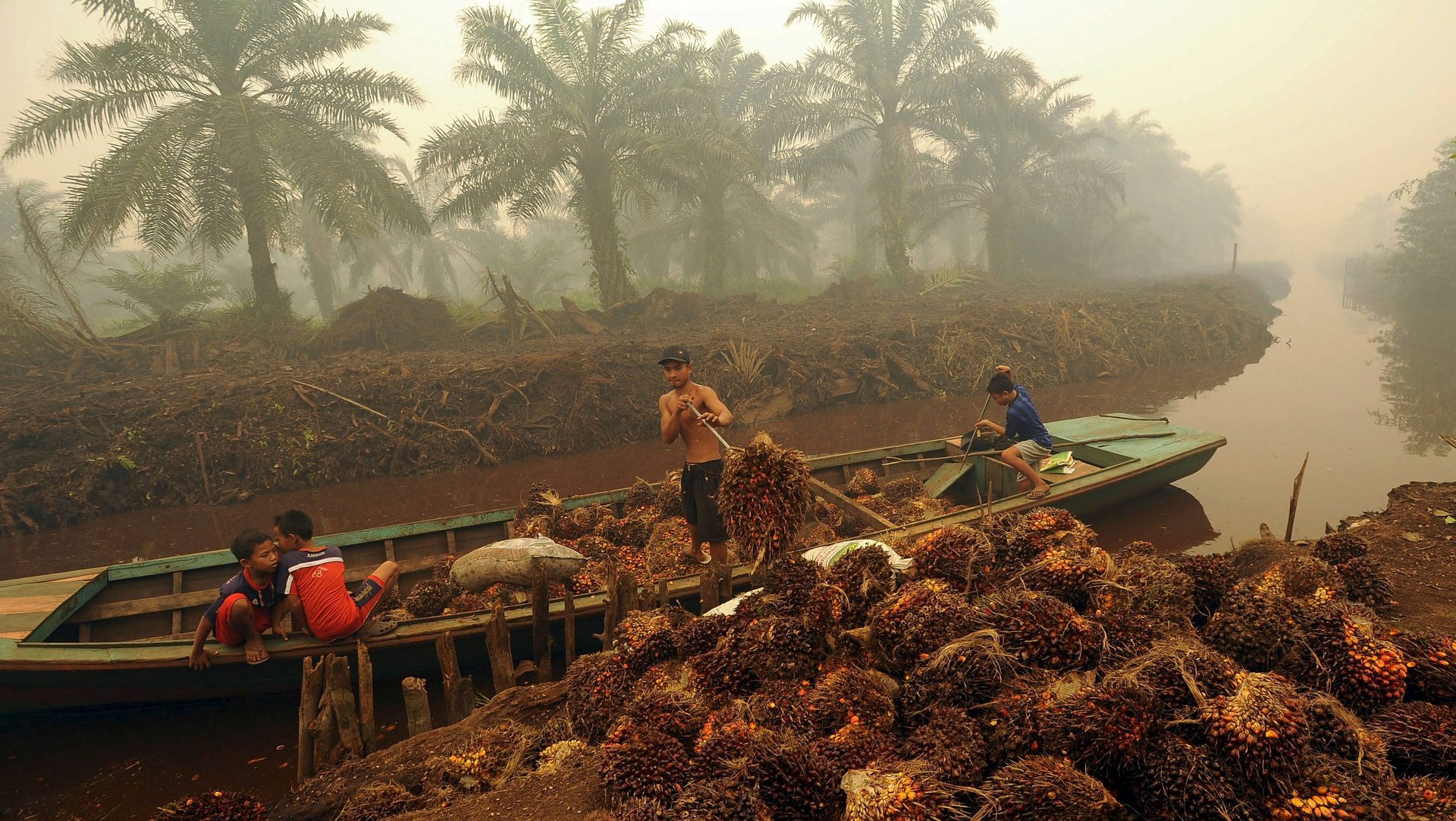
The smoke wafting from fires in the tropical forests of Indonesia—forming plumes big enough to blot out the sky in Malaysia and Singapore—is a reminder of a global supply chain run amok.
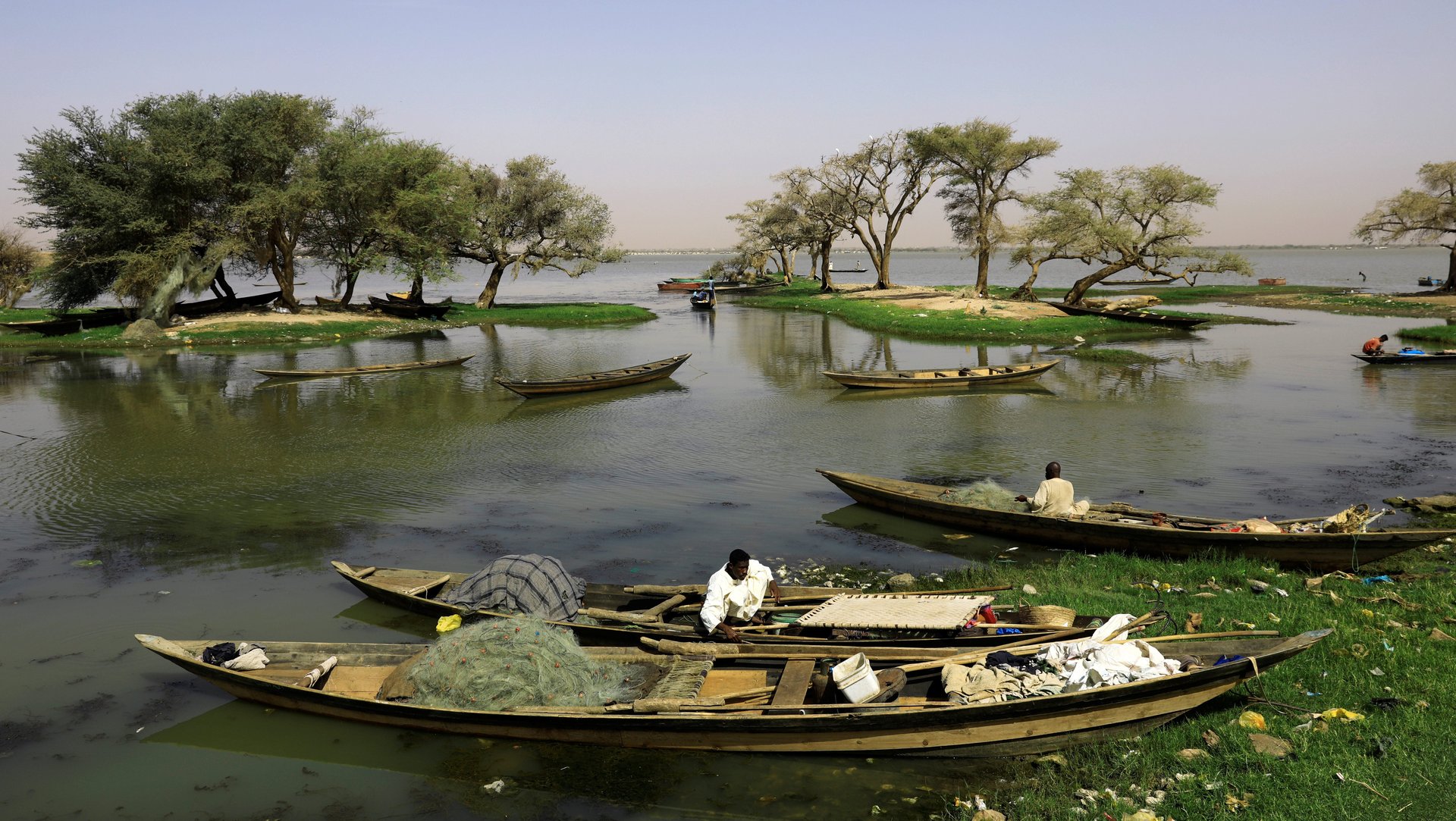
The Nile river snakes through 11 countries, providing hundreds of millions of people with the majority of their water supply. For many, it is their only water source. Egypt, for one, gets about 85% of its water from the river—and experts expect the country to face a nationwide freshwater shortage by 2025.
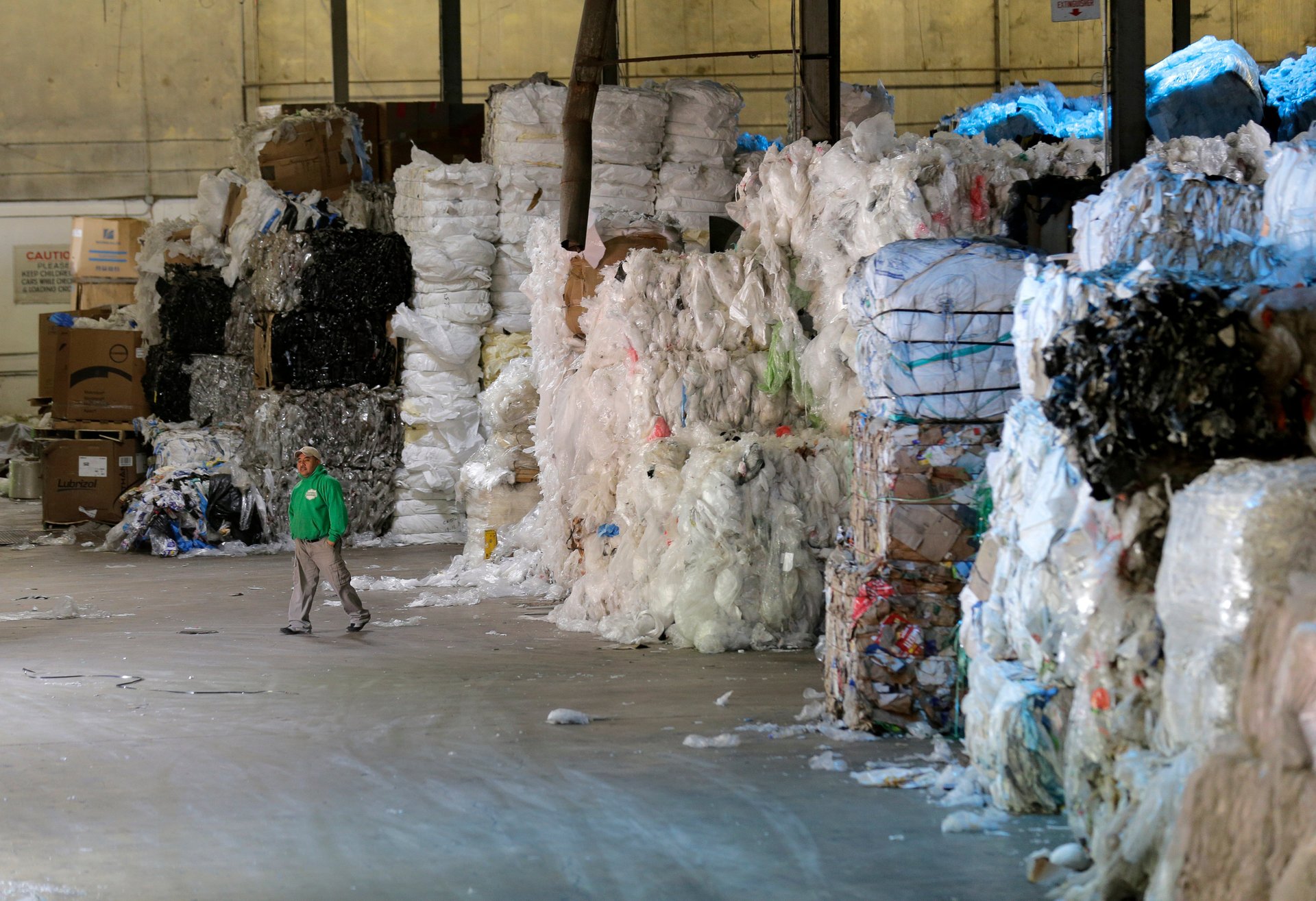
In 2018, on New Year’s Day, the world of trash changed forever.
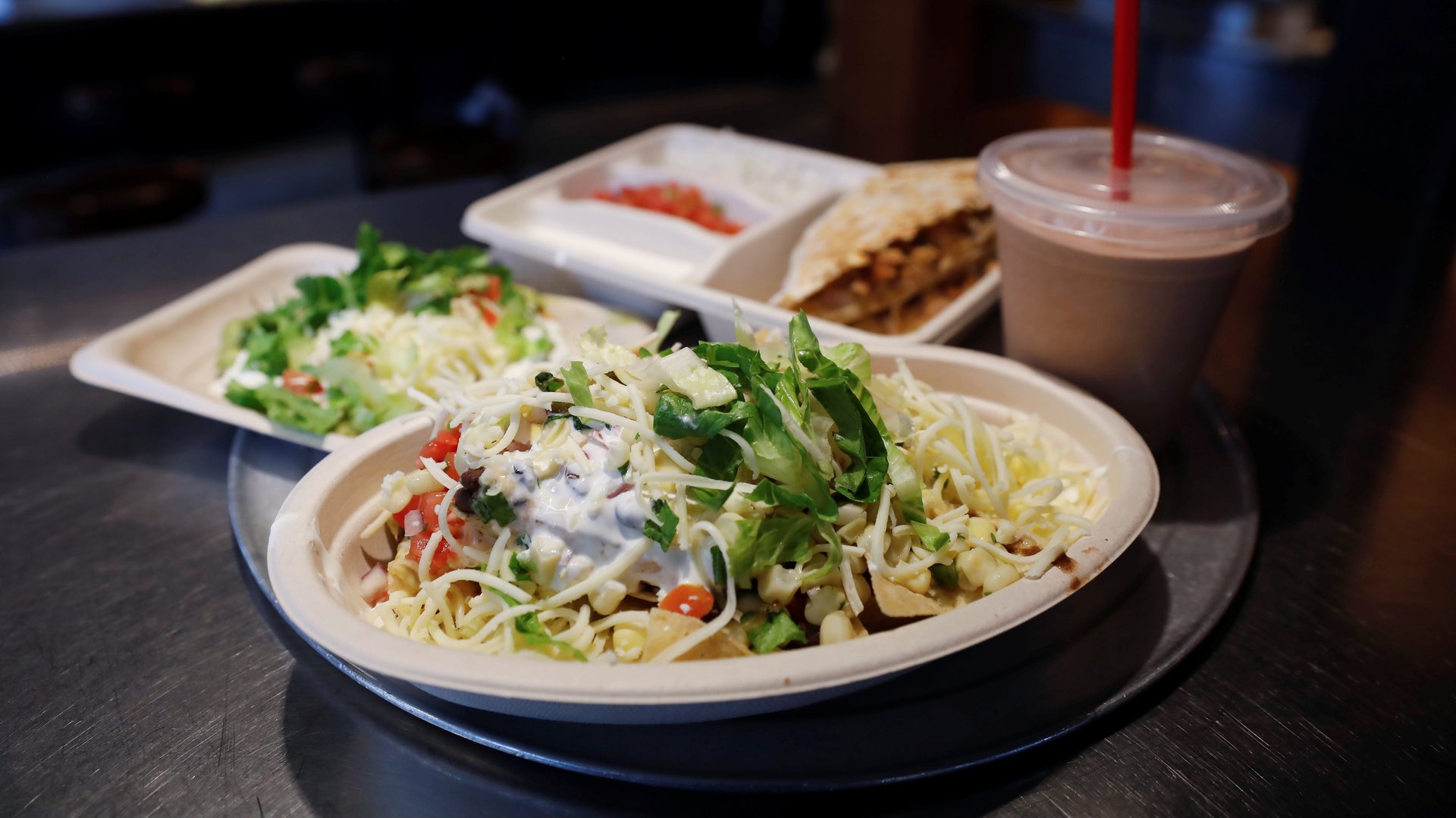
Denmark on Monday (Sept. 2) became the first country to completely ban PFAS from food packaging. The class of chemicals, also referred to as “perflourinated” or “flourinated” compounds, commonly coats microwave popcorn bags, baking paper, and take-out containers.
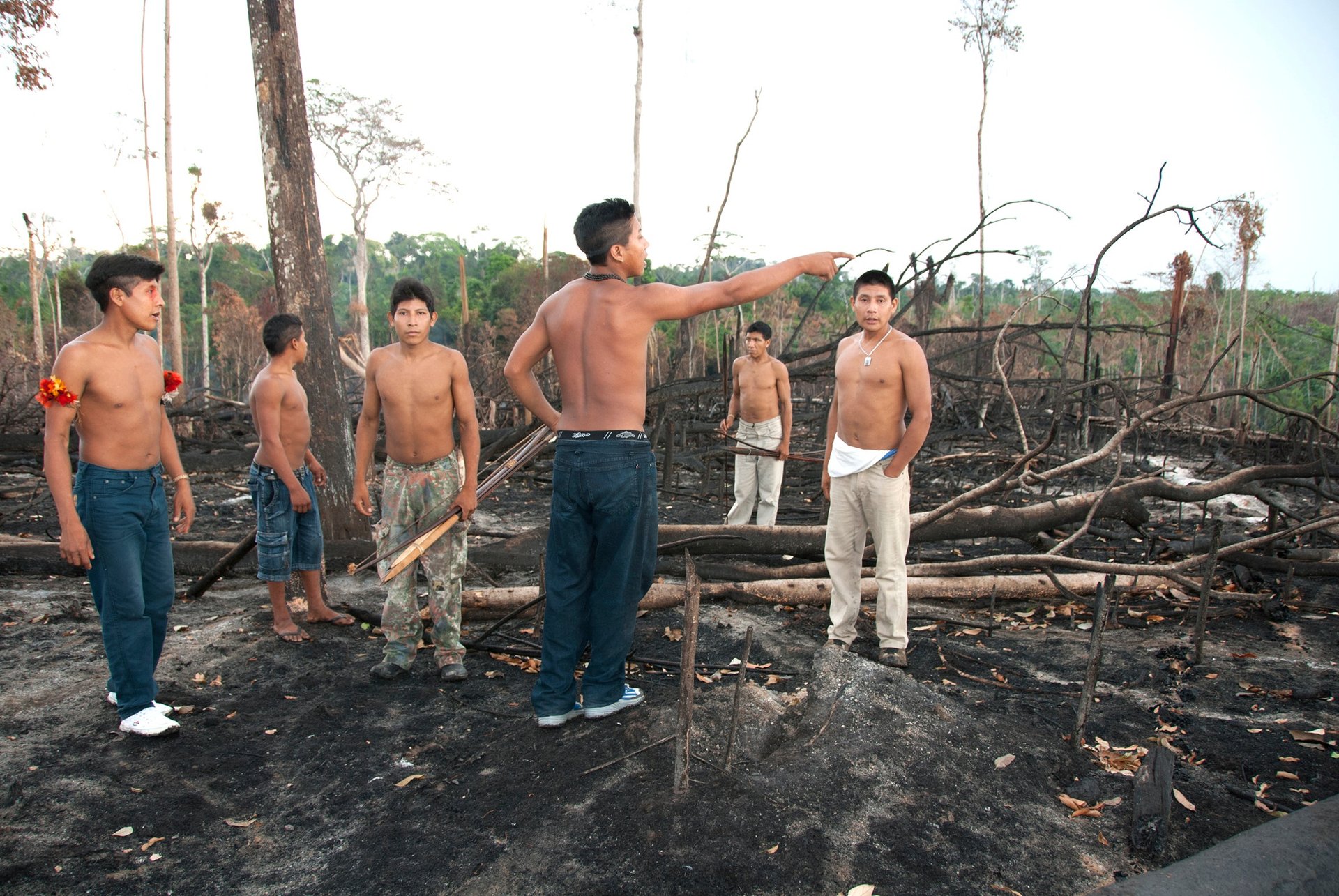
Deep in the eastern Amazon rainforest, loggers armed with guns are lighting fires inside the territory of an uncontacted tribe with roughly 100 members left.