
Money & Markets
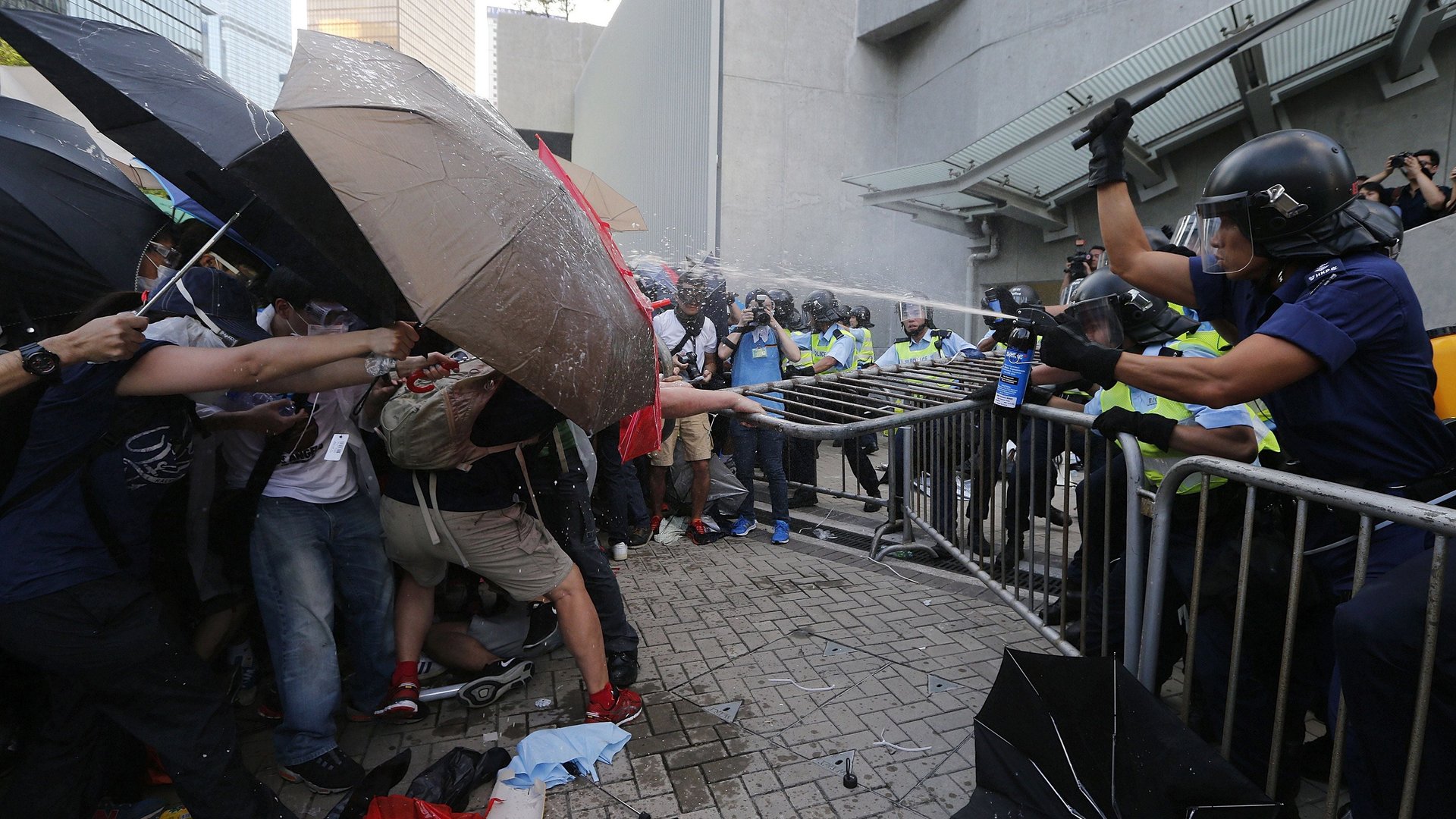
“When we felt threatened, we opened umbrellas and raised our hands”A reader in Hong Kong writes:
Updated July 21, 20223 min read
A reader in Hong Kong writes:
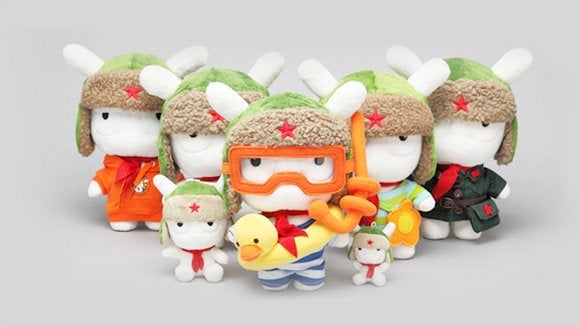
Chinese smartphone maker Xiaomi has proven itself to be a whiz at creating consumer demand, and that includes stuffed animals that Mao Zedong might love: Co-founder Li Wanqiang expects to sell some 2 million of its bunny mascots this year.
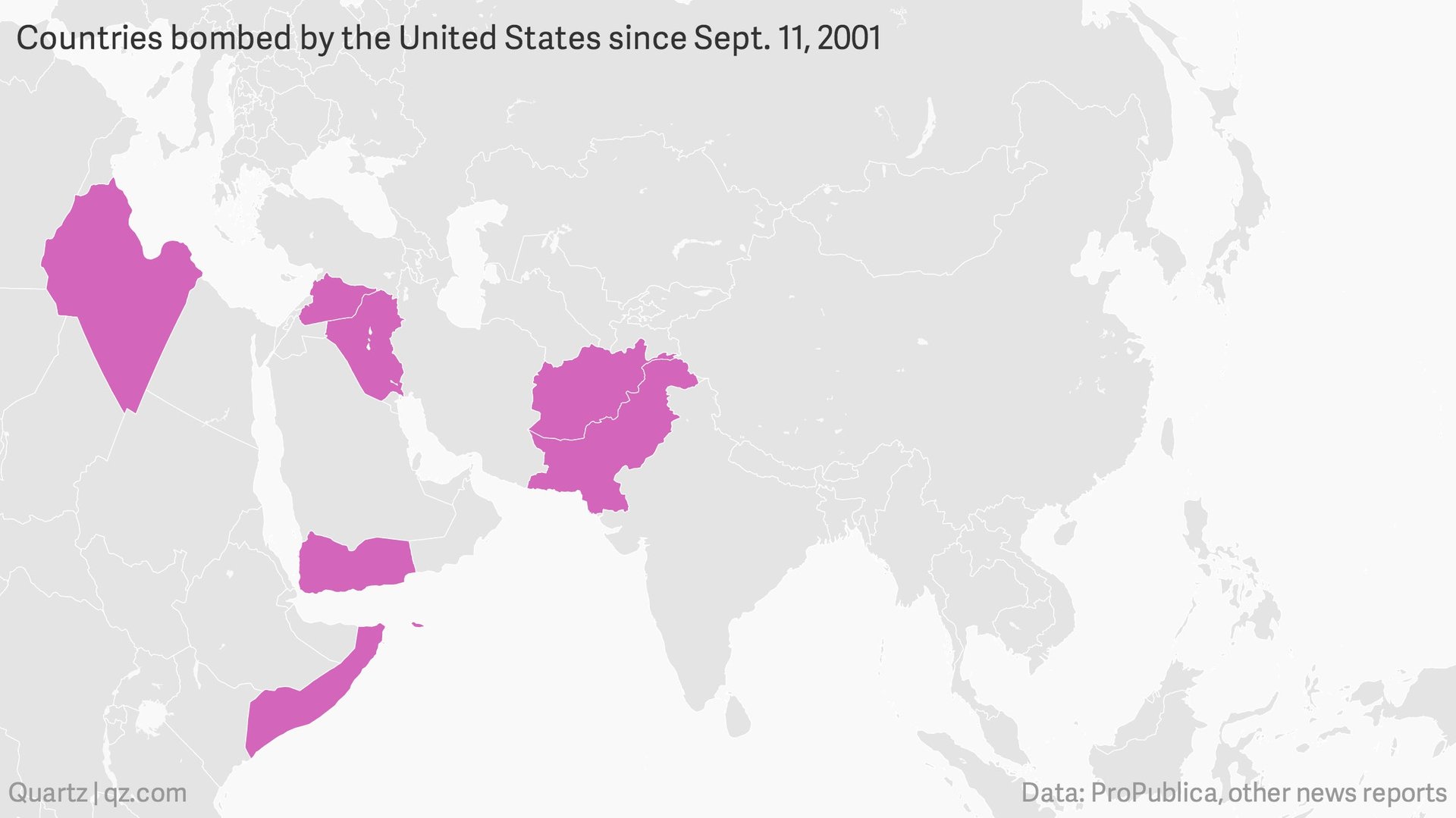
The US began airstrikes in Syria today, fulfilling president Barack Obama’s vow to “degrade and destroy” the extremist group that calls itself the Islamic State. The Pentagon said it deployed bombers, fighters, armed drones, and cruise missiles against IS forces in the group’s de facto capital of Raqqa, Syria and along the Iraq border. Military aircraft from Bahrain, Jordan, Qatar, Saudi Arabia, and the United Arab Emirates took part in the strikes, US officials told the New York Times.

What to watch for today
What to watch for today
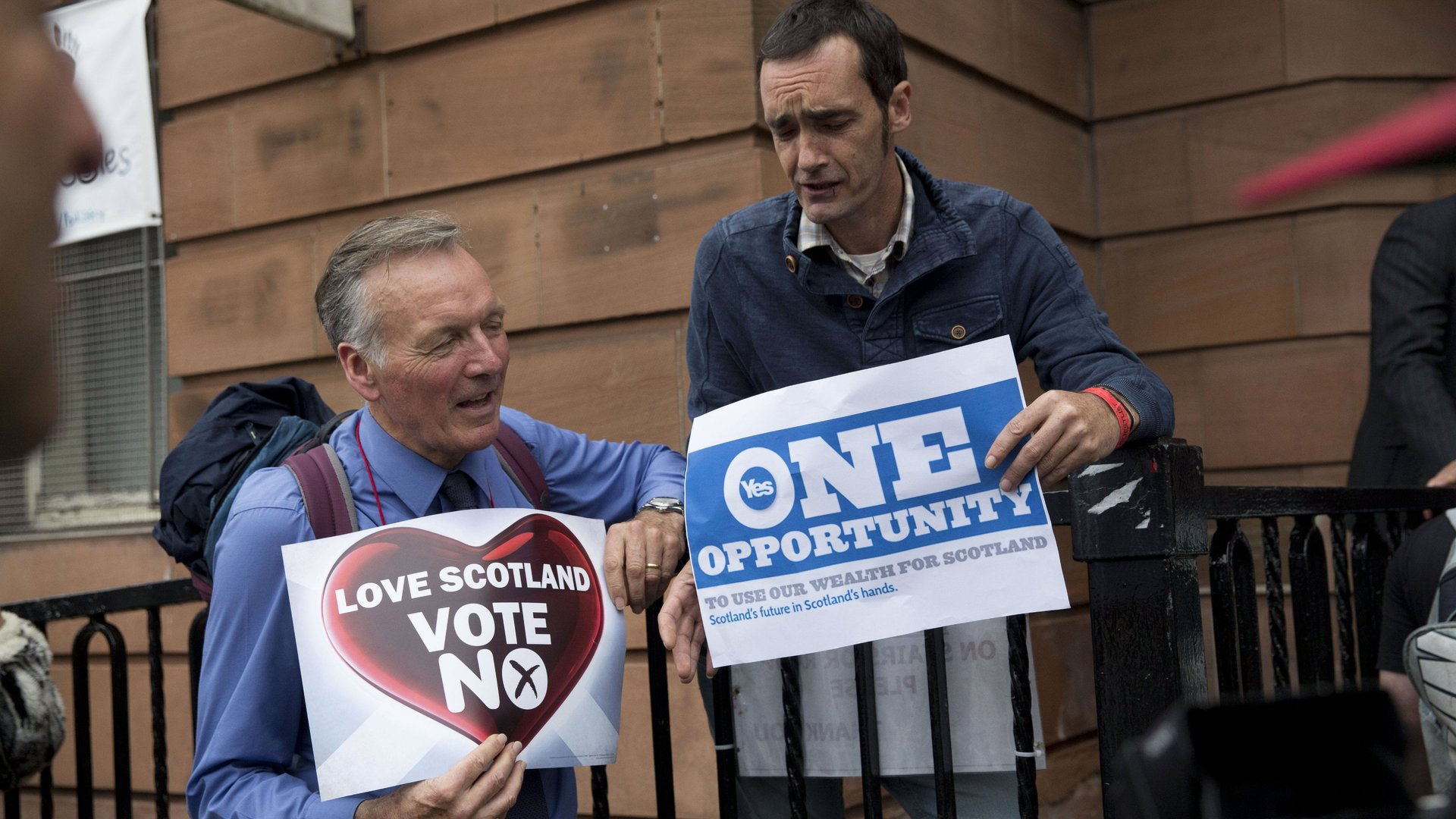
Scots voted by a decent margin yesterday to maintain their country’s 307-year-old union with Britain. But like a long-married couple that has been to the brink of divorce, just about everyone involved—the pro-independence “Yes” voters who fell short, the “No” voters who had a closer-than-expected brush with defeat, and the UK politicians who wooed their northern neighbors with last-minute promises—may be feeling a little bruised.
What to watch for today
What to watch for today
The Chinese city of Chongqing’s “no cellphones” lane for pedestrians has struck a global chord—perhaps because just about every mobile phone user has been guilty of walking-while-texting at least a few times, even though it is an annoying hazard to fellow walkers.
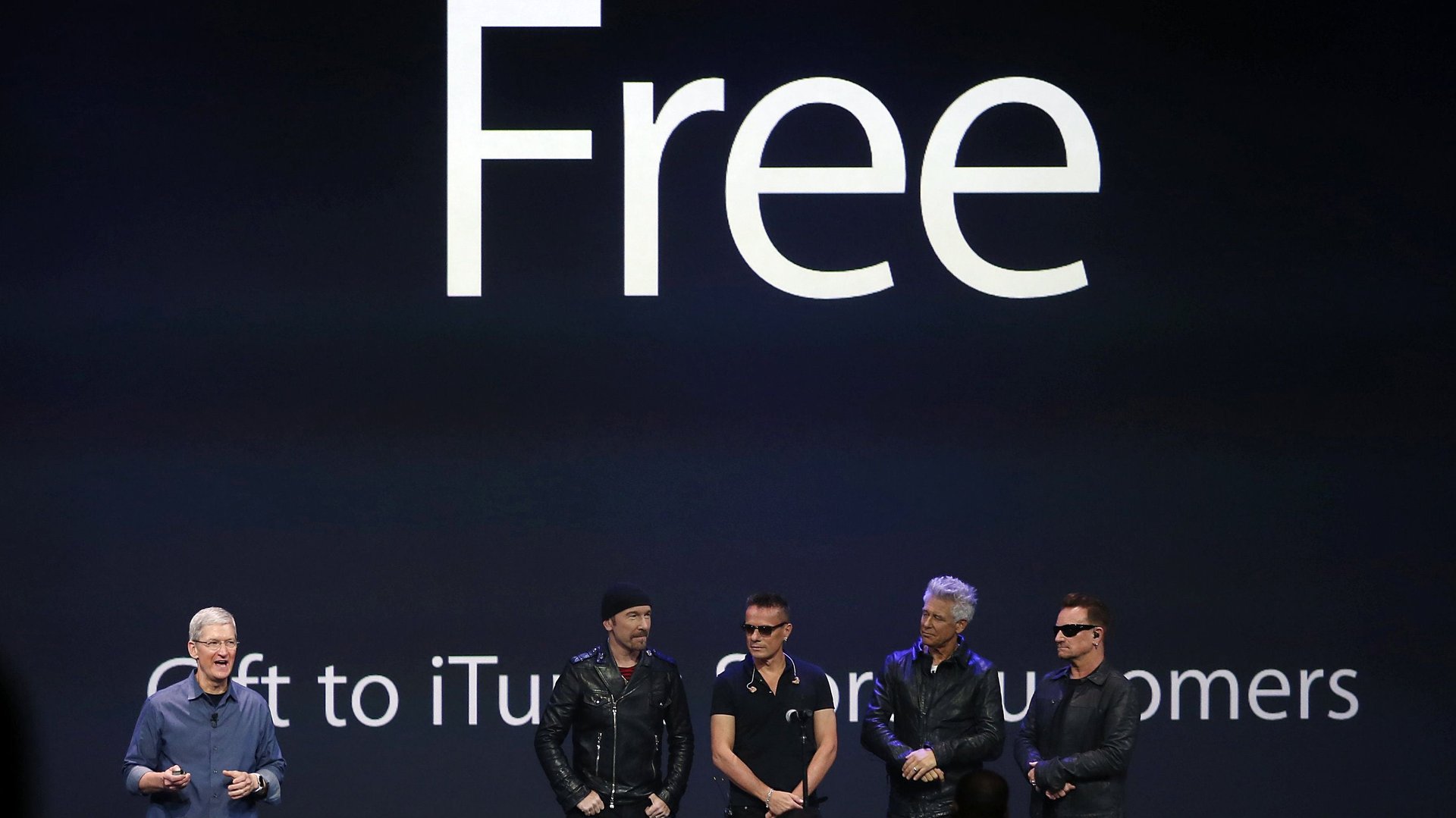
Apple often features Irish rock band U2 when it wants to demonstrate that the music business has changed.
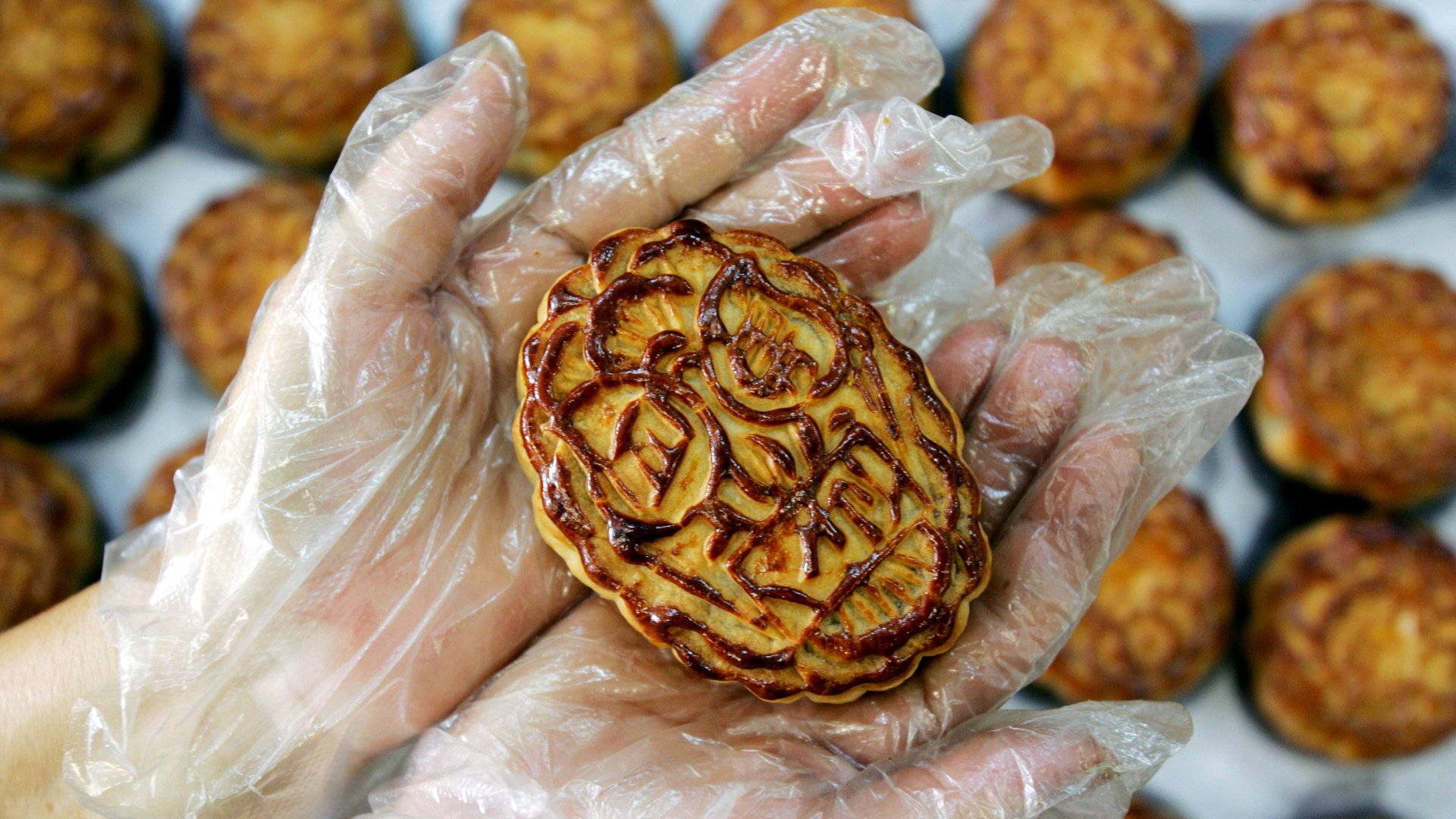
Just in case you needed another excuse not to eat mooncakes, the sweet, dense, calorie-laden pastries that are exchanged at China’s mid-autumn festival, Hong Kongers are now worried that many have been contaminated by “gutter oil”—the sickening cooking oil that is reclaimed from kitchen waste, leather tanneries, and slaughterhouses.

The future of Australia’s iconic Great Barrier Reef, the world’s largest coral structure and an unmatched biodiversity haven, looks grim. That’s the conclusion of an Australian government report, which finds that the reef’s outlook is ”poor, has worsened since 2009 and is expected to further deteriorate,” due mostly to global warming but also the effects of chemical run-off, coastal development, and fishing.
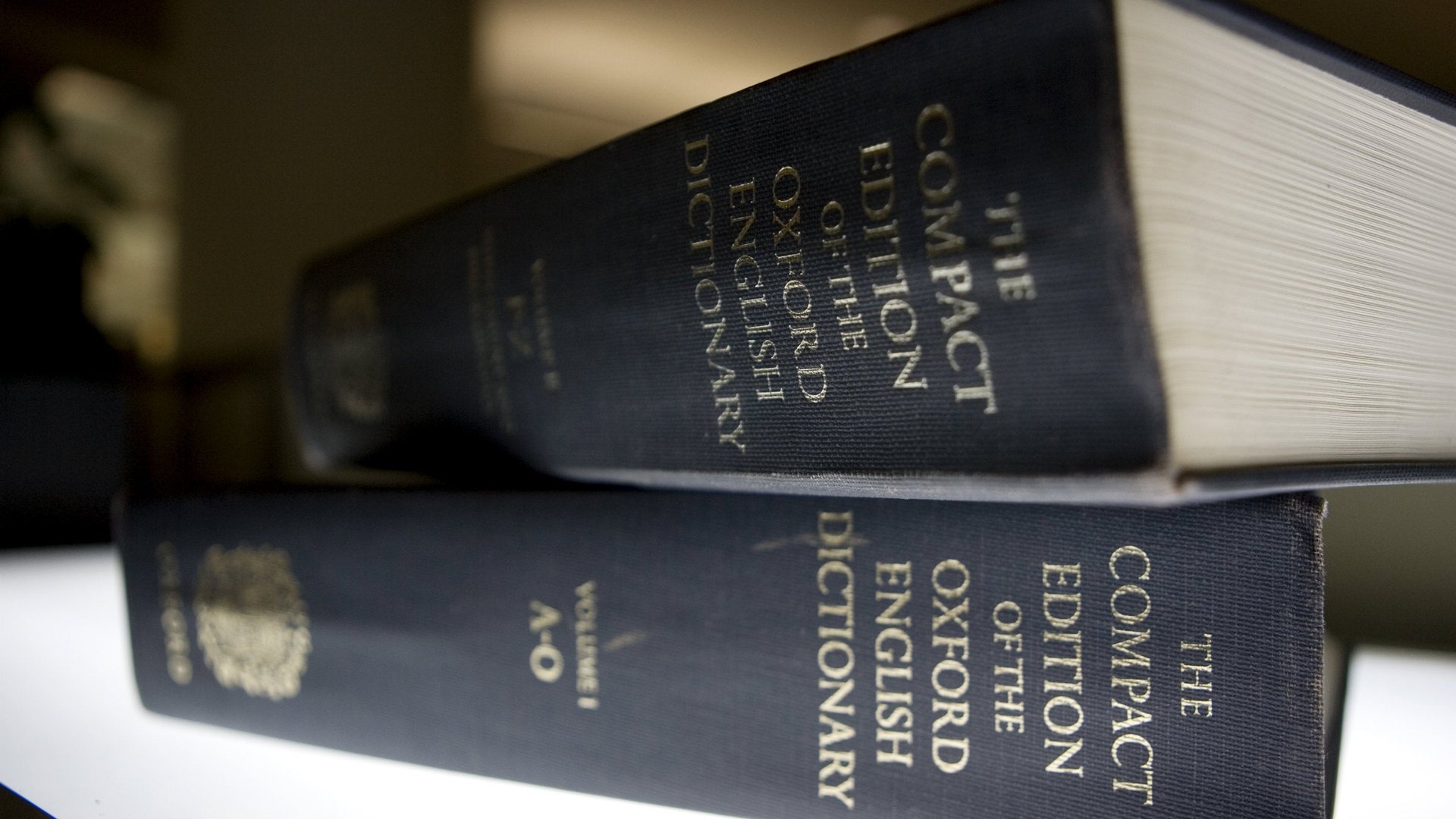
Oxford Dictionaries Online, the sister publication of the more famous Oxford English Dictionary, has a knack for finding and codifying the latest online language trends, including five words and phrases in the headline above that were added for August 2014.
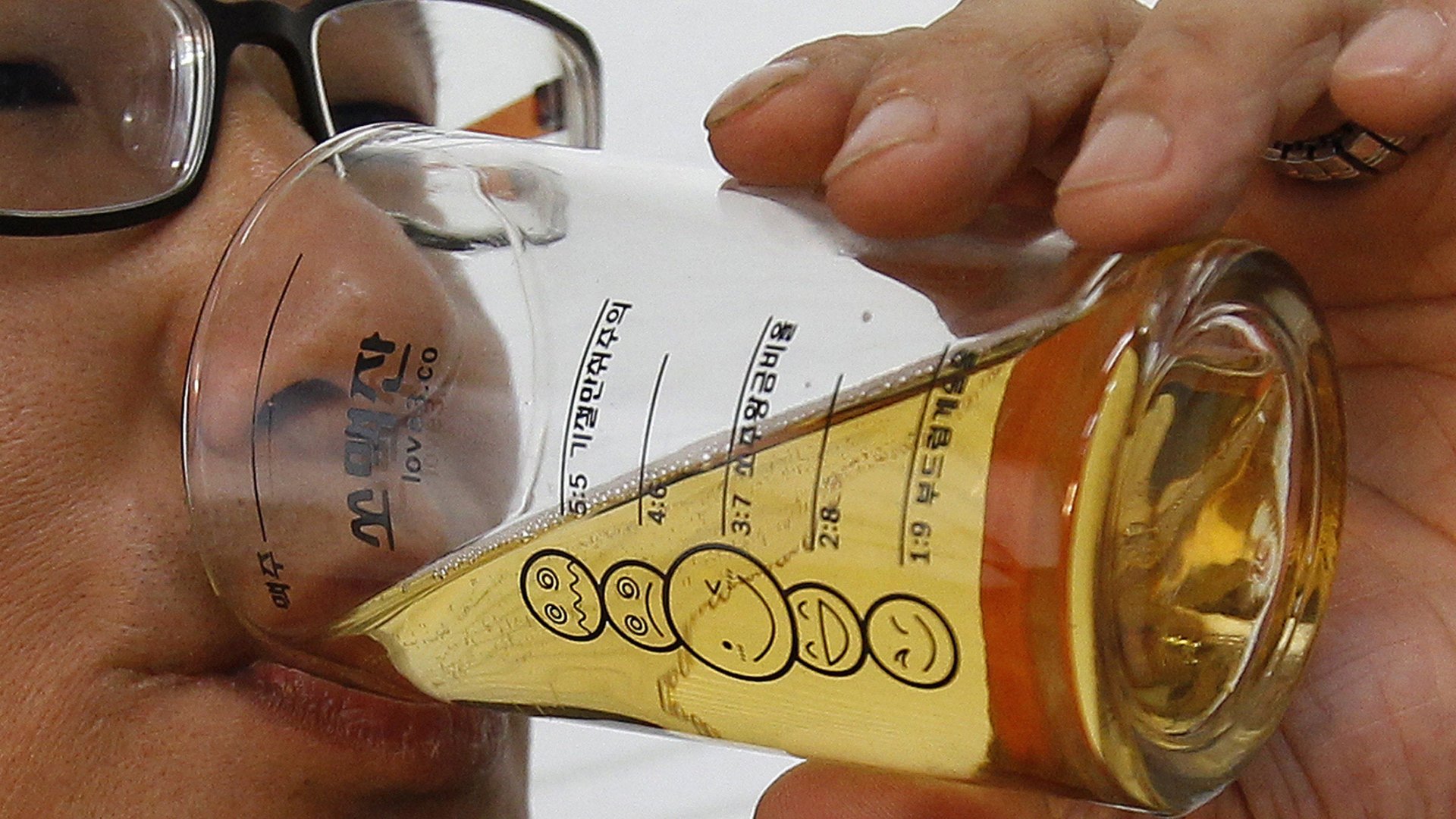
Samsung’s smartphone business is getting squeezed and the company is facing a potential succession crisis within its founding family. These challenges have convinced the famously hierarchical company to loosen up a bit, with flexible work schedules, relaxed dress codes, and continued efforts to limit the mandatory after-hours binge-drinking sessions known as hoesik.
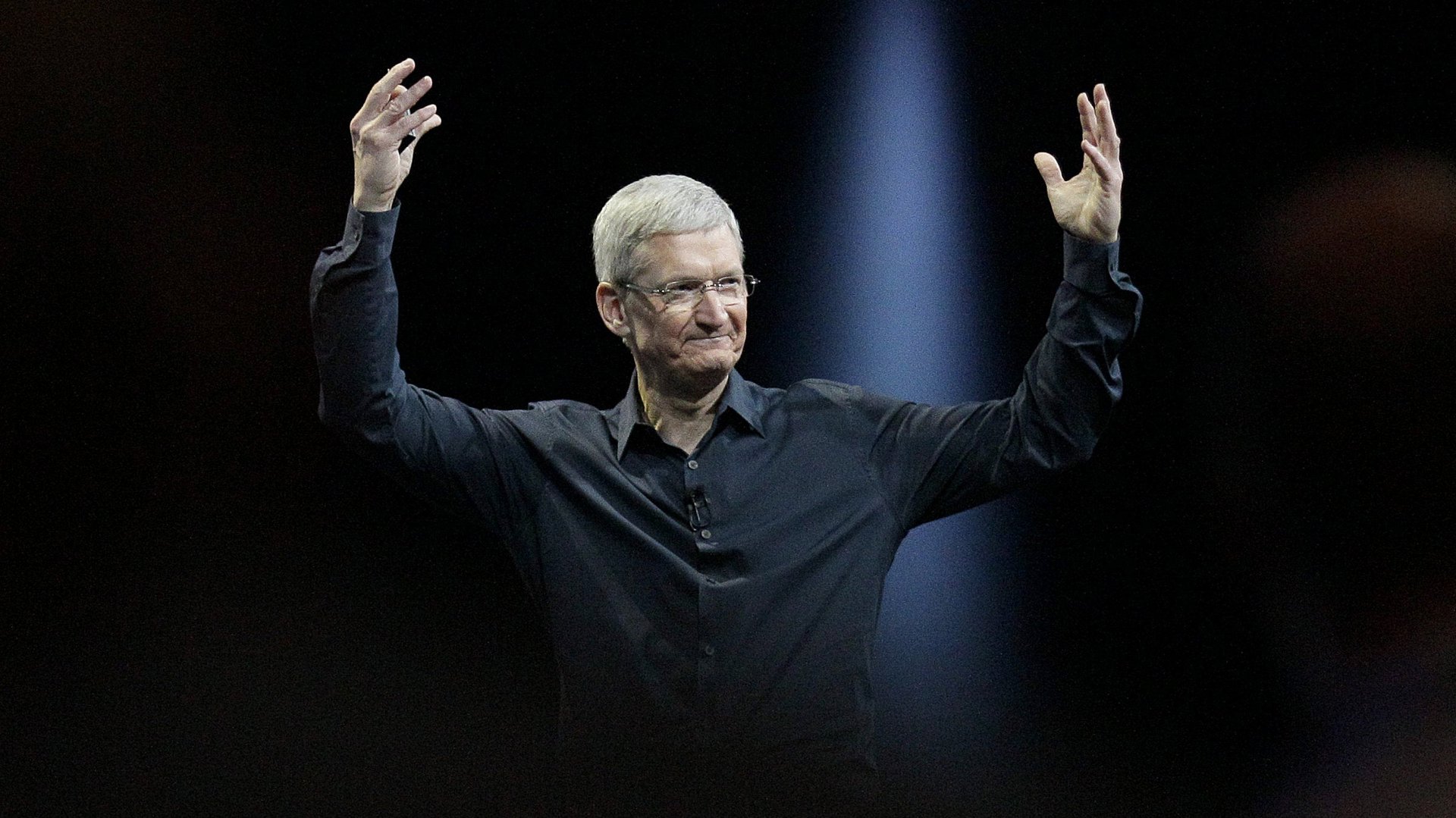
At the top-secret internal training sessions that Apple offers to its employees, the message boils down to this: Be more like Picasso and less like Google. That’s the takeaway from an excellent New York Times report on Apple University, as the iPhone maker’s training program is known, which drafts in Ivy League professors and features tailor-made courses for incoming acqui-hires like Dr. Dre of Beats.
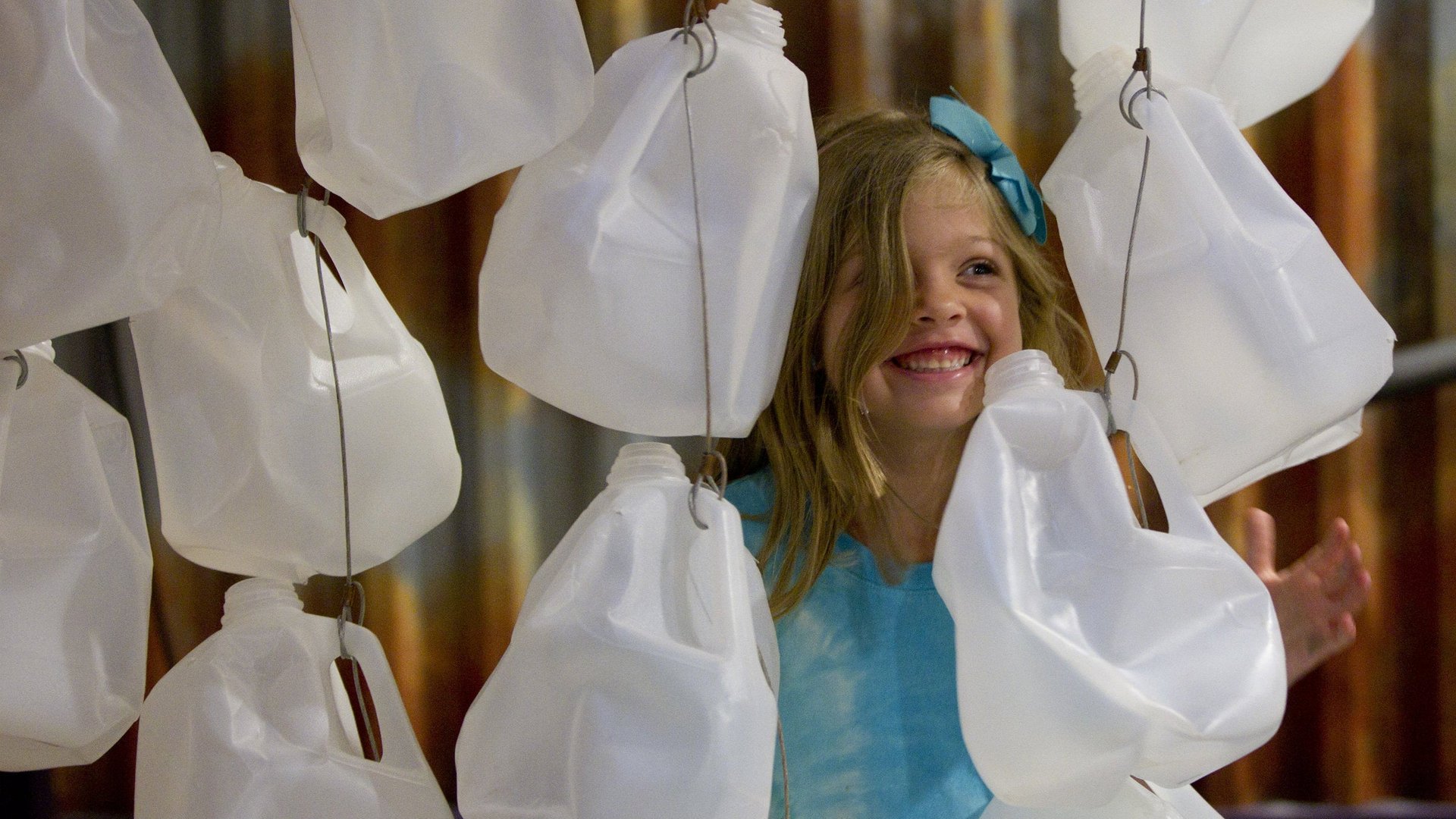
Thanks to a charming Cheerios commercial, software developer Chad Miller was inspired to start a website. “This Is How to Dad” is not just full of parenting hacks—why you should buy your five-year-old a knife, how to teach them how to ride a bike—but also features some clever tips about how to encourage kids to become literate, numerate, and generally fond of learning.
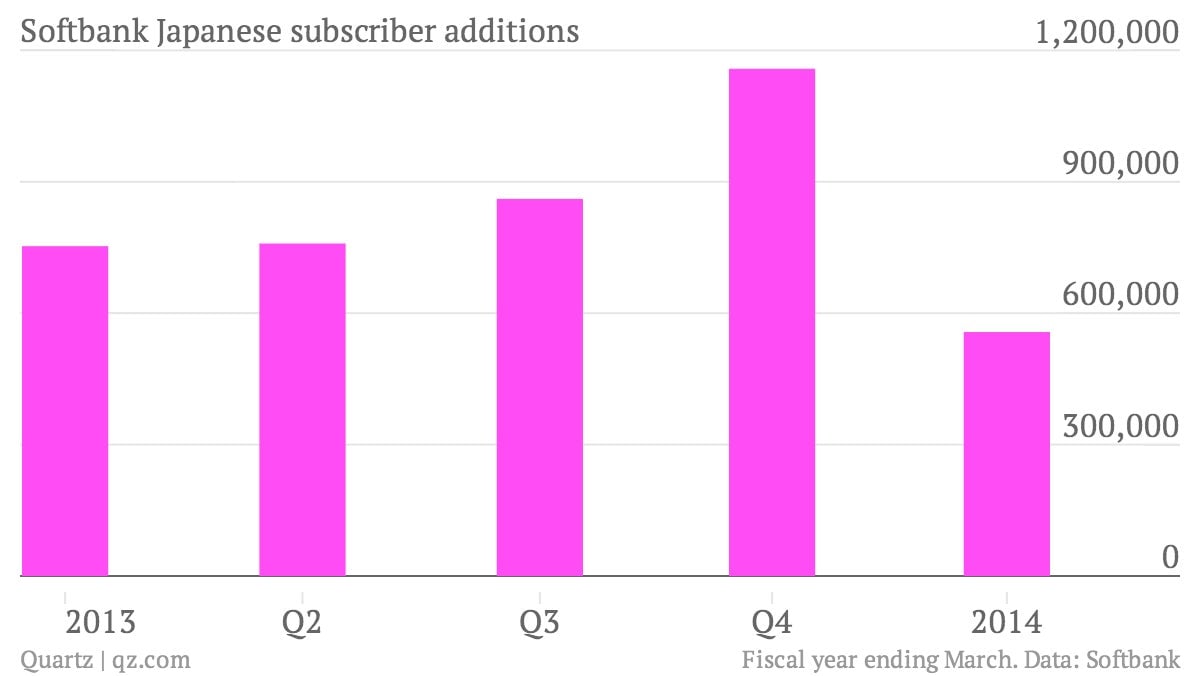
The numbers: The Japanese mobile phone operator’s net income fell by 68%, to 77.6 billion yen ($763 million), in its fiscal first quarter (ending in June). Operating profit, which excluded interest payments for Softbank’s Sprint acquisition and other one-time costs, fell by 16%, to 337.6 billion yen.
The forthcoming IPO of Alibaba is expected to be the world’s biggest stock offering this year, thanks to its dominance in China’s giant e-commerce sector. In fact, nearly everything about the Chinese internet sector is super-sized: It has a staggering 632 million internet users, compared with a mere 277 million in the United States. Last year the number of smartphones and tablets sold in China nearly doubled, from 380 million to 700 million. And according to a new study by consulting firm McKinsey, the really impressive growth is yet to come.
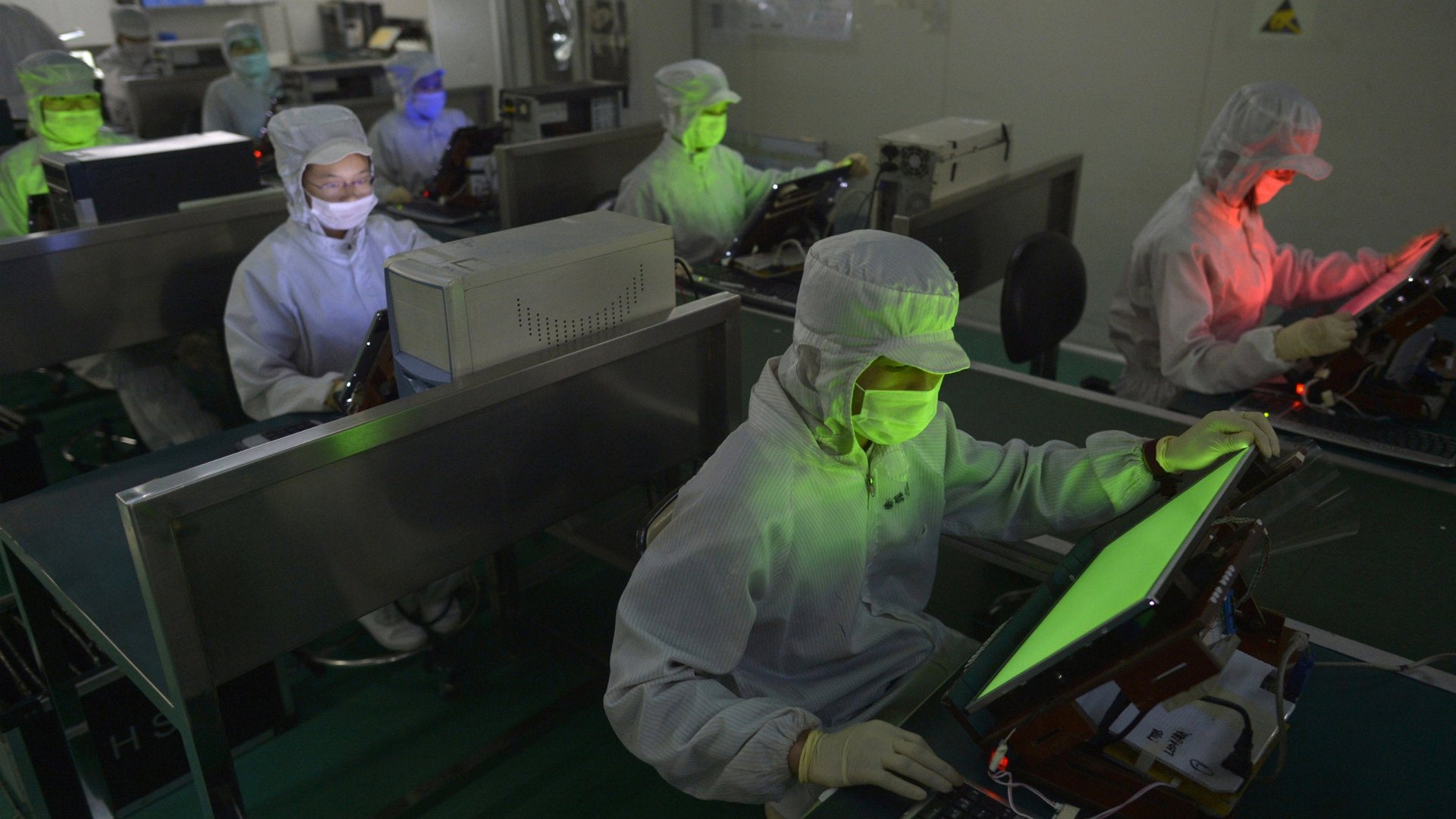
Someone in Samsung’s compliance department isn’t entirely clear on what “zero tolerance” means.
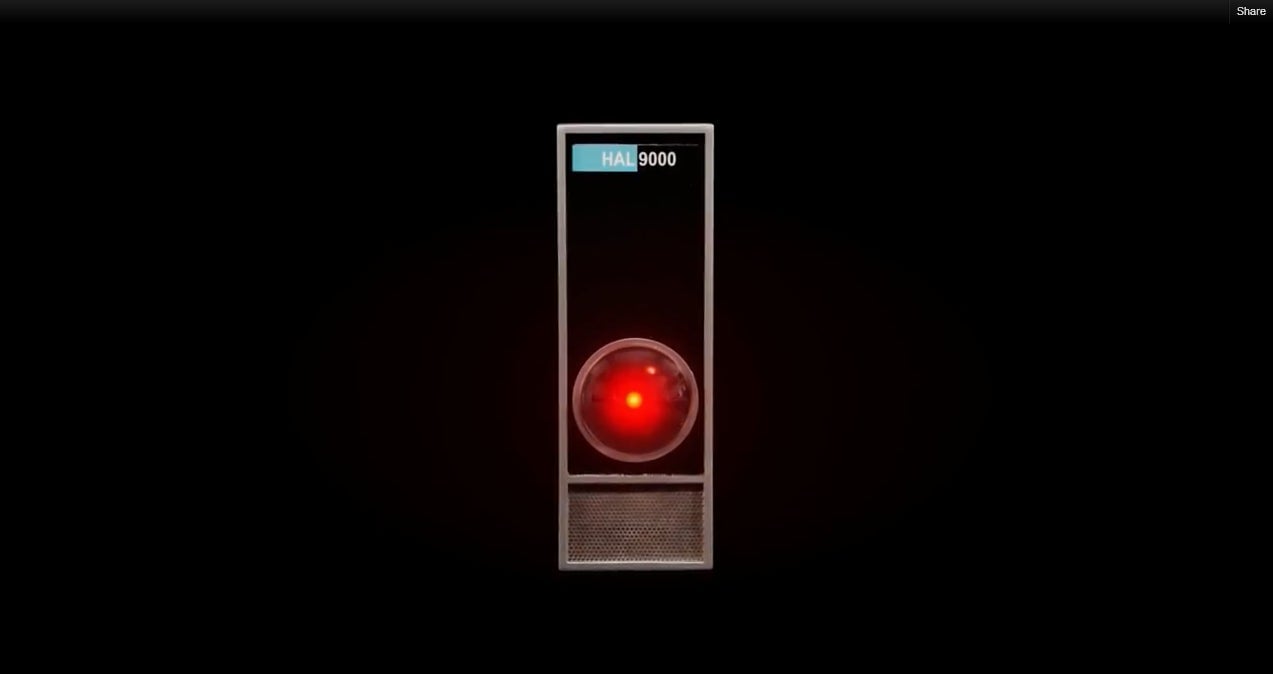
Elon Musk, the Tesla and Space-X founder who is occasionally compared to comic book hero Tony Stark, is worried about a new villain that could threaten humanity—specifically the potential creation of an artificial intelligence that is radically smarter than humans, with catastrophic results:
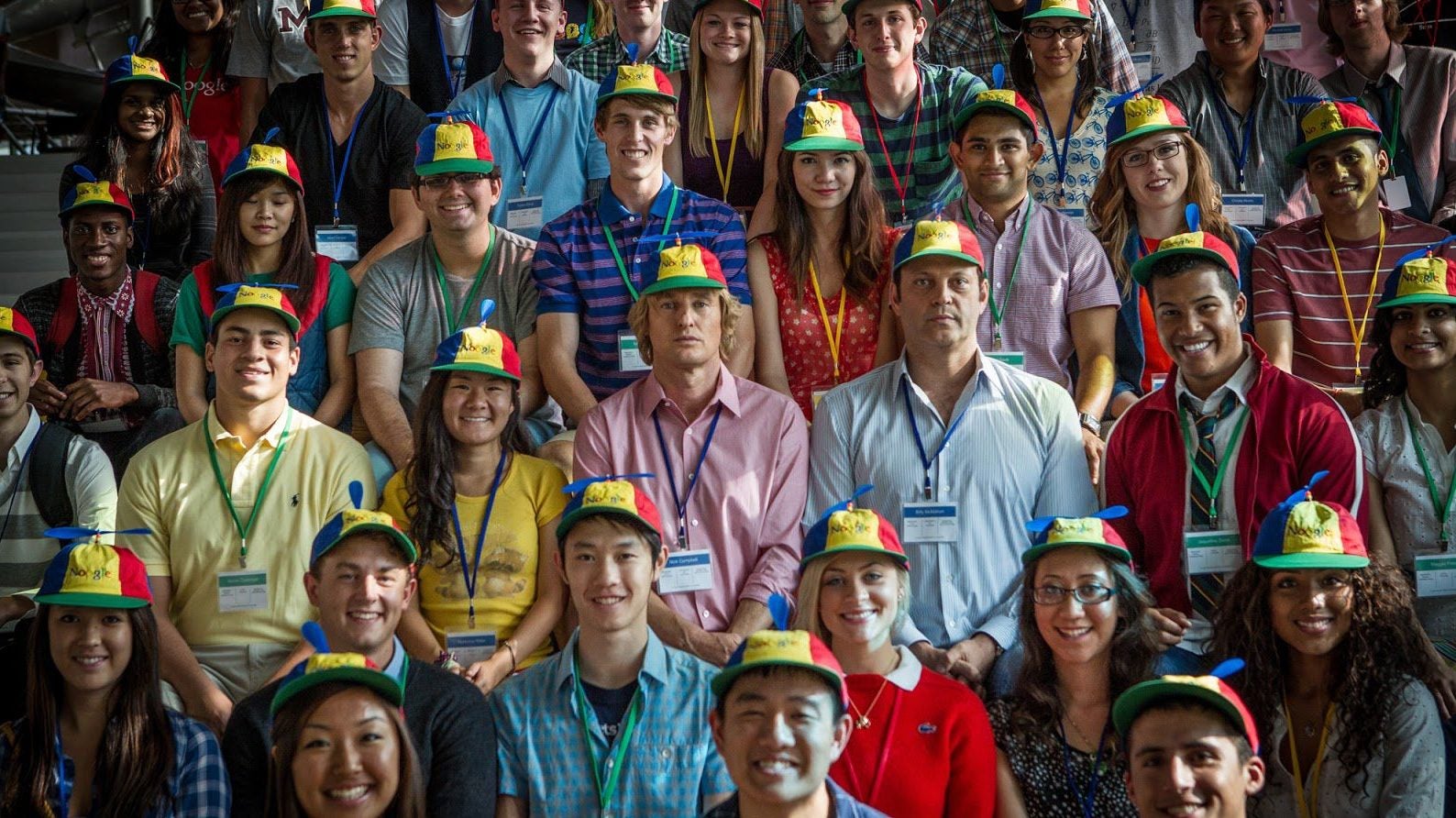
It’s not a full-blown brain drain yet, but the steady leak of talent from Google’s Mountain View headquarters continued yesterday with the poaching of its head of investor relations, Jane Penner, by the soon-to-IPO Chinese e-commerce giant Alibaba. Like many of her fellow ex-Googlers, Penner will stay put in the Bay Area, even as she reports for work at one of the many Asian tech giants who have been poring over Google’s employee directory.
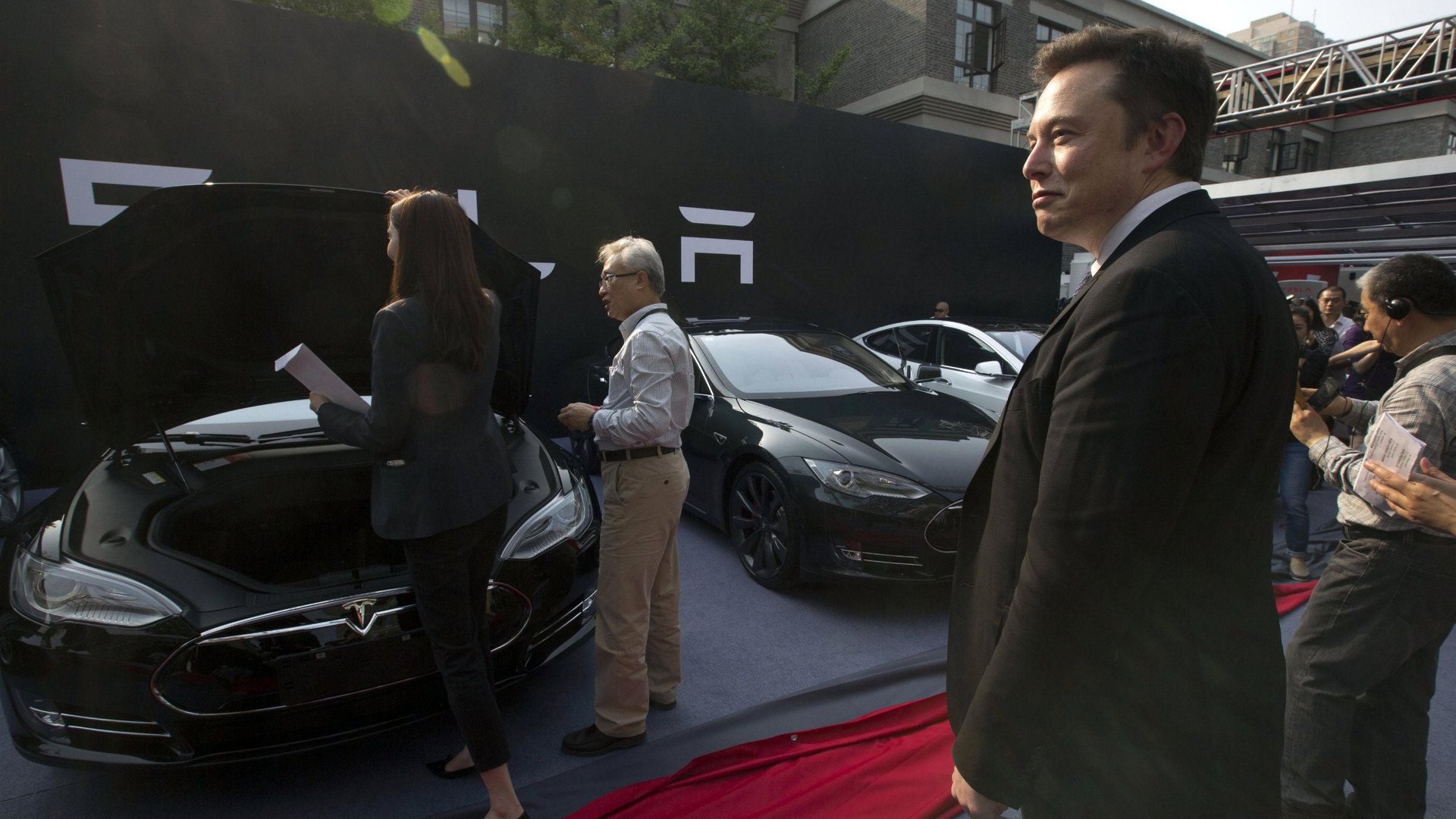
When e-commerce entrepreneur Yu Xinquan finally got his Tesla Model S in June after months of delays, he smashed the front windshield of the $170,000 car with a wrench before he even left the dealership. “It’s a protest against the company,” Yu told the Wall Street Journal. “Tesla’s arrogance made me angry.”
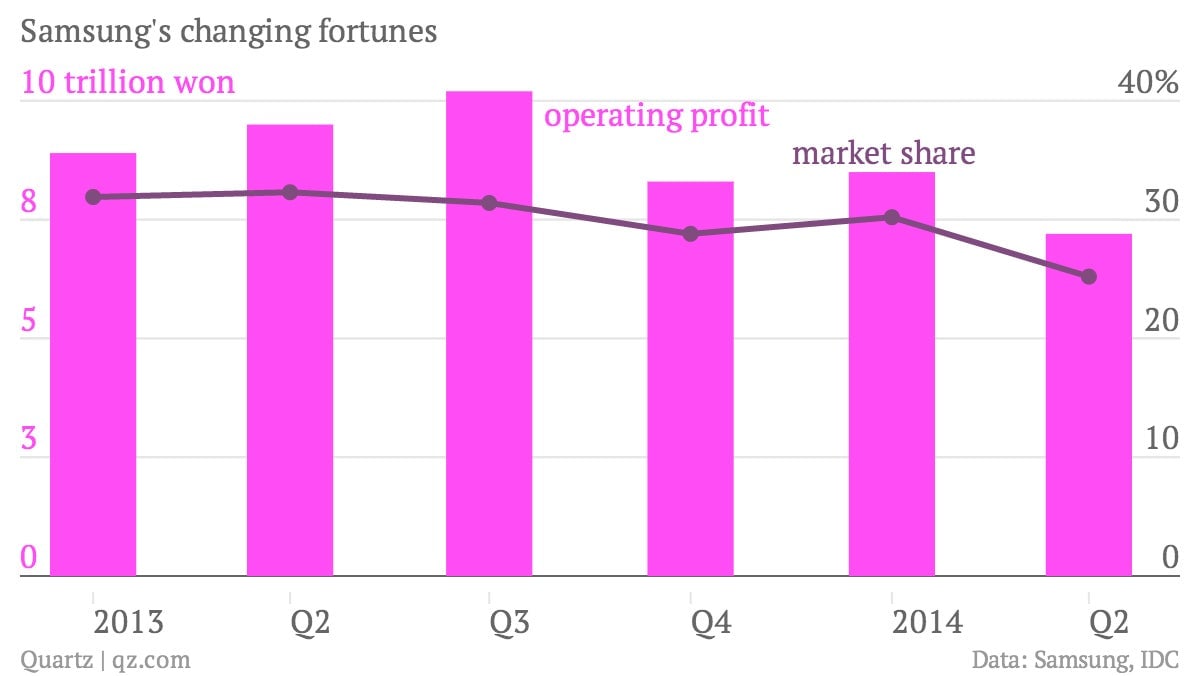
The numbers: Grim, as expected. Samsung Electronics’ second-quarter profit was its worst in two years, as it warned earlier this month. Operating profit plummeted 24.6% (pdf) from the same period last year to 7.2 trillion won ($7.1 billion), and profit from the flagship mobile unit fell 29.6% to 4.42 trillion won. The company also kept its dividend flat, an unpleasant surprise to those who had hoped it might be boosted to reward the company’s beleaguered investors. Samsung shares fell 3.9% in midday trading, one of their biggest drops of the year.
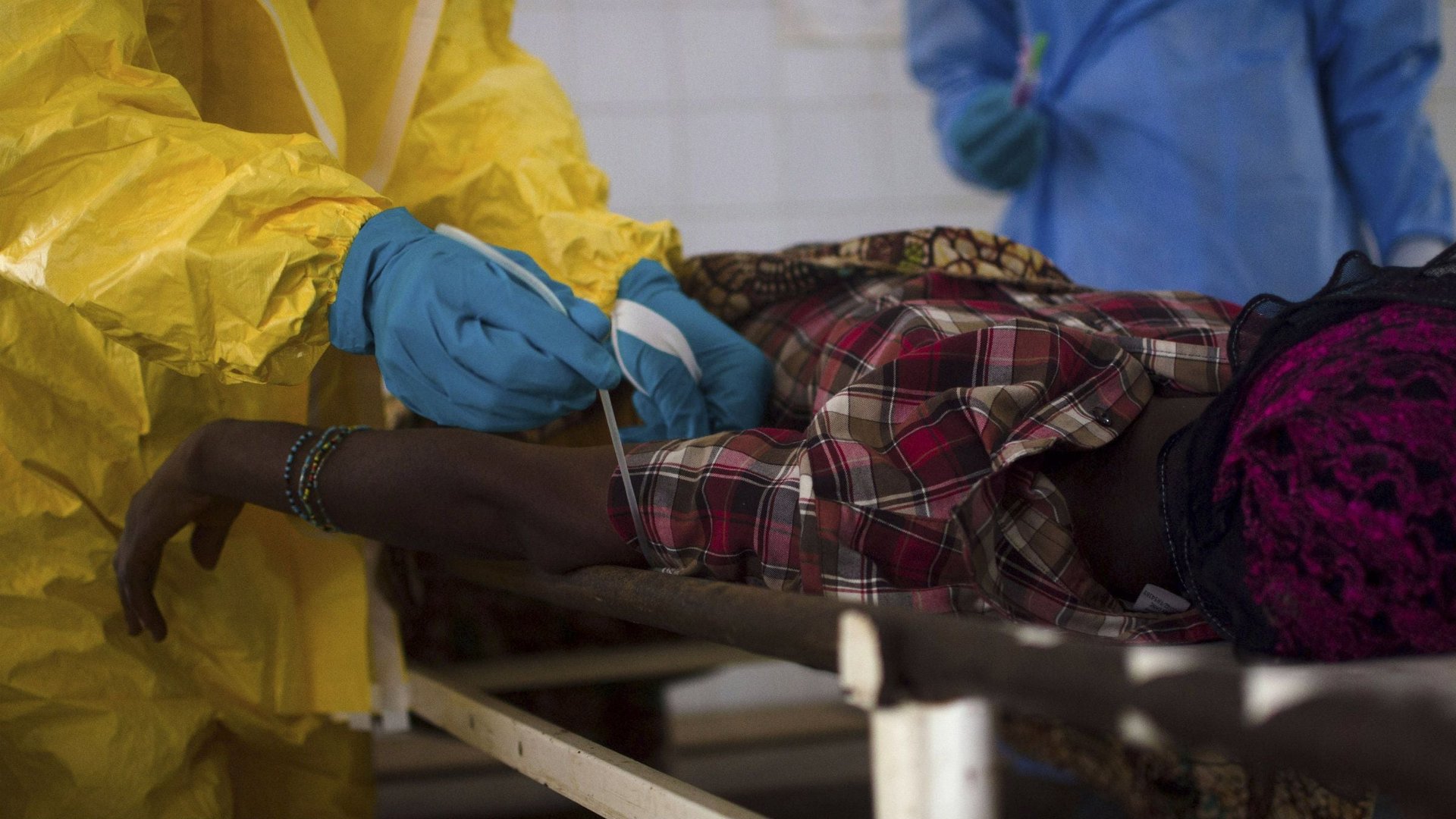
Update: Both the Hong Kong and Birmingham patients have tested negative for Ebola.