

Business News
Why is TV so obsessed with cults right now?Like the difficult man or the damaged anti-hero, the “charismatic cult leader” is quickly becoming one of American television’s most popular archetypes.
Updated July 20, 20224 min read
Like the difficult man or the damaged anti-hero, the “charismatic cult leader” is quickly becoming one of American television’s most popular archetypes.
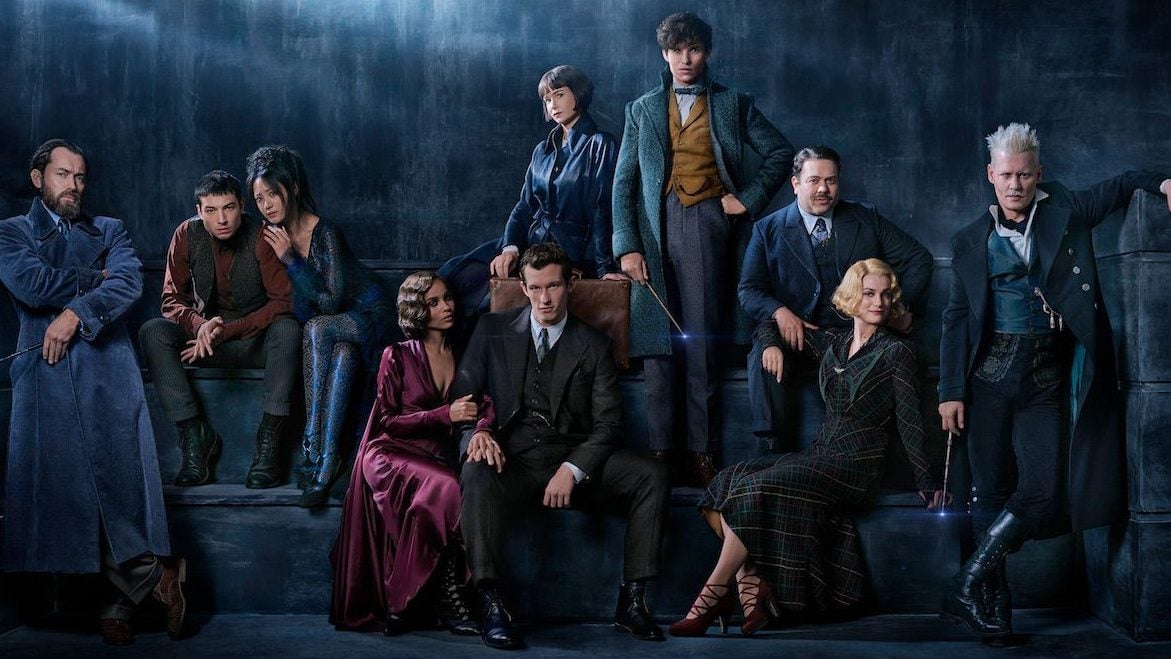
The wave of abuse allegations against men in Hollywood has already made several celebrities into industry pariahs. It has not affected every man ever publicly accused of abuse, however. One of them is the centerpiece of the next Harry Potter movie.
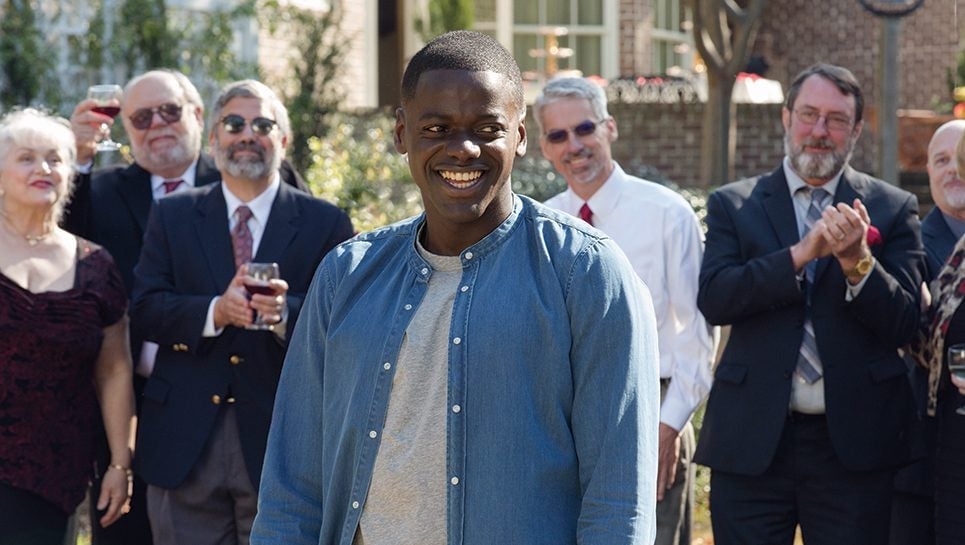
The internet is trying very hard to decide whether or not Get Out, one of the best films of the year, is a comedy.

Amazon has announced it acquired the television rights to The Lord of the Rings, confirming rumors that the e-commerce giant’s entertainment branch was pursuing a TV series based on J.R.R. Tolkien’s fantasy trilogy.
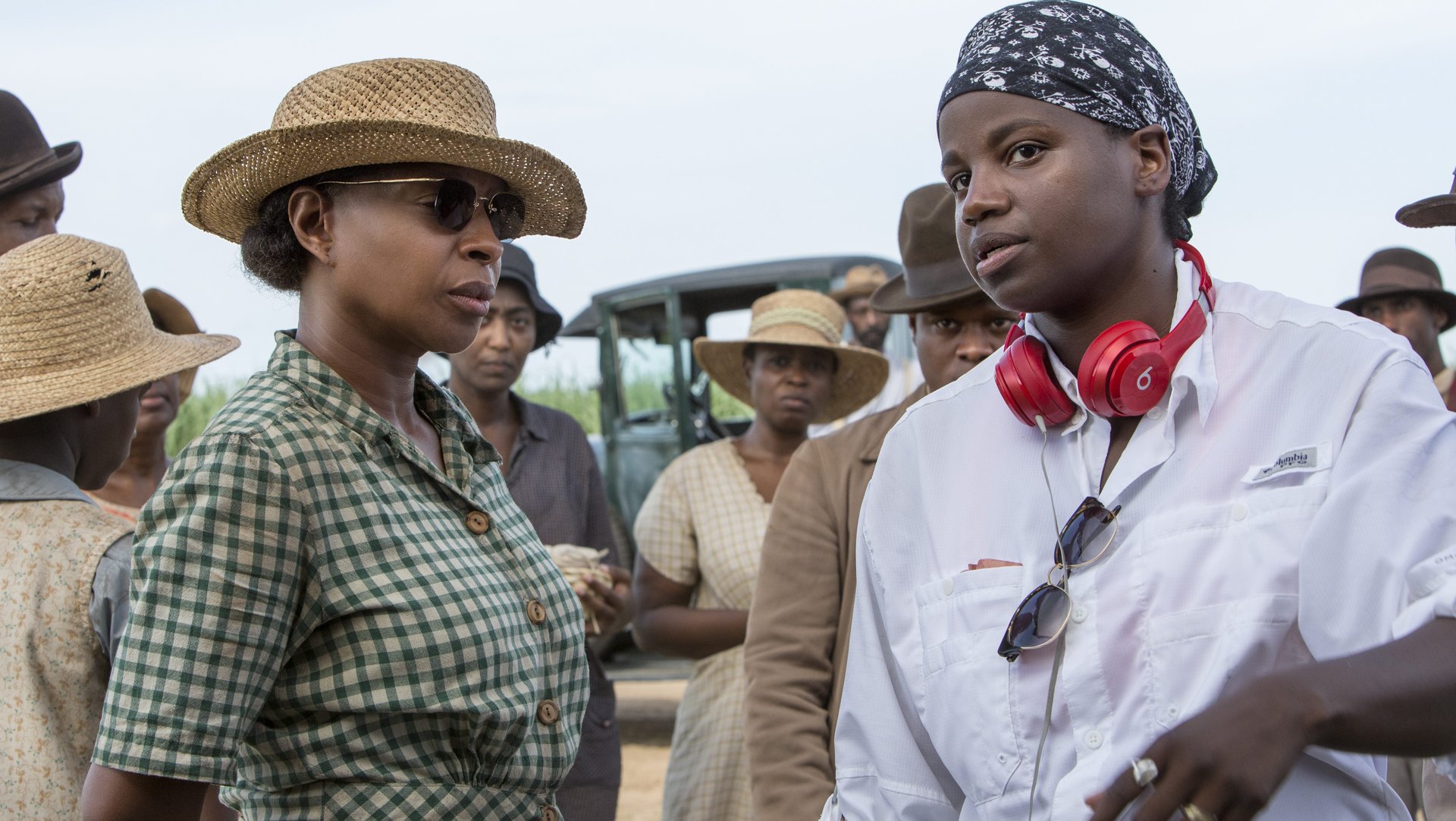
Dee Rees’s new film Mudbound follows the intersecting lives of white landowners and black sharecroppers in post-World War II rural Mississippi. Based on the 2008 novel of the same name by Hillary Jordan, it spares none of the realities of the 1940s American South, showing the extreme racism of the time in chilling, often gory detail.

Another day, another advertising mess at Fox News.
This may be a “golden age of TV,” with some of the finest storytelling in Hollywood designed for the small screen—but it’s also the era of “peak TV,” which really just means “too much TV.” There is far too much for any reasonable person to watch (or even a TV critic). Countless friends and colleagues tell me that they “just can’t even” with choosing TV shows right now.
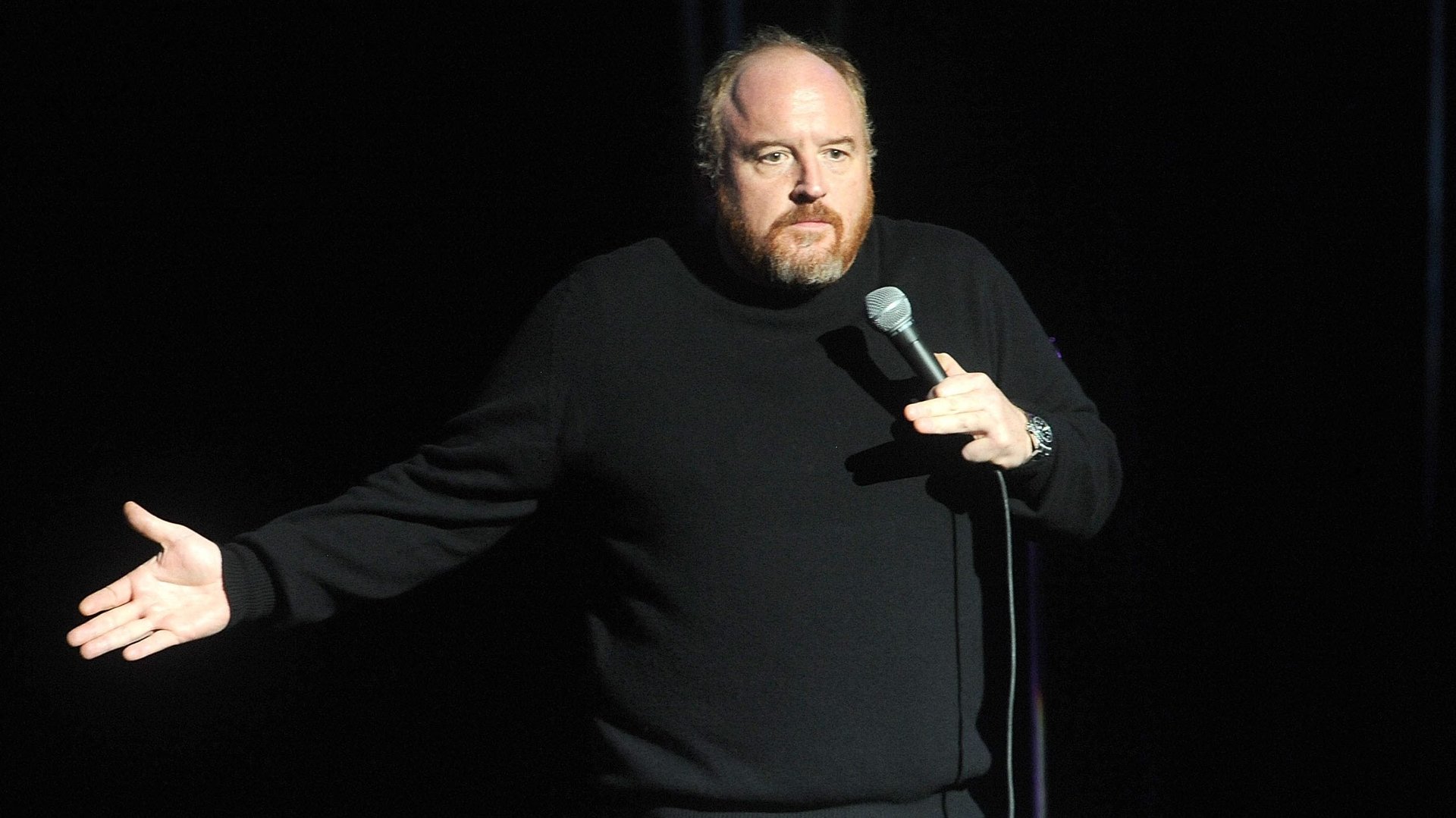
Louis C.K is the latest high-profile entertainment figure to be publicly accused of sexual misconduct.
It’s a cold and rainy night. You just want to sprawl out on the couch, order some food, and see what’s on Netflix (or Hulu or Amazon or HBO). Then comes the realization: Despite having thousands of movies and shows to choose from, there’s nothing for you to watch.

Stop me if you’ve heard this one before: At a time of great peril, one of the world’s great powers was led by an obnoxious, unpredictable personality. This worried many of his contemporaries, who recognized that in this moment of extreme crisis, they needed strong and steady leadership.
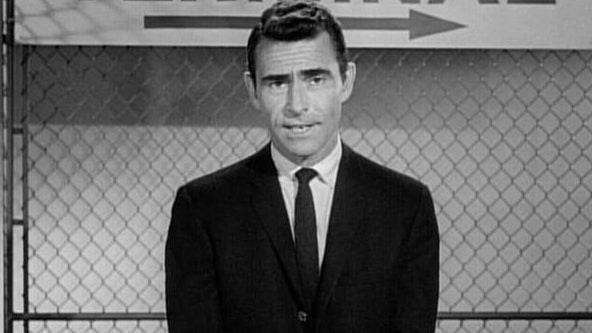
Third time’s a charm? CBS chief Leslie Moonves announced on his company’s earnings call last week that the network is developing a reboot of its iconic 1960s sci-fi anthology series, The Twilight Zone. CBS previously revived the series in the 1980s and early 2000s, to varying degrees of success.
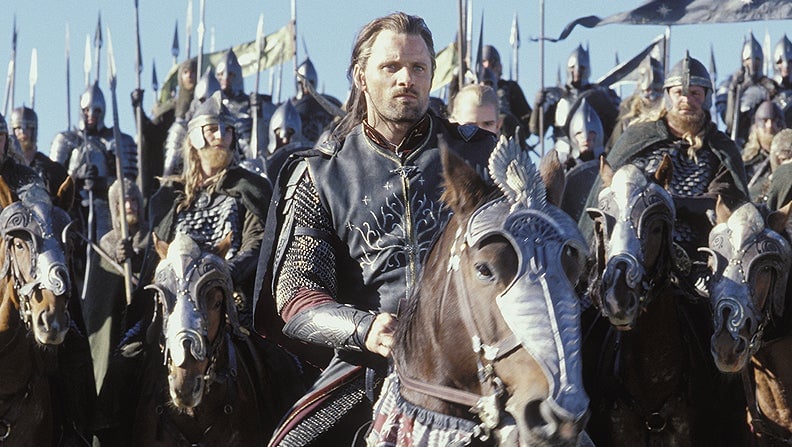
Amazon is in early talks to develop a TV series based on J.R.R. Tolkien’s fantasy trilogy The Lord of the Rings, Variety and Deadline reported over the weekend. The rights to adapt Tolkien’s work could cost Amazon as much as $250 million, according to Deadline.

A growing list of leaders in the American “Party of Lincoln“—the Republican Party—have become apologists for the slave-holding Confederacy that went to war with Abraham Lincoln’s United States and then assassinated him in 1865.
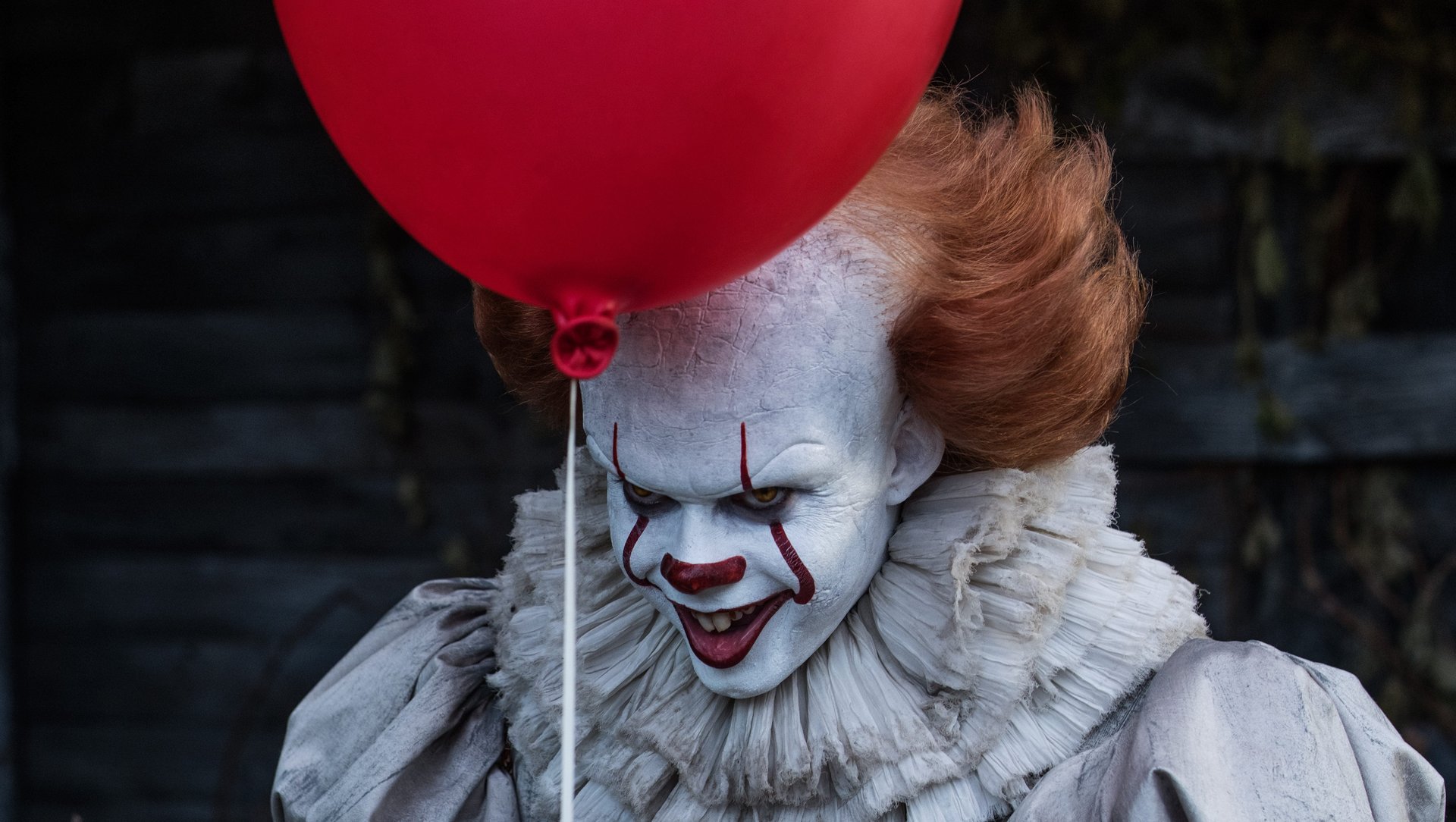
Hollywood is facing crisis on multiple fronts: the allegations against Harvey Weinstein are shedding light on a trade plagued by sexual harassment and gender inequality, cord-cutting and streaming platforms are upsetting the regular order, and the movies are struggling through yet another dismal year at the box office.
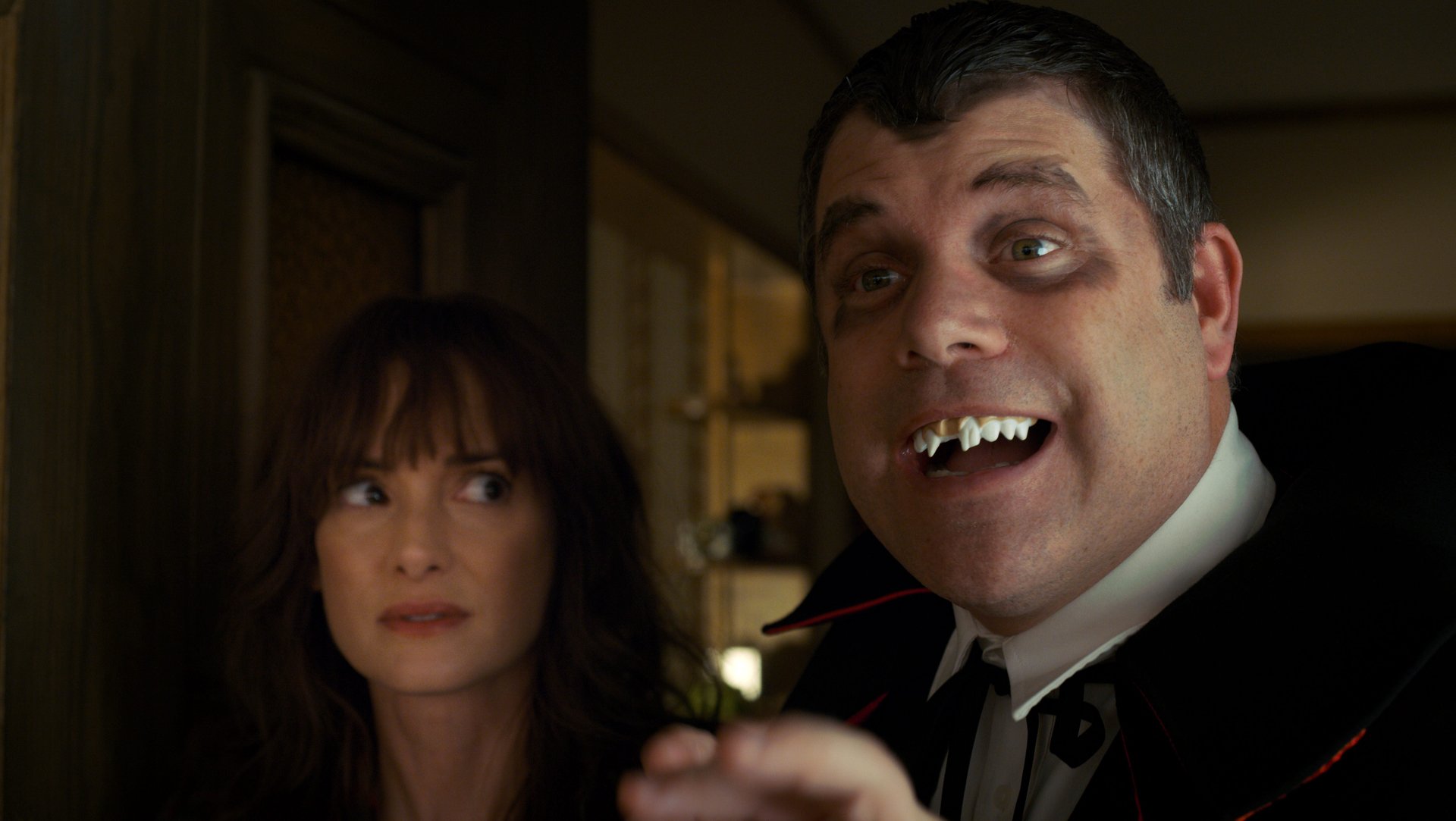
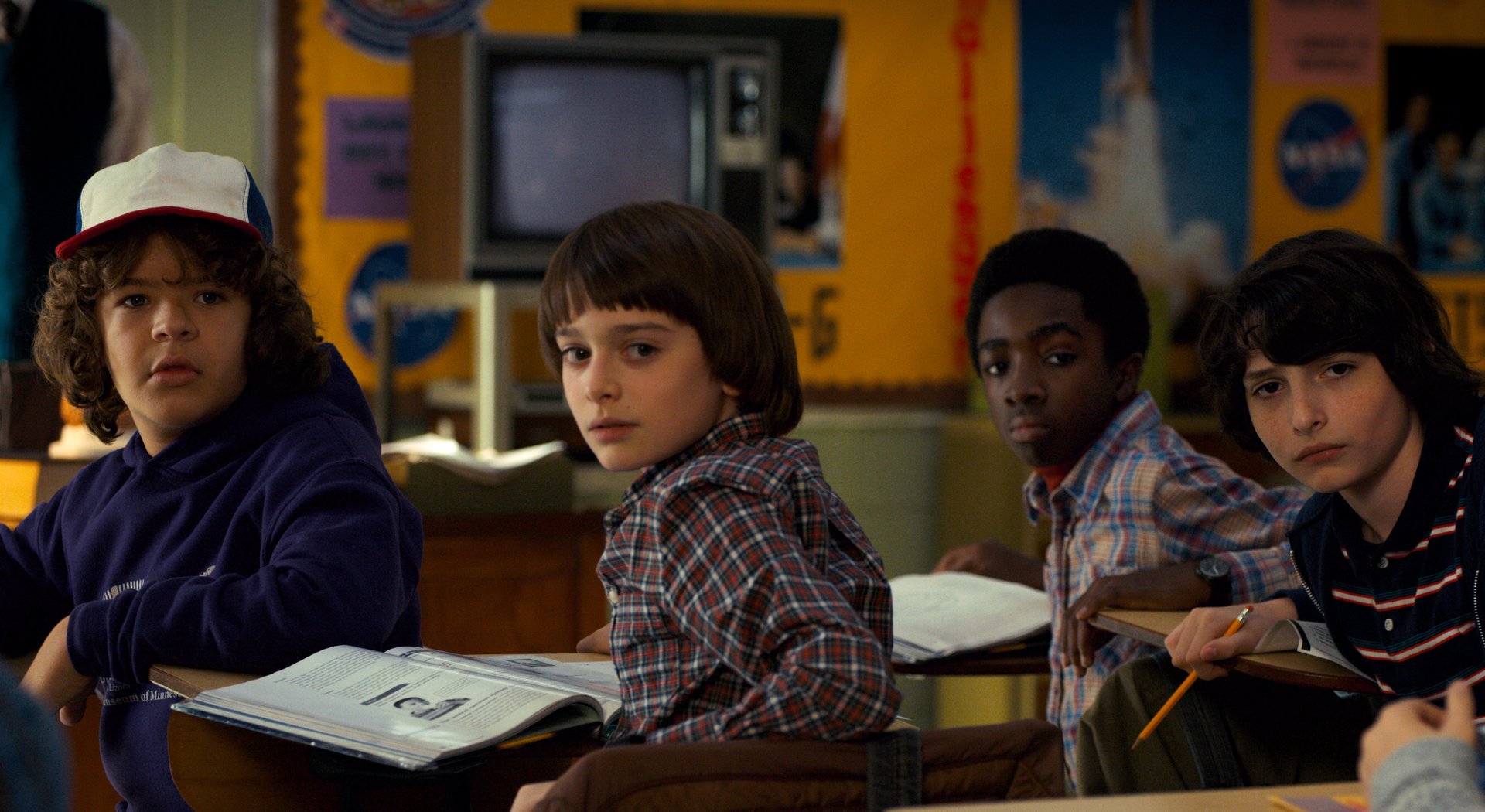
The global success of Stranger Things rests almost entirely on its lovable, impeccably cast group of children. It is, and always will be, a show about childhood and the anxieties of getting older in a scary, changing world. That much doesn’t change in the second season of the Netflix sci-fi series, released in its entirety Friday (Oct. 27).
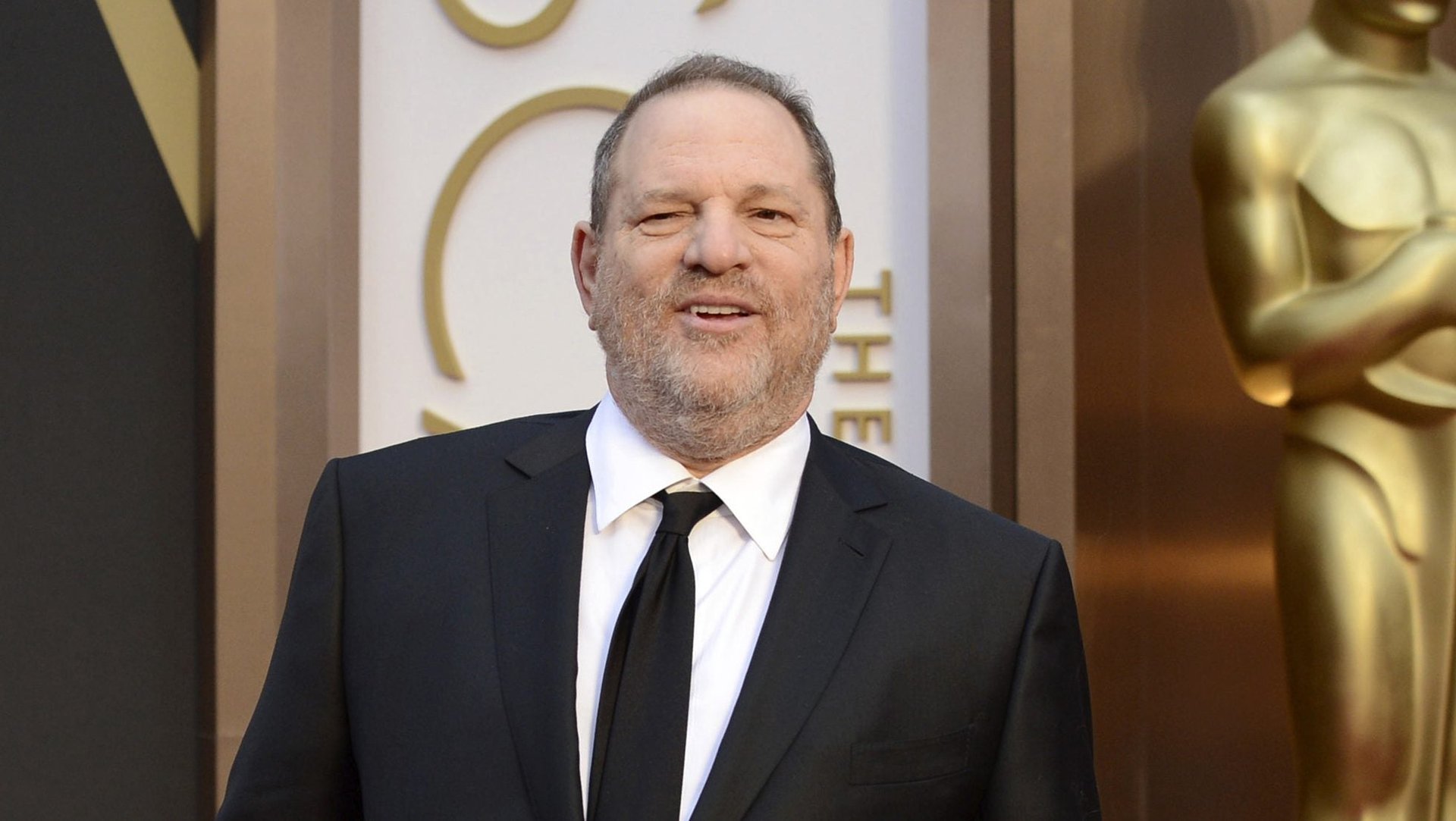
Once an Oscars mainstay, Harvey Weinstein has bid farewell to his days of winning film awards. And this year’s only awards-caliber film that bears his name now wants nothing to do with him.
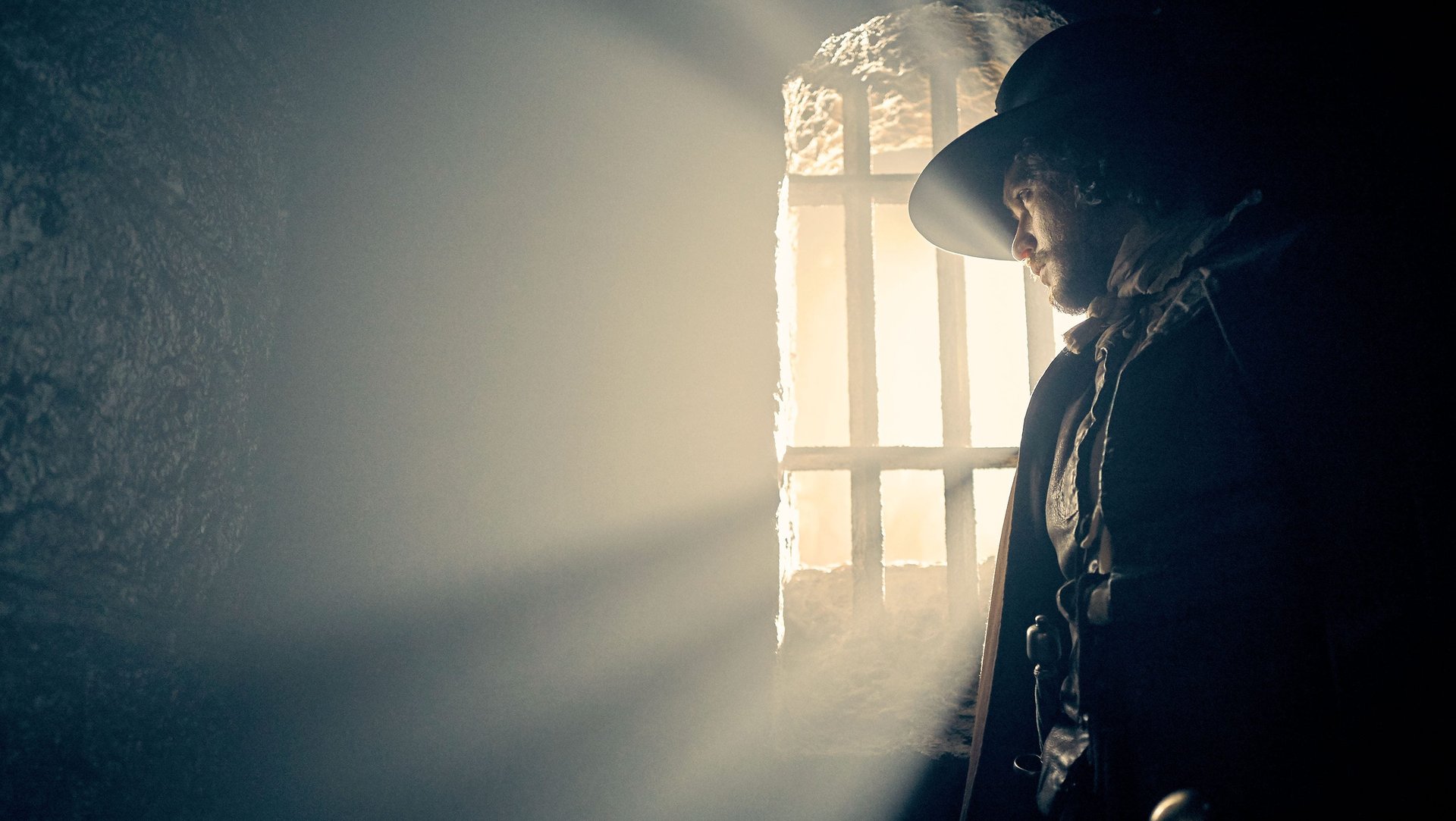
Torture. Disemboweling. Beheading. No, we’re not describing the latest season of HBO’s violent series Game of Thrones. This all happens in a single scene in the first episode of the new BBC miniseries Gunpowder, about the failed 1605 Gunpowder Plot to blow up British parliament.
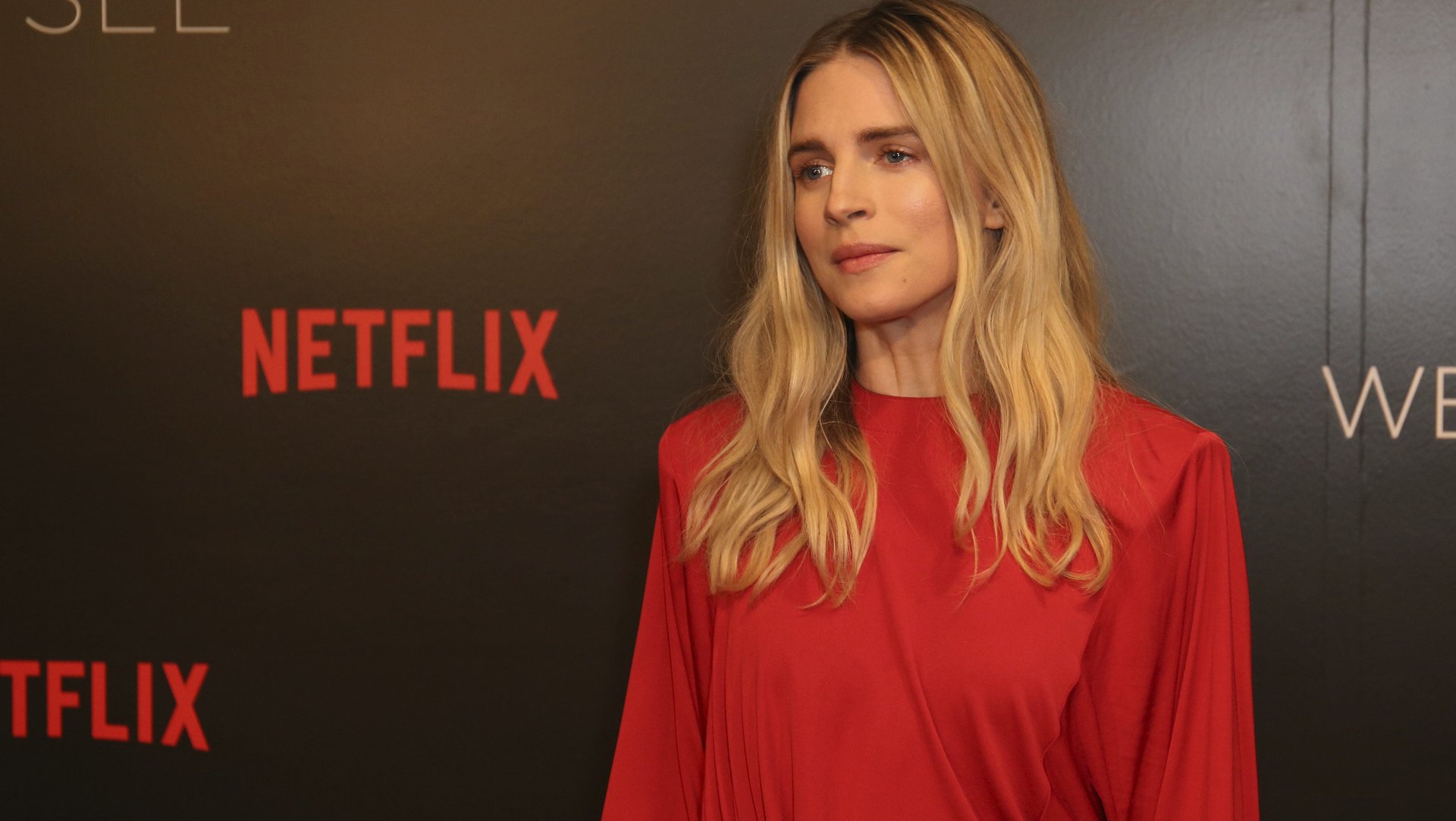
The story has become all too familiar: In 2014, a young actress took a meeting with Harvey Weinstein and found herself left alone with him in a hotel room, where he offered her a massage and suggested they shower together.
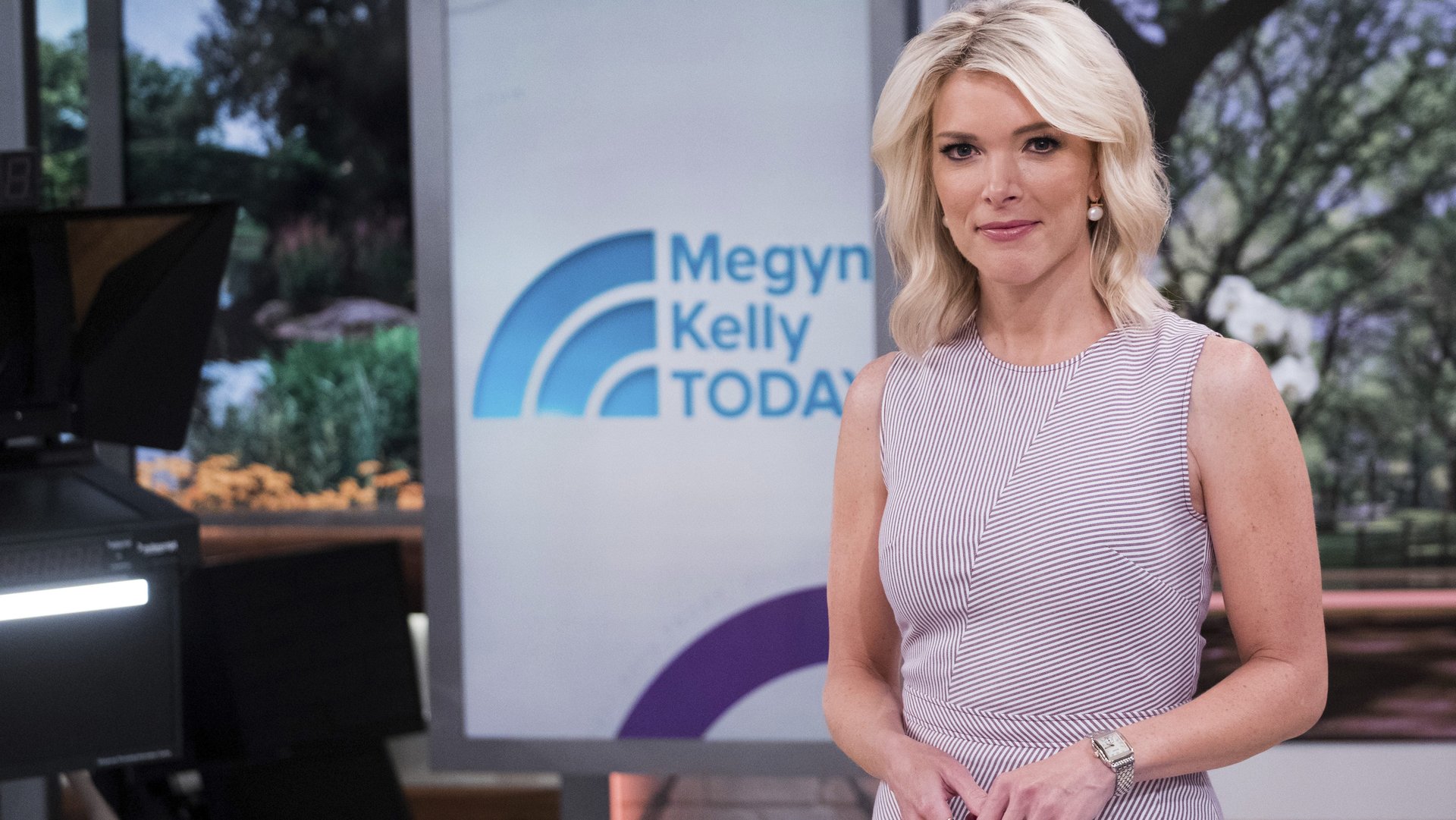
Less than a year ago, Bill O’Reilly and Megyn Kelly were colleagues at Fox News, forming the most formidable duo (ratings-wise) in cable news as the back-to-back anchors of the conservative network’s biggest nightly primetime hours.

“No one’s going to die, except for all the people I’m going to kill,” Jean-Claude Van Damme says in Jean-Claude Van Johnson, an upcoming series from Amazon. It’s a line that he might have played straight in an early 1990s action film, but here it’s used to make fun of the genre that he himself helped pioneer, movies that were staples of American entertainment for more than a decade.
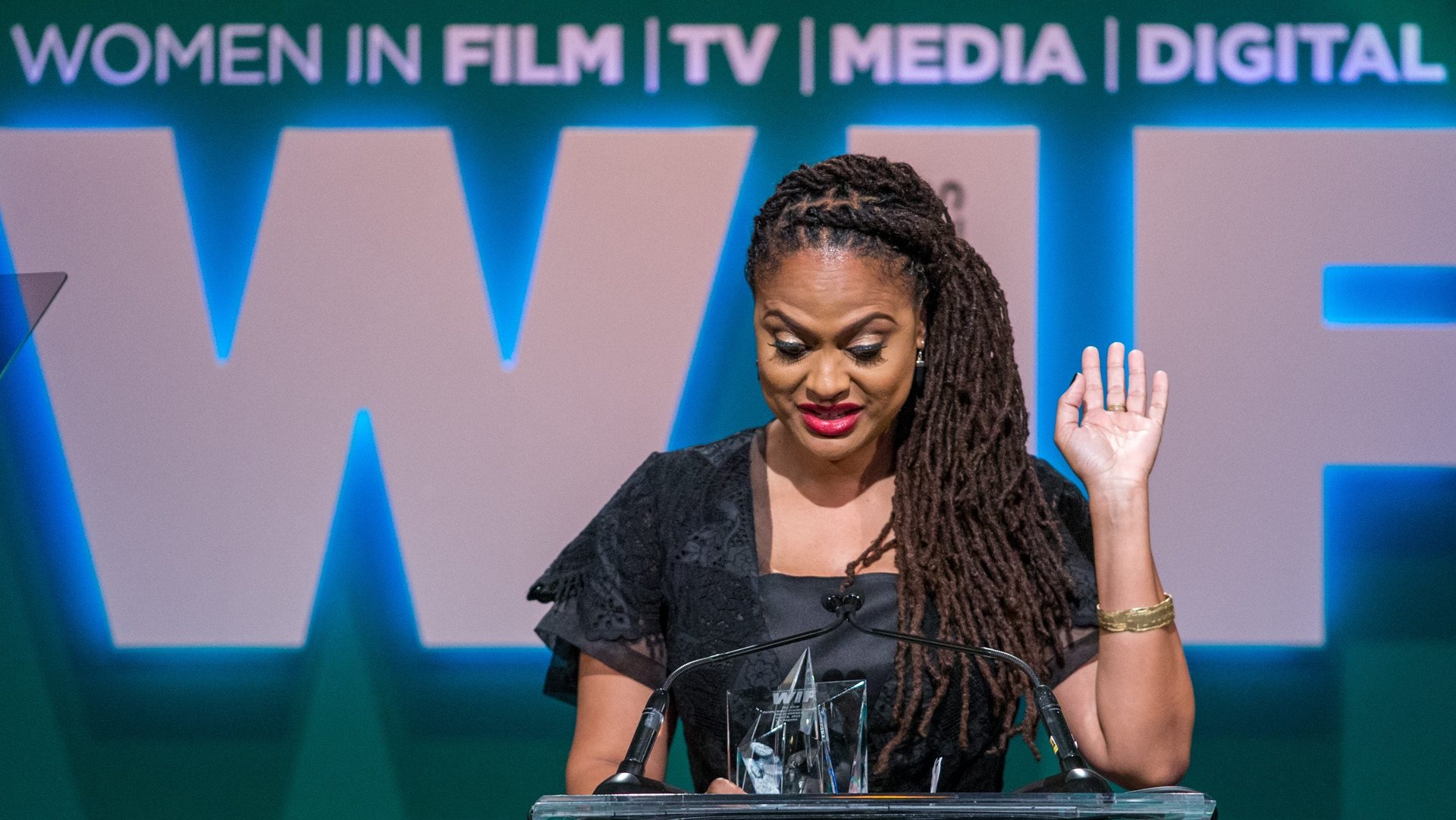
The only good to come out of the extensive sexual abuse allegations against Hollywood executive Harvey Weinstein, which have now spread to other powerful men across the industry, is that they’ve started a dialogue about how to prevent more Harvey Weinsteins. But the film industry has decades worth of deeply entrenched sexism to account for, so fixing the problem is likely to be a long and frustrating process.

The title of the Han Solo Star Wars story will be Solo: A Star Wars Story, Disney and director Ron Howard announced yesterday. Set before the events of the original Star Wars trilogy, Solo: A Star Wars Story will follow a young Han Solo (Alden Ehrenreich), and presumably tell his story.
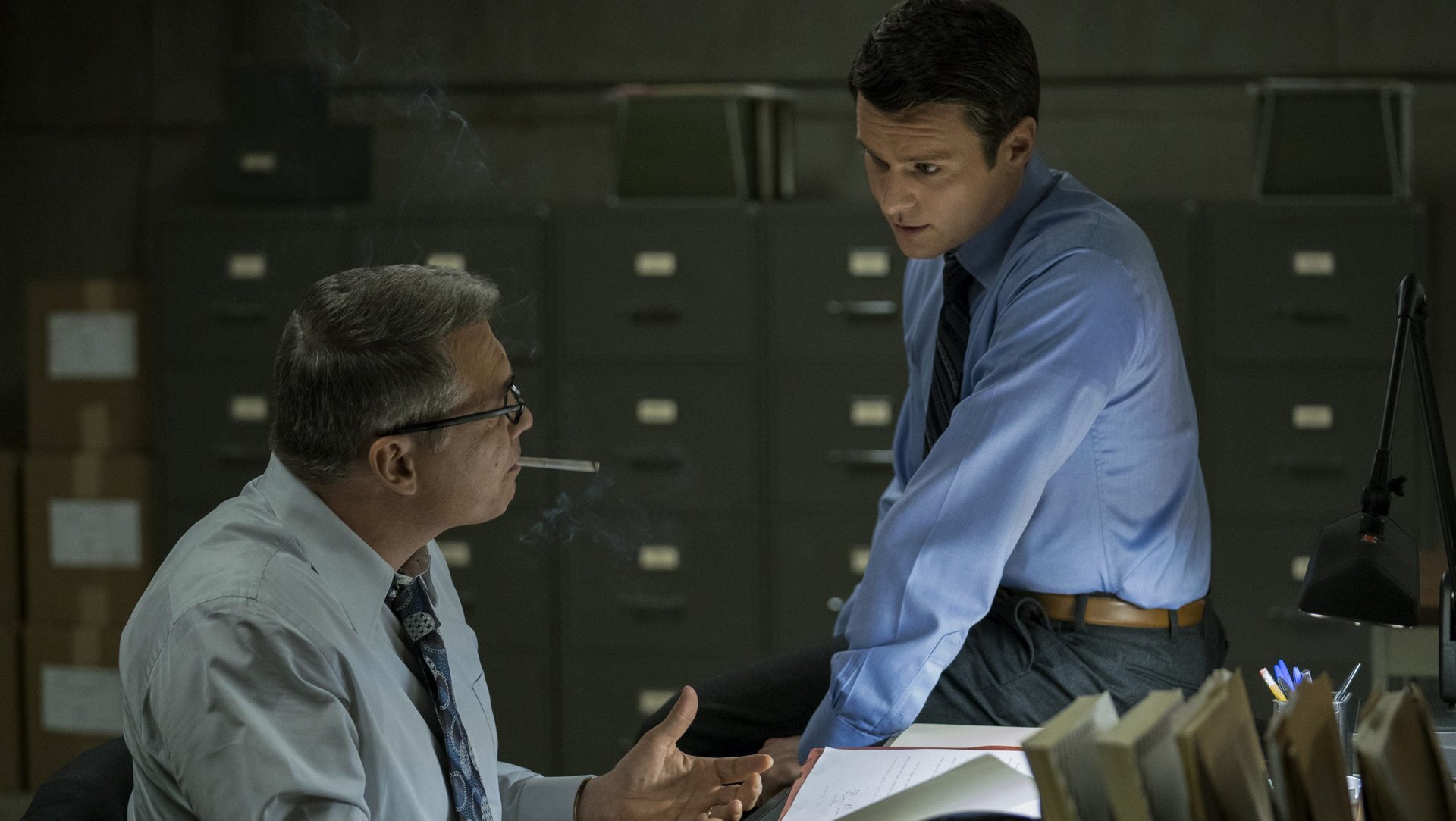
We’ve all seen it: a young upstart arrives at your office with lots of new ideas, thinking he can change how things are done. Maybe you saw his potential and helped him make his appeal for reforms. Or maybe you just glared at him from your desk, wishing he’d either get with the program or bring his earnest enthusiasm elsewhere.

American soccer fans were stunned this week when their men’s team failed to qualify for the 2018 World Cup in Russia—the first time since 1986 the US men’s national team will sit out the event. While the US women’s team, the defending Women’s World Cup champions and the far more important American squad, are a lock to qualify for their 2019 cup in France, the men’s failure was a complete disaster for a country that’s tried in vain for years to legitimize its international soccer ambitions.