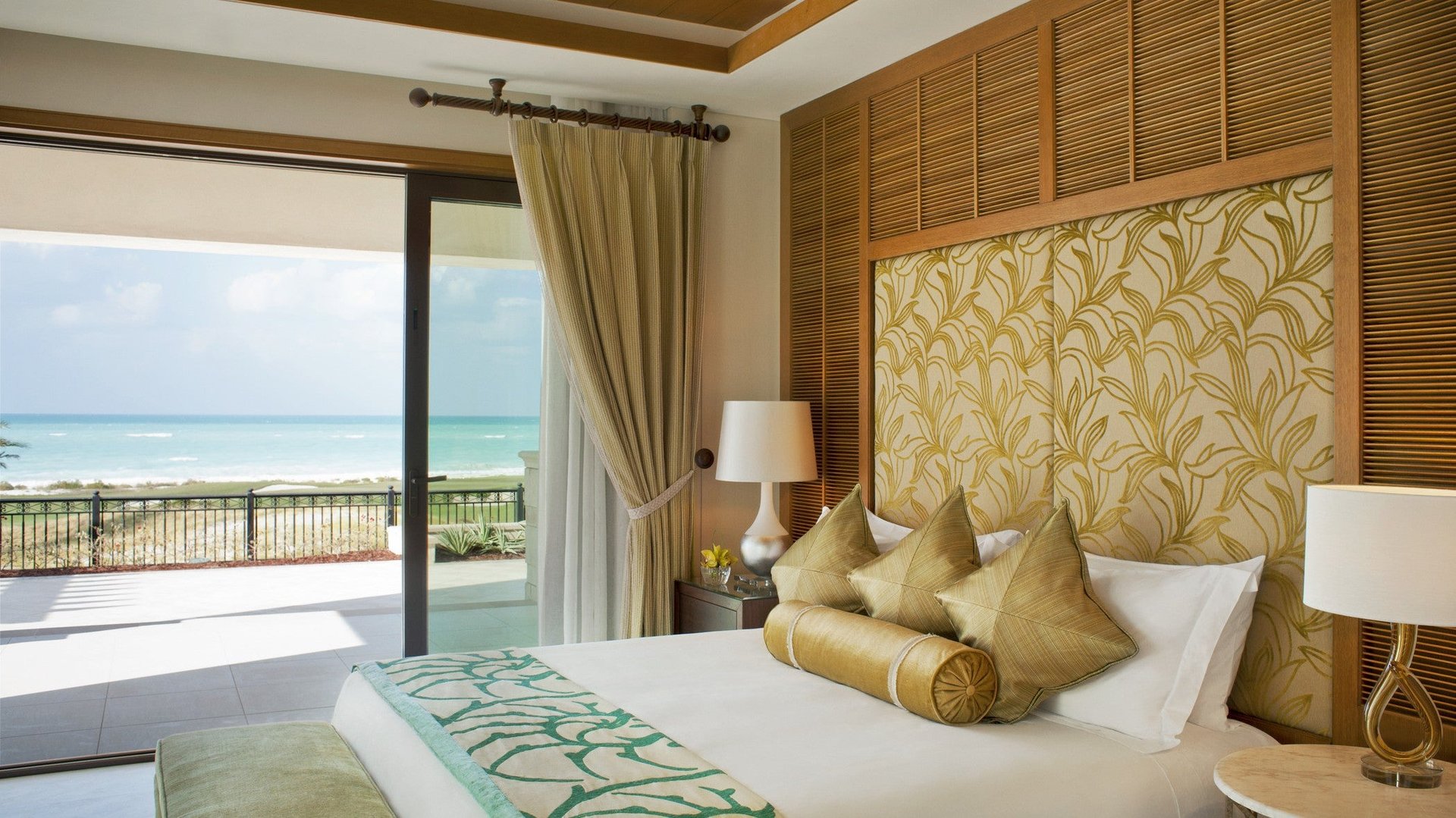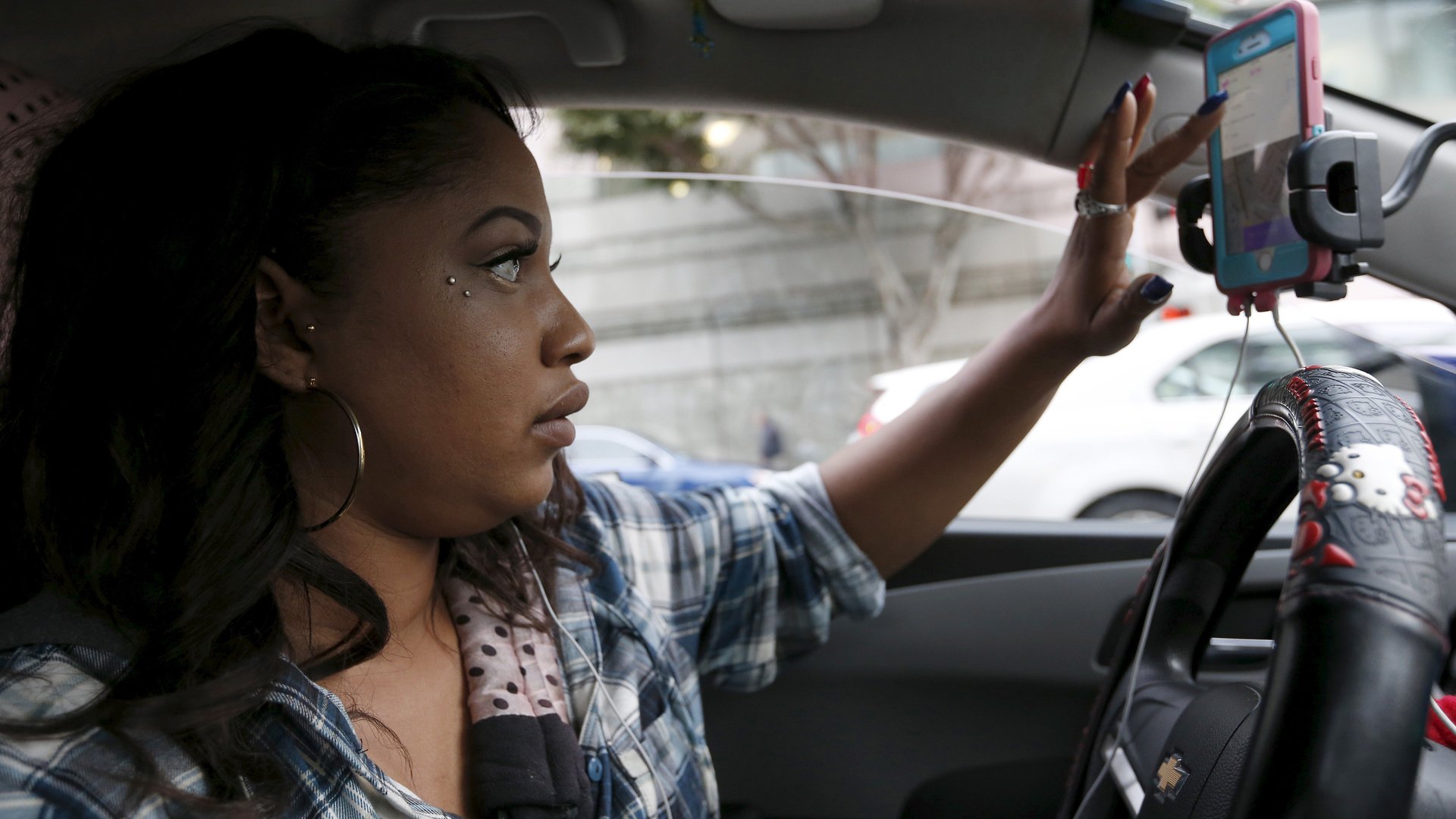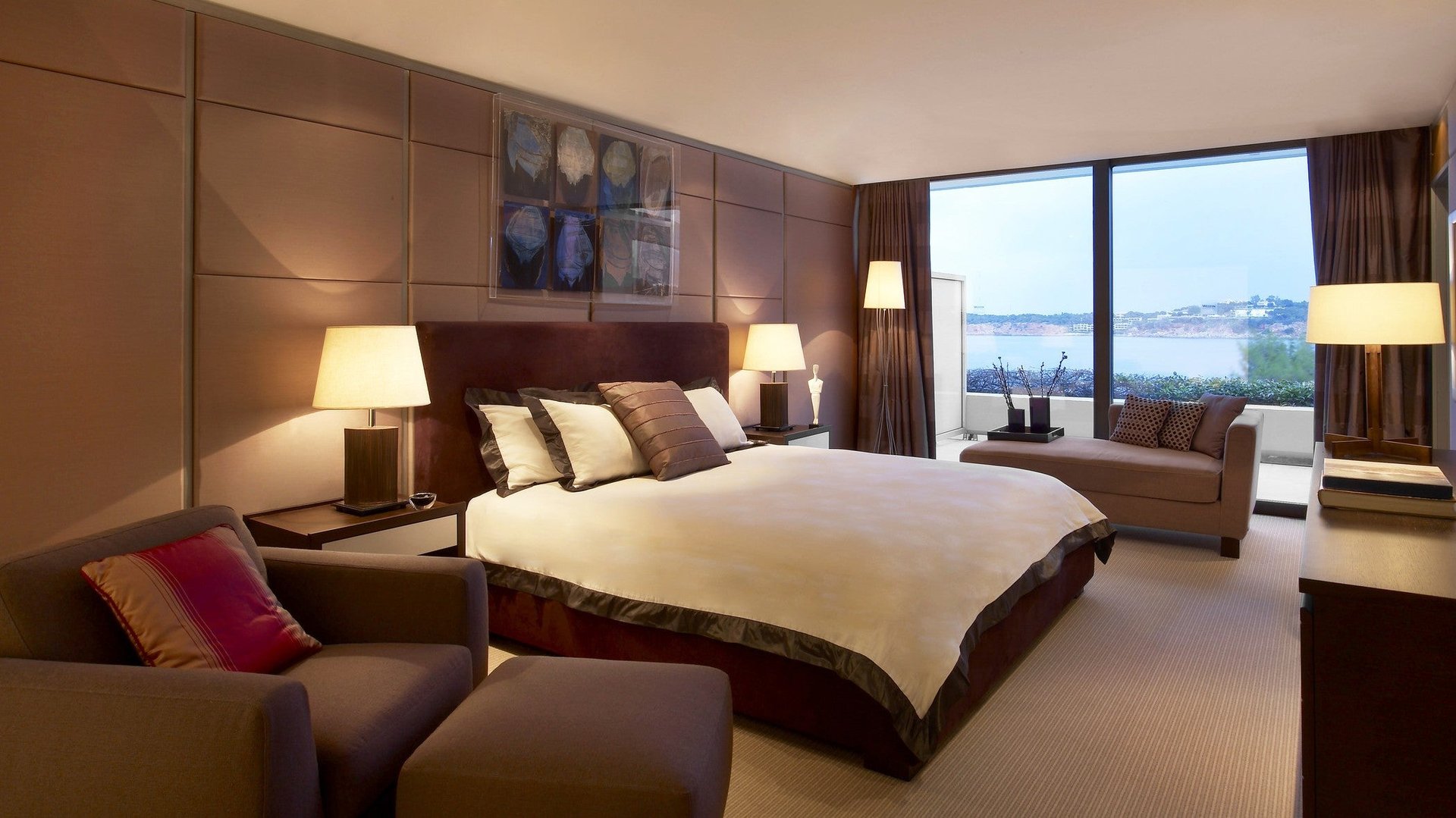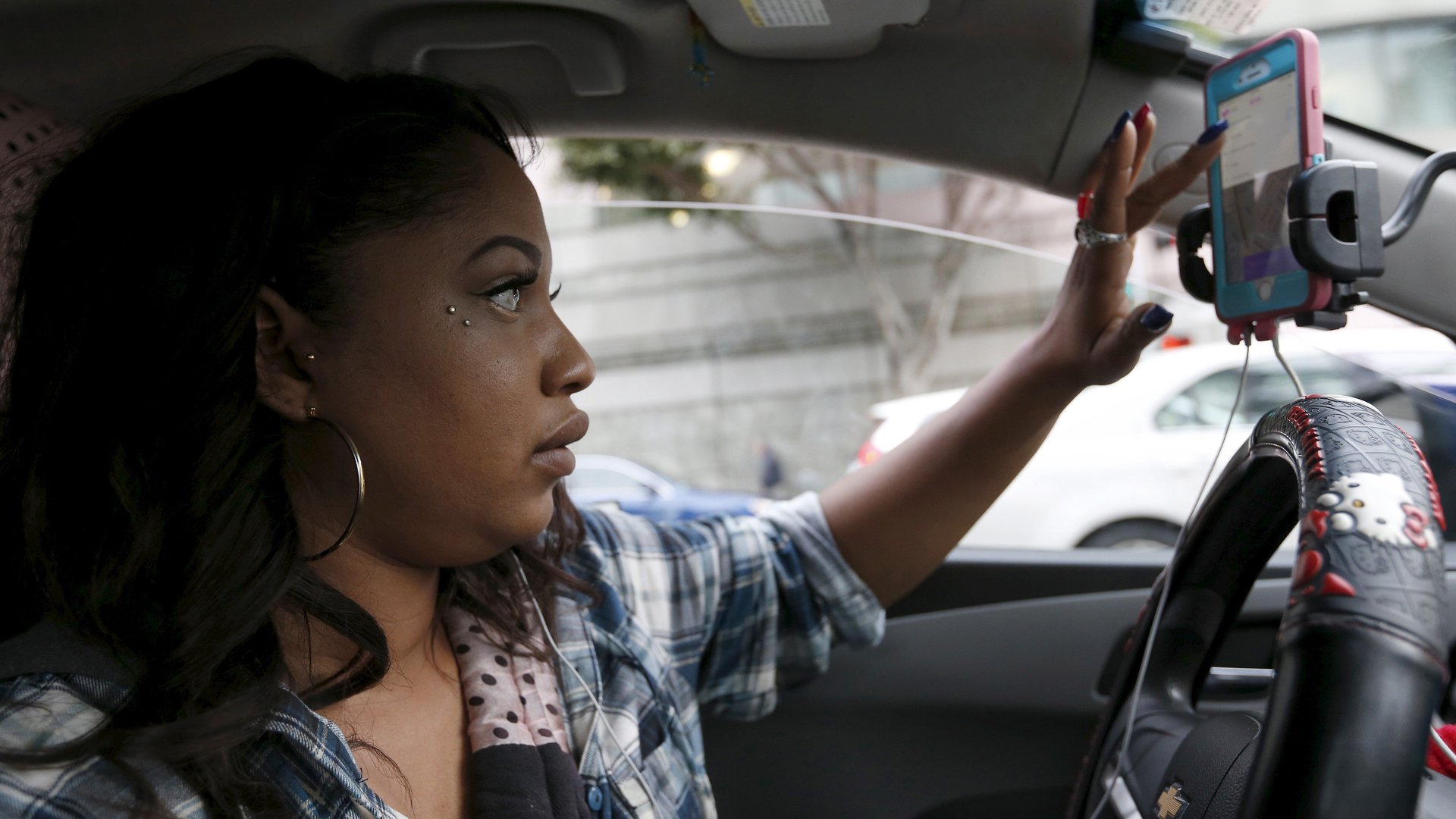
Recharge wasn’t always about luxury. When its three cofounders first dreamed up their product—instant, by-the-minute hotel bookings—their intended users were Uber and Lyft drivers in need of a break.

Recharge wasn’t always about luxury. When its three cofounders first dreamed up their product—instant, by-the-minute hotel bookings—their intended users were Uber and Lyft drivers in need of a break.

The Starwood-Marriott saga may finally be nearing its conclusion.

Lyft’s natural state in the US is to be trailing Uber. But a few months ago the pink-mustachioed company appeared ahead on one crucial count.

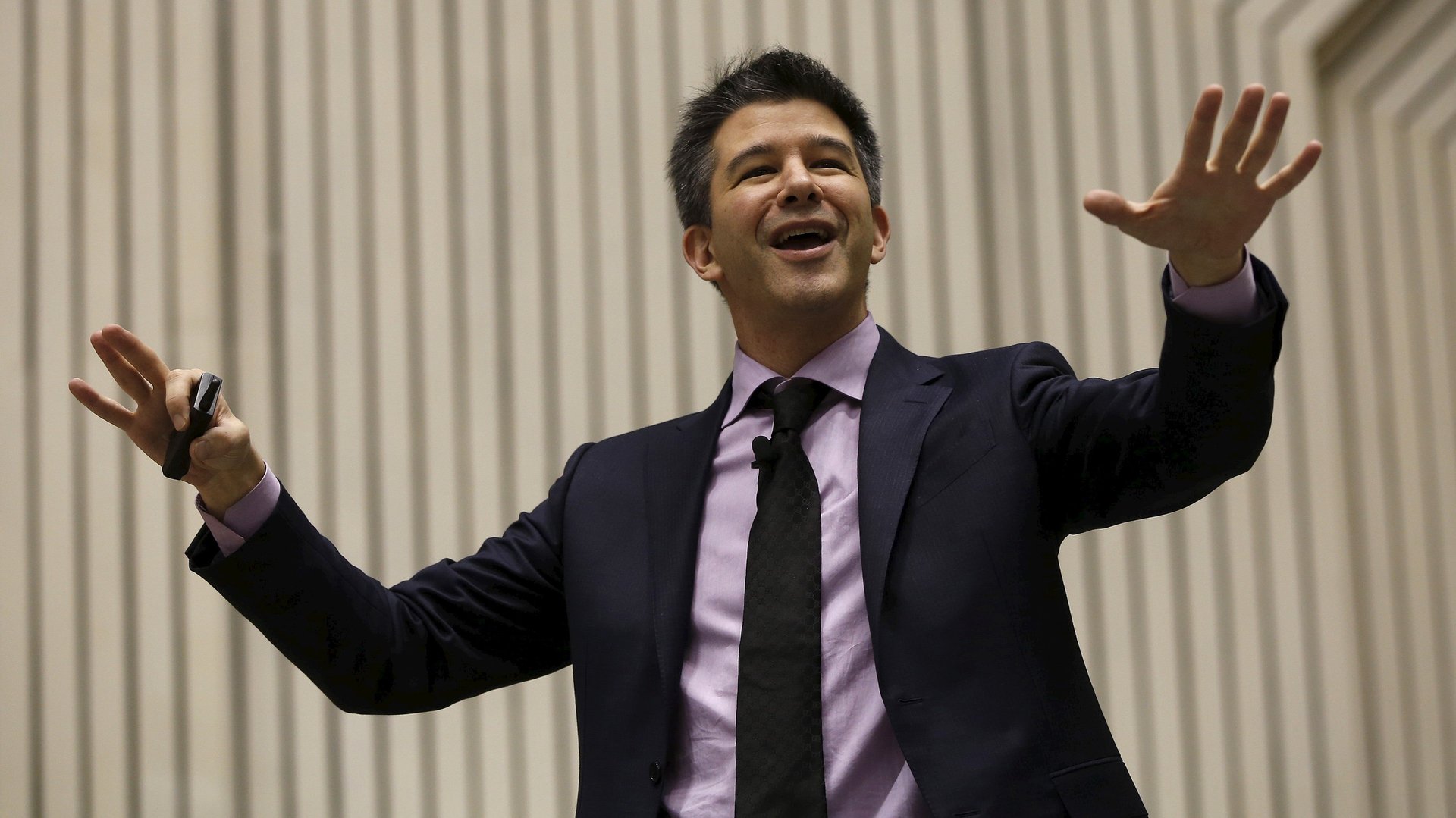
Earlier this year, Uber CEO Travis Kalanick offered up a simple explanation for why the ride-hailing company is burning through $1 billion a year in China: “We have a fierce competitor that’s unprofitable in every city they exist in, but they’re buying up market share.”

The Uber economy is tiny in size, but great in hype. While Uber drivers and other so-called gig workers are estimated to make up just 0.5% of the US labor force, big conversations are happening at every level of government over whether we should reshape labor policies to accommodate this new type of on-demand work.

For one night this June, Arianna Huffington is opening up her bedroom. Specifically, she’s offering up a one-night stay for two in the “sleep paradise” that is her apartment in Manhattan’s Soho neighborhood through a contest on Airbnb.

The on-demand, ”Uber-for-X” fervor has produced an Uber for everything. There are Ubers for laundry, for groceries, for parking and massages. There is also, apparently, an Uber for blood.

The US market for tech IPOs has totally frozen over.

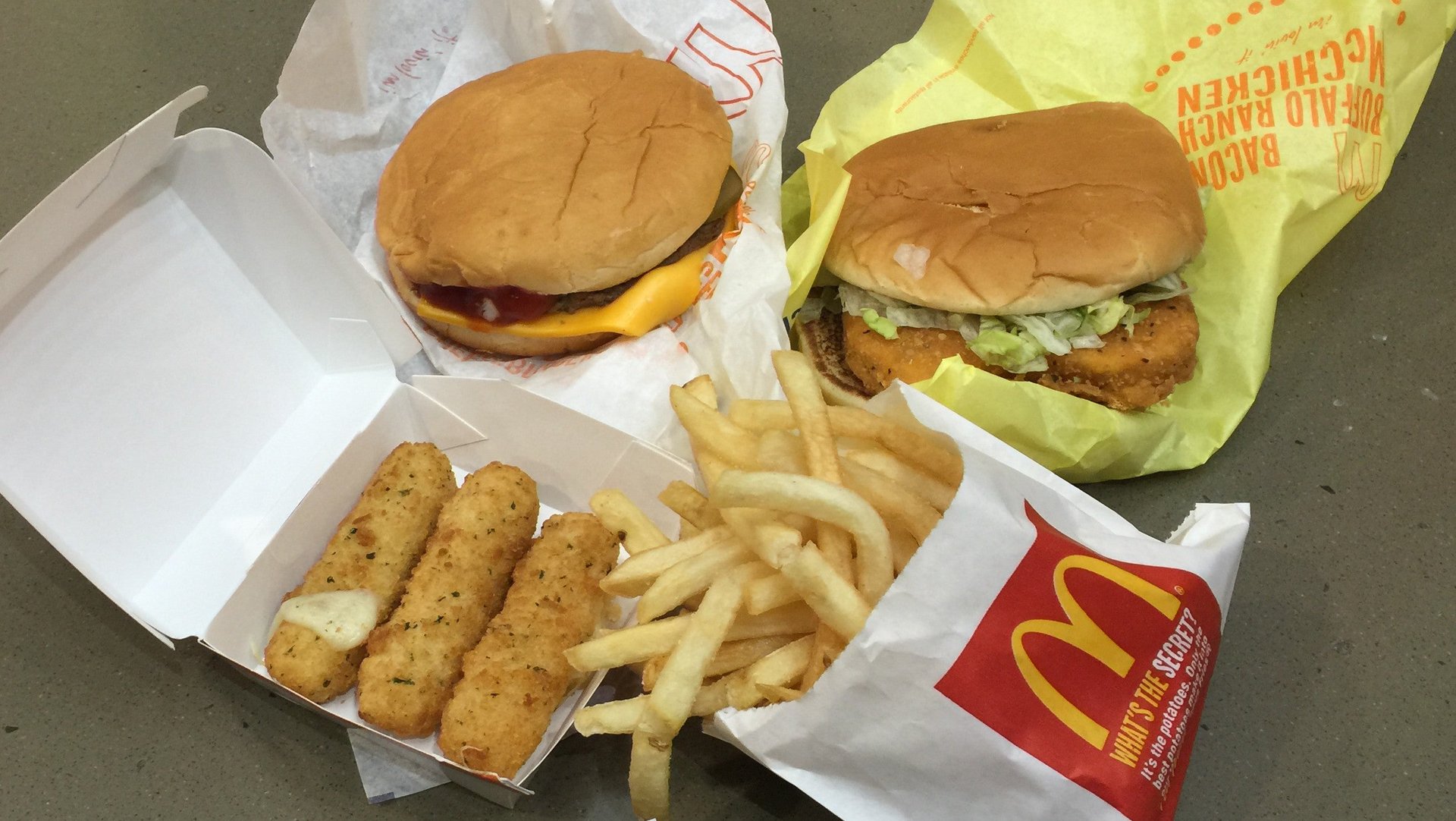
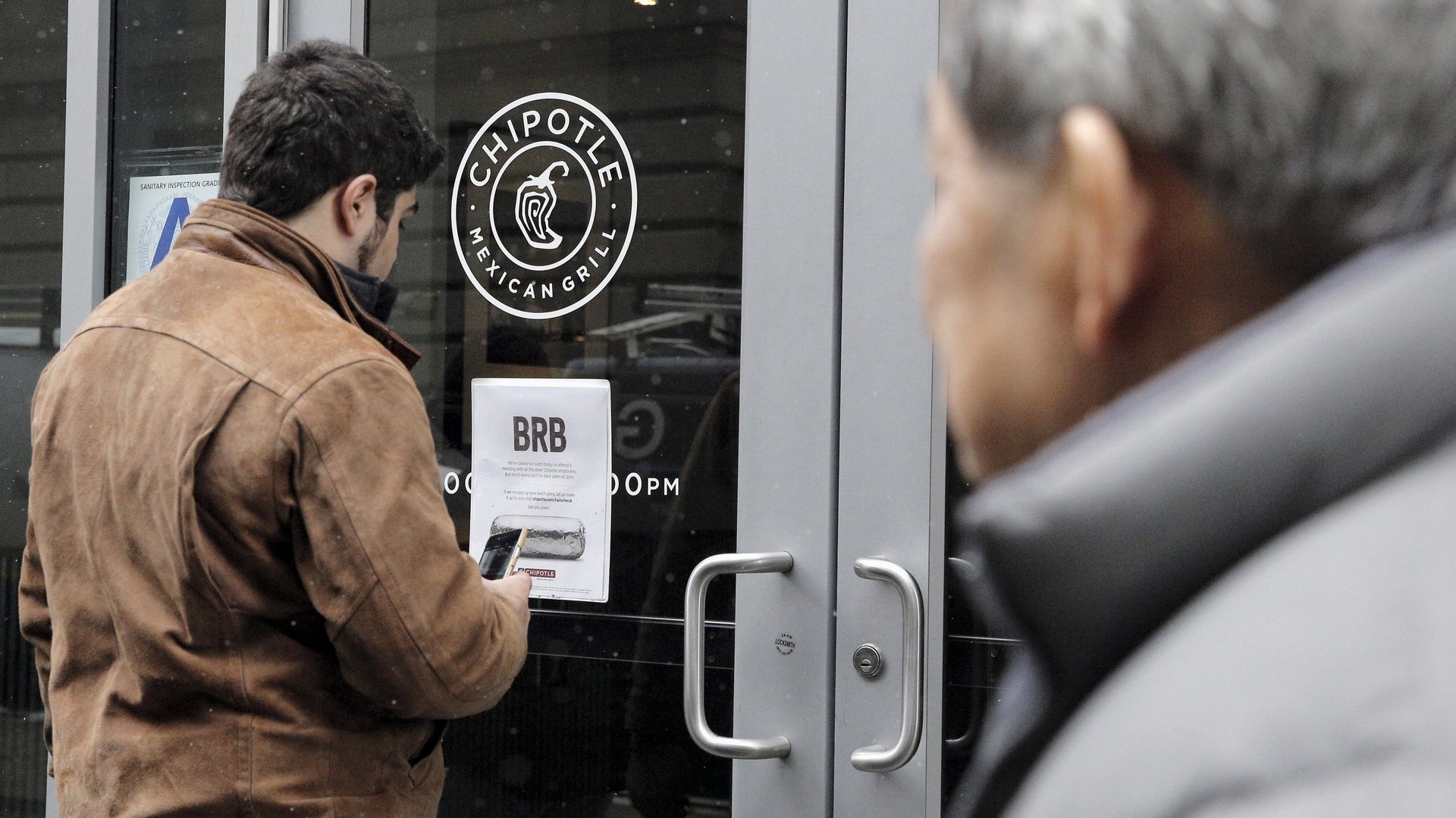
The Chipotle-McDonald’s convergence is really happening.

Welcome to round three of the Starwood bidding war.

Lots of names get tossed around for our new digital economy. The “gig economy.” The “sharing economy.” The “on-demand,” “platform,” “networked,” and “peer-to-peer” economies.

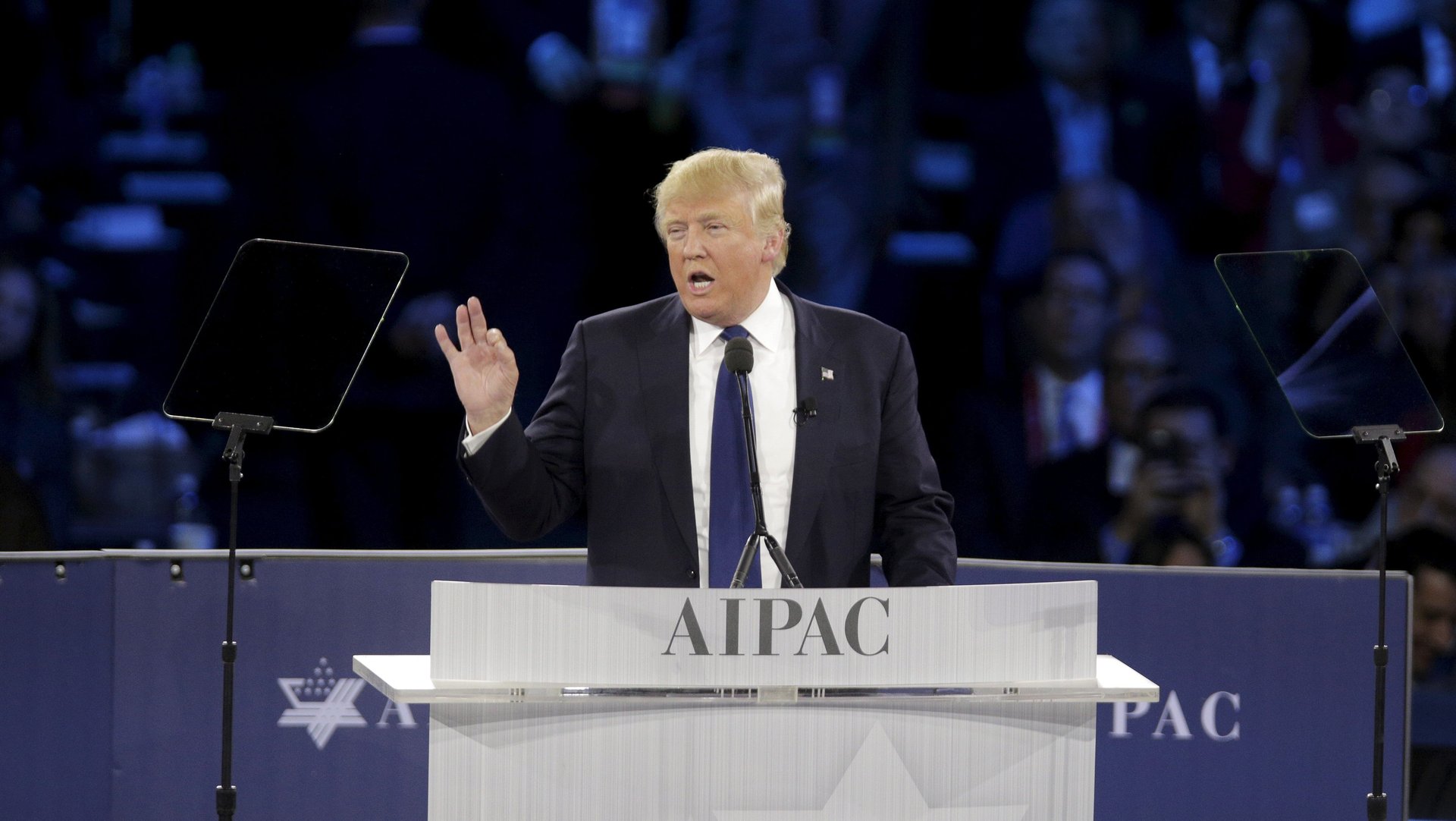
Donald Trump gave a new, quite extensive interview to The New York Times on foreign policy (paywall) that was published today.

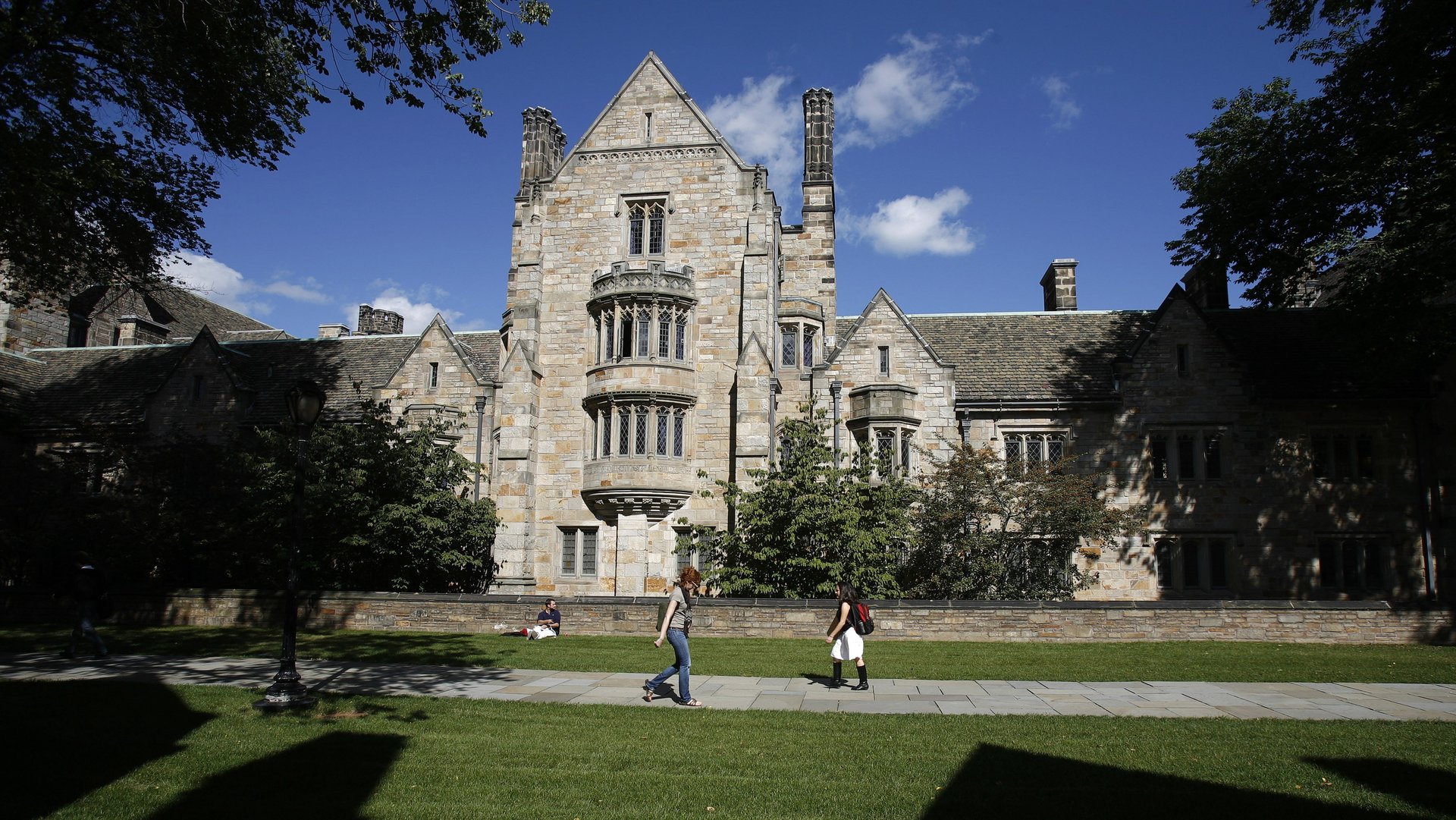
There are lots of ways to talk about inequality in the US, but one good measure is university endowments. While many public schools are straining from years of budget cuts, elite American institutions are stockpiling incredible amounts of cash. In 2015, 20 US colleges and universities—less than 1% of the nation’s total—netted 30% of all donations, or $11.6 billion.

Last month, Uber CEO Travis Kalanick confirmed what many suspected: The ride-hailing company is burning cash in China. “We’re profitable in the USA, but we’re losing over $1 billion a year in China,” he said at a ”fireside chat” in Vancouver.

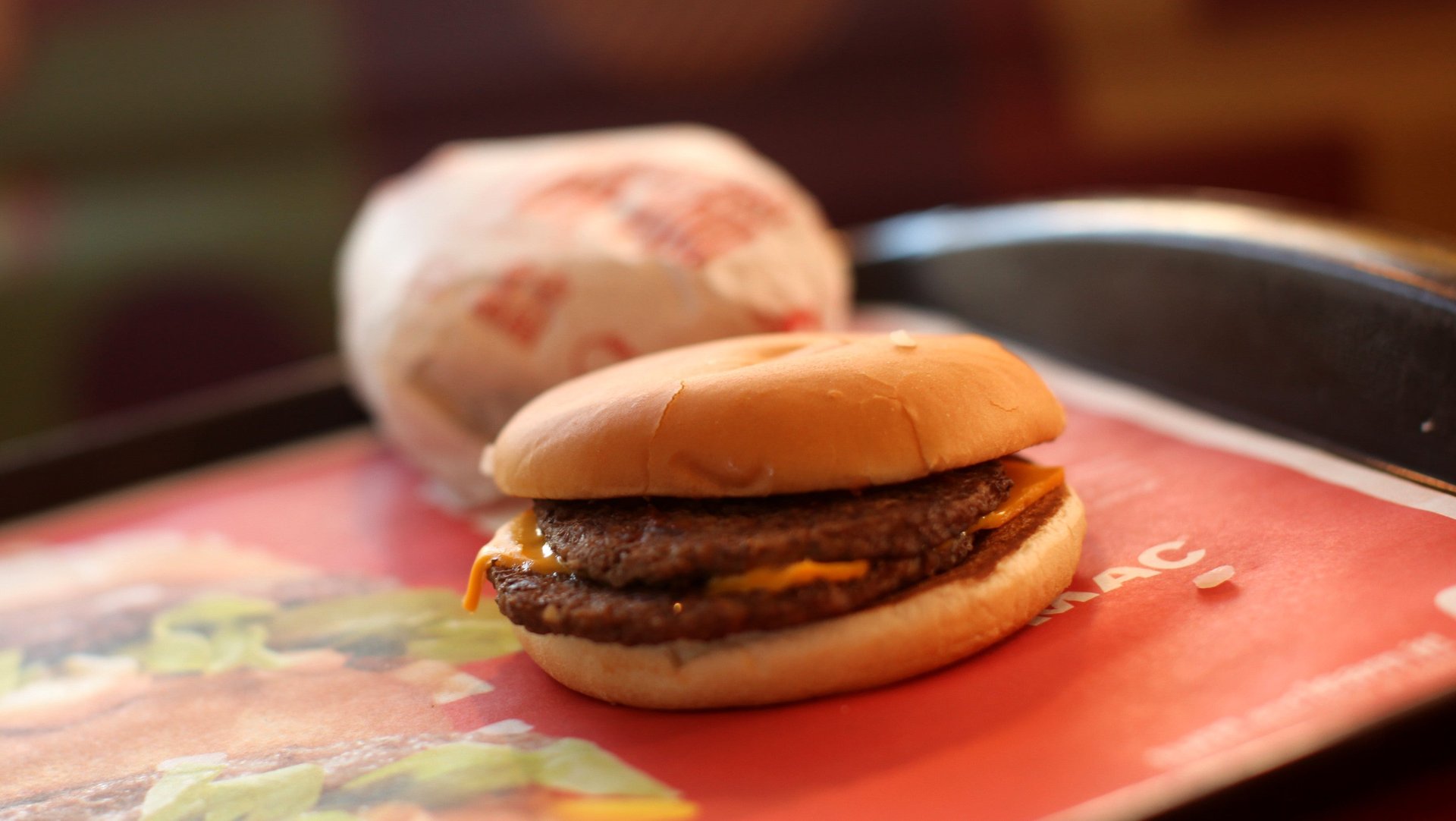
McDonald’s has chalked its recent turnaround up to all-day breakfast, and the numbers certainly support that story:

Starwood Hotels and Resorts is currently the object of a bidding war between Marriott and China’s Anbang Insurance Group. The brief history: Marriott struck a deal to acquire Starwood in November 2015 for $12.2 billion, but last week saw its intentions derailed by Anbang, which swooped in with a $13.2 billion all-cash offer. Then, on Monday, Marriott returned with another bid, a $13.6 billion cash-and-stock deal. Starwood, once again, said yes.

In late 2014, a prominent Chinese conglomerate purchased New York’s famed Waldorf-Astoria, gold doorknobs and all, from Hilton Worldwide Holdings for nearly $2 billion. The world had been put on notice that the luxury hotel business had a serious new player in its midst.

Drivers logged into Uber’s app can be doing one of three things: picking up a passenger, completing a trip, or waiting for a fare. In New York, where Uber regularly releases data for how the average UberX driver spends an hour on its platform, on-trip time has risen steadily over the last four years, while idle time has fallen.

Earlier this week, Lyft and General Motors announced Express Drive, a new short-term car-rental program just for Lyft drivers.

This post has been corrected.

Chipotle’s now infamous E. coli catastrophe officially ended on Feb. 1, when the US Centers for Disease Control and Prevention said the outbreaks appeared to be over. But the financial fallout is expected to linger long into 2016.

Valeant, a Canadian pharmaceutical company whose drug pricing and other practices are the subject of an investigation by US prosecutors, plunged nearly 50% on Tuesday, after holding a long-awaited conference call.

This post has been corrected.

Welcome to the first installment of the 2016 fast-food breakfast wars. After a brief period during which McDonald’s had the morning spotlight to itself, Taco Bell has stepped back into the fray with a pure value play: 10 breakfast items for $1 apiece.