
Business News
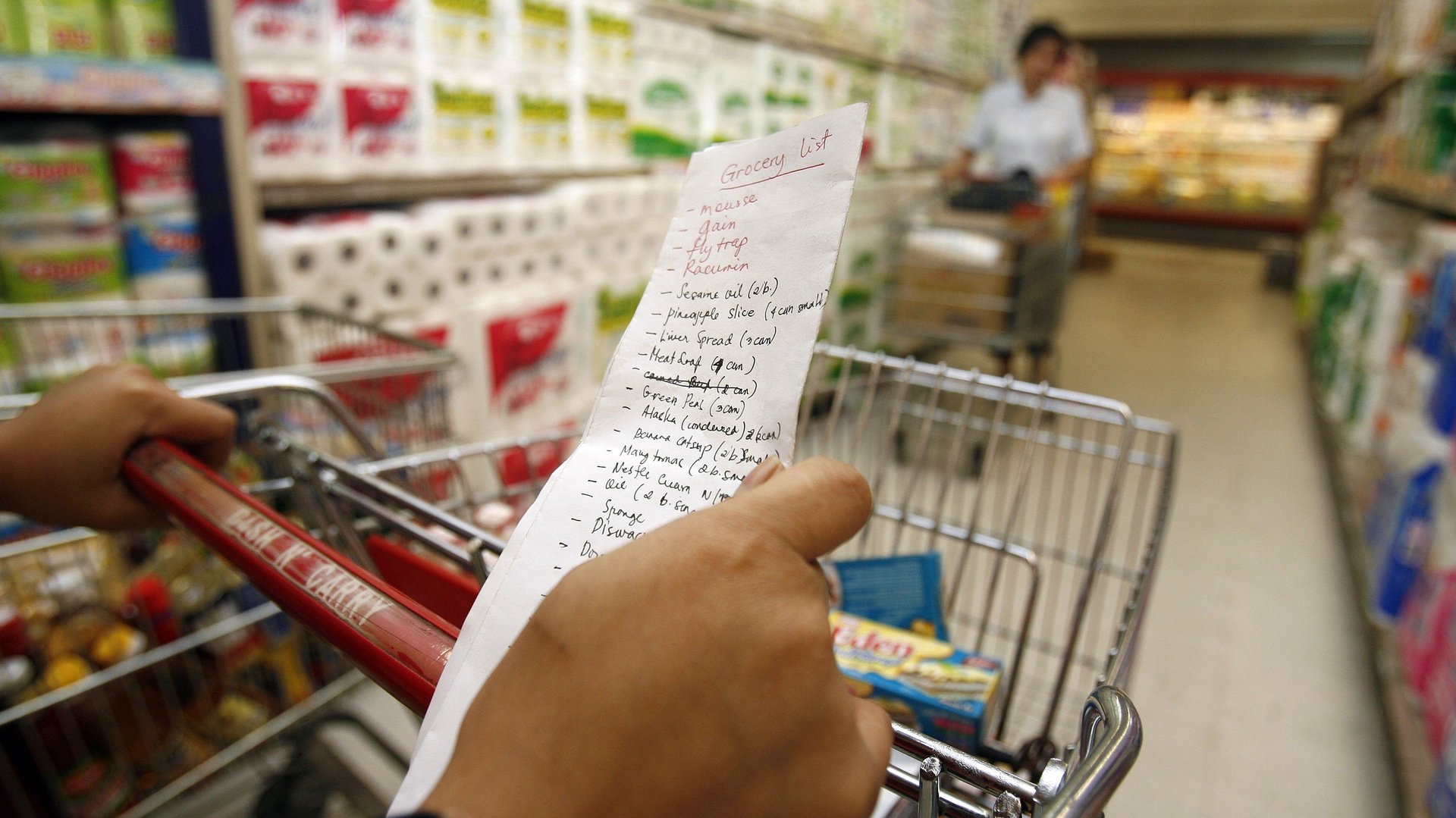
Inside Instacart’s fraught and misguided quest to become the Uber of groceriesThe changes Instacart outlined were grim.
Updated July 21, 202212 min read
The changes Instacart outlined were grim.
The White House on Thursday published a letter that Brent Brown, a Republican from Wisconsin, wrote to president Barack Obama in June.
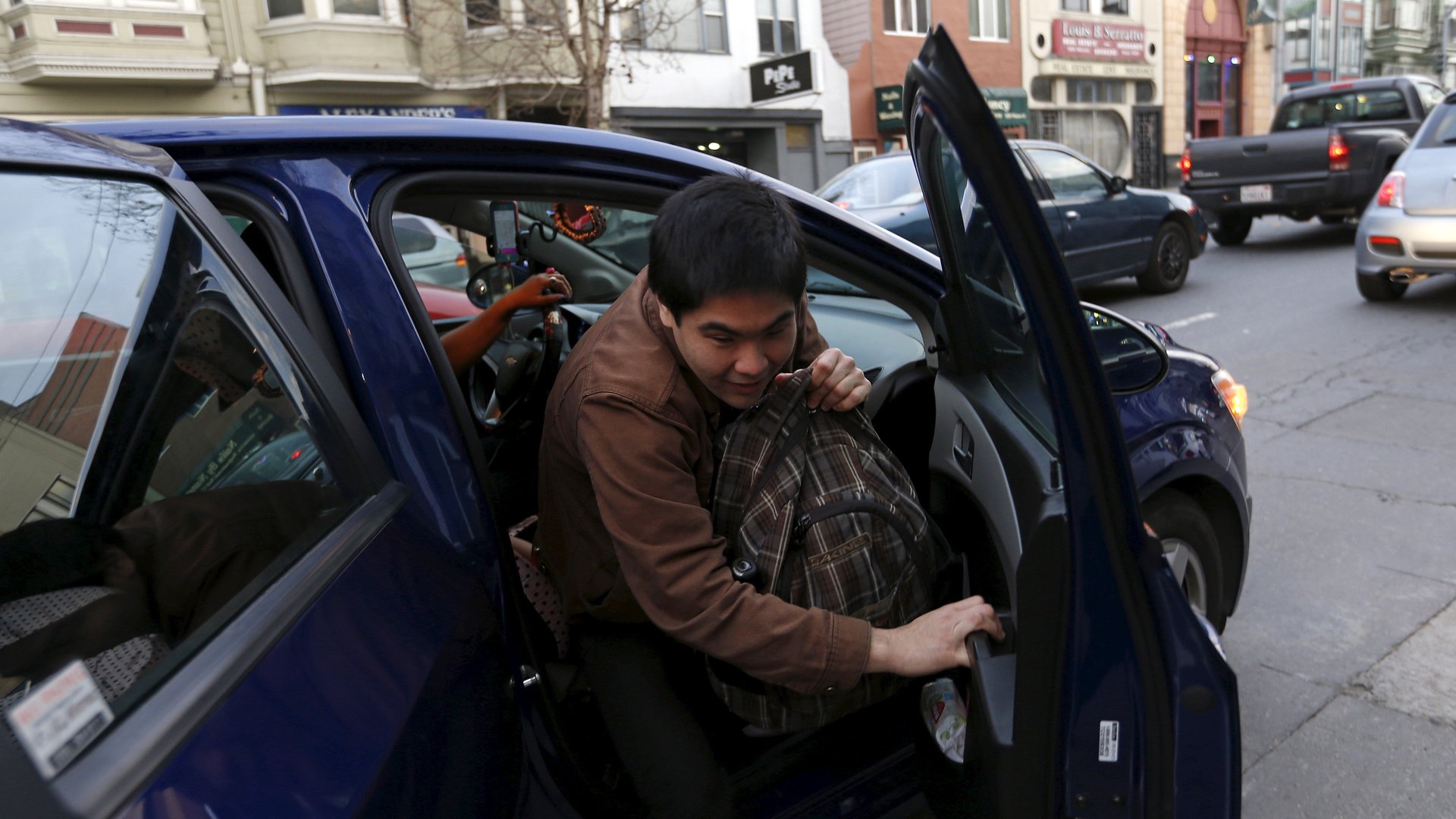
Uber cut fares for riders in about 100 US cities in January for the second year in a row. It’s part of what Uber calls “beating the winter slump.”
For Silicon Valley, 2016 is shaping up to be the year the joyride ends.
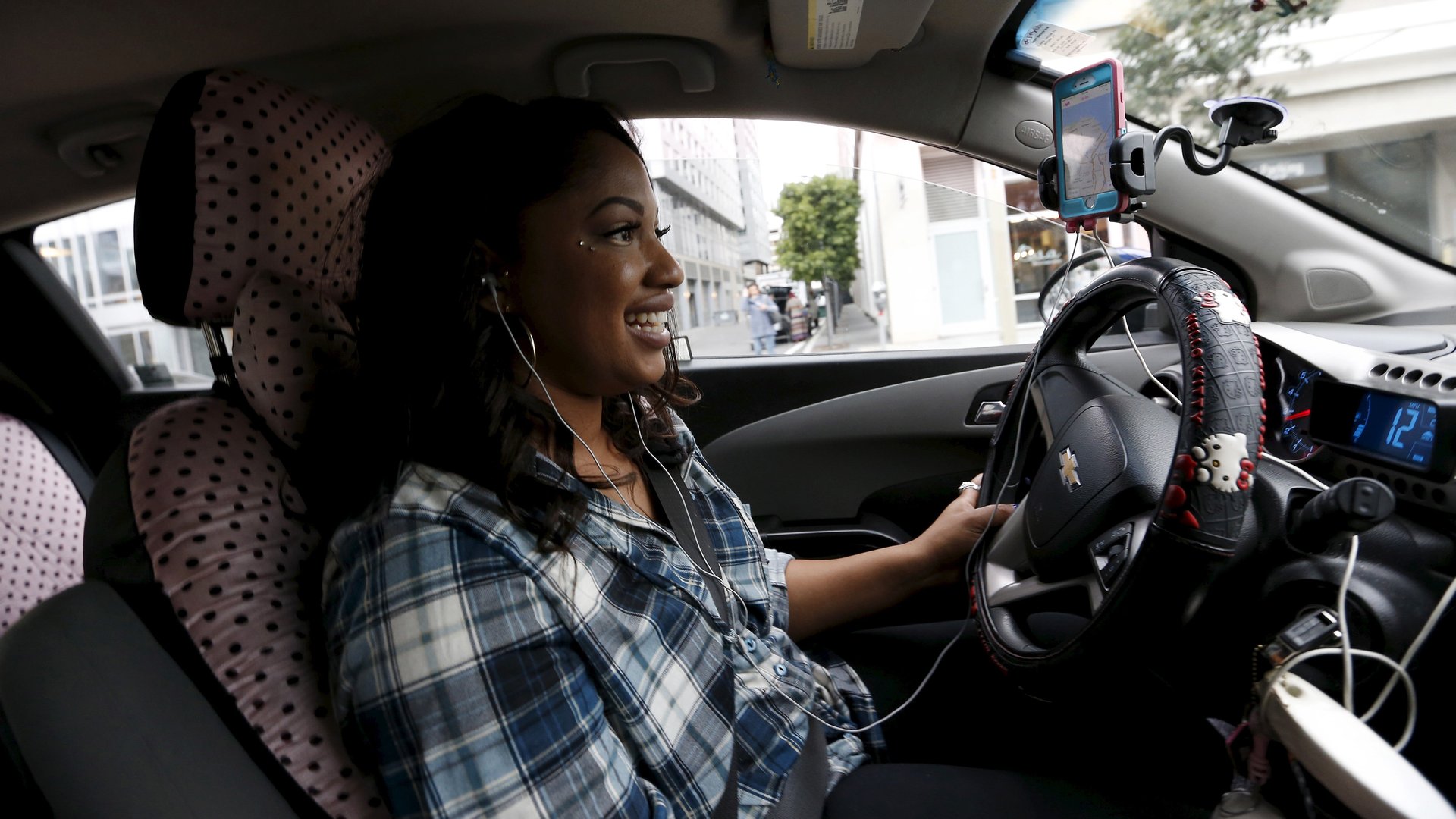
When we talk about the “sharing economy,” Uber and Airbnb tend to be mentioned in the same breath. Both are known for their smooth, convenient, peer-to-peer services for consumers. In enlisting providers like hosts and drivers, they promise their workers that they can make extra money on their own schedule.
Dow Chemical, which was angling for the US Supreme Court to dismiss a $1.06 billion judgment against the company for alleged price-fixing, has now agreed to settle the case for $835 million instead of waiting on an answer from the high court. The reason? After the death of Supreme Court justice Antonin Scalia earlier this month, Dow didn’t like its odds so much anymore.
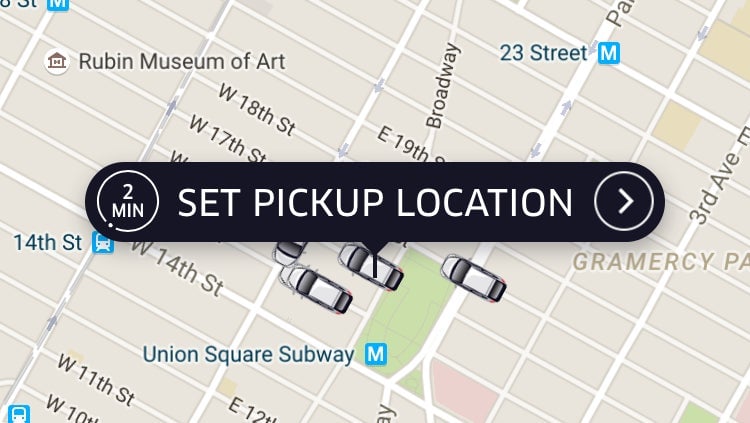
Earlier this year, New York City council quietly abandoned a two-year quest to limit Uber’s surge pricing. It was a humiliating concession for city legislators, who had already backtracked on several other proposals after losing a highly public clash with Uber over the summer.
Last November, Airbnb was forced to do some soul-searching. In a few short weeks, the company had angered most of San Francisco, defeated an existential threat to business in the same city, declared its platform “a movement,” and announced plans for grassroots lobbying across America. Airbnb’s campaign for home sharing was working, but at the price of its genial, responsible, good-neighbor image.

This post has been updated.
Earlier this month, hundreds of Uber drivers gathered outside the company’s office in Queens, New York, to protest a 15% reduction in fares.

Uber held a conference call Monday afternoon to discuss a horrific shooting carried out by one of its drivers in Kalamazoo, Michigan, over the weekend. Jason Brian Dalton killed six people and critically injured two, apparently targeting people at random over the course of seven hours.
Over the weekend, we reported on Uber’s stealthy new effort to dissuade drivers in Seattle from unionizing: It’s directing its US customer service representatives to call thousands of drivers for a satisfaction survey, and then having them deliver a spiel against organizing. Now you can read the script these reps are following.
Last month, a group of Uber customer service representatives in the US received a script unlike any they’d seen before. For the most part, it was a survey on driver satisfaction, but at the end it switched to another topic: why a union wouldn’t make sense for drivers.

Whether Airbnb is killing hotels is the $25 billion question in hospitality. The latest data point in the debate comes from Goldman Sachs, and it’s not a promising one for hotels: Once you’ve tried Airbnb, there’s a good chance you won’t want to stay in a hotel again.
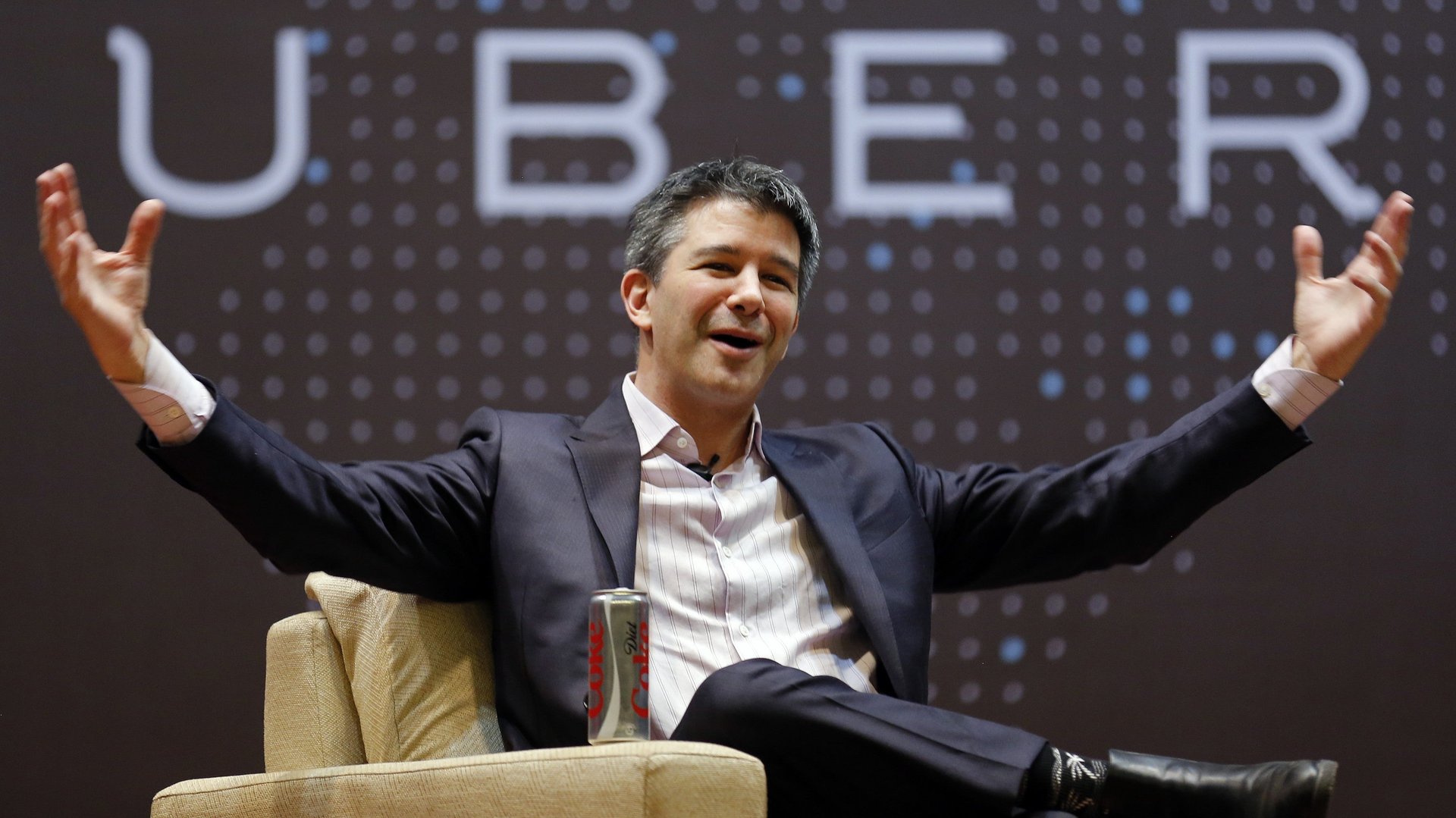
It’s no secret that Uber is burning cash in China, the only question has been how much. The answer, per a recent interview with Uber CEO Travis Kalanick, is more than $1 billion a year.

Come for the produce, stay for the … tattoos?
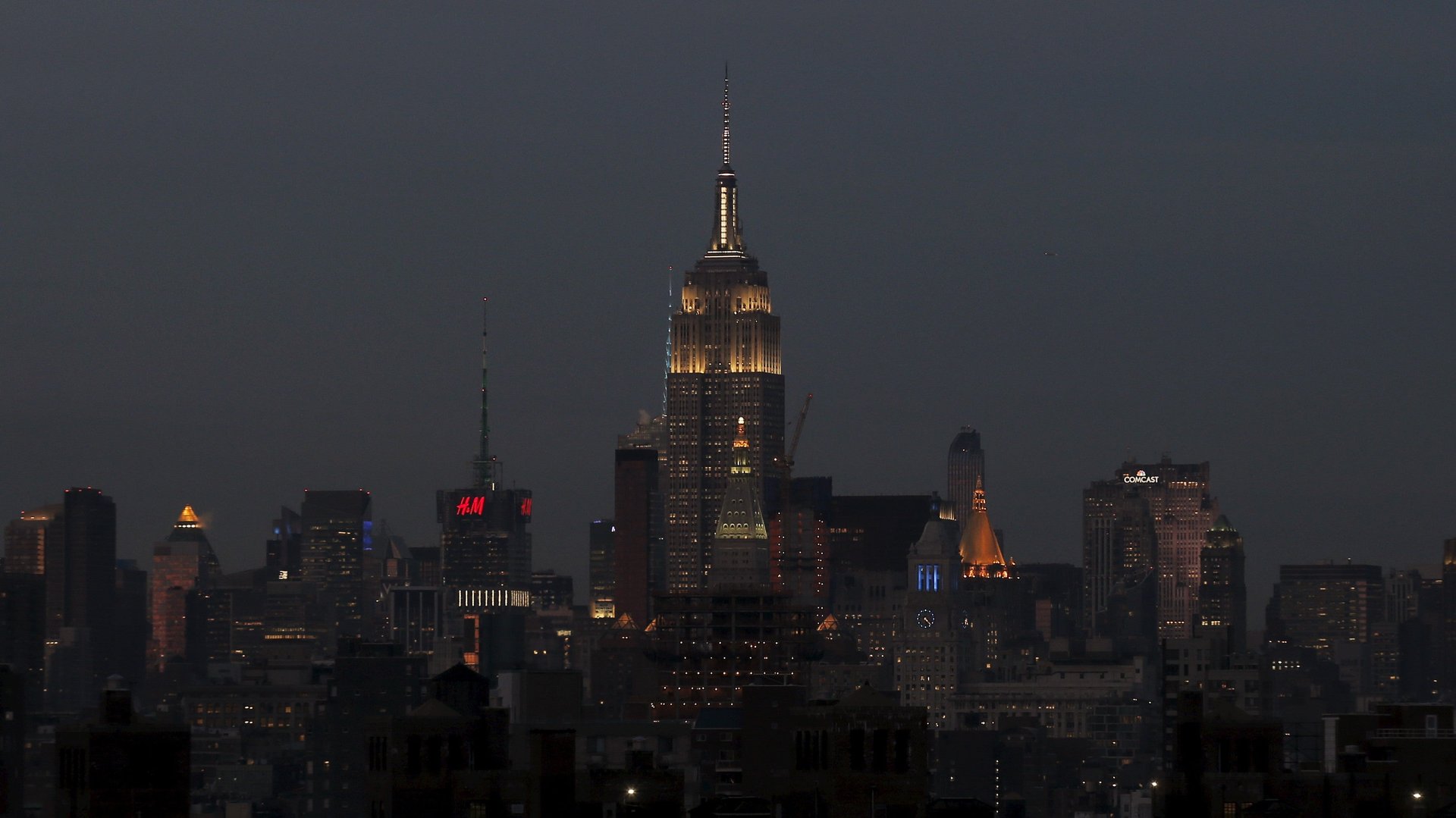
Hotel groups would love to blame Airbnb for the industry’s woes. So they probably aren’t too happy about a new study out from STR, a top hotel research firm, that finds Airbnb has had “no measurable effect” on hotels in Manhattan.
The past year has been ugly for Whole Foods, but things were looking up Wednesday (Feb. 10) afternoon. The company reported earnings and revenue that beat Wall Street’s expectations for the first quarter of 2015. Total sales also increased 3%, to what Whole Foods says was a record $4.8 billion. Shares initially rose 4% in after-hours trading, but were flat ahead of the company’s scheduled earnings call.
Chipotle stores across the US are closed today until 3pm local time as the company convenes an all-staff meeting on food and safety. The meeting is one of several steps Chipotle is taking to revitalize its operations after a series of health scares that devastated sales in the fourth quarter. Per Chipotle’s Twitter feed, which is sending out live updates, executives are reiterating commitments to local farmers, in-store safety, and taste.
No, really.
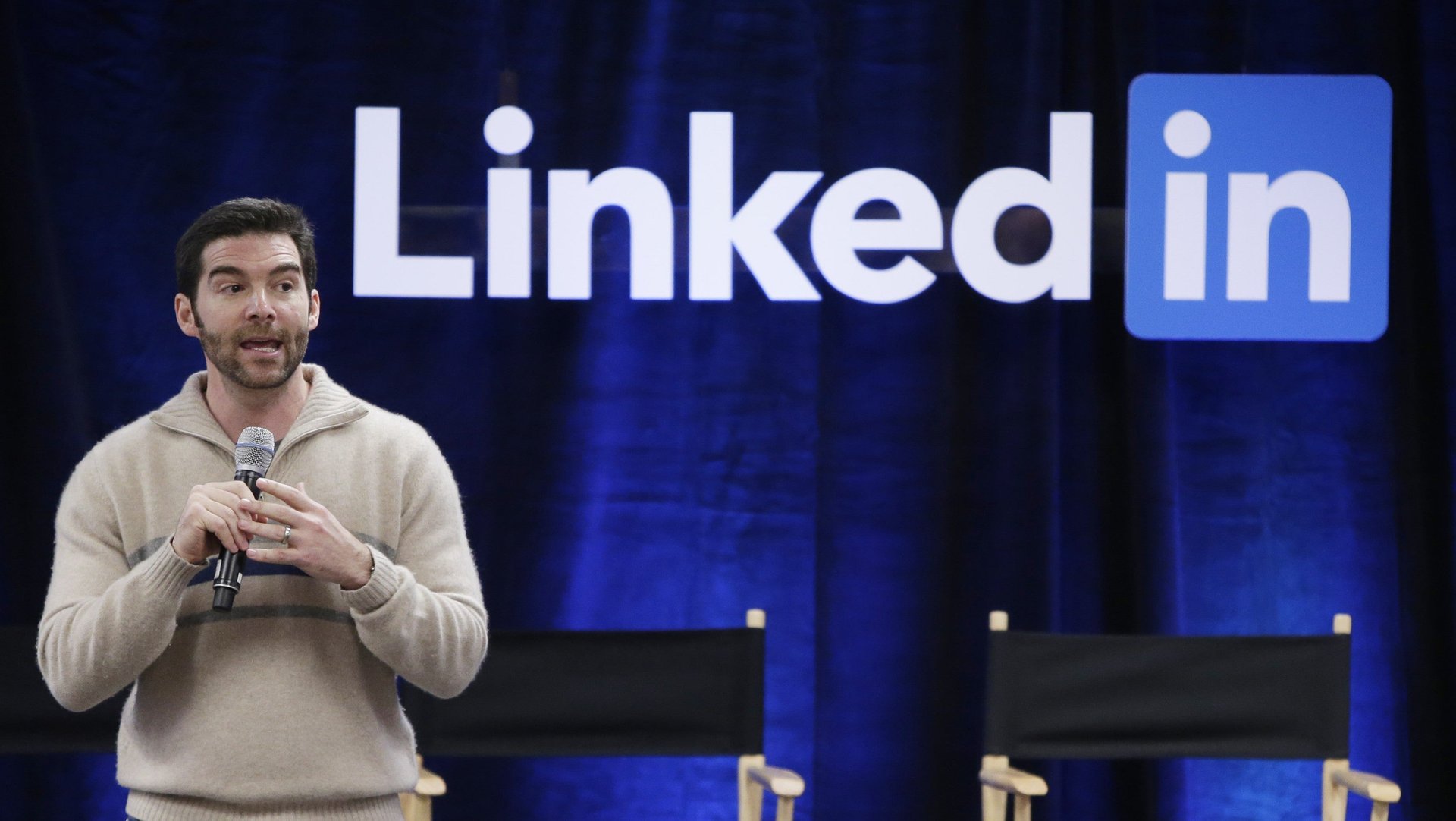
LinkedIn’s stock is collapsing after its latest earnings report.
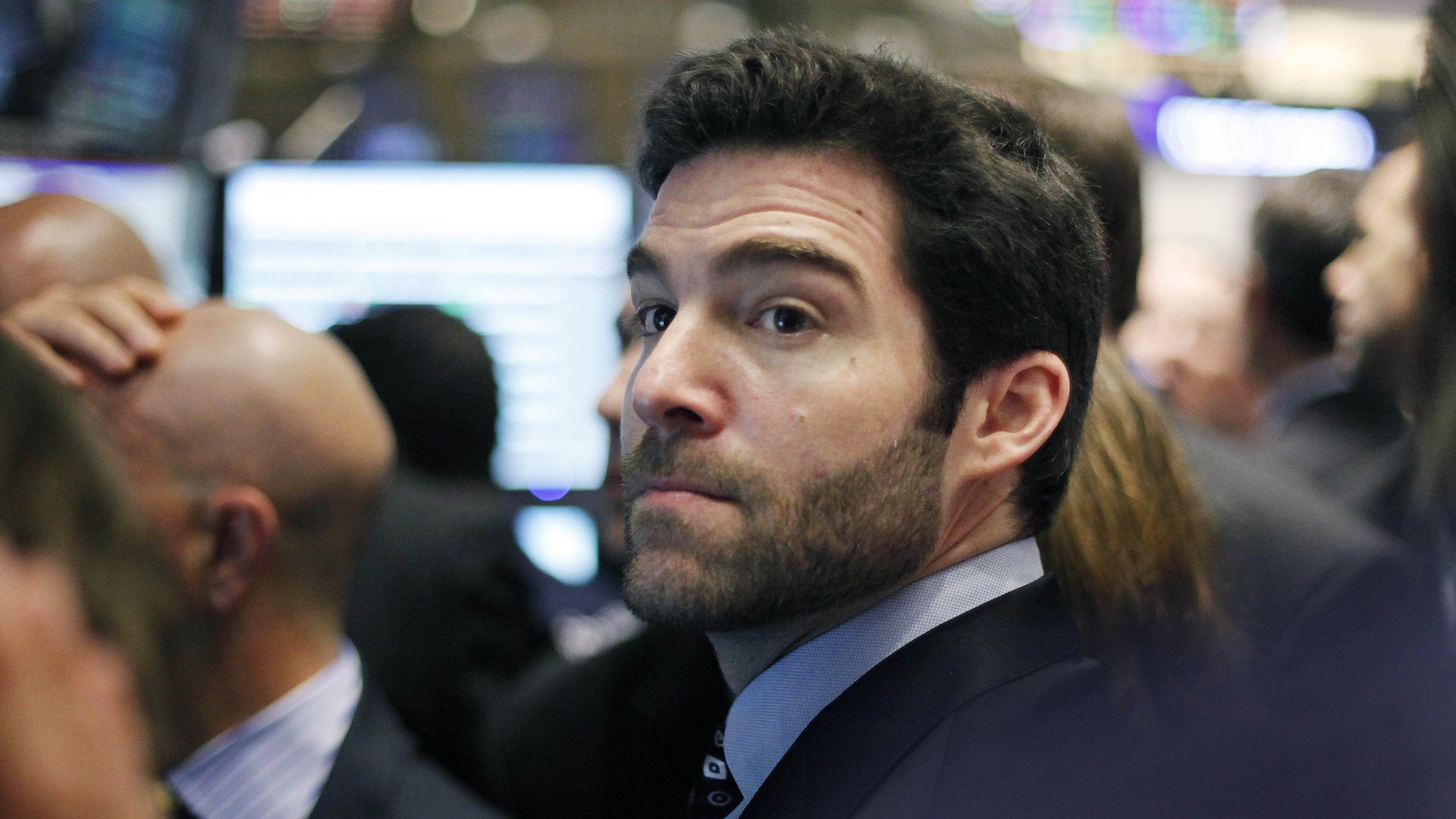
LinkedIn’s stock is plummeting in after-hours trading on a decidedly poor outlook for the start of 2016. The company beat earnings and revenue estimates for the fourth quarter of 2015, but it forecast revenue of $820 million for the next three-month period—well short of the roughly $870 million that analysts were expecting. Suffice it to say, Wall Street isn’t pleased.
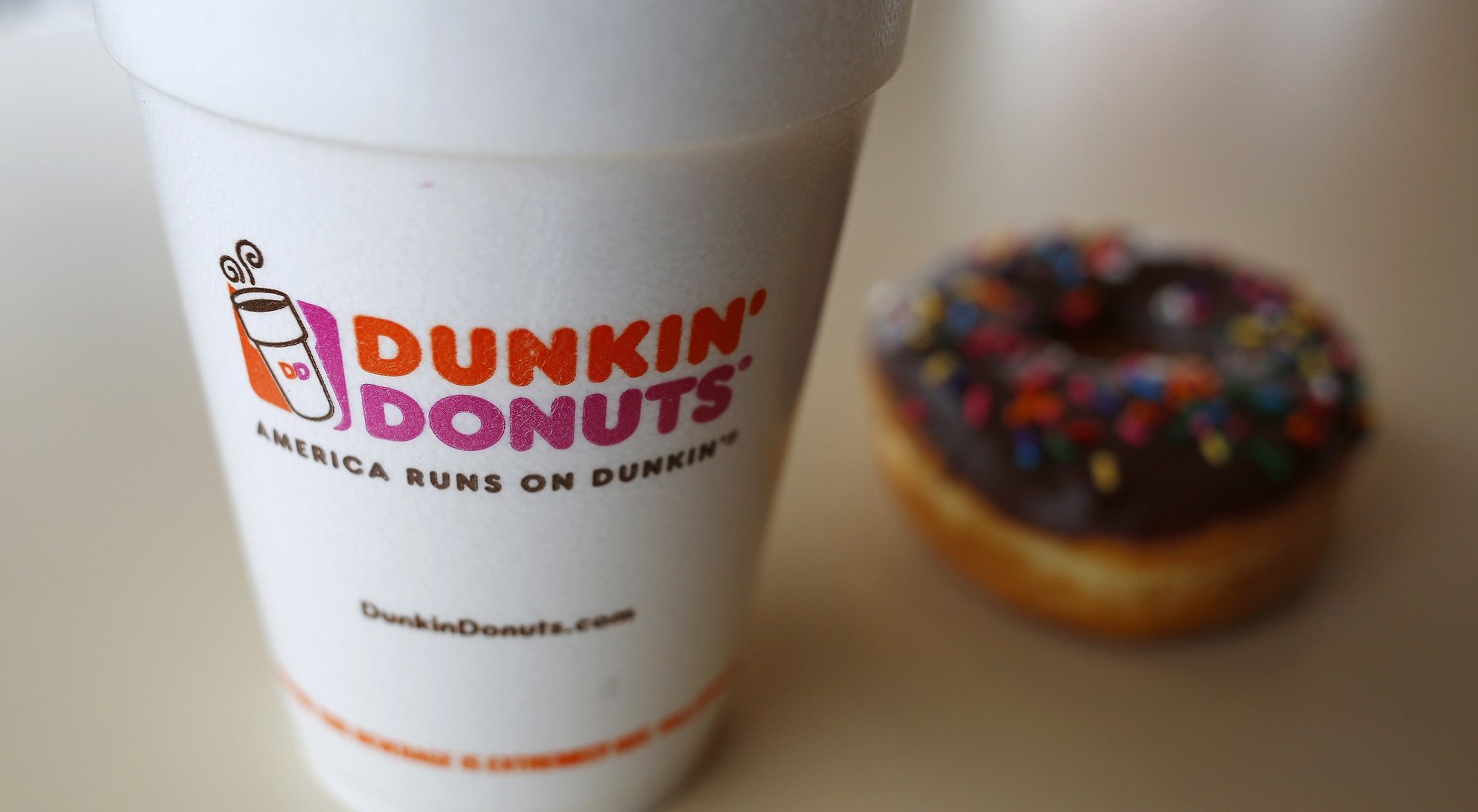
America appears to have only been jogging on Dunkin’ in the fourth quarter. That’s the tough news out of Dunkin’ Brands Group, which today reported an unexpected 0.8% drop in sales at US stores open at least a year, plus a 1% decline in traffic to those stores. The company’s stock slipped about 1% in morning trading before edging up that much. (It still managed to beat revenue and earnings-per-share estimates.)
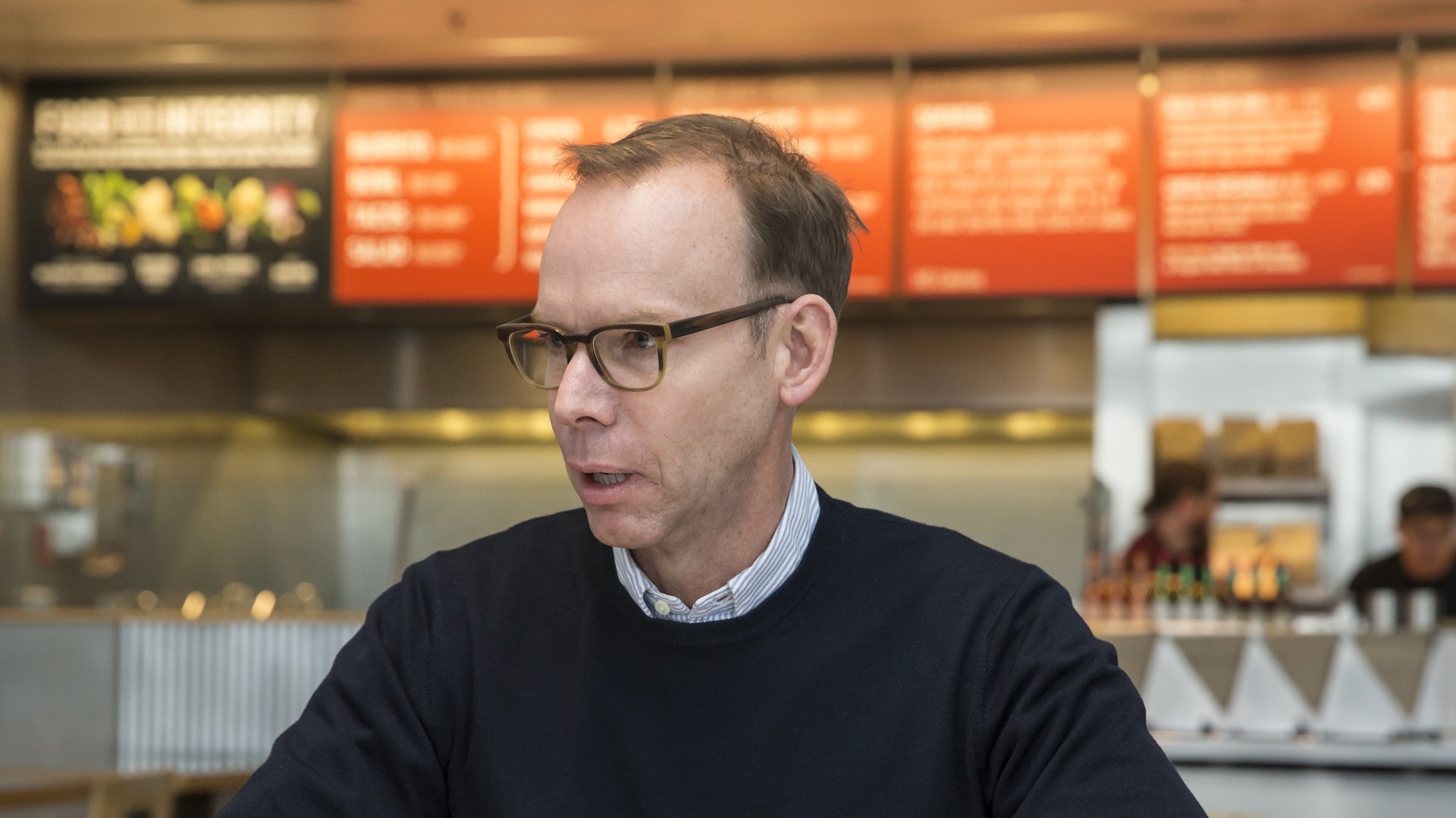
Once upon a time, Chipotle’s biggest problem was long lines. The fast-casual empire seemed impervious to everything. Rising prices didn’t faze it, nor did the threat of a guacamole crisis. Consumers wanted to buy Chipotle’s burritos, and Chipotle just had to keep them moving.