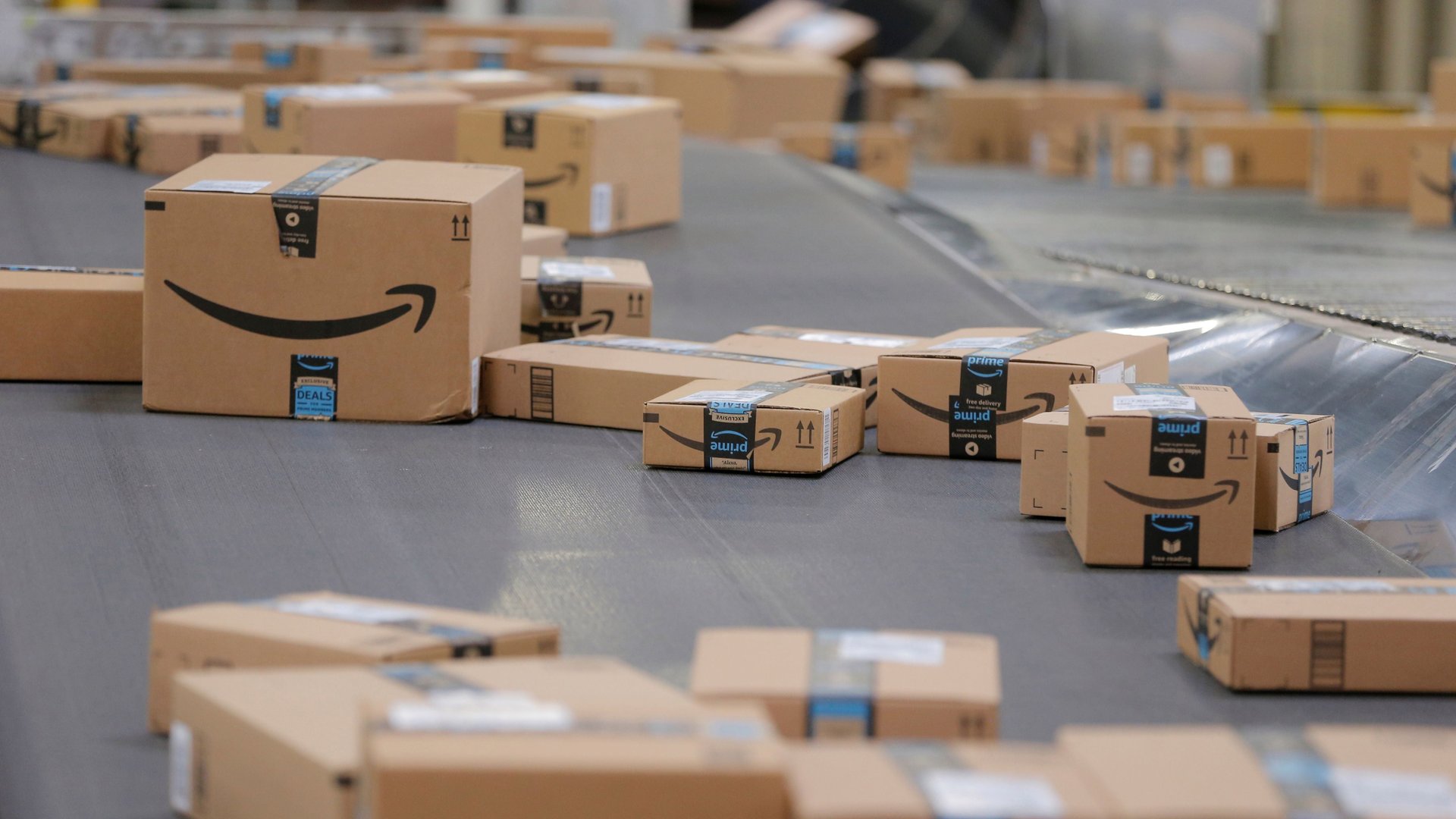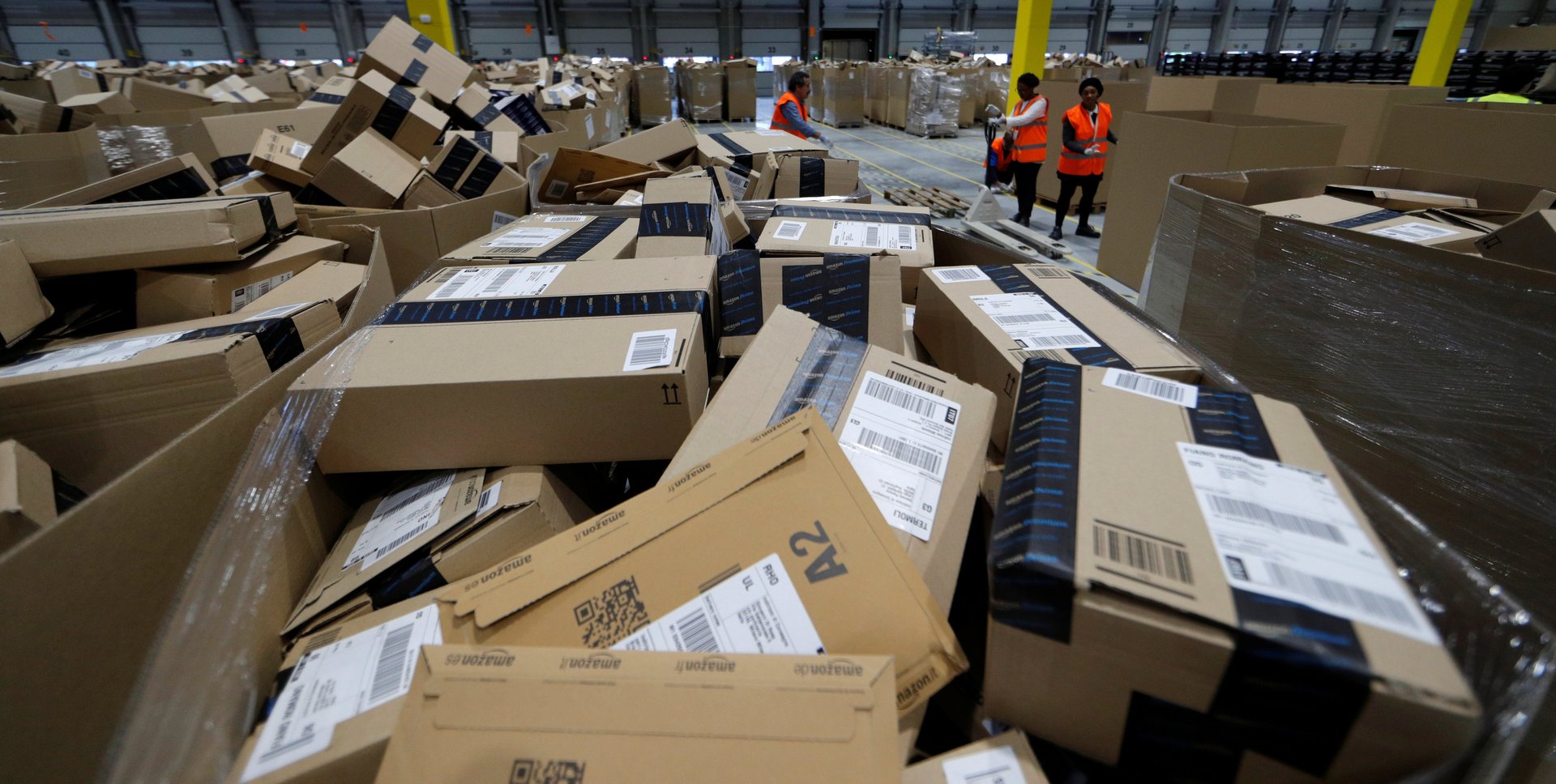
Amazon will soon be sub-prime, if you live in Australia. The company is blocking Aussies from shopping on its international websites, and limiting them instead to its much smaller local platform, Amazon.com.au.

Amazon will soon be sub-prime, if you live in Australia. The company is blocking Aussies from shopping on its international websites, and limiting them instead to its much smaller local platform, Amazon.com.au.

The gig economy is growing, fast, with nearly 7 million people projected to be working in it in the US by the end of this year, up 26% from 2017. That’s according to estimates from Intuit that were cited in Mary Meeker’s latest Internet Trends report.

Old and new tech are colliding in San Francisco—literally.

Facebook wants in on the gig economy. The social networking company is adding a home-services feature to Marketplace, that messier-than-Craigslist portion of the site where people sell everything from shoes (free, on a cursory scan earlier this week), to homes ($299,900), to used custom lace wigs (also free).

A couple weeks ago I had an awful time trying to get a Lyft.

On Jan. 31, Aaron Johnson, 53, drove to Uber’s driver service center in Salt Lake City, Utah, to sort out a rider complaint. Johnson, a military veteran, had received almost entirely perfect five-star reviews from passengers and he feared the complaint, that he had rolled his eyes, would hurt his Uber driver rating.

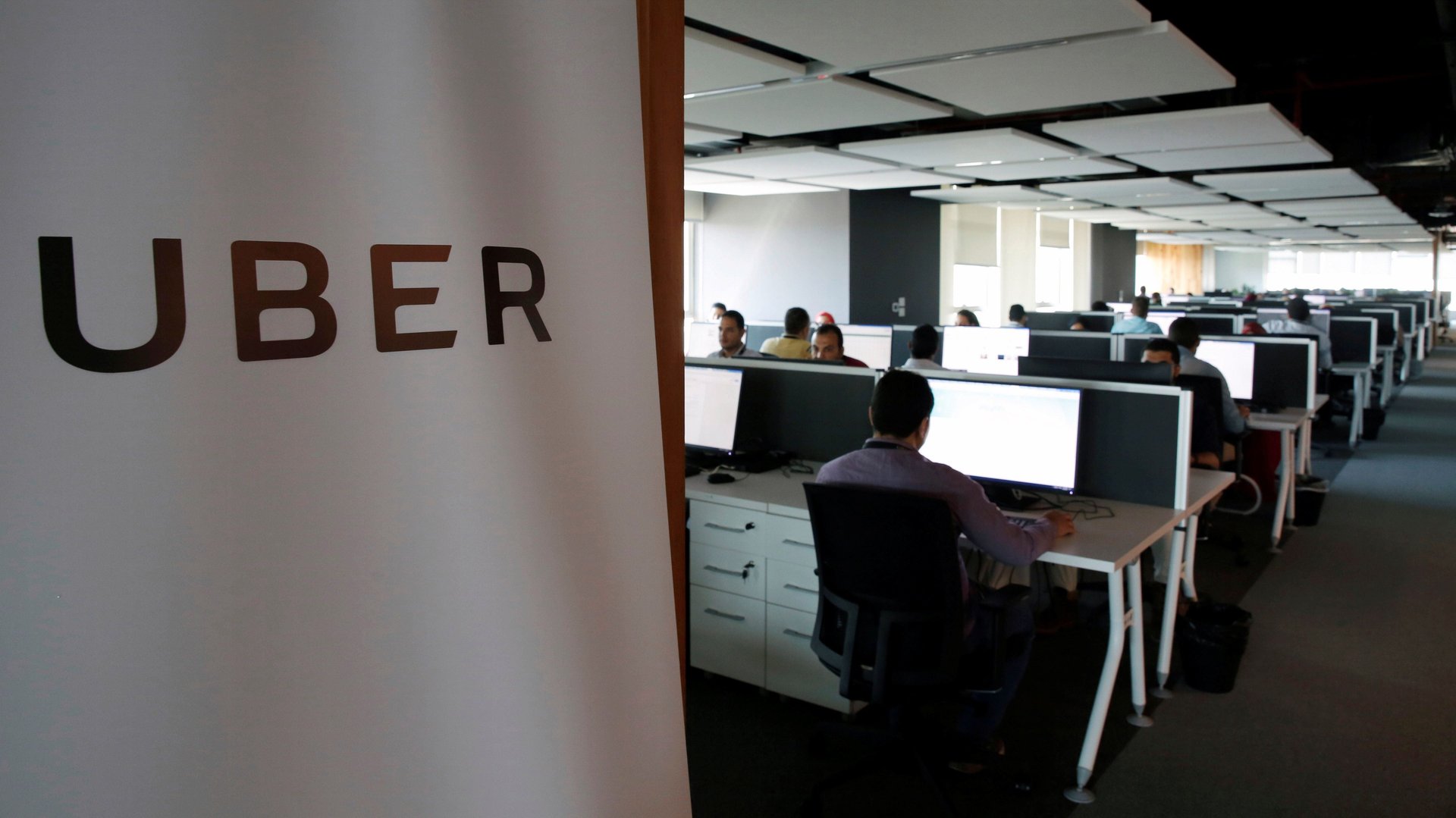
Uber is still a privately held company, but it’s acting more and more like a public one.

Amazon is vying to become the largest apparel seller in the US, where it already trails only Walmart. But even those who buy clothes on the site say Amazon isn’t a destination for fashion.

Earlier today (May 17), American grocer Kroger agreed to partner with online supermarket Ocado, a UK company, on digital ordering and delivery in the US. Kroger, among the largest grocers in the US with $122 billion in sales in 2017, will exclusively license Ocado’s technology to build new automated warehouses and generally improve its online capabilities.

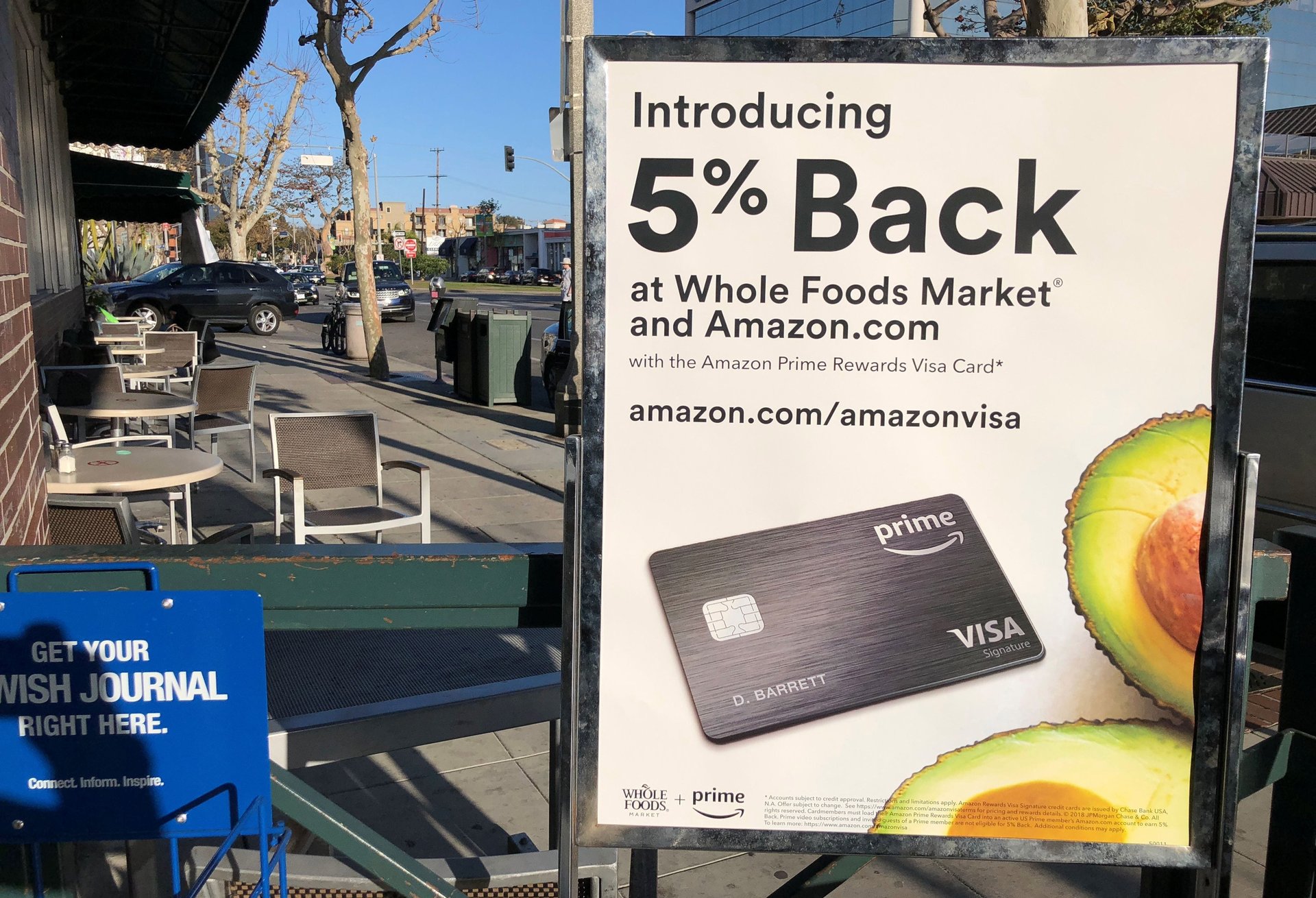
The “Whole Paycheck” era at Whole Foods is finally over—if you have Amazon Prime.

The question of how much Uber drivers make per hour is always ripe for discussion. The number is hard to pin down for many reasons, including:

Last month, Susan Fowler, the former Uber engineer who authored a 2017 viral blog post about sexual harassment she endured while working there, penned an op-ed for the New York Times on how to terminate such behavior. “We need to end the practice of forced arbitration,” she wrote on April 12, “a legal loophole companies use to cover up their illegal treatment of employees.”

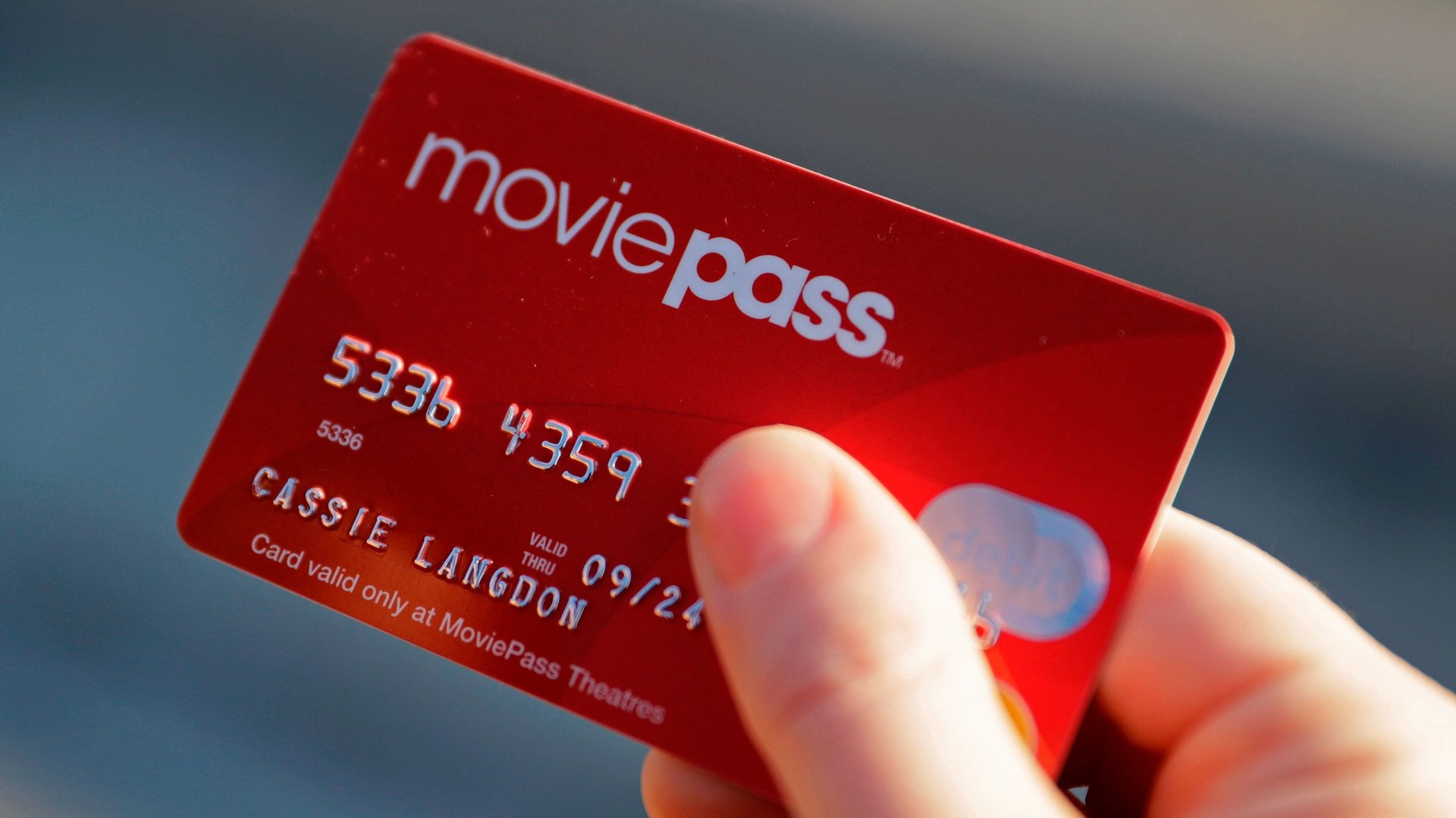
Bob Visse couldn’t believe it when he first heard about MoviePass, a subscription movie-ticket service that lets members see a movie per day in theaters for $9.95 a month. ”I honestly thought the same thing that everyone else always thinks,” he said. “This is too good to be true.”

For Father’s Day this year, Brett Porter is hoping for a Ferrari.

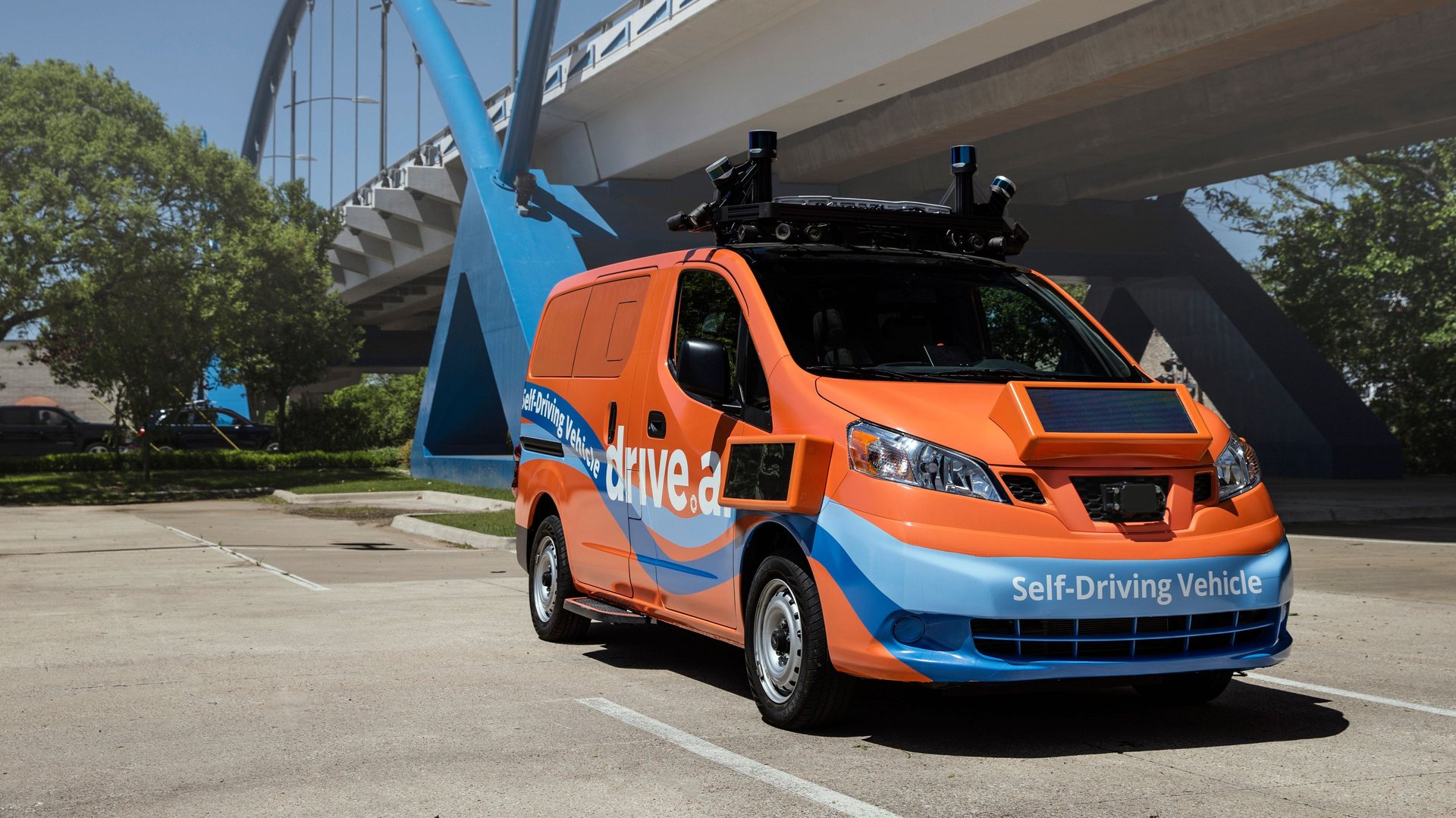
Frisco, Texas

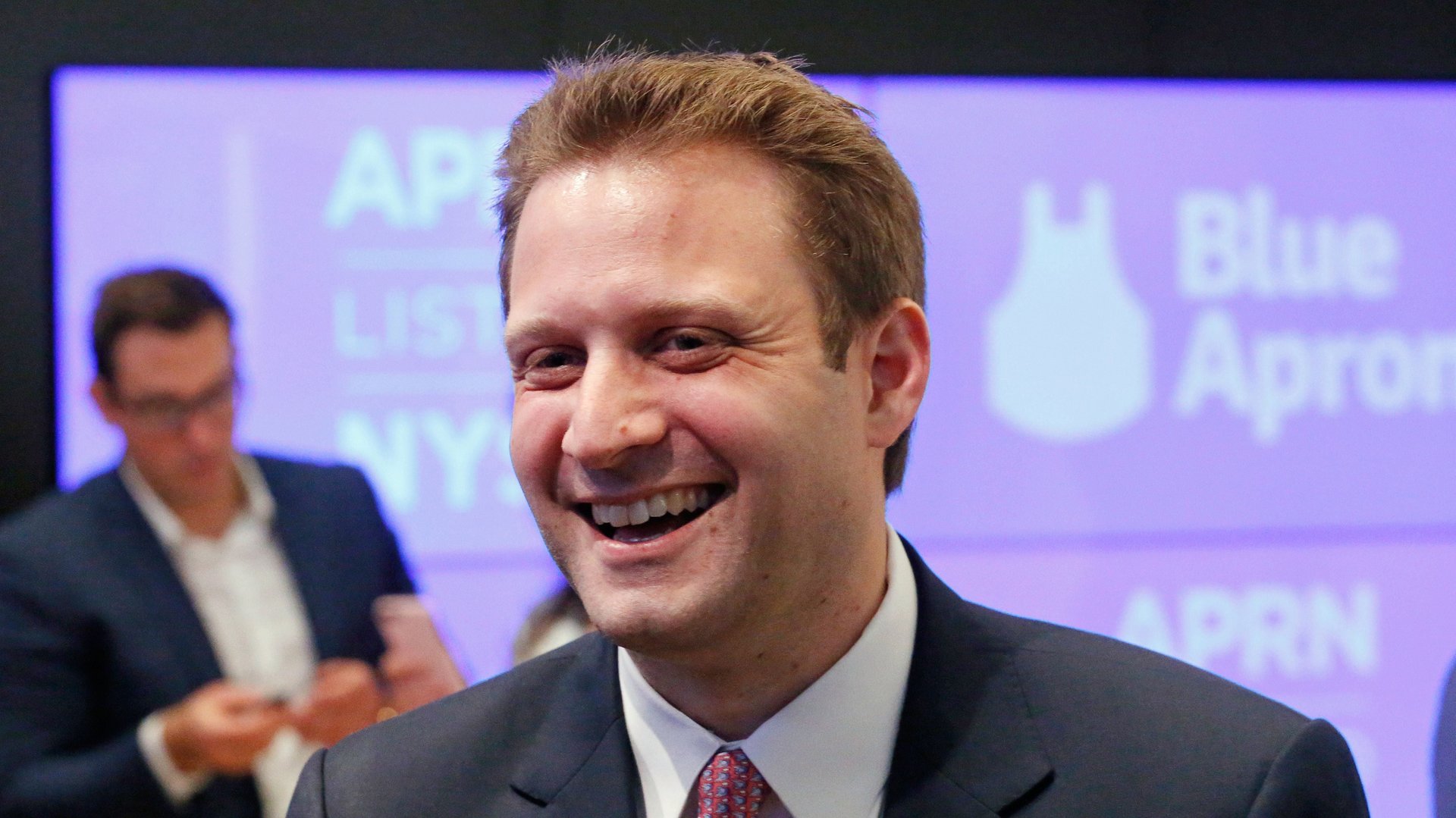
Many startups get quietly sold or shuttered yet few have suffered as publicly and quantifiably as Blue Apron.

The stereotypical startup founder is a 20- or 30-something man, probably white, probably wealthy. He wears a fleece vest, rides electric scooters, and drinks Blue Bottle coffee. You could be forgiven for mixing him up with a college frat guy.

Take a deep breath: Amazon Prime is about to get more expensive.

It was 2011 when Apple first passed ExxonMobil to become the biggest company on the market, and it’s barely been challenged since. Apple’s $833 billion market cap puts it well ahead of its nearest competitors. But a pack of richly valued technology companies is vying to give Apple a run for its money—and Amazon is in the lead.

Chinese ride-hailing giant Didi Chuxing could pursue an initial public offering as soon as this year, the Wall Street Journal reported today (April 24):

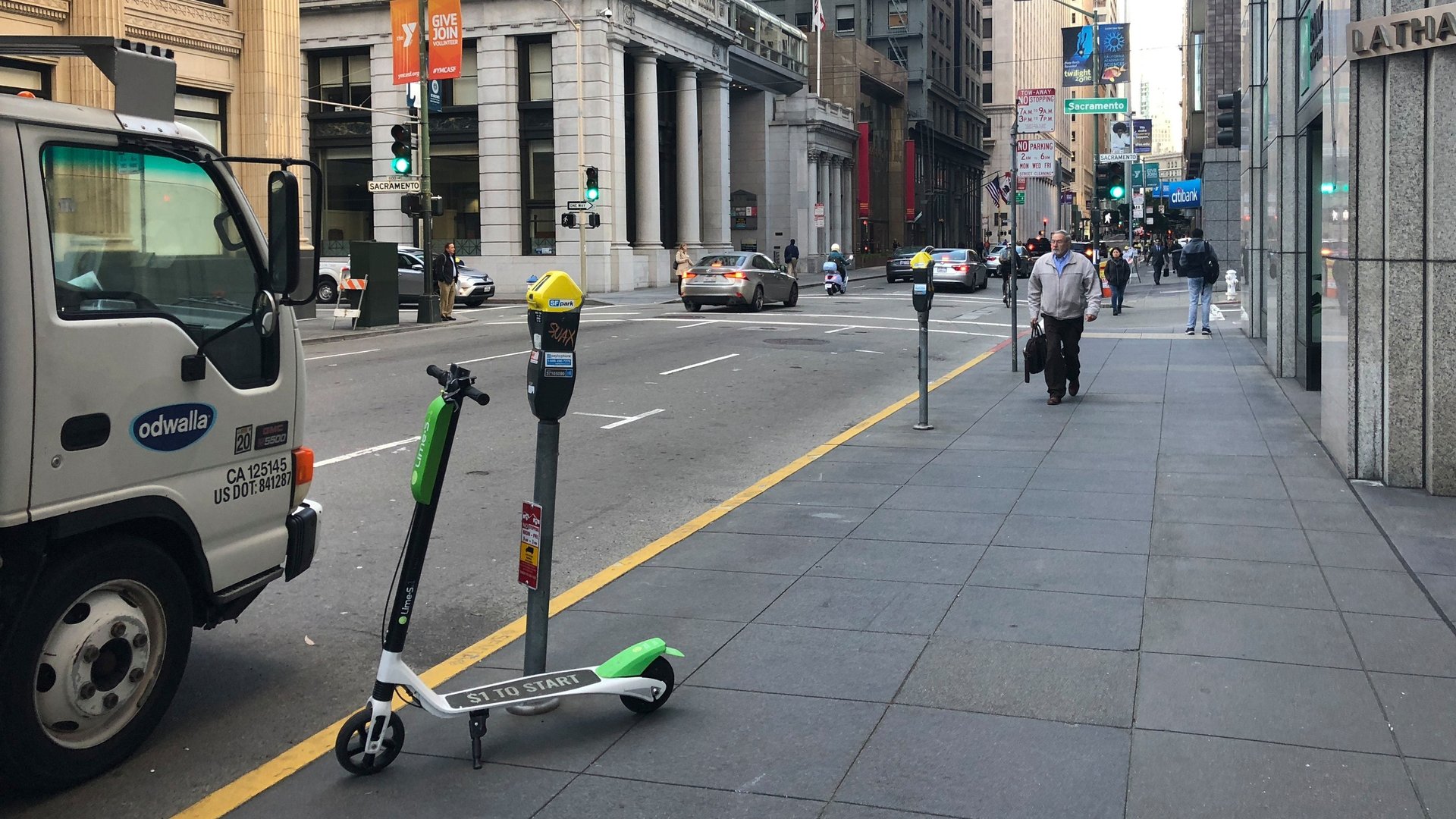
San Francisco has been flooded with electric scooters from startups that think the internet-connected vehicles could be the next big thing in local transportation.

Amazon Prime now has more than 100 million members, CEO Jeff Bezos said April 18 in his annual letter to shareholders. For context, that’s greater than the population of Germany, Vietnam, or Egypt.

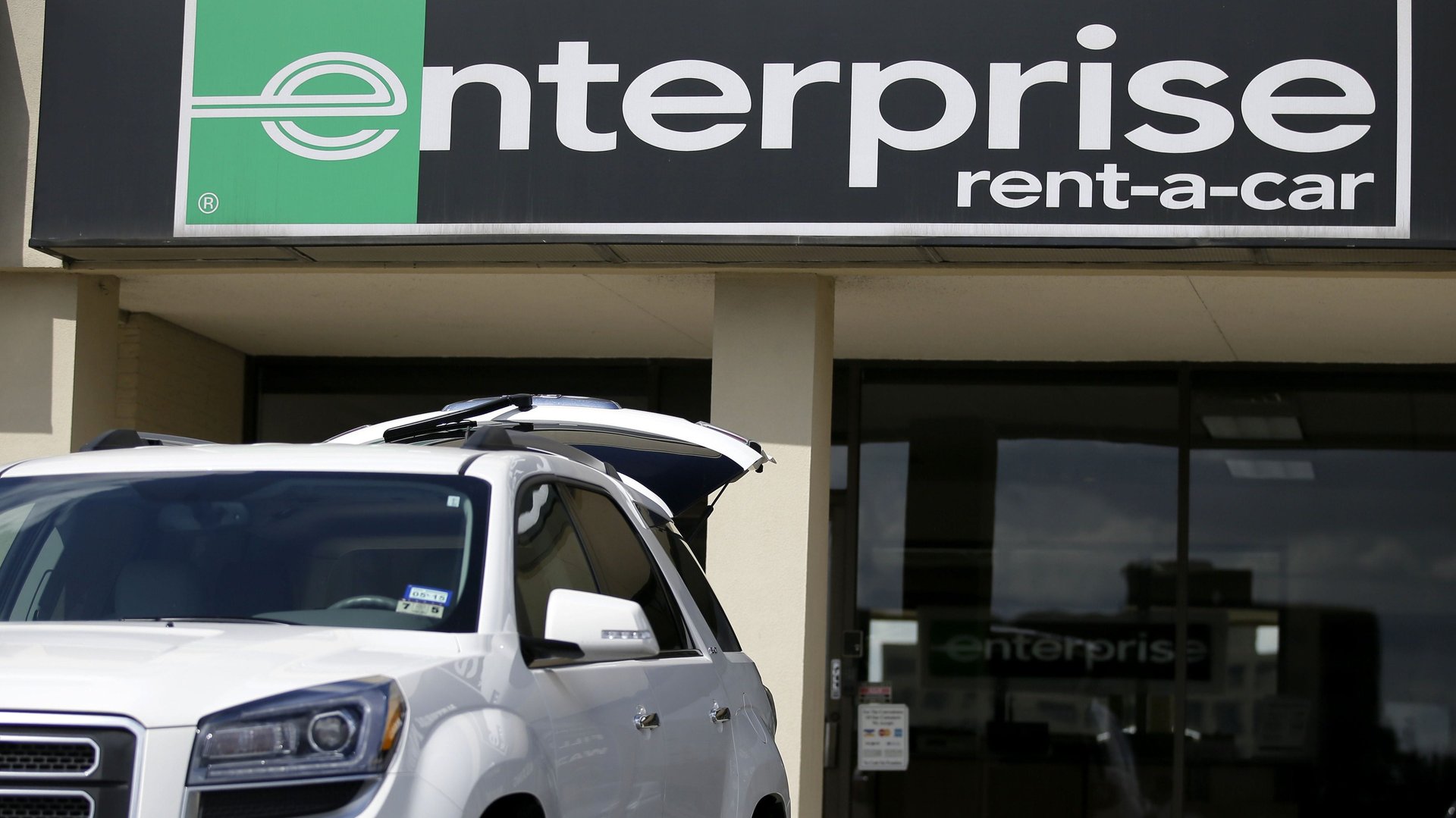
After years of taking a backseat to ride-hailing, the rental car space is heating up.

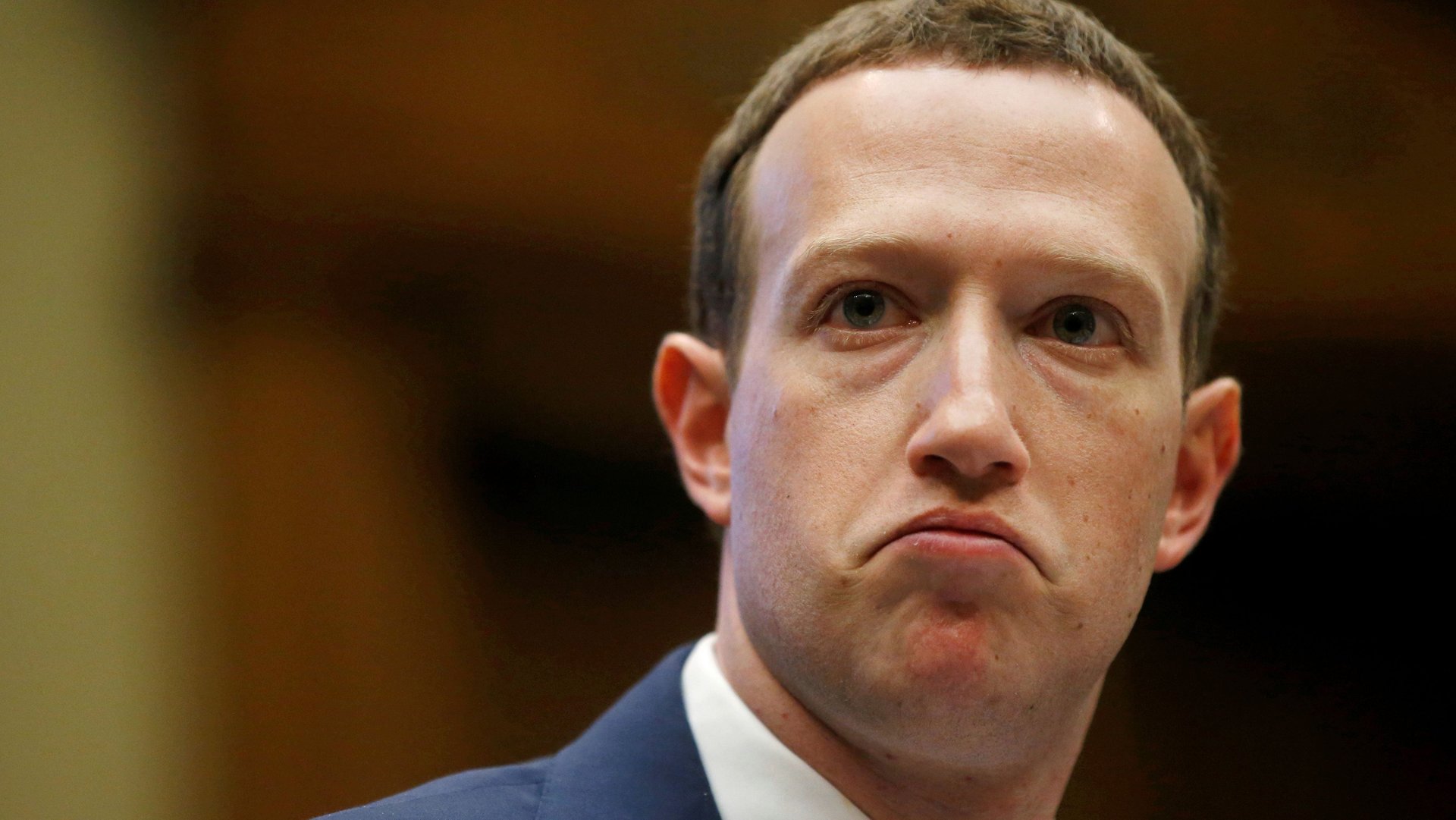
Everyone is glad not to be Mark Zuckerberg. Facebook’s CEO testified before the US Congress this week on a growing scandal linking his company to Cambridge Analytica, a political consulting firm with ties to the Trump campaign. The hearing, deemed “extraordinary,” by senator John Thune, was as much a referendum on Facebook as the erosion of America’s digital privacy. It was also the ultimate non-apology.