
Tech & Innovation
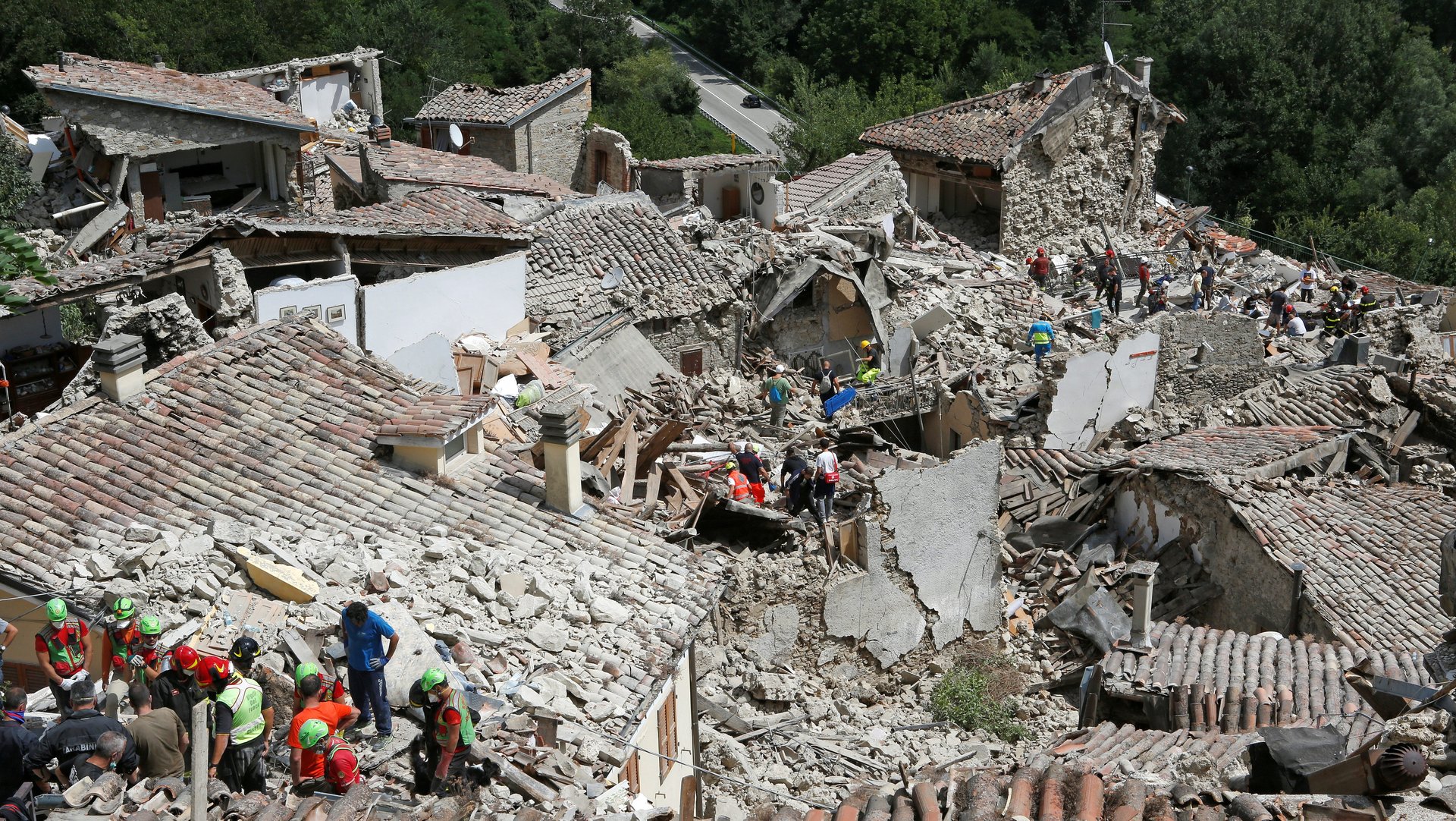
What makes Italy so frighteningly vulnerable to earthquakesThis item has been corrected.
Updated July 21, 20226 min read
This item has been corrected.
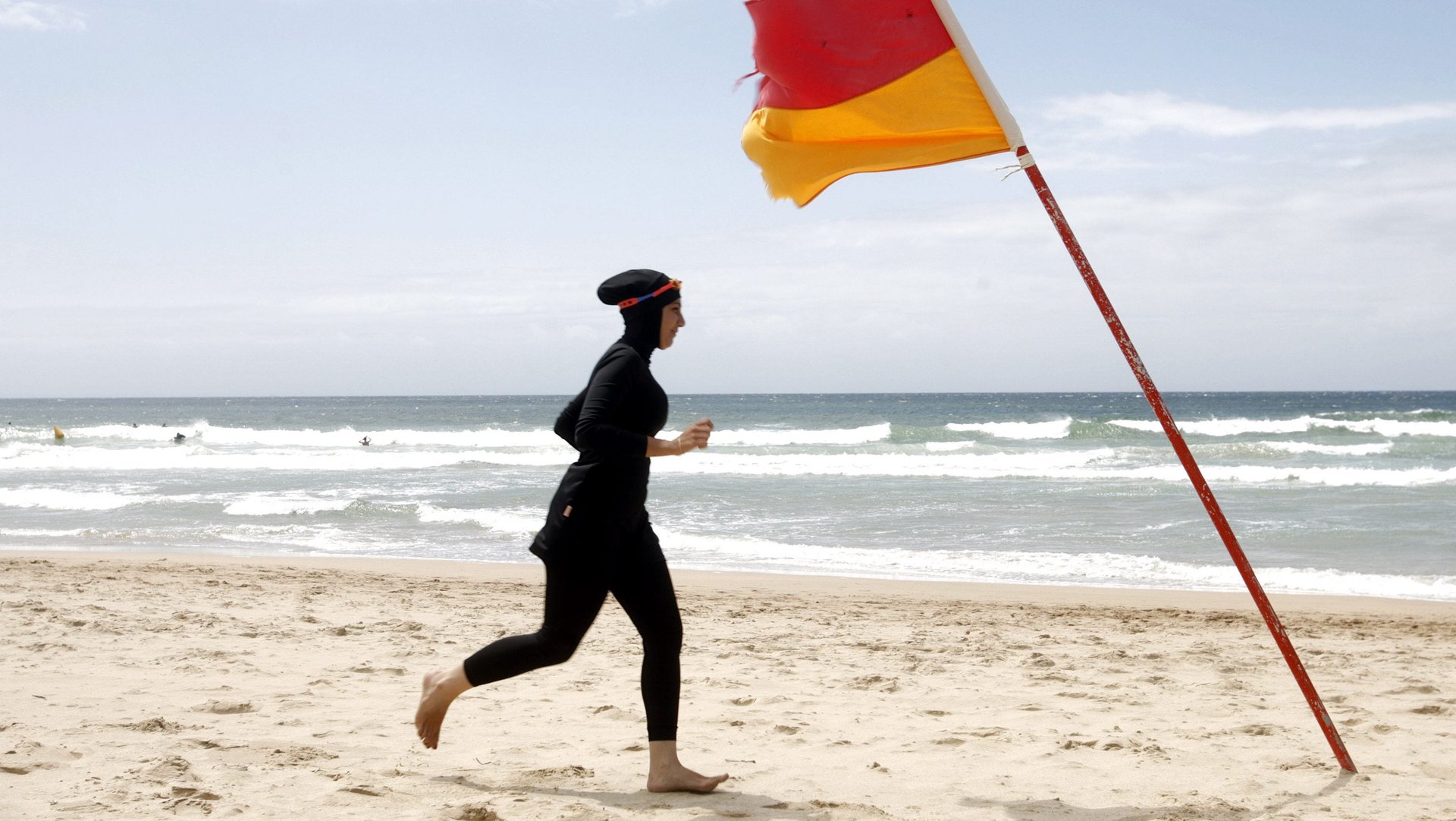
Several French coastal towns, including Cannes and Nice, have recently banned the “burkini” from their beaches. The garment, a full bodysuit with a head covering that some Muslim women (and plenty of non-Muslim women) wear to swim, has been labeled an ostentatious display of religious affiliation that poses a threat to public order—the implication being that this swimwear somehow encourages terrorism.
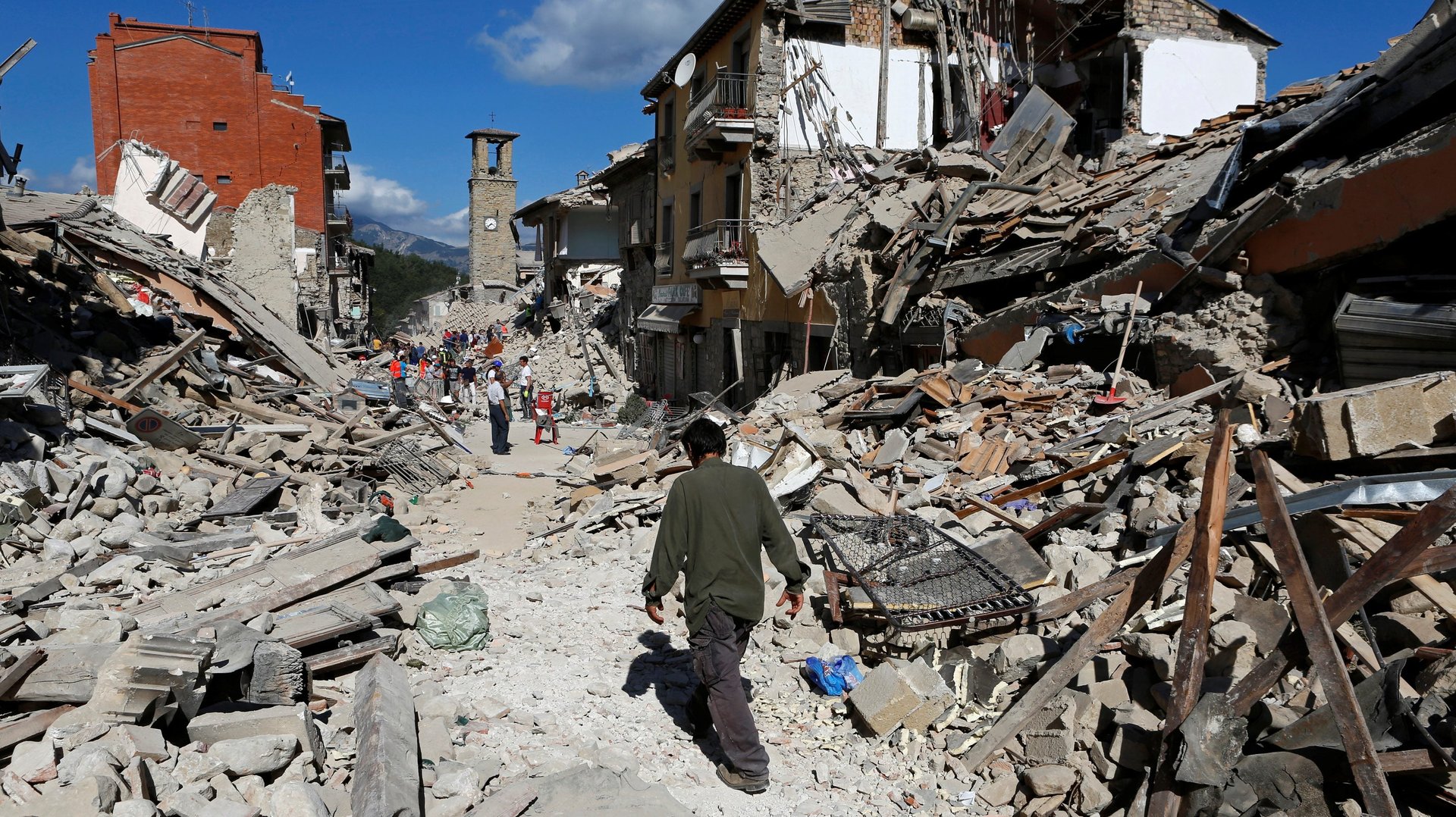
Updated at 1:25 pm EST.
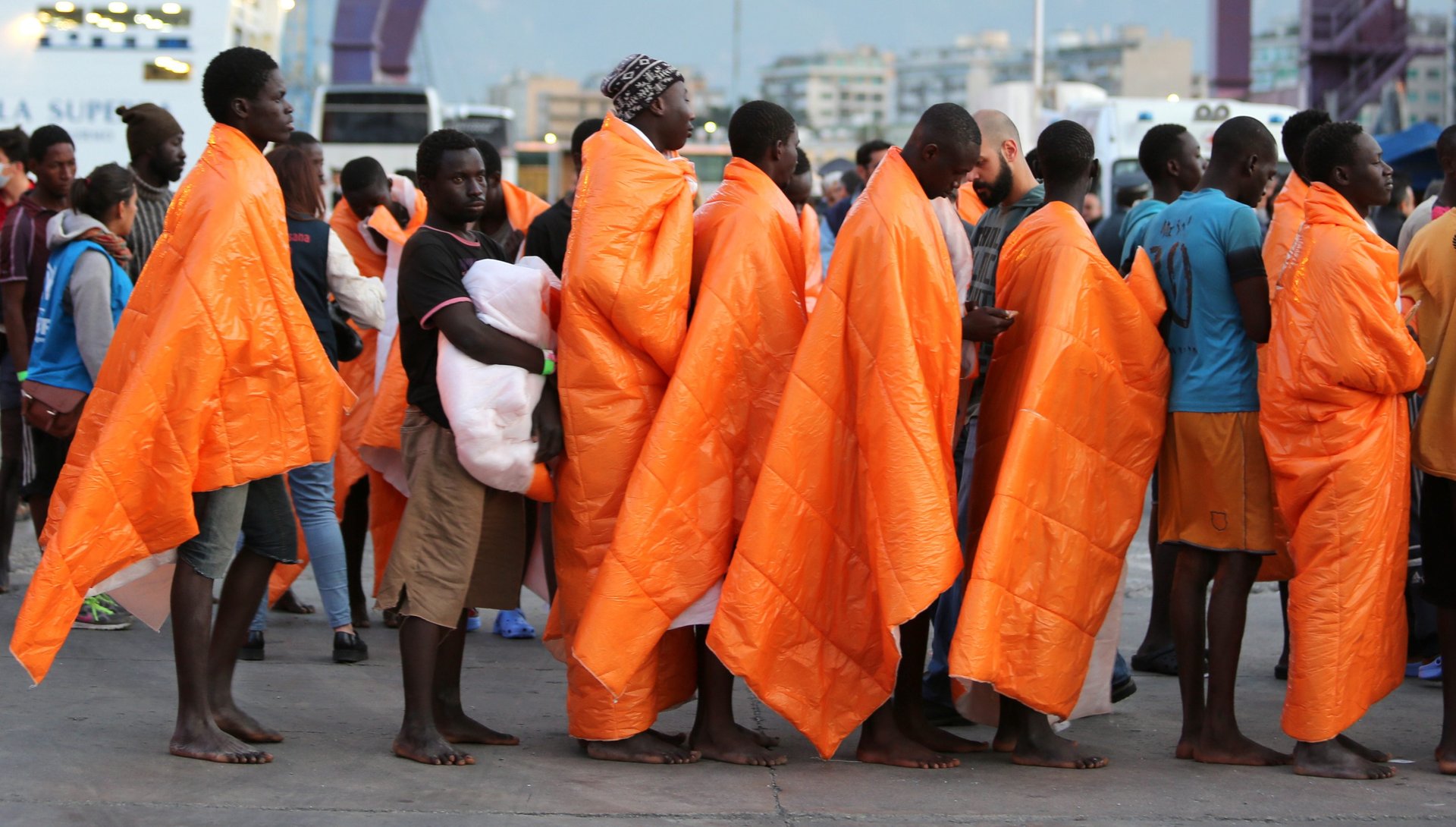
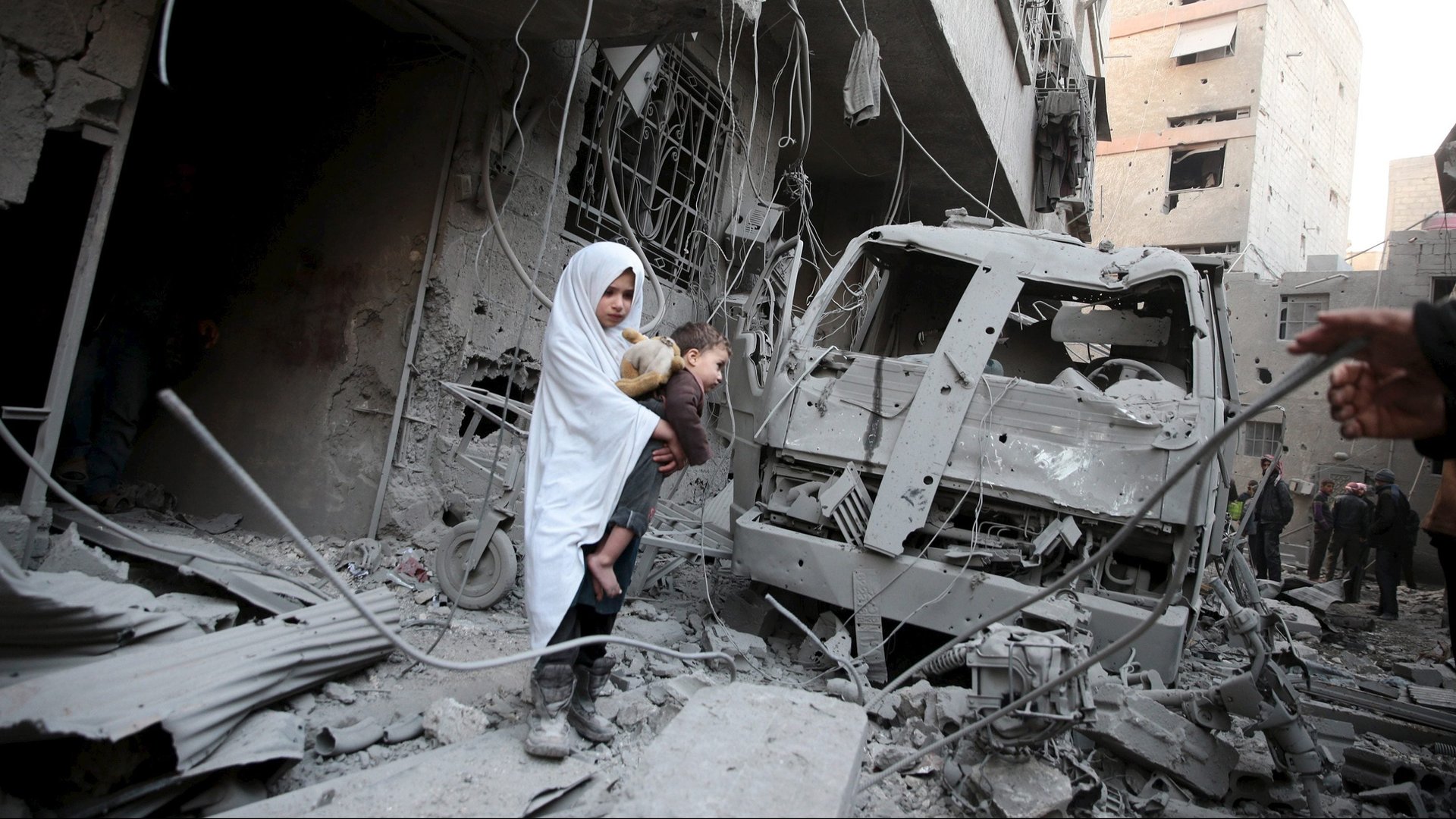
Last year more than a million migrants and refugees risked their lives in overcrowded, often barely seaworthy boats to cross the Mediterranean. Most of them were Syrians, making the trip from Turkey to Greece in an attempt to get inside the borders of the European Union.
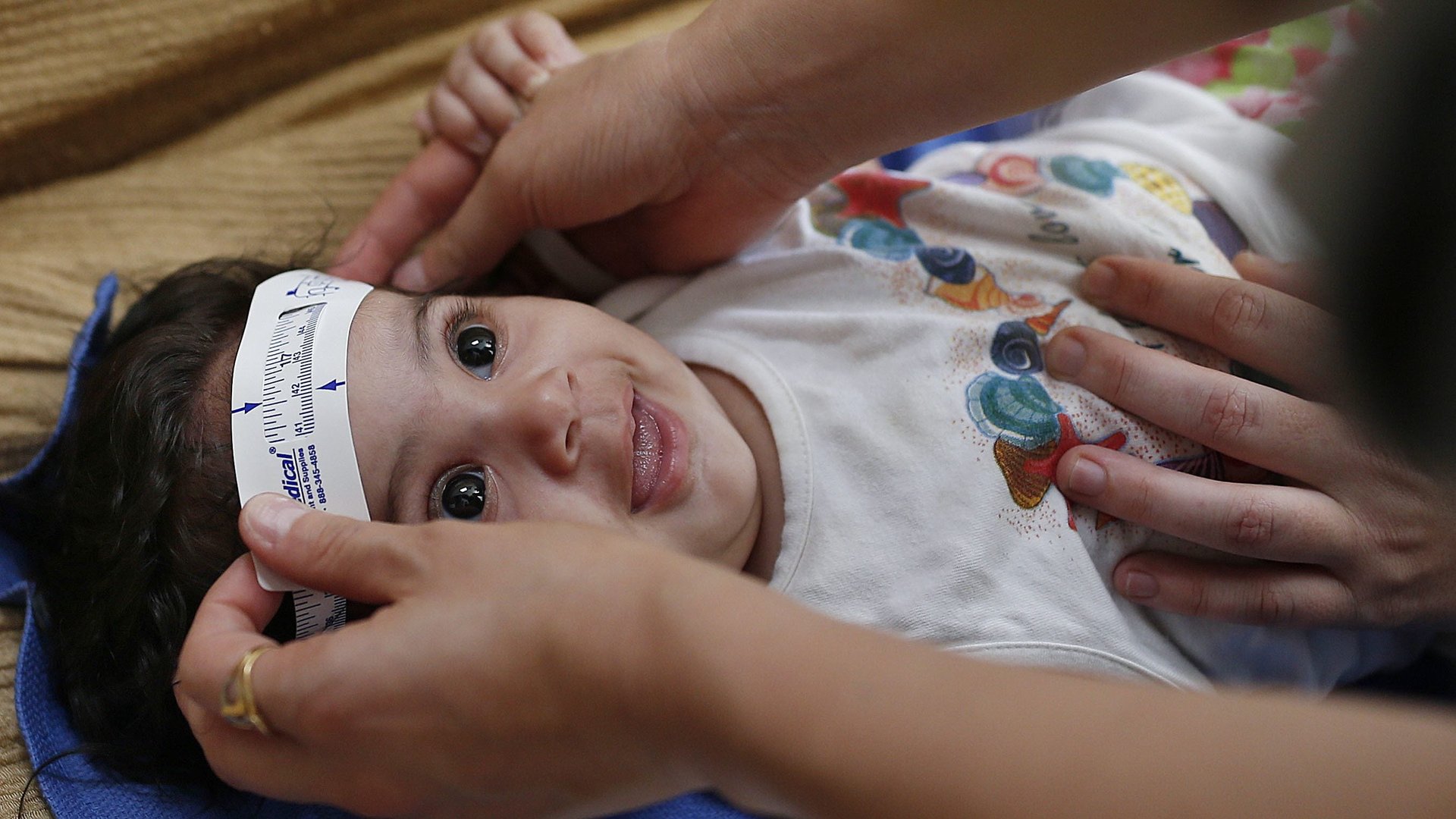
California, Texas, Florida, and even New York. The Zika epidemic has arrived on US shores. And the virus is already wreaking havoc on the lives on pregnant women.
The hilly village of Consonno, set in the foothills of the Alps in Lombardy, northern Italy, was once known as Milan’s “Land of Toys.” It was built in 1968 by Count Mario Bagno, a real estate developer who wanted to create an Italian Las Vegas, after he had convinced the locals to let him demolish the ancient rural town with false promises of development and wealth. For eight years, with its Grand Hotel Plaza, a night club, several buildings of eclectic design (a pagoda, a minaret), a zoo, and even a small sightseeing train, the town was a party destination.
Khalid Albaih, a Sudanese cartoonist based in Doha, is one of the most poignant commentators of the struggles of refugees, migrants, and victims of war and religious persecutions. Through his cartoons, like one depicting a black Jesus drowned in the Mediterranean, or an angel holding a dead Syrian child, he not only draws attention to tragedies but also the causes behind them.
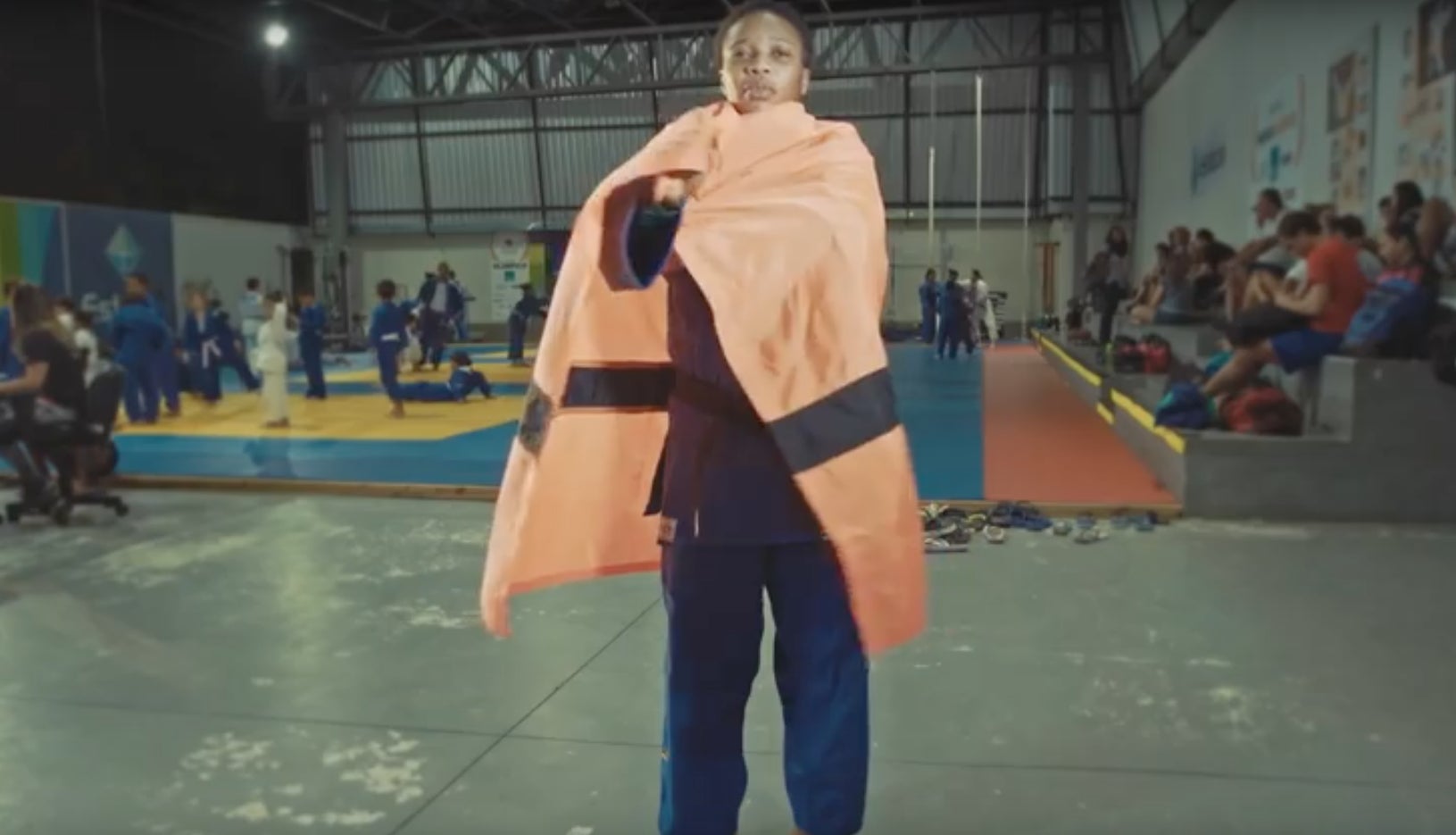
When they were selected to compete in the Rio 2016 Olympics, the competition’s first-ever refugee team had neither flag nor anthem. So the International Olympic Committee (IOC) lent them both, as it did for several independent athletes: At the opening ceremonies, they marched under the Olympic flag. The Olympic anthem would be played for their victories.
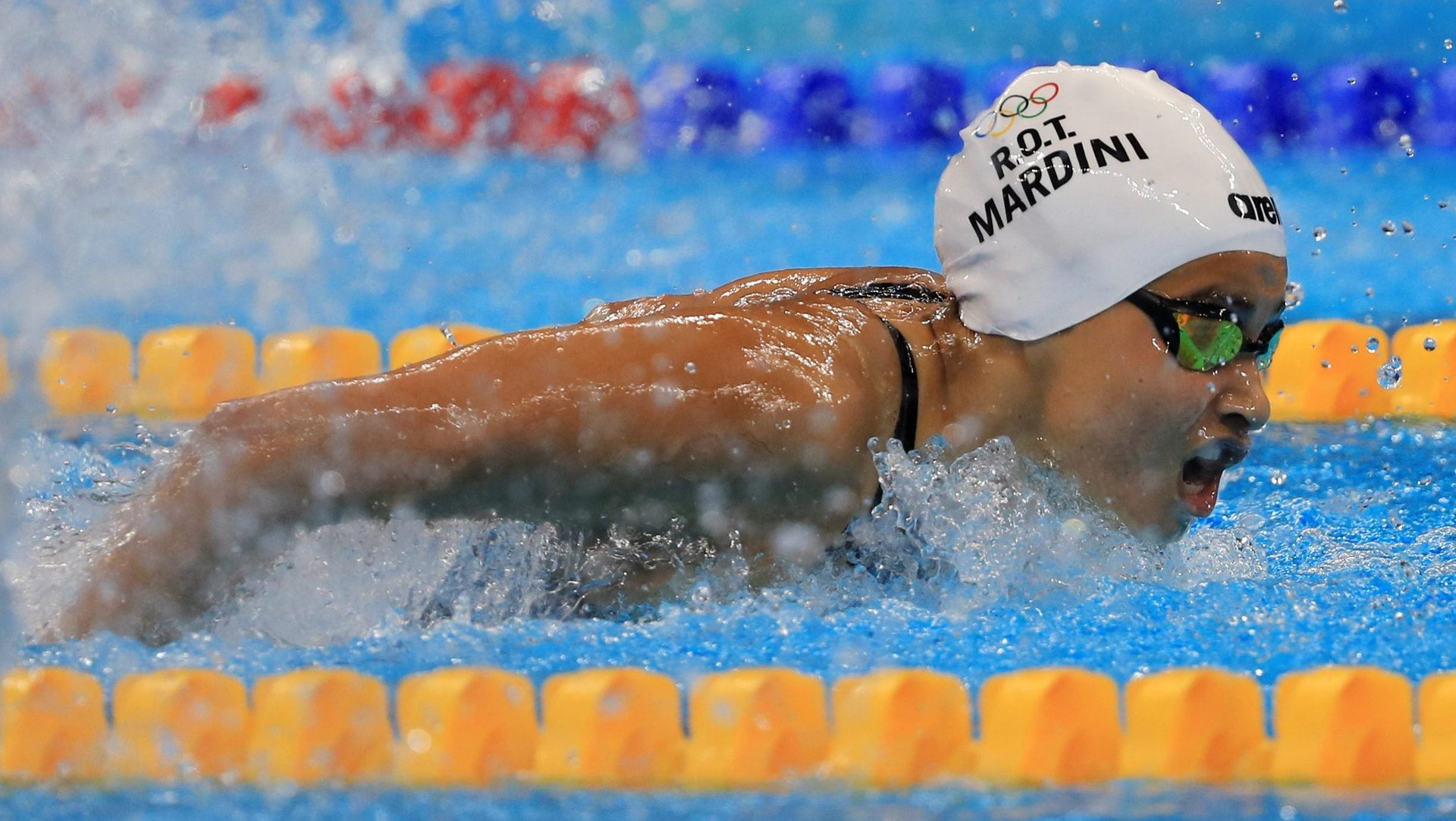
The 10 athletes in the Refugee Team began competing in Rio Aug. 6, when swimmer Yusra Mardini won her heat in the 100-meter butterfly competition. The marathon Aug. 21 will mark the team’s last event; track and field athlete Yonas Kinde will compete. The importance of representing the world’s 65 million refugees goes beyond any medal, but that doesn’t detract from the team’s athletic achievements.

There are more than 11,000 athletes competing at the Olympics in Rio. Only a handful get the recognition of Simone Biles and Michael Phelps, only a few dozen take home a medal, and the majority have almost no real shot at standing on the Olympic podium. All of these athletes are constantly assessed in comparison to others who are, by the metrics of their profession, better than them at what they do—and yet they are all able to stay motivated, committed to a life of sacrifice. How do they do it?

There is a special brand of loneliness that affects Italian cities in August. Most people leave the cities, which tend to shut down for at least two weeks as shops, bars, and even some newsstands close for the summer holiday. For those who stay home, it can be a lonely and taxing time, especially for the elderly.
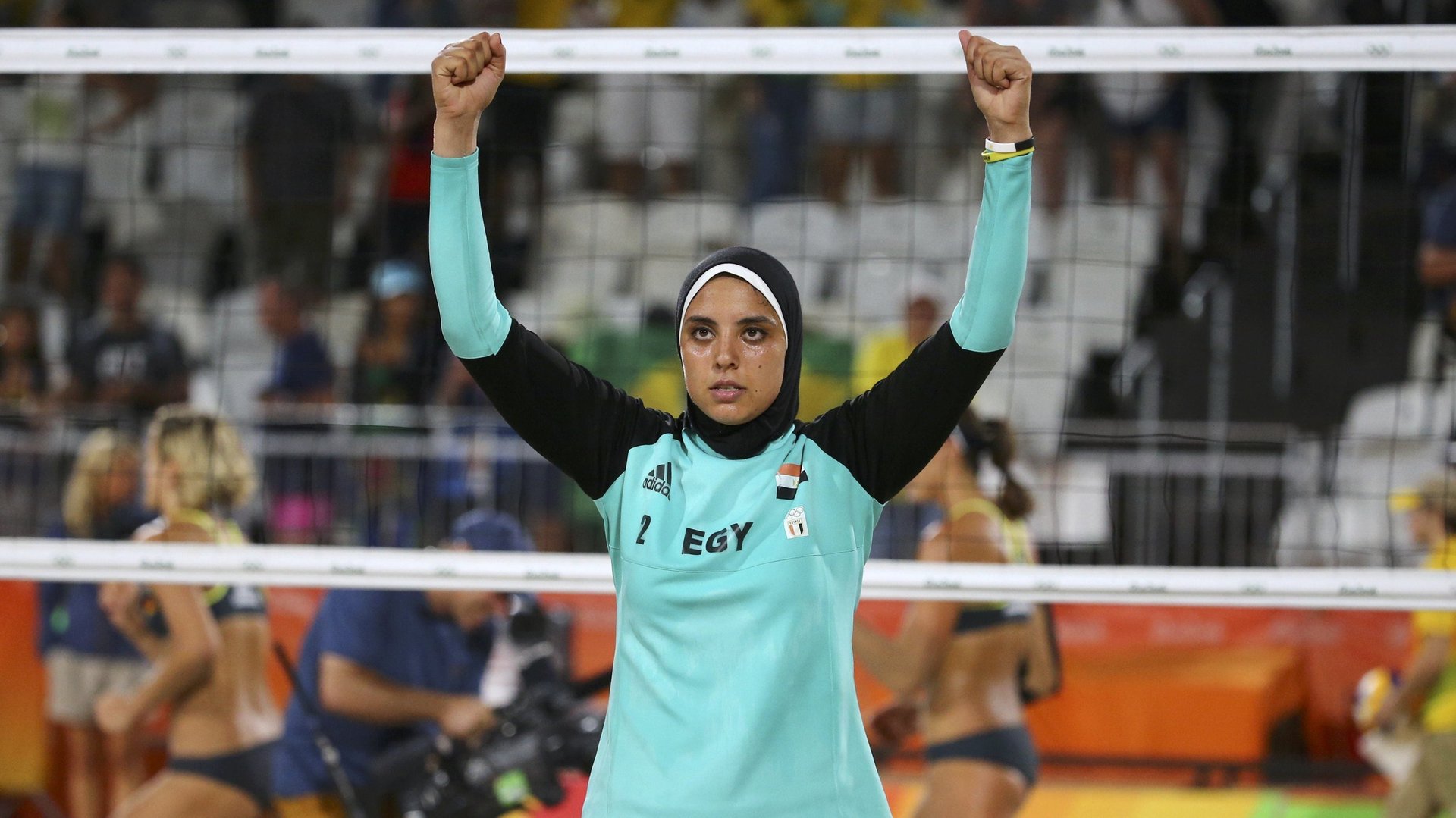
The picture below, taken during the women’s beach volleyball preliminary round match between Egypt and Germany on Aug. 7, offers a perfect visualization of the ideal of “blending sport with culture and education” at the core of the Olympic spirit: Two female athletes, Doaa Elghobashy of Egypt and Kira Walkenhorst of Germany, jump high after the ball. The women’s strong, lean bodies in motion mirror each other across the net. Elghobashy, on the left, is wearing a full body suit and a hijab. Walkenhorst, right, is in a bikini.

Being the first female US presidential candidate for a major party is the biggest crack Hillary Clinton has put in the glass ceiling. Yet during the course of her long public career, she has had to endure being criticized for her lack of “likability,” her hairstyles, and her choice of having a career.
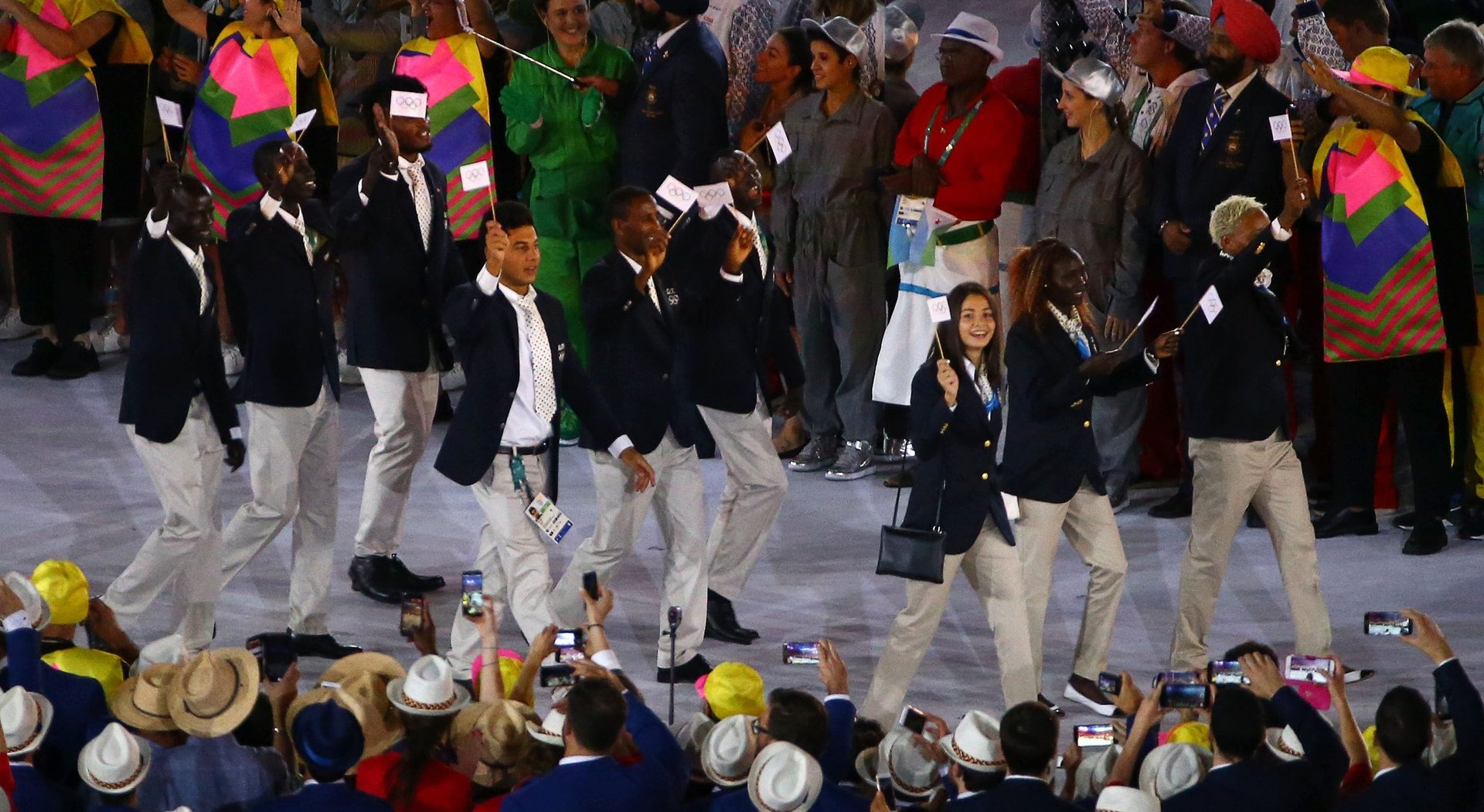
“The goal of Olympism is to place sport at the service of the harmonious development of humankind, with a view to promoting a peaceful society concerned with the preservation of human dignity,” reads one of the fundamental principles of Olympism (pdf, p.13), also known as the philosophy of the Olympic games.
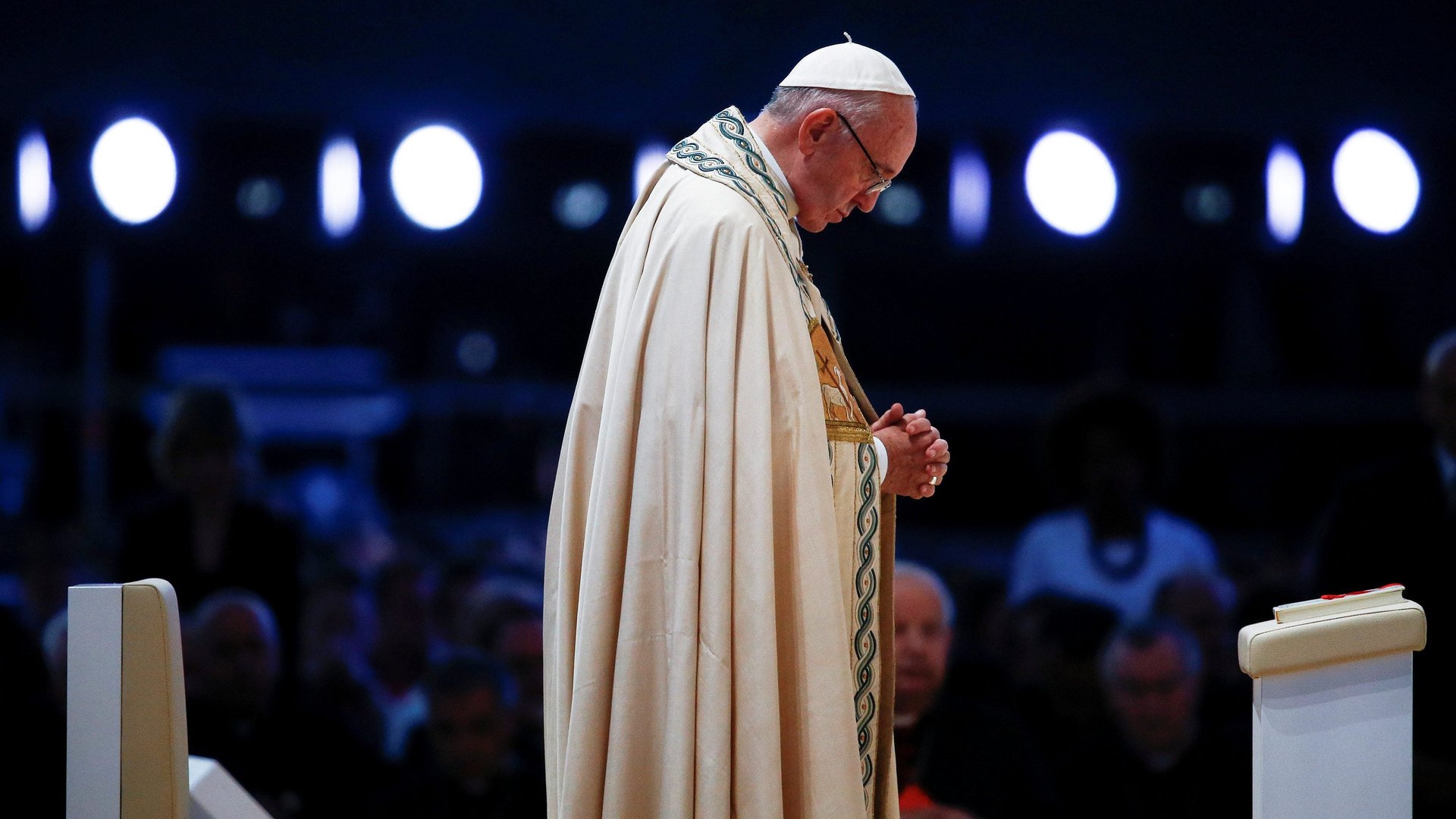
Pope Francis is widely recognized as one of the most progressive popes the Catholic church has had: he openly critiques capitalism, is a strong promoter of inter-faith dialogue, and has offered words of acceptance even to homosexuals, who have traditionally been ostracized by the Catholic church. And yet, there is something on which he seems to be uncharacteristically conservative: transgender people, and gender theory in general.

The next summer Olympics, coming to Tokyo in 2020, will invite athletes to compete for medals in six sports just added to the lineup: surfing, skateboarding, karate, climbing, men’s baseball, and women’s softball. (The latter two were Olympic sports until Beijing 2008.)

Since entering the running for US president, Donald Trump has been endlessly criticized by high-profile public figures including Barack Obama and the Pope.
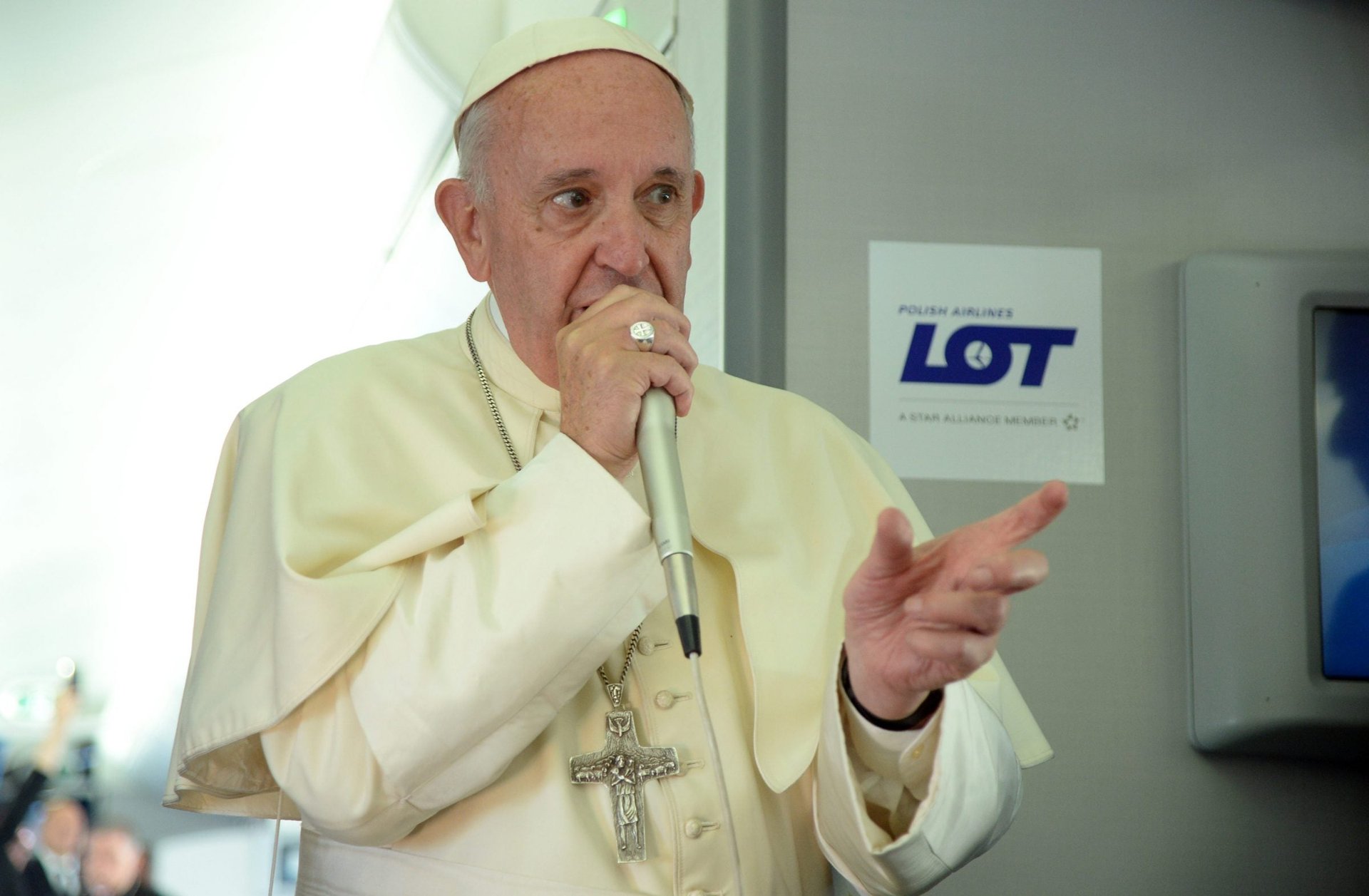
Pope Francis has made a thing out of attacking capitalism and its perils in one way or another. Yesterday (July 30), in a press conference during his flight back from his visit to Poland, the pontifex went so far as to say that love of money is the root of terrorism.

It’s the middle of the night in Springfield and Homer and Marge Simpson are feeling the electoral campaign tension: They can’t make love until they decide who to vote for.

Now that Hillary Clinton is officially the Democratic candidate for the president of the United States, former president Bill Clinton is the closest that anyone has ever been to becoming the first gentleman (or first husband, if you prefer).

“I can say with confidence there has never been a man or a woman—not me, not Bill, nobody—more qualified than Hillary Clinton to serve as president of the United States of America.” —US president Barack Obama, July 26, 2016
Khizr Khan is the father of Captain Humayun Khan, a US Army soldier who died at age 27, near Baghdad, while supporting Operation Iraqi freedom. Khan says he is a devoted, patriotic American, and a Muslim.

“Don’t boo. Vote,” said Barack Obama last night, July 28, to a crowd of democratic delegates booing at the mention of Donald Trump.
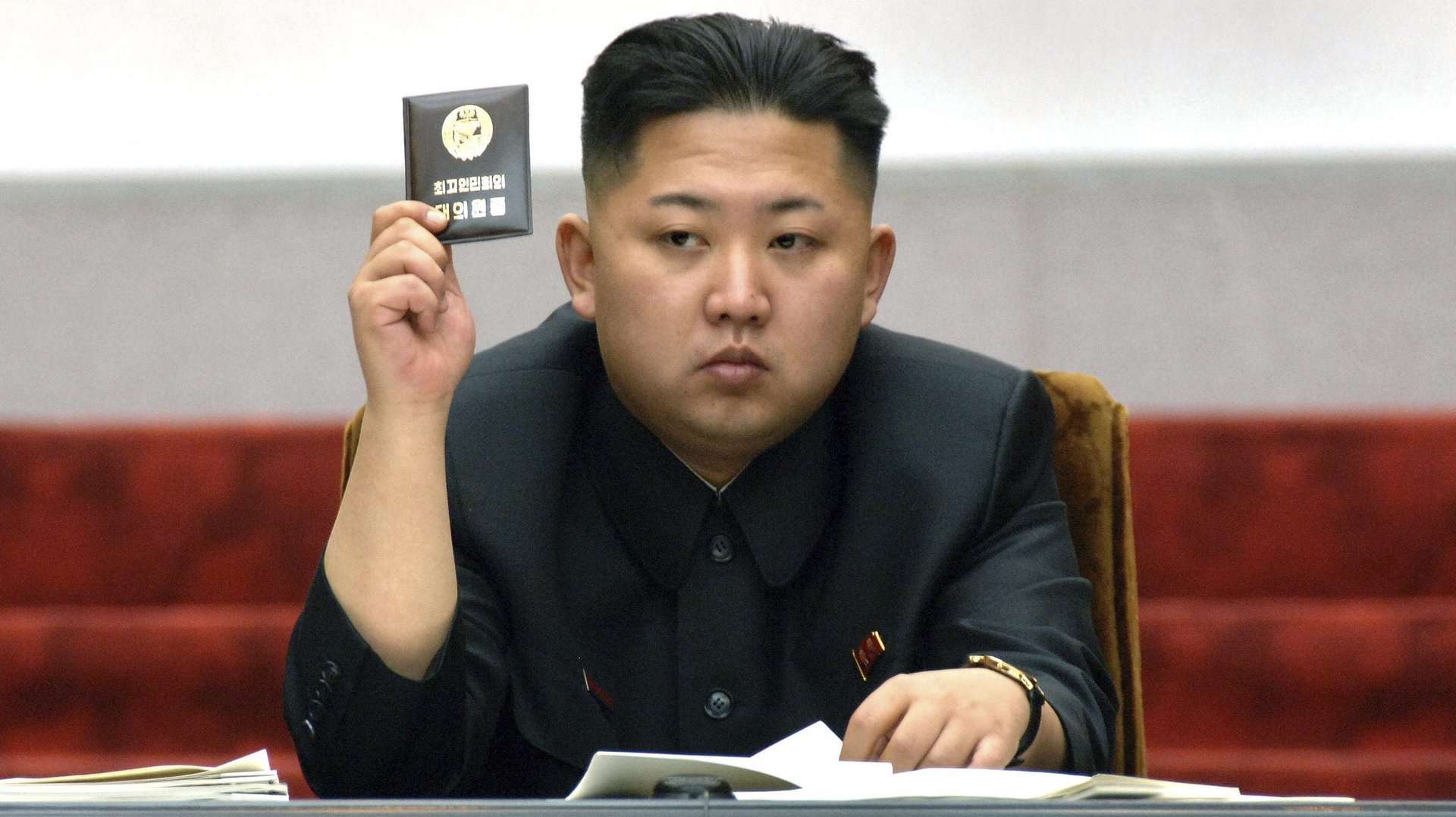
The North Korean dictatorship is clear on who it wants to lead America: Donald Trump is their man. It said so in a column published in May in 조선의 오늘 (DPRK Today, link in Korean), a news site that often functions as government propaganda, Reuters reports.