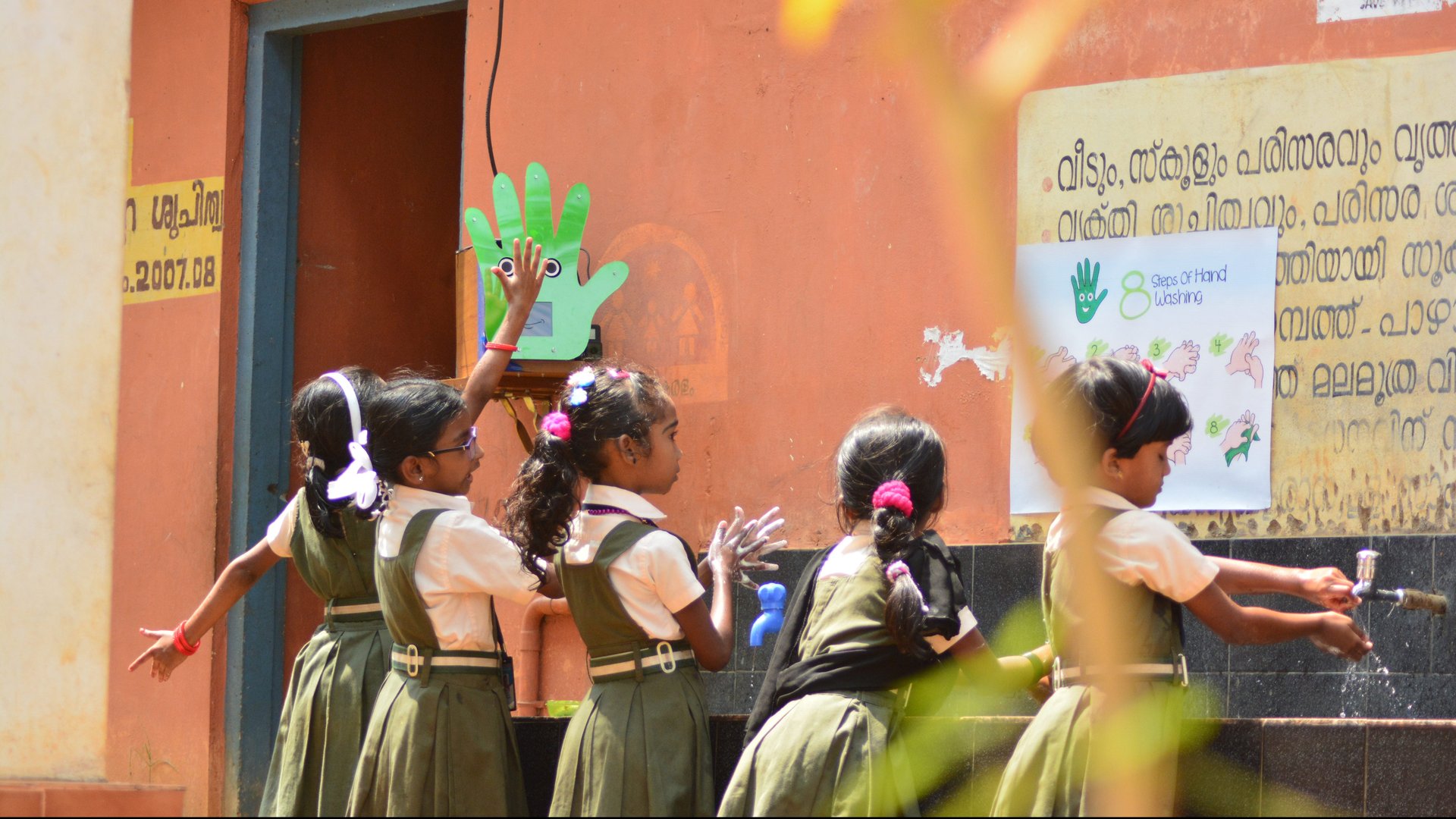
When kids in Wayanad’s Government Primary School Chithragiri in north Kerala go to wash their hands, Pepe watches from above.

When kids in Wayanad’s Government Primary School Chithragiri in north Kerala go to wash their hands, Pepe watches from above.

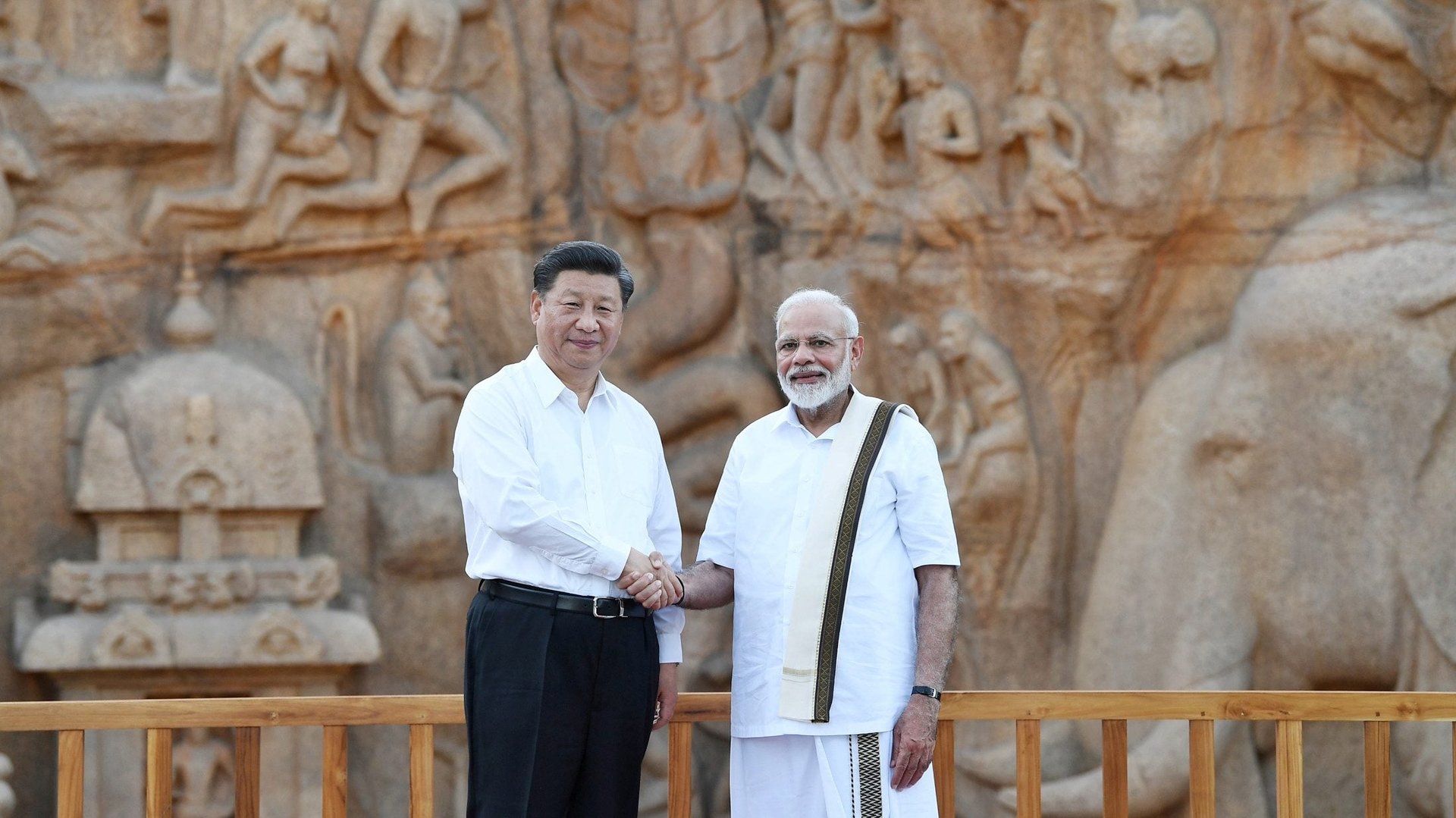
India’s neighbour may be taking Twitter warfare pretty seriously.

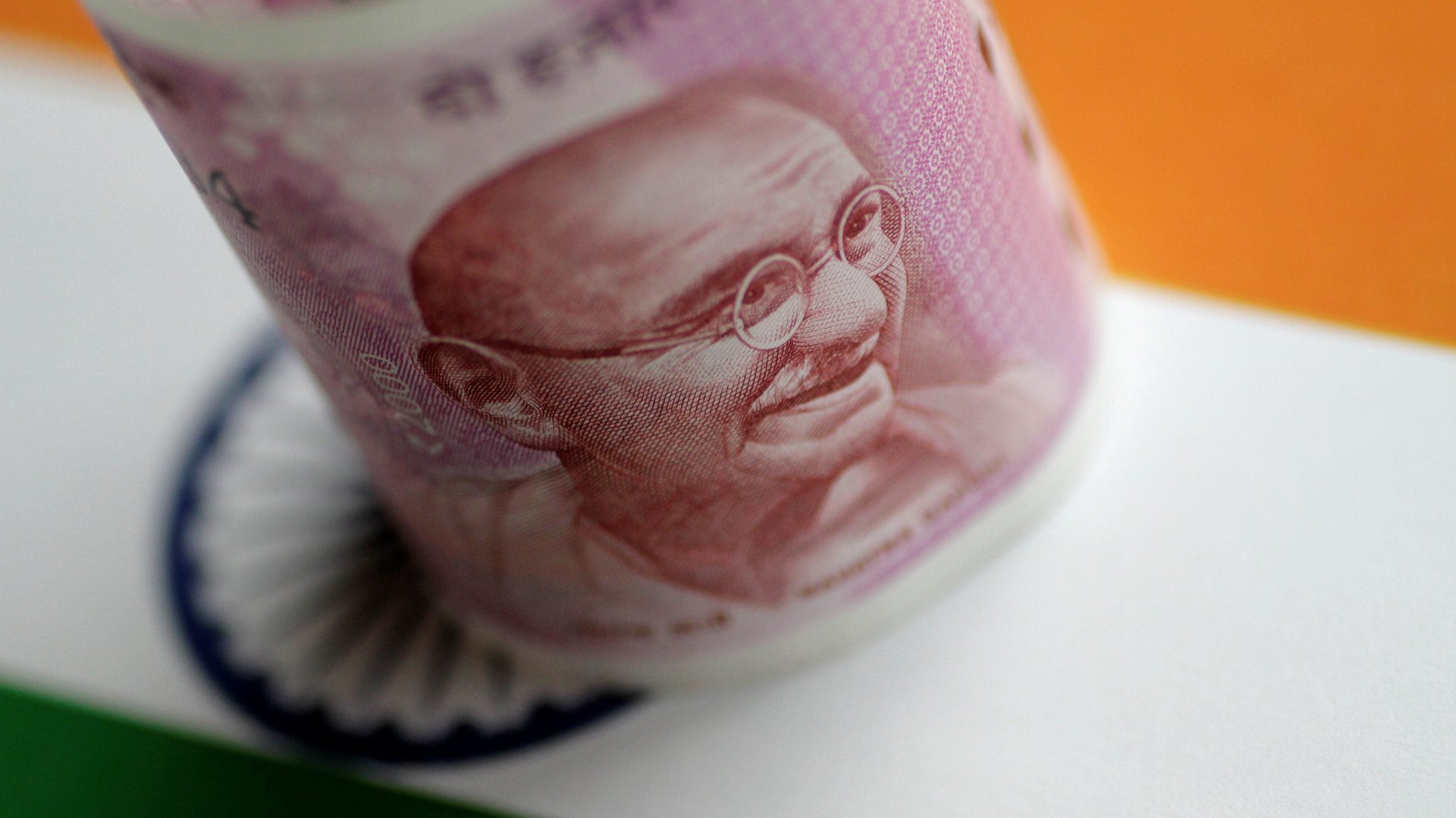
A few people earn a monumental amount of money in India.

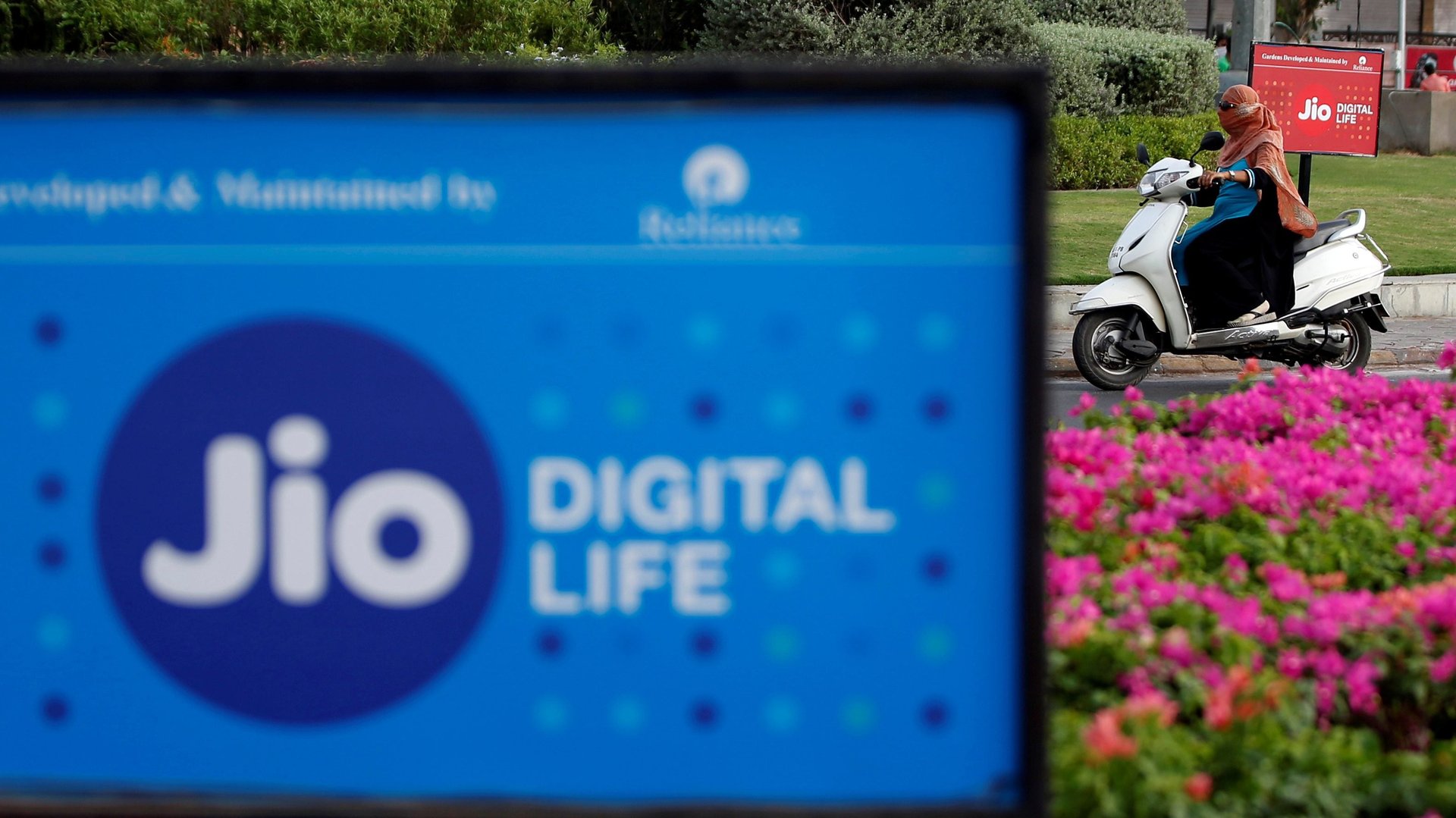
Is India’s biggest telecom company trying to arm twist the sector regulator into reducing tariffs?

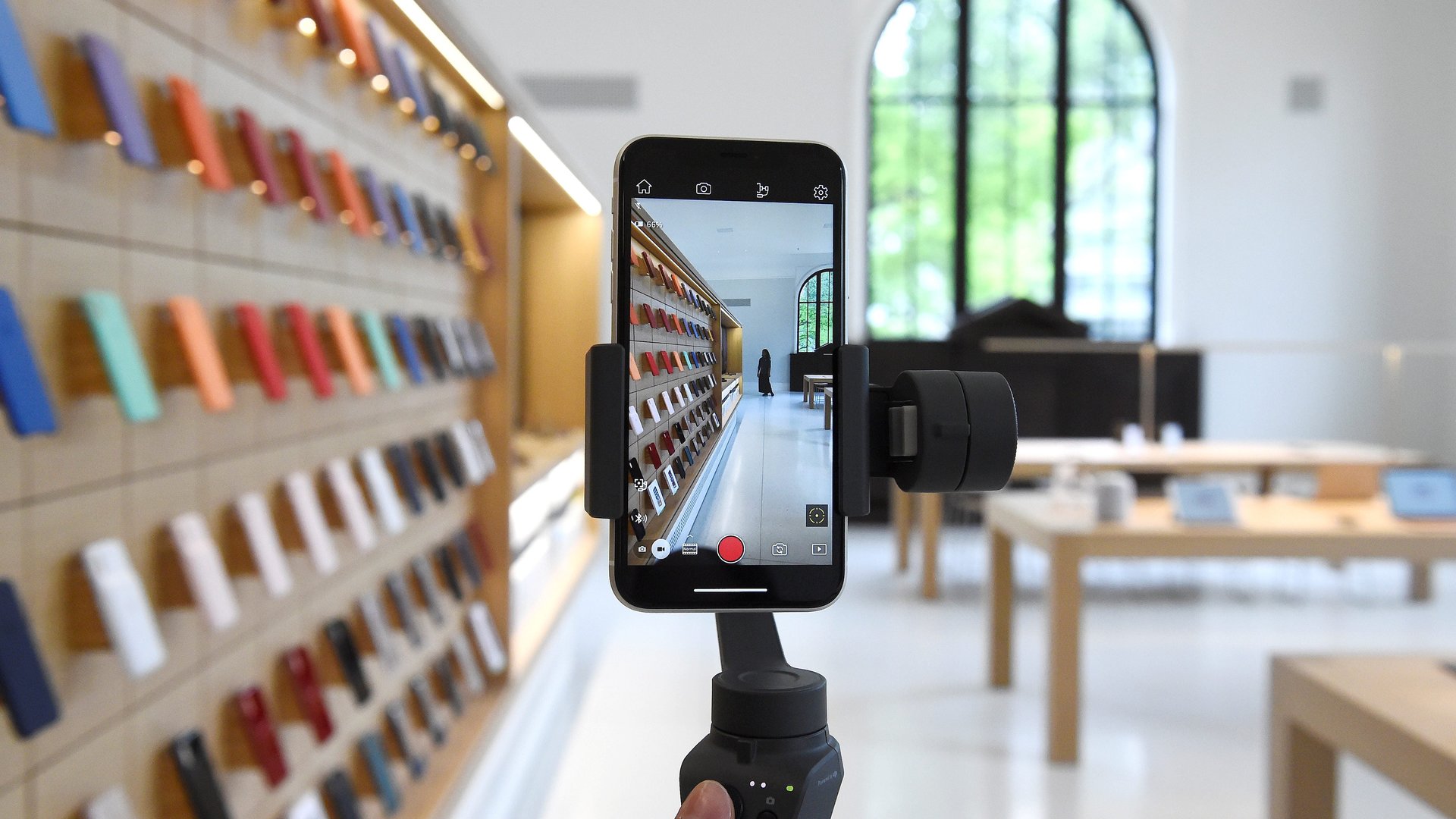
India is an Android nation, and no one knows that better than Apple.

Move over Bollywood stars, social media celebrities are taking the advertising world by storm.

The man behind one of India’s greatest startup stories just made a tone-deaf endorsement on Twitter.

Indians would not give online retailers much points for transparency.

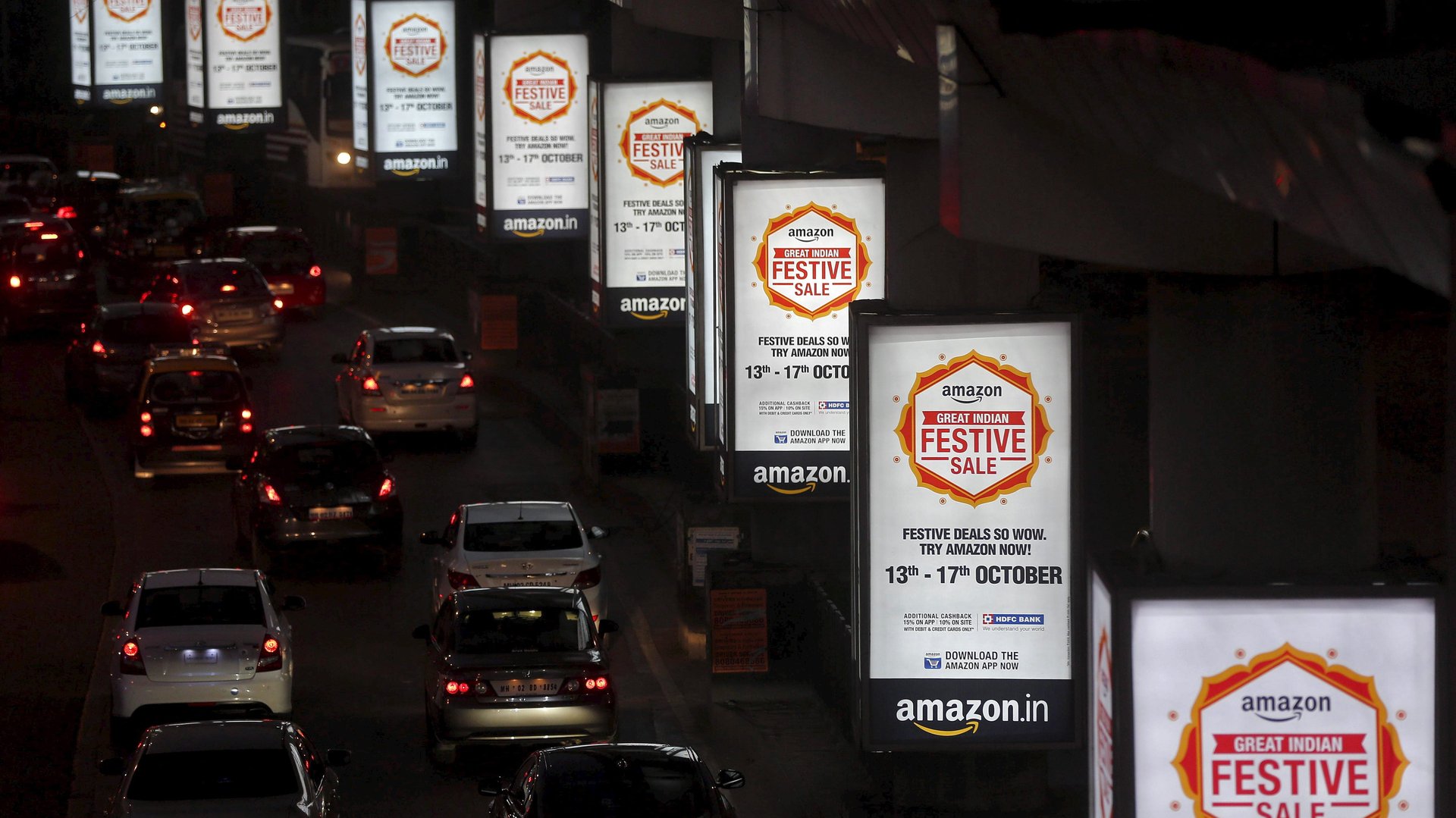
Festivals are a massive business opportunity in India, and like every year, e-commerce companies went all out to milk it this time, too.

Technology may be stealing their jobs away but Indians are not frazzled.

Like the past many years, the festive season in India has begun with massive online sales, blinding marketing blitzkrieg, eye-popping discounts—and meaningless metrics.

Quartz India editor, Itika Sharma Punit and tech reporter, Ananya Bhattacharya discuss the rise of Ola, the Indian ride-hailing unicorn that seeded an entire startup culture.

Amazon and Flipkart may have to turn some of their lights out this Diwali.

Everyone knows India is the world’s largest democracy. But did you know it also has the world’s largest constitution?

Spooked by slowing economic growth, Indians have been saving every penny in the last couple of months. But looks like this conservative mindset will be forgotten once the festive season kicks in.

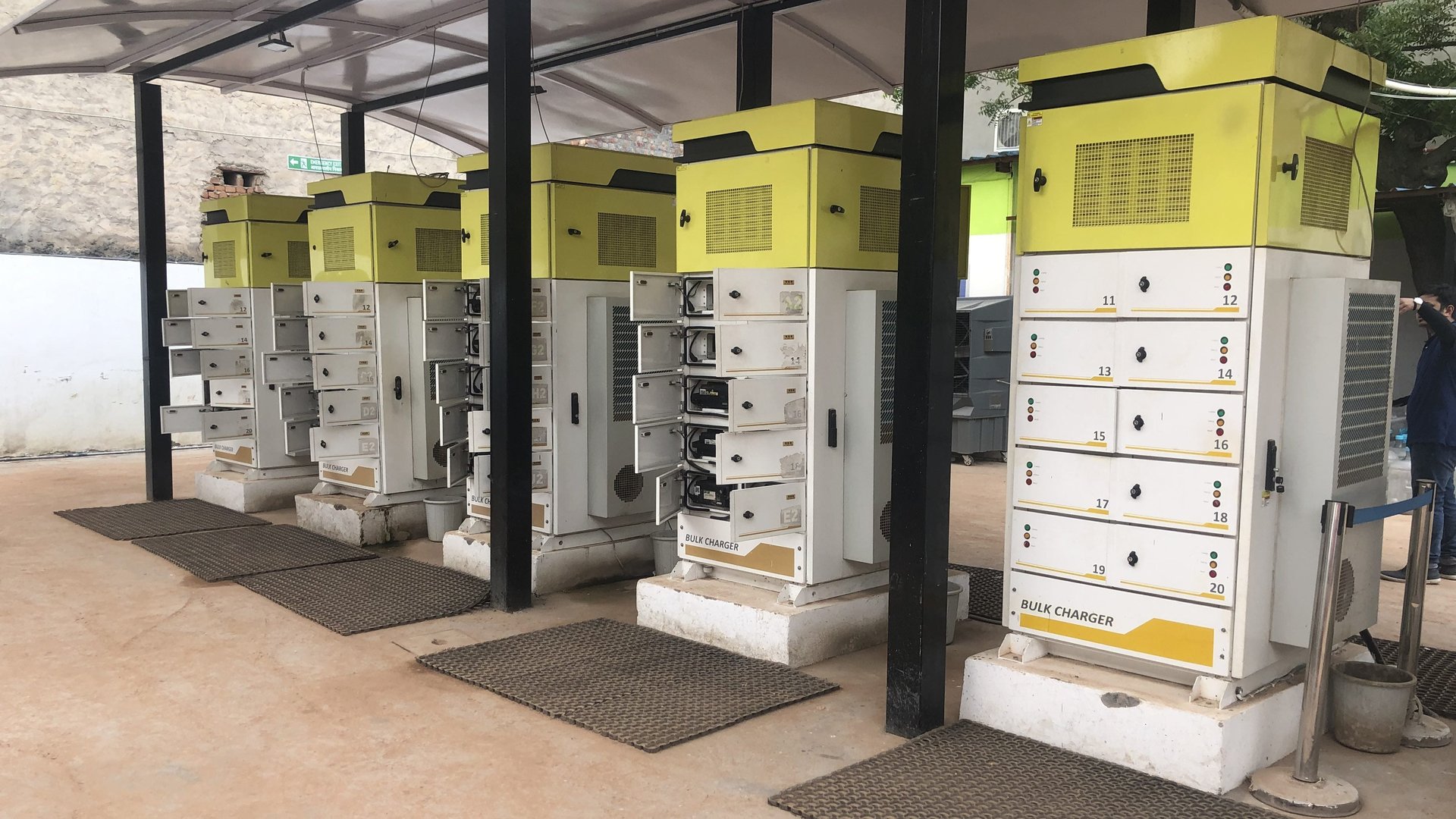
The development of an electric vehicle (EV) industry in India has been stuck in a chicken-and-egg situation for years now. Consumers have hesitated to embrace the environmentally-friendly mode of transportation because of a lack of supporting infrastructure such as charging stations, and companies have held back from investing heavily in the technology because demand remains subdued.

More and more Indians are getting behind the wheel—professionally.

Ride-hailing apps have changed how people travel in several parts of the world. Indeed for many city dwellers, it’s hard to imagine getting around without the freedom of hailing a cab with a few clicks on a smartphone. But this convenience has come at a cost.

One of India’s biggest food tech names is betting that video streaming will help it keep more users glued to its ecosystem.

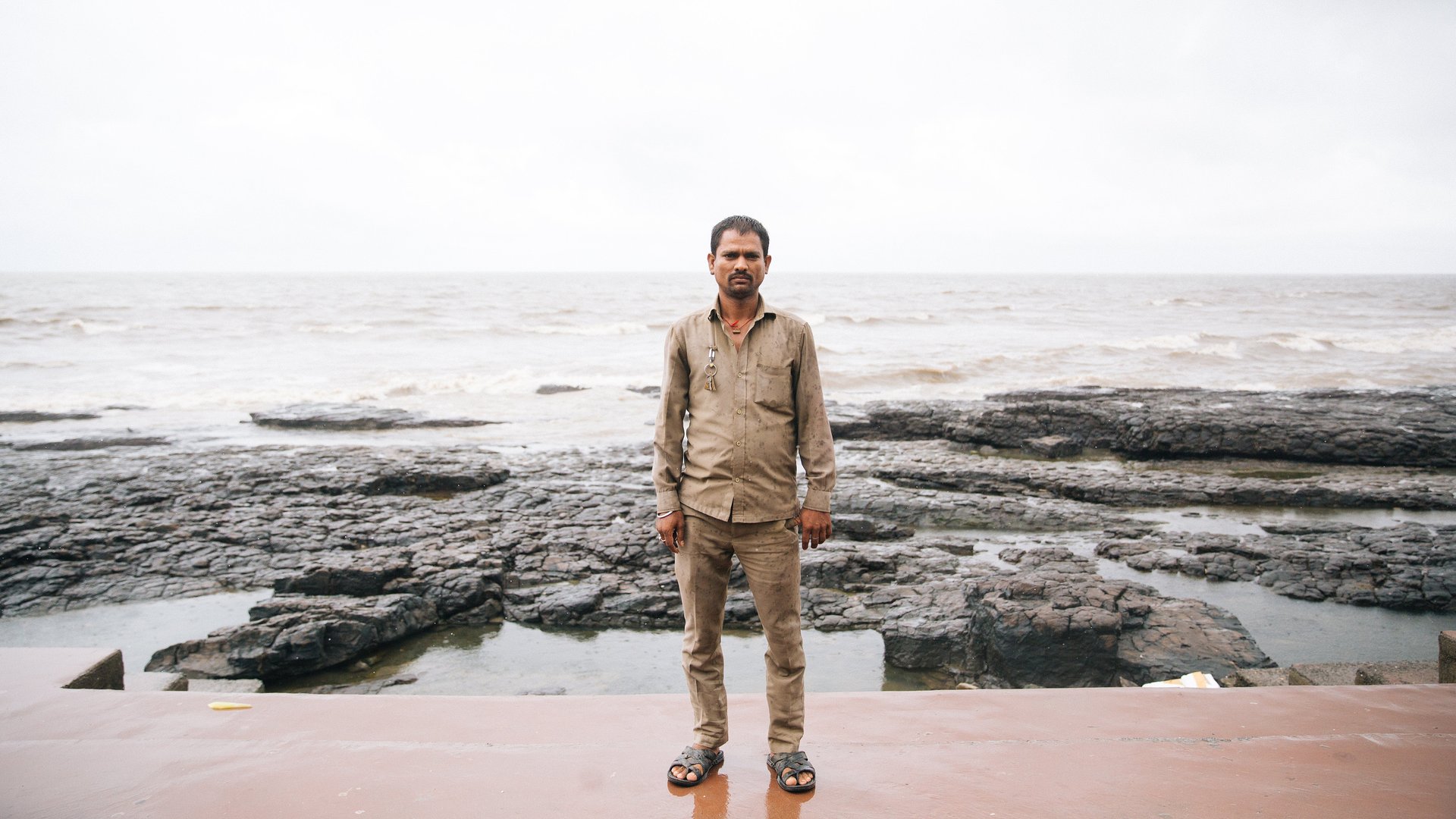
Until just a couple of years ago, driving for Ola was more lucrative than working as a techie at Infosys. But now, the job is far from sunshine and rainbows.

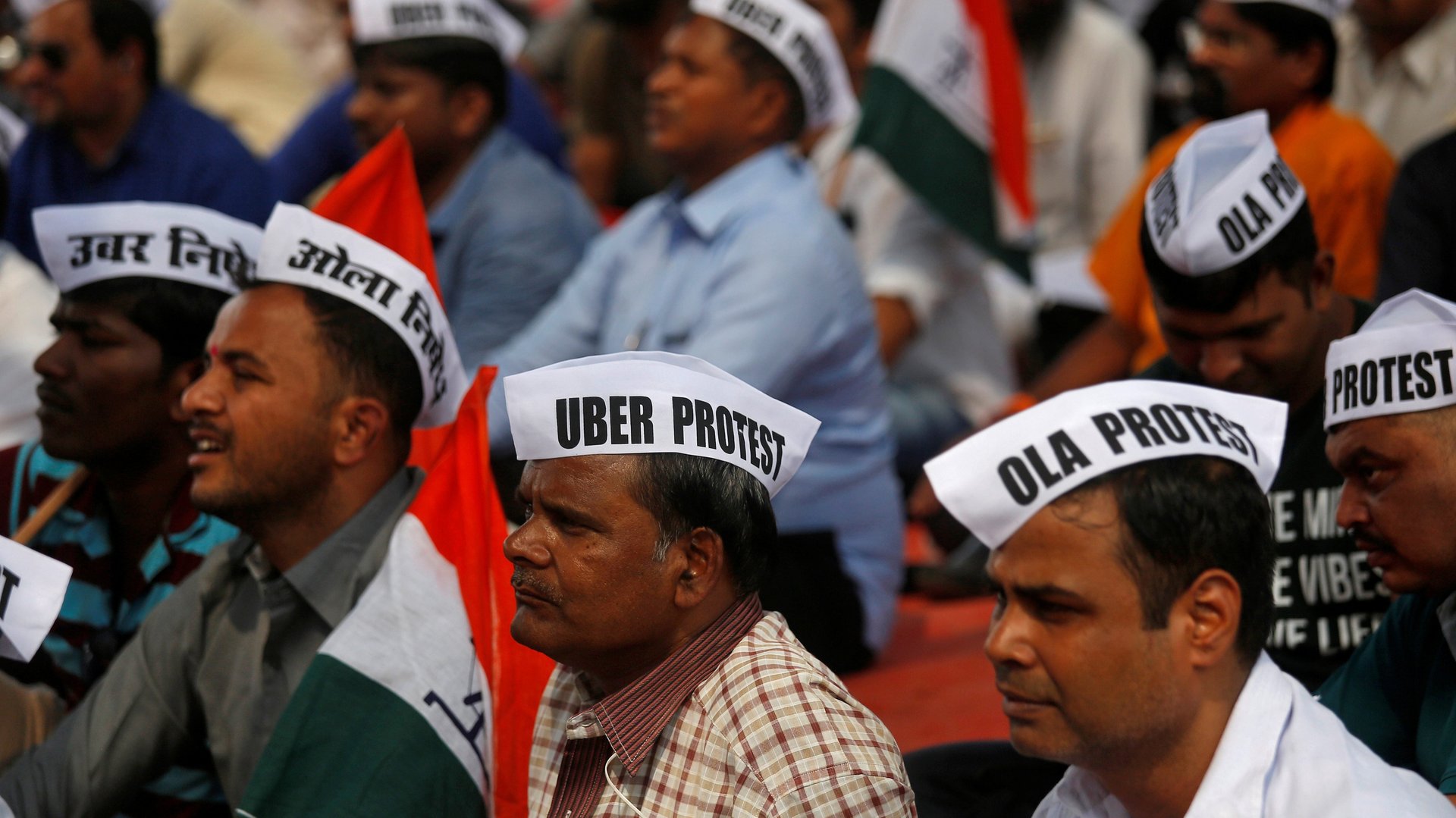
India’s taxi wars took a sharp turn in 2013 when San Francisco-based Uber launched its services in the country. The world’s largest app-based ride-hailing firm—then valued at over $3.5 billion—was up against a handful of local startups founded by young, first-time entrepreneurs who were mostly inspired by Uber’s success.

One of India’s most successful startups was built on the back of wealthy individuals willing to bet on first-timers.

Before Ola was founded nearly 10 years ago, Indian techies’ ultimate dream was to find a job in the US. They spent years preparing for one of the world’s toughest entrance exams and prayed at “visa temples” just to get a chance to go “onsite” with a “dollar salary” and eventually maybe get a green card.

Close on the heels of prime minister Theresa May’s exit, the UK is bidding farewell to her post-study work rule for international students.