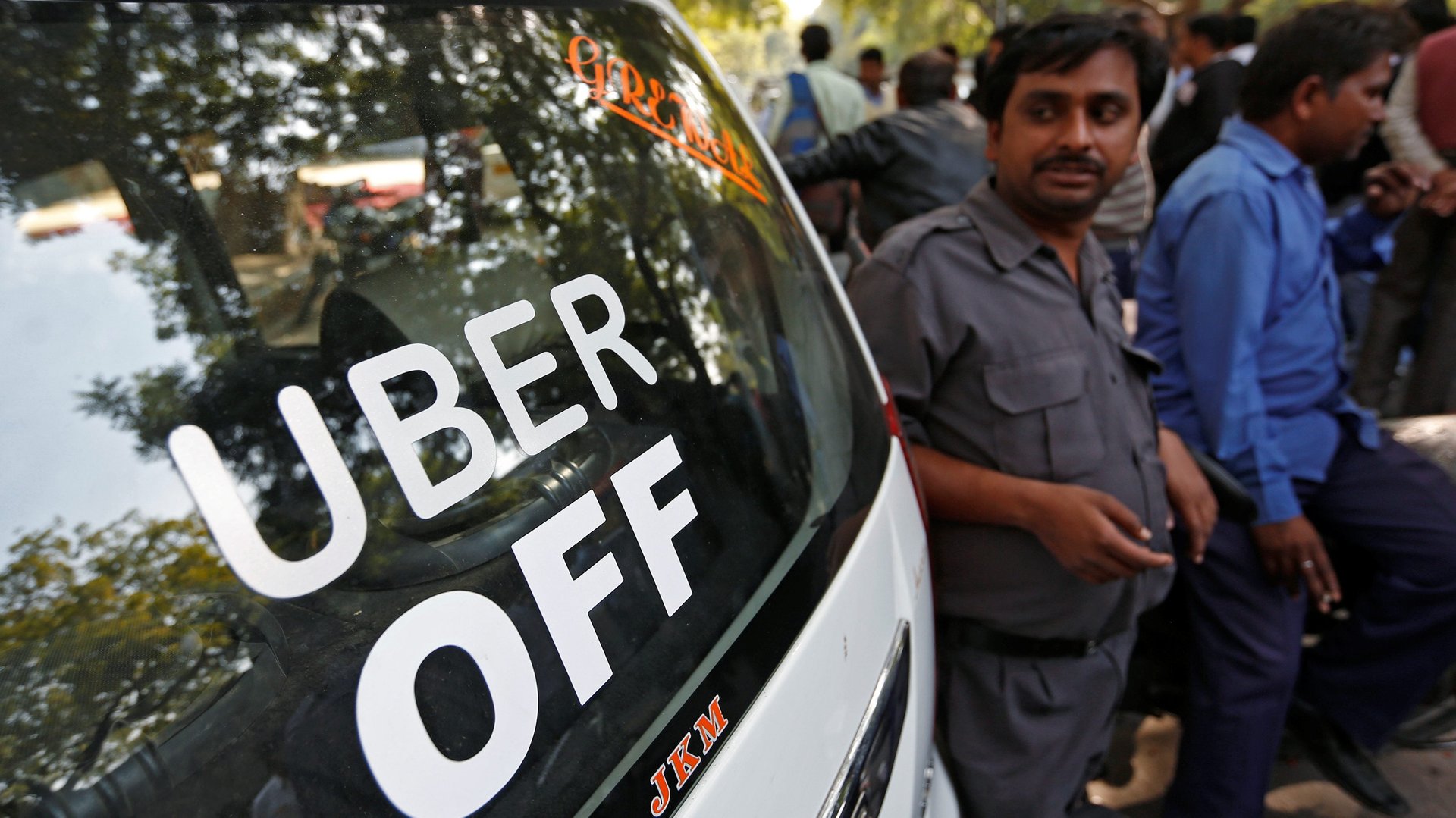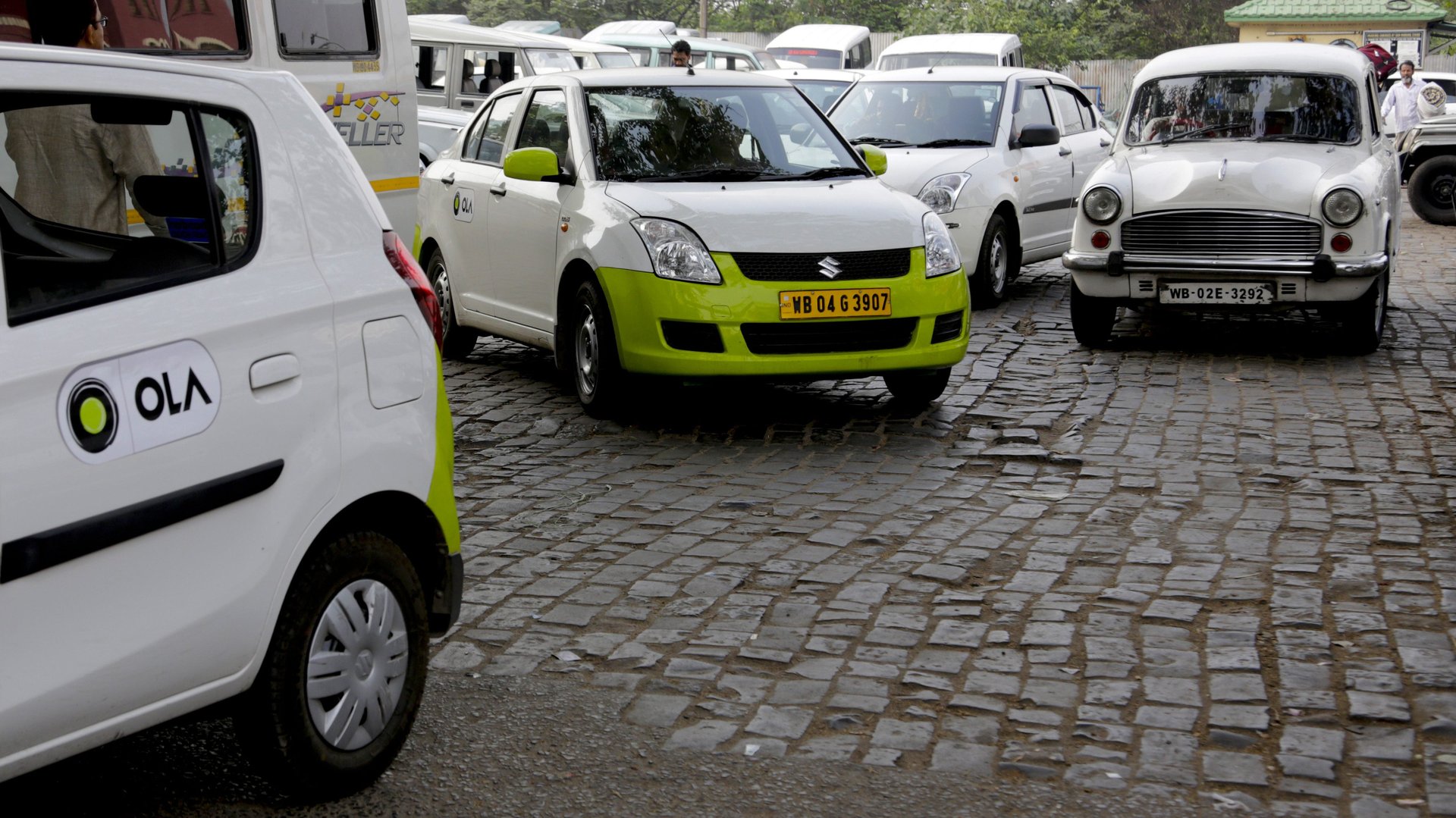
Over the last several years, India’s taxi wars have been limited to two players, Uber and Ola, which together hold nearly 95% of the market.

Over the last several years, India’s taxi wars have been limited to two players, Uber and Ola, which together hold nearly 95% of the market.

Despite entering India a year after Netflix, Amazon’s Prime Video service has pipped the former.

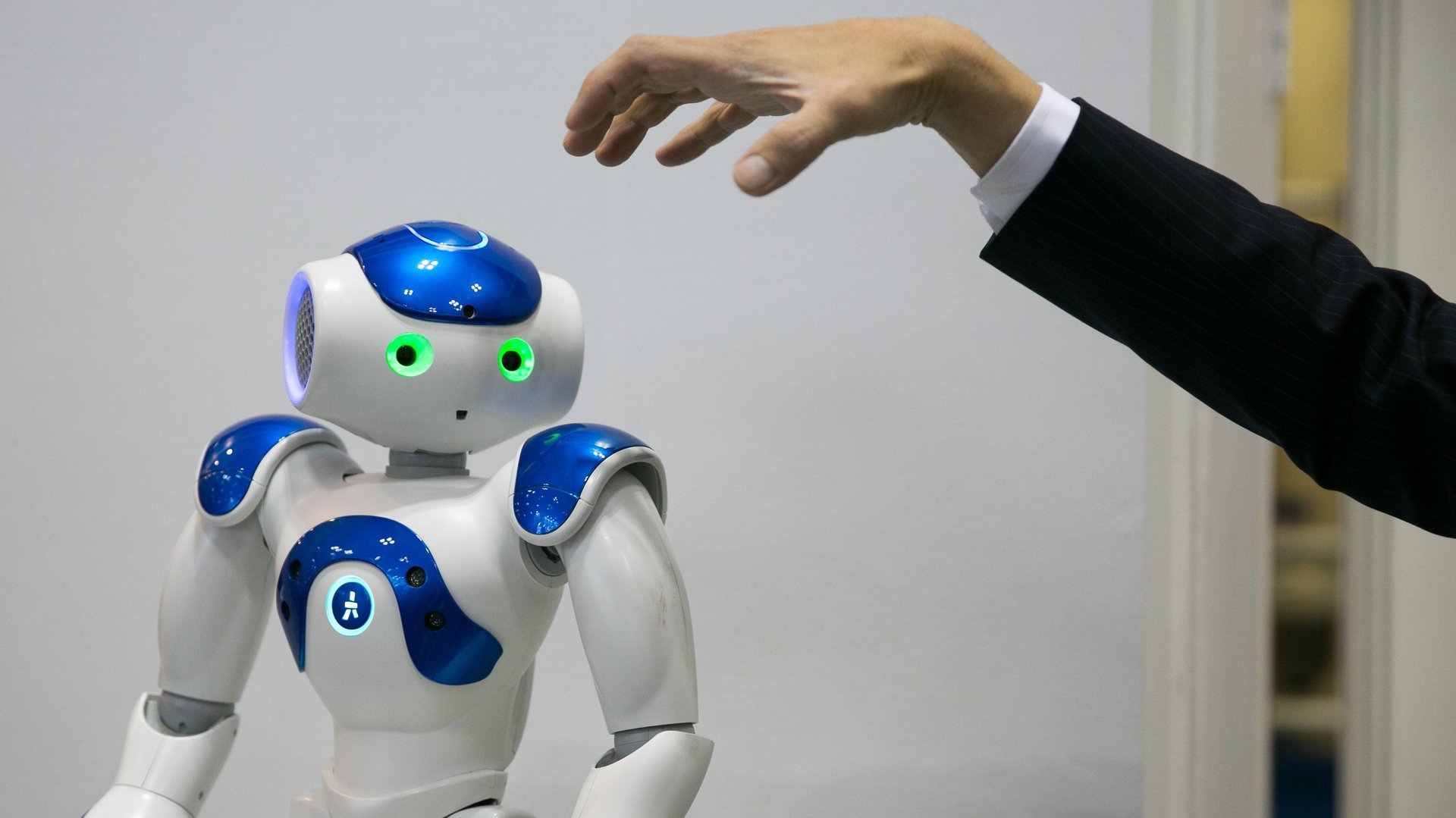
Artificial intelligence (AI) has finally caught the Indian government’s attention.

In 2000, just months after its launch, travel-booking portal MakeMyTrip was staring down the barrel of a gun. The dot-com bust had sent the internet industry into a tailspin. Venture capital investor eVentures—which had funneled $1 million into MakeMyTrip at inception—withdrew its offer to splurge another million and shut shop altogether.

Outside India, one in three kids typically begin learning to code before they turn 15. In India, only one in 10 do.

While Flipkart and Amazon fight for supremacy in India’s e-commerce market, there’s at least one battle where the latter has emerged as a clear winner.

The Narendra Modi government is looking to oust cryptocurrencies from India but has a lot of affection for blockchain.

The Indian startup sector is in the midst of a revival after a tough couple of years. And companies want finance minister Arun Jaitley’s upcoming budget to help them decisively change tack.

Ola, Uber’s biggest rival in India, has followed it into another country now.

In 2003, roughly half-a-million Indian immigrant scientists and engineers lived and worked in the US. A decade on, the number grew to nearly a million. India’s economic survey 2018 has noted that of the over 100,000 Indian-born PhDs living and working abroad, more than 91,000 reside in the US.

Rock-bottom data prices are drawing more and more Indians towards viewing pornography on smartphones.

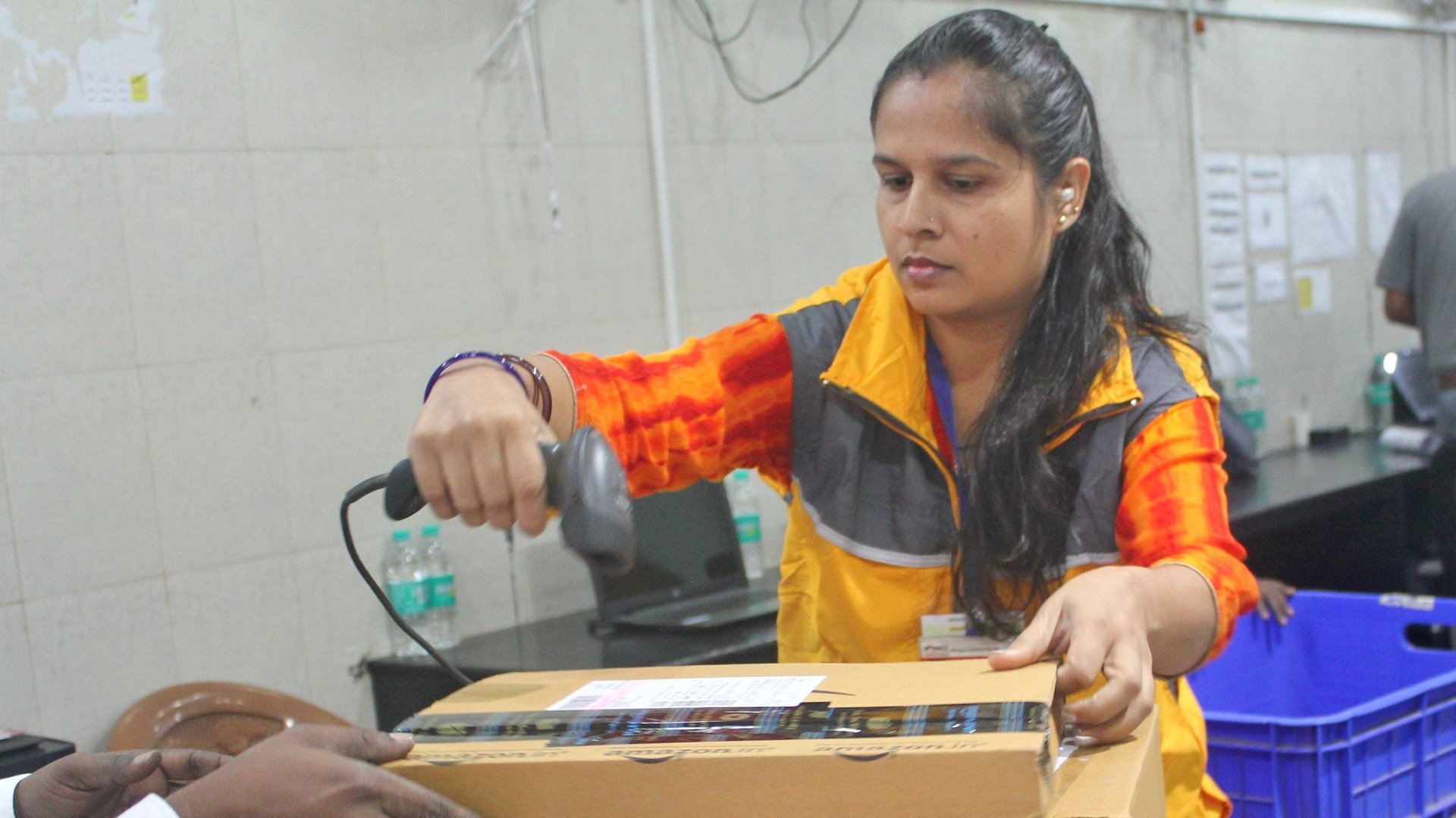
Every morning at around 8:30am, as India’s financial capital wakes up to another noisy workday, a little-known e-commerce delivery centre joins the grind.

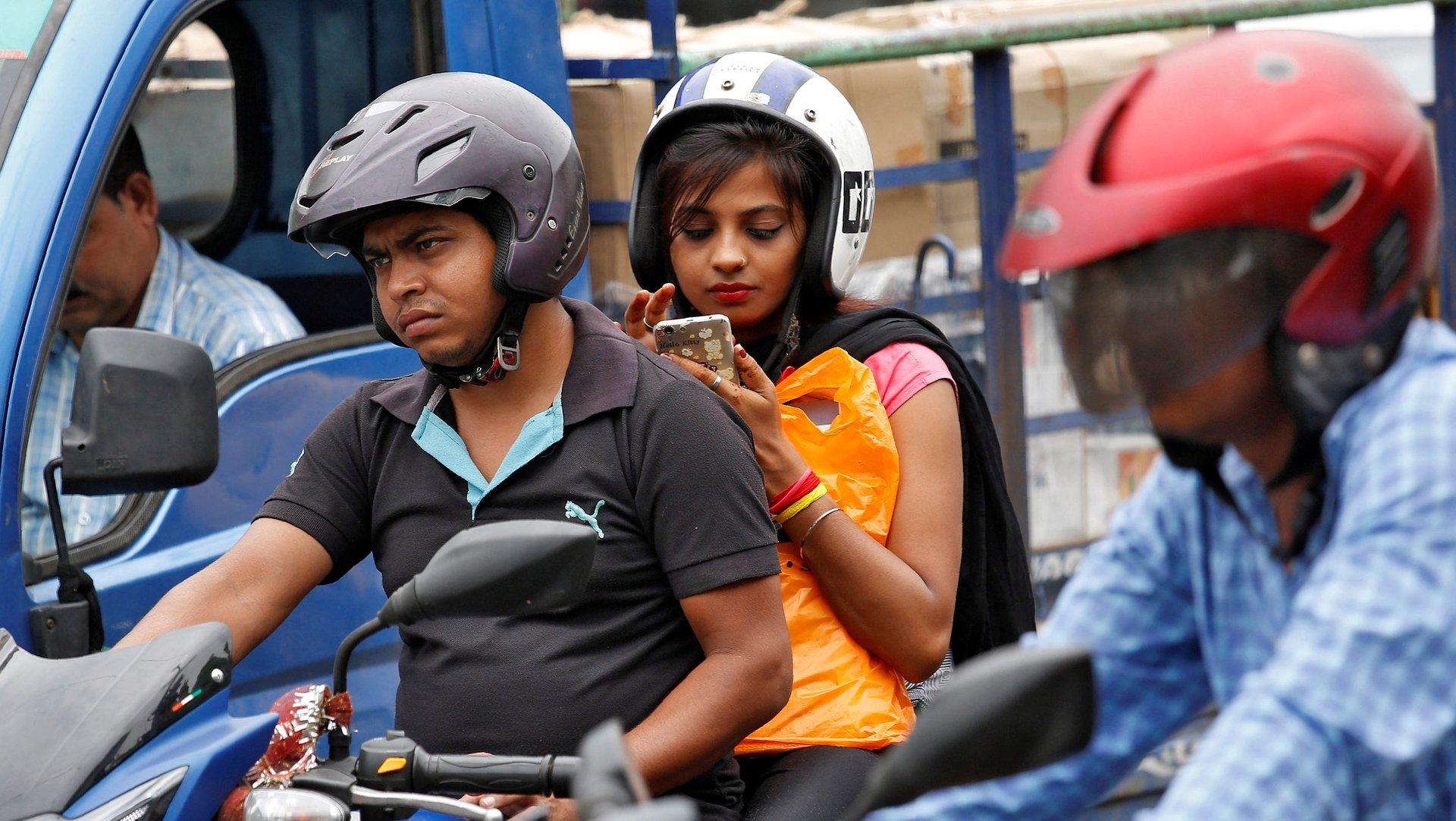
India’s taxi wars are headed for a new turn.

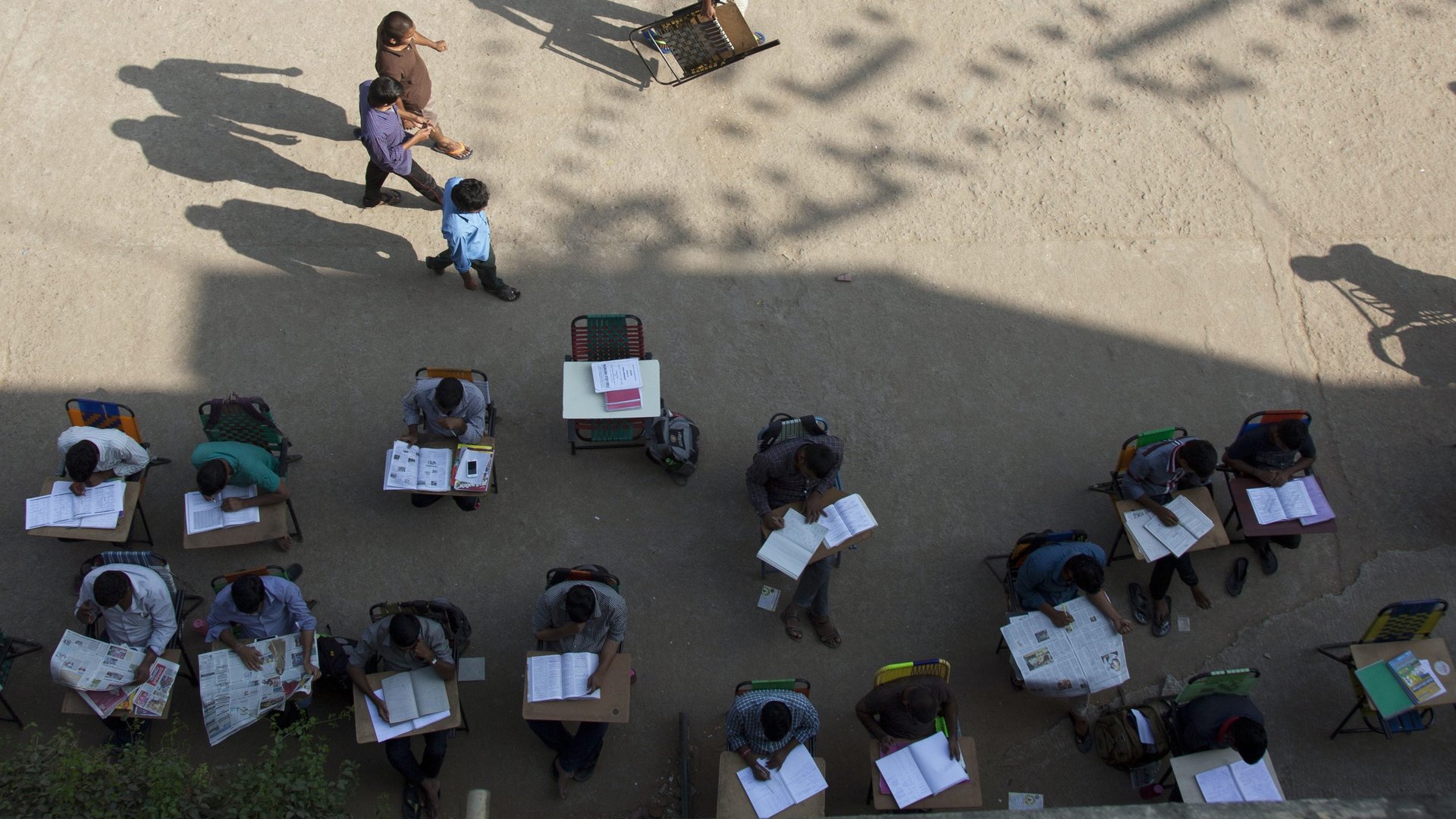
The scales at India’s most prestigious engineering colleges tilt heavily, and not surprisingly, towards men.

Vikram Bhatt, synonymous with Bollywood thrillers and horror flicks, has worked the silver screen for 25 years. This year, he’s shifting gears.

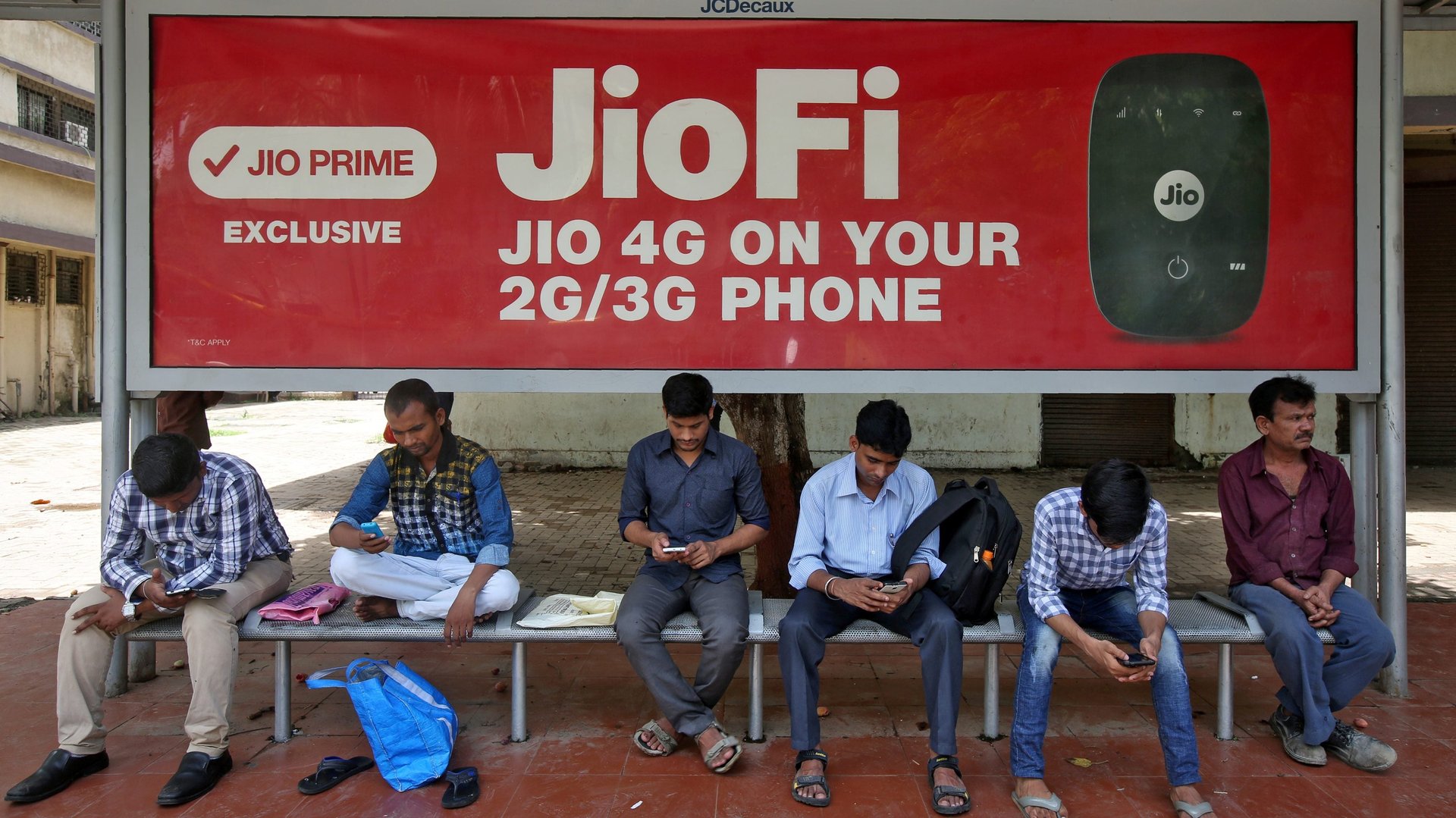
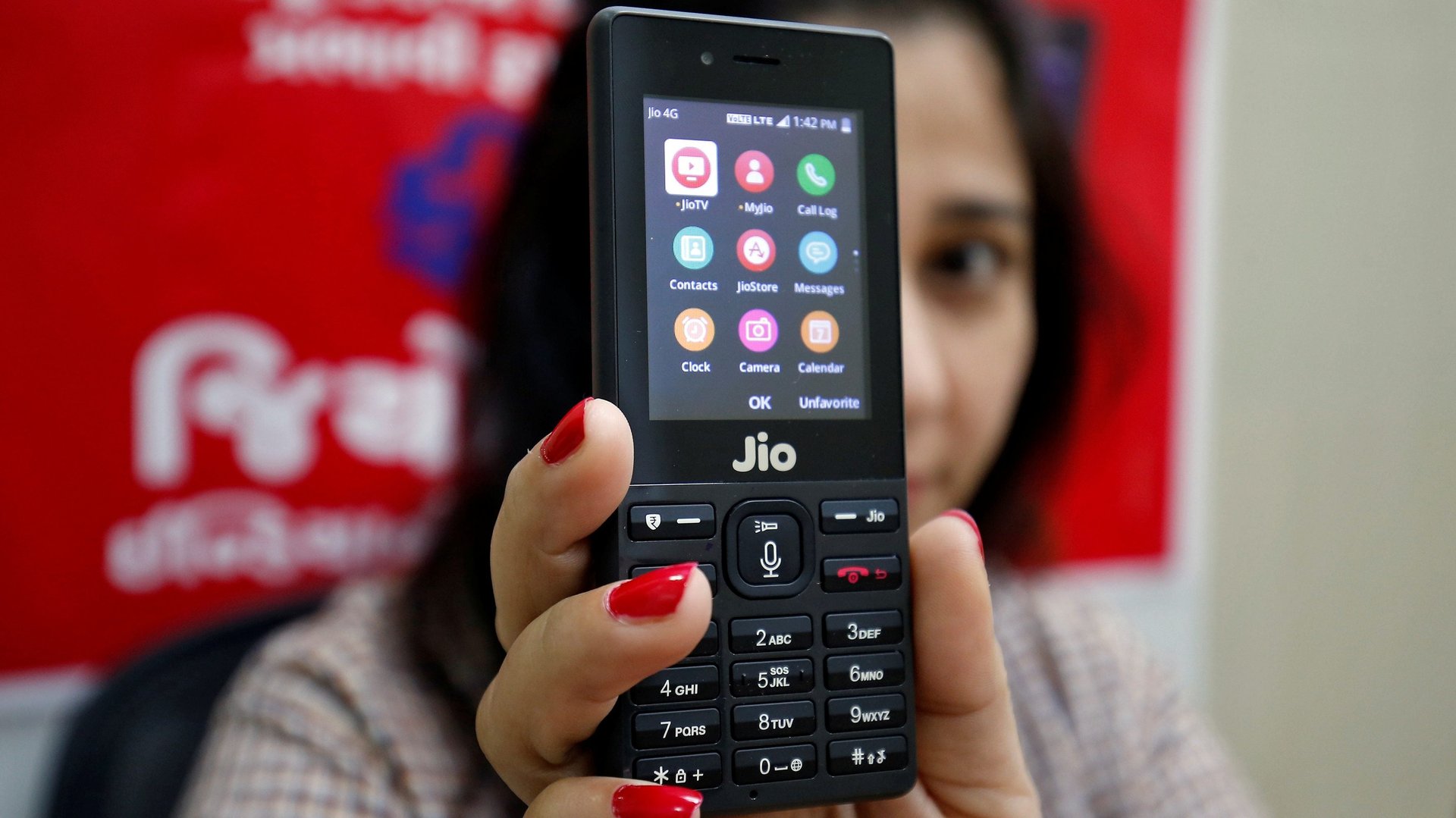
Dirt-cheap 4G services are taking 2G mobile telephony in India to the gallows at breakneck speed.

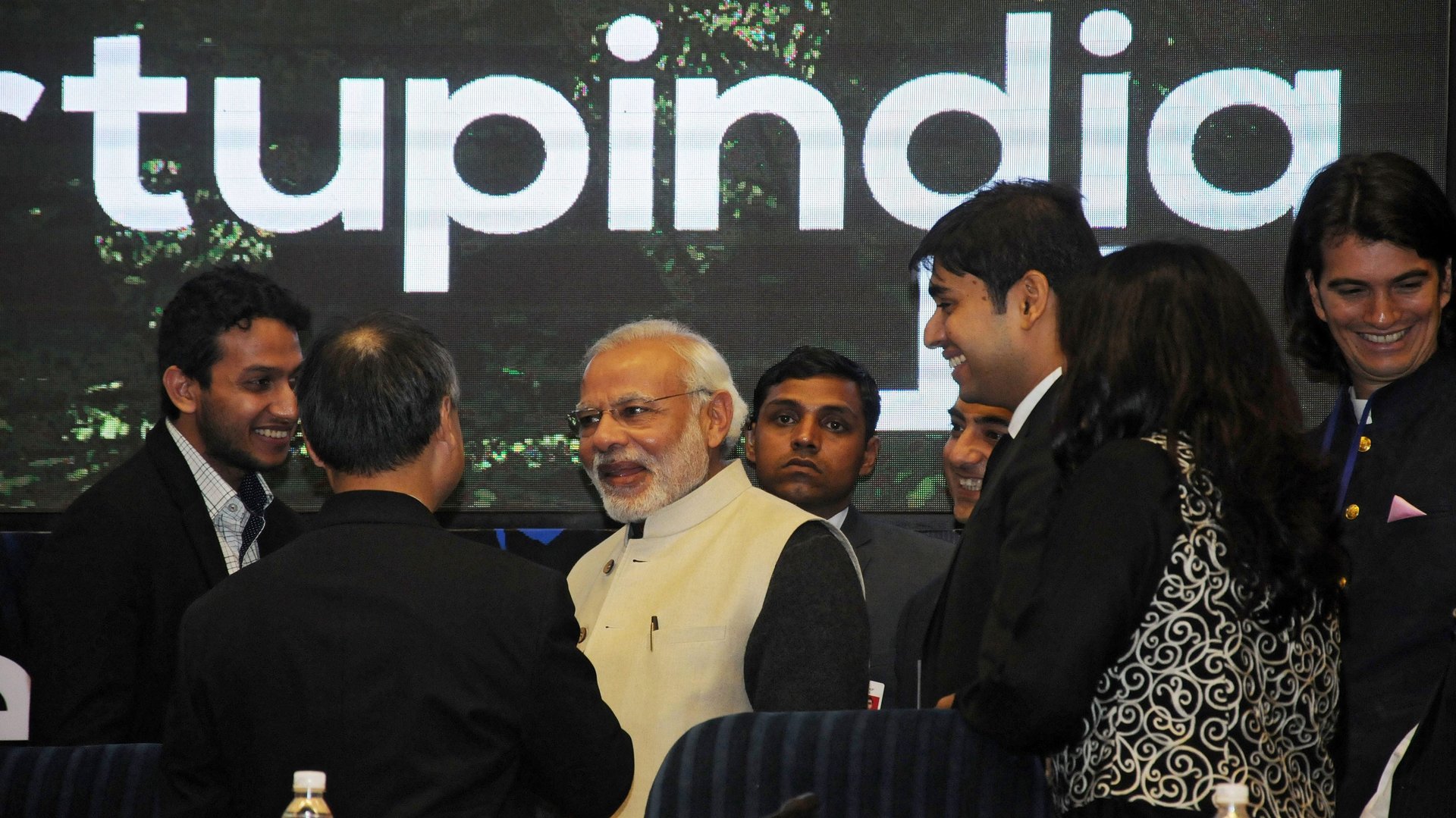
After facing much criticism for inaction in its first year, the Narendra Modi government’s Startup India programme picked up the pace in 2017.

The Donald Trump administration’s flip-flop over H-1B visas has the Indian IT sector on edge.

A young technology company from India has acquired a startup in the US.

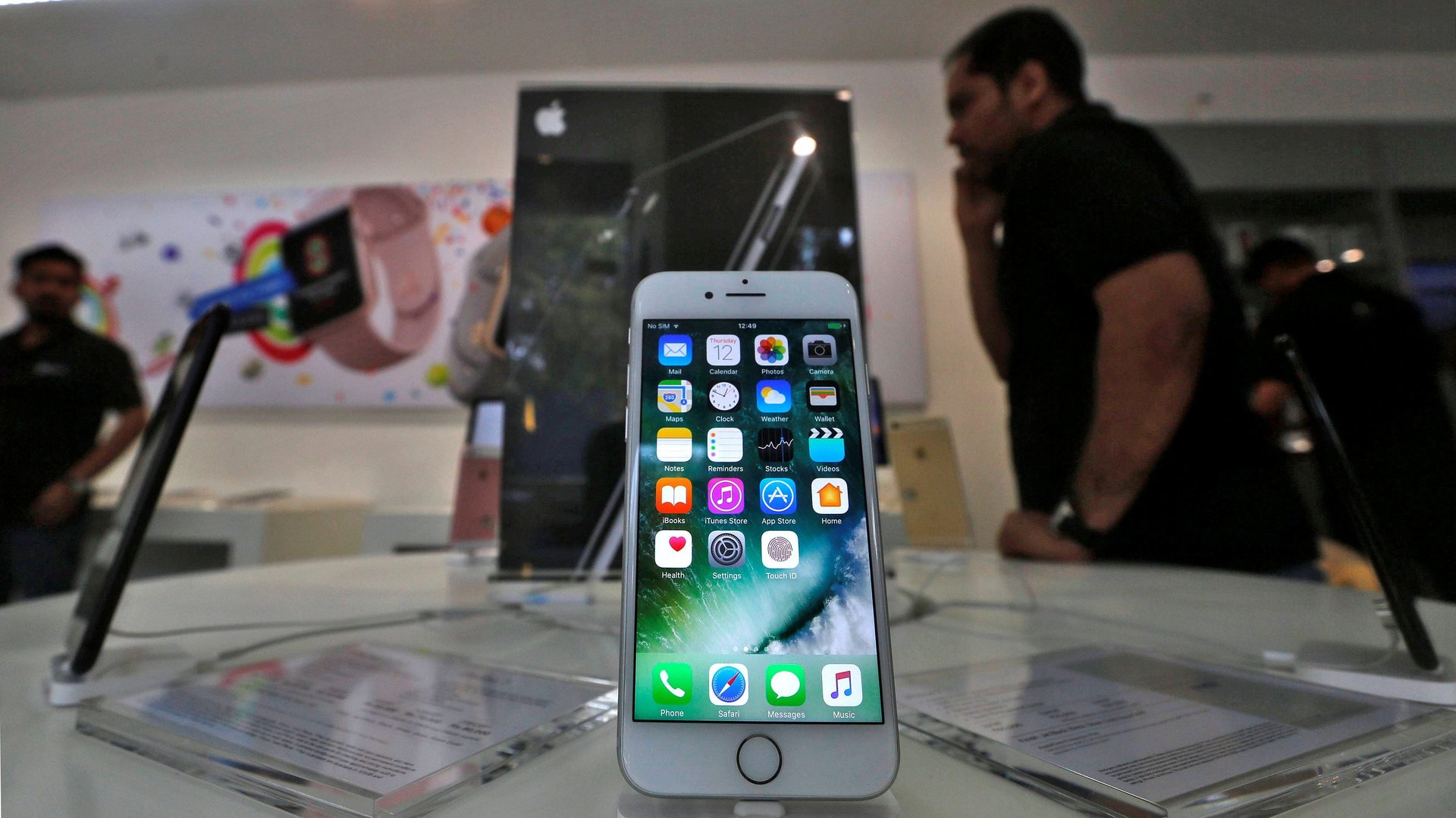
India has taken another step to facilitate the opening of an Apple store in Asia’s third-largest economy, and now the ball is in the iPhone maker’s court.

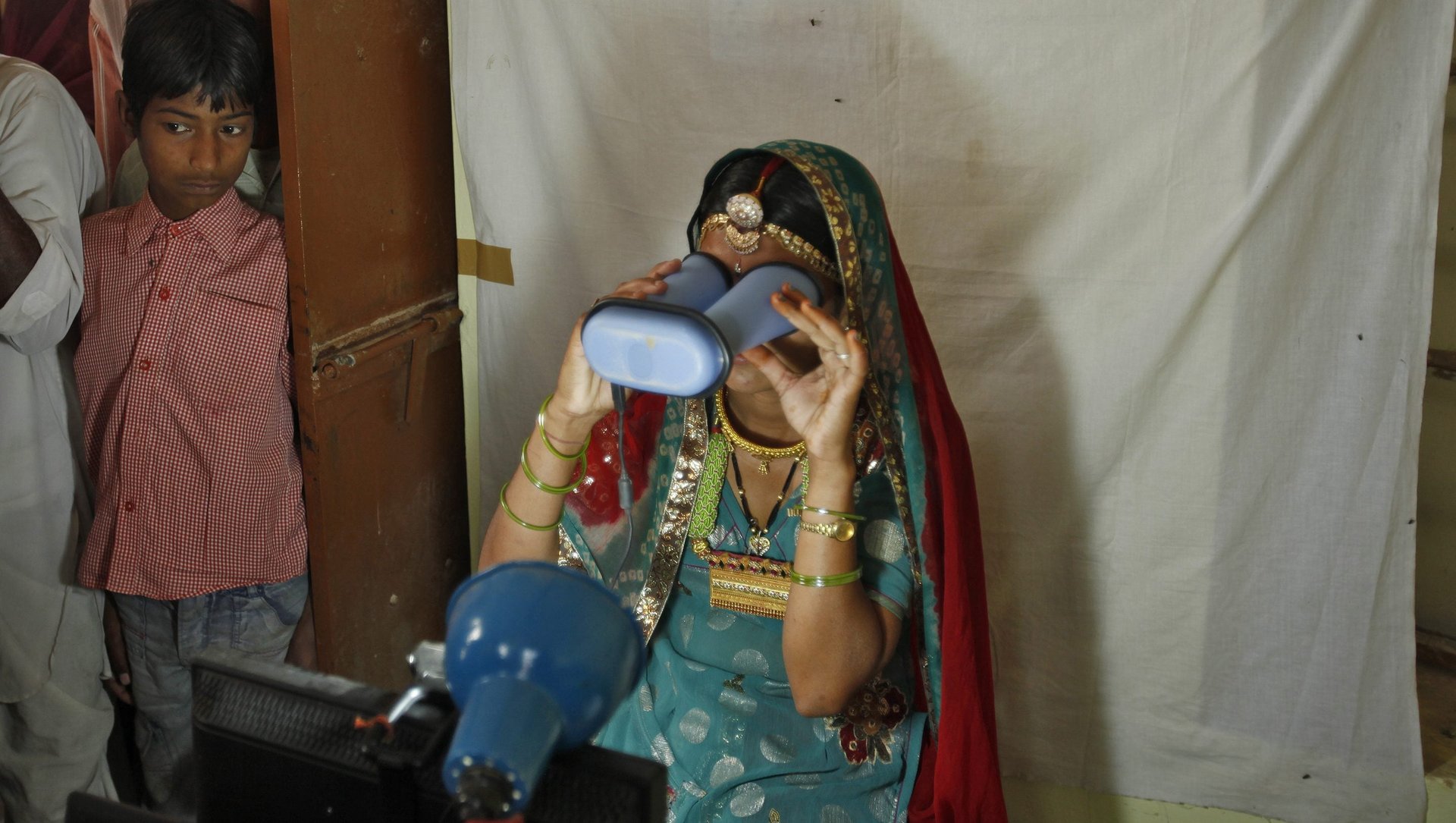
When Infosys co-founder Nandan Nilekani shepherded the Aadhaar programme into existence at the turn of the decade, the motivation was to ensure better delivery of subsidies and government schemes, and avoid duplicates from cashing in.

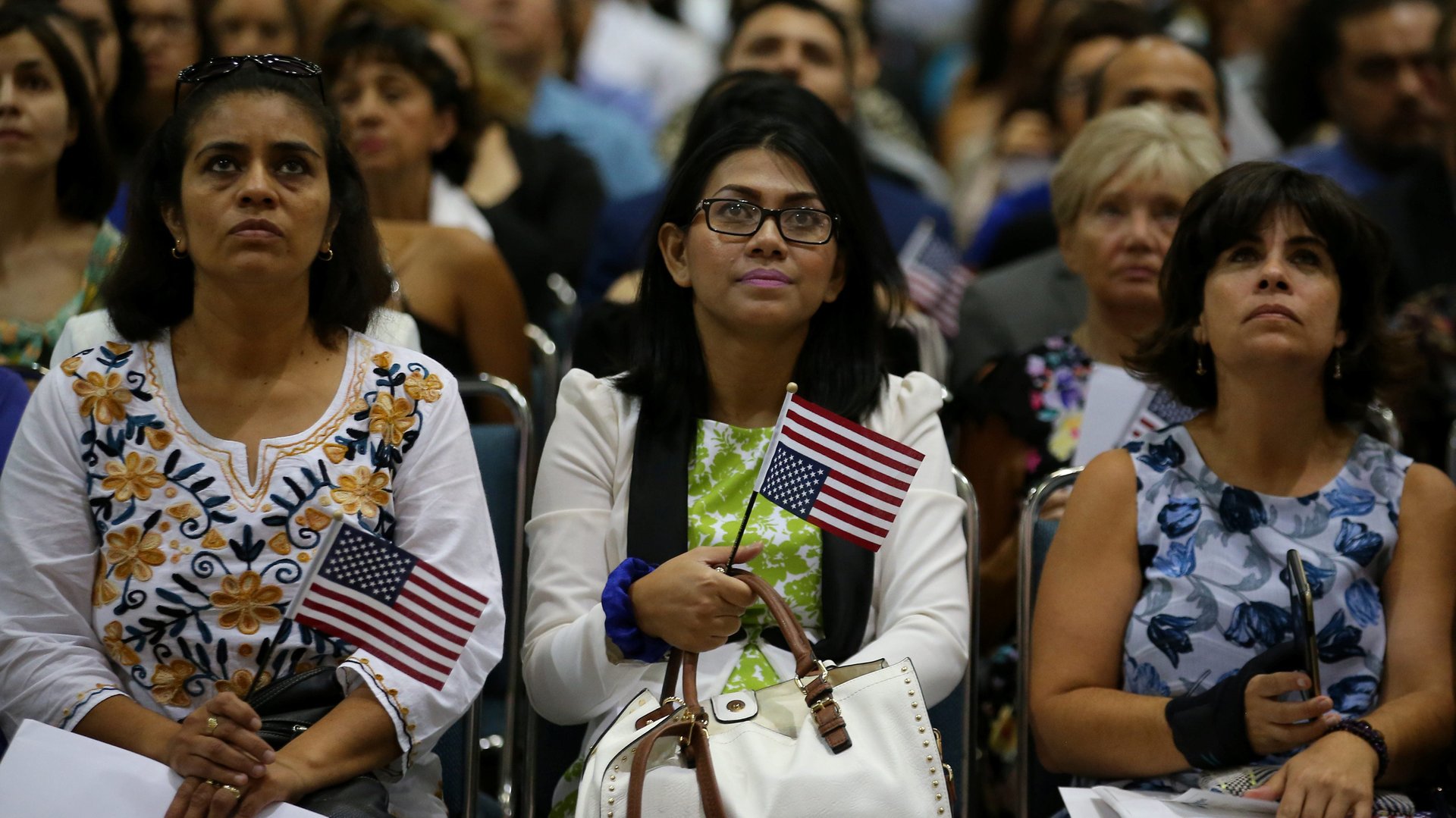
Indians queuing up for green cards can breathe a sigh of relief.

The suicide crisis in India’s schools and colleges is worsening.

The Indian government has a hack for women’s safety: a panic button.