
Tech & Innovation
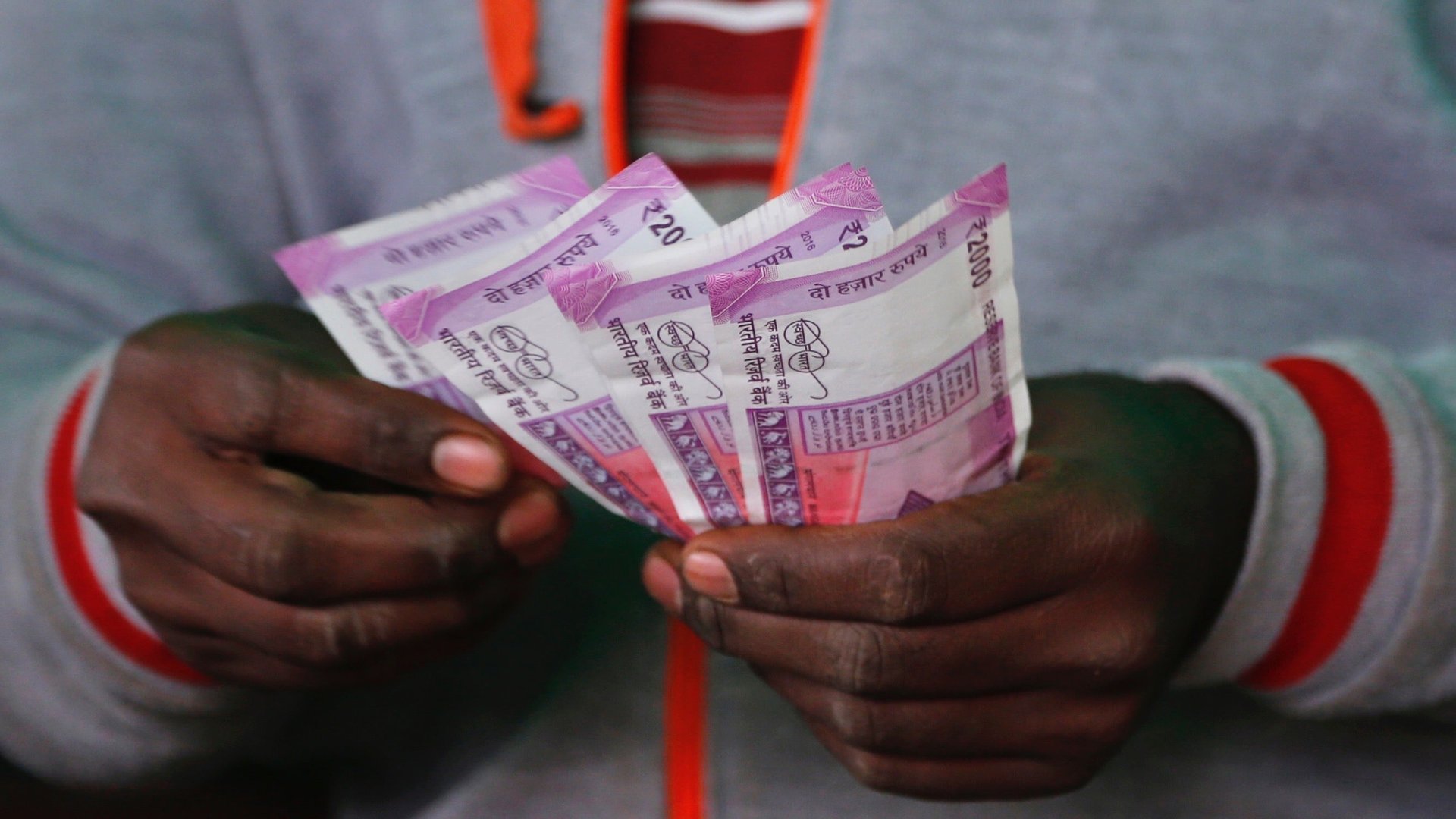
A startup sale made this low-level employee into an Indian millionaireLoyalty pays, and Shyam Kumar is proof.
Updated July 20, 20222 min read
Loyalty pays, and Shyam Kumar is proof.
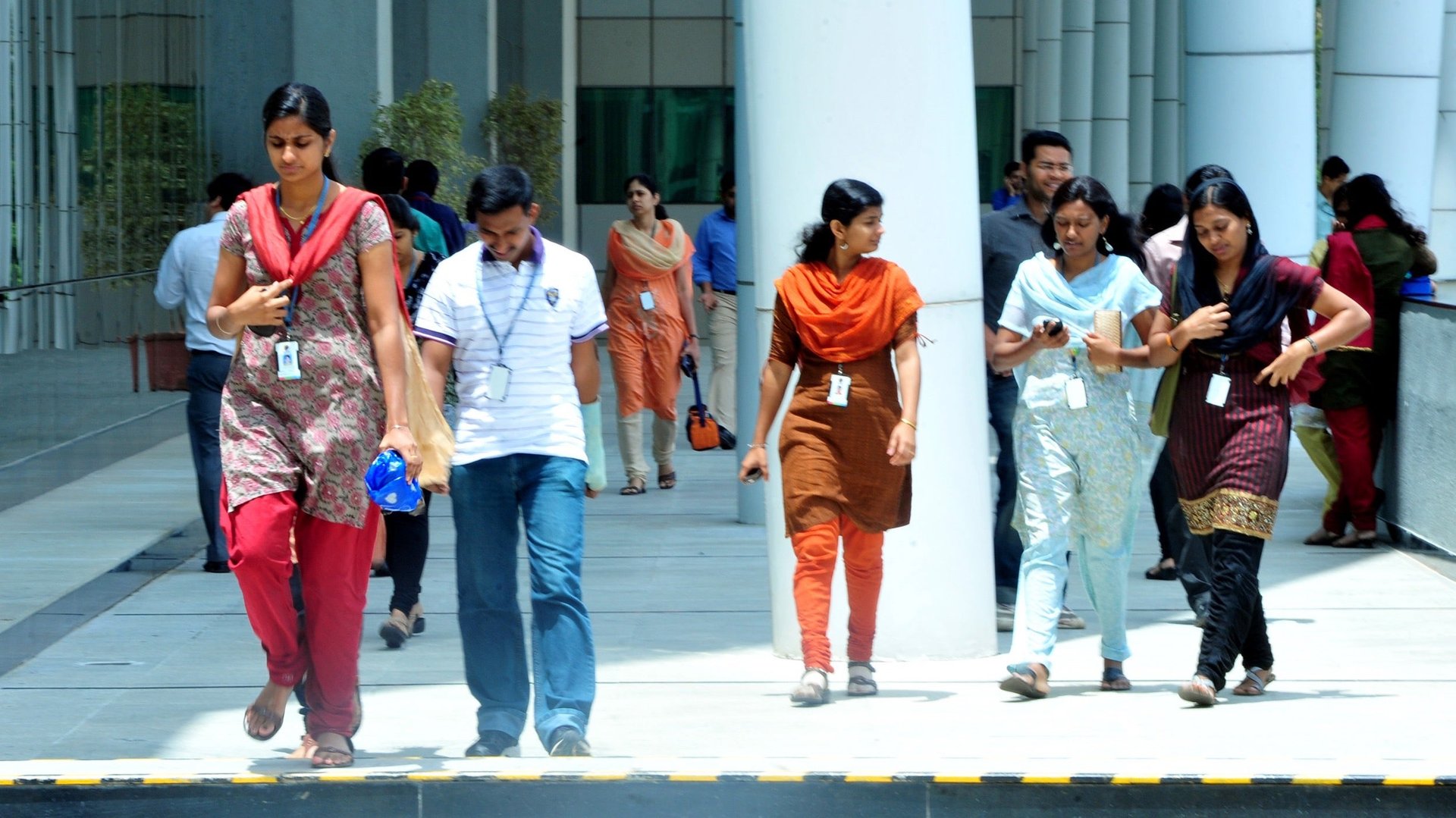
Amid growing anxiety over the Trump administration’s possible revamp of the H-1B program, other countries around the world are putting the minds of Indian engineers at ease.
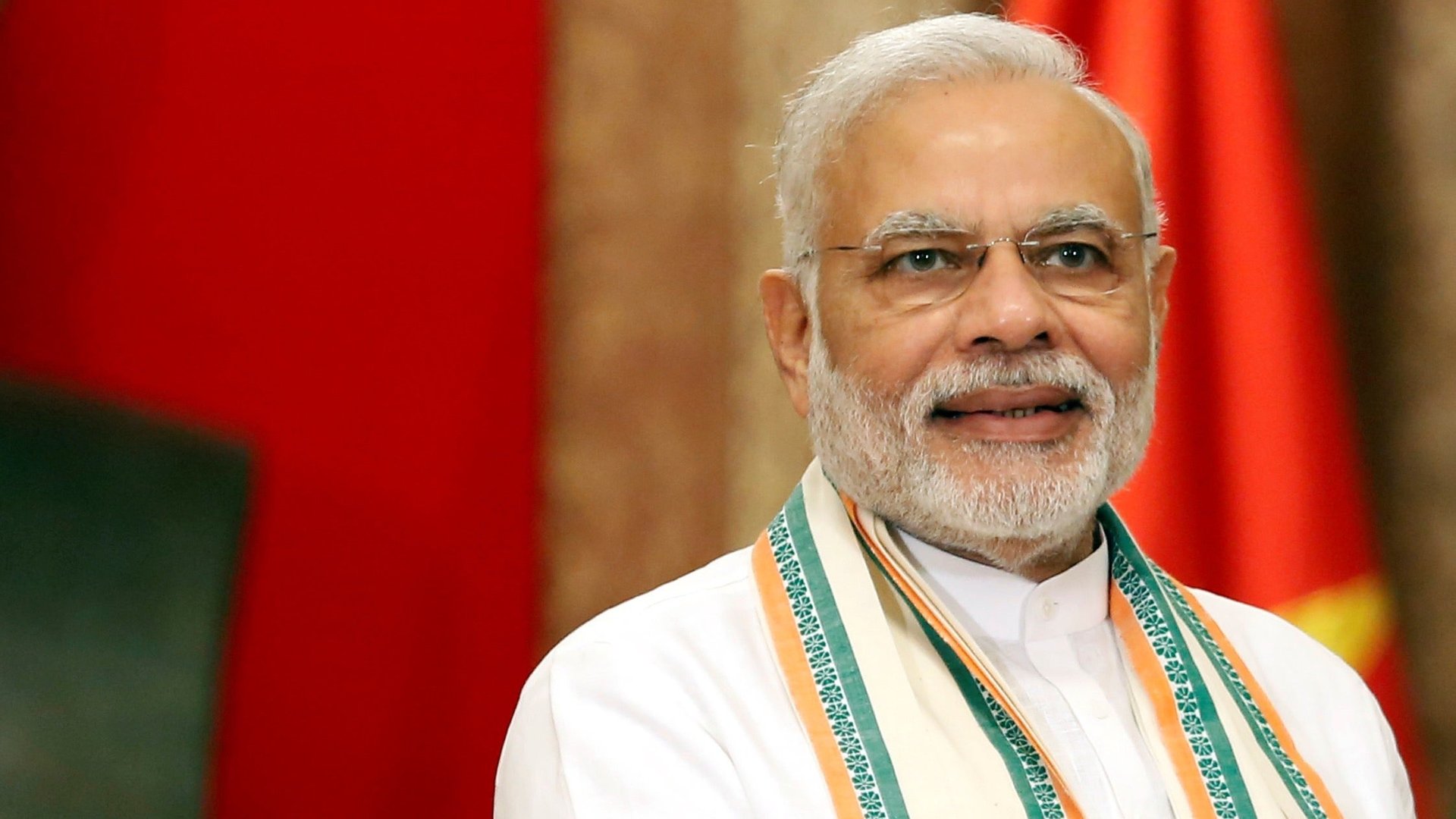
Narendra Modi’s term as prime minister has been contentious to say the least. Fans have applauded his “India First” initiatives for the economy while critics have condemned his stoic silence on rising nationalist vigilantism and religious fissures in the country. Be it for the cheers or for the insults, Modi has become the most celebrated leader of his time on Facebook.
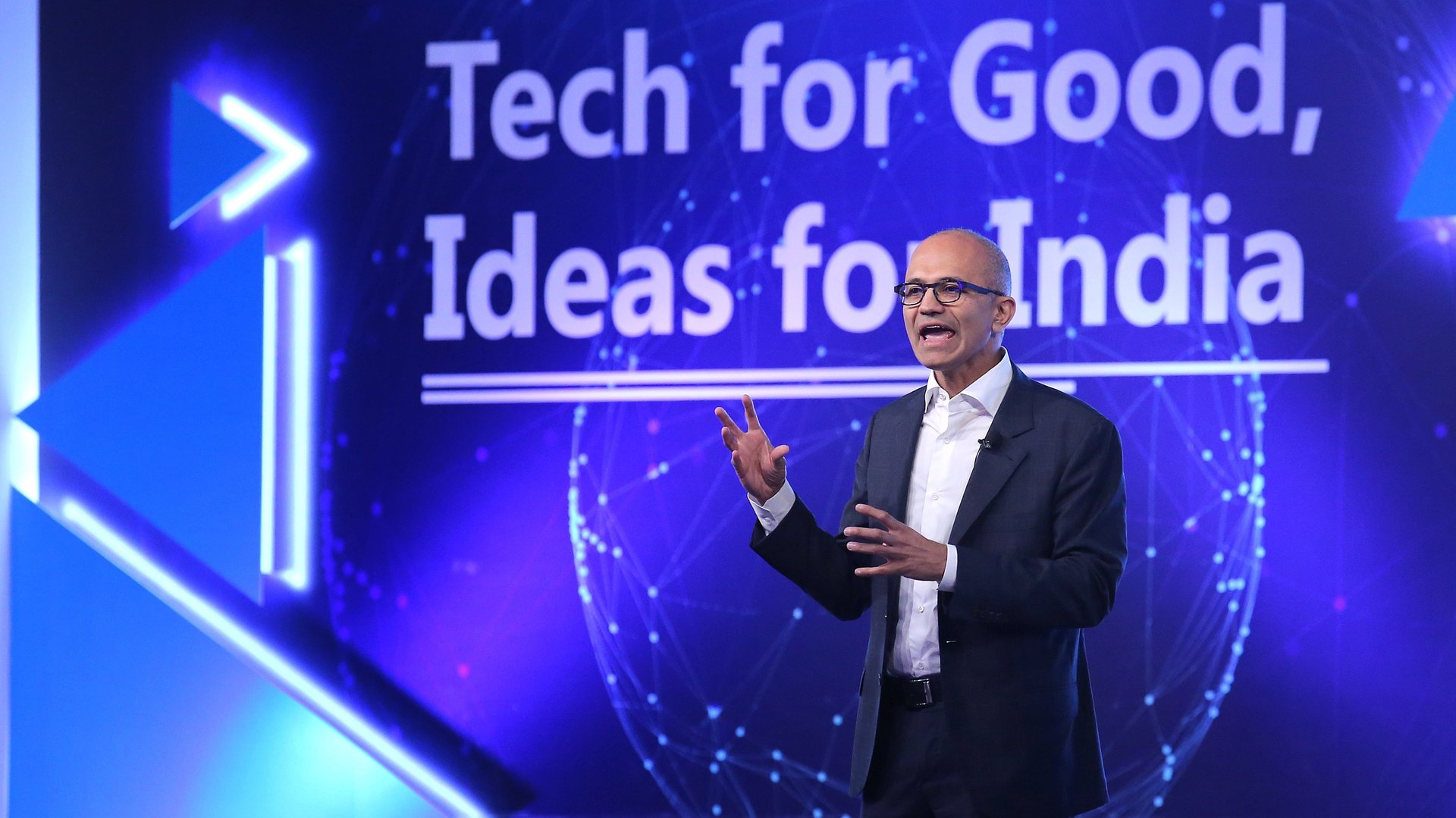
The likes of Facebook and Google are tired of saturated, tech-savvy markets like Japan and the US. To find their next frontier for growth, they’re turning to India.
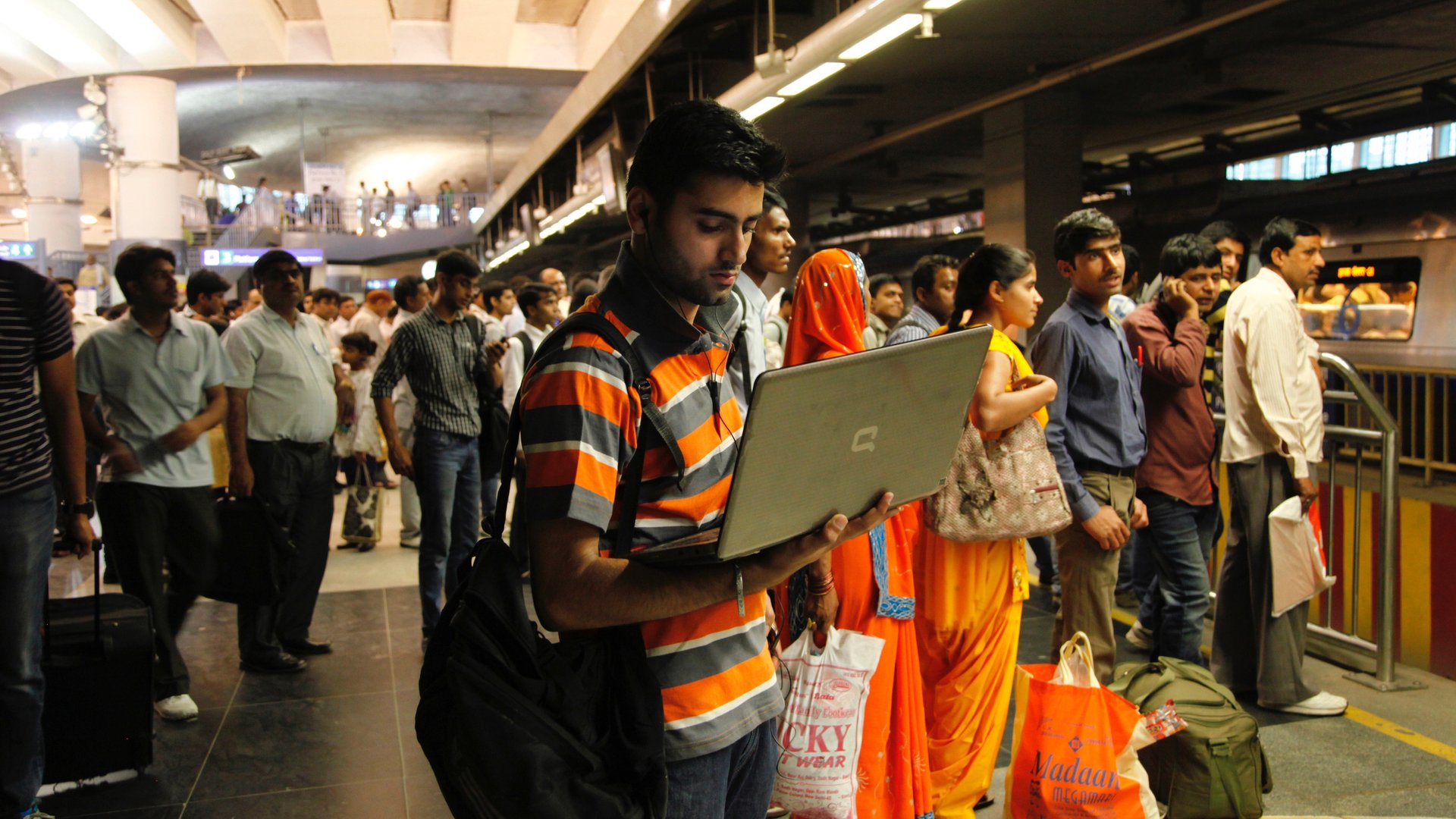
It’s official: India is one of the worst countries to Netflix and chill. And to Netflix and not chill.
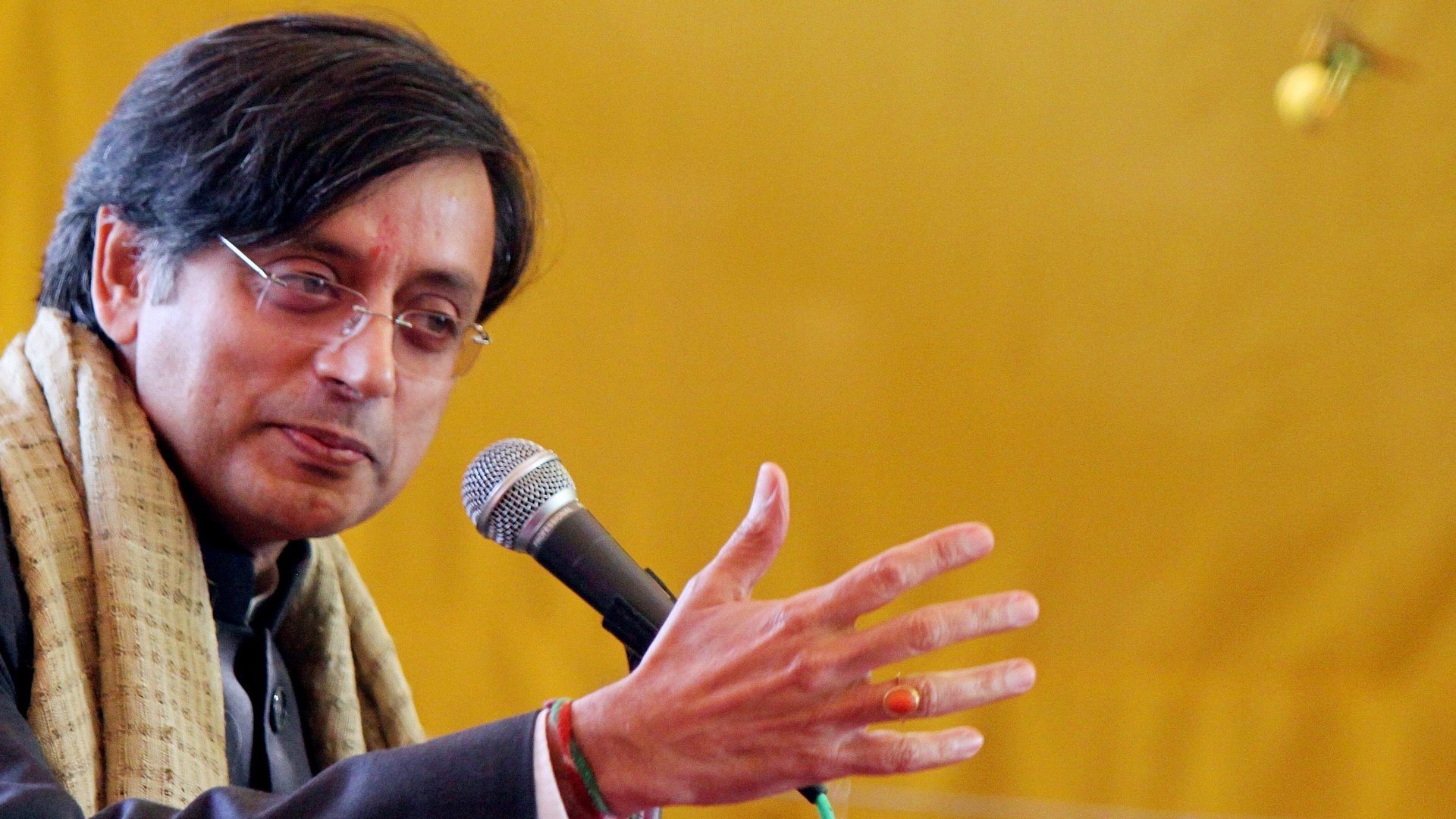
In 2009, when Twitter was just around three years old and Indians still largely perceived social media interactions as a leisurely pursuit, the then junior foreign minister Shashi Tharoor was already being referred to as “Minister Twitter.” Long before Narendra Modi’s unparalleled popularity, this former UN under-secretary general was India’s most followed politician on the micro-blogging site.
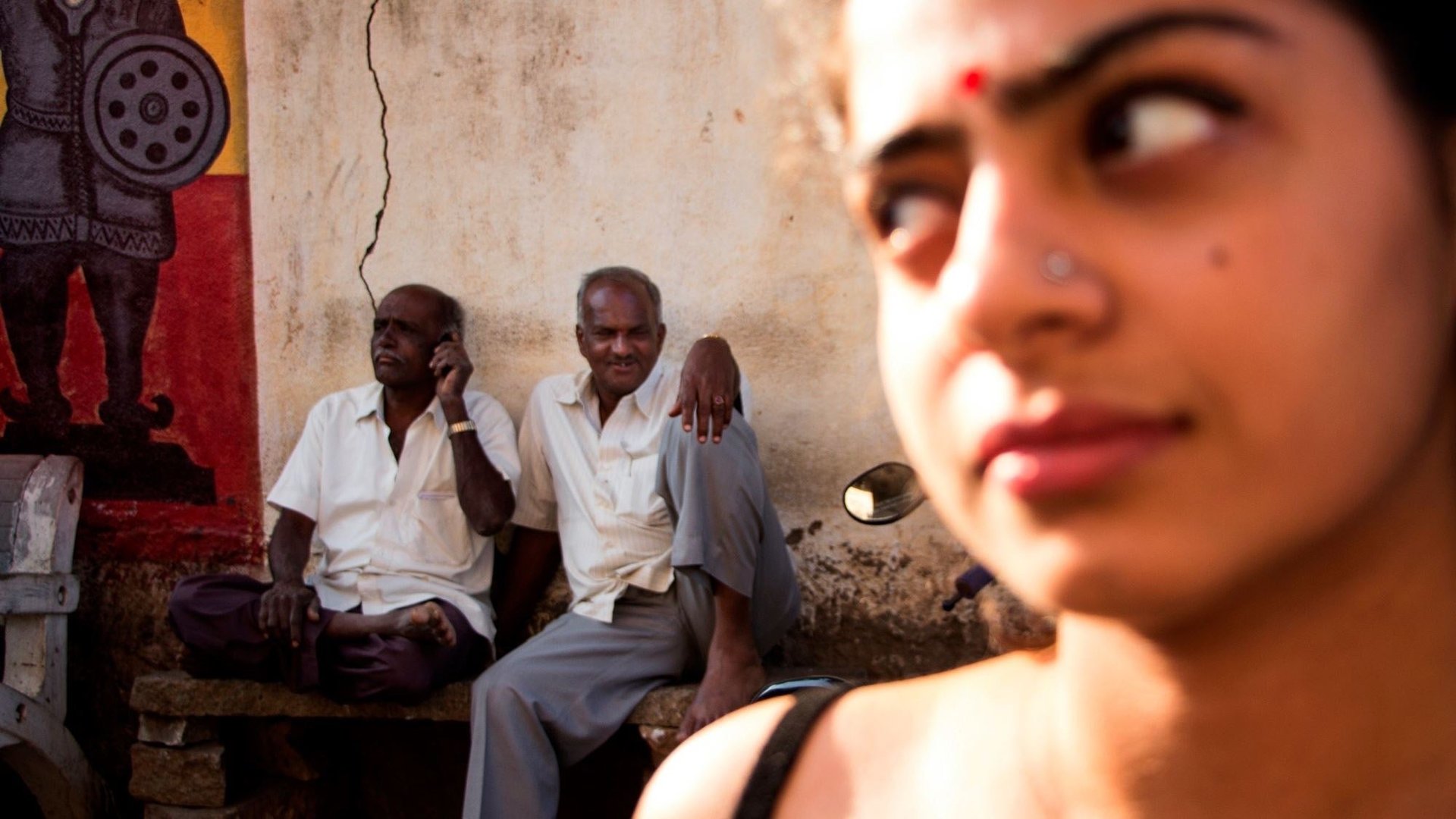
One woman’s comfort is most of India’s scorn, and a photo series proves it.
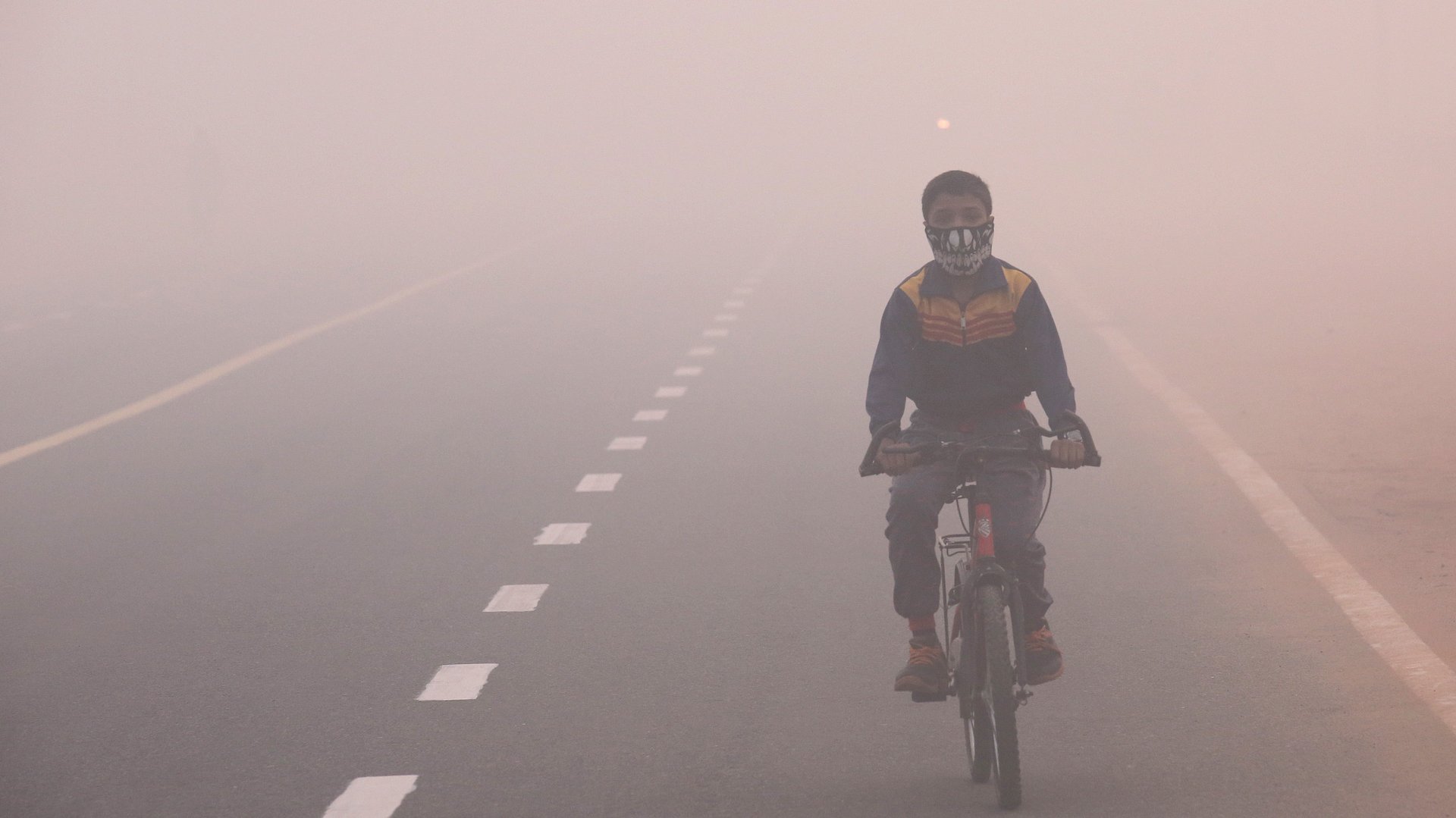
India’s pollution problem has become apocalyptic. New Delhi, the nation’s capital, is especially bad but it’s no exception; in 2015, many other northern Indian cities reported ongoing unhealthy levels of particulate matter pollution. Now it looks like it’s only a matter of time before the country dethrones China as the bearer of the world’s deadliest air.
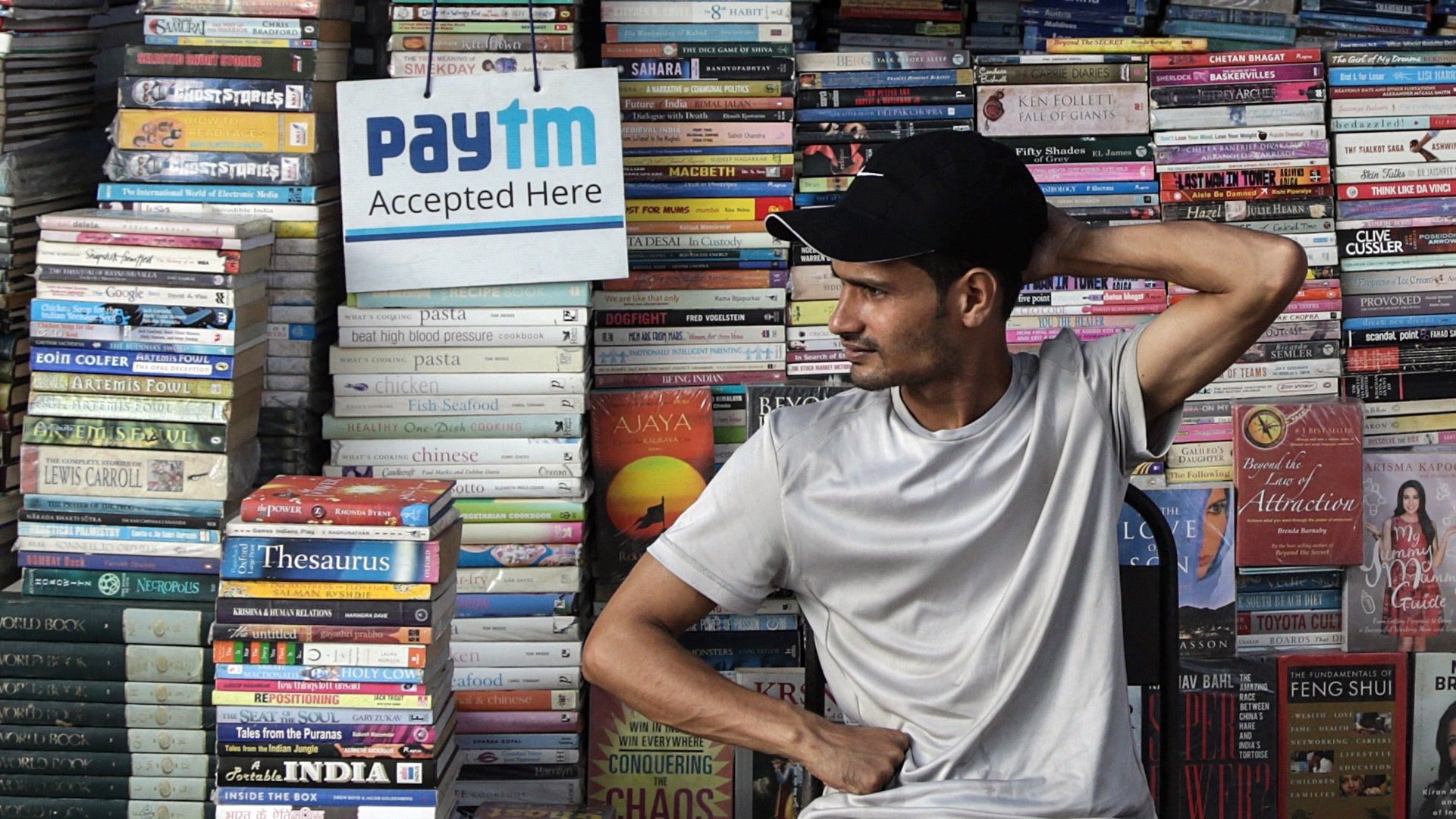
India is one of the best and worst places to launch a tech startup these days, a contradiction epitomized in a recent survey (pdf) of 170 entrepreneurs across 15 industries. Sixty-five percent of those surveyed said India is in the midst of a tech bubble, even as 63% said they were struggling to find funding.
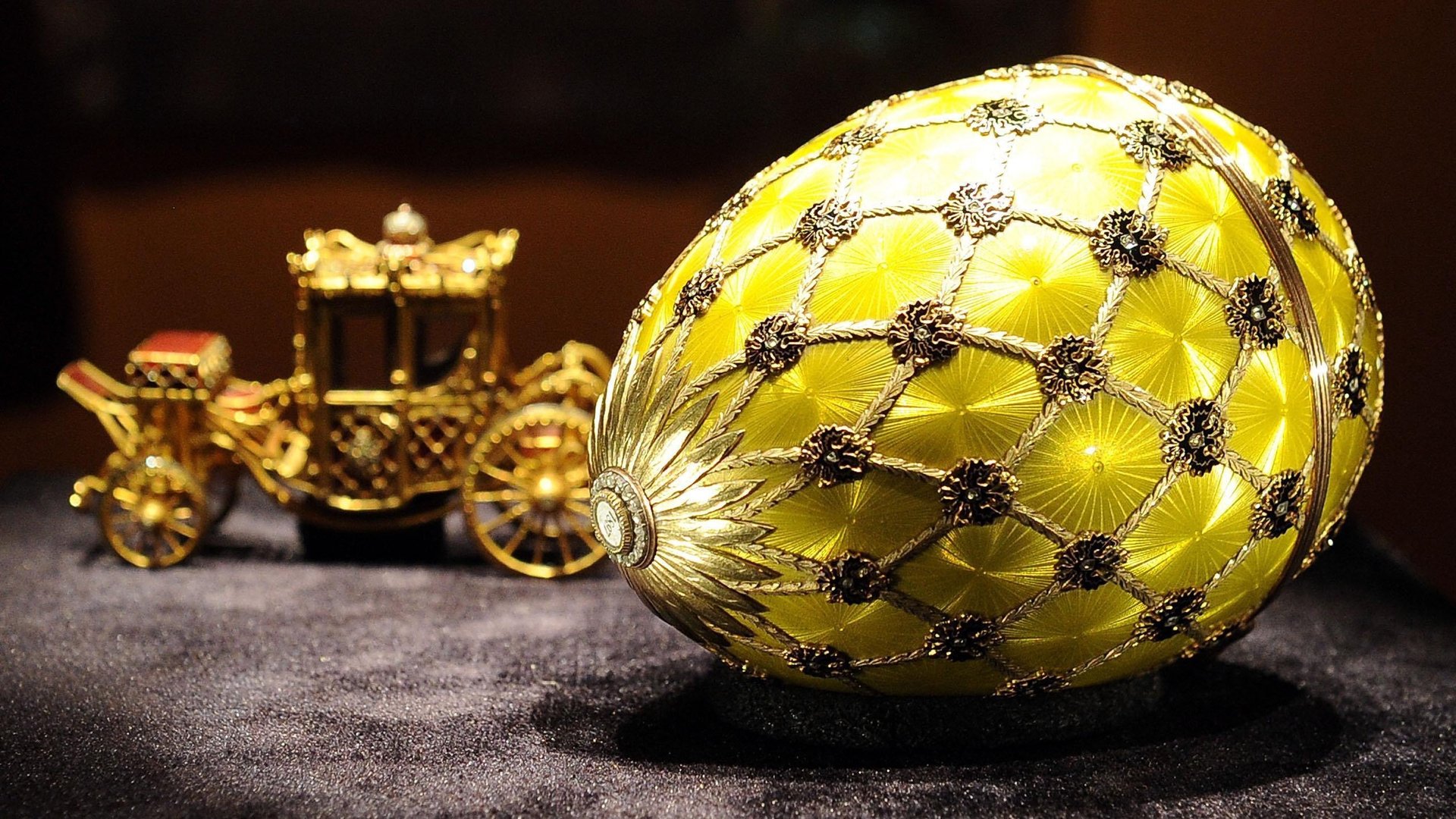
Since its founding in 1842, Fabergé has been a favorite among the elites. A Fabergé egg—the brand’s trademark gem-laden spin on chocolate Easter eggs that became a favorite of Russian Tsar Alexander III—ranked among the most opulent gifts bestowed upon the world’s royalty, including those in India. In 1903, Maharaja Sir Pratab Singh Bahadur of Jammu & Kashmir commissioned a crystal stamp holder by Fabergé and in 1937, Maharaja Bikaner gifted an elaborate presentation box fashioned by the famed jeweler to Queen Mary of Britain.
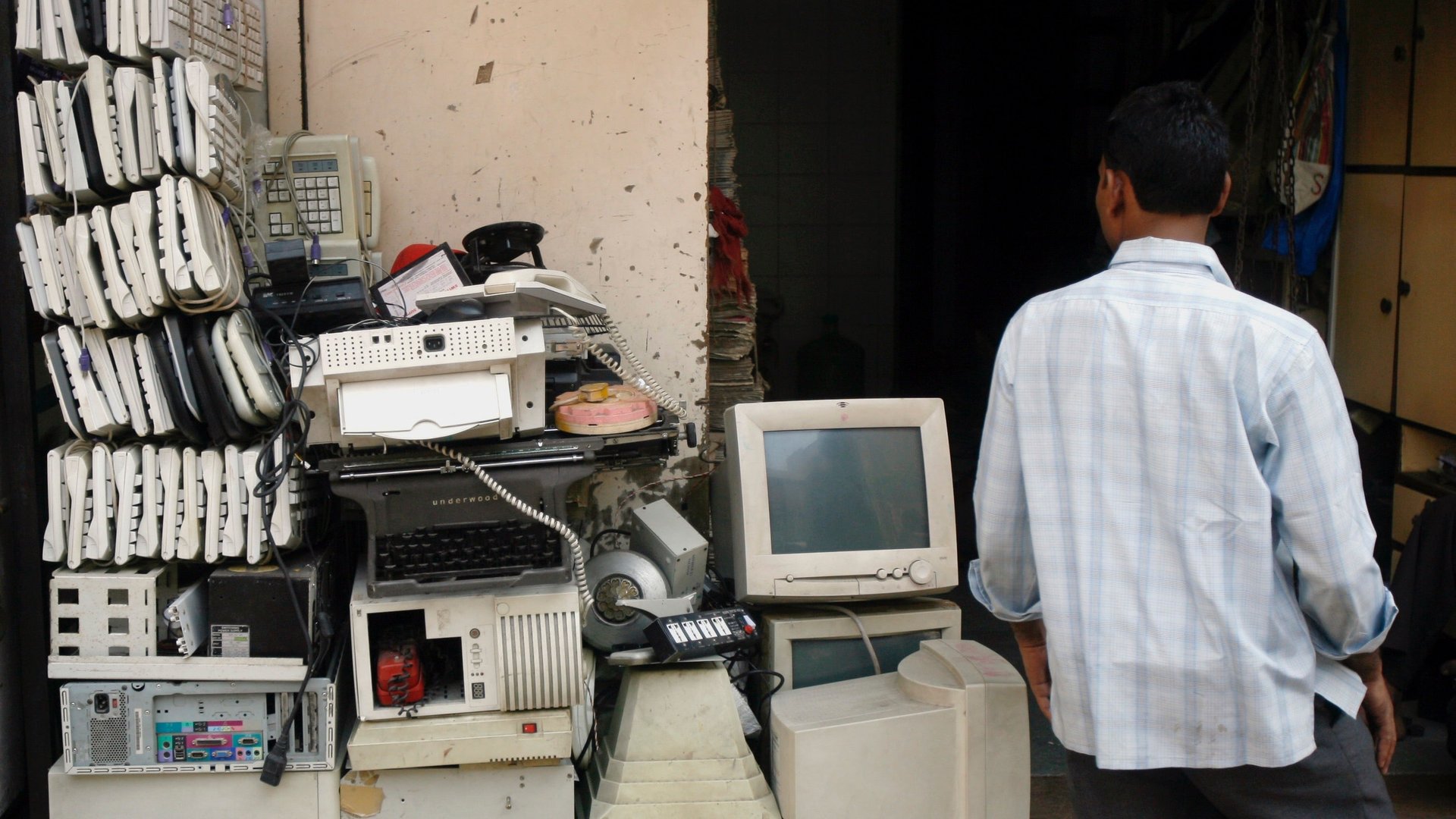
The advent of smartphones has spelled doom for computers.
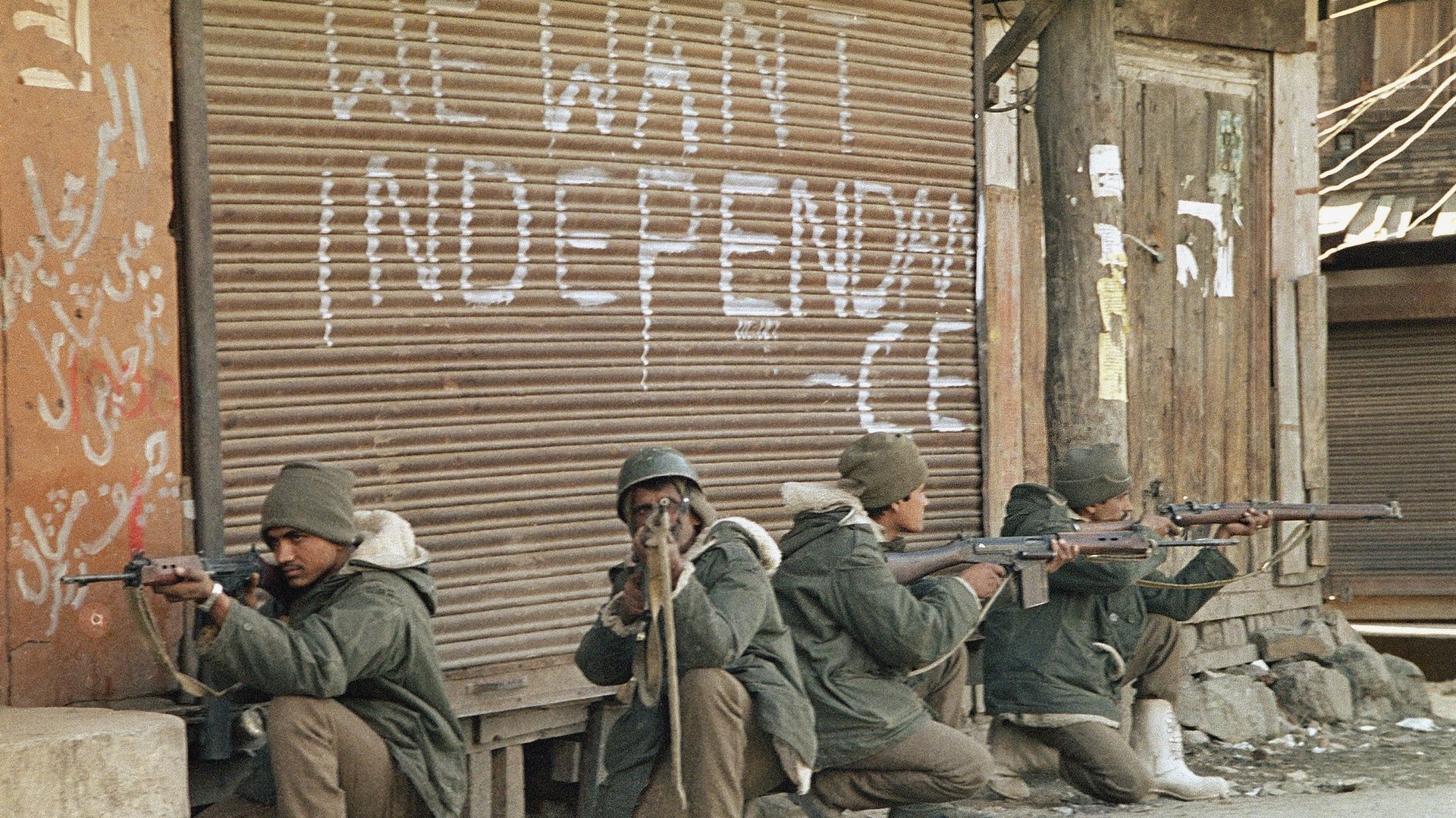
In times of crisis, there’s one thing India can’t bank on: the internet.
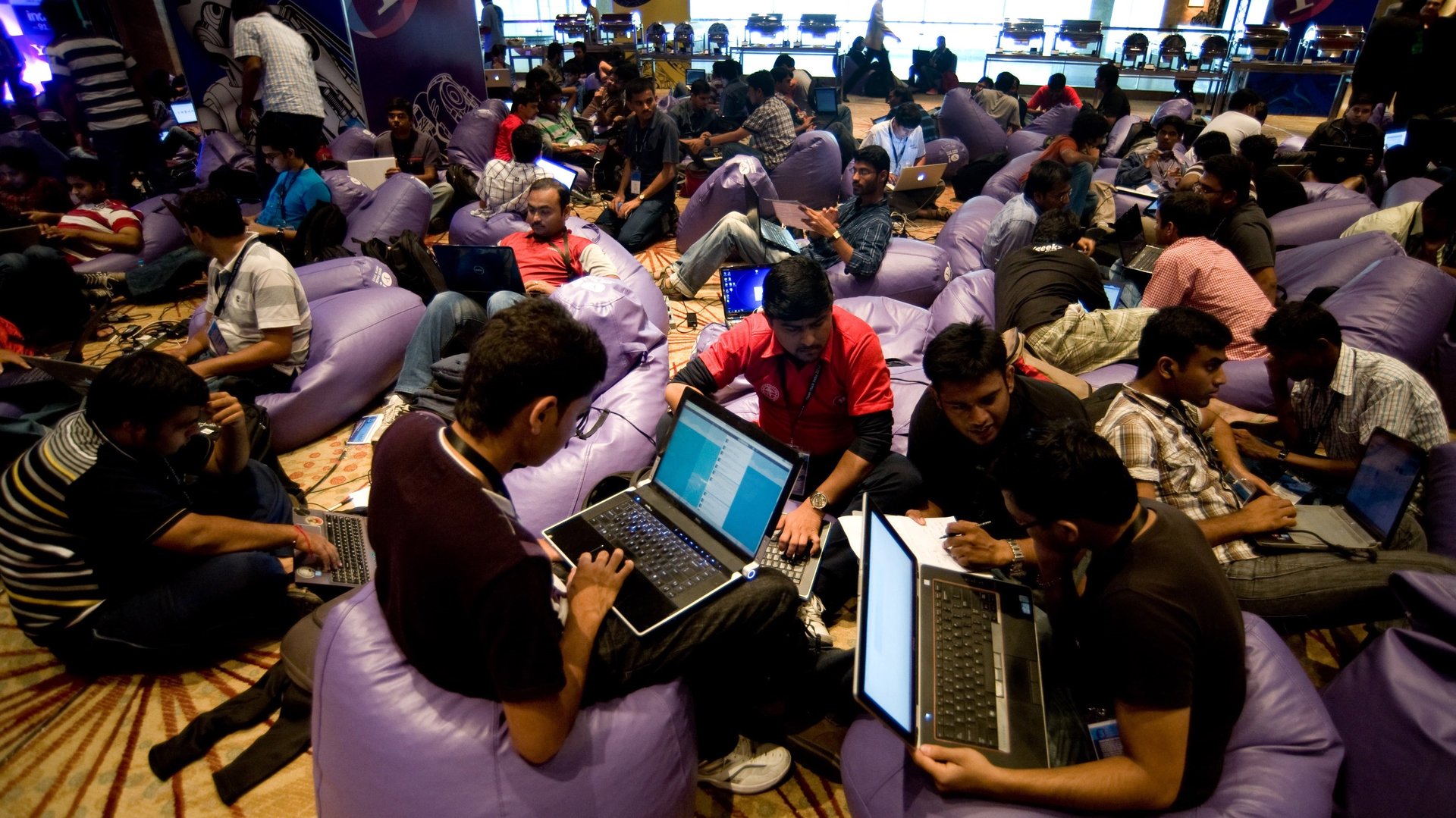
One of India’s biggest strengths is how many innovators and inventors it has. One of its biggest weaknesses is how difficult it is to protect their ideas.
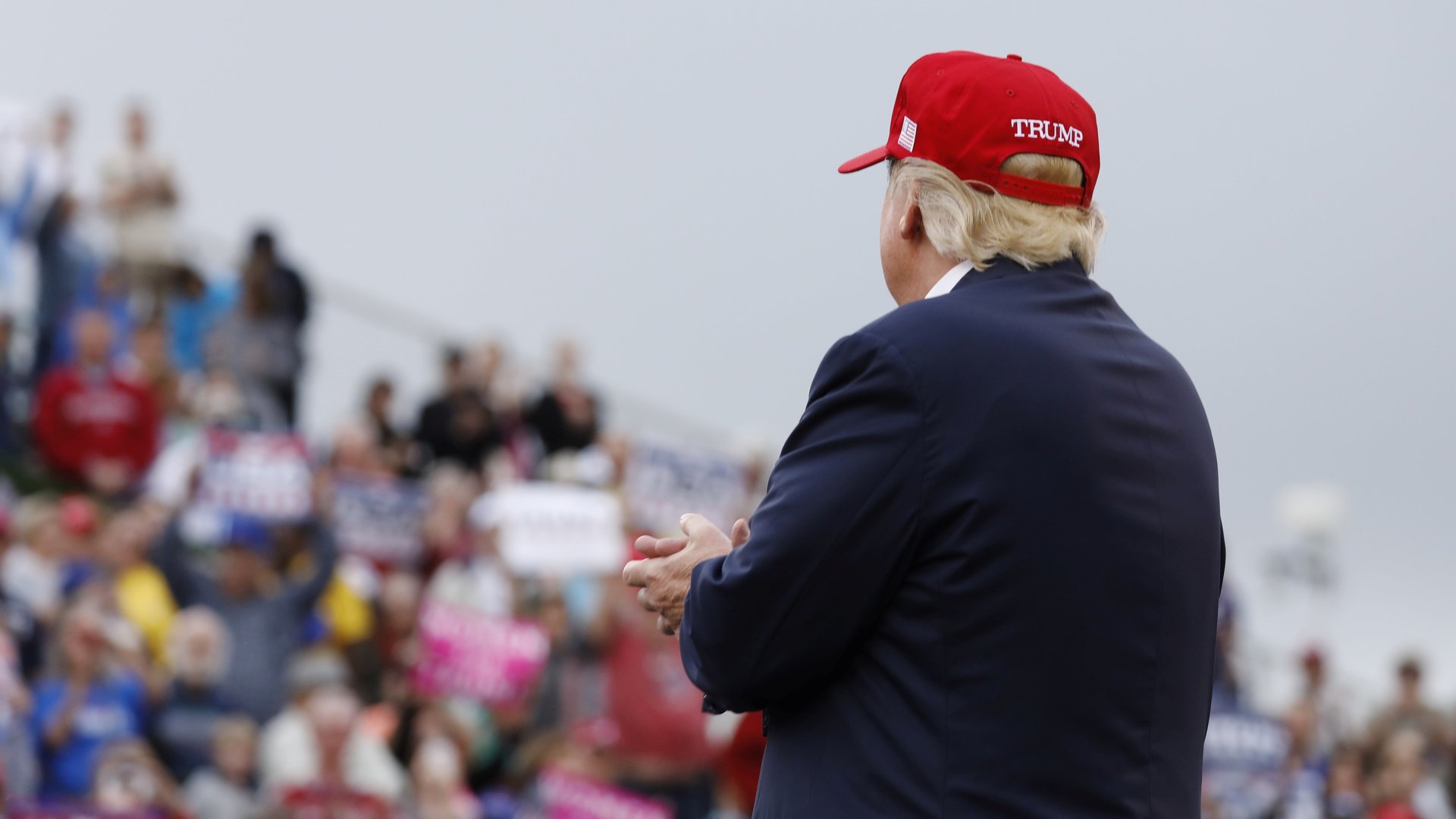
Twitter is a lot of things—an engine for social activism, a haven for trolls—but in the wake of US president Donald Trump, it has also emerged as the epicenter of modern political discourse. Unfortunately, that discourse doesn’t pay the bills.
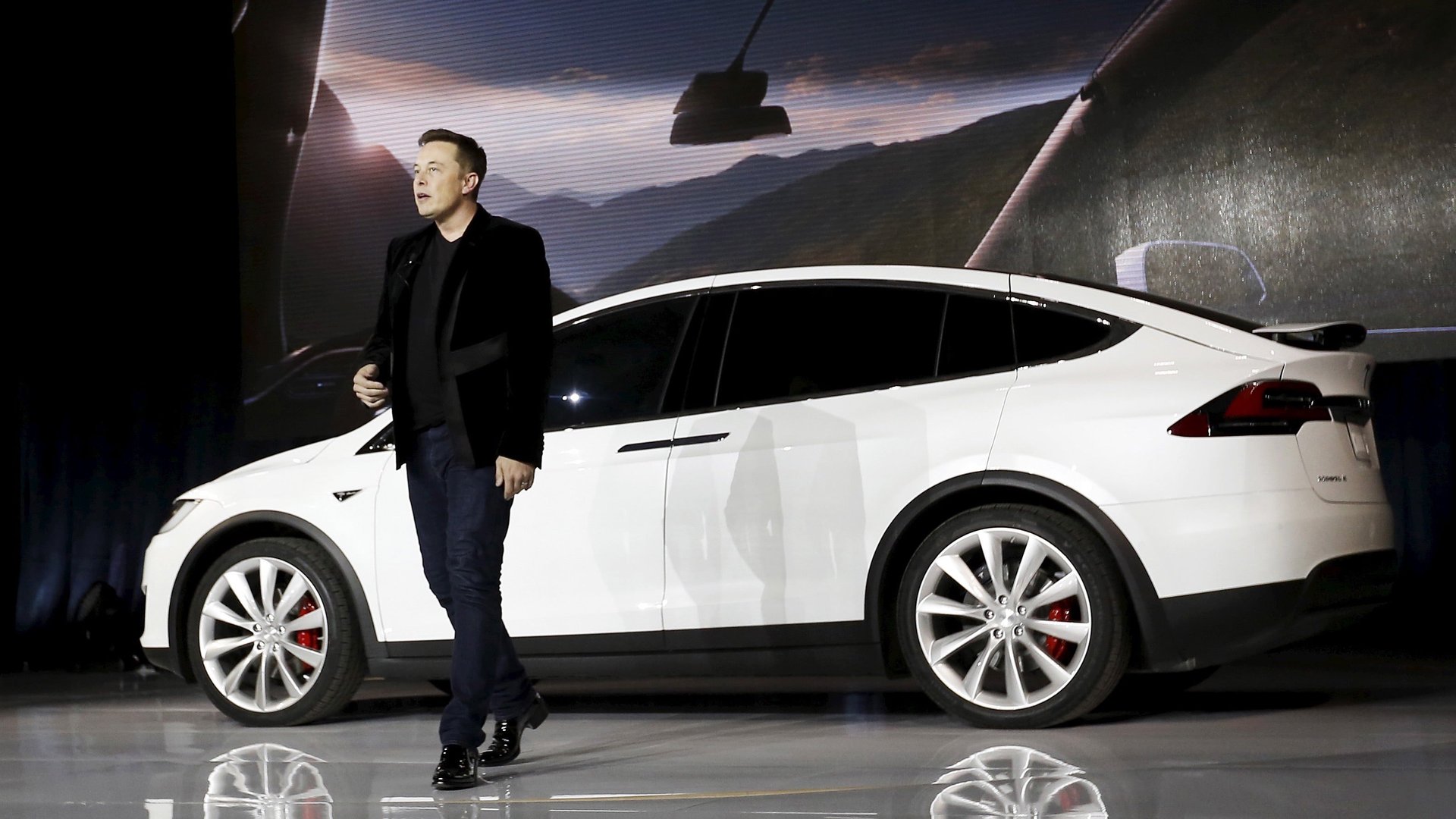
Tesla fans in India have reason to rejoice.
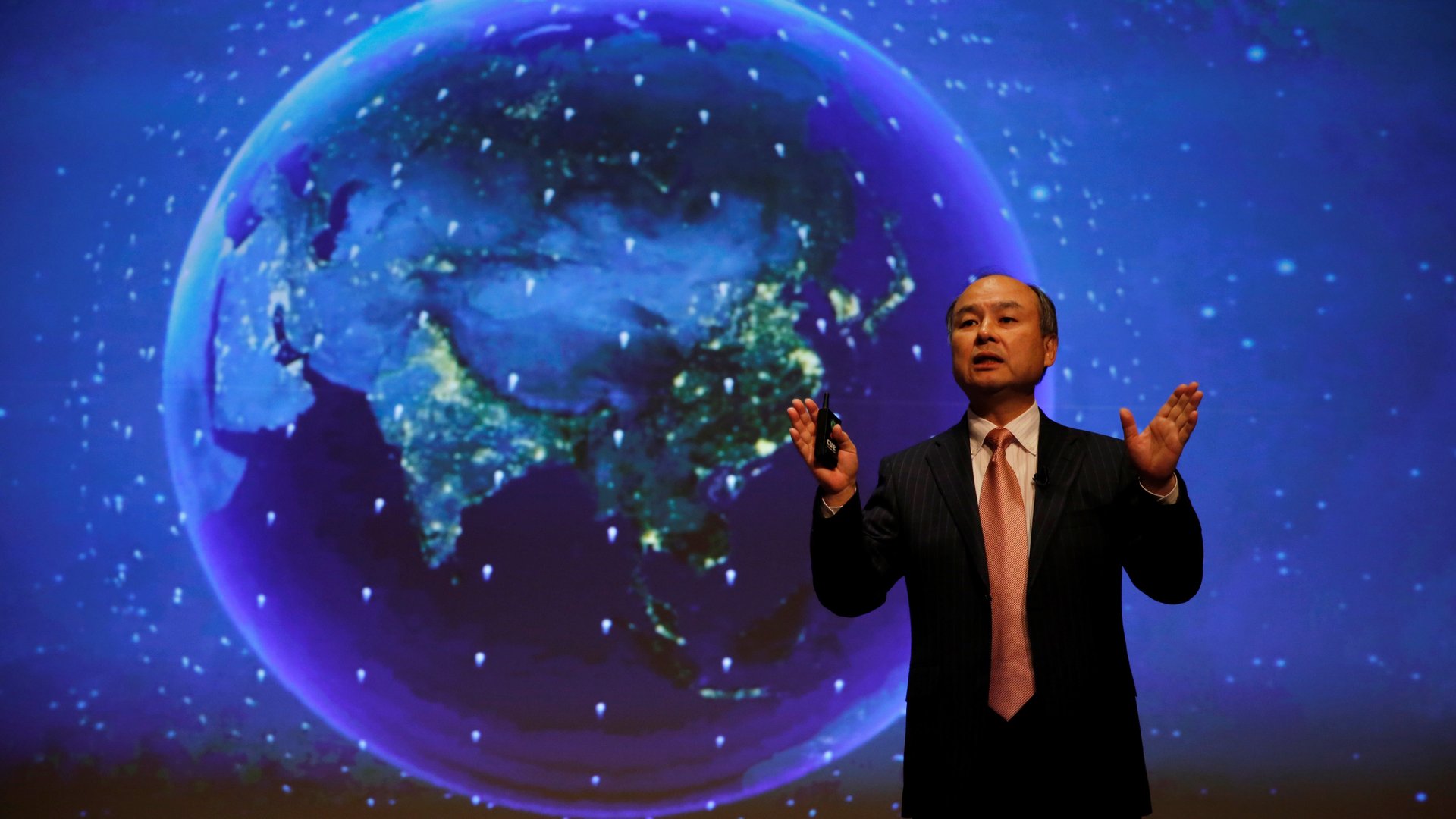
Softbank’s India portfolio may be a loss-making machine, but the Japanese giant isn’t throwing in the towel yet.
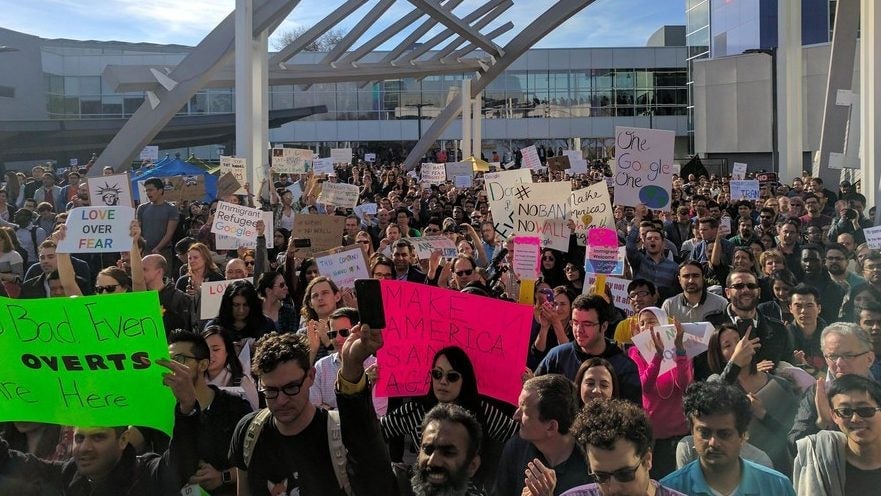
Political frustrations in Silicon Valley are boiling over. Protests and walkouts have erupted on Bay Area campuses ranging from Google to Palantir and while management is often in attendance—Google CEO Sundar Pichai and co-founder Sergey Brin have both participated in demonstrations—tech employees are leading the charge.
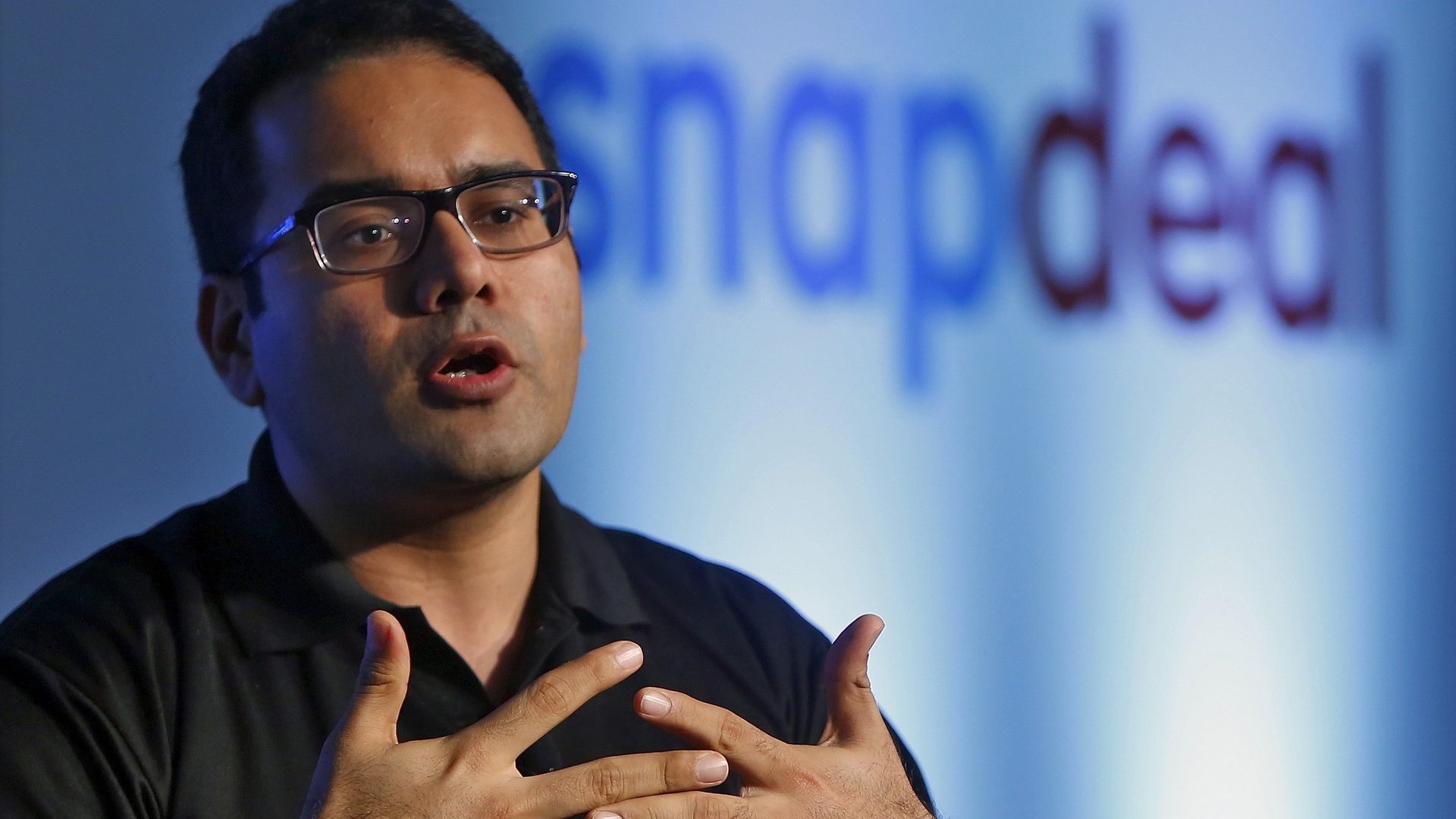
America, be warned: As the Trump administration moves to clamp down on H-1B visas, the US has a lot to lose.

H-1B work visas, which allow foreigners to work in the United States for up to six years, are under attack—and it’s sending Indian tech firms into a tailspin.
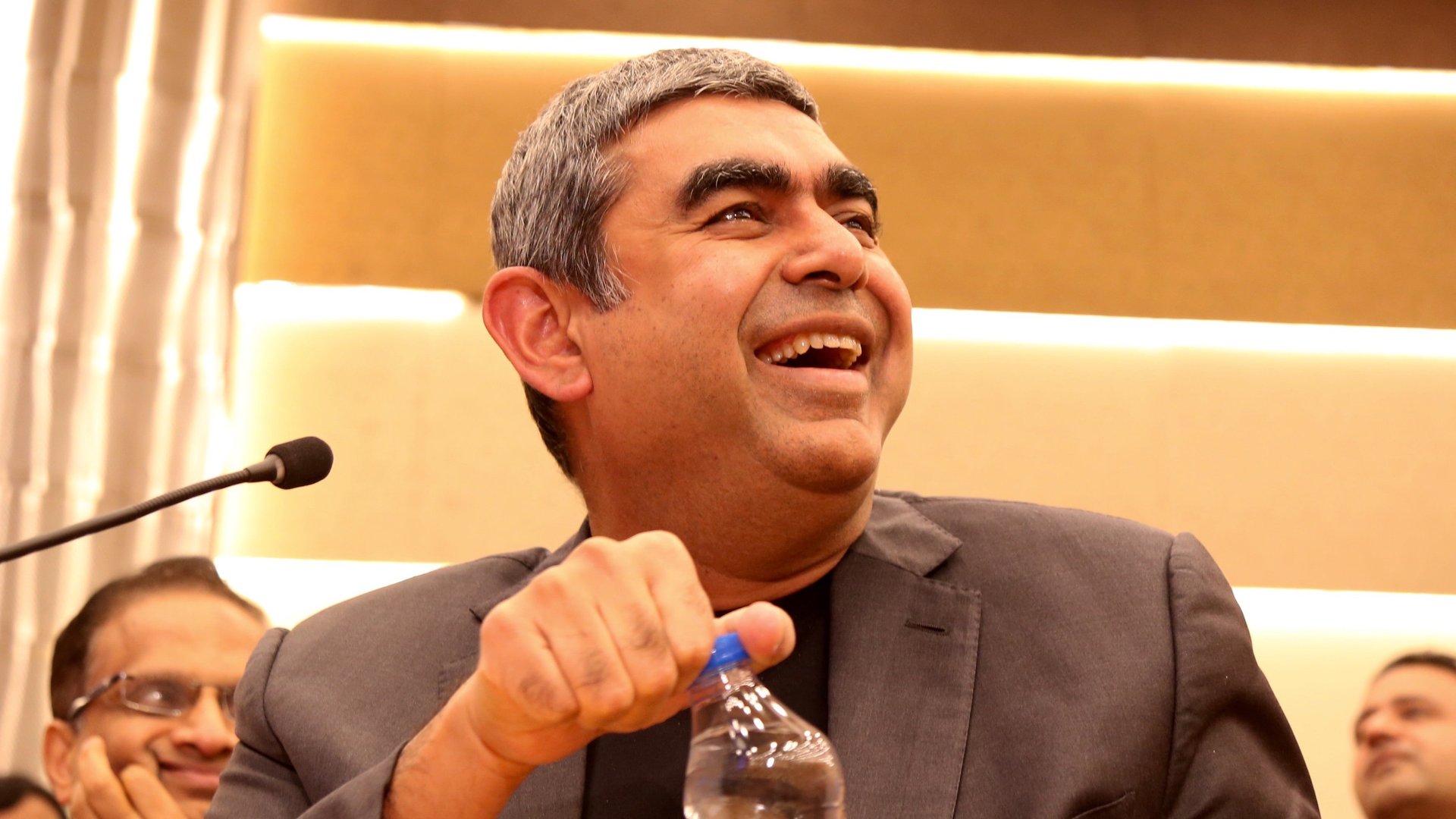
The buzz over proposals to tighten US visa rules caused a furore this week, with the move being interpreted as the death knell for India’s $150-billion IT outsourcing industry. However, for many Indian tech majors, this isn’t really breaking news because they’ve known for a while that US visa laws are a game of political roulette.
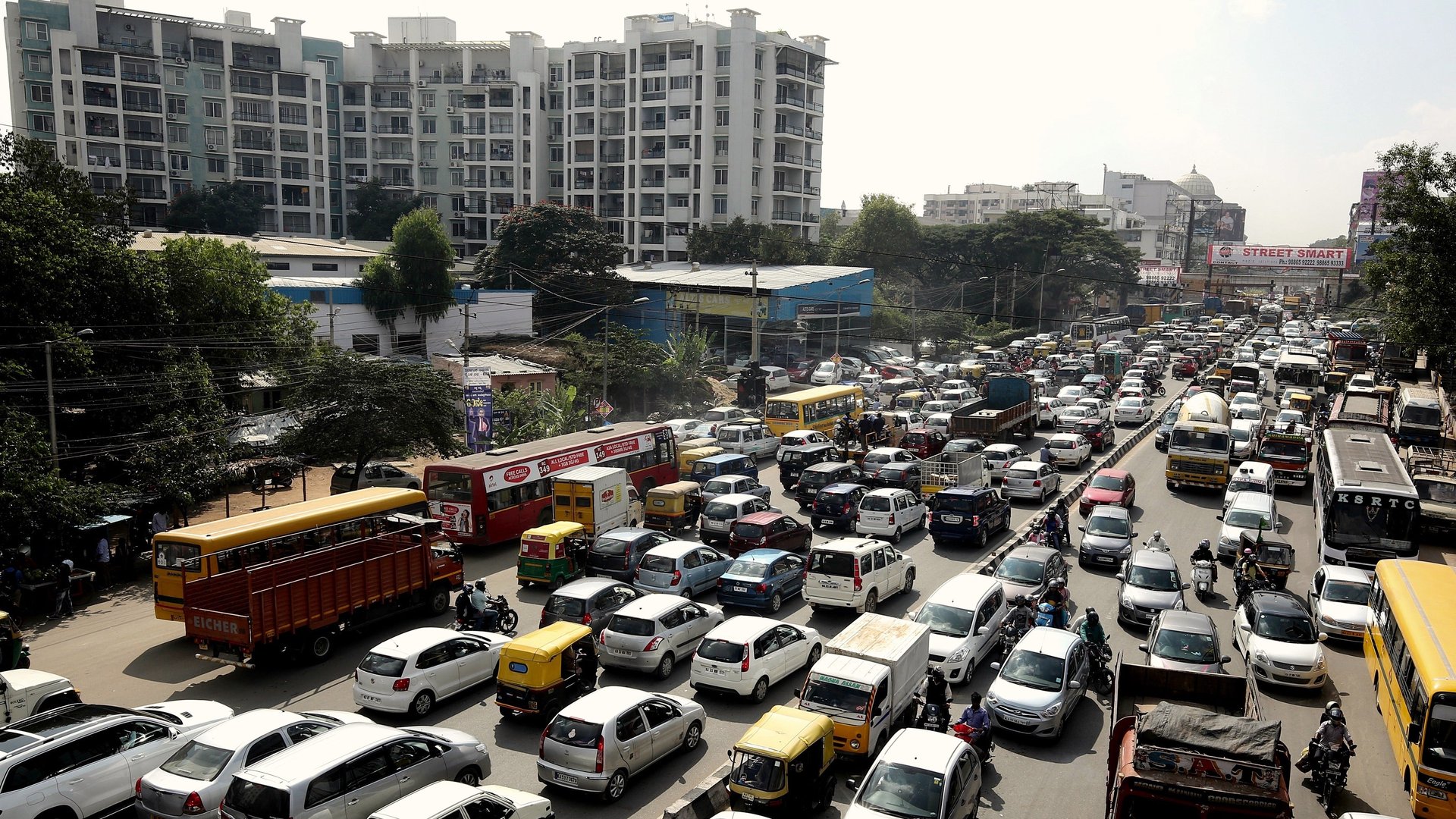
Last week, the southern Indian state of Karnataka warned Uber and Ola that their carpooling services were in violation of a law that barred multiple pick ups and drop offs during a single ride. The rivals operate with a “contract carriage permit, which is for point-to-point drops and not picking up customers in between,” the state’s transport commissioner MK Aiyappa said.
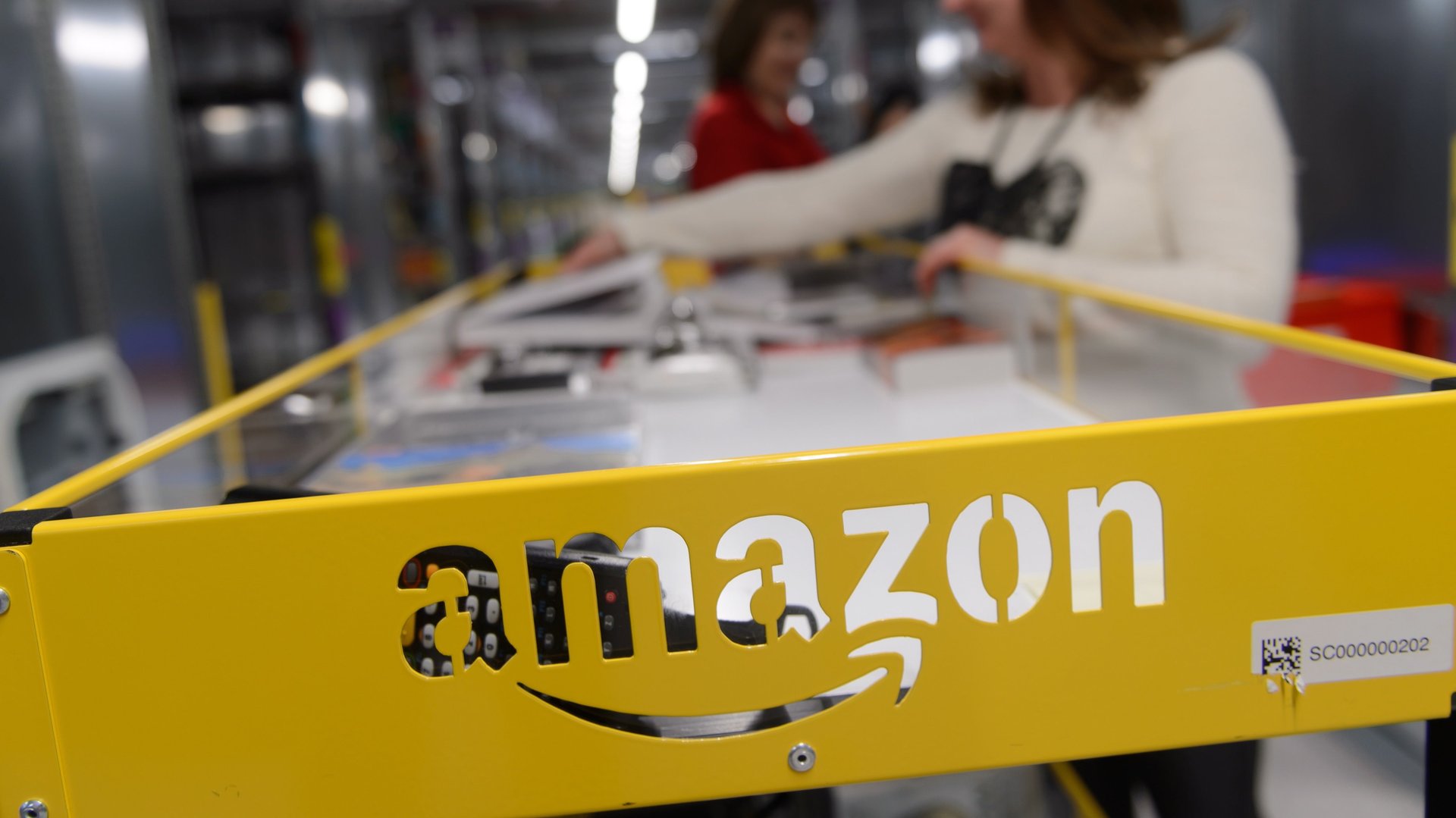
Amazon posted a profit in the fourth quarter of 2016, but missed analyst expectations on revenue. Plans for global domination are still on, though.
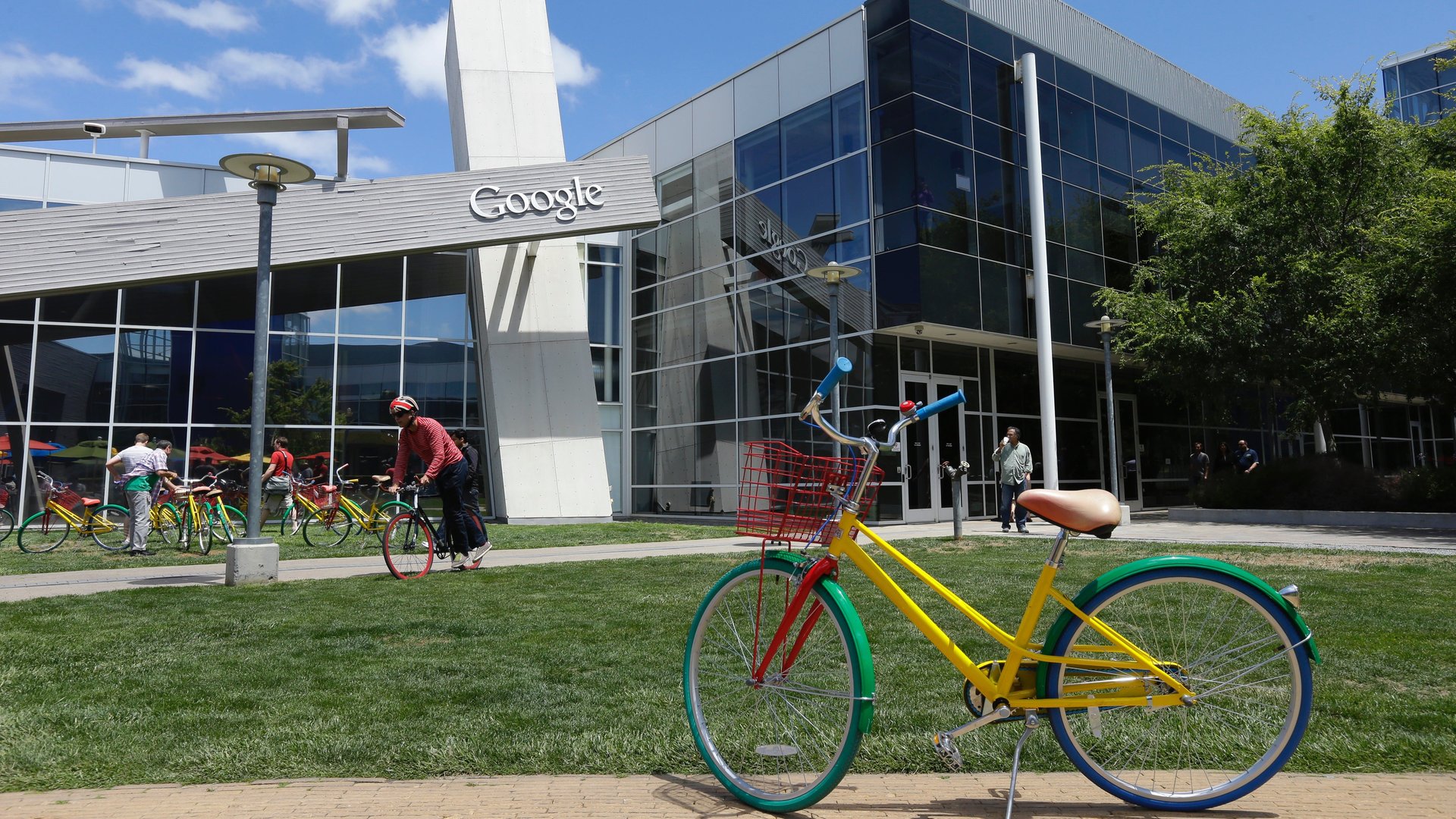
Google’s empire is built on advertising—and over the past year the company has been discreetly adding more of it in more places.
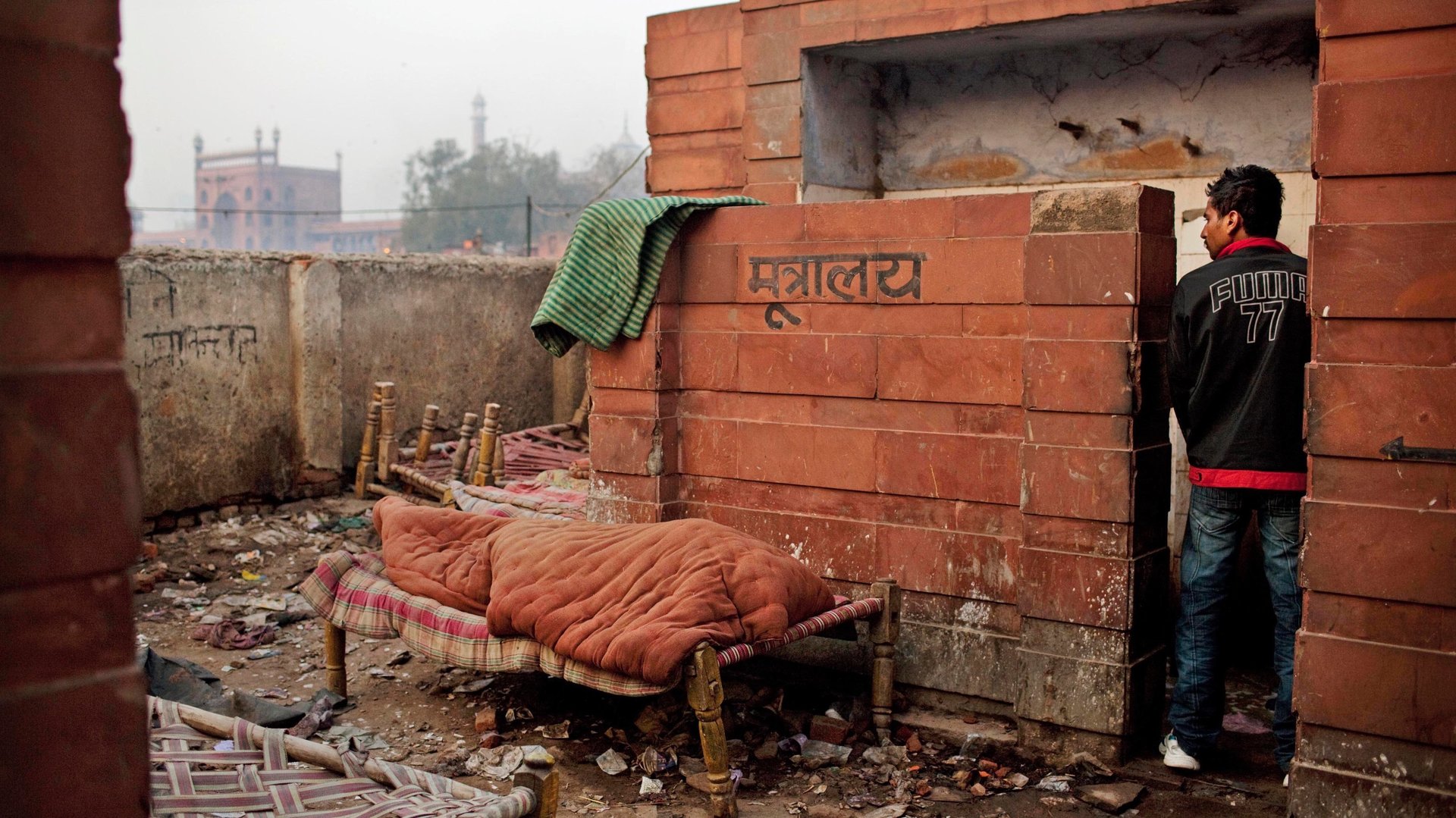
The seemingly normal routine of using the bathroom is still a novelty for many in India.