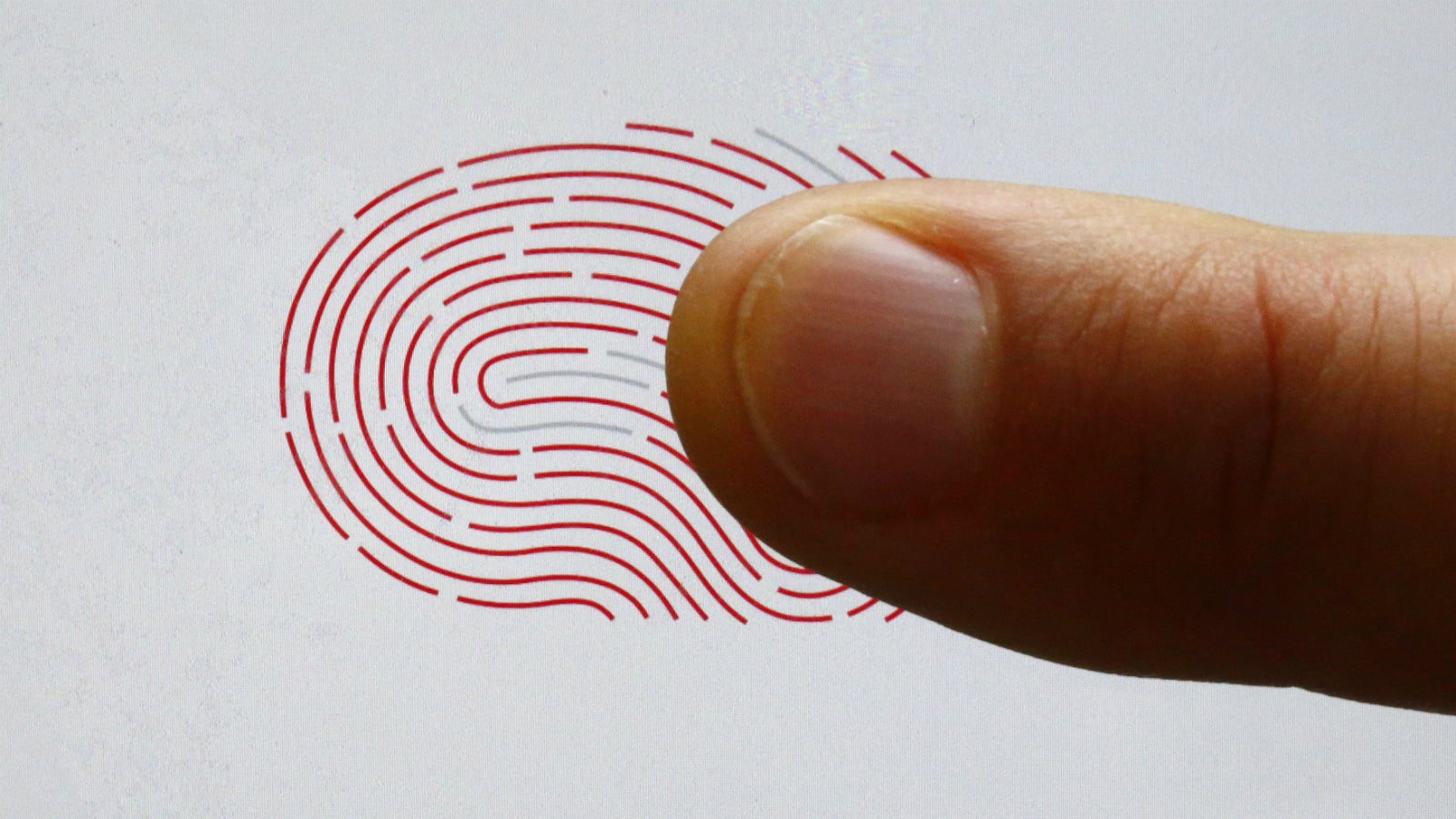
Some of the worst fears surrounding the Indian elections and the country’s biometrics-backed identity programme may be coming true.

Some of the worst fears surrounding the Indian elections and the country’s biometrics-backed identity programme may be coming true.

In India, TikTok is mostly known for being home to videos of silly antics and movie lip-syncing. But the app now also has plenty of user-generated political content—a matter of which the company seems wary.

At over 43 million likes, it may seem like Indian prime minister Narendra Modi has by far the most successful Facebook page among all serving world leaders. But looking at likes alone obscures another social media metric that matters: engagement.

The second “O” in the Google doodle today (April 11) has been replaced by the drawing of a hand with an outstretched, inked finger—a representation of someone who has voted in India.

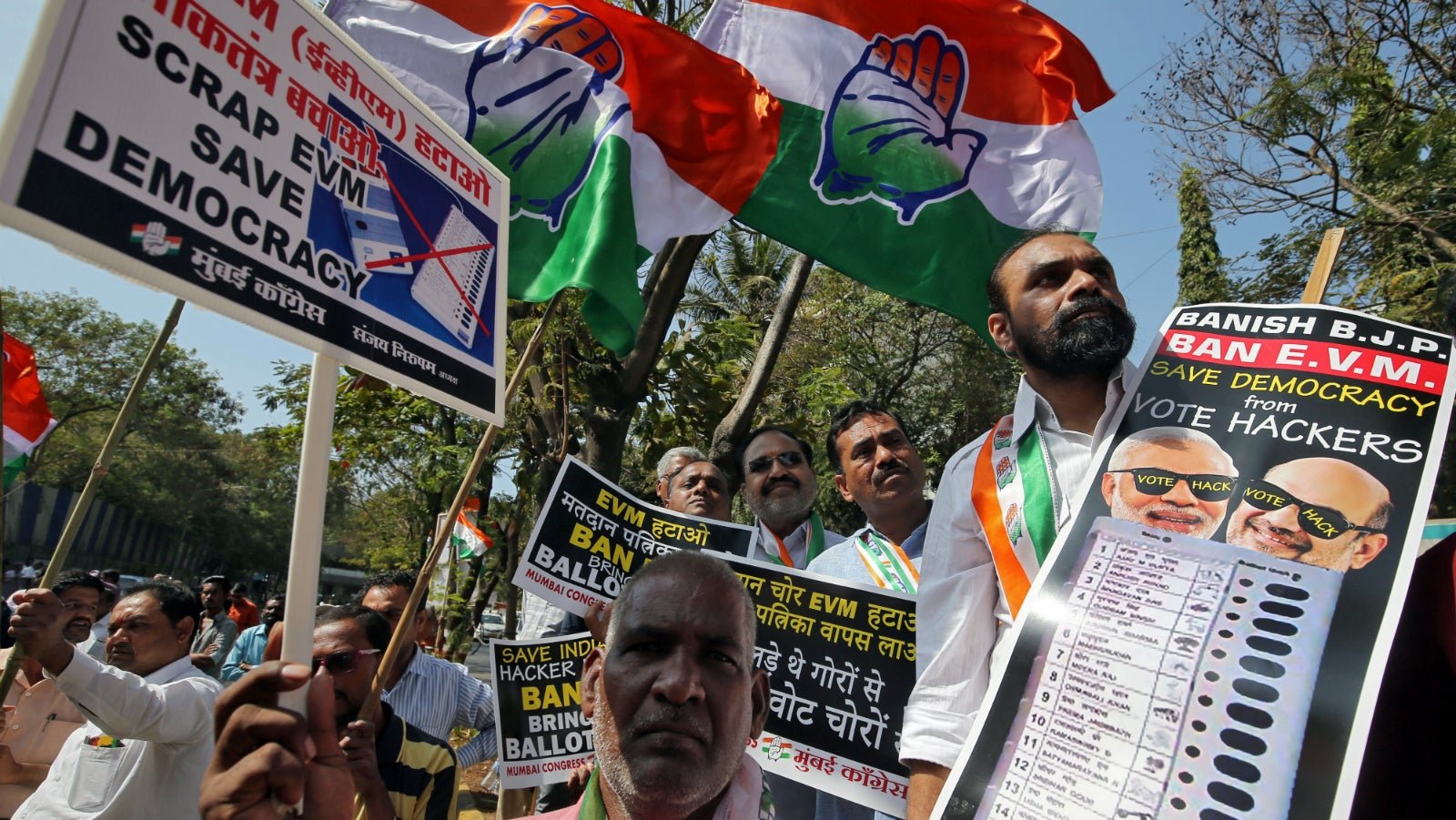
Starting this week, almost 900 million people will be eligible to vote in the world’s largest democratic contest ever—a record that’s set and broken with each consecutive Indian election. After five years of rule by an alliance led by the Bharatiya Janata Party (BJP), the key question at play here is whether Narendra Modi will be able to keep his job as prime minister for another five-year term.

In February, two duelling hashtags—one in support of Indian prime minister Narendra Modi and one opposing him—used bots to boost their messaging. The overall traffic driving both hashtags was heavily automated, finds a report by the Atlantic Council’s Digital Forensic Research Lab (DFR Lab), but the pro-Modi hashtag far more so.

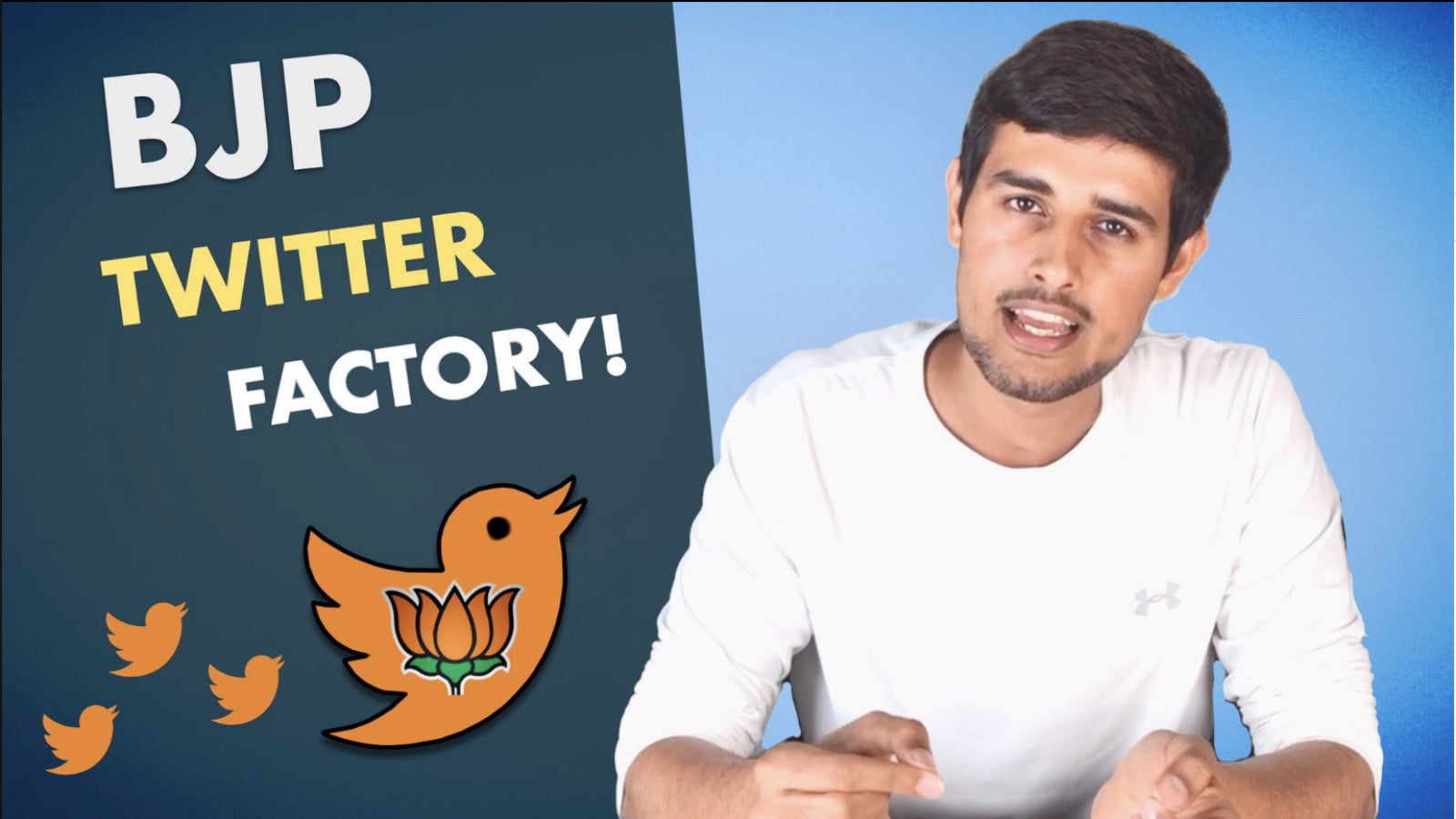
India’s ruling Bharatiya Janata Party (BJP) seems to be many steps ahead of Facebook’s initiatives to stay transparent about the funding of political advertising. A secretive organisation reportedly managing its campaign appears to have successfully worked around the social media platform’s ad transparency measures for months.

India’s government leaks data like a sieve, and it’s putting people at risk.

There is more to Facebook’s purge of Indian political pages than meets the eye.

The striking down of two colonial-era laws in India seems to have provided a boost to online dating in the country.

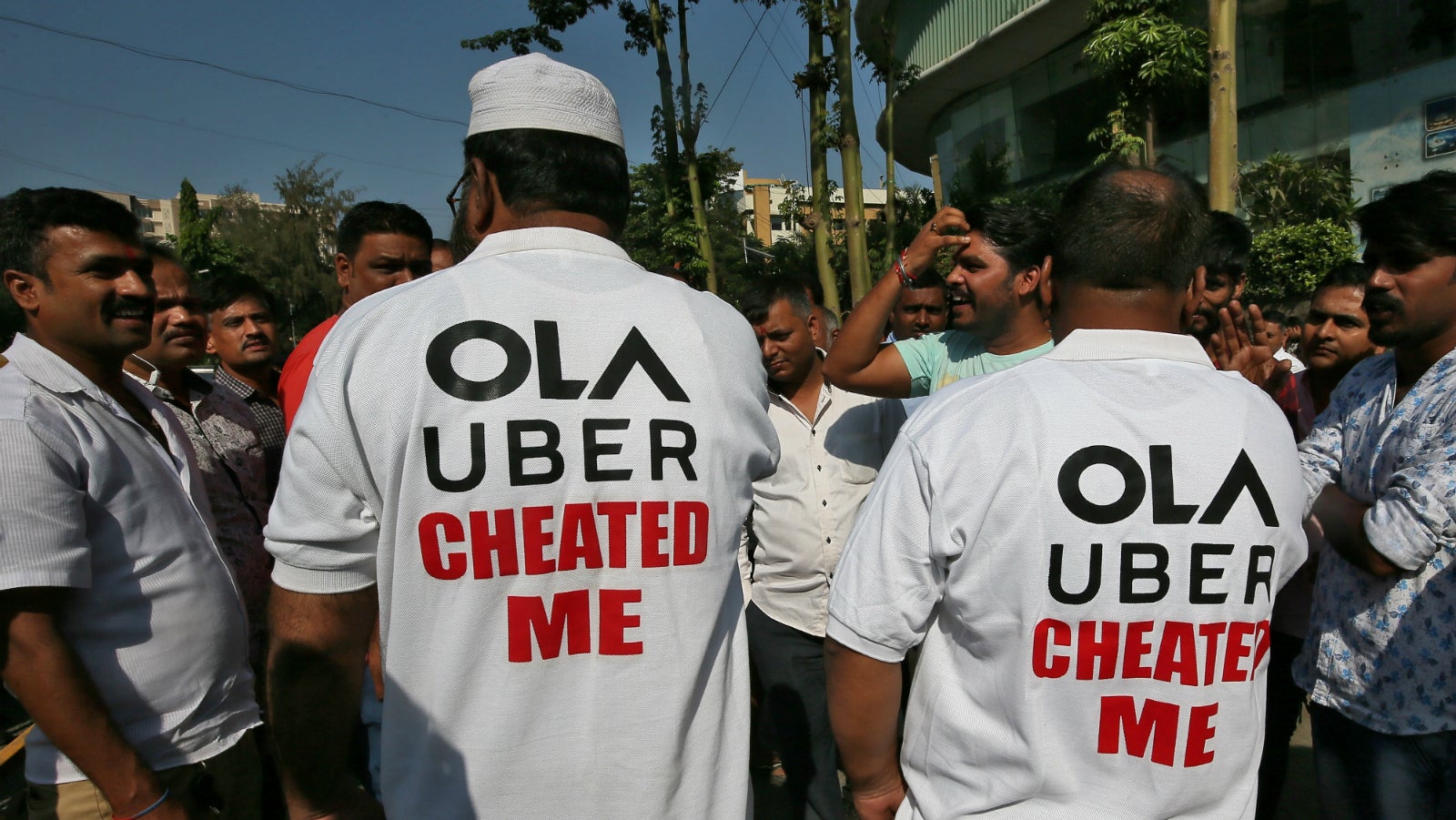
The last decade has seen India’s technology startup industry have its moment in the sun, with ample funding from global investors and sky-rocketing valuations. However, there’s one group that’s getting the short end of the stick: The hundreds of thousands of gig economy workers who are contracted by these young companies—drivers, delivery personnel, and others.

A new and rapidly evolving video technology could intensify the problem of fake news in India.

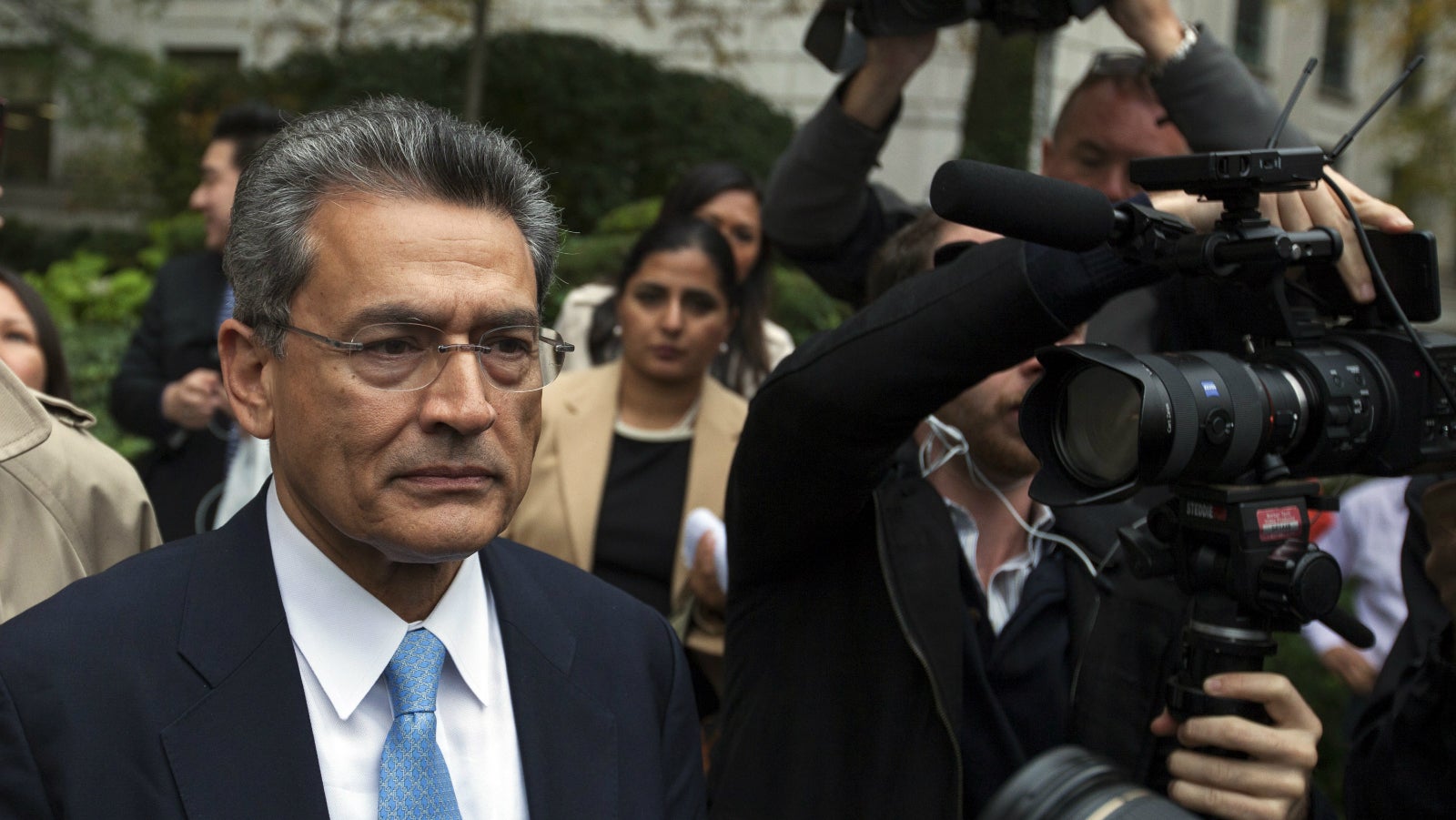
After years of reticence, Rajat Gupta has a lot to say—and some regrets about what he wishes he’d said sooner.

This post has been updated.

Indian internet users are increasingly looking for legal and safe ways to get around the country’s tightening digital censorship regime, worsened by overzealous internet service providers (ISPs).

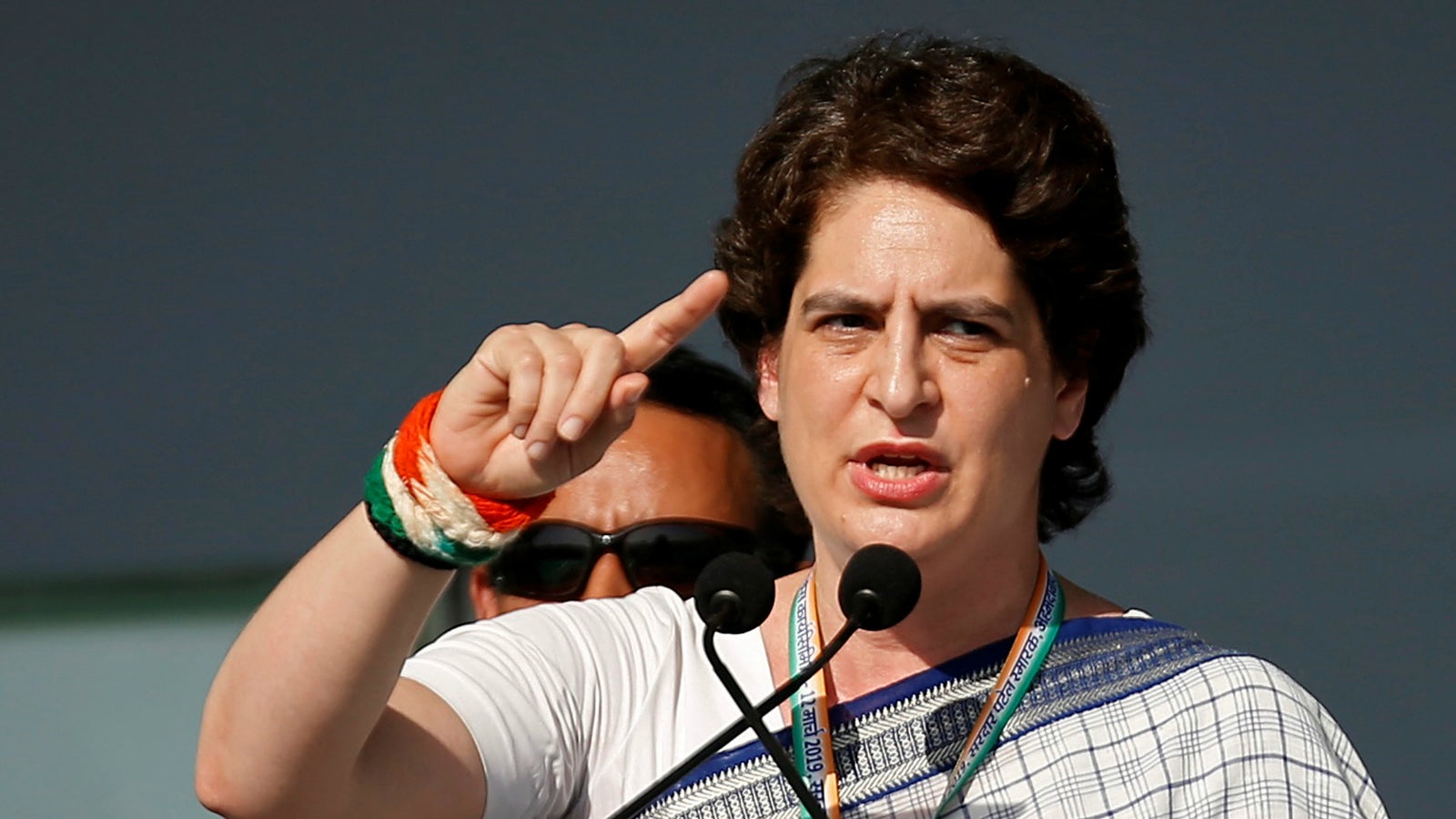
Political pundits everywhere are exhaling: Priyanka Gandhi has made her Twitter debut, over a month after she created her account.

This post has been updated.

India’s luxury market is getting a boost from the country’s tier II cities.

More Indian women are fighting back against sexual harassment they face over phone calls and text messages, a survey shows.

Cybersecurity is often neglected in India, including in the political realm. The issue came into focus earlier this week after the website of the ruling Bharatiya Janata Party (BJP) was reportedly hacked and defaced.

Data analysts have been hot properties in India’s job market for years. Currently, there are about 97,000 analytics jobs waiting to be filled in India, according to a recent study by Analytics India Magazine and ed-tech company Great Learning. This is a jump of almost 45%, compared with a year ago.

If you’ve ever wanted to tear your hair out during a political argument with a fellow Indian, you’re far from alone.

Urban, educated Indians are harbouring some bizarre beliefs for 2019.

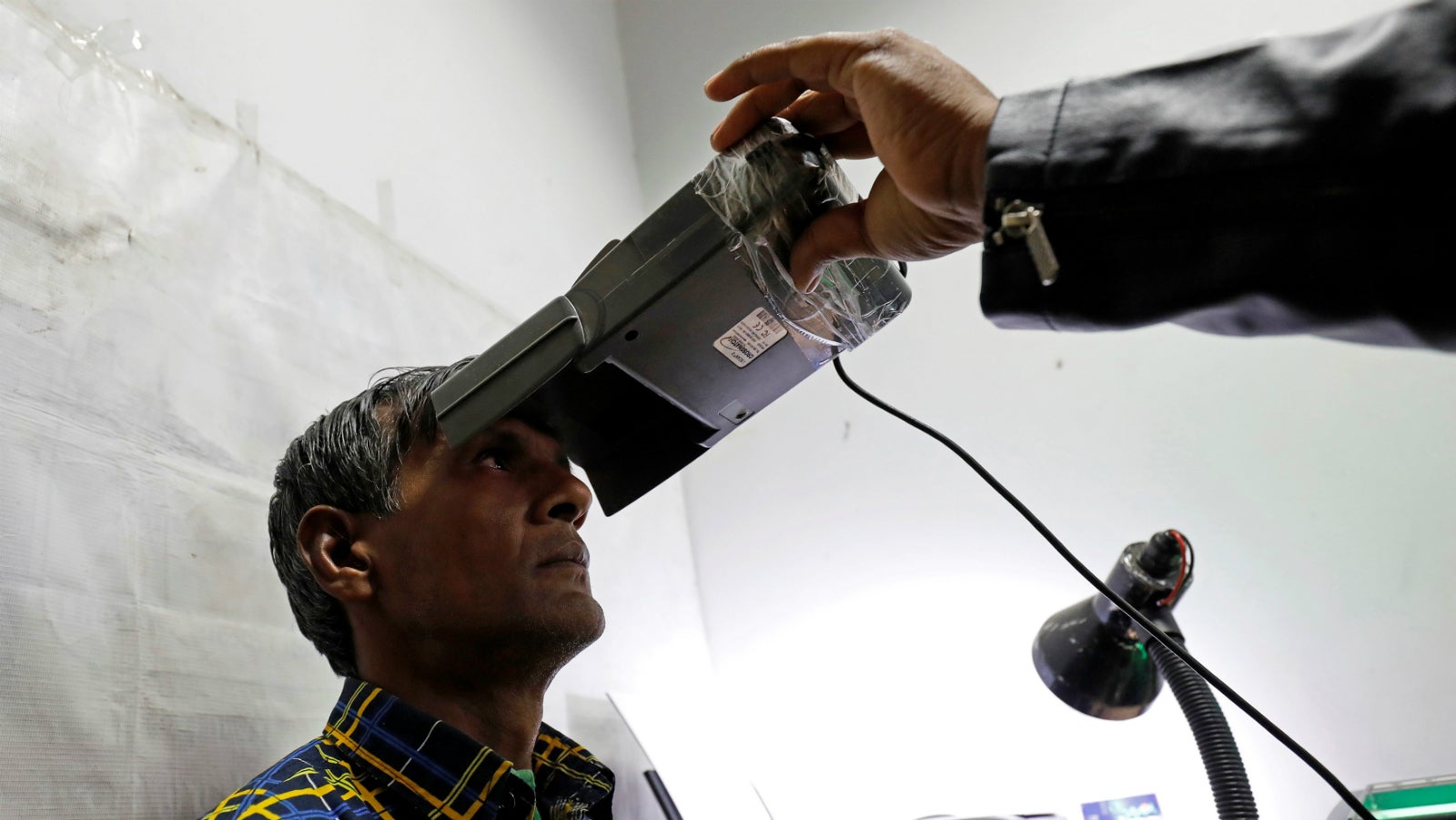
India’s Narendra Modi government yesterday (Feb. 28) approved the tweaking of the law governing the country’s controversial biometric ID programme, Aadhaar. Among other things, the changes allow Aadhaar to be used by private entities—months after a September 2018 supreme court judgment ruled that was unconstitutional.