As scientists become more skilled at creating tough, uniform nano-scale structures, they’re discovering that they can tune their properties to accomplish all sorts of things—including repelling water as if it were mercury.

As scientists become more skilled at creating tough, uniform nano-scale structures, they’re discovering that they can tune their properties to accomplish all sorts of things—including repelling water as if it were mercury.

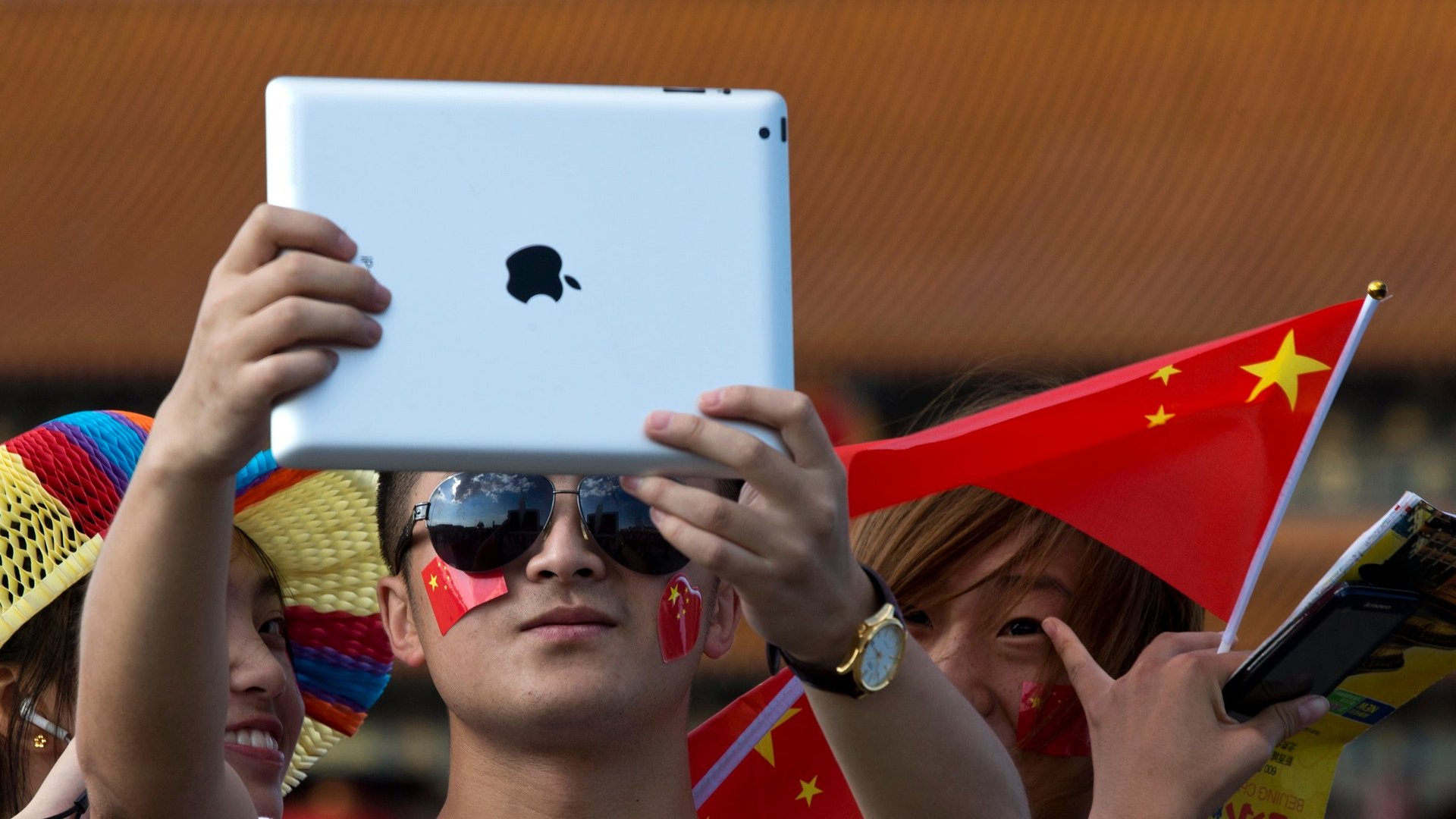
On the eve of Apple’s expected announcement of a refresh of its iPad and iPad mini, Apple is selling more tablets than any other company. And yet in phones, Apple now lags behind Samsung. Why this remains the case—and it may not be for long, as Samsung catches up to Apple and Android continues to gain market share on all devices—is a lesson in how technology ecosystems are born, evolve, and retain momentum.

Goldman Sachs doesn’t want its employees wasting their time waiting in line at the salad bar in its spotless, futuristic cafeteria, so it charges higher prices between 11:30 a.m. and 1:30 p.m. Diners enjoying treats like bubble tea and desserts from Momofuku outside those hours get a 25% discount.

Current wireless networks have a problem: The more popular they become, the slower they are. Researchers at Fudan University in Shanghai have just become the latest to demonstrate a technology that transmits data as light instead of radio waves, which gets around the congestion issue and could be ten times faster than traditional Wi-Fi.

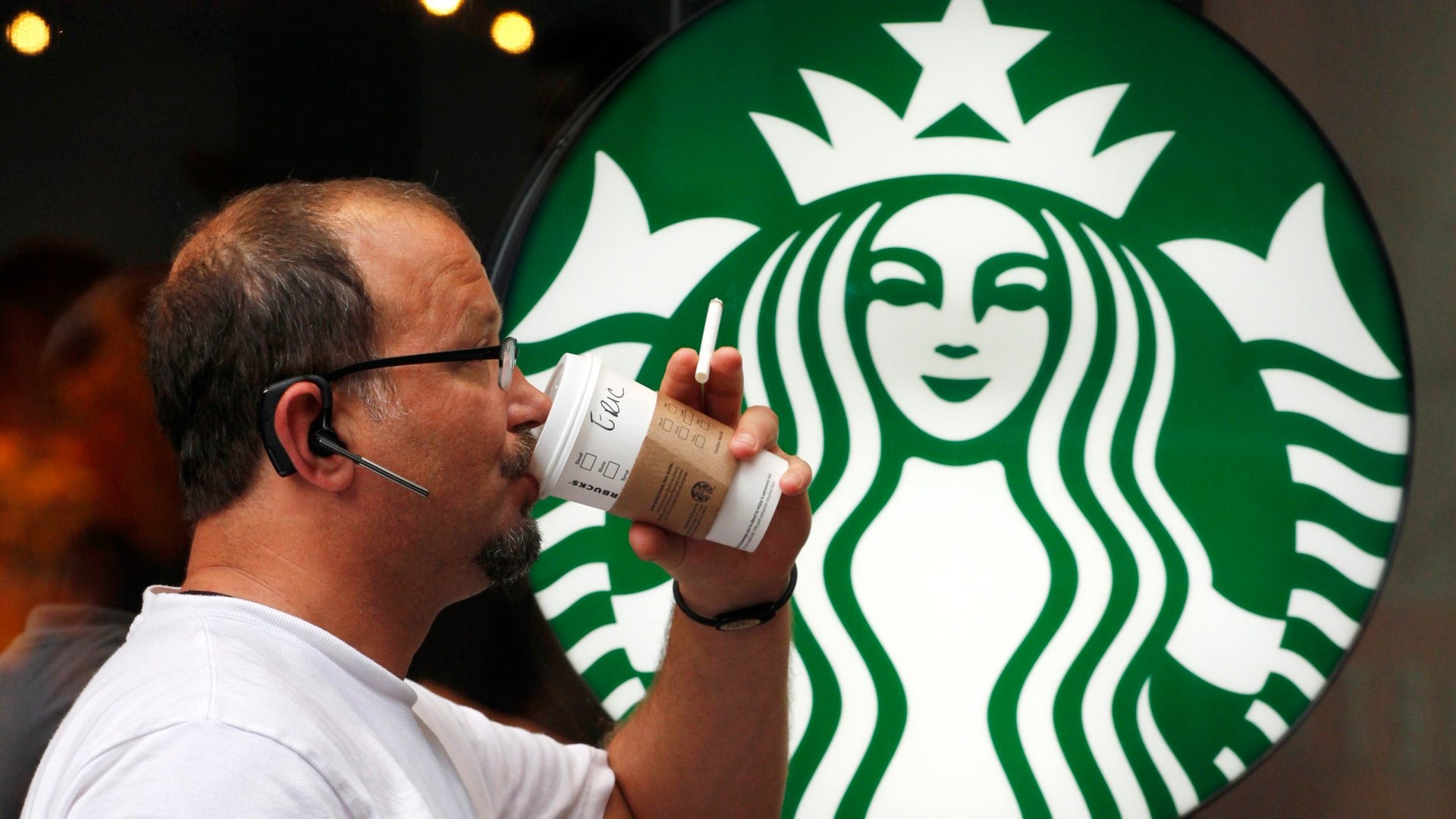
The pumpkin spice latte, Starbucks’ most iconic and popular seasonal drink, almost didn’t happen. “A number of us thought it was a beverage so dominated by a flavor other than coffee that it didn’t put Starbucks’ coffee in the best light,” says Tim Kern, who recently left Starbucks after 20 years, and who started at Starbucks when it was a regional chain of just six stores.

Google generated more revenue than ever—$14.9 billion—in the just-reported third quarter of 2013. That was up 12% on the same quarter of 2012, beating street expectations and sending the stock up 6% in after-hours trading. So how did the company do it? Advertisements on good old-fashioned search.

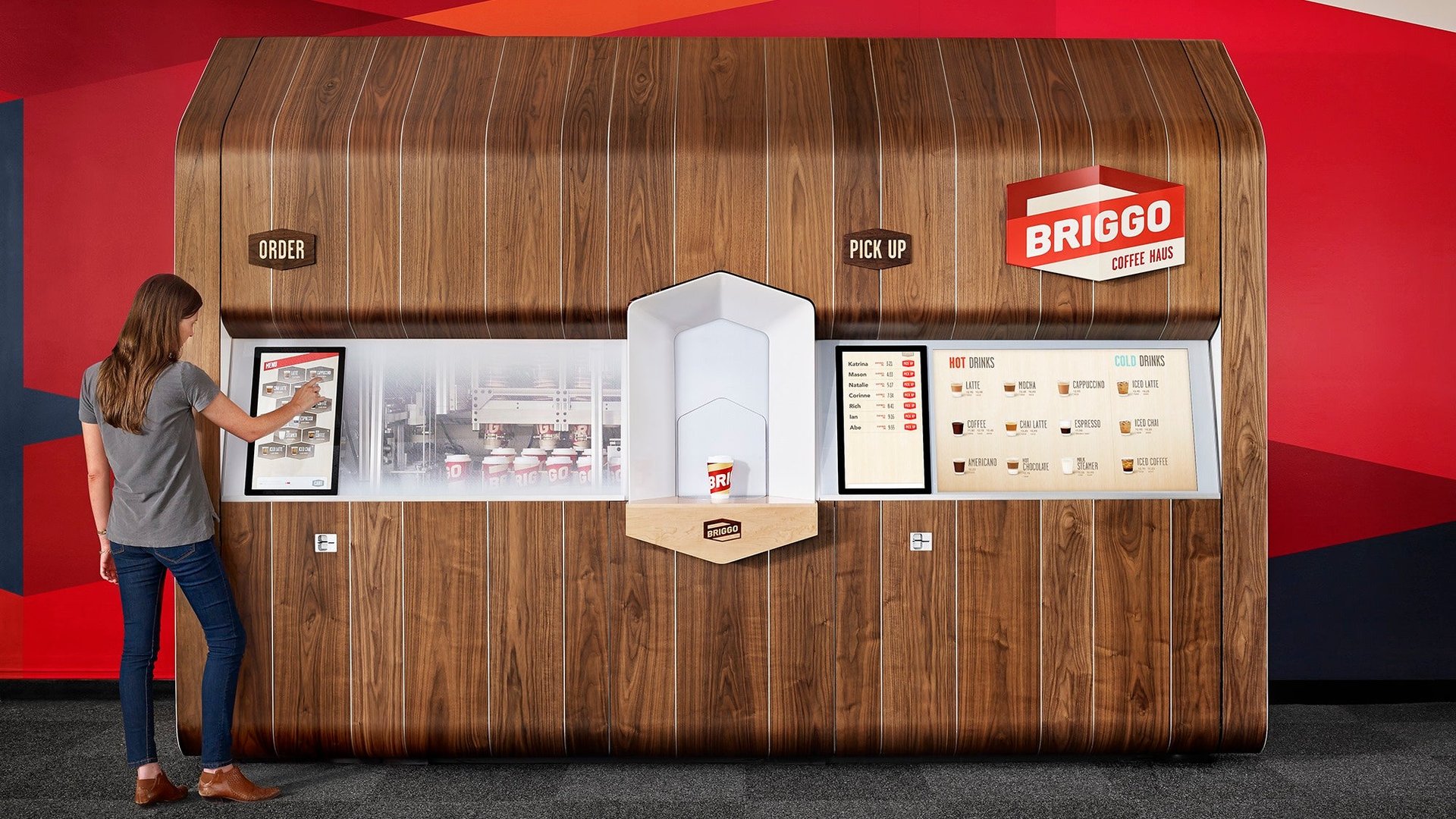
Starbucks’ 95,000 baristas have a competitor. It doesn’t need sleep. It’s precise in a way that a human could never be. It requires no training. It can’t quit. It has memorized every one of its customers’ orders. There’s never a line for its perfectly turned-out drinks.

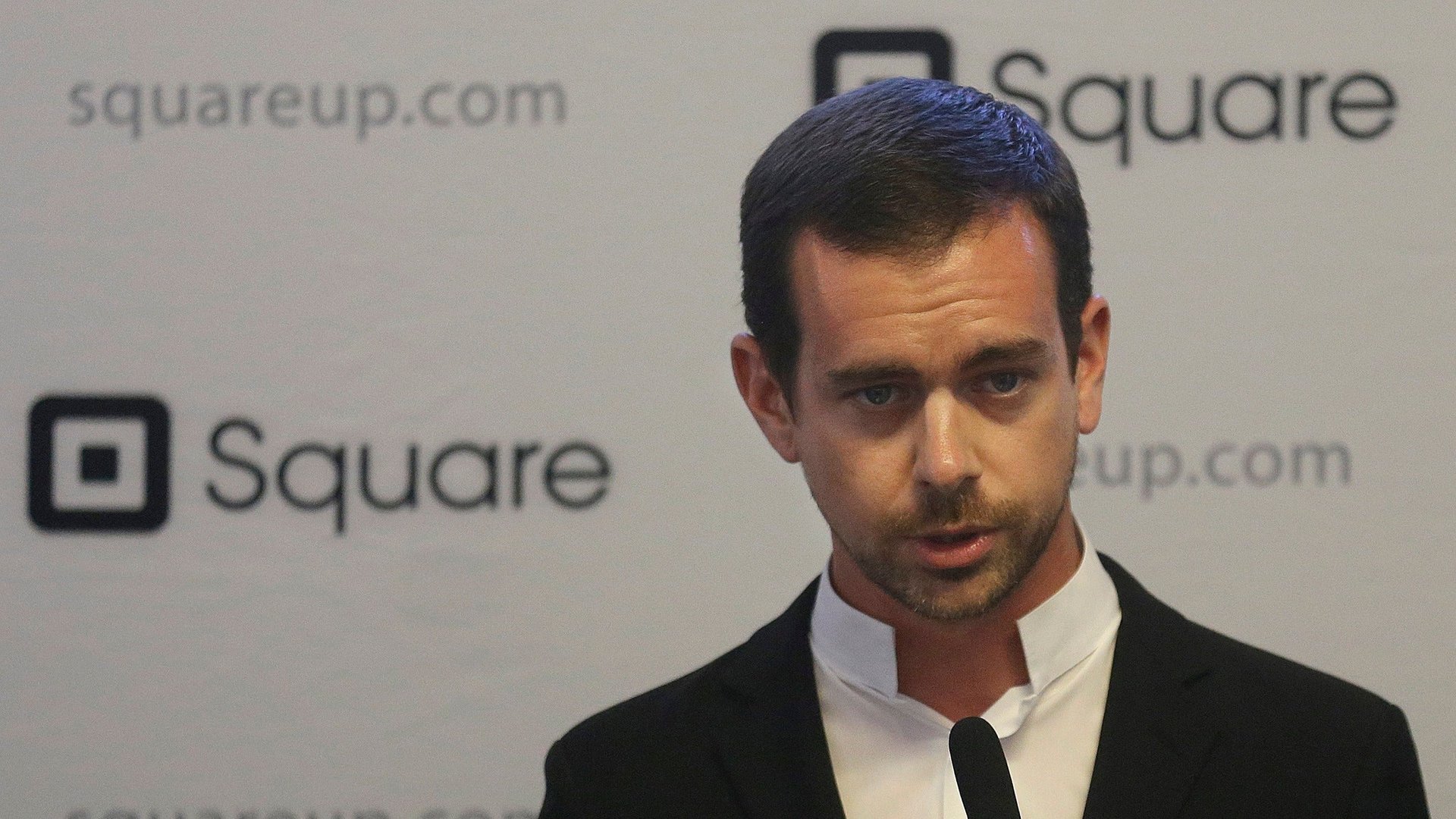
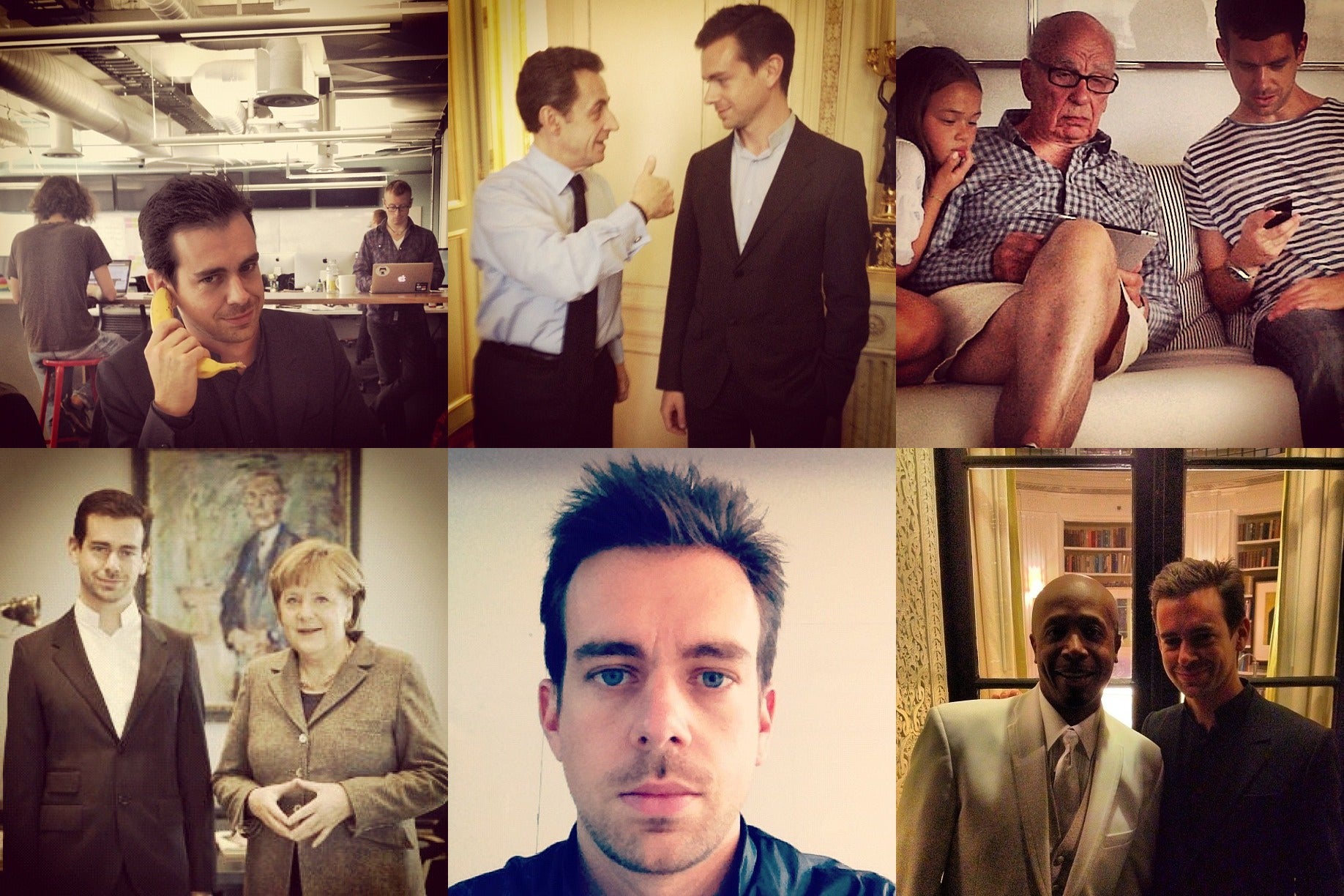
Square today rolled out a potentially game-changing new service in the form of Square Cash, which allows anyone with a Visa or MasterCard debit card to send money to anyone else with a Visa or MasterCard debit card, via email. Square, Jack Dorsey’s San Francisco payments startup, charges no fee and the money will arrive sometime between instantaneously and one day later. Reviews of the service are very positive. You can transfer up to $2,500 a month via Square Cash, which means it could be useful for everything from settling up with friends to paying rent.

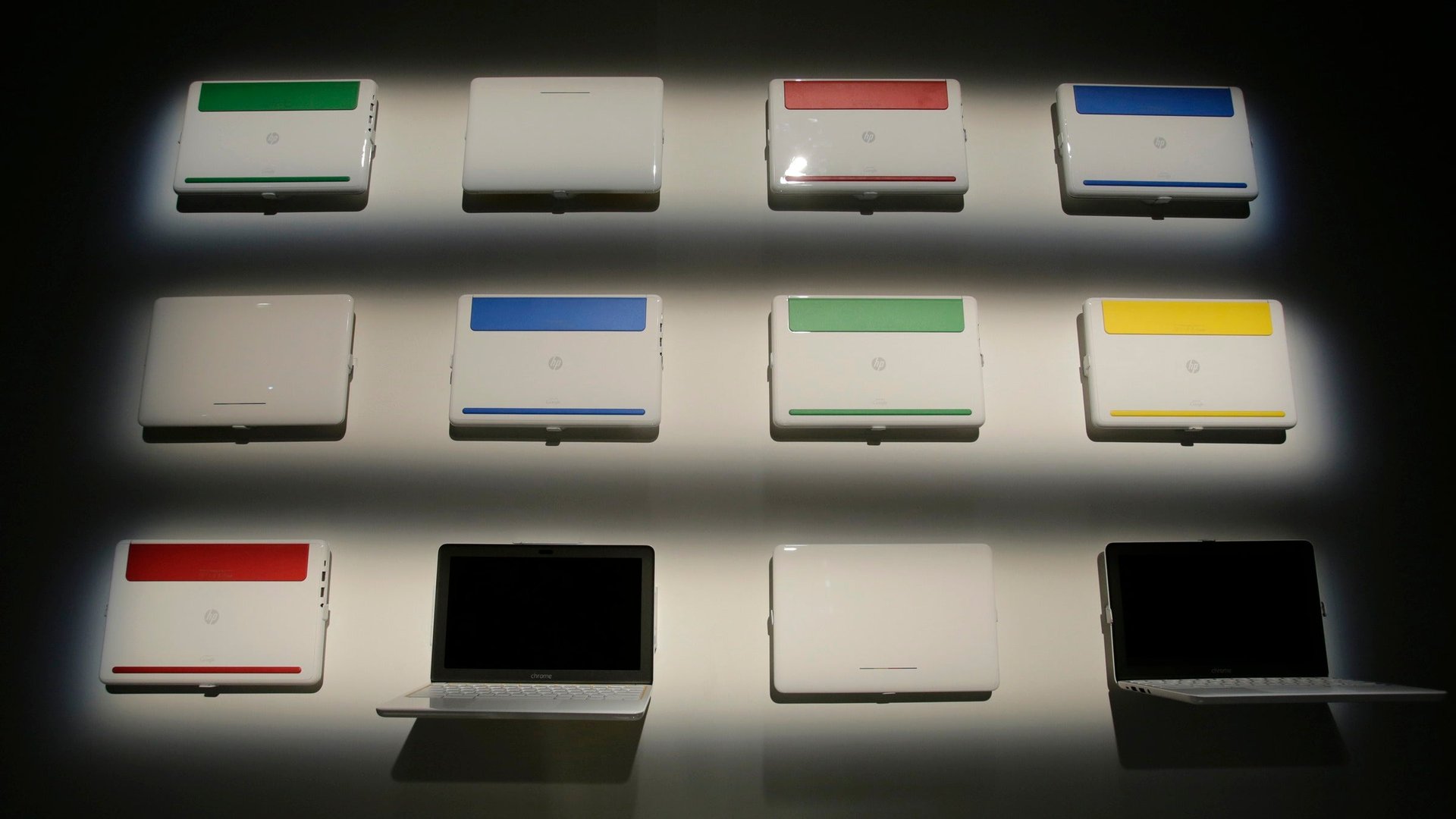
As everyone knows by now, a storm is raging in the world of personal computing. PC sales are down and mobile devices like phones and tablets are the culprit. PC makers are trying to regain lost territory by offering “convertibles”—Frankenstein’s monsters that combine the worst traits of the laptop with the worst of the tablet.

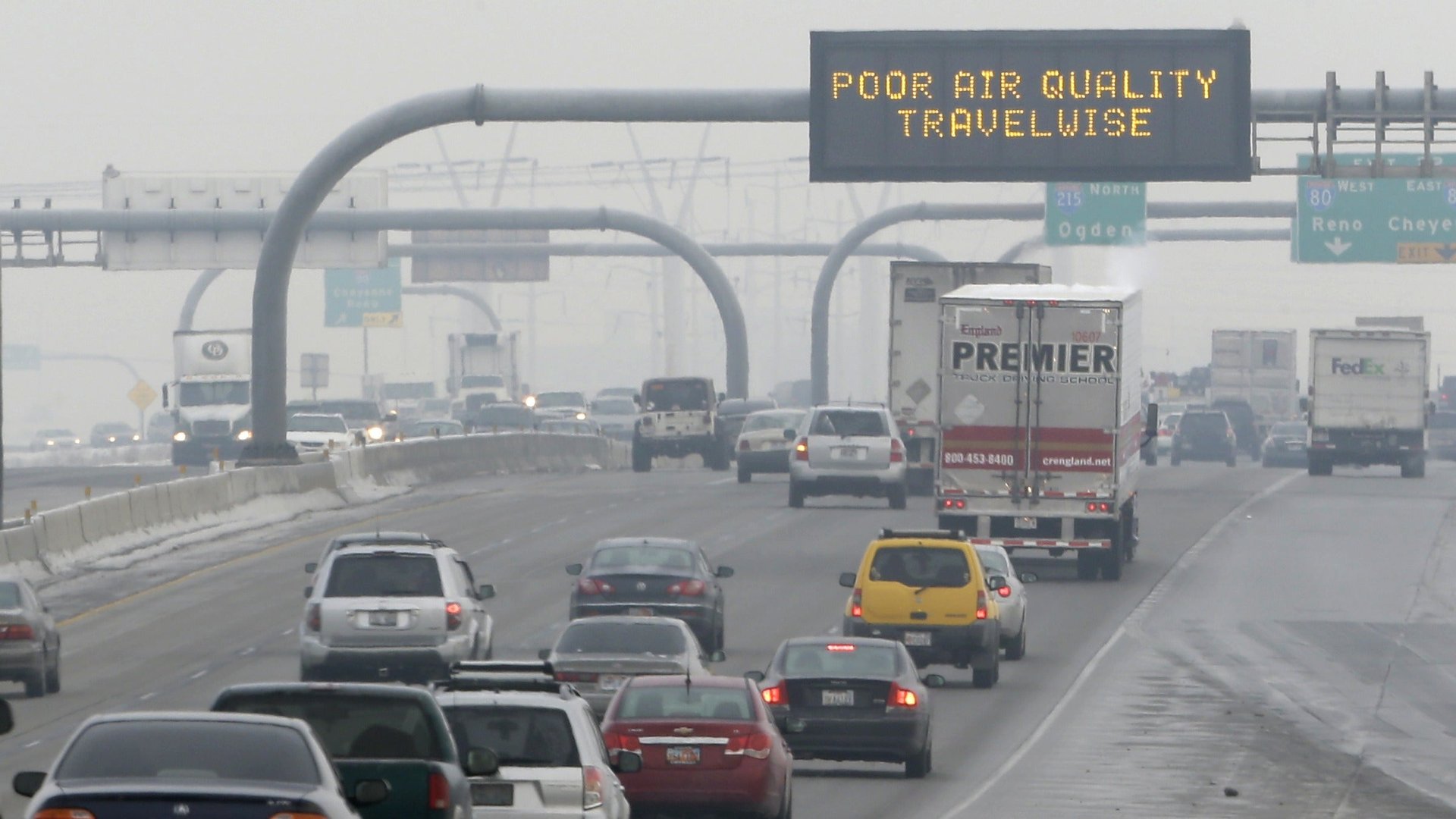
Some day our descendants will marvel that we ever lived in cities filled with emissions direct from the tailpipes of cars. A new study from MIT suggests that in the US, 53,000 people a year die prematurely because of automobile pollution, compared to 34,000 people a year who die in traffic accidents.

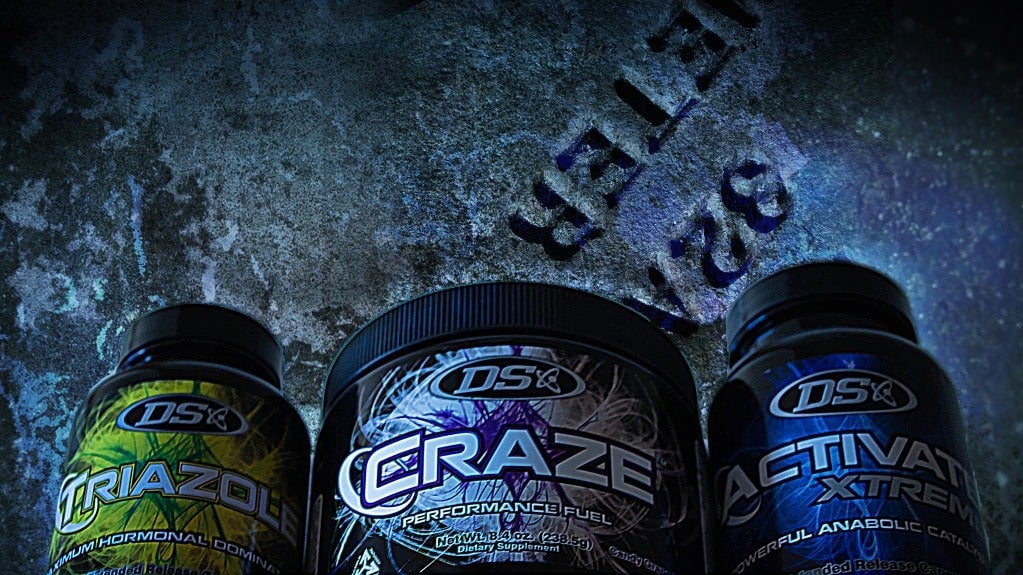
If you’re in the mood to experiment with a powerful synthetic drug, pick yourself up a tub of Craze, bodybuilding.com’s 2012 pick for pre-workout supplement of the year. You “have NOT Experienced Workout Energy Like This,” promises the supplement’s maker.

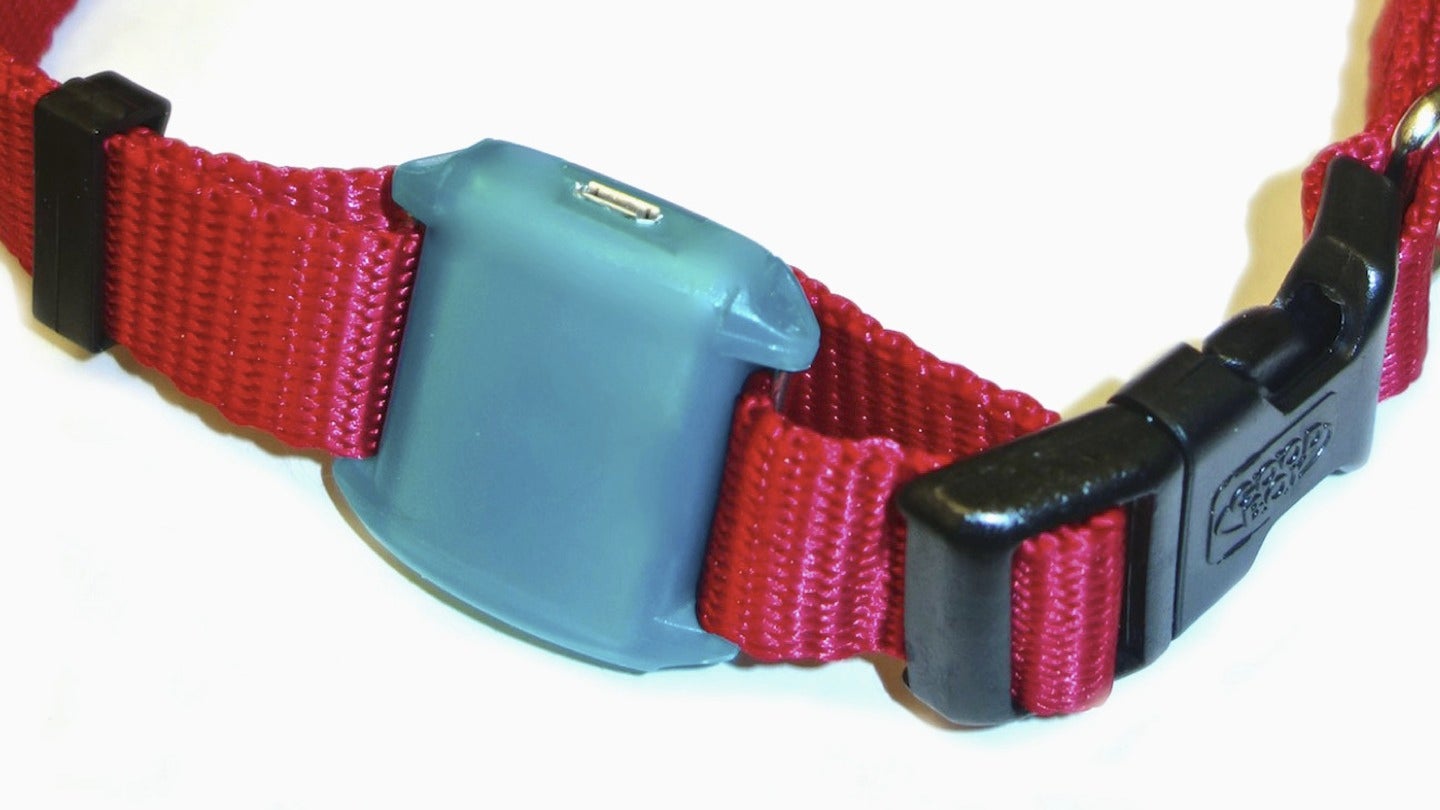
For the first time ever, researchers have created an accurate, robust, collar-mounted system for continuously monitoring and cataloging the behavior of dogs. Originally intended to track animal welfare, the scientists at Newcastle University who invented the system (pdf) now propose that it could also be used as an early warning system for the health of the dog’s owner. In particular, their device could help elderly people for whom direct monitoring could raise privacy concerns.

Mary Lou Jepsen has done everything from leading the One Laptop Per Child project to inventing a new kind of computer display, and now she’s sleeping just three hours a night as she races to build a top-secret successor to Google Glass. That’s what she told an audience at MIT’s EmTech conference on Thursday, reports Rachel Metz at Technology Review.


Apple is rumored to be refreshing its iPad lineup on Oct. 22, an affair that would normally barely warrant a mention now that the company is in a phase in which it updates its existing product lines rather than announcing new, category-defining devices. But this time it’s worth paying attention, and here’s why: The two iPads Apple will probably unveil on that Tuesday will define the (Apple) tablet experience for years to come.

Right now Apple is riding high on one very important phenomenon that is too often overshadowed by gee-whiz coverage about the latest fingerprint sensor. It’s the strength of the offerings in Apple’s App Store, which has a lot of good apps in it because of simple economics. It’s the place where developers can make the most money—more, in aggregate and on average, than on Google’s Google Play store.

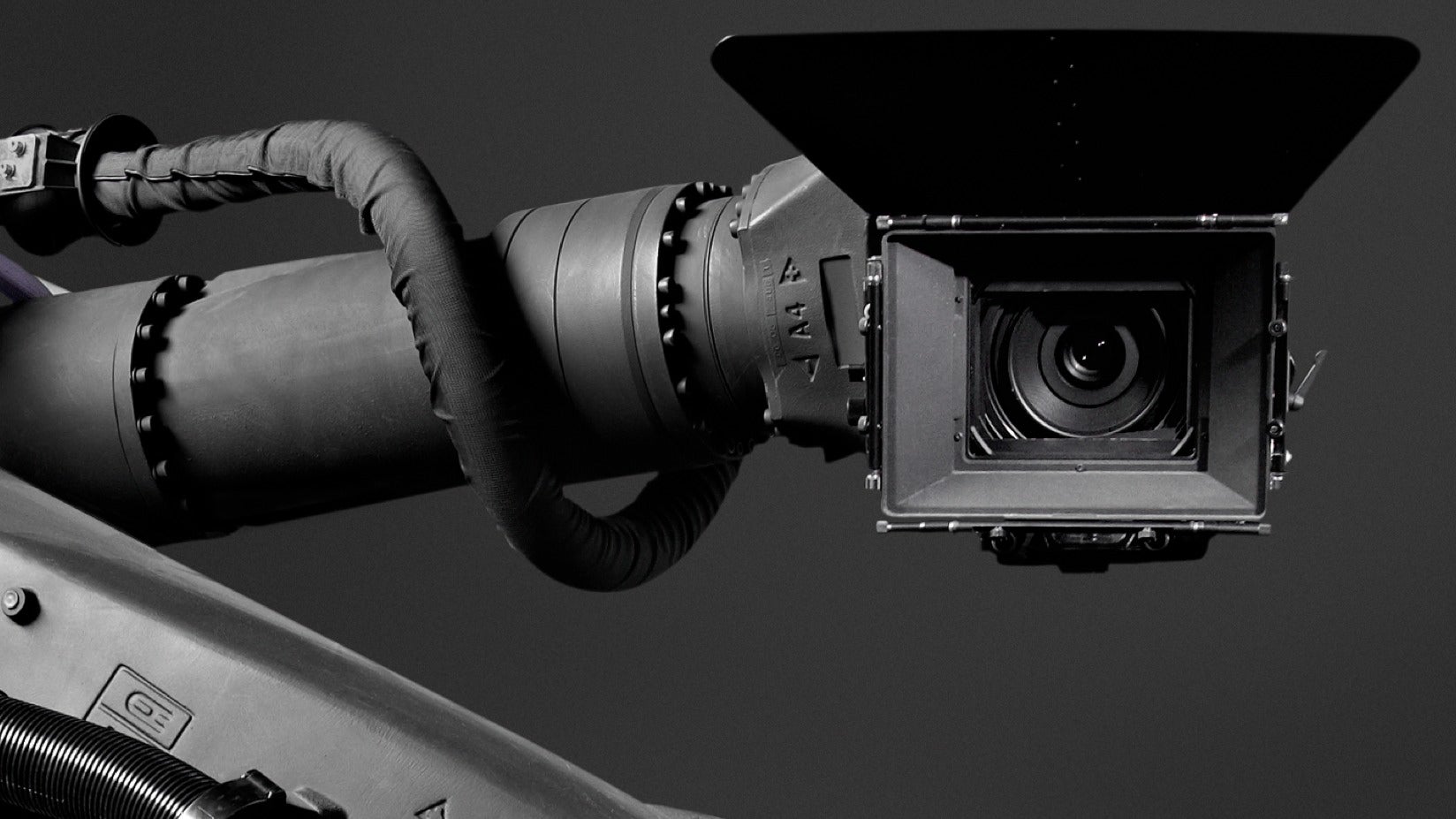
Jeff Linnell had wondered for years why no one had repurposed industrial robots—the sort of giant, powerful arms that assemble cars on factory floors—as programmable tripods for movie cameras, reports Ciara Byrne. So in 2008 the owner of a small advertising firm bought three used industrial robots, and within a week one was used to shoot a TV commercial for Louis Vuitton.

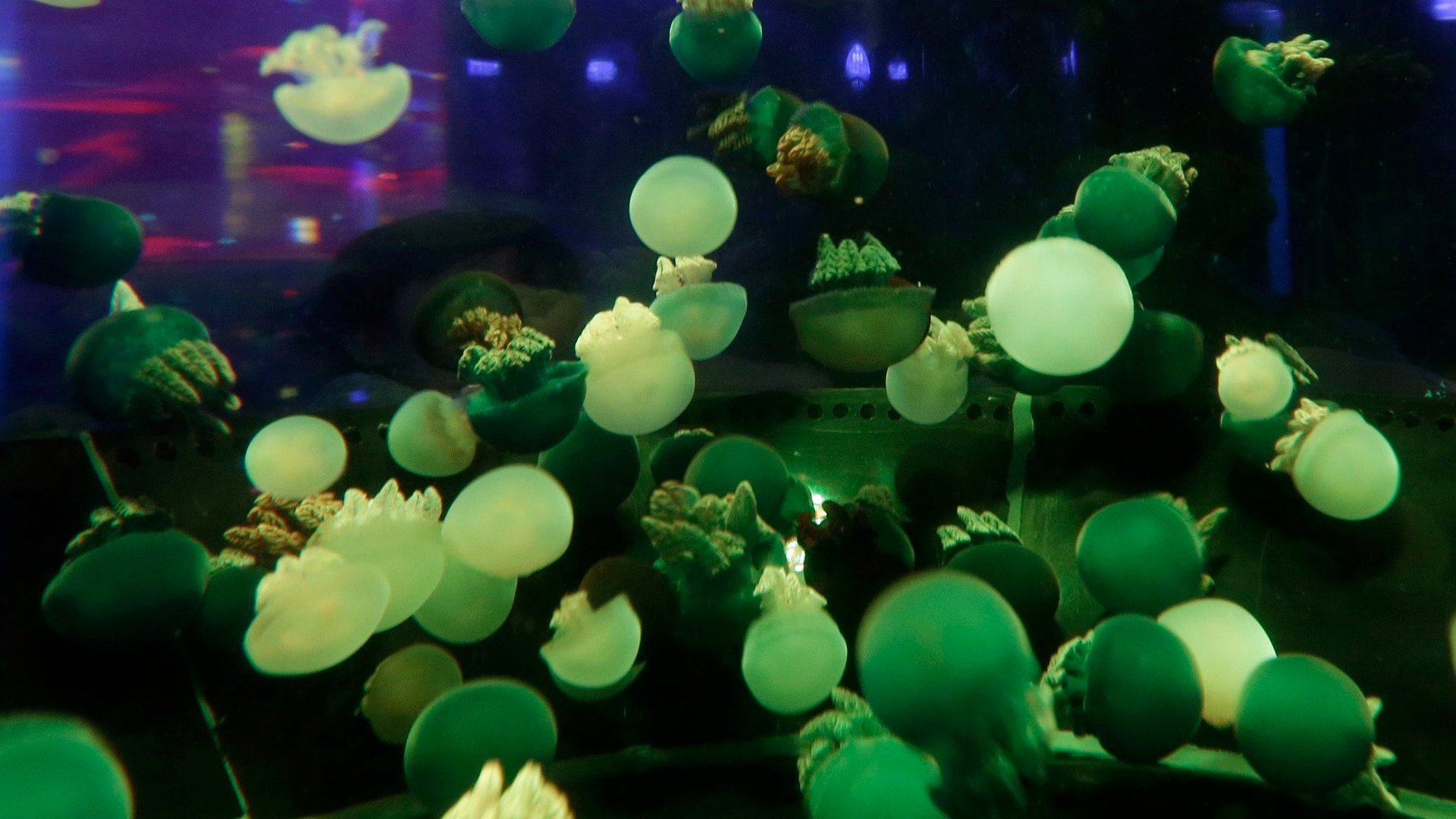
Some jellyfish only become stronger after being attacked by robots. Specifically, the jellyfish-shredding robots of the Jellyfish Elimination Robotic Swarm, or JEROS, developed by researchers at the Korea Science Academy.

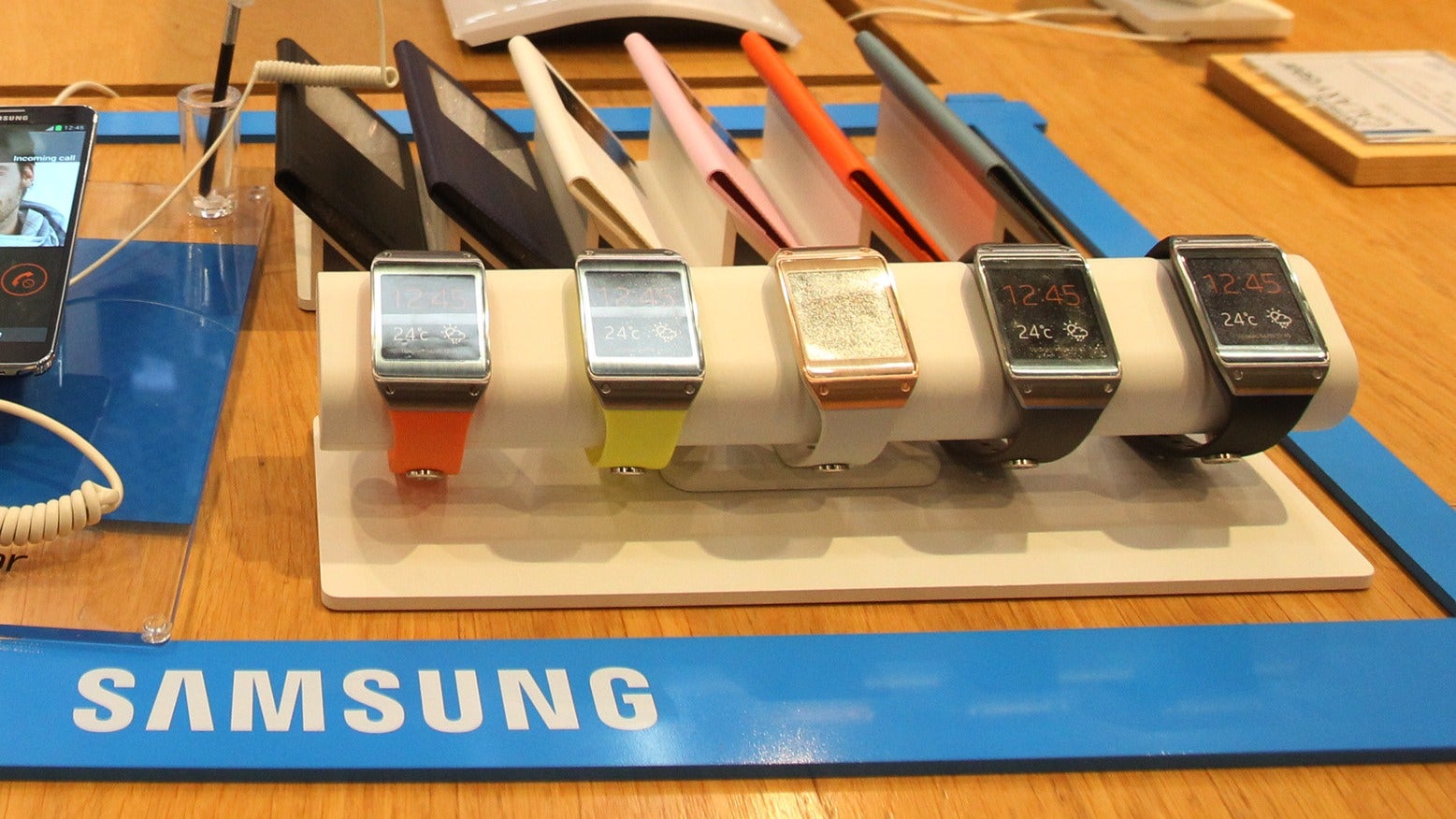
A hazy new rumor pegs the code name of Google’s forthcoming smart watch as “Google Gem,” with a launch date of Oct. 31.

The US Federal Bureau of Investigation (FBI) could end up owning up to 5% of all bitcoins in circulation following its crackdown on the illegal drug market Silk Road. Update: This speculative number is based on an assertion of an FBI spokesperson, who guessed that the Silk Road founder’s personal bitcoin wallet could contain up to $80 million in bitcoins. That would require that founder Ross Ulbricht had kept essentially all of the revenue he earned from Silk Road in bitcoin, which is highly unlikely.

A study of the economics of cellular networks reinforces what companies like AT&T and Verizon have apparently already concluded internally: Offering users flat-rate, buffet-style mobile plans—like Sprint’s—will put you on the road to economic ruin.

Miscreants who thought bitcoin would be a magical way to flout international law by selling drugs and hiring contract killers have found out what bitcoin advocates have been asserting all along: The digital-only crypto currency backed only by the good faith of nerds everywhere is private, not anonymous. The recent bust of notorious online drug market Silk Road has proven that while bitcoin can be a means for conducting secure transactions secretly, nothing about the currency is untraceable, and it can’t protect you if law enforcement comes knocking.

Hartmut Esslinger was already a big name in the field of industrial design in 1982, when his firm, Frog Design, bid on a secret project to help Apple become the company that would transform computers from “business machines” into consumer goods.

Given how often credulous media outlets breathlessly extol the revolutionary nature of our 3D printed future, you’d think that the market for cheap, accessible 3D printers would be exploding. Mostly, you’d be wrong. According to a report by Gartner, subsequently picked apart by the Wall Street Journal, in the entire world only 56,507 3D printers costing less than $100,000 will be sold in 2013.