Don’t be surprised if the next rumor out of Cupertino is that the new gold iPhones are forged from the company’s own melted-down ingots: Apple is richer than ever. It is holding onto $147 billion, which amounts to 10% of all corporate cash.

Don’t be surprised if the next rumor out of Cupertino is that the new gold iPhones are forged from the company’s own melted-down ingots: Apple is richer than ever. It is holding onto $147 billion, which amounts to 10% of all corporate cash.

It’s hard to build a really new search engine. Microsoft has spent enormous resources trying to convince people that Bing’s search results are just as good as Google’s. Bing has won market share, but not at Google’s expense. Other Google alternatives like DuckDuckGo are growing rapidly because they pledge to protect people’s privacy.

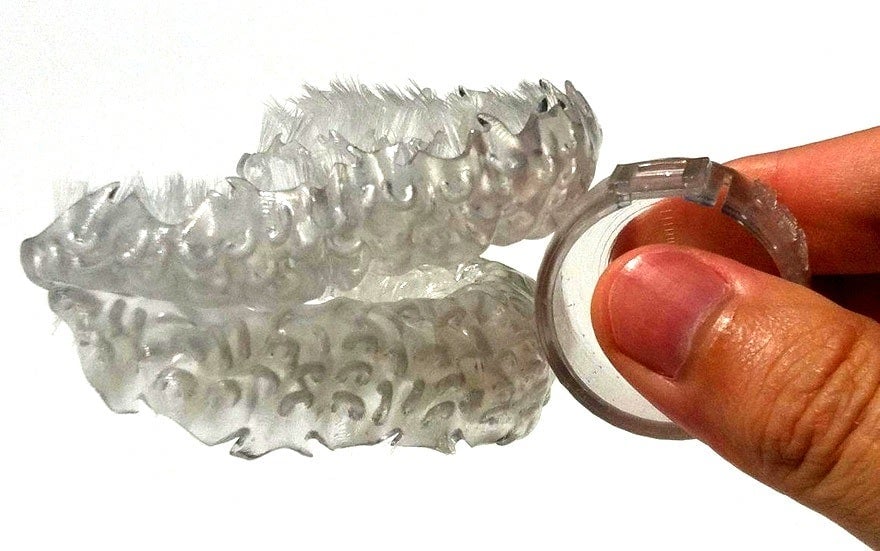
One of the most promising applications of 3D printing is the customization of everyday objects to the most personal and variable thing we possess—our bodies. A new example of this is the Blizzident toothbrush, which is made possible by two intersecting technologies—3D scanning and 3D printing.

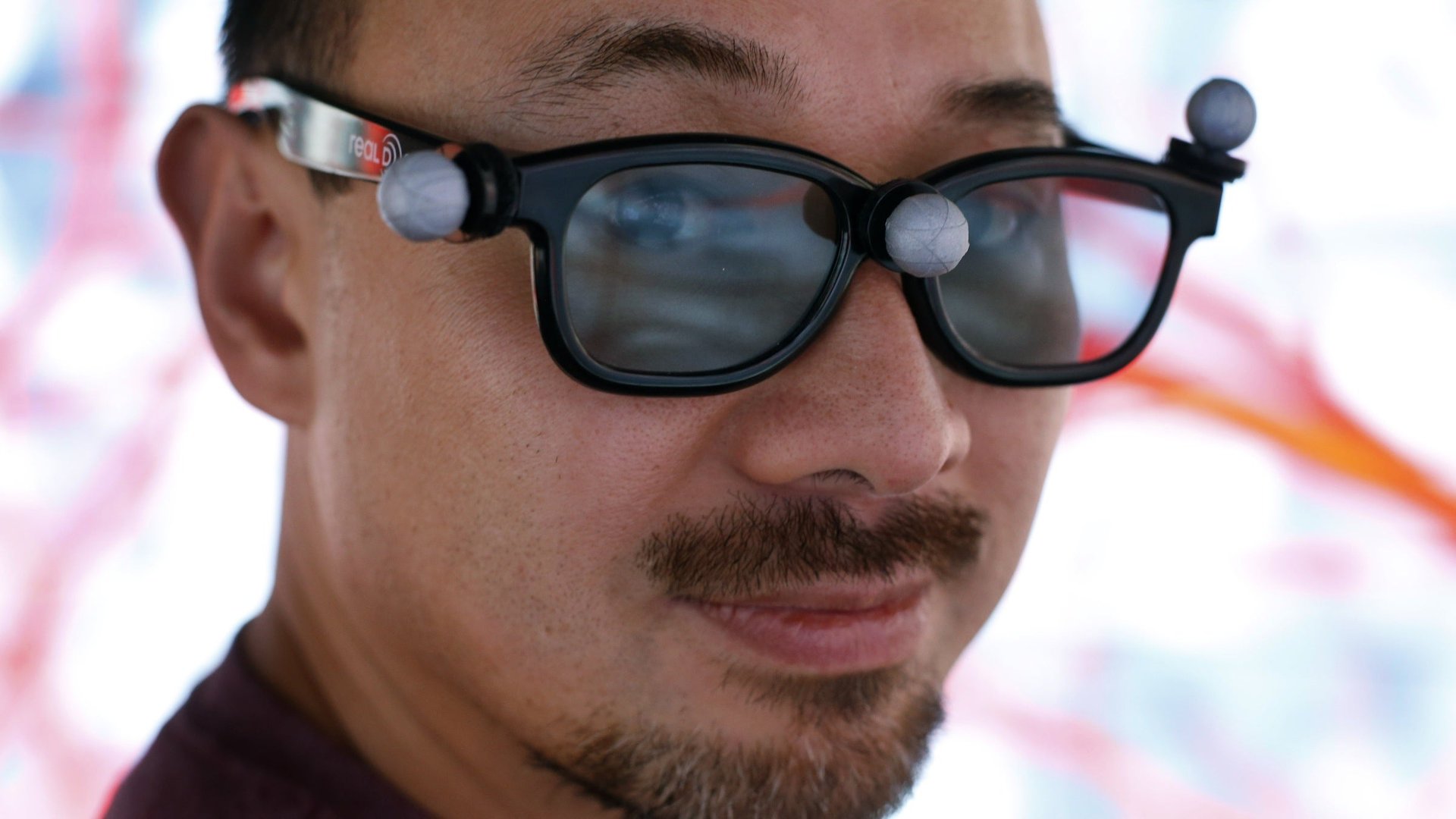
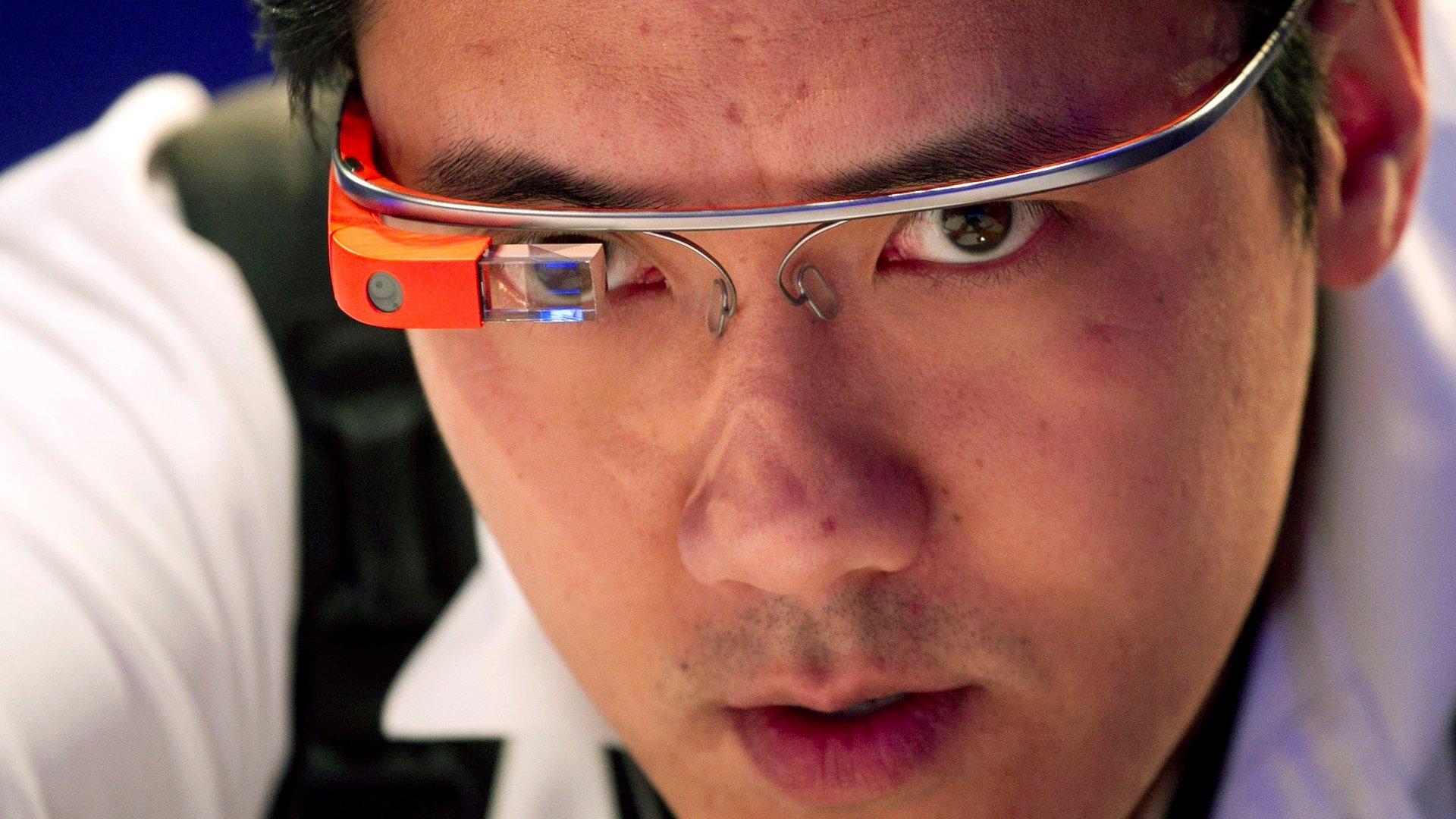
The better technology gets, the more likely it is to give you a headache or make you throw up. The trend is inescapable: Whether it’s videogames, Apple’s latest mobile operating system, 3D movies and television, or Google Glass, a portion of the population—basically, anyone predisposed to motion sickness—is going to spend their sunset years, when this kind of technology is ubiquitous, in serious discomfort.

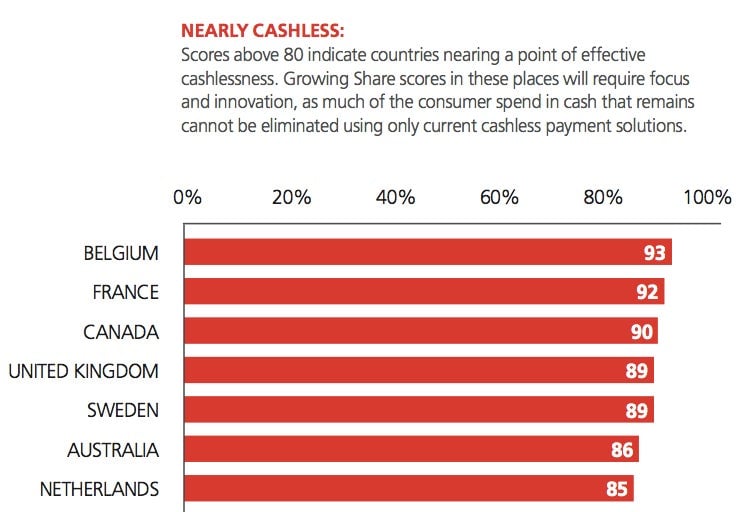
How far are we from the mythical “cashless society”? A new study from Mastercard seems to suggest that, as measured by the dollar amount of consumer transactions, some countries are but a hairsbreadth away already, with only 7% of the value of consumer transactions taking place in cash in Belgium, 8% in France and 10% in Canada.

Obstacle, meet opportunity. Worldwide, 200 million fewer women have access to the internet than men (1.3 billion versus 1.5 billion) and this growing divide is only getting worse, says a new report from the UN. By 2016, the gap could be 350 million, as men continue to monopolize “high-status” tools like PCs and mobile phones.

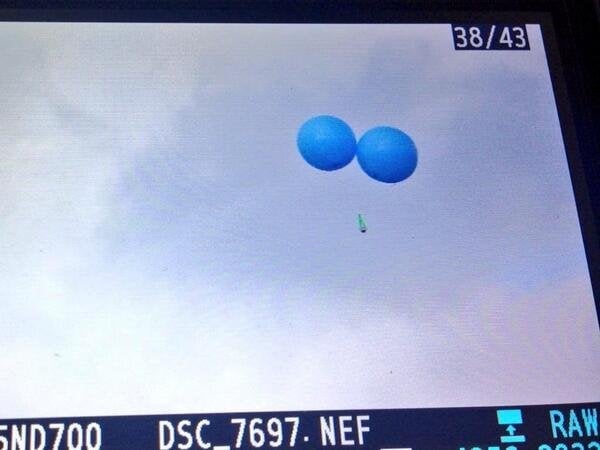
Filmmaker Chris Jupe (and husband of actor Katy Cavanagh) was hanging out at Virgin Group founder Richard Branson’s family estate in Oxfordshire, doing the sort of things rich people do—an aerial shoot of the home via a GoPro camera suspended from a pair of balloons. Then the fishing line he’d unwisely used to tether the balloons snapped, and now Branson has announced to his 3.5 million followers on Twitter a nationwide search for the wayward camera.

Taking one more step toward a future of flexible gadgets, Samsung will soon release a phone with a curved screen, reports the Wall Street Journal. The technology that makes Samsung’s current lineup of curved televisions and putative curved phones possible is something called Organic Light Emitting Diodes (OLEDs) which, unlike traditional flat-panel displays, consist of elements that emit light directly and do not require a backlight.

Among 18-29 year olds in the US, the penetration of internet access is now almost as high as the literacy rate, says a new report from Pew, Who’s not online and why.

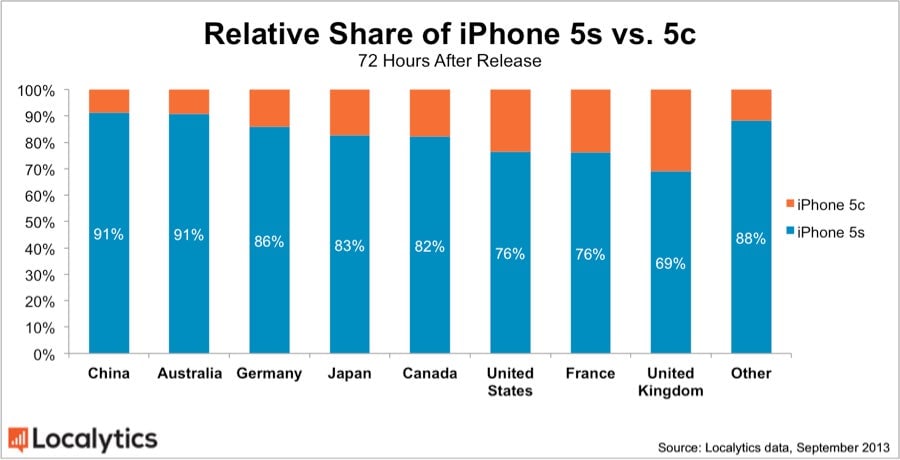
Twenty-four hours after we found out that the iPhone 5s is out-selling the cheaper iPhone 5c by a ratio of nearly four to one, new data show that China and Australia, where the 5s is outselling the 5c five to one, are the two countries where the iPhone 5s is most popular.

Unless another buyer is found, BlackBerry is going to sell itself to Fairfax Financial, which already owns 10% of the company, with backing by Bank of America Merrill Lynch and BMO Capital Markets, the company just announced.

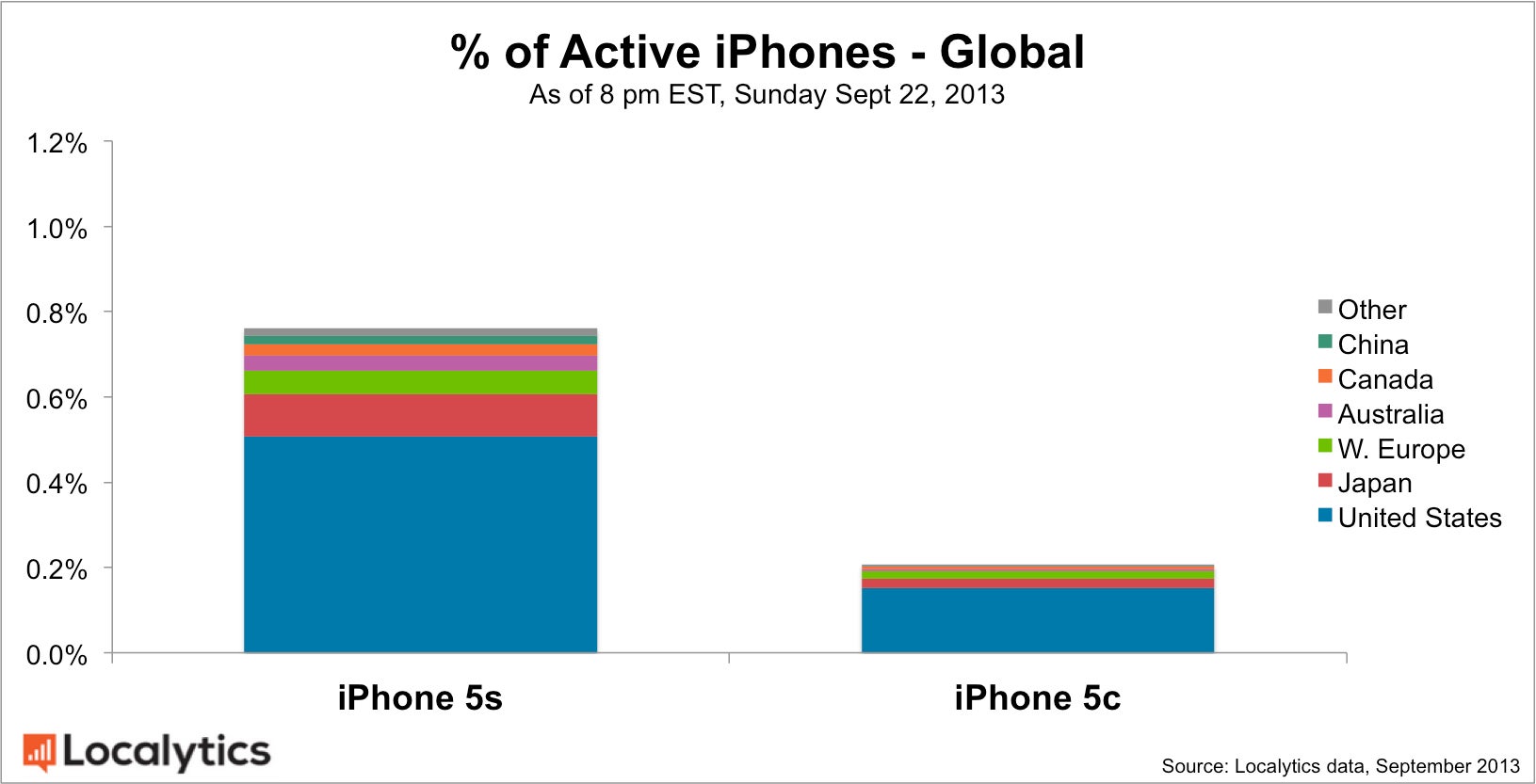
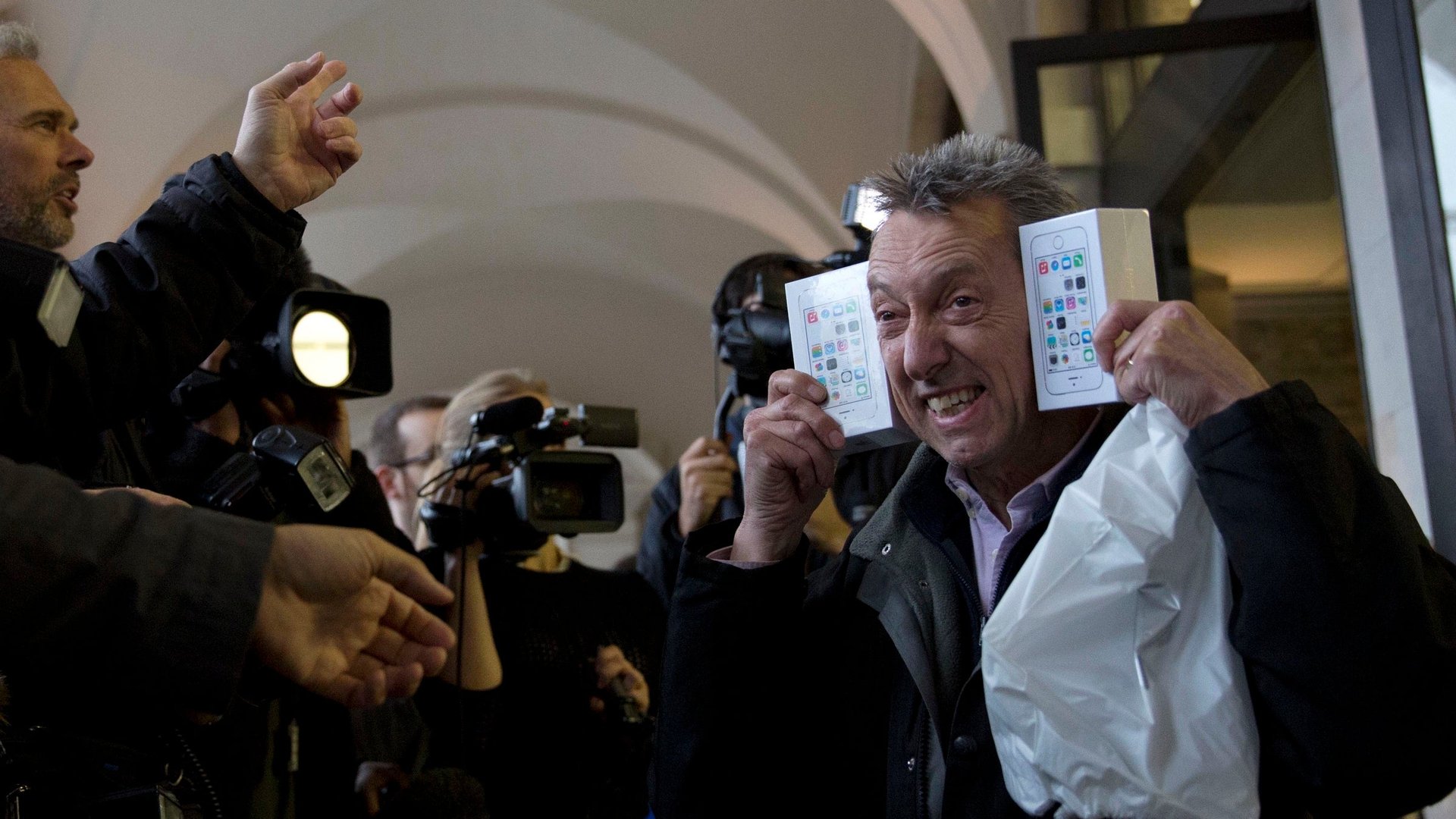
So much for demand for a “cheap” iPhone. In the first weekend it was available, the iPhone 5s outsold the 5c by a factor of 3.7 worldwide, says mobile and app analytics company Localytics. Apple hasn’t released the breakdown of sales for the iPhone 5s and 5c, and has only announced that 9 million iPhones were sold in the first weekend. Localytics, however, gets data from bits of code inserted into apps on users’ phones, which report back data like the model of phone being used. They make for an indirect but reasonably good measure of how many of each kind of phone there are.

BlackBerry isn’t supposed to announce its quarterly results until next week, but already the company has admitted that they will include a $1 billion loss and will result in layoffs of 40% of the company’s workers. As just about everyone has predicted, the company will soon be forced to do something drastic, which might including selling itself.

For five years, researchers have toiled over an obscure bit of fundamental internet infrastructure that promises to make the connections to our mobile devices faster and more reliable than ever, and if you’ve already downloaded Apple’s iOS 7 to your iPhone or iPad, you could be using it already.

Is Apple innovating or not? Is the company even capable of it anymore? The launch of the iPhone 5S and Apple’s latest mobile operating system, iOS7, along with a just-released conversation between Apple’s leaders and Businessweek, has reinvigorated this debate. But it’s possible that it misses the larger issue. Apple isn’t competing with other technology giants like Google; it’s locked in a symbiotic relationship from which neither Google or Apple can extract itself.

Time’s cover story on Google’s just-announced new firm, Calico, asks “Can Google Solve DEATH?” Ambitious though Google is, abolishing death is not in fact one of its goals, or at least not yet.

In a fascinating note at Asymco, mobile analyst and ex-Nokian Horace Dediu details how people’s taste in smartphones varies from place to place:

Flagger.io does just one thing: It adds a random selection of keywords, like “terrorist,” “pressure cooker,” “Al Qaeda,” etc. to the address of every website you visit. The idea is that, because the US National Security Agency (NSA) is gathering essentially all the internet traffic that passes through the US, the more noise it has to sort through—like the sort of faux-terroristic requests made by a web browser running Flagger.io—the harder the NSA’s job will be.

Biometric systems like Apple’s gimmicky new fingerprint scanner may look fancy, but if researchers have their way, similar systems for detecting whether or not your phone has been stolen will be a lot less cumbersome. The alternative to fingerprint scanning, swipe-based lock screens and numerical codes is a system called implicit identification. Its promise—seamless, always-on security that only gets better as our phones become smarter and more laden with sensors—could eliminate or at least reduce the use of lock screens on phones, and also make them secure enough to act as our mobile wallets, keys to our homes and cars, and stores of our health and other critical records.

Of America’s 50 richest people, a quarter made their fortunes in technology, and collectively represent just eight firms, reveals the just-released Forbes 400 list.

Intel is about to do something that would have seemed crazy under previous CEOs: the company will start competing at the lowest end of the microprocessor market. This is a company that built its reputation, and its manufacturing infrastructure—hugely expensive and unique among makers of microprocessors—on the back of high margins built into costly microchips intended for powerful PCs and servers. Now the shrinking PC market has forced Intel to attempt to create small, power-efficient, and relatively inexpensive chips to power the mobile phones and tablets that are directly cannibalizing the market for PCs.

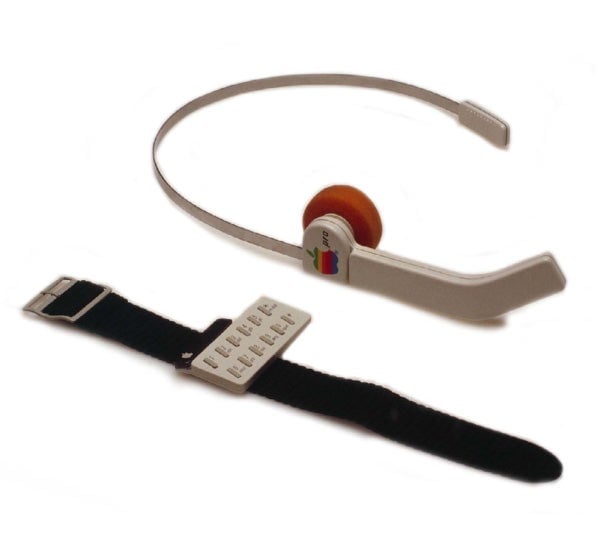
One of the challenges Steve Jobs handed to Hartmut Esslinger, who was head of design at Apple from 1982 to 1985, was to imagine products that Apple did not yet have the ability to build. The idea was that, as long as Esslinger was creating a consistent “design language,” or collection of colors, forms and other rules, for the entire Apple and Macintosh line, engineers and executives should be able to see how it would apply to products in the future—even the far future.

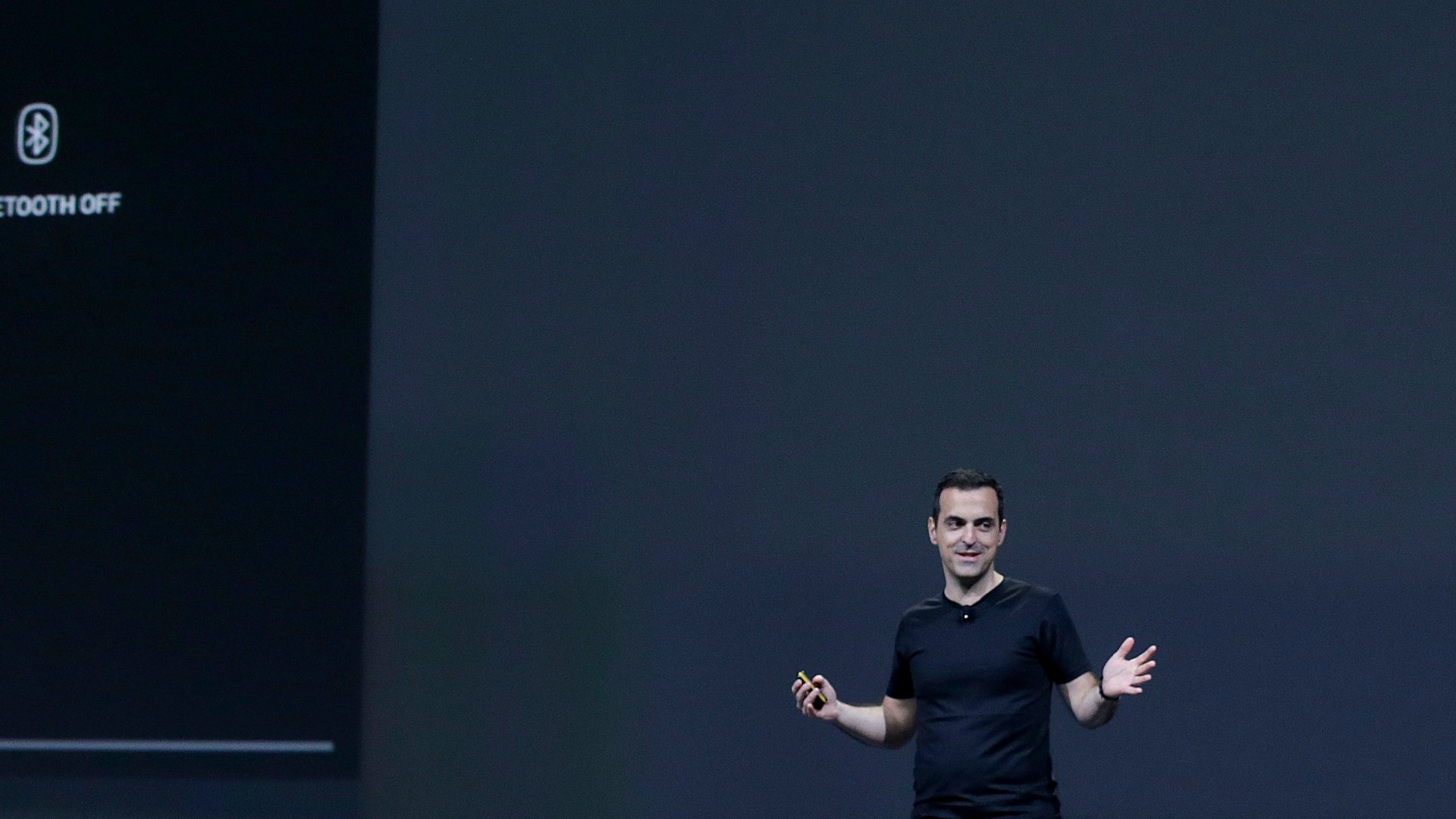
When Hugo Barra, one of Google’s top people, left the company two weeks ago for Chinese smartphone-maker Xiaomi, the timing made it look like a tangled piece of his love life was part of the reason. But now the former head of product for Google’s Android operating system is looking to quash those rumors.

Hartmut Esslinger knows a thing or two about industrial design and what it’s done for Apple. He worked directly with Steve Jobs to establish a “design language” that was used on the Macintosh line of computers for over a decade. Esslinger’s iconoclastic firm had already designed over 100 products for Sony when he signed an exclusive, $1-million-a-year contract with Apple in 1982.