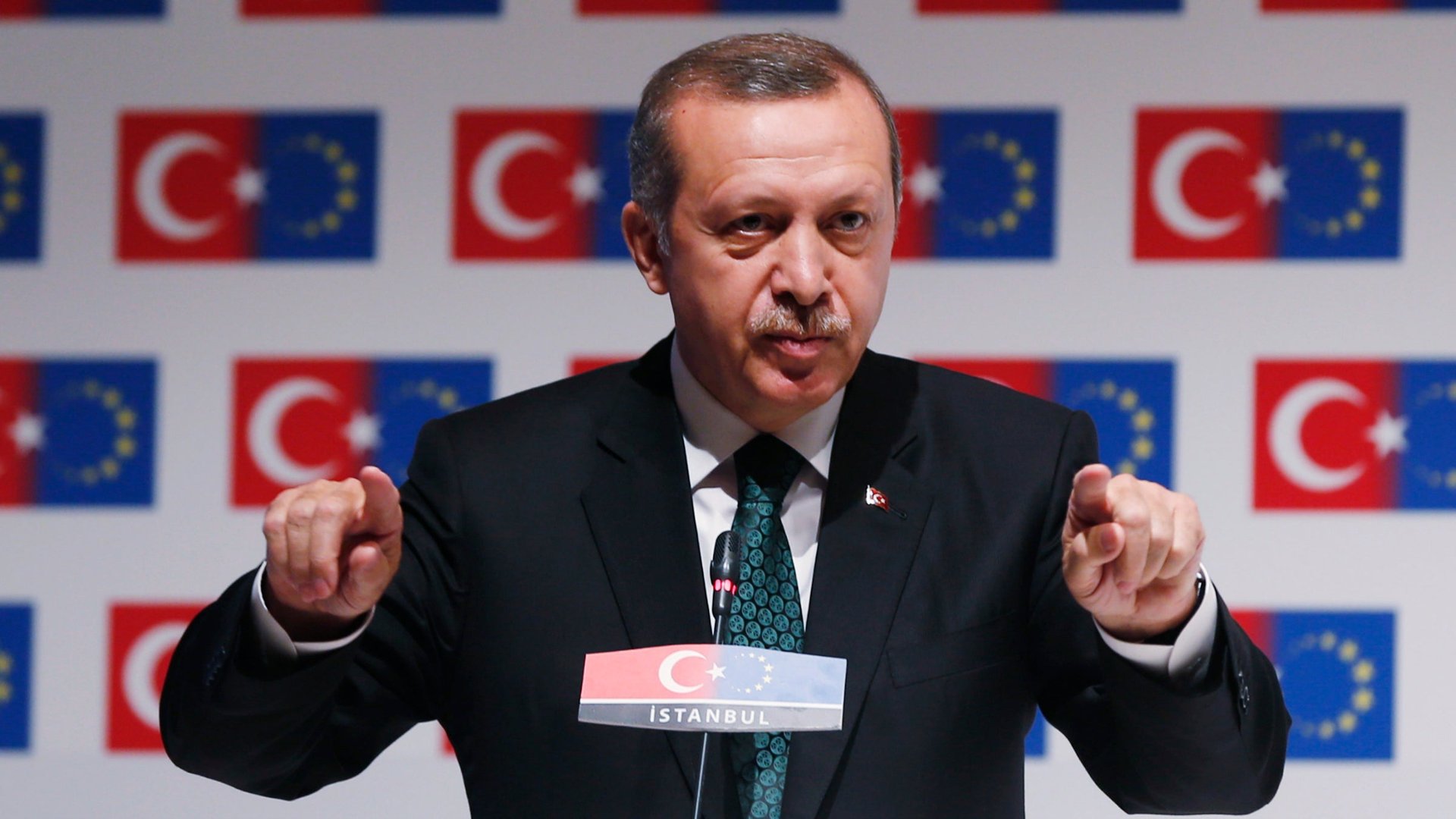
The European Union’s accession process for new member states is known to be a long and complex one. With Turkey, talks have been going on since 2005, and both parties are still far from finding a solution.

The European Union’s accession process for new member states is known to be a long and complex one. With Turkey, talks have been going on since 2005, and both parties are still far from finding a solution.

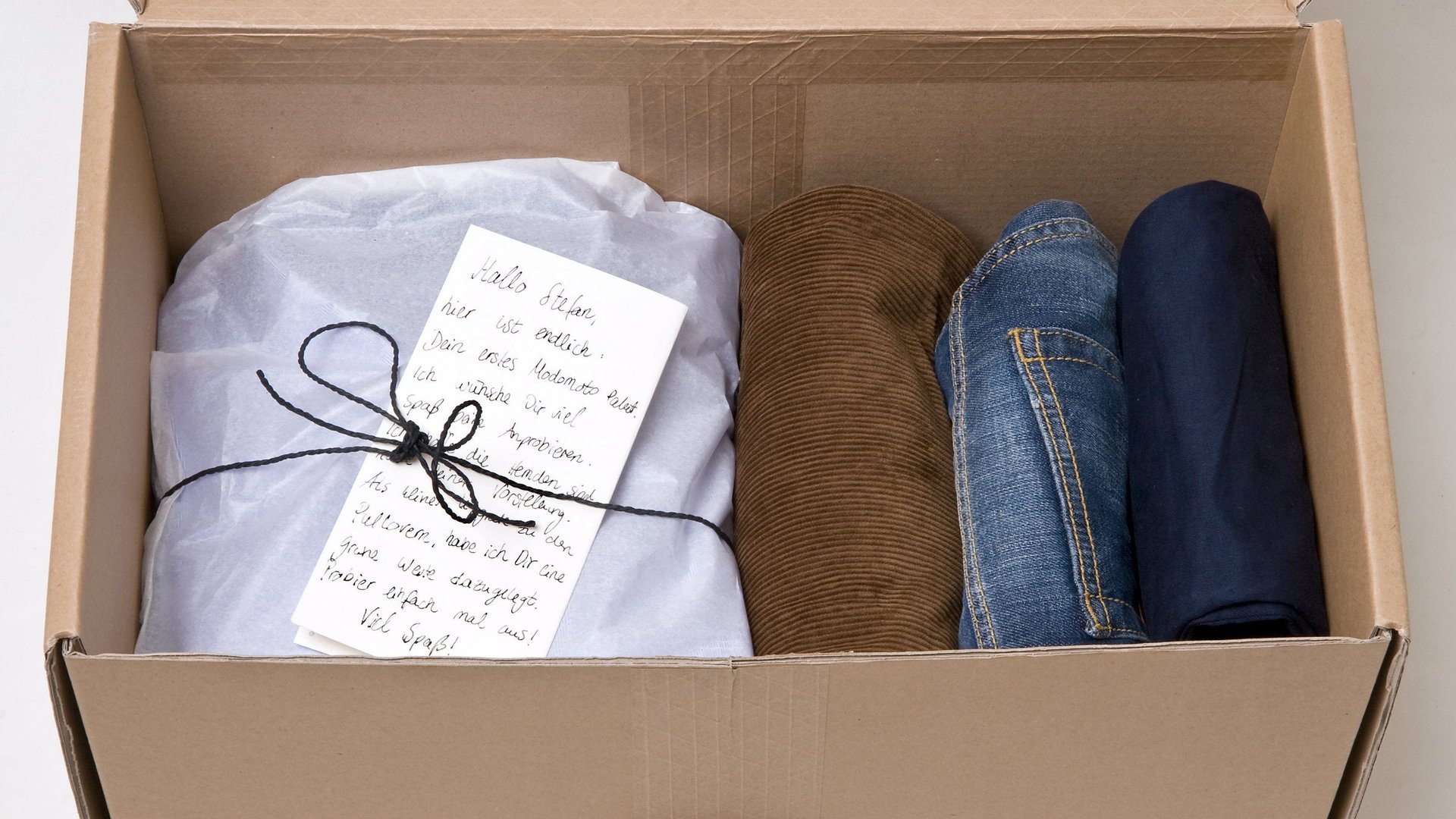
Hardly known for their fashion sense, German male business professionals (and their desire for pants that fit) have long been ignored by retailers: They weren’t the ones doing the shopping and often lacked patience and time to choose their wardrobes.

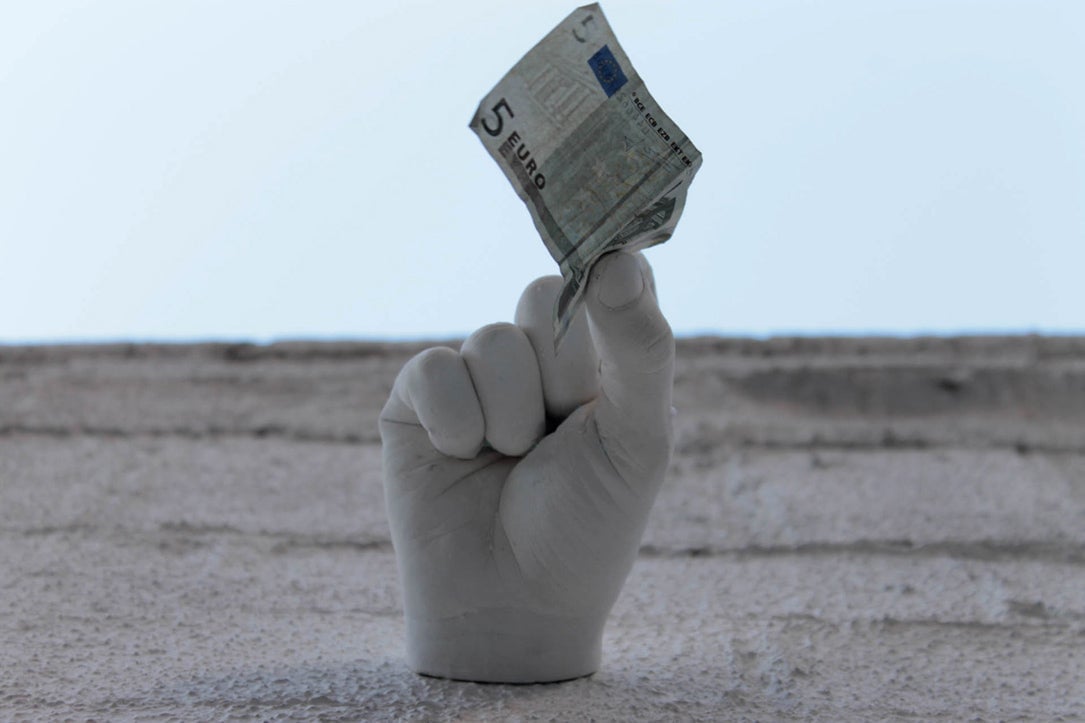
The news about the Cypriot bailout this weekend is just the latest development to shake up Europe. Last month, four artists in Spain installed a project to capture the atmosphere of a continent that’s been on edge for some time now. They sculpted hands out of gypsum to symbolize the crisis and installed dozens of them in the streets of Barcelona: One asks for money, one desperately seeks spare change from a payphone, another offers itself to ATM machine customers to literally hang themselves. Yes, as in suicide.

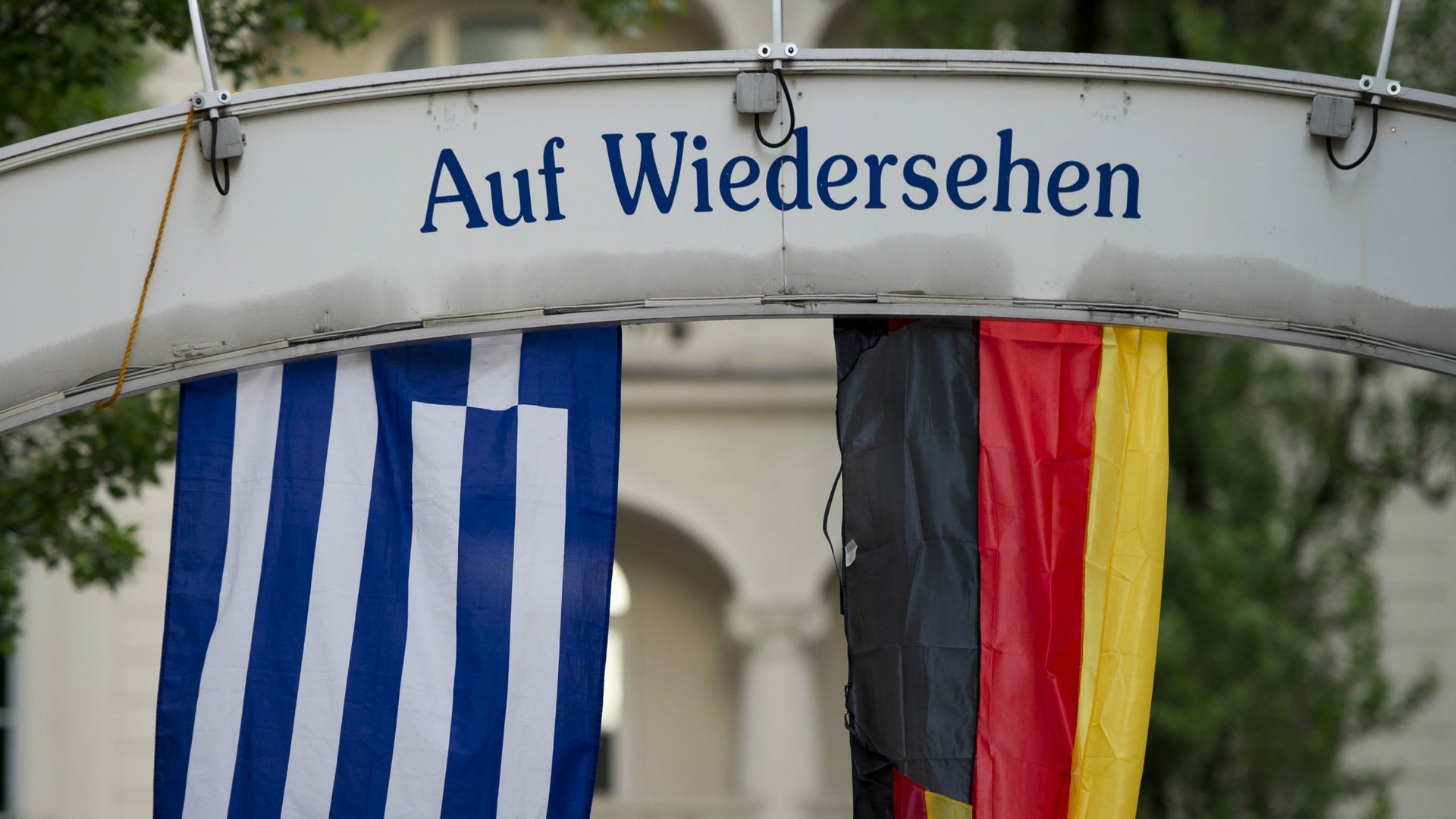
Not all of Germany is joining the fight to save the euro.

When the Berlin wall fell and East Germany reuinted West Germany almost overnight in 1990, the East’s already weak economy broke down completely. Since then, efforts have been made to help the former East German states catch up with the more established states of former West Germany. However, the dynamics of this process have been shrinking over the past few years and Germans in the east seem to be stuck at a lower income level and higher unemployment rate than west Germans.

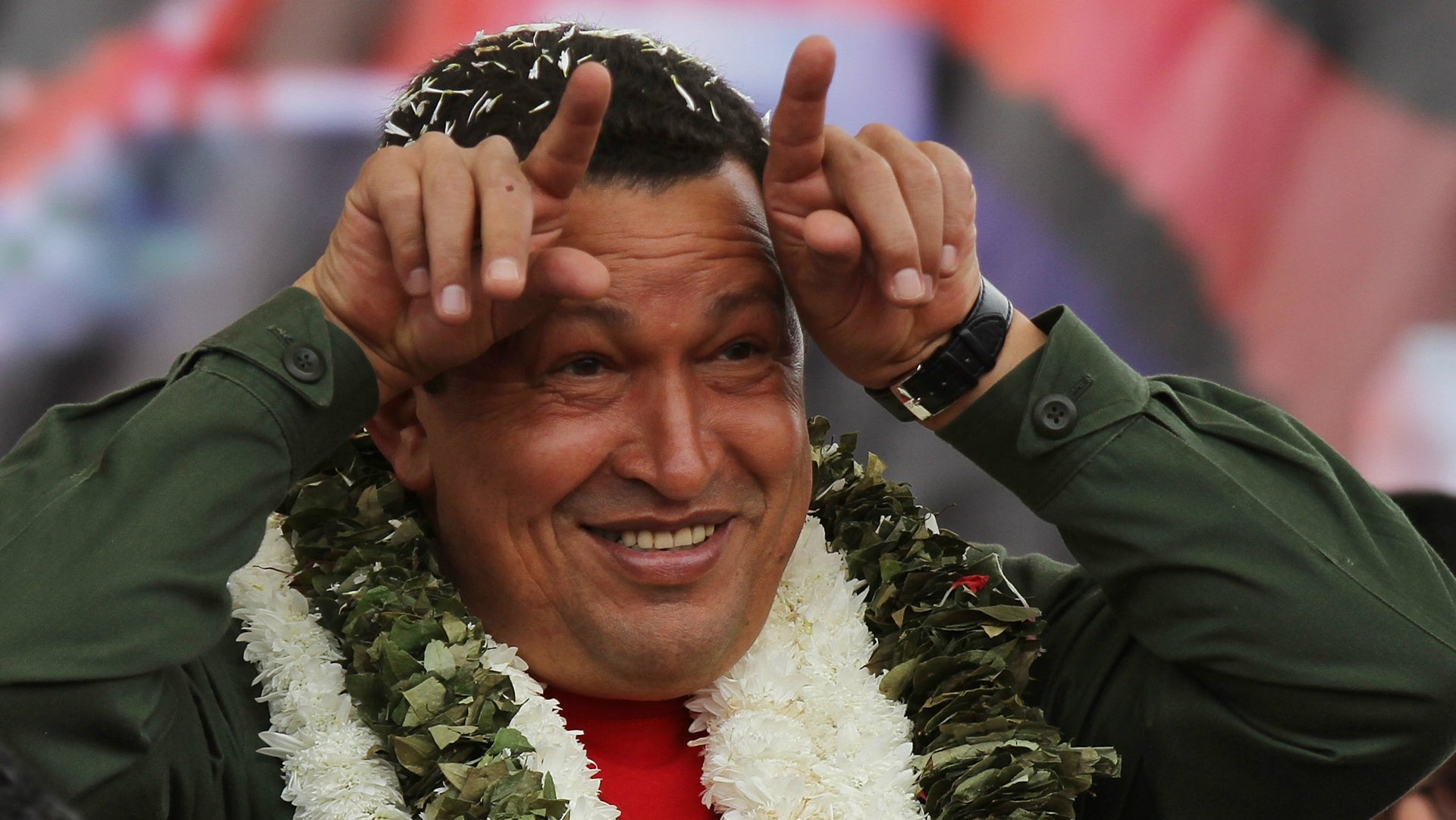
Hugo Chávez, the Venezuelan president who had battled with cancer for almost two years, died on Tuesday at age 58. Information released in the past few days had revealed the severity of Chávez’s condition, which led to thousands of Venezuelans praying for their president’s health.

More and more devices are connected to the internet, from smartphones to cars to forks. Collectively, this trend is referred to as the “internet of things.” The term was coined about 10 years ago, but only in the last few years have truly creative uses emerged, from temperature sensors that help regulate energy use to refrigerators that order more milk when you’re running out.

Today, German parliament passed a long-discussed performance rights law that requires search engines and automatic news feeds to acquire licenses in order to publish excerpts, that show up with headlines, of articles on their sites, but the companies won’t have to pay for publishing very small text passages or single words in their search results.

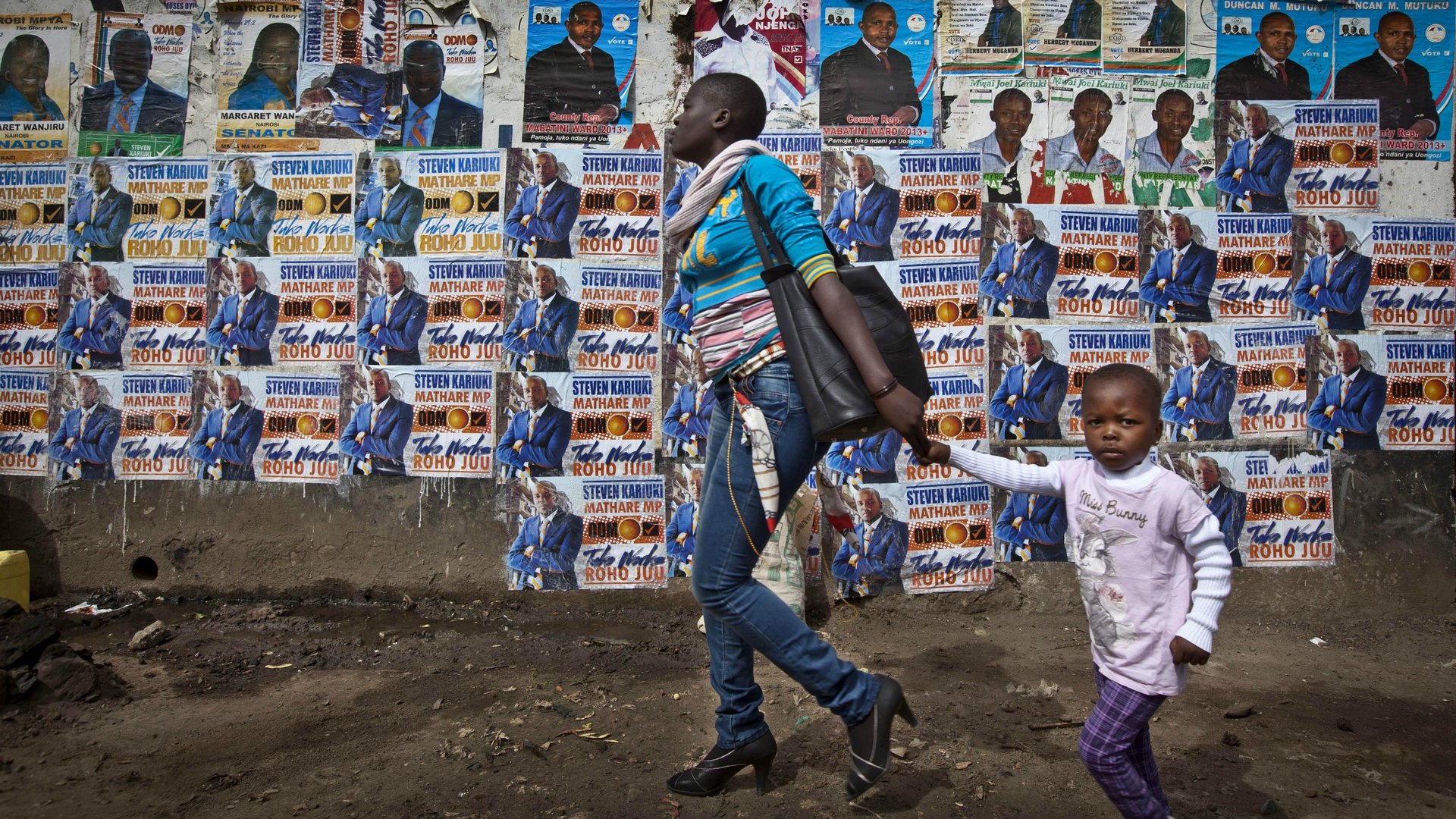
On Monday, Kenya will hold its first presidential elections since 2007, when its vote resulted in months of tribal violence. Since then, a couple of things have changed: Kenya introduced a new constitution with a checks-and-balances system, however, its adoption is still going slowly. Meanwhile, the country has been ridden by a severe famine as well as violent ethnic conflicts. The country’s leaders are aiming to achieve a peaceful election this year but recent outbreaks of violent and a tight race have activists worried that peace is not guaranteed.

Angela Merkel might be on the verge of an about-face. Yes, another one.

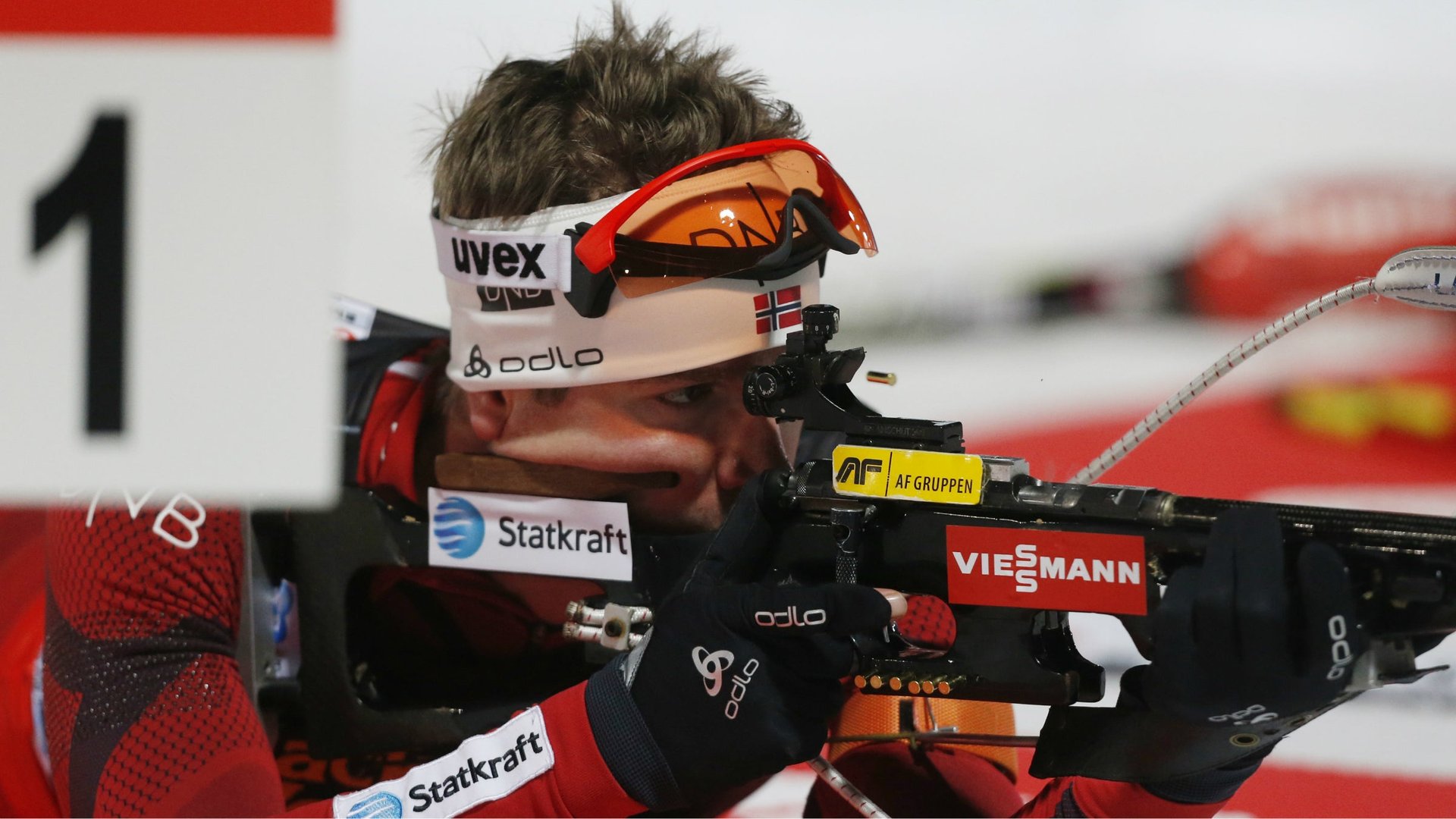
The world championship in biathlon—a combination of cross-country skiing and rifle shooting—ends this weekend. Germany, with its long biathlon tradition, has had a poor showing with just a lone silver medal. But there’s one area where a German is winning big.

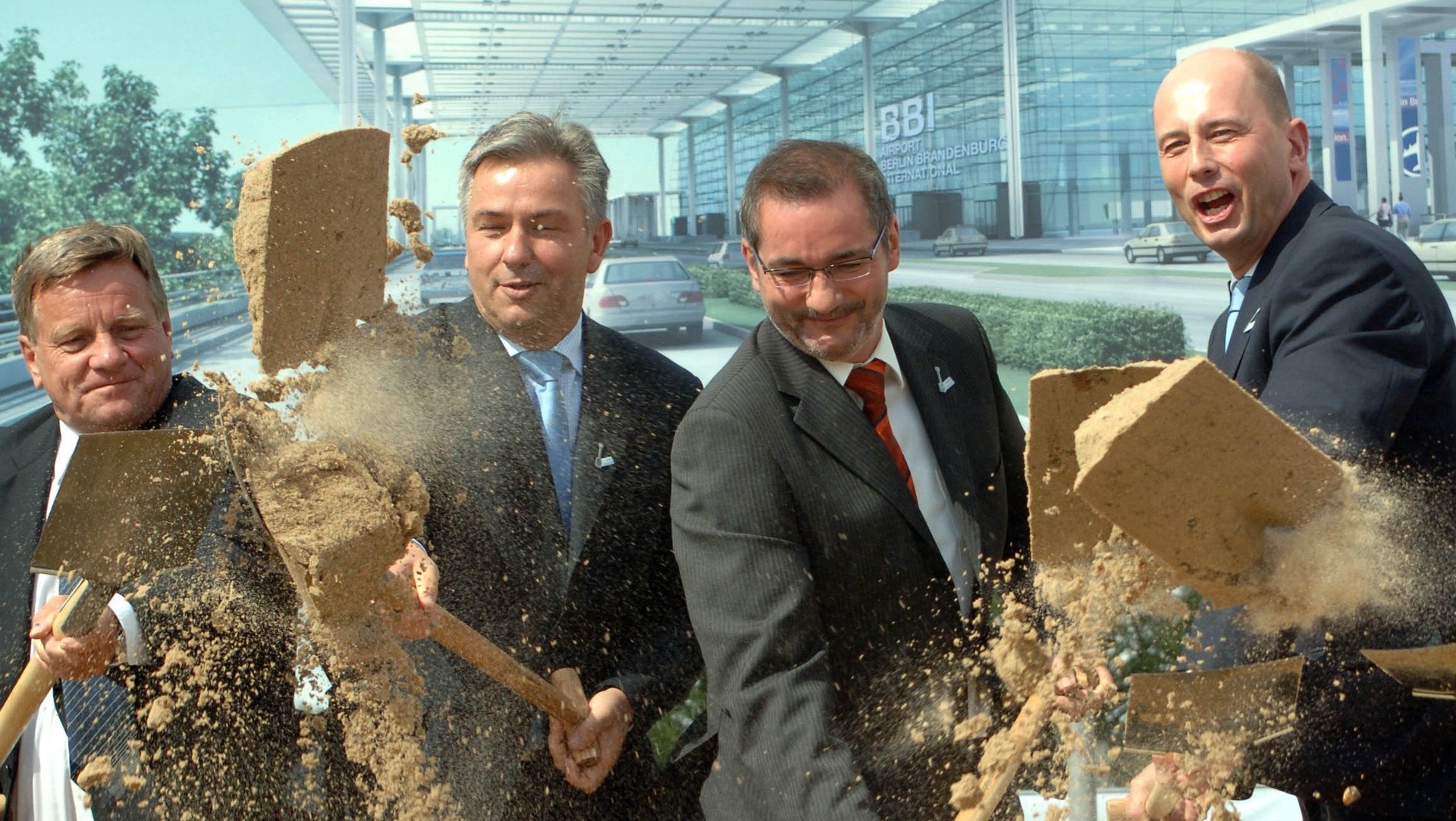
Efficiency is a stereotype Germans are typically proud of, but recent development projects are models of anything but. A spate of public large-scale enterprises have turned from great ideas into economic time bombs. Just this year, three projects in Berlin, Hamburg and Stuttgart have turned out to be twice as expensive as budgeted, with billions of euros in additional costs.

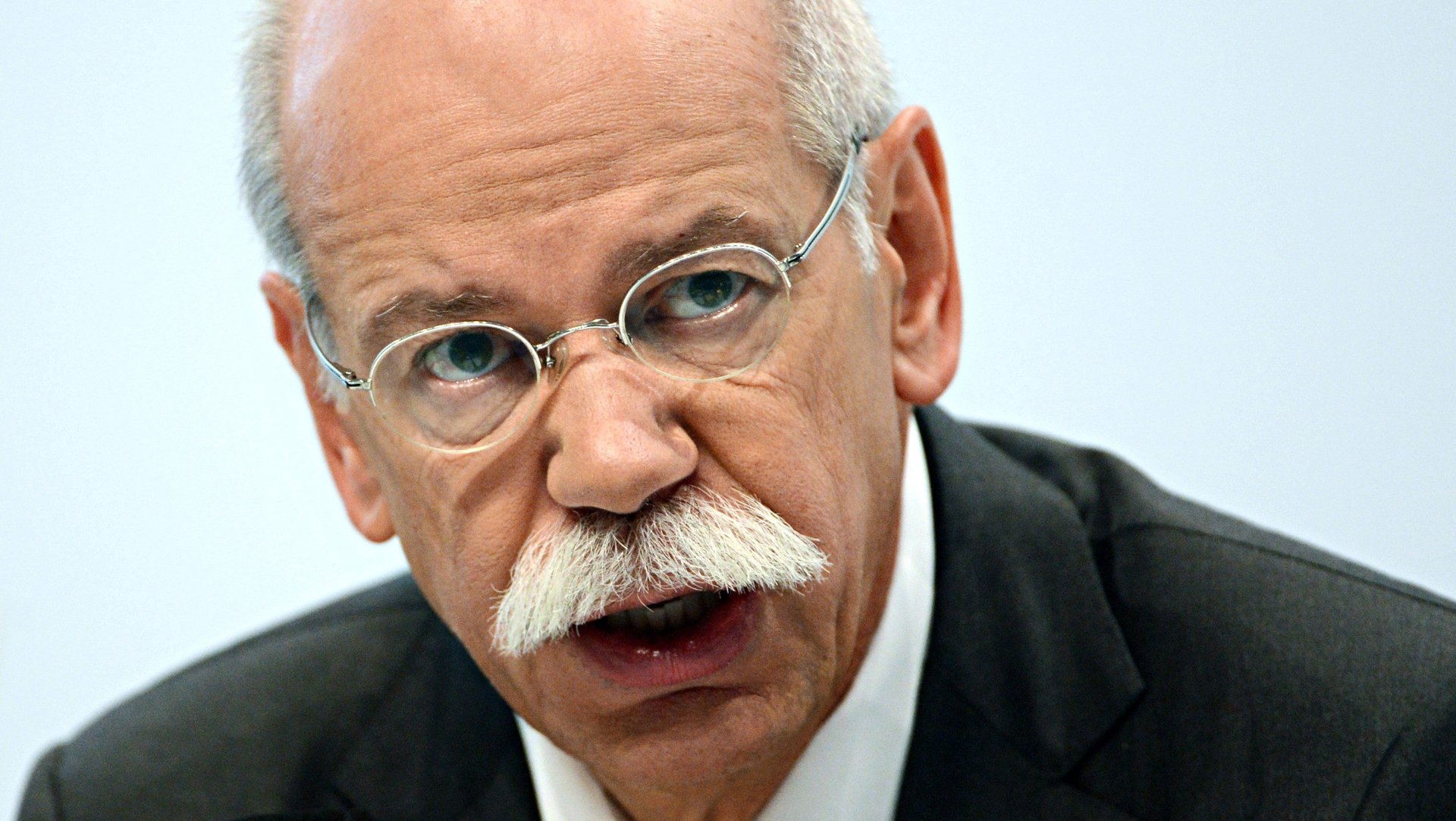
For luxury car companies, limited European demand has made emerging markets the site of an increasingly aggressive turf war. And in China, that scrabbling for market share has gotten especially fierce. The country’s urbanization, rising disposable incomes and enthusiasm for luxury labels—to say nothing of its sheer size—have helped fuel growth for high-end carmakers throughout the global recession.

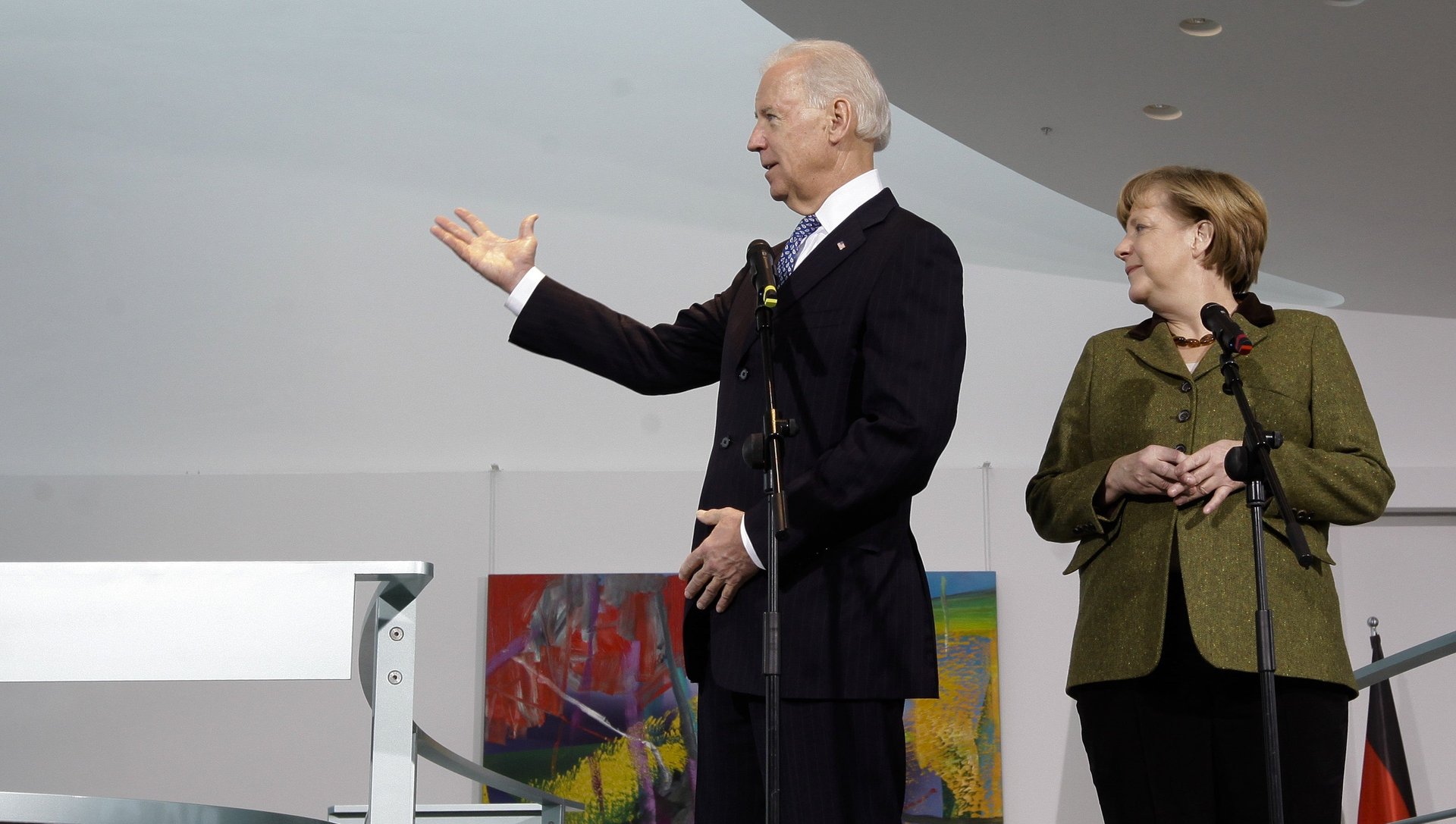
US Vice President Joe Biden was the star of the Munich Security Conference this past weekend. He shook hands, smiled into the cameras, presented his thoughts with wide gestures. Next to him, German politicians seemed downright colorless, even inhibited. Europeans had great expectations from Biden, and it wasn’t only for his assurance that the US remains an important coalition partner. There is a certain fascination with charismatic American politicians such as Biden, especially in Germany.

Bertelsmann, Europe’s largest media company, announced today it is considering to sell shares of RTL Group, an entertainment company and division of Bertelsmann. Currently, Bertelsmann holds 92.3% of the voting rights, and plans to reduce them to about 75%.

Twitter has had a hard time finding traction in Germany, but a recent magazine article on sexual harassment has prompted the country’s women to tweet in droves. In last week’s issue of Stern, an article by journalist Laura Himmelreich alleged that politician Rainer Brüderle, a leader of the Free Democratic Party, approached her inappropriately on the eve of a party congress last year. Now, the hashtag #aufschrei (meaning outcry) has gone viral with German women sharing experiences dealing with inequality and sexual harassment.

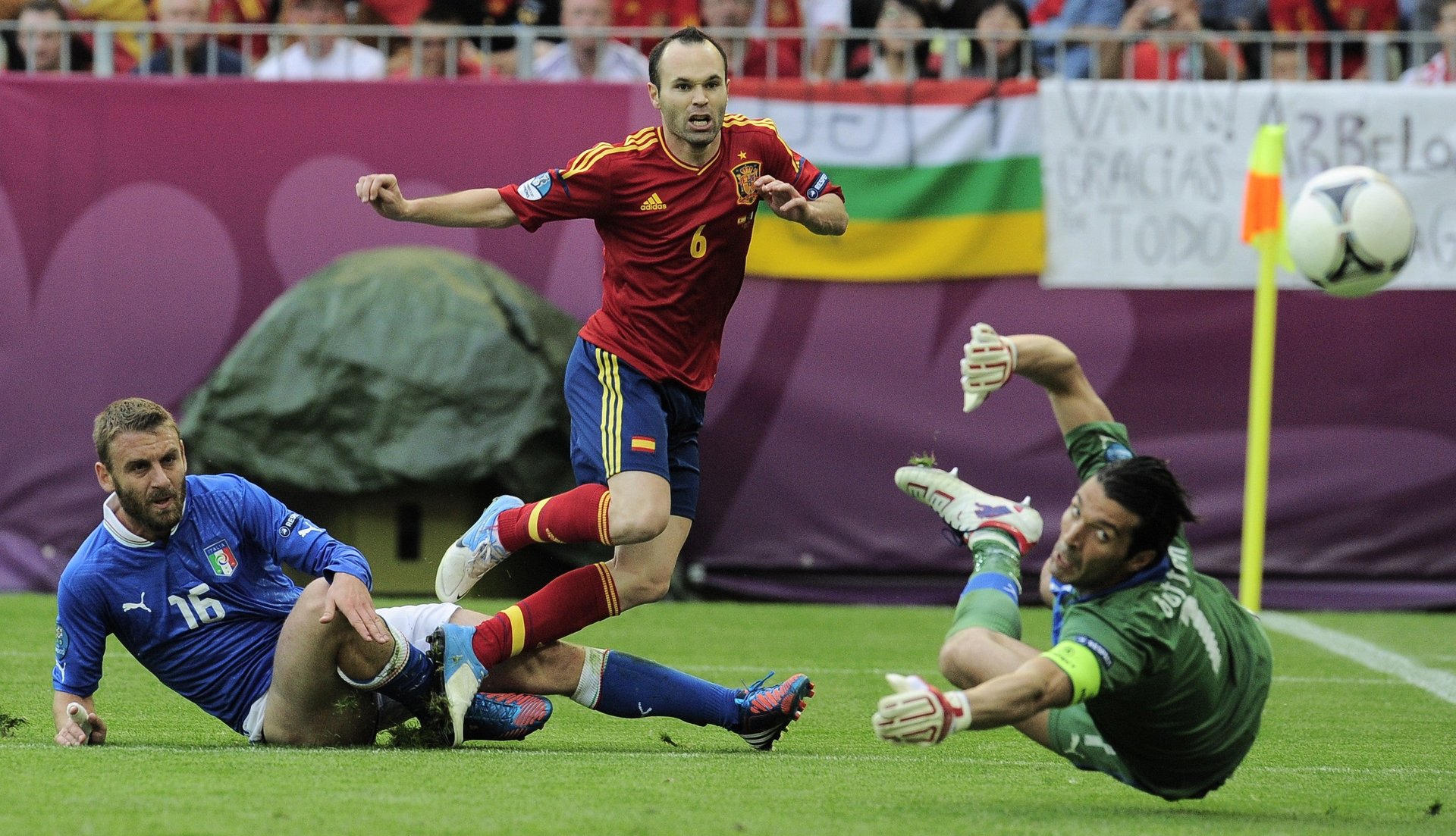
Last week, Europe’s favorite sport announced a bold experiment: The Union of European Football Associations (UEFA) says the 2020 Euro Cup soccer finals will be held in 13 cities across the continent. Until now, tournaments were held only in single countries or pairs of smaller countries. UEFA president Michel Platini said the change will reduce the burden on a host country to shoulder the costs of stadiums and transport at a time of crisis in many European economies.

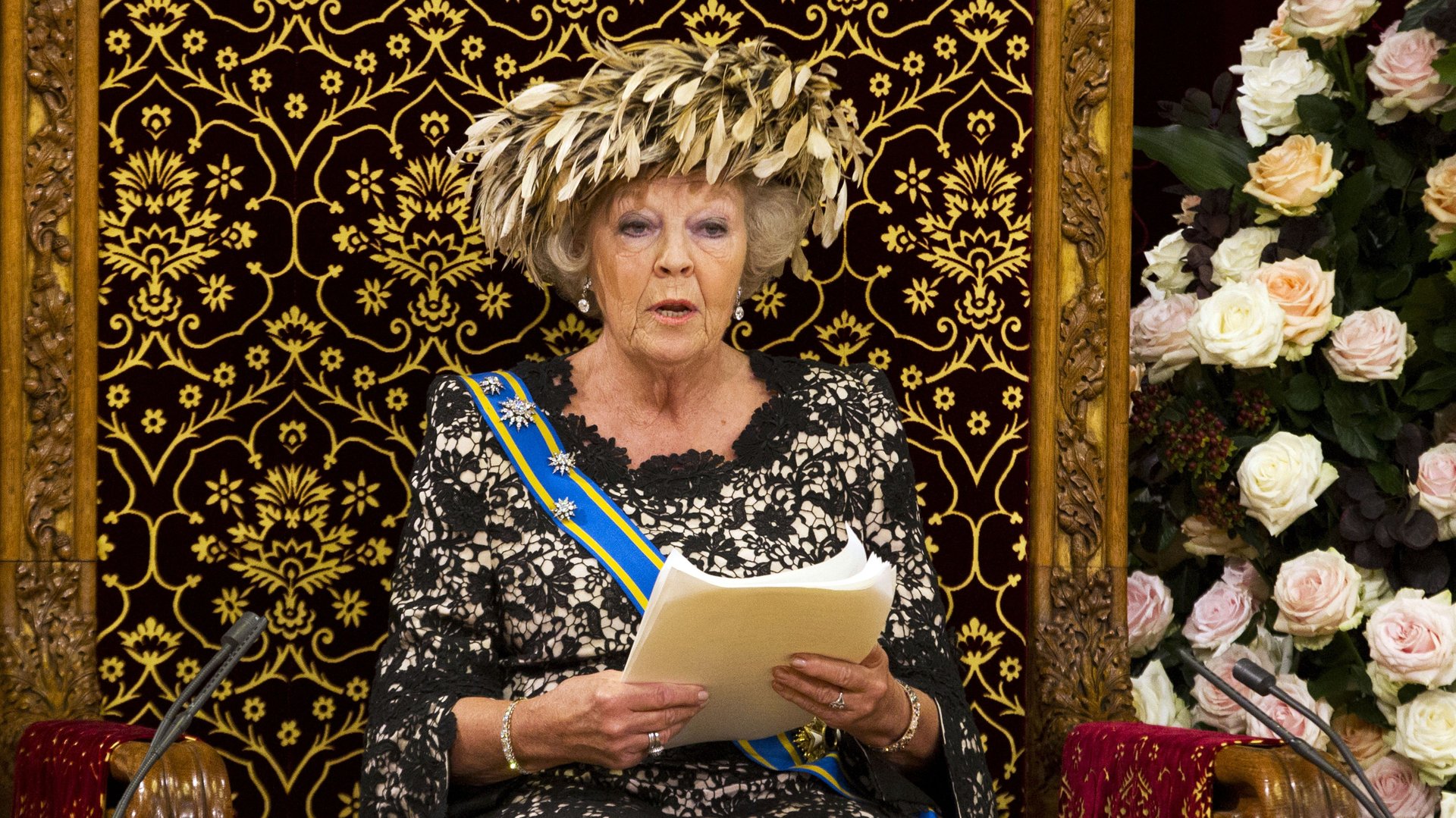
Europe’s club of monarchs is about to get a new member: In an address to her nation today, Queen Beatrix of the Netherlands said she will abdicate her throne on April 30. Her son, prince Willem-Alexander is to take over.

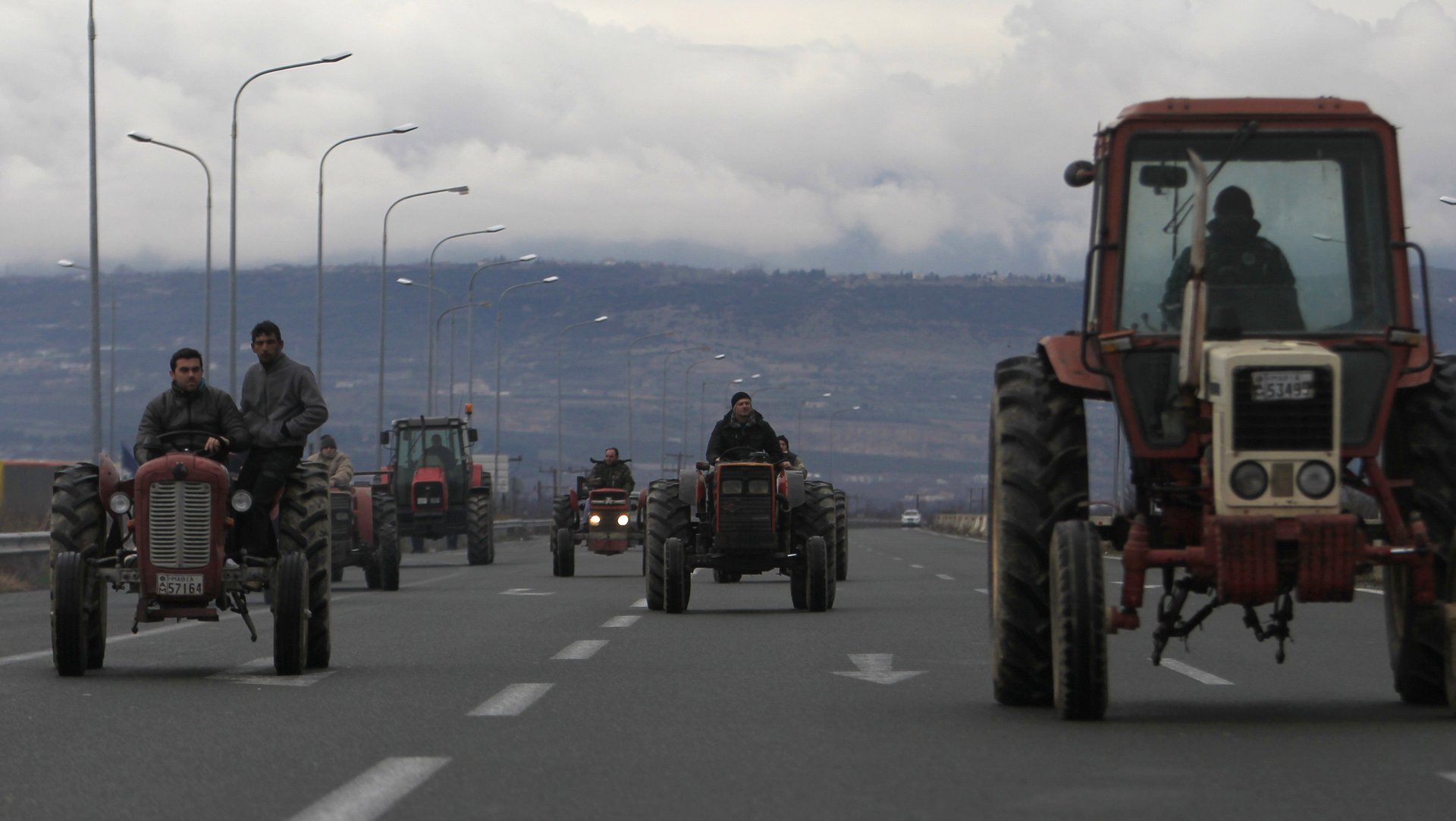
Greek farmers have figured out a way to wage protest, air grievances and bring the country to a halt—literally. This past weekend, they took their tractors to the Egnatia highway, which runs through northern Greece, and blocked the road for an hour. Farmers complain that they haven’t received any state subsidies, while others say the compensation for natural disasters that have hurt their crops is too low.

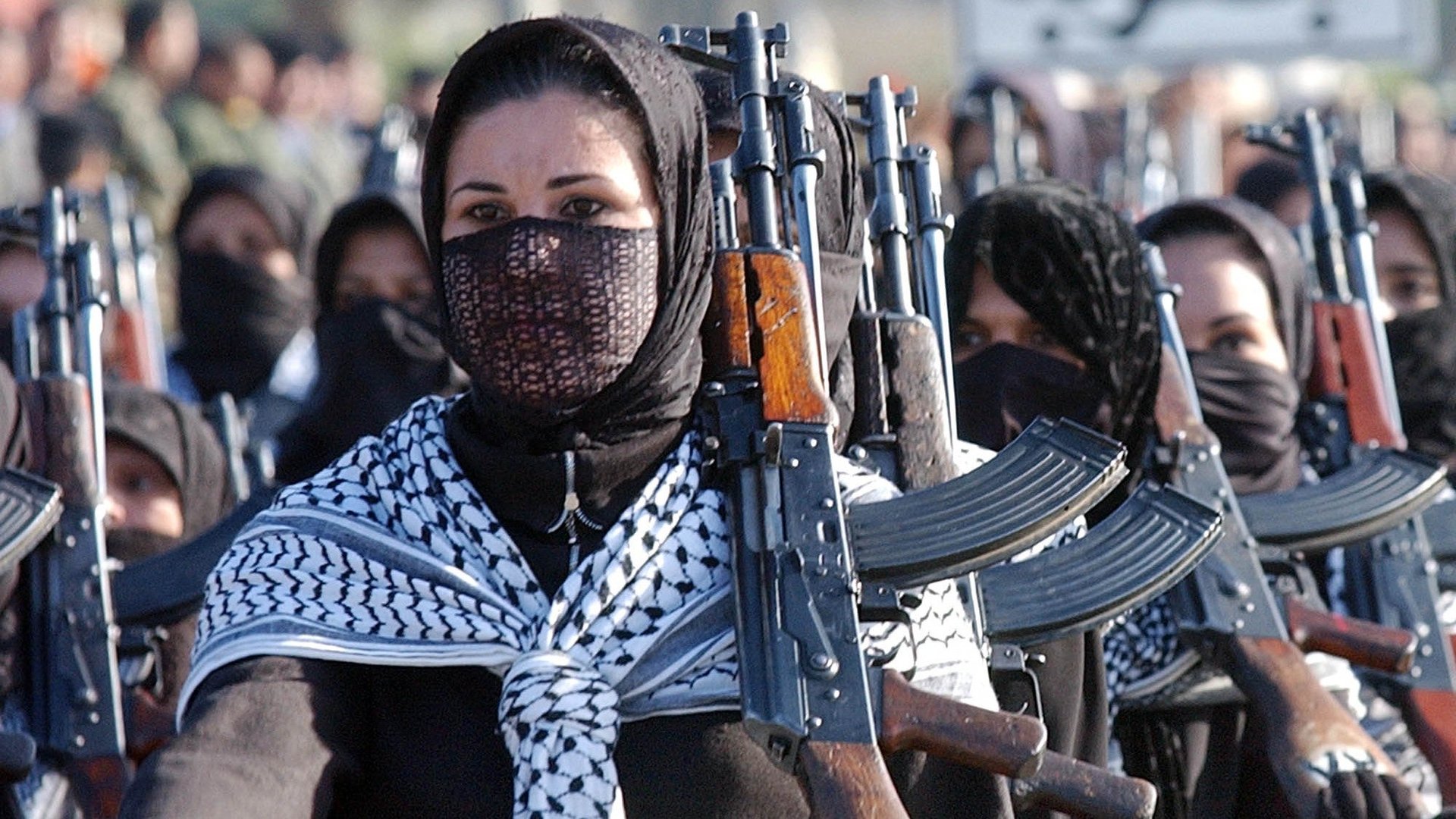
Women in the military have a long history, although their role in combat has always been controversial. This week, the Pentagon announced that American women soldiers will be allowed to fight in combat. With that announcement, the US becomes the 12th country to allow women to the front lines, along with countries such as Italy, Norway, Serbia and Israel. Their presence, however, is hardly a new phenomenon.

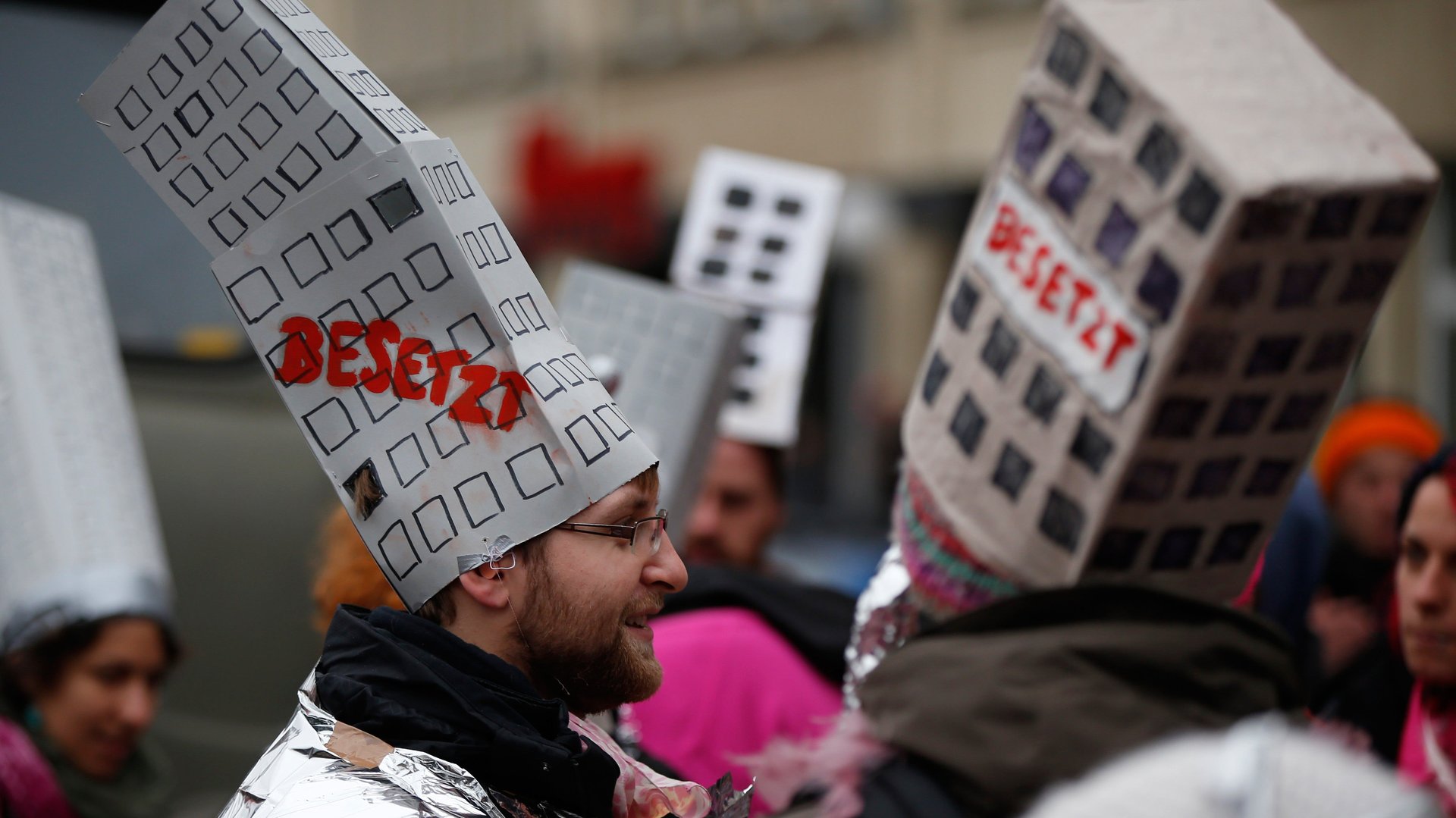
While New York introduced plans for micro-apartments yesterday to control soaring rents, Germany’s still on the hunt for solutions. Here’s one: Owners must stop making their apartments more desirable, valuable, or comfortable.

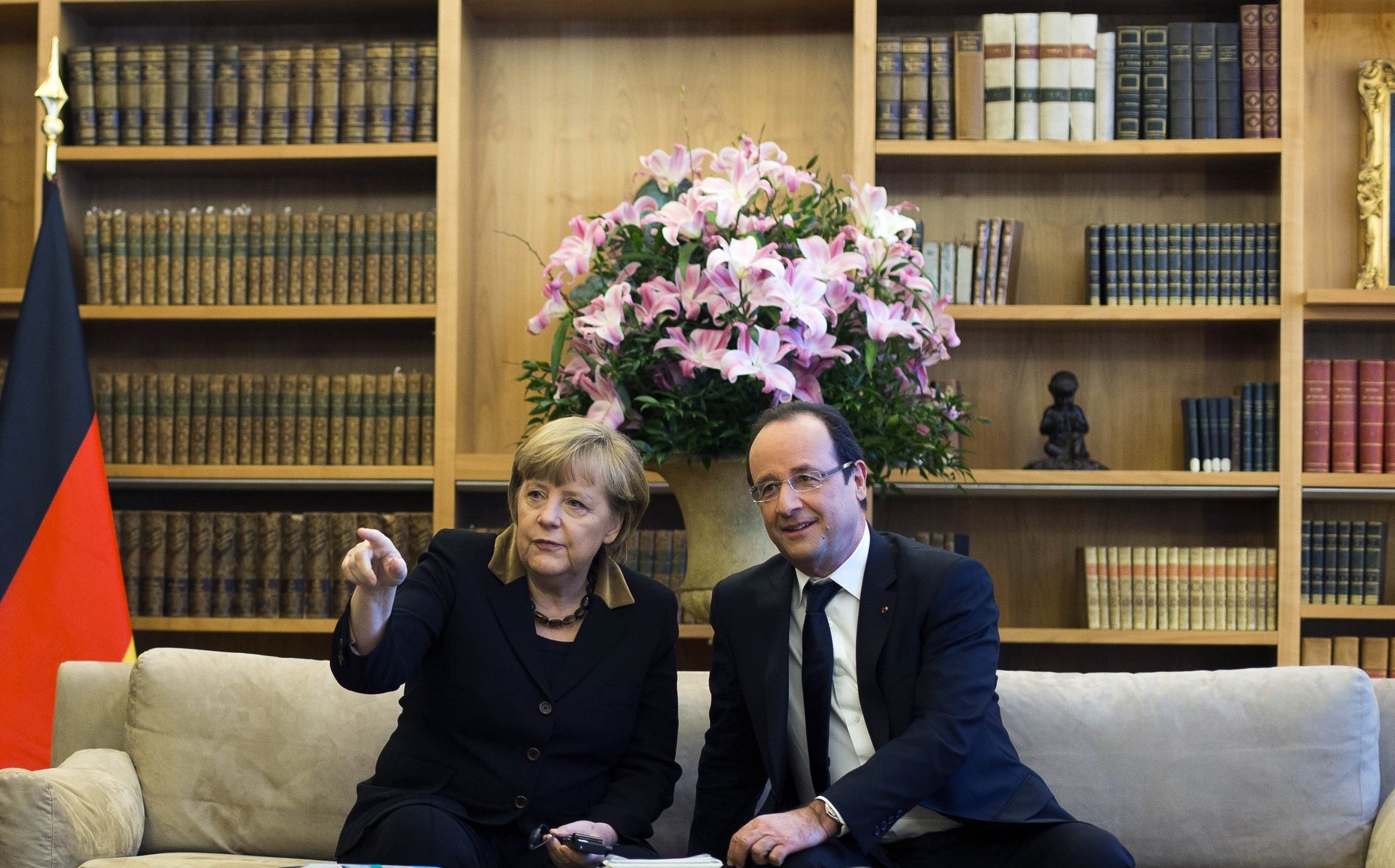
François Hollande’s visit in Berlin today and meeting with Angela Merkel had all the unspoken rules of a family dinner on Christmas: No arguments, no blame games, smile for the cameras. The German and French government celebrated the 50th anniversary of the Élysée Treaty between their nations, putting aside more recent history that pits them against each other. Both countries have sparred on how to solve the euro crisis. Germany has fought for cutting government spending and reducing labor costs, prompting French reactions that saving and growth at the same time are not compatible. France, meanwhile, will not agree to Germany’s proposed reforms.

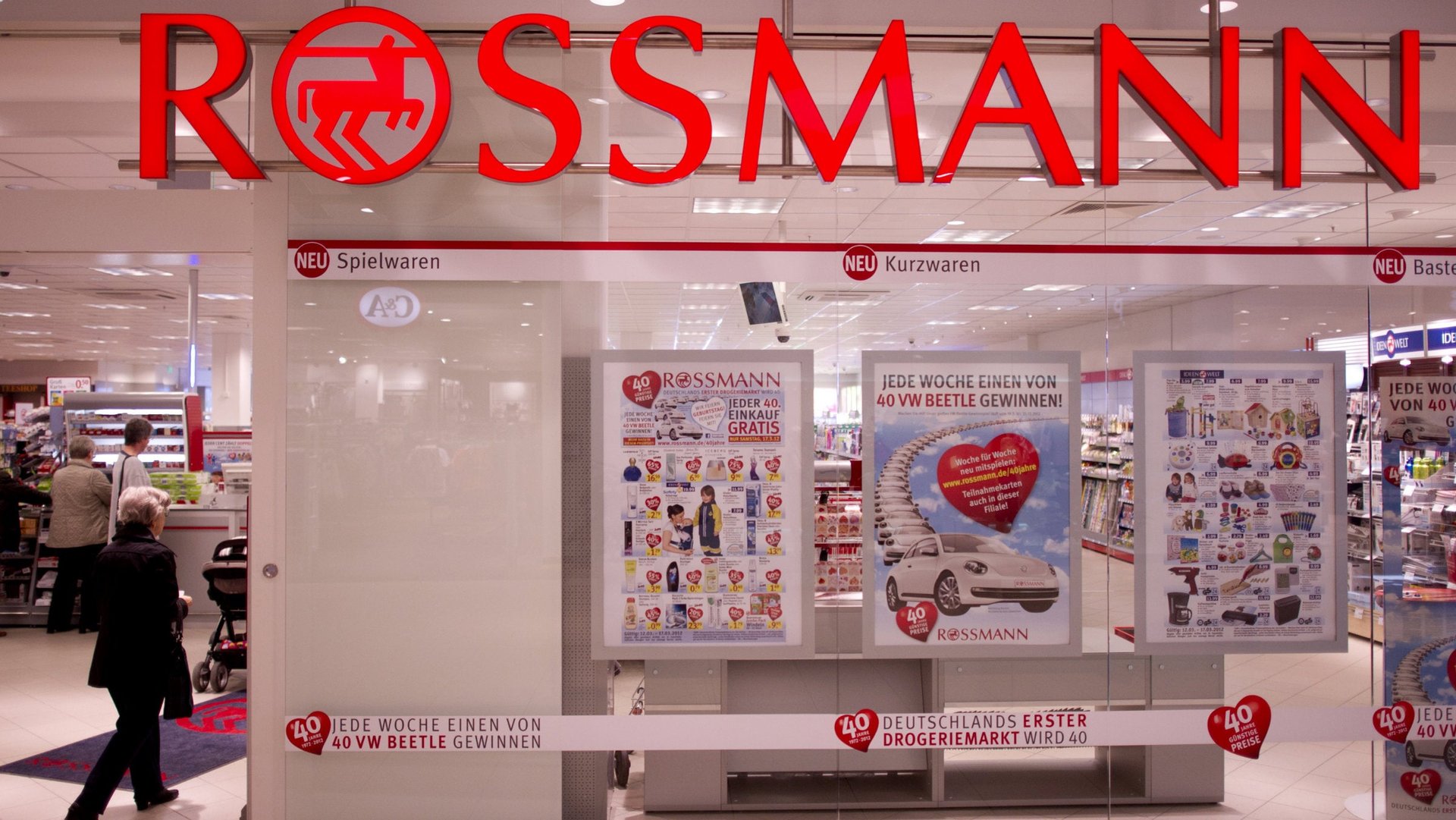
Germany has been struggling to adapt its 60-year-old system for financing public broadcasting to the 21st century, and it isn’t going too well. German companies are up in arms over a new fee structure, under which every household must pay a monthly license fee of €17.98 ($23.45), while businesses pay one determined by the number of store branches, employees, and company cars they have. For some this means steep increases. The drugstore chain Rossmann has filed a lawsuit after seeing its bill go from €39,500 to €200,000.

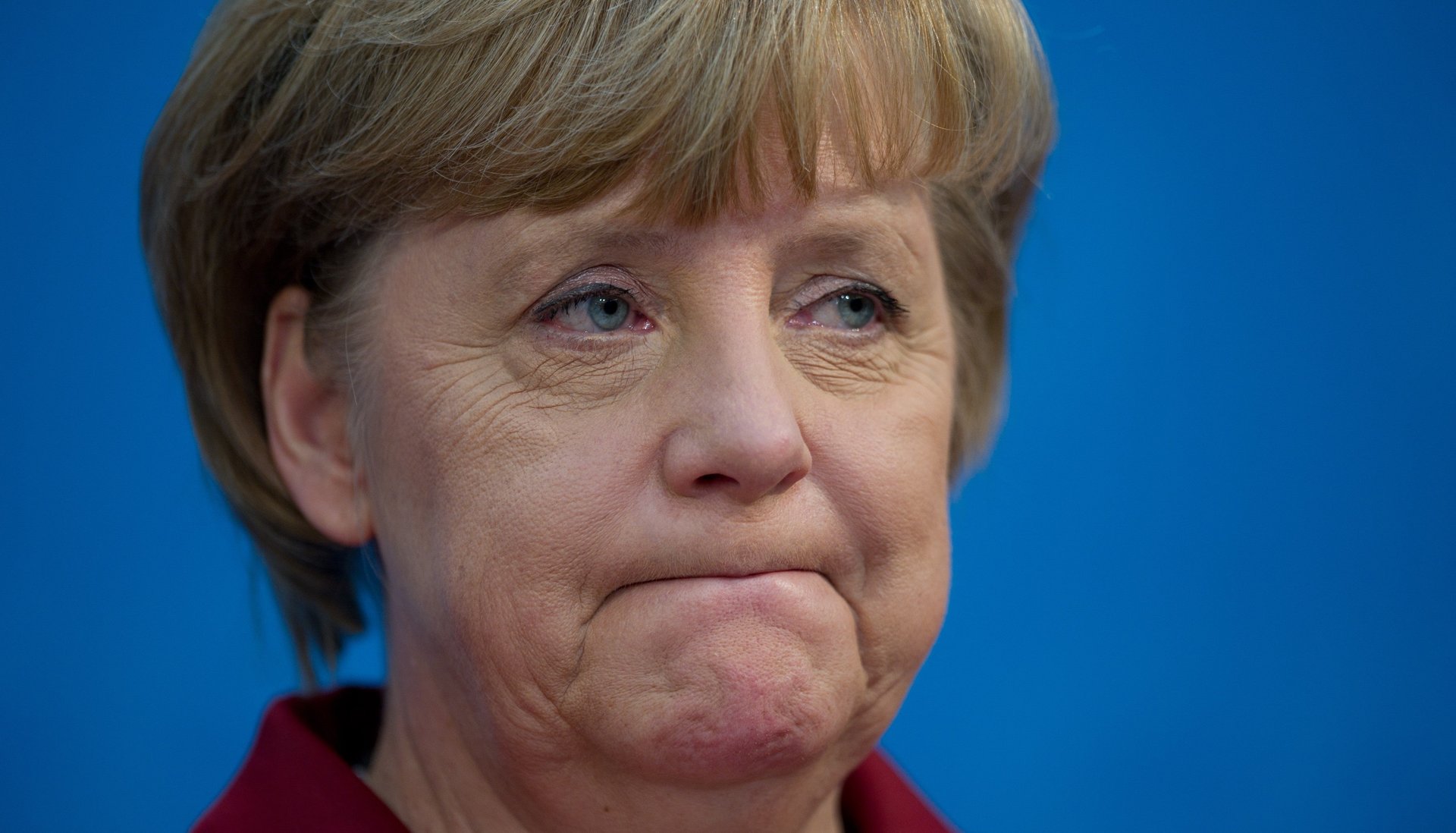
It was supposed to be a tight race, but the result came as a bitter wake-up call for German chancellor Angela Merkel: On Sunday, her CDU party lost the state elections in Lower Saxony.