A massive, multinational dairy company is embroiled in one of Europe’s biggest food-safety scandals, giving parents around the world reason to be nervous about buying infant formula.

A massive, multinational dairy company is embroiled in one of Europe’s biggest food-safety scandals, giving parents around the world reason to be nervous about buying infant formula.

In a last-ditch effort to dismantle Philadelphia’s new soda tax, opponents—led by the soda industry—are taking their lawsuit to the highest level of a state’s judiciary.

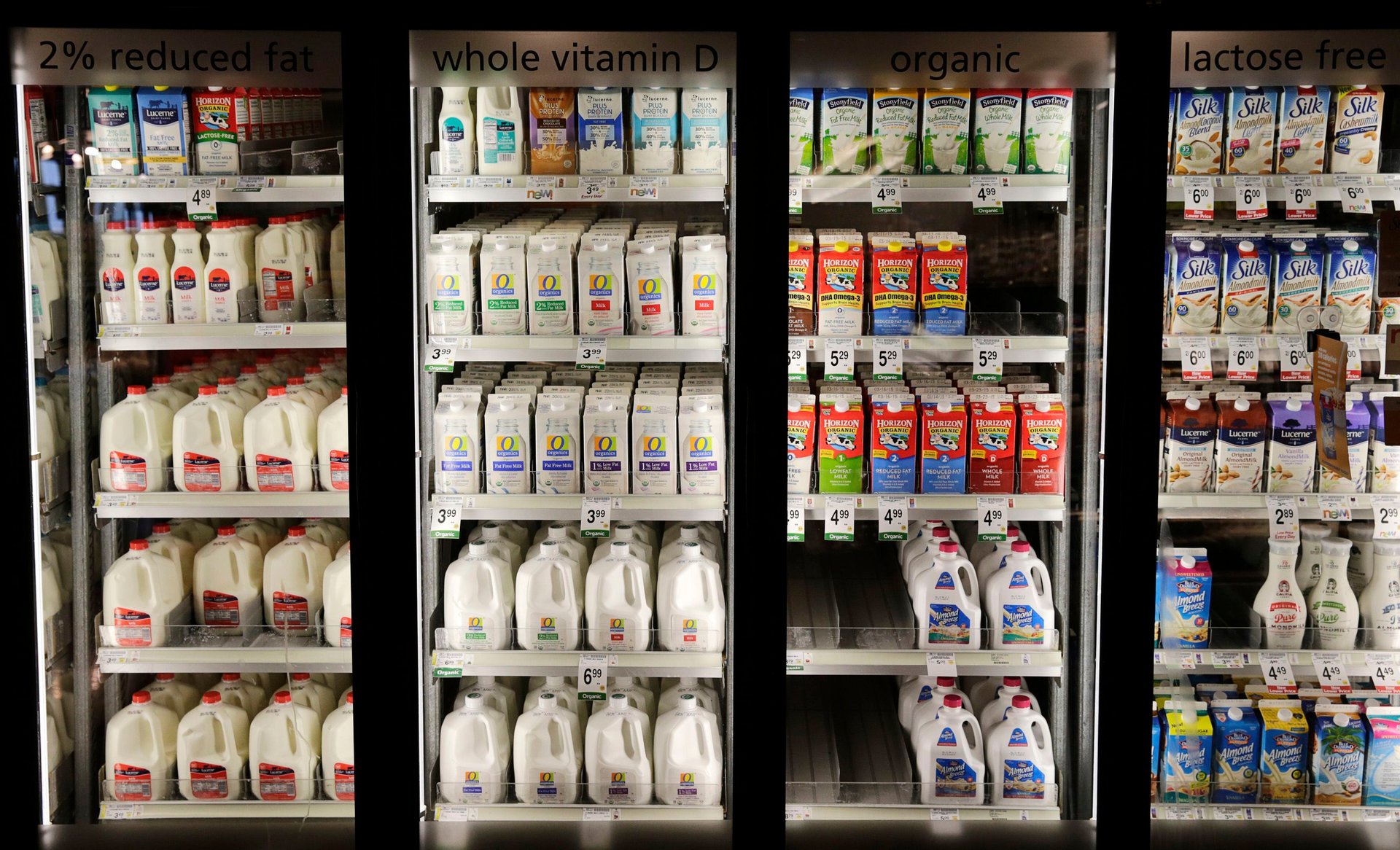
The modern grocery store dairy aisle is chaotic, with more choices than ever for milks, yogurts, and cheeses, sourced from cows, goats, and plants. The variety, though, can be confusing, particularly when it comes to milk. Research suggest people have the impression that soy, almond, coconut, rice, and conventional cow’s milk are equal substitutes for each other. But that’s not the case, and scientists at McGill University in Montreal set out to shed some light on the subject.

Some chickens are naturally better at fighting off dangerous bacteria than others. And now that scientists have found a way to identify those birds, the production of flocks of super chickens—and a safer food system as a result—could be imminent.

Her vocabulary only includes a handful of words, but with them, an orca at a French marine facility is proving that cetaceans can be taught how to pronounce specific sounds with their blowholes.

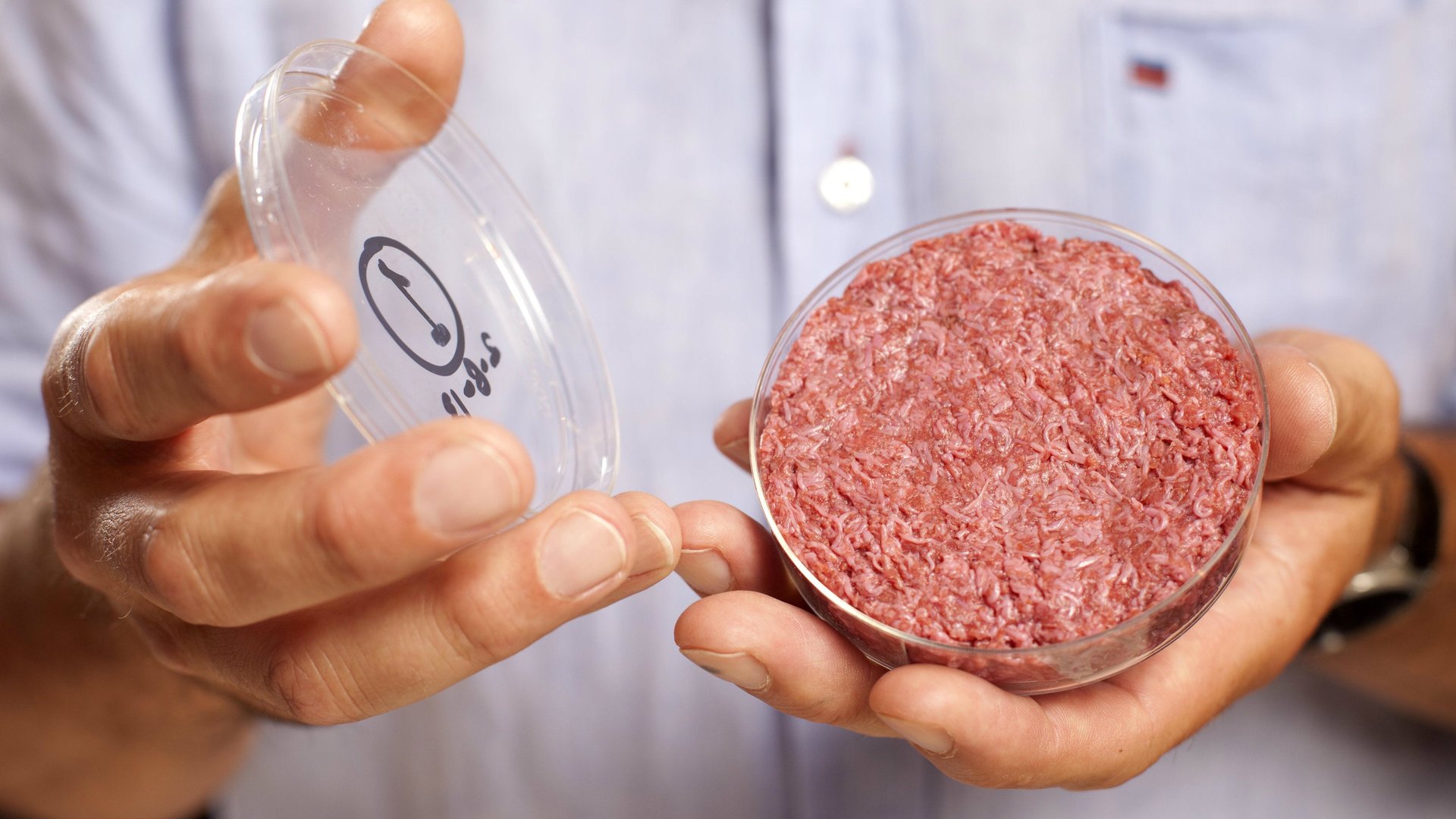
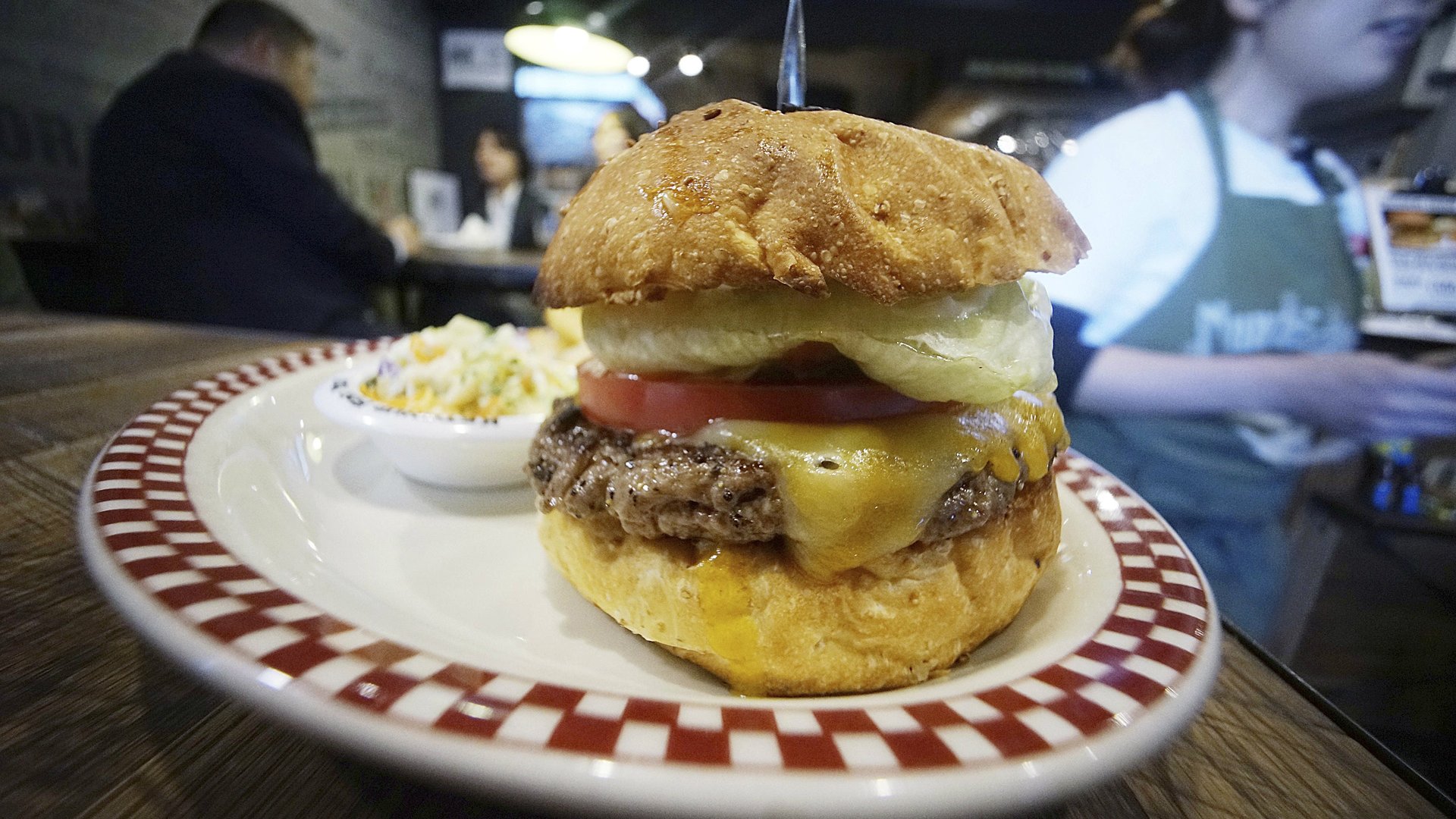
The meat industry is on the verge of disrupting itself.

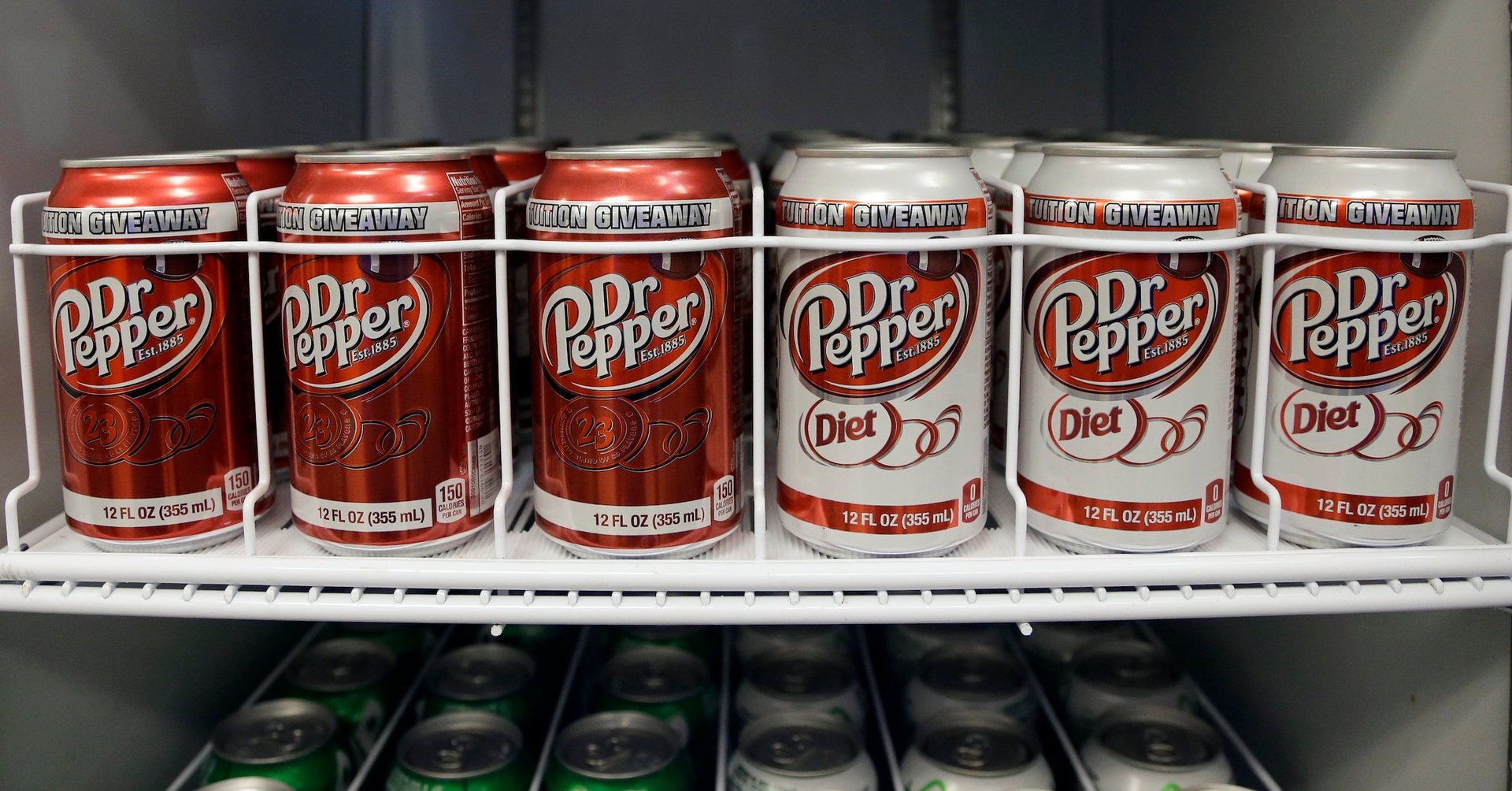
Keurig Green Mountain, the American company whose success marketing its “K-cups” made coffee pods a staple of offices and hotels everywhere, agreed Monday (Jan. 29) to spend a whopping $18.7 billion to take a commanding 87% stake in the Dr. Pepper Snapple Group.

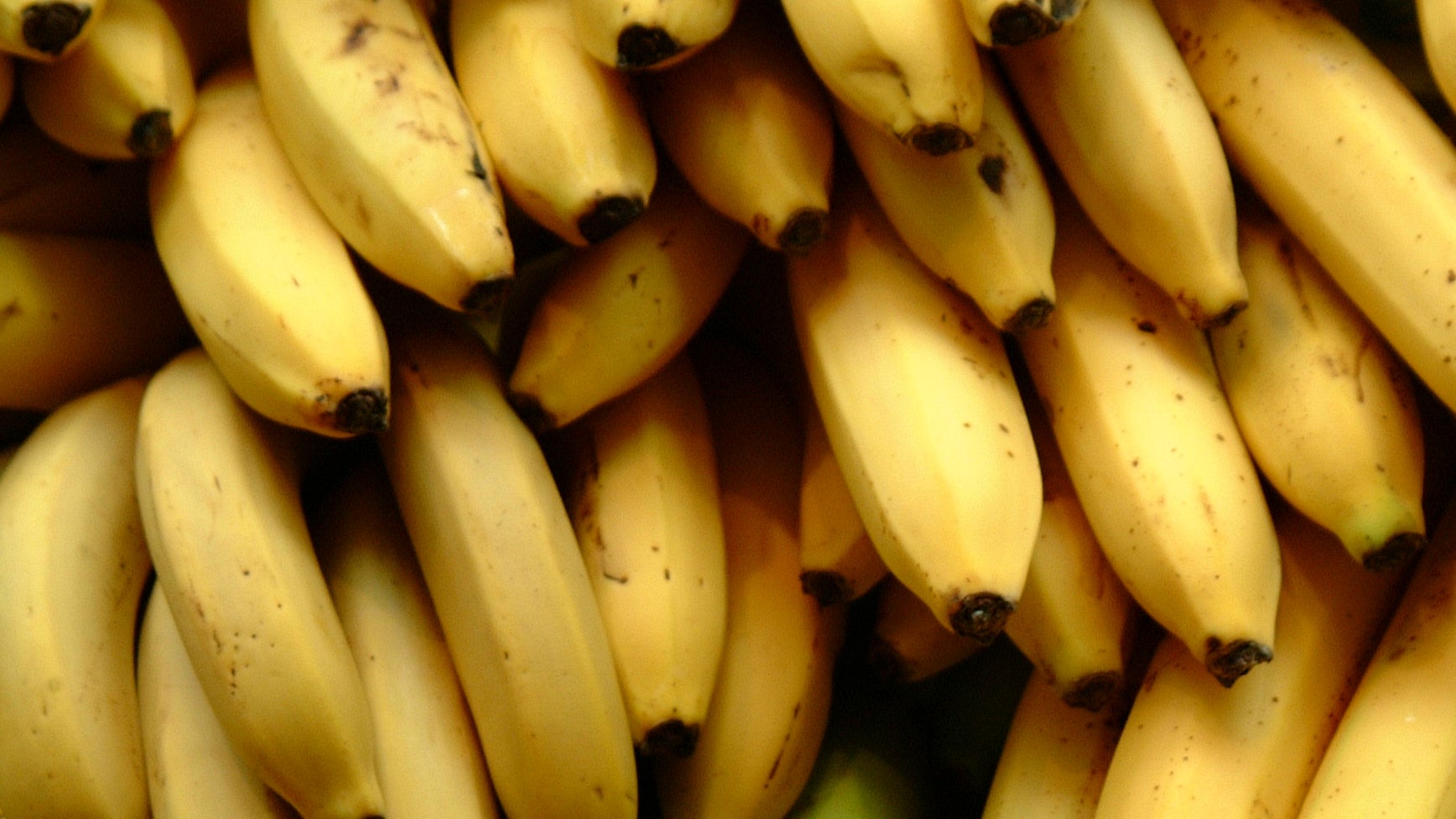
Most of the world’s bananas are grown in tropical temperatures that consistently hover around 80°F (27°C), but D&T Farms in southern Japan keeps its banana trees at a frigid -76°F (-60°C). Then, the farmers replant the trees in an 80°F environment. The result of the wildly different temperatures is enough to encourage the plants to jolt into a state of rapid growth, producing a banana with a peel that doesn’t entirely mature, making it thin, soft, and sweet enough to eat along with the regular part of the fruit.

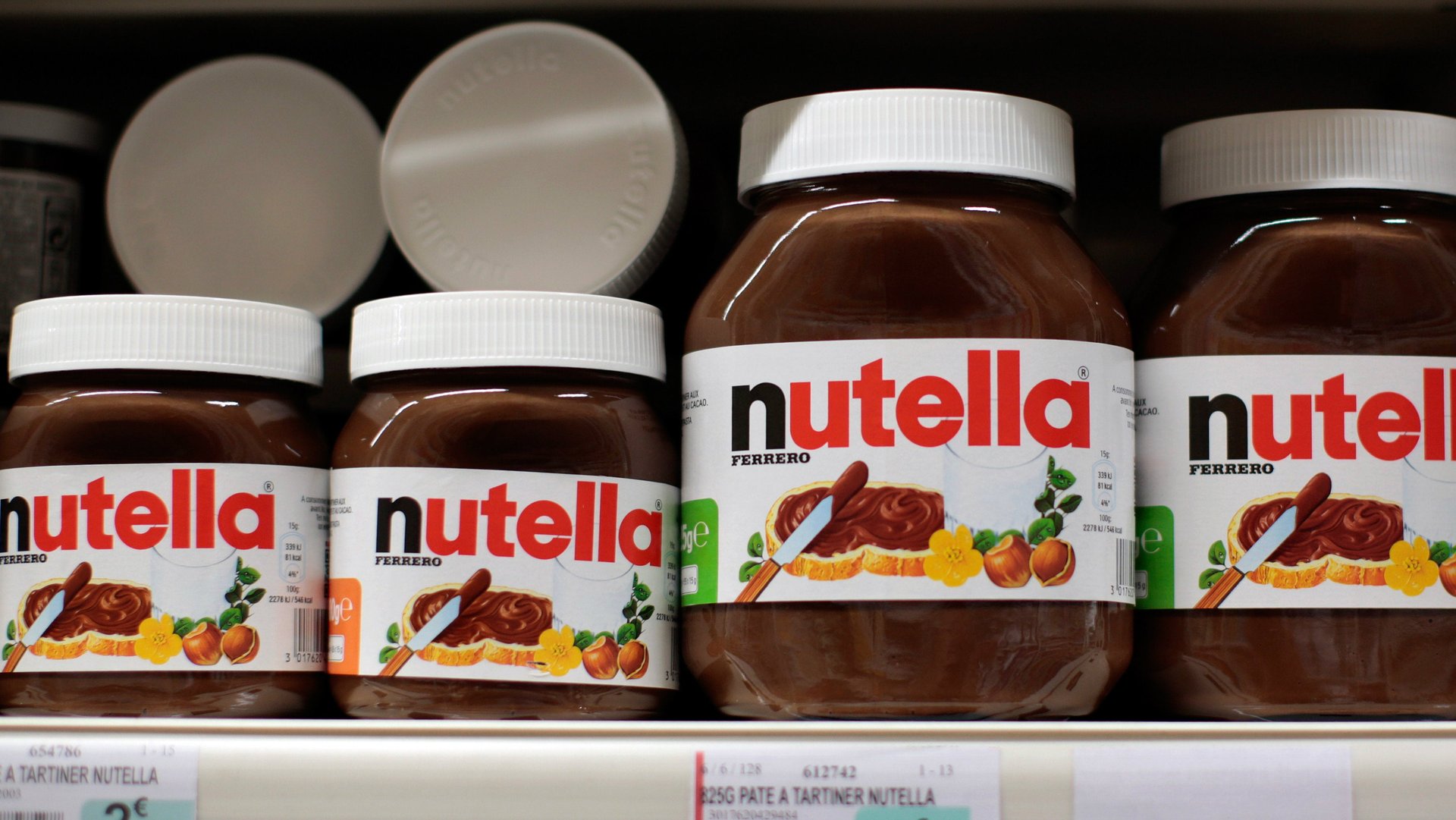
Hair was pulled, screams bellowed, even blood was spilled—all over little jars of spreadable hazelnut chocolate in the supermarket.

A Silicon Valley agriculture startup is preparing to build 300 vertical farms across China, propelled by investments from funds created by Amazon chief executive Jeff Bezos and Alphabet executive chairman Eric Schmidt.

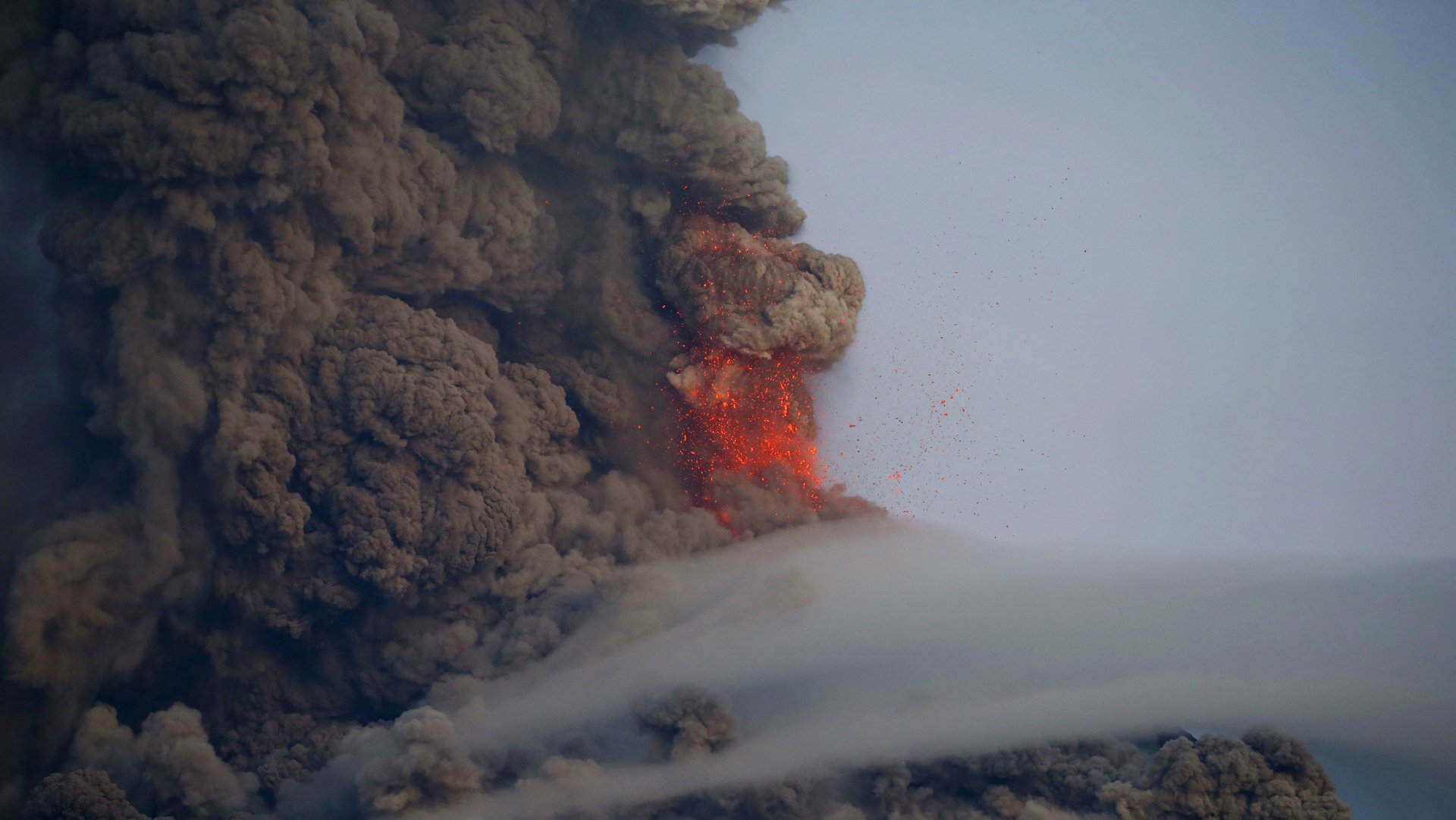
The Holy Grail of volcanic research is figuring out how to accurately predict an eruption. Using crystals found at the sites of active volcanoes, University of Queensland researcher Teresa Ubide and her team are making meaningful strides towards that goal.

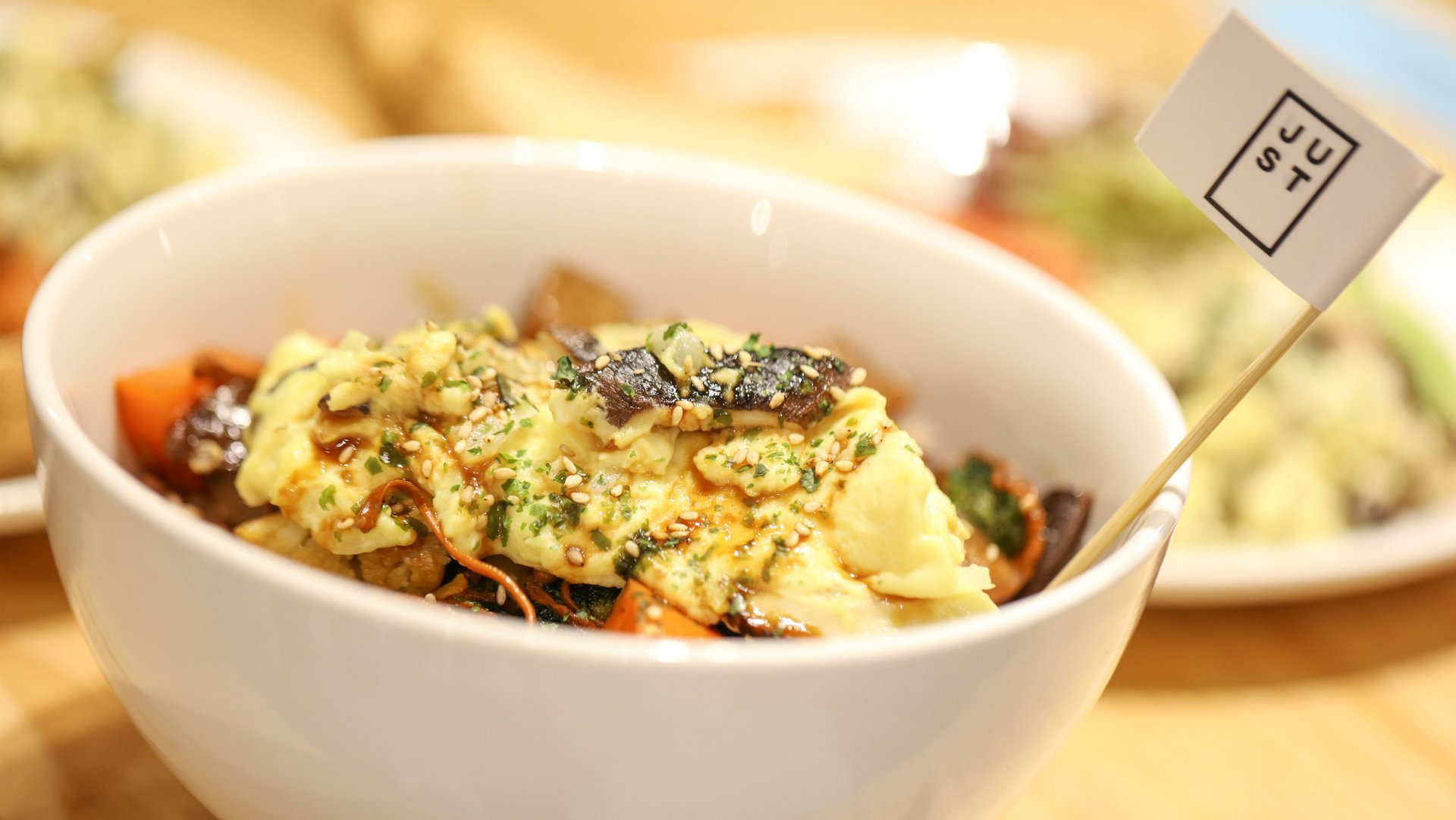
One of Asia’s most familiar food, mung beans, is being reintroduced to the region in a completely reinvented form by a Silicon Valley startup.

Leviticus has swept into Silicon Valley.

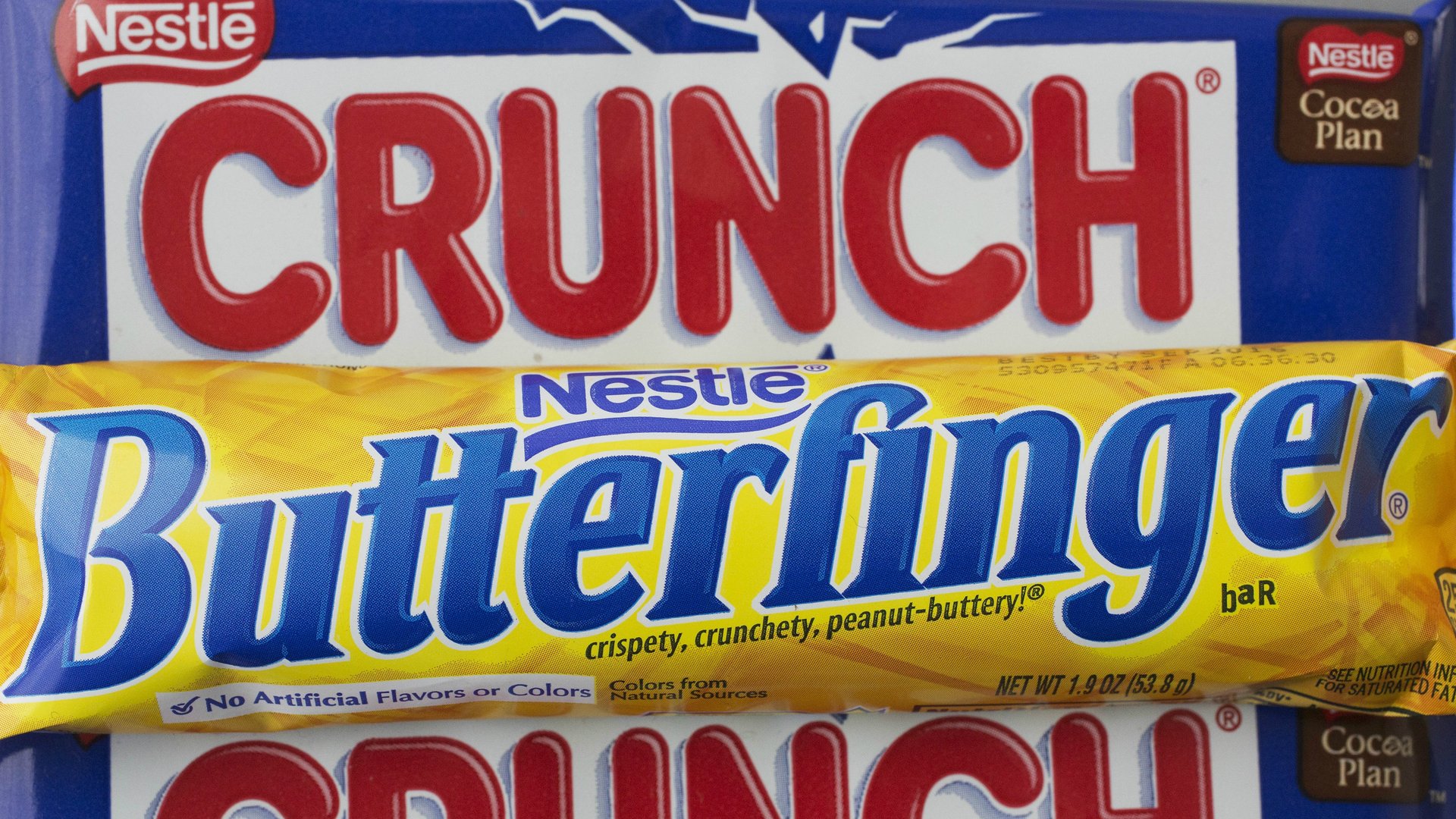
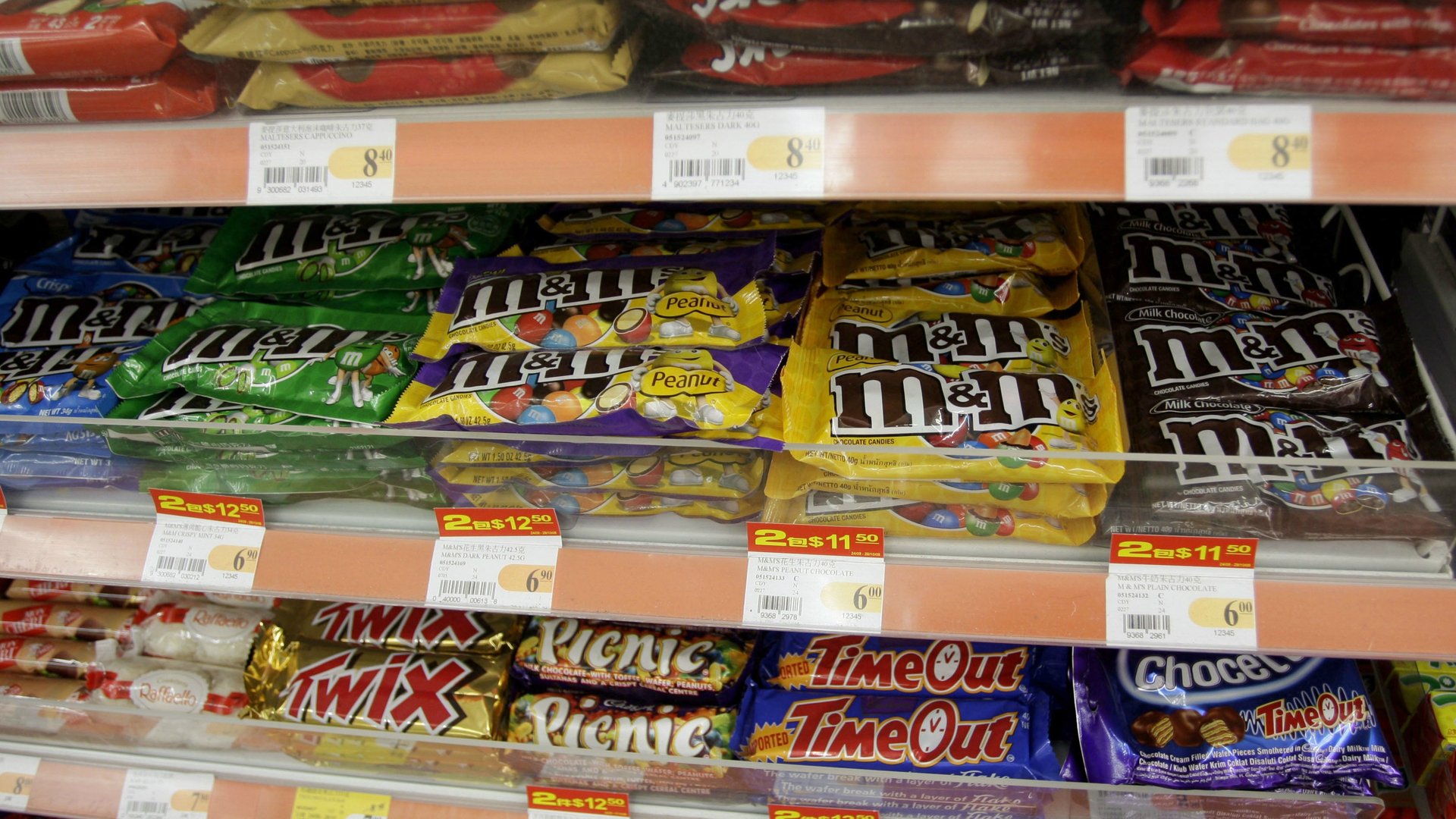
Nestlé—the company behind many iconic candy bar brands—is shedding its sugary reputation.

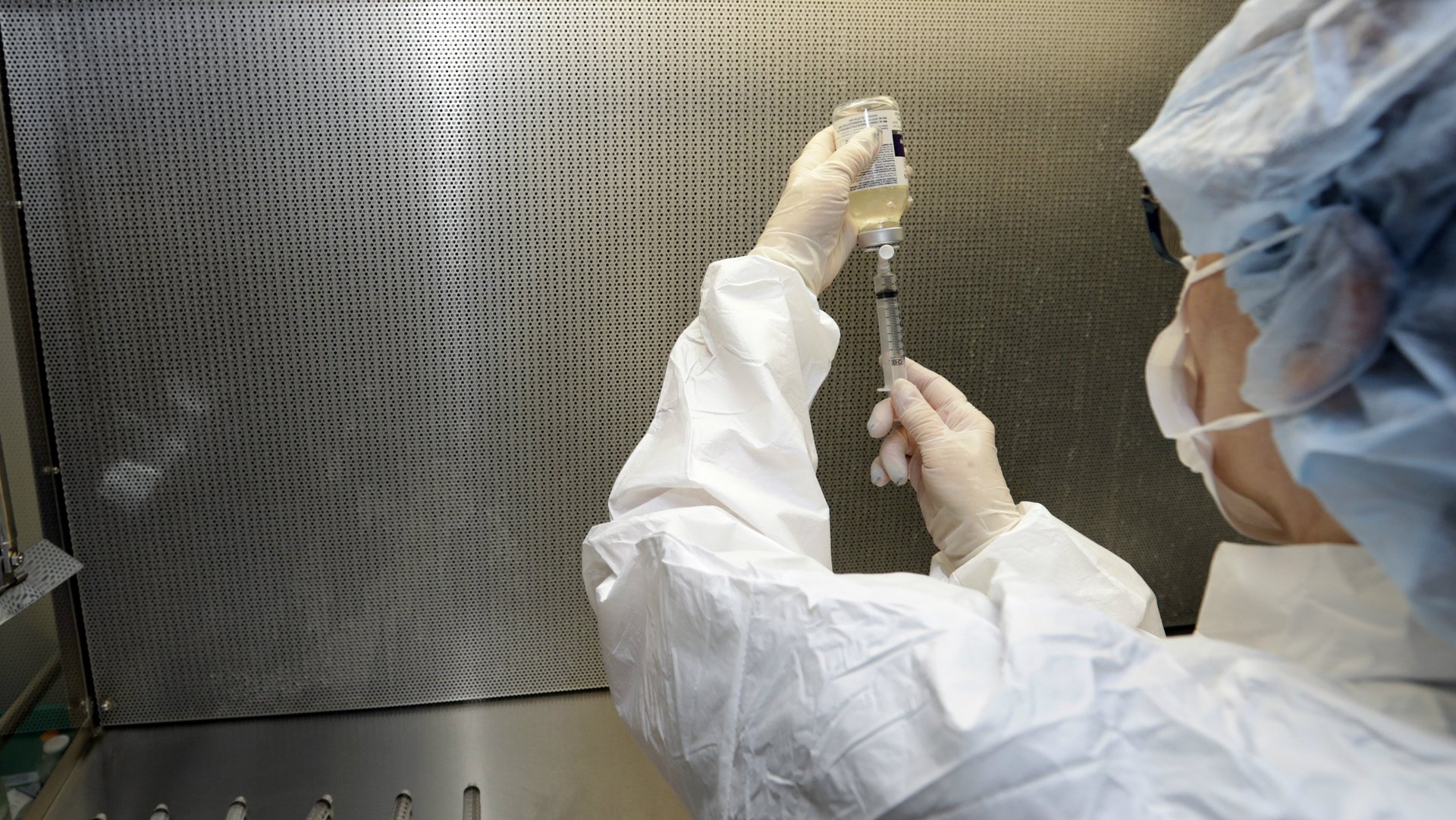
Flu season is upon us, and hitting hard. That’s one reason American health officials are urging people to get vaccinated.

New satellite imagery of jagged swaths of Mars’ surface has revealed the existence of massive bodies of water ice, a possible prelude to exciting new discoveries about whether life ever existed on the planet.

For a group of lab mice suffering from Alzheimer’s disease, it’s a case of an old drug having new tricks—a new development that might one day help humans.

The world of phobias is as broad as it is bizarre.

It’s a fool’s errand to try to predict what the future holds for the scientific trends that dominate the headlines today. Instead, Quartz’s science team has compiled a list of science terms and concepts that can help you better understand social and political life in 2018.

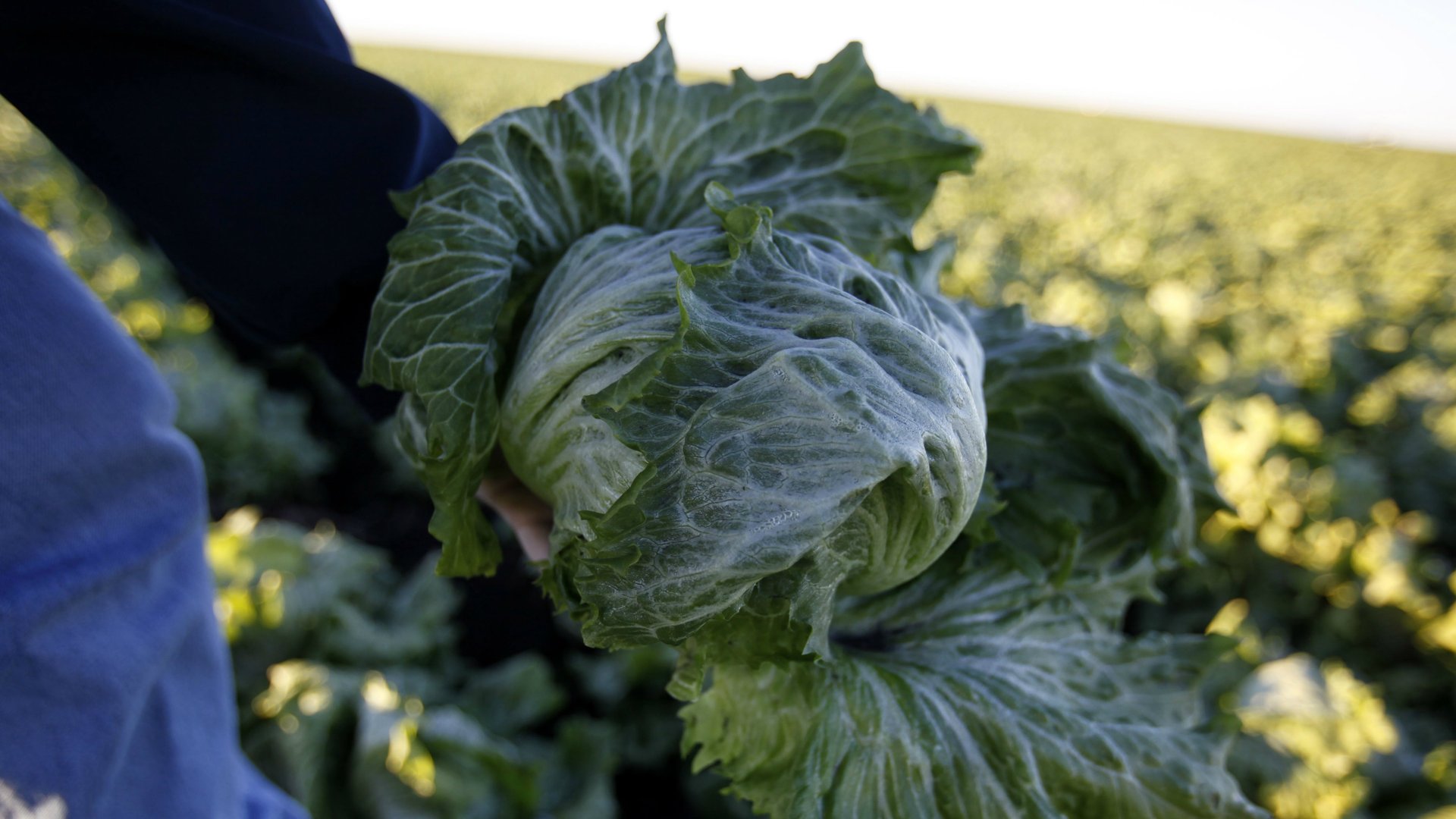
A consumer safety group wants the US government to recommend Americans to stop eating one of the most basic ingredients in salads—at least temporarily.

The American appetite for meat is expected to hit an all-time high this year.

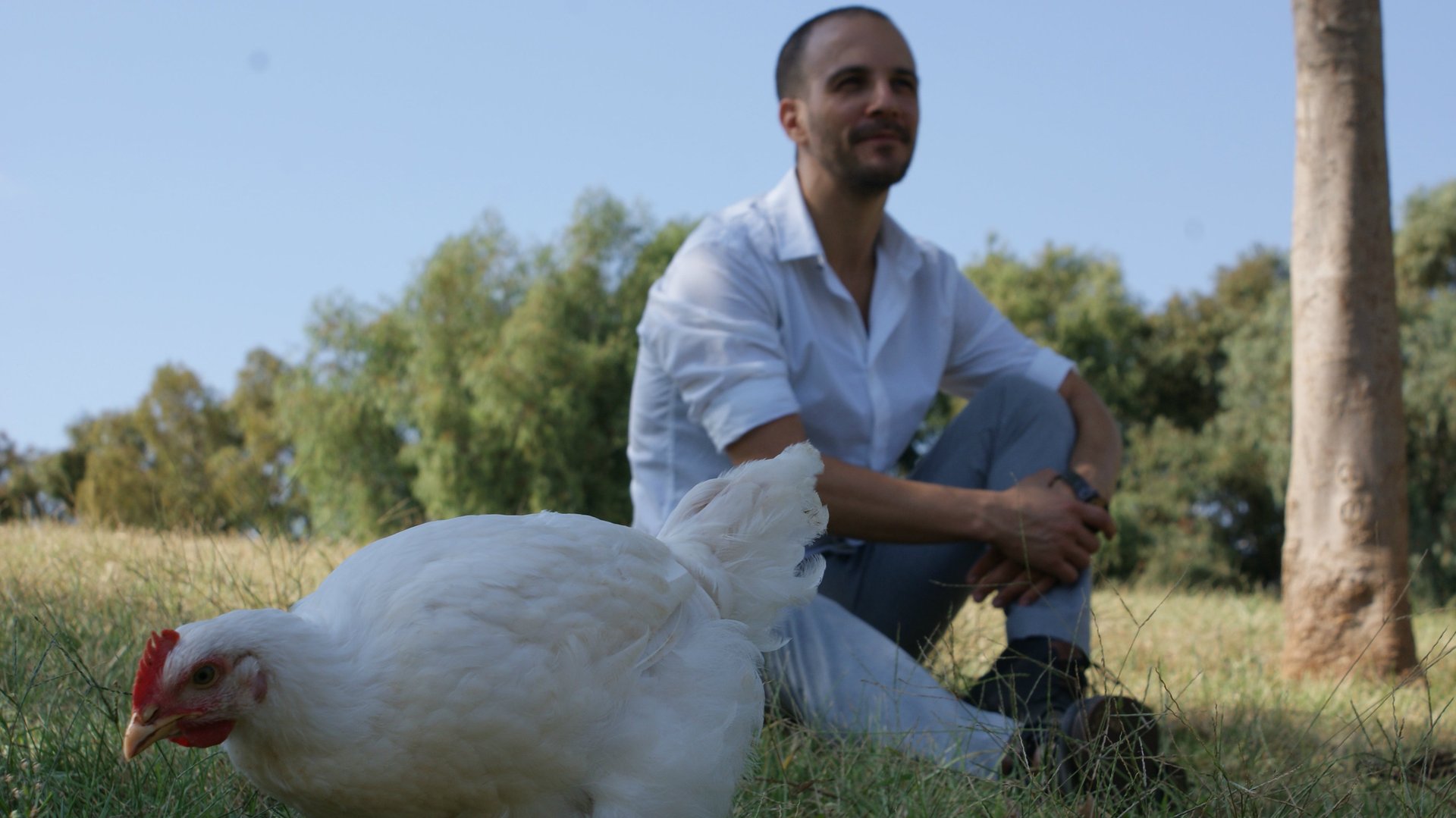
One of the largest poultry producers in Europe is teaming up with an Israeli clean meat company to get cell-cultured chicken to market within three years.

Chocolate is facing a global meltdown, and scientists at the University of California’s Innovative Genomics Institute—with support from the food manufacturer Mars—are now racing against impending climate changes that threaten to wipe out much of the industry by mid-century.

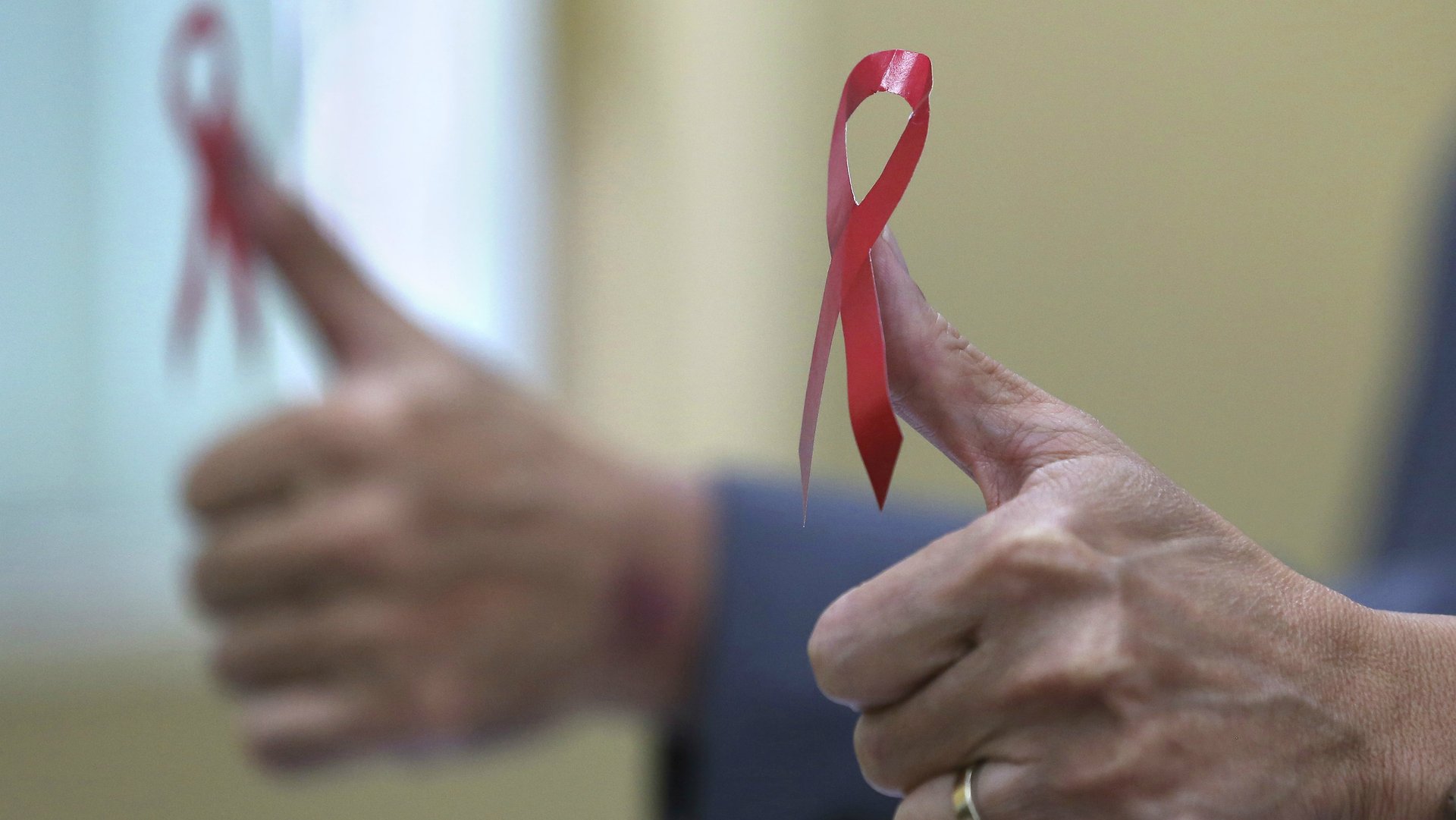
The battle against HIV has been a long and difficult. As scientists have searched unsuccessfully for a cure, more than 35 million people worldwide have died of the illness since the 1980s.