

Tech & Innovation
China has a ‘silent killer’ on its hands and no plans to stop itNew research reveals one of the top drivers of death in China is getting worse—and the government isn’t yet prepared to stop it.
Updated July 20, 20222 min read
New research reveals one of the top drivers of death in China is getting worse—and the government isn’t yet prepared to stop it.

Scientists have figured out how to take gene editing to a whole new level, making extremely precise changes that may one day allow us to prevent the onset of some genetic diseases.
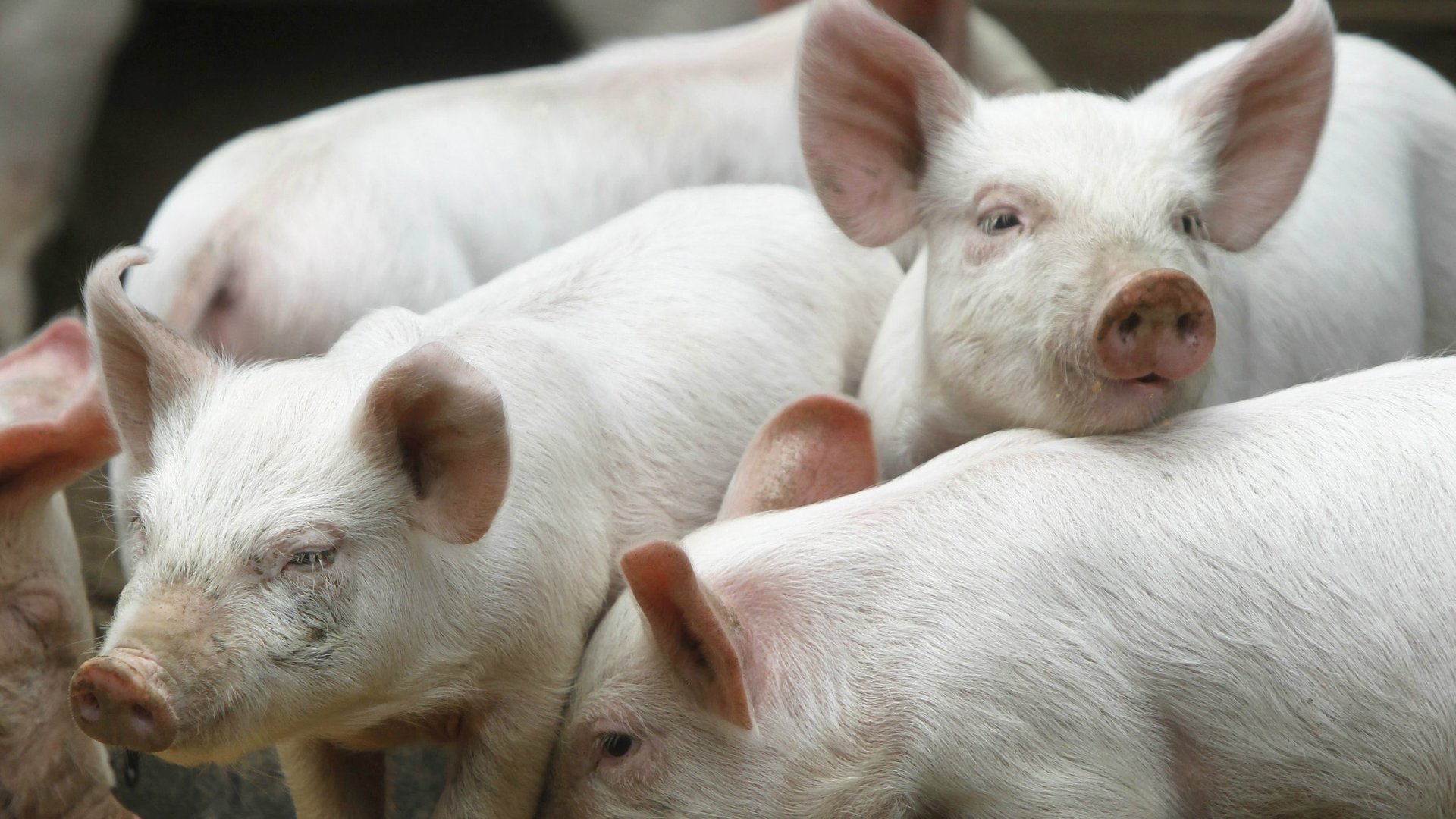
Chinese scientists in Beijing say they’ve successfully created a dozen low-fat piglets using gene-editing technology.

Mann Packing, one of the largest suppliers of fresh vegetables in North America, has issued a massive recall of its products in the US and Canada.

As Halley’s Comet continues its eternal processional through the solar system, it occasionally gives those of us who are Earthbound a pretty good show—and one of them, the Orionid Shower, is taking place this weekend (Oct. 20-21).

Scientists with Japan’s space agency have announced they have discovered what appears to be a humongous cave on the surface of the moon—a potential spot for astronauts to set up an exploratory base.

Leonardo DiCaprio, who won an Academy Award for his 2015 portrayal of a man nearly eaten by a grizzly bear, is investing in a plant-based, vegan burger company.

Companies for years have been finding ways to transform plants into things that could replace meat and egg products. It happened to mayonnaise and burgers; now it’s happening to tuna sushi.

McKayla Maroney, an US Olympic gold-medalist in gymnastics, came forward today (Oct. 18) to share her story of repeated sexual assault during her time with the Olympic team.
A nine-year study into how our bodies process sugar has shed new light on cancer development, and how sugar-heavy diets may wind up increasing the risk of tumor growth.
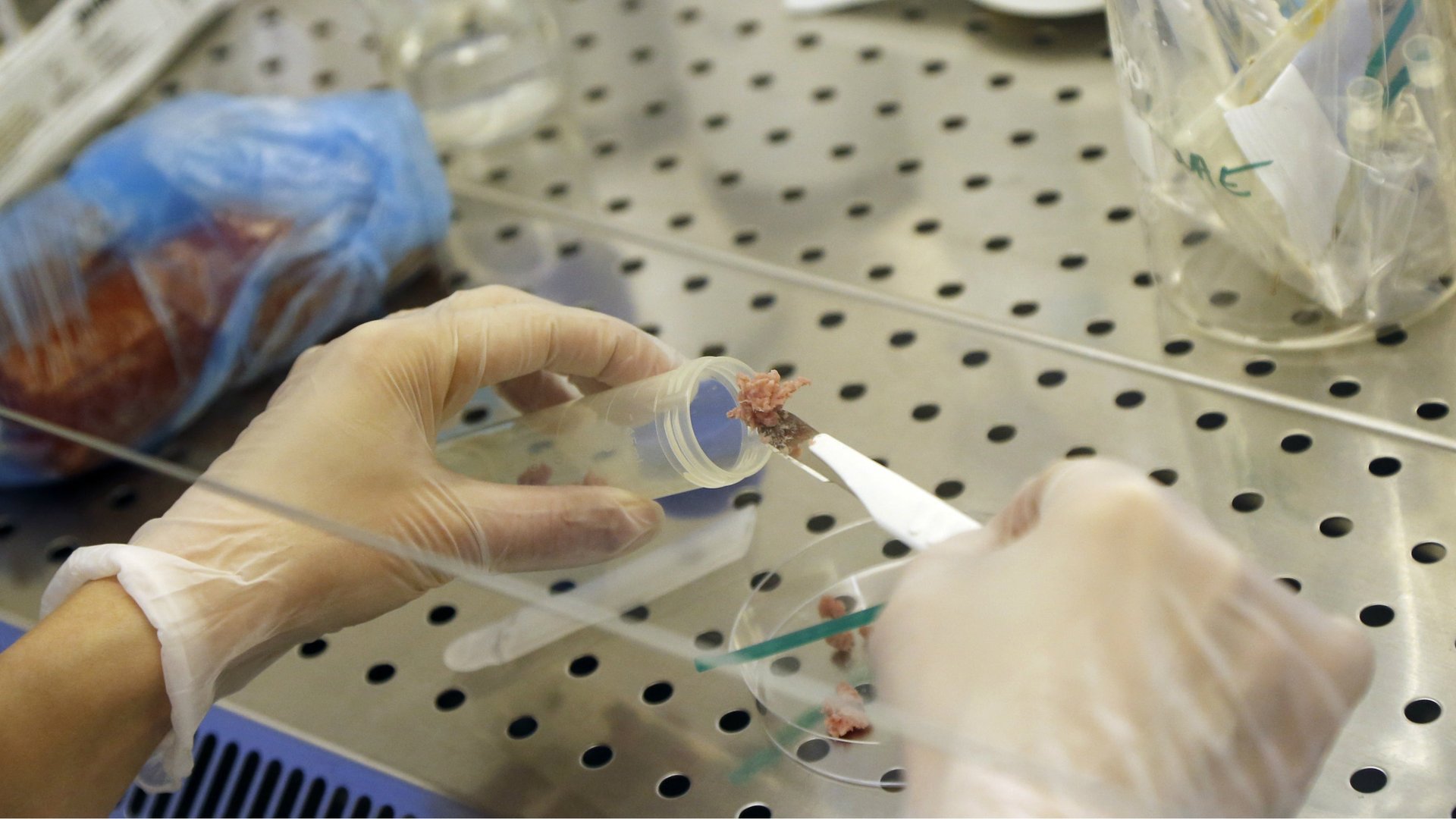
Across the globe, there are eight companies making headway in producing cell-cultured meats that forego the need for slaughtering live chickens, cows, or pigs. One of the more recent entrants in that space is the Tokyo-based Integriculture, founded by chemist Yuki Hanyu.

During a time when America is coping with back-to-back-to-back hurricanes, destructive wildfires raging across northern California, and an unpredictable White House, the social climate is perfect for supervolcano hysteria. This helps explain why there has been so much discussion about the volcano brewing under Yellowstone National Park and its “planet-killing potential.”

For food technologists looking to use cellular agriculture as a way of eliminating the need for factory-farmed meat, it’s a point of amusement, but also a dream of the near future. After all, it might not be long before cell-cultured meats start to appear on real menus.

As deadly wildfires in northern California rage through wine country, vintners are staring down a quiet and familiar threat.
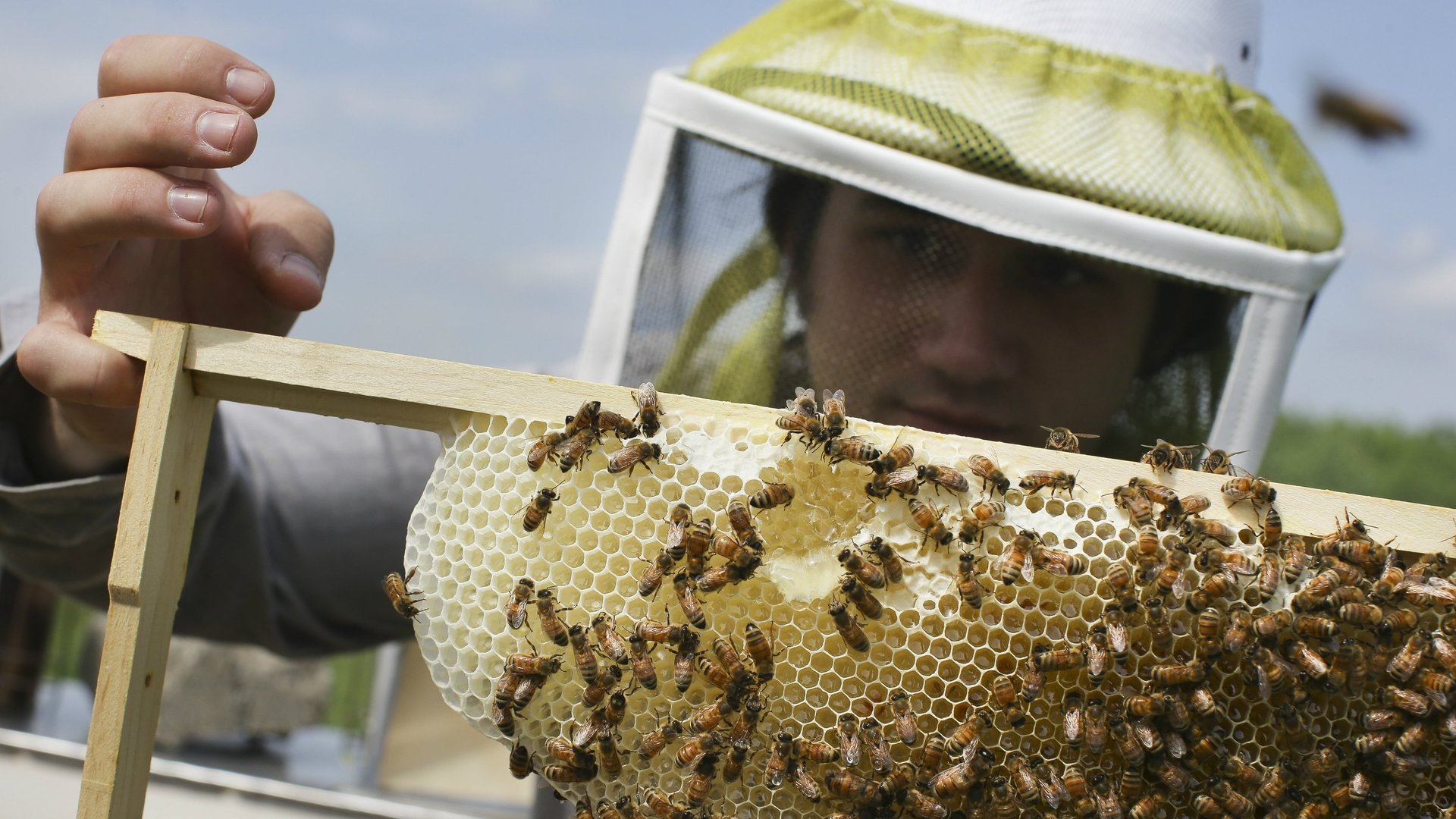
A recent sampling of honey from around the world honey has given scientists fresh evidence for why so many bees are dying off.

Napa Valley, the heart of American wine country, is burning.
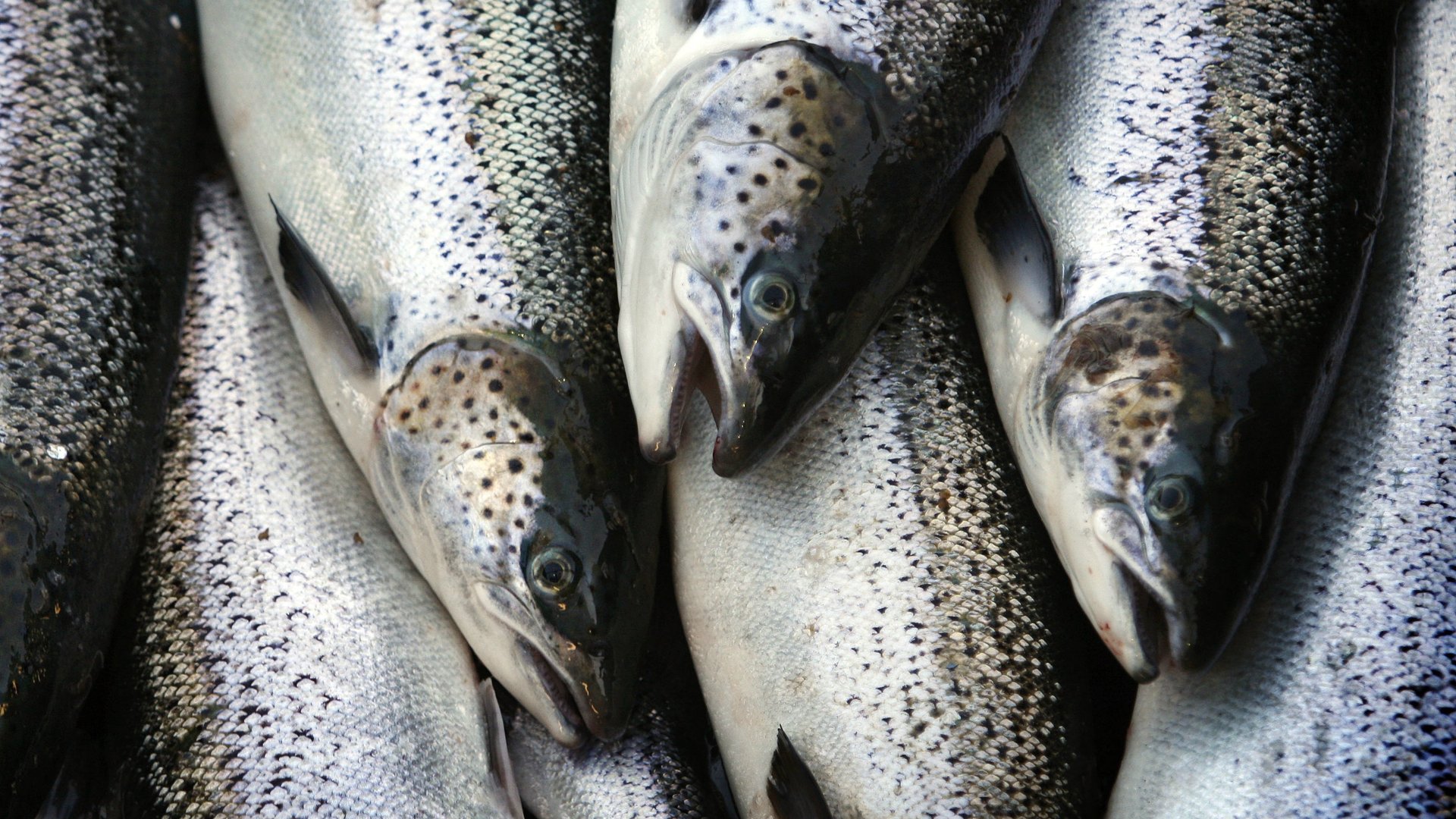
Four-and-a-half tons of genetically modified salmon have been released into the Canadian food market, and consumers have no way of knowing exactly where.
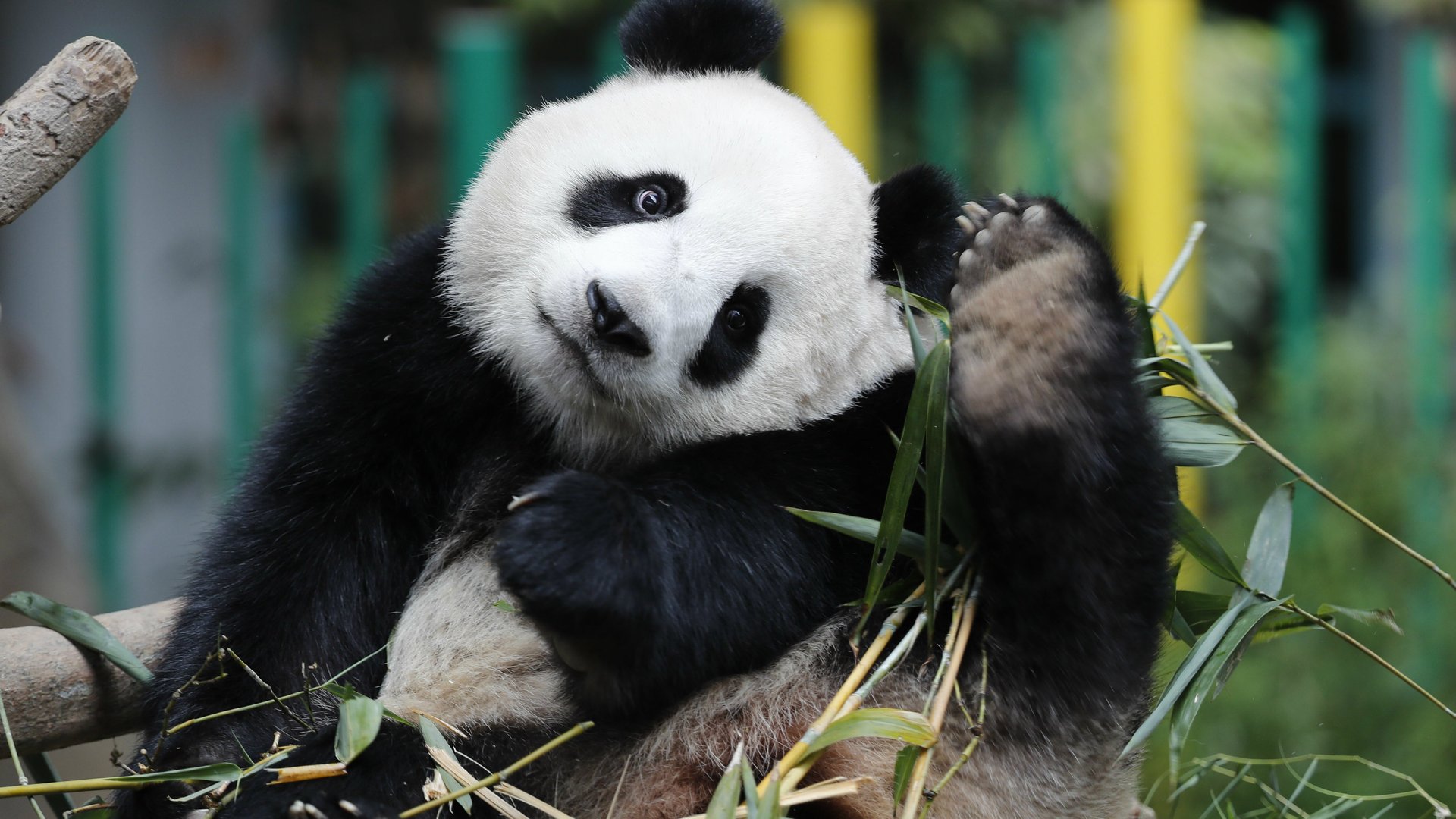
Pandas are being driven out of their habitats in southwest China, but not directly by humans.
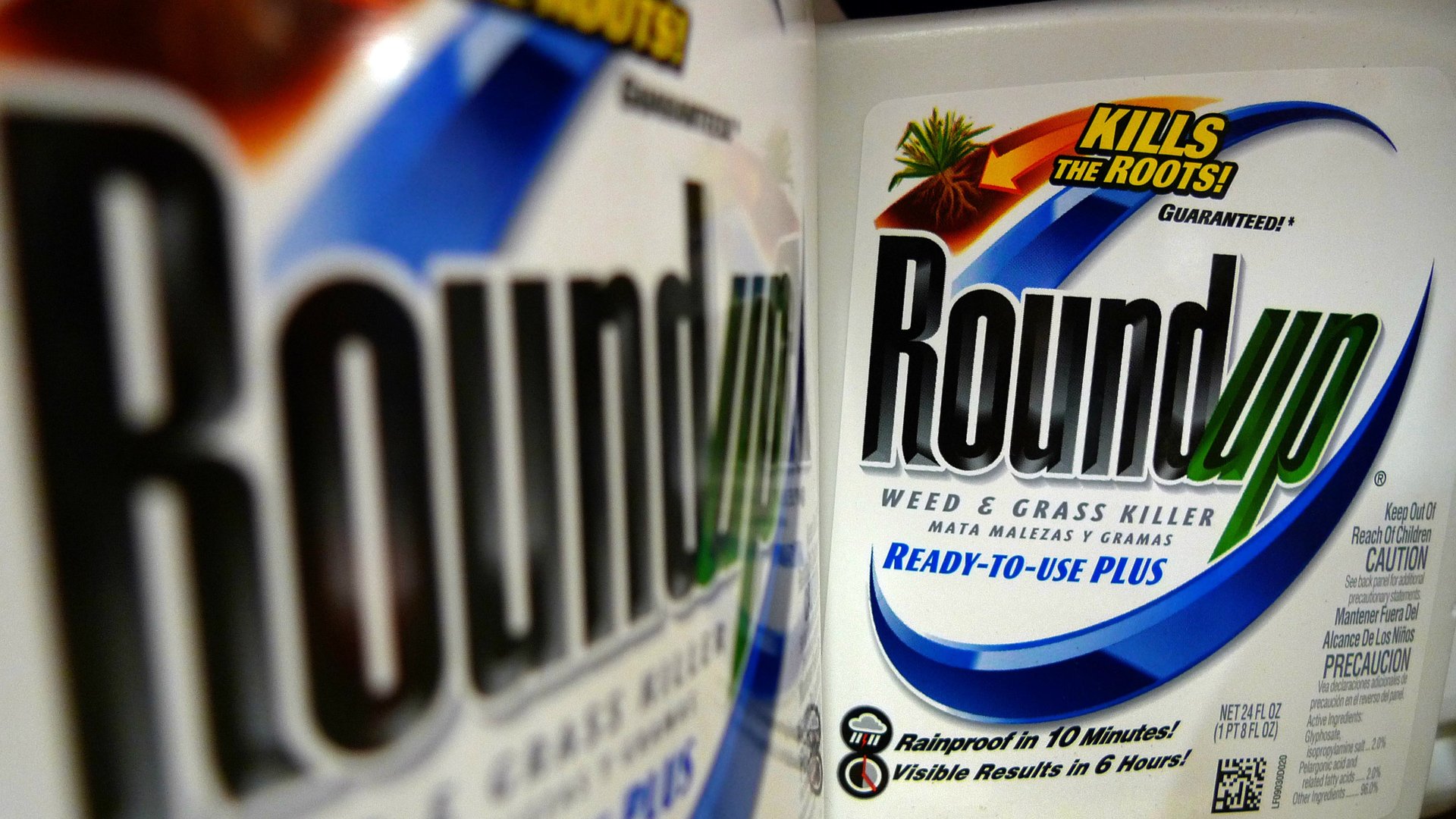
Monsanto, the controversial US agrochemical company, has kicked up some fresh drama in Europe.

So much for the prophesies of the self-driving soothsayers, who’ve been warning of a future in which truck drivers are out of a job. Warren Buffett doesn’t seem too worried.
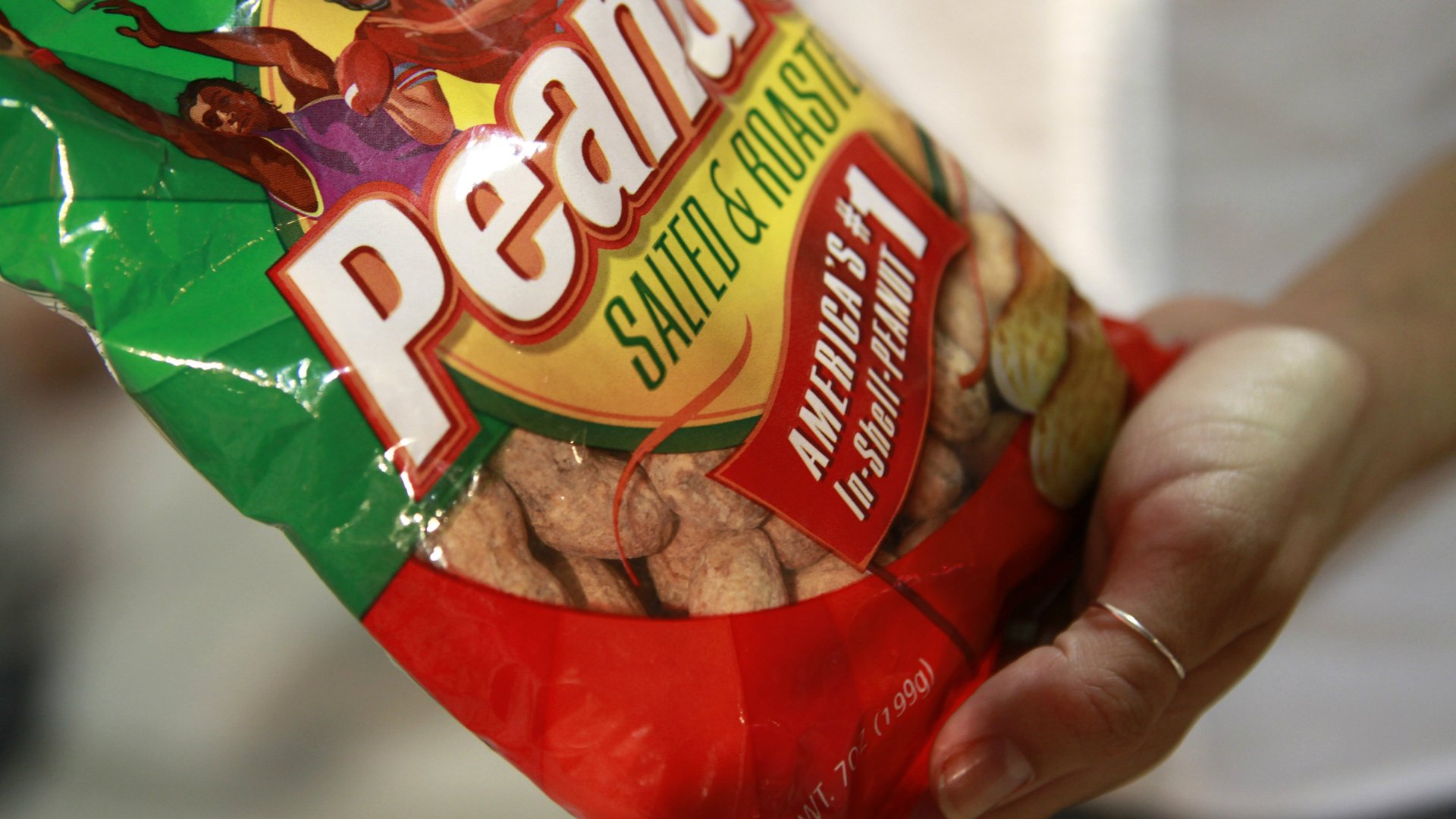
New mothers who opt to breastfeed should consider snacking on peanuts if they want to reduce the chance of their child developing a peanut allergy, according to a new study out of Canada.

In 2006, death by gun eclipsed death by traffic in Nevada—and in the years since that data has never switched back, according to numbers from the US Centers for Disease Control and Prevention.

Where it happened: Las Vegas, Nevada.
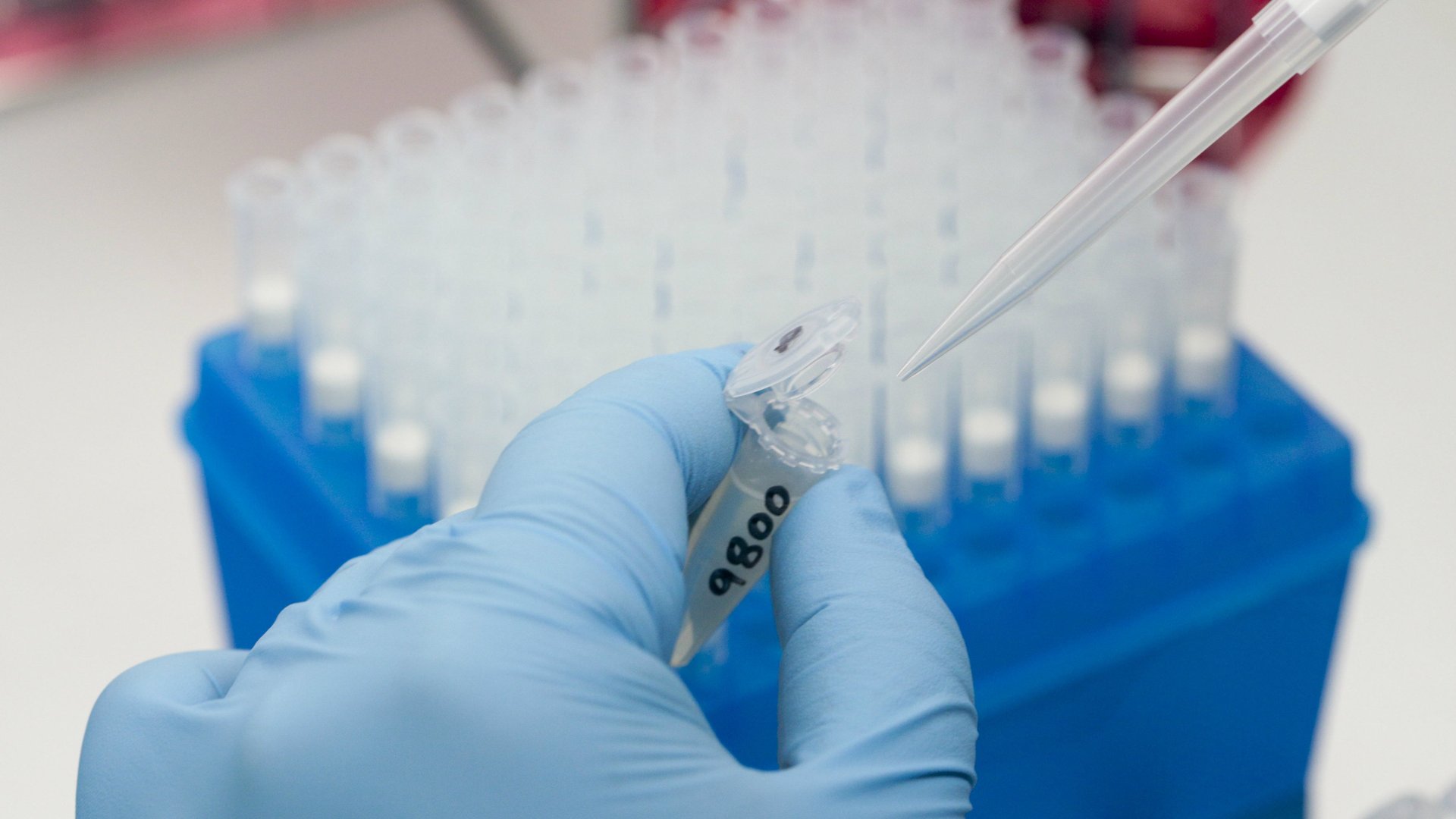
Scientists are edging ever closer to being able to make minute edits to human DNA that could stop inherited medical disorders in their tracks.