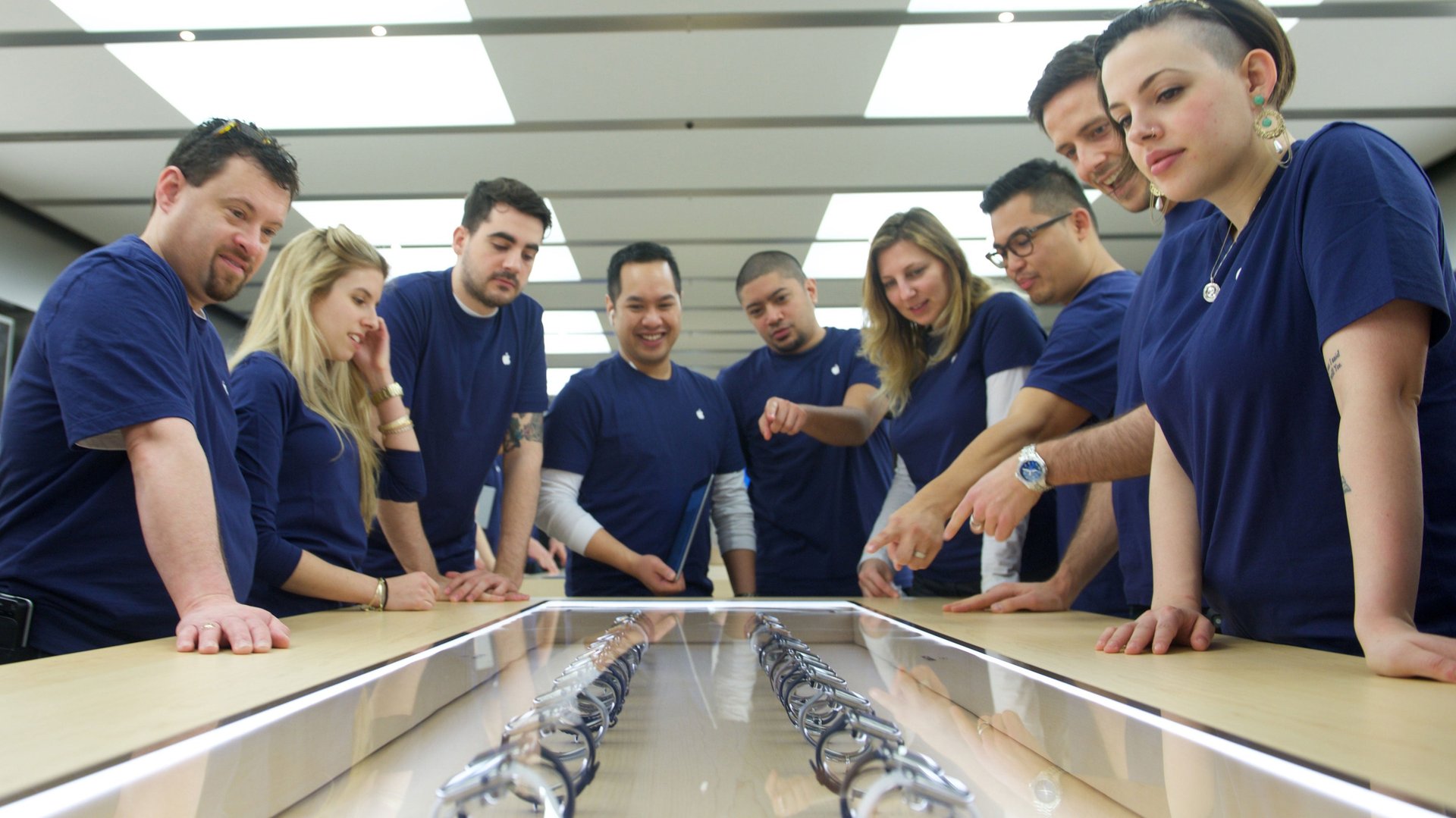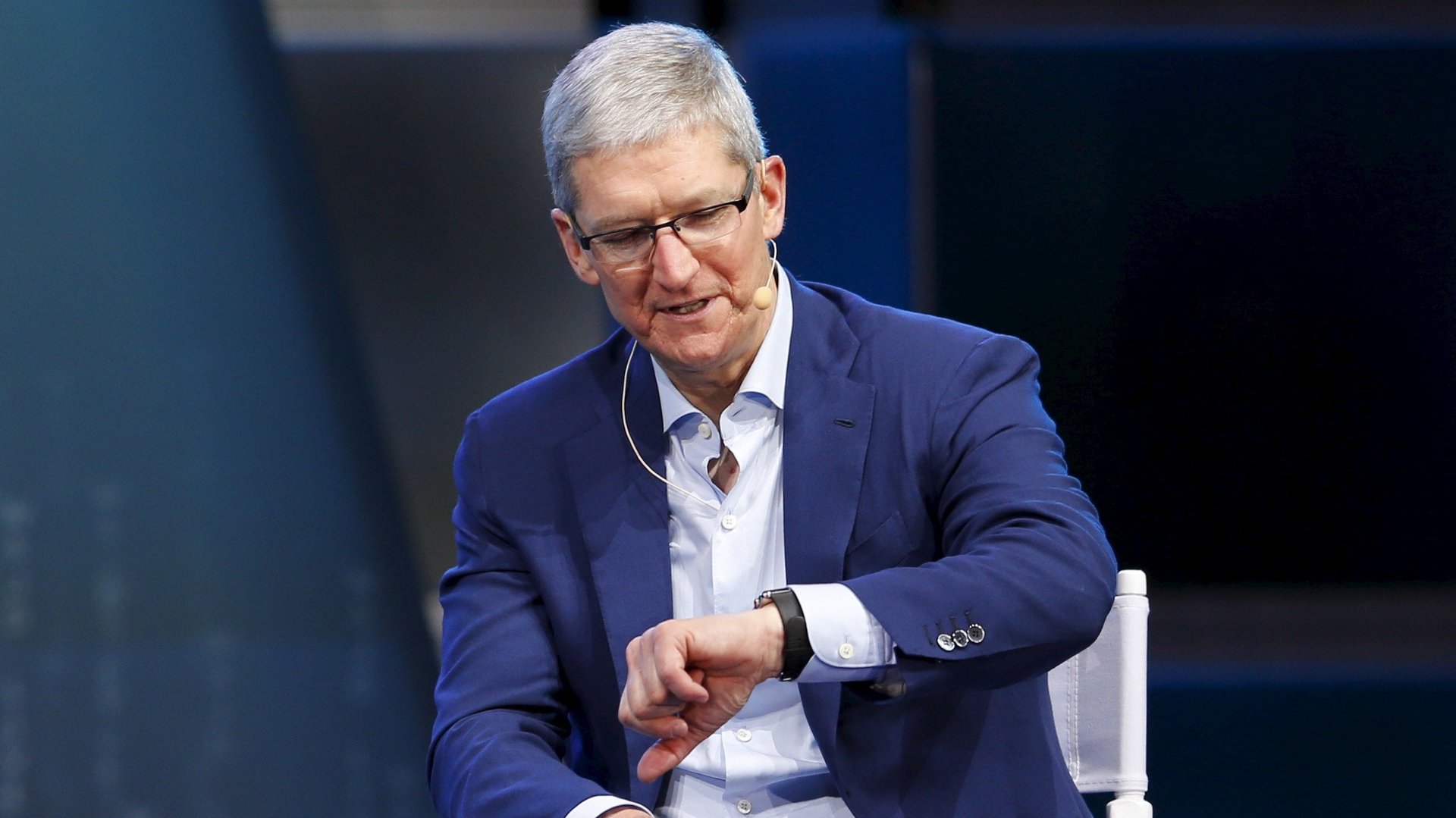
Seven months later, my Apple Watch is still the second thing I put on every morning. (Glasses first.) But while I still enjoy using it and recommend buying it, I’m starting to feel the limitations of what the first version of the watch can do.

Seven months later, my Apple Watch is still the second thing I put on every morning. (Glasses first.) But while I still enjoy using it and recommend buying it, I’m starting to feel the limitations of what the first version of the watch can do.

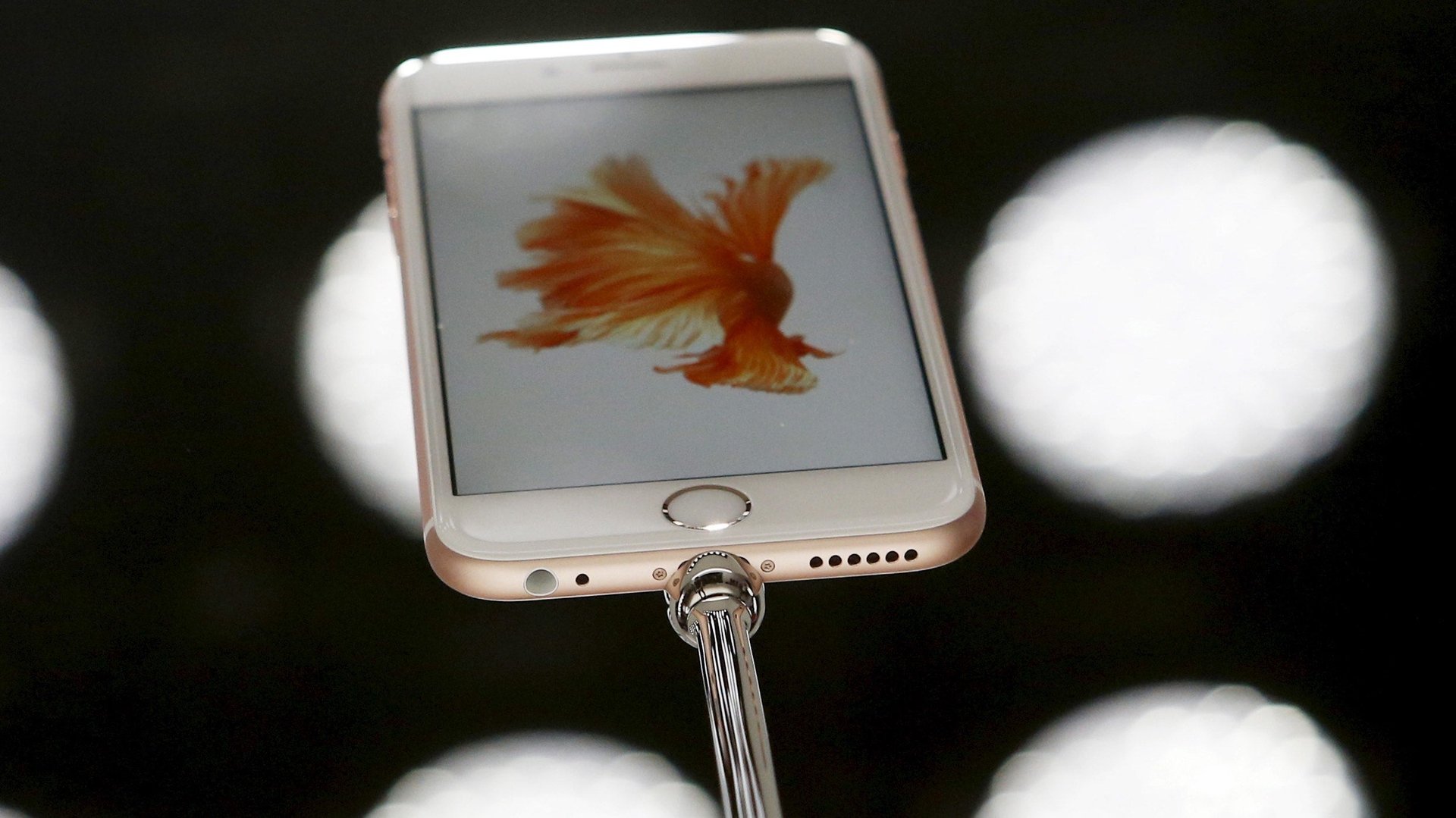
Apple’s never-ending quest to make its devices thinner may soon have a new victim: Your iPhone’s headphone jack.

A nice milestone for Netflix: Some 51% of American internet users say they used the site to watch movies or TV shows over the past 12 months, according to a survey conducted by RBC Capital Markets, representing an all-time high.

Don’t call it a crash, but many of this tech boom’s most well-known, highest-flying startups have recently seen their valuations sharply reduced.

Tokyo

Tokyo

Tokyo

Tokyo

Don’t look now, but Sony is starting to turn things around.

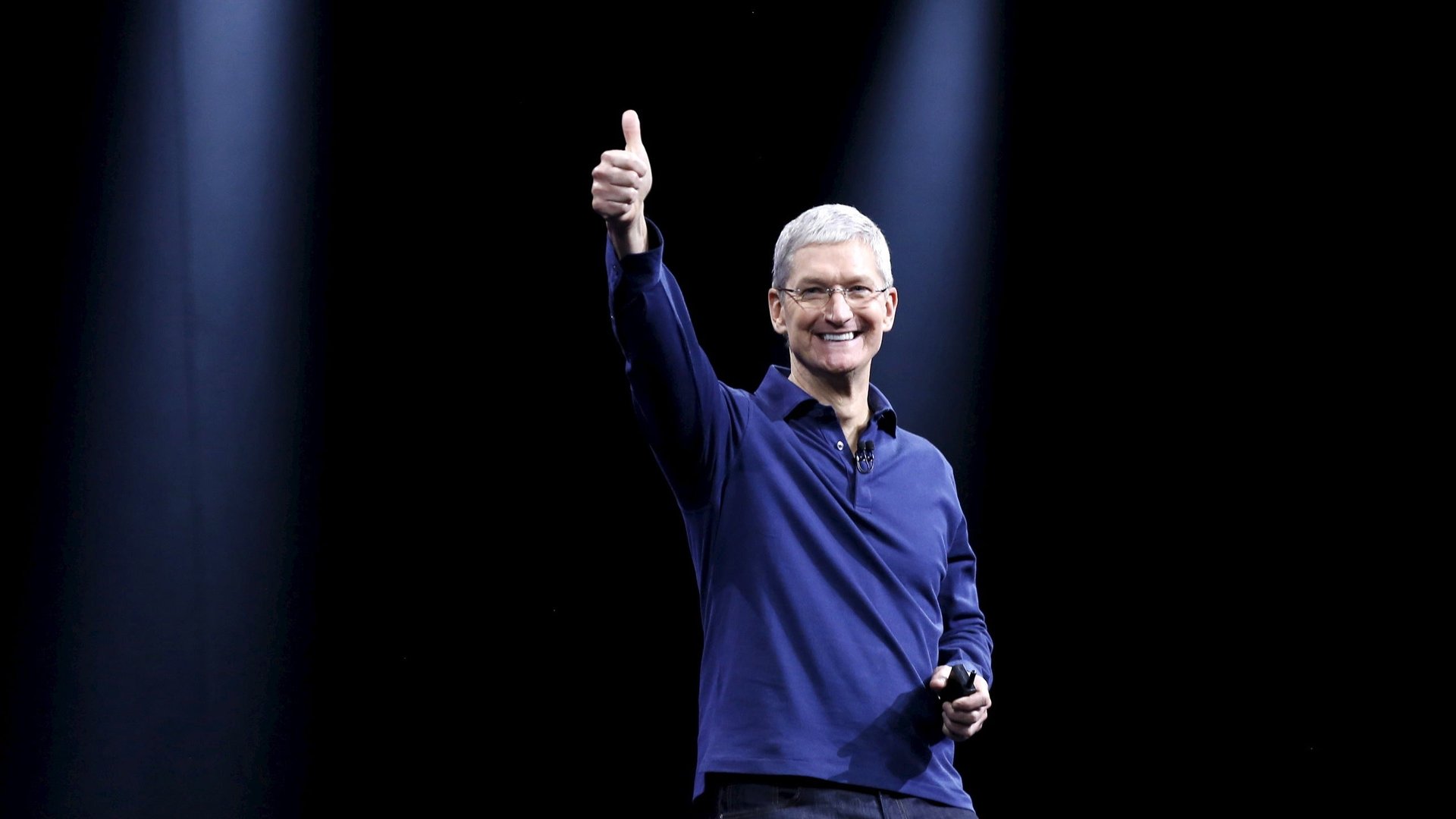
As promised, Apple continues to stay quiet about how many Apple Watches it has sold. During yesterday’s (Oct. 27) fiscal fourth-quarter earnings presentation, Apple CEO Tim Cook said watch sales were “up sequentially” and “ahead of our expectations,” but didn’t reveal any numbers.

This post has been updated. Apple reported solid fourth quarter results today, reporting $51.5 billion in revenue—slightly more than expected—and 48 million iPhone shipments. More importantly, its forecast for the holiday period was about as expected—a deceleration in growth. Shares initially traded up slightly after hours, then down slightly, but there were no big surprises.

Apple is set to report its fiscal fourth-quarter financial results today after the US market close. (Join us at 4:30pm Eastern for live charts and analysis.)

CBS television ratings are up since Stephen Colbert took over in September as the host of the network’s ”Late Show,” replacing David Letterman. (Though NBC’s “Tonight Show” with Jimmy Fallon continues to lead the time slot.)

Amazon’s cloud-computing growth continues to impress.

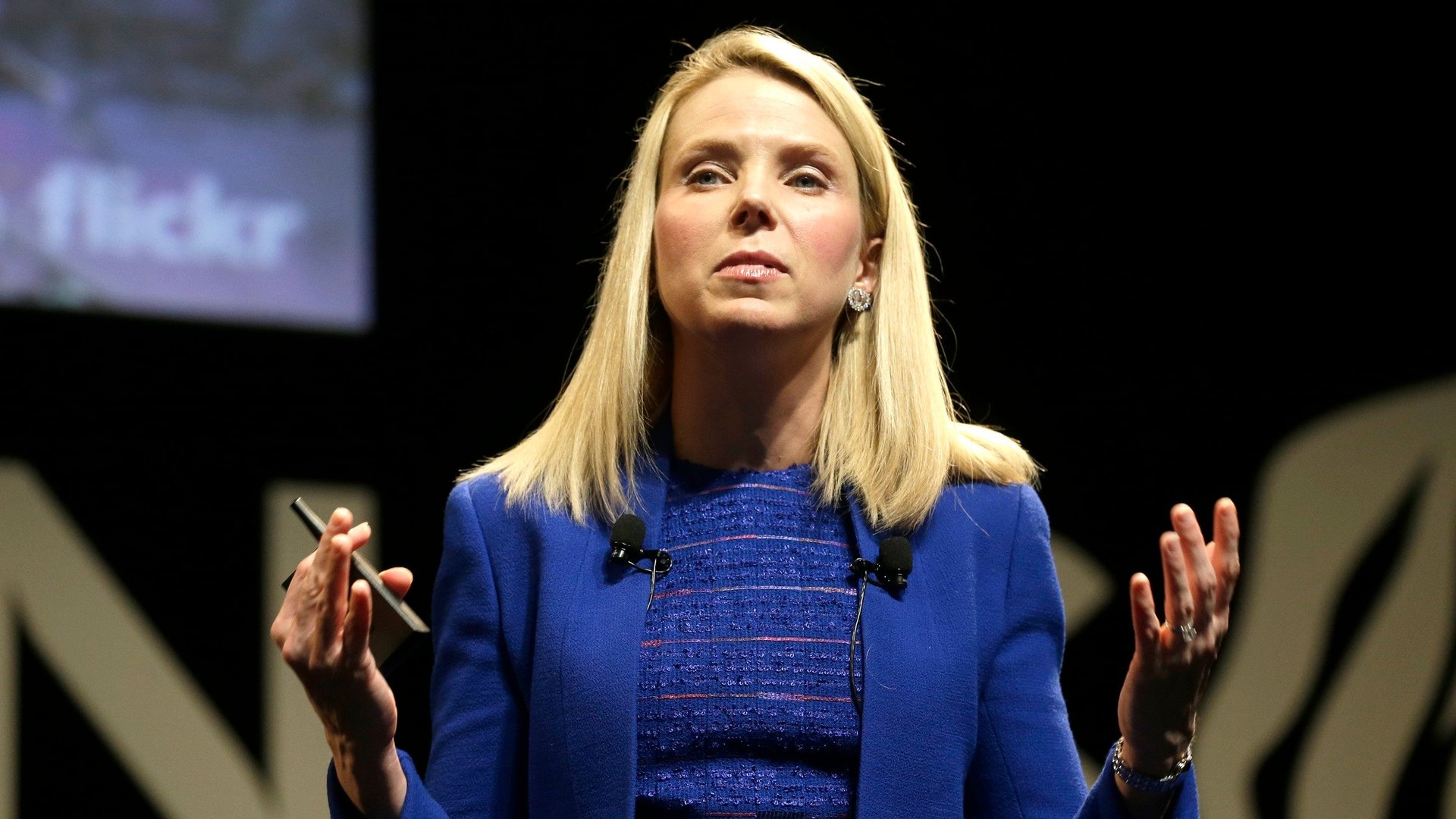
Yahoo’s senior executives continue to leave amidst Marissa Mayer’s turnaround. The latest: Jackie Reses, who led corporate development at Yahoo, is joining Square to run its small-business financing arm, and Lisa Licht, a marketing executive, left last week. Recode’s Kara Swisher has compiled a long list of recent Yahoo departures across the company, from engineering to sales.

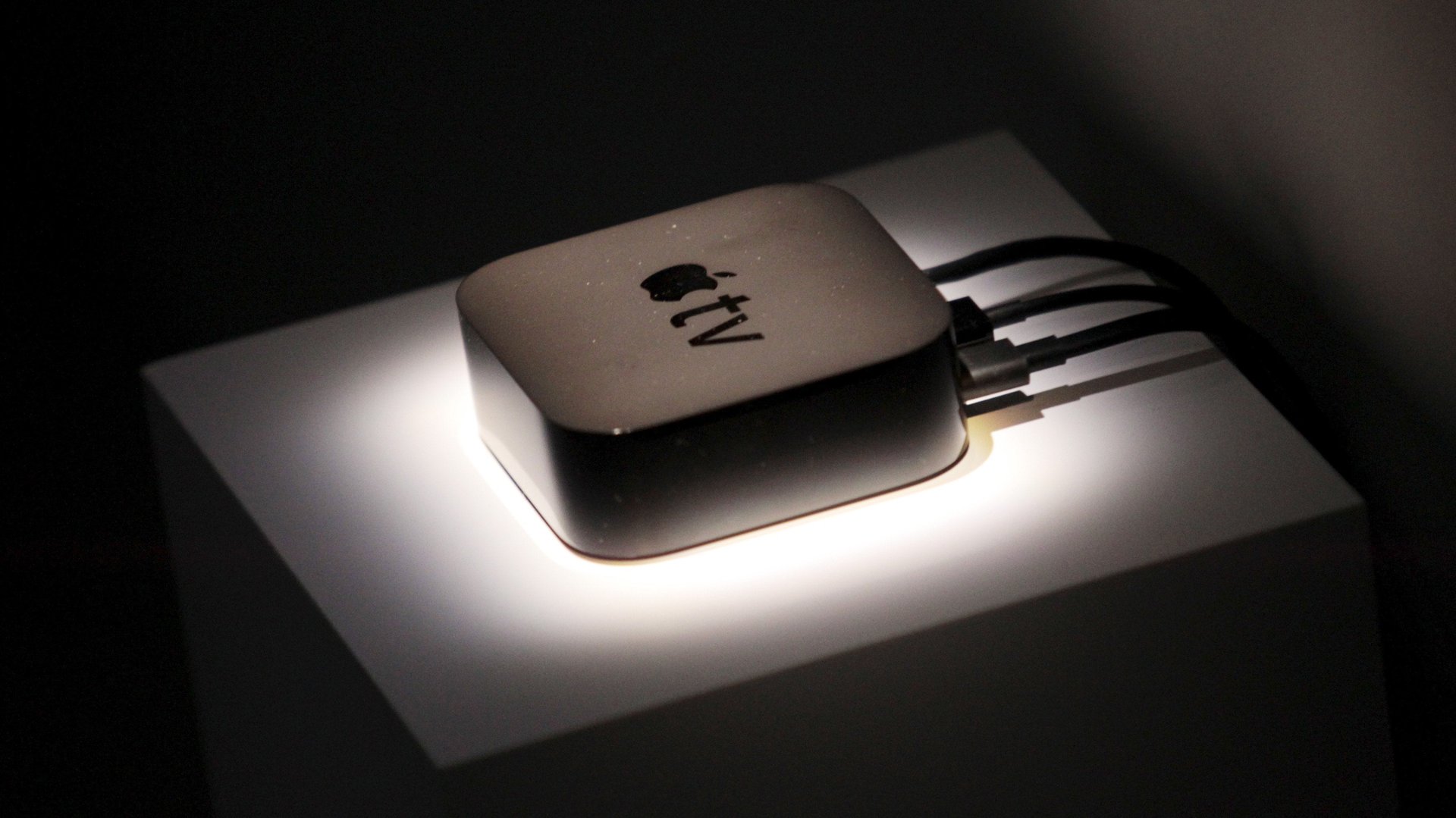
Apple unveiled its new Apple TV streaming device in early September. The biggest change: It will now feature its own app store, including games.

Here’s something you didn’t know you needed yesterday: Computer Show, a new online show about technology and the internet, imagined as a VHS-era talk show.

Netflix shares are down 7% in after-hours trading after the company reported its third-quarter results.

Smartphone makers are plenty used to patent battles—there was a time when seemingly every mobile handset manufacturer was suing one another over phone patents. But Apple has a new foe now: The company could owe up to $862.4 million in patent damages to the licensing arm of a major US public university, Reuters reports.

Apple quietly introduced a new iPad mini last month—the “iPad mini 4”—alongside its gigantic, forthcoming iPad Pro.

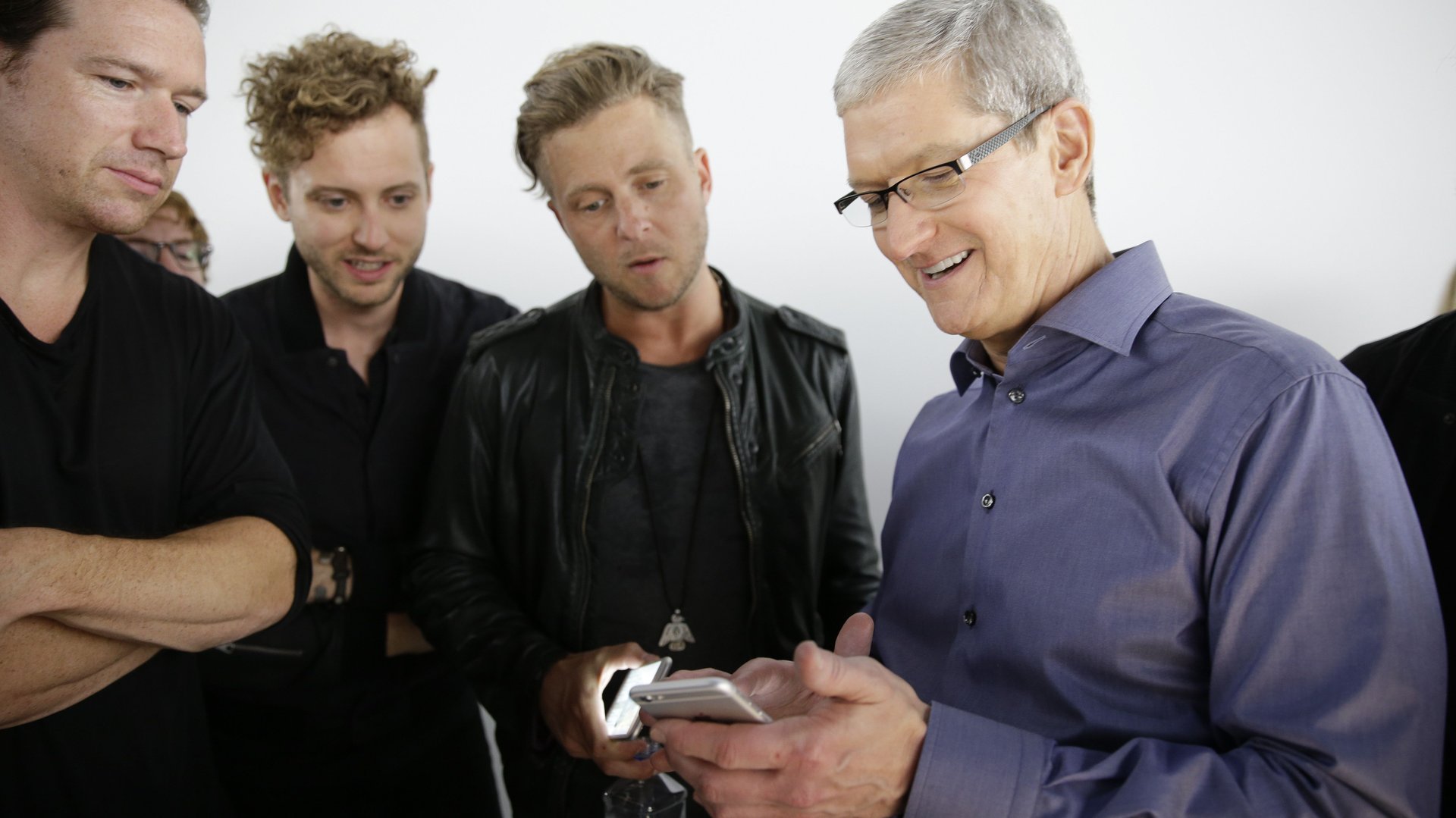
I’ve been using the new iPhone 6S Plus on loan from Apple for the past few days. (Along with the iPhone 6S, it started shipping last week in 11 countries; Apple says it has already sold more than 13 million of the two models.)

Sushi delivered by conveyor belt is arguably the height of analog-era restaurant gadgetry. But at least at one Japanese chain, it has become the latest casualty of the mobile computing revolution.

The US was one of the first countries with mobile networks running 4G LTE, the predominant fast wireless internet technology. And it is one of the leaders in availability of LTE coverage, according to OpenSignal, which makes a mobile network-tracking tool.

This chart from internet infrastructure firm Akamai’s latest State of the Internet Report caught our eye: While global cellphone voice traffic has grown steadily over the years, data traffic has simply exploded.