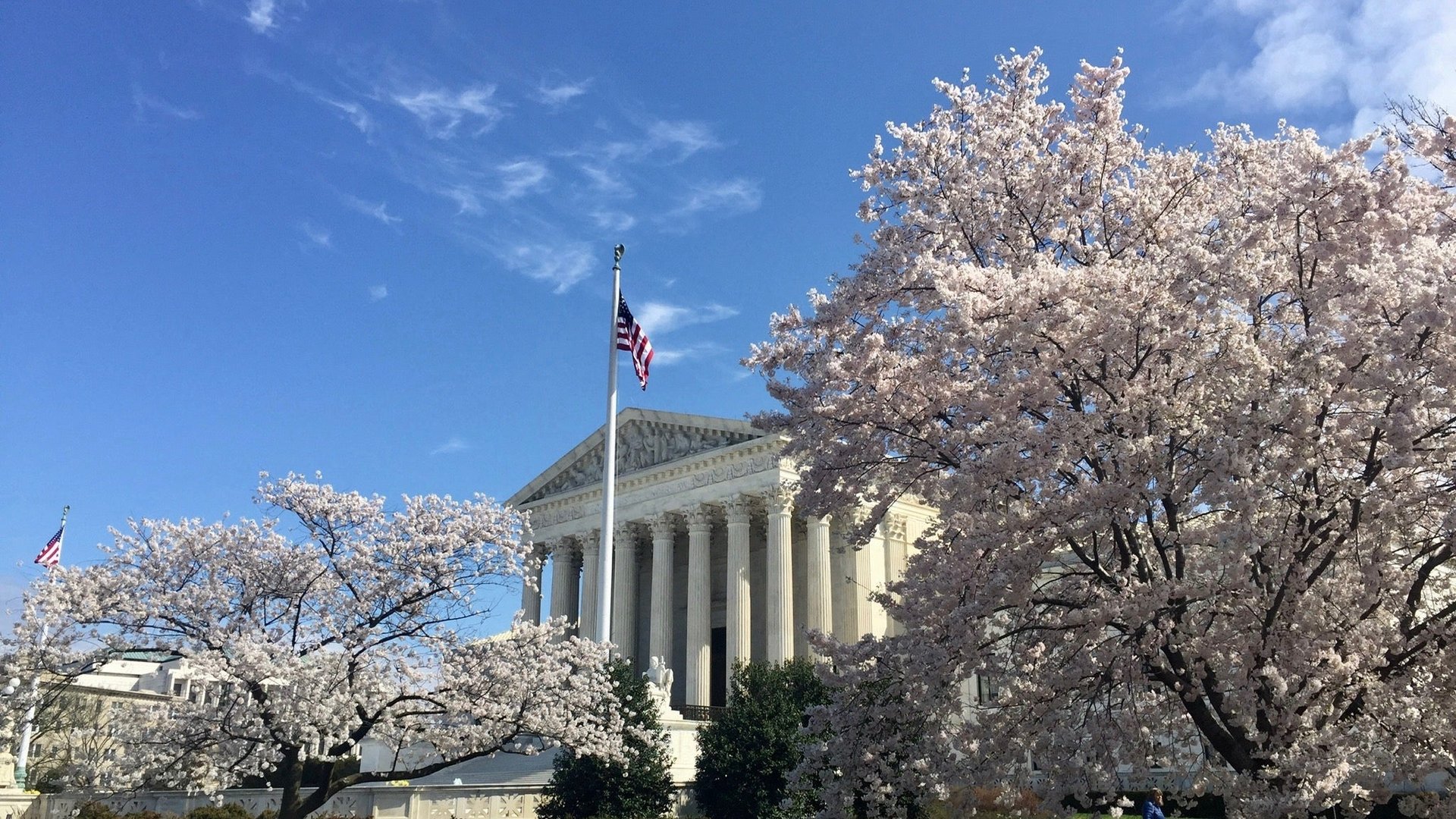
In early May, after weeks of delay prompted by the pandemic, the US Supreme Court will hear oral arguments in three highly-anticipated cases about president Donald Trump’s financial records. One of those matters involve a subpoena for Trump’s taxes.

In early May, after weeks of delay prompted by the pandemic, the US Supreme Court will hear oral arguments in three highly-anticipated cases about president Donald Trump’s financial records. One of those matters involve a subpoena for Trump’s taxes.

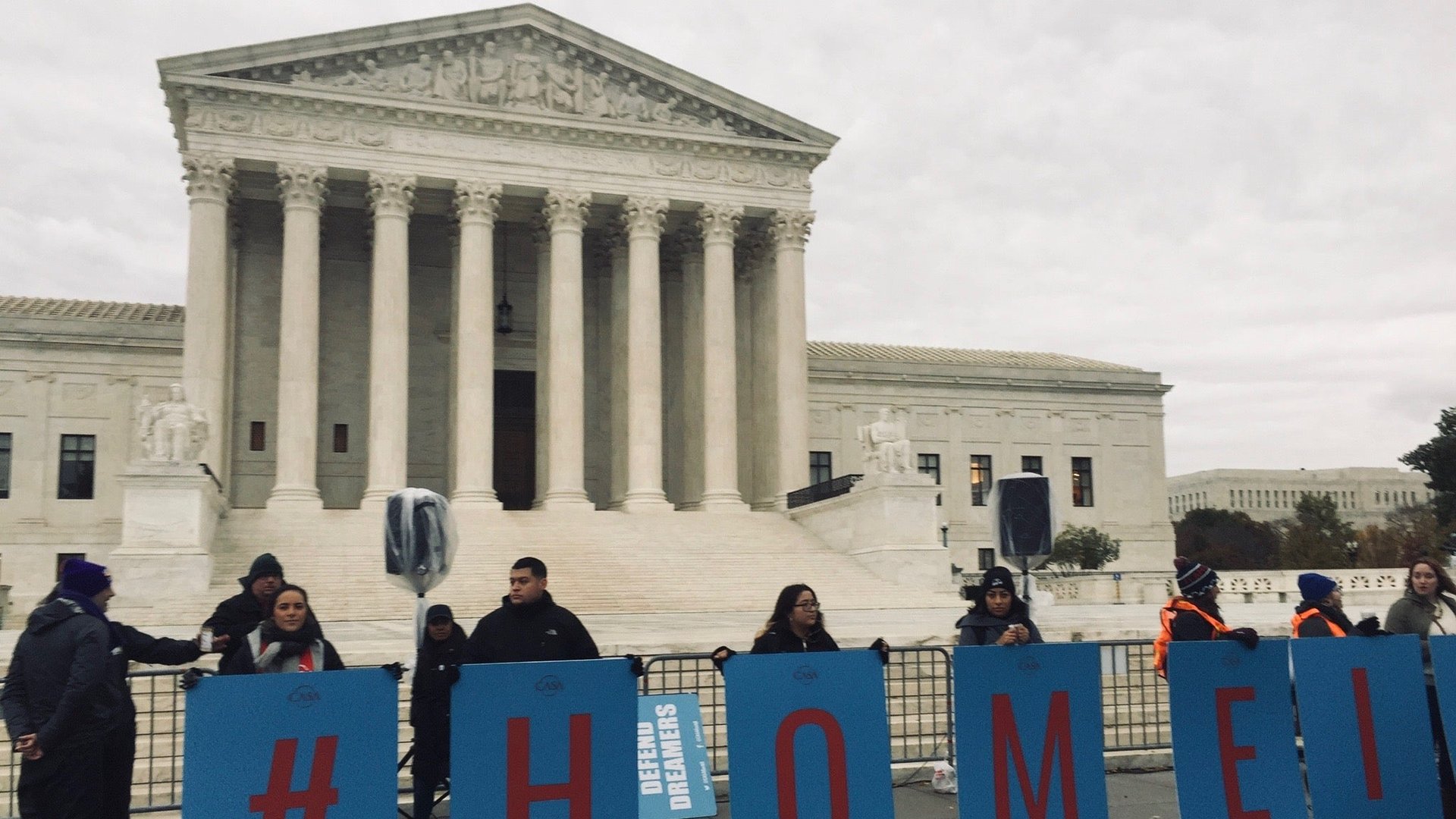
Imagine being on the frontlines of the fight against coronavirus—tending to the sick and risking your life—while anxiously awaiting news about whether you’ll soon be deported to a country you left as a child, and scrambling to do immigration paperwork just in case you catch a break.

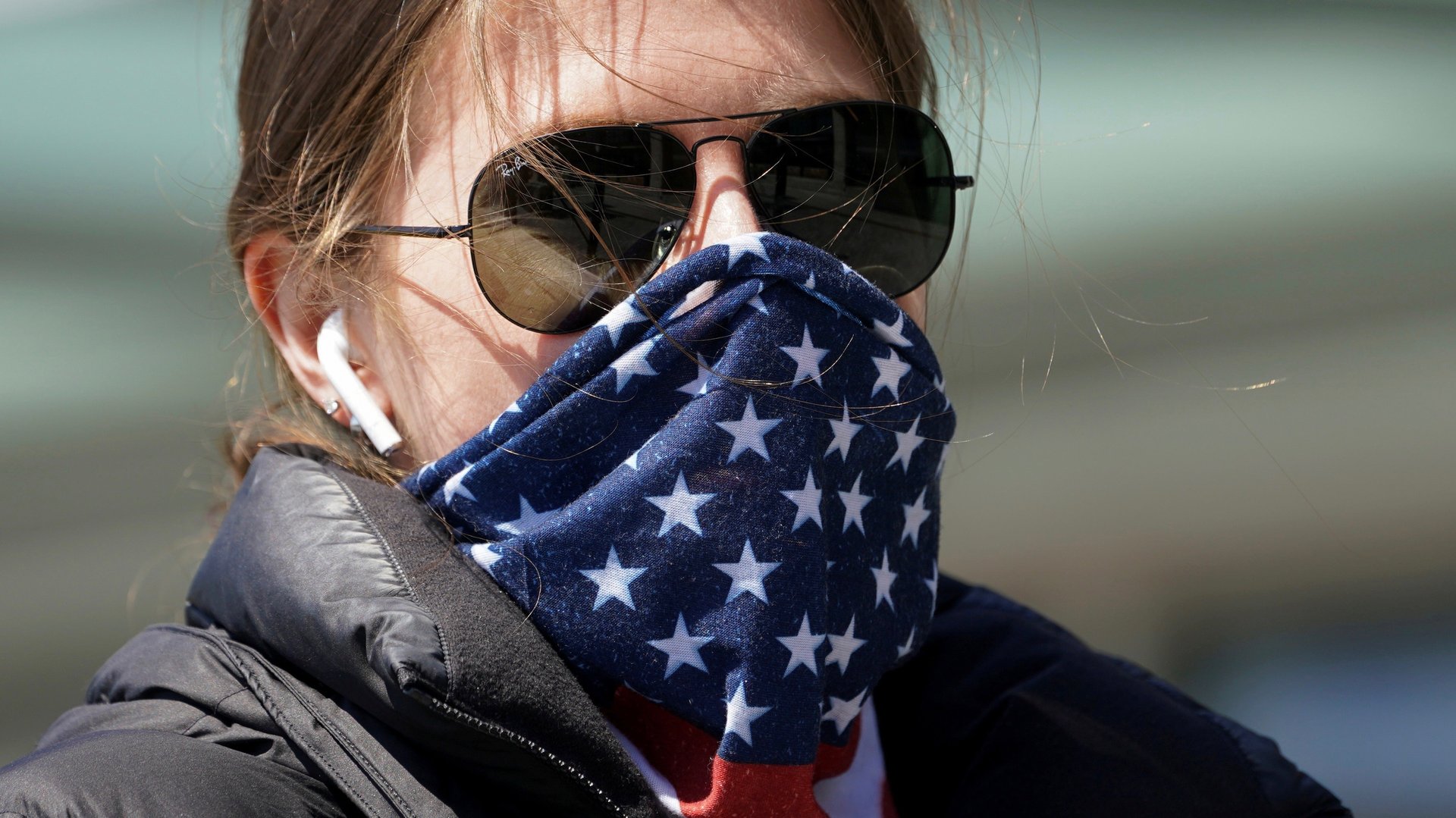
All over the world— including here in Washington, DC— there are anti-mask laws on the books that now seem absurd in light of public health guidance advising facial coverings.

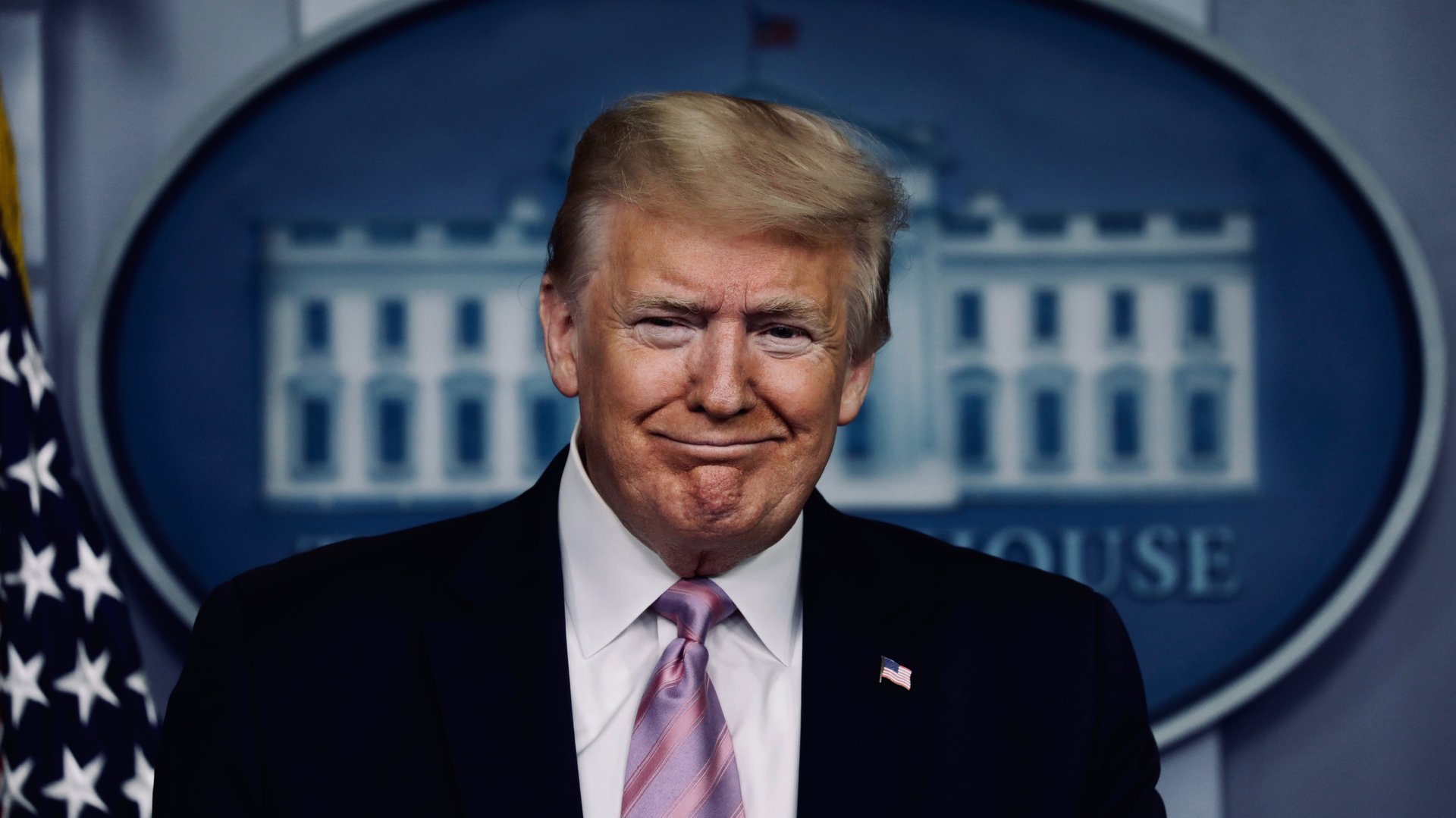
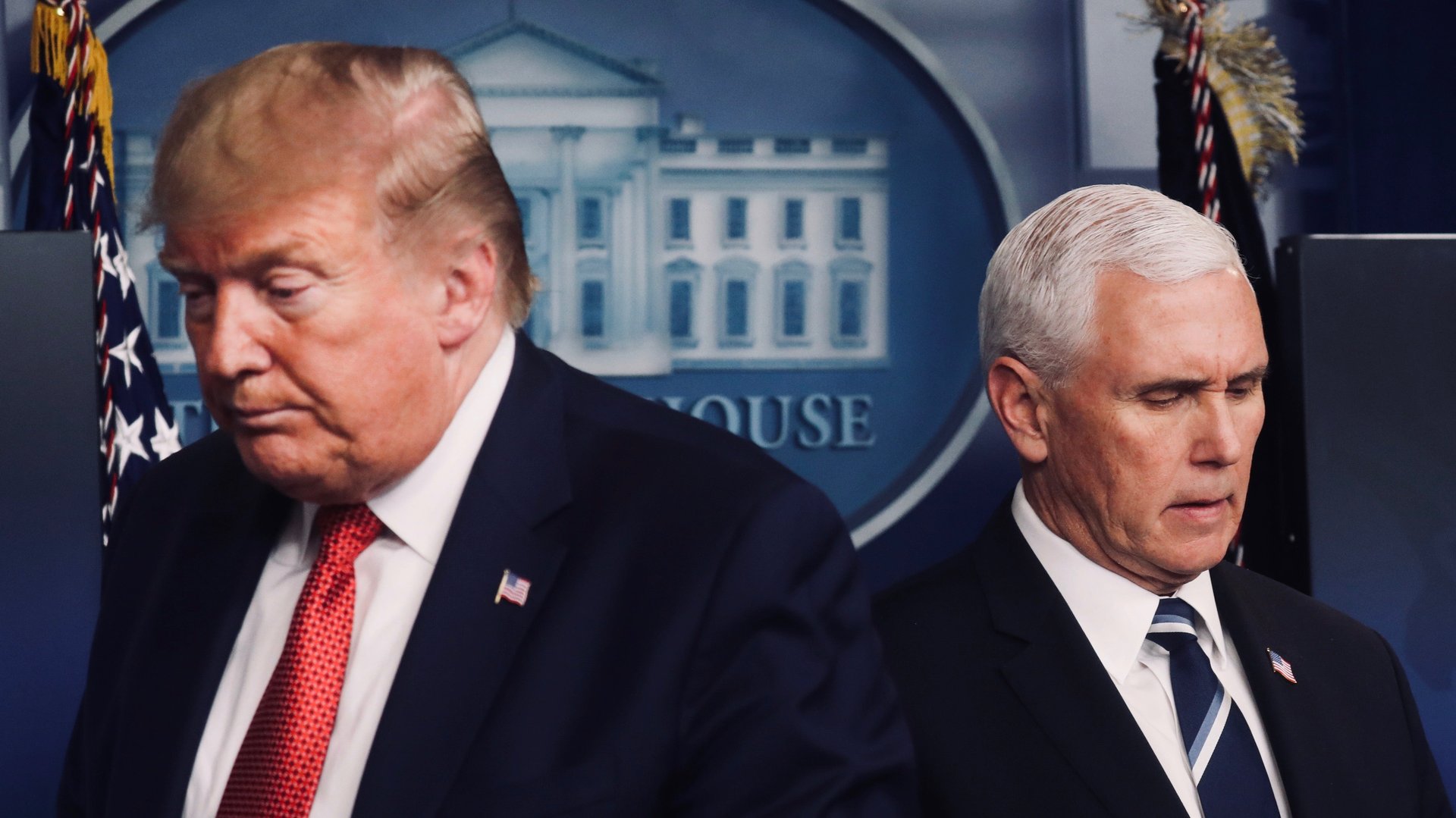
US president Donald Trump tweeted today that it is up to him, and not governors, to decide when states open up for business again.

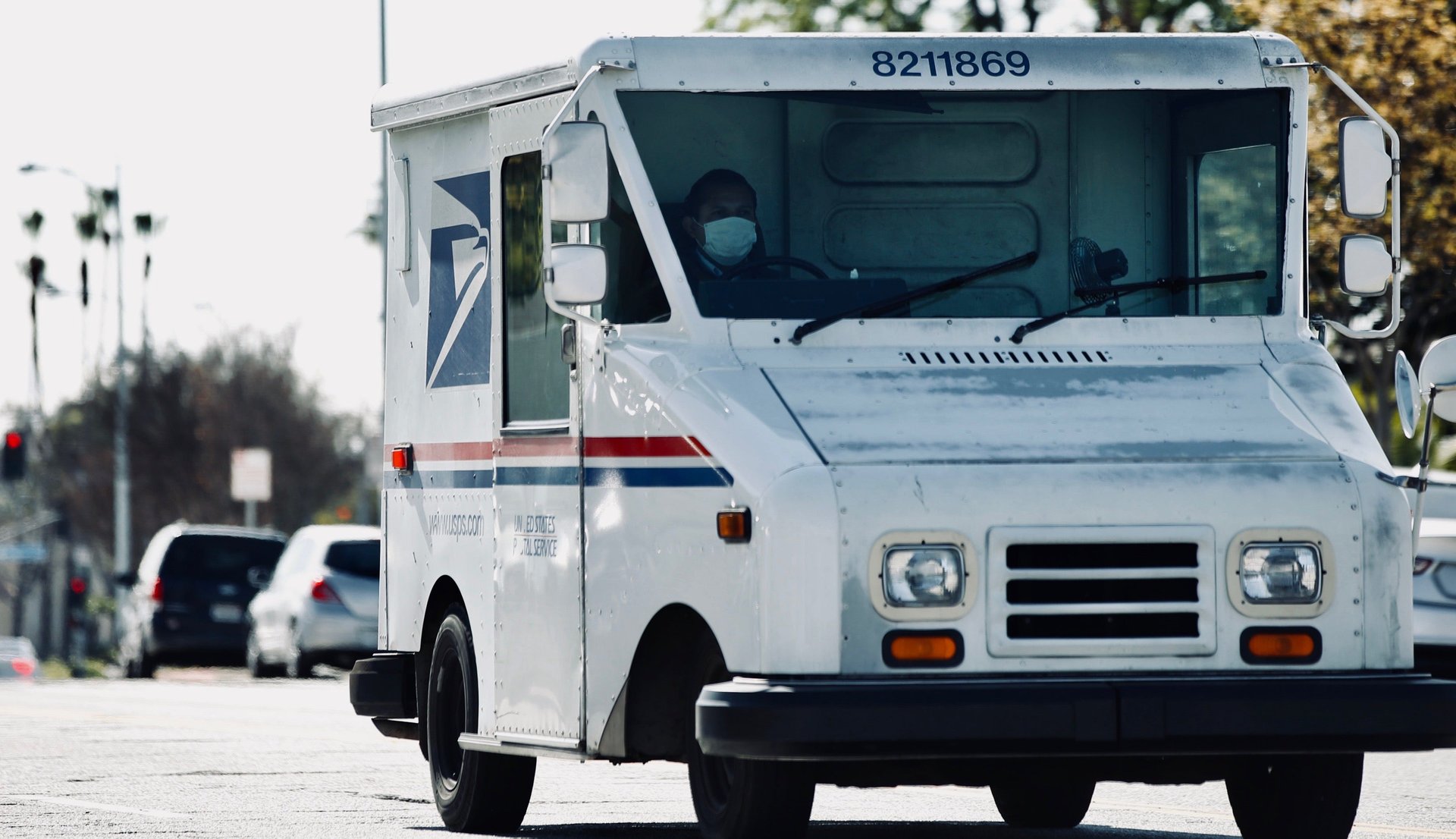
The US Postal Service (USPS) is in financial trouble. It’s losing about $2 billion a month as mail marketers halt campaigns due to the sudden pandemic-induced economic meltdown.

The Lone Star state is indeed a loner in one regard, according to an April 11 filing by Planned Parenthood in the US Supreme Court.

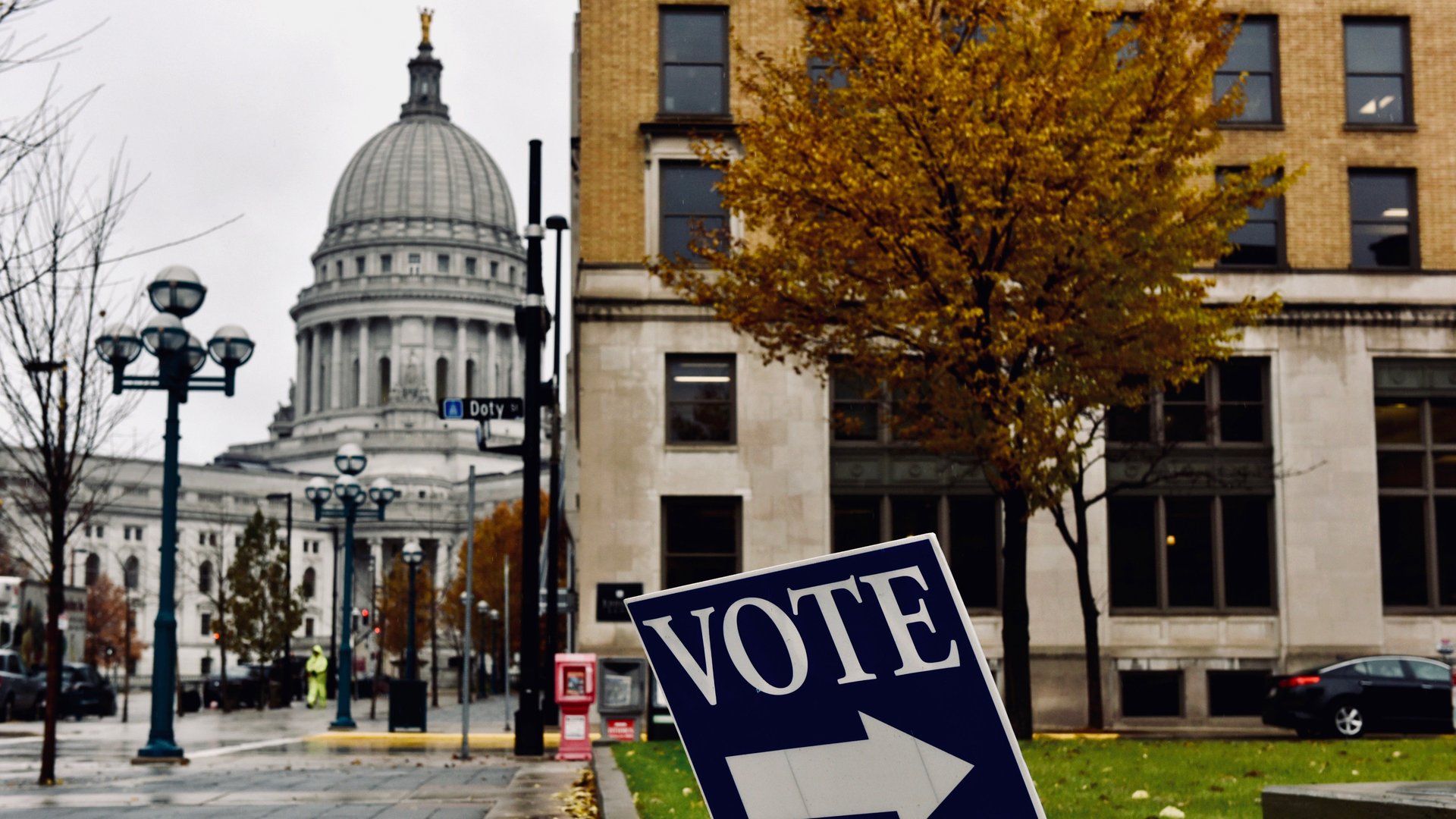
The US Supreme Court had one day to decide the first in what will surely be a slew of coronavirus-related cases. This one concerned the April 7 Wisconsin general and presidential primary elections and an extension for mail-in ballots ordered by a lower court late last week.

The US Supreme Court justices did not have a relaxing weekend. On Saturday afternoon, the Republican National Committee (RNC) filed a request for an emergency ruling on a case about Wisconsin’s April 7 elections, with voters casting ballots in the presidential primary and general elections.

The US Supreme Court is still hard at work making decisions and publishing opinions during the coronavirus crisis, although these efforts now go mostly unnoticed while the people frantically scan the news for answers to practical and pressing questions about the pandemic.

In a world that seems to have gone to hell in a handbasket very rapidly, with the regular rules of society quickly jettisoned due to the coronavirus crisis, some authorities are responding to pandemic management critiques by firing subordinates who sound alarm bells.

Amid all the other coronavirus woes, those with student loans are worried about making payments in precarious economic times. Last week, in the US, the CARES act was passed into law, which offers relief to some borrowers—but not all. And the exceptions might surprise you.

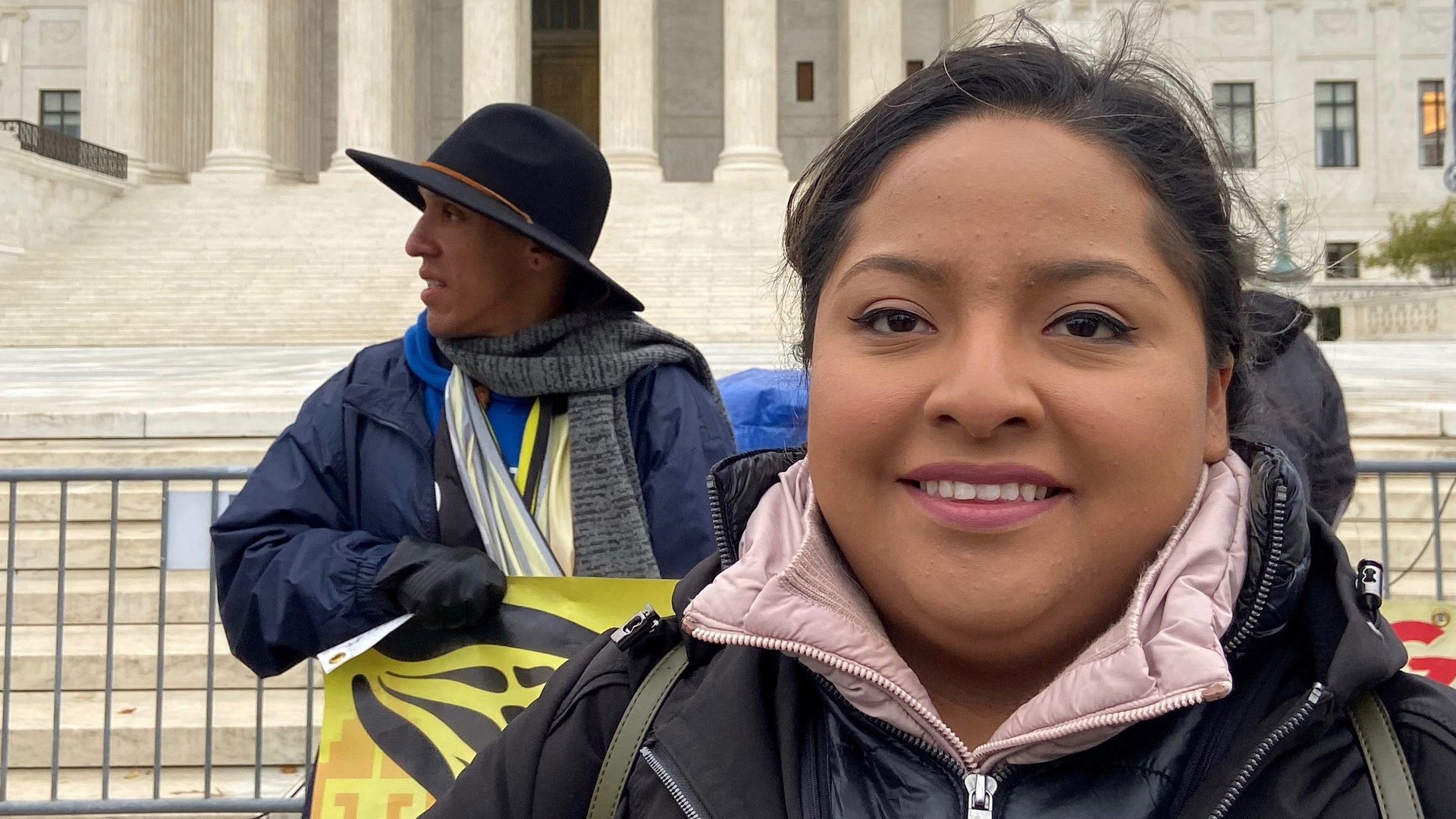
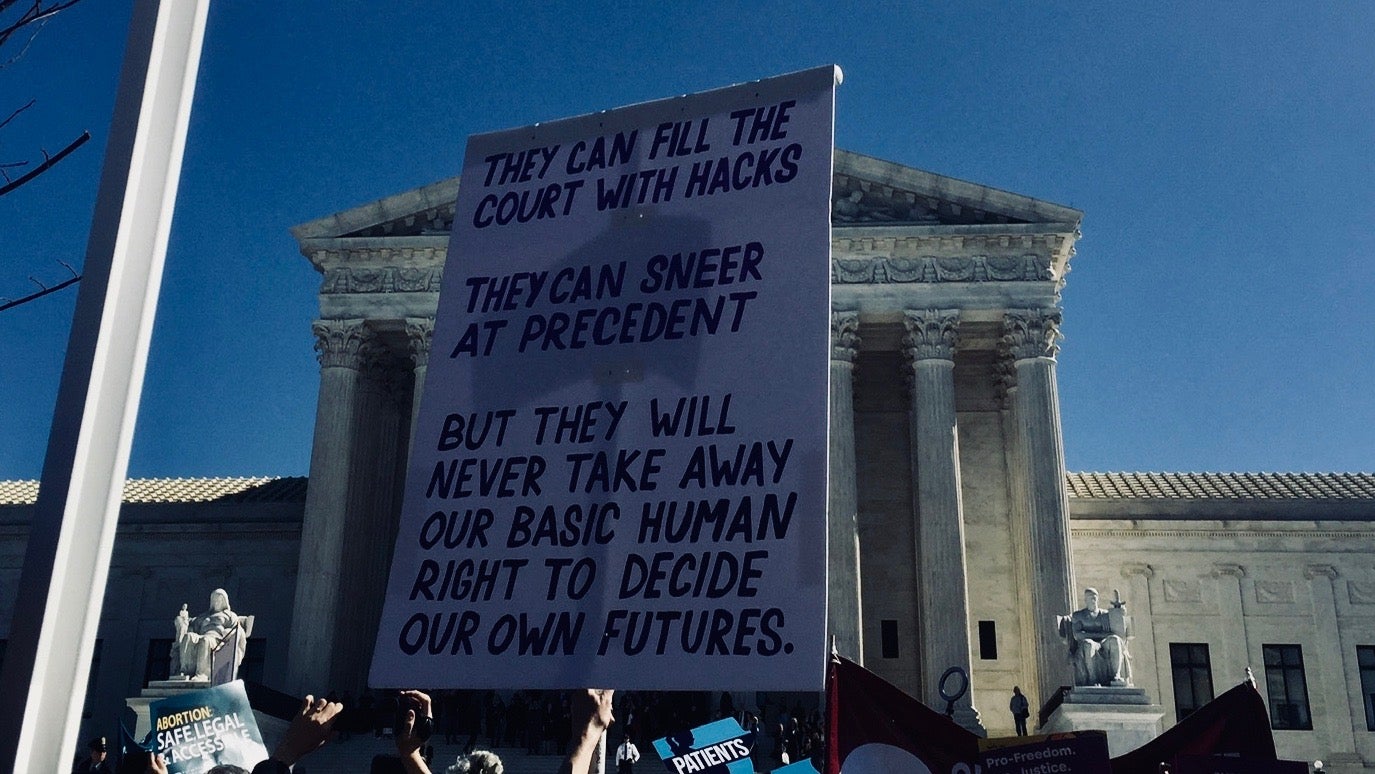
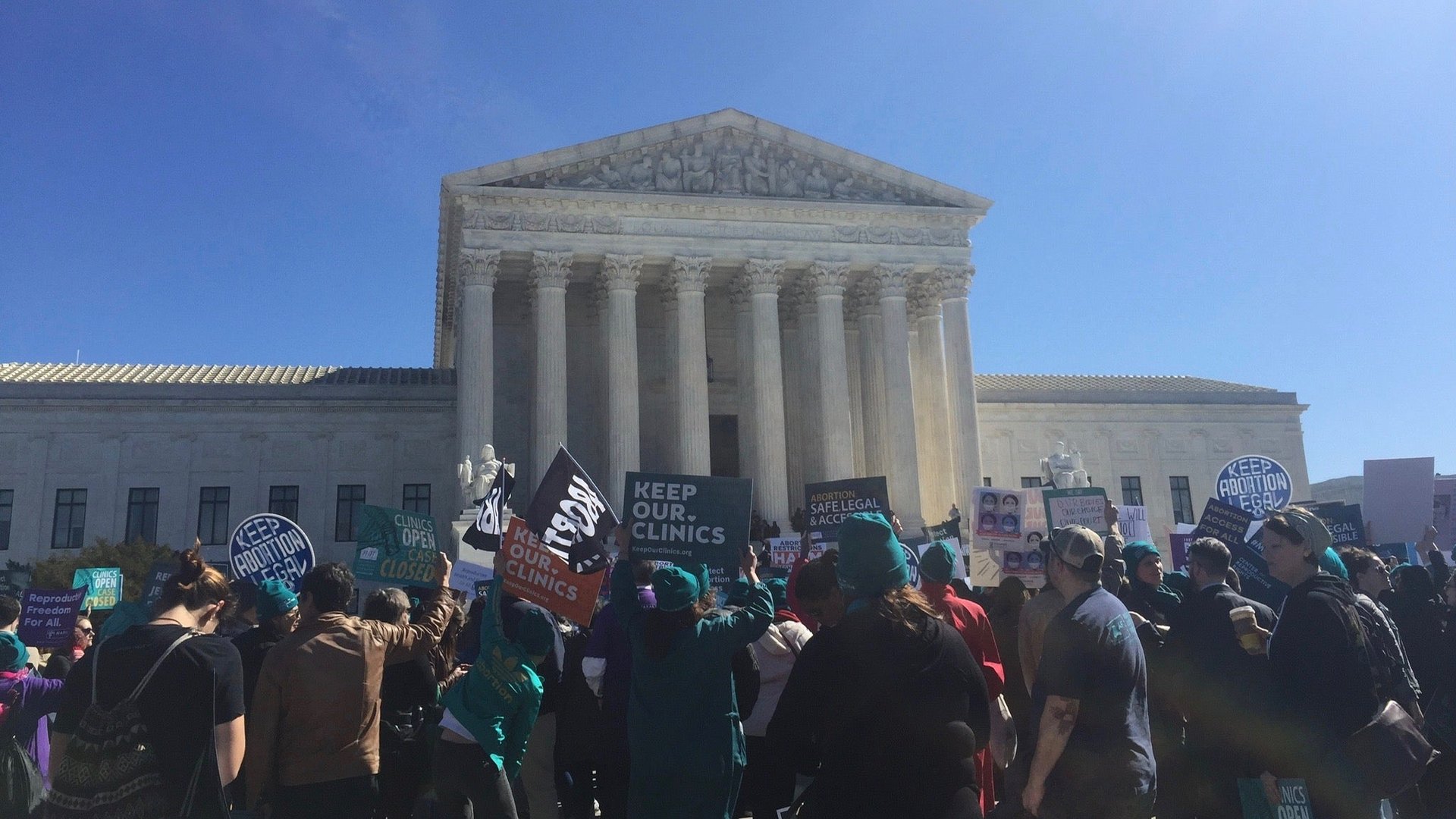
Just last month, when the US was still fully functional and the coronavirus crisis hadn’t shut down the Supreme Court, progressive and conservative activists flooded the sidewalks and crowded the steps of the tribunal chanting for or against abortion access. Their cries reached the courtroom, where justices were hearing arguments in a supremely controversial case arising from a Louisiana law on this fraught topic.

Just last month, when the US was still fully functional and the coronavirus crisis hadn’t shut down the Supreme Court, progressive and conservative activists flooded the sidewalks and crowded the steps of the tribunal chanting for or against abortion access. Their cries reached the courtroom, where justices were hearing arguments in one of the most controversial cases of the term, a matter arising from a Louisiana law that severely restricts access to abortion clinics.

The coronavirus crisis has taken many Americans by surprise. Few predicted that the US, with all its wealth and human resources, would be so quickly crippled by a pandemic. But the American Association of Medical Colleges (AAMC) did just that last year.

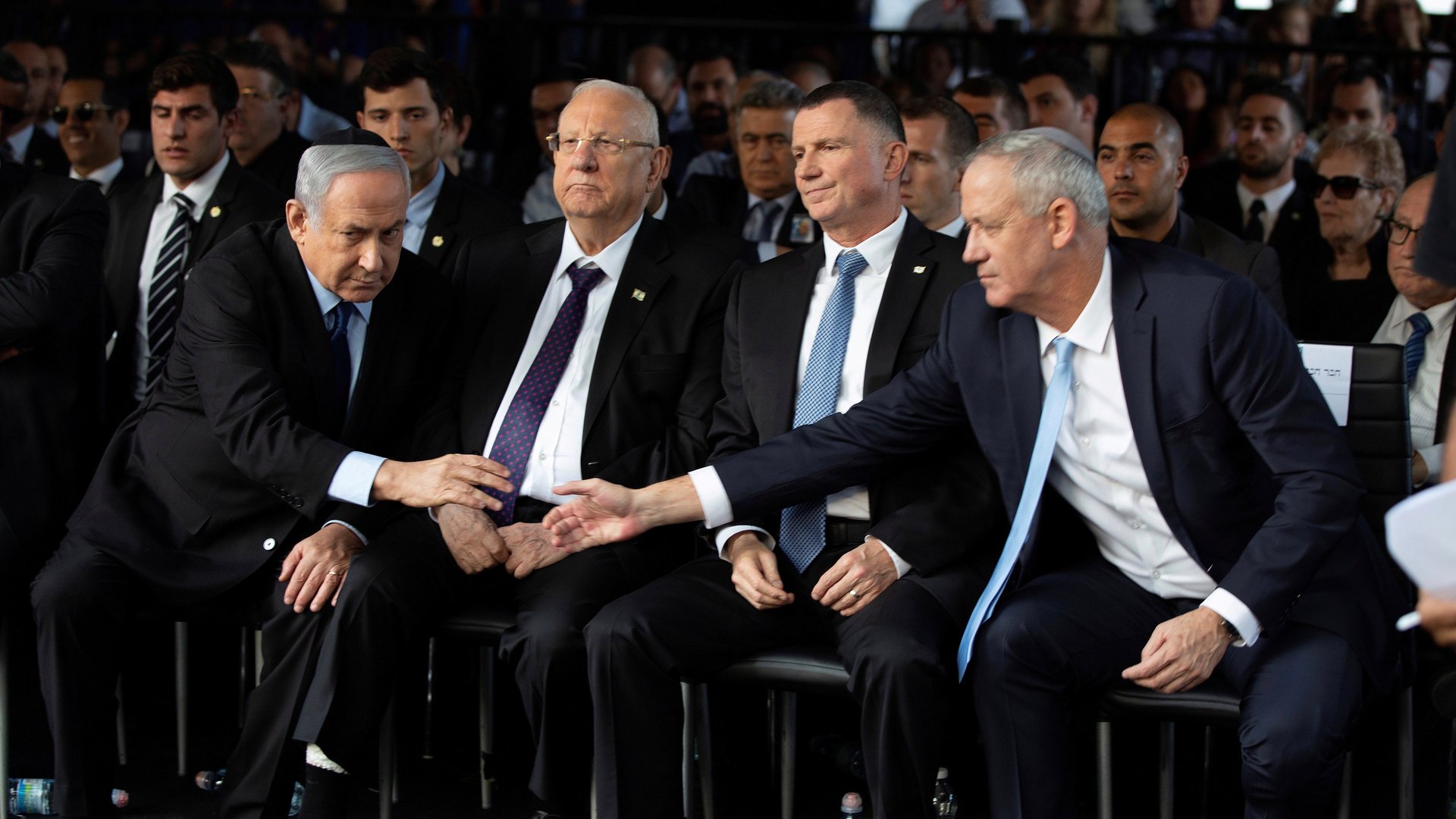
The coronavirus crisis is an epic challenge for leaders globally as they scramble to manage the spread of disease and the cessation of economies. But in Israel, for prime minister Benjamin Netanyahu at least, the arrival of this invisible enemy couldn’t be better timed.

In an action-oriented world, the guidance for dealing with the coronavirus crisis is particularly difficult. Much of what the general public must do to help medical professionals on the front lines of pandemic management involves not doing anything, at least not beyond the four walls of our homes.

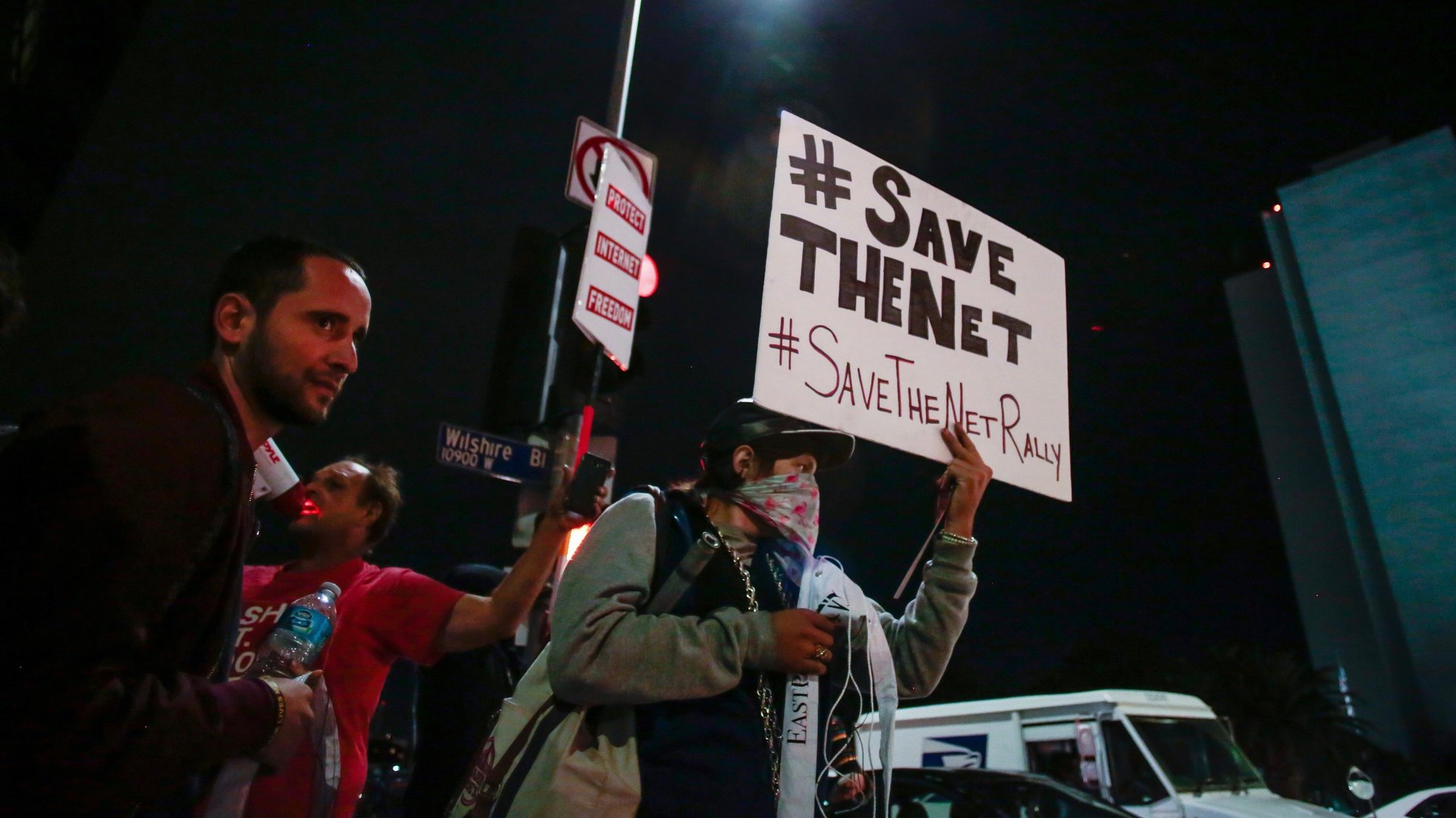
Imagine if you had no internet access in this time of global crisis. It would be bad, right?

In the wee hours of the morning, US senators reached an agreement on an unprecedented $2 trillion stimulus plan to save the US economy, which is screeching to a halt due to the coronavirus pandemic and associated cancelations and lockdowns. The package will reportedly include a provision that blocks businesses controlled by the president and other elected and appointed government officials from benefiting from $500 billion slated for industry.

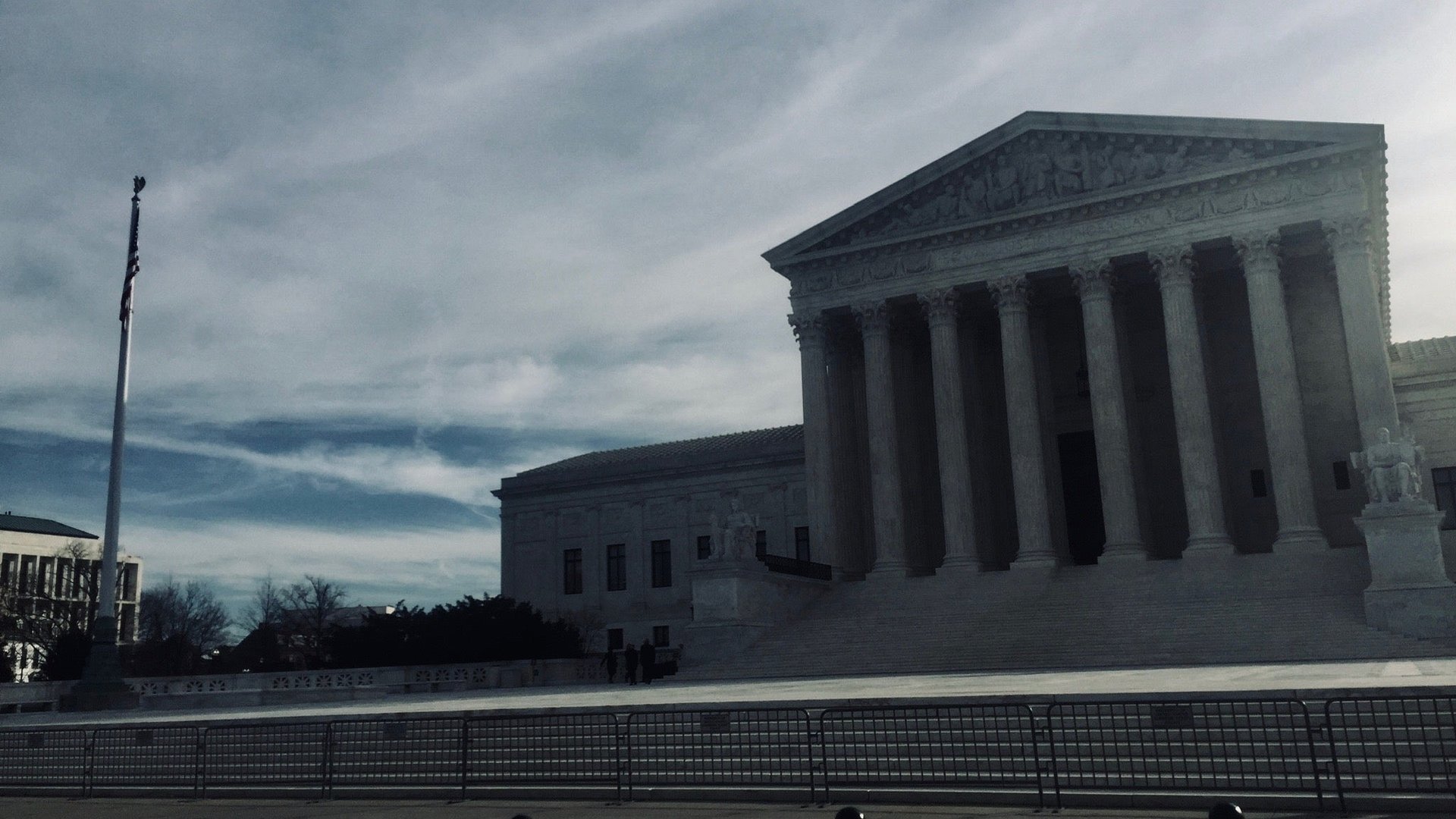
Like so many of the rest of us, the justices of the US Supreme Court are working from home to protect themselves and others from Covid-19. While they issued opinions this week, hearings are indefinitely postponed, most notably in three controversial cases involving US president Donald Trump’s taxes and financial records scheduled for oral arguments on March 31.

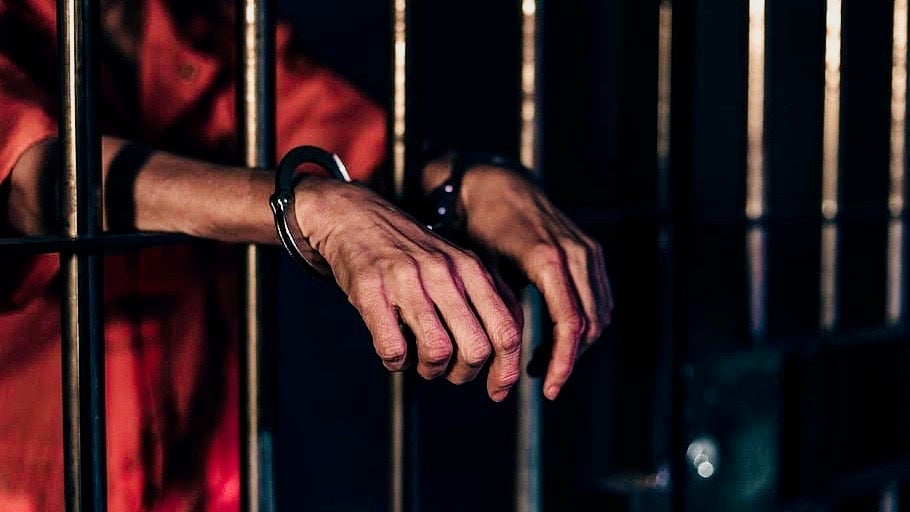
Palm Beach County‘s main jail overlooks the $44 million Trump International Golf Club in West Palm Beach, owned by US president Donald Trump. The jail has never been pleasant, despite its view of the greens, but it’s especially terrifying to be held in the heart of Trump country as the novel coronavirus spreads.

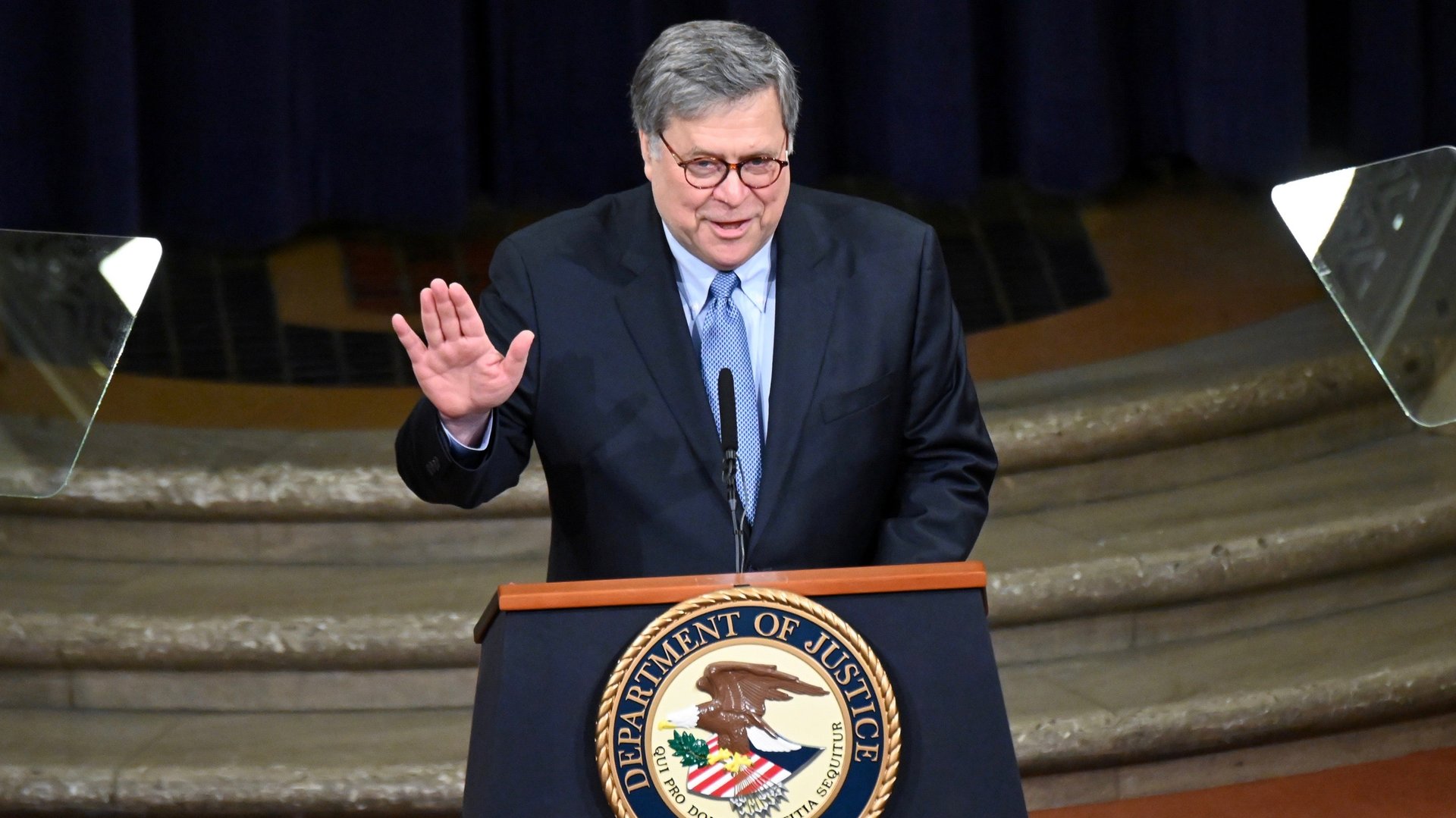
Amid all the other woes brought on by the coronavirus pandemic, there is also the problem of fraudsters trying to profit from people’s fear. The US Department of Justice (DOJ) is urging the American public to report schemes that seem suspicious and outlining steps you can take to protect yourself, many of which apply to internet users worldwide.

Food, water, and medicine are obvious essentials right now. We rely on these things to survive. Technically, however, we don’t need lots of the other stuff that was a given before the coronavirus pandemic made shut-ins of a huge chunk of the global population.

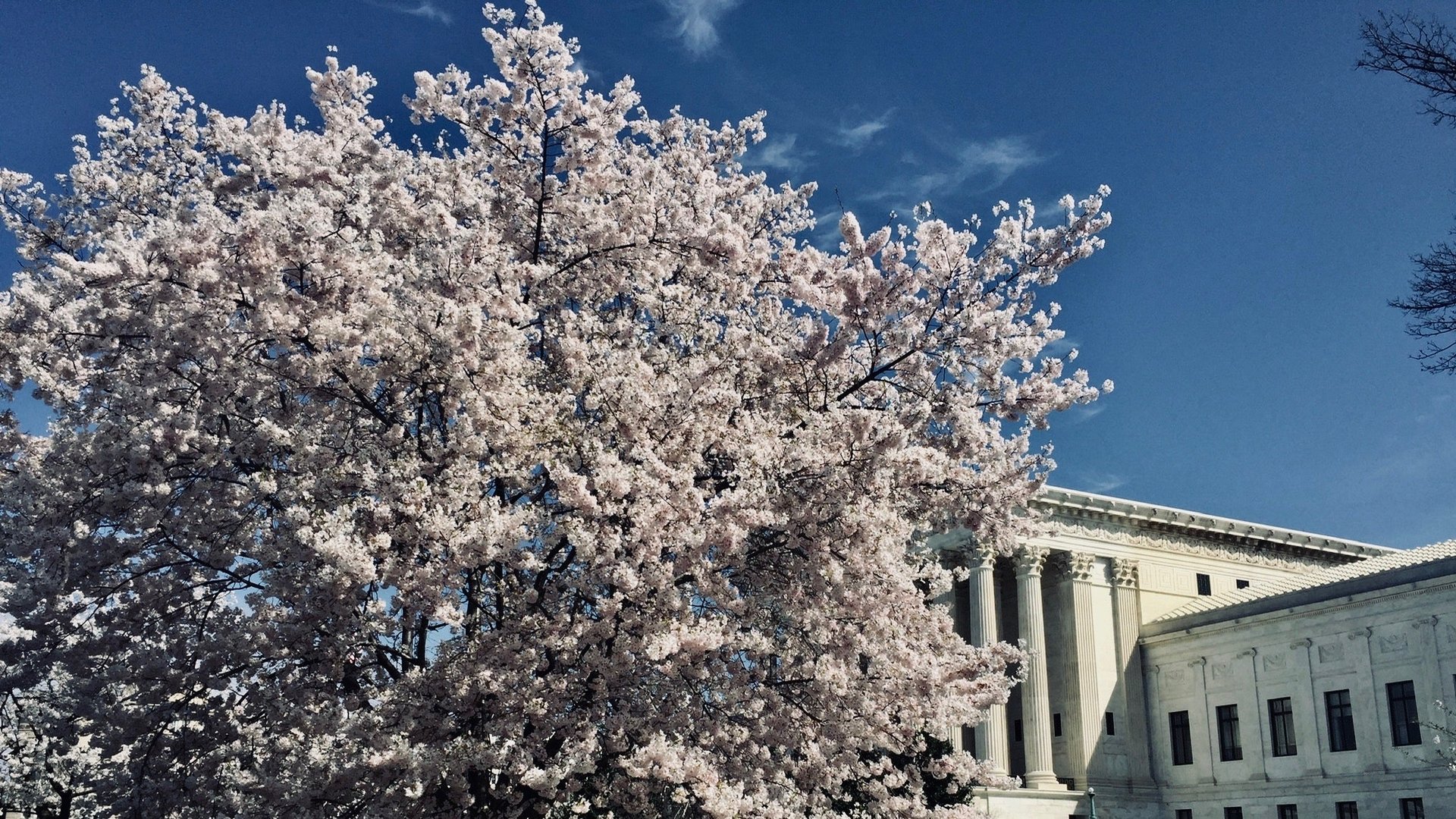
Since the eighth century, the Japanese have heralded spring’s start—marked by the unfurling petals of cherry blossoms, or sakura—with festivities under flowering trees. The blooms’ arrival serves as a symbol, teaching tool, and an excuse to party.

The spread of a global pandemic is changing the rules of human interaction and daily life worldwide. And rightly so. But in unusual times that call for irregular measures, some containment efforts are raising serious legal questions.