Last year was the worst for the US dollar since 2003. The greenback fell almost 10% against a basket of major trading partners, and analysts expected the decline to continue in 2018.

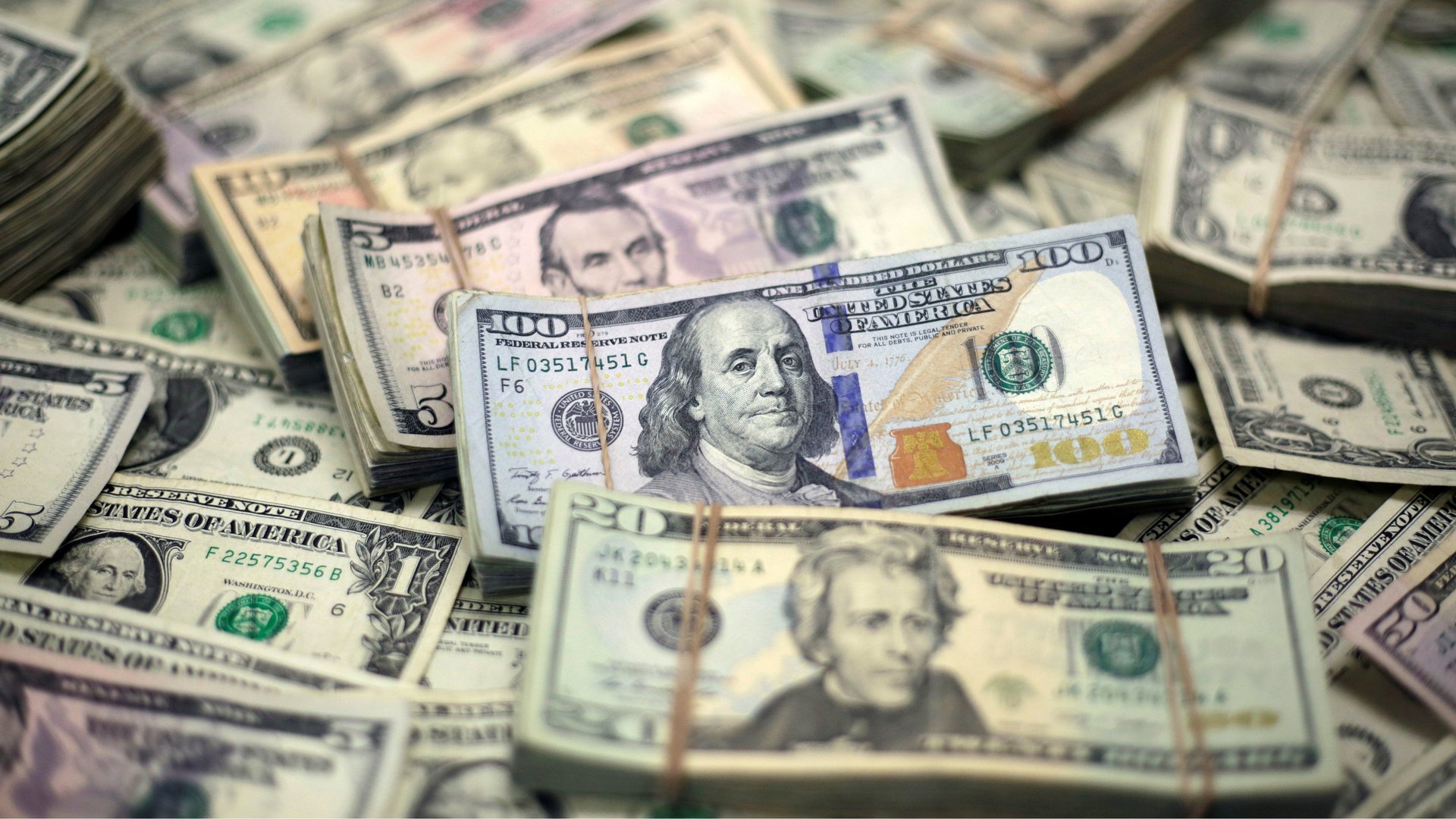
Last year was the worst for the US dollar since 2003. The greenback fell almost 10% against a basket of major trading partners, and analysts expected the decline to continue in 2018.

The biggest surprise in markets this year has been the US dollar. At the end of last year, many analysts expected the greenback to weaken in 2018. Instead, it’s gone from strength to strength, especially in the past few months, as US economic growth pulled ahead of other countries.

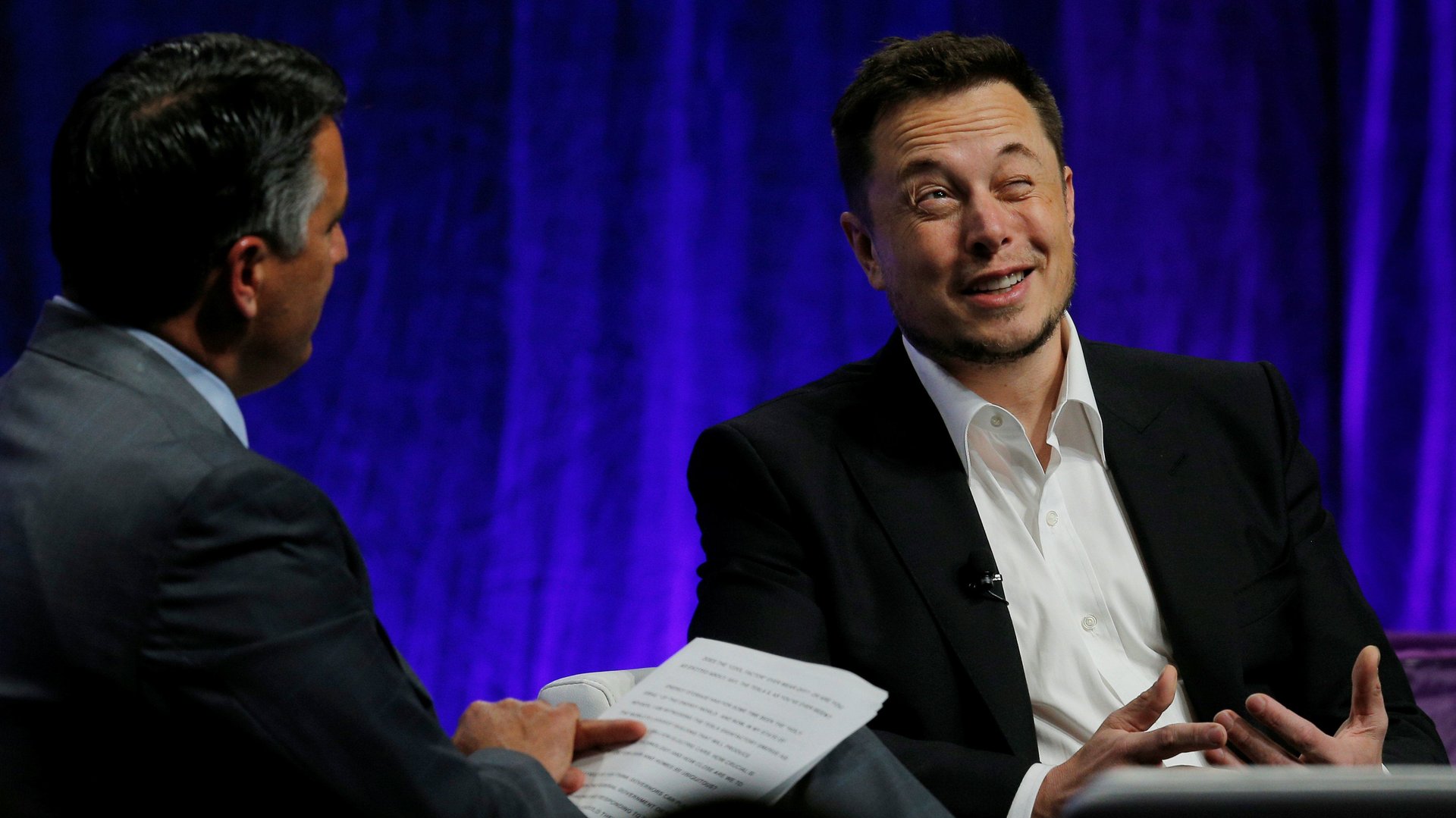
Nearly a week later, Elon Musk has revealed what exactly he meant when he said he had “funding secured” to take Tesla private at $420 per share. Faced with lawsuits from flummoxed shareholders, Musk said in a blog post that his apparent partner in the venture is the Saudi sovereign wealth fund.

Brits love gin. The tipple, favored by the Queen, has become so popular that last year the Office of National Statistics had to add it to the basket of goods used to calculate inflation. In the 12 months to March of this year, almost 55 million bottles of gin–worth £1.5 billion—were sold in the UK, a new record.

Boom! The US economy grew 4.1% in the second quarter of this year, the fastest pace of growth since late 2014. In the first quarter of 2018 growth was 2.2%, a bit stronger than initially estimated by the US commerce department.

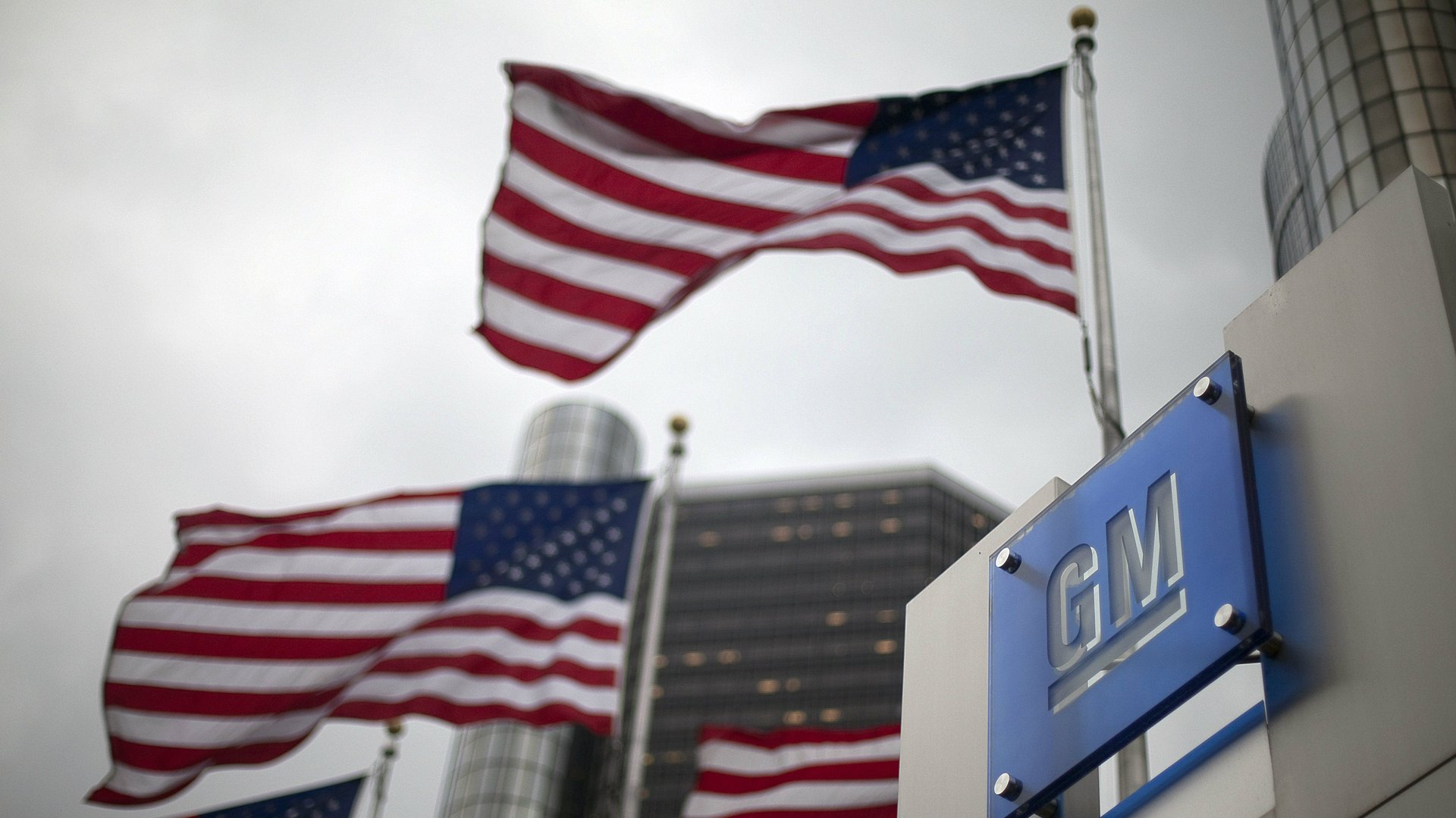
Donald Trump’s “America First” policies on trade have spooked investors in some of America’s most prominent manufacturers: the “Big Three” carmakers of GM, Ford, and Chrysler.

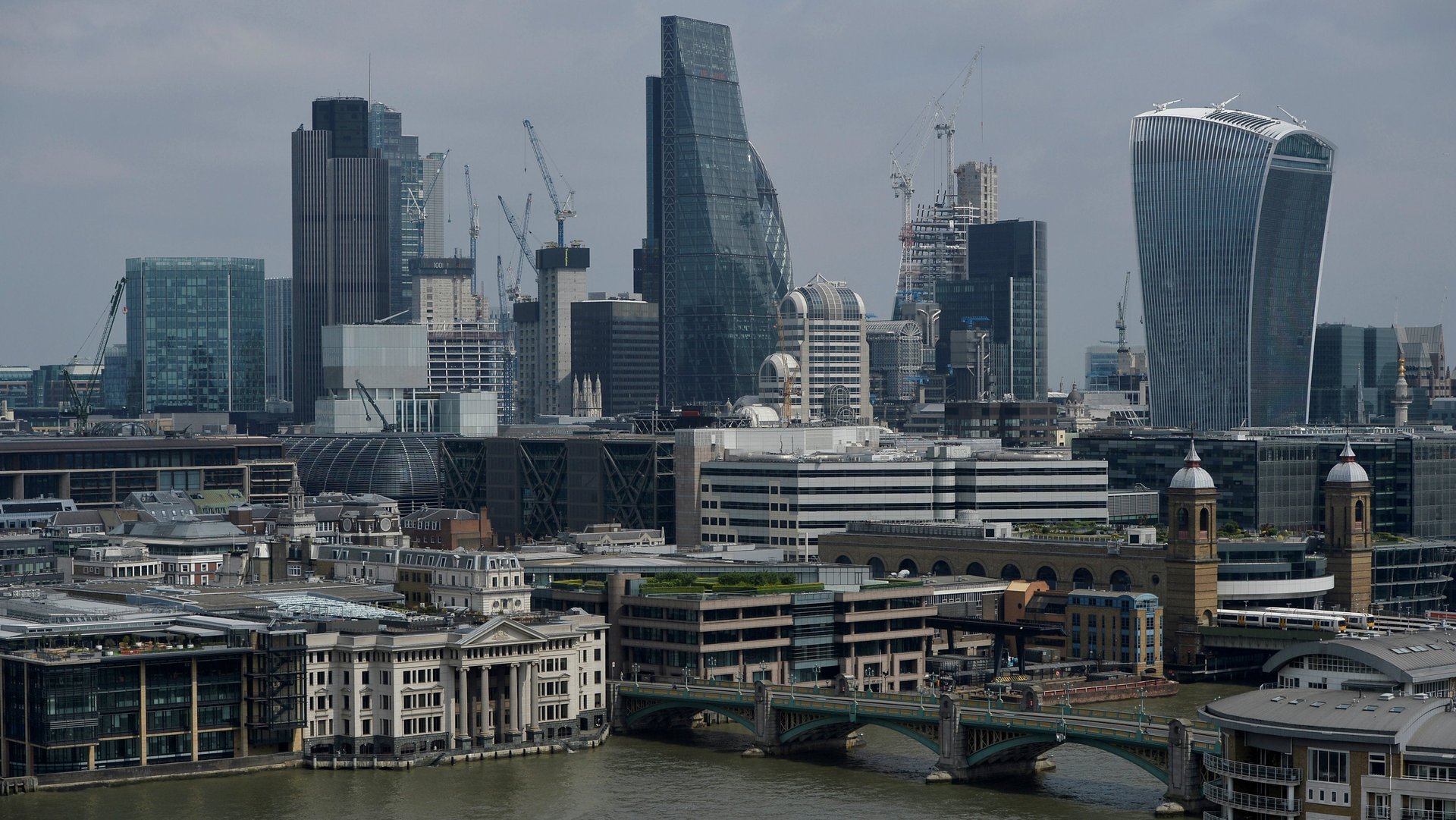
Anyone looking to get a foot onto the property ladder in London may have had a spring in their step lately. For the past four months, house prices in the British capital have been falling.

By the end of 2018, the inflation rate in Venezuela will surge to 1,000,000%—yes, 1 million percent—according to the International Monetary Fund.

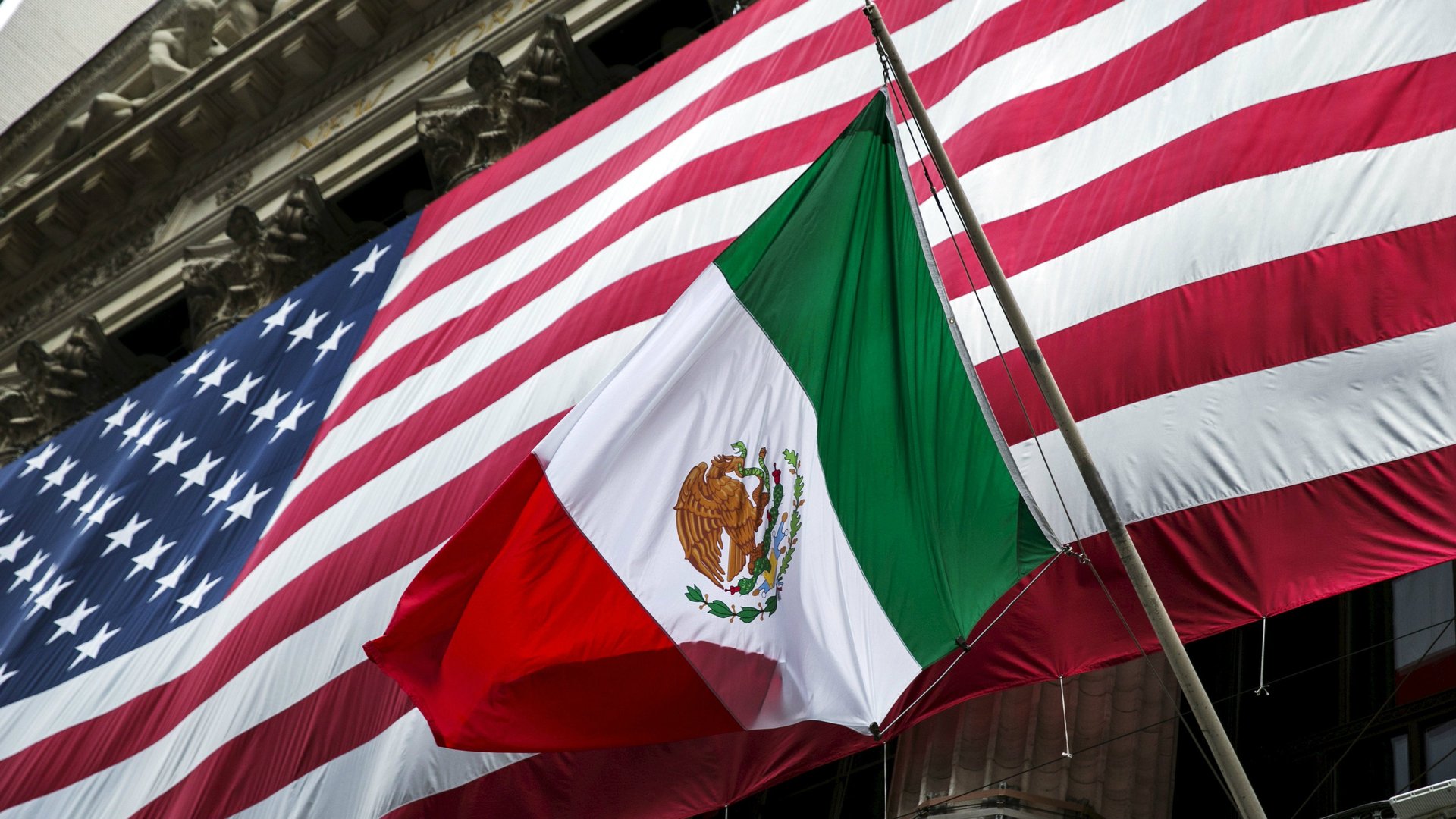
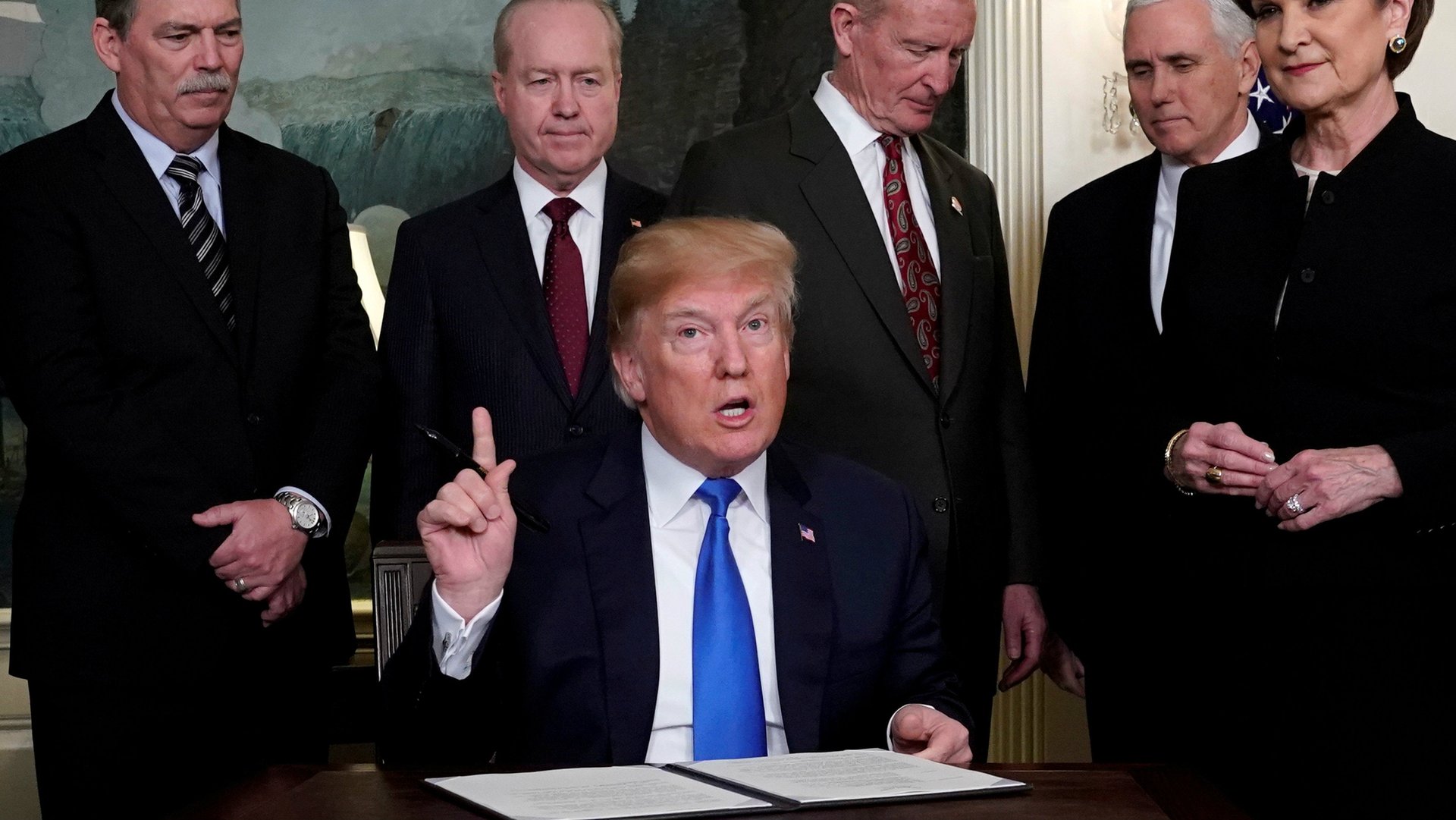
Whether or not the burgeoning trade war between the US and China—also featuring Europe, Mexico, and Canada—is hurting the “real” economy yet, the business world is worried. Shares in industrial companies and some entire stock markets, have shuddered. Instead of stepping back from the brink, Donald Trump recently threatened to impose tariffs on all of China’s exports to the US.

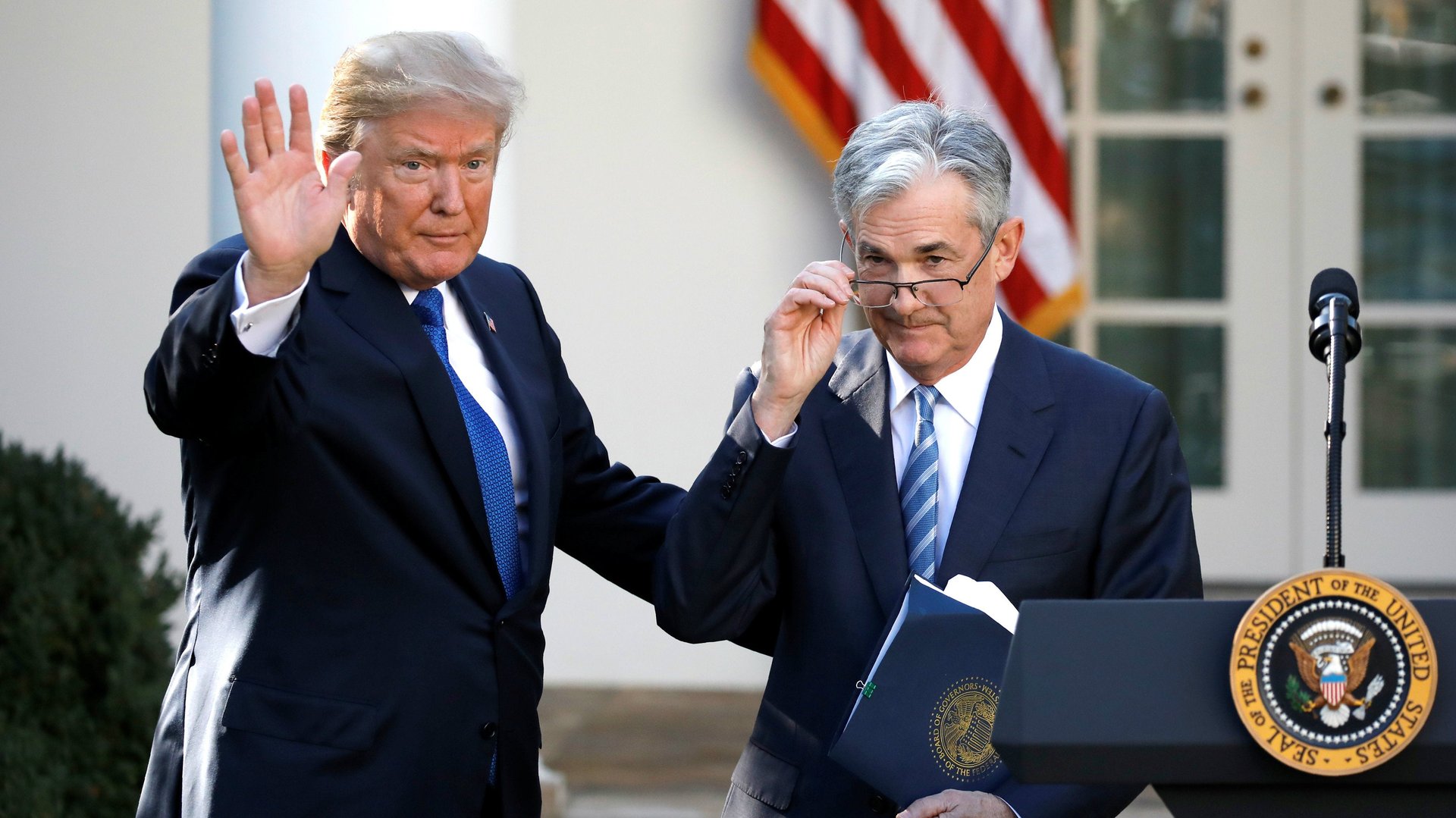
Imagine a president with a strong grasp over his political party, and an opposition that’s struggling to find its feet. He’s become an open critic of his country’s rising interest rates and questioned the judgment of the country’s central bank, which is supposed to be independent. He has a shaky view on whether a stronger or weaker currency is better for his country economically. Among the advisors in senior government roles giving him guidance is his son-in-law.

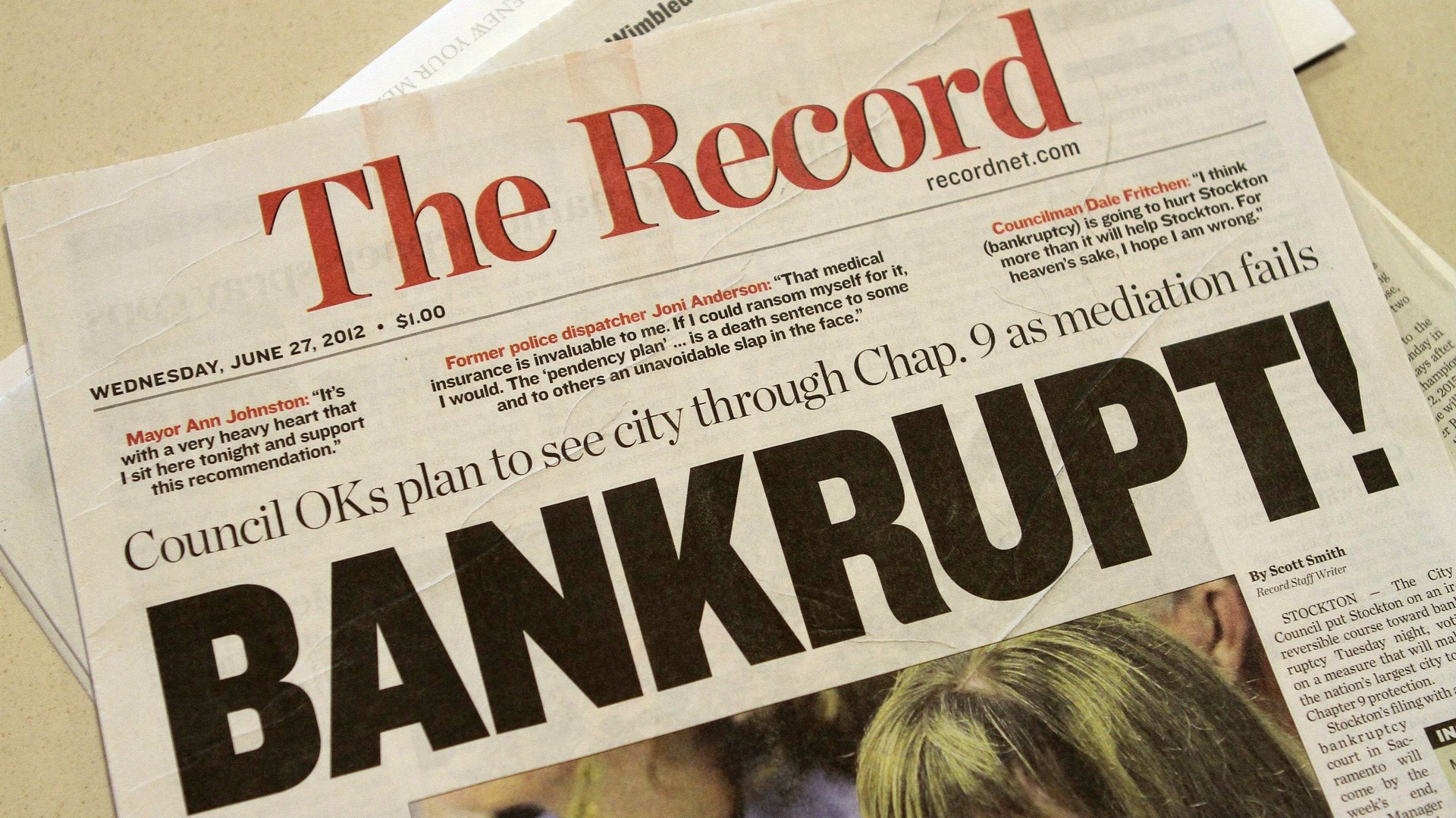
Over the past 10 years, hundreds of local newspapers in the US have shut down, merged, or ceased publishing daily. Some of the impact of this has is hard to quantify, such as the potential effects on local activism, democracy, and governance. Professors at the University of Notre Dame and the University of Illinois at Chicago have found a direct financial impact (pdf): local newspaper closures have led to a deterioration in the public finances of the cities where they were based.

Yesterday, Amazon’s market capitalization briefly surpassed $900 billion. The jump highlighted that Apple now has competition in the race to become the world’s first $1 trillion company.

In 2015, all 193 member states of the United Nations adopted 17 global goals to end poverty, protect the planet, reduce inequality, and generally improve the well-being of everyone in the world. Three years later, no country is yet on track to achieve all the Sustainable Development Goals (SDGs) by the target date of 2030.

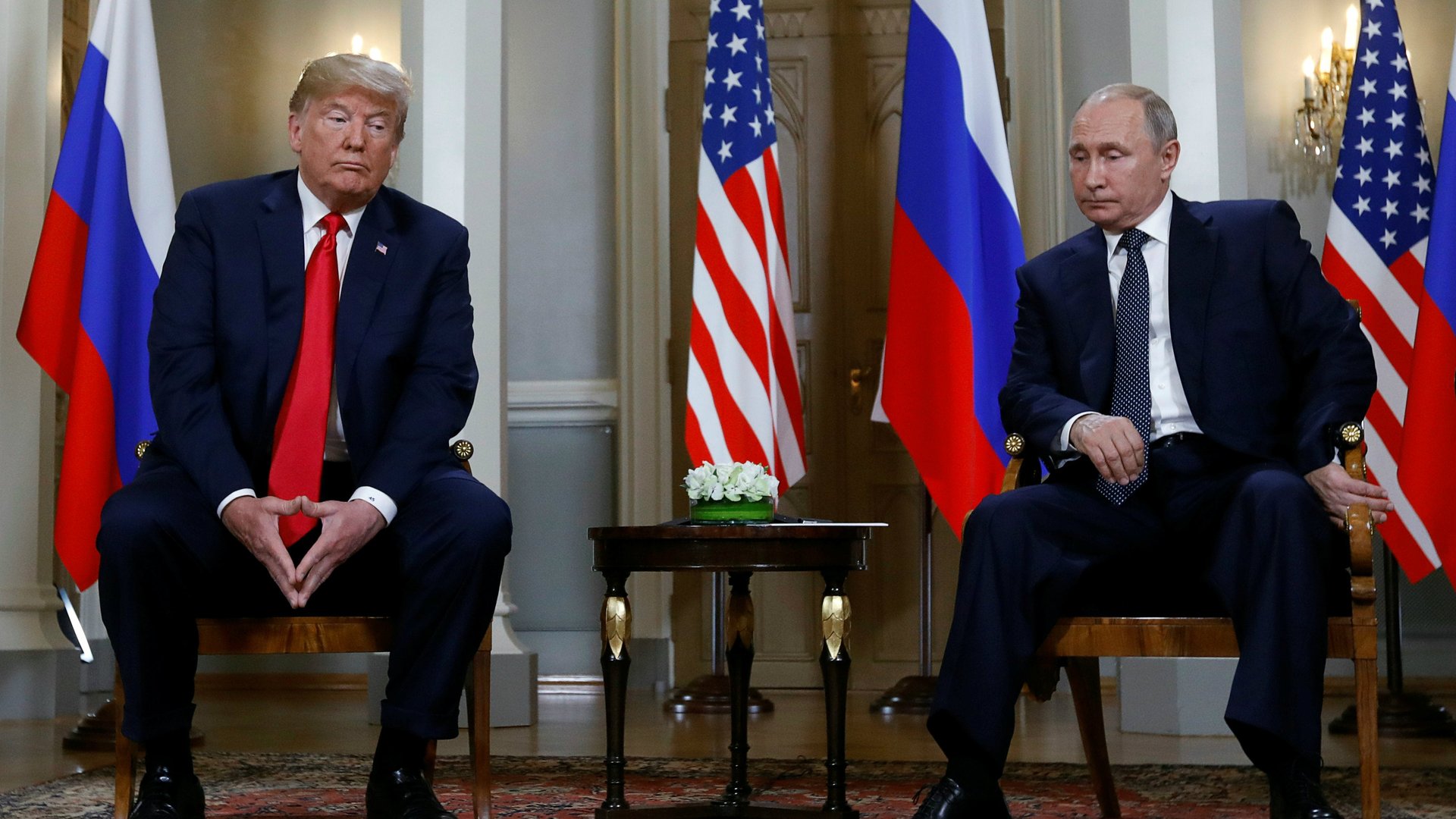
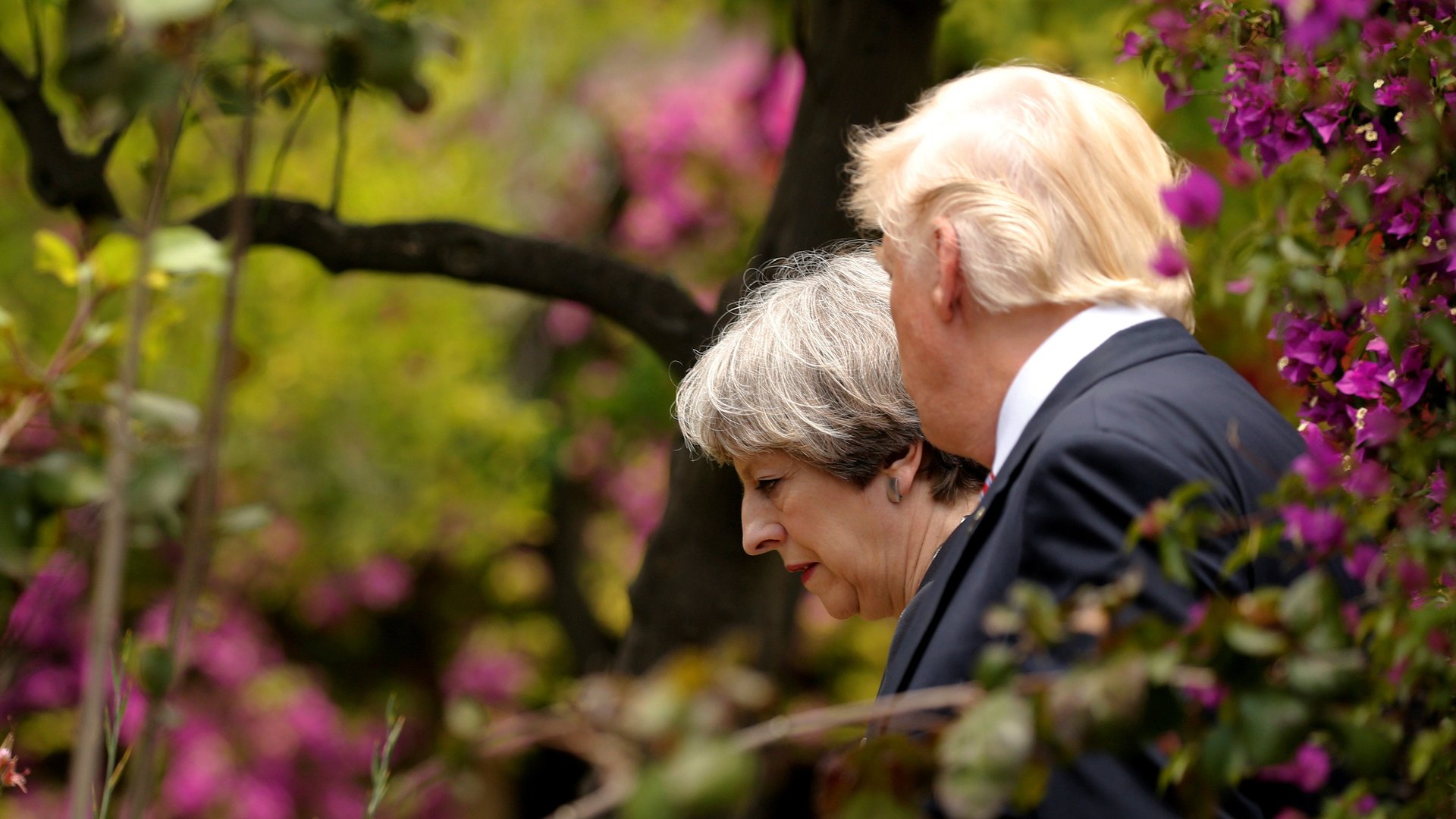
After several postponements and the scrapping of a state visit in favor of a “working” visit, Donald Trump will finally arrive in the UK this week.

Since the Conservative party took sole control of the British government in mid-2015, the pound has struggled to live up to its desired reputation as a strong and stable currency. Over the past three years, sterling has lurches from highs of $1.59 to lows of $1.20, a particularly wide range for one of the world’s most liquid currency pairs (the dollar-sterling trade is worth some $470 billion per day).

This year marks the 10th anniversary of the global financial crisis, bringing with it an inescapable reminder of the power of the finance industry. While many tangible things have changed over the past decade—from stricter regulation to big banks’ leadership ranks—more subtle, yet no less consequential, shifts are also underway in the financial world. It may be hard to imagine, thinking back to the freewheeling pre-crisis days, but one legacy of the crisis could be a permanent shift in the finance industry’s moral compass.

In June, the US unemployment rate unexpectedly rose to 4% from 3.8% the month before, coming off an 18-year low.

The UK’s Office for National Statistics is reinventing how it publishes the most important numbers about the British economy. From next week, the ONS will start publishing a monthly GDP figure in addition to the usual quarterly series.

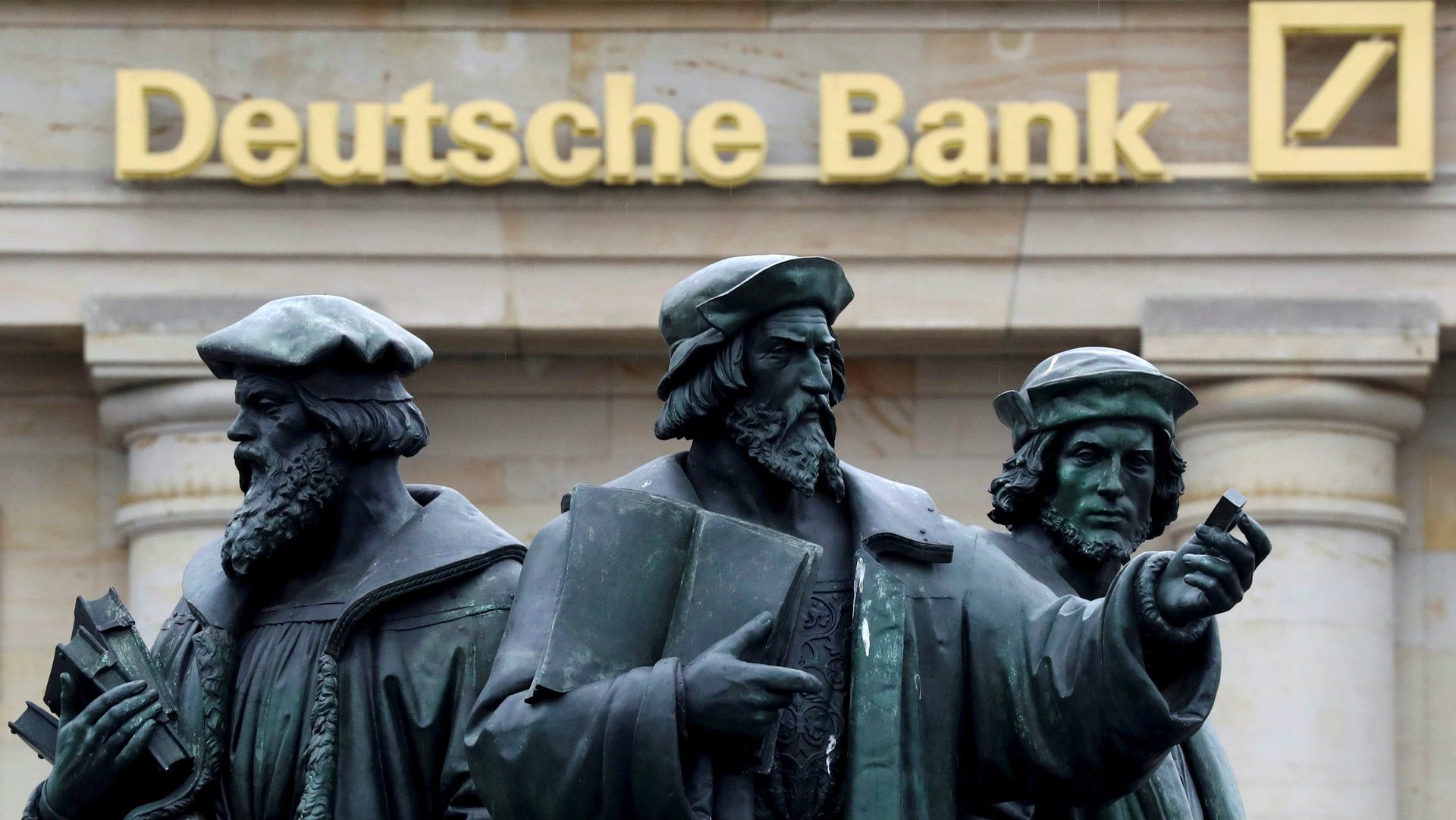
Deutsche Bank can’t catch a break.

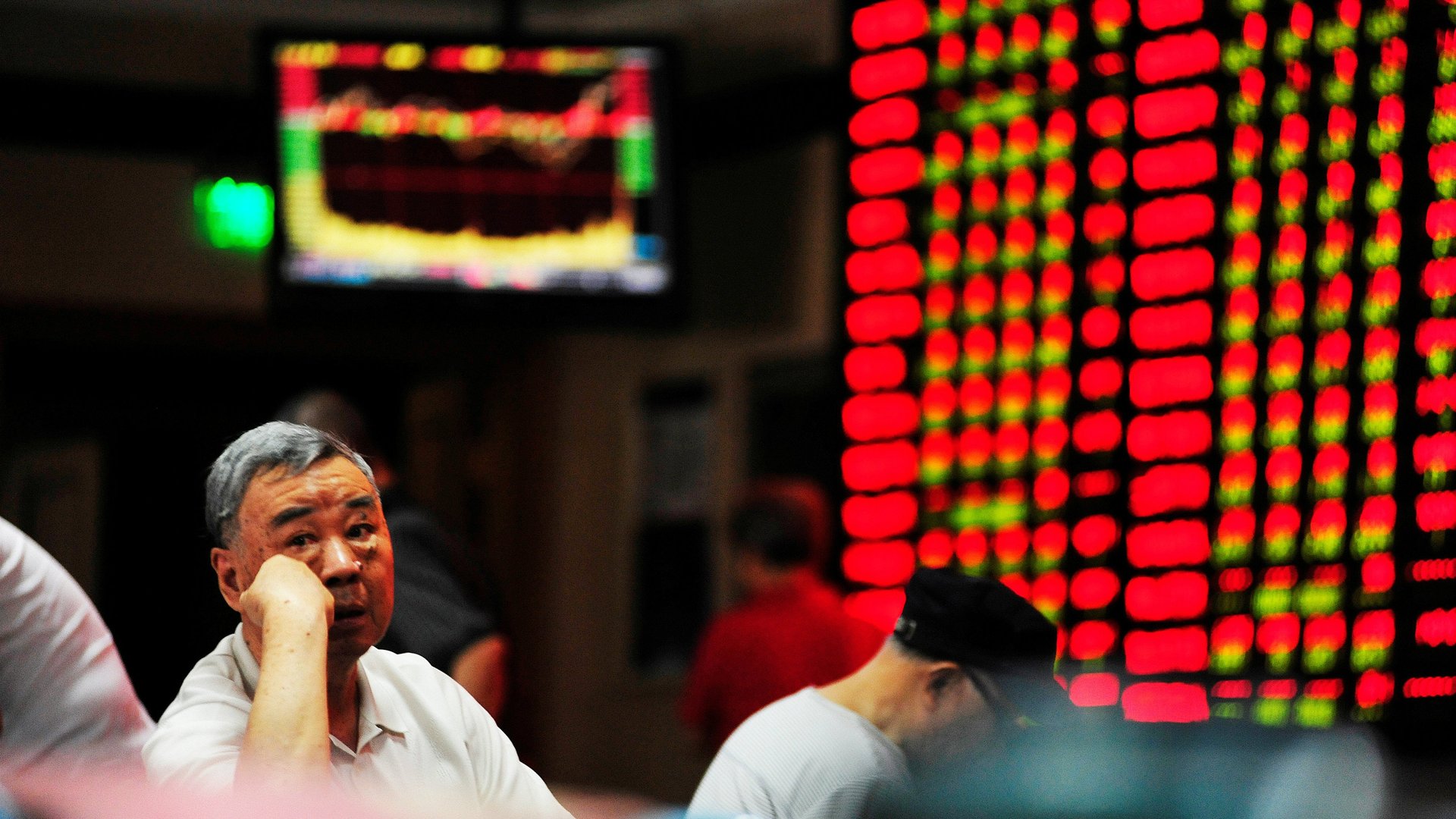
Donald Trump’s escalating trade war has managed to hit at least one of its intended victims—China. The nation’s stocks just suffered their worst month of losses since January 2016, when a bout of turmoil triggered a global market rout.

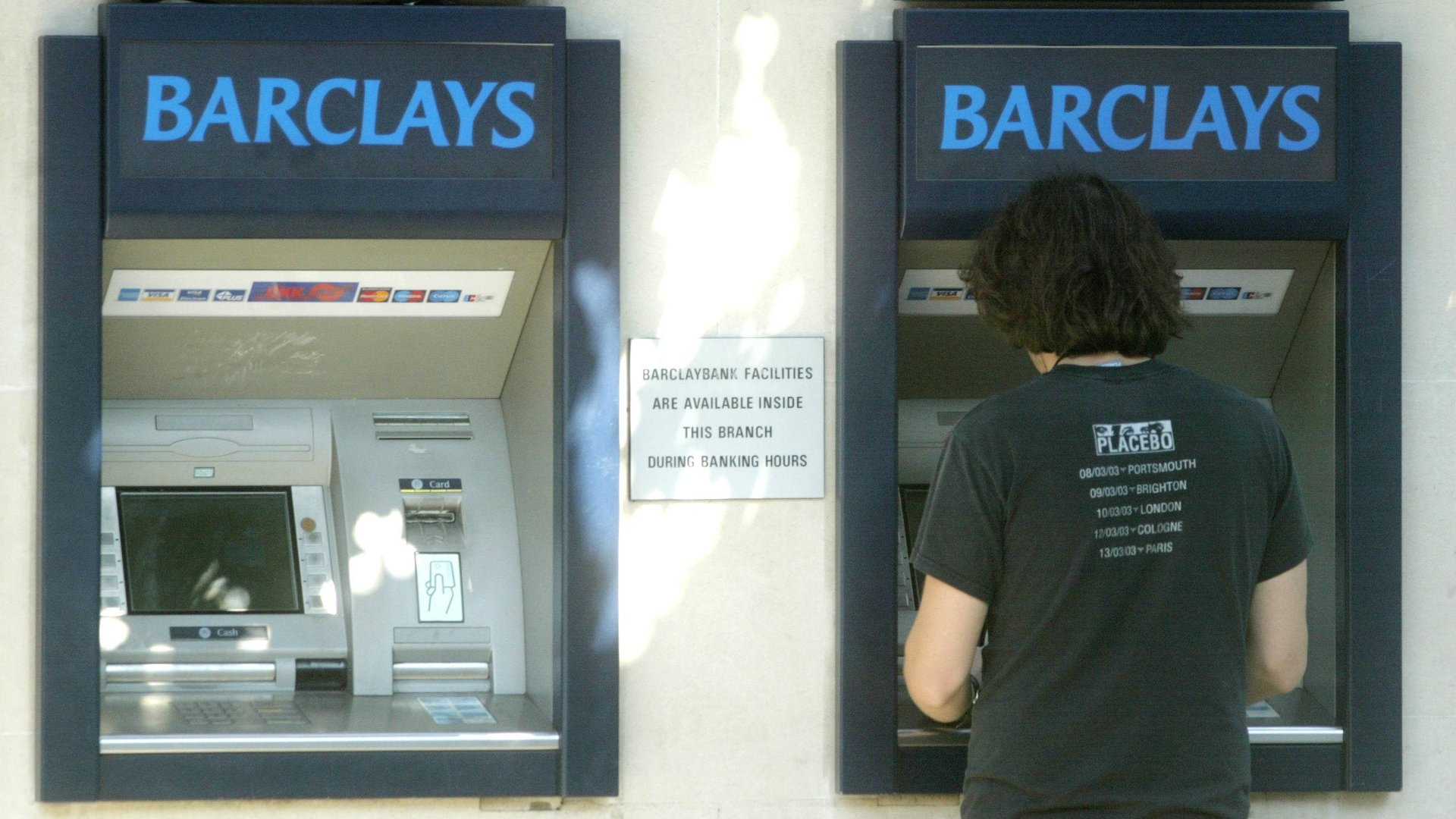
This week, in 1967, the world’s first ATM was installed. The cash machine was set up outside a branch of Barclays in Enfield, north London. Starting on June 27, 1967, people no longer had to rely on tellers at banks, which often closed in the mid-afternoon, to access their cash.

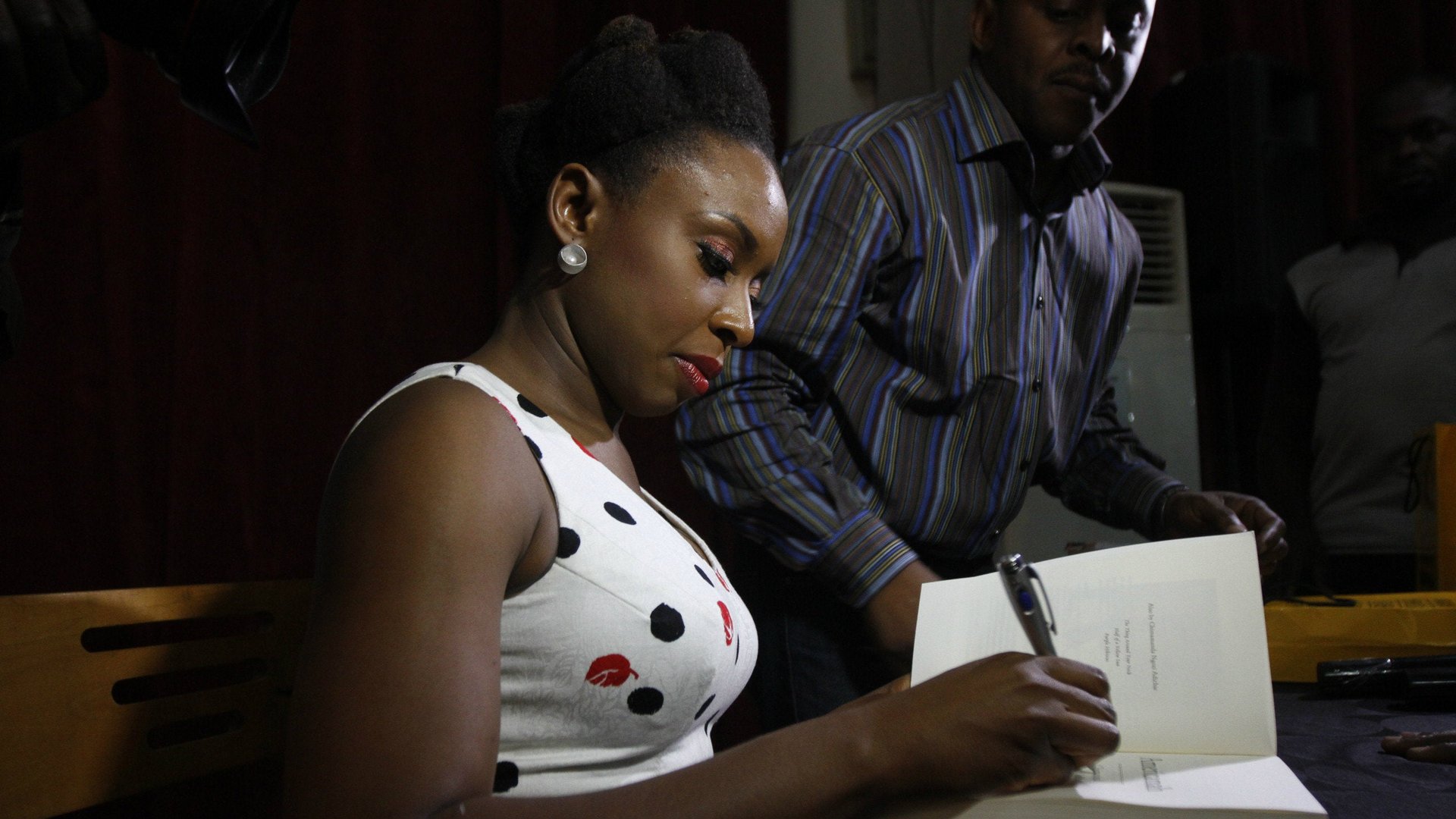
Nigerian author Chimamanda Ngozi Adichie has spent years speaking about feminism, inspiring activists for gender equality all over the world. Speaking on the sidelines of the Chatham House annual conference in London last week, she shared an important but overlooked aspect of being a successful activist: taking a break from the news and switching everything off.

Donald Trump’s “America First” trade policy is backfiring. The US president’s imposition of steel and aluminum tariffs on the European Union and other allies—pitched as a way to boost domestic manufacturing and protect local jobs—were swiftly met with retaliatory tariffs. The EU’s tariffs went into effect on Friday (June 22), following through on a threat to target Harley-Davidson motorcycles, Levi’s jeans, and bourbon.

Turkey’s long-standing leader is standing over a long decline of the nation’s currency. Since Recep Tayyip Erdogan first became prime minister in 2003, the lira has lost 65% of its value against the US dollar. As it looked increasingly likely that Erdogan would extend his time as president—a position he’s held since 2014—the lira has tumbled lower.